Back to Network












4
Shared Docs
4
Same-Page
4 / 4
Mentions
Document Mentions (4 shared documents)
2 mentions1 same-page
Page ?Same page
ons” (as Kant put it) presented to them. It is important that we keep it that way, which will take some doing. One of the flaws in Weizenbaum’s book Computer Power and Human Reason, something I tried in vain to convince him of in many hours of discussion, is that he could never decide which of two theses he wanted to defend: AJ
of art history in the Department of Architecture at MIT and author of Eyesight Alone: Clement Greenberg’s Modernism and the Bureaucratization of the Senses; Machine in the Studio: Constructing the Postwar American Artist; and The Global Work of Art. David Kaiser is Germeshausen Professor of the History
2 mentions1 same-page
Page ?Same page
e” software, hardware, and wetware; the Fair Access to Science and Technology Research Act (FASTR); and the Open Humans Foundation. In his 1976 book Computer Power and Human Reason, Joseph Weizenbaum argued that machines should not replace Homo in situations requiring respect, dignity, or care, while others (author Pamela McCord
of art history in the Department of Architecture at MIT and author of Eyesight Alone: Clement Greenberg’s Modernism and the Bureaucratization of the Senses; Machine in the Studio: Constructing the Postwar American Artist; and The Global Work of Art. Cybernated art is very important, but art for cybernat
2 mentions1 same-page
Page ?Same page
ons” (as Kant put it) presented to them. It is important that we keep it that way, which will take some doing. One of the flaws in Weizenbaum’s book Computer Power and Human Reason, something I tried in vain to convince him of in many hours of discussion, is that he could never decide which of two theses he wanted to defend: AJ
of art history in the Department of Architecture at MIT and author of Eyesight Alone: Clement Greenberg’s Modernism and the Bureaucratization of the Senses; Machine in the Studio: Constructing the Postwar American Artist; and The Global Work of Art. David Kaiser is Germeshausen Professor of the History
Sponsored
2 mentions1 same-page
Page ?Same page
e” software, hardware, and wetware; the Fair Access to Science and Technology Research Act (FASTR); and the Open Humans Foundation. In his 1976 book Computer Power and Human Reason, Joseph Weizenbaum argued that machines should not replace Homo in situations requiring respect, dignity, or care, while others (author Pamela McCord
of art history in the Department of Architecture at MIT and author of Eyesight Alone: Clement Greenberg’s Modernism and the Bureaucratization of the Senses; Machine in the Studio: Constructing the Postwar American Artist; and The Global Work of Art. Cybernated art is very important, but art for cybernat
Sponsored
Mutual Connections (688)
Entities connected to both Computer Power and Human Reason and Senses
Marc Rich
PERSON5 w/ Computer·5 w/ Senses
Harvey Weinstein
PERSON5 w/ Computer·5 w/ Senses
Earth
LOCATION5 w/ Computer·5 w/ Senses
LB
Leon Black
PERSON5 w/ Computer·4 w/ Senses
Marvin Minsky
PERSON5 w/ Computer·4 w/ Senses
Martha Stewart
PERSON5 w/ Computer·4 w/ Senses
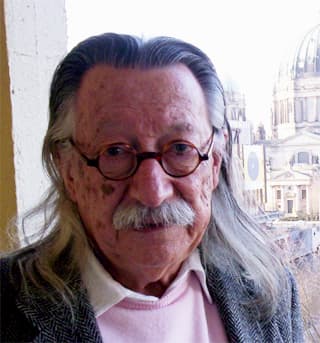
Joseph Weizenbaum
PERSON5 w/ Computer·4 w/ Senses
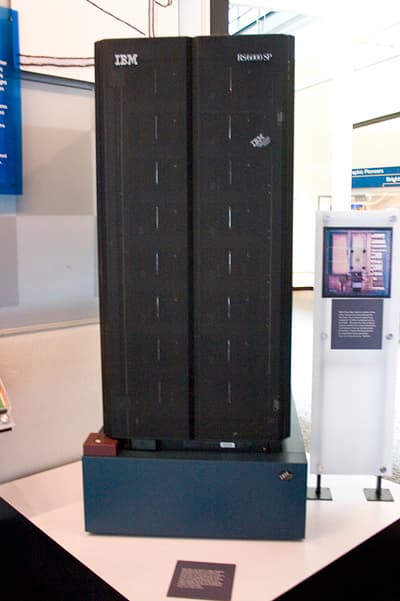
Deep Blue
PERSON5 w/ Computer·4 w/ Senses
Julie K. Brown
PERSON5 w/ Computer·4 w/ Senses
Robert Gates
PERSON5 w/ Computer·4 w/ Senses
Samantha Power
PERSON5 w/ Computer·4 w/ Senses
DB
Doug Band
PERSON5 w/ Computer·4 w/ Senses
Bill Gates
PERSON5 w/ Computer·4 w/ Senses
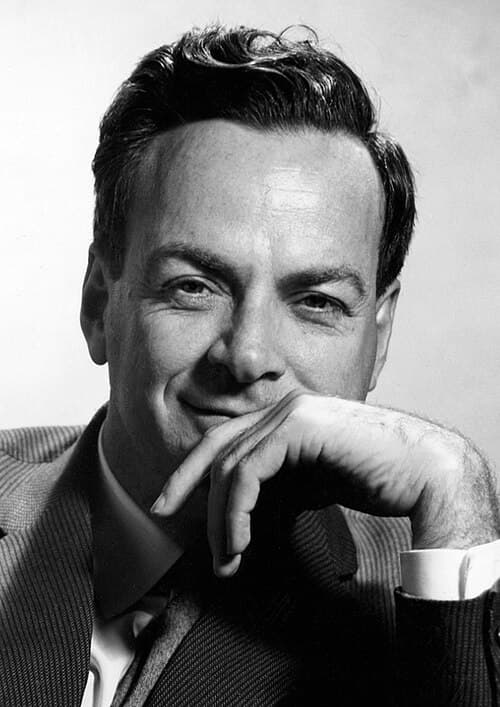
Richard Feynman
PERSON5 w/ Computer·4 w/ Senses
George W. Bush
PERSON5 w/ Computer·4 w/ Senses
Alan Dershowitz
PERSON5 w/ Computer·4 w/ Senses
Prince Andrew
PERSON5 w/ Computer·4 w/ Senses
Stephen Hawking
PERSON5 w/ Computer·4 w/ Senses
Feynman
PERSON5 w/ Computer·4 w/ Senses
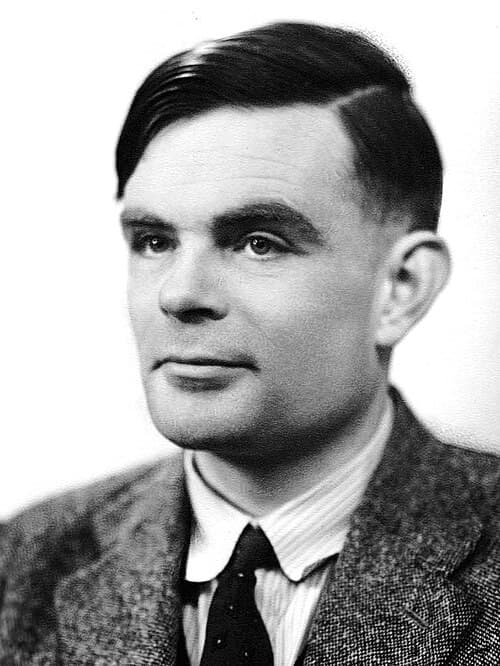
Turing
PERSON5 w/ Computer·4 w/ Senses