Back to People & Entities




Computer Power and Human Reason
Organization
5
Total Mentions
5
Documents
689
Connected Entities
Organization referenced in documents
Document Mentions (5)
reakthrough. So after developing his algorithms, he wanted to find an intuitive demonstration. He decided to build a 175 In 1965: Joseph Weizenbaum, Computer Power and Human Reason, W.H. Freeman and Company, 1976 p. 7 120 HOUSE_OVERSIGHT_018352 system that could, in a very limited sense, converse. The computer would take type
Brockman_DeepThinking.MS.pdf
1 mentionHOUSE_OVERSIGHT_016804_sub_001 - HOUSE_OVERSIGHT_016903
Source: House Oversight Committee
ons” (as Kant put it) presented to them. It is important that we keep it that way, which will take some doing. One of the flaws in Weizenbaum’s book Computer Power and Human Reason, something I tried in vain to convince him of in many hours of discussion, is that he could never decide which of two theses he wanted to defend: AJ
Brockman_DeepThinking.MS.pdf
1 mentionHOUSE_OVERSIGHT_016804_sub_002 - HOUSE_OVERSIGHT_016995
Source: House Oversight Committee
e” software, hardware, and wetware; the Fair Access to Science and Technology Research Act (FASTR); and the Open Humans Foundation. In his 1976 book Computer Power and Human Reason, Joseph Weizenbaum argued that machines should not replace Homo in situations requiring respect, dignity, or care, while others (author Pamela McCord
Sponsored
Brockman_DeepThinking.MS.pdf
1 mentionHOUSE_OVERSIGHT_016221_sub_001 - HOUSE_OVERSIGHT_016320
Source: House Oversight Committee
ons” (as Kant put it) presented to them. It is important that we keep it that way, which will take some doing. One of the flaws in Weizenbaum’s book Computer Power and Human Reason, something I tried in vain to convince him of in many hours of discussion, is that he could never decide which of two theses he wanted to defend: AJ
Brockman_DeepThinking.MS.pdf
1 mentionHOUSE_OVERSIGHT_016221_sub_002 - HOUSE_OVERSIGHT_016412
Source: House Oversight Committee
e” software, hardware, and wetware; the Fair Access to Science and Technology Research Act (FASTR); and the Open Humans Foundation. In his 1976 book Computer Power and Human Reason, Joseph Weizenbaum argued that machines should not replace Homo in situations requiring respect, dignity, or care, while others (author Pamela McCord
Sponsored
Connected Entities(20 of 689)
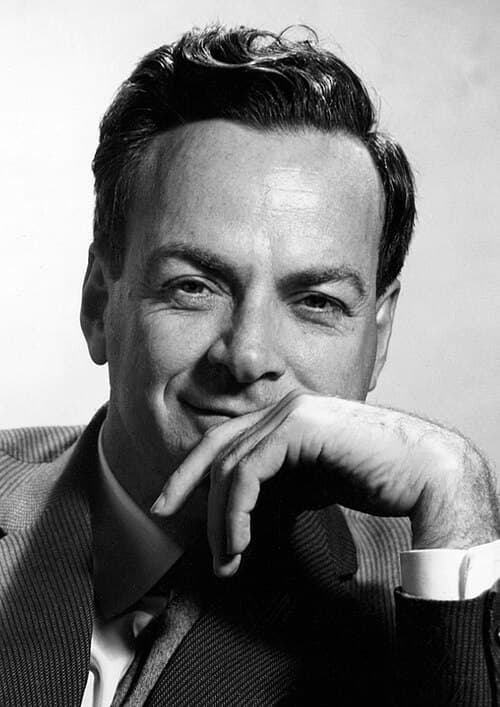
Richard Feynman
PersonAmerican theoretical physicist (1918–1988)
5 docs5 co-mentions
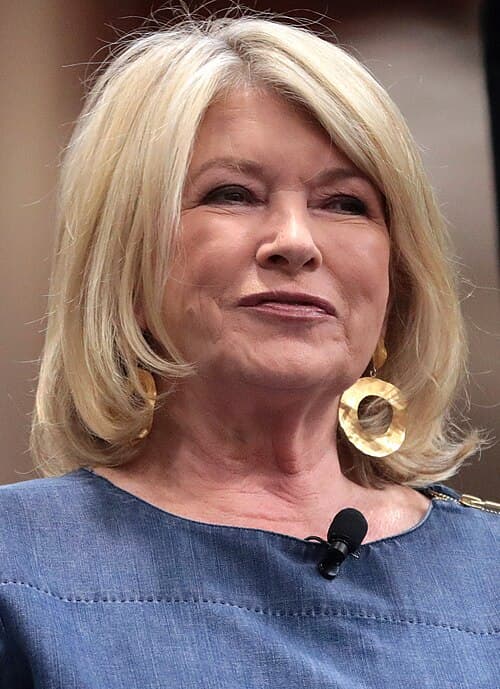
Martha Stewart
PersonAmerican businesswoman, writer, TV personality (born 1941)
5 docs5 co-mentions
DB
Doug Band
PersonAmerican presidential advisor
5 docs5 co-mentions
Deep Blue
PersonPerson referenced in documents
5 docs5 co-mentions
Prince Andrew
PersonThird child of Queen Elizabeth II and Prince Philip, Duke of Edinburgh (born 1960)
5 docs5 co-mentions
Robert Gates
PersonCIA director, U.S. Secretary of Defense, and university president
5 docs5 co-mentions
Turing
PersonEnglish computer scientist (1912–1954)
5 docs5 co-mentions
Marc Rich
PersonAmerican commodities trader (1934–2013)
5 docs5 co-mentions
LB
Leon Black
PersonAmerican billionaire businessman (born 1951)
5 docs5 co-mentions
Stephen Hawking
PersonBritish theoretical physicist, cosmologist and author (1942–2018)
5 docs5 co-mentions
Alan Dershowitz
PersonAmerican lawyer, author, and art collector (born 1938)
5 docs5 co-mentions
Feynman
PersonSurname reference in Epstein-related documents
5 docs5 co-mentions
George W. Bush
PersonPresident of the United States from 2001 to 2009
5 docs5 co-mentions
Bill Gates
PersonAmerican businessman, investor, and philanthropist (born 1955)
5 docs5 co-mentions
Joseph Weizenbaum
PersonGerman-American computer scientist (1923-2008)
5 docs5 co-mentions
Samantha Power
PersonIrish-American academic, author and diplomat
5 docs5 co-mentions
Julie K. Brown
PersonAmerican journalist
5 docs5 co-mentions
Earth
LocationThird planet from the Sun in the Solar System
5 docs5 co-mentions
Harvey Weinstein
PersonAmerican film producer and sex offender (born 1952)
5 docs5 co-mentions
Marvin Minsky
PersonAmerican cognitive scientist (1927-2016)
5 docs5 co-mentions