Back to Network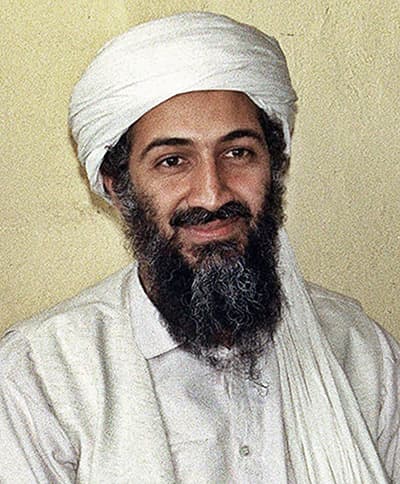


















5
Shared Docs
3
Same-Page
5 / 5
Mentions
Document Mentions (5 shared documents)
2 mentions1 same-page
Page ?Same page
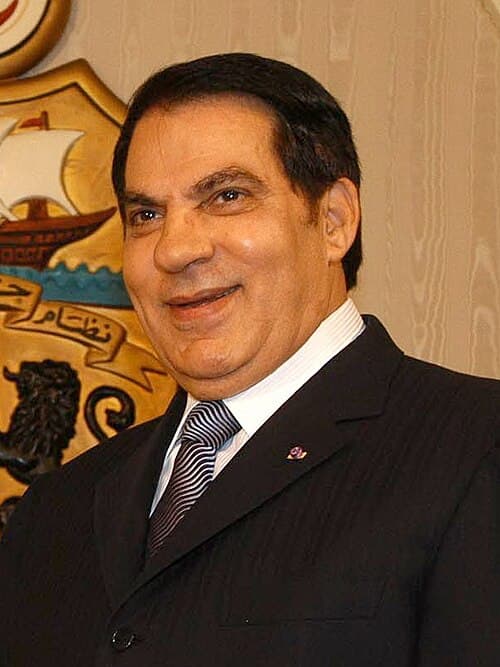
there was now the cult of the rulers, the unbounded power of Saddam Hussein and Muammar el-Qaddafi and Hafez al-Assad in Syria and Zine el-Abidine Ben Ali in Tunisia. The traditional restraints on power had been swept away, and no new social contract between ruler and ruled had emerged. Fear was now
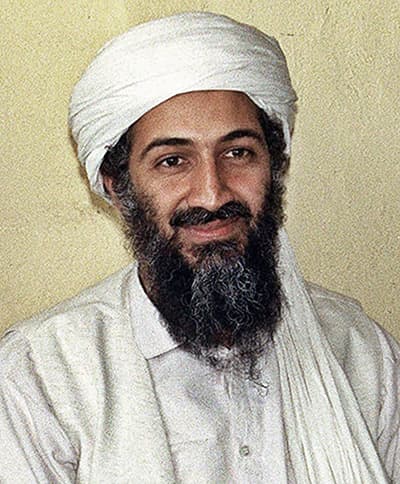
ange in the Middle East Kenneth M. Pollack February 27, 2011 -- On Feb. 11, 1979, Islamic revolutionaries took power in Tehran. On Sept. 11, 2001, Osama bin Laden and his Al Qaeda terrorists launched their attacks on New York and Washington, killing nearly 3,000 Americans. On Feb. 11, 2011, Hosni Mubarak res
2 mentions1 same-page
Page ?Same page
ab Spring still an appropriate moniker for describing the series of uprisings that started with the overthrow of Tunisian president Zine el Abidine Ben Ali and then spread eastward to engulf Libya, Egypt, Syria and Yemen? Or given how the region has evolved over the past couple of EFTA_R1_00441474 EF
at the administration seems to have underestimated the vitality and adaptability of the loose group of terrorist movements and cells. The death of Osama bin Laden was a significant victory, but the effective suppression of the central al Qaeda organization in Afghanistan and Pakistan was anything but a knocko
2 mentions1 same-page
Page ?Same page
there was now the cult of the rulers, the unbounded power of Saddam Hussein and Muammar el-Qaddafi and Hafez al-Assad in Syria and Zine el-Abidine Ben Ali in Tunisia. The traditional restraints on power had been swept away, and no new social contract between ruler and ruled had emerged. Fear was now
ange in the Middle East Kenneth M. Pollack February 27, 2011 -- On Feb. 11, 1979, Islamic revolutionaries took power in Tehran. On Sept. 11, 2001, Osama bin Laden and his Al Qaeda terrorists launched their attacks on New York and Washington, killing nearly 3,000 Americans. On Feb. 11, 2011, Hosni Mubarak res
Sponsored
Page HOUSE_OVERSIGHT_018087
nder of the defeat of jihadi ideology in an Arab world being transformed by people power. Another variable has been the response: French support for Ben Ali was embarrassing; the US was praising Mubarak days before he departed. Muammar Gaddafi had no friends - and the Arab League was crucial in providing
Page: HOUSE_OVERSIGHT_018087 →Page HOUSE_OVERSIGHT_018094
r. Osama bin Laden, its charismatic founder, is dead, and after some internal debate his No. 2 man, Zawahiri, has taken control. For nearly a decade, bin Laden pushed his followers to come up with a second act to 9/11, but they were unable to match the appalling brilliance of that attack. Now it is up to Zaw
Page: HOUSE_OVERSIGHT_018094 →Page ?
gether. To be sure, Egypt's Mubarak and Tunisia's Ben Ali neither ran police states on the terrifying scale
Page HOUSE_OVERSIGHT_032189
s gun-shy about using ground troops to kill Osama bin Laden, arguing that Obama should opt for an airstrike i
Page: HOUSE_OVERSIGHT_032189 →Sponsored
Mutual Connections (196)
Entities connected to both Ben Ali and Osama bin Laden
Bin Laden
PERSON3 w/ Ben·104 w/ Osama
Barack Obama
PERSON19 w/ Ben·88 w/ Osama
Bill Clinton
PERSON11 w/ Ben·84 w/ Osama
United States
LOCATION10 w/ Ben·82 w/ Osama
George W. Bush
PERSON14 w/ Ben·76 w/ Osama
Bashar al-Assad
PERSON20 w/ Ben·52 w/ Osama
Marc Rich
PERSON9 w/ Ben·54 w/ Osama
Benjamin Netanyahu
PERSON10 w/ Ben·52 w/ Osama
Tehran
LOCATION12 w/ Ben·49 w/ Osama
Hosni Mubarak
PERSON20 w/ Ben·38 w/ Osama
Yemen
LOCATION16 w/ Ben·41 w/ Osama
Jeffrey Epstein
PERSON3 w/ Ben·54 w/ Osama
Donald Trump
PERSON2 w/ Ben·54 w/ Osama
Department of Justice
ORGANIZATION2 w/ Ben·54 w/ Osama
Lebanon
LOCATION13 w/ Ben·42 w/ Osama
al-Qaeda
ORGANIZATION9 w/ Ben·45 w/ Osama
Saddam Hussein
PERSON12 w/ Ben·40 w/ Osama
Tunisia
LOCATION20 w/ Ben·31 w/ Osama
Cairo
LOCATION12 w/ Ben·39 w/ Osama
Hillary Clinton
PERSON8 w/ Ben·42 w/ Osama