Back to Network










7
Shared Docs
7
Same-Page
7 / 7
Mentions
Document Mentions (7 shared documents)
2 mentions1 same-page
Page ?Same page
e, one of the reasons behind 6(e) is to protect the reputations of persons who are under investigation but not indicted. This is a corollary to what the Court of Appeals found to be a due process protection afforded by the Fifth Amendment of the United States Constitution — namely, "that the liberty and property con
so repeatedly reminded Mr. Cassell of the Justice Department's policy not to comment on the guilt or innocence of an unconvicted person. The ABA's Model Rule of Professional Conduct on the Special Responsibilities of a Prosecutor contains similar guidance. For example, there has been no civil or criminal finding by any judge or
2 mentions1 same-page
Page ?Same page
e, one of the reasons behind 6(e) is to protect the reputations of persons who are under investigation but not indicted. This is a corollary to what the Court of Appeals found to be a due process protection afforded by the Fifth Amendment of the United States Constitution — namely, "that the liberty and property con
ge and Justice Department official, of the Justice Department's policy not to comment on the guilt or innocence of an unconvicted person. The ABA's Model Rule of Professional Conduct on the Special Responsibilities of a Prosecutor contains similar guidance. For example, there has been no civil or criminal finding by any judge or
2 mentions1 same-page
Page ?Same page
e, one of the reasons behind 6(e) is to protect the reputations of persons who are under investigation but not indicted. This is a corollary to what the Court of Appeals found to be a due process protection afforded by the Fifth Amendment of the United States Constitution — namely, "that the liberty and property con
so repeatedly reminded Mr. Cassell of the Justice Department's policy not to comment on the guilt or innocence of an unconvicted person. The ABA's Model Rule of Professional Conduct on the Special Responsibilities of a Prosecutor contains similar guidance. For example, there has been no civil or criminal finding by any judge or
Sponsored
2 mentions1 same-page
Page ?Same page
e, one of the reasons behind 6(e) is to protect the reputations of persons who arc under investigation but not indicted. This is a corollary to what the Court of Appeals found to be a due process protection afforded by the Fifth Amendment of the United States Constitution — namely, "that the liberty and property con
lso repeatedly reminded Mr. Cassell of the Justice Department's policy not to comment on the guilt or innocence of an unconvicted person. The ABA's Model Rule of Professional Conduct on the Special Responsibilities of a Prosecutor contains similar guidance. For example, there has been no civil or criminal finding by any judge or
2 mentions1 same-page
Page ?Same page
e, one of the reasons behind 6(e) is to protect the reputations of persons who are under investigation but not indicted. This is a corollary to what the Court of Appeals found to be a due process protection afforded by the Fifth Amendment of the United States Constitution — namely, "that the liberty and property con
lso repeatedly reminded Mr. Cassell of the Justice Department's policy not to comment on the guilt or innocence of an unconvicted person. The ABA's Model Rule of Professional Conduct on the Special Responsibilities of a Prosecutor contains similar guidance. For example, there has been no civil or criminal finding by any judge or
2 mentions1 same-page
Page ?Same page
e, one of the reasons behind 6(e) is to protect the reputations of persons who are under investigation but not indicted. This is a corollary to what the Court of Appeals found to be a due process protection afforded by the Fifth Amendment of the United States Constitution — namely, "that the liberty and property con
lso repeatedly reminded Mr. Cassell of the Justice Department's policy not to comment on the guilt or innocence of an unconvicted person. The ABA's Model Rule of Professional Conduct on the SpecialResponsibilities of a Prosecutor contains similar guidance. For example, there has been no civil or criminal fording by any judge or j
Sponsored
2 mentions1 same-page
Page ?Same page
e, one of the reasons behind 6(e) is to protect the reputations of persons who are under investigation but not indicted. This is a corollary to what the Court of Appeals found to be a due process protection afforded by the Fifth Amendment of the United States Constitution — namely, "that the liberty and property con
lso repeatedly reminded Mr. Cassell of the Justice Department's policy not to comment on the guilt or innocence of an unconvicted person. The ABA's Model Rule of Professional Conduct on the SpecialResponsibilities of a Prosecutor contains similar guidance. For example, there has been no civil or criminal fording by any judge or j
Sponsored
Mutual Connections (111)
Entities connected to both the Court of Appeals and Model Rule of Professional Conduct
Jeffrey Epstein
PERSON61 w/ the·7 w/ Model
JD
Jane Doe
PERSON42 w/ the·7 w/ Model
United States
LOCATION37 w/ the·7 w/ Model
Kenneth Marra
PERSON35 w/ the·7 w/ Model
Department of Justice
ORGANIZATION31 w/ the·7 w/ Model
Bradley Edwards
PERSON30 w/ the·6 w/ Model
George W. Bush
PERSON30 w/ the·4 w/ Model
Scarlett Johansson
PERSON22 w/ the·7 w/ Model
Paul Cassell
PERSON21 w/ the·7 w/ Model
the Eleventh Circuit
ORGANIZATION24 w/ the·3 w/ Model
Southern District of New York
ORGANIZATION17 w/ the·7 w/ Model
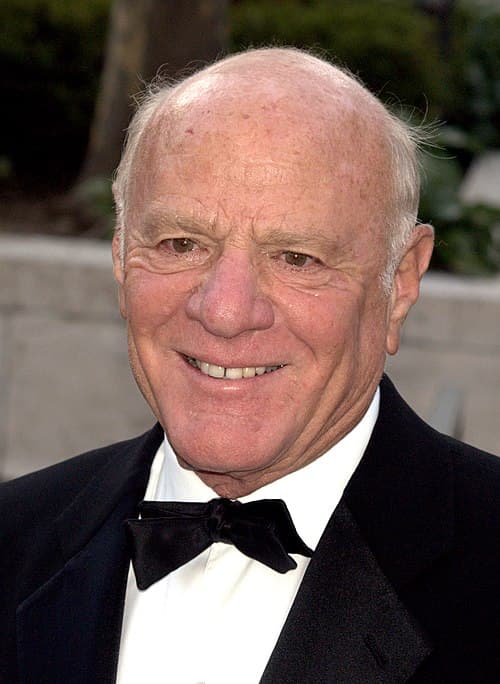
Barry Diller
PERSON16 w/ the·7 w/ Model
Anderson
PERSON15 w/ the·7 w/ Model
North
LOCATION14 w/ the·7 w/ Model
Dow Jones & Co.
ORGANIZATION14 w/ the·7 w/ Model
the University of Utah
ORGANIZATION14 w/ the·6 w/ Model
JE
James Eisenberg
PERSON13 w/ the·7 w/ Model
the District Court Clerk's Office
ORGANIZATION13 w/ the·7 w/ Model
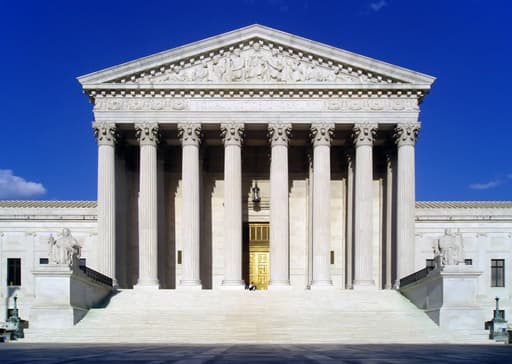
Supreme Court
ORGANIZATION16 w/ the·3 w/ Model
West Palm Beach
LOCATION12 w/ the·7 w/ Model