Back to Network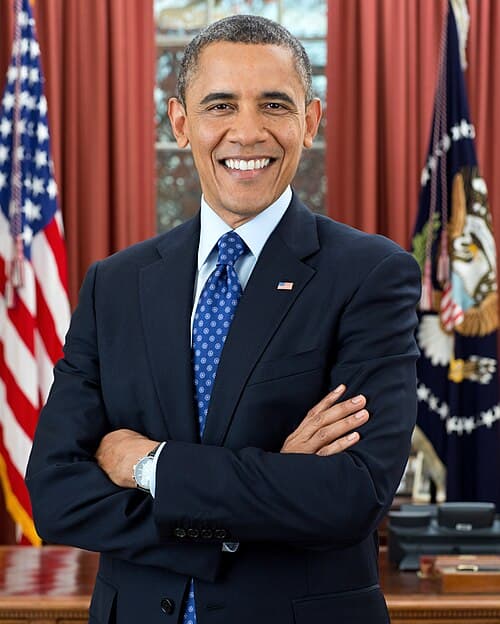





3
Shared Docs
2
Same-Page
7 / 3
Mentions
Document Mentions (3 shared documents)
5 mentions1 same-page
Page HOUSE_OVERSIGHT_031913
aim to Fame Michael Tomasky Article 2. Stratfor Israeli-Arab Crisis Approaching George Friedman Article 3 The Financial Times Why Assad need not fear Gaddafi's fate Ed Husain Article 4. The Christian Science Monitor Libya endgame: Lessons for Syria's protesters Bilal Y. Saab Article 5 Foreign Policy Assad'
Page: HOUSE_OVERSIGHT_031913 →Page HOUSE_OVERSIGHT_031918
ed the existence of Muslim states, like the Arab monarchies, it is now itself threatened. Mubarak, Syrian President Bashar al Assad and Libyan leader Moammar Gadhafi all represented the old Pan-Arab vision. A much better way to understand the "Arab Spring" is that it represented the decay of such regimes that were
Page: HOUSE_OVERSIGHT_031918 →Page HOUSE_OVERSIGHT_031926Same page
as when politicians such as Ahmed Chalabi misled the US about realities in Iraq. In truth, Mr Assad's regime is much less likely to fall than that of Muammer Gaddafi: there have been no high-profile political or military defections, while Mr Assad remains relatively popular among senior military commanders, Syrian
Page: HOUSE_OVERSIGHT_031926 →pposition activists in meetings at the White House and US state department. Yet such movements have led us astray before, as when politicians such as Ahmed Chalabi misled the US about realities in Iraq. In truth, Mr Assad's regime is much less likely to fall than that of Muammer Gaddafi: there have been no high-
Page: HOUSE_OVERSIGHT_031926 →2 mentions1 same-page
Page ?Same page
s and, on present evidence, a bloody stalemate that further destabilizes the region. It's distasteful to contemplate dialogue with leaders such as Gaddafi and Assad who, to put it bluntly, have blood on their hands. But this approach is worth exploring if it can foster a transition to a democratic go
hereas most Islamist exiles were confined to places like Iran and Syria), seemed not to understand how democracy works: people like Iyad Allawi and Ahmed Chalabi had an air of entitlement, assuming that people would vote for them merely because they were modern, progressive and famous. They didn't bother to
Page HOUSE_OVERSIGHT_030158
ians and, on present evidence, a bloody stalemate that further destabilizes the region. It's distasteful to contemplate dialogue with leaders such as Gaddafi and Assad who, to put it bluntly, have blood on their hands. But this approach is worth exploring if it can foster a transition to a democratic gover
Page: HOUSE_OVERSIGHT_030158 →and Syria. In both cases, the insurgents are seen in the West as the "good guys," battling corrupt, autocratic leaders. Personally, I wish that both Moammar Gaddafi and Bashar al-Assad would give up power tomorrow. But that doesn't seem in the cards: Both leaders have shown they're willing to kill thousands of th
Page: HOUSE_OVERSIGHT_030158 →Page HOUSE_OVERSIGHT_030184
(whereas most Islamist exiles were confined to places like Iran and Syria), seemed not to understand how democracy works: people like Iyad Allawi and Ahmed Chalabi had an air of entitlement, assuming that people would vote for them merely because they were modern, progressive and famous. They didn't bother to cr
Page: HOUSE_OVERSIGHT_030184 →Sponsored
Mutual Connections (67)
Entities connected to both Muammar Gaddafi and Ahmed Chalabi
Barack Obama
PERSON54 w/ Muammar·3 w/ Ahmed
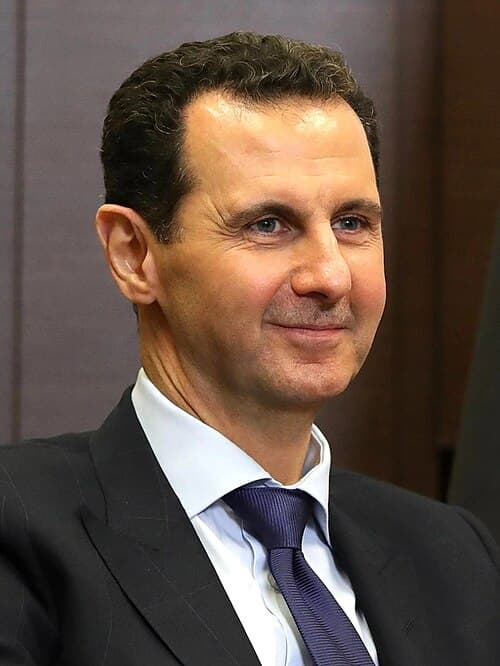
Bashar al-Assad
PERSON46 w/ Muammar·3 w/ Ahmed
United States
LOCATION41 w/ Muammar·3 w/ Ahmed
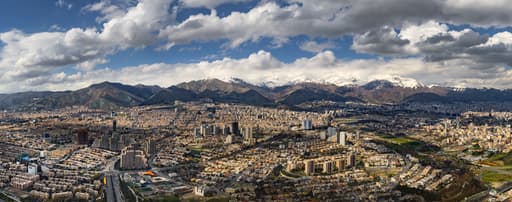
Tehran
LOCATION41 w/ Muammar·3 w/ Ahmed
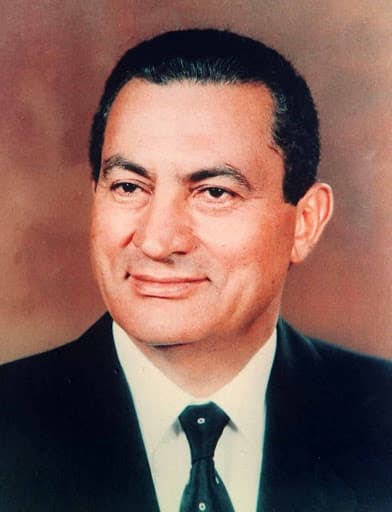
Hosni Mubarak
PERSON35 w/ Muammar·3 w/ Ahmed
Tunisia
LOCATION34 w/ Muammar·3 w/ Ahmed
Saddam Hussein
PERSON33 w/ Muammar·3 w/ Ahmed
Lebanon
LOCATION32 w/ Muammar·3 w/ Ahmed
Yemen
LOCATION31 w/ Muammar·3 w/ Ahmed
Cairo
LOCATION29 w/ Muammar·2 w/ Ahmed
Fatah
ORGANIZATION22 w/ Muammar·3 w/ Ahmed
Tripoli
LOCATION22 w/ Muammar·3 w/ Ahmed
Muslim Brotherhood
ORGANIZATION21 w/ Muammar·3 w/ Ahmed
the Persian Gulf
LOCATION20 w/ Muammar·2 w/ Ahmed
North Africa
LOCATION19 w/ Muammar·3 w/ Ahmed
West Bank
LOCATION19 w/ Muammar·2 w/ Ahmed
Middle East
LOCATION19 w/ Muammar·2 w/ Ahmed
al-Qaeda
ORGANIZATION18 w/ Muammar·2 w/ Ahmed
the Arab League
ORGANIZATION17 w/ Muammar·2 w/ Ahmed
Recep Tayyip Erdogan
PERSON15 w/ Muammar·3 w/ Ahmed