Back to Network


















4
Shared Docs
4
Same-Page
8 / 4
Mentions
Document Mentions (4 shared documents)
3 mentions1 same-page
Page ?Same page
ompensate Egypt for lost American military assistance. The Syrian crisis and the US administration's reluctant position towards acting against the Bashar Al-Assad regime came to add to the sources of difference, particularly after the Obama administration retreated from its threats to strike Al-Assad's regime
reats to strike Al-Assad's regime and engaged in a deal on Syrian EFTA00705807 chemical weapons, which gave another opportunity of survival to Al- Assad. The major source of the US-Saudi difference, however, came on Iran — particularly after the initial agreement on its nuclear programme, which Saud
m can teach us about land and peace S. Daniel Abraham Article S. Al-Ahram Weekly Did Obama succeed in Riyadh? Al-Sayed Amin Shalabi Article 6. Hurriyet The next battle: Presidency Mustafa Akyol Article 7. The Economist Egypt's probable president: Pretending to be a civilian Article 8. Carnegie
3 mentions1 same-page
Page ?Same page
ington should be doing more to buttress the anti-Assad forces in Syria and the military government in E
Syria, Lebanon, Iraq, and other places that the Saudis are concerned about. So that's a major difference. The United States wants Syrian president Bashar al-Assad gone, but we put a much lower priority on it than the Saudis do. The other big issue on which there are differences is Egypt. While the United Stat
d Release Seems Justified Dennis Ross Article 4. The American Interest Releasing Pollard: Don't Do It, Mr. Secretary Daniel Kurtzer Article 5. Hurriyet Turkey - Lessons from the ballots Mustafa Akyol Article 6. The Council on Foreign Relations Split Persists Between Washington and Riyadh An int
3 mentions1 same-page
Page ?Same page
ary 29, 2012 -- A popular Washington illusion once held that the right combination of incentives and punishments might "peel off" Syria's President Bashar al-Assad from Iran's "Axis of Resistance," but nobody would have predicted that the weak link in Iran's alliance of radicals would turn out to be the Pales
, democracy and reform." Iran, Hamas knows, is not amused. But that appears to be a diminishing concern for the movement. Hamas' relationship with Assad, Tehran's key Arab ally, began to sour last year when the Palestinian group resisted pressure to stage pro-regime events in refugee camps in Syria.
Sent: Thur 3/1/2012 5:17:36 PM Subject: February 29 update 29 February, 2012 Article 1. NYT There Be Draqons Thomas L. Friedman Article 2. Hurriyet Gaza, Jerusalem, Nicosia, Baku Burak Bekdil Article 3. TIME Hamas Signals Break with Iran, But Is That Good for Israel? Tony Karon Article 4.
Sponsored
3 mentions1 same-page
Page ?Same page
e opposition in Syria began as a largely peaceful, grass- roots, pan-Syrian movement for democratic change. But it was deliberately met by President Bashar al-Assad with murder and sectarian venom. He wanted to make the conflict about his Alawite minority versus the country's Sunni Muslim majority as a way of d
m, democracy and reform." Iran, Hamas knows, is not amused. But that appears to be a diminishing concern for the movement. Hamas' relationship with Assad, Tehran's key Arab ally, began to sour last year when the Palestinian group resisted pressure to stage pro- regime events in refugee camps in Syria.
bject: February 29 update Date: Thu, 01 Mar 2012 17:17:36 +0000 29 February, 2012 Article 1 NYT There Be Dragons Thomas L. Friedman Article 2. Hurriyet Gaza, Jerusalem, Nicosia, Baku Burak Bekdil Article 3. TIME Hamas Signals Break with Iran, But Is That Good for Israel? Tony Karon Article 4.
Sponsored
Mutual Connections (164)
Entities connected to both Bashar al-Assad and Hurriyet
Barack Obama
PERSON235 w/ Bashar·5 w/ Hurriyet
George W. Bush
PERSON176 w/ Bashar·5 w/ Hurriyet
United States
LOCATION171 w/ Bashar·3 w/ Hurriyet
Lebanon
LOCATION166 w/ Bashar·5 w/ Hurriyet
Benjamin Netanyahu
PERSON154 w/ Bashar·4 w/ Hurriyet
Tehran
LOCATION149 w/ Bashar·3 w/ Hurriyet
Damascus
LOCATION137 w/ Bashar·2 w/ Hurriyet
Hosni Mubarak
PERSON122 w/ Bashar·4 w/ Hurriyet
Terje Rod-Larsen
PERSON122 w/ Bashar·2 w/ Hurriyet
Middle East
LOCATION114 w/ Bashar·4 w/ Hurriyet
Tunisia
LOCATION112 w/ Bashar·3 w/ Hurriyet
Saddam Hussein
PERSON108 w/ Bashar·4 w/ Hurriyet
Cairo
LOCATION108 w/ Bashar·4 w/ Hurriyet
Yemen
LOCATION108 w/ Bashar·2 w/ Hurriyet
Marc Rich
PERSON105 w/ Bashar·2 w/ Hurriyet
Jerusalem
LOCATION95 w/ Bashar·5 w/ Hurriyet
Vladimir Putin
PERSON96 w/ Bashar·2 w/ Hurriyet
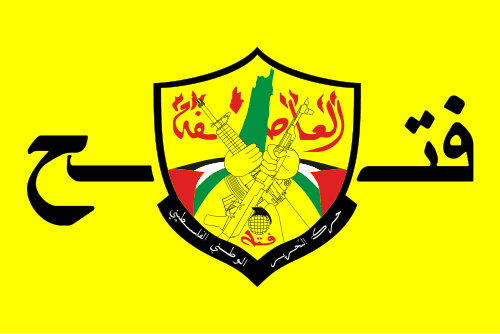
Fatah
ORGANIZATION75 w/ Bashar·4 w/ Hurriyet
Bahrain
LOCATION75 w/ Bashar·2 w/ Hurriyet
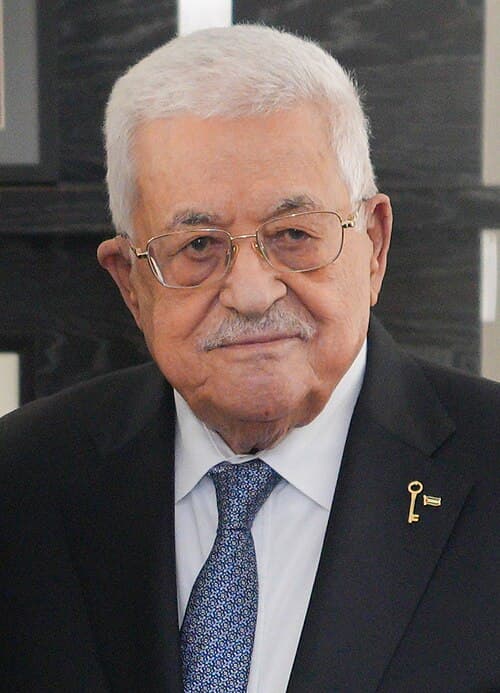
Mahmoud Abbas
PERSON69 w/ Bashar·5 w/ Hurriyet