Back to Network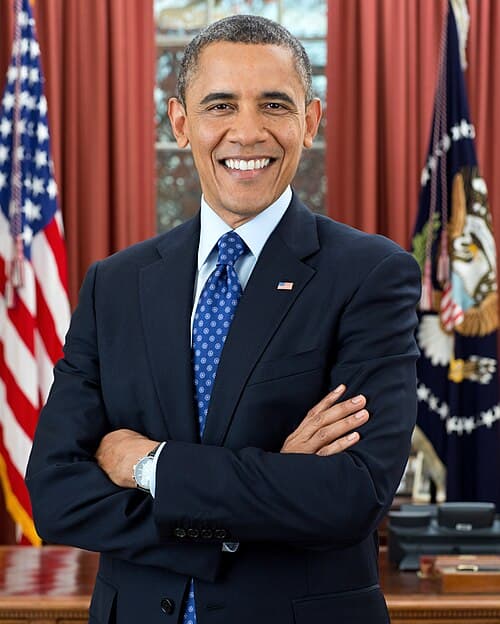






4
Shared Docs
4
Same-Page
8 / 4
Mentions
Document Mentions (4 shared documents)
4 mentions1 same-page
Page ?Same page
stead to the government; and 4) indicated that the Syrian people supported him -- otherwise he would not be in his position. Does this suggest that Bashar is out of touch with political reality? Or -- as he has watched with dismay the fate of his fellow Arab dictators in Egypt, Tunisia, and Yemen, who
n killed, a worrying sign that the violence is accelerating. Yet, in a remarkable interview this month with ABC's Barbara Walters, Syrian President Bashar al-Assad 1) denied the extent of violence in his beleaguered country; 2) disputed the evidence in a U.N. report charging him and his government with crimes ag
st Israel. In fact, in a rare public appearance this month, Hezbollah chief Hassan Nasrallah declared that his party will remain defiant, side with Assad's Syria and never relinquish its arms. If Hamas, an ally of Hezbollah, Syria and Iran (the so-called Resistance Axis), truly intends to reinvent it
dential ambitions and instead serve as temporary prime minister to deal with the crisis. The country's highest Islamic authority, the Grand Imam of Al-Azhar University, succeeded in brokering a truce on the streets so that elections could go forward. Throughout it all, the Muslim Brotherhood was conspi
3 mentions1 same-page
Page ?Same page
n Koranic quotations. But he also has shown a deft hand in outflanking the military, courage in standing EFTA00700342 up in Tehran and denouncing Assad's murderous Syrian regime, and — to the Western officials who deal with him — a strong sense of the need for inclusiveness. That instinct faces its
ood deal of suffering and incredible physical damage, the usual ruins of war. All of this, by bipartisan agreement, can continue until the dictator Bashar al-Assad realizes that life can be so much better on the French Riviera. This, though, will take some time. In his major foreign policy address, a tour de
ging the ruler and submitting to him alone is not enough, but that other state institutions should also be acknowledged, such as the grand mufti or Al-Azhar. Also, no one should violate the religious edicts of the country's official scholars. They are also unique in believing that the Muslim flock inclu
3 mentions1 same-page
Page ?Same page
from the start, then, the feeling is, it did little to show it was taking the matter seriously. The appearance is of an Ankara that was so fixed on Bashar al-Assad's departure that other matters were never considered properly. The sad fact in all this that Turkey is nowhere nearer today than it was 10 or 15 yea
nal state ally is Syria, but President Bashar al-Assad would not be able to direct his armed forces to
ce Party (FJP), Salafists changed their position, approving that the article be amended with the stipulation that Egypt's highest Islamic authority Al-Azhar becomes the main reference on Islamic Sharia laws. This, however, was fiercely rejected by liberal members who expressed fears that this religious
Sponsored
2 mentions1 same-page
Page HOUSE_OVERSIGHT_029690Same page
initiative spearheaded by Special Envoy Lakhdar Brahimi, a new plan by Syrian opposition leader Moaz al-Khatib - comprising a dialogue with President al-Assad based on the principle of the regime's departure-offers a glimmer of hope. Upon meeting with al-Khatib on February 3rd *, the foreign ministers of Ir
Page: HOUSE_OVERSIGHT_029690 →an: President Ahmadinejad was warmly welcomed by President Morsi upon arrival in Cairo on February 5th and, interestingly, by the Sunni leadership of Al-Azhar. The Iranian leader reciprocated by offering to provide Egypt with a "big credit line" to help its lagging economy, a telling indication of Tehran's
Page: HOUSE_OVERSIGHT_029690 →Sponsored
Mutual Connections (34)
Entities connected to both Bashar al-Assad and Al-Azhar
Barack Obama
PERSON235 w/ Bashar·4 w/ Al-Azhar
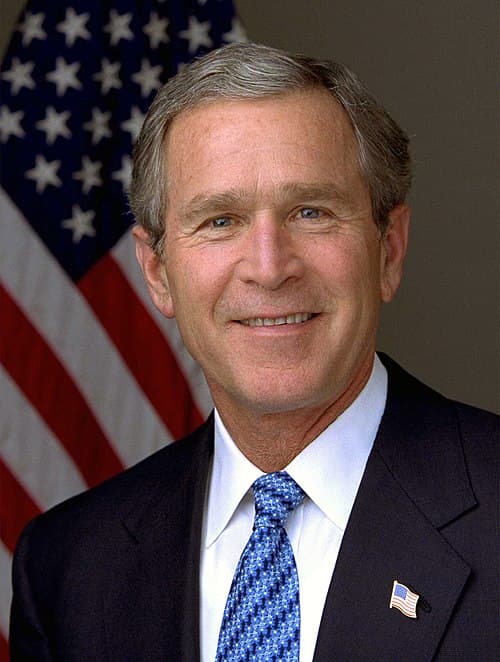
George W. Bush
PERSON176 w/ Bashar·4 w/ Al-Azhar
United States
LOCATION171 w/ Bashar·3 w/ Al-Azhar
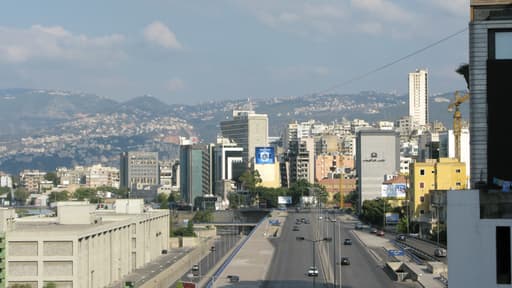
Lebanon
LOCATION166 w/ Bashar·4 w/ Al-Azhar
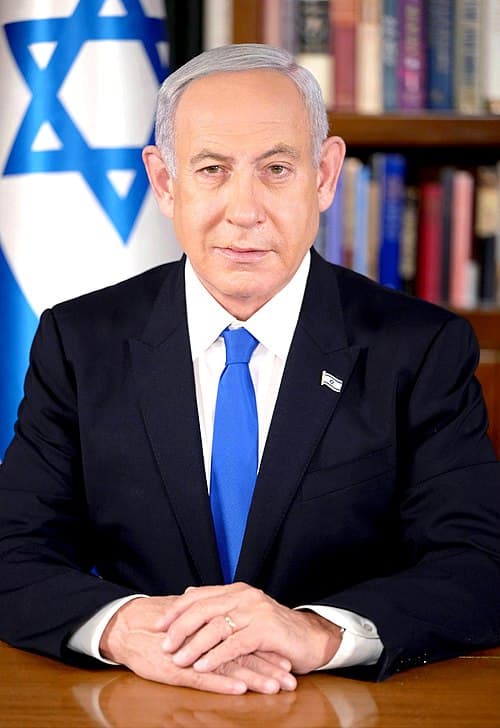
Benjamin Netanyahu
PERSON154 w/ Bashar·4 w/ Al-Azhar
Tehran
LOCATION149 w/ Bashar·3 w/ Al-Azhar
Damascus
LOCATION137 w/ Bashar·2 w/ Al-Azhar
Hosni Mubarak
PERSON122 w/ Bashar·4 w/ Al-Azhar
Terje Rod-Larsen
PERSON122 w/ Bashar·2 w/ Al-Azhar
Tunisia
LOCATION112 w/ Bashar·3 w/ Al-Azhar
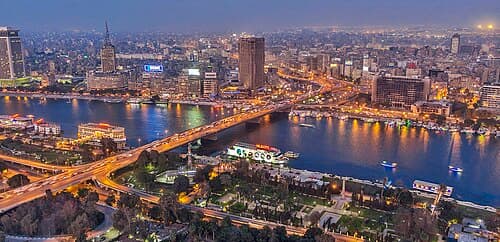
Cairo
LOCATION108 w/ Bashar·4 w/ Al-Azhar
Yemen
LOCATION108 w/ Bashar·2 w/ Al-Azhar
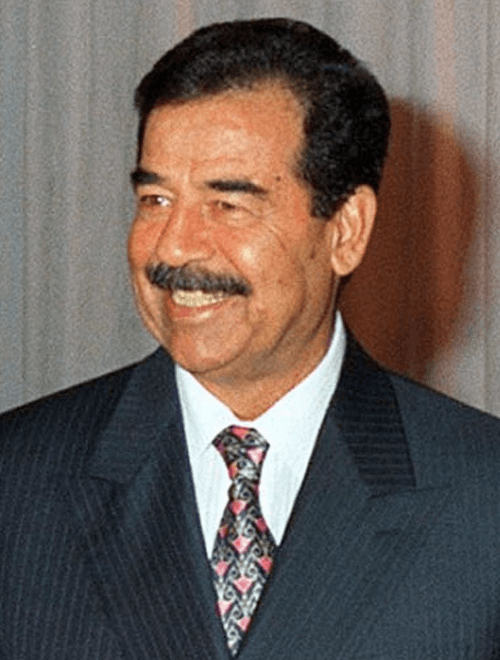
Saddam Hussein
PERSON108 w/ Bashar·2 w/ Al-Azhar
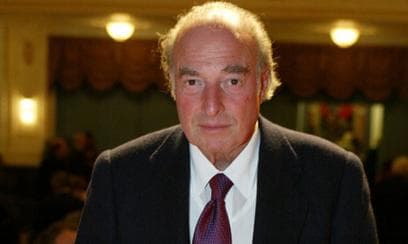
Marc Rich
PERSON105 w/ Bashar·2 w/ Al-Azhar
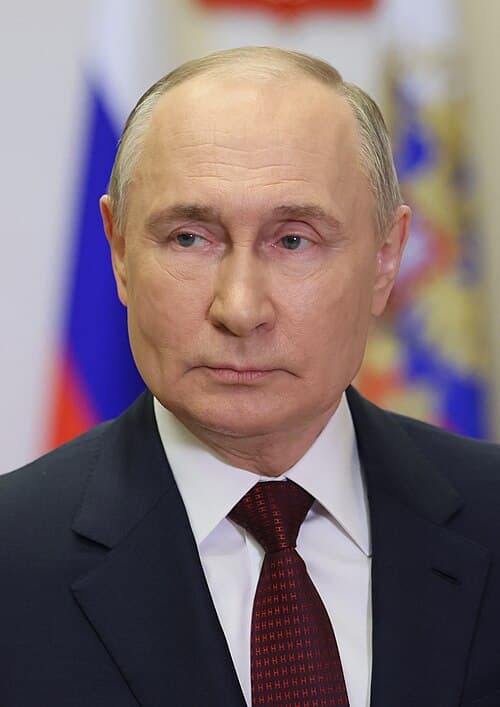
Vladimir Putin
PERSON96 w/ Bashar·2 w/ Al-Azhar
Bahrain
LOCATION75 w/ Bashar·2 w/ Al-Azhar
Mahmoud Abbas
PERSON69 w/ Bashar·2 w/ Al-Azhar
West Bank
LOCATION69 w/ Bashar·2 w/ Al-Azhar
Mohamed Morsi
PERSON55 w/ Bashar·2 w/ Al-Azhar
Muslim Brotherhood
ORGANIZATION49 w/ Bashar·3 w/ Al-Azhar