Back to Network














4
Shared Docs
4
Same-Page
4 / 4
Mentions
Document Mentions (4 shared documents)
2 mentions1 same-page
Page ?Same page
ld cost a great deal of money. Option 1 is functionally identical from an electrical point of view, but for a fraction of the cost. Steve Wozniak and Steve Jobs were so successful when they started Apple because Wozniak was brilliant at simplifying logic circuits. He could take a design with thirty chips and
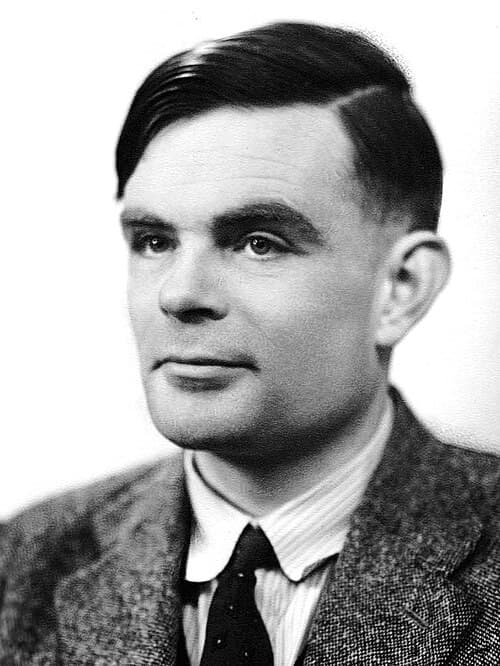
How Alan Turing invented the computer, helped win World War II and left us with one of the greatest puzzles of our time: are humans simply computers or are we more t
2 mentions1 same-page
Page ?Same page
saw something. It seemed obvious to them after a while. Thats because they were able to connect experiences they've had and synthesize new things.” Steve Jobs HOUSE_OVERSIGHT_015986 Our job, as humans, was to look at the earth and discover things about it. When we looked at light passing through water or
In the nearly hundred years of investigation since Wallas proposed this theorem, we have not moved much further forward in understanding creativity. Alan Turing described his thoughts on the science behind creativity in a short piece he wrote about decision making: “When making a decision of minor importance
2 mentions1 same-page
Page ?Same page
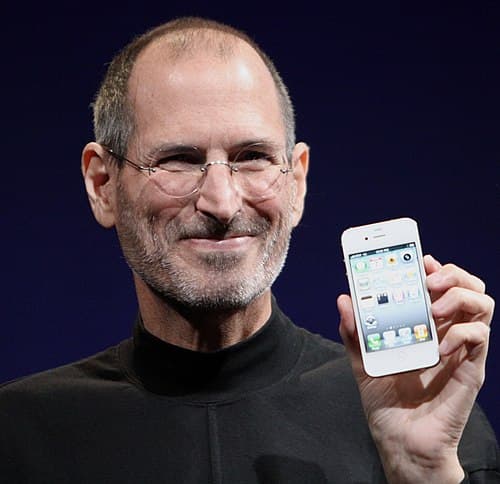
lso making a social decision, and this may be the more important of the two.”24 You might ask: What drew tens of millions of people to watch live as Steve Jobs unveiled some new Apple device in the last years of his life? Of course, partly it was the cool technology, the warmly charming charisma of the man.
redictability and emergence are regarded as the best way to grow. 119 Long before the idea of a smart phone or 3D goggles, the British mathematician Alan Turing anticipated their arrival when he dreamed of what he called a “universal device”!2°: A notional box that, starting from the ones and zeros of digitiz
Sponsored
2 mentions1 same-page
Page ?Same page
n the world of technology. The directors of the foundation behind the then-new prize had been, from the start, slyly dropping big names - Bill Gates! Steve Jobs! They hoped such a laureate would cast a bit of glamour on the first year of their award for “Contributions to Man’s Present Condition.” But when our
ended and the machine began. This was a puzzle that had been, in a sense, anticipated at the very dawn of the digital revolution by the mathematician Alan Turing in a 1950 paper called “Computing Machinery and Intelligence” that he published in the British journal Mind. “Can machines think?” Turing began.?5” H
Sponsored
Mutual Connections (264)
Entities connected to both Steve Jobs and Alan Turing
Jeffrey Epstein
PERSON60 w/ Steve·21 w/ Alan
Alan Dershowitz
PERSON25 w/ Steve·34 w/ Alan
Stephen Hawking
PERSON18 w/ Steve·27 w/ Alan
Marc Rich
PERSON32 w/ Steve·10 w/ Alan
Prince Charles
PERSON22 w/ Steve·14 w/ Alan
Prince Andrew
PERSON22 w/ Steve·12 w/ Alan
Donald Trump
PERSON25 w/ Steve·7 w/ Alan
Samantha Power
PERSON17 w/ Steve·14 w/ Alan
George W. Bush
PERSON17 w/ Steve·13 w/ Alan
LB
Leon Black
PERSON20 w/ Steve·9 w/ Alan
Robert Gates
PERSON22 w/ Steve·7 w/ Alan
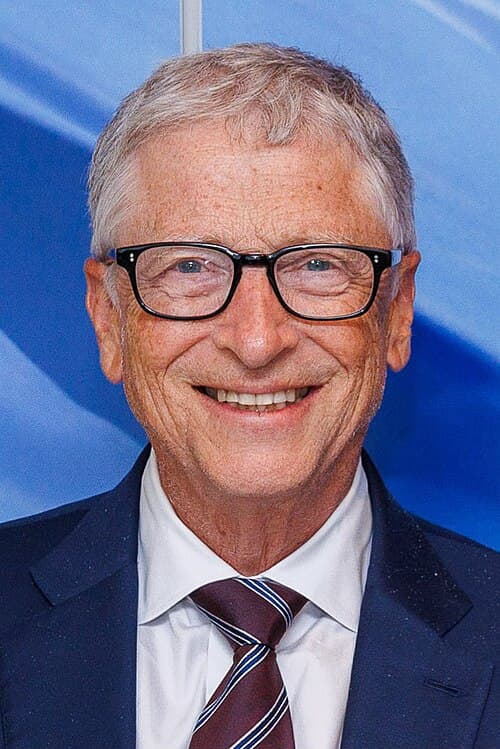
Bill Gates
PERSON21 w/ Steve·7 w/ Alan
Eric Trump
PERSON14 w/ Steve·13 w/ Alan
Michael Jackson
PERSON15 w/ Steve·10 w/ Alan
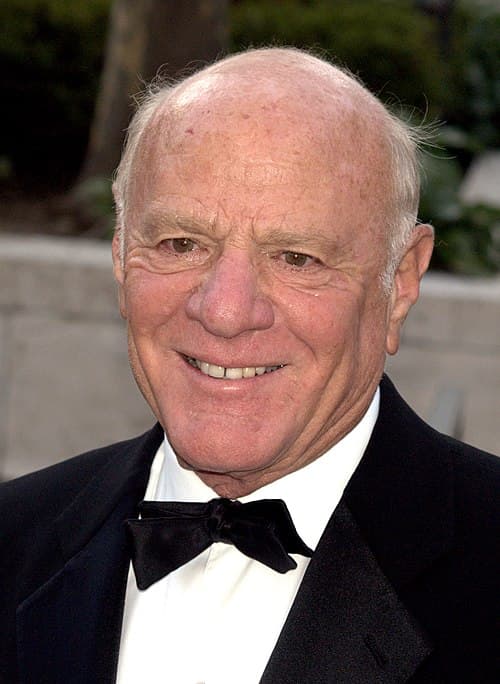
Barry Diller
PERSON20 w/ Steve·5 w/ Alan
John F. Kennedy
PERSON18 w/ Steve·6 w/ Alan
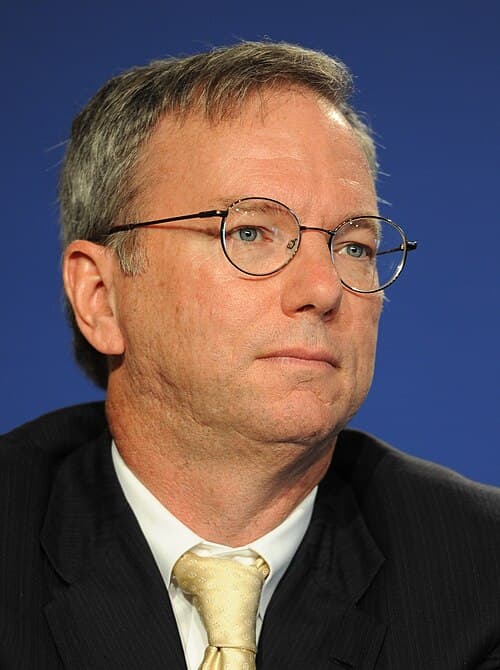
Eric Schmidt
PERSON9 w/ Steve·13 w/ Alan
Silicon Valley
LOCATION16 w/ Steve·6 w/ Alan
United States
LOCATION18 w/ Steve·3 w/ Alan
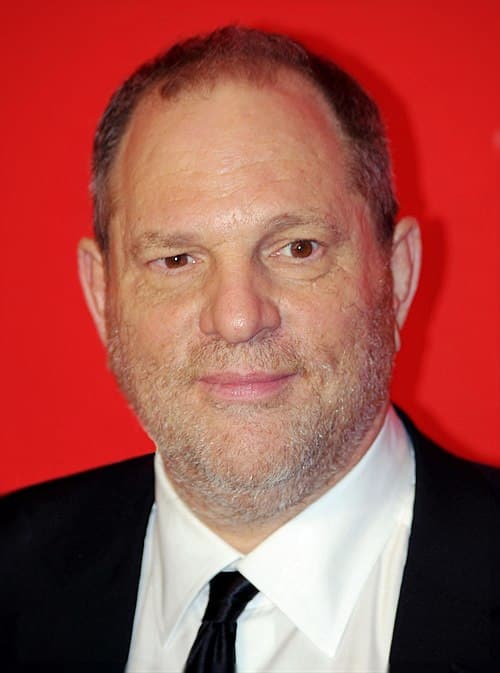
Harvey Weinstein
PERSON9 w/ Steve·12 w/ Alan