Back to Network









4
Shared Docs
4
Same-Page
4 / 4
Mentions
Document Mentions (4 shared documents)
2 mentions1 same-page
Page ?Same page
r, they are worth learning about and exploring. They stand out as trailguides to a fresh sensibility in the same way Nijinsky’s 20" century dances or Goethe’s 19" century poetry once did. We flip back and forth between real and virtual in our every day lives now, popping our head from screen to street. O
lding - this is fine. Wonderful even. But it’s also not enough. “It happens that programming is a relatively easy craft to learn,” the MIT scientist Joseph Weizenbaum observed in the 1970s, as computers emerged into academic life. “Almost anyone with a reasonably ordered mind can become a good programmer with just
2 mentions1 same-page
Page ?Same page
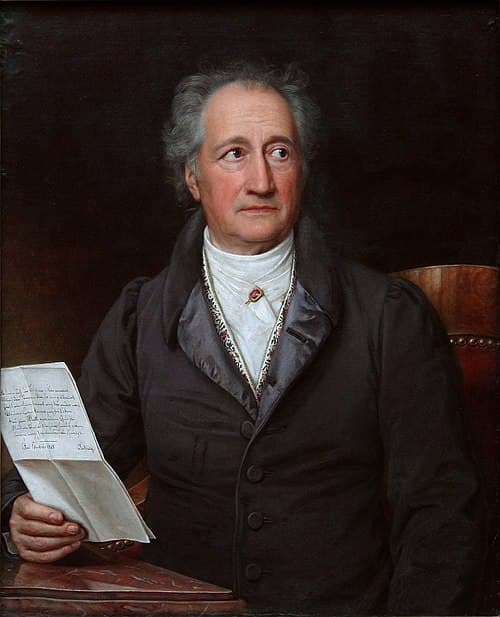
ese sacrifices marked sailing adventure. But they knew the rewards for areal mastery of the sea: Fame, riches, knowledge, adventure. Sloterdijk cites Goethe, who reflecting on the power of nautical life in 1787, defined the edgy advantage of that ocean-mapping caste in his age: They had perspective. “No o
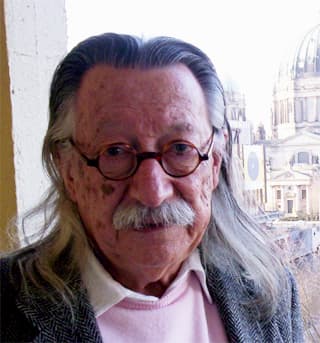
government (or our enemies) behave. We are, ina sense, being engineered by the damn opaque systems we are using. In 1965 the MIT computer scientist Joseph Weizenbaum found himself, somewhat unexpectedly, considering this same problem. 175 Weizenbaum had written a primitive computer program to perform what is now k
2 mentions1 same-page
Page ?Same page
particular, sun-scorched, caterpillar-chewed clover found outside your house in an atlas. No, you aimed—if you were a genius natural philosopher like Goethe, Albinus, or Cheselden—to observe nature but then to perfect the object in question, to abstract it visually to the ideal. Take a skeleton, view it t
e; the Fair Access to Science and Technology Research Act (FASTR); and the Open Humans Foundation. In his 1976 book Computer Power and Human Reason, Joseph Weizenbaum argued that machines should not replace Homo in situations requiring respect, dignity, or care, while others (author Pamela McCorduck and computer sc
Sponsored
Mutual Connections (445)
Entities connected to both Goethe and Joseph Weizenbaum
Marc Rich
PERSON7 w/ Goethe·10 w/ Joseph
Stephen Hawking
PERSON6 w/ Goethe·10 w/ Joseph
Samantha Power
PERSON4 w/ Goethe·10 w/ Joseph
George W. Bush
PERSON8 w/ Goethe·6 w/ Joseph
Prince Andrew
PERSON6 w/ Goethe·7 w/ Joseph
DB
Doug Band
PERSON5 w/ Goethe·7 w/ Joseph
Alan Dershowitz
PERSON5 w/ Goethe·7 w/ Joseph
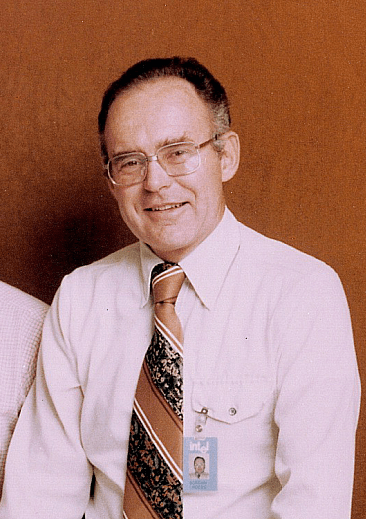
Gordon Moore
PERSON4 w/ Goethe·8 w/ Joseph
Renaissance
ORGANIZATION6 w/ Goethe·5 w/ Joseph
LB
Leon Black
PERSON4 w/ Goethe·7 w/ Joseph
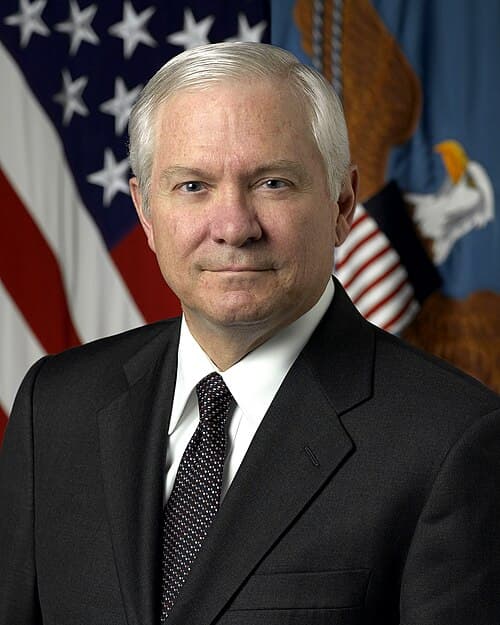
Robert Gates
PERSON3 w/ Goethe·8 w/ Joseph
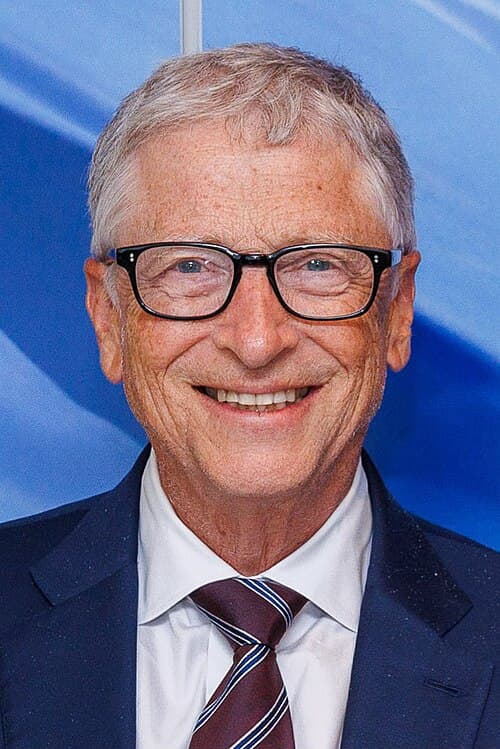
Bill Gates
PERSON3 w/ Goethe·8 w/ Joseph
Harvey Weinstein
PERSON4 w/ Goethe·7 w/ Joseph
Cambridge University
ORGANIZATION3 w/ Goethe·8 w/ Joseph
Silicon Valley
LOCATION4 w/ Goethe·7 w/ Joseph
Julie K. Brown
PERSON6 w/ Goethe·5 w/ Joseph
Earth
LOCATION4 w/ Goethe·6 w/ Joseph
William Shakespeare
PERSON4 w/ Goethe·6 w/ Joseph
Feynman
PERSON4 w/ Goethe·6 w/ Joseph
Alan Turing
PERSON4 w/ Goethe·5 w/ Joseph