Back to Network


















3
Shared Docs
3
Same-Page
3 / 3
Mentions
Document Mentions (3 shared documents)
2 mentions1 same-page
Page ?Same page
tion of JFK, to the forced resignation of Richard Nixon, to the Chappaquiddick investigation of Ted Kenne
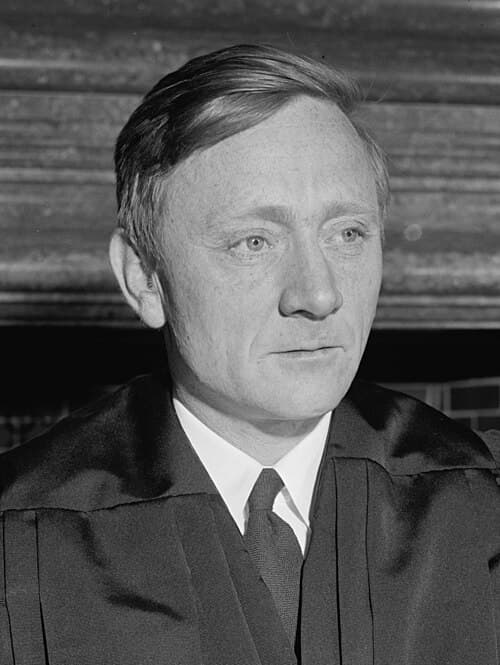
never I visited—then as a full participant). The first time I went to Kronheim’s for lunch, we picked up two justices at the Supreme Court building: William O. Douglas and William Brennan. I had previously met Justice Brennan through his son Bill, who was my law school classmate and moot court partner. Justice Brenn
2 mentions1 same-page
Page ?Same page
ur legal team not been successful in stopping the Nixon Admuinistration’s efforts to deport Lennon on tru
h Court dismissed the case as moot, thus postponing the decision as to whether it would uphold race-specific affirmative action programs. But Justice William O. Douglas, probably the 57 DeFunis v. Odegaard, 416 U.S. 312 (1974). 291 HOUSE_OVERSIGHT_017378 4.2.12 WC: 191694 court’s most liberal member at the time,
2 mentions1 same-page
Page ?Same page
ve to confront the ultimate issue. But it was not the same Court that had been sitting when the strategy was originally devised; there were four new Nixon appointees, and it was clear that at least some of them believed the death penalty to be constitutional. The umpires — if not the rules — had been ch
rari in Rudolph v. Alabama (1963)—a case involving imposition of the death penalty on a black man who was convicted of raping a white woman. Justice William O. Douglas signed on as well. The dissenters invited the bar to address the following questions, which they deemed “relevant and worthy of argument and consider
Sponsored
Mutual Connections (154)
Entities connected to both Cynthia Nixon and William O. Douglas
Jeffrey Epstein
PERSON222 w/ Cynthia·2 w/ William
United States
LOCATION141 w/ Cynthia·2 w/ William
Bill Clinton
PERSON132 w/ Cynthia·3 w/ William
Department of Justice
ORGANIZATION109 w/ Cynthia·2 w/ William
Julie K. Brown
PERSON107 w/ Cynthia·3 w/ William
Prince Andrew
PERSON108 w/ Cynthia·2 w/ William
Marc Rich
PERSON103 w/ Cynthia·3 w/ William
LB
Leon Black
PERSON91 w/ Cynthia·2 w/ William
Joe Biden
PERSON87 w/ Cynthia·2 w/ William
John F. Kennedy
PERSON83 w/ Cynthia·3 w/ William
Prince Charles
PERSON78 w/ Cynthia·3 w/ William
Hillary Clinton
PERSON75 w/ Cynthia·2 w/ William
Alan Dershowitz
PERSON67 w/ Cynthia·3 w/ William
Stephen Hawking
PERSON66 w/ Cynthia·2 w/ William
Michael Cohen
PERSON65 w/ Cynthia·2 w/ William
Supreme Court
ORGANIZATION60 w/ Cynthia·3 w/ William
Woody Allen
PERSON53 w/ Cynthia·2 w/ William
Michael Douglas
PERSON47 w/ Cynthia·3 w/ William
Eleanor Roosevelt
PERSON48 w/ Cynthia·2 w/ William
Vicky Ward
PERSON47 w/ Cynthia·2 w/ William