Back to Network

















3
Shared Docs
3
Same-Page
5 / 3
Mentions
Document Mentions (3 shared documents)
3 mentions1 same-page
Page ?Same page
itzchak, who we called Itchie. It had nothing to do with any skin condition. One day my Uncle Itchie took me to a Brooklyn Dodger baseball " Finding Jefferson 20 HOUSE_OVERSIGHT_017107 4.2.12 WC: 191694 game that got rained out half way through. We ran to the train station only to find no one tending th
Common Law; Wikileaks and the First Amendment; the Arab Israeli Conflict through Literature; Black Power and its Legal Implications; The Writings of Thomas Jefferson; and Constraining Prosecutorial Misconduct. In addition to my classes at the law school, I have also taught numerous classes at Harvard College, in
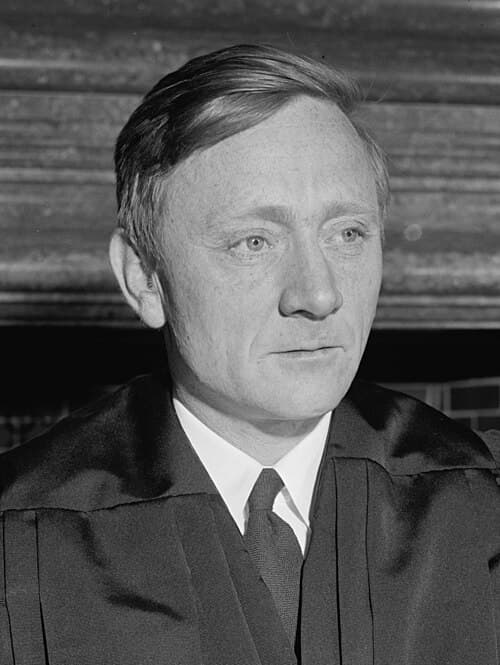
never I visited—then as a full participant). The first time I went to Kronheim’s for lunch, we picked up two justices at the Supreme Court building: William O. Douglas and William Brennan. I had previously met Justice Brennan through his son Bill, who was my law school classmate and moot court partner. Justice Brenn
3 mentions1 same-page
Page ?Same page
.” Not all the stories were flattering. Mike Royko complained in a syndicated article how depressing it was that after two hundred years of men like Jefferson, Paine, Debs, and Darrow, “we are now asked to fight for the right of Harry Reems to be a public creep... Anybody who contributes to his defense fund
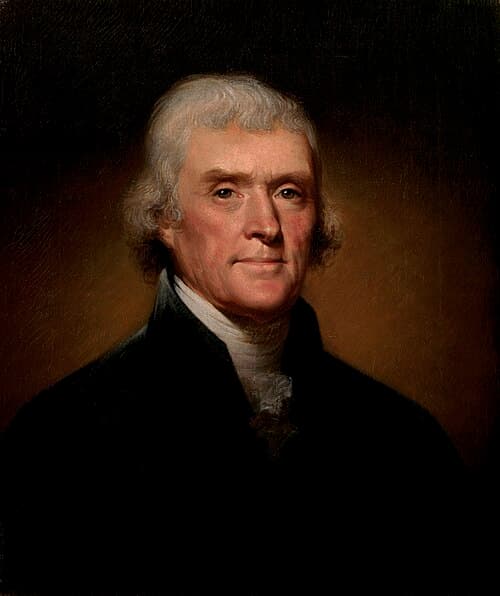
reased their negative connotations over the years. In addition to being damaging, a defamation must also be untrue. This wasn’t always the case, and Thomas Jefferson successfully fought to limit defamations to untruthful statements about an individual.** If the individual defamed is a public figure, such as a pol
rari in Rudolph v. Alabama (1963)—a case involving imposition of the death penalty on a black man who was convicted of raping a white woman. Justice William O. Douglas signed on as well. The dissenters invited the bar to address the following questions, which they deemed “relevant and worthy of argument and consider
2 mentions1 same-page
Page ?Same page
, of course, the impeachment of President William Jefferson Clinton, in which I played several roles: witness
h Court dismissed the case as moot, thus postponing the decision as to whether it would uphold race-specific affirmative action programs. But Justice William O. Douglas, probably the 57 DeFunis v. Odegaard, 416 U.S. 312 (1974). 291 HOUSE_OVERSIGHT_017378 4.2.12 WC: 191694 court’s most liberal member at the time,
Sponsored
Mutual Connections (154)
Entities connected to both Thomas Jefferson and William O. Douglas
Jeffrey Epstein
PERSON297 w/ Thomas·2 w/ William
Julie K. Brown
PERSON139 w/ Thomas·3 w/ William
Prince Andrew
PERSON137 w/ Thomas·2 w/ William
Marc Rich
PERSON127 w/ Thomas·3 w/ William
Bill Clinton
PERSON124 w/ Thomas·3 w/ William
United States
LOCATION118 w/ Thomas·2 w/ William
Department of Justice
ORGANIZATION115 w/ Thomas·2 w/ William
LB
Leon Black
PERSON107 w/ Thomas·2 w/ William
Prince Charles
PERSON97 w/ Thomas·3 w/ William
Stephen Hawking
PERSON95 w/ Thomas·2 w/ William
Joe Biden
PERSON92 w/ Thomas·2 w/ William
John F. Kennedy
PERSON87 w/ Thomas·3 w/ William
Supreme Court
ORGANIZATION73 w/ Thomas·3 w/ William
Michael Cohen
PERSON70 w/ Thomas·2 w/ William
Alan Dershowitz
PERSON68 w/ Thomas·3 w/ William
Woody Allen
PERSON65 w/ Thomas·2 w/ William
Michael Douglas
PERSON55 w/ Thomas·3 w/ William
Abraham Lincoln
PERSON55 w/ Thomas·3 w/ William
Barry Diller
PERSON49 w/ Thomas·2 w/ William
Hillary Clinton
PERSON49 w/ Thomas·2 w/ William