Back to People & Entities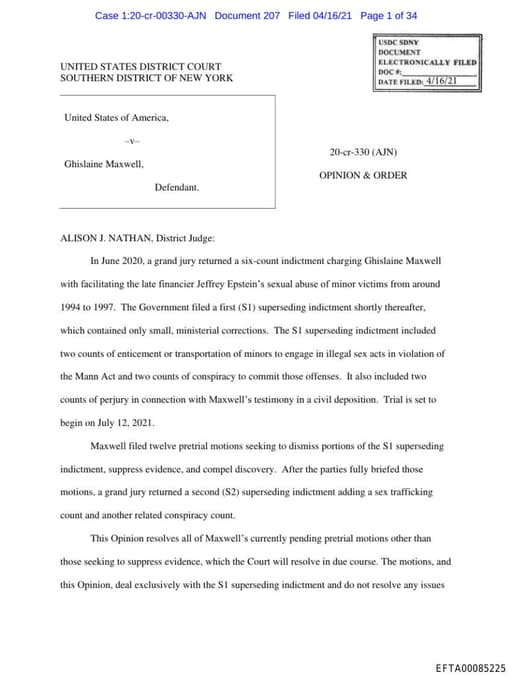








H.R. Conf
Organization
24
Total Mentions
24
Documents
946
Connected Entities
Organization referenced in documents
Document Mentions (20 of 24)
EFTA00085225.pdf
1 mentionEFTA00085225
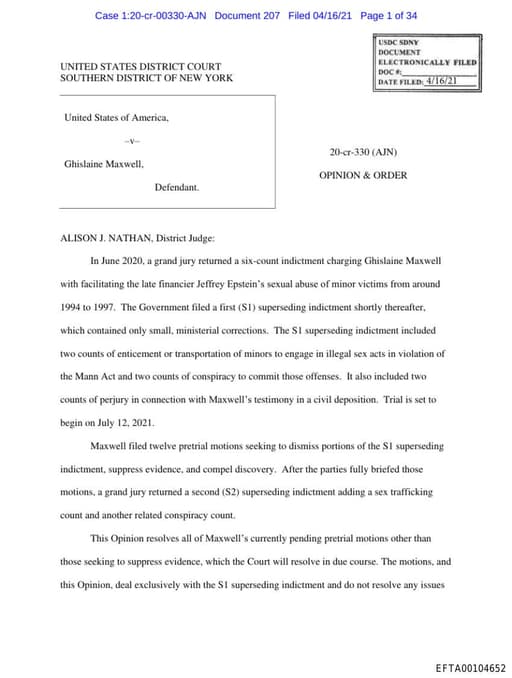
54. Congress enacted the limitations provision of the PROTECT Act because it found the prior statute of limitations was "inadequate in many cases." H.R. Conf. Rep. No. 108-63, at 54 (2003). For example, a person who abducted and raped a child could not be prosecuted beyond this extended limit—even if DNA
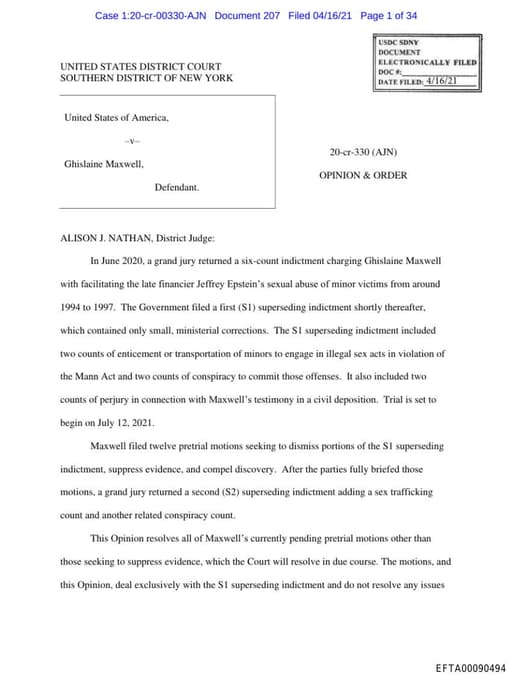
EFTA00090494.pdf
1 mentionEFTA00090494
54. Congress enacted the limitations provision of the PROTECT Act because it found the prior statute of limitations was "inadequate in many cases." H.R. Conf. Rep. No. 108-63, at 54 (2003). For example, a person who abducted and raped a child could not be prosecuted beyond this extended limit—even if DNA
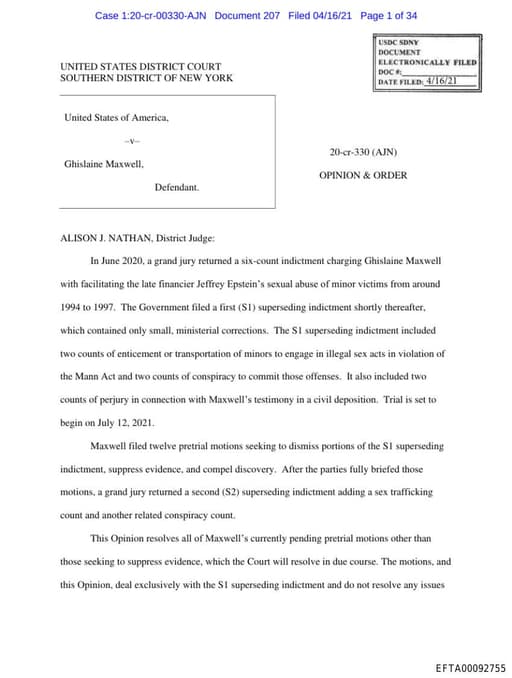
EFTA00092755.pdf
1 mentionEFTA00092755
54. Congress enacted the limitations provision of the PROTECT Act because it found the prior statute of limitations was "inadequate in many cases." H.R. Conf. Rep. No. 108-63, at 54 (2003). For example, a person who abducted and raped a child could not be prosecuted beyond this extended limit—even if DNA
Sponsored
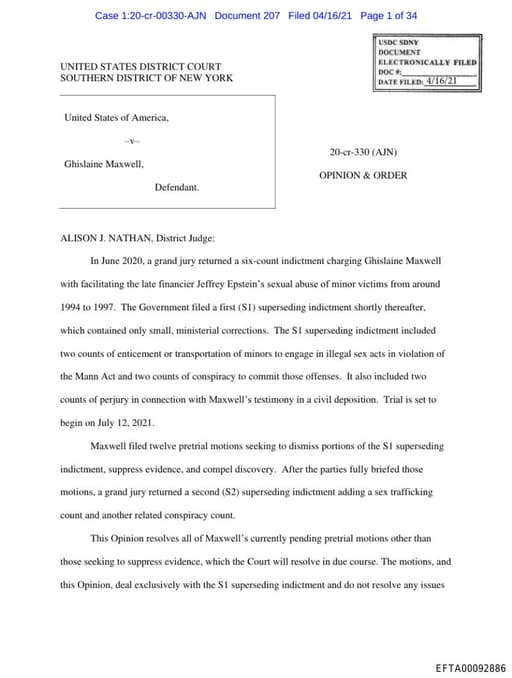
EFTA00092886.pdf
1 mentionEFTA00092886
54. Congress enacted the limitations provision of the PROTECT Act because it found the prior statute of limitations was "inadequate in many cases." H.R. Conf. Rep. No. 108-63, at 54 (2003). For example, a person who abducted and raped a child could not be prosecuted beyond this extended limit—even if DNA
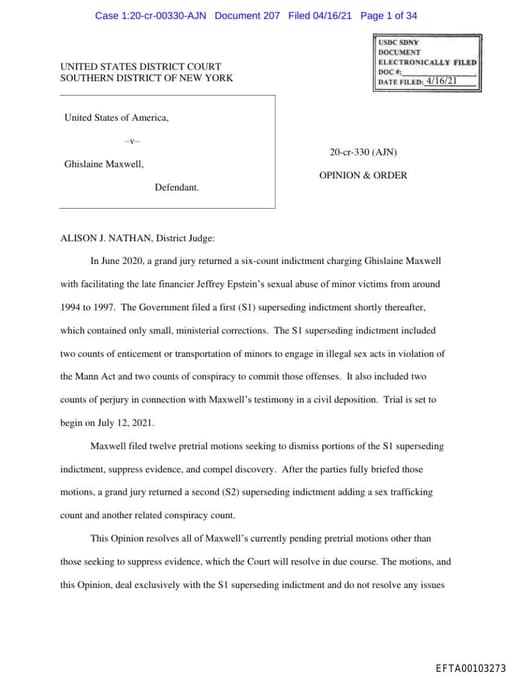
EFTA00103273.pdf
1 mentionEFTA00103273
54. Congress enacted the limitations provision of the PROTECT Act because it found the prior statute of limitations was "inadequate in many cases." H.R. Conf. Rep. No. 108-63, at 54 (2003). For example, a person who abducted and raped a child could not be prosecuted beyond this extended limit—even if DNA
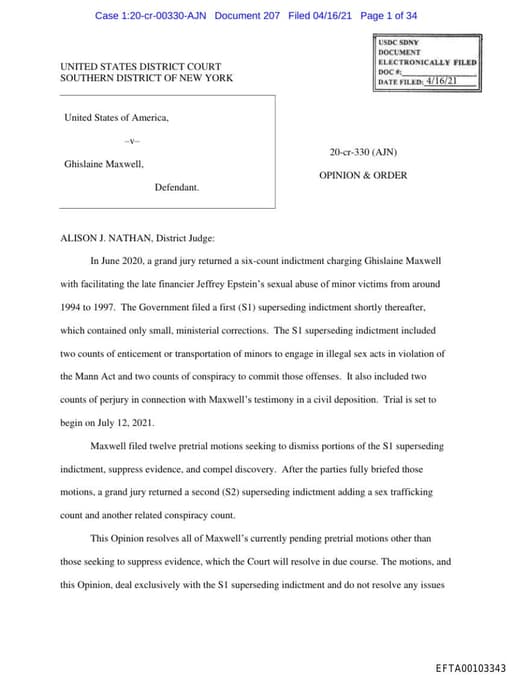
EFTA00103343.pdf
1 mentionEFTA00103343
54. Congress enacted the limitations provision of the PROTECT Act because it found the prior statute of limitations was "inadequate in many cases." H.R. Conf. Rep. No. 108-63, at 54 (2003). For example, a person who abducted and raped a child could not be prosecuted beyond this extended limit—even if DNA
Sponsored
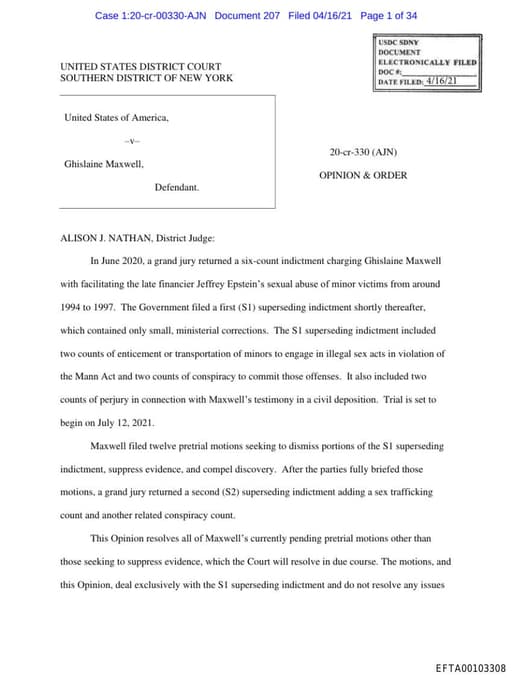
EFTA00103308.pdf
1 mentionEFTA00103308
54. Congress enacted the limitations provision of the PROTECT Act because it found the prior statute of limitations was "inadequate in many cases." H.R. Conf. Rep. No. 108-63, at 54 (2003). For example, a person who abducted and raped a child could not be prosecuted beyond this extended limit—even if DNA
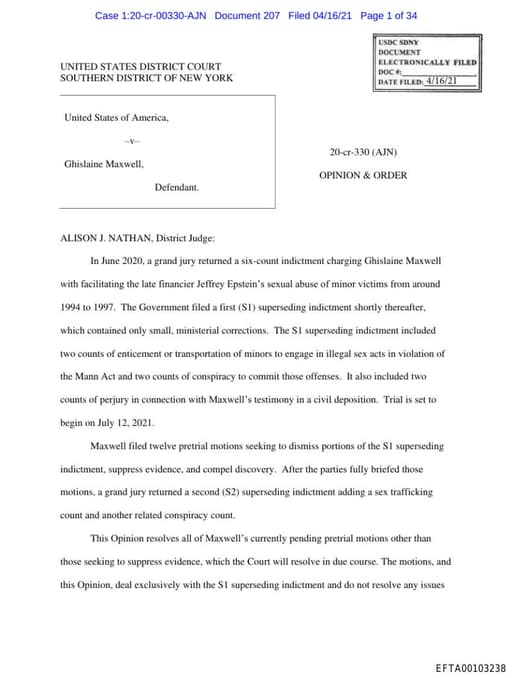
EFTA00103238.pdf
1 mentionEFTA00103238
54. Congress enacted the limitations provision of the PROTECT Act because it found the prior statute of limitations was "inadequate in many cases." H.R. Conf. Rep. No. 108-63, at 54 (2003). For example, a person who abducted and raped a child could not be prosecuted beyond this extended limit—even if DNA
EFTA00104652.pdf
1 mentionEFTA00104652
54. Congress enacted the limitations provision of the PROTECT Act because it found the prior statute of limitations was "inadequate in many cases." H.R. Conf. Rep. No. 108-63, at 54 (2003). For example, a person who abducted and raped a child could not be prosecuted beyond this extended limit—even if DNA
Sponsored
EFTA00105663.pdf
1 mentionEFTA00105663
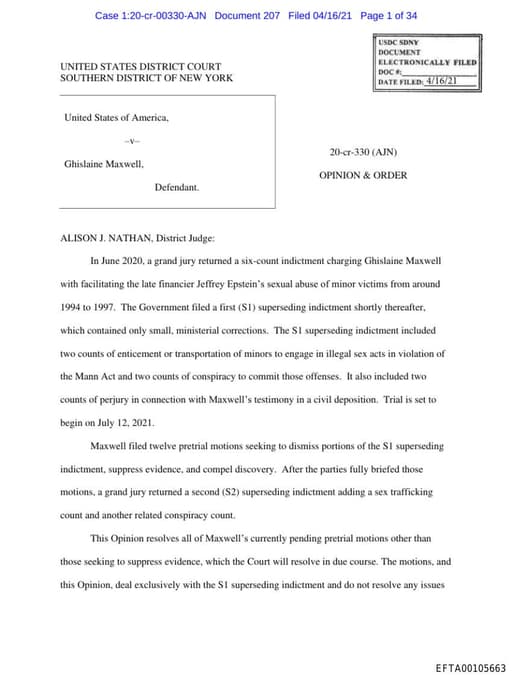
54. Congress enacted the limitations provision of the PROTECT Act because it found the prior statute of limitations was "inadequate in many cases." H.R. Conf. Rep. No. 108-63, at 54 (2003). For example, a person who abducted and raped a child could not be prosecuted beyond this extended limit—even if DNA
EFTA00154640.pdf
1 mentionEFTA00154640
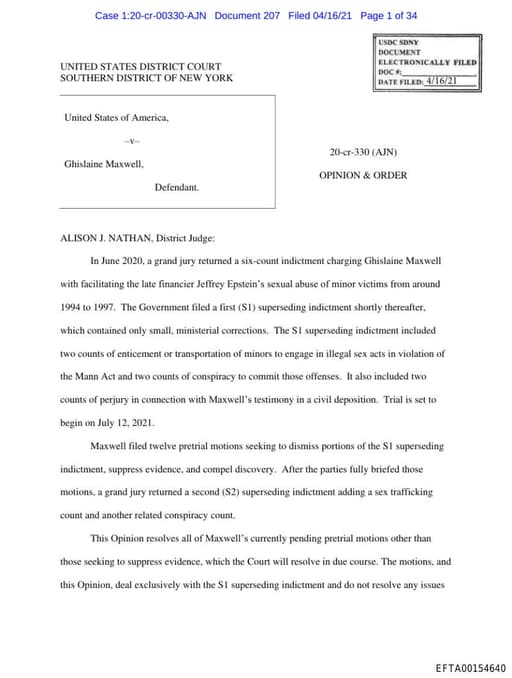
54. Congress enacted the limitations provision of the PROTECT Act because it found the prior statute of limitations was "inadequate in many cases." H.R. Conf. Rep. No. 108-63, at 54 (2003). For example, a person who abducted and raped a child could not be prosecuted beyond this extended limit—even if DNA
EFTA00176507.pdf
1 mentionEFTA00176507
t of 1996, entitled "Obscenity and Violence", after the Senate Judiciary Committee held a hearing regarding child endangerment via the intemet. See H.R. Conf. Rep. No. 104-458, at 193 (1996), quoted in United States I Searcy, 418 F.3d 1193, 1197 (11th Cir. 2005); see also K. Seto, "Note: How Should Legisl
Sponsored
EFTA00190116.pdf
1 mentionEFTA00190116
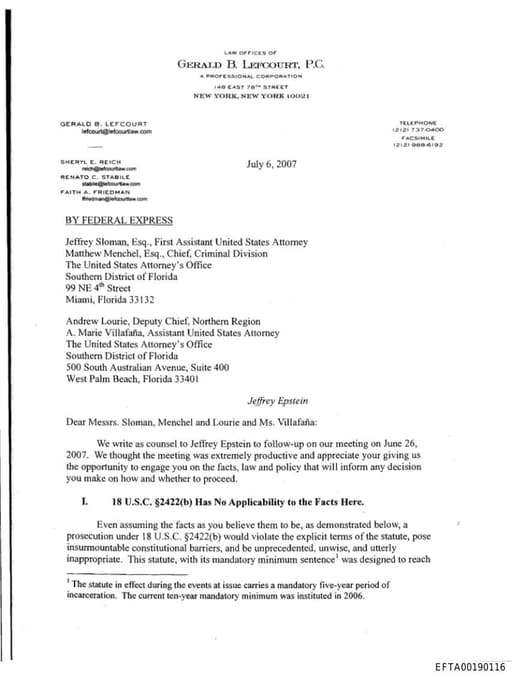
of 1996, entitled "Obscenity and Violence", after the Senate Judiciary Committee held a hearing regarding child endangerment via the internet. See H.R. Conf. Rep. No. 104-458, at 193 (1996), quoted in United States' Searcy, 418 F.3d 1193, 1197 (11th Cir. 2005); see also K. Seto, "Note: How Should Legisla
EFTA00191396.pdf
1 mentionEFTA00191396
of 1996, entitled "Obscenity and Violence", after the Senate Judiciary Committee held a hearing regarding child endangerment via the Internet. See H.R. Conf. Rep. No. 104-458, at 193 (1996), quoted in United States ' Searcy, 418 F.3d 1193, 1197 (11th Cir. 2005); see also K. Seto, "Note: How Should Legis
EFTA00285477.pdf
1 mentionEFTA00285477
f slavery whose victims are predominantly women and children, to ensure just and effective punishment of traffickers, and to protect their victims." H.R. Conf. Rep. 106-939 (2000). Among other specific factual findings reached by Congress when it was drafting Section 1591, Congress found as follows: Traf
Sponsored
EFTA00307096.pdf
1 mentionEFTA00307096
f slavery whose victims are predominantly women and children, to ensure just and effective punishment of traffickers, and to protect their victims." H.R. Conf. Rep. 106-939 (2000). Among other specific factual findings reached by Congress when it was drafting Section 1591, Congress found as follows: 10
EFTA01660165.pdf
1 mentionEFTA01660165
of 1996, entitled "Obscenity and Violence", after the Senate Judiciary Committee held a hearing regarding child endangerment via the internet. See H.R. Conf. Rep. No. 104-458, at 193 (1996), quoted in United States v. Searcy, 418 F.3d 1193, 1197 (11th Cir. 2005); see also K. Seto, "Note: How Should Legis
EFTA00184224.pdf (email 14: Jeffrey Epstein)
1 mentionEFTA00184224_email_014
t of 1996, entitled "Obscenity and Violence", after the Senate Judiciary Committee held a hearing regarding child endangerment via the intemet. See H.R. Conf. Rep. No. 104-458, at 193 (1996), quoted in United States' Searcy, 418 F.3d 1193, 1197 (l Cir. 2005); see also K. Seto, "Note: flow Should Legislat
Sponsored
EFTA00102999.pdf
1 mentionEFTA00102999_sub_001 - EFTA00102999_100
R. Evid. 801 210 N.Y. R.P.C. 3.7(b) 166 Rule 14 157 Rule 404(b) 186 Other Authorities 149 Cong. Rec. S 5137 30 149 Cong. Rec. S 5147 30 H.R. Conf. Rep. No. 108-66 29 Positivism and the Separation of Law and Morals, 71 Harv. L. Rev. 593 (1958) 130 Sexual Abuse Prosecutions, 77 J. Crim. L.
EFTA00099941.pdf
1 mentionEFTA00099941_sub_001 - EFTA00099941_100
R. Evid. 801 210 N.Y. R.P.C. 3.7(b) 166 Rule 14 157 Rule 404(b) 186 Other Authorities 149 Cong. Rec. S 5137 30 149 Cong. Rec. S 5147 30 H.R. Conf. Rep. No. 108.66 29 Positivism and the Separation of Law and Morals, 71 Harv. L. Rev. 593 (1958) 130 Sexual Abuse Prosecutions, 77 J. Crim. L.
Sponsored
Connected Entities(20 of 946)
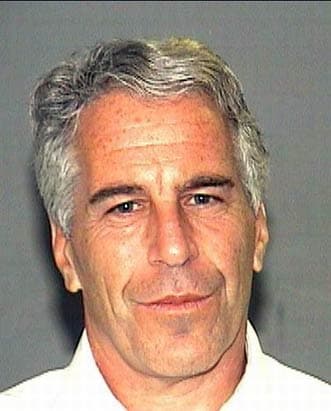
Jeffrey Epstein
PersonAmerican sex offender and financier (1953–2019)
24 docs24 co-mentions
United States
LocationCountry located primarily in North America
24 docs24 co-mentions
the Southern District
LocationFederal judicial district in New York City
23 docs23 co-mentions
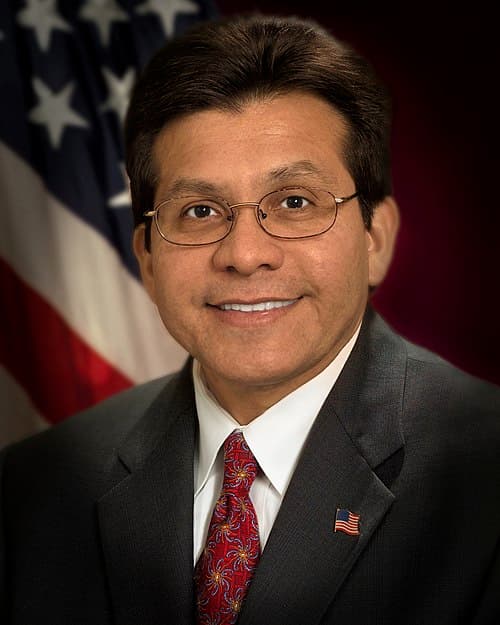
Alberto Gonzales
Person80th United States Attorney General
22 docs22 co-mentions
Scarlett Johansson
PersonAmerican actress (born 1984)
19 docs19 co-mentions
Ghislaine Maxwell
PersonBritish socialite and sex trafficker, daughter of Robert Maxwell, accomplice of Jeffrey Epstein
19 docs19 co-mentions
Adriana Ross
PersonPolish former model and Epstein associate, named as unindicted co-conspirator in 2007 plea deal, invoked Fifth Amendment in depositions
18 docs18 co-mentions
ET
Emmy Taylor
PersonFormer assistant to Ghislaine Maxwell, appeared in Epstein flight logs and court documents
18 docs18 co-mentions
RU
Russo
PersonSurname reference in Epstein-related documents
17 docs17 co-mentions
FBI
OrganizationFederal Bureau of Investigation, domestic intelligence and security service of the United States
17 docs17 co-mentions
MA
Mann Act
PersonPerson referenced in documents
17 docs17 co-mentions
Southern District of New York
OrganizationFederal judicial district covering Manhattan and surrounding areas
17 docs17 co-mentions
Spears
PersonSurname reference in documents
16 docs16 co-mentions
NE
Nejad
PersonSurname reference in documents
16 docs16 co-mentions
BO
Bortnovsky
PersonSurname reference in Epstein-related documents
16 docs16 co-mentions
Reid Weingarten
PersonAmerican white-collar criminal defense attorney at Steptoe & Johnson, represented Jeffrey Epstein and other high-profile clients
16 docs16 co-mentions
SA
Salameh
PersonLegal case citation: United States v. Salameh (misclassified as PERSON)
16 docs16 co-mentions
WA
Walker
PersonSurname reference in Epstein documents
16 docs16 co-mentions
MA
Markiewicz
PersonSurname reference in documents
16 docs16 co-mentions
SA
Santobello
PersonLegal case citation (Santobello v. New York) in Epstein court documents
16 docs16 co-mentions