Back to People & Entities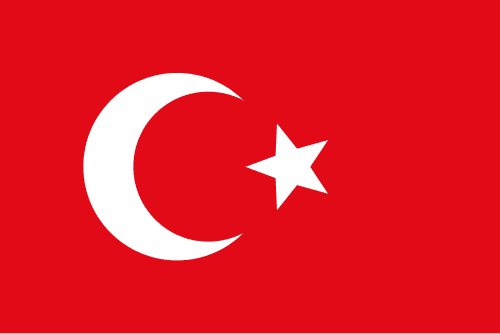


the Ottoman Empire
Location
Also known as:
the
Ottoman EmpireOttoman Empire
23
Total Mentions
23
Documents
409
Connected Entities
Location referenced in documents
The Ottoman Empire is mentioned in 9 documents within the Epstein files, but these references are entirely unrelated to Jeffrey Epstein. The mentions appear in government records discussing Middle Eastern geopolitics, historical context, and regional instability following the empire's collapse after World War I.
These mentions occur exclusively in documents analyzing modern Middle Eastern politics and conflicts. The Ottoman Empire is referenced as historical context when discussing the region's current state, the Arab Spring, and the collapse of post-WWI borders. The documents appear to be briefing materials, policy papers, or analytical reports about Middle Eastern affairs that happened to be included in the House Oversight Committee's document collection. None of the mentions connect the Ottoman Empire to Epstein's activities or associates.
Key Highlights
- •All 9 mentions appear in House Oversight Committee government records with unknown dates, suggesting these are policy or briefing documents
- •References focus on the Treaty of Sèvres, the collapse of the Ottoman Empire after WWI, and how Ottoman-era borders are vanishing in modern conflicts
- •Multiple documents describe current Middle Eastern turmoil as the greatest upheaval 'since the end of WWI and the collapse of the Ottoman Empire'
- •The Ottoman Empire is discussed in relation to Palestine's history, noting it controlled the region until 1923 when British troops ended 400 years of Ottoman rule
- •These references appear to be part of broader geopolitical analyses examining sectarian divisions, regional instability, and the 'Islamic winter' following the Arab Spring
Frequently Asked Questions
Related Links
Document Mentions (20 of 23)
Untitled attachment 248655.pdf
1 mentionHOUSE_OVERSIGHT_023133 - HOUSE_OVERSIGHT_023197
Sep 17, 2014Source: House Oversight Committee
eclaration. 4 days of violent rioting against Jews in Jerusalem. Opening of the San Remo Conference. Treaty of Sévres, or the Peace Treaty between the Ottoman Empire and the Allies. Major riots in Jaffa between Jews and Arabs. Great Britain issues the Unilateral Declaration of Independence of Egypt. Churchill
Page: HOUSE_OVERSIGHT_023150 →25 August.doc
1 mentionHOUSE_OVERSIGHT_024592 - HOUSE_OVERSIGHT_024623
Aug 25, 2011Source: House Oversight Committee
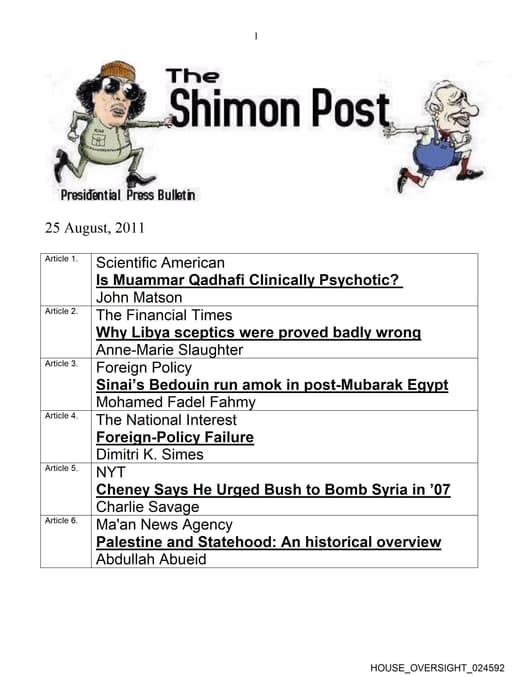
2] Article 6. Ma'an News Agency Palestine and Statehood: An historical overview Abdullah Abueid 24/08/2011 -- Until 1923, Palestine was part of the Ottoman Empire. In December 1917, British troops entered Jerusalem and ended 400 years of Ottoman rule. In 1922, the League of Nations issued the Mandate of Palesti
Page: HOUSE_OVERSIGHT_024618 →Final corrected english version - Katedra 5_12_14.docx
1 mentionHOUSE_OVERSIGHT_028887 - HOUSE_OVERSIGHT_028920
Source: House Oversight Committee
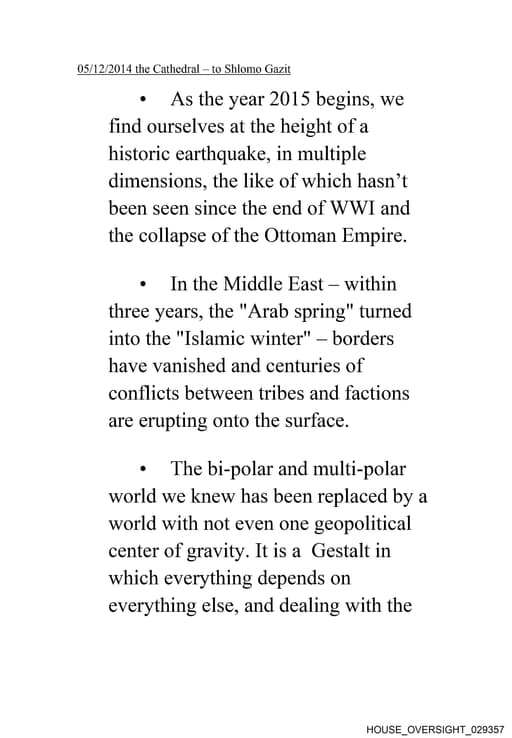
een seen since the end of WWI and the collapse of the Ottoman Empire. • In the Middle East - within three years, the "
Sponsored
Final corrected english version - Katedra 51214.pdf
1 mentionHOUSE_OVERSIGHT_029357 - HOUSE_OVERSIGHT_029397
Dec 14, 2014Source: House Oversight Committee
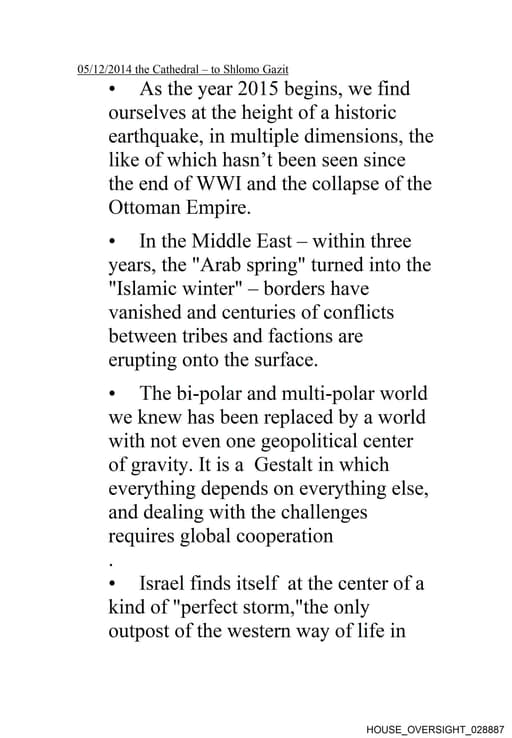
ourselves at the height of a historic earthquake, in multiple dimensions, the like of which hasn't been seen since the end of WWI and the collapse of the Ottoman Empire. • In the Middle East - within three years, the "Arab spring" turned into the "Islamic winter" - borders have vanished and centuries of conflicts bet
Page: HOUSE_OVERSIGHT_029357 →Microsoft Word - Document1
1 mentionHOUSE_OVERSIGHT_031716 - HOUSE_OVERSIGHT_031723
Oct 22, 2016Source: House Oversight Committee
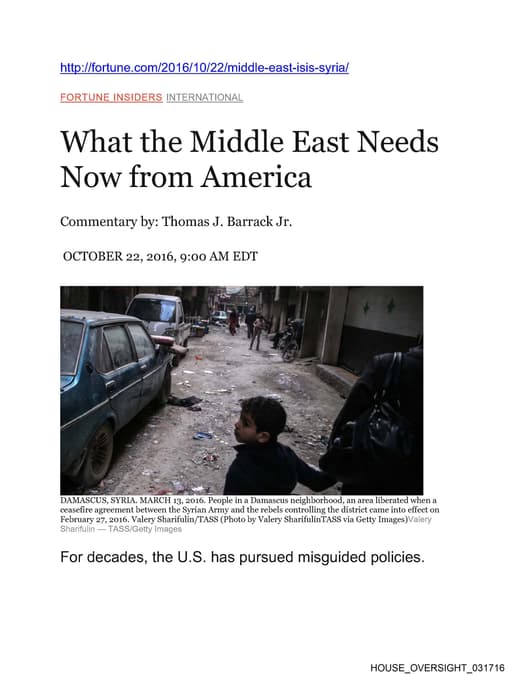
back to its tribal past. The search for a solution to this chaos requires a clear understanding of how we got here in the first place. For centuries, the Ottoman Empire had neutralized the historically rooted sectarian divisions within Islam. Those divisions stem from its ancient political legacy as a "caliphate," a
Page: HOUSE_OVERSIGHT_031718 →16 May.doc
1 mentionHOUSE_OVERSIGHT_031834 - HOUSE_OVERSIGHT_031875
May 16, 2011Source: House Oversight Committee
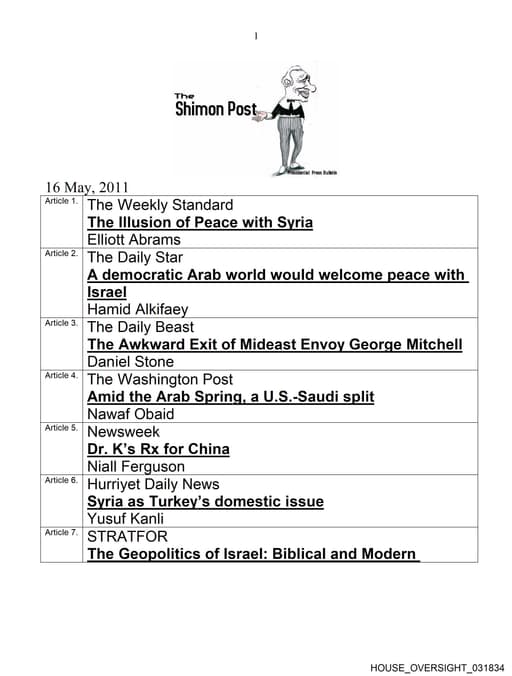
stward, it would move first through the Sinai and then northward along the coastal plain, securing sea lanes to Egypt. When Asia Minor powers such as the Ottoman Empire developed, there was a natural tendency to move southward to control the eastern Mediterranean. The Levant is the crossroads of continents, and Israe
Page: HOUSE_OVERSIGHT_031866 →Sponsored
HOUSE_OVERSIGHT_032162 - HOUSE_OVERSIGHT_032170
1 mentionSource: House Oversight Committee
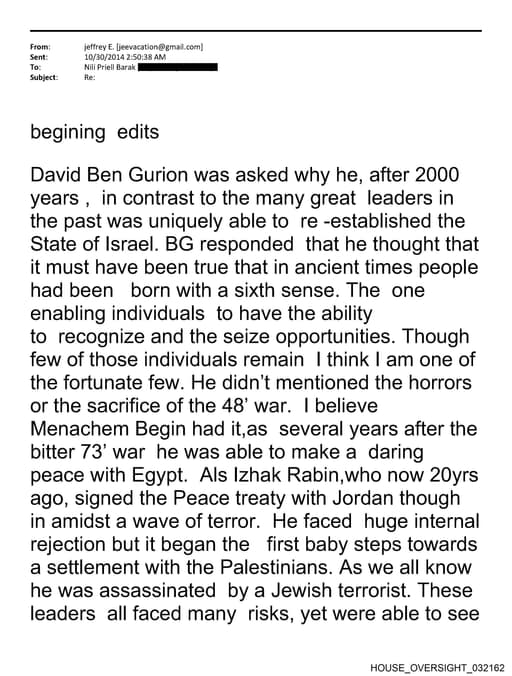
he world order, which existed since the demise of the Ottoman Empire, is collapsing. The Arab Spring appears to have t
EFTA00696222.pdf
1 mentionEFTA00696222
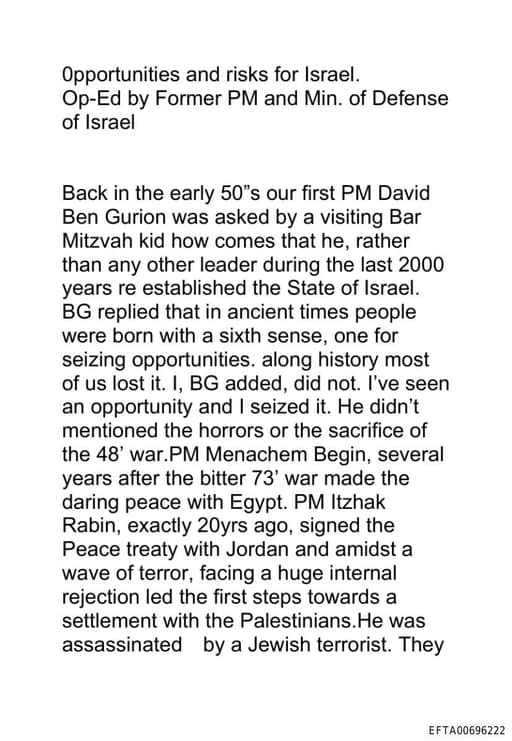
ent of greatness. During the last three years we're living through a geo political earthquake. The world order which existed since the demise of the Ottoman Empire following WW I is collapsing.The Arab Spring turned into an Islamist Winter. Borders are erased. Old tribal and sectarian bloody disputes awakene
EFTA00718260.pdf
1 mentionEFTA00718260
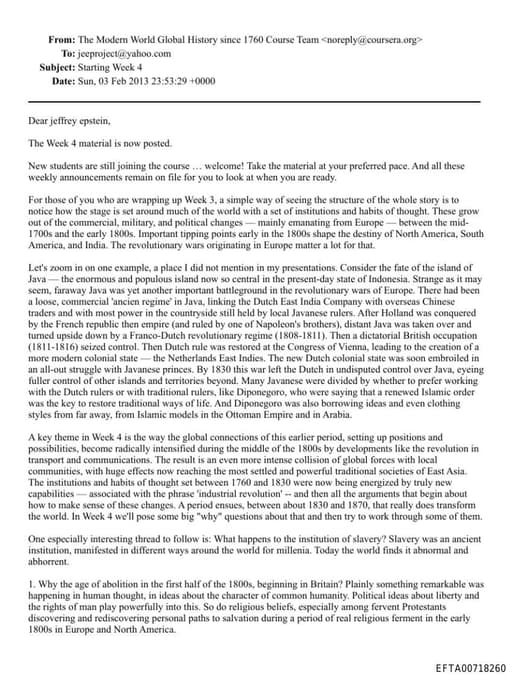
the key to restore traditional ways of life. And Diponegoro was also borrowing ideas and even clothing styles from far away, from Islamic models in the Ottoman Empire and in Arabia. A key theme in Week 4 is the way the global connections of this earlier period, setting up positions and possibilities, become radic
Sponsored
EFTA00701885.pdf
1 mentionEFTA00701885
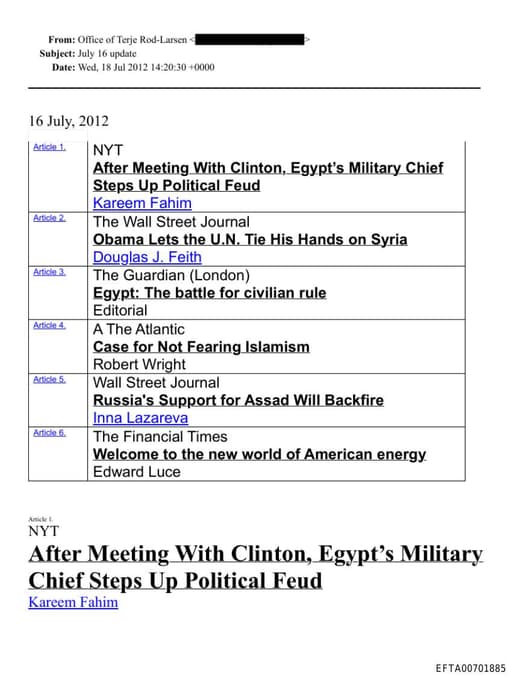
goes back to early twentieth-century Turkish leader Mustafa Kemal Ataturk's forceful campaign to westernize the country after the disintegration of the Ottoman Empire. But the campaign was less successful than it seemed. Though the cosmopolitan elites who ran Turkey after Ataturk were largely secular, out in the
EFTA00657280.pdf
1 mentionEFTA00657280
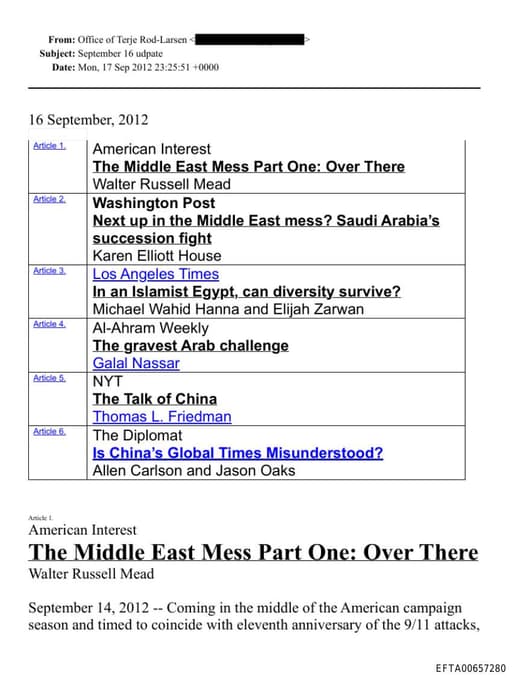
head into the Christian neighborhoods of Cairo. Episodes of mass violence and killing of religious minorities throughout the former territories of the Ottoman Empire — from the Danube to the Euphrates and the Nile — have been all too common in the last 150 years. Sometimes the victims have been Muslims (most rec
EFTA00679811.pdf
1 mentionEFTA00679811
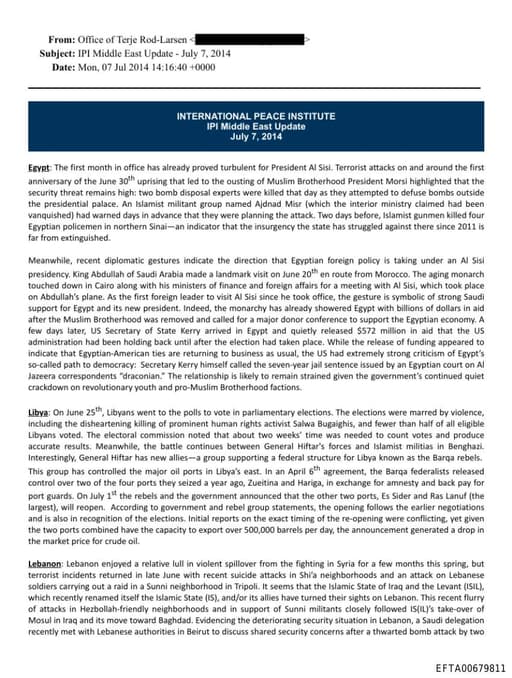
d the Levant (1511) announced the establishment of a caliphate, referring to the system of rule that ended almost a century ago with the collapse of the Ottoman Empire, and changed its name to "Islamic State." The group of Islamic extremists designated its chief Abu Abakr al-Baghdadi as caliph and "leader for Musl
Sponsored
EFTA00686997.pdf
1 mentionEFTA00686997
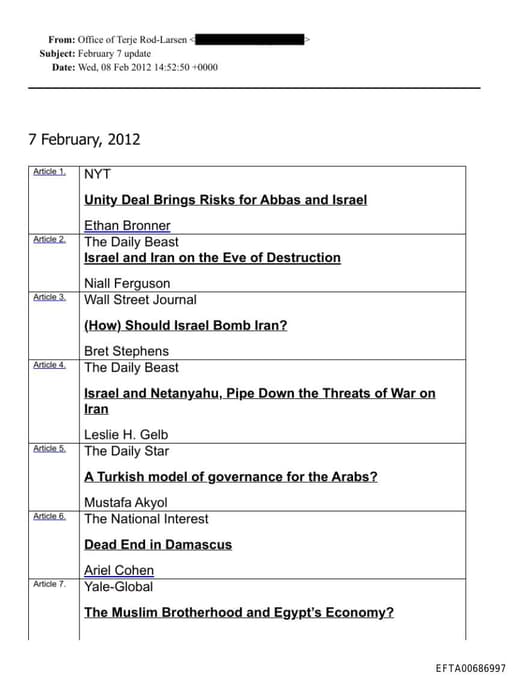
menians, for example, had lived side by side with Ottoman Muslims for some six centuries until the rise of modern nationalism. Similarly, no one in the Ottoman Empire ever suggested that Kurds were actually "mountain Turks" whose true identity should be restored via cultural assimilation. The Ottoman state had i
EFTA00706969.pdf
1 mentionEFTA00706969
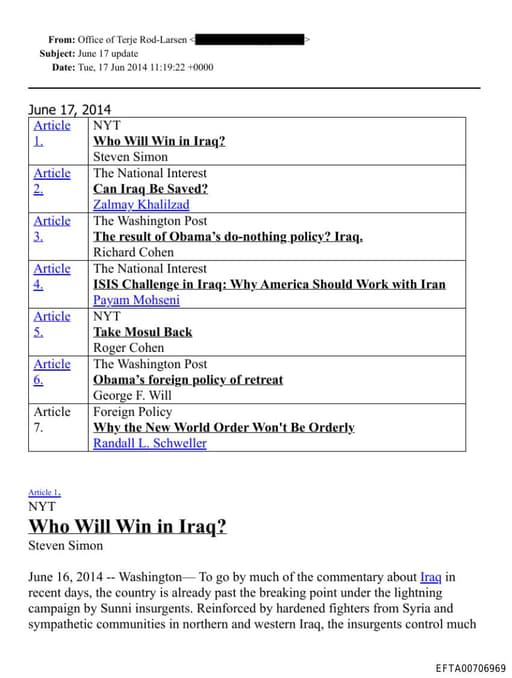
go affair, things are different. Even the worst mess has its winners. The Kurds, almost a century after missing out on statehood at the break-up of the Ottoman Empire, are the beneficiaries of Iraq's mayhem. Even their relations with their Turkish nemesis have been commerce- smoothed into something approaching war
EFTA00713321.pdf
1 mentionEFTA00713321
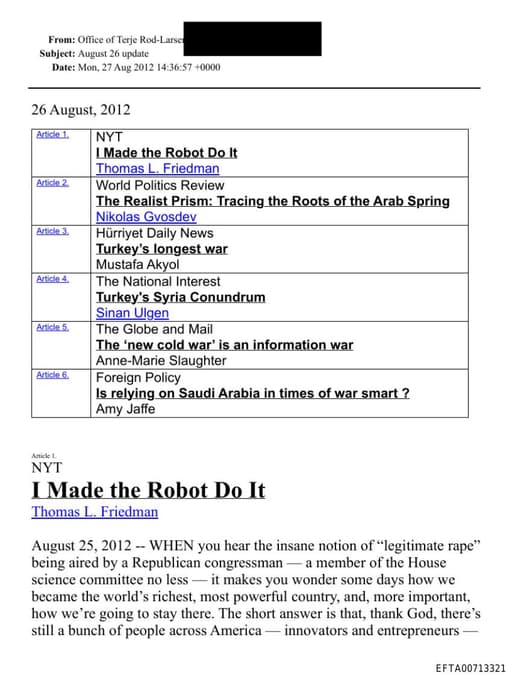
of Muslim solidarity against aggressive "infidels." With the formation of the Republic of Turkey, however, Kurds felt fooled and betrayed. Unlike the Ottoman Empire, this new state, whose official ideology was based on Turkish secular nationalism, would tolerate no identity other than a Turkish one. It was ther
Sponsored
EFTA01737583.pdf
1 mentionEFTA01737583
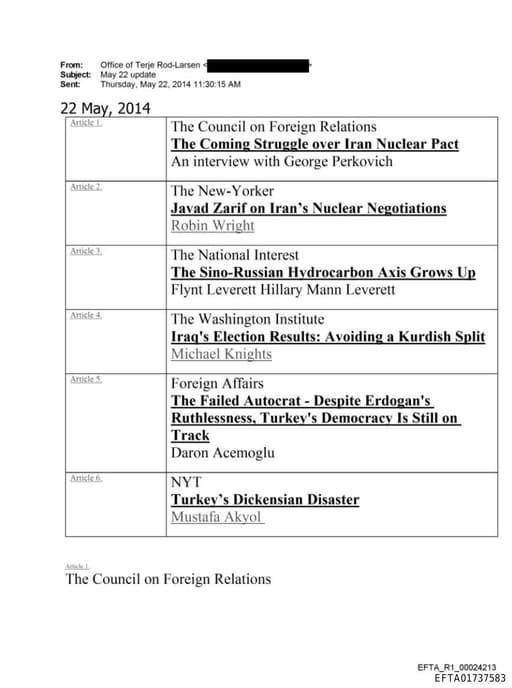
TATURK To understand the need for institutional rebalancing, one needs to first understand how the roots of Turkey's present institutions began in the Ottoman Empire. The reach of the Ottoman state was limited in many ways, but the effective political power that did exist -- organized mainly around military con
EFTA01845120.pdf
1 mentionEFTA01845120
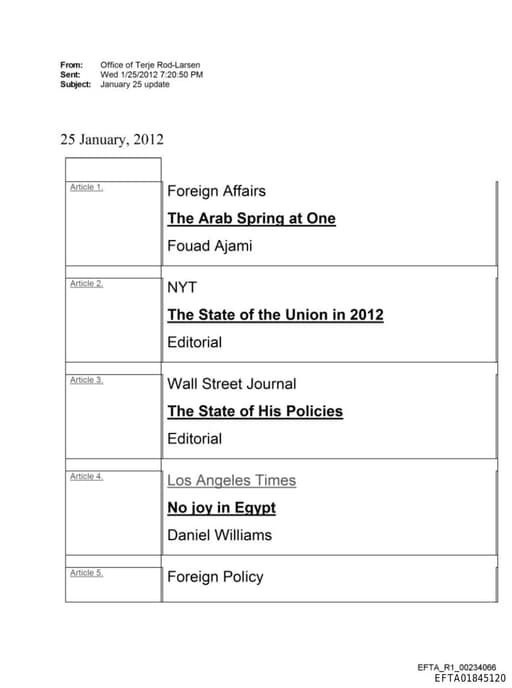
ns and Christian intellectuals, it sought to reform political life, separate religion from politics, emancipate women, and move past the debris of the Ottoman Empire. Fittingly enough, that great movement, with Beirut and Cairo at the head of the pack, found its chronicler in George Antonius, a Christian writer
EFTA01784727.pdf
1 mentionEFTA01784727
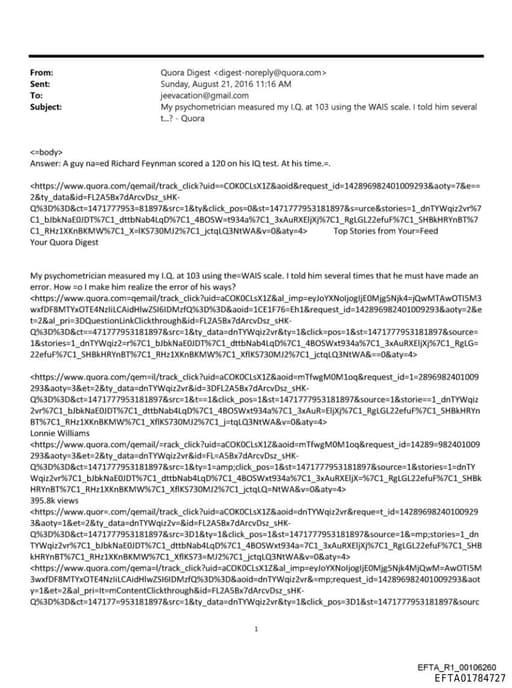
_4BOSWxt934a%7C1_3xAuRXEljXj%7C1_Rg LGL22efuF%7Cl_SHBkHRYnBT%7Cl_R=z1XKnBKMW%7C1_Xf1KS730M12%7Cl_ictqLQ3NtWA&v=0&aty=4> Do Turks regret the fall of the Ottoman Empire? <https://www.quora.com=qemail/track_click?uid=aCOK0CLsX1Z&al_imp=eyJoYXNoljogljE0Mjg5Njk4=jOwMTAwOTISM3 wyfDF8MjAwMjAzNTkiLCAid HIwZSI6I DM zfQ%3D
Sponsored
EFTA02689609.pdf
1 mentionEFTA02689609
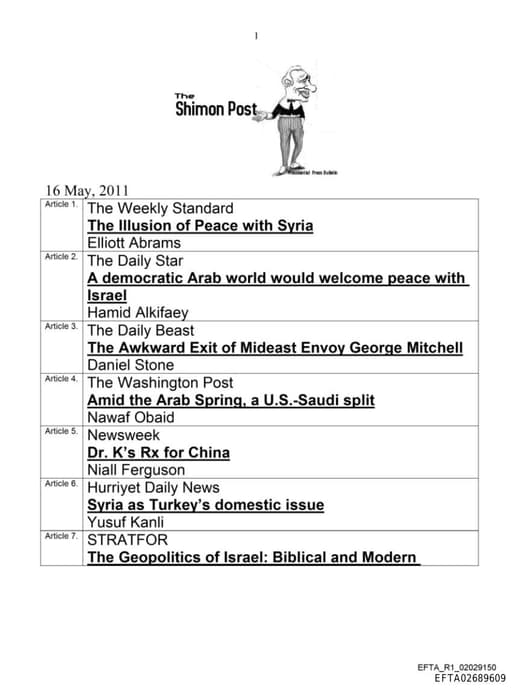
rael Let us then turn to the contemporary manifestation of Israel. Israel was recreated because of the interaction between a regional great power, the Ottoman Empire, and a global power, Great Britain. During its expansionary phase, the Ottoman Empire sought to dominate the eastern Mediterranean as well as both
EFTA02693013.pdf
1 mentionEFTA02693013
27 Article 6. Ma'an News Agency Palestine and Statehood: An historical overview Abdullah Abueid 24/08/2011 -- Until 1923, Palestine was part of the Ottoman Empire. In December 1917, British troops entered Jerusalem and ended 400 years of Ottoman rule. In 1922, the League of Nations issued the Mandate of Pale
Sponsored
Connected Entities(20 of 409)
Bashar al-Assad
PersonPresident of Syria from 2000 to 2024
19 docs19 co-mentions
Barack Obama
PersonPresident of the United States from 2009 to 2017
19 docs19 co-mentions
George W. Bush
PersonPresident of the United States from 2001 to 2009
15 docs15 co-mentions
Hosni Mubarak
PersonPresident of Egypt from 1981 to 2011
15 docs15 co-mentions
Yemen
LocationCountry in West Asia
13 docs13 co-mentions
Benjamin Netanyahu
PersonPrime Minister of Israel (1996–1999; 2009–2021; since 2022)
12 docs12 co-mentions
United States
LocationCountry located primarily in North America
12 docs12 co-mentions
Tripoli
LocationCapital city of Libya
12 docs12 co-mentions
Saddam Hussein
PersonIraqi president, army officer and Baathist politician (1937–2006)
12 docs12 co-mentions
Bill Clinton
PersonPresident of the United States from 1993 to 2001 (born 1946)
11 docs11 co-mentions
Tehran
LocationCapital city of Iran
11 docs11 co-mentions
Middle East
LocationGeopolitical region encompassing Egypt and most of Western Asia, including Iran
11 docs11 co-mentions
Tunisia
LocationCountry in North Africa
10 docs10 co-mentions
Recep Tayyip Erdogan
PersonPresident of Turkey since 2014
9 docs9 co-mentions
Lebanon
LocationCountry in West Asia
9 docs9 co-mentions
Marc Rich
PersonAmerican commodities trader (1934–2013)
9 docs9 co-mentions
Hillary Clinton
PersonAmerican politician and diplomat (born 1947)
9 docs9 co-mentions
Damascus
LocationCapital and largest city of Syria
9 docs9 co-mentions
Cairo
LocationCapital city of Egypt
9 docs9 co-mentions
the State of Israel
LocationCountry in the Middle East
8 docs8 co-mentions