Back to People & Entities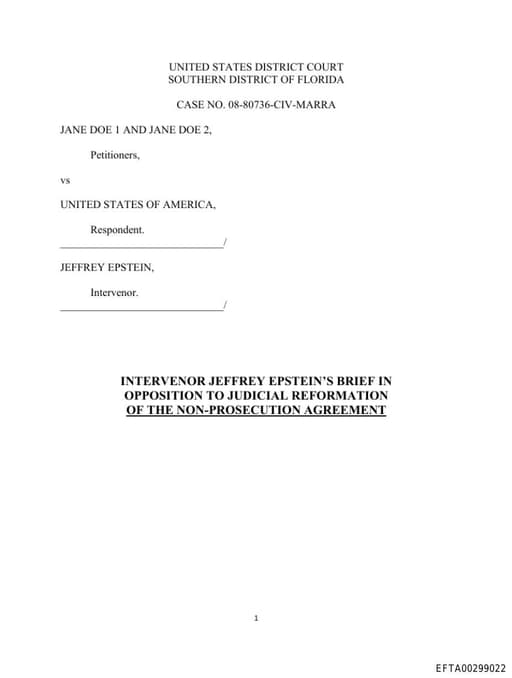







WA
Wayte
Person
23
Total Mentions
17
Documents
342
Connected Entities
Progamer
Document Mentions (17)
r unless based upon an unjustifiable standard such as race, religion, or other arbitrary classification. Id. These principles were reiterated in Wayte v. United States, 470 U.S. 598 (1985), a case involving the government’s policy of prosecuting only those individuals who reported themselves as ha
icy of prosecuting only those individuals who reported themselves as having failed to register with the Selective Service system. The petitioner in Wayte claimed that the self-reported non-registrants were “vocal” opponents of the registration program who were being punished for the exercise of their
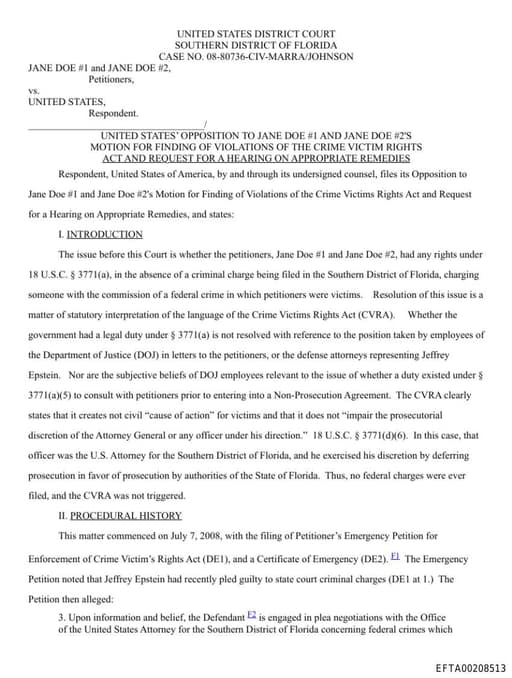
EFTA00299022.pdf
2 mentionsEFTA00299022
ervices B. Y., 818 F.3d 733, 741 (D.C.Cir. 2016), quoting Newman v United States, 382 F.2d 479, 480 (D.C.Cir. 1967). As the Supreme Court noted in Wayte, "[j]udicial supervision in this area, moreover, entails systemic costs of particular concern. Examining the basis of a prosecution delays the crim
nce value, the Government's 42 EFTA00299062 enforcement priorities, and the case's relationship to the Government's overall enforcement plan..." Wayte v. United States, 470 U.S. 598, 607 (1985). As such, the decision to prosecute is "particularly ill-suited to judicial review." Id. "Few subjects ar
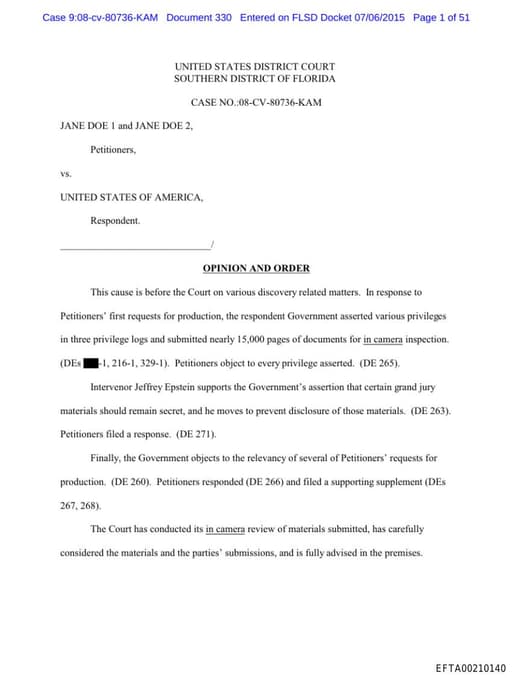
EFTA00210140.pdf
2 mentionsEFTA00210140
Courts tread lightly where prosecutorial discretion is concerned because "the decision to prosecute is particularly ill-suited to judicial review." Wayte, 470 U.S. at 607; see also 35 Geo. L.J. Ann. Rev. Crim. Proc. 203, 203 n.648 (2006). "Such factors as the strength of the case, the prosecution's ge
ts are [not] competent to undertake" the kind of analysis necessary to assess the "strength of the case" for or against any particular prosecution. Wayte, 470 U.S. at 607; see also United States I. Armstrong, 517 U.S. 456, 465 (1996) (Judicial deference to prosecutors' decisions "rests in part on an a
Sponsored
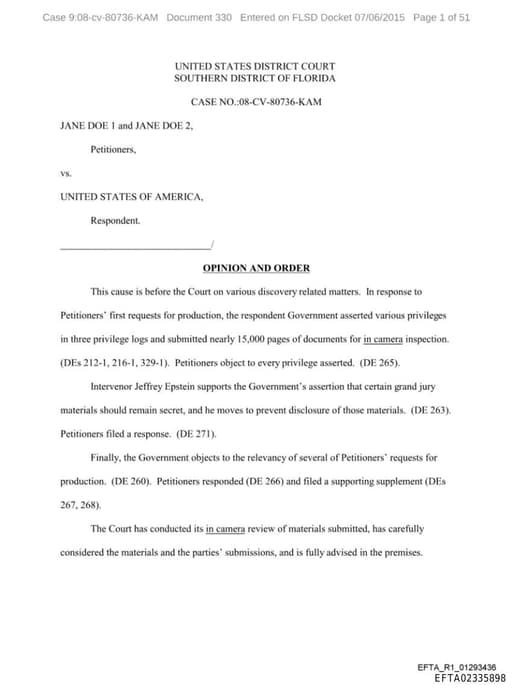
EFTA02335898.pdf
2 mentionsEFTA02335898
made an inexplicably poor decision when it decided not to prosecute Epstein. "[T]he Government retains 'broad discretion' as to whom to prosecute." Wayte v. United States, 470 U.S. 598, 607 (1985). The CVRA incorporates this principle, providing that In]othing in this chapter shall be construed to im
ts are [not] competent to undertake" the kind of analysis necessary to assess the "strength of the case" for or against any particular prosecution. Wayte, 470 U.S. at 607; see also United States v. Armstrong, 517 U.S. 456, 465 (1996) (Judicial deference to prosecutors' decisions "rests in part on an a
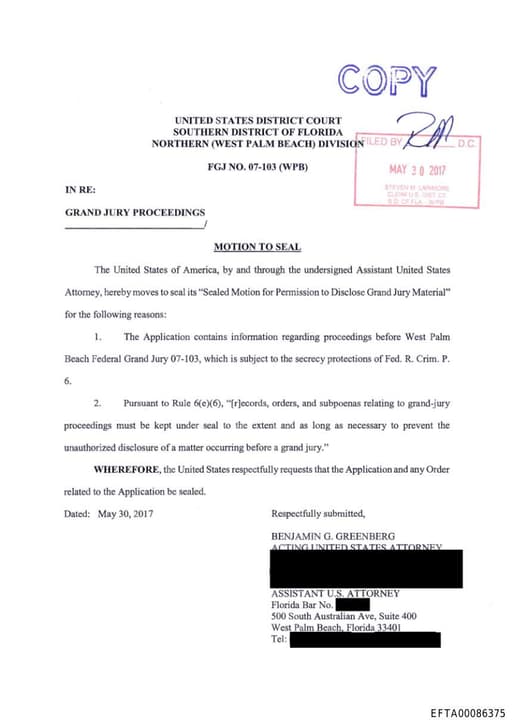
EFTA00086375.pdf
2 mentionsEFTA00086375_sub_001 - EFTA00086375_100
ts are [not] competent to undertake" the kind of analysis necessary to assess the "strength of the case" for or against any particular prosecution. Wayte, 470 U.S. at 607; see also United States v. Armstrong, 517 U.S. 456, 465 (1996) (Judicial deference to prosecutors' decisions "rests in part on an a
made an inexplicably poor decision when it decided not to prosecute Epstein. "(T]he Government retains `broad discretion' as to whom to prosecute." Wayte v. United States, 470 U.S. 598, 607 (1985). The CVRA incorporates this principle, providing that Irdothing in this chapter shall be construed to im
EFTA01296720.pdf
2 mentionsEFTA01296720_sub_001 - EFTA01296720_100
Courts tread lightly where prosecutorial discretion is concerned because "the decision to prosecute is particularly ill-suited to judicial review." Wayte, 470 U.S. at 607; see also 35 Geo. L.J. Ann. Rev. Crim. Proc. 203, 203 n.648 (2006). "Such factors as the strength of the case, the prosecution's g
made an inexplicably poor decision when it decided not to prosecute Epstein. "[T]he Government retains 'broad discretion' as to whom to prosecute." Wayte v. United States, 470 U.S. 598, 607, 105 S. Ct. 1524, 84 L. Ed. 2d 547 (1985). The CVRA incorporates this principle, providing that "[n]othing in t
Sponsored
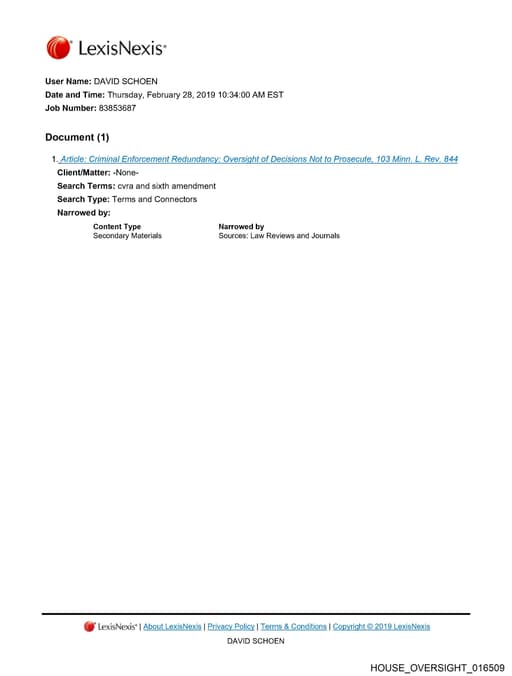
Article: Criminal Enforcement Redundancy: Oversight of Decisions Not to Prosecute
1 mentionHOUSE_OVERSIGHT_016509 - HOUSE_OVERSIGHT_016551
Feb 28, 2019Source: House Oversight Committee
e.g., United States v. Armstrong, 517 U.S. 456, 463-66 (1996) (examining the Equal Protection Clause's prohibition on racially- motivated charging); Wayte v. United States, 470 U.S. 598, 608 (1985) (holding due process bars prosecution in retaliation for exercising fundamental rights); Kolender v. Lawso
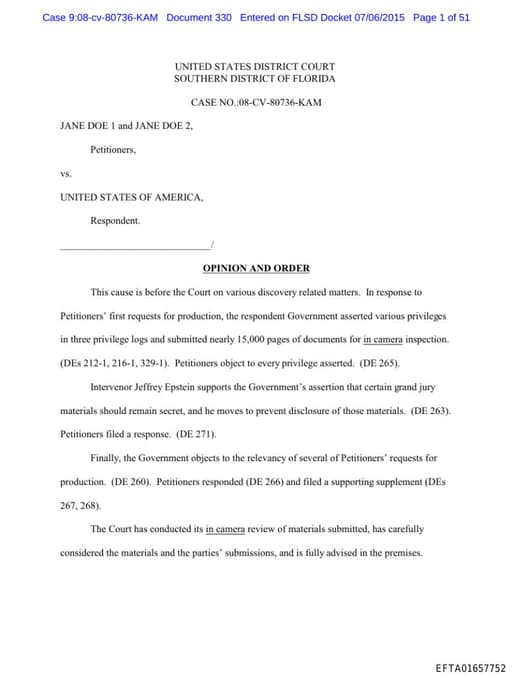
Page: HOUSE_OVERSIGHT_016514 →EFTA01657752.pdf
1 mentionEFTA01657752
made an inexplicably poor decision when it decided not to prosecute Epstein. "[T]he Government retains `broad discretion' as to whom to prosecute." Wayte v. United States 470 U.S. 598, 607 (1985). The CVRA incorporates this principle, providing that InJothing in this chapter shall be construed to imp
EFTA00229916.pdf
1 mentionEFTA00229916_sub_002 - EFTA00229916_200
is constitutional responsibility to `take Care that the Laws be faithfully executed.'" United States v. Armstrong, 517 U.S. 456, 464 (1996) (quoting Wayte v. Untied States, 470 U.S. 598, 607 (1985); quoting U.S. Const., Art. II § 3; citing 28 U.S.C. §§ 516, 547). This broad discretion rests largely on
Sponsored
EFTA00177007.pdf
1 mentionEFTA00177007_sub_002 - EFTA00177007_194
force a federal prosecutor to seek an indictment where none has been sought, or to take back an agreement not to prosecute. 18 U.S.C. § 3771(d)(6); Wayte v. United States, 470 U.S. 598, 607-08 (1985) (the decision whether to prosecute is "particularly ill-suited to judicial review," and "not readily
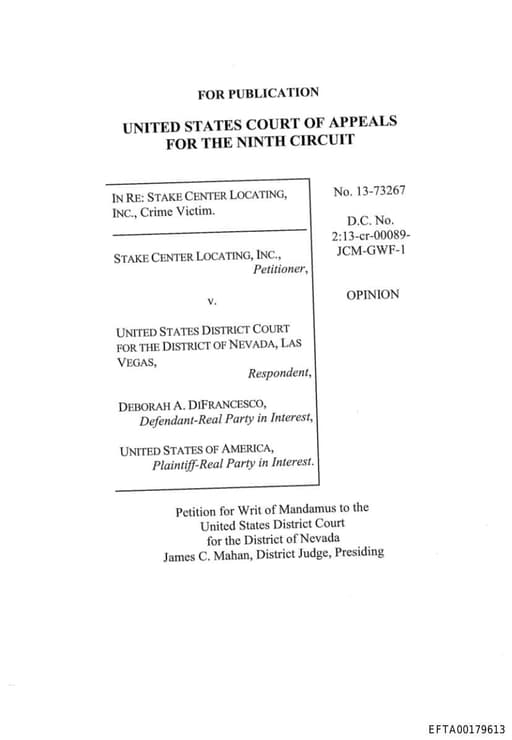
EFTA00179613.pdf
1 mentionEFTA00179613_sub_001 - EFTA00179613_100
k, 630 F.3d 1139, 1144 (9th Cir. 2011) (describing procedure for forfeiture). "[T]he Government retains broad discretion as to whom to prosecute." Wayte v. United States, 470 U.S. 598, 607 (1985) (quotation omitted). The CVRA expressly does not impair that broad discretion. See 18 U.S.C. § 3771(d)(6
EFTA00591461.pdf
1 mentionEFTA00591461
ment's enforcement policy. All these are substantial concerns that make the courts properly hesitant to examine the decision whether to prosecute. Wayte v. United States, 470 U.S. 598, 607-08 (1985); see also Fokker, 818 F.3d at 737-738 (noting the long-settled understandings about the independence o
Sponsored
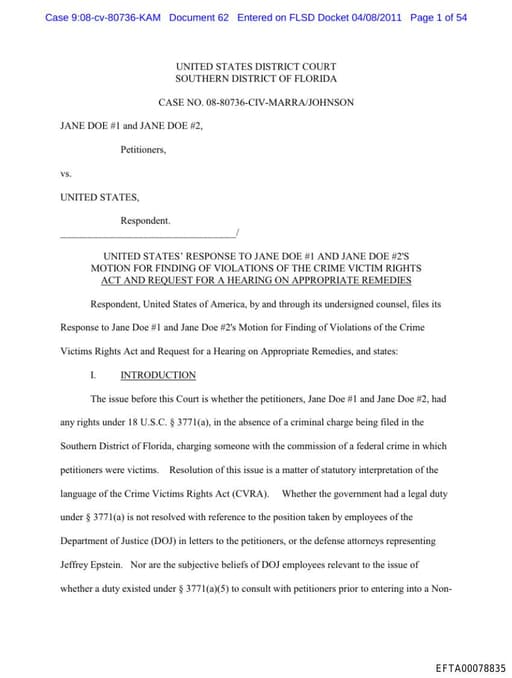
EFTA00078835.pdf
1 mentionEFTA00078835
his constitutional responsibility to 'take Care that the Laws be faithfully executed.' United States v. Armstrong, 517 U.S. 456, 464 (1996) (quoting Wayte v. United States, 470 U.S. 598, 607 (1985); quoting U.S. Const., Art. II § 3; citing 28 U.S.C. §§ 516, 547). This broad discretion rests largely on
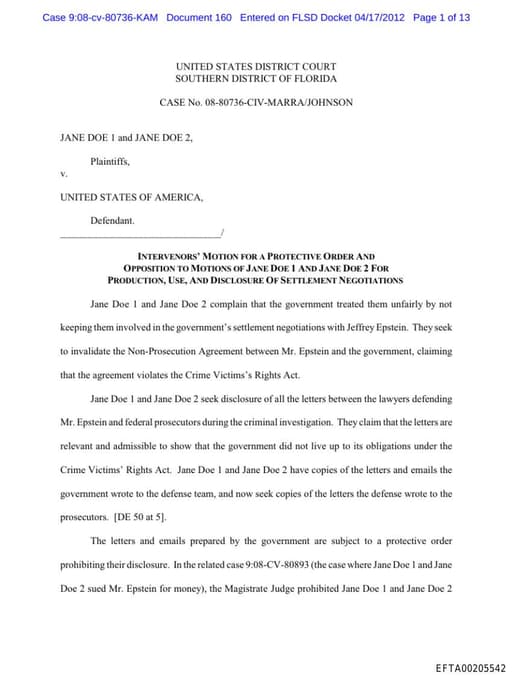
EFTA00205542.pdf
1 mentionEFTA00205542
6) ("Nothing in this chapter shall be construed to impair the prosecutorial discretion of the Attorney General or any officer under his direction"); Wayte v. United States, 470 U.S. 598, 607-08 (1985) (the decision whether to prosecute is "particularly ill-suited to judicial review," and "not readily
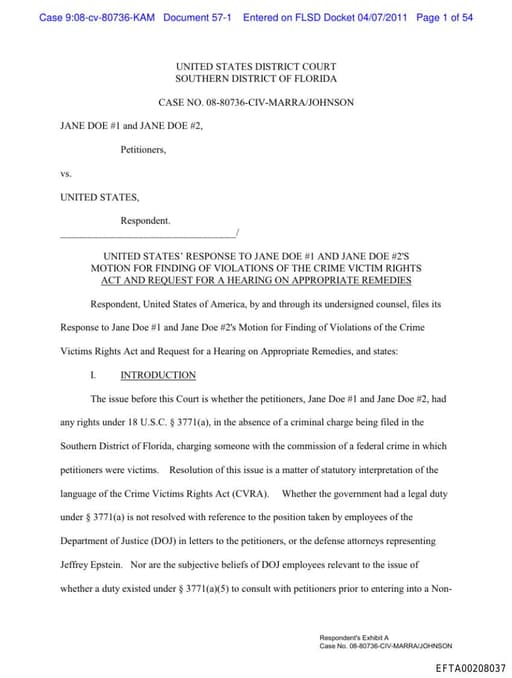
EFTA00208037.pdf
1 mentionEFTA00208037
his constitutional responsibility to 'take Care that the Laws be faithfully executed.' United States v. Armstrong, 517 U.S. 456, 464 (1996) (quoting Wayte v. United States, 470 U.S. 598, 607 (1985); quoting U.S. Const., Art. II § 3; citing 28 U.S.C. §§ 516, 547). This broad discretion rests largely on
Sponsored
EFTA00208513.pdf
1 mentionEFTA00208513
al responsibility to `take Care that the EFTA00208520 Laws be faithfully executed.'" United States v. Armstrong, 517 U.S. 456, 464 (1996) (quoting Wayte v. United States , 470 U.S. 598, 607 (1985); quoting U.S. Const., Art. II § 3; citing 28 U.S.C. §§ 516, 547). This broad discretion rests largely o
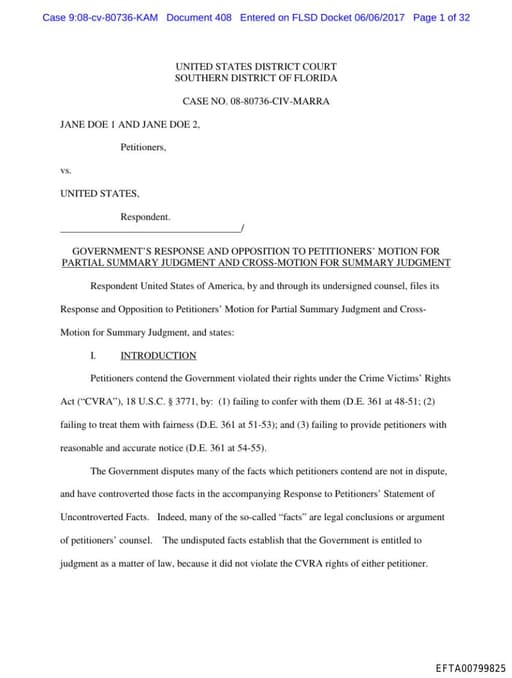
EFTA00799825.pdf
1 mentionEFTA00799825
ment's enforcement policy. All these are substantial concerns that make the courts properly hesitant to examine the decision whether to prosecute. Wayte v. United States, 470 U.S. 598, 607-08 (1985); see also Fokker, 818 F.3d at 737-738 (noting the long-settled understandings about the independence o
Sponsored
Connected Entities(20 of 342)
United States
LocationCountry located primarily in North America
17 docs17 co-mentions
Jeffrey Epstein
PersonAmerican sex offender and financier (1953–2019)
17 docs17 co-mentions
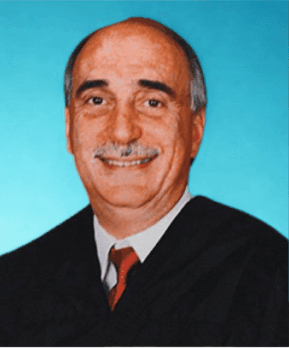
Kenneth Marra
PersonAmerican judge
14 docs14 co-mentions
JD
Jane Doe
PersonPseudonym for anonymous victims/witnesses in Epstein legal proceedings
13 docs13 co-mentions
LB
Leon Black
PersonAmerican billionaire businessman (born 1951)
13 docs13 co-mentions
Armstrong
PersonSurname reference in Epstein-related documents
13 docs13 co-mentions
Department of Justice
OrganizationUnited States Department of Justice, federal executive department responsible for law enforcement
12 docs12 co-mentions
the Southern District
LocationFederal judicial district in New York City
12 docs12 co-mentions
Supreme Court
OrganizationHighest court of jurisdiction in the US
11 docs11 co-mentions
Bradley Edwards
PersonAmerican attorney who represented Epstein victims, author of Relentless Pursuit
11 docs11 co-mentions
Paul Cassell
PersonUnited States federal judge
11 docs11 co-mentions
Michael Jackson
PersonAmerican singer, songwriter, record producer, and dancer (1958–2009)
10 docs10 co-mentions
George W. Bush
PersonPresident of the United States from 2001 to 2009
9 docs9 co-mentions
S.J. Quinney College of Law
OrganizationLaw school associated with the University of Utah in Salt Lake City, Utah, United States
8 docs8 co-mentions
Prince Andrew
PersonThird child of Queen Elizabeth II and Prince Philip, Duke of Edinburgh (born 1960)
8 docs8 co-mentions
Jay Lefkowitz
PersonAmerican lawyer
8 docs8 co-mentions
ET
Emmy Taylor
PersonFormer assistant to Ghislaine Maxwell, appeared in Epstein flight logs and court documents
8 docs8 co-mentions
MF
Maria Farmer
PersonAmerican visual artist
7 docs7 co-mentions
D.C. Cir
OrganizationOrganization referenced in documents
7 docs7 co-mentions
the Federal Rules of Civil
OrganizationOrganization referenced in documents
7 docs7 co-mentions