Back to People & Entities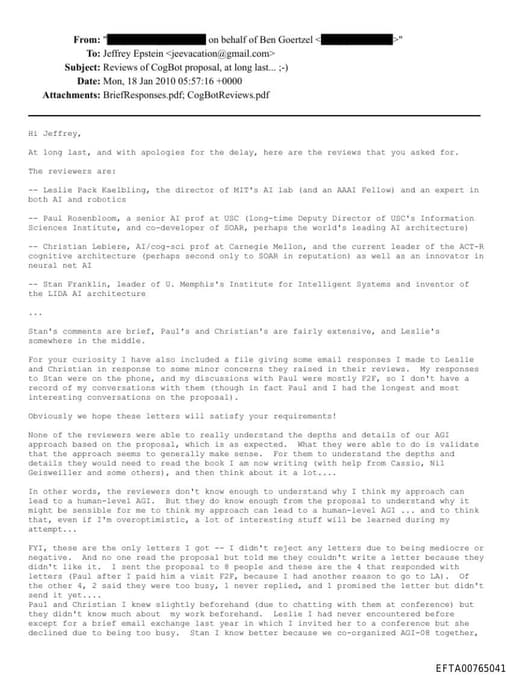








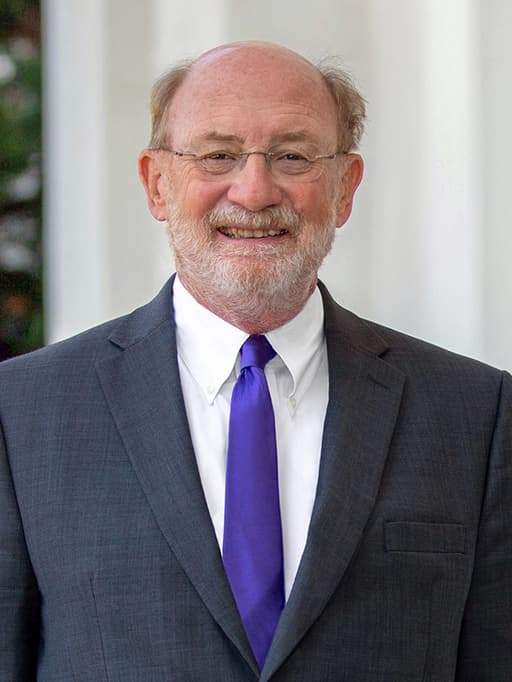
SF
Stan Franklin
Person
Also known as:
Stan Franklin
7
Total Mentions
7
Documents
642
Connected Entities
Person referenced in documents
Document Mentions (7)
EFTA00765041.pdf
1 mentionEFTA00765041
and the current leader of the ACT-R cognitive architecture (perhaps second only to SOAR in reputation) as well as an innovator in neural net AI -- Stan Franklin, leader of U. Memphis's Institute for Intelligent Systems and inventor of the LIDA AI architecture Stan's comments are brief, Paul's and Christian'
EFTA00775409.pdf
1 mentionEFTA00775409
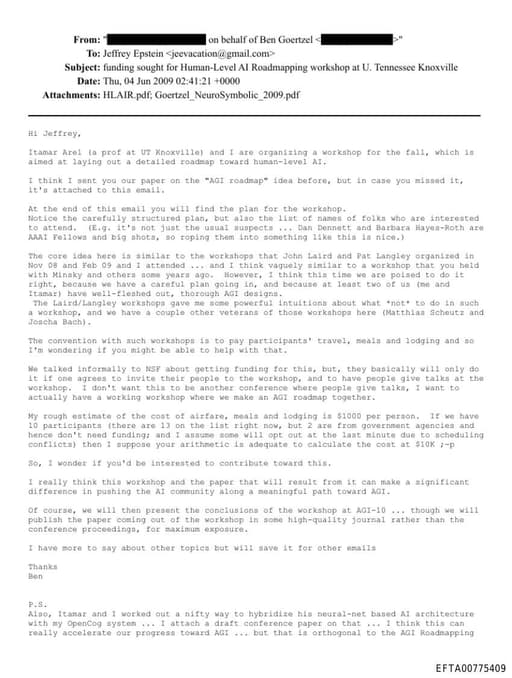
titute of Cognitive Science, University of Osnabruck, Germany -- Paul Bello, Office of Naval Research (ONR) -- Daniel Dennett, Tufts University -- Stan Franklin, Institute for Intelligent Systems, University of Memphis -- Ben Goertzel, Novamente LLC -- J. Storrs Hall, Foresight Institute -- Barbara Hayes-R
EFTA00624128.pdf
1 mentionEFTA00624128_sub_005 - EFTA00624128_500
esentation in order to do their cognitive work. Toward this end we have come to a similar conclusion to some other researchers (e.g. Joscha Bach and Stan Franklin), and con- cluded that given the strengths and weaknesses of current and near-future digital computers, a (loosely) neural-symbolic network is a goo
Sponsored
EFTA00623759.pdf
1 mentionEFTA00623759_sub_002 - EFTA00623759_200
d drives, and would then develop complex cognitive capabilities as part of this development process. 4.5.7 LIDA The LIDA architecture developed by Stan Franklin and his colleagues [13F09] is based on the concept of the "cognitive cycle" - a notion that is important to nearly every BICA (Biologically Inspire
EFTA00623759.pdf
1 mentionEFTA00623759_sub_004 - EFTA00623759_369
, 2003. BP71. J. D. Bransford and J. Franks. The abstraction of linguistic ideas. Cognitive Psychology, 2:331-350, 1971. BF09. Bernard Bears and Stan Franklin. Consciousness is computational: The lida model of global workspace theory. International Journal of Machine Consciousness., 2009. bGBK02. 1. Goer
EngGenInt_Vol_One.pdf
1 mentionHOUSE_OVERSIGHT_012899_sub_002 - HOUSE_OVERSIGHT_013098
Source: House Oversight Committee
nd drives, and would then develop complex cognitive capabilities as part of this development process. 4.5.7 LIDA The LIDA architecture developed by Stan Franklin and his colleagues [BF 09] is based on the concept of the “cognitive cycle” - a notion that is important to nearly every BICA (Biologically Inspired
Sponsored
EngGenInt_Vol_One.pdf
1 mentionHOUSE_OVERSIGHT_012899_sub_004 - HOUSE_OVERSIGHT_013267
Source: House Oversight Committee
ry, 2003. BF71. J. D. Bransford and J. Franks. The abstraction of linguistic ideas. Cognitive Psychology, 2:331—-350, 1971. BFO9. Bernard Baars and Stan Franklin. Consciousness is computational: The lida model of global workspace theory. International Journal of Machine Consciousness., 2009. bGBKO2. 1. Goert
Sponsored
Connected Entities(20 of 642)
DeSTIN
OrganizationOrganization referenced in documents
5 docs5 co-mentions
MI
MindAgents
PersonSurname reference in documents
5 docs5 co-mentions
ConceptNodes
OrganizationOrganization referenced in documents
5 docs5 co-mentions
Marc Rich
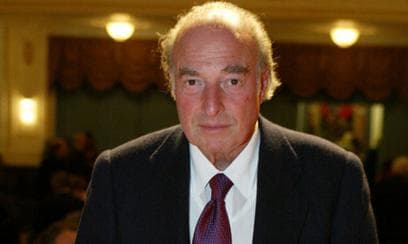
PersonAmerican commodities trader (1934–2013)
5 docs5 co-mentions
Marvin Minsky
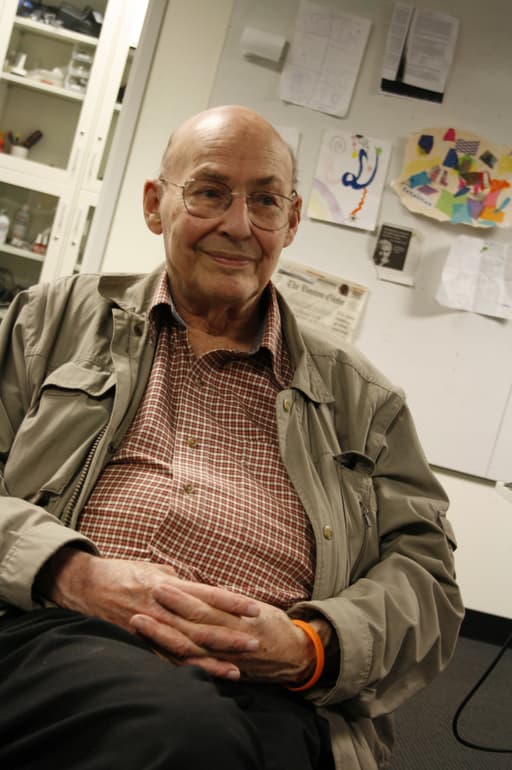
PersonAmerican cognitive scientist (1927-2016)
5 docs5 co-mentions
OpenCog
OrganizationArtificial intelligence research project
5 docs5 co-mentions
PI
Piagetan
PersonSurname reference in documents
4 docs4 co-mentions
George W. Bush
PersonPresident of the United States from 2001 to 2009
4 docs4 co-mentions
Shane Legg
PersonMachine learning researcher
4 docs4 co-mentions
Jared Kushner
PersonAmerican businessman and real estate investor (born 1981)
4 docs4 co-mentions
Dorner
OrganizationOrganization referenced in documents
4 docs4 co-mentions
Michael Douglas
PersonAmerican retired actor, producer and activist (born 1944)
4 docs4 co-mentions
Joscha Bach
PersonCognitive scientist
4 docs4 co-mentions
Python
OrganizationGeneral-purpose programming language
4 docs4 co-mentions
the Procedure Repository
OrganizationOrganization referenced in documents
4 docs4 co-mentions
CogPrime
OrganizationOrganization referenced in documents
4 docs4 co-mentions
Itamar
PersonFirst name reference to multiple individuals in Epstein-related documents
4 docs4 co-mentions
SimilarityLinks
OrganizationOrganization referenced in documents
3 docs3 co-mentions
OpenPsi
OrganizationOrganization referenced in documents
3 docs3 co-mentions
John Laird
PersonAmerican politician
3 docs3 co-mentions