HOUSE_OVERSIGHT_021247_sub_002 - HOUSE_OVERSIGHT_021398
Document Information
Bates Range
HOUSE_OVERSIGHT_021247_sub_002 - HOUSE_OVERSIGHT_021398
Pages
52
Source
House Oversight Committee
Original Filename
BeliefInUnseenPowers_Book.pdf
Document Content
Page 101 - HOUSE_OVERSIGHT_021347
Inferring Minds Where None Can Be Seen The social brain seeks connections with others. But what is the foundation that we use to build such connections? We experience empathy as a form of emotional resonance and understanding of other people. This connection allows us to comfort and support and celebrate with others. Being in tune with emotional states of others allows us to respond in ways that strengthen a group. But how do we understand the thoughts and goals of others? How do we predict choices and decisions to facilitate cooperation in groups? Anthropomorphism is the basis for predicting behavior and thoughts and goals. Nick Epley discusses how anthropomorphism is rooted in an egocentric view of others. Moreover our view of others is not confined to the others that are people. It is perhaps reflective of the deep and fundamental nature of anthropomorphism in the social brain that its anthropomorphic inferences about agents can be derived from observed behavior, allowing us to understand “minds” where none may exist, as in mechanical toys or alarm clocks. Of course we tend to understand those minds by thinking they are just like us. Even when there is no agent to be seen, events in the world may be understood by attributing them to unseen agents. During World War II, the bombing of London was demonstrably random, but citizens of London could not help but discern intentional patterns in the attacks. As Epley points out, hurricanes and floods are even today attributed to the hand of God, perhaps an angry God. Clark Gilpin discusses how religions may use this aspect of the Page |101 social brain to achieve an understanding of God and what God wants. This kind of anthropomorphism can be taken to different metaphoric extremes in personifying God as father or friend. But an overly concrete personification may have costs perhaps diminishing the universality and pervasiveness of God in other religions. Thus religions may differ in theological perspective on the value of the anthropomorphic impulse inherent in the social brain. HOUSE_OVERSIGHT_021347
Page 102 - HOUSE_OVERSIGHT_021348
piri er: cP 2 Peichsicl E Efir Chapter 11” Anthropomorphism: Human Connection to a Universal Society When Jonathan Edwards, an angular New England minister in his late | The lead author, Clark Gilpin, Ph.D., is the Margaret E. Burton Professor of the History of Christianity at the University of Chicago Divinity School. Clark studies the cultural history of theology in England and America from the seventeenth century to the present. From 1990 to 2000, he served as dean of the Divinity School, and from 2000 to 2004 he directed the Martin Marty Center, the Divinity School’s institute for advanced research in all fields of the academic study of religion. His current research projects include a book with the working title Alone with the Alone: Solitude in American Religious and Literary History, which explores ways in which the spiritual discipline of solitary writing—autobiographic narratives, journals, and letters—shaped the careers of major New England intellectuals of the eighteenth and nineteenth centuries. Anthropomorphic representations of God make many modern people very nervous, including many religious people. Attributing human-like ideas and emotions to the comprehending powers of the universe not only seems out of step with modern science but also a presumptuous confinement of the world within merely human needs and capacities. Yet, the impulse to speak anthropomorphically about our “ultimate environment” has vigorously persisted into the modern age. Rather than dismissing anthropomorphism as an outmoded way of thinking, this essay adopts a historical approach to rethink why anthropomorphism exhibits this perennial capacity to focus the human ethical imagination on our relations with and obligations to the universe within which we live. Page | 102 thirties, mounted the narrow steps into the pulpit on July 8, 1741, the sermon he was about to preach would become one of the most famously electrifying orations in American history, “Sinners in the Hands of an Angry God.” Edwards preached this sermon during the massive transatlantic religious revival that gave rise to Methodism in England and came to be known in the American colonies as “the Great Awakening.” This was not the familiar pulpit of his congregation in Northampton, Massachusetts, but rather the church at Enfield, a town that had gained notoriety for stubbornly resisting the exhortations of previous preachers of spiritual awakening. From his scriptural text—“‘their foot shall slide in due time” (Deut. 32: 35)—Edwards drew the doctrine that “there is nothing that keeps wicked men, at any one moment, out of hell, but the mere pleasure of God.” Sinners living here and now, Edwards declared, were “the objects of that very same anger and wrath of God, that is expressed in the torments of hell,” and that wrath was an annihilating fire that already “burns against them; their damnation does not slumber; the pit is prepared; the fire is made ready...to receive them.” In a notorious image, Edwards portrayed God dangling the sinner’s soul over the fires of hell like a spider on a single, slender filament of its web. The sermon achieved stunning results, as recorded in the diary of one of those present, Stephen Williams: “before the sermon was done, there was a great moaning and crying out throughout the whole house—what shall I do to be saved; oh, I am going to hell; oh, what shall I do for a Christ.” The “shrieks and cries were piercing and amazing,” Williams reported, and the scene was so tumultuous that Edwards _ had to stop before finishing his sermon.’ HOUSE_OVERSIGHT_021348
Page 103 - HOUSE_OVERSIGHT_021349
As the classic American example of fire-and-brimstone Protestant preaching, “Sinners in the Hands of an Angry God” depends, for its effect, on anthropomorphism: ascribing human form and attributes—hands, emotions, and purposive agency—to nonhuman phenomena. Anthropomorphism has been a hotly debated feature of religion since classical antiquity. But, in the modern world, religious anthropomorphism has become especially controversial, while, at the same time, also becoming a crucial concept in modern theories about the very nature of religion.” Modern objections to anthropomorphism have taken two major forms. First, traditions within Judaism, Christianity, and Islam have long opposed the worship of “idols,” and regarded anthropomorphism as a dangerous assault against genuine piety and properly theological understanding of existence. In the modern period these religious objections against anthropomorphism have eventuated not only in sophisticated intellectual polemics against anthropomorphic concepts of God but also in popular movements of iconoclasm, which protested against anthropomorphic representations of the divine and sometimes physically destroyed anthropomorphic images. Second, the rise and development of modern science has emphasized the regularity of the processes that structure the natural world. And even when these orderly processes were described as natural “laws”—a term with obvious anthropomorphic connotations—they have generally been understood in ways that are thoroughly impersonal and lacking any intrinsic purpose or design. Hence, modern science has generated numerous questions about religious 103 Page interpretations of influence on the course of nature by divine ideas and purposes. Since the late nineteenth century, many instances of the so-called “warfare” between science and theology have turned on the issue of whether any scientific plausibility could be attached to concepts of a divine mind, purpose, or intention that guided or ordered the structure of the universe." According to the philosopher Charles Taylor, the transition from perceptions of a divinely ordered, purposive universe to an “impersonal order” of nature marked a pivotal change that, especially since the eighteenth century, has shaped “a secular age” among the societies of the modern West.” In short, anthropomorphism has not only become a source of tension within religions but also something of an impasse between religious and scientific interpretations of the universe. Nonetheless, anthropomorphic assumptions remain vigorously present in many of the modern forms of theology, spiritual practice, and religious art, a persistence that suggests the strength of the psychological and social functions performed by anthropomorphic representation. In light of these longstanding controversies about religious anthropomorphism, the graphically anthropomorphic, spider-dangling deity of Edwards’s sermon would seem to offer a good test case for understanding how anthropomorphic religious language works in the modern era. Such an understanding begins with one of the central themes of this book, namely, the powerful human motivation to establish and maintain social connections. Anthropomorphism extends this drive for social connection beyond the boundaries of human societies by attributing human characteristics to HOUSE_OVERSIGHT_021349
Sponsored
Page 104 - HOUSE_OVERSIGHT_021350
nonhuman phenomena. In this way, anthropomorphic language incorporates human society in a web of ethical obligations that connect to the natural environment and, by imaginative extension, to the universe as a whole. Although the drive toward social connection is a general human trait, however, persons neither seek nor find satisfaction in a generalized sense of connection. Instead, satisfying social connections are sought and experienced in terms of the social norms and values of particular historical and cultural settings. Likewise, anthropomorphism, as an inferred social connection to the nonhuman, takes shape and becomes persuasive in terms of historically and culturally specific assumptions about society and social relations. This chapter will, therefore, step back from “Sinners in the Hands of an Angry God,” in order to describe how contemporary scholarship in social neuroscience and in the history of religions provides a fresh point of view on the workings of anthropomorphic perception and then test that interpretive model by reappraising Edwards’s famous sermon in its historical context. The Boundary of the Human The line between the human and the nonhuman is, perhaps, the most consequential presupposition that any society, group, or individual adopts about life in the world. The way various cultures draw this line, between “us” and “the other,” has shaped civilizations and their goals as well as the norms of personal conduct and identity. Although concepts of the human have a long and contentious philosophical history, people in their everyday lives show remarkable consensus in the features they use to define “human.” Central to this process of perceiving the human is a perception 104 Page of mind in other agents, including the presence of goal-directed agency, emotions such as anger, guilt, or pride, a capacity for self-awareness, and free will. As Nick Epley demonstrated in the preceding chapter, the perception of these distinctively human traits—“seeing invisible minds”—1is a psychological mechanism with tremendous influence on the way humans order and understand their social environment. Mind perception is such a powerful tool of inductive inference, however, that it regularly crosses the line it has itself drawn between the human and the nonhuman. Scholars from a wide array of disciplines have long observed humans’ anthropomorphic tendency to see nonhuman things or events as humanlike, imbuing the real or imagined behavior of nonhuman phenomena with human motivations, agency, and emotions. By perceiving the world in terms of human capacities and social relationships, anthropomorphism builds a complex system of analogies that uses knowledge of what it is like to be a person, in order to interpret the behavior of animals, the function of technological devices, the operation of complex social systems such as “the market,” or natural occurrences such as violent weather patterns or catastrophic events.” Hence, anthropomorphism, as a process of inference that not only draws but also crosses the line between the human and the nonhuman, has very substantial consequences for the human sense of connection to nonhuman animals, to larger ecological systems, and to the structure of the universe taken as a whole. Contemporary psychological research has created an intellectual space that opens the phenomenon of HOUSE_OVERSIGHT_021350
Page 105 - HOUSE_OVERSIGHT_021351
anthropomorphism to fresh possibilities for interpretation that are especially important for understanding its role in the human spiritual traditions in modernity, as well as the controversies surrounding that role. This research proposes that a single set of psychological mechanisms is likely to explain when people perceive a mind at work in an encountered phenomenon, regardless of whether the thing in question is a god, a machine, an animal, another person, or an uncanny sequence of events. From this perspective, the psychological process of anthropomorphic inference works in concert with two other motivational mechanisms: the need to interact effectively with nonhuman phenomena in our environment and the desire to establish social connections with other humans.” The phrase anthropomorphic inference fails to capture, however, the interactive dynamism that infuses a person’s perception that a mind is at work in another agent. Put more strongly, our sense that mind is present in the other is, in no small measure, the sense that we are communicating. The absence of this communicative dimension of mind perception is precisely the tragedy in the family of an Alzheimer’s patient—the loss of reciprocal recognition. As Tanya Luhrmann vividly illustrates in the next chapter, religious anthropomorphism builds on the notion that this communicative reciprocity extends beyond the boundary of human society into the wider environment and includes social connection and communication with the divine. Anthropomorphism adds an obvious but important twist to these psychological mechanisms: whenever a person ascribes human attributes to a Page |105 nonhuman phenomenon, the person nonetheless continues to perceive it as nonhuman. When, for instance, a pet owner observes a dog’s reliability and infers that this behavior arises from the dog’s faithfulness, the owner does not go on to say that the dog is human. Indeed, an indispensable aspect of an anthropomorphic way of seeing Fido’s faithfulness is that the person also continues to see Fido as a dog. This dual perception is even more pronounced in a parallel illustration: a person observes the everyday reliability of gravity and infers that this arises from faithfulness at the heart of the natural order. Both illustrations indicate a close connection of anthropomorphism to metaphor, in which persons understand one kind of thing in terms of another by identifying a feature that bridges their difference without eliminating it. The specific feature, in this case faithfulness, posits a point of comparison that enables a familiar human capacity for loyalty to enable interpretation of another, unfamiliar or alien phenomenon. The illustrations further suggest that Fido’s faithfulness is what could be called weak anthropomorphism, because one could plausibly argue that dogs and humans actually do share a capacity for faithfulness. We perceive that, as mammals, they exhibit many behavioral similarities. By contrast, the perception of faithfulness as an attribute of the natural order is strong anthropomorphism, because it makes a far more daring inference in its effort to draw an analogy that produces insight or knowledge about the communicative reciprocity of the human and the nonhuman. Religions, as Edwards’s sermon illustrates, build primarily on strong anthropomorphism in order to propound communicative social HOUSE_OVERSIGHT_021351
Page 106 - HOUSE_OVERSIGHT_021352
connection with the nonhuman world. The metaphorical and analogical reasoning so characteristic of religious interpretations of the world is not merely a rhetorical flourish but is, instead, closely tied to general psychological processes in which self-knowledge and knowledge of other humans function as the most readily accessible starting points for inferences we make about human connections to the most comprehensive and consequential forces at work in the nonhuman world.™ Anthropomorphism’s dual perception of nonhuman phenomena—as simultaneously both like and unlike human persons—has shaped modern religious and spiritual perceptions in two especially intriguing directions. In one case, it has fastened on the difference between the human and the divine and cultivated iconoclastic perceptions of the spiritual in which anthropomorphic representation is regarded as a dangerously misleading, albeit necessary, accommodation to the limitations of human reason." In the other case, it has emphasized the point of metaphorical identity between the human and the nonhuman. Thus, an ancient idea held that the physical universe was a macrocosm mirroring the human microcosm, and this included what literary critics have named “the pathetic fallacy,” that is, a sympathetic response in nature to the affective states of humans. The early modern political philosopher Hugo Grotius (1583-1645), for example, described how human disobedience to divine law prompted an anthropomorphic emotional response from nature: “with sad motion wheeling, let the sky lament and mourn.”” In the modern history of religions, these two modes of anthropomorphism, one accentuating 106 Page difference and the other accentuating identity, have varied according to social circumstance, rhetorical purpose, and political ramifications. “Sinners in the Hands of an Angry God” illustrates, in one historical context, how anthropomorphic language crosses the boundary of the human in order to interpret human ethical responsibility to both the human and the nonhuman environment. The Rhetoric of Divine Wrath Clearly, Edwards’s anthropomorphic rhetoric destabilized in a terrifying way the Enfield congregation’s complacent perceptions of the world. It did so by starting from an assumption that Edwards and the congregation shared: that humanity’s ultimate environment should be construed, anthropomorphically, as a cosmic society held together by a covenant that God had made with the whole of creation. The sermon induced terror among the congregants by graphically portraying their own responsibility for disrupting the harmonious order of this all- encompassing society and provoking divine wrath for their rebellion against the covenant. The primary evidence for this divine wrath came not, however, from the external orders of nature and divine providence, which Edwards imagined working together to maintain the harmonious order of the world. Instead, wrath had arisen from a clash between the benign will of the world and the rebellious human will: “there is laid in the very nature of carnal men a foundation for the torments of hell: there are those corrupt principles, in reigning power in them, and in full possession of them, that are seeds of hell HOUSE_OVERSIGHT_021352
Sponsored
Page 107 - HOUSE_OVERSIGHT_021353
fire.” For the present God restrained human wickedness “by his mighty power, as he does the raging waves of the troubled sea,” but, if God should withdraw that restraining power, humanity’s willful self-regard would overturn nature. The most dangerous fire in creation was not, therefore, the fire of hell but rather the hellfire bursting forth from an unrestrained human will: “The corruption of the heart of man is a thing that is immoderate and boundless in its fury; and while wicked men live here, it is like fire pent up by God’s restraints,” but, should God ever relax his governance, humanity’s boundless fury “would set on fire the course of nature.” The turmoil stirred by human willfulness, like a violent storm at sea, threatened to capsize the ark of the universe, and the earth responded to this threat in a terrifying version of the pathetic fallacy, in which not empathy but enmity arose between humans and their natural environment. Consequently, except for “the sovereign pleasure of God, the earth would not bear you one moment,” and Edwards warned the Enfield congregation that “the creation groans with you” and resented its subservience to human usurpation: “the sun don’t willingly shine upon you to give you light to serve sin and Satan; the earth don’t willingly yield her increase to satisfy your lusts; nor is it willingly a stage for your wickedness to be acted upon; the air don’t willingly serve you for breath to maintain the flame of life in your vitals, while you spend your life in the service of God’s enemies. God’s creatures are good, and were made for men to serve God with, and do not willingly subserve to any other purpose, and groan when they are abused to purposes so directly 107 Page contrary to their nature and end.” A rebellious humanity antagonized the rest of creation, “and the world would spew you out, were it not for the sovereign hand of him who hath subjected it in hope.” The just order of the cosmos would rightly destroy humanity for its willful rebellion against the order of the whole, and the fact that this had not already happened was the expression of something like the self-restraining mercy of a monarch who does not order the execution of a traitor who has offended the royal honor: “The bow of God’s wrath is bent, and the arrow made ready on the string, and Justice bends the arrow at your heart, and strains the bow, and it is nothing but the mere pleasure of God, and that of an angry God, without any promise or obligation at all, that keeps the arrow one moment from being made drunk with your blood.” The Great Awakening was coterminous and interactive with the eighteenth century development of the modern physical sciences, especially building on the work of Isaac Newton (1642-1727). Edwards’s assumptions about the harmonious order of creation combined the science of his day with the aristocratic social order of eighteenth- century society. In warning the town of Enfield that it had transgressed the cosmic order, Williams was also asserting that it had violated the societal aspect of that order; as minister, he called the town to task for both violations. Conclusion Edwards imagined the Newtonian universe as an aristocratic social hierarchy held in harmony by sovereign law, at once moral and natural. HOUSE_OVERSIGHT_021353
Page 108 - HOUSE_OVERSIGHT_021354
In this hierarchy one member—the human—had stepped beyond its assigned place in the cosmic society and now lived in an unwitting complacency, ignoring the precarious finitude of a life being pursued by a radical judgment: “tis nothing but [God’s] hand that holds you from falling into the fire every moment: ’tis to be ascribed to nothing else, that you did not go to hell the last night; that you was suffered to awake again in this world, after you closed your eyes to sleep: And there is no other reason to be given, why you have not dropped into hell since you arose in the morning, but that God’s hand has held you up.” Like his contemporaries, the deists and religiously inclined scientists such as Newton himself, Jonathan Edwards assumed the “Newtonian world machine,” operating with the metronomic regularity of natural law. Presupposing both the science and the aristocratic social hierarchy of his day, Edward introduced anthropomorphic language to create a clash between this harmonious order and the willful self- interest of humans who dared to ignore their proper rung on the ladder of existence. As a preacher of penitence, he carried his anthropomorphic imagery to extravagant heights in order to induce a reversal of behavior in a recalcitrant town. The sermon effectively threatened the people of Enfield with what amounted to “metaphysical ostracism,” an expulsion no less thoroughgoing than the primordial ejection of Adam and Eve from the garden. The palpable effect of this imagery depended on the evocation of the natural and social orders rising up like, and yet unlike, an angry monarch to crush rebels against the cosmic commonwealth. 108 _ Q Page & ¢ References "Tn the interests of clarity, I have slightly rearranged and modernized this quotation. It and all quotations from Edwards’s sermon are taken from Jonathan Edwards, Sermons and Discourses, 1739- 1742, ed. Harry S. Stout and Nathan O. Hatch, with Kyle P. Farley, The Works of Jonathan Edwards 22 (New Haven: Yale University Press, 2003), 404-18. ' Social scientific analysis of the relation between anthropomorphism and religion is summarized by Steward Elliot Guthrie, who argues “religion is anthropomorphism” in his book Faces in the Clouds: A New Theory of Religion (New York: Oxford University Press, 1993), 178. The most lucid and succinct historical treatment remains Frank E. Manuel, 7he Fighteenth Century Confronts the Gods (Cambridge: Harvard University Press, 1959). 'Thave in mind such authors as John William Draper, History of the Conflict between Religion and Science (1874), and Andrew Dickson White, A History of the Warfare of Science with Theology in Christendom (1896). For a more recent example, see Richard Dawkins, The God Delusion (Boston: Houghton Mifflin, 2008). ' Charles Taylor, A Secular Age (Cambridge: Harvard University Press, 2007), 270-95. ' For a sampling of relevant recent work, see Philip Husbands, Owen Holland, and Michael Wheeler, eds., The Mechanical Mind in History (Cambridge: MIT Press, 2008); and Lorraine Daston and Gregg Mitman, eds., Thinking with Animals: New Perspectives on Anthropomorphism (New York: Columbia University Press, 2005). Ralph Waldo Emerson made the classic American argument for the positive reciprocity between the human and the natural. This idea of mutuality takes a different turn in our contemporary situation, in which industrial and technological HOUSE_OVERSIGHT_021354
Page 109 - HOUSE_OVERSIGHT_021355
Pa at Q »e | 109 ¢ advances have begun to alter the climate and thereby blurred the boundary between the human and the natural in another way. See for examples of this phenomenon, Bill McKibben, The End of Nature (New York: Random House, 1989). "Nicholas Epley, Adam Waytz, and John Cacioppo, “On Seeing Human: A Three-Factor Theory of Anthropomorphism,” Psychological Review 114 (2007): 864-86. ' Sheldon Sacks, ed., On Metaphor (Chicago: University of Chicago Press, 1978); David Tracy, The Analogical Imagination: Christian Theology and the Culture of Pluralism (New Y ork: Crossroad, 1981). ' Alain Besancon, The Forbidden Image: An Intellectual History of Iconoclasm, trans. Jane Marie Todd (Chicago: University of Chicago Press, 2000); Joseph Leo Korner, The Reformation of the Image (Chicago: University of Chicago Press, 2004). ' Merritt Y. Hughes, “Earth Felt the Wound,” English Literary History 36 (1969): 193-214. HOUSE_OVERSIGHT_021355
Sponsored
Page 110 - HOUSE_OVERSIGHT_021356
Personifications of God Jonathan Edwards wrote during a time in which monarchs reigned supreme. Writing from this perspective, he argued that the universe is a cosmic society organized under the leadership of a King of kings, a society against which humans have rebelled and, as a consequence, humans are at risk of annihilation except for the mercy of the King. Judgment day will come, according to Edwards, and those who have failed to meet their moral responsibility to the directive of the universe face eternal isolation. Clark Gilpin notes that by conjuring up a personified God — a God with emotions, intentions, and the capacity to act — Edwards instilled great fear and trembling in his listeners that presumably motivated them to change their behaviors in the desired direction. It is hard to imagine that Edwards would have had comparable success had he resorted to simple instructions or exhortations to engage in certain behaviors and avoid others. The innate tendency of people to understand divine entities in terms of what people do understand, namely their own thoughts, feelings, and beliefs, provided the leverage on which Edwards relied to drive his message home. Tanya Luhrmann also discusses a personalized construction of God — a God with whom one can consult and who intervenes in one’s daily life. People are intrinsically motivated to form social connections, and very little in life is more rewarding to people than their social relationships. Luhrmann, who adopts the perspective of a participant observer, finds that a new evangelical Protestant movement, the Vineyard Church, appeals to this Page |110 motivation to depict God as one’s personal guide and friend, well within one’s sensory reach. By conjuring up an anthropomorphic God with loving emotions, intentions, and actions, the Vineyard Church creates a desire for a personal relationship with God. But developing a relationship with an invisible God defies rationality. People must learn how to transform an abstract concept of an invisible God into a concrete sensory presence in their lives. Just as the social brain can perceive nonhuman objects as human, the social brain is also capable of selectively attending to sensory experiences and interpreting these sensations as God’s presence. HOUSE_OVERSIGHT_021356
Page 111 - HOUSE_OVERSIGHT_021357
“ really “20 church § 3} expérience: rel ae g just learn pn Chapter 12” How Does God Become Real How does God become real to people when God is understood to be ” The lead author is Tanya Luhrmann, Ph.D., a professor in the Stanford Anthropology Department. Her interests include the social shaping of psychological experience, and the way that social practice may affect even the most concrete ways in which people experience their world, particularly in the domain of what some would call the “irrational”. Her first project was a detailed study of the way apparently reasonable people come to believe apparently unreasonable beliefs (“Persuasions of the Witch’s Craft’, Harvard, 1989). Her second project explored the apparently irrational self-criticism of a postcolonial India elite, the result of colonial identification with the colonizers (“The Good Parsi’, Harvard 1996). Her third book identified two cultures within the American profession of psychiatry and examined the way these different cultures encouraged two different forms of empathy and two different understandings of mental illness (“Of Two Minds”, Knopf, 2000). She trained at the University of Cambridge (PhD 1986), and taught for many years at the University of California San Diego. Prior to moving to Stanford she was the Max Palevsky Professor and a director of the Clinical Ethnography project in the Department of Comparative Human Development at the University of Chicago. Religion is often understood as a matter of belief: a yes/no proposition. This essay suggests that it may be more helpful, and more accurate, to understand religious commitment as a response to sensory experience that can be learned, and that the capacity to learn depends upon one’s knowledge and belief, one’s proclivity for experiencing the world in particular ways, and the impact of devotional practice. Page |111 invisible and immaterial, as God is within the Christian tradition? This is not the question of whether God is real, but rather how people learn to make the judgment that God is present. Such a God is not accessible to the senses. When you talk to that God, you can neither see his face nor hear his voice. You cannot touch him. How can you be confident that he is there? Anthropology cannot answer the question of whether God is real. But the traditional method of the discipline, participant observation, can use the slow, careful method of fieldwork to explore the way that people learn to experience God as present in their lives. And what the method can teach us is that this often intensely private and personal relationship between a creature and its creator is built through a profoundly social process. In fact, one of anthropology’s most useful contributions to understanding the experience of God is to draw attention to just how much work faith takes, and to the fact that different kinds of faith—and different understandings of God—demand different kinds of work. Many who do not believe in God approach the question of religious belief as the problem of why people should believe in the existence of an invisible, intentional agent in their world. One of the more persuasive recent answers emerges from the observation that many of our cognitive traits evolved to help us survive. Evolutionary anthropologists and psychologists argue that belief in invisible beings is an accidental byproduct of the way our minds have evolved over the millennia. Our quick, effortless, automatic intuitions lead us to “anthropomorphize,” or to see faces in the clouds, as one scholar puts it. From HOUSE_OVERSIGHT_021357
Page 112 - HOUSE_OVERSIGHT_021358
this perspective, people believe in God because it is so easy to believe in invisible supernatural presence, and the great religions are elaborations around this basic core. ! Belief in the Invisible Yet it is also true that in many ways it is hard for people to believe in the invisible, intentional being of God, at least in some ways and at some times. It is one thing to believe in the abstract that there is a good and loving God; it is another thing to believe that this God loves you in particular this very afternoon when your car has broken down in the rain. Many Christians struggle at some point with whether God exists or with whether they understand God’s nature. A young man may come to university as a devout Christian, take a course on religion, and begin to wonder whether Christ as well as Krishna are cultural constructions. A depressed woman may understand herself as devout, but find that when she sits down to pray she feels that no one is listening to her prayers. And always there are times when terrible things happen to good and faithful people who often continued to believe in God in the abstract, but who find that they can not longer pray at all. The struggle between espoused religion (the religion one asserts; the Nicene creed) and lived religion (the way in which one experiences God from moment to moment) is central to the life of the Christian, and perhaps to the lives of most believers. The problem for believers is that to experience the Christian God as present, one must override three basic features of human psychology, features that are also part of our evolutionary inheritance. A person must override the 112 Page expectation that our minds are private, an expectation so substantial that researchers have shown that it develops around the world at a more or less similar age and can be found even in non-human primates. A person must override the expectation that persons are visible. And finally, a person must override the expectation that love is conditional, as it is for all social beings beyond a certain age, when right behavior is expected as a condition of human interaction. At least, some versions of Christianity expect unconditional love. The deep puzzle of faith is not why but how. How is it possible that people are able to violate such fundamental expectations of presence? The answer, in part, is that they do not. For most Christians, it will be a lifelong process to believe in all times and in all ways that their God is real for them in the way that their church tells them that God is real. As the psalmist laments: “how long wilt thou forget me, Oh Lord? For ever? How long wilt thou hide thy face from me?” (Psalm 13: 1). What they do to make God plausible for them depends upon their understanding of God and on what the social world of a faith teaches about how to experience their minds and bodies to find evidence for God’s presence. Learning to Sense the Presence of God In 2004 I set out to study ethnographically the way God becomes real for people in a church that would exacerbate the cognitive burden of belief. I chose an example of the new Protestant church that grew up after the 1960s. * Those churches set out as an invitation to experience God as concretely and as vividly as God had been experienced by the earliest HOUSE_OVERSIGHT_021358
Sponsored
Page 113 - HOUSE_OVERSIGHT_021359
Christian disciples. This God is both intensely human and intensely supernatural. In these churches, God is understood as so person-like that he becomes someone to joke and argue with, someone one chats to when walking down the street, about the little trivial things that matter only to the congregant. Coming to know God in such a church is described as to hear God “speak.” Dallas Willard, a beloved evangelical’s intellectual, puts it baldly: that God’s face-to-face conversations with Moses are the “normal human life God intended for us.” I conducted ethnographic fieldwork at a church that exemplifies this approach to God, a Vineyard Christian Fellowship in Chicago and then on the San Francisco peninsula (there were eight such churches in Chicago and four on the peninsula). For three years I went to Sunday morning gatherings. I joined three small groups, or housegroups, each for a year; I went to conferences and retreats; and I interviewed many congregants casually and also more formally about the way they experienced God. Overall, what I observed was that the process of coming to know God in such a church could best be described as a mapping process in which the congregants learn to use the familiar experience of their own minds and bodies to give content to the abstract experience of God. This is the way that humans learn most commonplace abstract words, in effect cognitively mapping from what we know to what we can only imagine. God speaks: so congregants learn to infer from their own experience of inner speech the way in which God talks to them. God relates: so congregants learn to imagine a relationship with God based on their 113 Page own experience of relationship. And God loves: and congregants use their own experience of being loved by a human as an example of the way they are loved by God. But unlike learning about time, congregants also map back. They build up a model of God by interpreting out of their own familiar experience into a representation shaped by the social world of the church and the narrative of the sacred text, and then they seek to re-map their own interior emotional experience by matching it to this representation. This demands constant effort, continual work on the way one pays attention and interprets one’s experience. As an ethnographer, I could see three kinds of work. First, God must be recognized as present. What congregants learn to do is to cherry-pick mental events out of the everyday flow of their awareness, and to identify that moment as other than themselves, as being of God. God was said to speak in several different ways. He spoke through the Bible, so that a verse “jumped out” at a congregant, or in some way drew their attention. For example: “T was reading in [some book] and I don’t even know why I was reading it. There’s a part where God talks about raising up elders in the church to pray for the church. And I remember, it just stuck in my head and I knew that the verse was really important and that it was applicable to me. I didn’t know why. It was one of those, let me put it in my pocket and figure it out later.” How did she know that it was important? “Because I just felt it. I just felt like it really spoke to me. I don’t really know why. And a couple of days later a friend asked me to be on the prayer team and it was like, wow, that’s what it was.” HOUSE_OVERSIGHT_021359
Page 114 - HOUSE_OVERSIGHT_021360
God spoke also through circumstances. What a skeptic might interpret as coincidence is understood as God’s intentional decision to direct the congregant’s attention. For example: “Everything in my life right now is focused on trying to get to England, and I needed to get some ID pictures. So I was really anxious—the money hasn’t really come together—and one afternoon I just felt like God said, you need to get up and go get those. Go get those ID pictures that you need. I was like, that’s totally inefficient. I don’t have a car, so it’s like walking half an hour to Walgreens and another half an hour back. Like, I could do this later and combine it with several things I need to get done. But I felt it was a step of faith to do this thing. So I did it—grumbling. Then on the way there and back I ran into three people I knew, and I felt that there was a kind of pattern, and that I was in the right place at the right time.” These ways of recognizing God are widely shared in many forms of Christianity. More specific to experiential evangelical Christianity is the expectation that God will speak directly into the mind, by placing a mental image or thought or sensation there. For example: “T’m praying for someone and, you know, they say their situation, what they want me to pray for. I start praying and start trying to, you know, really experience God, and, you know, I see these vivid images, and I’m explaining these vivid images and what I think they mean and, you know, sort of checking in with the person, you know, does this 114 Page resonate with you? They’re like “oh, my gosh, yes! How did you know that?” Most congregants find this process of pulling out specific thoughts and ascribing them to God baffling at first: again, the process violates the basic human experience that the mind is private. A congregant commented: “now I know that the ‘something’ is God, God’s voice. But I didn’t at all have words to describe it at that time I didn’t understand. It was very confusing.” The social world of the church taught specific ways to differentiate between mental events that are God and that are not. This technique has been taught in the church since the earliest time as “discernment,” although the content of the word and its rules has varied with the era. In the modern experiential evangelical church, the rules of discernment are more often taught by example and gossip than explicitly. Nevertheless, there appeared to be four principles. A thought might be said to come from God if: the thought was unexpected; the thought was consonant with God’s nature; the congregant had additional confirmation (one “tested” the thought); and one felt peace during the experience. The process was understood to be ambiguous, and left room not only for the congregant to be wrong, but for different congregants to disagree about whether God had, in fact, spoken in a particular manner. One afternoon, a woman spoke in front of the church explaining that God had spoken to her and told her that she should carry out some mission work in a lovely part of Mexico. The man sitting next to me said drily, “God sure wants a lot of evangelizing in Puerto Vallarta.” HOUSE_OVERSIGHT_021360
Page 115 - HOUSE_OVERSIGHT_021361
Second, God must be experienced in relationship. Such churches invite congregants to experience God in their imaginations as a person. Again, this violates a basic psychological expectation: persons have faces to observe and hands to shake. Human relational interactions are based on sensorial response. Churches like the Vineyard explicitly suggest that one should imagine a sensorial response from God and encouraged congregants to participate in a kind of let’s pretend play in which God was present. The pastor suggested one Sunday morning that congregants should put out a second cup of coffee for God, and sit down with him to chat. People went on “date night” with God. They would get a sandwich, and sit down on park bench to talk with God as they imagined his arm around their shoulders. They would ask God truly trivial questions like what shirt they should wear in the morning and what movie he thought they would like. These behaviors were clearly play-like. One congregant remarked: “I definitely do that. When I can’t decide what to wear. Like, God, what should I wear?” Then she laughed. “And you know, then I kind of forget about the fact that I asked God. I think God cares about really, really little things in my life. I mean I know God cares, but I don’t expect him to tell me what to wear. I’m like, Oh, I think I'll wear that and forget I even asked God!” This invitation to play was C.S. Lewis’ explicit contribution to twentieth century Christianity: “let us pretend to turn the pretense into a reality.” In churches which encourage such play, heresy fades in importance. The pastors and the committed congregants worry about “deadness,” not flawed imagining. Third, congregants must learn to respond emotionally to God as if God is 115 Page real. If God is real, a Christian (at least, the modern evangelical Christian) should experience the emotions that one would feel if one were loved unconditionally. Most do not. It is, in fact, difficult for humans to experience themselves as unconditionally loved because no matter how warm and loving a parent may be, at some point the child is expected to control his or her behavior and parental love will becomes contingent. The task of feeling unconditionally loved imposes upon the congregant not only the burden of identifying and relating to an invisible being, but experiencing emotions in response to that being’s love which the congregant rarely, if ever, truly experiences. Congregants talk about the experience of unconditional love as rare: they speak of “those moments” when one really feels God’s love. I was driving home from grocery shopping in the car and I stopped at a light and suddenly for no reason that I could come up with, I was weeping and I felt a massive and awesome sense of the presence of God in the car with me. It just came and I had absolutely no control over it. I pulled over to the side of the road—I remember thinking that I was so in love with Jesus at that moment that no one else on the planet could come close. After about twenty minutes of real intensity the feeling subsided somewhat, but the presence of Jesus stayed with me. I drove home not really ever able to fully express what happened without sounding like ’'d taken something illegal. The more immediate aim seemed to be to experience what Galatians 5:22-23 calls the “fruits of the spirit”: love, joy, peace, patience and so forth. The social life of the church was rich in emotional practices which sought to reshape the HOUSE_OVERSIGHT_021361
Sponsored
Page 116 - HOUSE_OVERSIGHT_021362
congregants’ interior emotional world by modeling the self on God, or on the self as seen from God’s loving perspective. One of the most important was prayer ministry, where the person for whom the prayer is given is often crying and in visible pain; those around the person are offering prayers which describe the ways in which the sobbing person is loved by God. Another was treating prayer like a psychotherapy session. One congregant explained: “It’s just like talking to a therapist, especially in the beginning when you’re revealing things that are deep in your heart and deep in your soul, the things that have been pushed down and denied.” In these churches which emphasize God’s love and intimacy, hell and fear largely disappear. The central demand of these learning practices is to use one’s own mental experience as evidence and content for the responsive presence of this God, who is believed to be other than oneself, and to use pretend play to integrate those mental events into a representation that is persuasively external to the self. The emotional practices provide both direct evidence of God’s love and, more generally, evidence that participation in church is satisfying and worthwhile. In effect the process asks the congregants to carve God out of their own experience and to experience those phenomena as other; and it uses the emotional practices taught by the church and the social world of the congregation to help them hold that God separate and apart and lovingly responsive. This is hard work to do, and not everyone was able to do it, or to do it easily. Here two congregants describe their difficulty in experiencing God directly despite their efforts. Page | 116 Jake: “I remember desperately wanting to draw closer to God, and [to have] one of these inspired Holy Spirit moments ... I wanted those [experiences] and I sought them out, but I never found myself encountering them” Irene: “I don’t understand the gift of prophecy completely. I’ll probably never will and I don’t have it and I don’t want it because it would scare me.” Here is another congregant who has been able to do so: Nora: “It was pretty early on in my relationship with him. I was just all full of myself one morning. I just had wonderful devotions and worships and just felt so close. I went out, and it was the most god-awful day. It was icy rain and gray and cold and it was sleeting. I’m just full of the joy of the Lord, and I say, “God, I praise you that it isn’t snowing, and that nothing’s accumulating, and that the streets aren’t icy’—and then I went around the corner, and I hit a patch of ice, and just about went down. It was so funny to me. I just burst out laughing out loud. It was just so funny that he would put me in my place in such a slapstick personal kind of way. But then he just graced me the rest of the morning. The bus showed up right away, which it never does. I was reading, and I missed my stop to get off, and I heard God say, “Get off the bus.” I looked up and hollered, and the bus actually stopped, half a block on, to let me get off. I just felt that intimacy all morning. Like when you go from holding a new boyfriend’s hand to kissing him goodnight ....” HOUSE_OVERSIGHT_021362
Page 117 - HOUSE_OVERSIGHT_021363
Some people experience God speaking directly to them in an easy relationship. Others do not. As aresult of my involvement with the Templeton group, I decided to carry out some quantitative and experimental work to see whether we could figure out the differences between those who found it easy to do this work, and those for whom it was difficult. That work suggests that there is a psychological capacity that makes the process of knowing this kind of God easier, though its absence does not prevent religious experience, and its presence does not predict it. It is the capacity for absorption, which is at the heart of imagination. Absorption is the capacity to focus one’s attention on a non-instrumental (and often internal) object while disattending to everyday exterior surrounds. Absorption is related to hypnosis and dissociation, but not identical to either. All of us go into light absorption states when we settle into a book and let the story carry us away. There are no known physiological markers of an absorption state, but as the absorption grows deeper, the person becomes more difficult to distract, and his sense of time and agency begins to shift. He lives within his imagination more, whether that be simple mindfulness or elaborate fantasy, and he feels that the experience happens to him, that he is a bystander to his own awareness, more himself than ever before, or perhaps absent, but in any case different. And as the absorption grows deeper, people often experience more imagery and more sensory phenomena, sometimes with hallucinatory vividness. Scholars do not discuss training in absorption, although researchers of hypnosis and dissociation 117 Page are clear that some kind of practice effects can be seen. ° Conclusion Prayer is basically training in absorption, at least the kind of prayer in which the person praying focuses inwardly and disattends to the everyday world in order to engage with God. It would be hard to over-estimate the importance placed on prayer and prayer experience in a church like this and indeed, in Christian America today. Many of the best-selling Christian books are books on prayer technique, and they sell in the millions. Such books often begin by presenting the concrete sensory experience of God described in the Hebrew Bible as the everyday relationship for which the ordinary believer should strive. In these manuals, the act of praying is understood as a skill that has to be deliberately learned. I discovered that these evangelical congregants assumed that prayer was a skill which had to be taught, that it was hard, that not everyone was good at it, and that those who were naturally good and well trained would experience changes associated with a more richly developed inner world. Their mental images would seem sharper; they would be more likely to report unusual sensory experiences. They would be more able, in short, to experience God. The more quantitative work—done in collaboration with Howard Nusbaum and Ron Thisted--suggests that those who have a proclivity for absorption and who trained that proclivity through prayer are indeed more able to accomplish the demanding learning that this concept of God sets out.* They are more able to identify God’s presence in their mind. They are more likely to experience God as an invisible HOUSE_OVERSIGHT_021363
Page 118 - HOUSE_OVERSIGHT_021364
companion. They may be more capable of responding to God emotionally. All theologies have trade-offs. This one offers an intensely personal and person-like God. He can comfort, like a friend, and respond directly, like a friend. He can be like a real social relationship for those who make the effort to experience him in this way. But because that social relationship lacks so many features of actual human sociality—no visible body, no responsive face, no spoken voice—such a theology demands a great deal of effort from those who follow it. They must constantly work with their attention, reinterpreting the ordinary and natural into the presence of the extra-ordinary and super-natural. Faiths which manage God differently—less personal, more present in the everyday natural world— make fewer demands on their followers’ attentional habits. But it may be, perhaps, that such a God may be easier to take for granted. Paradoxically, it may be that this high-maintenance, effortful God appeals to so many modern people (as many as a quarter of all Americans, according to a recent Pew study) precisely because the work demanded makes the God feel more real in a world in which disbelief is such a real social option. References ' Scholars who contribute to this perspective include Scott Atran, Justin Barrett, Pascal Boyer, Stewart Guthrie, and Harvey Whitehouse. * These churches have been described by Miller, D. 1997. Reinventing American Protestantism. Berkeley: University of California; see also Wuthnow, R. 1998. After heaven: spirituality in America since the 1950s. Berkeley: University of California Press. A survey by the Pew Page |118 Foundation 2006 (Pew, 2006, Spirit and Power: Ten nation survey. Pew Forum on Religion and Public Life) found that 23% of all Americans belong to a loosely similar style of “renewalist Christianity.” * Good summaries of work on hypnosis and dissociation, with some reference to absorption, can be found in Spiegel, H. and D. Spiegel. 2004[ 1978], Trance and treatment. New York: Basic Books; Seligman, R. and L. Kirmayer. 2008, “Dissociative experience and cultural neuroscience.” Culture, Medicine and Psychiatry 32(1): 31-64; and Butler, L. 2006, “Normative dissociation.” Psychiatric Clinics of North America. 29: 45-62. “The empirical work is presented in Luhrmann, T., H. Nusbaum and R. Thisted. 2010. “The absorption hypothesis.” American Anthropologist. March; cf. Tellegen, A. and G. Atkinson. 1974, “Openness to absorption and self altering experiences (“absorption”), a trait related to hypnotic susceptibility.” Journal of Abnormal Psychology 83: 268-277 HOUSE_OVERSIGHT_021364
Sponsored
Page 119 - HOUSE_OVERSIGHT_021365
Belief and Connection We tend to think of beliefs as wisps of the mind that have no power in the material world. However, as Gary Berntson and Louise Hawkley have discussed, beliefs can affect our health even to the extent of determining life and death. As Tanya Luhrmann discusses, in some forms of Christianity, there is a real belief in the presence of God. This is not simply a belief of God in the world, but a belief of a God who is by one’s side. The idea of God as a friend and companion clearly motivates the desire to make such a presence manifest in tangible ways. For some, it is the sense of God with which they commune, for others it is what they believe to be a sensory experience of God that they seek. Luhrmann outlines how this belief, coupled with a supportive social structure, can lead to powerful personal experiences, such as hearing the voice of God, reflecting the operation of our social brains. Our sense of social connection is not dependent on a single set of religious beliefs, however. In human social connections, we can form individual relationships with a spouse or friends but, as John Cacioppo outlined, there are other kinds of connections that our social brain seeks, as well. We seek connections with emergent structures such as groups, clubs, teams, congregations, and beyond. Kathryn Tanner argues that the belief that God created the world and bears causal responsibility for it serves to connect believers to life in a broader way than is provided through individual relationships. This broader connection to life does not depend on the manifestation of a presence to whom we can talk because the evidence of social Page |119 connection is apparent in the very fabric of daily existence. Thus, whereas Luhrmann discusses God as a palpable friend that one can learn to attend to and experience as an active presence in one’s life, Tanner discusses God as the initiator of life and the very fabric of existence, a presence so ubiquitous that there is no specific point on which one can focus to attend to or experience God. HOUSE_OVERSIGHT_021365
Page 120 - HOUSE_OVERSIGHT_021366
; “scxrelationship V tsocial always created Chapter 13” Theological Perspectives on God as an Invisible Force An individual’s beliefs about God are one factor to be included in a multi-dimensional investigation of the social consequences and possible health benefits of religion, an aid in particular 3 The lead author is Kathryn Tanner, Ph.D., the Dorothy Grant Maclear Professor of Theology at the University of Chicago Divinity School. Her research relates the history of Christian thought to areas of contemporary theological concern using critical, social, and feminist theory, with a special focus on the possible practical implications of Christian beliefs and symbols. She has lectured widely throughout the United States and Europe, and is the author of six books: God and Creation in Christian Theology: Tyranny or Empowerment? (1988, Blackwell); The Politics of God (1992, Fortress); Theories of Culture: A New Agenda for Theology (1997, Fortress); Jesus, Humanity and the Trinity (2001, Continuum and Fortress Press); Economy of Grace (2005, Fortress); and Christ the Key (2010, Cambridge). Christian beliefs are not just theoretical matters, involving putative truth claims about the nature of ultimate reality, but practical ones: Christian beliefs are often promulgated with the hope of impacting the way human beings live, by establishing, for example, the meaningfulness of and motivations for certain forms of social behavior. Prior research has concerned the possible economic, social and political consequences of Christian beliefs about God's relation to the world. This essay extends such questioning to the topic of perceived social isolation. How might belief in God as an invisible force in everyday life affect an individual's sense of social connection? Page |120 to scientific hypothesis generation.” Scientists can better test for the social and health consequences of religious commitment when they know more about the character and range of beliefs about God that such commitment brings. This chapter hopes to show, in particular, that exactly what Christians believe about the nature of God’s influence on their lives is likely to have an important bearing on one of the questions of this volume: How can religion encourage a sense of connection to others, especially in situations of perceived social isolation, and thereby assuage the adverse health consequences of loneliness? Depending on what they think God is like, Christians vary in the way they expect God to be a present influence on their daily lives. God’s nature is supernatural or transcendent, which means God is not very much like any of the ordinary persons or things with which they come into regular contact. Christians use the same terms for God that they use for talking about ordinary persons and things but they therefore know that neither set of terms is really adequate to capture who or what God is. On the one hand, God is something like a human being in that God loves them and wants to do them good, and in that God is unhappy with their failings and trying, through the use of carrots and sticks, to get them to change. But, on the other hand, God is really not very much like an ordinary human being in that God is present at all times and everywhere, working inexorably to bring about what God intends throughout the entirety of peoples’ lives by way of influences of both personal and impersonal sorts--for example, through personal words of advice and warning found in the Bible as HOUSE_OVERSIGHT_021366
Page 121 - HOUSE_OVERSIGHT_021367
well as apparent accidents of fortune like car crashes and the weather. Though retaining personal characteristics such as love or anger, God operates less like an individual human person with limited reach and partial interests, and more like light, air or gravity do—quite pervasively and constantly. Usually one side or the other comes to the fore in the way Christians feel connected to God: for some Christians the personal side of God is central; for others, the more impersonal. Thus, some Christians expect God to be very much like a human friend, offering companionship and good advice.“ As Tanya Luhrmann explores in her essay, their religious lives often revolve around the internal sensory or imaginative experiences that make a God of that sort seem real to them--the sense that God is in the room with them, that God speaks to them, and so on. They work to cultivate a prayer life that heightens the vividness of those experiences and thereby allays doubts about the actual existence of this invisible, otherwise seemingly unreal, divine friend. In short, good practitioners of prayer gain a stronger and more reliable sense that God is present as a friend directing the course of their lives. Other Christians have expectations of a more overarching and impersonal sort about the way God is a force in their lives; these expectations, I suggest below, are the consequence of their holding certain beliefs about God as the creator, sustainer, and savior of the world. In this case a strong sense of God’s presence in one’s life does not depend on having experiences of a literally personal sort or on developing the spiritual practices that help cultivate such experiences. The sense that God is present as an influence on one’s life is 121 Page rather something one feels all the time simply in virtue of the beliefs one holds about God and the world. Given a particular construal of those beliefs—a relatively impersonal one, I argue— simply having those beliefs in mind, with some awareness of their quite obvious presuppositions and implications, makes clear one is never alone, never a self-sufficient operator. In contrast to the understanding of God as friend, here God’s invisibility does not threaten to interrupt a sense of God’s presence and influence. God’s invisibility to the contrary enables the sense of God’s presence and influence to be the routine backdrop of all one’s experience, to constitute a general outlook on the world, no matter what the circumstances. Belief in Creation as a Backdrop to the Whole of Life For example, a common Christian construal of the belief that God is the creator of the world makes it possible for the sense that God is with one—one’s supporter and sustainer—to be a constant feature of one’s life as a whole. Contrary to first impressions, God’s creation of the world need not refer to the origin of the universe, or to the beginning of its more specific features or components. Were either to be its meaning, belief in God as the creator of the world could not be a very central component of a generally applicable Christian outlook, of much relevance, that is, for more than the occasional speculation about origins: e.g., why am I here at all? The belief concerns instead a causal dependence upon God of a more continuous sort, spanning, in short, the whole time of the universe’s existence and therefore the whole time of one’s individual life. To be created by God is to exist in a relation HOUSE_OVERSIGHT_021367
Sponsored
Page 122 - HOUSE_OVERSIGHT_021368
of dependence upon God for what one is, However, long one exists.” A human being therefore depends upon God for more than the fact of his or her birth: he or she remains dependent upon God in the same way ever after. God’s creation of the world in general is simply not temporally indexed; it is no more closely associated with the beginning of things than with what comes later. A preoccupation with temporal origins therefore commonly drops out of Christian accounts of creation: the world is just as dependent upon God for its existence whether it has a beginning or always exists.” Belief in God’s creation of the world for these reasons blurs into belief in God’s supportive maintenance of it at every point in time. Also enabling belief in God as creator to form a general backdrop to all one’s experience—to be relevant on every occasion as a universally applicable worldview--is the fact that God is thought to be responsible as creator for the whole of what happens in the world at any one time. To believe that God is the creator of the world is at the very least to believe that God holds into existence the entirety of the world in any and all respects in which it is good. In the case of one’s own life, therefore, every aspect of value at every moment— one’s existence, fine qualities and capacities, enjoyments and achievements, beneficial connections with natural and social environments, and so on—is to be attributed to God’s agency as creator. While there is a good deal of disagreement within Christianity on this matter, Christians, moreover, not uncommonly affirm that God is equally behind the bad things that happen, at least insofar as those bad things can be turned to good account--for example, harm suffered turned into a salutary 122 Page pedagogical correction, just punishment for sin, the necessary testing of one’s faith, or simply a beneficial form of sympathy with God’s own suffering on the cross. For both the general reasons just mentioned—because of its holism and temporal inclusiveness--belief in God as the creator of the world encourages love, gratitude, and trust toward God, and toward the world that God brings about, as constant Christian dispositions, basic Christian attitudes of wide-ranging applicability, whatever might be going on in one’s life. Social Connectedness and Invisibility The same all-inclusive causal dependence upon God at all times is what ensures individuals are never left on their own, never abandoned to their own devices. Christian theologians (especially in the Protestant tradition) usually develop the psychological implications of this in terms of avoiding either anxious or arrogant self- concern.” According to this theology, one does not believe he or she ever operates independently of God. Therefore, one should never attribute successes and achievements in a prideful way to oneself, but rather one should always give the glory to God as their ultimate source. For the same reason, one should never despair of failings, as if one’s own inadequacies were the last word; one believes a supremely powerful and loving influence, God, remains an operative force in one’s life, However, desperate the situation otherwise appears to be from the standpoint of one’s own powers and capacities to improve one’s lot in life. By discouraging isolated self- regard or self-understanding generally, the same nexus of Christian ideas about God as creator has clear consequences HOUSE_OVERSIGHT_021368
Page 123 - HOUSE_OVERSIGHT_021369
for loneliness or perceived social isolation. Because they believe themselves to be creatures of God, Christians feel related to God whatever happens. Whatever their social circumstances--no matter, at the extreme, how isolated or strong their feelings of abandonment by human others--individuals are to remember that they remain in a relationship with God, who is concerned about them. Even when they feel themselves utterly forsaken by others, Christians have reason to believe God cannot be forsaking them. They can believe they are never alone even when they appear to be absolutely so. In such circumstances, Christians can always avail themselves of a completely counterfactual sense of social connection with the best-connected “superfriend” of all—the God who remains, they believe, in a relationship of ultimately beneficial causal efficacy with not just themselves but everyone and everything. It is the very unapparent, counterfactual character of God’s influence on human lives—the invisibility of God’s influence, in short-- that permits Christians to perceive their relationship with God as an unbreakable constant. Because God’s influence is unapparent or invisible Christians can continue to believe God is operative for creation’s benefit in the absence of any of the obvious confirming evidence required in ordinary cases of beneficent human influence. Christians who believe that God is a universal influence for good as the world’s creator do not expect God to be present in the way one expects a human person to be; and therefore God’s apparent absence, in human terms, need not break down their sense of being in relation to God. 123 Page Having God as one’s creator (in the best case scenario) is like having a perfectly loving human benefactor; but it is the unusual invisibility of this benefactor that allows Christians to think God present even when not apparently so. Being in a relationship with God for Christians who believe God is a good creator is something like being in a relationship with a human person who never lets one out of her sight and who intends one’s good comprehensively. It is, for example, very like being ina relationship with a loving parent who is fully responsible, not just for the fact of one’s existence, but in a comprehensive way for one’s nurturance throughout an extended minority. Unlike a relationship with an ordinary human person of that sort, however, God is believed to be invisible and this is what allows individuals to assume God’s constant presence, all appearances to the contrary. The invisibility that underlies the Christian affirmation of God’s constancy here is a function of the very diffuseness of God’s influence, a diffuseness of influence no human person, invisible or otherwise, could possibly match. Belief in God as the creator of the world does not encourage one to single out God as the cause of any specific happening in a way that suggests God is one cause among many, the cause of this particular happening rather than some other with a different cause. Belief in God as the creator of the world does not allow one to identify God’s influence in overly close fashion with any particular causal influence of a beneficent sort. Instead, as I have suggested, whatever is of benefit to the individual, over the long or short term, taken as a whole, is to be attributed to God’s influence. The Christian cannot, then, locate or pick out God as one could a loving HOUSE_OVERSIGHT_021369
Page 124 - HOUSE_OVERSIGHT_021370
parent from within the field of variously operative forces or influences on one’s life, and for that reason the Christian need neither fear God’s loss nor rue God’s absence as one would such a parent’s. Unlike relations with human others, which are situation-sensitive and thereby susceptible to change of character, rupture, and decline, God, Christians believe, is with one, whatever happens, in exactly the same capacity-- as the creator and sustainer of whatever it is that remains good about one’s life, be that only at a minimum the bare fact that one continues to live. The Christian who believes God is his or her creator is therefore confident that God continues to work for his or her ultimate good, that God is engaged in the effort to increase it, whatever the impediments in human life suggesting the contrary, absent, that is, almost any confirming evidence. The Problem of Inattention Although invisibility and apparent absence do not pose the same problem here as they do when God is one’s friend, this rather more impersonal understanding of God’s influence as creator and sustainer has its own problem maintaining a strong sense of connection to God. The diffuseness of influence that lies behind God’s constant invisible presence can prompt simple Christian inattention to God. The very monotony of the always pertinent Christian affirmation that everything is to be attributed to God can make that affirmation recede from focal awareness, make it fail to come focally to mind. Belief in God’s uniform presence would thereby become functionally indistinguishable from the sense of God’s absence. The invisibility of God that follows from a belief in the comprehensiveness of God’s influence simply means in that case that God drops 124 Page out of sight and mind, drops out of Christian consideration for most intents and purposes, most of the time. Such a God has little to offer as a “para-social” entity, as a factor fomenting or supplementing a sense of social connection. In the back of their minds Christians may believe that God is the source of everything, but they may not feel compelled to consider that fact actively in the course of their everyday lives. God hides behind, so to speak, all the creaturely influences that God is working through, which become matters of primary Christian preoccupation. At the center of attention are all the ordinary influences and connections with one’s natural and human environments; preoccupation with them pushes out of focal awareness the fact of God as the ultimate source of them all. Apart from specifically religious obligations—say, the demand to give God thanks and praise at times of worship—Christians who believe God is their creator would have no particular reason to dwell on that fact. Christian theologians commonly tie this sort of practical worry--about what from a Christian point of view amounts to sinful neglect of one’s connection to God--to the understanding of double agency in the account of creation I sketched above.“ According to that account, it is true, God’s influence on human life does not have to go by way of the human and natural causal powers and influences on human life that God creates; God can influence human life without producing sufficient created causes for what God wants to happen in human life. (The Christian claim that Jesus was resurrected from the dead—an event without natural causes-- is a case in point, one that Christians are HOUSE_OVERSIGHT_021370
Sponsored
Page 125 - HOUSE_OVERSIGHT_021371
usually very reluctant to give up.) But part and parcel of the account of creation is the suggestion that God ordinarily influences human life by bringing about the very natural and human influences that shape it. In general, because God influences the world as its creator, God’s working does not begin where created causes break off; God works, instead, in and through the created causes that God brings about. Christians are therefore able to give a double account of most happenings in the world: one that discusses what has happened in terms of the coordinated created powers and activities sufficient to explain it within the created order; and one that talks about God’s creative activity in bringing about those same coordinated created powers, activities, and their consequences in their totality. It is the sufficiency of the explanation in terms of created causes—the self-containment of that explanation within its own order— that allows human beings to attend to the created order without taking into account the relationship of dependence upon God that is its presupposition. The temptation to lapse into habitual obliviousness of one’s relationship with God is easily countered, however, by other beliefs about God that Christians hold. Christians do not just believe that God is the creator and sustainer of the universe, but believe a lot of other things about God. For example, the common Christian belief that God acts as more than a creator in individual lives helps to counter obliviousness to God. God does not merely act as creator by giving individuals the created gifts that make them what they are—for example, their own capacities and operations, the ability to influence and be influenced by their human and natural environments, 125 Page and so on. God also acts to give them God’s very presence—by way, for example, of their relationship with Christ who Christians believe is God in human flesh. The very presence of God in human life means one’s relationship with God cannot be ignored. The created causes and influences, through which God also influences human life, consequently no longer have the same capacity to distract human attention from God. Christians often believe, moreover, that God’s direction of human life by way of God’s own presence to or within it is no optional matter: God’s presence forms an essential component of human life. In addition to created capacities and influences brought about by God, God’s presence is necessary for ordinary human capacities to operate as they should.“ To be morally good, for example, requires not just virtuous capacities of one’s own, given to one by God, but the presence of the Holy Spirit within one. Knowing well requires not just the formation of good ideas through the usual human processes of investigating one’s environment—the entirety of which has its source in a good creator God--but also a mind informed by the very Word of God. And so on. Such beliefs imply that attention to God’s presence, some sort of God- directedness, should be a constant feature of an individual’s everyday, ordinary life, in order for that life to be lived well. The individual Christian is accordingly given a reason to bring to mind his or her relationship with God, motivated to attend to that relationship as much as possible, indeed, in the effort to lead a better life. An active God- reference becomes part of a prospective, goal-oriented process of self-reformation HOUSE_OVERSIGHT_021371
Page 126 - HOUSE_OVERSIGHT_021372
in accord with what is believed to be God’s intentions for one. Beliefs like this about God’s presence as a constituent feature of human operations are at times incorporated by Christians within an account of creation: God’s presence to or within them is then believed to be an element of what God as the creator of the world gives to every human being; and is in that sense part of the natural or ordinary constitution of human life that God intends in creating the world.“ But more often than not the gift of God’s presence as an effective influence on human life is specifically associated by Christians with salvation. Human beings, Christians typically believe, have either lost altogether, or at a minimum, habitually fail to attend properly to a presence of God always theirs, in ways that corrupt human well-being. The Christian claim is that God saves human beings by giving them the presence of God as an effective force for human transformation in virtue of something that Jesus suffers or accomplishes. God acts as an invisible force in human lives here because God influences humans through God’s very presence. Christians, if they follow the common teaching of theologians in this regard, believe God is invisible or unapparent because God is not capable of being delimited or circumscribed by the usual boundary drawing and sorting mechanisms used to cordon off and pin down other things.“ God is not, in short, a kind of thing, set off by clear boundaries that distinguish God from what God is not. But there is also here the kind of invisibility discussed earlier: the invisibility of apparent absence in human terms. 126 Page Christian claims about salvation often have an eschatological edge. They frequently point, that is, to an end time, indefinitely deferred from the perspective of anything achievable in this life. What God gives to remedy the sin of human life through Christ is, accordingly, not commonly thought to be fully effective in any visible way in this life. Christians typically think that their connection to Jesus brings with it a new availability of the presence of God as a force for change in their lives, but what they expect to achieve by way of that constantly available relationship remains invisible in the form of an always deferred hope. Once again it is invisibility—here the invisibility of the revolutionary changes in one’s life for which one continues to hope--that permits Christians to believe the presence of God, made available to them in a new way in Christ for the very purpose of bringing about those changes, is nevertheless always with them. Conclusion The main intention of this chapter was to make the case that basic Christian beliefs are likely to have a bearing on perceived social isolation. After suggesting that Christianity is not all of a piece on that score, I developed a particular construal of basic Christian beliefs that would seem to have great potential to alleviate perceived social isolation through attention to connection with God. While that argument was merely a logical or prima facie one, it forms a testable—though as yet untested—hypothesis: Does the particular construal of the beliefs commended here for their encouragement of a focal sense of constant connection with God really have those consequences? Do people actually feel less lonely, in other words, HOUSE_OVERSIGHT_021372
Page 127 - HOUSE_OVERSIGHT_021373
when they hold such beliefs? Can they be made to feel less lonely by calling them to mind? More specifically, how does the influence of this construal on feelings of social isolation compare with that of other construals—for example, a construal that directly associates God’s creative influence with the irredeemable bad? How might the stronger sense of God’s presence in the hardships one suffers balance out in the latter case against the unhappy quality of the connection? Might one feel oneself to be better off alone, in other words, if God is as much one’s tormentor as one’s benefactor? Finally, comparable problems to the ones for belief surface in the more experience-driven God-as- friend outlook in Christianity, and make experimental testing pertinent.” If the problem in both cases is that a strong sense of connection with God is hard to sustain—because God is invisible in the one case or crowded out by more obviously pressing matters in the other—how is the imaginative force of the idea of relationship with God better shored up? By imagining that one is ona date with God, or by imagining that God is always all around one like the air one breathes or the sun that shines? And what works for the greater number of people? What if the former imaginative capacities are hard to cultivate, and require in any case exceptional abilities of concentration or inward focus that many people lack? Might beliefs be easier for most people to hold in mind without sustained or disciplined practice? A simple visit to church or occasional perusal of a prayer book would do? References * For the general importance of belief for such investigation, see the essays by W. Clark Gilpin and Tanya Luhrmann in this volume. Pa at Q »e |127 ¢ 1 . . See Luhrmann in this volume. * Thomas Aquinas is one prominent theologian in the Christian tradition who highlights this idea: “creation... is the very dependency of the created act of being upon the principle [God] from which it is produced.” Summa Contra Gentiles, Book Two: Creation, trans. James F. Anderson (Notre Dame and London: University of Notre Dame Press, 1975), chapter 18, section 2, p.55. *See again, for example, Thomas Aquinas, Summa Contra Gentiles, Book Two: Creation, chapters 31-38, pp. 91-115. ‘ See, for example, Martin Luther, Lectures on Galatians (1535), in Luther’s Works, ed. Jaroslav Pelikan (St Louis, Missouri: Concordia Publishing House, 1964), vols. 26-27. * Thomas Aquinas again provides a clear theological exposition of this view. See, for example, his Summa Contra Gentiles, Book Three: Providence, Part 1, trans. Vernon J. Bourke (Notre Dame and London: University of Notre Dame Press, 1975), chapter 70, section 8, p. 237: “It is also apparent that the same effect is not attributed to a natural cause and to divine power in such a way that it is partly done by God, and partly by the natural agent; rather, it is wholly done by both.” * For prominent examples of such a view in the history of Christian thought, see Augustine, The Literal Meaning of Genesis, trans. John Hammond Taylor (New York: Newman Press, 1982), chapters 10-12, pp. 49-51; and Cyril of Alexandria, Commentary on the Gospel According to John, trans. P. E. Pusey (Oxford: James Parker, 1874), Book 1, chapters 7-9, pp. 66-87. . See, for example, Athanasius, “On the Incarnation of the Word,” trans. Archibald Robertson, in Philip Schaff and Henry Wace (eds.), Nicene and Post-Nicene Fathers, vol. lV, Second Series (Grand Rapids, Michigan: Eerdmans, 1957), sections 3-5, pp. 37-39. ‘ See, for example, Gregory of Nyssa, “Answer to Eunomius’ Second Book,” trans. M. Day, in Philip Schaff and Henry Wace (eds.), Nicene and Post- HOUSE_OVERSIGHT_021373
Sponsored
Page 128 - HOUSE_OVERSIGHT_021374
Page | 128 Nicene Fathers, vol. V, Second Series (Peabody, Massachusetts: Hendrickson, 1994), p. 257. 1 . . See Luhrmann in this volume. HOUSE_OVERSIGHT_021374
Page 129 - HOUSE_OVERSIGHT_021375
The Elusiveness of Meaningful Connection Kathryn Tanner’s chapter has developed the classical Christian idea that God is the creator and sustainer of the world, in order to suggest the ways in which this notion of the creator might be one factor providing persons with a sense of social connection and a hopeful, generous, and caring disposition toward the world that assuages the adverse health consequences of loneliness. In this classic interpretation of God as creator, the idea refers not to the origins of the universe but rather to the all- inclusive dependence of life upon God at all times. This sense of a sustaining divine presence spanning the whole time of one’s life thus contributes a deep sense of one’s connection to the whole order of creation. However, as Tanner notes, people may become inattentive to a presence so pervasive, just as people can become inattentive to the forces of gravity holding them to the surface of the Earth as they go about their everyday life. In more extreme versions of this inattention, the person understands humanity as “alone” in the universe, a sort of metaphysical loneliness that might exacerbate more concrete feelings of loneliness. Perhaps surprisingly, Chris Masi, from the perspective of a physician and medical researcher, casts a fascinating and fresh perspective on the theological notion that we live in a sustaining connection to creation as a whole. After describing the negative health consequences of loneliness, Masi proceeds to describe a cycle of loneliness in which a person’s sense of isolation frustrates well-intended efforts to make social connections. Masi finds that efforts to intervene and break this Page |129 cycle are not notably successful, in large part because the preconscious disposition of lonely people toward the world is difficult to change. Like Tanner, although using different terminology, Masi’s review of the scientific literature suggests both that the character of one’s general disposition toward the world is profoundly important for one’s connections to others, and that the processes by which these general dispositions change are complex and warrant further scientific attention. HOUSE_OVERSIGHT_021375
Page 130 - HOUSE_OVERSIGHT_021376
oneiness - canis Social =f Euesed ;Peop 'S B 13] 2 5 s fe} ° Chapter 14" Visible Efforts to Change Invisible Connections 4 The lead author is Christopher M. Masi, M.D., Ph.D., an assistant professor in the Department of Medicine at the University of Chicago. He is co-founder of Every Block A Village Online, an Internet-based community development program, and is past president of the Illinois chapter of Physicians for a National Health Program. He is the current president of the Midwest Society of General Internal Medicine and has received numerous awards, including a Models That Work Award from the United States Bureau of Primary Health Care and the New Investigator Health Sciences Research Award from the Gerontological Society of America. With a medical degree, as well as a PhD in social service administration, Dr. Masi’s research focuses on the socioeconomic factors underlying health disparities. He currently has two projects, one aimed at developing an intervention to reduce loneliness and one focused on the role of sex hormones in gender, age, and racial differences in cardiovascular disease. He is a reviewer for several scientific journals and grant-making organizations and has published research and reviews on diverse topics, including health insurance reform and racial disparities in breast cancer and hypertension. Human capacity for creativity, compassion, and learning is unparalleled in the animal kingdom. However, humans reach their full potential only when they are socially engaged. Lack of social engagement impairs creativity and learning, and limits opportunities for caregiving and emotional growth. Numerous studies have shown that loneliness is also a risk factor for illness and premature mortality. Because loneliness is increasing in modern society, it is critically important to understand this condition, as well as strategies to reduce it. This essay describes our review of the literature regarding loneliness reduction interventions. Page |130 The 17" century English philosopher Thomas Hobbes proposed that without the organizing structure of government, humans would experience bellum omnimum contra omnes (war of all against all) and life would be “solitary, poor, nasty, brutish, and short”(1). While this colorful description is often quoted, less attention is paid to Hobbes’ premise that such misery can be avoided if humans codify and enforce the rules of a civil society. Not everyone agrees with Hobbes’ views, but history is replete with examples of human misery when anarchy reigns and of relative peace when a social contract is observed. A question that philosophers continue to debate is whether collaboration for mutual benefit is part of human nature or whether promotion of the self above all others is man’s primary motivation. In this volume, Cacioppo argues that sociality is an integral part of human nature. He notes that given each child’s prolonged period of total dependence, survival into child- bearing age depends entirely upon the support and protection of adults, most often parents or kin. As a result, those who survive long enough to procreate pass along genes for nurturing and protection, thereby hardwiring a form of sociality into our genetic code. This protective behavior helps ensure that genes within a family are passed on to future generations. Cooperation among unrelated adults or the support and protection of children by adults exists beyond kin, as well, because these activities also provide survival benefit. Examples from early human existence include hunting and gathering, which are more likely to succeed when pursued as a group than individually. To these structural benefits HOUSE_OVERSIGHT_021376
Sponsored
Page 131 - HOUSE_OVERSIGHT_021377
of non-familial sociality, we may now add physiological benefits. A 1979 population-based study showed that adults lacking social ties were 1.9 to 3.1 times more likely to die during a 9-year follow-up than those who had more social contacts, all else being equal (2). Since then, at least five population-based prospective studies (3) and numerous smaller studies have found positive associations between social integration and either survival or improved health outcomes. The mechanisms by which social integration enhances survival are several and include improved health behaviors, increased access to resources and material goods, and strengthened immunity against infection (4). Whereas sociality is a normal state, loneliness is an unusual state, akin to hunger, thirst, or pain (5). As with those states, loneliness is unpleasant and serves to remind us that we should change the status quo. Therefore, loneliness can be an adaptive motivator for increased social surveillance and interaction. Unfortunately, not all individuals succeed at achieving the level of social connectedness they desire and suffer instead from chronic feelings of loneliness. Cacioppo and others have shown that lonely individuals interpret events and social interactions more negatively than non-lonely individuals. As aresult, they unconsciously develop defense mechanisms, including social barriers, which shield them from insults and rejection. While this approach may achieve its goals of self-protection, it also reduces opportunities for positive social interactions and perpetuates feelings of social isolation (5). John Bunyan, a 17” century Christian writer and preacher, described the barriers associated with loneliness when he wrote of a vision in which he 131 Page “saw the people set on the sunny side of some high mountain, there refreshing themselves with the pleasant beams of the sun, while I was shivering and shrinking in the cold, afflicted with frost, snow, and dark clouds. Methought, also, betwixt me and them, I saw a wall that did compass about this mountain (6).” For chronically lonely people, the wall between themselves and others is partly of their own making and reflects continuous surveillance for negative signals from others (5). The challenge is to help lonely individuals break down the barriers between themselves and others and ultimately return to the normal state of sociality. In his vision, Bunyan achieved this, but only through great effort: “About this wall I thought myself, to go again and again, still prying as I went, to see if I could find some way or passage, by which I might enter therein, but none could I find for some time. At the last, I saw, as it were, a narrow gap, like a little doorway in the wall, through which I attempted to pass; but the passage being very strait and narrow, I made many efforts to get in, but all in vain, even until I was well-nigh quite beat out, by striving to get in; at last, with great striving, methought I at first did get in my head, and after that, by a sidling striving, my shoulders, and my whole body; then I was exceeding glad, and went and sat down in the midst of them, and so was comforted with the light and heat of their sun (6).” HOUSE_OVERSIGHT_021377
Page 132 - HOUSE_OVERSIGHT_021378
Genetic studies indicate that heritability accounts for approximately 50% of loneliness while social circumstances account for the other 50% (7). Research also suggests that loneliness is common - reported by as many as 20 percent of the population at any given time (8). In addition, some evidence suggests that the prevalence of loneliness may be increasing, at least in the U.S. A recent national survey found a threefold increase in the number of Americans who indicated they had no confidant or person with whom to discuss important matters (9). Although differences between this survey and its 1985 predecessor may be sufficient to account for this increase, this suggestive report raises the possibility that contemporary societal factors may be interfering with the natural tendency for humans to form meaningful, long-term social connections. One factor is social mobility, which increased dramatically during the 20" century. A second is the aging of the U.S. population. In 1900, 4.1% of Americans were 65 years or older. By 2006, that percentage had increased to 12.4%, representing 37.3 million Americans (10). With less value placed on older individuals in the U.S., we have witnessed an increase in marginalization of this segment of society. Third, as life expectancy increases, more elders are living longer as widows or widowers and are therefore at increased risk for loneliness. Other factors which may place Americans at increased risk for loneliness include less intergenerational living, delayed marriage, increased dual- career families, increased single-residence households, and increased age-related disabilities and health conditions. Given the mental and health risks associated with loneliness described in Hawkley’s 132 Page chapter, interventions are needed to help lonely individuals regain normal social connections. As Bunyan’s account suggests, breaking through the wall of loneliness may require considerable effort. When individual effort is not sufficient, assistance from others may be needed. Unfortunately, contemporary interventions to reduce loneliness have fared more poorly than has been recognized. Repairing Broken Connections Almost a century ago, scholars began to propose strategies for reducing loneliness. Karen Rook (11), for instance, amassed over 40 interventions dating back to the 1930’s in her attempt to identify effective loneliness reduction strategies. Since Rook’s review, five scientific publications have provided qualitative reviews of strategies to reduce loneliness, social isolation, or both (12-16). The most recent publication identified 30 interventions published between 1970 and 2002 (16), and evaluated the effectiveness of those intervention studies that were not flawed by poor design. Among the thirteen trials deemed to be of high quality, six were considered effective, one was considered partially effective, five were considered ineffective, and one was inconclusive. The authors’ conclusions were similar to those of prior reviewers who found that interventions which emphasized social skills training and/or group activities were the most successful. However, qualitative reviews are subject to invisible biases that can color our judgments of the scientific evidence we see. Thomas Kuhn, a 20" century physicist and epistemologist, noted that scientists too easily accept results which conform to previous intuitions and too readily reject results which do not (17). HOUSE_OVERSIGHT_021378
Page 133 - HOUSE_OVERSIGHT_021379
In the case of loneliness interventions, all of the reviews essentially confirmed the findings of previous reviews that social skills training and group-based interventions can succeed in reducing loneliness. Is this conclusion justified, or is this a case in which prior conclusions have been perpetuated in the manner Kuhn describes? To combat bias favoring results that confirm dominant theories, some scientists have argued that specific study criteria should be met to warrant an evaluation of the effectiveness of the intervention (18). These criteria include random assignment of study participants to receive the intervention, evidence that the intervention is more effective than no intervention, findings that are replicated by at least one independent research group, and results that are published in peer-reviewed journals. Previous reviewers of loneliness interventions have, in fact, placed a premium on randomized trials that contrast a group randomly selected to receive the intervention with a group randomly selected to receive no intervention. However, none has employed meta- analysis, a quantitative technique for calculating the average effect of diverse interventions designed to accomplish the same goal. Whereas qualitative reviews are subjective and vulnerable to confirmatory biases, quantitative reviews are objective and relatively impervious to bias as long as all relevant studies are included in the analysis. To minimize bias in our meta- analysis, we first combed the literature to identify all the intervention studies that specifically targeted loneliness. To further meet our criteria for inclusion in the meta-analysis, studies had to be published in a peer-reviewed journal or as a doctoral dissertation (to ensure the 133 Page scientific integrity of the findings), between 1970 and 2009 (to include and extend the time interval reviewed qualitatively in prior research), and had to measure loneliness quantitatively. Fifty-two intervention studies for loneliness met our inclusion criteria. These studies were divided into three categories based on the experimental design used to assess the effects of the intervention. Twelve studies used a single group pre-post design in which loneliness among participants was assessed at baseline and again after exposure to the intervention. The single pre-post design is weak in terms of measuring the effectiveness of an intervention, however, because individuals who have high scores on a loneliness measure on one occasion are likely to score less extremely on a second occasion even if no intervention had occurred. Said differently, people whose measurements suggest they are very lonely at one point in time, on average, appear to be less lonely when measured at a later point in time. Our meta-analysis of these studies indicated there was indeed a lowering of loneliness as measured before and after the interventions, but we cannot conclude from this evidence that the reductions in loneliness were due to the interventions. Eighteen studies utilized a non- randomized group comparison design in which some of the participants sought out the intervention (the experimental group) while others (the control group) did not. In this design, assignment of individuals to the experimental or control groups was based upon convenience, participant preference, or some other factor, which means the groups that did and did not receive the intervention may differ in ways that HOUSE_OVERSIGHT_021379
Sponsored
Page 134 - HOUSE_OVERSIGHT_021380
explain different outcomes in the two groups. For example, people who volunteer to be in the experimental arm of a study may be more gregarious by nature and may be more likely to become less lonely over time regardless of exposure to the intervention. Results of the meta-analysis suggested the interventions might be effective, but to know it’s the intervention and not an artifact of subject selection, we need to look at the effect of these interventions when assessed using randomized group comparison designs in which participants are randomly assigned to the experimental or control group. Twenty-two studies utilized such a design. Quantitative analysis revealed that, on average, the interventions had a small but significant effect in reducing loneliness. Moreover, efficacy in reducing loneliness did not differ significantly as a function of intervention strategy nor as a function of individual- versus group-based implementation. Whereas once a consensus existed that social skills training and/or group activities could reduce loneliness, we found insufficient evidence to support that conclusion. Why have successful interventions to reduce loneliness been so elusive? There are several possible reasons. Some of the interventions have been designed with the notion that if only lonely individuals had better social skills they would be able to form satisfying connections with others. However, recent research suggests that at least for most adults, the social skills they know are not related to the loneliness they feel. Other interventions have been developed with the notion that lonely individuals simply need to interact more with others, so the interventions are designed to increase 134 Page contact with others. However, people not only tend to like lonely individuals less than nonlonely individuals, lonely individuals are especially negative toward other lonely individuals. Therefore, bringing lonely individuals together is unlikely to result in warm, satisfying social connections. Finally, some interventions were designed with the notion that what lonely individuals need is social support, such as someone who is available to provide help when needed. However, loneliness affects not only how people think, but how people think about others: loneliness diminishes people’s executive functioning and biases them to see others as threatening and rejecting even when they are not (5). Cacioppo and Patrick (5) proposed a framework for reducing loneliness which includes four elements. First, unconscious barriers that chronically lonely people develop to shield against being hurt by others tend to reduce their likelihood of having positive social interactions, and they may benefit, therefore, from encouragement and practice in forming social connections gradually in “safe” environments where threat of rejection is minimal. For instance, because chronically lonely people are self- focused in their hypervigilance for social threat, they may benefit from learning to shift their attention from themselves to others through other-oriented activities such as volunteerism. The notion is to intervene to diminish or eliminate the negative effects loneliness can have on social perception and cognition. Second, we tend to think of loneliness as the same thing as a personal weakness, as being a social isolate, being depressed, or being weak. As noted above, we now know these accounts to be incorrect, and HOUSE_OVERSIGHT_021380
Page 135 - HOUSE_OVERSIGHT_021381
that acute loneliness, just like acute physical pain, serves an important biological function for our species. Being aware of how loneliness fits into our remarkable achievements as a social species and what loneliness does to our social cognition and behavior can help us better understand the actions of others toward us. Third, to the extent that desperation for social connections leads chronically lonely individuals to misguidedly vest their interest in those who are unlikely to meet their relationship needs, they may need to learn how to be selective and choose friends and groups with whom reciprocally rewarding relationships can be expected. This decision is critical to success. Research indicates that the people with whom we are most likely to form positive, lasting relationships are those who have similar attitudes, beliefs, values, interests, and activities to our own. Therefore, people should not seek friendships based on physical appearance, status, popularity, or convenience, but rather on attitudes, beliefs, values, and behaviors. Finally, because chronically lonely people expect to be disappointed with themselves and others in their relationships, they may benefit from training and practice in taking a more optimistic perspective, in expecting the best from themselves and from others. We play a much more important role in shaping our social environment than we often realize. Although no intervention to date has incorporated all of these elements, at least one randomized trial has demonstrated that an intervention based upon volunteerism (Experience Corps) can increase social activity in older adults (19). In this trial, older adults are paired with grade-school children and dedicate at least fifteen hours per week 135 Page throughout the school year to assist the teachers in supporting and encouraging children in reading, writing, and mathematics. This strategy engages at least two of the principles that emerged out of Cacioppo and Patrick’s theoretical framework (5)—the provision of a “safe” venue for making social connections (i.e., the classroom of non- threatening children), and the shifting of older adults’ attention away from their own concers and toward the needs of someone else. In addition, this strategy capitalizes on Erikson’s notion of generativity (1.e., helping future generations) (20). Interventions of this form deserve further assessment (21). Conclusion We began this chapter by noting that loneliness is not uncommon and, although unpleasant, may prompt individuals to attend to and repair their social connections. Loneliness affects cognition as well as well-being, however, and when loneliness persists it is a risk factor for myriad health problems. Previous reviewers have suggested that loneliness can be reduced through interventions that emphasize social skills development and group- based activities. By quantitatively analyzing twenty-two well-designed studies, we found no evidence that these strategies were any more effective in reducing loneliness than increasing social opportunities or social support, or modifying maladaptive social cognitions, whether in a group or individual context. A larger number of intervention studies may be needed to determine the relative efficacy of these intervention strategies. In the interim, it is clear from this review that global impressions and intuitions will not suffice when trying to reduce loneliness. Future interventions should HOUSE_OVERSIGHT_021381
Page 136 - HOUSE_OVERSIGHT_021382
acknowledge that loneliness is not synonymous with social isolation but is a social pain that functions to motivate the formation and renewal of meaningful social relationships. When feelings of loneliness fail to accomplish their adaptive purpose, chronic loneliness may ensue. Chronic loneliness tends to be self-perpetuating through confirmatory biases that alter cognitions, emotions, and behaviors. Given the importance of social connection to people’s health and well-being, it is important that we solve the puzzle of how to help the chronically lonely connect with others in meaningful and satisfying ways. References 1. Hobbes T. Leviathan, or the Matter, Forme, and Power of a Commonwealth, Ecclesiasticall and Civil. In: http://www.earlymoderntexts.co m/f-hobbes.html, 1651. Z. Berkman LF, Syme SL. Social networks, host resistance and mortality: A nine year follow-up study of Alameda County residents. American Journal of Epidemiology 1979;109:186- 204. 3. House JS, Landis KR, Umberson D. Social relationships and health. Science 1988;241:540-5. 4. Berkman LF, Glass T. Social integration, social networks, social support, and health. In: Berkman LF, Kawachi I, eds. Social Epidemiology. New York: Oxford University Press, 2000: 137-73. 10. 11. 12. Page | 136 Cacioppo JT, Patrick W. Loneliness: Human Nature and the Need for Social Connection. New York: W.W. Norton & Company, 2008. Bunyan J. Grace Abounding to the Chief of Sinners. Grand Rapids, MI: Baker Book House, 1986. Boomsma DI, Willemsen G, Dolan CV, Hawkley LC, Cacioppo JT. Genetic and environmental contributions to loneliness in adults: The Netherlands Twin Register Study. Behavioral Genetics 2005;35(6):745-52. Steffick DE. Documentation on affective functioning measures in the Health and Retirement Study. Ann Arbor: Survey Research Center, University of Michigan; 2000. Report No.: DR-005. McPherson M, Smith-Lovin L, Brashears ME. Social isolation in America: Changes in core discussion networks over two decades. American Sociological Review 2006;71(June):353-75. Administration on Aging. A statistical profile of older Americans Aged 65+. In: Department of Health and Human Services, 2008. Rook KS. Promoting social bonds: Strategies for helping the lonely and socially isolated. American Psychologist 1984;39(12):1389-407. McWhirter BT. Loneliness: A review of current literature, with implications for counseling and HOUSE_OVERSIGHT_021382
Sponsored
Page 137 - HOUSE_OVERSIGHT_021383
13. 14. 15. 16. 17. 18. 19. research. Journal of Counseling & Development 1990;68:417-22. Cattan M, White M. Developing evidence based health promotion for older people: A systematic 20. review and survey of health promotion interventions targeting social isolation and loneliness among older people. Internet Journal of Health Promotion 1998:13. Findlay RA. Interventions to 21. reduce social isolation among older people: Where is the evidence? Ageing & Society 2003;23(5):647-58. Perese EF, Wolf M. Combating loneliness among persons with severe mental illness: Social network interventions’ characteristics, effectiveness, and applicability. Issues in Mental Health Nursing 2005;26:591- 609. Cattan M, White M, Bond J, Learmouth A. Preventing social isolation and loneliness among older people: A systematic review of health promotion interventions. Ageing & Society 2005;25:41-67. Kuhn TS. The Structure of Scientific Revolutions. Chicago: University of Chicago Press, 1962. Chambless DL, Hollon SD. Defining empirically supported therapies. Journal of Consulting and Clinical Psychology 1998;66:7-18. Fried LP, Carlson MC, Freedman M, et al. A social model for health promotion for an aging Page |137 population: Initial evidence on the Experience Corps model. Journal of Urban Health 2004;81(1):64-78. Glass TA, Freedman M, Carlson MC, et al. Experience Corps: Design of an intergenerational program to boost social capital and promote the health of an aging society. Journal of Urban Health 2004;81(1):94-105. Rowe JW, Kahn R. Experience Corps: Commentary. Journal of Urban Health 2004;81(1):61-3. HOUSE_OVERSIGHT_021383
Page 138 - HOUSE_OVERSIGHT_021384
Reflections on Invisible Connections Echoing a prominent theme in this volume, Christopher Masi highlights once again the centrality of social connectedness for human well-being and the function of loneliness in signaling a rupture in a sense of social connectedness. One might reasonably expect that a social species like Homo sapiens would have a sufficiently large behavioral repertoire to be able to resolve feelings of isolation and restore a sense of social connectedness. Although resolution is accomplished readily in some instances for some people some of the time, the reality is that at times people are at a chronic loss for how to satisfy their need for social connection. Unfortunately, the invisible bonds of social connection are not easily repaired. We see others’ social activity, but we do not see how they feel about their social lives and sense of connection. Despite our inability to recognize loneliness in others, or, as Nick Epley and Jean Decety argued earlier in this volume, because of this handicap in seeing into the minds of others, we tend to attribute to others what we ourselves have felt or would expect to feel in particular circumstances. Is it any surprise that we target for intervention those circumstances where we observe few opportunities for social interaction, inadequate social skills, and poor social support? On the other hand, because loneliness is in the mind of the sufferer, it is perhaps surprising that we would expect changes in objective social circumstances to be sufficient to alleviate loneliness in all its sufferers. Masi provides a quantitative review of strategies employed to alleviate loneliness to show that interventions to date have been only modestly successful in reducing feelings of loneliness, Page |138 attesting to the challenge of effectively addressing the problem of ruptured social connections. Invisibility should not thwart attempts to alleviate distress, however. Biological causes of disease were no more visible or evident in the 18" century than psychological causes are today. Yet significant scientific advances during the 19" and 20" centuries completely revolutionized medical practice, life expectancy, and quality of life. Farr Curlin is less interested in the invisible causes of disease than in the primordial need for social connection that John Cacioppo introduced and that Curlin regards as a preexistent condition for medicine. If science can be viewed as a cognitive system that steps us back so that we can deal more objectively and effectively with another person’s distress, then religion can be viewed as a cognitive system that steps us forward to connect and care for others. Curlin argues that the practice of medicine requires a balance of these forces, and that the resulting tension between the two produces better care for the patient than does the practice of medicine using either alone. HOUSE_OVERSIGHT_021384
Page 139 - HOUSE_OVERSIGHT_021385
CaYr@even @ Cconcérn patients’ 1 King Tespa physician _ aah ing i. =] framework a 3p 3 Chapter 15"° 'S The lead author is Farr A. Curlin, M.D., a hospice and palliative care physician, researcher, and medical ethicist at the University of Chicago. His empirical research charts the influence of physicians' moral traditions and commitments, both religious and secular, on physicians' clinical practices. As an ethicist he addresses questions regarding whether and in what ways physicians' religious commitments ought to shape their clinical practices in our plural democracy. Curlin and colleagues have authored numerous manuscripts published in the medicine and bioethics literatures, including a New England Journal of Medicine paper titled, “Religion, Conscience and Controversial Clinical Practices.” As founding Director of the Program on Medicine and Religion at the University of Chicago, Dr. Curlin is working with colleagues from the Pritzker School of Medicine and the University of Chicago Divinity School to foster inquiry into and public discourse regarding the intersections of religion and the practice of medicine. In the world of contemporary medicine, science is front and center, and for good reason. Science provides modern medicine with extraordinary diagnostic and therapeutic capacities that can be employed to care for patients. Yet there is more to medicine than science can know. Science cannot provide visions to animate care of the sick, moral frameworks to guide the application of medical technology, or practices that nurture and extend our sociobiological capacity to care for others. For these medicine turns to religious and secular moral traditions and practices. This essay examines how religious concepts are implicit and operative in practices of medicine and in the formation of fully human physicians. By attending to these concepts, we may gain a richer understanding of the way self-conscious human practices like medicine both depend on and Page |139 Social Brain, Spiritual Medicine? No one ever asks what science has to do with medicine any more than they ask what books have to do with education or what tools have to do with carpentry. Before the middle of the 19th century, there was almost nothing that physicians, however well intended, could do to actually restore health to the ill. Modern science changed that. Over the past century and a half, dramatic improvements in health outcomes have been wrought through the application of sterile surgery techniques, specialized hospital care, public health measures to prevent the spread of infectious diseases, antibiotics to treat those diseases, and myriad subsequent technologies. All of these have been undergirded by the discoveries of biomedical science. As aresult, the life expectancy in developed nations has doubled. People live not only longer but with much less disability. Diseases that formerly disfigured and killed, such as smallpox and polio, have been almost completely eradicated. Epidemics of malaria, yellow fever, measles and diphtheria have been restrained. Injuries from war or other traumatic events, which in earlier periods led predictably to death or profound disability, now can be ameliorated using sophisticated surgical reconstruction techniques, advanced prostheses, and intensive rehabilitation. Medical science already has accomplished an extraordinary amount in alleviating human illness and forestalling death, and there is good reason to expect further progress. Yet, for all that science has made possible, medicine is animated by other, less tangible, forces. extend our unique, human, biopsychosocial capacities. HOUSE_OVERSIGHT_021385
Sponsored
Page 140 - HOUSE_OVERSIGHT_021386
To give a robust account for the practice of medicine, one must explain why sick and debilitated strangers are worthy of attention and care, and how the medical arts contribute to human flourishing. For some Americans, such accounts begin in secular moral tradition, but for most they begin in religion; nine out of ten Americans endorse a religious affiliation’. Either way, medicine looks beyond science to find a vision that animates care of the sick, a moral framework that guides the application of medical technology, and practices that nurture and extend the human capacity to care for patients as persons rather than as mere objects. In this sense, even though religious concepts are rarely made explicit in public and professional discourse about medicine, they are everywhere implicit and operative, and necessarily so. Why care for the sick? Humans in all cultures are moved to care for the sick. The question is why? The concept of the social brain provides the beginning of an answer. The peculiar human need and capacity for constructive, complex and meaningful relationships seems to involve neurological structures and functions that also facilitate attending to the sick. For example, Epley describes the human capacity to pay attention to our own mindedness and the mindedness of others. We are not only conscious of ourselves, but we are conscious of others being conscious of themselves and of us. This capacity allows us to be mindful of others’ bodily suffering and mindful of their consciousness of our relation to them in that suffering. To mindfulness is added the capacity to empathize. Decety describes a neurological structure through which the sight of pain in another person triggers a response in our 140 Page own brains that mirrors (albeit at a level attenuated by training and other contextual factors) the response we would have if we were suffering the pain ourselves. These features of the human brain allow us to pay attention to and to some extent share in the suffering of others—capacities that are psychological building blocks for caring for the sick. Yet to explain medicine strictly on the basis of empirical science, one must solve a particularly thorny version of the more general problem of explaining altruistic human behavior. Decety notes, “The emergence of altruism, of empathizing with and caring for those who are not kin, is ... not easily explained within the framework of neo-Darwinian theories of natural selection.” Indeed one can scarcely imagine a practice less conducive to the reproductive fitness of a population than spending enormous resources caring for the sick, the deformed, the weak, and the aged. Natural selection and the physician would seem to be at cross-purposes: one works to eliminate the sickly, the other to save them from elimination. On this account, medicine appears to be the sort of dead end into which the evolutionary process sometimes blindly drifts. Cacioppo, however, argues that altruistic behaviors can be explained within evolutionary theory by paying attention to inclusive fitness and the multiple levels of selective pressure: ...for species born to a period of utter dependency [e.g., humans], the genes that find their way into the gene pool are not defined solely or even mostly by likelihood that an organism will reproduce but by the likelihood that the offspring of the parent will live long enough to HOUSE_OVERSIGHT_021386
Page 141 - HOUSE_OVERSIGHT_021387
reproduce... one consequence is that selfish genes evolved through individual-level selection processes to promote social preferences and group processes, including reciprocal social behaviors, that can extend beyond kin relationships The concept of inclusive fitness helps to explain why humans care for the young when they are sick, and even why they care for those who when healthy are able to contribute to caring for the young. In addition, it may be that hunter-gatherers were more likely to survive and reproduce when they cared for a wounded or sickened member of the clan—thereby establishing an expectation of reciprocity that would contribute to social cohesion, collective effort, and defense of other group members. These provide at least the rudiments of an evolutionary rationale for the practice of medicine. Yet, medicine does not involve caring merely (or even primarily) for the young, much less for those who are most genetically fit. Rather, medicine in large measure involves caring for those who either have no capacity to contribute to the gene pool because they are aged and otherwise infertile, or whose contributions to that pool will reduce population fitness because they are genetically predisposed to sickness and disability. Concern about the latter led Francis Galton and many of his American and European contemporaries to embrace social Darwinism and to champion efforts to keep the diminished and infirm from reproducing. In the United States, the eugenics movement was memorialized in the infamous words of Supreme Court justice Oliver Wendell Holmes, who justified the constitutionality of the forced 141 Page sterilization of mentally ‘unfit’ women in the case of Buck v. Bell by writing, “Three generations of imbeciles are enough.” Sterilization rates under eugenic laws in the United States increased following this ruling until the Skinner v. Oklahoma case in 1942, after which point they declined. The practice of medicine expresses more than a straightforward social instinct for protecting the young. To borrow from Browning, it may be that medicine builds on and extends the dynamic of inclusive fitness much like in Catholic moral theology caritas (love) builds on and extends eros (desire). Browning writes, “[Aquinas] held — and Christianity has always taught — that Christian love includes more than kin altruism and the care of our familial offspring; it must include the love of neighbor, stranger, and enemy, even to the point of self-sacrifice.” The theological concept of God as creator and Father of all “made it possible for Christians to build on yet analogically generalize their kin altruism to all children of God, even those beyond the immediate family, their own children and their own kin.” Even those beyond the reasonable hope of reproducing or helping others to reproduce. Notably, the self-conscious commitments that animate medicine do not include promoting population fitness or ensuring survival of offspring to the point of reproduction. Rather, physicians discipline themselves to practices that make possible the commitment of medicine: to preserve and restore the health of patients, notwithstanding patients’ other characteristics. Religions ground this care for the sick in sacred and transcendent obligations to God and neighbor, and it is not incidental that the hospital began when Christian monastic HOUSE_OVERSIGHT_021387
Page 142 - HOUSE_OVERSIGHT_021388
communities enfolded the care of the sick into a communal life of liturgy and prayer. This is not to say that the substantively irreligious lack proper motivation to practice medicine. It is to say that an animating vision for medicine as a good and worthy activity seems to require moral concepts that science alone does not provide. How should medical science be deployed? Medicine is not only animated by something like a religious vision; it also requires a thick moral framework for its ongoing direction. To know how best to care for patients, we need to know something about what human flourishing entails and how medicine can contribute to it. Medical science is less helpful here than one might hope. Science facilitates the sort of religious humanism that Browning encourages, because it helps us better understand the empirical world and therefore helps all moral communities refine their efforts to bring about human flourishing. Science elucidates a range of technical possibilities and provides information about what we can reasonably expect as the consequence of choosing one course over another. Yet, even the successes of medical science highlight its limits. As medical science generates technologies that can be put to ever-wider uses, it exposes disagreements about which of those uses are worthwhile. Although medicine proceeds in scientific ways in the care of patients, it does so in pursuit of goals that science cannot set. These goals come from moral traditions and cultures, religious or otherwise. In the same way that the influence of a dominant culture on medical practice is often invisible or 142 Page taken for granted precisely because of its dominance, so the influence of religious ideas on medical practice is often invisible in those areas where commitments are shared in common among different religions and other moral traditions. For example, we generally take it for granted that mending injuries, treating infections, and removing diseased organs are good things to do. That is because the moral commitments that undergird these practices are shared by virtually all moral communities, religious or otherwise. Moral commitments that are shared by all may not seem ‘moral’ at all. Yet even the idea of sickness implies a norm of and concern for health that are not fully derivable from empirical science. The influence of religion on medical practice becomes more visible where the commitments of particular traditions diverge from one another or where they diverge from the values of the dominant culture. For example, religious measures have been found consistently to strongly predict physicians’ attitudes regarding ethically controversial practices such as abortion, physician-assisted suicide, withdrawal of life-sustaining therapies, contraception, physician interaction with patients about spiritual concerns and, as we have found, physicians’ ideas about the relationship between religion and health.’ Yet overtly controversial issues merely highlight the tips of proverbial icebergs. Disputes about practices such as abortion or physician-assisted suicide concern whether the practices are intrinsically unethical. Much more commonly physicians agree about the range of legitimate clinical strategies, but they disagree about which is to be recommended in a given moment. For HOUSE_OVERSIGHT_021388
Sponsored
Page 143 - HOUSE_OVERSIGHT_021389
example, physicians may agree that the experience of depression can be treated legitimately by antidepressant medications, referral to a psychiatrist, or referral to a counselor whose practice is rooted in a specific religious tradition. Yet our research suggests that the religious characteristics of physicians strongly influence which of these options they would recommend in a given case’. Controversies over a particular medical intervention often represent deeper unspoken disagreements that, unfortunately, science cannot settle. For example, controversies over the use of stimulants to manage childhood behavior disorders, or the medicalization of social anxiety, seem to reflect disagreements about more basic questions: What brings human happiness? Which moods and behaviors should be considered normal parts of human experience and which should be considered abnormal? What sorts of suffering should we try to alleviate? What leads to disordered behaviors? What resources (social, psychological, spiritual or otherwise) are best suited to addressing disruptions in individuals’ mental and emotional states? How does modern medicine fit into our response to these experiences? Although physicians may not ask or answer these questions explicitly, they implicitly answer them in their responses and recommendations to patients. So, for all that is hoped for in ‘scientific’ and ‘evidence-based’ practice, clinicians must in the end act as practical moral philosophers, making judgments about how best to pursue the goals of medicine for a particular patient in a particular context, all things considered. Among those things to be considered are moral valuations about which religions and other moral 143 Page traditions have much to say, but about which medical science remains silent. Caring for the patient as person So far I have suggested that religions provide a vision that animates care of the sick and a moral framework that guides the application of medical technology. Religions make another contribution by fostering practices that nurture the human capacity to care for patients as persons rather than as mere objects. Patients commonly complain that their physicians treat them as mere objects or specimens rather than appreciating and attending to them as unique persons. This problem has always plagued the profession. To learn how to heal, the novice physician must learn of patients as representing abstract general types and classes. She must learn about coronary artery disease and hematuria before she can begin to interpret Mrs. Smith’s chest discomfort and Mr. Jones’s red urine. These abstractions allow knowledge of when and how things happen, and that knowledge guides technological interventions that may bring healing to the body. These abstractions also help doctors objectify their patients’ humanity enough to violate social norms that operate in every other social situation, such as asking patients to expose their nakedness in vulnerable positions, or cutting patients apart in hopes of making them whole. As long as the process does not go too far, scientific detachment serves to make our concern effective. Yet the collective experience of both patients and physicians suggests that such detachment usually does go too far and occurs too easily. As a result physicians treat patients as mere objects and HOUSE_OVERSIGHT_021389
Page 144 - HOUSE_OVERSIGHT_021390
instances of disease; they treat patients as less than the human persons they are. Physicians, it would seem, are subject to a particular form of the more general psychological challenge of paying attention to other minds. Like all humans, physicians easily ignore the mindfulness of others. This matters, Epley reminds us, “because mindful agents become moral agents worthy of care and compassion.” As such, patients who are seen as mindful “evoke empathy and concern for well-being, whereas agents without mindful experience can be treated simply as mindless objects.” There are obstacles to recognizing the mindfulness of patients. Illness makes a patient different, or deviant, from human norms, and we tend to pay less attention to the minds of those who are different from ourselves. In addition, “Considering other minds requires some attentional effort. It does not come automatically.” Physicians learn to go through the technical motions of caring for the sick until those motions become ‘automatic’—that is the mark of a skilled and effective clinician. But paying attention to the mindfulness of patients requires a sustained investment of time and energy that physicians are often unwilling to make. How could religious practices help? As Luhrmann notes, most people find it very difficult to pay attention to God. To help in this difficult and lifelong task, many religions have developed disciplines of prayer and other practices that call to mind what we tend to forget—including the ideas that motivate genuine human concern for those who suffer. Christians, for example, practice remembering that all people are ultimately united as children of the one creator God, that “the ground is level at the foot of the cross” 144 Page regardless of one’s social status, one’s biological fitness or one’s reproductive capacity. Epley notes that we are better able to pay attention to what another is thinking or feeling when we are motivated to do so. Christianity seeks to stimulate such motivation by encouraging Christians to meditate on the fact that Jesus comes to us in those who are sick and otherwise suffer’. Moreover, it reminds us that we are never alone. As Katherine Tanner details in her chapter, God is always with us. This central theological claim, when remembered in song, prayer, liturgy, reading of Scriptures and other rituals, provides a particular form of what psychologists call “mindful surveillance”—our actions become more “prosocial” (even altruistic) when we are aware of being observed by others. All of these practices depend on and extend the capacities of the social brain. They are also, from the vantage of Christianity, ways in which one may come to receive grace, the unmerited help of God. Religious practices have therefore at least the potential to encourage and strengthen the human capacity for attending to the mindfulness, and therefore the personhood, of those who are sick and diminished. As Epley suggests, “Making minds visible, and hence more like one’s own, enables people to more readily follow the most famous of all ethical dictates—to treat others as you would have others treat you.” Conclusion Science and religion are invisibly and inextricably intertwined in the practice of medicine. Science has provided modern medicine with extraordinary diagnostic and therapeutic HOUSE_OVERSIGHT_021390
Page 145 - HOUSE_OVERSIGHT_021391
capacities that can be employed to care for patients. Science gives knowledge of the remarkable neurological and psychological features of the social brain that make activities like caring for the sick possible. But science can also depersonalize the patient viewed through the eyes of the physician scientist. Religions (and other moral communities) motivates an attention to the person who is the patient, providing a fuller vision for the worthiness of caring for the sick, and drawing the physician and patient closer together. Religion and moral communities can also provide a framework to guide the application of medical science in that endeavor, and practices that strengthen the human capacity for treating patients as the mindful persons they are. It is the balance of the tensions produced by the forces of science and religion that may hold a key to better medical practice and patient care. References 1 Curlin FA, Lantos JD, Roach CJ, Sellergren SA, Chin MH. Religious characteristics of U.S physicians: A national survey. J Gen Intern Med. Jul 2005;20(7):629-634. 2 See Curlin FA, Chin MH, Sellergren SA, Roach CJ, Lantos JD. The association of physicians’ religious characteristics with their attitudes and self-reported behaviors regarding religion and spirituality in the clinical encounter. Med Care. 2006;44:446-53, and Curlin FA, Sellergren SA, Lantos JD, Chin MH. Physicians’ observations and interpretations of the influence of religion and spirituality on health. Archives of Internal Medicine. 2007; 167(7):649-54. Page |145 3 Curlin FA, Odell S, Lawrence RE, Chin MH, Lantos JD, Meador KG, Koenig HG. The relationship between psychiatry and religion among US physicians. Psychiatr Serv 2007;58(9):1193-1198. 4 Holy Bible. Matthew 25:40. HOUSE_OVERSIGHT_021391
Sponsored
Page 146 - HOUSE_OVERSIGHT_021392
Invisible Forces Farr Curlin meditates on the puzzle of medicine—what is its evolutionary and social function, what draws individual practitioners to it, and what grounds its fundamental values. The values of scientific inquiry lead to treating the objects of inquiries in just that way: as objects. But objectifying patients and their disease would seem to work against the human values of empathy and caring for the weak that also seems to be part and parcel of what medicine is as a practice. Curlin argues that religious values inform and nurture the human side by insisting that there must be a connection between physician and patient, acting as an often unrecognized invisible force that humanizes the practice of medicine. Religion is neither necessary nor sufficient for an individual to adhere to such values. The question of what it is that grounds the fundamental values that govern our relationships, and how those values are reflected in invisible social, psychological, and biological forces, is central to the work of our network. Ina concluding essay, Ronald Thisted reflects on the many threads of investigation and discussion that have made up our conversation, and how they are interwoven into a network of inquiry that sheds light on invisible forces and the social brain. Pa at Q 6 | 146 ¢ HOUSE_OVERSIGHT_021392
Page 147 - HOUSE_OVERSIGHT_021393
Z \ instance edges potenti led syster be " eatedly ust g Toneliness “Connections —_ “individuals =ieindividual rete #yanother! lig Cn ee Sr § FOUP ‘intimate a 3 £j 3 3 giepieiee "O: rye LA, h WwW beliefs Y different z peaches ree @ BFOUPS bond OME le 8 gfelationship yy uma E kale regulation athe nN: x) Physical @ 3 ing wor! effort ully scientific zperceive@ 2 effects @ Chapter 16°° Epilogue Over the past six years, our network of scholars has engaged in an a The lead author is Ronald Thisted, Ph.D., a Professor in the Departments of Health Studies, Statistics, and Anesthesia & Critical Care at the University of Chicago, where he currently chairs the Department of Health Studies. Trained in philosophy and mathematics at Pomona College and in statistics at Stanford University, his interests mclude the nature of argument and evidence, particularly in the context of health, disease, and medical treatment. He has published articles on topics ranging from treatment for back pain to computational mathematics, and from social determinants of health to the size of Shakespeare’s vocabulary. He is a Fellow of the American Statistical Association, and a Fellow of the American Academy for the Advancement of Science. The question of how we come to know—or to claim that we know—things, is left unexamined all too often. The similarities and differences in modes of argument across disciplines, and the variations in what counts for evidence supporting or refuting a position within and across disciplines can be illuminating. Statistics, and statistical argument, provide a rich framework for thinking about such issues as measurement, learning, uncertainty, variation, and experiment. Statistical principles provide a framework for disciplined investigation, for communication about the extent of and limitations to the information at hand, and for combining information from different sources. Although there is enormous variability between individuals, there are also commonalities to their experience that transcend their differences. As a species and as individuals, we rely on these common threads, even when they are invisible to us. Page |147 on-going conversation that we have come to recognize as being centered on unseen forces that shape, and are shaped by, the social nature of human beings. The essays that make up this volume give a hint as to what our conversation has been like, but the linear structure that a book imposes cannot fully evoke the give and take of vigorous debate, the excitement of viewing an old problem from a new perspective, or the satisfaction that comes from sharing the search for knowledge — even when we did not agree on the interpretation of what we discovered in our search. We deliberately chose to describe our membership as a network rather than a committee, or seminar, or task force, or club, or salon. A network is defined as much by the connections between people as it is by the individual people themselves. Networks can be described pictorially as nodes (points that represent individuals), some of which are connected by edges (lines that represent links between two individuals). In our network, we have focused on the value of the edges, and have held the conviction that much is to be gained by exploring previously untested connections. We started with a set of nodes having only a handful of edges, and we ended with many more edges than nodes. As aresult, our network — and each individual in the network — has been enriched as we have learned more about, and more from, perspectives that initially were unfamiliar to each of us, the end result being that our whole is decidedly greater than the sum of our parts. This illustrates a recurrent theme in the book, that of emergent phenomena—characteristics that can be ascribed to entities at a higher level of organization that, without conscious HOUSE_OVERSIGHT_021393
Page 148 - HOUSE_OVERSIGHT_021394
design or intent, seem to arise from behaviors and interactions at a lower level of organization. How this can come about is a puzzle, but it is a puzzle that is amenable to thoughtful investigation, both scientific and philosophical. What forces are at play, we might ask, that makes such a collection cohesive? Just what chemistry can transform a collection of individuals into something both more than and different from what in aggregate they bring to the table? We seek to understand more fully the bonds of marriage, family, friendship, or membership—invisible forces that bind and simultaneously transform the underlying nature of their constituents no less than chemical bonds transform atoms of hydrogen and oxygen into water. Our origin was rooted in distaste for the unproductive and unenlightening shouting matches between proponents of views of science that denigrate religious belief and views of religion that are anti- scientific. We started from the assumption that scholars from the sciences and from religion and philosophy could have fruitful conversations about what is known, what counts for knowledge, what can be observed, and what can be tested through experiment and observation. And we all believe in the value of the scientific method as a means for expanding our knowledge. Internal tension is needed for the structural integrity of buildings and bridges, and that is no less true of social structures such as our network. Through appropriate construction, deep tensions between theology and science (or even between scientific disciplines or theological perspectives) that have the potential to drive us apart can instead be 148 Page shaped to release creative energy and shared purpose. Berntson notes that “beliefs and emotions have consequences, both behavioral and physiological.” The network starts from the premise that one can learn about such apparently invisible phenomena as beliefs by studying and reasoning about their consequences. In his essay, Browning advocates starting with a critical hermeneutic phenomenology, a “careful description” of our instruments, our observations, and the stories we use them to tell. Clearly articulating our assumptions and starting points has been of immense value. After doing so for the benefit of colleagues outside our disciplines, those colleagues in turn have helped us become aware of unarticulated assumptions implicit in our approaches or in our experiments. These observations have led in turn to better science and more convincing evidence. Our colleagues in the network have helped each of us to see more facets of the same elephant that individually we are too blind to appreciate fully. Revising our thinking and our research to take those observations into account has increased the rigor of our thought and broadened the scope of our conclusions. The presence of a rich variety of disciplinary perspectives has helped us to weave the nets of Sir Arthur Eddington’s parable more tightly, enabling us to see for the first time some of the “smaller fish” that earlier would have escaped our notice. Shedding light on invisible forces (a koan) Invisible forces of culture, connection, and curiosity bind us together and define us as a species that is HOUSE_OVERSIGHT_021394
Sponsored
Page 149 - HOUSE_OVERSIGHT_021395
at once both individual and social. Because both individuality and sociality are fundamental to the human species, we are fundamentally interdependent, connected by invisible, yet powerful, threads. In exploring these threads, we have also been led to questions about how social forces can have effects on individuals, how the meaning that individuals (and groups) apply to particular phenomena or relationships affect both behavior and biology, and how our biology makes social connection possible. We have used the phrase “invisible forces” to describe the mechanisms that account for these effects that we essentially take for granted, and to suggest by analogy that they can be investigated rigorously just as other phenomena, such as gravity or autonomic regulation, that also are not immediately present to our visual or other senses can be studied. Human minds are unparalleled at discerning patterns in what they see against a background of noise and variation, and they are equally adept at attributing meaning to them. As the essays in this volume demonstrate repeatedly, we readily ascribe patterns we encounter (or seek to encounter) to invisible forces of nature, of God, of kinship, of genes, of culture, of love, of social connection. A common premise underlying the work of the network is that what we know (or what we think we know), and how we come to know it, are social endeavors embedded in a shared view of both the world and how one talks meaningfully about the world. And mindful of our human facility to see patterns (even where none exist!), we are acutely aware that constant rigorous testing of assumptions, methods, and arguments is necessary to make sure that 149 Page we are not fooling ourselves into seeing only what we hope to see. Humans have a deep need to create meaning in their interactions with the world and with each other. We also have a deep need for making connections beyond ourselves. The biological structure we call our brain has evolved to reward social connection, just as it rewards the satisfaction of hunger or thirst. The human biology that directs and reflects these human needs is what we have termed the “social brain.” It is worthwhile to reflect on the range of invisible forces that we have considered here. These forces operate at several different levels, from the molecular, to individual bodily functions, to social groups, to societies, to species. They include such disparate ideas as evolutionary selective pressure favoring social connectedness, anthropomorphism, loneliness, social connection, emergent phenomena, connection to a higher being, transcendence, empathy, language as carrier for meaning, belief, collective will, group synchrony, autonomic regulation, and neural resonance. These forces interact with one another, too: loneliness, for instance, acting as an internal signal of the inadequacy of one’s bonds of social connection, with consequent effects on health, mediated through autonomic regulation, or the role of belief in mediating scientific objectivity and empathy. It is tempting to view individuals, both souls and bodies, as arising from lower-level forces within, such as the operation of specialized neurons and regulatory biological processes. And it is tempting to view social structures and the forces that tend to maintain them as arising, perhaps emergently, from the HOUSE_OVERSIGHT_021395
Page 150 - HOUSE_OVERSIGHT_021396
individuals that make up societies. On this view, the social level of organization arises out of the interaction of lower- level entities. But invisible forces operate in both directions; one’s degree of social integration or isolation (at the higher level) can have profound influence on one’s mental and physical health (at the lower level). Just how these forces operate—in both directions—is one of the main themes of this book. A recurring theme is the human need for connection. As we have explored this fundamental need, it has become clear that it can be satisfied in part by connections not necessarily to other human persons, but to other minds. Since the minds of others are in part of our own construction, connections to a higher being, or to our pets, or even to a transcendent order underlying the world, can fulfill part of what we strive to attain. Indeed, such non-human attachments can share the character of human connection: we can feel valued by our pet (just as we can feel validated in a social relationship), we can have an intimate dyadic relationship with God (just as we can be intimate with a close friend), and we can feel a sense of belonging to the universe (just as we can feel that we belong to social group). This explains how different, even contradictory, notions of a relationship to God, for instance, can lead different people each to find meaning in such a relationship: finding God on the downtown bus versus encountering God in the purposeful unfolding of the natural order. The ideas of symmetry, complementarity, coordination, and co- regulation also run through several of our essays. Regulation of biological systems is often maintained through 150 Page paired systems of biological checks and balances; when one system is activated, the other tends to restore equilibrium. For instance, one set of muscles flexes the arm, and an opposing set extends it. We have seen that the sympathetic and parasympathetic components of the autonomic nervous system—the system that makes us breathe and that makes our heart pump—operate in this way, and that chronic stimulation of some systems, like overstretched elastic bands, lose their ability to spring back. The notions of observing a behavior and performing that behavior not only are conceptually similar, they may be rooted in a common set of neurological structures which may, in turn, help us to understand how we can perceive another human being as being /ike us, but not us. Anthropomorphism is the belief that other minds mirror our own; this colors the way we perceive the world and the other actors in it, a mechanism that allows us to simulate getting under the skin of the other person. Happiness and loneliness are perceptions about our place in the world that profoundly affect our physical bodies and our social relationships. Religious beliefs, too, can have profound effects on health and physical well- being, working through the same biological mechanisms that in health maintain equilibrium. Unseen, yet powerful, forces regulate social behavior. Empathy, for instance, contributes to the regulation of social interactions. Synchronous behavior points to a phenomenon that makes the individual feel subsumed by the group, feeling part of a larger, organic whole. These behaviors can be as disparate as “the wave” at a sports stadium or congregational prayer at a church service. Shared feelings of HOUSE_OVERSIGHT_021396
Page 151 - HOUSE_OVERSIGHT_021397
transcendence and belonging can simultaneously lead to greater fitness of the individual and increased cohesion and sustainability of the social organization—another indication of positive selection associated with the social brain. The notion of resonance with another appears repeatedly through the book. Our connections to others derive in part from being able to see what they see, to hear what they hear, to know what they know, to feel what they feel. Or we have to be able to believe not only that this is possible, but that it happens. The social brain, in which the same regions are activated by our own experience of pain and by our perception of others in pain, makes both aspects possible. There is a close connection between being able to “feel for” another (empathy) and to “see into” another mind (anthropomorphism). Language has the potential to affect people and groups in part because it is tied to meaning. Language is the medium through which we convey, preserve, and transmit meaning from one individual to another, and from one social generation to another. Language is powerful because it can activate belief, which in turn can activate physical responses. Words can bind; words can terrify; and words can cause physical pain and death. The power of words comes from the meanings they entail about our connections to one another. Paradox Our investigation of invisible forces involving the social brain has led us repeatedly to factors that fundamentally conflict. An important invisible force is the respect we pay to the boundary between self and other. 151 Page Our relationship to it comes into play in conceptualizing loneliness, anthropomorphism, spirituality, group behavior, empathy, and inclusive fitness. When we speak of loneliness, this boundary seems to be an impenetrable barrier. When we speak of empathy or anthropomorphism, however, the self- other boundary is defined by the similarity and congruence of individuals to one another, providing a transparent window through which we perceive and interact with others (who must be like us). And when we speak of group synchrony, the boundary vanishes completely: self and other are one. Successful engagement with others requires work. It is the work of attending to something, and it is work that often is needed to resolve competing forces. Thinking about other minds is a demanding task and requires attentional effort. It is this effort that allows us to manipulate the transparency of the self- other boundary by what we put in through learning, attending, seeking, and projecting. In effect, we can tune the degree of resonance we have with members of different groups. Similarly, consistent attentional effort is also required for the physician to attend to the mindfulness of patients, for the Vineyard church member to experience God as present in one’s life, and for another to find connection to an omnipresent yet invisible God who works through the very workings of the world. What it means to feel a connection to a higher being is a theme that several essays explore. As is evident in these essays, the Network has considered very different, even divergent, pictures of what such connection might entail. These apparent inconsistencies that can be found in HOUSE_OVERSIGHT_021397
Sponsored
Page 152 - HOUSE_OVERSIGHT_021398
these portrayals are rooted in the different aspects of human connections, and each is grounded in a social context. Social connection can be intimate, relational, or collective. For the member of the Vineyard Church, connection with God is an intimate two-way relationship, while in Jonathan Edwards’s sermon in the Great Awakening, the connection is relational and involves the coherence (or lack of it) of the individual with God’s approval. And the Christian theological view of connection as a higher order can be conceived in terms of one’s belonging within a whole that God’s constancy makes larger than oneself. While religion certainly speaks to individual connection to others and to the divine, religious practices can also serve an evolutionary and social function by strengthening the human capacity for attending to the personhood of those who are sick and diminished. The objectivity of medical science all too often leads to an objectification of the patient or, more frequently, the patient’s disease. The social brain’s capacity to see others as minds rather than objects makes it possible to assign meaning to patients and the ways in which they lack wholeness. Crescat scientia; vita excolatur The possibility that religion and science can enrich one other, even as one sets aside truth claims about such matters as the existence of a deity, is by no means obvious. But we have come to see that science can describe what religion does in rigorous ways that benefit religion, and religion can serve a meaning-making function that science itself disclaims. Gilpin notes that rifts between science and religion “have centered on whether one can make scientific sense of the notion of divine 152 Page mind, purpose, or intention.” Our network sidestepped this question from the beginning, focusing instead on related matters such as the consequences of believing in such a mind, and of seeing into that mind, for the one doing the divining. Those are questions amenable to empirical investigation, and it is at that juncture that we can see benefit from our discussions. As Berntson says, “beliefs color the way we perceive the world, they direct and shape our actions, and define our personalities.” Studying and debating about how they do so has been gratifying and immensely enjoyable. We have engaged in no theological debate, but have focused on questions about human beings, their beliefs, their behaviors, and how those things affect and are affected by multiple levels of human connection. How we conceptualize our relationships to persons and things outside our selves has implications for our health and well-being. Specifically, we have seen that viewing our relationships in terms of meaningful connections with other minds can have positive implications for individual — as well as social — health and function. The more that we can learn about those implications, the more our increase in knowledge has the potential to enrich human life. HOUSE_OVERSIGHT_021398
Entities Mentioned

Adam Waytz
PERSON
Researcher
AB
Alain Besancon
PERSON
French historian and teacher (1932-2023)
Andrew Dickson White
PERSON
Name reference in documents

Aquinas
PERSON
Surname reference in documents

Athanasius
PERSON
Name reference in documents

Augustine
PERSON
Surname reference in documents
BE
Berntson
PERSON
Surname or name fragment in documents
Bradley Edwards
PERSON
American attorney who represented Epstein victims, author of Relentless Pursuit

Browning
PERSON
Surname reference in Epstein-related documents
BB
Buck v. Bell
PERSON
Name reference in documents

Bunyan
PERSON
Name reference in documents

Bunyan J. Grace
PERSON
Name reference in documents

Butler
PERSON
Ambiguous surname - refers to multiple people in Epstein documents
Cacioppo
PERSON
American psychology researcher (1951–2018)
CJ
Cacioppo JT
PERSON
Person referenced in documents
CM
Cattan M
PERSON
Name reference in documents

Charles Taylor
PERSON
22nd president of Liberia

Chin MH
PERSON • 2 mentions
Name reference in documents

Chris Christie
PERSON • 2 mentions
55th Governor of New Jersey and former U.S. Attorney for the District of New Jersey
CM
Chris Masi
PERSON
Name reference in documents

Christopher M. Masi
PERSON
Name reference in documents

Clark
PERSON
Surname reference in Epstein documents
DS
D. Spiegel
PERSON
Name reference in documents
Dallas Willard
PERSON
American philosopher (1935–2013)
DT
David Tracy
PERSON
American theologian
DC
Dolan CV
PERSON
Name reference in documents
DM
Dorothy Grant Maclear
PERSON
Name reference in documents
ET
Emmy Taylor
PERSON
Former assistant to Ghislaine Maxwell, appeared in Epstein flight logs and court documents
EP
Epley
PERSON
Surname or name fragment in documents
Erikson
PERSON
Cuban-American pianist

Farr A. Curlin
PERSON
Name reference in documents
Francis Galton
PERSON
Name reference in documents
FM
Frank E. Manuel
PERSON
American historian

G. Atkinson
PERSON
Badminton player

George W. Bush
PERSON
President of the United States from 2001 to 2009
GI
Gilpin
PERSON
Surname or name fragment in documents

Glass T. Social
PERSON
Name reference in documents

Glass TA
PERSON
Name reference in documents

Grace
PERSON
Short Christian prayer said before or after eating; artistic theme
GR
Gregory Riches
PERSON
Individual referenced in Epstein documents
H. Nusbaum
PERSON
Name reference in documents
HS
Harry S. Stout
PERSON
American historian

Harvey Weinstein
PERSON
American film producer and sex offender (born 1952)
HW
Harvey Whitehouse
PERSON
English anthropologist

Hawkley
PERSON
Name reference in documents
HL
Hawkley LC
PERSON
Name reference in documents
HW
Henry Wace
PERSON
Name reference in documents
Hobbes
PERSON
Surname reference in documents

Hobbes T. Leviathan
PERSON
Name reference in documents
Howard Nusbaum
PERSON
Name reference in documents
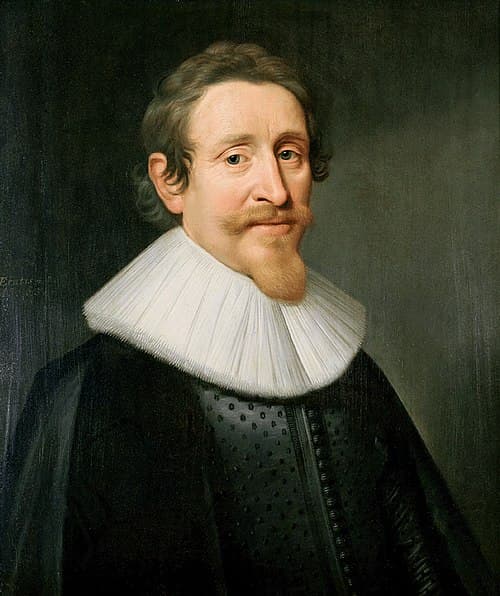
Hugo Grotius
PERSON
Name reference in documents

Irene
PERSON
South Korean singer
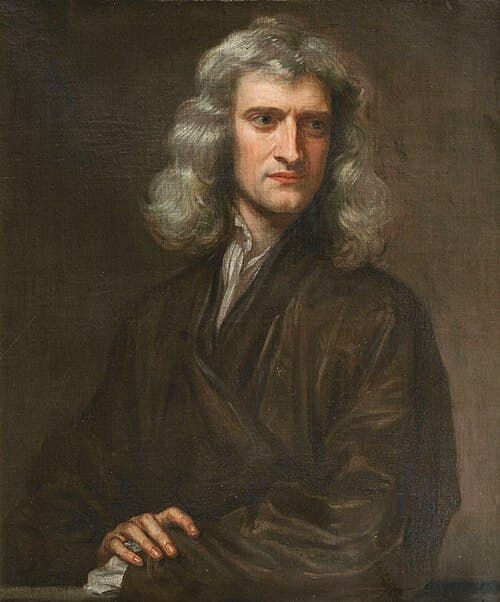
Isaac Newton
PERSON
English mathematician and physicist (1642–1727)
James Baker
PERSON • 2 mentions
American lawyer and statesman (born 1930)
JT
Jane Marie Todd
PERSON
Translator (1957-2021)
JA
Jaroslav
PERSON
Name reference in documents

Jesus Christ
PERSON
Central figure of Christianity (6 or 4 BC – AD 30 or 33)
John Cacioppo
PERSON
Person referenced in documents
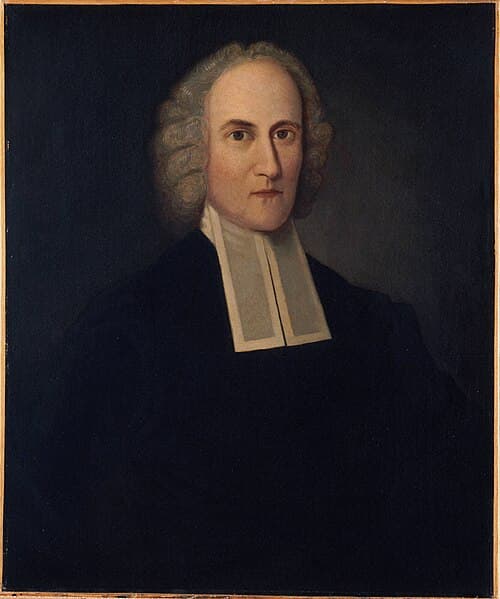
Jonathan Edwards’s
PERSON
Name reference in documents
JK
Joseph Leo Korner
PERSON
Name reference in documents

Justin Trudeau
PERSON
23rd prime minister of Canada from 2015 to 2025
KR
Karen Rook
PERSON
Researcher
KT
Kathryn Tanner’s
PERSON
Name reference in documents
KH
Koenig HG
PERSON
Name reference in documents

Krishna
PERSON
Major deity in Hinduism, worshipped as the eighth avatar of Vishnu and also as the Supreme god in his own right
KF
Kyle P. Farley
PERSON
Name reference in documents
LK
L. Kirmayer
PERSON
Name reference in documents

Lantos JD
PERSON
Name reference in documents
Lawrence Krauss
PERSON
American particle physicist and cosmologist

Lorraine Daston
PERSON
American historian of science
LH
Louise Hawkley
PERSON
Name reference in documents

Luhrmann
PERSON
Name reference in documents
LU
Luther
PERSON
First name reference to multiple individuals in the documents
Marc Rich
PERSON
American commodities trader (1934–2013)
MB
Margaret E. Burton
PERSON
Name reference in documents

Martha Stewart
PERSON
American businesswoman, writer, TV personality (born 1941)

Martin Luther
PERSON
Name reference in Epstein documents, likely referring to Martin Luther King Jr.
MW
Martin Weinberg
PERSON
American attorney (born 1946)
MP
Max Palevsky
PERSON
Name reference in documents

Merritt Y. Hughes
PERSON
Name reference in documents

Methought
PERSON
Name reference in documents
MW
Michael Wheeler
PERSON
British athlete (1935–2020)

Moses
PERSON
Abrahamic prophet said to have led the Israelites out of Egypt

Nicene
PERSON
Name reference in documents
NE
Nicholas Epley
PERSON
Person referenced in documents
NE
Nick Epley
PERSON
Name reference in documents
NY
Nyssa
PERSON
Name reference in documents

Odell S
PERSON
Name reference in documents
Oliver Wendell
PERSON
Name reference in documents
OH
Owen Holland
PERSON
British computer scientist
P. E. Pusey
PERSON
Name reference in documents
PB
Pascal Boyer
PERSON
French anthropologist
PE
Perese EF
PERSON
Name reference in documents
PH
Philip Husbands
PERSON
English academic and computer scientist
Philip Schaff
PERSON
Name reference in documents

Prince Andrew
PERSON
Third child of Queen Elizabeth II and Prince Philip, Duke of Edinburgh (born 1960)

Prince Charles
PERSON
King of the United Kingdom and other Commonwealth realms since 2022 (born 1948)
Ralph Waldo Emerson
PERSON
American philosopher (1803–1882)
Richard Dawkins
PERSON • 2 mentions
English ethologist, evolutionary biologist and author (born 1941)

Richard Kahn
PERSON
Jeffrey Epstein's accountant and estate co-executor (2005-present)
RC
Roach CJ
PERSON
Name reference in documents

Ronald Thisted
PERSON
Name reference in documents
RK
Rook KS
PERSON
Name reference in documents
RJ
Rowe JW
PERSON
Name reference in documents

Samantha Power
PERSON
Irish-American academic, author and diplomat
Scott Atran
PERSON
Anthropologist
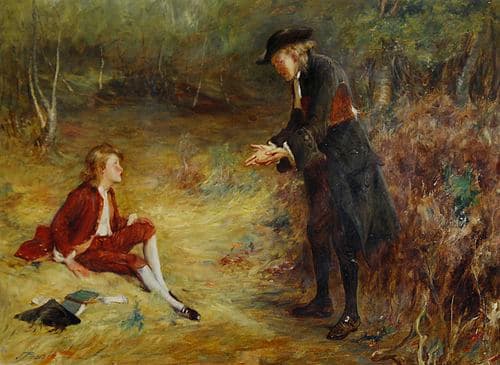
Sermons
PERSON
Surname or name fragment in documents

Sheldon Sacks
PERSON
American literary scholar, English scholar, linguist and university teacher (1930-1979)
SK
Skinner
PERSON
Surname reference in Epstein-related documents

Spiegel
PERSON
Surname reference in documents
Stephen Hawking
PERSON
British theoretical physicist, cosmologist and author (1942–2018)
SW
Stephen Williams
PERSON
Canadian film director

Steward Elliot Guthrie
PERSON
Name reference in documents
SG
Stewart Guthrie
PERSON
New Zealand recipient of the George Cross (1948–1990)
TA
Tanner
PERSON
Surname reference in Epstein-related documents
TL
Tanya Luhrmann
PERSON
American anthropologist

Thomas Aquinas
PERSON
Person referenced in documents
Thomas Hobbes
PERSON
Person referenced in documents
Thomas Kuhn
PERSON
American historian, physicist and philosopher (1922 – 1996)

Tom Pritzker
PERSON
American billionaire
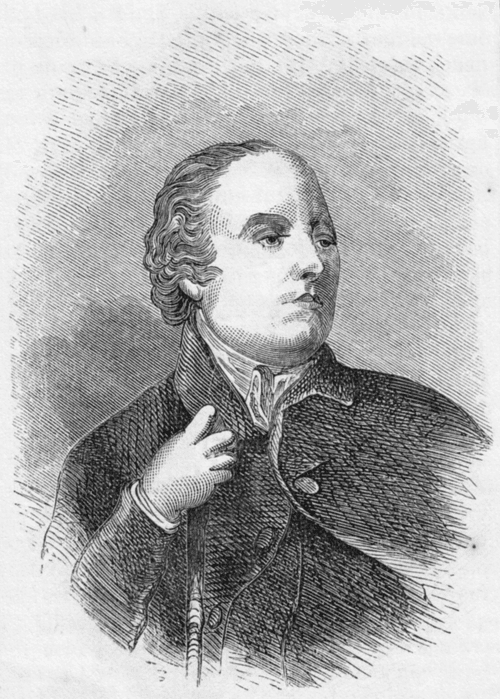
W. Clark Gilpin
PERSON
American historian of Christianity
WG
Willemsen G
PERSON
Name reference in documents

William Shakespeare
PERSON
English playwright and poet (1564–1616)
WC
Wolf M. Combating
PERSON
Name reference in documents
ZL
Z. Berkman LF
PERSON
Name reference in documents
Ageing & Society
ORGANIZATION
Organization referenced in documents
American Journal
ORGANIZATION
Organization referenced in documents
Anesthesia & Critical Care
ORGANIZATION
Organization referenced in documents
Baker Book House
ORGANIZATION
Organization referenced in documents
Berkman LF
ORGANIZATION
Organization referenced in documents
BFOUPS
ORGANIZATION
Organization referenced in documents
Bureau of Primary Health Care
ORGANIZATION
Organization referenced in documents
California Press
ORGANIZATION
Organization referenced in documents
Carlson MC
ORGANIZATION
Organization referenced in documents
Cconcérn
ORGANIZATION
Organization referenced in documents
Christendom
ORGANIZATION
Organization referenced in documents
Civil
ORGANIZATION
Organization referenced in documents

Commonwealth
ORGANIZATION
Political association of mostly former British Empire territories
Concordia Publishing
ORGANIZATION
Organization referenced in documents
Continuum and Fortress Press
ORGANIZATION
Organization referenced in documents
Crescat
ORGANIZATION
Organization referenced in documents
Curlin
ORGANIZATION
Organization referenced in documents
Curlin FA
ORGANIZATION
Organization referenced in documents
Divinity School
ORGANIZATION
Organization referenced in documents

Enfield
ORGANIZATION • 2 mentions
Organization referenced in documents
Epidemiology
ORGANIZATION
Organization referenced in documents
Every Block A Village Online
ORGANIZATION
Organization referenced in documents
Experience Corps
ORGANIZATION
Organization referenced in documents
Fried LP
ORGANIZATION
Organization referenced in documents
Harvard 1996
ORGANIZATION
Organization referenced in documents

Harvard University
ORGANIZATION
American university publishing house
Hendrickson
ORGANIZATION
Organization referenced in documents

Houghton Mifflin
ORGANIZATION
County seat of Houghton County, Michigan, United States
Journal of Abnormal Psychology
ORGANIZATION
Journal
Journal of Consulting
ORGANIZATION
Organization referenced in documents
Journal of Health Promotion
ORGANIZATION
Organization referenced in documents
Journal of Urban Health
ORGANIZATION
Organization referenced in documents

Judaism
ORGANIZATION
Abrahamic monotheistic ethnic religion of the Jews

Knopf
ORGANIZATION
Organization referenced in documents
Kuhn TS
ORGANIZATION
Organization referenced in documents
Landis KR
ORGANIZATION
Organization referenced in documents
McPherson M
ORGANIZATION
Organization referenced in documents
Meador KG
ORGANIZATION
Organization referenced in documents

Medicine
ORGANIZATION
American rock band
Midwest Society of General Internal Medicine
ORGANIZATION
Organization referenced in documents

MIT Press
ORGANIZATION
American university press
New England Journal of Medicine
ORGANIZATION
Scientific journal
Newman Press
ORGANIZATION
Organization referenced in documents
Nicene Fathers
ORGANIZATION
Organization referenced in documents
Notre Dame Press
ORGANIZATION
Organization referenced in documents
Pew Forum
ORGANIZATION
Organization referenced in documents
Pomona College
ORGANIZATION
Organization referenced in documents
Post-Nicene Fathers
ORGANIZATION
Organization referenced in documents
Psychiatric Clinics of North America
ORGANIZATION
Organization referenced in documents
Psychological Review
ORGANIZATION
Scientific journal
Random House
ORGANIZATION
American general-interest trade book publisher
Reformation
ORGANIZATION
16th-century movement in Western Christianity
Religion and Public Life
ORGANIZATION
Organization referenced in documents
Religion and Science
ORGANIZATION
Organization referenced in documents
Seligman
ORGANIZATION
Organization referenced in documents

Sellergren SA
ORGANIZATION
Organization referenced in documents
Smith-Lovin L
ORGANIZATION
Organization referenced in documents
Social Brain
ORGANIZATION
Organization referenced in documents
Social Connectedness
ORGANIZATION
Organization referenced in documents
Social Epidemiology
ORGANIZATION
Organization referenced in documents

Spirit
ORGANIZATION
Spirit Airlines or entity
Steffick DE
ORGANIZATION
Organization referenced in documents

Summa Contra Gentiles
ORGANIZATION
Organization referenced in documents
Syme SL
ORGANIZATION
Organization referenced in documents

Templeton
ORGANIZATION
John Templeton Foundation, philanthropic organization funding science and religion research
the Advancement of Science
ORGANIZATION
Organization referenced in documents
The Boundary of the Human
ORGANIZATION
Organization referenced in documents
the Departments of Health Studies
ORGANIZATION
Organization referenced in documents
the Health and Retirement Study
ORGANIZATION
Organization referenced in documents
the Martin Marty Center
ORGANIZATION
Organization referenced in documents
the Need for Social Connection
ORGANIZATION
Organization referenced in documents
the University of Cambridge
ORGANIZATION
Organization referenced in documents

the University of Chicago
ORGANIZATION
University in Chicago
the University of Chicago Divinity School
ORGANIZATION
Organization referenced in documents
the Whole of Life
ORGANIZATION
Organization referenced in documents

Trinity
ORGANIZATION
Church or educational institution
University of California San Diego
ORGANIZATION
Organization referenced in documents

University of Chicago Press
ORGANIZATION
Publisher in the United States

University of Michigan
ORGANIZATION
Organization referenced in documents

University of Oxford
ORGANIZATION
Collegiate research university in Oxford, England
Vineyard Christian Fellowship
ORGANIZATION
Organization referenced in documents
White M
ORGANIZATION
Organization referenced in documents
Alameda County
LOCATION
County in California, United States

Alexandria
LOCATION
City in Egypt

Berkeley
LOCATION
City in Alameda County, California, United States
Brashears ME
LOCATION
Location referenced in documents
Christian America
LOCATION
Location referenced in documents

Columbia University
LOCATION
Private Ivy League research university in New York City

Earth
LOCATION
Third planet from the Sun in the Solar System
Grand Rapids
LOCATION
City in and seat of Kent County, Michigan, United States
Hollon SD
LOCATION
Location referenced in documents
Kawachi
LOCATION
Location referenced in documents

Michigan
LOCATION
State of the United States of America

New England
LOCATION
Region of the northeasternmost United States

New Haven
LOCATION
City in Connecticut, United States

New York City
LOCATION
Most populous city in the United States
Northampton
LOCATION
Town and civil parish in Northamptonshire, England, UK

Notre Dame
LOCATION
Cathedral in Paris

Oklahoma
LOCATION
State of the United States of America

Providence
LOCATION
Capital city of Rhode Island, United States
Puerto Vallarta
LOCATION
Municipal seat of Puerto Vallarta, State of Jalisco, Mexico
Rapids
LOCATION
Location referenced in documents

St Louis
LOCATION
Independent city in Missouri, United States

United States
LOCATION
Country located primarily in North America
Statistics
Pages:52
Entities:229
Avg. OCR:94.8%
Sponsored