HOUSE_OVERSIGHT_024631_sub_002 - HOUSE_OVERSIGHT_024816
Document Information
Bates Range
HOUSE_OVERSIGHT_024631_sub_002 - HOUSE_OVERSIGHT_024816
Pages
86
Source
House Oversight Committee
Original Filename
Ackrell Report.pdf
Document Content
Page 101 - HOUSE_OVERSIGHT_024731
ACKRELL CAPITAL CHAPTERV_ Global Cannabis Regulation In 2012, the presidents of Colombia, Guatemala and Mexico requested the UN to focus its next special session on drugs on policy reform rather than on a mere progress review and continuation of the same policies. In 2014, the Global Commission on Drug Policy—represented by former UN Secretary-General Kofi Annan and the former presidents of Brazil, Chile, Colombia, Mexico, Poland, Portugal and Switzerland—called for an end to the criminalization of drug use and possession and for the responsible legal regulation of psychoactive substances. A UN General Assembly Special Session (UNGASS) on drugs was originally scheduled for 2019, but was accelerated to April 2016 as a result of a proposal sponsored by Mexico and cosponsored by 95 other countries. The general assembly is the primary policy body of the United Nations, and one in which all UN member states have equal representation. Given this broad representation and the growing support for decriminalization, many expected the 2016 UNGASS on drugs to result in signif- icant changes in policy. In an open letter delivered to UN Secretary-General Ban Ki-moon on the eve of the session, former presidents or prime ministers of Brazil, Cape Verde, Chile, Colombia, Greece, Hungary, Mexico, the Netherlands, Nigeria, Poland and Switzerland joined with high-profile scholars, celebrities, clergy, business leaders, elected officials and others in pressing the Secretary-General to call for reform of prohibitionist drug control policies. Those supporting reform were disappointed when the UN General Assembly adopted a resolution reaffirming its “commitment to the goals and objec- tives” of the three Conventions. Despite the lack of an immediate and fundamental shift away from the prohibitionist policies of the Conventions, other steps are being taken that may result in relaxed cannabis controls within the existing Conventions framework. A committee of the WHO tasked with making drug control rec- ommendations to the CND on behalf of the WHO—the Expert Committee on Drug Dependence (ECDD)—recognized an increase in medical cannabis use and the emergence of cannabis-related phar- maceuticals, and in November 2016 requested that the WHO prepare “pre-review” materials for can- nabis, for the specific cannabis derivatives scheduled under the 1961 and 1971 Conventions, and for cannabidiol, or CBD. These pre-review materials are preliminary analyses considered by the ECDD to determine if more in-depth “critical reviews” should be undertaken by the ECDD. The WHO presented the requested CBD pre-review materials at a November 2017 ECDD meet- ing. The CBD materials indicate that CBD exhibits no effects indicative of any abuse or dependence potential in humans, and that there is no evidence of any public health-related problems associated with the use of pure CBD. The outstanding pre-reviews related to cannabis and specific derivatives are expected in early 2018. The ECDD recommended that the pre-review materials be evaluated at a specific cannabis-focused ECDD meeting to be held no later than June 2018. The requested pre- reviews represent the first ever scientific guidance on cannabis to be issued within the framework of the Conventions. If the pre-reviews lead to critical reviews, such reviews could ultimately result in a WHO-initiated rescheduling of substances under the 1961 and 1971 Conventions. @ 2017 Ackrell Capital, LLC | Member FINRA/SIPC 95 HOUSE_OVERSIGHT_024731
Page 102 - HOUSE_OVERSIGHT_024732
I. ‘ bs P Qa LA A RELL Pr Cannabis Investment Report | December 2017 = Global Legal Developments Nations around the world have recently passed or are considering enacting an array of measures decrim- inalizing cannabis, legalizing it for medical use or, in a few cases, legalizing it for recreational use in con- travention of the UN Conventions. The following discussion summarizes recent legal developments related to cannabis across different regions. United States Despite marijuana and THC being Schedule I controlled substances under the CSA—which, practi- cally speaking, makes almost all manufacture, distribution, dispensing and possession of cannabis in the United States a federal crime—29 U.S. states and the District of Columbia have enacted medical cannabis laws that permit the production and possession of cannabis or concentrates for use in treating a broad range of qualifying medical conditions, and 8 of those same states have enacted recreational laws that permit the commercial production and sale of cannabis to adults for recreational and other uses. And 19 U.S. states (including 2 with medical cannabis laws) have passed narrow CBD/limited laws that permit possession of small amounts of low- THC/high-CBD cannabis concentrates for use in treating a few serious medical conditions—in particular, severe forms of childhood epilepsy. A major- ity of Americans now live in states that permit the production and possession of cannabis or concen- trates for use in treating a broad range of qualifying medical conditions, and polls show that a majority of Americans believe cannabis use should be legal. For a more thorough discussion of U.S. state and federal law, see Chapter IV, U.S. Legal Landscape. Canada Canada’s Controlled Drugs and Substances Act (CDSA) was enacted in 1996 and currently serves as the country’s implementing legislation under the UN Conventions. The CDSA establishes eight schedules of “controlled substances” and imposes civil and criminal penalties for production, traffick- ing, importing, exporting and possession of those controlled substances in violation of the CDSA. Cannabis, cannabis preparations and derivatives, and certain cannabinoids, including THC and CBD, are Schedule I substances under the CDSA. Those who commit CDSA violations related to Schedule II substances are subject to fines and imprisonment. In a 2000 decision by the Court of Appeal for Ontario, the court held that certain criminal prohi- bitions under the CDSA related to cannabis were unconstitutional because they did not include a con- stitutionally acceptable medical exemption. Following this constitutional holding and acting within the framework of the CDSA, which allows for the issuance of regulations and exemptions thereunder, Canada issued a sequence of three medical marijuana regulations discussed below. The Marihuana [sic] Medical Access Regulations (MMAR), issued in 2001, permitted individuals with the authorization of their health care practitioners to grow their own cannabis plants for medical purposes, to designate someone to grow cannabis for them or to purchase dry cannabis flower from Health Canada (the government agency charged with administering Canada’s medical cannabis regu- lations). The MMAR was successfully challenged on constitutional grounds and eventually replaced 96 @ 2017 Ackrell Capital, LLC | Member FINRA/SIPC HOUSE_OVERSIGHT_024732
Page 103 - HOUSE_OVERSIGHT_024733
ACKRELL CAPITAL CHAPTERV_ Global Cannabis Regulation in 2013 by the Marihuana [sic] Medical Program Regulations (MMPR). The MMPR created a regu- latory framework under which individuals with a medical need could obtain dry cannabis flower from licensed commercial producers. Like the MMAR before it, the MMPR was held unconstitutional and was eventually replaced, this time in August 2016, by the currently effective Access to Cannabis for Medical Purposes Regulations (ACMPR). The ACMPR permits businesses licensed by Health Canada to commercially produce and distrib- ute cannabis flower, cannabis oil and cannabis starter materials, such as plants and seeds, to individuals with a medical recommendation from an authorized health care practitioner. The ACMPR also allows such individuals to produce a limited amount of cannabis for their own medical purposes, or to des- ignate another person (which may include Health Canada) to produce it for them. The ACMPR sets forth a comprehensive licensing and regulatory regime that addresses security of licensed production facilities, import and export permits, quality control measures and labeling requirements, and imposes limits on the amount of cannabis that can be produced and possessed by an individual. In April 2017, a proposed recreational law was introduced in the Canadian parliament; this legis- lation would allow adults to purchase cannabis from federally licensed producers and to possess and share cannabis with other adults. The proposed Cannabis Act would authorize the Canadian govern- ment to issue regulations for the administration and enforcement of the act and to issue licenses and permits authorizing the importation, exportation, production, testing, packaging, labeling, sending, delivery, transportation, sale, possession or disposal of cannabis and cannabis products. The Cannabis Act would authorize Canadian provinces and territories to regulate the distribution and retail sale of cannabis within their jurisdictions, and all individuals and entities, including federally licensed busi- nesses, would be required to comply with those local regulations as well as federal laws. Unlike the ACMPR, which is a set of medical cannabis regulations issued within the framework of Canada’s CDSA, the Cannabis Act would amend the CDSA and related criminal and other statutes to facilitate the recreational law in Canada. The proposed Cannabis Act is widely expected to be approved in some form by the Canadian parliament by mid-2018. If approved, Canada would be the largest country in the world to legalize recreational cannabis on a national level. Latin America and the Caribbean During the past five years, Latin American and Caribbean nations (and Puerto Rico, a U.S. territory) have taken significant legal measures that increase access to cannabis for medical purposes, permit recreational cannabis use and relax criminal prohibitions. In 2013, Uruguay became the first nation in the world to legalize and regulate the commercial pro- duction and sale of cannabis to adults for recreational and other uses. The Uruguayan law authorizes licensed producers to grow cannabis for sale, through licensed pharmacies, to Uruguayan citizens and permanent residents who have registered with the government; the law also permits individuals to grow up to six cannabis plants per year and to form small clubs that may grow up to 99 plants per year. Cannabis sales through licensed pharmacies commenced in 2017. In 2015, Colombia approved a legal framework for the cultivation, processing and sale of cannabis extracts and related products for scientific and medical purposes. The Colombian framework provides @ 2017 Ackrell Capital, LLC | Member FINRA/SIPC 97 HOUSE_OVERSIGHT_024733
Sponsored
Page 104 - HOUSE_OVERSIGHT_024734
> = Po cor > Qa LA Cannabis Investment Report | December 2017 for the issuance of separate licenses for cultivation and processing. It also contemplates that permits will be available under Colombia’s export laws for the export of lawful cannabis products to jurisdictions where importation is legal. Colombia issued the first processing license in 2016 and the first cultivation license in 2017. In 2017, Argentina enacted regulations permitting the use of cannabis oil and other derivatives either by qualifying patients or for scientific and medical research. Under the new legislation, the gov- ernment will oversee cultivation and production of cannabis and its derivatives for research purposes and for patient consumption, establish a national registry of qualifying patients and make cannabis products available to those patients, free of charge. The government expects to import cannabis sup- plies until they can be produced domestically. Other Latin American nations that have taken recent steps to increase medical cannabis access include Chile, Brazil, Mexico and Peru. In 2015, Chile changed its laws to allow medical cannabis use by patients and to authorize the sale of cannabis-based medicines through pharmacies. In 2016, Brazil approved. a resolution authorizing the prescription and importation of cannabis products, including THC and CBD, for use in treating certain qualifying medical conditions. In June 2017, Mexico enacted a law directing its Ministry of Health to prepare regulations for the research, production and medicinal use of “pharmacological derivatives” of cannabis. In November 2017, Peru adopted a bill legalizing the production, commercialization and importation of cannabis oil to be used for medical purposes. In the Caribbean region, Puerto Rico, the Cayman Islands and Jamaica have taken measures to decriminalize cannabis or increase access for medical use. In 2015, the governor of Puerto Rico signed an executive order that legalized use of cannabis derivatives (but not cannabis flower) for medical purposes. Jamaica passed a law in 2015 that decriminalizes possession of small amounts of cannabis, permits an individual to cultivate no more than five cannabis plants, establishes a medical cannabis regulatory agency and allows tourists with foreign medical cannabis prescriptions to purchase small amounts of cannabis. A 2016 law enacted in the Cayman Islands legalized the use of cannabis extracts for medical purposes and authorized the creation of import regulations and the sale through licensed pharmacies. Australia and New Zealand Australia amended its Narcotic Drugs Act in 2016 to authorize a regulated medical cannabis industry in the country. The amendment establishes licenses to cultivate cannabis, produce cannabis resin and other products for medicinal purposes, manufacture medicinal cannabis products and conduct canna- bis research. A license-holder is required to secure a permit that places conditions on the license and identifies specific activities allowed within the scope of the license. Cannabis products for medicinal use that are either legally manufactured in Australia or legally imported can be prescribed to qualify- ing medical patients. The amendment defines medicinal cannabis products broadly as a product that includes, or is produced from, any part of the cannabis plant and is intended for the purpose of “cur- ing, or alleviating the symptoms of a disease, ailment or injury.” 98 @ 2017 Ackrell Capital, LLC | Member FINRA/SIPC HOUSE_OVERSIGHT_024734
Page 105 - HOUSE_OVERSIGHT_024735
OQ}, QO ai dm CHAPTERV_ Global Cannabis Regulation New Zealand’s Misuse of Drugs Act generally makes the importation, cultivation, distribution, pos- session and use of cannabis illegal. However, in September 2017, New Zealand’s Health Ministry lifted certain restrictions so that doctors may now prescribe approved CBD products. (Previously, patients in need of CBD products were required to apply directly to the Health Ministry, and approval was granted on a case-by-case basis.) In December 2017, New Zealand introduced legislation for a medical law that would amend the Misuse of Drugs Act to permit domestic production of medical cannabis products and their use by people with terminal illness or chronic pain. Europe The European Union provides no coordinated legal framework for cannabis and, historically, Euro- pean countries generally have prohibited its production and sale, but have also decriminalized or toler- ated possession of small amounts. In some European countries, personal use exceptions to criminal prosecution have been used to carve out visible distribution models. In the Netherlands, for example, Amsterdam is famous for its coffee-shop cannabis sales, even though the suppliers of cannabis to those coffee shops generally oper- ate illegally. And in Spain, despite a federal prohibition on the sale of cannabis, court decisions and laws permitting cultivation for personal consumption have served to justify the country’s hundreds of private cannabis clubs. To date, no European country has implemented a recreational law comparable to those in Uruguay and some U.S. states and expected in Canada. However, starting with the Netherlands in 2003, a number of European countries have enacted medical laws that facilitate patient access to cannabis or concentrates, through importation or domestic production, for treating specified medical conditions. Italy has allowed medical cannabis use since 2013 under a law that requires cannabis to be sold through authorized pharmacies to patients with a valid prescription. Croatia legalized the limited use of medical cannabis products in 2015. Under the law, doctors may prescribe cannabis ointments, teas and other extracts to patients with a qualifying health condition, including tumors, AIDS, multiple sclerosis and child epilepsy. Smoking or vaporizing cannabis flower is not allowed under the law. In 2016, Croatia received a shipment of medical cannabis products from a Canadian producer, marking the first time a North American company legally shipped cannabis products containing THC and CBD into the European Union. A German law that took effect in 2017 legalizes the use of medical cannabis products prescribed for patients with serious illnesses, including multiple sclerosis, chronic pain, epilepsy and chemotherapy- induced nausea and lack of appetite. The law provides a framework for the regulation of suppliers under which the government has already issued import licenses to Canadian and Dutch firms and is finalizing an approval process for the issuance of domestic production licenses. A 2017 Polish law permits patients to obtain medical cannabis products, including flower, extracts and tinctures, through pharmacies if they have both a physician’s medical authorization and permis- sion from a regional pharmaceutical inspector. The qualifying conditions eligible for medical cannabis include chronic pain, chemotherapy-induced nausea, multiple sclerosis, spasticity and treatment- resistant epilepsy. Cannabis products must be imported into Poland because the law does not permit cannabis cultivation within the country. @ 2017 Ackrell Capital, LLC | Member FINRA/SIPC 99 HOUSE_OVERSIGHT_024735
Page 106 - HOUSE_OVERSIGHT_024736
> = Po cor > Qa LA Cannabis Investment Report | December 2017 Greece announced in 2017 that the use of cannabis extracts would be permitted for patients who obtain a doctor’s recommendation and are diagnosed with chronic pain, neuropathic pain, chemo- therapy-induced nausea, certain eating disorders and cancer. In the United Kingdom, the Misuse of Drugs Act 1971 (Drugs Act) generally prohibits the manu- facture, supply and possession of any “controlled drug,” including cannabis and cannabis resin, with- out a license issued by the Home Office, a ministerial department of the U.K. government. There is no exception to this general Drugs Act prohibition that would facilitate patient access to cannabis or concentrates for treating specified medical conditions. However, within the Drugs Act framework, the Home Office has issued to U.K.-based GW Pharmaceuticals licenses to cultivate, possess and supply cannabis for medical research and for commercial purposes. GW Pharmaceuticals produces Sativex, a mouth spray that contains cannabis-derived THC and CBD and is used for treatment of spasticity caused by multiple sclerosis. Sativex is generally recognized as the first prescription drug in the world to include plant-based cannabinoids. It was first approved for use in the U.K. in 2010 and has been approved for use in at least 30 countries (but not in the United States). Middle East, Asia and Africa Throughout the Middle East, Asia and Africa, cannabis cultivation, sale and possession generally remain prohibited and punishable as criminal offenses. Only a handful of countries from these regions have enacted laws that decriminalize possession of small amounts of cannabis for personal use or facil- itate patient access to cannabis or concentrates for treating specified medical conditions. In 2017, particular sections of South Africas Drugs and Drug Trafficking Act, which prohibit cul- tivation, possession and personal use of cannabis on private property, were declared unconstitutional. During the same year, Lesotho (an enclave surrounded entirely by South Africa) granted a license to a pharmaceutical company to grow, process and sell cannabis for medicinal use or scientific purposes. In Israel, the country’s Dangerous Drug Ordinance generally criminalizes the manufacture, posses- sion and use of cannabis. However, medical cannabis in smokable and other forms has been legal since the 1990s for patients with a range of serious medical conditions, including multiple sclerosis, Crohn’s disease, cancer and post-traumatic stress disorder, and the country is widely recognized as a global leader in medical cannabis research and cultivation. Under Israel’s medical cannabis rules, the Ministry of Health can issue permits for the production, distribution and use of medical cannabis products. Patients must first obtain a doctor’s recommendation and submit it to the ministry in order to receive a medical cannabis use permit. In August 2017, the Israeli Ministries of Health and Finance announced that licensed producers and distributors of medical cannabis would become eligible, for the first time, for permits to export medical cannabis to jurisdictions where it is legal to import. 100 @ 2017 Ackrell Capital, LLC | Member FINRA/SIPC HOUSE_OVERSIGHT_024736
Sponsored
Page 107 - HOUSE_OVERSIGHT_024737
ACKR CAPI BLL CHAPTERV_ Global Cannabis Regulation = Global Outlook While the medical potential of cannabis is driving an initial wave of legalization, we believe countries will eventually legalize the commercial production and sale of cannabis to adults for recreational use. In this regard, 2018 will be an important year, with the expected approval of the recreational Cannabis Act in Canada and the implementation of California’s new recreational law. In Canada, we may observe for the first time the implementation of a large-scale national recreational law. Similarly, as the most populous U.S. state and one of the world’s largest economies, California's recreational cannabis rollout will be a bellwether for the global cannabis industry. The successes, failures and lessons learned in Can- ada and California will have significant impacts on the cannabis industry worldwide. In our view, the course taken by the U.S. federal government will impact the global cannabis indus- try more than any other factor. If the U.S. federal government were to change its current practice and aggressively enforce existing federal cannabis laws, we would expect a corresponding dampening of the industry worldwide. If the status quo were to continue in the United States, we would expect the current global legalization trend to continue, particularly in Europe, South America and Africa. And if federal prohibition in the United States ends, we expect a surge in cannabis legalization worldwide. @ 2017 Ackrell Capital, LLC | Member FINRA/SIPC 101 HOUSE_OVERSIGHT_024737
Page 108 - HOUSE_OVERSIGHT_024738
HOUSE_OVERSIGHT_024738
Page 109 - HOUSE_OVERSIGHT_024739
CHAPTER VI U.S. and International Cannabis Market Estimates = Global Market Overview Cannabis is the most widely cultivated, produced, trafficked and consumed drug worldwide, accord- ing to the United Nations Office on Drugs and Crime (UNODC). In 2003, the UNODC estimated that the global illegal cannabis market was $113 billion, with 160 million consumers. The UNODC continues to estimate the number of cannabis users worldwide and recently estimated that 183 million people globally between the ages of 15 and 64, or more than 4% of this age group, consumed cannabis in 2015. In 2010, the RAND Corporation (RAND) estimated that the U.S. illegal cannabis market was $40 billion. Adjusting this estimate solely for inflation and population growth, the U.S. illegal market would now be approximately $48 billion. Both the UNODC and RAND acknowledge the challenges inherent in studying an illegal con- sumer market, and both allow significant room for error in their estimates. However approximate, their estimates make clear that there is significant global demand for cannabis. Less clear is how quickly illegal markets will transition to legal markets, as well as the extent to which legalization may increase overall demand. The Legal Cannabis Market: Key Growth Drivers We believe that numerous factors will increase consumer penetration rates and the overall size of the legal cannabis market. Such factors include the following. U.S. Federal Legalization. We believe it is a question of when, not if, cannabis becomes federally legal. We predict six developments on the path to federal legalization: (1) the FDA will begin approv- ing individual pharmaceutical-grade drugs derived from cannabis; (2) more states will adopt medical cannabis laws; (3) more states will adopt recreational laws; (4) the FDA will adopt routine approval procedures for drugs with extracts of low-THC/high-CBD cannabis varieties; (5) the FDA will adopt @ 2017 Ackrell Capital, LLC | Member FINRA/SIPC 103 HOUSE_OVERSIGHT_024739
Sponsored
Page 110 - HOUSE_OVERSIGHT_024740
A >On bt v~] ELL L PITAL Cannabis Investment Report | December 2017 routine approval procedures for drugs with extracts of high-THC cannabis varieties; and (6) canna- bis parts and derivatives will be removed from the CSA schedules (either incrementally, starting with CBD, or all at once) and will be fully legal for medical and recreational purposes. (We expand on these predicted developments in Chapter IV, U.S. Legal Landscape.) We believe that federal legalization will trigger rapid growth in the U.S. market, propelled by interstate commerce, access to the federal bank- ing system and acceleration of the cannabis-derived pharmaceuticals market. A change in the federal status of cannabis in the United States will not only drive U.S. market growth, but should provide a significant catalyst to the market worldwide. Increasing Awareness of the Medical Efficacy of Cannabis. In aggregate, across all U.S. state laws, cannabis is legally recognized as a form of therapy or medicine for more than 50 medical conditions. In addition, at least 20 countries have medical laws that facilitate patient access to cannabis or concen- trates for treating specified medical conditions. We believe that countries and U.S. states will continue to adopt and enhance legal frameworks for the medicinal use of cannabis products. In addition, we believe that many more cannabis consumers will emerge as research on cannabis increasingly demon- strates its medical efficacy and as more therapeutic products are developed and brought to market. Increasing Recreational Legalization. Most laws facilitating access to cannabis, both in U.S. states and abroad, are medical laws. However, Uruguay and eight U.S. states have enacted recreational laws permitting the commercial production and sale of cannabis to adults for recreational and other uses (and Canada is widely expected to do so in mid-2018). In the handful of jurisdictions that started with medical laws and later adopted recreational laws—particularly in Colorado, Washington and Oregon—adoption of recreational laws has led to significant growth in overall market size and a rapid increase in the percentage of the market represented by recreational consumers. We expect 2018 will be a watershed year for the recreational market, with the implementation of California’s new recreational law and the expected approval and implementation of Canada’s recreational law. If these laws stimulate demand, as expected, and are otherwise viewed as successful, we expect more U.S. states and additional countries to follow suit with similar laws. Broadening Range of Cannabis Consumer Products. Product innovation and advancements in can- nabis varieties, concentrates, infused products, vaporizing technology and cannabis-derived pharma- ceutical products will drive consumer adoption and spending. Cannabis consumer product companies will seek to differentiate their products through marketing, distribution, packaging, selection, quality and pricing. We believe that product differentiation and availability will be more prevalent in legal cannabis markets and will drive consumer transition from illegal to legal markets. Declining Prices in U.S. State-Legal Cannabis Markets. The supply of cannabis has increased con- siderably with expanded state legalization in the United States. This increase has started to dampen retail and wholesale prices in various markets. As prices decline, we are starting to see closer price par- ity between state-legal and illegal markets (in the United States, cannabis is generally priced lower in illegal markets than in state-legal markets). Lower retail prices in state-legal markets should accelerate consumer transition from illegal to state-legal markets and drive increased overall penetration rates. However, state and local taxes will continue to impact pricing for cannabis products in state-legal can- nabis markets. 104 @ 2017 Ackrell Capital, LLC | Member FINRA/SIPC HOUSE_OVERSIGHT_024740
Page 111 - HOUSE_OVERSIGHT_024741
ACKRELL CAPITAL CHAPTER VI U.S. and International Cannabis Market Estimates m U.S. State-Legal Cannabis Market More than 97% of the U.S. population lives in a state or district (District of Columbia) with at least one law that permits the manufacturing, distribution, dispensing or possession of cannabis or con- centrates. As described in more detail in Chapter IV, U.S. Legal Landscape, most of these laws are medical laws, and only eight states have enacted recreational laws. While the overall state-legal market has grown significantly, the addressable market has been constrained due to the lack of access to purely recreational consumers and the sometimes-narrow scope of medical conditions that qualify a patient to access medical cannabis. We estimate that the 2017 U.S. state-legal cannabis market was $8.0 billion, with more than four million consumers. The breakdown of this estimate by state is shown in the following chart. 2017 U.S. State-Legal Cannabis Market Estimate Other States $1.9B California $3.2B Colorado $1.5B Oregon Washington $470M $929M Source: Ackrell Capital Recreational Sales as a Key Market Driver Of the eight states that have enacted recreational laws, all had previously implemented medical laws. As shown in the following graphs for the three largest states to implement recreational laws, imple- mentation of a recreational law significantly expanded the overall size of the legalized cannabis market, doubling the size of the market in each of these states in the first full calendar year after implementa- tion. In addition, the percentage of the total market attributable to recreational consumers increased quickly. This indicates significant, pent-up consumer demand for legal cannabis in the United States, and we expect a significant increase in the size of the overall state-legal market as more states implement recreational laws. @ 2017 Ackrell Capital, LLC | Member FINRA/SIPC 105 HOUSE_OVERSIGHT_024741
Page 112 - HOUSE_OVERSIGHT_024742
ACKRELL CAPITAL Cannabis Investment Report | December 2017 Colorado Colorado implemented a medical law in 2000 and a recreational law in 2014. The following graph shows the impact of Colorado’s recreational law on the overall market in the state. State-Legal Cannabis Market: Colorado $1,600 [) Medical $1,400 Ml Recreational $1,200 $1,000 $800 ($ millions) $600 $400 $200 $0 2013 2014 2015 2016 2017E Source: Ackrell Capital Washington Washington implemented a medical law in 1998 and a recreational law in July 2014, and folded its medical law into its recreational law in 2017. The following graph shows the impact of these laws on the overall market in the state. State-Legal Cannabis Market: Washington $4,000, $929 $900 lem Medical $800 Mm Recreational $768 \ $700 ral 300 $235 amy S28 = | $200 - x lv EZ s | 2013 2014 2015 2016 2017E Source: Ackrell Capital 106 @ 2017 Ackrell Capital, LLC | Member FINRA/SIPC HOUSE_OVERSIGHT_024742
Sponsored
Page 113 - HOUSE_OVERSIGHT_024743
ACKRELL CAPITAL CHAPTER VI U.S. and International Cannabis Market Estimates Oregon Oregon implemented a medical law in 1998 and a recreational law in 2015. The following graph shows the impact of Oregon's recreational law on the overall market in the state. State-Legal Cannabis Market: Oregon $500 - $470 $450. - $400 - | 0 Medical | Ml Recreational $350 - $300. - $250. - ($ millions) $200 - $150. - $100 - $50 $0 —— — — Ee —— 2013 2014 2015 2016 2017E Source: Ackrell Capital California In 1996, California became the first U.S. state to implement a medical law. In November 2016, the state enacted a recreational law, the implementation of which is scheduled to begin in January 2018. The following graph shows the impact that California’s recreational law is expected to have on the overall market in the state. State-Legal Cannabis Market: California $7,000 $6,491 ‘ Ml Recreational $5,000 $4,000 (§ millions) $3,000 $2,000 $1,000 $0 2016 2017E 2018E Source: Ackrell Capital @ 2017 Ackrell Capital, LLC | Member FINRA/SIPC 107 HOUSE_OVERSIGHT_024743
Page 114 - HOUSE_OVERSIGHT_024744
Cannabis Investment Report | December 2017 m U.S. Legalized Cannabis Market Forecast Forecast Methodology The cannabis industry is driven by consumers, similar to other highly regulated industries such as alco- hol, tobacco and pharmaceuticals. Consequently, our methodology for forecasting the U.S. legalized cannabis market is based primarily on the following factors: (i) the number of eligible U.S. consumers, grouped by age; (ii) the penetration rate for each consumer age group; and (iii) the average monthly spending for each consumer age group. We believe that the variable which will most impact the future size of the U.S. legalized cannabis market is the federal legalization process. How and when federal legalization occurs will impact other primary drivers of the market, including the number of eligible consumers, penetration rates and con- sumer spending. We predict six developments relating to federal legalization: (1) the FDA will begin approving individual pharmaceutical-grade drugs derived from cannabis; (2) more states will adopt medical cannabis laws; (3) more states will adopt recreational laws; (4) the FDA will adopt routine approval procedures for drugs with extracts of low-THC/high-CBD cannabis varieties; (5) the FDA will adopt routine approval procedures for drugs with extracts of high-THC cannabis varieties; and (6) cannabis parts and derivatives will be removed from the CSA schedules (either incrementally, start- ing with CBD, or all at once) and will be fully legal for medical and recreational purposes. (We expand on these predicted developments in Chapter IV, U.S. Legal Landscape.) We do not predict that these developments necessarily will occur in the order presented. We do expect some of them to develop in parallel, and none of them depends fundamentally on any other. For example, Congress could cause development (6) at any time by passing legislation that removes cannabis from the CSA schedules and establishes a national framework for recreational and medical cannabis regulation. Developments (1) through (3) largely reflect incremental developments within the existing legal environment. We do not expect developments (4), (5) or (6) to occur during the current presidential term, but we believe that there is a reasonable chance development (4) could begin within the next five years and development (5) could occur within two years thereafter. In total, we believe that it could take up to 10 years or more before the federal legalization process reaches development (6) and cannabis becomes fully legal under federal law. For our analysis, we assume (i) development (4) begins in 2023, (ii) development (5) follows two years thereafter and (iii) development (6) occurs by 2027 and cannabis becomes fully legal in the United States. (The reader is cautioned that cannabis may never be legalized federally in the United States.) Eligible U.S. Consumers We used U.S. Census data to identify the number of people in the United States aged 21 years or older. While some therapeutic applications of cannabis are targeted at people under 21 years of age, we excluded this group of consumers from our estimates. We assumed a nominal annual growth rate for the U.S. population. With more than 97% of the U.S. population currently living in a state or district with at least one law that permits the manufacturing, distribution, dispensing or possession of cannabis or concentrates, we view the potential pool of eligible consumers to be virtually the entire U.S. adult population. 108 @ 2017 Ackrell Capital, LLC | Member FINRA/SIPC HOUSE_OVERSIGHT_024744
Page 115 - HOUSE_OVERSIGHT_024745
AC CA L CHAPTER VI U.S. and International Cannabis Market Estimates Consumer Penetration Rates We assigned current and prospective consumer penetration rates to each state based on our assessment of whether legal consumer access to cannabis in the state should be characterized as “limited,” “moder- ate” or “broad.” This assessment was based in part on (i) the nature of the cannabis laws in each state and (ii) the extent of the cannabis dispensary network in each state. We assigned a specific penetration rate to each age group, with the 21—29 age group having the highest and the 70+ age group having the lowest. Consumer penetration rates are significantly affected by the available channels for legal access to cannabis. States that have only medical laws typically have lower penetration rates than states hav- ing both medical and recreational laws because the qualifying-condition requirement of medical laws precludes many potential consumers. Similarly, penetration rates are impacted by the widely varying number and nature of qualifying medical conditions designated by medical laws. States that designate many conditions or highly subjective conditions such as “chronic pain” tend to have higher penetration rates than states that designate relatively few or highly specific conditions. Penetration rates also are affected by the reach of a state’s cannabis dispensary network. Some states have extensive dispensary networks that provide convenient access to cannabis for most consumers. Other states have a limited number of dispensaries or networks that reach only urban areas; restricted networks can be the result of factors such as the amount of time a state has permitted legal cannabis access and the prevalence of county and municipal laws restricting (or in some cases, completely ban- ning) dispensary operations. Prior to federal legalization, we expect U.S. penetration rates to increase as states implement new medical and recreational laws and expand the scope of qualifying medical conditions under existing medical laws, and as the FDA begins approving pharmaceutical-grade drugs derived from cannabis. Although we believe penetration rates in states with recreational laws and robust dispensary networks may fairly represent penetration rates after federal legalization, penetration rates may increase further as the medical efficacy of cannabis becomes better understood and negative perceptions of cannabis diminish. Following federal legalization, we believe penetration rates may ultimately be as high as (or higher than) those in other consumer-driven industries, such as alcohol, tobacco and pharmaceuticals. The consumer penetration rates used in our analysis are as follows. @ 2017 Ackrell Capital, LLC | Member FINRA/SIPC 109 HOUSE_OVERSIGHT_024745
Sponsored
Page 116 - HOUSE_OVERSIGHT_024746
Cannabis Investment Report | December 2017 U.S. Legalized Cannabis Market: Consumer Penetration Rate 25% — Path to Federal Legalization FDA Approves Cannabis-Derived Pharmaceuticals 20% : More States Adopt Medical Cannabis Laws More States Adopt Recreational Laws 15% FDA Routinely Approves CBD Drugs FDA Routinely Approves THC Drugs 10% — Federal Government Legalizes Cannabis 5% - 0% - 2016 «2017 «2018 2019 2020 2021 2022 2023 2024 2025 2026 2027 2028 2029 2030 Source: Ackrell Capital Monthly Cannabis Spending We estimated average monthly spending on cannabis using data provided by dispensaries in states with recreational laws. We then assigned spending levels (low, moderate and heavy) to each age group of eligible consumers by state. The resulting weighted averages of monthly consumer spending used in our analysis are as follows. U.S. Legalized Cannabis Market: Weighted Average Monthly Consumer Spending $190 $170 $150 7 Path to Federal Legalization $130 FDA Approves Cannabis-Derived Pharmaceuticals More States Adopt Medical Cannabis Laws $110 : More States Adopt Recreational Laws $90 1 FDA Routinely Approves CBD Drugs FDA Routinely Approves THC Drugs $70 _ = —— Federal Government Legalizes Cannabis $50 2016 «2017 «2018 )§=2019 9 2020. 2021 «2022, 2023) 2024 )9=— 2025. 2026 )3=— 2027 »3= 2028 )3=— 2029 = 2030 Source: Ackrell Capital 110 @ 2017 Ackrell Capital, LLC | Member FINRA/SIPC HOUSE_OVERSIGHT_024746
Page 117 - HOUSE_OVERSIGHT_024747
ACKR CAPI CHAPTER VI U.S. and International Cannabis Market Estimates U.S. Legalized Cannabis Market Estimates Based on our assumptions and methodology, we believe that the U.S. legalized cannabis market will ultimately exceed $100 billion annually, with more than 50 million consumers. As shown in the fol- lowing graph, we believe these levels will be reached after the federal government legalizes cannabis. U.S. Legalized Cannabis Market $140,000 Path to Federal Legalization 70M $120,000 FDA Approves Cannabis-Derived Pharmaceuticals 60 M More States Adopt Medical Cannabis Laws $100,000 - 50M More States Adopt Recreational Laws = 3 @ $80,000 FDA Routinely Approves CBD Drugs 40M 4 SS g, = FDA Routinely Approves THC Drugs @ «# $60,000 30M a Federal Government Legalizes Cannabis 3 $40,000 2m % $20,000 10M 2016 2017 2018 2019 2020 2021 2022 2023 2024 2025 2026 2027 2028 2029 2030 | | | Legalized Cannabis Market Size === Consumers Source: Ackrell Capital. Assumes cannabis will be legalized federally by 2027. Cannabis may never be legalized federally in the United States. Because penetration rate and average monthly spending assumptions significantly affect our fore- cast, we illustrate this impact with the following sensitivity analysis, which shows the estimated market size in 2030 using a range of penetration rates and monthly spending averages. 2030 U.S. Legalized Cannabis Market Size: Sensitivity Analysis ($ millions) Average Monthly Consumer Spending $100 $125 $150 $175 $200 5% $13,954 $17,442 $20,930 $24,419 $27,907 10% 27,907 34,884 41,861 48,838 55,814 Adult 15% 41,861 52,326 62,791 73,256 83,722 ro ttion 20% 55,814 69,768 83,722 97,675 111,629 ae 25% 69,768 87,210 104,652 122,094 139,536 30% 83,722 104,652 125,582 146,513 167,443 35% 97,675 122,094 146,513 170,932 195,350 Source: Ackrell Capital @ 2017 Ackrell Capital, LLC | Member FINRA/SIPC 111 HOUSE_OVERSIGHT_024747
Page 118 - HOUSE_OVERSIGHT_024748
ACKRELL CAPITAL Cannabis Investment Report | December 2017 Methodology and Estimates: Industry Comparisons To evaluate our methodology and results, we compare estimated values from our model with values for the same parameters in markets for certain other stimulants and pharmaceuticals. We believe that this comparison is useful because cannabis is used recreationally in much the same way alcohol, coffee and tobacco are used, and because cannabis may be an alternative to pharmaceuticals currently used to treat a range of medical conditions. The following table compares the estimated penetration rate, average monthly consumer spending and U.S. retail market size for a number of common stimulants and pharmaceutical categories. Comparison between Cannabis and Common Stimulants and Substances wa; Anti- Cannabis Alcohol Coffee Tobacco Painkillers the pSSar (Future) Primary Usage Recreational Recreational Recreational Medicinal Medicinal remo Adult 9 9 r 4 ; ; Penetration % 50% 50% 17% 40% 25% 20% Monthly Consumer $45 to $200 $80 to $100 $40 to $80 $50 to $200 $50 to $100 $50 to $500 Spending U.S. Retail Market Size $2008 $358 $100B $300B $60B $100B Source: Ackrell Capital This comparison demonstrates that our U.S. legalized cannabis market estimates are in line with U.S. retail markets for alcohol, coffee, tobacco, and pharmaceutical painkillers and antidepressants. 112 @ 2017 Ackrell Capital, LLC | Member FINRA/SIPC HOUSE_OVERSIGHT_024748
Sponsored
Page 119 - HOUSE_OVERSIGHT_024749
ACKRELL CAPI L CAPITA CHAPTER VI U.S. and International Cannabis Market Estimates = International Legal Cannabis Market Forecast As previously discussed, cannabis is the most widely consumed drug worldwide: an estimated 183 mil- lion people between the ages of 15 and 64 consumed cannabis in 2017. Cannabis legalization is gain- ing momentum around the world. At least 20 countries now have medical laws that facilitate patient access to cannabis or concentrates for treating specified medical conditions. Select countries with such laws include Australia, Canada, Colombia and Germany; countries without such laws include China, Japan, Russia and the United States. While the merits of medical cannabis are currently driving legal- ization, we believe that—like Uruguay and numerous U.S. states—other countries will ultimately enact and implement recreational laws. Canada’s legal cannabis market (presently limited to medical cannabis) is currently the largest fed- erally legal cannabis market in the world, estimated at $1.5 billion in 2017. We anticipate that Canada will enact and implement its proposed recreational Cannabis Act in mid-2018 and that implementa- tion will significantly expand the size of Canada’s overall market. International Market Size Estimate Methodology Similar to the methodology for our U.S. estimates, the primary factors for our international legal can- nabis market estimates are the estimated number of eligible consumers, penetration rates and monthly spending. Of course, these and other factors affecting market size vary considerably across continents and regions because each country has its own unique market characteristics, including laws, culture, religions, consumer preferences and disposable income. We do not attempt to estimate the timing of legal changes that affect consumer penetration rates. Rather, we estimate the size of potential international markets at maturity when penetration rates have stabilized. The time required for markets in particular countries to reach maturity will vary widely and, like the U.S. market, could be 10 years or more. To estimate average monthly consumer spending, we analyzed a country’s per capita average monthly income and assumed a certain percentage was spent on cannabis products. The resulting estimates of monthly spending in developed countries differs vastly from that in developing countries. International Market Size Estimates Our estimates for the international legal cannabis market include estimates for select countries with medical or recreational laws and certain countries we believe may develop into legal markets for can- nabis in the foreseeable future. The following table lists each identified country, ranked by Gross Domestic Product (GDP), with its estimated adult population, monthly cannabis consumer spending and potential market value. @ 2017 Ackrell Capital, LLC | Member FINRA/SIPC 113 HOUSE_OVERSIGHT_024749
Page 120 - HOUSE_OVERSIGHT_024750
Cannabis Investment Report December 2017 Emerging and Anticipated International Legal Cannabis Markets Country GDP Rank 2017 Estimated Adult Population (in millions) Select Countries with Medical or Recreational Laws Germany 4 Brazil 8 Italy g Canada 10 Australia 3 Mexico 16 Turkey 17 Netherlands 18 Switzerland 20 Argentina 21 Poland 24 Israel 32 Colombia 37 Chile 44 Peru 48 Czech Republic 51 Greece 52 Uruguay 78 Croatia 84 Jamaica 120 Macedonia 132 Lesotho 163 Certain Additional Countries United Kingdom 5 India 6 France 7 Spain 14 Sweden 23 South Africa 35 Portugal 49 59.0 150.5 42.5 26.6 12.2 92.9 58.3 12.2 5.8 23.0 27.4 58 S58 13.0 23.0 7.9 eo 2.2 ag 2.2 14 14 47.5 964.1 48.2 33.1 We 40.3 2 Projected Monthly Consumer Spending ($) $78 — $155 16 - 31 56 - 112 78 — 155 97 - 194 16 - 32 20 - 40 82 - 165 145 - 289 21-43 23-45 64 - 129 11-22 24 — 48 11-21 31-62 34-67 27-54 22-43 8-17 9-18 2-4 75-151 3-6 69 — 139 49 — 98 97 - 194 10 - 20 20 = 7A Midpoint Weighted Average $28 Potential Market Value ($ millions) $16,518 8,524 8,599 7,453 4,268 5,380 4178 3,632 2,099 1,766 2223 1,336 1,429 1,124 878 890 962 211 223 65 46 11 12,908 10,379 12,040 5,841 2,520 1,416 916 $118,735 Source: Ackrell Capital The projected market value for each country shown in the preceding table is calculated assuming a 20% penetration rate and the midpoint of the projected average monthly spending range. Because each country’s penetration rate and monthly spending will vary considerably and are difficult to predict, we 114 @ 2017 Ackrell Capital, LLC Member FINRA/SIPC HOUSE_OVERSIGHT_024750
Page 121 - HOUSE_OVERSIGHT_024751
ACKRELL CAPITAL CHAPTER VI U.S. and International Cannabis Market Estimates illustrate the impact of varying these factors with the following sensitivity analysis, which shows the estimated market size at maturity using a range of penetration rates and monthly spending weighted averages. International Legal Cannabis Market Size: Sensitivity Analysis ($ millions) Weighted Average Monthly Consumer Spending $10 $20 $30 $40 $50 5% $10,606 $21,211 $31,817 $42,422 $53,028 10% 21,211 42,429 63,634 84,845 106,056 Adult 15% 31,817 63,634 95,450 127,267 159,084 Population == go 42,429 84,845 127,267 169,690 212,112 Penetration iam 53,028 106,056 159,084 212,112 265,140 Rate 30% 63,634 127,267 190,901 254,534 318,168 35% 74,239 148,478 222,718 296,957 371,196 Source: Ackrell Capital Based on the preceding assumptions and methodology, we believe that the international legal can- nabis market for select countries with medical or recreational laws and certain countries we believe may develop into legal markets for cannabis has the potential to exceed $200 billion within the next 10 to 15 years. And as discussed earlier in this chapter, we forecast the U.S. legal cannabis market to reach more than $100 billion in this same period. Together, these two forecasts indicate a global legal cannabis market in the foreseeable future of more than $300 billion. In our view, most countries located in Asia will take the longest to enact and implement cannabis access laws; therefore, we have not included the markets in countries such as China, with a population of 1.4 billion people, or Japan, with the third highest GDP in the world, in our global market estimate. If cannabis legalization continues in the United States and the rest of the world as we anticipate, we believe that many countries in Asia will ultimately follow suit. If and when that occurs, the size of the global legal cannabis market will increase significantly and, we believe, may ultimately exceed $500 billion annually. As discussed on page 175, readers are cautioned to not place undue reliance on our opinions, pre- dictions or estimates. Almost certainly, our opinions, predictions and estimates will prove inaccurate in some respects. A number of factors could cause actual results or events to differ materially from those indicated by our opinions, predictions and estimates. U.S. states and countries abroad may reverse their cannabis legalization efforts. The medical efficacy of cannabis may not prove to be significant. Cannabis may never be legalized federally in the United States. Certain factors affecting the cannabis industry are discussed in more detail in Chapter [X, Cannabis Industry Risk Factors. @ 2017 Ackrell Capital, LLC | Member FINRA/SIPC 115 HOUSE_OVERSIGHT_024751
Sponsored
Page 122 - HOUSE_OVERSIGHT_024752
HOUSE_OVERSIGHT_024752
Page 123 - HOUSE_OVERSIGHT_024753
CHAPTER VII Capital Markets for Cannabis Companies m Capital Markets Overview Hundreds, if not thousands, of cannabis-related companies are seeking to raise capital—thus pre- senting investment opportunities for sophisticated investors who want to participate in the cannabis industry. Investors have their choice of investing in the more than 300 publicly traded cannabis-related companies, or in the significant number of private companies raising capital. Investors may also choose among stock markets (both within the United States and internationally), type of security (equity versus debt) and type of company (companies across all segments of the industry are raising capital). It is important to note, however, that most of the cannabis-related companies that are raising cap- ital—even publicly traded companies—are in early stages of development, have de minimis revenue and are not profitable. More than 85% of the publicly traded cannabis-related companies have annual revenue of less than $5 million, and less than 5% have annual revenue greater than $25 million. Most investors in the cannabis industry today are retail or individual investors. While an increas- ing number of family office and strategic investors are now participating in the cannabis industry, we believe that many institutional investors (most notably the traditional venture capital and private equity communities) will not invest in the industry until more companies in the industry mature and the legal environment becomes more favorable. Cannabis-related companies raised more than $2.0 billion in the public and private markets in 2017; however, except for a few transactions of notable size, many of the financings were small (less than $5 million), which provides further evidence that the capital markets are being driven primarily by retail investors. Without traditional institutional investor support, a funding gap exists in the indus- try: companies are seeking to raise more capital than investors are willing or able to provide. We believe that this is especially true in the private markets, where many companies struggle to raise financing. We share the belief held by many that, ultimately, established companies from analogous indus- tries—alcohol, pharmaceutical, tobacco and consumer products—will enter the cannabis industry @ 2017 Ackrell Capital, LLC | Member FINRA/SIPC 117 HOUSE_OVERSIGHT_024753
Page 124 - HOUSE_OVERSIGHT_024754
Cannabis Investment Report | December 2017 through minority investment, by acquisition or otherwise. Examples of the emergence of such strategic investors include Constellation Brands, Inc.’s (NYSE: STZ) approximately $190 million investment in Canopy Growth Corporation (TSX: WEED) and the more than $400 million spent by The Scotts Miracle-Gro Company (NYSE: SMG) to acquire soil, fertilizer, hydroponic equipment and lighting companies that are supplying the cannabis industry. These types of transactions help support the valu- ation levels in the industry and, to an extent, validate investors’ enthusiasm for the industry. The stock price performance and valuations of cannabis-related companies continue to be robust, irrespective of the aforementioned funding gap. In general, we believe that valuations in both the public and private markets are being driven more by investors’ expectations for the future growth of the cannabis industry than by individual company fundamentals. Similarly, especially in the over-the- counter stock market in the United States—where most of the public cannabis-related companies are traded—stock price fluctuations and valuations tend to be heavily influenced by the illiquidity in most stocks and the trading strategies of those involved. Overall, we believe that the capital markets for the cannabis industry will become more efficient and rational over time as we expect increased participa- tion from institutional and strategic investors. = Public Capital Markets More than 300 cannabis-related companies are traded on one or more stock markets in the United States, Canada and other international locations. Although these companies are publicly traded, most are in early stages of development, have de minimis revenue and are not profitable. We use the term “cannabis-related” to include companies that participate solely in the cannabis industry and those that participate in the cannabis industry in addition to other industries or markets. The ability of companies to access capital markets is dependent largely on the legal landscape for cannabis in a particular country. For example, the capital markets in countries such as Canada, Australia, Germany and Israel (countries that have a more permissive legal framework for cannabis) have been receptive to cannabis-related companies, while the reception by capital markets in the United States has been more varied. In evaluating publicly traded companies, an investor should be cognizant of where the company is traded, as there are significant differences across the various exchanges and markets with respect to list- ing requirements, liquidity, independent research and types of investors. Many cannabis-related com- panies are traded on more than one market in order to attract additional investors and facilitate trading in multiple jurisdictions. However, we believe that it is instructive to evaluate a company based on the primary market on which it trades (We determine a company’s primary market based on a number of factors, including stock price history, trading volume and availability of estimates.) In the United States, a limited number of cannabis-related companies are traded on the Nasdaq Stock Market (Nasdaq), the New York Stock Exchange (NYSE) and the NYSE American (NYSE American), the NYSE’s market for small to mid-size capitalization companies. In addition, more than 200 cannabis-related companies are traded on the over-the-counter stock market (OTC). Nasdaq and 118 @ 2017 Ackrell Capital, LLC | Member FINRA/SIPC HOUSE_OVERSIGHT_024754
Sponsored
Page 125 - HOUSE_OVERSIGHT_024755
KR L PI L AC EL CA TA CHAPTER VII Capital Markets for Cannabis Companies the NYSE are two of the largest and most recognized stock exchanges in the world, with stringent listing, trading and corporate governance requirements. Conversely, the OTC has much less stringent requirements; as a result, most publicly traded cannabis-related companies are traded on the OTC. In Canada, cannabis-related companies are traded on the Toronto Stock Exchange (TSX), the TSX Venture Exchange (TSXV), which is an affiliate of the TSX, and the Canadian Securities Exchange (CSE). The TSX is one of the world’s largest stock exchanges and, similar to Nasdaq and the NYSE, has stringent listing, trading and corporate governance requirements. The TSXV focuses on companies with small market capitalization and has less stringent listing requirements than the TSX. The CSE is focused on micro capitalization and emerging growth companies, and it has the least stringent listing requirements of the primary Canadian exchanges. In order to be listed on either the TSX or the TSXV, a company is required to be in compliance with Canada’s Access to Cannabis for Medical Purposes Regulations (ACMPR) and all applicable laws in jurisdictions within which it operates. (Operations of listed companies are restricted in jurisdictions, such as the United States, where cannabis is federally prohibited.) Unlike the TSX and TSXV, the CSE has allowed companies listed on its exchange to invest in, acquire and otherwise operate cannabis-related businesses in the United States. The following table provides a summary of the cannabis-related companies traded on U.S., Cana- dian and Australian stock markets. As stated previously, many cannabis-related companies are traded on more than one market to attract additional investors and facilitate trading in multiple jurisdictions. For example, most companies traded on the Canadian markets are also traded on the OTC. Summary of Publicly Traded Cannabis-Related Companies (As of November 30, 2017) Average ($U.S. millions) Number of Market Enterprise LTM LTM Companies Value Value Cash Debt Revenue EBITDA Nasdaq 4 —$1,033.6 $884.5 $153.6 $4.5 $44.0 -$81.1 NYSE 1 63.5 41.3 22.2 0.0 46 -1.2 NYSE American Z 152.1 145.7 78 1.4 Us -6.5 OTC 212 46.3 65.5 5.7 25.0 14.0 0.2 United States 219 $65.5 $81.2 $8.5 $24.3 $14.5 -$1.4 Toronto Stock Exchange (TSX) 6 $1,361.5 $1,311.4 $71.0 $20.8 $26.6 $0.8 TSX Venture Exchange (TSXV) 20 131.5 123.9 10.8 33 1.2 -3.5 Canadian Securities Exchange (CSE) Af 12.6 72.0 2.0 1.4 1.8 -2.8 Canada 67 $210.6 $203.3 $11.1 $3.8 $4.0 -$2.2 Australian Securities Exchange (ASX) 14 $85.3 $80.1 $5.9 $0.7 $0.9 -$2.1 Australia 14 $85.3 $80.1 $5.9 $07 $0.9 -$2.1 Source: S&P Global Market Intelligence. Companies that are traded on more than one market are included in their primary market as determined by S&P Global Market Intelligence, based on stock price history, trading volume and availability of estimates. Enterprise Value is defined as Market Value plus Debt minus Cash and Cash Equivalents. LTM is Last Twelve Months. EBITDA is defined as Earnings Before Interest, Taxes, Depreciation and Amortization. @ 2017 Ackrell Capital, LLC | Member FINRA/SIPC 119 HOUSE_OVERSIGHT_024755
Page 126 - HOUSE_OVERSIGHT_024756
KR L PI L AC EL CA TA Cannabis Investment Report | December 2017 Stock Price Performance of Publicly Traded Cannabis-Related Companies The following chart shows the stock price performance of publicly traded cannabis-related com- panies since September 30, 2016. As shown in the chart, the stock price performance of cannabis- related companies trading on Canadian markets received a boost from the announcement of the pro- posed recreational cannabis legislation in Canada by Prime Minister Justin Trudeau and, more recently, from Constellation Brands investment in Canopy Growth. Similarly, the continuing positive price per- formance of cannabis-related companies trading on U.S. markets has not been slowed by the election of Donald Trump as President and the selection of Jeff Sessions as Attorney General of the United States (two events that were viewed by many as potentially having a negative impact on the U.S. cannabis industry). Global Cannabis Stock Price Performance 1500% 1300% 1100% Canadian Prime Minister ° ' announces plans to Sessions confirmed legalize recreational 900% as U.S. Attorney cannabis Constellation Brands’ General investment in 700% Canopy Growth Trump é elected as ae U.S. President 300% 100% -100% Sep 16 Nov 16 Jan 17 Mar 17 May 17 Jul 17 Sep 17 Nov 17 —— S&P 500 Nasdaq/NYSE Cannabis Index —— OTC Cannabis Index —— TSX/TSXV Cannabis Index —— CSE Cannabis Index —— ASX Cannabis Index Source: S&P Global Market Intelligence Capital Raised by Publicly Traded Cannabis-Related Companies The following table shows the amount of capital (equity and debt) raised by cannabis-related compa- nies traded on the U.S., Canadian and Australian stock markets in the twelve months ended Septem- ber 30, 2017. While more than $1.3 billion was raised, the data indicates that relatively few companies were able to raise capital, given the aggregate number of publicly traded cannabis-related companies, and the amount raised per transaction was small, supporting the assertion that the market is still driven primarily by retail investors. 120 @ 2017 Ackrell Capital, LLC | Member FINRA/SIPC HOUSE_OVERSIGHT_024756
Page 127 - HOUSE_OVERSIGHT_024757
CHAPTER VII Capital Markets for Cannabis Companies Capital Raised by Publicly Traded Cannabis-Related Companies (LTM ended September 30, 2017) $1600 $1400 $1200 $1000 $800 (SU.S. millions) $600 $400 $200 $0 Canada United States Australia Total Amount Raised $1056 $268 $26 $1350 Number of Deals 60 15 3 78 Average Deal Size $18 $18 $9 $17 Source: S&P Global Market Intelligence. In December 2017, a $317 million financing was completed by GW Pharmaceuticals (Nasdaq: GWPH), but the transaction occurred outside the date range of the analysis. Due to the size of the transaction, it is worth noting here. = Public Capital Markets: United States As of November 30, 2017, four cannabis-related companies were trading on Nasdaq (all in the phar- maceutical industry and focused on receiving FDA approval for selected cannabinoid applications), one was trading on the NYSE (a real estate investment trust, or REIT, focused on the acquisition and management of properties leased to state-licensed operators for their regulated medical-use cannabis facilities), two were trading on the NYSE American (both in the pharmaceutical industry) and more than 200 cannabis-related companies were trading on the OTC. Most of the companies trading on the OTC (i) are “penny” stocks that trade at less than $5.00 per share, (ii) have limited trading volume and liquidity, (iii) have significant price volatility, and (iv) have little or no institutional investor support. The U.S. Securities and Exchange Commission (SEC) and the Financial Industry Regulatory Authority (FINRA) have historically expressed concerns regarding the “penny” stock industry in general and both have issued alerts to warn investors about potential scams associated with purported cannabis-related stocks. In addition, the SEC has initiated actions against numerous purported cannabis-related companies and executives for fraud, insider trading, stock manipulation and other activities. The following table provides a summary of cannabis-related companies traded on the U.S. stock markets. @ 2017 Ackrell Capital, LLC | Member FINRA/SIPC 121 HOUSE_OVERSIGHT_024757
Sponsored
Page 128 - HOUSE_OVERSIGHT_024758
ACKRELL CAPITAL | December 2017 Cannabis Investment Report Summary of U.S. Publicly Traded Cannabis-Related Companies (As of November 30, 2017) Average ($U.S. millions) LTM LTM Revenue EBITDA $44.0 -$81.1 46 -1.2 (3 -6.5 14.0 0.2 $14.5 -$1.4 Number of Market Enterprise Companies Value Value Cash Debt Nasdaq 4 $1,033.6 $884.5 $153.6 $4.5 NYSE 1 63.5 41.3 22.2 0.0 NYSE American 2 eal 145.7 78 1.4 OTC 212 46.3 65.5 5.7 25.0 United States 219 $65.5 $81.2 $8.5 $24.3 Source: S&P Global Market Intelligence. Companies that are traded on more than one market are included in their primary market as determined by S&P Global Market Intelligence, based on stock price history, trading volume and availability of estimates. Enterprise Value is defined as Market Value plus Debt minus Cash and Cash Equivalents. LTM is Last Twelve Months. EBITDA is defined as Earnings Before Interest, Taxes, Depreciation and Amortization. Stock Price Performance of U.S. Publicly Traded Cannabis-Related Companies The following chart shows the stock price performance of selected publicly traded cannabis-related companies in the United States since September 30, 2016. As shown in this chart, the election of Donald Trump as President and the selection of Jeff Sessions as Attorney General of the United States have not slowed the continuing positive price performance of cannabis-related companies trading on U.S. markets. U.S. Cannabis Stock Price Performance 800% 100% Sessions confirmed as U.S. Attorney General 600% 500% Trump elected as U.S. President 400% 300% 200% 100% 0% eee —100% Sep 16 Nov 16 Jan 17 —— S&P 500 Mar 17 May 17 Jul 17 Nasdaq/NYSE Cannabis Index Sep 17 Nov 17 —— OTC Cannabis Index Source: S&P Global Market Intelligence 122 @ 2017 Ackrell Capital, LLC | Member FINRA/SIPC HOUSE_OVERSIGHT_024758
Page 129 - HOUSE_OVERSIGHT_024759
ACKRELL CAPITAL CHAPTER VII Capital Markets for Cannabis Companies Capital Raised by U.S. Publicly Traded Cannabis-Related Companies The following table shows the amount of capital (equity and debt) raised by cannabis-related compa- nies traded on U.S. stock markets in the twelve months ended September 30, 2017. Although more than 200 cannabis-related companies were traded on the OTC during this period, the data indicates that very few raised meaningful capital. Capital Raised by U.S. Publicly Traded Cannabis-Related Companies (LTM ended September 30, 2017) $300 $250 eS $200 2 = wi —-$150 — &, $100 : ee _ $0 Nasdaq NYSE/NYSE American Total Amount Raised $130 $82 $56 $268 Number of Deals 2 2 11 15 Average Deal Size $65 $41 $5 $18 Source: S&P Global Market Intelligence. In December 2017, a $317 million financing was completed by GW Pharmaceuticals (Nasdaq: GWPH), but the transaction occurred outside the date range of the analysis. Due to the size of the transaction, it is worth noting here. Financial Data and Trading Multiples of U.S. Publicly Traded Cannabis-Related Companies The following tables show selected financial and trading information of cannabis-related companies that are publicly traded on U.S. markets. As the tables indicate, with few exceptions, these companies have little to no revenue and are not profitable. Consequently, most trading multiples are not mean- ingful and the companies tend to trade more on expectations for the overall cannabis industry than on specific company fundamentals (especially for those companies traded on the OTC). @ 2017 Ackrell Capital, LLC | Member FINRA/SIPC 123 HOUSE_OVERSIGHT_024759
Page 130 - HOUSE_OVERSIGHT_024760
Or LA “a Plan cre Cannabis Investment Report | December 2017 ($U.S. millions, except stock price) LT™M Forward Forward Stack A Eelew . Multiples Mutiple Mulipls Price 52-Week Market Enterprise @ LTM COM, | SS Company Ticker 11/30/17 High Value_ Value (EV) Revenue EBITDA Revenue EBITDA 2018 201920182019 Cara Therapeutics, Inc. NasdagGM:CARA $1245 56.3% $406.0 $303.0 $0.9 -$65.8 NM NM NM 86.1x NM NM GW Pharmaceuticals ple NasdagGM:GWPH 124.49 91% 3,153.2 2,847.7 11.0 -191.6 NM NM NM 11.4 NM NM INSYS Therapeutics, Inc. NasdaqGM:INSY 5.30 64.7% 388.6 266.9 164.1 -35.6 1.6x NM 17x 14 NM 6.4x Zynerba Pharmaceuticals, Inc. | NasdaqGM:ZYNE 13.77 46.9% 186.6 120.4 0.0 -31.2 NM NM NM NM NM NM Median 51.6% $397.3 $285.0 $6.0 -$50.7 1.6x NM 17x 11.4x NM 6.4x YSE American ($U.S. millions, except stock price) LTM Forward Forward EV Revenue EBITDA Stock % Below . Price 52-Week Market Enterprise @ LTM LTM __Muttiples _Muttiples __Muttiples Company Ticker 11/30/17 ~~ High Value Value(EV) Revenue EBITDA Revenue EBITDA 2018 2019 2018 2019 22nd Century Group, Inc. AMEX2XII $2.33 33.4% $287.9 $273.2 $14.0 -$11.3 19.5% NM = 12.7x — 10.7x NM NM India Globalization Capital, Inc. @ AMEX:IGC 0.58 = 27.6% 16.3 18.2 0.6 -16 28.8 NM NA NA NA NA Innovative Industrial NYSE:IIPR 18.15 11.5% 63.5 413 46 -12 9.0 NM 24 12 oe 1.6x Properties, Inc. Median Ancillary Constellation Brands, Inc. NYSE:STZ $217.59 4.2% $42,572.2 $51,393.3 $7,458.5 $2,709.3 6.9x 19.0x 6.7x 63x 18.3x 16.6x The Scotts Miracle-Gro Company NYSE:SMG 98.90 3.5% 5,689.7 6,969.0 2,642.1 500.0 26 13.9 2.5 24 12.9 12.0 Median 3.9% $24,131.0 $29,181.2 $5,050.3 $1,604.7 Source: S&P Global Market Intelligence. Not Meaningful (NM) used for negative multiples, and for revenue multiples greater than 100.0x and EBITDA multiples greater than 50.0x. Not Available (NA) used for information that is not available. Enterprise Value is defined as Market Value plus Debt minus Cash and Cash Equivalents. LTM is Last Twelve Months. EBITDA is defined as Earnings Before Interest, Taxes, Depreciation and Amortization. 124 @ 2017 Ackrell Capital, LLC | Member FINRA/SIPC HOUSE_OVERSIGHT_024760
Sponsored
Page 131 - HOUSE_OVERSIGHT_024761
ACKRELL CAPITAL CHAPTER VII Capital Markets for Cannabis Companies Over The Counter (Market Value Greater than $25 million) Enterprise Value (EV) LTM Revenue LTM LTM EV Multiples EBITDA Revenue EBITDA ($U.S. millions, except stock price) Stock % Below Price 52-Week Market Company Ticker 11/30/17 High Value Abattis Bioceuticals Corp. OTCQB:ATTBF $0.22 20.2% $39.5 American Cannabis Company, Inc. OTCQB:AMMJ 0.75 40.5% 38.6 AmeriCann, Inc. OTCQB:ACAN 2.03 63.1% 39.3 Amfil Technologies, Inc. OTCPK:AMFE 0.15 36.1% 99.7 AXIM Biotechnologies, Inc. OTCQB:AXIM 7.02 64.6% 382.8 Cannabics Pharmaceuticals Inc. @ OTCQB:CNBX 1.02 86.6% 120.7 Cannabis Leaf, Inc. OTCPK:PCFP 0.97 61.2% 48.8 Cannabis Sativa, Inc. OTCQB:CBDS 3.95 58.4% 83.8 Cannabis Science, Inc. OTCPK:CBIS 0.06 56.3% 155.4 Cannabix Technologies Inc. OTCPK:BLOZ.F 1.19 37.4% 103.0 CannaGrow Holdings, Inc OTCPK:CGRW 0.99 57.0% 100.3 Corix Bioscience, Inc. OTCQB:CXBS 1.19 45.9% 29.6 Earth Science Tech, Inc. OTCPK:ETST 0.81 79.5% 32.0 Evergreen-Agra Globa OTCQB:EGRN 1.00 85.7% 26.4 GB Sciences, Inc. OTCQB:GBLX 0.24 56.4% Ses General Cannabis Corp. OTCQB:CANN 1.65 51.6% 37.1 Green Spirit Industries Inc. OTCPK:GSRX 5.75 17.0% 172.6 GrowGeneration Corp. OTCQX:GRWG 2.50 13.8% 41.1 Helix TCS, Inc. OTCPK:HLIX 3.00 76.9% 85.9 HempTech Corporation OTCPK:HTCO 1.82 83.9% 100.7 iAnthus Capital Holdings, Inc. OTCQB:ITHU.F 1.64 39.1% 61.7 Kush Bottles, Inc. OTCQB:KSHB 2.84 20.2% 170.4 Leafbuyer Technologies, Inc. OTCPK:LBUY 1.04 72.8% 309 Lexaria Bioscience Corp. OTCQB:LXRP 0.82 18.8% 56.9 Lifestyle Delivery Systems Inc OTCQB:LDSY.F 0.50 25.6% 46.0 Marijuana Company of America == OTCPK:MCOA 0.03 76.8% 54.6 ariMed Inc. OTCQB:MRMD 0.70 16.3% 119.8 mCig, Inc. OTCQB:MCIG 0.17 66.1% 68.5 edical Marijuana, Inc. OTCPK:MJNA 0.10 55.1% 307.1 edicine Man Technologies, Inc. OTCQB:MDCL 1.79 43.2% 39.2 OWC Pharmaceutical Research OTCQB:OWCP 0.48 85.2% 70.1 PharmaCyte Biotech, Inc. OTCQB:PMCB 0.05 71.6% 46.7 Player's Network, Inc. OTCQB:PNTV 0.08 66.1% 45.0 Praetorian Property, Inc. OTCPK:PRRE 0.52 75.8% 81.1 SanSal Wellness Holdings, Inc. OTCPK:SSWH 0.95 29.6% 55.9 Stony Hill Corp. OTCPK:STNY 2.50 50.0% 39.0 Surna Inc. OTCQB:SRNA 0.15 35.5% 29.6 Terra Tech Corp. OTCQX:TRTC 0.20 42.1% 178.2 THC Therapeutics, Inc. OTCPK:THCT 0.34 60.6% 39.7 The Tinley Beverage Company OTCPK:QRSR.F 0.56 15.2% 41.4 United Cannabis Corporation OTCQB:CNAB 0.78 69.0% 46.7 Vitality Biopharma, Inc. OTCQB:VBIO 1.85 56.4% 42.7 WEED, Inc. OTCPK:BUDZ 279 44.8% 279.0 WOWI, Inc. OTCPK:WOWU 1.65 67.0% 53.6 Median 56.4% $54.1 @ 2017 Ackrell Capital, LLC | Member FINRA/SIPC $38.8 36.7 42.4 99.9 387.5 117.3 48.9 83.5 158.1 100.5 102.7 29.6 31.9 26.4 37.0 39.5 172.6 39.3 86.7 101.7 74.3 170.2 39.8 54.4 44.6 55.0 119.8 67.0 317.7 39.0 69.0 42.4 45.9 93.5 57.4 38.8 28.3 173.6 39.7 38.8 46.0 41.9 278.5 54.7 $54.5 $0.0 2.9 0.0 0.2 0.0 0.0 0.0 0.1 0.0 0.0 (Ey, 0.0 0.4 0.0 0.2 0.1 0.0 13.1 3.5 0.0 0.1 18.8 0.9 0.1 07 0.0 0.0 77 8.0 2.4 0.1 0.0 0.2 14.1 0.6 0.2 6.9 31.9 0.0 0.1 0.5 0.1 0.0 0.0 $0.1 -$3.6 N N 0.3 12.7x N -18 N N NA N N =28) N N -18 N N NA N N 6.4 N N =8)5 N N NA N N -1.4 62.0 N NA N N NA 74.1 N 0.4 N N -10.3 N N 74 N N NA N N 1.2 3.0 N -3.0 24.9 N -0.5 N N NA N N 0.8 9.1 N NA 42.5 N -1.8 N N = 65.3 N -21.9 N N NA N N 12 8.7 N =i) 39.7 N -5.5 16.2 N AT N N NA N N AT N N NA 6.6 N -1.5 N N NA N N -3.3 41 N -18.6 5.4 N 0.0 N N NA N N NA S92 N 43 N N -5.2 N N -26.0 N N -$3.4 16.2x NM 125 HOUSE_OVERSIGHT_024761
Page 132 - HOUSE_OVERSIGHT_024762
A CKR L CAPI L EL TA Comparison of U.S. Stock Markets Cannabis Investment Report | December 2017 U.S. stock markets vary significantly in terms of their financial, liquidity and corporate governance requirements. Most U.S. publicly traded cannabis-related companies trade on the OTC due to its less stringent requirements, as compared to Nasdaq and the NYSE. The following chart provides a com- parison of Nasdaq, the NYSE and the OTC. U.S. Stock Market Comparison Nasdaq Global Select Market Market Tiers Nasdaq Global Market Nasdaq Capital Market Numbenok Total 3,200+ c pisted Cannabis- 4 ompanies related ( Value Median $334.0 million Must meet financial and liquidity criteria under at least one category Listing or of Standards. Criteria include: Trading Stockholders’ Equity, Market Capitalization, Operating History, Net Income, Amount of Publicly Held Shares and Number of Shareholders. Requirements Nasdaq Global Select Minimum Market: $4.00 sel Nasdag Global Market: $4.00 Price Nasdaq Capital Market: $2.00 + Annual audit Corporate + Audit committee and Governance compensation committee Requirements + Majority of independent directors Reporting Requirements Required to file quarterly and annual reports Registration Requirements Required to register with the SEC NYSE NYSE American 2,800+ $29.6 trillion $1.5 billion Must meet financial and liquidity criteria under at least one category of Standards. Criteria include: Stockholders’ Equity, Market Capitalization, Pre-tax Income, Amount of Publicly Held Shares and Number of Shareholders. NYSE: $4.00 NYSE American: $2.00 * Annual audit + Audit committee and compensation committee * Majority of independent directors Required to file quarterly and annual reports Required to register with the SEC OTCQX OTCQB OTCPink 10,300+ 212 $247.7 billion $0.5 million OTCQX: Must meet minimum financial and liquidity criteria OTCQB and OTCPink: No financial and liquidity criteria OTCQX: $0.10 OTCQB: $0.01 OTCPink: None OTCQX and OTCQB: * Annual audit + Audit committee Two independent directors OTCPink: No requirements Not required to make regular filings Not required to register with the SEC ‘Source: S&P Global Market Intelligence 126 @ 2017 Ackrell Capital, LLC | Member FINRA/SIPC HOUSE_OVERSIGHT_024762
Page 133 - HOUSE_OVERSIGHT_024763
KR L PI L AC EL CA TA CHAPTER VII Capital Markets for Cannabis Companies m Public Capital Markets: Canada As of November 30, 2017, six cannabis-related companies were trading on the TSX, 20 were trading on the TSXV and 41 were trading on the CSE. Most of the publicly traded cannabis-related companies in Canada are licensed producers under Canada’s Access to Cannabis for Medical Purposes Regula- tions, which allow a company to produce and sell medical cannabis products in Canada. A number of companies traded on the CSE also have cannabis-related operations in the United States. The following table provides a summary of cannabis-related companies traded on Canadian stock markets. Summary of Canadian Publicly Traded Cannabis-Related Companies (As of November 30,2017) Number of Market Enterprise LTM LTM Companies Value Value Cash Debt Revenue’ EBITDA Toronto Stock Exchange (TSX) 6 $1,361.5 $1,311.4 $71.0 $20.8 $26.6 $0.8 TSX Venture Exchange (TSXV) 20 131.5 123.9 10.8 3.3 1.2 -3.5 Canadian Securities Exchange (CSE) 41 12.6 72.0 2.0 1.4 1.8 -2.8 Canada 67 $210.6 $203.3 $11.1 $3.8 $4.0 -$2.2 Source: S&P Global Market Intelligence. Companies that are traded on more than one market are included in their primary market as determined by S&P Global Market Intelligence, based on stock price history, trading volume and availability of estimates. Enterprise Value is defined as Market Value plus Debt minus Cash and Cash Equivalents. LTM is Last Twelve Months. EBITDA is defined as Earnings Before Interest, Taxes, Depreciation and Amortization. Stock Price Performance of Canadian Publicly Traded Cannabis-Related Companies The following chart shows the stock price performance of selected publicly traded cannabis-related companies in Canada since September 30, 2016. The chart indicates that the stock price performance of cannabis-related companies trading on Canadian markets received a boost from the announcement of the proposed recreational cannabis legislation in Canada by Prime Minister Justin Trudeau and, more recently, from Constellation Brands’ investment in Canopy Growth. @ 2017 Ackrell Capital, LLC | Member FINRA/SIPC 127 HOUSE_OVERSIGHT_024763
Sponsored
Page 134 - HOUSE_OVERSIGHT_024764
AC KRELL CAPITAL Cannabis Investment Report | December 2017 Canadian Cannabis Stock Price Performance 1500% 1300% 1100% 900% Canadian Prime Minister announces plans to legalize recreational Constellation Brands’ 700% cannabis investment in Canopy Growth 500% 300% 100% —100% Sep 16 Nov 16 Jan 17 Mar 17 May 17 Jul 17 Sep 17 Nov 17 —— S&P/TSX Index —— _ TSX/TSXV Cannabis Index —— CSE Cannabis Index Source: S&P Global Market Intelligence Capital Raised by Canadian Publicly Traded Cannabis-Related Companies The following table shows the amount of capital (equity and debt) raised by cannabis-related compa- nies traded on Canadian stock markets in the twelve months ended September 30, 2017. 128 @ 2017 Ackrell Capital, LLC | Member FINRA/SIPC HOUSE_OVERSIGHT_024764
Page 135 - HOUSE_OVERSIGHT_024765
CHAPTER VII Capital Markets for Cannabis Companies Capital Raised by Canadian Publicly Traded Cannabis-Related Companies (LTM ended September 30, 2017) $1200 $1000 _ $800 a Ss = $600 o 2 A ~~ $400 ~ - — po $0 TSX TSXV CSE Total Amount Raised $403 $334 $319 $1056 Number of Deals 11 21 28 60 Average Deal Size $37 $16 $11 $18 Source: S&P Global Market Intelligence Financial Data and Trading Multiples of Canadian Publicly Traded Cannabis-Related Companies The following tables show selected financial and trading information of cannabis-related companies that are publicly traded on Canadian markets. @ 2017 Ackrell Capital, LLC | Member FINRA/SIPC 129 HOUSE_OVERSIGHT_024765
Page 136 - HOUSE_OVERSIGHT_024766
ACKRELL CAPITAL Cannabis Investment Report | December 2017 Toronto Stock Exchange ($U.S. millions, except stock price) LTM Forward Forward EV Revenue EBITDA Stock % Below . : . Price 52-Week Market Enterprise LTM LTM Multiples __Muttiples Multiples Company Ticker 11/30/17 High Value Value(EV) Revenue EBITDA Revenue EBITDA 2018 2019 2018 2019 Aphria Inc. TSX:APH $8.91 9.9% $1,350.2 $1,281.7 $17.7 $3.8 724x NM 37.7x 9.9x NM 27.5x Aurora Cannabis Inc. TSX:ACB 6.21 7.6% 2,483.5 2,406.8 18.6 -47 NM NM 48.6 13.6 NM 30.4 CanniMed Therapeutics Inc. | TSX:CMED 15:15 10.9% 347.8 315.8 12.0 2.0 26.3 NM 10.6 54 48.5x 13.3 Canopy Growth Corporation TSX:WEED 14.30 15.1% 2,720.6 2,641.7 46.3 19 57.1 NM 39.7 11.7 NM NM MedReleaf Corp. TSX:LEAF 12.66 13.7% 1,146.2 1,094.8 32.9 97 S615 NM 30.8 9.4 NM 27.0 Neptune Technologies 8 TS y.NEPT 154 16.0% 120.8 127.4 324 37 3.9 NM 6.0 43 NM NM Bioressources Inc. Median 12.3% $1,248.2 $1,188.3 -$0.1 33.3x TSX Venture Exchange ($U.S. millions, except stock price) LTM Forward Forward Stock %Below EV Revenue EBITDA Price 52-Week Market Enterprise LTM LTM Multiples Multiples —Mittiples Company Ticker 11/30/17 High Value Value(EV) Revenue EBITDA Revenue EBITDA _ 2018 _2019 2018 2019 ABcann Global Corporation SXV:ABCN $1.13 19.9% $152.7 $129.7 $0.7 -$8.7 NM NM 11.2x 2.6% NM 9.2x Cannabis Wheaton Income SXV:CBW 0.68 56.5% 157.2 157.0 01 -6.2 NM NM NA NA NA NA Cronos Group Inc. SXV:MJN 3.38 9.0% 503.2 494.0 23. 25 NM NM 16.1 5.8 NM 17.6 Delta 9 Cannabis Inc. SXV:NINE 2.37 23.8% 143.9 145.5 04 -17 NM NM NA NA NA NA Emblem Corp. SXV:EMC 1.26 64.6% 117.1 108.0 1.8 -75 59.4x NM 10.5 2.0 NA 5.6 Emerald Health Therapeutics TSXV:EMH 2.27 4.6% 213.8 195.6 0.6 -43 NM NM 46.6 NA NA NA Harvest One Cannabis Inc. SXV:HVST 0.71 18.6% 63.7 54.1 0.2 -45 NM NM 17.0 18 NA 9.2 Hempco Food and Fiber Inc. TSXV:HEMP 1.66 31.6% 15 774 47 -1.3 16.5 NM NA NA NA NA CC International Cannabis SXV:ICC 0.76 44.3% 104.6 102.5 01 -45 NM NM 64 14 NM 4.0 nvictus MD Strategies Corp. TSXV:IMH 142 33.6% 89.6 66.7 1.8 -10.3 37.6 NM 213 3.6 NM 13.3 LGC Capital Ltd. SXV:LG 0.29 24.0% 79.6 76.6 0.0 -17 NM NM NA NA NA NA Maple Leaf Green World Inc. TSXV:MGW 0.46 24.4% 67.3 64.2 04 -14 NM NM NA NA NA NA National Access Clinic Corp. @ TSXV:NAC 0.40 30.1% 24.0 25.0 07 -2.4 36.7 NM NA NA NA NA Naturally Splendid Enter. SXV:NSP 0.21 45.0% 20.4 20.9 19 -43 10.9 NM NA NA NA NA Newstrike Resources Ltd. SXV:HIP 0.39 16.7% 151.1 152.1 0.0 -0.3 NM NM NA NA NA NA OrganiGram Holdings Inc. SXV:0GI 2.61 15.7% 2774 244.2 40 -5.2 60.7 NM 97 34 46.5x 12.6 Tetra Bio-Pharma Inc. SXV:TBP 0.54 14.8% 63.6 62.0 0.0 -3.9 NM NM NA NA NA NA The Hydrapothecary Corp. SXV:THCX 192 17.7% 149.8 168.3 3.3 -0.6 40.7 NM 15.8 3.6 NM 29.8 Viridium Pacific Group Ltd. SXVVIR 1.09 15.2% 49.5 48.6 0.0 -0.1 NM NM NA NA NA NA WeedMD Inc. SXV:WMD 1.69 12.8% 123.2 121.0 0.5 -3.1 NM NM oto) 23 NM 8.6 21.8% $110.8 $105.3 Source: S&P Global Market Intelligence. Not Meaningful (NM) used for negative multiples, and for revenue multiples greater than 100.0x and EBITDA multiples greater than 50.0x. Not Available (NA) used for information that is not available. Enterprise Value is defined as Market Value plus Debt minus Cash and Cash Equivalents. LTM is Last Twelve Months. EBITDA is defined as Earnings Before Interest, Taxes, Depreciation and Amortization. 130 @ 2017 Ackrell Capital, LLC | Member FINRA/SIPC HOUSE_OVERSIGHT_024766
Sponsored
Page 137 - HOUSE_OVERSIGHT_024767
ACKRELL CAPITAL CHAPTER VII Capital Markets for Cannabis Companies Canadian Securities Exchange ($U.S. millions, except stock price) LTM Forward Forward Stock % Below EV Revenue EBITDA Price 52-Week Market Enterprise LTM LTM ——_Muttiples Multiples Multiples Company Ticker A107 | _ High _Value_ Value (EV) Revenue EBITDA Revenue EBITDA 2018 2019 2018 2019 Alliance Growers Corp. CSE:ACG $0.16 20.0% $6.9 $6.8 $0.0 $0.0 NM NM 5.0x —0.3x NM 0.8x Alternate Health Corp. CSE:AHG 1.52 78.0% (30 76.6 10.3 -64 7AX NM NA NA NA NA Beleave Inc. CSE:BE 1.38 37.5% 448 444 0.0 8.8 NM NM 11.4 NA NM NA Canada House Wellness Group Inc. CSE:CHV 0.29 43.3% 35.6 36.3 44 -41 8.2 NM NA NA NA NA CannaRoyalty Corp. CSE:CRZ 2.28 41.2% 96.9 96.3 2.2 -8.6 44.2 NM 3.1 18 17.0x 84 CannTrust Holdings Inc. CSE:TRST 5.43 12.5% 4718 466.3 12.6 52 36.9 NM 9.0 65 31.8 20.6 DOJA Cannabis Company Limited CSE:DOJA 1.06 8.7% 16.2 16.0 0.0 0.1 NM NM NA NA NA NA Eviana Health Corporation CSE:EHC 1,08 30.0% 16.7 172 0.0 0.0 NM NM NA NA NA NA Friday Night Inc. CSE:TGIF 0.39 13.8% 60.3 61.2 0.8 -19 74.3 NM NA NA NA NA Future Farm Technologies Inc. CSE:FFT 0.37 23.8% 37.2 37.7 0.3 15 NM NM NA NA NA NA International Cannabrands Inc. CSEJUJU.A 0.18 20.5% 1.8 24 0.2 -1.2 14.8 NM NA NA NA NA Global Cannabis Applications Corp. | CSE:APP 0.26 20.9% 10.5 10.7 0.0 -11 NM NM NA NA NA NA Global Hemp Group Inc. CSE:GHG 0.09 17.2% 14.3 144 0.0 0.0 NM NM NA NA NA NA Golden Leaf Holdings Ltd. CSE:GLH 0.27 36.4% 110.1 1155 70 -106 14.6 NM NA NA NA NA HealthSpace Data Systems Ltd. CSE:HS 0.08 23.1% 87 9.8 {2 -15 54 NM NA NA NA NA High Hampton Holdings Corp. CSE:HC 0.30 22.0% 3.8 a 0.0 0.3 NM NM NA NA NA NA nMed Pharmaceuticals Inc. CSE:IN 0.52 30.2% 67.5 62.7 0.0 -4.6 NM NM NA NA NA NA sodial Intemational Inc. CSE:ISOL 1.14 18.8% 251.2 250.7 14.2 0.6 17.6 NM NA NA NA NA Kaneh Bosm Bio Technology Inc. CSE:KBB 0.06 37.5% 08 07 0.0 0.0 NM NM NA NA NA NA Liberty Health Sciences Inc. CSE:LHS ee 33.2% 377.5 J5 0.0 0.0 NM NM NA NA NA NA Liberty Leaf Holdings Ltd. CSE:LIB 0.21 11.5% 20.2 19.7 0.0 -19 NM NM NA NA NA NA Lifestyle Delivery Systems Inc CSE: LDS 0.50 26.4% 46.0 446 07 6.1 65.3 NM NA NA NA NA Lotus Ventures Inc. CSE 0.40 16.1% 17.8 17.7 0.0 05 NM NM NA NA NA NA Marapharm Ventures Inc. CSE:MDM 0.76 44.6% M14 69.8 04 -3.6 NM NM NA NA NA NA Maricann Group Inc. CSE:MARI 1.76 15.9% 162.7 162.2 off -143 52.9 NM 9.8 2.0 NM 58 Matica Enterprises Inc. CSE:MMJ 0.25 5.8% 57.1 56.0 0.0 -18 NM NM NA NA NA NA MPX Bioceutical Corporation CSE:MPX 0.39 51.5% 100.7 108.0 10.6 -3.5 10.2 NM 5.2 29 NM 3 MYM Nutraceuticals Inc. CSE:MYM 215 1.7% 200.8 200.4 Us -0.9 NM NM NA NA NA NA Platinex Inc. CSE:PTX 0.10 28.9% oS 9.8 0.0 -07 NM NM NA NA NA NA PUF Ventures Inc. CSE:PUF 0.79 11.3% A12 308 0.0 -1.2 NM NM NA NA NA NA Quadron Cannatech Corporation CSE:QCC 0.19 44.4% 10.7 10.0 17 -0.7 6.0 NM NA NA NA NA Quinsam Capital Corporation CSE:QCA 0.34 24.1% 15.0 12.8 0.0 04 NM NM NA NA NA NA Ravenquest Biomed Inc. CSE:RVT 0.03 47.1% 1.0 1 0.0 0.2 NM NM NA NA NA NA Supreme Pharmaceuticals Inc. CSE:SL 1.06 33.2% 219.3 202.5 12 -13.4 NM NM 16.6 25 NM 78 TerrAscend Corp. CSE:TER 138 13.6% 61.9 61.0 0.0 -4.3 NM NM NA NA NA NA THC Biomed Intl Ltd. CSE:THC 0.59 33.9% 65.4 66.8 0.0 -1.2 NM NM NA NA NA NA True Leaf Medicine International Ltd. CSE:MJ 0.69 9.2% 46.4 45.9 0.8 -24 56.9 NM NA NA NA NA Valens Groworks Corp. CSEVGW 0.85 33.9% 52.0 51.8 0.0 -3.4 NM NM NA NA NA NA Veritas Pharma Inc. CSE:VRT 0.69 5.3% 28.5 278 0.0 24 NM NM NA NA NA NA Vodis Pharmaceuticals Inc. CSE:VP 0.30 61.0% g2 107 0.0 -3.6 NM NM NA NA NA NA Wildflower Marijuana Inc. CSE:SUN 052 46.0% 275 274 0.2 08 NM NM NA NA NA NA 24.1% @ 2017 Ackrell Capital, LLC | Member FINRA/SIPC 131 HOUSE_OVERSIGHT_024767
Page 138 - HOUSE_OVERSIGHT_024768
ACKRELL CAPITAL Cannabis Investment Report | December 2017 Comparison of Canadian Stock Markets Similar to stock markets in the United States, Canadian stock markets vary significantly in terms of their financial, liquidity and corporate governance requirements. Most Canadian publicly traded cannabis-related companies trade on the CSE due to its less stringent requirements, as compared to the TSX and TSXV. More than 10% of the companies traded on the CSE are cannabis-related companies. The following chart provides a comparison of the TSX, TSXV and CSE. Canadian Stock Market Comparison Toronto Stock Exchange TSX Venture Exchange Canadian Securities Exchange (TSX) (TSXV) (CSE) 337 Number of Total 1487 1791 c Listed Cannabis- 6 70 a ompanies ralated Market Total ($U.S.) $2.0 trillion $33.7 billion $6.2 billion 1 Value" Median ($US.) $282.6 million $5.0 milion $6.1 million Must meet financial and liquidity Must meet financial and liquidity Must meet financial and liquidity criteria determined by a company’s criteria determined by a criteria determined by a _ industry.Criteria include: company’s industry.Criteria company’s industry and whether Listing or Earnings, Revenue, Cash Flow, include: Net Tangible Assets, the company is an operating Trading Net Tangible Assets, Adequate Revenue, Adequate Working company. Criteria include: Requirements Working Capital, Cash, Market Capital, Property, Operating Revenue, Assets, Amount of Capitalization, Amount of Publicly History, Amount of Publicly Publicly Held Shares and Held Shares and Number of Held Shares and Number of Number of Shareholders. Shareholders. Shareholders. Corporate * Annual audit + Annual audit ¢ Annual audit Governance + Audit committee + Audit committee + Audit committee Requirements * Two independent directors * Two independent directors Reporting Required to file quarterly Required to file quarterly Required to file quarterly Requirements and annual reports and annual reports and annual reports ‘Source: S&P Global Market Intelligence 132 @ 2017 Ackrell Capital, LLC | Member FINRA/SIPC HOUSE_OVERSIGHT_024768
Page 139 - HOUSE_OVERSIGHT_024769
KR L PI L AC EL CA TA CHAPTER VII Capital Markets for Cannabis Companies m Private Capital Markets The cannabis industry today is replete with early-stage private companies seeking to raise capital. This capital, whether equity or debt, may be available from (i) “friends and family,” (ii) more formalized groups and networks of “angel” investors, (iii) family offices, (iv) dedicated cannabis investment funds (currently few in number, but growing), and (v) strategic investors. However, because of the legal considerations, traditional institutional investors—most notably the venture capital and private equity communities— continue to be mostly absent from the market. As with most early-stage companies in other industries, many emerging cannabis-related companies are trying to follow the typical progression of raising equity capital, as illustrated in the following chart. Equity Financing Progression for Cannabis-Related Companies Friends and - ? Initial Public r Series B Series C 7 Family Oklering Individual Investors Institutional and Strategic Investors The following table provides a summary of the reported capital (equity and debt) raised by private cannabis-related companies in 2016 and year to date through November 30, 2017. While the table indicates that significant capital is available in the private markets, we believe that the dearth of acces- sible institutional capital makes it challenging for many companies to raise subsequent rounds of financ- ing after successfully securing their start-up capital. In addition, the amount raised per transaction is small and there have been very few announced financings of meaningful size by private companies. While we believe that the data is informative, it is challenging to get accurate and comprehensive data for the number and dollar amount of transactions that occur in private markets within the cannabis industry because of the number of transactions that are not reported. @ 2017 Ackrell Capital, LLC | Member FINRA/SIPC 133 HOUSE_OVERSIGHT_024769
Sponsored
Page 140 - HOUSE_OVERSIGHT_024770
Or LA “a Plan cre Cannabis Investment Report | December 2017 Total Capital Raised by Private Cannabis-Related Companies Globally $600 $500 $400 $300 (SU.S. millions) $200 - $100 $0 . 2016 2017 YTD Amount Raised $256 $483 Number of Deals 65 102 Average Deal Size $4 $5 Source: Ackrell Capital The following table shows the scarcity of large transactions announced by private cannabis-related companies for the year to date through November 30, 2017. Selected Financings by Private Cannabis-Related Companies (YTD through November 30, 2017) ($U.S. millions) Issuer Amount Date duber Technologies Inc. $50.0 September 2017 Eaze Solutions, Inc. 27.0 September 2017 Surterra Holdings LLC 13.4 September 2017 Teewinot Life Sciences Corporation 12.3 April 2017 Hound Labs, Inc. 8.1 May 2017 IUNU, Inc. 6.3 August 2017 Green Leaf Medical, LLC 5.9 June 2017 RX Green Solutions LLC 5.3 July 2017 River Collective 5.0 April 2017 Greene Fox Enterprises 5.0 May 2017 134 @ 2017 Ackrell Capital, LLC | Member FINRA/SIPC HOUSE_OVERSIGHT_024770
Page 141 - HOUSE_OVERSIGHT_024771
ACKRELL CAPITAL CHAPTER VI|_ Capital Markets for Cannabis Companies In addition, an increasing number of direct lenders are participating in the private debt markets for cannabis-related companies. These lenders represent an important capital source for the industry, as typical forms of debt capital, such as bank financing, remain unavailable to most companies. As in other industries, debt financing is typically available only to those companies having meaningful cash flow or tangible assets to secure the debt. While the number of lenders is increasing, there is still a relative scarcity of debt capital available to the cannabis industry, which can lead to a higher debt cost of capital of 200-500 basis points or more for cannabis-related companies, as compared to companies in other industries. The following chart illustrates the type of debt that may be available to cannabis-related companies, representative terms of such debt, and the types of companies that may be able to access debt in the private markets. Debt Financing Alternatives for Cannabis-Related Companies Cost of Capital Senior Low Double Digits Type of : Type of Securitization Borrowers: (if secured): \ Cultivators Lease Land ( Extractors Financing Buildings Dispensaries Mid-teens Equipment j Product Manufacturers AIR Inventory Convertible Debt Less Restrictive = Final Thoughts As stated previously, valuations and stock price fluctuations in the cannabis industry continue to be driven more by expectations for the cannabis industry in general than by individual company funda- mentals. Today, in the public markets, trading volumes are too low, trading prices are too volatile and operating histories are too limited to place any reliance on current valuation levels in the cannabis industry. We believe that this dynamic will continue until cannabis-related companies have matured and start to realize meaningful revenue, profitability and other financial metrics that will allow inves- tors to evaluate companies within the industry by more traditional methodology. It is still too early to know how the cannabis industry or its sectors will be valued in the future. It may come to pass that companies in the cannabis industry are valued comparably to public companies in industries with similar characteristics, such as the alcohol, tobacco, pharmaceutical and consumer @ 2017 Ackrell Capital, LLC | Member FINRA/SIPC 135 HOUSE_OVERSIGHT_024771
Page 142 - HOUSE_OVERSIGHT_024772
CKRELLE CAPITAL OY Cannabis Investment Report | December 2017 products industries, especially as companies from those industries look to enter the cannabis industry, through acquisition or by other means. As demonstrated by the more than $2.0 billion raised by publicly traded and private cannabis- related companies in 2017, capital continues to be available to support the growth of the industry. In the public markets, we believe that Canadian stock markets will continue to be the most receptive globally (until more progress is made in the United States toward federal legalization of cannabis). Overview of Canadian and U.S. Stock Markets Toronto Stock Exchange (TSX) Largest exchange in Canada and one of Canada TSX Venture Canadian Securities Exchange (TSXV) Exchange (CSE) Nasdaq/NYSE Affiliate of the TSX for smaller capitalization Perceived as the “OTC’ of the United States Largest and most recognized stock oTc Negative reputation with many investors Summary world’s largest companies Canadian markets by exchanges in the and regulators many investors world High volume of trading Possible uplisting to Receptive to High volume of trading Possible uplisting to and liquidity; brand the TSX; better brand — companies with U.S. and liquidity; brand other markets: very Benefits recognition; strong than the CSE cannabis operations; recognition; strong few requirements to institutional support very few listing institutional support trade requirements Not receptive to Not receptive to Limited trading Stringent listing Limited trading companies that companies that volume and liquidity; requirements volume and liquidity; Issues violate U.S. federal violate U.S. federal significant price significant price law law; limited liquidity fluctuations; limited fluctuations; limited for small issues institutional support institutional support Expected to continue —_ Viable exchange for Viable exchange for With few exceptions, Cannabis companies to attract the largest smaller Canadian smaller Canadian cannabis companies will continue to trade Outlook Canadian companies —_ companies with no companies with will not be able to on the OTC despite in the cannabis cannabis operations cannabis operations list while federal the limited benefits industry in the United States in the United States prohibition continues Although capital continues to be available for select issuers in both the public and private markets, we believe that the cannabis industry will continue to face a large funding gap for the foreseeable future, driven by the lack of institutional investors. However, we believe a growing number of retail, institutional and family office investors will support the industry in 2018 and beyond. 136 @ 2017 Ackrell Capital, LLC | Member FINRA/SIPC HOUSE_OVERSIGHT_024772
Sponsored
Page 143 - HOUSE_OVERSIGHT_024773
CHAPTER VIII Top 100 Private Cannabis Companies 2018 In this chapter, we present our current list of the Top 100 Private Cannabis Companies. Our determi- nation to include companies on the list is subjective, and the list is intended to be a cross-section of the types of companies in the cannabis industry. Our list comprises privately held companies, primarily U.S. companies, companies we believe have a strong reputation or position in their market segments and companies pursuing a line of business we consider promising. We intend to update our list period- ically, and we expect it may change significantly over time. Most companies on our list are in early stages of development, and many will need to raise capital to succeed. Raising capital for early-stage companies in any industry is extremely challenging. Early-stage cannabis companies seeking capital face the same challenges as early-stage companies in other indus- tries but must also address challenges unique to the cannabis industry. Although we hope the compa- nies on our list ultimately succeed, we expect some will go out of business for any number of reasons, including lack of access to capital. Inclusion in our list does not represent an investment recommendation or endorsement of any particular company or product. We have made investments in and conducted investment banking and other services for companies included in the 7op 100 Private Cannabis Companies 2018 list, and may do so in the future. Readers should be aware that we may have a conflict of interest that could affect the objectivity of our decision to include a company in the list. For additional disclosures and disclaimers, see page 175. @ 2017Ackrell Capital, LLC | Member FINRA/SIPC 137 HOUSE_OVERSIGHT_024773
Page 144 - HOUSE_OVERSIGHT_024774
AEssenseGrows Ample Organics Apeks Supercritical The Apothecarium Auntie Dolores Baker Technologies BAS Research BDS Analytics Beboe Berkeley Patients Group BioTrackTHC Bloom Farms Brewbudz Bud and Bloom Calyx Brands Cannabis Reports CannaCraft CannaKorp Colorado Harvest Company Columbia Care Confident Cannabis Cultivation Technologies Cura Cannabis Solutions CW Analytical Deep Cell 138 Top 100 Private Cannabis Companies 2018 Défoncé Dixie Elixirs Dosist Eaze Solutions Eel River Organics Elemental Wellness Euflora Evolve Therapeutics Evoxe Laboratories Flow Kana Flowhub FunkSac Garden State Dispensary GFarmaLabs Gold Coast Extracts Green Dot Labs Green Flower Media Green Rush The Green Solution Harborside Health Center Harvest Headset HelloMD Humboldt Legends Incense Specialties Cannabis Investment Report Jetty Extracts Kikoko KIVA Confections Korova LeafLink Leafly Level Blends LivWell Enlightened Health Lunchbox Alchemy Mary's Medicinals Meadow Merry Jane MiNDFUL MJ Freeway MJardin MM Acquisition Co. Native Roots New Vansterdam Northwest Cannabis Solutions NWT Holdings (Firefly) Organa Brands PAX Labs PharmaCielo PR@HBTD Media Qind @ 2017 Ackrell Capital, LLC | December 2017 River Collective Rubicon Organics $25 Development SC Laboratories Scrubbed SPARC Spectrum King Steep Hill Labs StickyGuide Strainz Teewinot Life Sciences Tikun Olam Treez Trellis Trulieve Utopia Farms VapeWorld Vapexhale VCC Brands Vuber Wana Brands Web Joint Weedguide Weedmaps Wellness Connection of Maine | Member FINRA/SIPC HOUSE_OVERSIGHT_024774
Page 145 - HOUSE_OVERSIGHT_024775
Or > A “Bw Plan fon on CHAPTER VIII Top 100 Private Cannabis Companies 2018 AEssenseGrows @/EssenseGrows Sunnyvale, California WWW.aessensegrows.com AEssenseGrows is a producer of modular aero- ponic systems for cannabis cultivation. The company develops full-scale cultivation systems equipped with software, automation and moni- toring capabilities. Such systems enable culti- vators to deliver nutrients to the plant more efficiently, and thus generate higher-yielding output than conventional cultivation systems. Apeks Supercritical Johnstown, Ohio www.apekssupercritical.com Apeks Supercritical is a provider of botanical oil extraction systems that utilize subcritical and supercritical CO gas as a solvent. The company’s fully automated systems range from a 1-liter benchtop system to a 40-liter produc- tion system. These systems provide consistent extraction results for the production of cannabis concentrates. Ample Organics = aiipie organics w Toronto, Ontario www.ampleorganics.com Ample Organics is a software developer for can- nabis cultivators. The company offers a system to track all aspects of the cannabis cultivation business. The company’s products enable medi- cal cannabis producers in Canada to comply with Canadian law. san A yin, APOTHECARIUM “ain ye The Apothecarium San Francisco, California www.apothecarium.com The Apothecarium is an operator of recreational and medicinal cannabis dispensaries. The com- pany offers cannabis flower, concentrates, edi- bles and accessories throughout its locations in California and Nevada. @ 2017 Ackrell Capital, LLC | Member FINRA/SIPC 139 HOUSE_OVERSIGHT_024775
Sponsored
Page 146 - HOUSE_OVERSIGHT_024776
OY > A =a Plan ce Auntie Dolores Oakland, California www.auntiedolores.com Auntie Dolores is a producer of branded can- nabis-infused edibles. The company produces a variety of edibles, including pretzels, biscuits, brownies, cookies, corn and nuts. The compa- ny’s products are sold directly to cannabis con- sumers and through cannabis dispensaries in California. __ BAS Research Berkeley, California www.basresearch.com BAS Research is a cannabis research and man- ufacturing company. The company provides its clients with bulk cannabis oil, cannabis-oil extraction consulting services, contract manu- facturing and fulfillment. 140 Cannabis Investment Report | December 2017 $3 BAKER Baker Technologies Denver, Colorado www.trybaker.com Baker Technologies provides a customer rela- tionship management platform for cannabis dispensaries and brands. The company provides messaging, loyalty programs and online order- ing features to enable cannabis dispensaries to attract and retain cannabis consumers. BDS Analytics Boulder, Colorado www.bdsanalytics.com BDS Analytics is a provider of data analytics solutions to the cannabis industry. The com- pany tracks data from point-of-sale systems to provide insight into consumer buying patterns. The company sells its solutions to a wide range of customers. @ 2017 Ackrell Capital, LLC | Member FINRA/SIPC HOUSE_OVERSIGHT_024776
Page 147 - HOUSE_OVERSIGHT_024777
Or > A “Bw Plan fon on Beboe Los Angeles, California www.beboe.com Beboe is a producer of branded cannabis prod- ucts. The company’s cannabis oil vaporizers and cannabis-infused edibles are available in dispen- saries throughout California. BioTrackTHC @Q BioirackTHe Ft. Lauderdale, Florida www.biotrack.com Bio IrackTHC is a provider of compliance and business management software for the retail cannabis industry. The company’s software plat- form is designed for inventory and sales man- agement to track the seed-to-sale process and is used by recreational and medicinal dispensaries, cultivators and state governments. @ 2017 Ackrell Capital, LLC | Member FINRA/SIPC CHAPTER VIII Top 100 Private Cannabis Companies 2018 Berkeley Patients Group Berkeley, California www.mybpg.com Berkeley Patients Group is an operator of a cannabis dispensary. The company retails a broad variety of cannabis products, including flower, pre-rolls, concentrates, edibles, topicals, seeds and accessories. It also operates an online e-commerce portal and offers a limited same- day delivery service to patients in Berkeley, California and the surrounding area. Bloom Farms BLOOM Fam s- San Francisco, California www.getbloomfarms.com Bloom Farms is a producer of branded cannabis products, including cannabis oil and flower. The company’s products are available in dispensaries throughout California. 141 HOUSE_OVERSIGHT_024777
Page 148 - HOUSE_OVERSIGHT_024778
ACKRELL CAPITAL BREWBUDZ Brewbudz ee Re me San Diego, California www.brewbudz.us Brewbudz is a manufacturer of branded canna- bis-infused products. The company develops cannabis-infused coffee, tea and cocoa pods that can be used in Keurig@ systems. Its products are available in select dispensaries in Nevada. Calyx Brands Oakland, California www.gocalyx.com Calyx Brands is a cannabis distribution com- pany. The company engages in the distribu- tion, transportation and marketing of cannabis products. 142 Cannabis Investment Report | December 2017 Bud and Bloom Santa Ana, California www.budandbloomoc.com Bud and Bloom is the operator of a cannabis dispensary. The company offers cannabis flower, concentrates, edibles and accessories and sells these products at its Santa Ana location. ye m2 ae OZ tnlon Cannabis Reports Berkeley, California www.cannabisreports.com Cannabis Reports is a publisher of industry data for cannabis users and business owners. The company offers news, studies, product informa- tion and dispensary information. @ 2017 Ackrell Capital, LLC | Member FINRA/SIPC HOUSE_OVERSIGHT_024778
Sponsored
Page 149 - HOUSE_OVERSIGHT_024779
Or > A “Bw Plan fon on CANNACRAFT CannaCraft Santa Rosa, California www.cannacraft.com CannaCraft is a producer of branded strain- specific cannabis concentrates and cannabis- infused edibles. The company provides a range of high-THC products, including concentrate cartridges, oils, softgels, sprays and straws. It focuses on providing concentrates of the most popular cannabis flower strains. Products are sold through cannabis dispensaries in Califor- nia. The company manufactures its products under the AbsoluteXtracts, Care By Design and Satori brands. COLORADO Colorado Harvest Company HARVEST COMPA SN ¥ Denver, Colorado www.coloradoharvestcompany.com Colorado Harvest Company is an operator of recreational and medicinal cannabis dispensaries and cultivation facilities. The company’s three dispensary locations retail flower, concentrates and edibles. It also operates an indoor hydro- ponic grow facility. @ 2017 Ackrell Capital, LLC | Member FINRA/SIPC CHAPTER VIII Top 100 Private Cannabis Companies 2018 Cannakorp CannaKorp Boston, Massachusetts www.cannakorp.com CannaKorp is a manufacturer of branded canna- bis consumer products. The company produces the CannaCloud, a tabletop vaporizer system utilizing single-use cannabis-infused pods. @ LEV UMA Columbia Care New York, New York www.col-care.com Columbia Care is an operator of medical can- nabis dispensaries and cultivation facilities. The company operates 27 medical dispensaries across 9 states and the District of Columbia under sev- eral brands, including Columbia Care, Curative Health, Patriot Care and SWC Arizona. 143 HOUSE_OVERSIGHT_024779
Page 150 - HOUSE_OVERSIGHT_024780
Or LA “a Pr cre Confident Cannabis Palo Alto, California www.confidentcannabis.com Confident Cannabis is a cannabis lab-testing and analytics company. The company allows users to view the results of their product testing and analytics in an online platform. Its technol- ogy can be integrated into dispensary websites. CARA AS WOLTERS. CURA =annakie Solutions 6 ely Portland, Oregon www.curacan.com Cura Cannabis Solutions is a provider of can- nabis concentrates. The company offers canna- bis distillates and oils to consumers and edibles manufacturers. Its products are available in dis- pensaries throughout California, Nevada and Oregon. 144 Cannabis Investment Report | December 2017 Cultivation i 08 Sn Technologies Coachella, CA www.cultivationtech.com Cultivation Technologies provides infrastruc- ture, genetics, technology and branding to the legal cannabis industry. The company is build- ing a campus for the development of pharma- ceutical-grade cannabis products. NCWANALYTICAL CW Analytical Oakland, California www.cwanalytical.com CW Analytical is a cannabis lab-testing company that tests cannabis and cannabis-based products for potency, pesticides and microbiology. The company also consults with dispensaries and edibles manufacturers to provide best practices for product handling and product labeling. @ 2017 Ackrell Capital, LLC | Member FINRA/SIPC HOUSE_OVERSIGHT_024780
Page 151 - HOUSE_OVERSIGHT_024781
Deep Cell Seattle, Washington www.deepcell.industries Deep Cell is a synthetic biology and cannabis intellectual property holding company. The company provides licenses to companies who wish to produce Deep Cell’s cannabis-infused sugar. Its products are available from Deep Cell licensees. DIXIE hk Pee Ce Ca Dixie Elixirs Denver, Colorado www.dixieelixirs.com Dixie Elixirs is a producer of branded. canna- bis-infused edibles. The company produces a wide range of products, including choco- late-based edibles, beverages, capsules, mints, energy shots, topicals and disposable vapor- izer pens. The company’s products are sold in many dispensaries throughout California and Colorado. @ 2017 Ackrell Capital, LLC | Member FINRA/SIPC CHAPTER VIII Top 100 Private Cannabis Companies 2018 DEFONCE Gx oeetcaratriftet Défoncé Oakland, California www.defonce.com Défoncé is a producer of branded cannabis- infused products, primarily focusing on choco- late-based edibles. The company offers a wide range of chocolate-bar flavors that are available in dispensaries located throughout California. O dosist’ Dosist Los Angeles, California www.dosist.com Dosist is a producer of cannabis vaporizers. The company develops pre-filled cannabis vapor- izers that are designed to provide consumers with a specific mood. The company’s products are available in dispensaries located throughout California. 145 HOUSE_OVERSIGHT_024781
Sponsored
Page 152 - HOUSE_OVERSIGHT_024782
Or > A “Bw Plan fon on Eaze Solutions 2O22 San Francisco, California WwWw.eaze.com Eaze Solutions is a developer and provider of an on-demand cannabis delivery-service appli- cation that enables consumers to order canna- bis products via mobile devices. The company’s mobile application allows users to access a daily menu of cannabis products for purchase and direct-to-consumer delivery. Elemental Wellness elemental CAP COLLECTIVE i Li Coto San Jose, California www.elementalwellnesscenter.com Elemental Wellness is an operator of a cannabis dispensary and wellness center in San Jose, Cal- ifornia. The company offers a range of cannabis flower, concentrates and edibles, as well as deliv- ery services and a range of wellness classes. 146 Cannabis Investment Report | December 2017 Eel River Sacramento, California www.eelriverfamilyfarm.com Eel River Organics is a producer of branded cannabis products from Humboldt County, California. The company offers cannabis flower, concentrates, vaporizer cartridges and cultiva- tion equipment. Its products are available in select California dispensaries. SUTIerA Euflora Denver, Colorado www.eufloracolorado.com Euflora is an operator of four recreational can- nabis dispensaries in Colorado. The company’s locations sell flower, pre-rolls, concentrates, top- icals, seeds, vaporitzers and branded accssories. The company also cultivates numerous cannabis strains in its own grow facility. @ 2017 Ackrell Capital, LLC | Member FINRA/SIPC HOUSE_OVERSIGHT_024782
Page 153 - HOUSE_OVERSIGHT_024783
Or > A “Bw Plan fon on az THERAPEUTICS Evolve Therapeutics San Francisco, California www.evolvetherapeutics.com Evolve Therapeutics is a biopharmaceutical company focused on the research and manu- facture of cannabinoid-based medications. The company produces a variety of cannabis prod- ucts that are available in dispensaries located throughout California. 1 FLOW KANA Flow Kana San Francisco, California www.flowkana.com Flow Kana is a producer of cannabis flower. The company owns property in Mendocino County, where it plans to partner with small cultivators to create an institute for cannabis manufactur- ing, education and leisure. @ 2017 Ackrell Capital, LLC | Member FINRA/SIPC CHAPTER VIII Top 100 Private Cannabis Companies 2018 EVOXE LABORATORIE Sm Evoxe Laboratories Oakland, California www.evoxelabs.com Evoxe Laboratories is a producer of cannabis vaporizers. The company develops pre-filled cannabis vaporizers that are designed to provide consumers with a specific mood. The company’s products are available in dispensaries through- out California. We flowhub Flowhub Denver, Colorado www.flowhub.co Flowhub is a provider of inventory management software for the cannabis industry. The com- pany provides software to aid cultivators and dispensary operators in tracking their business from seed to sale. The software is designed to aid customers in compliance. 147 HOUSE_OVERSIGHT_024783
Page 154 - HOUSE_OVERSIGHT_024784
Or > A “Bw Plan fon on FunkSac FunkSac Denver, Colorado www.funksac.com FunkSac is a provider of compliant packaging solutions for the medicinal and recreational cannabis industry. The company has a com- prehensive product line manufactured with FDA-approved material and eco-friendly can- nabis packaging solutions that are highly secure. FunkSac retails its products to cultivators, dispensaries and edibles manufacturers. GFarmaLabs Anaheim, California www.gfarmalabs.com GFarmaLabs is a producer of branded canna- bis, cannabis-infused edibles, cannabis concen- trates and vaporizer accessories. The company produces pre-rolls, beverages, chocolate-based edibles, honey, concentrate cartridges and injec- tors. GFarmaLabs sells its products through dispensaries in California and Washington. Its products are marketed as being produced from “100% indoor flower.” 148 Cannabis Investment Report | December 2017 Garden State Dispensary Woodbridge, New Jersey www.gardenstatedispensary.com Garden State Dispensary is a medicinal cannabis dispensary located in New Jersey. The company produces its own medical cannabis and offers a patient research and counseling program. Gold Coast f aK hy Extracts one ADIOS | Los Angeles, California www.goldcoastusa.com Gold Coast Extracts is an extraction consultant and. producer of branded cannabis concentrates. The company provides extraction consulting services to cultivators and concentrates pro- ducers. It also produces an award-winning line of branded cannabis concentrates in shatter and wax form. The company’s products are sold in dispensaries throughout California. @ 2017 Ackrell Capital, LLC | Member FINRA/SIPC HOUSE_OVERSIGHT_024784
Sponsored
Page 155 - HOUSE_OVERSIGHT_024785
Or > A “Bw Plan fon on Green Dot Labs GREENDOT: Boulder, Colorado www.greendotlabs.com Green Dot Labs is a cultivation and extraction company that provides branded concentrates to consumers. The company operates an indoor hydrocarbon extraction facility and_ utilizes proprietary cannabis-flower genetics to produce whole-plant extracts. The company’s prod- ucts are available in dispensaries throughout Colorado. greenRush Green Rush San Mateo, California www.greenrush.com Green Rush provides an online medical can- nabis delivery service. The company offers a range of cannabis flower, concentrates, edibles, tinctures and accessories. It has partnered with hundreds of cannabis dispensaries in California, Colorado, Nevada, New York and Michigan. @ 2017 Ackrell Capital, LLC | Member FINRA/SIPC CHAPTER VIII Top 100 Private Cannabis Companies 2018 GREEN FLOWER Green Flower Media Ventura, California www.learngreenflower.com Green Flower Media is a digital media com- pany operating a website that offers cannabis industry information. The company offers online classes to customers who are interested in learning about all things cannabis-related. The company’s website also offers informational live streams from industry professionals. (GREE! ) The Green Solution ieiuviow Denver, Colorado www.tgscolorado.com The Green Solution is an operator of medici- nal and recreational cannabis dispensaries. The company’s 15 locations retail flower, pre-rolls, concentrates, edibles, topicals, seeds, vaporizers and branded accessories. The company also pro- duces its own line of branded concentrates and edibles. 149 HOUSE_OVERSIGHT_024785
Page 156 - HOUSE_OVERSIGHT_024786
Or > A “Bw Plan fon on Harborside Health Center Oakland, California www.shopharborside.com Harborside Health Center operates cannabis dispensaries. The company’s two locations retail flower, pre-rolls, concentrates, edibles, seeds, topicals and accessories. The company sources cannabis-flower products from local cultivators. €) HEADSET Headset Seattle, Washington www.headset.io Headset is a data analytics company for busi- nesses within the cannabis industry. The com- pany offers a SaaS product that tracks market data, business intelligence and retailer-direct data with clients located in states where canna- bis has been legalized. 150 Cannabis Investment Report | December 2017 Harvest HARVES San Francisco, California www.harvestshop.com Harvest is an operator of cannabis dispensaries. In addition to offering a full range of cannabis products, the company’s dispensaries also serve as smoking lounges. The company has two loca- tions in San Francisco. HelloMD San Francisco, California www.hellomd.com HelloMD provides a digital healthcare plat- form. The company provides prescriptions for medicinal-cannabis patients via online, live video consultations. The company also pro- vides a dispensary locator and cannabis product reviews. @ 2017 Ackrell Capital, LLC | Member FINRA/SIPC HOUSE_OVERSIGHT_024786
Page 157 - HOUSE_OVERSIGHT_024787
ACKRELL CAPITAL Humboldt Humboldt Legends Legends Trinidad, California www.humboldtlegends.com Humboldt Legends is a producer of canna- bis flower products sourced from Humboldt County, California. The company offers can- nabis flower in eighths and pre-rolls. The com- pany’s products are available in dispensaries throughout California. Jetty Extracts Oakland, California www.jettyextracts.com Jetty Extracts is a producer of cannabis vapor- izers and cannabis concentrates. The company develops pre-filled cannabis vaporizers, car- tridges and wax that offer the consumer formu- lations of both THC and CBD. The company’s products are available in dispensaries through- out California. @ 2017 Ackrell Capital, LLC | Member FINRA/SIPC CHAPTER VIII Top 100 Private Cannabis Companies 2018 Incense Specialties #THISTHINGRIPS* Lake Worth, Florida www.thisthingrips.com Incense Specialties is a producer of cannabis vaporizers. The company designs and manufac- tures a line of vaporizer pens under the brand name “This Thing Rips.” The company’s prod- ucts are available in more than 4,000 points of sale across the United States and Canada. Kikoko kpleko San Francisco, California www.kikoko.com Kikoko is a producer of branded cannabis- infused teas. The company offers a range of THC and CBD teas. Kikoko products are avail- able in select California dispensaries. HOUSE_OVERSIGHT_024787
Sponsored
Page 158 - HOUSE_OVERSIGHT_024788
Or LA “a Pr cre San Leandro, California www.kivaconfections.com KIVA Confections is a producer of branded cannabis-infused edibles. The company’s award- winning products are sold through cannabis dispensaries in California and Colorado. leaflink LeafLink New York, New York www.leaflink.com LeafLink provides a software platform to facili- tate e-commerce B2B sales, CRM and order fulfillment tracking of products for cannabis brands and dispensaries. 152 Cannabis Investment Report | December 2017 Korova UNFIVALED POTENCY Oakland, California www.korovaedibles.com Korova is a producer of branded cannabis- infused edibles. The company offers a selection of cannabis-infused cookies and brownies at varying potencies. The company’s products are available in dispensaries located in California, Arizona and Nevada. Leafly “Leafly Seattle, Washington www.leafly.com Leafly is a digital media company. Its online directory and content platform for cannabis consumers provides information about locations of dispensaries, news pertaining to the cannabis industry and the effects of different cannabis strains. @ 2017 Ackrell Capital, LLC | Member FINRA/SIPC HOUSE_OVERSIGHT_024788
Page 159 - HOUSE_OVERSIGHT_024789
Level Blends San Francisco, California www.levelblends.com Level Blends is a producer of branded canna- bis concentrates. The company utilizes a pro- prietary extraction process to produce a line of branded concentrates for use in vaporizers. The company’s products are available in dispensaries throughout California. Lunchbox @D LUNCHBOX Alchemy , cen Bend, Oregon www.lunchboxalchemy.com Lunchbox Alchemy is a producer of branded cannabis-infused edibles and cannabis concen- trates. The company produces cannabis-infused candies and macaroons, concentrate cartridges and ethanol tinctures. Its products are available in dispensaries throughout Oregon. @ 2017 Ackrell Capital, LLC | Member FINRA/SIPC CHAPTER VIII Top 100 Private Cannabis Companies 2018 LivWell Enhightened Hecl th LivWell Enlightened Health Denver, Colorado www.livwell.com LivWell Enlightened Health is an operator of medicinal and recreational cannabis dispen- saries and cultivation facilities. The company operates 15 retail locations in Colorado and Oregon and sells flower, pre-rolls, concen- trates, edibles, topicals and branded accessories. It also operates an indoor cultivation facil- ity and is recognized as the largest cannabis- sector employer in Colorado. MARY'g Mary's Medicinals MEDICINALS Denver, CO www.marysmedicinals.com Mary’s Medicinals is a producer of branded cannabis concentrates. The company provides a range of transdermal patches and pens, top- icals and powders featuring cannabinoid-based concentrates. The company’s award-winning products deliver cannabinoids, including THC and CBD as well as THCA, CBN and CBC. 153 HOUSE_OVERSIGHT_024789
Page 160 - HOUSE_OVERSIGHT_024790
ACKRELL CAPITAL Meadow MEADOW San Francisco, California www.getmeadow.com Meadow is a developer and provider of an on-de- mand cannabis delivery-service application for dispensaries. The company markets online and mobile-ordering applications for dispensaries. The web and mobile applications allow users to access a menu of cannabis products for pur- chase and direct-to-consumer delivery through MiNDFUL M | ND? dispensaries. Denver, Colorado www.bemindful.today MiNDFUL is an operator of recreational and medicinal cannabis dispensaries. The com- pany operates five retail locations in Colorado and a single location in Illinois. The company sells flower, concentrates, edibles, topicals and branded accessories. 154 Cannabis Investment Report | December 2017 Merry Jane MEREY JAW Los Angeles, California www.merryjane.com Merry Jane is a digital media company focused on the cannabis industry. The company’s web- site provides commentary on recent events, pop culture, business, politics and health-related news. The company provides strain reviews and information, as well as a dispensary locator. MJ Freeway fo MJ FREEWAY Denver, Colorado www.mjfreeway.com MJ Freeway is a provider of enterprise man- agement software for the cannabis industry. The company’s core solution is a software plat- form for inventory and sales management to track the seed-to-sale process in compliance with state requirements. The software is used by recreational and medicinal dispensaries, infused-product manufacturers and cultivators. @ 2017 Ackrell Capital, LLC | Member FINRA/SIPC HOUSE_OVERSIGHT_024790
Sponsored
Page 161 - HOUSE_OVERSIGHT_024791
ACKRELL CAPITAL MJardin MJARD I N Denver, Colorado www.mjardin.com MJardin is a provider of cannabis cultivation management services. The company offers facil- ity design, inventory tracking, and management and operational consulting services. The compa- ny’s services are available in states having medi- cal or recreational laws. om ae me native roots Native Roots Denver, Colorado www.nativeroots303.com Native Roots is an operator of medicinal and recreational cannabis dispensaries and culti- vation facilities. The company operates 21 dis- pensaries and retails flower, pre-rolls, concen- trates, edibles and vaporizer accessories. The company also sells a line of branded hash-oil concentrates under the “Native Roots Extracts” brand. It operates an indoor cultivation facility and has won numerous industry awards for the operation. @ 2017 Ackrell Capital, LLC | Member FINRA/SIPC CHAPTER VIII Top 100 Private Cannabis Companies 2018 MM Acquisition Co. Los Angeles, California MM Acquisition Co. is a provider of turnkey real estate services and business services to can- nabis cultivators and dispensary operators in California. The company operates in three busi- ness segments: Property Leasing Business, Ser- vices Business and Other Related Businesses. New Vansterdam Vancouver, Washington www.newvansterdam.com New Vansterdam is an operator of a canna- bis dispensary in Washington. The company offers a selection of cannabis flower, concentrates, edibles and topicals. It also offers online ordering. 155 HOUSE_OVERSIGHT_024791
Page 162 - HOUSE_OVERSIGHT_024792
Or > A “Bw Plan fon on Northwest Cannabis Solutions Olympia, Washington www.nwces425.com Northwest Cannabis Solutions is a manufac- turer of white-label cannabis products. The company offers cannabis flower cultivation, extraction and infused edibles. It supplies dis- pensaries throughout Washington. oma dna Organa Brands 23RANDIS Denver, Colorado www.organabrands.com Organa Brands is a manufacturer and distribu- tor of cannabis products and vaporizers. The company manufactures and retails its products under the Organa Labs, O.penVAPE, Bakked, Magic Buzz and District Edibles brands. The company’s products are distributed through 1,200 dispensaries across ten states. 156 Cannabis Investment Report | December 2017 NWT Holdings (Firefly) Firefly San Francisco, California www.thefirefly.com NWT Holdings is a vaporizer technology com- pany. The company designs and manufactures branded convective-heating vaporizers under the “Firefly” brand. Its portable vaporizer is designed for use with concentrates and flower. V7 7% PAX Labs San Francisco, California WWW.paxvapor.com PAX Labs is a vaporizer technology company that designs and manufactures branded vaporiz- ers that use conductive heating. The company’s portable vaporizers are designed for use with concentrates and flower. @ 2017 Ackrell Capital, LLC | Member FINRA/SIPC HOUSE_OVERSIGHT_024792
Page 163 - HOUSE_OVERSIGHT_024793
ACKRELL CAPITAL PharmaCielo PharmaCielo WF Made in Colombia Rionegro, Colombia www.pharmacielo.com PharmaCielo is an emerging global supplier of naturally grown and processed, standardized medicinal-grade cannabis extracts. The com- pany holds the first cannabis-processing license issued under the legal framework of Colombia's cannabis laws and has one of the largest culti- vation platforms in the cannabis industry, with more than 14.6 million square feet of company- owned or contracted open-air greenhouses in Colombia, South America. QIND Qind The Kind Experience San Francisco, California www.qind.com Qind is a producer and distributor of branded cannabis products, including flower, concen- trates, edibles and other infused products. The company sells directly to consumers through in-home events, e-commerce and next-day home delivery. The company also provides edu- cational materials and content to its customers through its social network. @ 2017 Ackrell Capital, LLC | Member FINRA/SIPC CHAPTER VIII Top 100 Private Cannabis Companies 2018 PRSHBTD PR@HBTD Media Los Angeles, California www.prohbtd.com PROHBTD Media is a vertically integrated digital media company. The company provides digital agency services to cannabis brands, main- tains a cannabis-related art, music, video, fash- ion, travel and lifestyle website and develops original media content focused on the cannabis industry. River Collective Sacramento, California www.rvrdc.com River Collective is a distribution company for branded cannabis products. The company part- ners with businesses throughout California that produce cannabis flower, concentrates and edibles. 157 HOUSE_OVERSIGHT_024793
Sponsored
Page 164 - HOUSE_OVERSIGHT_024794
Or > A “Bw Plan fon on RO RUBICON . . ORGANICS Rubicon Organics Bellingham, Washington www.rubiconorganics.com Rubicon Organics is a licensed cannabis culti- vator specializing in the growing, processing, packaging and marketing of cannabis. The com- pany is developing greenhouses in Washington and California. O sclabs SC Laboratories Santa Cruz, California www.sclabs.com SC Laboratories is a cannabis lab-testing com- pany. The company tests cannabis and cannabis- based products for potency, pesticides and microbiology, adhering to FDA and_ other guidelines in its testing. The company also pro- vides consulting services to cultivators, dispen- saries and producers of cannabis-infused edibles to implement industry best practices. 158 Cannabis Investment Report | December 2017 $2S Development DEVELOPMENT INC San Francisco, California www.s2s-inc.com S2S Development is a contract manufacturer and distributor of cannabis products. The company provides manufacturing, co-packing, testing and distribution services to cannabis companies. yo Scrubbed scrubbed San Francisco, California www.scrubbed.net Scrubbed is an outsourced bookkeeping, accounting and tax firm serving the cannabis industry. The company has a dedicated cannabis practice that provides clients with comprehen- sive turnkey accounting and tax solutions. @ 2017 Ackrell Capital, LLC | Member FINRA/SIPC HOUSE_OVERSIGHT_024794
Page 165 - HOUSE_OVERSIGHT_024795
Or > A “Bw Plan fon on SPARC San Francisco, California www.sparcsf.com SPARC operates three cannabis dispensaries. It also provides lab-testing services. In addition to the company’s dispensary locations, the com- pany provides a direct-to-consumer delivery ser- vice for flower, pre-rolls, concentrates, edibles, seeds and accessories. The company performs in-house testing of its products and operates its own cultivation facility. Steep Hill Labs Ss Steep Hill Berkeley, California www.steephill.com Steep Hill Labs is a cannabis lab-testing company that tests cannabis and cannabis- based products for potency, pesticides and microbiology. The company has developed QuantaCann2™, an in-field cannabis-testing technology system; GenKit™, a male cannabis- plant identification system; and Strain Finger- print™, a graphical depiction of a strain’s most common cannabinoids. The company has loca- tions or licensees nationwide. @ 2017 Ackrell Capital, LLC | Member FINRA/SIPC CHAPTER VIII Top 100 Private Cannabis Companies 2018 SPECTRUM KiNG Spectrum King Canoga Park, California www.spectrumkingled.com Spectrum King is a producer of cannabis grow lights and accessories. The company offers a range of full-spectrum LED grow lights and grow tents. Its products are available through a network of international distributors. StickyGuide STICK YGuide Los Angeles, California www:stickyguide.com StickyGuide is a digital media company that operates an online content and direc- tory site focused on cannabis consumers. The companys website provides detailed canna- bis-strain information as well as reviews. The company also provides a dispensary locator. The website maintains an active member base and an online user-generated content forum. 159 HOUSE_OVERSIGHT_024795
Page 166 - HOUSE_OVERSIGHT_024796
Cannabis Investment Report | December 2017 ACKRELL CAPITAL Strainz strainz Las Vegas, Nevada www.strainz.com Strainz is a cannabis-brand management com- pany. The company partners with producers to create cannabis oil cartridges and tinctures. Its products are available in dispensaries located in Colorado, Nevada and Washington. (IRL etd) AM Tikun Olam Safed, Israel www.tikun-olam.info Tikun Olam produces and supplies cannabis in Israel. The company cultivates medical cannabis strains, conducts research and educates patients on the use of medical cannabis. It conducts busi- ness in Israel, Canada, Australia and the United States. 160 Life Sciences LIFE SCIENCES Teewinot PATEEWINOT Tampa, Florida www.tlscorp.com Teewinot Life Sciences is a pharmaceutical com- pany focused on the biosynthetic production of cannabinoids. The company has developed pro- cesses for cannabinoid formulations intended for cannabinoid-based human therapies. Treez TREEZ\ Fremont, California www.treez.io ‘Treez is a software company that has developed an enterprise resource-management platform for cannabis dispensaries. The company pro- vides software and services to support all aspects of operations in dispensaries located throughout a number of states. @ 2017 Ackrell Capital, LLC | Member FINRA/SIPC HOUSE_OVERSIGHT_024796
Sponsored
Page 167 - HOUSE_OVERSIGHT_024797
ACKRELL CAPITAL Trellis trellis Oakland, California www.trellisgrows.com Trellis provides inventory-management software for the cannabis industry. The company pro- vides software to aid cultivators, producers and dispensary operators in tracking their business from seed to sale. The software is designed to aid customers in compliance. UTOPIAN ARMS Utopia Farms is a producer of branded can- Utopia Farms Santa Cruz, California www.utopiafarms.org nabis products. The company produces cannabis flower, concentrates and cannabis- infused macaroons that are available in dispen- saries throughout California. @ 2017 Ackrell Capital, LLC | Member FINRA/SIPC CHAPTER VIII Top 100 Private Cannabis Companies 2018 : Trulieve Trulieve Quincy, Florida www.trulieve.com Trulieve is an operator of medical cannabis dispensaries in Florida, offering a selection of concentrates in the form of capsules, syringes, tinctures and vaporizers. The company also maintains its own cannabis cultivation facility. VapeWorld 7 VapeWorld Boca Raton, Florida www.vapeworld.com VapeWorld operates an online e-commerce web- site dedicated to cannabis accessories. Vapor- izers from leading manufacturers, as well as parts and accessories, are available on its website. The company also provides consumers with online content about vaping. 161 HOUSE_OVERSIGHT_024797
Page 168 - HOUSE_OVERSIGHT_024798
Or > A “Bw Plan fon on Vapexhale San Francisco, California www.vapexhale.com Vapexhale is a vaporizer technology company that designs and manufactures branded vapor- izers that use conductive heating. The com- pany develops tabletop and portable vaporizers that are designed for use with concentrates and flower. Vuber Seattle, Washington www.vubervaporizers.com Vuber is a manufacturer of cannabis vapor- izers. The company designs and markets can- nabis vaporizers and vaporizer accessories that are available in retail stores and dispensaries in Washington and Oregon. The company’s prod- ucts are also available online. 162 Cannabis Investment Report | December 2017 VCC Vcc Brands Los Angeles, California www.vccbrands.com VCC Brands is a manufacturer of branded can- nabis-infused products. The company offers cannabis-infused beverages, cookies, choco- lates, teas, honeys, cooking oils and tinctures. Its products are available in dispensaries located throughout California and Washington. Wana Brands Boulder, Colorado www.wanabrands.com Wana Brands is a producer of cannabis-infused products, including cannabis-infused candies and. capsules. Its products are available in dis- pensaries in Colorado, Oregon and Nevada. @ 2017 Ackrell Capital, LLC | Member FINRA/SIPC HOUSE_OVERSIGHT_024798
Page 169 - HOUSE_OVERSIGHT_024799
ACKRELL CAPITAL Web Joint ¢.4webdjoint Los Angeles, California www.webjoint.com Web Joint is an online technology software- as-a-service company. The company provides software for dispensaries to manage point-of- sale transactions, online ordering and delivery management. The software integrates with a dispensary’s website for a white-labeled software solution. weedmaps Weedmaps Orange County, California www.weedmaps.com Weedmaps is a digital media company that operates an online networking and content directory site. The company allows users to locate and view reviews of local cannabis dispen- saries, as well as user-generated strain reviews. @ 2017 Ackrell Capital, LLC | Member FINRA/SIPC CHAPTER VIII Top 100 Private Cannabis Companies 2018 Weedguide San Diego, California www.weedguide.com Weedguide is a digital media company that operates a cannabis-centric search engine and an informational website about recreational and medical cannabis. The site offers a collection of articles, videos, products, dispensary locations, recipes and strain information. —__@__ WELLNESS "COnmectio@ . Wellness Connection of Maine Portland, Maine www.mainewellness.org Wellness Connection of Maine is an operator of medical cannabis dispensaries in Maine. The company offers a selection of cannabis flower, concentrates, edibles and recipes. 163 HOUSE_OVERSIGHT_024799
Sponsored
Page 170 - HOUSE_OVERSIGHT_024800
HOUSE_OVERSIGHT_024800
Page 171 - HOUSE_OVERSIGHT_024801
CHAPTER IX Cannabis Industry Risk Factors Companies in the cannabis industry are subject to many risks. The realization of one or more of these risks could have a material adverse effect on the business and results of operations of a company and on its lenders, investors and principals. The following discussion highlights some, but not all, of these risks, Risks Related to U.S. Federal Law ¢ The manufacture, distribution, dispensing and possession of cannabis are strictly controlled under the Controlled Substances Act (CSA), irrespective of whether such activities comply with applicable state law. Financial transactions in connection with cannabis-related violations of the CSA may violate other federal laws. Individuals and businesses—including the principals, employees, directors, agents, lenders and investors of such businesses—that violate the CSA or such other laws are subject to fines, asset seizure and imprisonment under federal law. ¢ Federal statutes and policies that currently restrict or deprioritize enforcement of certain CSA violations related to cannabis are subject to expiration, rescission and other changes. There can be no assurance that in the future the federal government will not strictly and aggressively enforce cannabis-related CSA provisions. ¢ If CSA controls applicable to cannabis are relaxed or repealed in the future, other federal laws and regulations governing the production, distribution and marketing of products for human consumption, such as the Federal Food, Drug, and Cosmetic Act, may be more strictly enforced by the federal government in relation to the cannabis industry. ¢ CSA controls and federal enforcement priorities applicable to cannabis both preclude interstate commerce in cannabis and cannabis products. As a result, it can be costly or impractical for companies in the cannabis industry to operate in multiple states and to gain economies of scale through centralized operations. @ 2017 Ackrell Capital, LLC | Member FINRA/SIPC 165 HOUSE_OVERSIGHT_024801
Page 172 - HOUSE_OVERSIGHT_024802
CKRELLE I’ L Cc aX P T I ¢ > Cannabis Investment Report | December 2017 * Federal income tax law precludes a business that “consists of trafficking in” cannabis or cannabis products from deducting certain operating expenses in determining its federal income tax. As a result, businesses in the cannabis industry may have effective tax rates significantly higher than other businesses subject to federal income tax, may owe tax on taxable income that is not actual economic income generated by the business and may have tax liabilities in amounts that exceed cash reserves. * Because of CSA controls on cannabis and federal laws applicable to banks and other financial institutions, companies in the cannabis industry may not be able to open or maintain bank accounts or access products and services of traditional financial institutions, such as credit facil- ities, payment processing and insurance coverage. A lack of access to banking and other tradi- tional financial products and services increases the time, effort and expense related to ongoing operations and increases risks associated with cash transactions and the use of alternative prod- ucts and services. ¢ Trademarks used by companies to identify, distinguish or indicate the source of cannabis or related products or services that are illegal under federal law are not eligible for registration under federal trademark law, which is generally recognized as the most comprehensive trademark pro- tection available in the United States. Alternative means of protecting such trademarks may not be available or may provide protections inferior to the protection provided by federal registration. * Protections afforded under federal bankruptcy law generally are not available to companies whose assets consist of federally illegal cannabis products or proceeds therefrom or to the creditors of such companies. ¢ The federal government may pursue legal action against a state related to the state’s cannabis laws, which may result in significant changes to the state’s legal landscape as it relates to cannabis and may materially and adversely affect cannabis businesses in the state. ¢ Cannabis companies outside the United States whose business plans anticipate eventual access to U.S. markets face uncertainty as to the timing or nature of changes in federal law that would allow importation of cannabis products into the country. Risks Related to U.S. State and Local Laws * State laws and regulations that legalize or decriminalize cannabis and related activities are rela- tively new and may change significantly or be reversed. The extent and nature of any such changes are not foreseeable and may force cannabis companies to materially alter their business models, suffer material losses or cease operations entirely. * State and local laws may limit the number of cannabis businesses in the state or in a particular locality, restrict the nature of such businesses (for example, by prohibiting for-profit cannabis businesses) or place restrictions on the persons permitted to own or operate such businesses. ¢ Many state and local jurisdictions support legalizing or decriminalizing cannabis activities pri- marily for the potential to generate tax revenue, and there is significant public pressure to impose a heavy tax burden on those participating in the cannabis industry. State and local governments may impose significant taxes on commercial cannabis activity and may do so unpredictably. 166 @ 2017 Ackrell Capital, LLC | Member FINRA/SIPC HOUSE_OVERSIGHT_024802
Sponsored
Page 173 - HOUSE_OVERSIGHT_024803
CKRE API LG TAL A Cc CHAPTER IX Cannabis Industry Risk Factors ¢ There is currently a lack of broad interstate reciprocity with respect to cannabis laws. ¢ Even in states where cannabis is legal under state law, local jurisdictions may impose bans or restrictions that materially interfere with or effectively prevent the operation of cannabis busi- nesses within their boundaries. Risks Related to the Manufacture and Sale of Cannabis Products ¢ Cannabis companies are exposed to various product liability claims associated with human con- sumption of cannabis products, including claims that products cause injury, illness, possible side effects or interactions with other substances, or that products include inadequate instructions for use or warnings concerning health risks. * Cannabis companies may be subject to product recalls for a variety of reasons, including product defects, such as contamination. Such recalls may result in financial burdens and reputational harm and may subject cannabis companies to increased regulatory scrutiny. * Consumer perception of cannabis products can be significantly influenced by scientific research or findings, regulatory investigations, litigation, media attention and other publicity regarding the consumption of cannabis. Any unfavorable developments in these areas could have a material adverse effect on the demand for cannabis products in general or on the products or prospects of a particular company. Risks Related to Early-Stage Cannabis Companies * Most cannabis companies are in early stages of development and have limited operational his- tory, so it is difficult to accurately predict and forecast their business operations. Many cannabis companies will fail. ¢ The success of many early-stage cannabis companies is premised on receiving and maintaining the licenses, permits and regulatory approvals required for their proposed cannabis activities. Many of such companies will not receive or maintain such licenses, permits and approvals or may be able to do so only at significant expense. * Cannabis companies’ access to the capital required to grow and to finance ongoing operations involves challenges particular to the industry's uncertain and rapidly evolving legal landscape. Many early-stage companies in the cannabis industry will not be able to obtain the requisite capital or will run out of capital prior to reaching profitability. ° Early-stage cannabis companies may experience unexpected problems in the areas of product development and quality, manufacturing, marketing and general management, which, in some cases, cannot be adequately solved. Companies may also be subject to product pricing and cost pressures and to claims of intellectual property infringement. @ 2017 Ackrell Capital, LLC | Member FINRA/SIPC 167 HOUSE_OVERSIGHT_024803
Page 174 - HOUSE_OVERSIGHT_024804
A > KR I P ELL TAL Cannabis Investment Report | December 2017 Other Risks to Companies in the Cannabis Industry ¢ The cannabis industry is extremely competitive in most segments, with certain companies hav- ing unique competitive advantages such as greater capital resources, first-mover advantage, more scalable business models and greater brand recognition. ¢ To date, the research conducted on cannabinoid-derived pharmaceuticals and other cannabis- based therapies is limited. There is no assurance that cannabinoid-derived pharmaceuticals or other medical products will prove effective in treating medical conditions or achieve broad mar- ket acceptance. * Given the emerging nature of the cannabis industry, there is a scarcity of qualified personnel with deep industry experience and significant competition for such qualified personnel. Many canna- bis companies may not be successful in attracting, training, integrating, motivating or retaining qualified management teams and other personnel. ¢ Cannabis is an agricultural product. The occurrence of diseases, insects, pests, mold and other infestations and severe adverse environmental conditions, such as fire, drought, hail, flood or frost, is unpredictable, may have a potentially devastating impact on agricultural production of cannabis and may otherwise adversely affect the supply of cannabis. ¢ The cannabis industry is particularly vulnerable to rapidly changing technology, government regulation and relatively high risks of obsolescence caused by scientific and technological advances. The success of cannabis companies will depend in part on their ability to anticipate market, legal, technological and other trends in the industry. Many cannabis companies will fail to accurately identify or predict industry trends. * Cannabis laws and regulations in jurisdictions outside the United States vary widely and, in some cases, are as complex, contradictory and rapidly changing as those within the United States. Cannabis companies operating outside the country’s borders are subject to risks related to the unsettled legal environment applicable to cannabis. ¢ Due to federal controls on cannabis within the United States and similar restrictions in many jurisdictions outside the country, there is a significant black market for cannabis products. Government-regulated cannabis businesses face competition from black market participants and are subject to different market forces than those of the black market. 168 @ 2017 Ackrell Capital, LLC | Member FINRA/SIPC HOUSE_OVERSIGHT_024804
Page 175 - HOUSE_OVERSIGHT_024805
CHAPTER X Glossary of Terms Ackrell Capital, LLC a leading independent investment bank focused on the cannabis industry ACMPR Canada’s Access to Cannabis for Medical Purposes Regulations Aeroponics a method of growing plants whereby the roots hang suspended in a nutritional aerosol solution Bankruptcy Code Bankruptcy Reform Act of 1978 BHO Butane hash oil. See Hash oil Bong a device used to smoke cannabis flower via a water chamber through which the smoke passes prior to inhalation; commonly made of glass or plastic BSA Bank Secrecy Act Bud a slang term for cannabis flower Cannabichromene (CBC) a nonpsychoactive cannabinoid believed to have several medicinal benefits, including analgesic, antibacterial, anticancer, antidepressant, antifungal, anti-inflammatory and anti-insomnia Cannabidiol (CBD) a nonpsychoactive cannabinoid believed to have wide-ranging medicinal benefits and therapeutic applications; the second most abundant cannabinoid in cannabis Cannabidiolic acid (CBDA) a nonpsychoactive cannabinoid believed to have several medicinal benefits, including anticancer, antiemetic and anti-inflammatory; the precursor to cannabidiol (CBD) Cannabigerol (CBG) a nonpsychoactive cannabinoid believed to have several medicinal benefits and therapeutic applications; may partially counteract the psychoactive effect of THC and decrease anxiety and muscle tension Cannabigerolic acid (CBGA) a nonpsychoactive cannabinoid that is a precursor to all other cannabinoids, including THC, CBD, CBC and CBG @ 2017 Ackrell Capital, LLC | Member FINRA/SIPC 169 HOUSE_OVERSIGHT_024805
Sponsored
Page 176 - HOUSE_OVERSIGHT_024806
A > LA RELL ITAL Cannabis Investment Report | December 2017 Cannabinoid a class of chemical compounds present in cannabis that act on cannabinoid receptors in cells in the human nervous and immune systems Cannabinol (CBN) a cannabinoid derived from THC degradation; shown to produce some psycho- active effects and believed to have several medicinal benefits, including analgesic, antibacterial, anticonvulsive, anti-inflammatory and anti-insomnia Cannabis a genus of flowering plant consumed for therapeutic, medicinal, social or spiritual purposes and used to produce goods such as rope, paper, clothing and soap; includes three principal cannabis species: Cannabis sativa, Cannabis indica and Cannabis ruderalis CBC See Cannabichromene CBD See Cannabidiol CBDA See Cannabidiolic acid CBG See Cannabigerol CBGA See Cannabigerolic acid CBN See Cannabinol CDSA Canada’s Controlled Drugs and Substances Act Chemovar a plant variety characterized by its chemical content Clone an asexually reproduced cannabis plant genetically identical to the plant from which it was produced CND Commission on Narcotic Drugs, a subsidiary body of the United Nation’s ECOSOC that assists the ECOSOC in supervising the application of international drug control treaties Cole Memo a memorandum published by the DOJ that provides guidance to DOJ attorneys and federal law enforcement about prosecuting cannabis-related federal offenses Concentrates a category of consumer cannabis products; any number of concentrated forms of the active compounds in cannabis; typically an oil or waxlike substance Conventions three international treaties adopted through the United Nations between 1961 and 1988 that address international regulation of cannabis, cannabis derivatives and many other narcotic, psychotropic and similar substances (The Single Convention on Narcotic Drugs of 1961; The Convention on Psychotropic Substances of 1971; and The United Nations Convention Against Illicit Traffic in Narcotic Drugs and Psychotropic Substances of 1988) Crumble a form of wax concentrate CSA Controlled Substances Act CSE Canadian Securities Exchange Curing a phase of the cannabis cultivation process during which dried cannabis flower undergoes controlled fermentation to develop the flower’s aroma, taste and cannabinoid composition Dab a potent concentrated form of the psychoactive cannabinoid THC 170 @ 2017 Ackrell Capital, LLC | Member FINRA/SIPC HOUSE_OVERSIGHT_024806
Page 177 - HOUSE_OVERSIGHT_024807
ACKR CAPI BLL CHAPTER X_ Glossary of Terms DEA U.S. Drug Enforcement Agency, an agency of the U.S. Department of Justice Delta-9-Tetrahydrocannabinolic acid (THCA) a nonpsychoactive cannabinoid found abundantly in raw flower; precursor to THC; decarboxylates into THC through the application of intense heat DHHS U.S. Department of Health and Human Services DOJ U.S. Department of Justice DOT U.S. Department of the Treasury Dronabinol a form of chemically synthesized THC included in certain FDA-approved pharma- ceuticals; a Schedule II or Schedule III controlled substance under the CSA, depending on its preparation Drying a part of the harvesting phase of cannabis cultivation during which plants are dried; typically occurs at room temperature in a dark space ECDD Expert Committee on Drug Dependence; a committee of the World Health Organization (WHO) tasked with making drug control recommendations to the CND on behalf of the WHO ECOSOC Economic and Social Council, one of the six main organs of the United Nations established under the United Nations charter in 1945 Edible a food- or drink-based infused product intended for oral consumption; commonly baked goods, flavored drinks or candies Endocannabinoid cannabinoids created naturally by the human body Exchange Act Securities Exchange Act of 1934 Extraction a process for extracting active compounds from the cannabis plant; extraction techniques fall into two general categories, solvent-based extraction and solvent-free extraction Farm Bill Agricultural Act of 2014 FDA U.S. Food and Drug Administration, an agency of the DHHS FD&C Act Federal Food, Drug, and Cosmetic Act FinCEN Financial Crimes Enforcement Network, a bureau of the DOT FinCEN Memo a memorandum published by FinCEN outlining how banks and other financial institutions can, consistent with their BSA obligations, provide services to marijuana-related businesses Flower the flower of the cannabis plant, also known as “bud”; the highest concentration of active compounds present in cannabis are found in the flowers of unpollinated female cannabis plants; smoking flower is the most popular method of cannabis consumption Ganja a popular name for cannabis Germination the process by which a dormant seed begins to sprout and grow into a seedling @ 2017 Ackrell Capital, LLC | Member FINRA/SIPC 171 HOUSE_OVERSIGHT_024807
Page 178 - HOUSE_OVERSIGHT_024808
ACKR PI L CA L EL TA Cannabis Investment Report | December 2017 Hash oil a concentrate prepared through extraction using a butane solvent; also known as hashish oil, butane hash or honey oil (BHO), cannabis oil or liquid cannabis Hashish (hash) a concentrate made up of compressed or purified trichomes Hemp the fiber produced from the stalks of the cannabis plant, which can be used to produce goods such as rope, paper and clothing; also refers to varieties of cannabis cultivated to produce industrial hemp products HID lamp a high-intensity discharge lamp; a category of lamp used for indoor cannabis cultivation Hit a slang term for one inhalation from a cannabis smoking device or vaporizer Homeostasis a process by which biological systems tend to maintain internal stability, or balance Human endocannabinoid system a system of nervous and immune system receptors involved in regulating health and physiological functions within the human body Hybrid a cannabis variety that is a genetic cross of two or more different cannabis species or varieties produced through sexual reproduction Hydroponics a method of growing plants whereby the roots grow in a nutrient-rich sand, gravel or liquid growth medium Indica one of three principal cannabis species; indica plants tend to be short and bushy Infused products a category of consumer cannabis products; ingestible products that have been infused with cannabinoids and other active compounds from the cannabis plant IRC Internal Revenue Code IRS Internal Revenue Service Joint a hand-rolled cannabis cigarette Kief a concentrate composed of trichomes that are separated from the cannabis flower by sifting the flower with specialized filtering screens LED a light-emitting diode; a category of lamp used for indoor cannabis cultivation Marijuana a slang term for dried cannabis flower; a legal term for certain parts and derivatives of the cannabis plant defined in the CSA MAUCRSA California’s Medicinal and Adult Use Cannabis Regulation and Safety Act Nabilone a form of chemically synthesized cannabinoid similar to THC included in an FDA-approved pharmaceutical; a Schedule II controlled substance under the CSA Nasdaq Nasdaq Stock Market NDA New Drug Application; an application submitted by a drug manufacturer to the FDA for approval of a drug NYSE New York Stock Exchange 172 @ 2017 Ackrell Capital, LLC | Member FINRA/SIPC HOUSE_OVERSIGHT_024808
Sponsored
Page 179 - HOUSE_OVERSIGHT_024809
ACKR CAPI L EL TA CHAPTER X_ Glossary of Terms Oil a category of viscous cannabis concentrates OTC over-the-counter stock market Pipe a device used to smoke cannabis flower; commonly made of glass, wood or metal PPM a private placement memorandum; used by issuers of securities in private offerings to market securities PVPA Plant Variety Protection Act Ruderalis one of three principal cannabis species; ruderalis plants are shaggy and the shortest of the three species SAR Suspicious Activity Report; required to be filed by financial institutions with FinCEN regarding customers engaged in marijuana-related businesses Sativa one of three principal cannabis species; sativa plants are generally tall, thin and wispy SEC U.S. Securities and Exchange Commission Section 280E Internal Revenue Code section 280E Securities Act Securities Act of 1933 Shatter a concentrate prepared through solvent-based extraction; typically has an amber-glass transparency Strain another term for a cannabis plant variety Terpene a class of organic compounds present in cannabis and many other plants; responsible for a plant’s aroma and flavor; believed to have wide-ranging therapeutic applications Tetrahydrocannabinol (THC) delta-9-tetrahydrocannabinol and certain chemical variants, including delta-8-tetrahydrocannabinol; the psychoactive compound in cannabis primarily responsible for the euphoric feeling of being “high”; the most abundant cannabinoid in cannabis; believed to have wide-ranging medicinal benefits and therapeutic applications THC See Tetrahydrocannabinol THCA See Delta-9-Tetrahydrocannabinolic acid Tincture a concentrate suspended in an alcohol solution; usually placed under the tongue using a dropper (sublingual application) Topical an infused product intended for topical application; typically a lotion, balm, cream, lubricant or transdermal patch Trichome a crystalline or hairlike component that secretes cannabinoids, terpenes and other compounds; generally occur all over the cannabis plant, but found in highest concentration on the flower TSX Toronto Stock Exchange TSXV TSX Venture Exchange @ 2017 Ackrell Capital, LLC | Member FINRA/SIPC 173 HOUSE_OVERSIGHT_024809
Page 180 - HOUSE_OVERSIGHT_024810
AC KRELL CAPITAL Cannabis Investment Report | December 2017 UN United Nations UNGASS United Nations General Assembly Special Session UNODC United Nations Office on Drugs and Crime USDA U.S. Department of Agriculture USPTO U.S. Patent and Trademark Office Vaporizer a device that heats cannabis flower or concentrate to a temperature at which its active compounds boil and can be inhaled as vapor Variety a plant grouping within a single botanical taxon of the lowest known rank (species) with defining characteristics that distinguish it from any other plant grouping within such rank Wax a category of cannabis concentrates; refers to the softer, opaque oils that have lost their transparency after extraction Weed a slang term for dried cannabis flower WHO World Health Organization, an autonomous intergovernmental organization that collaborates with the United Nations and other organizations on global health matters 174 @ 2017 Ackrell Capital, LLC | Member FINRA/SIPC HOUSE_OVERSIGHT_024810
Page 181 - HOUSE_OVERSIGHT_024811
OY > A =a Plan ce Cannabis Investment Report | December 2017 Disclosures, Disclaimers, Sources and Use This report has been compiled for informational purposes only and is not a research report. This report is not and should not be construed as an offer to sell securities or a solicitation of an offer to buy securities. Readers should not rely on this report in making any investment decision. Readers should not assume that this report is complete and should conduct their own analysis and investigation of the cannabis industry and consult with their own financial, legal, tax and other business advisors before making any investment decision related to the cannabis industry or any company participating therein. The information in this report is ofa general nature, and this report should not be construed, relied upon or acted upon as investment, legal, medical, health or tax advice. Readers should obtain advice applying to their cir- cumstances from a qualified attorney or other investment, medical or tax professional before acting or not acting. Ackrell Capital, LLC and its affiliates and their respective directors, officers, employees, agents, representatives, consultants, attorneys, independent contractors and controlling persons (Ackrell Capital, we, us, our) expressly disclaim liability in respect of any action taken or not taken based on information in this report. Any tax-related information contained in this report is not intended as a thoroughgoing analysis and is not to be relied on for any purpose. It may fail to analyze various facts and laws important to any complete, partic- ularized analysis. Readers are urged to consult with their own tax advisors to determine the tax consequences of any planned course of action or nonaction. None of the companies referenced in the report, including those companies referenced in the Top 100 Private Cannabis Companies 2018 and The Green Field 2018, have seen this report prior to publication; the contents of this report (including a company’s inclusion in the Top 100 Private Cannabis Companies 2018 or The Green Field 2018) are not endorsed by any company referenced herein. Some companies referenced in this report may object to being referenced in a document discussing the cannabis industry. Any display of any company’s logo included in this report is intended solely as an efficient method of identifying the company so referenced. Ackrell Capital has made investments in and conducted investment banking and other services for compa- nies referenced in this report and may do so in the future. Readers should be aware that Ackrell Capital may have a conflict of interest that could affect the objectivity of this report. Ackrell Capital does not make any representation or warranty as to the accuracy or completeness of this report. This report relies on and includes information, estimates and opinions from a wide range of sources, both public and private, including surveys, interviews, market databases, market research reports and Ackrell Capital’s own opinions and estimates. The information, estimates and opinions relied on by or included in this report have been obtained from sources we believe to be reliable. Any statement in this report that is not a statement of historical fact (which may be indicated by words such as “believe,” “expect,” “anticipate,” “estimate,” “project,” “predict” and similar expressions) should be considered the opinion or estimate of Ackrell Capital or others. A number of factors could cause actual results or events to differ materially from those indicated by such opin- ions and estimates. The opinions and estimates included herein or relied on hereby are subject to change without notice, and we assume no obligation to update this report; readers are cautioned to not place undue reliance on such opinions or estimates. While this report includes information developed by others, our original contributions are protected by copyright. We are not looking to prevent others from using our work, however. Others are free to copy and dis- tribute this report or portions of it, so long as they credit Ackrell Capital, LLC. More specifically, we are using the same license used by Wikipedia. Thus, this report is licensed under the Creative Commons Attribution ShareAlike 3.0 License (CC-BY-SA). Others are free to use, re-use, share, reproduce and make derivative works of the report, provided they comply with the requirements of the CC-BY-SA, which can be found at: https:/ / creativecommons.org/ licenses/ by-sa/ 3.0. @ 2017 Ackrell Capital, LLC | Member FINRA/SIPC 175 HOUSE_OVERSIGHT_024811
Sponsored
Page 182 - HOUSE_OVERSIGHT_024812
A =a ELL TAL Cannabis Investment Report | December 2017 Ackrell Capital Cannabis Team Mike Ackrell founded Ackrell Capital in 2003. Previously, Mr. Ackrell was the Head of ABN AMRO’s U.S. Technology Investment Banking Group and the Head of Invest- ment Banking at WR Hambrecht+Co. He also was a Senior Vice President in the Of SO Technology Investment Banking Group of Donaldson, Lufkin & Jenrette, where he began his investment banking career in 1988. Mr. Ackrell has completed more than 150 financing transactions, including more than 50 initial public offerings, and more than 100 M&A transactions, totaling more than $15 billion in value. He serves on the Mike Ackrell rain Board of Directors of a number of companies, including American Giant, Scrubbed ounder . . . Lo and Vator.tv. Mr. Ackrell holds a B.S. in Economics, summa cum laude, with majors in [email protected] Finance and Accounting, from the Wharton School of the University of Pennsylvania. Tim Coxon joined Ackrell Capital in 2017 after serving as the firm’s legal counsel for more than five years. Previously, Mr. Coxon was a corporate finance attorney in Silicon Valley focused on venture capital fund formation, early stage company financings, mergers and acquisitions and related areas of tax and securities law. He has advised dozens of VC firms on fund and management-level structuring and portfolio company investment transactions, and has advised private companies in M&A transactions val- ued at more than $1.5 billion. Mr. Coxon also has worked as a consultant performing Tim Coxon General Counsel financial and economic analysis for use in corporate litigation and regulatory mat- ters, and taught college level mathematics for more than 13 years, including 7 years [email protected] as an adjunct statistics professor for the M.B.A. program at Santa Clara University. Mr. Coxon holds a J.D. from the Santa Clara University School of Law, an M.A. in Mathematics from San Francisco State University, and a B.A. in Mathematics from the University of Texas at Austin. Bryan Castillo joined Ackrell Capital in 2015. Previously, Mr. Castillo served as an adviser to governments on economic and foreign policy. He has more than 10 years of investment banking experience focused primarily on cross-border transactions span- ning Asia, Europe and the Middle East. Mr. Castillo has experience in a number of industries, including agriculture, cleantech, consumer, energy, media, real estate and 4\ technology. He has advised on more than 50 financing transactions, primarily with = state-owned enterprises and private companies. Mr. Castillo works closely with several Bryan Castill P P P Y ryan Castillo : "| “ : : . family offices on private equity and venture capital investments. Mr. Castillo holds a artner . . . ae [email protected] B.S. in Economics from the Pennsylvania State University. Jeff Mathews joined Ackrell Capital in 2015. Previously, Mr. Mathews was a Direc- tor with Seven Hills Group, a boutique investment bank focused on middle-market technology companies. He has more than 15 years of investment banking experience and was also an Associate in the Technology Investment Banking Groups at Deutsche Bank and Lehman Brothers. He has advised on a broad range of financings and M&A transactions across a variety of technology industries totaling more than $10 billion in Jeff Mathew: Partner value. Mr. Mathews holds a B.A. in Economics from the University of Chicago. [email protected] 176 @ 2017 Ackrell Capital, LLC | Member FINRA/SIPC HOUSE_OVERSIGHT_024812
Page 183 - HOUSE_OVERSIGHT_024813
ACKRELL CAPITAL THE GREEN FIELD 2018 Cultivation chs oeap eater peers Production and Testing and Supplies Services nity: esr sclabs Wises @, @ssenseGrows 2) B=S ae aaane Gp overieet SEC WANALYTICAL He = fo Ed Lue" Becton’ iHTG nares xtroktLAB (houses uc | Eraacs 42 0 seats Cilece ° PERIDOT LABS cr Soe MILE HIGH LABS ansiytics YLABS is ~ (Beats @itas Bidet »> ForwardGro 2 SONICS ¥ Phommicne NORTHERN INE = = eee KenevirResearch ; . r biawatt Pra = te Cp & = Cloudponics sles Packaging @ Precistor! aa, ie ecu CMT ay eyes jaa pad @..| Gare) ea @ Steep Hill wa Oo Se Q)YITALIS | | @ganresco BudGenius #1 AS) ce amentte. | Yotumo Neves Distribution Dispensaries E-Commerce BB Pei nucrcone nen LivWell elemental » = =f Trulieve ase woNAReH vO oe rae one “@ a. fete C. om cin ita “hs Gi leofinelabs =- Hy 227e™ om wine Sbork voro! CLUB | M ie — PURE ota lit giaen _ (OREN) OW Soe ais WUDBAY 5 cqnideal @ mast Sitradiv Oct Ay lm | ? OeverTree CMRF swe eiflag Distribution Services Ld A THE [Sélstlcs OLO KAI iY) SOURCE @ A CANARD LEAF ee SUNSTONE = RUKU wing at MS aren No at On CO mat SO me a apie sm a mare mn @ = Stemi dy ee mm... o282@, eae herbofi Es ie Ge x eneahoaa PISE blackbird 4 HIGHLY ostemUTED FIVE ZERO § TREES wel aES * [Elie] athe g | THEG.CAR COMPANIES HOUSE_OVERSIGHT_024813
Page 184 - HOUSE_OVERSIGHT_024814
ACKRELL CAPITAL THE GREEN FIELD 2018 Consumer Products Flower and Concentrates oshatan iene FRESH cicct A prereryayrenye as MEDICINALS a dama ~~ Greenoor’ (TOPHMAARMS ots ae wifi ‘ao — hs WINK a “a a. Le son _— Ne eae ik Rake: oa can SHANGO ~~ an 1 AR eee [ost vere] FARE S wy YF Cannavesr Se fel Fe] CannaCrarT WILLIE'S GANJAGOLD ii Sunday @ wanet FLOWER « Elxinol ws fa ti . orfpile We Solbhin s57 rary af me etn PMCS Lee % Aswomi RUAIITX rs DABTEK A Vaporizers and Accessories PAX VuseR KIVA ‘CE ik @ Fg DEFONCE PAX Ca Meoicatuy AMERICAN GREEN i c seal = ‘ tral aS -RBEROE- SESS) lpleko @-VALHALLA: EER =e ls peak 69) ox: [aunt] a gy Orion Incredibles stone ewcatL — EVOXE ar p ee LUN CHOOX "an So clemae SSG 2, 2”, >. ’ ee oe it 7m xn OS fiticmae a 2, na ell KUSH BOTTLEE pips cannakorp a PLUS OH eur osamey ND Mi 2 FRUIT SLABS ENDO BLES gL CALIGOLD. raat [Se WHITE RHING. ] BREE @ywiyes Lcir coo: — — RITUAL oc sccties apothecanna s a RI, kindmedicine a9 A botaniaph Business Solutions Digital Media Business ahha Business Services Online Content Online Directories Pharmaceuticals GVV RATEEWINOT @> 4 LiFe SCiEeces zyaerba PHARMACYTE INSWS THEREPELIFICE IME WJ FREEWAY Kern en and Networking 2 rm PA Gemrmr= Sumonmey || even Ams "|| Gy Rewer @seen|| KG THE: o — ; triticary init 2 GREENS ES DAILY Guide GLeafly = Ik SericaPay a aC: a Pe we ae Oe meni f ee errno EL a sualbiceien COM. Siercrort hits 3 a CHT j woah sone ae wi oreentts x trellis ted Q REENITO epee 4 Ganjapreneur myftheck ¢)HEADSET i ED), | BI Ek yeltin endak. Hs aaKeR TREEZ\ Inclusion in The Green Field 2018 does not represent an investment recommendation or an endorsement of any particular company. Our intent in providing this industry landscape is to provide a graphical representa- tion of the cannabis industry, its segments and participants. This landscape is necessarily subjective, Numerous companies operate in multiple segments. None of the companies referenced in The Green Field 2018 have seen The Green Field 2018 prior to publication; therefore, there is no endorsement of The Green Field 2018 or the inclusion in The Green Field 2018 by any company referenced. In addition, any display of any company’s logo is meant solely as an efficient communications method of identifying the company so referenced. For additional disclosures and disclaimers, see page 175. HOUSE_OVERSIGHT_024814
Sponsored
Page 185 - HOUSE_OVERSIGHT_024815
AEssenseGrows Ample Organics Apeks Supercritical The Apothecarium Auntie Dolores Baker Technologies BAS Research BDS Analytics Beboe Berkeley Patients Group BioTrackTHC Bloom Farms Brewbudz Bud and Bloom Calyx Brands Cannabis Reports CannaCraft CannaKorp Colorado Harvest Company Columbia Care Confident Cannabis Cultivation Technologies Cura Cannabis Solutions CW Analytical Deep Cell ACKRELL CAPITAL TOP 100 PRIVATE CANNABIS COMPANIES 2018 Défoncé Dixie Elixirs Dosist Eaze Solutions Eel River Organics Elemental Wellness Euflora Evolve Therapeutics Evoxe Laboratories Flow Kana Flowhub FunkSac Garden State Dispensary GFarmaLabs Gold Coast Extracts Green Dot Labs Green Flower Media Green Rush The Green Solution Harborside Health Center Harvest Headset HelloMD Humboldt Legends Incense Specialties Jetty Extracts Kikoko KIVA Confections Korova LeafLink Leafly Level Blends LivWell Enlightened Health Lunchbox Alchemy Mary's Medicinals Meadow Merry Jane MINDFUL MJ Freeway MJardin MM Acquisition Co. Native Roots New Vansterdam Northwest Cannabis Solutions NWT Holdings (Firefly) Organa Brands PAX Labs PharmaCielo PR@HBTD Media Qind River Collective Rubicon Organics $2S Development SC Laboratories Scrubbed SPARC Spectrum King Steep Hill Labs StickyGuide Strainz Teewinot Life Sciences Tikun Olam Treez Trellis Trulieve Utopia Farms VapeWorld Vapexhale VCC Brands Vuber Wana Brands Web Joint Weedguide Weedmaps Wellness Connection of Maine None of the companies referenced in the report, including those companies referenced in the Top 100 Private Cannabis Companies 2018 and The Green Field 2018, have seen this report prior to publication; therefore, there isno endorsement of the contents of this report or the inclusion in the Top 100 Private Cannabis Companies 2018 or The Green Field 2018 by any company referenced. In addition, any display of any company’s logo included in this report is meant solely as an efficient communications method of identifying the company so referenced. Inclusion in the Top 100 Private Cannabis Companies 2018 and the Green Field 2018 does not represent an investment recommendation or an endorsement of any particular company or product. For additional disclosures and disclaimers, see page 175. HOUSE_OVERSIGHT_024815
Page 186 - HOUSE_OVERSIGHT_024816
Ackrell Capital, LLC 38 Keyes Avenue, Suite 200 San Francisco, CA 94129 www.ackrell.com | [email protected] | 415.995.2000 This report has been compiled for informational purposes only, and is not a research report. This report is not and should not be construed as an offer to sell securities or a solicitation of an offer to buy securities. The information in this report is of a general nature, and this report should not be construed, relied upon or acted upon as investment, legal, medical, health or tax advice. Ackrell Capital has made investments in and conducted investment banking services for companies mentioned in this report, and may do so in the future. Readers should be aware that Ackrell Capital may have a conflict of interest that could affect the objectivity of this report. Ackrell Capital, LLCis a member of FINRA and SIPC. @ 2017 Ackrell Capital, LLC. HOUSE_OVERSIGHT_024816
Entities Mentioned
AC
Ackrell
PERSON
Name reference in documents
AM
Andrew A. Mathews
PERSON
Person referenced in documents
Apothecarium
PERSON
Name reference in documents

Ban Ki-moon
PERSON
8th Secretary-General of the United Nations
BC
Bryan Castillo
PERSON
Chilean association football player
CF
Cannavesr Se fel Fe
PERSON
Name reference in documents
CT
Cara Therapeutics
PERSON
Name reference in documents
CA
Castillo
PERSON
Surname reference in Epstein-related documents

Coxon
PERSON
Name reference in documents
Crohn
PERSON
Surname or name fragment in documents
Deep Cell’s
PERSON
Name reference in documents
DO
Dolores
PERSON
First name reference to multiple individuals

Donald Trump
PERSON • 3 mentions
President of the United States (2017–2021, 2025–present)

Ed Lue
PERSON
Name reference in documents

Endocannabinoid
PERSON
Name reference in documents

Ganjapreneur
PERSON
Name reference in documents
IS
Ik SericaPay
PERSON
Name reference in documents
J.
J.D.
PERSON
First name reference to multiple individuals in Epstein-related documents
James Baker
PERSON
American lawyer and statesman (born 1930)

Jeff Mathews
PERSON
American football player

Jeff Sessions
PERSON • 2 mentions
American politician and lawyer (born 1946)
Justin Trudeau
PERSON • 3 mentions
23rd prime minister of Canada from 2015 to 2025

Kofi Annan
PERSON • 2 mentions
7th Secretary-General of the United Nations (1938-2018)

Li Coto
PERSON
Name reference in documents
Marc Rich
PERSON
American commodities trader (1934–2013)
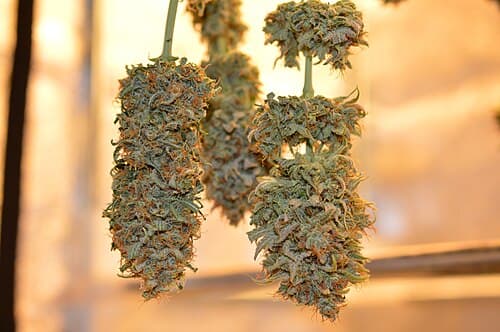
Marihuana
PERSON
Name reference in documents

Merry Jane
PERSON
Name reference in documents

Michael Jackson
PERSON
American singer, songwriter, record producer, and dancer (1958–2009)
MA
Mike Ackrell
PERSON
Name reference in documents

MJ Freeway fo MJ FREEWAY
PERSON
Name reference in documents
MU
Muttiples
PERSON
Name reference in documents

Paul Ryan
PERSON
Speaker of the United States House of Representatives from 2015 to 2019
SA
Satori
PERSON
Name reference in documents
SR
Se WHITE RHING
PERSON
Name reference in documents
SK
Sélstlcs OLO KAI
PERSON
Name reference in documents
Steep Hill
PERSON
Name reference in documents
TC
Tim Coxon
PERSON
Name reference in documents
TY
TS y.NEPT
PERSON
Name reference in documents
VU
VI U.S.
PERSON
Name reference in documents
YN
Yotumo Neves
PERSON
Name reference in documents
0 Medical
ORGANIZATION
Organization referenced in documents
ABcann Global Corporation
ORGANIZATION
Organization referenced in documents
ABN AMRO’s
ORGANIZATION
Organization referenced in documents
AbsoluteXtracts
ORGANIZATION
Organization referenced in documents
Access to Cannabis for Medical
ORGANIZATION
Organization referenced in documents
Ackrell Capital’s
ORGANIZATION
Organization referenced in documents
ACMPR
ORGANIZATION
Organization referenced in documents
Alchemy
ORGANIZATION
Organization referenced in documents
Alcohol Coffee Tobacco Painkillers
ORGANIZATION
Organization referenced in documents
Alliance Growers Corp.
ORGANIZATION
Organization referenced in documents
American Cannabis Company, Inc.
ORGANIZATION
Organization referenced in documents
American Giant
ORGANIZATION
Organization referenced in documents
AmeriCann, Inc.
ORGANIZATION
Organization referenced in documents
Amfil Technologies
ORGANIZATION
Organization referenced in documents
Ample Organics
ORGANIZATION
Organization referenced in documents
annakie Solutions 6
ORGANIZATION
Organization referenced in documents
Apeks Supercritical
ORGANIZATION
Organization referenced in documents
APOTHECARIUM
ORGANIZATION
Organization referenced in documents
ariMed Inc.
ORGANIZATION
Organization referenced in documents
Aurora Cannabis Inc.
ORGANIZATION
Organization referenced in documents
Australian Securities Exchange
ORGANIZATION
Organization referenced in documents
AXIM Biotechnologies, Inc.
ORGANIZATION
Organization referenced in documents
Bakked
ORGANIZATION
Organization referenced in documents
BAS Research
ORGANIZATION
Organization referenced in documents
BB Pei
ORGANIZATION
Organization referenced in documents
BDS Analytics
ORGANIZATION
Organization referenced in documents
Bloom Farms
ORGANIZATION • 2 mentions
Organization referenced in documents
Bryan Castill P P P Y
ORGANIZATION
Organization referenced in documents
Business and Other Related Businesses
ORGANIZATION
Organization referenced in documents
CA L
ORGANIZATION
Organization referenced in documents
CA L CHAPTER VI U.S.
ORGANIZATION
Organization referenced in documents
Calyx Brands
ORGANIZATION
Organization referenced in documents
Canada House Wellness Group Inc.
ORGANIZATION
Organization referenced in documents
Canadian Cannabis Stock Price
ORGANIZATION
Organization referenced in documents
Cannabics Pharmaceuticals Inc.
ORGANIZATION
Organization referenced in documents
Cannabis Leaf, Inc.
ORGANIZATION
Organization referenced in documents
Cannabis Wheaton Income SXV
ORGANIZATION
Organization referenced in documents
Cannabis-Related Companies
ORGANIZATION
Organization referenced in documents
Cannabix Technologies Inc.
ORGANIZATION
Organization referenced in documents
CannaCloud
ORGANIZATION
Organization referenced in documents
CannaCraft
ORGANIZATION
Organization referenced in documents
CannaGrow Holdings
ORGANIZATION
Organization referenced in documents
Cannakorp
ORGANIZATION
Organization referenced in documents
CannaRoyalty Corp.
ORGANIZATION
Organization referenced in documents
CanniMed Therapeutics Inc.
ORGANIZATION
Organization referenced in documents
CannTrust Holdings Inc.
ORGANIZATION
Organization referenced in documents
Canopy Growth
ORGANIZATION
Grapevine structure above ground
Canopy Growth Corporation
ORGANIZATION
Medical marijuana company based in Smiths Falls, Ontario
CAPI L
ORGANIZATION
Organization referenced in documents
Capital Markets for Cannabis Companies
ORGANIZATION
Organization referenced in documents
Capital Markets Overview
ORGANIZATION
Organization referenced in documents
Capital Raised
ORGANIZATION
Organization referenced in documents
Care By Design
ORGANIZATION
Organization referenced in documents
Century Group, Inc.
ORGANIZATION
Organization referenced in documents
Cilece
ORGANIZATION
Organization referenced in documents
Cloudponics
ORGANIZATION
Organization referenced in documents
CLUB | M ie
ORGANIZATION
Organization referenced in documents
CND Commission
ORGANIZATION
Organization referenced in documents
Colorado Harvest Company
ORGANIZATION
Organization referenced in documents
Columbia Care
ORGANIZATION
Organization referenced in documents

Constellation Brands
ORGANIZATION
American alcoholic beverage manufacturer
Constellation Brands, Inc.’s
ORGANIZATION
Organization referenced in documents
Controlled Drugs and Substances Act
ORGANIZATION
Organization referenced in documents
Conventions
ORGANIZATION
Organization referenced in documents
Corix Bioscience
ORGANIZATION
Organization referenced in documents
Cronos Group Inc.
ORGANIZATION
Organization referenced in documents
CSEVGW
ORGANIZATION
Organization referenced in documents
Cultivation Technologies
ORGANIZATION
Organization referenced in documents
Cura Cannabis Solutions
ORGANIZATION
Organization referenced in documents
Défoncé
ORGANIZATION
Organization referenced in documents
Delta 9 Cannabis Inc.
ORGANIZATION
Organization referenced in documents
Department of Justice
ORGANIZATION
United States Department of Justice, federal executive department responsible for law enforcement
Development DEVELOPMENT INC
ORGANIZATION
Organization referenced in documents
DHHS U.S. Department of Health and Human Services
ORGANIZATION
Organization referenced in documents
Dixie Elixirs
ORGANIZATION
Organization referenced in documents
DOJA Cannabis Company Limited
ORGANIZATION
Organization referenced in documents
Donaldson, Lufkin & Jenrette
ORGANIZATION
American investment bank
Dosist
ORGANIZATION
Organization referenced in documents
Earth Science Tech
ORGANIZATION
Organization referenced in documents
Eaze Solutions
ORGANIZATION
Organization referenced in documents
Eel River
ORGANIZATION
Organization referenced in documents
Elemental Wellness
ORGANIZATION
Organization referenced in documents
Emblem Corp.
ORGANIZATION
Organization referenced in documents
Enterprise Value
ORGANIZATION
Organization referenced in documents
Euflora
ORGANIZATION
Organization referenced in documents
EV Revenue EBITDA
ORGANIZATION
Organization referenced in documents
Evergreen-Agra
ORGANIZATION
Organization referenced in documents
Eviana Health Corporation CSE
ORGANIZATION
Organization referenced in documents
Evoxe Laboratories
ORGANIZATION
Organization referenced in documents
FDA U.S. Food and Drug Administration
ORGANIZATION
Organization referenced in documents
Federal Government Legalizes Cannabis
ORGANIZATION
Organization referenced in documents
Financial Data
ORGANIZATION
Organization referenced in documents

FinCEN
ORGANIZATION
U.S. Financial Crimes Enforcement Network

FinCEN Financial Crimes Enforcement Network
ORGANIZATION
Organization referenced in documents
Firefly
ORGANIZATION
Organization referenced in documents
Flow Kana
ORGANIZATION
Organization referenced in documents
FunkSac
ORGANIZATION
Organization referenced in documents
Future Farm Technologies Inc.
ORGANIZATION
Organization referenced in documents
Garden State Dispensary
ORGANIZATION
Organization referenced in documents
GB Sciences, Inc.
ORGANIZATION
Organization referenced in documents
GenKit
ORGANIZATION
Organization referenced in documents
Global Cannabis Applications Corp.
ORGANIZATION
Organization referenced in documents
Global Cannabis Stock Price
ORGANIZATION
Organization referenced in documents
Global Hemp Group Inc.
ORGANIZATION
Organization referenced in documents
Golden Leaf Holdings Ltd.
ORGANIZATION
Organization referenced in documents
Green Dot Labs
ORGANIZATION
Organization referenced in documents
Green Dot Labs GREENDOT
ORGANIZATION
Organization referenced in documents
Green Flower Media
ORGANIZATION
Organization referenced in documents
Green Leaf Medical
ORGANIZATION
Organization referenced in documents
Green Rush
ORGANIZATION
Organization referenced in documents
Green Spirit Industries Inc.
ORGANIZATION
Organization referenced in documents
GREENS ES DAILY
ORGANIZATION
Organization referenced in documents
GrowGeneration Corp.
ORGANIZATION
Organization referenced in documents
GW Pharmaceuticals ple
ORGANIZATION
Organization referenced in documents
Harborside Health Center
ORGANIZATION
Organization referenced in documents
Harvest HARVES
ORGANIZATION
Organization referenced in documents
Harvest One Cannabis Inc.
ORGANIZATION
Organization referenced in documents

Health Canada
ORGANIZATION
Department of the Canadian Government that oversees public health
HealthSpace Data Systems Ltd.
ORGANIZATION
Organization referenced in documents
Helix TCS
ORGANIZATION
Organization referenced in documents
Hempco Food and Fiber Inc.
ORGANIZATION
Organization referenced in documents
High Hampton Holdings Corp.
ORGANIZATION
Organization referenced in documents
High Value
ORGANIZATION
Organization referenced in documents
Home Office
ORGANIZATION
United Kingdom government ministerial department
Hound Labs
ORGANIZATION
Organization referenced in documents
Humboldt Legends
ORGANIZATION
Organization referenced in documents
INSYS Therapeutics, Inc.
ORGANIZATION
Organization referenced in documents
Intemational Inc.
ORGANIZATION
Organization referenced in documents
International Cannabis Market
ORGANIZATION
Organization referenced in documents
International Cannabrands Inc.
ORGANIZATION
Organization referenced in documents
IRL etd
ORGANIZATION
Organization referenced in documents
IRS Internal Revenue Service
ORGANIZATION
Organization referenced in documents
IUNU, Inc.
ORGANIZATION
Organization referenced in documents
Kaneh Bosm Bio Technology Inc.
ORGANIZATION
Organization referenced in documents
KenevirResearch
ORGANIZATION
Organization referenced in documents
Kikoko
ORGANIZATION
Organization referenced in documents
KIVA Confections
ORGANIZATION
Organization referenced in documents
Korova
ORGANIZATION
Organization referenced in documents
Leafbuyer Technologies
ORGANIZATION
Organization referenced in documents
Leafly
ORGANIZATION
Organization referenced in documents
Lehman Brothers
ORGANIZATION
Defunct American financial services firm
Lexaria Bioscience Corp.
ORGANIZATION
Organization referenced in documents
LGC Capital Ltd.
ORGANIZATION
Organization referenced in documents
Liberty Health Sciences Inc.
ORGANIZATION
Organization referenced in documents
Liberty Leaf Holdings Ltd.
ORGANIZATION
Organization referenced in documents
Life Sciences LIFE SCIENCES
ORGANIZATION
Organization referenced in documents
Lifestyle Delivery Systems Inc OTCQB
ORGANIZATION
Organization referenced in documents
LivWell Enlightened Health
ORGANIZATION
Organization referenced in documents
LLCis
ORGANIZATION
Organization referenced in documents
Lotus Ventures Inc.
ORGANIZATION
Organization referenced in documents
LTM Forward Forward
ORGANIZATION
Organization referenced in documents
LTM LTM
ORGANIZATION
Organization referenced in documents
Lunchbox Alchemy
ORGANIZATION
Organization referenced in documents
lv EZ
ORGANIZATION
Organization referenced in documents
Man Technologies, Inc.
ORGANIZATION
Organization referenced in documents
Maple Leaf Green World Inc.
ORGANIZATION
Organization referenced in documents
Marapharm Ventures Inc.
ORGANIZATION
Organization referenced in documents
Maricann Group Inc.
ORGANIZATION
Organization referenced in documents
Marijuana, Inc.
ORGANIZATION
Organization referenced in documents
Market Total
ORGANIZATION
Organization referenced in documents
Matica Enterprises Inc.
ORGANIZATION
Organization referenced in documents
MD Strategies Corp.
ORGANIZATION
Organization referenced in documents
MEDICINALS
ORGANIZATION
Organization referenced in documents
MedReleaf Corp.
ORGANIZATION
Organization referenced in documents
Miracle-Gro Company
ORGANIZATION
Organization referenced in documents
MJ Freeway
ORGANIZATION
Organization referenced in documents
MPX Bioceutical Corporation CSE
ORGANIZATION
Organization referenced in documents
MYM Nutraceuticals Inc.
ORGANIZATION
Organization referenced in documents
NA NA NA
ORGANIZATION
Organization referenced in documents
Narcotic Drugs
ORGANIZATION
Organization referenced in documents
Nasdag Global Market
ORGANIZATION
Organization referenced in documents

Nasdaq
ORGANIZATION
American fully electronic stock exchange
Nasdaq NYSE/
ORGANIZATION
Organization referenced in documents
National Access Clinic Corp.
ORGANIZATION
Organization referenced in documents
NCWANALYTICAL
ORGANIZATION
Organization referenced in documents
NDA New Drug Application
ORGANIZATION
Organization referenced in documents
Neptune Technologies 8
ORGANIZATION
Organization referenced in documents
Network, Inc.
ORGANIZATION
Organization referenced in documents
New Vansterdam
ORGANIZATION
Organization referenced in documents
Newstrike Resources Ltd.
ORGANIZATION
Organization referenced in documents
NM NA
ORGANIZATION
Organization referenced in documents
NM NA NA NA NA
ORGANIZATION
Organization referenced in documents
Northwest Cannabis Solutions
ORGANIZATION
Organization referenced in documents
NWT Holdings
ORGANIZATION
Organization referenced in documents
NYSE New York Stock Exchange
ORGANIZATION
Organization referenced in documents
Olympia
ORGANIZATION
Organization referenced in documents
Organa Brands
ORGANIZATION
Organization referenced in documents
ORGANICS
ORGANIZATION
Organization referenced in documents
OrganiGram Holdings Inc.
ORGANIZATION
Organization referenced in documents
Orion Incredibles
ORGANIZATION
Organization referenced in documents
OTCPK
ORGANIZATION
Organization referenced in documents
OWC Pharmaceutical Research
ORGANIZATION
Organization referenced in documents
Patriot Care
ORGANIZATION
Organization referenced in documents
PAX Labs
ORGANIZATION
Organization referenced in documents
PERIDOT LABS
ORGANIZATION
Organization referenced in documents
PharmaCielo
ORGANIZATION
Organization referenced in documents
PharmaCyte Biotech, Inc.
ORGANIZATION
Organization referenced in documents
Platinex Inc.
ORGANIZATION
Organization referenced in documents
PLUS OH
ORGANIZATION
Organization referenced in documents
Praetorian Property, Inc.
ORGANIZATION
Organization referenced in documents
Private Capital Markets
ORGANIZATION
Organization referenced in documents
Production and Testing
ORGANIZATION
Organization referenced in documents
Property Leasing Business
ORGANIZATION
Organization referenced in documents
Public Capital Markets
ORGANIZATION
Organization referenced in documents
PUF Ventures Inc.
ORGANIZATION
Organization referenced in documents
PVPA Plant Variety Protection
ORGANIZATION
Organization referenced in documents
Quadron Cannatech Corporation
ORGANIZATION
Organization referenced in documents
Quinsam Capital Corporation
ORGANIZATION
Organization referenced in documents
Ravenquest Biomed Inc.
ORGANIZATION
Organization referenced in documents
Reporting Required
ORGANIZATION
Organization referenced in documents
Requirements Working Capital, Cash
ORGANIZATION
Organization referenced in documents
Revenue EBITDA Revenue EBITDA _
ORGANIZATION
Organization referenced in documents
River Collective
ORGANIZATION
Organization referenced in documents
Rubicon Organics
ORGANIZATION
Organization referenced in documents
RX Green Solutions
ORGANIZATION
Organization referenced in documents
S&P Global Market Intelligence
ORGANIZATION
Organization referenced in documents
Santa Clara University
ORGANIZATION
Organization referenced in documents
Sativa, Inc.
ORGANIZATION
Organization referenced in documents
SC Laboratories
ORGANIZATION
Organization referenced in documents
Seven Hills Group
ORGANIZATION
Organization referenced in documents
Spectrum King
ORGANIZATION
Organization referenced in documents
Steep Hill Labs
ORGANIZATION
Organization referenced in documents
StickyGuide
ORGANIZATION
Organization referenced in documents
Stony Hill Corp.
ORGANIZATION
Organization referenced in documents
Strainz
ORGANIZATION
Organization referenced in documents
Supreme Pharmaceuticals Inc.
ORGANIZATION
Organization referenced in documents
Surna Inc.
ORGANIZATION
Organization referenced in documents
Surterra Holdings
ORGANIZATION
Organization referenced in documents

Teewinot Life Sciences
ORGANIZATION
Peer-reviewed scientific journal
Teewinot Life Sciences Corporation
ORGANIZATION
Organization referenced in documents
Terra Tech Corp.
ORGANIZATION
Organization referenced in documents
TerrAscend Corp.
ORGANIZATION
Organization referenced in documents
Tetra Bio-Pharma Inc.
ORGANIZATION
Organization referenced in documents
THC Biomed Intl Ltd.
ORGANIZATION
Organization referenced in documents
the “penny
ORGANIZATION
Organization referenced in documents
the Canadian Securities Exchange
ORGANIZATION
Organization referenced in documents
the Cannabis Industry
ORGANIZATION
Organization referenced in documents
The Counter (Market Value
ORGANIZATION
Organization referenced in documents
the Court of Appeal
ORGANIZATION
Organization referenced in documents
the Creative Commons Attribution
ORGANIZATION
Organization referenced in documents
the Expert Committee on Drug Dependence
ORGANIZATION
Organization referenced in documents
the Federal Food, Drug
ORGANIZATION
Organization referenced in documents
the Global Commission on
ORGANIZATION
Organization referenced in documents
The Green Field 2018
ORGANIZATION
Organization referenced in documents
The Green Solution
ORGANIZATION
Organization referenced in documents
the Health Ministry
ORGANIZATION
Organization referenced in documents
The Hydrapothecary Corp.
ORGANIZATION
Organization referenced in documents
the Israeli Ministries of Health and Finance
ORGANIZATION
Organization referenced in documents
The Legal Cannabis Market: Key Growth Drivers
ORGANIZATION
Organization referenced in documents
the Manufacture and Sale of Cannabis Products
ORGANIZATION
Organization referenced in documents
the Misuse of Drugs Act
ORGANIZATION
Organization referenced in documents
the Organa Labs
ORGANIZATION
Organization referenced in documents
the Pennsylvania State University
ORGANIZATION
Organization referenced in documents
the RAND Corporation
ORGANIZATION
Organization referenced in documents
the Santa Clara University School of Law
ORGANIZATION
Organization referenced in documents
The Tinley Beverage Company OTCPK
ORGANIZATION
Organization referenced in documents
the Toronto Stock Exchange
ORGANIZATION
Organization referenced in documents
The U.S. Securities and Exchange Commission
ORGANIZATION
U.S. Securities and Exchange Commission
the UN General Assembly
ORGANIZATION
U.N. General Assembly
the United Nations Office on Drugs and Crime
ORGANIZATION
Organization referenced in documents

the University of Chicago
ORGANIZATION
University in Chicago
the Wharton School of the University of Pennsylvania
ORGANIZATION
Organization referenced in documents
the World Health Organization
ORGANIZATION
Organization referenced in documents
TOPHMAARMS ots ae
ORGANIZATION
Organization referenced in documents
True Leaf Medicine International Ltd.
ORGANIZATION
Organization referenced in documents
TSX Venture Exchange
ORGANIZATION
Organization referenced in documents
TSXV TSX Venture Exchange
ORGANIZATION
Organization referenced in documents
TSXV)
ORGANIZATION
Organization referenced in documents
U.S. Census
ORGANIZATION
Organization referenced in documents
U.S. Legal Landscape
ORGANIZATION
Organization referenced in documents
U.S. State-Legal Cannabis Market Estimate
ORGANIZATION
Organization referenced in documents
U.S. Stock Markets
ORGANIZATION
Organization referenced in documents
U.S. Technology Investment Banking Group
ORGANIZATION
Organization referenced in documents

U.S. Treasury
ORGANIZATION
United States Department of the Treasury, executive department of the federal government
Uber
ORGANIZATION
Peer-to-peer ridesharing, food delivery, and transportation network company headquartered in San Francisco, California
United Cannabis Corporation OTCQB
ORGANIZATION
Organization referenced in documents

United Nations
ORGANIZATION • 2 mentions
Global international and intergovernmental organization
United Nations General Assembly Special Session
ORGANIZATION
Organization referenced in documents
University of Texas
ORGANIZATION
Public research university in Austin, Texas

UNODC
ORGANIZATION
Organization referenced in documents
Valens Groworks Corp.
ORGANIZATION
Organization referenced in documents
VapeWorld
ORGANIZATION
Organization referenced in documents
VCC Brands
ORGANIZATION
Organization referenced in documents
Venture Exchange Canadian Securities Exchange
ORGANIZATION
Organization referenced in documents
Veritas Pharma Inc.
ORGANIZATION
Organization referenced in documents
Viridium Pacific Group Ltd.
ORGANIZATION
Organization referenced in documents
Vitality Biopharma
ORGANIZATION
Organization referenced in documents
Vodis Pharmaceuticals Inc.
ORGANIZATION
Organization referenced in documents
Wana Brands
ORGANIZATION
Organization referenced in documents
Weedguide
ORGANIZATION
Organization referenced in documents
Wellness Holdings, Inc.
ORGANIZATION
Organization referenced in documents
Wildflower Marijuana Inc.
ORGANIZATION
Organization referenced in documents
WR Hambrecht+Co
ORGANIZATION
Organization referenced in documents
YSE American
ORGANIZATION
Organization referenced in documents
Zynerba Pharmaceuticals, Inc.
ORGANIZATION
Organization referenced in documents
Amsterdam
LOCATION
Capital and most populous city of the Netherlands
Bellingham
LOCATION
City in, and the county seat of, Whatcom County in the State of Washington, United States
Berkeley
LOCATION
City in Alameda County, California, United States
Boca Raton
LOCATION
City in Palm Beach County, Florida, United States

Boulder
LOCATION
City in Colorado, United States
Canoga Park
LOCATION
Neighborhood in the San Fernando Valley region of the City of Los Angeles, California, United States
Cape Verde
LOCATION
Sovereign state comprising ten islands off the Western coast of Africa
Chile
LOCATION
Country in South America
Colorado
LOCATION
State of the United States of America

Columbia University
LOCATION
Private Ivy League research university in New York City

Croatia
LOCATION
Country in Central Europe

Denver
LOCATION
Consolidated city-county and capital of Colorado, United States
District of Columbia
LOCATION
Federal district, capital of the United States
Gold Coast
LOCATION
Coast in Queensland, Australia
Green Solution
LOCATION
Location referenced in documents
Guatemala
LOCATION
Sovereign state in Central America
Humboldt
LOCATION
City in Saskatchewan
Humboldt County
LOCATION
County in California, United States

Hungary
LOCATION
Country in Central Europe

Jamaica
LOCATION
Island state in the Caribbean Sea

Lake Worth
LOCATION
City in Palm Beach County, Florida, United States
Las Vegas
LOCATION
City of Clark County, and largest city in state of Nevada, United States

Lesotho
LOCATION
Sovereign state in southern Africa

Macedonia
LOCATION
Country in southeastern Europe
Maine
LOCATION
State of the United States of America
Mendocino County
LOCATION
County in northwestern California, United States
Michigan
LOCATION
State of the United States of America
New Zealand’s
LOCATION
Location referenced in documents

Nigeria
LOCATION
Sovereign state in West Africa
NM NM
LOCATION • 2 mentions
Location referenced in documents
NM NM NM
LOCATION
Location referenced in documents
Oakland
LOCATION
City and county seat of Alameda County, California, United States
Ontario
LOCATION
Province of Canada
Orange County
LOCATION
County in California, United States

Oregon
LOCATION
State of the United States of America
Palo Alto
LOCATION
City in Santa Clara County, California, United States

Poland
LOCATION
Country in Central Europe
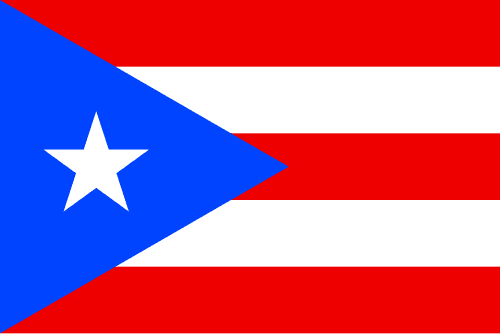
Puerto Rico
LOCATION
Unincorporated territory of the United States of America
Sacramento
LOCATION
Capital city of the U.S. state of California and seat of Sacramento County

San Diego
LOCATION
Seat of San Diego County, California, United States; second-largest city in California
San Jose
LOCATION
City and county seat of Santa Clara County, California, United States
San Leandro
LOCATION
City in Alameda County, California, United States

San Mateo
LOCATION
City in San Mateo County, California, United States
Santa Ana
LOCATION
City in El Salvador
Santa Cruz
LOCATION
City in eastern Bolivia
Santa Rosa
LOCATION
City in and county seat of Sonoma County, California, United States
Seattle
LOCATION
City in and county seat of King County, State of Washington, United States
Siercrort
LOCATION
Location referenced in documents
South Africa
LOCATION
Country in southern Africa
South Africas Drugs
LOCATION
Location referenced in documents

Sunnyvale
LOCATION
City in Santa Clara County, California, United States
Tampa
LOCATION
City in Florida, United States

the Cayman Islands
LOCATION
British Overseas Territory in the Caribbean
the District of Columbia
LOCATION
Federal district, capital of the United States
Toronto
LOCATION
Capital and largest city of the province of Ontario, Canada
Trinidad
LOCATION
Larger of the two major islands which make up Trinidad and Tobago

United Kingdom
LOCATION • 2 mentions
Country in north-west Europe
United States
LOCATION
Country located primarily in North America

Uruguay
LOCATION
Sovereign state in South America
Utopia Farms
LOCATION
Location referenced in documents
Vancouver
LOCATION
Largest city in the province of British Columbia, Canada
Ventura
LOCATION
City in and county seat of Ventura County, California, United States
Woodbridge
LOCATION
Census-designated place in Prince William County, Virginia, United States
Statistics
Pages:86
Entities:398
Avg. OCR:91.7%
Sponsored