EFTA00236853_sub_002 - EFTA00236853_200
Document Information
Bates Range
EFTA00236853_sub_002 - EFTA00236853_200
Pages
100
Original Filename
EFTA00236853.pdf
Document Content
Page 101 - EFTA00236853_101
days after completion of the next audit of Millennium USA, subject to any applicable reserves or holdbacks. Balances held until following the completion of an audit, if any, will be paid with interest from the applicable withdrawal date at the average (calculated weekly) per annum short-term (13-week) Treasury Bill rate. Millennium Management may, in its discretion, elect to withhold smaller amounts than those described above or to accelerate the repayment of withheld balances. With respect to Offered Annual Interests, Millennium USA will ordinarily pay 90% of the aggregate proceeds of any withdrawal (computed on the basis of unaudited data as of the withdrawal date, and subject to reserves or holdbacks) within 30 days following the withdrawal date. The balance will be paid (subject to audit adjustments) within 30 days following the completion of the next audit of Millennium USA, subject to any applicable reserves or holdbacks. If the amount of the withdrawal is less than 90% of the aggregate value of a shareholder's Offered Annual Interests, Millennium USA anticipates paying 95% (rather than 90%) and withholding 5% of such withdrawal amount pending closing of Millennium USA's books and reconciliation of the amounts due for the quarter (in each case, computed on the basis of unaudited data as of the withdrawal date, and subject to any applicable reserves or holdbacks). However, if a withdrawal date coincides with a date as of which Millennium USA's financial statements are audited, the final withdrawal payment will generally be made, subject to audit adjustments, after completion of the audit. Balances held until following the completion of an audit, if any, will be paid with interest from the applicable withdrawal date at the average (calculated weekly) per annum short-term (13-week) Treasury Bill rate. Millennium Management may, in its discretion, elect to withhold smaller amounts than those described above or to accelerate the repayment of withheld balances. Please be advised that it is generally the policy of the Administrator that all withdrawal proceeds are paid to the account from which the monies were originally debited, unless otherwise agreed upon by Millennium Management and the Administrator. Payments generally will not be made to third party accounts that are not in the name of the withdrawing Limited Partner, unless otherwise required under law. Withdrawals made by an investor that holds more than one series of Offered Interests will be deemed to be made on a first-in first-out basis absent specific instructions to the contrary from the investor. Special Withdrawal Right upon a Trigger Event. Millennium Management will notify the Limited Partners within 10 days of the occurrence of the death, disability, adjudication of incompetency, bankruptcy, insolvency or withdrawal from the general partner of the Master Partnership of Israel A. Englander (each, a "Trigger Event"). During the period beginning on the date as of which a Trigger Event has occurred (as determined by Millennium Management) and ending on the last day of the third full month following the date on which notice of the Trigger Event is given (the "Transition Period"), and thereafter until the Special Withdrawal Date (as MAXWELL I-30 CONFIDENTIAL UBSTERRAMAR00001307 EFTA00236953
Page 102 - EFTA00236853_102
defined below), withdrawals may not be made, and (subject to the next sentence) withdrawal notices shall be of no effect. During the last month of the Transition Period, Limited Partners may provide a written withdrawal request to Millennium Management to withdraw all or a portion of their respective capital accounts, which withdrawal will be effective as of the last day of the third full month after the expiration of the Transition Period (the "Special Withdrawal Date") without being subject to any 25% quarterly limit or Early Withdrawal Charge that would otherwise be applicable to such Offered Quarterly Interests. A withdrawal request in respect of a Trigger Event may not be rescinded by the Limited Partner (absent the consent of Millennium Management) following its receipt by Millennium Management. Distributions of withdrawal proceeds due in respect of withdrawal dates that occurred prior to the occurrence of the Trigger Event will be paid during the Transition Period. In the event of the death of Mr. Englander, the death benefits distributable to Millennium USA or the Master Partnership from "keyman" life insurance upon Mr. Englander's life will be deemed to be assets of Millennium USA or the Master Partnership, as the case may be, as of the date immediately prior to the Trigger Date and therefore will be included in Net Capital Appreciation or Net Capital Depreciation. Following the occurrence of an event that Millennium Management in good faith determines may result in, or may have been, a Trigger Event (e.g., an event that may result in the disability of Mr. Englander) (a "Possible Trigger Event"), Millennium Management may report such event to the Limited Partners (a "Possible Trigger Event Notice"). A Possible Trigger Event Notice will not commence a Transition Period, but any withdrawal request given on or after the date of the Possible Trigger Event identified in a Possible Trigger Event Notice will be suspended and held in abeyance for such period as may reasonably be necessary under the circumstances for Millennium Management to determine whether the Possible Trigger Event did in fact constitute a Trigger Event. Millennium Management will make such determination as soon as shall reasonably be practicable under the circumstances. Promptly upon making such determination, Millennium Management will notify the Limited Partners of that determination. If the determination is that there was not a Trigger Event, then all withdrawal requests held in abeyance pursuant to the foregoing will be given effect. If and to the extent that withdrawal dates specified in withdrawal notices have already occurred, all such withdrawals will be given effect as of the last day of the first full calendar month following the date Millennium Management determines that there was not a Trigger Event. If the determination is that there was a Trigger Event, a Trigger Event Notice will promptly be given, and any withdrawal requests that were received and held in abeyance will be cancelled, and Limited Partners will be permitted to withdraw as described above. A Limited Partner exercising a special withdrawal right in connection with a Trigger Event will be paid approximately 90% of its estimated withdrawal request (computed on the basis of unaudited data as of the Special Withdrawal Date), subject to reserves for contingencies (including general reserves for unspecified potential contingencies) and holdbacks, within 30 days following the Special Withdrawal Date. The balance of such Limited Partner's withdrawal request will be paid (subject to audit adjustments) to such Limited Partner within 30 days after completion of the next audit of Millennium USA, with interest from the Special Withdrawal Date at the average (calculated weekly) per annum short-term (13-week) Treasury Bill rate. MAXWELL I-31 CONFIDENTIAL UBSTERRAMAR00001308 EFTA00236954
Page 103 - EFTA00236853_103
Notwithstanding the foregoing and subject to applicable law, Millennium Management may determine at any time, including following a Trigger Event, to dissolve Millennium USA. If Millennium Management makes a determination to dissolve Millennium USA during a Transition Period, all pending withdrawal requests given during a Transition Period will be cancelled and distributions in respect of pending withdrawals pursuant to withdrawal requests given during or prior to that Transition Period will not be made and any further withdrawal requests will not be honored. Rather, distributions will be made in connection with the liquidation of Millennium USA. Following a Trigger Event and a Special Withdrawal Date, withdrawals may thereafter be made by Limited Partners in accordance with their rights to withdraw as specified herein, but no notices given for withdrawal dates that occurred between the Trigger Event and the Special Withdrawal Date will be honored, so that the first occasion for a Limited Partner to withdraw after a Special Withdrawal Date will be the first regular withdrawal date as to which the time available after the Special Withdrawal Date for giving notice is sufficient in accordance with the applicable requirements. Other Withdrawal Rights. In addition, investors in other classes of Interests of Millennium USA may withdraw all of their capital accounts at such other time and upon such terms as permitted in respect of such class in accordance with the Partnership Agreement. Limitation on Withdrawals. Millennium Management, in its discretion, may hold back a portion of the amount payable to a Limited Partner in respect of a withdrawal (whether such withdrawal is voluntary or compulsory) to satisfy contingent or expected liabilities. The amount of the withdrawal proceeds held back will be determined by Millennium Management in its sole discretion taking into account such factors as it considers relevant with respect to any contingent or expected liability. Such holdbacks will reduce the amount paid to a withdrawing Limited Partner. The unused portion of any holdback will be distributed to the Limited Partner to which the holdback applied if and to the extent that Millennium Management subsequently determines that the need therefor has ceased. In the event that an investor makes a complete or partial withdrawal on a date other than the regular withdrawal dates applicable to the particular class of Interests of Millennium USA, Millennium USA has the right to charge such withdrawing investor any legal, accounting and administrative, registrar and transfer costs associated with such withdrawal of all or a portion of its Interests, and in that connection may establish reserves for contingencies, including general reserves for unspecified contingencies. Deferral of Withdrawal Payments. Payments of withdrawal proceeds may be suspended if Millennium Management and/or the Administrator determine that they will violate applicable law, including any applicable rules or regulations of any regulatory agency or exchange, or any contract or agreement to which Millennium USA or any affiliate is then a party. Suspension for Anti-Money Laundering Purposes Withdrawals by any investor purchasing Offered Interests hereunder may be suspended if Millennium Management and/or the Administrator reasonably deem it appropriate to do so to ensure compliance with anti-money laundering regulations applicable to Millennium USA, a VIAXWELL I-32 CONFIDENTIAL UBSTERRAMAR00001309 EFTA00236955
Sponsored
Page 104 - EFTA00236853_104
Millennium Management, the Administrator or any of Millennium USA's other service providers. Please be advised that the Administrator may require any additional documentation, as reasonably necessary, to process a withdrawal request. Compulsory Withdrawal Millennium Management reserves the right, upon not less than five days' prior written notice, to require any investor to withdraw all or any portion of its capital account at any time for any reason or no reason. Any such compulsory withdrawal will be effective as of the date specified in the notice. Conversion of Offered Interests Millennium USA from time to time may, for administrative convenience or any other reason, and without any consent of or notice to Limited Partners, redesignate and convert all or any portion of the outstanding Offered Interests into another class of Interests of Millennium USA with substantially the same rights and characteristics. Management of Millennium USA The general partner of Millennium USA and the general partner of the Master Partnership is Millennium Management, a Delaware limited liability company. As discussed under "Certain Legal and Regulatory Matters Relating to the Master Partnership" in Part Two of this Confidential Memorandum, Millennium Management is the commodity pool operator and commodity trading advisor of Millennium USA and the Master Partnership and has general responsibility and authority for supervising all aspects of Millennium USA's and the Master Partnership's business and operations. The Limited Partners have no right to act on behalf of Millennium USA or the Master Partnership in connection with any matter. Millennium Management has the right to dissolve Millennium USA at any time (including during a fiscal year), for any reason or for no reason. In the case of such termination, Millennium USA's net assets (less reserves) will be distributed to the Limited Partners within 30 days after the completion of a final audit of Millennium USA's books (which must be performed within 90 days of the date of dissolution). Biographies of the principals and senior management of Millennium Management can be found under "The Master Partnership's Management, Structure and Operations — Management — Principals and Key Managers" in Part Two of this Confidential Memorandum. The Administrator Millennium USA has entered into an agreement (the "Services Agreement") with an independent third-party administrator, GlobeOp Financial Services LLC (the "Administrator"). Pursuant to the Services Agreement, the Administrator is responsible, under the overall supervision of Millennium Management, for matters pertaining to the administration of Millennium USA, namely: issuing the net asset value of Millennium USA after performing certain checks on valuation and reconciliation information received from Millennium Management. -MAXWELL I-33 CONFIDENTIAL UBSTERRAMAR00001310 EFTA00236956
Page 105 - EFTA00236853_105
The Administrator issues Millennium USA's and the Master Partnership's net asset value on a monthly basis after performing certain checks on valuation and reconciliation information received from Millennium Management. Valuations of publicly traded security positions are compared to market data independently obtained from third party providers. Valuations of security positions are compared to information received from third parties, including brokers and independent valuation service providers. Security positions and cash balances are reconciled with Millennium USA's and the Master Partnership's records based upon confirmations or statements that the Administrator independently receives from prime brokers and other financial institutions that hold assets of Millennium USA and the Master Partnership. Monthly activity in the general ledger of Millennium USA and the Master Partnership is reviewed on a sample basis to verify it as materially correct. The procedures performed do not constitute an audit in accordance with auditing standards generally accepted in the United States (although the financial statements of Millennium USA and the Master Partnership are audited in accordance with such standards by their independent auditors on a semi-annual basis). The verification and review work conducted by the Administrator does not constitute a 100% verification of the valuation work of Millennium Management. The administrative services provided by the Administrator include, among other things, (i) processing and reviewing subscription documents (and ancillary documentation provided in connection therewith) submitted by prospective purchasers, (ii) performing checks of prospective purchasers against the Department of Treasury Office of Financial Assets Control Specialty Designated National Lists, (iii) generally performing all actions related to the issuance, transfer and withdrawal of the Offered Interests, (iv) distributing monthly statements to Limited Partners, and (v) performing certain other administrative and clerical services in connection with the administration of Millennium USA as agreed between Millennium USA and the Administrator. Additionally, the Administrator performs independent month-end position reconciliations, along with a month-end verification with respect to the Master Partnership's cash and positions based on files it receives directly from the Master Partnership's prime brokers and counterparties and information it receives from Millennium Management. The office of the Administrator is located at One South Road, Harrison, New York 10528. The Administrator may have relationships with providers of technology, data or other services to Millennium USA and may receive economic and/or other benefits in connection therewith. The Administrator may subcontract with agents selected by the Administrator in good faith for administrative and certain other services, provided that the Administrator shall use commercially reasonable best efforts to cause such affiliation to be disclosed to Millennium USA at the time such arrangement or transaction is entered into. The Administrator does not act as guarantor of Millennium USA's Offered Interests. Moreover, the Administrator is not responsible for any of the trading or investment decisions of Millennium USA (all of which are made by Millennium Management), or the effect of such trading decisions on the performance of Millennium USA. The Administrator will receive a monthly fee from Millennium USA. Certain extraordinary out-of-pocket expenses of the Administrator may also be charged to Millennium USA in accordance with the Services Agreement. -MAXWELL I-34 CONFIDENTIAL UBSTERRAMAR00001311 EFTA00236957
Page 106 - EFTA00236853_106
The Services Agreement contains customary indemnification provisions whereby Millennium USA has agreed to indemnify the Administrator (and its officers, directors, investors, beneficiaries or employees, and any of their successors or assigns) against any and all losses, claims, judgments, liabilities, costs, expenses (including, without limitation, reasonable attorneys' fees) and amounts paid in settlement incurred in connection with the Services Agreement, unless the action or omission giving rise thereto is found by a final determination of an arbitrator, mediator, or court of competent jurisdiction to have resulted solely from the fraud, gross negligence or willful misconduct by such indemnified party in connection with the performance of its duties and obligations under the Services Agreement. The Administrator's total liability in connection with the performance of the Services Agreement will be limited to the then average monthly services fee that was paid during the preceding 12 months, multiplied by 36. Fees and Expenses Relating to Millennium USA Millennium USA is, directly, or through its investment in the Master Partnership, responsible for: • all fees and expenses incurred in connection with any transactions, engagements, and other agreements that it enters into on its own behalf, including, among other things, the costs and expenses incurred in connection with the private placement of Interests in Millennium USA (other than placement fees, if any); • a generally pro rata portion of the fees and expenses incurred by Millennium Management and its affiliates (the "Millennium Management Group") with respect to, or in connection with, the Master Partnership and its affiliates or incurred directly by the Master Partnership (which cover, among other things, Compensation paid to Portfolio Managers, other employees, consultants, subcontractors, agents, and investment advisers engaged by the Master Partnership and its affiliates; fees paid to persons or entities who assist in identifying and recruiting Portfolio Managers; expenses related to computers, equipment and technology and expenses related to maintaining offices, including leases and fixtures); and • a generally pro rata portion of any other fees and expenses incurred by the Master Partnership, including fees paid for the investment advisory services of Millennium Capital Partners LLP ("MCP UK") (fees paid to MCP UK are structured so that the net effect is that only MCP UK's expenses are passed through to investors) (see "The Master Partnership's Organization — Portfolio Managers, Outside Investments and Firm Trading" in Part Two of this Confidential Memorandum) and the capital to establish, capitalize and maintain MCP UK, Millennium Capital Management (Singapore) Pte. Ltd., Millennium Capital Management (Hong Kong) Limited ("MCM HK") and Millennium Capital Management (Asia) Limited, Tokyo Branch (see "Related-Party Transactions; Conflicts — UK and Asia Structures—Inter-company Arrangements" in Part Two of this Confidential Memorandum) and other similar entities. MAXWELL I-35 CONFIDENTIAL UBSTERRAMAR00001312 EFTA00236958
Sponsored
Page 107 - EFTA00236853_107
This means that the Limited Partners of Millennium USA will each bear their respective pro rata portions of all of Millennium USA's costs, fees, and expenses through reductions in their capital accounts. Expenses that are borne by Millennium USA and the other feeder funds, including Millennium International and Millennium Strategic Capital, generally are allocated pro rata among Millennium USA and the other feeder funds according to according to the values of the relative values of their interests in the Master Partnership, but a particular expense may be allocated differently if Millennium Management and its affiliates determine in their discretion that it would be fair and reasonable to do so. In addition, certain expenses, including expenses for office space, services, personnel, equipment and software, among other things, incurred by the Millennium Management Group in connection with the provision of investment management, administrative or other services to Millennium USA and other funds, accounts or third parties or otherwise in connection with the activities of the Millennium Management Group will be allocated among Millennium USA and the recipients of the services that generate such items of expense. The Millennium Management Group will seek to allocate such expenses fairly and equitably among Millennium USA and such other recipients based upon certain estimates and assumptions that the Millennium Management Group believes are reasonable and appropriate, but which may be imprecise and may result in Millennium USA's bearing a larger portion of such expenses than if they were calculated in a different manner. Assets of the Millennium Management Group, including, without limitation, intellectual property developed in connection with services provided to Millennium USA and the Master Partnership, may be utilized in the conduct of other business activities in the sole discretion of the Millennium Management Group without compensation or reimbursement to Millennium USA. As described above under "Interests Offered; Terms of the Offering — Allocations of Gains and Losses," at the end of each fiscal year of Millennium USA, or at such other date during a fiscal year as of which the following reallocation is required, 20% of the aggregate Net Capital Appreciation of Millennium USA for the year will be reallocated to Millennium Management as its Incentive Allocation. The Incentive Allocation is calculated on the basis of realized and unrealized gains and losses and after all expenses, including a pro raw portion of the Master Partnership's expenses, as described above, are paid or accrued (See "Interests Offered; Terms of the Offering — Allocations of Gains and Losses" and "Certain Risk Factors Relating to Millennium USA — Incentive Allocation"). Allocation of Gains and Losses A separate capital account will be created on the books of Millennium USA for, and in the amount of, each capital contribution of a Partner. At the end of each Accounting Period' of "Accounting Period" means the following periods: each Accounting Period shall commence immediately after the close of the immediately preceding Accounting Period; each Accounting Period shall close at the close of business on the first to occur of (i) the last day of Millennium USA's fiscal quarter (which shall be the calendar quaver). (ii) the date immediately prior to the effective date of the admission of a new Partner pursuant to the Partnership Agreement. (iii) the date immediately prior to the effective date of a Partner's capital contribution pursuant to the Partnership Agreement, (iv) the effective date of any withdrawal by a Partner of capital pursuant to the Partnership Agreement (v) the date when the Partnership shall dissolve or (iv) such other date prior to dissolution as Millennium Management may from time to time determine in its discretion purstuuu to the Partnership Agreement. -MAXWELL I-36 CONFIDENTIAL UBSTERRAMAR00001313 EFTA00236959
Page 108 - EFTA00236853_108
Millennium USA, any Net Capital Appreciation2 or Net Capital Depreciation3 of Millennium USA, after payment of expenses (see "Certain Risk Factors Relating to Millennium USA — Compensation of Millennium Management" and "Fees and Expenses Relating to Millennium USA"), will be tentatively credited or debited to each Partner (including Millennium Management) in proportion to the opening balances of that Partner's capital account for such period (the Partner's "Partnership Percentage"). At the end of each fiscal year of Millennium USA, or at such other date during a fiscal year as of which the following reallocation is required, 20% of the aggregate Net Capital Appreciation of Millennium USA tentatively credited to each Limited Partner's capital accounts (excluding, in Millennium Management's discretion, capital accounts of Special Limited Partners4 but including the amount of any Early Withdrawal Charge withheld for the benefit of such Limited Partners) for the year will be reallocated to the capital accounts of Millennium Management as its "Incentive Allocation." The Net Capital Appreciation upon which the calculation of an Incentive Allocation is based is deemed reduced by the unrecovered balance, if any, in a Limited Partner's "Loss Recovery Account." A Loss Recovery Account is a memorandum account, established for each capital account of a Limited Partner upon its creation, the opening balance of which is zero. At each date that an Incentive Allocation is to be determined, the balance in each Loss Recovery Account will include the aggregate Net Capital Depreciation since the last date on which a calculation of the Incentive Allocation was made and be reduced, but not beyond zero, by aggregate Net Capital Appreciation since such date. In the event that a Limited Partner with an unrecovered balance in any of its Loss Recovery Accounts withdraws all or a portion of its related capital accounts, the unrecovered balance in such Loss Recovery Accounts will be proportionately reduced. In connection with the (i) downsizing of Millennium USA following a Trigger Event, or (ii) dissolution of Millennium USA, reserves for liabilities will be established for the estimated costs of downsizing or liquidating assets and liabilities, such as (without limitation) payments required as severance for personnel, or for termination of advisory or other agreements or contracts or leases, and the like. However, such reserves, and all other related costs and expenses, will be disregarded for the purpose of calculating Net Capital Appreciation or Net Capital Depreciation in determining the amount of the Incentive Allocation. Reserves, and related costs and expenses taken by the Master Partnership will also be reflected on the books of Millennium USA, and similarly disregarded in calculating the Incentive Allocation. Any unused portion of a reserve established in anticipation of possible downsizing or dissolution of 2 3 4 "Net Capital Appreciation" means the increase in the value of Millennium USA's net assets. including unrealized gains, from the beginning of each Accounting Period to the end of such Accounting Period. "Net Capital Depreciation" means the decrease in the value of Millennium USA's net assets. including unrealized losses, from the beginning of each Accounting Period to the end of such Accounting Period. "Special Limited Partner" is defined as any Limited Partner who is a member, officer, director or employee of Millennium USA or the Master Partnership: any other Limited Partner, as determined in the sole discretion of Millennium Management: Millennium Management or any person controlling, controlled by or under common control with it or any member, officer, director or employee of such person (collectively, the foregoing. "Affiliates"): immediate family of Israel A. Englander, the managing member of Millennium Management, or trusts for the benefit of any member thereof: and any Limited Partner that is an entity directly or indirectly controlled by Millennium Management or Affiliates. Me -MAXWELL I-37 CONFIDENTIAL UBSTERRAMAR00001314 EFTA00236960
Page 109 - EFTA00236853_109
Millennium USA that is not expected to be used will be reversed after Millennium Management, in its sole discretion, has determined that the need therefor has ceased. If a Limited Partner withdraws all or a portion of any of its capital accounts other than at the end of a fiscal year, an Incentive Allocation (the "Interim Year Incentive Allocation") with respect to such capital accounts will be determined and allocated to the capital account of Millennium Management on the effective distribution date for the period from the commencement of Millennium USA's fiscal year through the effective date of distribution. The Interim Year Incentive Allocation will be based upon the Net Capital Appreciation allocated to such capital account for the applicable period, pro rated for the portion of the capital accounts being withdrawn. The next Incentive Allocation from the capital accounts of the Limited Partner (assuming that such Incentive Allocation is not an additional Interim Year Incentive Allocation) will be allocated to the capital account of Millennium Management as of the end of the fiscal year in which the Interim Year Incentive Allocation occurs and will be calculated as follows: an amount equal to 20% of the aggregate Net Capital Appreciation credited to the capital accounts of the Limited Partner from the commencement of the fiscal year during which the Interim Year Incentive Allocation occurred through the end of the fiscal year (disregarding the Interim Year Incentive Allocation to Millennium Management). The amount of any Incentive Allocation from the capital accounts of a Limited Partner determined under the preceding sentence will be reduced by any Interim Year Incentive Allocation. In no event shall any portion of the Interim Year Incentive Allocation made to Millennium Management be returned to the Limited Partner. Appropriate fiscal year-end adjustments, if required, will be made to the Limited Partner's Loss Recovery Accounts. After an Incentive Allocation has been made from a Limited Partner's capital accounts, such capital accounts that are part of the same class and are subject to the same withdrawal period (other than the capital account established with respect to the initial capital contribution for such class and such withdrawal period of such Limited Partner (the "Initial Capital Account")) will be combined with the Initial Capital Account of such Limited Partner. A capital account of a Limited Partner will not be combined with another capital account to the extent that there is a Loss Recovery Account attributable to it. The Partnership Agreement provides that Millennium Management may amend the provisions of the Partnership Agreement relating to the Incentive Allocation so that it conforms to any applicable requirements of the Securities and Exchange Commission and other regulatory authorities, so long as such amendment does not increase the Incentive Allocation to more than 20% of aggregate Net Capital Appreciation for any fiscal year. In the event that Millennium Management determines that, for tax or regulatory reasons, or any other reasons as to which Millennium Management and any Partner agree, the Partner should not participate in the Net Capital Appreciation or Net Capital Depreciation attributable to trading in any security or type of security or to any other transaction, Millennium Management may allocate the Net Capital Appreciation or Net Capital Depreciation only to the capital accounts of Partners to whom such reasons do not apply, and if appropriate, may establish a separate memorandum account in which only the Partners having an interest in such security, type of security or transaction shall have an interest and Net Capital Appreciation and Net Capital Depreciation for that separate memorandum account will be separately calculated. -MAXWELL I-38 CONFIDENTIAL UBSTERRAMAR00001315 EFTA00236961
Sponsored
Page 110 - EFTA00236853_110
Outline of the Partnership Agreement The following outline summarizes the material provisions of the Partnership Agreement which are not discussed elsewhere in this Confidential Memorandum. This outline is not definitive, and each prospective purchaser should carefully read the Partnership Agreement in its entirety. Limited Liability. A Limited Partner is liable for debts and obligations of Millennium USA only to the extent of its Interest in Millennium USA in the fiscal year (or portion thereof) to which such debts and obligations are attributable. In order to meet a particular debt or obligation, a Limited Partner or former Limited Partner shall, in the discretion of Millennium Management, be required to make additional contributions or payments up to, but in no event in excess of, the aggregate amount of returns of capital and other amounts actually received by it from Millennium USA during or after the fiscal year to which such debt or obligation is attributable. Term; Dissolution. Millennium USA will continue until the earlier of (i) an event of withdrawal (as defined in the Delaware Revised Uniform Limited Partnership Act, as amended (the "Act")) of Millennium Management; provided that Millennium USA will not be dissolved nor required to be wound up in connection with any such event if (A) at the time of the occurrence of such event there is at least one remaining general partner of Millennium USA who is authorized to and does carry on the business of Millennium USA, or (B) within 30 days after the occurrence of such event, Limited Partners having in excess of 50% of the Partnership Percentages of the Limited Partners agree in writing to continue the business of Millennium USA in which case the Limited Partners shall appoint, effective as of the date of such event, one or more additional general partners of Millennium USA; (ii) such time as Millennium Management, in its sole discretion, determines in writing to dissolve Millennium USA; (iii) the entry of a decree of judicial dissolution under Section 17-802 of the Act; or (iv) at any time there are no Limited Partners, unless Millennium USA is continued without dissolution pursuant to the Act. On dissolution of Millennium USA, withdrawals will be terminated and no further business will be done except the completion of incomplete transactions and the taking of such action as will be necessary for the winding up of the affairs of Millennium USA and the distribution of its assets. In connection with the dissolution of Millennium USA, reserves for liabilities will be established for the estimated costs of liquidating assets and liabilities, such as (without limitation) payments required as severance for personnel, or for termination of advisory or other agreements or contracts or leases, and the like. However, such reserves, and all other related costs and expenses, will be disregarded for the purpose of calculating Net Capital Appreciation or Net Capital Depredation in determining the amount of the Incentive Allocation. Reserves, and related costs and expenses, taken by the Master Partnership will also be reflected on the books of Millennium USA, and treated similarly in calculating the Incentive Allocation. Any unused portion of a reserve established in anticipation of dissolution of Millennium USA that is not expected to be used will be reversed after Millennium Management, in its sole discretion, has determined that the need therefor has ceased. Capital Accounts. A separate capital account will be established on the books of Millennium USA for, and in the amount of, each capital contribution made by each Partner. A Partnership Percentage is determined for each Partner for each Accounting Period by dividing its -MAXWELL I-39 CONFIDENTIAL UBSTERRAMAR00001316 EFTA00236962
Page 111 - EFTA00236853_111
capital accounts as of the beginning of such Accounting Period by the aggregate capital accounts of all Partners as of the beginning of such Accounting Period. Each Limited Partner's capital account is increased to reflect its share of Net Capital Appreciation, and is decreased to reflect withdrawals of capital, distributions and such Partner's share of Net Capital Depreciation. Additional Capital Contributions. With the prior approval of Millennium Management (which approval may be withheld for any reason or no reason), a Limited Partner may make additional capital contributions to Millennium USA at such time as Millennium Management may permit. Additional contributions by an existing Limited Partner will be subject to a new withdrawal period based on the class of Interest purchased and will be placed in a separate capital account. The Net Capital Appreciation and Net Capital Depreciation attributable to a Limited Partner's capital account for one class of Interest will not be aggregated with, or offset by, the Net Capital Appreciation and Net Capital Depreciation attributable to any other capital account held by the Limited Partner with respect to a different class of Interest. Management. The management of Millennium USA is vested exclusively in Millennium Management. Valuation of Partnership Assets. Millennium USA's assets are valued by Millennium Management in accordance with the terms of the Partnership Agreement. Liabilities; Reserves. The liabilities of Millennium USA will be determined in accordance with GAAP, applied on a consistent basis, except as described below. Millennium Management may also at any time or times establish reserves (whether or not in accordance with GAAP) for estimated or accrued expenses, liabilities or contingencies, including in connection with the dissolution of Millennium USA or any downsizing of Millennium USA following a Trigger Event. If reserves are established that are not in accordance with GAAP, they will be treated in the same manner as reserves that are in accordance with GAAP, i.e., in the period in which they are taken they will be treated as an expense of Millennium USA (and will reduce the net assets of Millennium USA), and, if and to the extent that they are subsequently reversed they will be taken into income in the period of such reversal (and will to that extent increase the net assets of Millennium USA). Death. Disability. etc. of a Limited Partner. In the event of the death, disability, adjudication of incompetency, bankruptcy, termination or dissolution of a Limited Partner, such Limited Partner or its personal representative (as defined in the Act) will be permitted to withdraw from Millennium USA as of the next occurring date on which the Limited Partner could have withdrawn without regard to such death, disability, adjudication of incompetency, bankruptcy, termination or dissolution. Unless and until notice of withdrawal is properly given and such withdrawal occurs, the capital accounts of such Limited Partner will continue at the risk of Millennium USA's business until the effective date of the withdrawal or the earlier termination of Millennium USA. MAXWELL I40 CONFIDENTIAL UBSTERRAMAR00001317 EFTA00236963
Page 112 - EFTA00236853_112
Assignability of Partner's Interest. Without the prior written consent of Millennium Management, which may be withheld in its sole discretion, a Partner may not (i) pledge, transfer or assign its Interest in Millennium USA in whole or in part to any person except by operation of law or (ii) substitute for itself as a Partner any other person. Admission of New Partners. Additional general partners and Limited Partners may, with the consent of Millennium Management, be admitted to Millennium USA at any time. Each new Partner is required to execute an agreement pursuant to which it becomes bound by the terms of the Partnership Agreement. Variation of Terms. Millennium Management may enter into a written agreement with a Limited Partner governing the following terms, among others: (i) the payment by such Limited Partner of a fee to Millennium Management in connection with the admission or the withdrawal from Millennium USA of such Limited Partner (which fee may, in Millennium Management's sole discretion, be paid to Millennium Management or such other persons as Millennium Management determines); (ii) the application of a lower or a higher performance-based percentage allocation than the Incentive Allocation to the capital accounts of such Limited Partner; (iii) the application of withdrawal and distribution arrangements that vary from those applicable to other Limited Partners; and (iv) the application of death, disability, bankruptcy or withdrawal arrangements that vary from those applicable to other Limited Partners. However, as noted above under "Millennium USA's Organization, Management, Structure, and Operations," Millennium USA no longer enters into contractual arrangements or undertakings providing for withdrawal rights materially different from those generally available (subject to exceptions in order to address regulatory, tax or similar requirements applicable to certain investors and in connection with deferred compensation arrangements described under "Certain Risk Factors Relating to Millennium USA — Investment in the Master Partnership by Millennium Management and its Affiliates and Portfolio Managers"). Amendments to Partnership Agreement. The Partnership Agreement may be modified or amended at any time by the written approval of Partners having in excess of 50% of the Partnership Percentages of the Limited Partners and the written approval of Millennium Management. Without the approval of the other Partners, however, Millennium Management may amend the Partnership Agreement to (i) reflect changes validly made in the membership of Millennium USA and the capital contributions and Partnership Percentages of the Partners; (ii) change the provisions relating to the Incentive Allocation so that such provisions conform to any applicable requirements of the SEC and other regulatory authorities, so long as such amendment does not increase the Incentive Allocation to more than 20% of aggregate Net Capital Appreciation for any fiscal year, (iii) reflect a change in the name of Millennium USA; (iv) make a change that is necessary or, in the opinion of Millennium Management, advisable to qualify Millennium USA as a limited partnership or a partnership in which the Limited Partners have limited liability under the laws of any state, or ensure that Millennium USA is not classified as an association taxable as a corporation or treated as a publicly traded partnership taxable as a corporation for Federal tax purposes; (v) make a change that does not adversely affect the Limited Partners in any material respect; (vi) make a change that is necessary or desirable to cure any ambiguity, to correct or supplement any provision in the Partnership Agreement that is inconsistent with any other provision in the Partnership Agreement, or to change any other provision with respect to matters or questions arising under the Partnership Agreement that is not inconsistent with the provisions of MAXWELL I-41 CONFIDENTIAL UBSTERRAMAR00001318 EFTA00236964
Sponsored
Page 113 - EFTA00236853_113
the Partnership Agreement, in each case so long as such change does not adversely affect the Limited Partners; (vii) make a change that is necessary or desirable to satisfy any requirements, conditions or guidelines contained in any opinion, directive, order, ruling or regulation of any federal or state statute, so long as such change is made in a manner which minimizes any adverse effect on the Limited Partners; or (viii) make a change that is required or contemplated by the Partnership Agreement; (ix) make a change in any provision of the Partnership Agreement that requires any action to be taken by or on behalf of Millennium Management or Millennium USA pursuant to the requirements of applicable Delaware law if the provisions of applicable Delaware law are amended, modified or revoked so that the taking of such action is no longer required; (x) prevent Millennium USA or Millennium Management from being deemed in any manner an "Investment Company" subject to the provisions of the Investment Company Act; (xi) reflect the terms of the issuance of new classes (or combination of classes or conversion of one class into another class) of Interests so long as such amendment does not adversely affect the terms of the other classes of Interests in any material respect; or (xii) make any other amendments similar to the foregoing. Each Partner, however, must consent to any amendment which would (a) reduce its capital accounts or rights of contribution or withdrawal; or (b) amend the provisions of the Partnership Agreement relating to amendments. Reports to Partners. Millennium Management generally expects to provide Limited Partners with access to monthly investor balances and quarterly statements. Quarterly information will include an unaudited balance sheet and statement of operations of Millennium USA and an unaudited statement of changes in individual partner's capital from the end of the previous quarter for such Limited Partner. Millennium Management will also provide a semi- annual and an annual unaudited statement of changes in individual partner's capital and semi- annual and annual audited financial statements of Millennium USA. All information is available via a secure website. It should also be noted that Millennium Management and its affiliates reserve the right to provide, and may on occasion provide, certain information to Limited Partners who request such information. For instance, Millennium Management and its affiliates generally make their representatives available to answer questions from investors concerning Millennium USA, including with respect to the investments of Millennium USA. During those conversations, certain investors may receive information and reporting that other shareholders may not receive, and such information may affect an investor's decisions regarding Millennium USA. Exculpation. The Partnership Agreement provides that none of Millennium Management or its affiliates will be liable to any Limited Partner or Millennium USA for mistakes of judgment or for action or inaction which said person reasonably believed to be legally permissible and not contrary to the best interests of Millennium USA, or for losses due to such mistakes, action or inaction or to the negligence, dishonesty or bad faith of any employee, broker or other agent of Millennium USA; provided that such employee, broker or agent was selected, engaged or retained by Millennium USA with reasonable care. Millennium Management and its affiliates may consult with counsel, accountants and/or other experts in respect of Millennium USA's affairs and be fully protected and justified in any action or inaction which is taken in good faith in accordance with the advice or opinion of such counsel, accountants and/or other experts; provided that they were selected with reasonable care. MAXWELL I-42 CONFIDENTIAL UBSTERRAMAR00001319 EFTA00236965
Page 114 - EFTA00236853_114
The exculpation provisions of the Partnership Agreement will not be construed so as to provide for the exculpation of Millennium Management or its affiliates for any liability (including liability under Federal securities laws which, under certain circumstances, impose liability even on persons that act in good faith), to the extent (but only to the extent) that such exculpation would be in violation of applicable law, but will be construed so as to effectuate such provisions to the fullest extent permitted by law. Indemnification of General Partners. The Partnership Agreement provides that Millennium USA will indemnify and hold harmless Millennium Management, its affiliates and its and their respective personal representatives (as defined in the Act) (each an "Indemnified Party"), to the fullest extent permitted by law, from and against any loss or expense suffered or sustained by an Indemnified Party by reason of the fact that it is or was an Indemnified Party, including, without limitation any judgment, settlement, reasonable attorney's fees and other costs or expenses incurred in connection with the defense of any actual or threatened action or proceeding; provided that such loss or expense resulted from a mistake of judgment on the part of an Indemnified Party, or from action or inaction that said Indemnified Party reasonably believed to be legally permissible and not contrary to the best interests of Millennium USA. Millennium USA will, in the sole discretion of Millennium Management, advance to any Indemnified Party, reasonable attorney's fees and other costs and expenses incurred in connection with the defense of any action or proceeding that arises out of such conduct. The Indemnified Parties will agree that in the event an Indemnified Party receives any such advance, such Indemnified Party will reimburse Millennium USA for such fees, costs and expenses to the extent it is determined that it was not entitled to indemnification. The indemnification provisions of the Partnership Agreement will not be construed so as to provide for the indemnification of an Indemnified Party for any liability (including liability under Federal securities laws which, under certain circumstances, impose liability even on persons that act in good faith), to the extent (but only to the extent) that such indemnification would be in violation of applicable law, but shall be construed so as to effectuate such provisions to the fullest extent permitted by law. Required Notifications. Under the terms of the Partnership Agreement, each Limited Partner agrees to notify Millennium Management promptly if there is any change with respect to any information or representations made by such Limited Partner in the subscription documents submitted by or on behalf of such Limited Partner in connection with (i) its acquisition of an Interest or (ii) any additional capital contributions made by such Limited Partner. Certain Tax Matters Relating to an Investment in Millennium USA CIRCULAR 230 NOTICE. THE FOLLOWING NOTICE IS BASED ON U.S. TREASURY REGULATIONS GOVERNING PRACTICE BEFORE THE U.S. INTERNAL REVENUE SERVICE: (1) ANY U.S. FEDERAL TAX ADVICE CONTAINED HEREIN, INCLUDING ANY OPINION OF COUNSEL REFERRED TO HEREIN, IS NOT INTENDED OR WRITTEN TO BE USED, AND CANNOT BE USED, BY ANY TAXPAYER FOR THE PURPOSE OF AVOIDING U.S. FEDERAL TAX PENALTIES THAT MAY BE IMPOSED ON THE TAXPAYER; (2) ANY SUCH ADVICE IS WRITTEN TO SUPPORT THE PROMOTION OR MARKETING OF THE -MAXWELL I-43 CONFIDENTIAL UBSTERRAMAR00001320 EFTA00236966
Page 115 - EFTA00236853_115
TRANSACTIONS DESCRIBED HEREIN (OR IN ANY SUCH OPINION OF COUNSEL); AND (3) EACH TAXPAYER SHOULD SEEK ADVICE BASED ON THE TAXPAYER'S PARTICULAR CIRCUMSTANCES FROM AN INDEPENDENT TAX ADVISOR. The following is a summary of certain aspects of the income taxation of Millennium USA and its Partners which should be considered by a Limited Partner. Millennium USA has not sought a ruling from the Internal Revenue Service (the "Service") or any other federal, state or local agency with respect to any of the tax issues affecting Millennium USA, nor has it obtained an opinion of counsel with respect to any federal tax issues other than the characterization of Millennium USA and the Master Partnership as partnerships for federal tax purposes. This summary of certain aspects of the federal income tax treatment of Millennium USA is based upon the Internal Revenue Code of 1986, as amended (the "Code"), judicial decisions, Treasury Regulations (the "Regulations") and rulings in existence on the date hereof, as well as the tax laws of a number of non-U.S. jurisdictions, all of which are subject to change. This summary does not discuss the impact of various proposals to amend the Code or non-U.S. tax laws, which could change certain of the tax consequences of an investment in Millennium USA. This summary also does not discuss all of the tax consequences that may be relevant to a particular investor or to certain investors subject to special treatment under the federal income tax laws, such as insurance companies. EACH PROSPECTIVE LIMITED PARTNER SHOULD CONSULT WITH ITS OWN TAX ADVISOR IN ORDER TO FULLY UNDERSTAND THE FEDERAL, STATE, LOCAL AND FOREIGN INCOME TAX CONSEQUENCES OF AN INVESTMENT IN MILLENNIUM USA. In addition to the particular matters set forth in this section, tax-exempt organizations should review carefully those sections of this Confidential Memorandum regarding liquidity and other financial matters to ascertain whether the investment objectives of Millennium USA are consistent with their overall investment plans. Each prospective tax-exempt Limited Partner is urged to consult its own counsel regarding the acquisition of Interests. Tax Treatment of Partnership Operations Classification of Millennium USA and the Master Partnership. Each of Millennium USA and the Master Partnership has received an opinion of Schulte Roth & Zabel LLP, its counsel, that under the provisions of the Code and the Regulations, as in effect on the date of the opinion, as well as under the relevant authority interpreting the Code and the Regulations, and based upon certain representations of Millennium Management, it will be classified as a partnership for federal tax purposes and not as an association taxable as a corporation. Schulte Roth & Zabel LLP has also rendered its opinion, based upon the respective anticipated operations of Millennium USA and the Master Partnership as well as certain representations of Millennium Management, that neither Millennium USA nor the Master Partnership will be treated as a "publicly traded partnership" taxable as a corporation. Unless otherwise indicated, references in the following discussion to the tax consequences of Millennium USA investments, activities, income, gain and loss, include the MAXWELL I-44 CONFIDENTIAL UBSTERRAMAR00001321 EFTA00236967
Sponsored
Page 116 - EFTA00236853_116
direct investments, activities, income, gain and loss of Millennium USA, and those indirectly attributable to Millennium USA as a result of it being a partner of the Master Partnership. As a partnership, Millennium USA is not itself subject to federal income tax. Millennium USA files an annual partnership information return with the Service which reports the results of operations. Each Partner is required to report separately on its income tax return its distributive share of Millennium USA's net long-term capital gain or loss, net short-term capital gain or loss and all other items of ordinary income or loss. Each Partner is taxed on its distributive share of Millennium USA's taxable income and gain regardless of whether it has received or will receive a distribution from Millennium USA. Allocation of Profits and Losses. Under the Partnership Agreement, Millennium USA's net capital appreciation or net capital depreciation for each accounting period is allocated among the Partners and is debited or credited to their capital accounts. The Partnership Agreement provides that items of income, deduction, gain, loss or credit for each fiscal year generally are to be allocated for income tax purposes among the Partners pursuant to the principles of Regulations issued under Sections 704(b) and 704(c) of the Code, based upon amounts of Millennium USA's net capital appreciation or net capital depreciation allocated to each Partner's capital account. There can be no assurance however, that the particular methodology of allocations used by Millennium USA will be accepted by the Service. If such allocations are successfully challenged by the Service, the allocation of Millennium USA's tax items among the Partners may be affected. Under the Partnership Agreement, Millennium Management has the discretion to allocate specially an amount of Millennium USA's ordinary income and/or capital gain (including short- term capital gain) and deductions, ordinary loss and/or capital loss (including long-term capital loss) for federal income tax purposes to a withdrawing Partner to the extent that the Partner's capital account exceeds, or is less than, as the case may be, its federal income tax basis in its Interests. There can be no assurance that, if Millennium Management makes any such special allocations, the Service will accept such allocations. If such allocations are successfully challenged by the Service, Millennium USA's tax items allocable to the remaining Partners would be affected. Tax Elections; Returns; Tax Audits. The Code generally provides for optional adjustments to the basis of partnership property upon distributions of partnership property to a partner and transfers of partnership interests (including by reason of death) provided that a partnership election has been made pursuant to Section 754. Under the Partnership Agreement, Millennium Management, in its sole discretion, may cause Millennium USA to make such an election. Any such election, once made, cannot be revoked without the Service's consent. The actual effect of any such election may depend upon whether the Master Partnership also makes such an election. As a result of the complexity and added expense of the tax accounting required to implement such an election, Millennium Management presently does not intend to make such election. Millennium Management decides how to report the partnership items on Millennium USA's tax returns. In certain cases, Millennium USA may be required to file a statement with the Service disclosing one or more positions taken on its tax return, generally where the tax law MAXWELL 1-45 CONFIDENTIAL UBSTERRAMAR00001322 EFTA00236968
Page 117 - EFTA00236853_117
is uncertain or a position lacks clear authority. MI Partners are required under the Code to treat the partnership items consistently on their own returns, unless they file a statement with the Service disclosing the inconsistency. Given the uncertainty and complexity of the tax laws, it is possible that the Service may not agree with the manner in which Millennium USA's items have been reported. In the event the income tax returns of Millennium USA are audited by the Service, the tax treatment of Millennium USA's income and deductions generally is determined at the limited partnership level in a single proceeding rather than by individual audits of the Partners. Millennium Management, designated as the "Tax Matters Partner," has considerable authority to make decisions affecting the tax treatment and procedural rights of all Partners. In addition, the Tax Matters Partner has the authority to bind certain Partners to settlement agreements and the right on behalf of all Partners to extend the statute of limitations relating to the Partners' tax liabilities with respect to Millennium USA items. Mandatory Basis Adjustments. Millennium USA is generally required to adjust its tax basis in its assets in respect of all Partners in cases of partnership distributions that result in a "substantial basis reduction" (i.e., in excess of $250,000) in respect of Millennium USA's property. Millennium USA is also required to adjust its tax basis in its assets in respect of a transferee, in the case of a sale or exchange of an Interest, or a transfer upon death, when there exists a "substantial built-in loss" (i.e., in excess of $250,000) in respect of partnership property immediately after the transfer. For this reason, Millennium USA will require (i) a Partner who receives a distribution from Millennium USA in connection with a complete withdrawal, (ii) a transferee of an Interest (including a transferee in case of death) and (iii) any other Partner in appropriate circumstances to provide Millennium USA with information regarding its adjusted tax basis in its Interest. The Master Partnership has a similar tax basis adjustment obligation with respect to distributions by, and sales or transfers of interests in, the Master Partnership. Tax Consequences to a Withdrawing Limited Partner A Limited Partner receiving a cash liquidating distribution from Millennium USA, in connection with a complete withdrawal from Millennium USA, generally will recognize capital gain or loss to the extent of the difference between the proceeds received by such Limited Partner and such Limited Partner's adjusted tax basis in its Interest. Such capital gain or loss will be short-term, long-term or some combination of both, depending upon the timing of the Limited Partner's contributions to Millennium USA. However, a withdrawing Limited Partner will recognize ordinary income to the extent such Limited Partner's allocable share of Millennium USA's "unrealized receivables" exceeds the Limited Partner's basis in such unrealized receivables (as determined pursuant to the Regulations). For these purposes, accrued but untaxed market discount, if any, on securities held by Millennium USA will be treated as an unrealized receivable, with respect to which a withdrawing Limited Partner would recognize ordinary income. A Limited Partner receiving a cash nonliquidating distribution will recognize income in a similar manner only to the extent that the amount of the distribution exceeds such Limited Partner's adjusted tax basis in its Interest. As discussed above, the Partnership Agreement provides that Millennium Management may specially allocate items of Millennium USA ordinary income and/or capital gain (including short-term capital gain) and deductions, ordinary loss and/or capital loss (including long-term capital loss) to a withdrawing Partner to the extent its capital account would otherwise exceed or -MAXWELL I-46 CONFIDENTIAL UBSTERRAMAR00001323 EFTA00236969
Page 118 - EFTA00236853_118
be less than, as the case may be, its adjusted tax basis in its Interest. Such a special allocation of income or gain may result in the withdrawing Partner recognizing ordinary income and/or capital gain, which may include short-term capital gain, in the Partner's last taxable year in Millennium USA, thereby reducing the amount of long-term capital gain recognized during the tax year in which it receives its liquidating distribution upon withdrawal. Such a special allocation of deduction or loss may result in the withdrawing Partner recognizing ordinary loss and/or capital loss, which may include long-term capital loss, in the Partner's last taxable year in Millennium USA, thereby reducing the amount of short-term capital loss recognized during the tax year in which it receives its liquidating distribution upon withdrawal. Distributions of Property. A partner's receipt of a distribution of property from a partnership is generally not taxable. However, under Section 731 of the Code, a distribution consisting of marketable securities generally is treated as a distribution of cash (rather than property) unless the distributing partnership is an "investment partnership" within the meaning of Section 731(cX3XCXi) and the recipient is an "eligible partner" within the meaning of Section 731(c)(3XCXiii). Millennium USA will determine at the appropriate time whether it qualifies as an "investment partnership." Assuming it so qualifies, if a Limited Partner is an "eligible partner," which term should include a Limited Partner whose contributions to Millennium USA consisted solely of cash, the rule treating a distribution of property as a distribution of cash would not apply. Tax Treatment of Millennium USA Investments In General. The Master Partnership is engaged in a trade or business as a trader in securities and commodities. The Master Partnership has elected to report its income from sales of securities and commodities held in connection with such trade or business on a "mark-to- market" basis for Federal income tax purposes. Under this accounting method, (i) gains or losses recognized by the Master Partnership upon an actual disposition of securities and commodities held in connection with such trade or business are treated as ordinary income or loss and (ii) any such securities and commodities held by the Master Partnership on the last day of each taxable year are treated as if they were sold by the Master Partnership for their fair market value on that day, and gains or losses recognized on this deemed sale will be treated as ordinary income or loss. For purposes of measuring gain or loss with respect to any such security or commodity in any subsequent year, the amount of any gain or loss previously recognized under the mark-to- market rules is taken into account in determining the tax basis for the security or commodity. The Master Partnership is required to identify any securities and commodities that are not held in connection with such trade or business on the day such securities or commodities are acquired. If the Master Partnership fails to properly identify a security or commodity that is not held in connection with such trade or business, the Service may require the Master Partnership to recognize "mark-to-market" gains on such security or commodity as ordinary income at the end of each taxable year, but defer recognition of any "mark-to-market" losses, to the extent they exceed gains previously recognized with respect to such security or commodity, until the security or commodity is sold. Moreover, there can be no assurance that the Service will agree that the Master Partnership's securities and commodities activities will constitute trading rather than investing, in which case the Master Partnership may not be able to mark-to-market its positions. Millennium USA has also made a similar "mark-to-market" election described above. NM -MAXWELL I-47 CONFIDENTIAL UBSTERRAMAR00001324 EFTA00236970
Sponsored
Page 119 - EFTA00236853_119
The Master Partnership may realize ordinary income from dividends and accruals of interest on securities. Income or loss from transactions involving certain derivative instruments, such as swap transactions, will also generally constitute ordinary income or loss. As described below, gain or loss from certain "Section 1256 Contracts" (defined below) held in connection with the securities trading activities will be treated as capital gain or loss. To the extent positions are treated as held for investment by Millennium USA or the Master Partnership, they would not be subject to the "mark-to-market" election described above. Gains and losses on such investment positions would be realized on the sale of the positions and would generally be capital gains and losses. Capital gains and losses recognized by Millennium USA or the Master Partnership may be long-term or short-term depending, in general, upon the length of time Millennium USA or the Master Partnership maintains a particular investment position and, in some cases, upon the nature of the transaction. Property held for more than one year generally will be eligible for long-term capital gain or loss treatment. The current maximum ordinary income tax rate for individuals is 39.6% and, in general, the current maximum individual income tax rate for "Qualified Dividends"5 and long-term capital gains is 20%6 (unless the taxpayer elects to be taxed at ordinary rates — see "Limitation on Deductibility of Interest and Short Sale Expenses" below), although in all cases the actual rates may be higher due to the phase out of certain tax deductions, exemptions and credits. The excess of capital losses over capital gains may be offset against the ordinary income of an individual taxpayer, subject to an annual deduction limitation of $3,000. Capital losses of an individual taxpayer may generally be carried forward to succeeding tax years to offset capital gains and then ordinary income (subject to the $3,000 annual limitation). For corporate taxpayers, the current maximum income tax rate is 35%. Capital losses of a corporate taxpayer may be offset only against capital gains, but unused capital losses may be carried back three years (subject to certain limitations) and carried forward five years. In addition, individuals, estates and trusts are subject to a Medicare tax of 3.8% on "net investment income" (or undistributed "net investment income", in the case of estates and trusts) for each taxable year beginning after December 31, 2012, with such tax applying to the lesser of such income or the excess of such person's adjusted gross income (with certain adjustments) over a specified amount.' Net investment income includes net income from interest, dividends, annuities, royalties and rents and net gain attributable to the disposition of investment property. It is anticipated that net income and gain attributable to an investment in Millennium USA will be included in an investor's "net investment income" subject to this Medicare tax. Certain Section 1256 Contracts. A Section 1256 Contract includes certain futures contracts, and certain other contracts. With respect to any Section 1256 Contracts which are not A "Qualified Dividend" is generally a dividend from certain domestic corporations. and from certain foreign corporations that arc either eligible for the benefits of a comprehensive income tax treaty with the United States or are readily tradable on an established securities market in the United States. Shares must be held for certain holding periods in order for a dividend thereon to be a Qualified Dividend. 6 The quoted rates are effective for taxable years beginning after December 31, 2012. The amount is $250,000 for married individuals filing jointly, $125,000 for married individuals filing separately, $200,000 for other individuals and the dollar amount at which the highest income tax bracket for estates and trusts begins. -MAXWELL I-48 CONFIDENTIAL UBSTERRAMAR00001325 EFTA00236971
Page 120 - EFTA00236853_120
treated as "commodities" for purposes of Section 475, gains and losses from such Section 1256 Contracts are marked to market annually, and generally are characterized as short-term capital gains or losses to the extent of 40% thereof and as long-term capital gains or losses to the extent of 60% thereof. Gains and losses from Section 1256 Contracts will be treated as ordinary income and losses, if such Section 1256 Contracts are held to hedge property which would generate ordinary loss if sold at a loss or if such Section 1256 Contracts are held by the Master Partnership in connection with the commodities trade or business. If an individual taxpayer incurs a net capital loss for a year, the portion thereof, if any, which consists of a net loss on such Section 1256 Contracts may, at the election of the taxpayer, be carried back three years. Losses so carried back may be deducted only against net capital gain to the extent that such gain includes gains on Section 1256 Contracts. A Section 1256 Contract does not include a "securities futures contract" or any option on such a contract, other than a "dealer securities futures contract." Generally, a "securities futures contract" is a contract of sale for future delivery of a single security or a narrow-based security index. A "dealer securities futures contract" is treated as a Section 1256 Contract. A "dealer securities futures contract" is a securities futures contract, or an option to enter into such a contract, that (1) is entered into by a dealer (or, in the case of an option, is purchased or granted by the dealer) in the normal course of its trade or business activity of dealing in the contracts and (2) is traded on a qualified board of trade or exchange. Mixed Straddle Election. The Code allows a taxpayer to elect to offset gains and losses from positions which are part of a "mixed straddle." A "mixed straddle" is any straddle in which one or more but not all positions are Section 1256 Contracts. Pursuant to Temporary Regulations, Millennium USA may be eligible to elect to establish one or more mixed straddle accounts for certain of its mixed straddle trading positions. The mixed straddle account rules require a daily "marking to market" of all open positions in the account and a daily netting of gains and losses from positions in the account. At the end of a taxable year, the annual net gains or losses from the mixed straddle account are recognized for tax purposes. The application of the Temporary Regulations' mixed straddle account rules is not entirely clear. Therefore, there is no assurance that a mixed straddle account election by Millennium USA will be accepted by the Service. Effect of Straddle Rules on Limited Partners' Securities Positions. The Service may treat certain positions in securities held (directly or indirectly) by a Partner and its indirect interest in similar securities held by Millennium USA as "straddles" for federal income tax purposes. Investors should consult their tax advisors regarding the application of the "straddle" rules to their investment in Millennium USA. Limitation on Deductibility of Interest and Short Sale Expenses. For noncorporate taxpayers, Section 163(d) of the Code limits the deduction for "investment interest" (i.e., interest or short sale expenses for "indebtedness properly allocable to property held for investment"). Investment interest is not deductible in the current year to the extent that it exceeds the taxpayer's "net investment income," consisting of net gain and ordinary income derived from investments in the current year less certain directly connected expenses (other than interest or short sale expenses). For this purpose, Qualified Dividends and long-term capital gains are excluded from net investment income unless the taxpayer elects to pay tax on such amounts at ordinary income tax rates. -MAXWELL I-49 CONFIDENTIAL UBSTERRAMAR00001326 EFTA00236972
Page 121 - EFTA00236853_121
For purposes of this provision, Millennium USA's activities (other than certain activities that are treated as "passive activities" under Section 469 of the Code) will be treated as giving rise to investment income for a Limited Partner, and the investment interest limitation would apply to a noncorporate Limited Partner's share of the interest and short sale expenses attributable to Millennium USA's operation. In such case, a noncorporate Limited Partner would be denied a deduction for all or part of that portion of its distributive share of Millennium USA's ordinary losses attributable to interest and short sale expenses unless it had sufficient investment income from all sources including Millennium USA. A Limited Partner that could not deduct losses currently as a result of the application of Section 163(d) would be entitled to carry forward such losses to future years, subject to the same limitation. The investment interest limitation would also apply to interest paid by a noncorporate Limited Partner on money borrowed to finance its investment in Millennium USA. Potential investors are advised to consult with their own tax advisors with respect to the application of the investment interest limitation in their particular tax situations. Deductibility of Millennium USA Investment Expenditures and Certain Other Expenditures. Investment expenses (e.g., investment advisory fees) of an individual, trust or estate are deductible only to the extent they exceed 2% of adjusted gross income. In addition, for taxable years beginning after December 31, 2012, the Code further restricts the ability of an individual with an adjusted gross income in excess of a specified amounts to deduct such investment expenses. Under such provision, there is a limitation on the deductibility of investment expenses in excess of 2% of adjusted gross income to the extent such excess expenses (along with certain other itemized deductions) exceed the lesser of (i) 3% of the excess of the individual's adjusted gross income over the specified amount or (ii) 80% of the amount of certain itemized deductions otherwise allowable for the taxable year. Moreover, such investment expenses are miscellaneous itemized deductions which are not deductible by a noncorporate taxpayer in calculating its alternative minimum tax liability. Pursuant to Temporary Regulations issued by the Treasury Department, these limitations on deductibility should not apply to a noncorporate Limited Partner's share of the expenses of the Master Partnership to the extent that the Master Partnership is engaged, as it expects to be, in a trade or business within the meaning of the Code. However, there can be no assurance that the Service may not treat such expenses as investment expenses which are subject to the limitations. In addition, these limitations may apply to certain expenses of the Master Partnership and Millennium USA, the fee to the Administrator and payments made on certain derivative instruments to the extent allocable to activities, if any, that are not part of the Master Partnership's or Millennium USA's trade or business (including investments, if any, in partnerships that are not managed by Millennium Management or its affiliates, or investments that are treated as held for investment). 8 For taxable years beginning after December 31, 2012, the specified amount is $300,000 for married individuals filing jointly, $150,000 for married individuals filing separately, $275,000 for heads of household and $250,000 for other individuals. M= -MAXWELL I-50 CONFIDENTIAL UBSTERRAMAR00001327 EFTA00236973
Sponsored
Page 122 - EFTA00236853_122
The consequences of these limitations will vary depending upon the particular tax situation of each taxpayer. Accordingly, noncorporate Limited Partners should consult their tax advisors with respect to the application of these limitations. A Limited Partner will not be allowed to deduct syndication expenses attributable to the acquisition of an Interest, including placement fees, paid by such Limited Partner or Millennium USA. Any such amounts will be included in the Limited Partner's adjusted tax basis for its Interest. Application of Rules for Income and Losses from Passive Activities. The Code restricts the deductibility of losses from a "passive activity" against certain income which is not derived from a passive activity. This restriction applies to individuals, personal service corporations and certain closely held corporations. Pursuant to Temporary Regulations issued by the Treasury Department, income or loss from Millennium USA's securities investment and trading activity generally will not constitute income or loss from a passive activity. Therefore, passive losses from other sources generally could not be deducted against a Limited Partner's share of such income and gain from Millennium USA. Income or loss attributable to certain activities of Millennium USA, including investments in partnerships engaged in certain trades or businesses may constitute passive activity income or loss. Application of Basis and "At Risk" Limitations on Deductions. The amount of any loss of Millennium USA that a Limited Partner is entitled to include in its income tax return is limited to its adjusted tax basis in its Interest as of the end of Millennium USA's taxable year in which such loss occurred. Generally, a Limited Partner's adjusted tax basis for its Interest is equal to the amount paid for such Interest, increased by the sum of (i) its share of Millennium USA's liabilities, as determined for federal income tax purposes, and (ii) its distributive share of Millennium USA's realized income and gains, and decreased (but not below zero) by the sum of (i) distributions (including decreases in its share of Millennium USA liabilities) made by Millennium USA to such Limited Partner and (ii) such Limited Partner's distributive share of Millennium USA's realized losses and expenses. Similarly, a Limited Partner that is subject to the "at risk" limitations (generally, noncorporate taxpayers and closely held corporations) may not deduct losses of Millennium USA to the extent that they exceed the amount such Limited Partner has "at risk" with respect to its Interest at the end of the year. The amount that a Limited Partner has "at risk" will generally be the same as its adjusted basis as described above, except that it will generally not include any amount attributable to liabilities of Millennium USA or any amount borrowed by the Limited Partner on a non-recourse basis. Losses denied under the basis or "at risk" limitations are suspended and may be carried forward in subsequent taxable years, subject to these and other applicable limitations. "Phantom Income" From Millennium USA Investments. Pursuant to various "anti- deferral" provisions of the Code (the "Subpart F" and "passive foreign investment company" provisions), investments (if any) by Millennium USA in certain foreign corporations may cause a Limited Partner to recognize taxable income prior to Millennium USA's receipt of distributable proceeds. MAXWELL I-51 CONFIDENTIAL UBSTERRAMAR00001328 EFTA00236974
Page 123 - EFTA00236853_123
U.S. Withholding Taxes Certain interest, dividends and "dividend equivalent payments" received by the Master Partnership from sources within the United States may be subject to withholding taxes imposed by the United States. The Limited Partners will be informed by Millennium USA as to their proportionate share of the U.S. taxes paid by the Master Partnership, if any, which they will be required to include in their income. The Limited Partners should be entitled to claim an unrestricted credit or refund for their share of such U.S. taxes in computing their own federal income tax liability. In order to avoid a U.S. withholding tax of 30% on certain payments (including payments of gross proceeds) made with respect to certain actual and deemed U.S. investments, the Master Partnership will be required to enter into an agreement with the Service by December 31, 2013 identifying certain direct and indirect U.S. account holders (including debtholders and equityholders). Limited Partners should consult their own tax advisors regarding the possible implications of these rules on their investment in Interests. Reporting Requirements Regulations generally impose an information reporting requirement on a U.S. person's direct and indirect contributions of cash or property to a foreign partnership such as the Master Partnership where, (i) immediately after the contribution, the U.S. person owns (directly, indirectly or by attribution) at least a 10% interest in the foreign partnership or (ii) the value of the cash and/or property transferred during the twelve-month period ending on the date of the contribution by the transferor (or any related person) exceeds $100,000. Under these rules, a Limited Partner will be deemed to have transferred a proportionate share of the cash and property contributed by Millennium USA to the Master Partnership. Furthermore, if a U.S. person was required to report a transfer to a foreign partnership of appreciated property under the first sentence of this paragraph, and the foreign partnership disposes of the property while such U.S. person remains a direct or indirect partner, that U.S. person must report the disposition by the partnership. However, a Limited Partner will not be required to file information returns with respect to the events described in this paragraph if Millennium USA complies with the reporting requirements. Millennium USA intends to file the required reports with the Service so as to relieve the Limited Partners of these reporting obligations. Regulations also generally impose a reporting requirement on any U.S. Limited Partner which, at any time during the taxable year of the Master Partnership, owns (indirectly or by attribution) more than 50% of the capital or profits of the Master Partnership. Millennium Management will notify any Limited Partner who owns the requisite indirect interest in the Master Partnership and will assist such person in meeting their reporting obligations. The foregoing discussion is only a brief summary of certain information reporting requirements. Substantial penalties may apply if the required reports are not made on time. Partners are strongly urged to consult their own tax advisors concerning these reporting requirements as they relate to their investment in Millennium USA. -MAXWELL I-52 CONFIDENTIAL UBSTERRAMAR00001329 EFTA00236975
Page 124 - EFTA00236853_124
Unrelated Business Taxable Income Generally, an exempt organization is exempt from federal income tax on its passive investment income, such as dividends, interest and capital gains, whether realized by the organization directly or indirectly through a partnership in which it is a partner.9 This type of income is exempt even if it is realized from securities trading activity which constitutes a trade or business. This general exemption from tax does not apply to the "unrelated business taxable income" ("UBTI") of an exempt organization. Generally, except as noted above with respect to certain categories of exempt trading activity, UBTI includes income or gain derived (either directly or through partnerships) from a trade or business, the conduct of which is substantially unrelated to the exercise or performance of the organization's exempt purpose or function. UBTI also includes "unrelated debt-financed income," which generally consists of (i) income derived by an exempt organization (directly or through a partnership) from income-producing property with respect to which there is "acquisition indebtedness" at any time during the taxable year, and (ii) gains derived by an exempt organization (directly or through a partnership) from the disposition of property with respect to which there is "acquisition indebtedness" at any time during the twelve-month period ending with the date of such disposition. With respect to its investments in partnerships engaged in a trade or business, Millennium USA's income (or loss) from these investments may constitute UBTI. Millennium USA may incur "acquisition indebtedness" with respect to certain of its transactions, such as the purchase of securities on margin. Based upon a published ruling issued by the Service which generally holds that income and gain with respect to short sales of publicly traded stock does not constitute income from debt financed property for purposes of computing UBTI, Millennium USA will treat its short sales of securities as not involving "acquisition indebtedness" and therefore not resulting in UBTI.10 To the extent Millennium USA recognizes income (i.e., dividends and interest) from securities with respect to which there is "acquisition indebtedness" during a taxable year, the percentage of such income which will be treated as UBTI generally will be based on the percentage which the "average acquisition indebtedness" incurred with respect to such securities is of the "average amount of the adjusted basis" of such securities during the taxable year. To the extent Millennium USA recognizes gain from securities with respect to which there is "acquisition indebtedness" at any time during the twelve-month period ending with the date of their disposition, the percentage of such gain which will be treated as UBTI will be based on the percentage which the highest amount of such "acquisition indebtedness" is of the "average amount of the adjusted basis" of such securities during the taxable year. In determining the unrelated debt-financed income of Millennium USA, an allocable portion of deductions directly 9 With certain exceptions, tax-exempt organizations which am private foundations arc subject to a 2% federal excise tax on their "net investment income." The rate of the excise tax for any taxable year may be reduced to 1% if the private foundation meets certain distribution requirements for the taxable year. A private foundation will be required to make payments of estimated tax with respect to this excise tax. 10 Moreover. income realized from option writing and futures contract transactions generally would not constitute UBTI. MM VIAXWELL I-53 CONFIDENTIAL UBSTERRAMAR00001330 EFTA00236976
Sponsored
Page 125 - EFTA00236853_125
connected with Millennium USA's debt-financed property is taken into account. Thus, for instance, a percentage of losses from debt-financed securities (based on the debt/basis percentage calculation described above) would offset gains treated as UBTI. Since the calculation of Millennium USA's "unrelated debt-financed income" is complex and will depend in large part on the amount of leverage, if any, used by Millennium USA from time to time," it is impossible to predict what percentage of Millennium USA's income and gains will be treated as UBTI for a Limited Partner which is an exempt organization. An exempt organization's share of the income or gains of Millennium USA which is treated as UBTI may not be offset by losses of the exempt organization either from Millennium USA or otherwise, unless such losses are treated as attributable to an unrelated trade or business (e.g., losses from securities for which there is acquisition indebtedness). To the extent that Millennium USA generates UBTI, the applicable federal tax rate for such a Limited Partner generally would be either the corporate or trust tax rate depending upon the nature of the particular exempt organization. An exempt organization may be required to support, to the satisfaction of the Service, the method used to calculate its UBTI. Millennium USA will be required to report to a Partner which is an exempt organization information as to the portion, if any, of its income and gains from Millennium USA for each year which will be treated as UBTI. The calculation of such amount with respect to transactions entered into by Millennium USA is highly complex, and there is no assurance that Millennium USA's calculation of UBTI will be accepted by the Service. In general, if UBTI is allocated to an exempt organization such as a qualified retirement plan or a private foundation, the portion of Millennium USA's income and gains which is not treated as UBTI will continue to be exempt from tax, as will the organization's income and gains from other investments which are not treated as UBTI. Therefore, the possibility of realizing UBTI from its investment in Millennium USA generally should not affect the tax-exempt status of such an exempt organization.'2 In addition, a charitable remainder trust will be subject to a 100% excise tax on any UBTI under Section 664(c) of the Code. A title-holding company will not be exempt from tax if it has certain types of UBTI. Moreover, the charitable contribution deduction for a trust under Section 642(c) of the Code may be limited for any year in which the trust has UBTI. A prospective purchaser should consult its tax advisor with respect to the tax consequences of receiving UBTI from Millennium USA. (See "ERISA Considerations.") Certain Issues Pertaining to Specific Exempt Organizations Private Foundations. Private foundations and their managers are subject to excise taxes if they invest "any amount in such a manner as to jeopardize the carrying out of any of the I 2 The calculation of a particular exempt organization's UBTI would also be affected if it incurs indebtedness to finance its investment in Millennium USA. An exempt organization is required to make estimated tax payments with respect to its UBTI. Certain exempt organizations which realize UBTI in a taxable year will not constitute -qualified organizations" for purposes of Section 514(eX9)(B)(vi)(I) of the Code, pursuant to which, in limited circumstances, income from certain real estate partnerships in which such organizations invest might be treated as exempt from UBTI. A prospective tax-exempt Limited Partner should consult its tax advisor in this regard. MAXWELL I-54 CONFIDENTIAL UBSTERRAMAR00001331 EFTA00236977
Page 126 - EFTA00236853_126
foundation's exempt purposes." This rule requires a foundation manager, in making an investment, to exercise "ordinary business care and prudence" under the facts and circumstances prevailing at the time of making the investment, in providing for the short-term and long-term needs of the foundation to carry out its exempt purposes. The factors which a foundation manager may take into account in assessing an investment include the expected rate of return (both income and capital appreciation), the risks of rising and falling price levels, and the need for diversification within the foundation's portfolio. In order to avoid the imposition of an excise tax, a private foundation may be required to distribute on an annual basis its "distributable amount," which includes, among other things, the private foundation's "minimum investment return," defined as 5% of the excess of the fair market value of its nonfunctionally related assets (assets not used or held for use in carrying out the foundation's exempt purposes), over certain indebtedness incurred by the foundation in connection with such assets. It appears that a foundation's investment in Millennium USA would most probably be classified as a nonfunctionally related asset. A determination that an Interest in Millennium USA is a nonfunctionally related asset could conceivably cause cash flow problems for a prospective Limited Partner which is a private foundation. Such an organization could be required to make distributions in an amount determined by reference to unrealized appreciation in the value of its Interest in Millennium USA. Of course, this factor would create less of a problem to the extent that the value of the investment in Millennium USA is not significant in relation to the value of other assets held by a foundation. In some instances, an investment in Millennium USA by a private foundation may be prohibited by the "excess business holdings" provisions of the Code. For example, if a private foundation (either directly or together with a "disqualified person") acquires more than 20% of the capital interest or profits interest of Millennium USA, the private foundation may be considered to have "excess business holdings." If this occurs, such foundation may be required to divest itself of its Interest in Millennium USA in order to avoid the imposition of an excise tax. However, the excise tax will not apply if at least 95% of the gross income from Millennium USA is "passive" within the applicable provisions of the Code and Regulations. There can be no assurance that Millennium USA will meet such 95% gross income test. A substantial percentage of investments of certain "private operating foundations" may be restricted to assets directly devoted to their tax-exempt purposes. Otherwise, generally, rules similar to those discussed above govern their operations. Qualified Retirement Plans. Employee benefit plans subject to the provisions of ERISA, Individual Retirement Accounts and Keogh Plans should consult their counsel as to the implications of such an investment under ERISA and the Code. (See "ERISA Considerations.") Endowment Funds. Investment managers of endowment funds should consider whether the acquisition of an Interest is legally permissible. This is not a matter of federal law, but is determined under state statutes. It should be noted, however, that under the Uniform Management of Institutional Funds Act, which has been adopted, in various forms, by a large number of states, participation in investment partnerships or similar organizations in which funds are commingled and investment determinations are made by persons other than the governing board of the endowment fund is allowed. -MAXWELL I-55 CONFIDENTIAL UBSTERRAMAR00001332 EFTA00236978
Page 127 - EFTA00236853_127
Excise Tax on Certain Reportable Transactions. A tax-exempt entity (including a state or local government or its political subdivision) may be subject to an excise tax equal to the greater of (i) I00% of the net income or (ii) 75% of the proceeds, attributable to certain "reportable transactions," including "listed transactions," if any, in which it participates. Under Regulations, these rules should not apply to a tax-exempt investor's Interest if such investor's tax-exempt status does not facilitate Millennium USA's participation, if any, in such transactions, unless otherwise provided in future guidance. Tax-exempt investors should discuss with their own advisors the applicability of these rules to their investment in Millennium USA. (See "Tax Shelter Reporting Requirements" below.) Certain Reporting Obligations Certain U.S. persons ("potential filers") that own (directly or indirectly) more than 50% of the capital or profits of Millennium USA may be required to file Form TD F 90-22.1 (an "FBAR") with respect to Millennium USA's investments in foreign financial accounts. Failure to file a required FBAR may result in civil and criminal penalties. Potential filers should consult with their own advisors as to whether they are obligated to file an FBAR with respect to an investment in Millennium USA. Tax Shelter Reporting Requirements The Regulations require Millennium USA to complete and file Form 8886 ("Reportable Transaction Disclosure Statement") with its tax return for any taxable year in which Millennium USA participates in a "reportable transaction." Additionally, each Partner treated as participating in a reportable transaction of Millennium USA is generally required to file Form 8886 with its tax return (or, in certain cases, within 60 clays of the return's due date). If the Service designates a transaction as a reportable transaction after the filing of a taxpayer's tax return for the year in which Millennium USA or a Partner participated in the transaction, Millennium USA and/or such Partner may have to file Form 8886 with respect to that transaction within 90 days after the Service makes the designation. Millennium USA and any such Partner, respectively, must also submit a copy of the completed form with the Service's Office of Tax Shelter Analysis. Millennium USA intends to notify the Partners that it believes (based on information available to Millennium USA) are required to report a transaction of Millennium USA, and intends to provide such Limited Partners with any available information needed to complete and submit Form 8886 with respect to Millennium USA's transactions. In certain situations, there may also be a requirement that a list be maintained of persons participating in such reportable transactions, which could be made available to the Service at its request. A Partner's recognition of a loss upon its disposition of an Interest in Millennium USA could also constitute a "reportable transaction" for such Partner, requiring such Partner to file Form 8886. A significant penalty is imposed on taxpayers who participate in a "reportable transaction" and fail to make the required disclosure. The maximum penalty is $10,000 for natural persons and $50,000 for other persons (increased to $100,000 and $200,000, respectively, if the reportable transaction is a "listed" transaction). Investors should consult with their own advisors concerning the application of these reporting obligations to their specific situations. .=-MAXWELL I-56 CONFIDENTIAL UBSTERRAMAR00001333 EFTA00236979
Sponsored
Page 128 - EFTA00236853_128
State and Local Taxation In addition to the federal income tax consequences described above, prospective purchasers should consider potential state and local tax consequences of an investment in Millennium USA. State and local laws often differ from federal income tax laws with respect to the treatment of specific items of income, gain, loss, deduction and credit. A Partner's distributive share of the taxable income or loss of Millennium USA generally will be required to be included in determining its reportable income for state and local tax purposes in the jurisdiction in which it is a resident. A partnership in which Millennium USA acquires an interest may conduct business in a jurisdiction which will subject to tax a Partner's share of the partnership's income from that business and may cause Partners to file tax returns in those jurisdictions. Prospective purchasers should consult their tax advisors with respect to the availability of a credit for such tax in the jurisdiction in which that Partner is a resident. The tax laws of various states and localities limit or eliminate the deductibility of itemized deductions for certain taxpayers. As described above, the Master Partnership generally expects to be in a trade or business within the meaning of the Code. Accordingly, it is not anticipated that Millennium USA's and the Master Partnership's expenses associated with such trade or business will be subject to such limitations. However, certain expenses which are not associated with such trade or business may be limited in their deductibility in one or more states or localities. Moreover, there can be no assurance that various states and localities will not treat all of Millennium USA's and the Master Partnership's expenses, including interest expense, as investment expenses which are subject to such limitations. Prospective investors are urged to consult their tax advisors with respect to the impact of these provisions on the deductibility of certain itemized deductions, including interest expense, on their tax liabilities in the jurisdictions in which they are resident. One or more states may impose reporting requirements on Millennium USA and/or its Partners in a manner similar to that described above in "Tax Shelter Reporting Requirements." Investors should consult with their own advisors as to the applicability of such rules in jurisdictions which may require or impose a filing requirement. Millennium USA is not expected to be subject to the New York City unincorporated business tax, which is not imposed on a partnership which purchases and sells securities for its "own account." (This exemption may not be applicable to the extent a partnership in which Millennium USA invests conducts a business in New York City.) By reason of a similar "own account" exemption, it is also expected that a nonresident individual Partner should not be subject to New York State personal income tax with respect to his share of income or gain realized directly by Millennium USA. Individual Limited Partners who are residents of New York State and New York City should be aware that the New York State and New York City personal income tax laws limit the deductibility of itemized deductions and interest expense for individual taxpayers at certain income levels. As described above, the Master Partnership generally expects to be in a trade or business within the meaning of the Code. Accordingly, Millennium USA intends to treat its and Millennium USA's expenses associated with such trade or business as not being subject to the foregoing limitations on deductibility. However, there can be no assurance that New York State MAXWELL I-57 CONFIDENTIAL UBSTERRAMAR00001334 EFTA00236980
Page 129 - EFTA00236853_129
and New York City will not treat such expenses as investment expenses which are subject to such limitations. Further, these limitations may apply to certain expenses of the Master Partnership and Millennium USA that are not part of the Master Partnership's or Millennium USA's trade or business. Prospective Limited Partners are urged to consult their own tax advisors with respect to the impact of these provisions and the federal limitations on the deductibility of certain itemized deductions and investment expenses on their New York State and New York City tax liability. For purposes of the New York State corporate franchise tax and the New York City general corporation tax, a corporation generally is treated as doing business in New York State and New York City, respectively, and is subject to such corporate taxes as a result of the ownership of a partnership interest in a partnership which does business in New York State and New York City, respectively.13 Each of the New York State and New York City corporate taxes are imposed, in part, on the corporation's taxable income or capital allocable to the relevant jurisdiction by application of the appropriate allocation percentages. Moreover, a non-New York corporation which does business in New York State may be subject to a New York State license fee. A corporation which is subject to New York State corporate franchise tax solely as a result of being a limited partner in a New York partnership may, under certain circumstances, elect to compute its New York State corporate franchise tax by taking into account only its distributive share of such partnership's income and loss. There is currently no similar provision in effect for purposes of the New York City general corporation tax. Regulations under both the New York State corporate franchise tax and the New York City general corporation tax, however, provide an exception to this general rule in the case of a "portfolio investment partnership," which is defined, generally, as a partnership which meets the gross income requirements of Section 851(bX2) of the Code. New York State (but not New York City) has adopted regulations that also include income and gains from commodity transactions described in Section 864(b)(2)(BXiii) as qualifying gross income for this purpose. Millennium USA's qualification as such a portfolio investment partnership must be determined on an annual basis and, with respect to a taxable year, Millennium USA may not qualify as a portfolio investment partnership. New York State imposes a quarterly withholding obligation on certain partnerships with respect to partners that are individual non-New York residents or corporations (other than "S" corporations). Accordingly, Millennium USA may be required to withhold on the distributive shares of New York source partnership income allocable to such partners to the extent such income is not derived from trading in securities for Millennium USA's own account. A trust or other unincorporated organization which by reason of its purposes or activities is exempt from federal income tax is also exempt from New York State and New York City personal income tax. A nonstock corporation which is exempt from federal income tax is generally presumed to be exempt from New York State corporate franchise tax and New York 33 New York State (but not New York City) generally exempts from corporate franchise tax a non-New York corporation which (i) does not actually or constructively own a I% or greater limited partnership interest in a partnership doing business in New York and (ii) has a tax basis in such limited partnership interest not greater than SI million. MAXWELL 1-58 CONFIDENTIAL UBSTERRAMAR00001335 EFTA00236981
Page 130 - EFTA00236853_130
City general corporation tax. New York State imposes a tax with respect to such exempt entities on UBTI (including unrelated debt-financed income) at a rate which is currently equal to the New York State corporate franchise tax rate (plus the corporate surtax). There is no New York City tax on the UBTI of an otherwise exempt entity. Each prospective Partner should consult its tax advisor with regard to the New York State and New York City tax consequences of an investment in Millennium USA. Foreign Taxes It is possible that certain dividends and interest directly or indirectly received by Millennium USA from sources within foreign countries will be subject to withholding taxes imposed by such countries. In addition, Millennium USA or the Master Partnership may also be subject to capital gains taxes in some of the foreign countries where they purchase and sell securities. Tax treaties between certain countries and the United States may reduce or eliminate such taxes. It is impossible to predict in advance the rate of foreign tax Millennium USA will directly or indirectly pay since the amount of Millennium USA's assets to be invested in various countries is not known. The Limited Partners will be informed by Millennium USA as to their proportionate share of the foreign taxes paid by Millennium USA or the Master Partnership , which they will be required to include in their income. The Limited Partners generally will be entitled to claim either a credit (subject, however, to various limitations on foreign tax credits) or, if they itemize their deductions, a deduction (subject to the limitations generally applicable to deductions) for their share of such foreign taxes in computing their federal income taxes. A Limited Partner that is tax-exempt will not ordinarily benefit from such credit or deduction. As discussed in greater detail below, Millennium Management and its affiliates operate throughout the world in various jurisdictions, and Millennium Management and its affiliates generally endeavor to conduct such activities in a manner such that the Master Partnership (and Millennium USA) are not deemed to have a permanent establishment in any such jurisdiction. However, it is possible that the Master Partnership (or Millennium USA) may be deemed to have a permanent establishment in one or more of those jurisdictions and that Limited Partners may be subject to non-U.S. taxes and filing obligations in connection therewith. United Kingdom 'axation The following is a summary of the expected U.K. taxation treatment of participation in Millennium USA by Limited Partners who are neither resident nor ordinarily resident in the U.K., based upon current law and practice (which, in either case, may change). This summary is of a general nature only, and should not be construed as tax advice to any particular investor. Prospective Limited Partners should consult their own professional advisors on the taxation implications of their investment in Millennium USA. Because Millennium USA and the Master Partnership are limited partnerships, and hence are not themselves taxable entities for U.K. tax purposes, a Limited Partner who is neither resident nor ordinarily resident in the U.K. for U.K. tax purposes (a "non-U.K. resident Limited MAXWELL I-59 CONFIDENTIAL UBSTERRAMAR00001336 EFTA00236982
Sponsored
Page 131 - EFTA00236853_131
Partner") should be liable to U.K. tax on his share of the profits of Millennium USA (other than potential U.K. withholding taxes on interest and certain other kinds of income of Millennium USA or the Master Partnership which have a U.K. source) only to the extent that those profits arise from a trade carried on by Millennium USA or the Master Partnership in the U.K. If Millennium USA or the Master Partnership is regarded for U.K. taxation purposes as carrying on activities which constitute a trade carried on by it in the U.K. through a U.K. "permanent establishment" (in the case of a non-U.K. resident Limited Partner which is a company for U.K. tax purposes) or through a branch or agency which constitutes an assessable "U.K. representative" (in the case of a non-U.K. resident Limited Partner which is not a company for such purposes), the non-U.K. resident Limited Partner will be subject to U.K. tax on his share of the income and gains of that trade. However, it is intended that the respective affairs of Millennium USA, the Master Partnership, Millennium Management and MCP UK will be conducted in such a way that no such U.K. "permanent establishment" or assessable "U.K. representative" will arise. In particular, it is intended that Millennium USA, the Master Partnership, Millennium Management and MCP UK will operate in accordance with the conditions of a particular statutory exemption (the "investment manager exemption") so that, in the event that any of the activities of the Master Partnership (or Millennium USA) are regarded as constituting a trade carried on by Millennium USA or the Master Partnership in the U.K. through the agency of MCP UK, MCP UK will not be a U.K. "permanent establishment" or an assessable "U.K. representative" of a non-U.K. resident Limited Partner, and hence such a Limited Partner will not be subject to U.K. tax on his share of the profits and gains of Millennium USA or the Master Partnership arising through the agency of MCP UK. However, it cannot be guaranteed that the conditions of the availability of the investment manager exemption will at all times be satisfied, or that any U.K. based third-party Portfolio Managers who may be engaged to manage a portion of the Master Partnership's (or Millennium USA's) assets will comply with the investment manager exemption. French Taxation Millennium USA and the Master Partnership have been separately advised as follows with respect to French taxation. Millennium USA, or the Master Partnership, may only be subject to French corporate income tax if it may be deemed to carry on business there within the meaning of Section 209-1 of the French Tax Code ("Section 209-I") either as a tax resident in France or even while maintaining its tax residence outside France. In this respect, whether a foreign entity including a fund is treated as a resident in France for tax purposes and subject to tax on its worldwide income and gains depends on a "central management and control" test. It is intended to manage the affairs of Millennium USA and of the Master Partnership in such a way that neither of these funds is resident in France. Since it is intended that Millennium USA will primarily invest its capital in the Master Partnership, it is anticipated that Millennium USA will not be regarded as carrying on business there within the meaning of Section 209-1. To the extent that Millennium USA acquires assets that produce income or gains from a French source, withholding tax may be suffered in France, MAXWELL I-60 CONFIDENTIAL UBSTERRAMAR00001337 EFTA00236983
Page 132 - EFTA00236853_132
depending on the nature of the assets involved and on the location of payment of the income or gains. The Master Partnership could be subject to tax on income and gains realised through a business carried on in France within the meaning of Section 209-I, i.e. through the agency of an investment manager (MCP UK acting through its branch in France), but only if such investment manager may be classified as a mere representative of the Master Partnership acting without a true independent professional capacity. It is intended that the activities of MCP UK and its French branch will be conducted in such a way that the Master Partnership cannot be deemed to be carrying on a business in France through their agency within the meaning of Section 209-I. In particular, it is intended that MCP UK and its French branch will operate in accordance with a ruling dated 07 September 2006 obtained from the French tax authorities. However, it cannot be guaranteed that the terms of such ruling will at all times be satisfied or that such ruling will not be modified or withdrawn. Nevertheless, the Master Partnership may be subject to French withholding taxes if it acquires assets that produce income or gains from a French source as discussed above. Luxembourg Taxation Millennium USA and the Master Partnership have been separately advised as follows with respect to Luxembourg taxation. Classification of the Master Partnership and Millennium USA as Foreign Taxpayers. For Luxembourg tax purposes, entities which do not have their statutory seat nor their central administration in Luxembourg, are classified as "non-resident corporate taxpayers" and are subject to tax in Luxembourg limited to income sourced in Luxembourg. Whether Millennium USA or the Master Partnership (for purposes of this Luxembourg tax disclosure hereinafter referred to collectively as "Millennium USA") is treated as an entity or as transparent for Luxembourg tax purposes is dependent on various factors. Below it has been assumed that Millennium USA is not transparent. In case Millennium USA is treated as transparent, the taxation principles described below in principle apply separately to each investor in Millennium USA. Taxation of Millennium USA. In general, the Luxembourg tax implications for Millennium USA depend on whether or not it has a permanent establishment in Luxembourg. Assuming that the activities performed by Millennium USA itself in Luxembourg, if any, will not amount to the existence of a permanent establishment therein, the items of income derived by Millennium USA which might suffer Luxembourg taxation are the following: (i) Dividends and income from profit-sharing bonds paid by a Luxembourg company: the foreign shareholder of a resident company is subject to a 15 percent withholding tax on the dividend paid. Such withholding tax might be reduced to zero or mitigated based on the Luxembourg domestic law and on tax treaties in force between Luxembourg and the country of residence of Millennium USA. MAXWELL I-61 CONFIDENTIAL UBSTERRAMAR00001338 EFTA00236984
Page 133 - EFTA00236853_133
(ii) Gains derived from the sale of a substantial participation in a resident company which is disposed of within 6 months since its acquisition. Such tax might be reduced to zero based on Tax Treaties in force between Luxembourg and the country of residence of Millennium USA. Under Luxembourg law, resident individual shareholders (not being entrepreneurs whose business assets include the shares) are taxable on the alienation of shares (including by way of liquidation) in a Luxembourg company in case (1) the alienation takes place within 6 months after acquisition (speculation gain) and (2) the alienator holds, either directly or indirectly, a substantial interest in the company. In very broad terms, a substantial interest exists if a shareholder either alone or together with certain close relatives has held a shareholding of more than 10% in a Luxembourg company at any time during the five-year period preceding the alienation. A gain realised on the alienation of convertible debt is subject to Luxembourg income tax if the holder has a substantial interest in the debtor. (iii) Non-resident shareholders (not having a Luxembourg permanent establishment to which the shares and/or the income/gains from the shares in a Luxembourg company belong) are, however, only subject to Luxembourg tax in case they hold, either directly or indirectly, a substantial interest and (1) the alienation (including liquidation) takes place within 6 months after acquisition (speculation gain) or (2) in case of an alienation after 6 months or more, they have been a Luxembourg resident taxpayer for more than 15 years and have become a non-Luxembourg taxpayer less than 5 years before the alienation takes place. Note however, that Luxembourg will in general not be entitled to tax this gain under applicable tax treaties. (iv) Income derived from the lease of immovable property located in Luxembourg. (v) Gains derived from the disposal of immovable property located in Luxembourg. At the same time, the following income is not subject to tax in Luxembourg in the hands of non-resident taxpayers: (vi) Liquidation proceeds. (vii) Interest payments1°. (viii) Royalties. If on the contrary Millennium USA has an office or an agent permanent establishment in Luxembourg, it will be subject to full income and net wealth taxation on all or part of its Luxembourg source income which is attributable to the permanent establishment, including any 14 Other than withholding tax which may be due based on the Council Directive 2003/48/EC of 3 Junc 2003 on taxation of savings income in the form of interest payments as implemented in Luxembourg by the laws dated 21 June 2005 and several agreements concluded between Luxembourg and certain dependent and associated territories. MAXWELL I-62 CONFIDENTIAL UBSTERRAMAR00001339 EFTA00236985
Sponsored
Page 134 - EFTA00236853_134
interest, royalties or dividend income, in accordance with normal rules and at the same rates applicable to domestic corporations. The current rate of corporate income tax is 28.59%. Under Luxembourg domestic tax law and under most tax treaties signed by Luxembourg, a permanent establishment is defined as a fixed place for the conduct of the "business activity" of a foreign taxpayer, or an agent (excluding agents of independent nature) who habitually exercises authority to conclude contracts (excluding purchase contracts) in connection with the business of a foreign party. Provided that Millennium USA does not have a branch or office in Luxembourg, and the investment manager(s) has/have no branch or office or agent in Luxembourg which habitually exercises the authority to conclude contracts on behalf of Millennium USA or in the name of Millennium USA, Millennium USA should not have a permanent establishment in Luxembourg. Further, the mere investment in financial instruments issued by Luxembourg companies such as shares, preferred equity certificates ("PECs") or convertible preferred equity certificates (`CPECs") will not constitute a permanent establishment of Millennium USA in Luxembourg. Taxation of Luxembourg companies in the structure. All income of the Luxembourg companies is in principle included in their worldwide income and taxed at 28.59% (Luxembourg City). The Luxembourg companies are funded with a combination of debt and equity. Interest charges on the loans that funded the Luxembourg entities are tax deductible. This has been confirmed by the Luxembourg tax administration. Taxation of Luxembourg individual investors. Dividends and liquidation proceeds paid to and capital gains derived by resident individuals are included in their worldwide income and taxed according to the ordinary progressive rates (currently ranging from 0% to 38%). Withholding taxes paid may be creditable against the Investors' income tax liabilities. Taxation of Luxembourg corporate investors. All income is in principle included in their worldwide income and taxed at 28.59% (Luxembourg City). Withholding taxes may be creditable against the investors' income tax liabilities. Dividends, liquidation proceeds and capital gains derived from a participation in a Luxembourg company may be tax exempt under the domestic participation exemption regime, if the participation meets the following requirements on a continuous basis: (i) the subsidiary is (a) an entity which is covered by article 2 of the modified EC Parent-Subsidiary Directive, or (b) a capital company that is subject in its country of residence to an income tax which is comparable to the Luxembourg corporate income tax (in practice a tax rate of at least 10.5% is required); and (ii) the Luxembourg investor must have held for an uninterrupted period of at least 12 months (or must commit itself to continue to hold for an uninterrupted period of at least 12 months) a direct participation of 10% or more of the nominal paid up capital of Millennium USA, or, in the event of a lower percentage participation, a direct participation having an acquisition price of at least EUR 1,200,000 (for dividend income) or EUR 6,000,000 (for capital gains income). -MAXWELL I-63 CONFIDENTIAL UBSTERRAMAR00001340 EFTA00236986
Page 135 - EFTA00236853_135
Hong Kong Tax Disclosure Millennium USA and the Master Partnership have been separately advised as follows with respect to Hong Kong taxation. Taxation of the Master Partnership. Millennium Management intends to manage the affairs of the Master Partnership in such a way that it is not carrying on a trade or business in Hong Kong for Hong Kong profits tax purposes. In these circumstances, the Master Partnership will not be subject to Hong Kong profits tax on its profits arising in or derived from Hong Kong (i.e. Hong Kong sourced profits) provided, that it is not treated as carrying on a trade or business in Hong Kong itself or through an agent in Hong Kong. Since it is intended that Millennium USA will invest its assets in the Master Partnership, Millennium Management does not believe that Millennium USA will, in the normal course of its activities, be carrying on a trade or business in Hong Kong for Hong Kong profits tax purposes. The Master Partnership, however, may be regarded for Hong Kong profits tax purposes as carrying on a trade or business in Hong Kong through the agency of Portfolio Managers, including Investment Management Entities (such as MCM HK), based in Hong Kong. Accordingly, Millennium Management intends to organize the affairs of the Master Partnership in such a way that any Hong Kong sourced profits of the Master Partnership will qualify for exemption from Hong Kong profits tax under the Revenue (Profits Tax Exemption for Offshore Funds) Ordinance 2006 of Hong Kong (the "Exemption Ordinance"). The exemption will apply if the Master Partnership (i) is not a Hong Kong resident (i.e. its central management and control is outside Hong Kong); (ii) carries out "specified transactions" through or arranged by "specified persons" (i.e. mainly including persons holding types 1 or 9 licenses under the Securities and Futures Ordinance (Cap. 571 of Hong Kong) such as MCM HK); and (iii) apart from those specified transactions and transactions incidental to them (as discussed below), does not carry on any other trade or business in Hong Kong. "Specified transactions" includes transactions in securities (apart from securities issued by "private companies" as defined in section 29 of the Companies Ordinance in Hong Kong), transactions in future contracts, transactions in foreign exchange contracts, transactions consisting of the making of a deposit other than by way of money-lending business, transactions in foreign currency and transactions in exchange-traded commodities. Furthermore other income from transactions carried out in Hong Kong by the Master Partnership which are "incidental" to the carrying out of the "specified transactions" will also be exempt from Hong Kong profits tax provided such income does not exceed 5% of the respective trading receipts of the Master Partnership from the exempt and incidental transactions in Hong Kong. It cannot, however, be guaranteed that the conditions of this exemption will at all times be met. Taxation of Millennium USA. Hong Kong does not impose any withholding tax on interest and dividend income received by Millennium USA which has a Hong Kong source. Millennium USA should not be regarded as carrying on a trade or business in Hong Kong solely by investing substantially all of its assets in the Master Partnership. To the extent that Millennium USA acquires assets other than by way of investing through the Master Partnership and the activity (together with any other activity) is regarded for -MAXWELL 1-64 CONFIDENTIAL UBSTERRAMAR00001341 EFTA00236987
Page 136 - EFTA00236853_136
Hong Kong profits tax purposes as constituting a trade or business carried on by Millennium USA in Hong Kong, Millennium USA will be subject to Hong Kong profits tax in respect of its Hong Kong sourced profits if the profits tax exemption under the Exemption Ordinance does not apply. Millennium USA will need to satisfy conditions (i) to (iii) above in order for the exemption to apply. Nevertheless, it is intended that the respective affairs of Millennium USA and the Master Partnership will be conducted in such a way that the Hong Kong sourced profits of Millennium USA will qualify for profits tax exemption. However, it cannot be guaranteed that the conditions of this exemption will at all times be met. Where the Master Partnership is exempt from profits tax under the Exemption Ordinance, a Hong Kong resident investor who alone or with his associates (as defined in the Inland Revenue Ordinance (Cap. 112 of Hong Kong)) (i) is entitled to not less than 30% of the profits of the Master Partnership or (ii) is regarded as "associated" with the Master Partnership, will be assessed to Hong Kong profits tax on a deemed basis based on his share of the exempted profits of the Master Partnership. On the basis that the register of limited partners of Millennium USA will be maintained outside Hong Kong, no Hong Kong stamp duty will be payable in respect of transactions in the Offered Interests. This Hong Kong tax disclosure is general in nature and does not purport to cover all Hong Kong tax consequences of investing in Millennium USA. Prospective investors must consult their own tax advisors regarding the Hong Kong tax consequences of an investment in Millennium USA and the extent to which their income from Millennium USA would, if at all, be subject to Hong Kong tax. Japanese Tax Disclosure Millennium USA and the Master Partnership have been separately advised as follows with respect to Japanese taxation. Millennium USA and the Master Partnership have been separately advised as follows with respect to Japanese taxation on Millennium USA's allocable share of the income, gain and loss from the activities and assets of the Master Partnership: Taxation of Millennium USA and the Master Partnership. Millennium USA is a Delaware limited partnership and the Master Partnership is a Cayman limited partnership. Foreign (non-Japanese) entities are generally classified for Japanese tax purposes as either a separate legal person (houjin) or a transparent (pass-through) entity, by reference to the Japanese entity, as defined under Japan's Company Law, Civil Code or Trust Law, which they most closely resemble. As there is no specific, written Japanese tax authority regarding how a foreign limited partnership should be characterized, entity classification is a facts and circumstances determination made on a case by case basis, by reference to the characteristics of the foreign entity. On the assumption that Millennium USA and the Master Partnership are treated as tax transparent entities, Millennium USA and the Master Partnership are not themselves be subject to Japanese taxation, but rather each partner of Millennium USA or the Master Partnership is MAXWELL I-65 CONFIDENTIAL UBSTERRAMAR00001342 EFTA00236988
Sponsored
Page 137 - EFTA00236853_137
generally treated as the relevant taxpayer with respect to its allocable share of the income, gain and loss from the activities and assets of Millennium USA or the Master Partnership, respectively; provided that, the partner is itself not a tax transparent entity. If the partner itself is a tax transparent entity, then each of its partners or members are generally treated as the relevant taxpayers with respect to their allocable share of such income, gain and loss as provided in the preceding sentence. Taxation of the Non-Japanese Limited Partners of Millennium USA. The Japanese tax implications to a Limited Partner of Millennium USA which is a non-Japanese resident individual or a foreign (non-Japanese) corporation ("Non-Japanese Partner") with respect to dividend, interest, and capital gain income of the Master Partnership, depend on whether or not either Millennium USA or the Limited Partner has or is deemed to have a permanent establishment in Japan (as defined below). On the assumption that neither Millennium USA nor the Limited Partner is treated as having a permanent establishment in Japan, then the Limited Partner is generally subject to Japanese tax only with respect to its allocable share of the income, gain and loss from the activities and assets of the Master Partnership as described below: (i) Dividends Received on Japanese Company Stock. Dividends paid by a Japanese publicly listed company to the Master Partnership that are allocable to a Non- Japanese Partner, are subject to withholding tax at a rate of 7% (15%, from January 1, 2012). Dividends paid by a non-publicly listed company are subject to withholding tax at a rate of 20%. However, such withholding rate may be reduced under an applicable tax treaty concluded by the Limited Partner's jurisdiction of residence and Japan, subject to certain requirements and conditions. In addition, Japanese tax law may require that a tax treaty application form be filed to claim such treaty benefits. (ii) Interest. Generally, interest paid to the Master Partnership on bonds issued by Japanese national or local governments, Japanese corporations, or a foreign corporation with respect to bond proceeds attributable to a business conducted in Japan, is subject to withholding tax at a rate of 15%. However, interest paid in respect of a loan made to a person conducting a business in Japan (including a Japanese resident individual, Japanese corporation or the Japan branch of a foreign corporation) is subject to withholding tax at a rate of 20%. An exemption from Japanese withholding tax applies to certain interest on Japanese national and local government debt and, with respect to bonds issued by Japanese corporations, certain interest accruing from June I, 2010 on bonds issued prior to April I, 2013, either of which interest is paid to certain foreign (non-Japanese) persons. However, the exemption generally applies only to foreign bondholders which are individuals, corporations, or certain investment trusts (gaikoku toushi shituaku). Assuming the Master Partnership is treated as a tax transparent entity, it is unclear whether the exemption would apply to interest paid by Japanese Issuers to the Master Partnership. MAXWELL I-66 CONFIDENTIAL UBSTERRAMAR00001343 EFTA00236989
Page 138 - EFTA00236853_138
In addition, any applicable withholding tax may be reduced under an applicable tax treaty concluded by the Limited Partner's jurisdiction of residence and Japan, subject to certain requirements and conditions. In addition, Japanese tax law may require that a tax treaty application form be filed to claim such treaty benefits. (iii) Capital Gains on Disposition of Japanese Company Stock or Debt of a Japanese Issuer. A Non-Japanese Partner is generally exempt from Japanese tax on its allocable share of capital gains relating to the Master Partnership's disposition of shares in a Japanese company, or bonds issued by or loans to Japanese issuer (including the Japanese national or local government, Japanese resident individual or corporation, or Japan branch of a foreign corporation), except in the following circumstances: a. The Non-Japanese Partner (and persons treated as specially related to the Non-Japanese Partner): (a) held at least 25% of the outstanding shares of the Japanese company whose shares are disposed of at any time during the tax year of the disposition or the prior two tax years; and (b) disposed of 5% or more of the outstanding shares of such company in such tax year. In determining whether either the 25% ownership or 5% disposition of outstanding shares threshold is met, all shares held by Millennium USA or the Master Partnership are generally attributed to the Non-Japanese Partner ("Partnership Attribution Rule"). However, the Partnership Attribution Rule does not generally apply if, in the case of a foreign (non- Japanese resident) partner in a foreign partnership, the foreign partnership agreement is "similar" to a Japanese investment business limited partnership (toushi jigyou yugen sekinin kumiai, or "Investment LPS"), and the following requirements are satisfied: i. the foreign partner meets the requirements for the permanent establishment exemption described below and, during the period beginning two tax years prior to the tax year in which the sale of shares occurs and ending with the tax year in which the sale occurs, the partner did not own 25% or more of the Japanese company shares sold; or ii. the foreign partner does not have a permanent establishment in Japan and, during the period beginning two tax years prior to the tax year in which the sale of shares occurs and ending with the tax year in which the sale occurs, the partner was a limited partner in the partnership; did not own 25% or more of the Japanese company shares sold; and was not involved in the management or operation of the partnership. This exception from the Partnership Attribution Rule is not applicable with respect to the sale of shares acquired within one year of the disposition, or to shares of a "distressed financial -MAXWELL I-67 CONFIDENTIAL UBSTERRAMAR00001344 EFTA00236990
Page 139 - EFTA00236853_139
institution" (Tokubetsu Kiki Kanri anko or a "special crisis management bank"); b. With respect to shares of a Japanese real estate holding company (that is, a company 50% or more of the asset of which consist of real estate assets located in Japan), the Non-Japanese Partner (and persons treated as specially related to the Non-Japanese Partner) owned, on the day immediately preceding the start of the business year when the sale is made, more than 5% of the company's shares (or, if the company is not publicly listed, more than 2% of the shares); or c. The Master Partnership engages in improper market manipulation. Notwithstanding any Japanese tax imposed in the case of (a) through (c) above, a Non- Japanese Partner may be exempt from such Japanese tax under an applicable tax treaty concluded by the partner's jurisdiction of residence and Japan, subject to certain requirements and conditions. In addition, Japanese tax law may require that a tax treaty application form be filed to claim such treaty benefits. Japanese Permanent Establishment. Under Japanese domestic tax law, in the case of investment activity, a permanent establishment is generally defined as a fixed place for the conduct of the "business activity" (jigyo) in Japan of a foreign person. Moreover, even if such foreign person does not itself conduct any business activity in Japan which constitutes a permanent establishment, such person may nevertheless be deemed to have a permanent establishment in Japan if another (an agent) habitually exercises the authority to conclude contracts (excluding purchase contracts) in connection with the business of such foreign person in Japan ("agent permanent establishment"). Nevertheless, an agent which conducts the business activities of such foreign person independently of the foreign person and in the ordinary course of the agent's business ("independent agent") is not deemed to constitute an agent permanent establishment of the foreign person. An agent is an independent agent, if and only if it is legally and economically independent of its principal, and acts in the ordinary course of its business when acting on behalf of its principal. In the context of investment fund management, on June 27, 2008, the Japanese Financial Services Agency ("FSA") released two documents, "Reference Cases" and "Q&A," which clarify the criteria under which a domestic investment manager in Japan conducting certain investment activities under a discretionary agreement with an offshore fund is treated as an "independent agent." The FSA documents note that the requirements of the "independent agent" provisions of Japan's domestic law (legal independence, economic independence, and acting for the offshore fund in the ordinary course of business the agent's business) are basically consistent with the OECD Model Convention. The FSA documents also identify the conditions that the domestic investment manager must meet to qualify for independent agent status. Generally, there conditions require that the domestic investment manager: (1) does not base his decisions on instructions from managers of the offshore fund; (2) does not share a significant number of officers/employees with the offshore fund; (3) receives a "commensurable remuneration"; and (4) does not deal exclusively with the offshore fund, and has capacity to diversify its business or acquire other clients. -MAXWELL 1-68 CONFIDENTIAL UBSTERRAMAR00001345 EFTA00236991
Sponsored
Page 140 - EFTA00236853_140
Millennium Capital Management (Asia) Limited, Tokyo branch, a subsidiary of an affiliate of Millennium Management, is licensed under the Japanese Financial Instruments and Exchange Law, exercises the authority to conclude contracts as a discretionary investment manager in respect to certain subsidiaries of the Master Partnership. Provided that Millennium USA and the Master Partnership do not have a branch or office in Japan; and Millennium USA, the Master Partnership, and their respective Investment Manager and affiliates thereof have no branch, office, or agent in Japan which habitually exercises the authority to conclude contracts on behalf of Millennium USA or the Master Partnership or in the name thereof, or do not act on behalf of Millennium USA or the Master Partnership other than in the capacity of an independent agent (i.e., Millennium USA, the Master Partnership, and their respective Investment Manager and affiliates thereof, including Millennium Capital Management (Asia) Limited, do not conduct such activities in Japan except in the capacity of an independent agent), Millennium USA and the Master Partnership should not have a permanent establishment in Japan. A foreign (non-Japanese resident) partner of a partnership which is deemed to have a permanent establishment in Japan is itself deemed to have a permanent establishment in Japan. Thus, if Millennium USA or the Master Partnership is deemed to have a permanent establishment in Japan, then a Non-Japanese Partner will generally be deemed to also have a permanent establishment in Japan. However, a foreign (non-Japanese resident) partner is not generally deemed to have a permanent establishment in Japan (the "permanent establishment exemption") with respect to the activities of a foreign partnership, if the foreign partnership is based on a foreign partnership agreement which is "similar" to a Japanese investment business limited partnership (iambi jigyou yugen sekinin kumiai, or "Investment LPS"), and: (i) the foreign partner is a limited partner of the partnership; (ii) the foreign partner is not involved in the management or operation of the partnership; (iii) the foreign partner has owned an interest of less than 25% in the assets of the partnership; (iv) the foreign partner does not have a "specified relationship" with any general partner of the partnership; and (v) the foreign partner does not otherwise already have an existing permanent establishment in Japan. Where Millennium USA or the Master Partnership has a permanent establishment in Japan, there is a risk that Limited Partners in Millennium USA are deemed to have a permanent establishment in Japan and in such case, are subject to Japanese income or corporation tax on all or part of their Japanese source net income, including any interest, dividend or capital gain income, in accordance with the normal rules at the same rates applicable to Japanese taxpayers. Generally, the rate of tax will depend upon the type and status of the Limited Partner. For a Non-Japanese Partner, the maximum (combined national and local) effective rate of taxation is approximately 50% in the case of a nonresident individual and 42% in the case of a foreign corporation. -MAXWELL I-69 CONFIDENTIAL UBSTERRAMAR00001346 EFTA00236992
Page 141 - EFTA00236853_141
In addition, distributions (or deemed distributions) to foreign (non-Japanese) partners are generally subject to a withholding tax at a rate of 20%, which is paid by the partnership with a permanent establishment in Japan on behalf of its partners. Any withholding tax paid may be credited against a partner's Japanese income tax liabilities. Taxation of Japanese Limited Partners of Millennium USA. Millennium USA does not generally accept investments by non-U.S. persons. However, if such an investment was made, assuming that Millennium USA and the Master Partnership are treated as tax transparent entities, Japanese resident individuals and corporations which invest in Millennium USA ("Japanese Investors") are deemed to have directly earned their allocable share of income, gain and loss from the activities and assets of the Master Partnership and thus, may be subject to Japanese tax on such allocable share of income, gain and loss at the tax rate based on the Japanese tax law as applicable to each such Japanese Investor. Thus, a Japanese Investor which is subject to Japanese tax on its allocable share of such income, gain and loss may generally claim a tax credit for any withholding or other net income tax (whether Japanese or non-Japanese) paid on their behalf with respect to such income, gain and loss (subject to applicable foreign tax credit limitations). Singapore Tax Disclosure Millennium USA and the Master Partnership have been separately advised as follows with respect to Singapore taxation. The discussion is a general summary of certain tax consequences in Singapore. The summary is based on the existing provisions of the relevant tax laws and regulations thereunder (including the relevant circulars and practice notes), and practices in effect as of the date hereof, all of which are subject to change and differing interpretations, either on a prospective or retrospective basis. The summary is not intended to constitute a complete analysis of all the tax consequences relating to the structure. Prospective investors should consult their own tax advisors concerning the tax consequences of their particular situations, including the tax consequences arising under the laws of any other tax jurisdiction, which may be applicable to their particular situations. Income Tax. Singapore income tax is imposed on income accruing in or derived from Singapore and on foreign-sourced income received or deemed to have been received in Singapore, subject to certain exceptions. Gains on Disposal of Investments. Singapore does not impose tax on capital gains. However, gains from the disposal of investments may be construed to be of an income nature and subject to Singapore income tax. Generally, gains on disposal of investments are considered income in nature if they arise from or are otherwise connected with the activities of a trade or business carried on in Singapore. MCM Singapore assists the Master Partnership with the management of its assets by managing capital held by it directly or indirectly through various special purpose vehicles (the "Trading Subsidiaries", each a "Trading Subsidiary"). Each Trading Subsidiary is currently wholly owned directly or indirectly by the Master Partnership. MAXWELL I-70 CONFIDENTIAL UBSTERRAMAR00001347 EFTA00236993
Page 142 - EFTA00236853_142
If the investment and divestment of a portion of assets of a Trading Subsidiary or the Master Partnership is managed by MCM Singapore, such Trading Subsidiary or the Master Partnership, as the case may be, could be construed to be carrying on activities of a trade or business in Singapore. Accordingly, the income derived by the Trading Subsidiary or Master Partnership may be considered income accruing in or derived from Singapore and subject to Singapore income tax, unless such income is specifically exempted from tax under: (i) Section 13CA of the Income Tax Act (ITA) and the Income Tax (Exemption of Income of Non-Residents Arising from Fund Managed by Fund Manager in Singapore) Regulations 2010 (the "S13CA Regulations") (collectively known as the "Section 13CA Tax Exemption Scheme"). This is applicable where the entity whose funds are managed by MCM Singapore is not tax resident in Singapore; (ii) Section I3R of the ITA and the Income Tax (Exemption of Income of Approved Companies Arising from Funds Managed by Fund Manager in Singapore) Regulations 2010 (the "Section 13R Regulations") (collectively known as the "Section 13R Tax Exemption Scheme"). This is applicable where the Trading Subsidiary is incorporated and tax resident in Singapore. Section 13CA Tax Exemption Scheme. Under the Section 13CA Tax Exemption Scheme, "specified income"" derived by a "prescribed person" from funds managed in Singapore by a "fund manager" 16 in respect of "designated investments"" is exempt from Singapore income tax. A "prescribed person": IS 16 I? "Specified income" includes, inter alio. (a) interest and dividends in respect of -designated investments" derived from outside Singapore that are received in Singapore; (b) gains or profits realised from the sale of any "designated investments"; (c) gains or profits arising from foreign exchange transactions and futures contracts held in any futures exchange: and (d) gains or profits arising from interest rate or currency contracts on a forward basis, interest rate or currency options. interest rate or currency swaps. and swaps. forwards and option contracts relating to any "designated investments" or financial index, with specified counterparties. A "fund manager for the purpose of this Section 13CA Tax Exemption Scheme means a company holding a capital markets services licence under the Singapore Securities and Futures Act 2001 (Cap. 289) ("SFA") for fund management or one that is exempt under the SFA from holding such a licence. MCM Singapore is currently a holder of a capital markets services licence for fund management. "Designated investments" include, inter alia, (a) stocks and shares denominated in any foreign currency of companies which are neither incorporated in Singapore nor tax resident in Singapore. excluding stocks and shares of companies incorporated in Malaysia which are listed on the Singapore Exchange or on the Kuala Lumpur Stock Exchange; (b) securities (other than stocks and shares) denominated in any foreign currency (including bonds. notes. certificates of deposit and treasury bills) issued by foreign governments, foreign banks outside Singapore and companies which are neither incorporated in Singapore nor resident in Singapore; (c) futures contracts held in any futures exchange; (d) stocks, shares, bonds and other securities listed on the Singapore Exchange or on the Kuala Lumpur Stock Exchange and other stocks, shares, bonds and securities issued by companies incorporated in Singapore and resident in Singapore; (e) Singapore Government securities: (f) foreign exchange transactions; and (g) interest rate or currency contracts on a forward basis, interest rate or currency options. interest rate or currency swaps, and swaps. forwards and option contracts relating to any "designated investment" or financial index with specified counterparties. MAXWELL I-71 CONFIDENTIAL UBSTERRAMAR00001348 EFTA00236994
Sponsored
Page 143 - EFTA00236853_143
(i) in relation to an individual, means an individual who is neither a Singapore citizen nor resident in Singapore, and who is the beneficial owner of the funds managed by any fund manager in Singapore; (ii) in relation to a company, means a company which: a. is not resident in Singapore; b. does not have a permanent establishment in Singapore (other than a fund manager); c. does not carry on a business in Singapore; d. at all times has less than 100% of the value of its issued securities (as defined) beneficially owned, directly or indirectly, by Singapore persons (as defined) collectively at all times; and e. is not a company the income of which is derived from investments which have been transferred (other than by way of a sale on market terms and conditions) from a person carrying on a business in Singapore where the income derived by that person from those investments was not, or would not have been if not for their transfer, exempt from tax. (iii) in relation to a trustee of a trust fund, means a trustee of that trust fund: a. who is neither resident in Singapore, a Singapore citizen nor a permanent establishment in Singapore; b. who does not have a permanent establishment in Singapore (other than a fund manager); c. who does not carry on a business in Singapore; d. where at all times, less than 100% of the value of that trust fund is beneficially held, directly or indirectly, by Singapore persons (as defined) collectively; and e. who is not a trustee the income of which is derived from investments which have been transferred to him in his capacity as a trustee of that trust fund (other than by way of a sale on market terms and conditions) from a person carrying on a business in Singapore where the income derived by that person from those investments was not, or would not have been if not for their transfer, exempt from tax. -MAXWELL 1-72 CONFIDENTIAL UBSTERRAMAR00001349 EFTA00236995
Page 144 - EFTA00236853_144
Section 13R Tax Exemption Scheme. Under the Section 13R Tax Exemption Scheme, there shall be exempt from tax the "specified income" Is derived by an "approved company" from funds managed in Singapore by any fund manager19 in respect of "designated investments" 20. An "approved company" is a company incorporated and resident in Singapore that is approved under Section I 3R of the ITA by the Singapore Minister of Finance or such person as he may appoint. Approval may be given (upon application) subject to the following conditions being met: (i) at all times, the approved company has less than 100% of the value of its issued securities (as defined) beneficially owned, directly or indirectly by Singapore persons (as defined) collectively; (ii) the investment strategy remains unchanged from the date the company is approved as an approved company; (iii) the income of the approved company is not derived from investments which have been transferred (other than by way of a sale on market terms and conditions) from a person carrying on a business in Singapore where the income derived by that person from those investments was not, or would not have been if not for their transfer, exempt from tax; and (iv) such conditions as specified in the letter of approval issued by the authorities as an approved company under section I 3R of the ITA. Although no assurances can be given, it is the intention of MCM Singapore to carry on activities in a manner such that, as far as possible, the income from of each of the Trading Subsidiaries and the Master Partnership is exempt from Singapore income tax under the Section 13CA Tax Exemption Scheme or the Section I3R Tax Exemption Scheme (the "Tax Exemption Schemes"). Where the Tax Exemption Schemes do not apply, there may be an exposure to Singapore tax at the prevailing corporate tax rate. The corporate income tax rate in Singapore as of the date of the Memorandum is 17%. Taxation of investors. Investors of a prescribed person or the approved company (as the case may be) should note that under certain circumstances, they may be obliged to pay a penalty to the Comptroller of Income Tax in Singapore (the "CIT") if they do not meet certain conditions (i.e. "Non-Qualifying Relevant Owner") under the respective Tax Exemption Schemes. These conditions are discussed below. However, the discussion should not be regarded as tax advice and prospective investors should seek their own tax advice on the matter. IB 19 10 See footnote IS. See footnote 16. See footnote 17. -MAXWELL I-73 CONFIDENTIAL UBSTERRAMAR00001350 EFTA00236996
Page 145 - EFTA00236853_145
An investor of a prescribed person or the approved company (as the case may be) ("Relevant Owner") will be a Non-Qualifying Relevant Owner if the investor: either alone or together with his associates (as defined), beneficially owns on 31 December of the financial year (the "Relevant Day"), issued securities of the prescribed person or the approved company (as the case may be) the value of which is more than the prescribed percentage of the total value of all issued securities of the prescribed person or the approved company (as the case may be) on the Relevant Day. The "prescribed percentage" is 30% if the prescribed person or the approved company (as the case may be) has fewer than 10 relevant owners; and 50% if the prescribed person or the approved company (as the case may be) has at least 10 relevant owners (the "Prescribed Percentages"); and (ii) does not fall within any of the following categories: a. an individual; b. a bona fide entity21 not resident in Singapore who does not have a permanent establishment in Singapore (other than a fund manager) and does not carry on a business in Singapore; or c. a bona fide entity not resident in Singapore (excluding a permanent establishment in Singapore) who carries on an operation in Singapore through a permanent establishment in Singapore where the funds used by the entity to invest directly or indirectly in the prescribed person or the approved company (as the case may be) are not obtained from such operation; or d. a designated person22. The Master Partnership, Millennium Management, the Investment Manager and MCM Singapore reserve the right to request such information as any of the Master Partnership, Millennium Management, the Investment Manager and MCM Singapore (as the case may be) in its absolute discretion may deem necessary to ascertain whether the Limited Partners (or their direct / indirect investors) are Qualifying Relevant Owners, and whether any Limited Partners (or their direct / indirect investors) are associates with one another for the purposes of the Section 13CA Tax Exemption Scheme or the Section 13R Tax Exemption Scheme (as the case may be). A Non-Qualifying Relevant Owner will have to pay a penalty to the CIT. If applicable, the penalty is calculated based on (a) the percentage of the value of the issued securities of the prescribed person or the approved company (as the case may be) beneficially owned by the Non- 21 A "bona fide entity" means an entity that is not a non-bona fide entity. A "non-bona fide entity" means a person not resident in Singapore (excluding a permanent establishment in Singapore) who — (a) is set up solely for the purpose of avoiding or reducing payment of tax or penalty under the ITA; or a (b) does not carry out any substantial business activity for a genuine commercial mason. A "designated person- refers to certain specified Singapore government entities. NM -MAXWELL I-74 CONFIDENTIAL UBSTERRAMAR00001351 EFTA00236997
Sponsored
Page 146 - EFTA00236853_146
Qualifying Relevant Owner as at the Relevant Day of the prescribed person or the approved company (as the case may be), multiplied by (b) the income of the prescribed person or the approved company (as the case may be) as reflected in the audited accounts for that financial year ("Non-Qualifying Relevant Owner Income") and multiplied by (c) the applicable corporate tax rate. The corporate tax rate as of the date of the Memorandum is 17%. Non-Qualifying Relevant Owners are obliged to declare and pay the penalty in their respective income tax returns for the relevant year of assessment. The Non-Qualifying Relevant Owner status will be determined on the last day of the prescribed person's or the approved company's (as the case may be) financial year. Reporting Obligations. To enable investors to determine their investment stakes in the prescribed person or the approved company (as the case may be) in respect of any financial year, the fund manager is required to issue an annual statement to each investor, showing: (i) the gains or profit as reflected in the audited accounts of the prescribed person or the approved company (as the case may be) as at the Relevant Day per the audited financial statement; (ii) the total value of issued securities of the prescribed person or the approved company (as the case may be) as at the Relevant Day; (iii) the total value of issued securities of the prescribed person or the approved company (as the case may be) held by the investor concerned as at the Relevant Day; and (v) whether the prescribed person or the approved company (as the case may be) has less than 10 investors as at the Relevant Day. MCM Singapore is required to submit a declaration to the CIT within one month after the date of issue of audited accounts of the prescribed person or the approved company (as the case may be) relating to any financial year in which the Relevant Day falls if there are Non- Qualifying Relevant Owners (as determined on the Relevant Day), and furnish the CIT with the details of such Non-Qualifying Relevant Owners. In this regard, Limited Partners should note that they are each responsible for ascertaining whether they (or their direct / indirect investors) are Non-Qualifying Relevant Owners and for the computation of the aggregate of the interests held by them and their associates in each prescribed person or approved company (as the case may be). Limited Partners may be required by the Investment Manager and/or MCM Singapore to disclose such status and computation to the Investment Manager and MCM Singapore from time to time. The taxation of distributions by Millennium USA and gains on redemption or disposal of Interests by the Limited Partners will depend on the particular situation of the Limited Partners. This is notwithstanding that the Limited Partner or their direct /indirect investors may have paid a penalty to the CIT. -MAXWELL I-75 CONFIDENTIAL UBSTERRAMAR00001352 EFTA00236998
Page 147 - EFTA00236853_147
Tax transparent treatment of partnerships. For Singapore tax purposes, partnerships are considered transparent entities. Accordingly, where the fund in question is a limited partnership (as in the case of the Master Partnership), the prescribed person test would be applied at the level of the partners (i.e. in this case, Millennium USA and the other partners in the Master Partnership). Since Millennium USA is itself a limited partnership, the prescribed person test will have to be applied another level up (i.e. at the level of the partners in Millennium USA and so on and so forth). The Qualifying Relevant Owner test will also accordingly be applied at a level up. ERISA Considerations CIRCULAR 230 NOTICE - THE FOLLOWING NOTICE IS BASED ON U.S. TREASURY REGULATIONS GOVERNING PRACTICE BEFORE THE U.S. INTERNAL REVENUE SERVICE: (1) ANY U.S. FEDERAL TAX ADVICE CONTAINED HEREIN, INCLUDING ANY OPINION OF COUNSEL REFERRED TO HEREIN, IS NOT INTENDED OR WRITTEN TO BE USED, AND CANNOT BE USED, BY ANY TAXPAYER FOR THE PURPOSE OF AVOIDING U.S. FEDERAL TAX PENALTIES THAT MAY BE IMPOSED ON THE TAXPAYER; (2) ANY SUCH ADVICE IS WRITTEN TO SUPPORT THE PROMOTION OR MARKETING OF THE TRANSACTIONS DESCRIBED HEREIN (OR IN ANY SUCH OPINION OF COUNSEL); AND (3) EACH TAXPAYER SHOULD SEEK ADVICE BASED ON THE TAXPAYER'S PARTICULAR CIRCUMSTANCES FROM AN INDEPENDENT TAX ADVISOR. THE FOLLOWING SUMMARY OF CERTAIN ASPECTS OF THE EMPLOYEE RETIREMENT INCOME SECURITY ACT OF 1974, AS AMENDED ("ERISA") IS BASED UPON ERISA, JUDICIAL DECISIONS, DEPARTMENT OF LABOR REGULATIONS AND RULINGS IN EXISTENCE ON THE DATE HEREOF. THIS SUMMARY IS GENERAL IN NATURE AND DOES NOT ADDRESS EVERY ERISA ISSUE THAT MAY BE APPLICABLE TO MILLENNIUM USA, THE MASTER PARTNERSHIP OR A PARTICULAR INVESTOR. ACCORDINGLY, EACH PROSPECTIVE INVESTOR SHOULD CONSULT WITH ITS OWN COUNSEL IN ORDER TO UNDERSTAND THE ERISA ISSUES AFFECTING MILLENNIUM USA, THE MASTER PARTNERSHIP AND THE INVESTOR. General Persons who are fiduciaries with respect to a U.S. employee benefit plan or trust within the meaning of and subject to the provisions of ERISA (an "ERISA Plan"), an individual retirement account or a Keogh plan subject solely to the provisions of the Codes (an "Individual Retirement Account") should consider, among other things, the matters described below before determining whether to invest in Millennium USA (and thus the Master Partnership). ERISA imposes certain general and specific responsibilities on persons who are fiduciaries with respect to an ERISA Plan, including prudence, diversification, avoidance of prohibited 23 References hereinafter made to ERISA include parallel references to the Code. ll -MAXWELL I-76 CONFIDENTIAL UBSTERRAMAR00001353 EFTA00236999
Page 148 - EFTA00236853_148
transactions and compliance with other standards. In determining whether a particular investment is appropriate for an ERISA Plan, U.S. Department of Labor ("DOL") regulations provide that a fiduciary of an ERISA Plan must give appropriate consideration to, among other things, the role that the investment plays in the ERISA Plan's portfolio, taking into consideration whether the investment is designed reasonably to further the ERISA Plan's purposes, the risk and return factors of the potential investment, including the fact that the returns may be subject to federal tax as unrelated business taxable income, the portfolio's composition with regard to diversification, the liquidity and current return of the total portfolio relative to the anticipated cash flow needs of the ERISA Plan, the projected return of the total portfolio relative to the ERISA Plan's funding objectives, and the limitation on the rights of Limited Partners to redeem all or any part of their Offered Interests or to transfer their Offered Interests. Before investing the assets of an ERISA Plan in Millennium USA (and thus the Master Partnership), a fiduciary should determine whether such an investment is consistent with its fiduciary responsibilities and the foregoing regulations. For example, a fiduciary should consider whether an investment in Millennium USA (and thus the Master Partnership) may be too illiquid or too speculative for a particular ERISA Plan and whether the assets of the ERISA Plan would be sufficiently diversified. If a fiduciary with respect to any such ERISA Plan breaches its responsibilities with regard to selecting an investment or an investment course of action for such ERISA Plan, the fiduciary may be held personally liable for losses incurred by the ERISA Plan as a result of such breach. Plan Assets Defined ERISA and applicable DOL regulations describe when the underlying assets of an entity in which benefit plan investors ("Benefit Plan Investors") invest are treated as "plan assets" for purposes of ERISA. Under ERISA, the term Benefit Plan Investors is defined to include an "employee benefit plan" that is subject to the provisions of Title I of ERISA, a "plan" that is subject to the prohibited transaction provisions of Section 4975 of the Code, and entities the assets of which are treated as "plan assets" by reason of investment therein by Benefit Plan Investors. Under ERISA, as a general rule, when an ERISA Plan invests assets in another entity, the ERISA Plan's assets include its investment, but do not, solely by reason of such investment, include any of the underlying assets of the entity. However, when an ERISA Plan acquires an "equity interest" in an entity that is neither: (a) a "publicly offered security;" nor (b) a security issued by an investment fund registered under the Company Act, then the ERISA Plan's assets include both the equity interest and an undivided interest in each of the underlying assets of the entity, unless it is established that: (i) the entity is an "operating company;" or (ii) the equity participation in the entity by Benefit Plan Investors is limited. Under ERISA, the assets of an entity will not be treated as "plan assets" if Benefit Plan Investors hold less than 25% (or such higher percentage as may be specified in regulations promulgated by the DOL) of the value of each class of equity interests in the entity. Equity interests held by a person with discretionary authority or control with respect to the assets of the entity and equity interests held by a person who provides investment advice for a fee (direct or indirect) with respect to such assets or any affiliate of any such person (other than a Benefit Plan Investor) are not considered for purposes of determining whether the assets of an entity will be treated as "plan assets" for purposes of ERISA. The Benefit Plan Investor percentage of MAXWELL I-77 CONFIDENTIAL UBSTERRAMAR00001354 EFTA00237000
Sponsored
Page 149 - EFTA00236853_149
ownership test applies at the time of an acquisition by any person of the equity interests. In addition, an advisory opinion of the DOL takes the position that a redemption of an equity interest by an investor constitutes the acquisition of an equity interest by the remaining investors (through an increase in their percentage ownership of the remaining equity interests), thus triggering an application of the Benefit Plan Investor percentage of ownership test at the time of the redemption. Limitation on Investments by Benefit Plan Investors It is the current intent of Millennium Management to monitor the investments in Millennium USA and the Master Partnership to ensure that the aggregate investment by Benefit Plan Investors does not equal or exceed 25% of the value of each of (x) any class of the Offered Interests in Millennium USA and (y) any class of the shares in the Master Partnership (or such higher percentage as may be specified in regulations promulgated by the DOL) so that assets of neither Millennium USA nor the Master Partnership will be treated as "plan assets" under ERISA. Interests held by Millennium Management and its affiliates are not considered for purposes of determining whether the assets of Millennium USA will be treated as "plan assets" for the purpose of ERISA. If the assets of Millennium USA were treated as "plan assets" of a Benefit Plan Investor, Millennium Management would be a "fiduciary" (as defined in ERISA and the Code) with respect to each such Benefit Plan Investor, and would be subject to the obligations and liabilities imposed on fiduciaries by ERISA. Similarly, if the assets of the Master Partnership were treated as "plan assets" of a Benefit Plan Investor, the Millennium Management would be a "fiduciary" (as defined in ERISA and the Code) with respect to each such Benefit Plan Investor, and would be subject to the obligations and liabilities imposed on fiduciaries by ERISA. In such circumstances, Millennium USA (and/or the Master Partnership, as appropriate) would be subject to various other requirements of ERISA and the Code. In particular, Millennium USA (and/or the Master Partnership, as appropriate) would be subject to rules restricting transactions with "parties in interest" and prohibiting transactions involving conflicts of interest on the part of fiduciaries which might result in a violation of ERISA and the Code unless Millennium USA (and/or the Master Partnership, as appropriate) obtained appropriate exemptions from the DOL allowing Millennium USA (and/or the Master Partnership, as appropriate) to conduct its operations as described herein. Millennium Management reserves the right to require the withdrawal of any Limited Partner, including, without limitation, to ensure compliance with the percentage limitation on investment in Millennium USA by Benefit Plan Investors as set forth above and similar rules apply to the Master Partnership. Millennium Management reserves the right, however, to waive the percentage limitation on investment in Millennium USA by Benefit Plan Investors and thereafter to comply with ERISA. Representations by Plans An ERISA Plan proposing to invest in Millennium USA (and thus the Master Partnership) will be required to represent that it is, and any fiduciaries responsible for the ERISA Plan's investments are, aware of and understand Millennium USA's and the Master Partnership's investment objectives, policies and strategies, and that the decision to invest plan assets in Millennium USA (and thus the Master Partnership) was made with appropriate consideration of MAXWELL I-78 CONFIDENTIAL UBSTERRAMAR00001355 EFTA00237001
Page 150 - EFTA00236853_150
relevant investment factors with regard to the ERISA Plan and is consistent with the duties and responsibilities imposed upon fiduciaries with regard to their investment decisions under ERISA. WHETHER OR NOT THE ASSETS OF MILLENNIUM USA OR THE MASTER PARTNERSHIP ARE TREATED AS "PLAN ASSETS" UNDER ERISA, AN INVESTMENT IN MILLENNIUM USA (AND THUS THE MASTER PARTNERSHIP) BY AN ERISA PLAN IS SUBJECT TO ERISA. ACCORDINGLY, FIDUCIARIES OF ERISA PLANS SHOULD CONSULT WITH THEIR OWN COUNSEL AS TO THE CONSEQUENCES UNDER ERISA OF AN INVESTMENT IN MILLENNIUM USA (AND THUS THE MASTER PARTNERSHIP). ERISA Plans and Individual Retirement Accounts Having Prior Relationships with Millennium Management or its Affiliates Certain prospective ERISA Plan and Individual Retirement Account investors may currently maintain relationships with Millennium Management or other entities that are affiliated with Millennium Management. Each of such entities may be deemed to be a party in interest to and/or a fiduciary of any ERISA Plan or Individual Retirement Account to which any of Millennium Management or its affiliates provides investment management, investment advisory or other services. ERISA prohibits ERISA Plan assets to be used for the benefit of a party in interest and also prohibits an ERISA Plan fiduciary from using its position to cause the ERISA Plan to make an investment from which it or certain third parties in which such fiduciary has an interest would receive a fee or other consideration. Similar provisions are imposed by the Code with respect to Individual Retirement Accounts. ERISA Plan and Individual Retirement Account investors should consult with counsel to determine if participation in Millennium USA is a transaction that is prohibited by ERISA or the Code. The provisions of ERISA are subject to extensive and continuing administrative and judicial interpretation and review. The discussion of ERISA contained herein is, of necessity, general and may be affected by future publication of regulations and rulings. Potential investors should consult with their legal advisors regarding the consequences under ERISA of the acquisition and ownership of Offered Interests. Millennium USA's Fiscal Year The fiscal year-end of Millennium USA is December 31. Millennium USA's Legal Counsel Schulte Roth & Zabel LLP ("SRZ") has been engaged by Millennium Management to represent it in connection with the organization of Millennium USA and this offering of Offered Interests in Millennium USA. No separate counsel has been engaged to independently represent the Limited Partners in connection with these matters. Other counsel may also be retained where Millennium Management on its own behalf, or on behalf of Millennium USA, determines that to be appropriate. MAXWELL I-79 CONFIDENTIAL UBSTERRAMAR00001356 EFTA00237002
Page 151 - EFTA00236853_151
In advising Millennium USA and Millennium Management with respect to the preparation of this Confidential Memorandum, SRZ has relied upon information that has been furnished to it by Millennium USA, Millennium Management and their affiliates, and has not independently investigated or verified the accuracy or completeness of the information set forth herein. In addition, SRZ does not monitor the compliance of Millennium USA or Millennium Management with the investment guidelines set forth in this Confidential Memorandum, Millennium USA's terms or applicable law. There may be situations in which there is a "conflict" between the interests of Millennium Management and those of Millennium USA. In these situations, Millennium Management and Millennium USA will determine the appropriate resolution thereof, and may seek advice from SRZ in connection with such determinations. Millennium Management and Millennium USA have consented to SRZ's concurrent representation of such parties in such circumstances. Millennium USA's Independent Public Accountants Millennium USA has retained Ernst & Young LLP, 5 Times Square, New York, New York 10036, certified public accountants, as its auditor. -MAXWELL I-80 CONFIDENTIAL UBSTERRAMAR00001357 EFTA00237003
Sponsored
Page 152 - EFTA00236853_152
APPENDIX I TO PART ONE: DESCRIPTION OF ADDITIONAL SUB-CLASSES AND CLASSES Class EE Class FF, Class MM and Class NN Interests Sub-class EE-I, sub-class FF-I, sub-class MM-I and sub-class NN-I interests were issued solely after converting from Interests that were outstanding in September 2008 (but not on December 31, 2003) and participate equally in the profits and losses of Millennium USA together with the sub-class EE-II, FF-II, MM-II, NN-II, EE-III, FF-III, MM-III and NN-III interests, except that they will be affected by any gains or losses attributable to Lehman Exposure (as defined, and further discussed, below in this Appendix in "Treatment of Millennium USA's Exposure to Lehman Brothers Holdings Inc. and its Affiliates"). Sub-class EE-II, sub-class FF-II, sub-class MM-11 and sub-class NN-II interest were issued solely after converting from Interests that were outstanding on December 31, 2003 and participate equally in the profits and losses of Millennium USA together with the sub-class EE-I, FF-I, MM-I, NN-I, EE-III, FF-III, MM-III and NN-III interests, except that they will be affected by recoveries and expenses (if any) relating to "market timing" in shares of mutual funds (in addition to sharing in the gains and losses attributable to Lehman Exposure) (see "Litigation — Settlement Relating to Mutual Fund Trading" in Part Two of this Confidential Memorandum). Sub-class EE-III, sub-class FF-111, sub-class MM-Ill and sub-class NN-111 will not bear any gains or losses relating to either the Lehman Exposure or the mutual fund market timing issues. Other Classes of Shares Currently Outstanding The classes of Interests issued by Millennium USA that were outstanding as of the date hereof are as follows: Class Designation Withdrawal Rights New Issue Eligibility Class A Each December 3 In ' Eligible Class B Each December 31111 Not Eligible Class C Quarterly 0)t2) Eligible Class D Quarterly (1)(2) Not Eligible Class M Annual Eligible Class N Annual Not Eligible Class O Quarterly (2) Eligible Class P Quarterly (2) Not Eligible Class Q Annual Eligible Class R Annual Not Eligible Class S Quarterly (2) Eligible Class T Quarterly (2) Not Eligible MAXWELL I-81 CONFIDENTIAL UBSTERRAMAR00001358 EFTA00237004
Page 153 - EFTA00236853_153
Class U Annual Eligible Class V Annual Not Eligible Class W Quarterly '2' Eligible Class X Quarterly `21 Not Eligible Class CC Quarterly `2) Eligible Class DD Quarterly '2) Not Eligible Class 00 Quarterly (2) Eligible Class PP Quarterly (2) Not Eligible in Holders of Class A, Class B, Class C, and Class D interests have certain rights to convert interests with quarterly withdrawal rights (but that are subject to a contractual limit on withdrawals) for interests with annual withdrawal rights, and vice versa. (2) Class C, Class D, Class 0, Class P, Class S, Class T, Class W, Class X, Class CC, Class 1)1), Class 00 and Class PP interests are subject to contractual limit as withdrawals. The contractual limit rm withdrawals applied to Class C, Class D, Class 0, Class P. Class S. Class T. Class W. Class I. Class 00 and Class PP interests allocates aggregate withdrawal requests in excess of the applicable threshold among requesting investors in proportion to the relative size of their withdrawal requests, while the contractual limit on withdrawals applied to Class CC and Class DD interests allocates aggregate withdrawal requests in excess of the applicable threshold among requesting investors in proportion to the relative size of the investor. Interests of each class of Millennium USA participate equally in the profits and losses of Millennium USA, except that (i) Interests that are offered and sold solely to persons who are restricted from participating in new issues will not directly or indirectly participate in the gains and losses from new issues and activities that Millennium Management determines are related thereto (see "Interests Offered; Terms of the Offering — Interests Offered — Treatment of New Issues"); (ii) sub-class EE-I, sub-class EE-II, sub-class FF-i, sub-class FF-Ii, sub-class MM-i, sub-class MM-II, sub-class NN-I and sub-class NN-II interests and certain other classes of Interests that were outstanding in September 2008 are the only Interests that will be affected by any gains or losses attributable to Lehman Exposure; and (iii) it is intended that the expenses incurred in defending and settling investigations and actions relating to certain practices that have been characterized as "market timing" and "late trading" in shares of mutual funds shall be borne solely by sub-class EE-II, sub-class FF-II, sub-class MM-II, sub-class NN-II interests and certain other classes of Interests issued prior to January 1, 2004. The outstanding Class C and Class D interests of Millennium USA have quarterly withdrawal rights and are subject to a contractual limit on withdrawals that limits withdrawal of those classes (and the corresponding classes of shares of Millennium international) to the greater of (x) US$150 million or (y) 17.5% of the aggregate net asset value of those two classes and the corresponding shares of Millennium international, as of that quarterly withdrawal date. This contractual limit on withdrawals does not take into account any other classes of Interests of Millennium USA, any other classes of shares in Millennium International, or any interests in Millennium Global Estate. The outstanding Class O, Class P, Class S, and Class T interests of Millennium USA have quarterly withdrawal rights and are subject to a contractual limit on withdrawals that limits withdrawal of those classes (and the corresponding classes of shares of Millennium International) to the greater of (x) US$150 million or (y) 17.5% of the aggregate net asset value -MAXWELL 1-82 CONFIDENTIAL UBSTERRAMAR00001359 EFTA00237005
Page 154 - EFTA00236853_154
of those four classes and the corresponding shares of Millennium International, as of that quarterly withdrawal date. This contractual limit on withdrawals does not take into account any other classes of Interests of Millennium USA, any other classes of shares in Millennium International, or any interests in Millennium Global Estate. The outstanding Class W and Class X interests of Millennium USA have quarterly withdrawal rights and are subject to a contractual limit on withdrawals that limits withdrawal of those classes (and the corresponding classes of shares in Millennium International) to the greater of (x) US$150 million or (y) 17.5% of the aggregate net asset value of (i) all outstanding Class W and Class X interests and (ii) the net asset value of the corresponding shares in Millennium International (if any), all as of the applicable withdrawal date. This contractual limit on withdrawals does not take into account any other classes of Interests of Millennium USA, any other classes of shares in Millennium International, or any interests in Millennium Global Estate. The outstanding Class CC and Class DD interests of Millennium USA have quarterly withdrawal rights and are subject to a contractual limit on withdrawals that limits withdrawal of those classes (and the corresponding classes of shares of Millennium International) to the greater of (x) US$150 million or (y) 17.5% of the aggregate net asset value of those two classes and the corresponding shares of Millennium International, as of that quarterly withdrawal date. This contractual limit on withdrawals does not take into account any other classes of Interests of Millennium USA, any other classes of shares of Millennium International, or any interests in Millennium Global Estate. Unlike the contractual limit on withdrawals applied to Class C, Class D, Class 0, Class P, Class S, Class T, Class W, Class X, Class 00 and Class PP interests, the contractual limit on withdrawals applied to Class CC and Class DD interests allocates aggregate withdrawal requests in excess of the applicable threshold among requesting investors in Class CC and Class DD interests in proportion to the relative size of the investor (rather than the relative size of the withdrawal request). The outstanding Class 00 and Class PP interests of Millennium International have quarterly withdrawal rights and are subject to a contractual limit on withdrawals that limits withdrawals of those classes (and the corresponding classes of shares in Millennium International) to the greater of (x) US$150 million or (y) 17.5% of the aggregate net asset value of those two classes and the corresponding shares of Millennium International, as of that quarterly withdrawal date. This contractual limit on withdrawals does not take into account any other classes of Interests of Millennium USA, any other classes of shares of Millennium International, or any interests in Millennium Global Estate. Treatment of Millennium USA's Exposure to Lehman Brothers Holdings Inc. and its Affiliates In 2008, Lehman Brothers Holdings Inc. and several of its affiliated entities (collectively, "Lehman") filed for bankruptcy protection under the laws of their respective jurisdictions. Millennium USA and certain affiliated entities in which it has a direct or indirect interest engaged in business with Lehman and those entities (including Millennium USA) have assets that are held by Lehman, and claims against Lehman under a variety of agreements, that they have not yet been able to fully recover. Additionally, Millennium USA and those certain affiliates have incurred expenses and costs in connection with the liquidation of Lehman and the MAXWELL I-83 CONFIDENTIAL UBSTERRAMAR00001360 EFTA00237006
Sponsored
Page 155 - EFTA00236853_155
effort to recover such assets and make such claims (such unrecovered assets and claims and expenses are referred to herein as the "Lehman Exposure"). As of October 2008, Millennium USA commenced offering only classes of shares that were not affected by the Lehman insolvencies so that gains or losses related to the extraordinary events surrounding the Lehman insolvencies would accrue only to the benefit (or detriment) of investors who were investors at the time of the events, and would not affect subsequent investments. It is currently unknown to what extent Millennium USA will ultimately be able to recover against the Lehman Exposure, and it is expected that the process of resolving these matters will continue for an extended period of time, but as noted above they will not effect new investments in Millennium USA. MAXWELL I-S4 CONFIDENTIAL UBSTERRAMAR00001361 EFTA00237007
Page 156 - EFTA00236853_156
millennium CONFIDENTIAL MEMORANDUM (Part Two) Relating to MILLENNIUM PARTNERS, • THIS CONFIDENTIAL MEMORANDUM IS COMPRISED OF TWO PARTS, WHICH MUST BE READ TOGETHER. PART ONE OF THIS CONFIDENTIAL MEMORANDUM, ISSUED IN RELATION TO A PRIVATE FUND THAT INVESTS ALL OR A PORTION OF ITS ASSETS, DIRECTLY OR INDIRECTLY, IN MILLENNIUM PARTNERS, M., CONTAINS INFORMATION SPECIFIC TO THE APPLICABLE FUND REFERENCED THEREIN, INCLUDING THE TERMS OF INVESTMENT AND ORGANIZATION AND STRUCTURE OF SUCH FUND. THIS PART TWO CONTAINS INFORMATION SPECIFIC TO MILLENNIUM PARTNERS, M. INTERESTS IN MILLENNIUM PARTNERS, E• ARE NOT BEING OFFERED FOR SALE DIRECTLY. January 2013 IEMAXWELL CONFIDENTIAL UBSTERRAMAR00001362 EFTA00237008
Page 157 - EFTA00236853_157
TABLE OF CONTENTS PART TWO: INFORMATION RELATING TO MILLENNIUM PARTNERS, Summary of Part Two of the Confidential Memorandum II-1 The Fund's Investment Program and Strategy II-8 The Master Partnership's Organization 11-9 Certain Risk Factors Relating to an Investment in the Fund The Fund's Management, Structure and Operations 11-37 The Fund's Investment Program and Description: Eligible Investments 11-42 The Fund's Investment Program and Description: Investment Strategies and Techniques 11-43 The Fund's Investment Program and Description: Brokerage II-49 The Fund's Investment Program and Description: Leverage and Loans II-51 The Fund's Risk Management Program 11-52 The Master Partnership's Fees and Expenses 11-52 Related-Party Transactions; Conflicts 11-52 Certain Tax Matters Relating to the Master Partnership II-59 Certain Legal and Regulatory Matters Relating to the Fund 11-60 Litigation II-63 The Master Partnership's Fiscal Year 11-63 The Master Partnership's Independent Public Accountants II-64 -MAXWELL CONFIDENTIAL UBSTERRAMAR00001363 EFTA00237009
Sponsored
Page 158 - EFTA00236853_158
Summary of Part Two of the Confidential Memorandum (Information Relating to Millennium Partners, M.) The following is a summary of certain detailed information set forth more fully in the Third Amended and Restated Limited Partnership Agreement, as amended or supplemented from time to time (the "Partnership Agreement") of Millennium Partners, (the "Master Partnership") and elsewhere this Confidential Memorandum. This summary should be read in conjunction with, and is qualified in its entirety by, such detailed information. The \faster Partnership: Certain Risk Factors: AAXWELL The Master Partnership is an exempted limited partnership registered under the laws of the Cayman Islands. The Master Partnership currently accepts investments from a limited number of affiliated private funds that invest all or a portion of their assets, directly or indirectly, in the Master Partnership or its trading subsidiaries or strategies (each, a "Feeder Fund" and each such Feeder Fund collectively, together with the Master Partnership, its trading subsidiaries or strategies and the entities through which the Portfolio Managers and related personnel invest in their strategies, the "Fund"). Millennium Management LLC, a Delaware limited liability company registered in the Cayman Islands, is the sole general partner of the Master Partnership (the "General Partner"). The Partnership Agreement grants substantially all of the power to control the affairs and operations of the Master Partnership to the General Partner. Israel Englander is the managing member of the General Partner. The General Partner, its affiliated Relying Advisers (as defined herein) and other affiliated entities that participate in the management of the Master Partnership's assets are collectively referred to herein as "Millennium." As described under "Certain Risk Factors Relating to an Investment in the Fund" and "Related-Party Transactions; Conflicts," the investment program of the Fund involves significant risks, including the Fund's reliance upon Millennium and a number of internal and third-party portfolio managers (the "Portfolio Managers") selected by Millennium, the use of leverage and trading in derivative instruments, and certain potential conflicts of interest related to investment opportunities and business activities among the Fund's affiliates and their management. CONFIDENTIAL UBSTERRAMAR00001364 EFTA00237010
Page 159 - EFTA00236853_159
The Fund's Investment Program and Strategy: MAXWELL The investment objective of the Fund is to achieve above- average appreciation by opportunistically trading and investing in a wide variety of securities, instruments, and other investment opportunities and engaging in a broad array of trading and investment strategies. THERE ARE NO SUBSTANTIVE LIMITS ON THE INVESTMENT STRATEGIES THAT MAY BE PURSUED BY THE MASTER PARTNERSHIP. See "The Fund's Investment Program and Description: Investment Strategies." Millennium is responsible for managing the capital of the Fund in accordance with the Fund's investment objective. Millennium primarily allocates the Fund's invested capital among a number of Portfolio Managers. Millennium also makes direct (i.e., not through Portfolio Managers) investments of the Fund's capital, either as a profit-seeking investment (e.g., direct trading activities, which may include increasing the Fund's exposure to certain strategies or positions or to the net combined positions held by a number of Portfolio Managers) or as hedges, or "contra" trades that seek to establish a reduction in certain exposures. Millennium is also responsible for the selection, monitoring and evaluation of the Portfolio Managers, and the allocation and reallocation of capital to them. See "The Fund's Investment Program and Strategy." As discussed under "The Fund's Investment Program and Description: Eligible Investments," Millennium does not establish fixed guidelines regarding diversification of investments to be followed by the Fund; the Fund is authorized to invest in all types of securities and other financial instruments of United States and non-U.S. issuers, and to sell securities short. The Fund invests opportunistically and the universe of eligible investments is not materially limited by any firm policies. However, as is disclosed under "The Fund's Investment Program and Description: Investment Strategies," the investment strategies that the Fund employs may be expected to include, among others, most or all of the following core strategies: • Relative Value Fundamental Equity; • Statistical Arbitrage/Quantitative; • Fixed-Income; and • Merger Arbitrage and Event-Driven. II-2 CONFIDENTIAL UBSTERRAMAR00001365 EFTA00237011
Page 160 - EFTA00236853_160
The Fund may also invest in certain other strategies including, among others, distressed, commodities trading, closed-end fund/asset arbitrage, convertible arbitrage and options trading. Leverage: Risk Management: The Master Partnership's Fees and Expenses: The Fund may concentrate in a select few strategies while not employing others and may employ additional investment strategies or suspend any such strategies, as determined by Millennium in its discretion, at any time without notice. The Fund has the power to borrow and ordinarily does borrow very significant sums on a secured or unsecured basis and will continue to do so whenever deemed appropriate by Millennium, including to enhance the Fund's returns and meet withdrawal obligations that would otherwise result in the premature liquidation of investments. Additionally, certain exchange-traded, non-exchange-traded, derivative and other securities and instruments that may be traded will themselves have embedded leverage. The use of leverage can substantially increase the risk of losses to which the Fund's investment portfolios may be subject. See "The Fund's Investment Program and Description: Leverage and Loans." Millennium's risk management personnel engage in regular monitoring of the Fund's portfolio and of the Portfolio Managers' trading activity. The results of this monitoring program are used to assess the risk-adjusted profitability of the Portfolio Managers (using a number of metrics), to make capital allocation decisions, and to quantify and manage the risks inherent in the Fund's portfolio. See "The Fund's Management, Structure and Operations." All expenses of the Master Partnership are assessed against the interests of the partners of the Master Partnership and, in turn, against the interests of investors in the Feeder Funds. These expenses include, among others, brokerage commissions, interest expense, accounting expenses, audit and tax (including withholding tax) expenses, compensation expenses (including management or "base" fees and incentive compensation paid to Portfolio Managers or third party funds), legal expenses, administrator, registrar and transfer agent fees and expenses, expenses related to computers, other equipment and technology, expenses related to maintaining offices, including leases and fixtures, premiums for general partner liability insurance, risk-specific insurance, and "key-man" life insurance on certain personnel (including Mr. Englander), and other administrative and operating expenses. The Master Partnership does not charge or pay to the General Partner a AAXWELL 11-3 CONFIDENTIAL UBSTERRAMAR00001366 EFTA00237012
Sponsored
Page 161 - EFTA00236853_161
Brokerage Issues: MAXWELL management fee. See "The Master Partnership's Fees and Expenses." As discussed below under "The Fund's Investment Program and Description: Brokerage Issues," the Fund executes and clears transactions through a number of brokerage firms. Brokers may also act as custodians for the Fund's securities. To the extent that securities are purchased in non-U.S. markets, non-U.S. brokers and/or custodians may be used and may maintain custody of the securities until such time as they are sold. Transactions for the Fund will be allocated to brokers in consideration of such factors as Millennium and its Portfolio Managers deem appropriate under the circumstances. Millennium does not have an obligation to obtain the lowest available commission cost. Accordingly, if Millennium determines in good faith that the commissions charged by a broker or the prices charged by a dealer are reasonable in relation to the value of the brokerage and research products or services provided by the broker or dealer, the Fund may pay commissions to the broker or prices to the dealer in an amount greater than another might charge. Millennium has complete discretion in deciding what brokers and dealers the Fund will use and in negotiating the rates of compensation the Fund will pay. In many instances that discretion is delegated to Portfolio Managers who make specific trading decisions. See "The Fund's Investment Program and Description: Brokerage." From time to time, Millennium's personnel may be introduced to potential investors interested in investing in private funds, such as the Feeder Funds. Through such "capital introduction" events, some of which are sponsored by the Fund's prime brokers, such prospective investors have the opportunity to meet with Millennium. Millennium does not directly compensate any prime broker for organizing such events or for investments in the Feeder Funds ultimately made by prospective investors attending such events. In addition, the Fund's prime brokers may provide Millennium with other services. Such capital introduction events and other services may influence Millennium to some extent in selecting prime brokers and determining the extent to which a prime broker will be used. With respect to "soft dollar" arrangements, the conflicts that typically give rise to concerns underlying the use of soft dollars do not generally exist for Millennium, because the Fund (and not the General Partner) bears all of the expenses CONFIDENTIAL UBSTERRAMAR00001367 EFTA00237013
Page 162 - EFTA00236853_162
related to its own operation. Therefore, the use of soft dollars by Millennium generally does not result in any expense shifting between the General Partner, on the one hand, and the Fund (and, indirectly, investors in the Feeder Funds), on the other hand. Millennium has determined that the use of soft dollars will be limited to payment for research and brokerage products and services that Millennium believes meet the requirements of Section 28(e) of the U.S. Securities Exchange Act of 1934 ("Section 28(e)"), and the U.S. Securities Exchange Commission ("SEC") interpretations thereof, in jurisdictions and transactions where Section 28(e) applies. Although potentially outside the scope of Section 28(e), Millennium has also adopted a policy to the effect that the requirements of Section 28(e) should generally be satisfied by its non-U.S. management companies in addition to any local requirements that are applicable to a particular management company with respect to the use of soft dollars. Millennium generates soft dollars with commissions on securities transactions, and, in accordance with SEC interpretations, with markups, markdowns, commission equivalents or other fees paid to a dealer for executing a transaction. In addition, to the extent consistent with applicable regulatory requirements, soft dollars may be generated through futures transactions, certain principal transactions, non-U.S. transactions, or other transactions. A consequence of the use of soft dollar arrangements is that, under U.S. generally accepted accounting principles, items that would otherwise be characterized as expenses in the consolidated financial statements of the Master Partnership will instead be subsumed within commissions. As a result, line-item expenses will appear smaller than they would have had soft dollars not been utilized. It is possible that some expenses paid through the utilization of soft dollar arrangements might be greater than if Millennium or the Fund had purchased the research or brokerage services in question directly or had produced them internally. Given the Fund's investment program, short-term market considerations are frequently involved. Turnover of portions of the Fund's portfolio, and, therefore, brokerage commissions, will be substantially greater than the turnover rates of other types of investment vehicles. MM -MAXWELL 11-5 CONFIDENTIAL UBSTERRAMAR00001368 EFTA00237014
Page 163 - EFTA00236853_163
Related-Partv Transactions; Conflicts: Certain Tax Matters Relating to the Master Partnership: Certain Regulatory flatters: MAXWELL Significant conflicts of interest among the Fund (and investors in the Feeder Funds), Millennium management entities, and Millennium principals may exist from time to time. These conflicts include, but are not limited to, conflicts arising from businesses conducted by the Millennium management entities that are unrelated to, and may be competitive with, the businesses of the Fund, conflicts related to third party fund investments, and the allocation of certain investments directly to affiliates, including the Feeder Funds. See "Related-Party Transactions; Conflicts." As discussed under "Certain Tax Matters Relating to the Master Partnership," the Master Partnership is an exempted limited partnership under Cayman Islands law. The Master Partnership has received an undertaking as to tax concessions pursuant to Section 17 of the Exempted Limited Partnership Law (as amended) from the Governor in Council of the Cayman Islands dated November 28, 2000, which provides that, for a period of 50 years from the date thereof, no law thereafter enacted in the Cayman Islands imposing any taxes to be levied on income or capital assets, gains or appreciation will apply to any income or property of the Master Partnership. There can be no assurance that the U.S. or Cayman Islands tax laws or the tax laws of other relevant jurisdictions will not be changed adversely with respect to the Master Partnership, the Feeder Funds, or their respective investors or that their income tax status will not be successfully challenged by such authorities. Prospective investors should consult their own advisers regarding tax treatment by the jurisdiction applicable to them. Shareholders should rely only upon advice received from their own tax advisers based upon their own individual circumstances and the laws applicable to them. Each of the Master Partnership and the Feeder Funds is exempt from registration under the U.S. Investment Company Act of 1940, as amended (the "Investment Company Act"), pursuant to Section 3(cX7) of that act, and they therefore are not subject to registration thereunder. The General Partner is registered as an investment adviser with the SEC under the U.S. Investment Advisers Act of 1940, as amended. Certain affiliates of the General Partner and certain Portfolio Managers are "Relying Advisers" who rely on the General Partner's registration as an investment adviser. The II-6 CONFIDENTIAL UBSTERRAMAR00001369 EFTA00237015
Sponsored
Page 164 - EFTA00236853_164
General Partner is also registered as a commodity trading advisor with the Commodity Futures Trading Commission. Certain of the Fund's non-U.S. based investment managers are registered or licensed in their local jurisdictions, as described under "The Fund's Management, Structure and Operations— Affiliated Relying Advisers," and a number of affiliated entities are registered under the U.S. Commodities Exchange Act, as amended, as described under "Certain Legal and Regulatory Matters Relating to the Fund—United States Commodities Exchange Act." Fiscal Year: The Master Partnership's Independent Public Accountants: MM -MAXWELL In 2005, Millennium entered into a settlement with the SEC and the Attorney General of the State of New York pursuant to which the Millennium parties to the settlement neither admitted nor denied any wrongdoing but agreed to make certain payments as disgorgement of profits and fines, and to take certain measures designed to enhance Millennium's compliance structure. See "Litigation." The fiscal year-end of the Master Partnership is December 31. The Master Partnership has retained Ernst & Young LLP, 5 Times Square, New York, New York 10036, certified public accountants, as its auditor. CONFIDENTIAL UBSTERRAMAR00001370 EFTA00237016
Page 165 - EFTA00236853_165
PART TWO: INFORMATION SPECIFIC TO THE FUND The Fund's Investment Program and Strategy Investment Objective The investment objective of the Fund (as defined herein) is to achieve above- average appreciation by opportunistically trading and investing in a wide variety of securities, instruments, and other investment opportunities and engaging in a broad array of trading and investment strategies. There are no substantive limits on the investment strategy that may be pursued by the Fund. As is described in greater detail below, in carrying out its investment program and strategy, the Fund may, directly or indirectly, trade, invest in, or otherwise obtain exposure to U.S. and non-U.S. equity and debt securities (both public and non-public), currencies, futures and forward contracts, commodities, mortgage-backed and asset- backed securities, options and other derivative instruments, loan participations and other means of obtaining credit exposure to selected borrowers, and a variety of other investment opportunities. Portfolio Managers Millennium is responsible for managing the capital of the Fund in accordance with the Fund's investment objectives. Millennium primarily allocates the Fund's invested capital among a number of Portfolio Managers (as defined herein). Subject to the oversight of Millennium, the Portfolio Managers generally make day-to-day investment and trading decisions for the Fund. Millennium is also responsible for the selection, monitoring and evaluation of, and allocation of capital to, the Portfolio Managers. The term "Portfolio Manage?' refers to a group, typically one to five individuals but sometimes many more, operating as a single team to manage a portion of the Fund's assets. In some instances a team-member may be a sub-Portfolio Manager to whom day- to-day responsibility for a portion of a Portfolio Manager's portfolio is delegated. Certain Portfolio Managers are employed by Millennium, while others are third-party independent contractors not employed by Millennium, most of which are Relying Advisers (as defined herein). Certain Portfolio Managers employed by Millennium may form limited liability companies or other entities in connection with the performance of services to Millennium. Portfolio Managers operate their respective trading groups and are primarily responsible for their groups' trading, personnel, and similar decisions, subject to Millennium's risk management, and, in the case of Portfolio Managers that are employees or Relying Advisers, to Millennium's supervision and control. Portfolio Managers that are independent contractors, and are not Relying Advisers, are responsible for their own operations (e.g., the hiring of personnel and information technology), although in most instances Millennium retains ultimate control over the accounts managed by the Portfolio Manager. Certain of such Portfolio Managers may also manage capital for one or more other clients. MAXWELL 11-8 CONFIDENTIAL UBSTERRAMAR00001371 EFTA00237017
Page 166 - EFTA00236853_166
Firm Trading Millennium also makes direct not through Portfolio Managers) investments of the Fund's capital, either as a profit-seeking investment (e.g., direct trading activities, which may include increasing the Fund's exposure to certain strategies or positions or to the net combined positions held by a number of Portfolio Managers) or as hedges or "contra" trades that seek to establish a reduction in certain of the Fund's exposures. Investments in Funds Managed by Third-Party Managers In some cases, the Fund's capital is invested in investment funds managed by third-party asset managers. The Fund or Millennium may also take an equity stake in the third-party management company. See "Related Party Transactions; Conflicts." Other Structures The Fund may also, from time to time, enter into joint venture arrangements, co- invest with third parties, and provide seed capital to managers, or enter into relationships that encompass elements of more than one of these categories, as well as new structures that Millennium determines are appropriate for the Fund. The Master Partnership's Organization Organization Organization of the Master Partnership; Master-Feeder Relationship. The Master Partnership was initially organized in 1989 as a Delaware limited partnership and was redomiciled in the Cayman Islands as of January I, 2000. The Master Partnership is registered as an exempted limited partnership in the Cayman Islands and therefore, as described below under "Certain Tax Matters Relating to the Master Partnership — Certain Cayman Islands Tax Matters," general and limited partners in the Master Partnership are not currently subject to income, corporation, capital gains or other taxes in the Cayman Islands. Millennium Management LLC, a Delaware limited liability company (the "General Partner") is also registered as a foreign company in the Cayman Islands as required by Cayman Islands law for the general partner of an exempted limited partnership. The General Partner, its affiliated Relying Advisers (as defined herein) and other affiliated entities that participate in the management of the Master Partnership's assets are collectively referred to herein as "Millennium." Millennium may sponsor one or more additional investment vehicles which may to some degree compete with the Fund for some investment opportunities and may present additional conflicts. See "Related Party Transactions; Conflicts." The General Partner is the sole general partner of the Master Partnership, with substantially all of the power to control its affairs and operations. EMI -MAXWELL 11-9 CONFIDENTIAL UBSTERRAMAR00001372 EFTA00237018
Sponsored
Page 167 - EFTA00236853_167
The Master Partnership currently accepts investments from a limited number of affiliated private funds that invest all or a portion of their assets, directly or indirectly, in the Master Partnership or the Master Partnership's trading subsidiaries or strategies (each, a "Feeder Fund" and each such Feeder Fund collectively, together with the Master Partnership, its trading subsidiaries or strategies and the entities through which the Portfolio Managers and related personnel invest in their strategies, the "Fund"). Currently, the Feeder Funds are: • Millennium USA LP ("Millennium USA"), a Delaware limited partnership formed in November 1997, which accepts investments from taxable U.S. investors that qualify as "accredited investors" and "qualified purchasers" under the U.S. federal securities laws. Millennium USA primarily invests its capital in the Master Partnership. • Millennium International, Ltd. ("Millennium International"), an exempted company incorporated in December 1997 under the laws of the Cayman Islands, which accepts investments from persons who are not "U.S. Persons" and from tax-exempt U.S. Persons (e.g., 501(c)(3) non-profit organizations and individual retirement accounts) that qualify as "accredited investors" and "qualified purchasers" under the U.S. federal securities laws. Millennium International primarily invests its capital indirectly in the Master Fund, through its investment in Millennium Offshore Intermediate, •. ("Millennium Offshore Intermediate"), a Cayman Islands exempted limited partnership formed in May 2011. • Millennium Strategic Capital LP ("Millennium Strategic Capital"), a Delaware limited partnership formed in April 2011, which accepts investments from taxable U.S. investors that qualify as "accredited investors" and "qualified purchasers" under the U.S. federal securities laws. Millennium Strategic Capital primarily invests its capital in the Master Partnership. • Millennium Strategic Capital, Ltd. ("Millennium Strategic Capital Offshore"), an exempted company incorporated in June 2011 under the laws of the Cayman Islands, which accepts investments from persons who are not "U.S. Persons" and from tax-exempt U.S. Persons (e.g., 501(cX3) non-profit organizations and individual retirement accounts) that qualify as "accredited investors" and "qualified purchasers" under the U.S. federal securities laws. Millennium Strategic Capital Offshore primarily invests its capital indirectly in the Master Partnership, through its investment in Millennium Offshore Intermediate. • Millennium Global Estate LP ("Millennium Global Estate"), a Delaware limited partnership formed in May 2000, which accepts investments only from insurance company segregated asset accounts, insurance company qualified general accounts and insurance dedicated partnerships that qualify as "accredited investors" and "qualified purchasers" under the U.S. -MAXWELL 11-10 CONFIDENTIAL UBSTERRAMAR00001373 EFTA00237019
Page 168 - EFTA00236853_168
federal securities laws. In accordance with the investment requirements imposed by applicable insurance laws and regulations, Millennium Global Estate invests a portion of its assets in the Master Partnership only as a part of a broader investment strategy. Subsidiaries The Master Partnership owns or controls a number of direct or indirect subsidiaries that may trade in their own names and are generally consolidated into the financial reports of the Master Partnership. Capital Structure The equity ownership of the Master Partnership is divided into general partner interests and limited partner interests. The interests differ in the amount of liability that they impose on their holders and in the ability to control the Master Partnership. The liability of limited partners is generally limited to the amount of invested capital at risk, while the liability of general partners can exceed invested capital. The Third Amended and Restated Limited Partnership Agreement of the Master Partnership, as amended or supplemented from time to time (the "Partnership Agreement"), grants the power to control the Master Partnership to the General Partner. The general partner interests and the limited partner interests both participate in the net capital appreciation and net capital depreciation of the Master Partnership, with the capital account of each partner being adjusted on a monthly basis to reflect changes in the Master Partnership's net asset value. There is no incentive compensation paid or allocated to the General Partner at the Master Partnership level. Certain Risk Factors Relating to an Investment in the Fund Prospective investors should consider the following factors in determining whether an investment in a Feeder Fund is a suitable investment: Business and Structural Risks Possible Efibct of Withdrawals and Redemptions Substantial withdrawals of capital by a Feeder Fund from the Master Partnership in connection with investor withdrawals or redemptions could require the Master Partnership to liquidate investments more rapidly than might otherwise be desirable to raise the necessary cash to fund the withdrawals. Similarly, Feeder Funds or other investment vehicles established by Millennium from time to time may invest directly in certain entities through which the Fund invests its capital, and may add or withdraw capital from such entities from time to time without notice to investors in the Feeder Funds. There is a risk that substantial withdrawals and redemptions could be targeted for a single date or occur during a short period of time; moreover, contractual limits on withdrawals and redemptions and early withdrawal or redemption charges may be waived and will not apply upon the occurrence of a Trigger Event (as defined in Part One of the applicable version of this Confidential Memorandum). As a result, the ability of the Fund to plan for and anticipate the volume of withdrawals and redemptions (other than the MAXWELL CONFIDENTIAL UBSTERRAMAR00001374 EFTA00237020
Page 169 - EFTA00236853_169
advance written notice requirements imposed by the Feeder Funds' organizational documents) can be limited. In the event that there are substantial withdrawals, the Fund could find it difficult to adjust its asset allocation and investment strategies to the suddenly reduced amounts of assets. In addition, in order to provide sufficient funds to pay the amounts withdrawn, the Fund might be required to close out positions at an inappropriate time or on unfavorable terms, and events of default and increased collateral requirements could be triggered under certain of the Fund's borrowing facilities and counterparty relationships. In the event of a high volume of withdrawals, such liquidation of positions could adversely affect the value of an investor's interests. Finally, to the extent that a Feeder Fund reduces the restrictions on redemptions that are applicable to its investors, the Fund may be in a position where it is attempting to liquidate less liquid positions to satisfy redemption requests from the other Feeder Funds' investors, which could adversely affect the value of an investor's interests. Business Dependent on Key Individuals; Reliance on Portfolio Managers The success of the Fund is significantly dependent upon the expertise of a number of individuals, including, Israel A. Englander (the Chairman and Chief Executive Officer of the General Partner), Terry Feeney (Co-President and Chief Operating Officer of the General Partner), David Nolan (Co-President and Chief Risk Officer of the General Partner), Michael Gelband (Senior Managing Director and the Global Head of Fixed Income of the General Partner) and Hyung Lee (Senior Managing Director and the Global Head of Equities of the General Partner). If certain of these individuals should cease to be involved in the ongoing operation of Millennium for any reason, the Fund may be exposed to the risk of termination of critical agreements containing "key man" clauses. In addition, in the case of the death, disability, adjudication of incompetency, bankruptcy, insolvency or withdrawal of Israel A. Englander, the Fund may be exposed to the withdrawal or redemption, without the imposition of contractual limits on withdrawals and redemptions or early withdrawal or redemption charges, of all of the equity capital of the Fund. See "- Special Withdrawal or Redemption Right Upon a Trigger Event." Millennium grants trading authority to a number of Portfolio Managers. The success of the Fund's investment program (and the return on investments in the Feeder Funds) depends generally on the performance of these Portfolio Managers, rather than on the trading and investing skills of Millennium itself. To the extent that Millennium is unable to select, manage, allocate appropriate levels of capital to, and retain Portfolio Managers that, in the aggregate, are able to produce consistent positive returns for the Fund (particularly, outperforming Portfolio Managers) or, conversely, to the extent that Millennium does not adequately monitor, supervise, and allocate capital away from Portfolio Managers that are underperforming, the performance of the Fund (and the return on investment for interests in the Feeder Funds) will be adversely affected. Portfolio Managers who are successful may be able to negotiate agreements providing for additional compensation to them, which will reduce the profits available to the Feeder Funds and their investors. V1AXWELL II-I2 CONFIDENTIAL UBSTERRAMAR00001375 EFTA00237021
Sponsored
Page 170 - EFTA00236853_170
Deferred Compensation Arrangements In connection with deferred compensation arrangements, one of the Feeder Funds has entered into swap and option contracts with respect to which counterparties subscribe for certain classes of the Feeder Fund's equity capital in order to hedge their exposure under such contracts. Such contracts may provide that upon the occurrence of certain events, including declines in the capital of the Fund or the Feeder Fund below pre- determined thresholds and changes in senior management, these contracts can be terminated by the counterparties and such equity capital can be withdrawn from the Feeder Fund, without the imposition of contractual limits on withdrawals and redemptions or early withdrawal or redemption charges, on either a monthly or quarterly basis. Competition; Low Barriers to Enny Millennium faces intense competition in attracting and retaining successful Portfolio Managers. Millennium's ability to continue to compete effectively will depend upon its ability to attract new successful Portfolio Managers and retain and motivate existing successful Portfolio Managers. In addition, at any given time, a relatively small number of Portfolio Managers may be responsible fora significant majority of the Fund's positive performance. The investment management field is intensively competitive and there are few barriers to entry. As a result, the Fund's Portfolio Managers are constantly facing new competition for profitable transactions, and successful portfolio managers from existing firms, including the Fund, may form new firms engaged in strategies similar to those employed by the Fund. To the extent any such competitors are successful, the opportunities available to the Fund, and its potential profitability, may be reduced. Role of Technology The Fund is heavily dependent on its technology and communications links. On the trading side, the ability to gather large amounts of current and historical data, process that data against a static or dynamic trading model, and execute trades before a window of opportunity (which can be open for as little as a few milliseconds) closes is of critical importance to some of the Fund's Portfolio Managers. The Fund's operations function relies heavily on technology for processing and settling trades. For compliance purposes, the availability of highly accurate, auditable data is important for monitoring compliance with applicable regulations. While Millennium devotes significant resources to the firm's technology and communications needs, the Fund may experience disruptive or gradual technological or communications failures that could result in substantial economic damages (including missed opportunities for profit) to the Fund. Millennium has outsourced certain information technology services and may at any time and without notice to investors determine to outsource a substantial amount of the information technology services that Millennium currently provides to the Fund. Millennium may also determine at any time to use internal resources to provide information technology services that currently are (or may in the future be) outsourced. To the extent that the Fund outsources such services, the Fund's operations may be highly dependent on such services and the successful operation of such services will often be out of the Fund's or MAXWELL II-13 CONFIDENTIAL UBSTERRAMAR00001376 EFTA00237022
Page 171 - EFTA00236853_171
Millennium's control. The failure of one or more outsourced services could have a material adverse effect on the Fund. In addition, there can be no assurance that the Fund's technology and communications links will continue to be able to accommodate its growth, or that the cost of maintaining such systems will not increase from its current level. Such a failure to accommodate growth or such an increase in costs could have a material adverse effect on the Fund. Business Continuity Millennium's headquarters, located in New York, are important to the continued business of the Fund. A disaster or a disruption in the infrastructure that supports the Fund's businesses, including a disruption involving electronic communications or other services used by the Fund or third parties with whom it conducts business, or directly affecting Millennium's headquarters, may have a material adverse impact on the Fund. Although the Fund provides redundancy and diversity for communications and related systems wherever practicable and although it has a business continuity plan, which includes replication of data to geographically diverse locations, replication of communications links and a business continuity office facility, there can be no assurance that these measures will be sufficient to mitigate the harm that may result from such a disaster or infrastructure disruption. Some types of potential disasters, such as mass influenza or contagion, are not susceptible to minimization through recovery sites or contingency plans and certain disasters may not be foreseeable. Portfolio Manager Compensation Structure Risk The Portfolio Managers are primarily compensated through performance-based compensation (which generally is paid by the Feeder Funds) determined as a percentage of profits earned by the Portfolio Manager during the preceding calendar year, with profits measured on an accrual ("mark to market") basis, and without taking into account the performance of the other Portfolio Managers or the Fund generally. If a Portfolio Manager suffers net losses during the year, the losses are generally carried forward and past losses must be made up before performance-based compensation becomes payable in subsequent years. Portfolio Managers also receive a salary or "base" fees, which are generally treated as an advance against their profits interests if there are profits (although for certain Portfolio Managers may instead be treated as an expense of their account). There is generally no "carryback" or "clawback" of losses to permit recouping of profit interests from prior years. In addition, Portfolio Managers with positive performance will receive performance-based compensation even if the Fund's overall returns are negative. Millennium may also agree to "guarantee" a level of compensation for a Portfolio Manager for a particular year (or years). This compensation structure inevitably may be seen to create an incentive for a Portfolio Manager to accept significant risks, in excess of levels that the Fund would find acceptable, in seeking to obtain profits, particularly near the end of a year in which losses have been incurred. Nonetheless, the Fund has found the compensation scheme generally fair and effective over time in providing trading incentives that correspond appropriately MAXWELL 11-14 CONFIDENTIAL UBSTERRAMAR00001377 EFTA00237023
Page 172 - EFTA00236853_172
to the Fund's goals. Since the senior management of Millennium has a significant investment in the Fund (either by direct investment in a feeder fund or through deferred compensation arrangements), the senior management's interests in such matters are reasonably well aligned with the interests of investors generally. This obligation in respect of Portfolio Manager compensation is separate from and in addition to the performance- or asset-based compensation received by Millennium from the Feeder Funds. In addition, certain personnel who assist in overseeing groups of Portfolio Managers (e.g., within a particular strategy) may receive compensation based on the overall performance of the Portfolio Managers. However, such compensation is taken into account when calculating the performance- or asset-based compensation received by Millennium from the Feeder Funds. Incentive Allocation The performance-based compensation earned by Millennium from the Feeder Funds, could, under some circumstances, create an incentive for Millennium to cause the Fund to make investments that are riskier or more speculative than would be the case if such compensation were not performance-based, particularly in any period after losses have been suffered. In addition, because such compensation is calculated on a basis that includes unrealized appreciation of the Fund's assets, the total compensation paid will be different from (and may be greater than) the result that would have been obtained if such compensation were based solely on realized gains. (See also "Certain Market and Investment Risks — Valuation Risk.") Transaction Fees Resulting From Uncoordinated Trading; Asymmetric Performance Investment decisions of the Fund are, in many cases, made by the Portfolio Managers independently of each other so that, at any particular time, one Portfolio Manager may be purchasing shares of an issuer whose shares are being sold at the same time by another Portfolio Manager. Risk management decisions to take positions that offset the aggregate positions of the various Portfolio Managers may lead to a similar result. Transactions of this sort will inevitably result in the Fund's directly or indirectly incurring certain transaction costs without accomplishing any net investment result for the Fund as a whole. It is possible that, from time to time, various Portfolio Managers may be competing with each other for the same positions in one or more markets. Issuance of Debt or Preferred Securities and Similar Arrangements The Fund may, without notice to or consent from existing investors, issue or guarantee classes of capital, preferred equity, debt and convertible debt, or enter into similar arrangements, including letters of credit, which may provide the holders thereof or parties thereto terms that are preferential to the terms applicable to the interests held by existing investors in the Fund. Such terms could include, among others, a security interest over certain assets of the Fund that would provide the holder thereof or party thereto the right to foreclose upon such assets following the occurrence of certain trigger events such as insolvency, bankruptcy or a suspension of withdrawals. If such securities M=-MAXWELL 11-15 CONFIDENTIAL UBSTERRAMAR00001378 EFTA00237024
Sponsored
Page 173 - EFTA00236853_173
are outstanding or such an arrangement exists and a trigger event occurs, it is possible that holders thereof or parties thereto would be entitled to receive assets of the Fund in satisfaction of its obligations to them at a time when investors in the Feeder Funds are not able to redeem their interests. Intellectual Property A Portfolio Manager may use its own intellectual property in the investment strategies utilized for the Fund. Millennium requires the Portfolio Manager to make representations and warranties about its ownership of such intellectual property. However, if a Portfolio Manager is later found to have infringed upon another party's intellectual property, the Fund may be adversely affected, including by having to disgorge profits generated by the use of such intellectual property. Additionally, because such intellectual property is often owned by the Portfolio Manager, the Fund's ability to review it for compliance or other purposes may be limited, and even if able to review it, the complexity of the intellectual property may make it difficult to review and monitor. In such a situation, if a successful Portfolio Manager were to leave the Fund, the Fund would have no ability to continue to trade the particular strategy using the intellectual property. Formation of Additional Funds Although the Master Partnership and the Feeder Funds are the only investment funds currently managed by Millennium and its affiliated management companies, Millennium retains the right to organize additional investment vehicles, and frequently considers doing so. As set forth below in the section entitled "Related Party Transactions; Conflicts, " if Millennium (or an affiliate) were to organize one or more such additional funds, there would be a number of conflicts between them and the Master Partnership and the Feeder Funds. Such conflicts may subject investors in the Feeder Funds to a risk of loss that would not exist in the absence of such conflicts. Millennium will attempt to resolve such conflicts by making allocations and other judgments on a basis that it believes to be fair and equitable under the circumstances, but there can be no guarantee that such actions will reduce or minimize the associated risk. Certain Market and Investment Risks Investment and Trading Risks in General Inherent in any investment in securities is the risk of losing the invested capital. Millennium believes that the Fund's investment program and the Portfolio Managers' research techniques moderate this risk through a careful selection of securities and investment opportunities, as well as through the application of Millennium's ongoing qualitative and quantitative risk assessment and management program. However, no guarantee or representation is made that the Fund's investment program will be successful or profitable, and investment results may vary substantially over time. The Fund's investment program will utilize investment techniques such as option and derivative transactions, limited diversification, margin transactions, short sales, and MAXWELL 11-16 CONFIDENTIAL UBSTERRAMAR00001379 EFTA00237025
Page 174 - EFTA00236853_174
futures and forward contracts, which can, in certain circumstances, maximize the adverse impact of any loss or adverse event to which the Fund may be subject. (See "The Fund's Investment Program and Description: Eligible Investments" and "The Fund's Investment Program and Description: Investment Strategies.") Millennium does not, in general, attempt to measure or hedge all market or other risks inherent in the Fund's portfolio, and measure and hedge certain risks, if at all, only partially. Specifically, Millennium may choose not, or may determine that it is economically unattractive, to hedge certain risks, instead relying on diversification in an attempt to mitigate the risks. As discussed below, the Fund is not limited to any specific policies or requirements for diversification or risk mitigation. General Markel and Economic Risk Most trading strategies utilized by the Fund involve some, and occasionally a significant degree of, market risk. The profitability of the Fund, and, consequently, each Feeder Fund, depends, in significant part, upon Millennium's and the Portfolio Managers' correctly assessing future price movements of securities and other financial instruments. A Feeder Fund cannot assure any investor in a Feeder Fund that Millennium or the Portfolio Managers will accurately predict these price movements. Additionally, unanticipated illiquidity in a market could lead to substantial losses or mean that the Fund is unable to close out certain positions when it wishes. The success of the Fund's activities also will be affected by general economic and market conditions, such as interest rates, availability of credit, inflation rates, economic uncertainty, changes in laws (including laws relating to taxation of the Fund's investments) or regulations (or their interpretation), trade barriers, currency exchange controls, and national and international political circumstances (including wars, terrorist acts or security operations). These factors will affect the level and volatility of the prices of securities, commodities and other financial instruments and the liquidity of the Fund's investments. Illiquidity or significant changes in volatility could impair the Fund's profitability or result in losses. The Fund invests in the U.S. and a number of other countries. The economies of non-U.S. countries may differ favorably or unfavorably from the U.S. economy in such respects as growth of gross domestic product, rate of inflation, relative currency appreciation or depreciation, asset reinvestment opportunities, resource self-sufficiency and balance of payments position. Further, certain economies are heavily dependent upon international trade and, accordingly, have been and may continue to be adversely affected by trade barriers, exchange controls, managed adjustments in relative currency values and other protectionist measures imposed or negotiated by the countries with which they trade. The economies of certain non-U.S. countries may be based, predominantly, on only a few industries and may be vulnerable to changes in trade conditions and may have higher levels of debt or inflation than others. -MAXWELL II-17 CONFIDENTIAL UBSTERRAMAR00001380 EFTA00237026
Page 175 - EFTA00236853_175
Extraordinary Market Conditions and Governmental Actions Beginning in 2008 and continuing at least through the date of this Confidential Memorandum, world financial markets experienced a series of extraordinary market conditions, including, among other things, extreme losses and volatility in commodities and securities markets, the failure of credit markets to function normally, and threats of sovereign defaults. In reaction to these events, regulators and central banks in the U.S. and several other countries undertook unprecedented actions. Today, such regulators and central banks continue to consider and implement additional measures intended to stabilize and encourage growth in U.S. and global financial markets. It is uncertain whether the regulatory actions taken by regulators will reduce losses and volatility in securities markets, or stimulate the credit markets, and such actions are, in any event, not generally designed to provide benefits to the Fund. Millennium believes that the Fund may be materially and adversely affected by similar or other events in the future. For example, markets may experience extreme volatility and losses and the Fund may be unable to hedge, or effectively hedge, certain material risks. In the long term, there may be significant new regulations that could limit the Fund's activities and investment opportunities or change the functioning of capital markets, and there is the possibility the severe worldwide economic downturn could continue for a period of years. Consequently, the Fund may not be capable of, or successful at, preserving the value of its assets, generating positive investment returns or effectively managing its risks. Current Economic Conditions of the European Economic and Monetary Union Certain members of the Economic and Monetary Union of the European Union (the "EMU"), including, without limitation, Greece, Ireland, Italy, Portugal and Spain, are experiencing varying degrees of financial distress and Europe is in the midst of a sovereign debt crisis. This distress, and governmental responses to it, have had significant effects on global financial markets, and there remains considerable uncertainty regarding the European debt crisis and its continued impact on these markets. Among other things, concerns include the risk of sovereign defaults, a breakup of the EMU as it is currently constituted, the reversion by one or more EMU countries to utilization of a national currency, and other risks. In the event of reversion by one or more EMU countries to a national currency, the legal and contractual consequences for holders of Euro-denominated obligations would be determined by the relevant contractual arrangements and other applicable laws in effect at such time. These consequences, and the market's reaction to such events, could materially adversely affect the Fund. For example, such an event could render the Euros and Euro-referenced positions of the Fund illiquid for an undetermined period of time. Such illiquidity could lead to substantial losses or render the Fund unable to close out certain positions when it wishes. Further, the mandatory conversion of Euros and Euro-referenced positions to a national currency may occur at a currency exchange rate that materially diminishes the value of some or all of the Fund's Euros and Euro-referenced positions. It is difficult to predict the effect of such events if they were to transpire, and any such event could have a material adverse effect on any Euro-denominated investments and other investments made by the Fund. .=-MAXWELL 11-18 CONFIDENTIAL UBSTERRAMAR00001381 EFTA00237027
Sponsored
Page 176 - EFTA00236853_176
The Fund may take any number of actions to minimize the impact of the foregoing circumstances, including, without limitation, suspending redemptions. Further, a Feeder Fund issues euro-denominated shares, which, due to the manner in which they are administered, are necessarily subject to risks that are not relevant to shares denominated in other currencies. Instability in the Euro and the potential breakup of the EMU has exacerbated these risks. Such Feeder Fund may take any number of actions in an effort to minimize the impact of such risks, including, without limitation, permitting or requiring the redemption of Euro-denominated shares at a time when the other shares or interests of the Feeder Funds are not permitted to be redeemed. Actions taken in an effort to minimize the risks associated with the Euro-denominated shares of such Feeder Fund could adversely impact the remaining indirect investors in the Master Partnership. Counterparty Risks The Fund may enter into many transactions, including derivative and other over- the-counter transactions, with or through third parties in which the failure of the third party to perform its obligations could have a material adverse effect on the Fund. The counterparty risk is accentuated for contracts with longer maturities where events may intervene to prevent settlement, or where the Fund has concentrated its transactions with a single or small group of counterparties. The assets of the Fund and its trading affiliates generally are held in accounts maintained for them by their prime brokers or in accounts with other market participants, including non-U.S. sub-custodians selected by the prime brokers. The accounts generally are not segregated, bankruptcy-remote accounts titled in the owner's name and, therefore, a failure of any broker or market participant is likely to have a greater adverse impact than if the assets, or the accounts in which they are held, were registered in the name of the Fund or its affiliate. In addition, because the Fund's and its affiliates' securities generally are held in margin accounts, and the prime brokers have the ability to loan those securities to other persons, the Fund's or an affiliate's ability to recover all of its assets in the context of a bankruptcy or other failure of a prime broker may be further limited. The Fund may transact with counterparties (including prime brokers) located in various jurisdictions outside the United States. The local counterparties are subject to various laws and regulations in various jurisdictions that are designed to protect their customers in the event of their insolvency. However, the practical effect of these laws and their application to the Fund's assets are subject to substantial limitations and uncertainties. Because of the large number of entities and jurisdictions involved and the range of possible factual scenarios involving the insolvency of a counterparty, it is impossible to generalize about the effect of their insolvency on the Fund and its assets. Investors should assume that the insolvency of any significant counterparty would result in a loss to the Fund, which could be material. In 2008, Lehman Brothers Holdings Inc. and several of its affiliated entities (collectively, "Lehman") filed for bankruptcy protection under the laws of their -MAXWELL 11-19 CONFIDENTIAL UBSTERRAMAR00001382 EFTA00237028
Page 177 - EFTA00236853_177
respective jurisdictions. The Fund and certain affiliated entities in which it has a direct or indirect interest engaged in business with Lehman and those entities (including the Fund) have assets that are held by Lehman, and claims against Lehman under a variety of agreements, which they have not yet been able to fully recover. Additionally, the Fund and those certain affiliates have incurred expenses and costs in connection with the liquidation of Lehman and the effort to recover the assets and make the claims (the unrecovered assets and claims and expenses are referred to herein as the "Lehman Exposure"). As of October 2008, the Feeder Funds commenced offering only classes of shares that were not affected by the Lehman insolvencies so that gains or losses related to the extraordinary events surrounding the Lehman insolvencies would accrue only to the benefit (or detriment) of investors who were investors at the time of the events (or their transferees), and would not affect subsequent investments. In 2008, based on its understanding of events as they then existed, the Fund established reserves for substantially all of its potential losses and expenses related to the Lehman insolvencies. As required by U.S. generally accepted accounting principles ("GAAP"), the Fund has reviewed and adjusted, and will continue to periodically review and, if necessary, adjust these reserves as additional information is learned about the Lehman insolvencies and the potential for recovery. It is currently unknown to what extent the Fund will ultimately be able to recover against the Lehman Exposure, and it is expected that the process of resolving these matters will continue for an extended period of time, but as noted above they will not effect new investments in the Feeder Funds. If additional counterparties of the Fund were to become insolvent or the subject of liquidation proceedings, there exists the risk that the recovery of the Fund's securities and other assets from the prime broker or broker-dealer will be delayed or be of a value less than the value of the securities or assets originally entrusted to the prime broker or broker-dealer. Additionally, there is a risk that positions that are reasonably hedged may become "unhedged" as a result of the effect of insolvency proceedings. Limited Diversification In the normal course of making investments, the Fund will attempt to diversify its investments. While Millennium monitors investment concentrations for risk management purposes, it does not establish fixed limits and guidelines regarding diversification of investments to be followed by the Fund as a whole. As a result, the Fund's portfolio could, to a certain degree, become concentrated in a single issuer, industry, market or sector. The concentration of risk may increase losses suffered by the Fund. It is also possible that the Fund could become concentrated in any one strategy, and the investments of the strategy may be more illiquid than the investments in another strategy. In addition, it is possible that Millennium may select Portfolio Managers who make investments that are concentrated in a limited number of types of financial instruments. This limited diversity may lead to greater volatility than would otherwise be the case, and could expose the Fund to losses disproportionate to market movements in general. Even when Millennium attempts to control risks and diversify the portfolio, risks associated with different assets may be correlated in unexpected ways, with the result that the Fund faces concentrated exposure to certain risks. Although Millennium attempts to identify, monitor and manage significant risks, these efforts do not take all risks into account and MAXWELL II-20 CONFIDENTIAL UBSTERRAMAR00001383 EFTA00237029
Page 178 - EFTA00236853_178
there can be no assurance that these efforts will be effective. Any inadequacy or failure in Millennium's risk management efforts could result in material losses for the Fund. Borrowing and Lending Activities and Margin Requirements The Fund borrows, pledges, loans and otherwise finances assets on both a secured and an unsecured basis and may issue notes or enter into credit agreements, indentures or other financing arrangements in order to achieve efficient financing structures. At any given time, the outstanding contractual obligations of the Fund are likely to total well in excess of its equity. There is no restriction on the ability of the Fund to borrow or enter into such contractual obligations. The brokers and market counterparties with which the Fund transacts will have a secured claim against the assets of the Fund that are on deposit with the brokers or counterparties, senior to the claim of the Feeder Funds (and their investors). Significant losses from investment activities or changes in market conditions that affect the assets could result in the brokers' or counterparties' foreclosing on the assets securing the obligations. The Fund may maintain balances with certain counterparties in excess of margin requirements or other obligations to such counterparties "excess collateral"). In the event of the insolvency of the financing provider under such an arrangement, the Fund's claim for the value of such excess collateral would be unsecured. While the Fund seeks to enter into "lockup" agreements with many of its key equity prime brokerage counterparties limiting the ability of those counterparties to change financing or margin terms, recall loans or refuse to execute trades for a period of time after notice is given absent an event of default or other termination event under the agreements, creditors that provide financing to the Fund may, in certain circumstances, accelerate a loan and require repayment in full upon the occurrence of certain events, including: (i) changes in key management; (ii) suspension of redemptions; (iii) violations of minimum capital levels; (iv) the imposition of regulatory sanctions on the Fund or its key personnel that would materially and adversely affect the Fund's ability to conduct its business or perform under the agreements; or (v) certain market conditions, including in the event that such counterparty is no longer able to secure financing. In addition, market conditions may make it difficult to obtain committed financing for extended periods of time or at all, particularly when assets securing the financing are less liquid and such agreements may not be available or economically attractive with respect to certain asset classes. In many cases, when such lockup agreements are not in place, the banks and dealers that provide financing to the Fund can apply discretionary margin, "haircut" financing and security and collateral valuation policies. Changes by banks and dealers in such policies, or the imposition of other credit limitations or restrictions, whether due to market circumstances or governmental, regulatory or judicial action, may result in large margin calls, requirements to post additional collateral, loss of financing, forced liquidation of assets at disadvantageous prices, termination of swap and repurchase agreements and cross defaults to agreements with the same or other counterparties. Any such adverse effects may be exacerbated in the event that such limitations or restrictions are imposed suddenly and/or by multiple market participants at or about the same time. MAXWELL II-21 CONFIDENTIAL UBSTERRAMAR00001384 EFTA00237030
Sponsored
Page 179 - EFTA00236853_179
The imposition of the limitations or restrictions could compel the Fund to liquidate all or part of its portfolio at disadvantageous prices. Assets loaned by the Fund to third parties or collateral used to finance borrowing may not be required to be kept segregated by the third parties, and may be subject to the claims of other creditors of the third parties. Third parties that enter into financing transactions with the Fund may default on their obligations to return the Fund's assets or pay amounts owed to the Fund. Additionally, the Fund may experience a delay in the recovery of or loss of rights in the collateral, if any. Liquidity; Availability of Credit The Fund's investment strategies depend on the availability of credit in order to perrnit the financing of its portfolio. The Fund's liquidity could be impaired by an inability to access debt markets, an inability to sell assets or unforeseen outflows of cash or collateral. Any or all of these situations could arise due to circumstances that the Fund may be unable to control, such as a general market disruption or an operational problem that affects third parties. A lack of liquidity has historically been the cause of substantial losses in the securities industry. Liquidity risk will be increased if the Fund is required to liquidate positions to meet margin requirements, margin calls or other funding requirements. If there are other market participants seeking to dispose of similar financial instruments at the same time, the Fund may be unable to sell the financial instruments or prevent losses relating to the financial instruments. In times of market stress, the liquidation of securities that are generally regarded as highly liquid nonetheless may result in the Fund incurring significant losses. Furthermore, if the Fund incurs substantial trading losses, the need for liquidity could rise sharply while its access to liquidity could be impaired. The ability of counterparties to take actions following declines in investment values which result in the forced liquidation of highly leveraged positions in declining markets, including as a result of the Fund's having insufficient liquidity to meet margin calls, could subject it to substantial losses. Millennium may fail to adequately predict the liquidity that the Fund requires to address counterparty requirements relating to falling values of investments being financed by the counterparties, which could result not only in losses related to the investments, but also in losses related to the need to liquidate unrelated investments in order to meet the Fund's obligations. The Fund's losses may be magnified in the event that significant capital is invested in highly leveraged investments or investment strategies. Such losses would result in a decline in assets, may lead to requests from investors in the Feeder Funds to redeem or withdraw remaining assets, and may in certain circumstances damage the Fund's reputation. Position Limits "Position limits" imposed by various regulators or self-regulatory organizations and exchanges may also limit the Fund's ability to effect desired trades. Position limits are the maximum amounts of gross, net long or net short positions that any one person or entity may own or control in a particular financial instrument. All positions owned or controlled by the same person or entity, even if in different accounts, may be aggregated MAXWELL 11-22 CONFIDENTIAL UBSTERRAMAR00001385 EFTA00237031
Page 180 - EFTA00236853_180
for purposes of determining whether the applicable position limits have been exceeded. Thus, even if the Fund does not intend to exceed applicable position limits, it is possible that different accounts managed by Millennium or its Portfolio Managers may be aggregated. To the extent that the Fund's position limits were collapsed with an affiliate's position limits, the effect on the Fund and resulting restriction on its investment activities may be significant. If at any time, positions managed by Millennium were to exceed applicable position limits, Millennium would be required to liquidate positions, which might include positions of the Fund, to the extent necessary to come within those limits. Further, to avoid exceeding the position limits, the Fund might have to forego or modify certain of its contemplated trades. Indebtedness The Fund customarily borrows funds on a secured basis. The Fund may also borrow through the issuance of notes. In the event that funds available to the Fund were insufficient to meet principal or interest obligations on indebtedness (by reason of acceleration of the indebtedness or otherwise), then funds would not be available to the Feeder Funds for equity redemptions or withdrawals or for other purposes. Additionally, the terms of any indebtedness or related agreements could include covenants restricting the ability of the Fund to take actions, or waive conditions, that might otherwise have been taken for the benefit of the Feeder Funds and ultimately their investors. One such covenant might include a limitation on the Fund's ability to pay equity distributions to the Feeder Funds, if, for example, its net asset value were to drop below a specified threshold as a result of the payment. There is no limitation on the right or ability of the Fund to enter into any such borrowing arrangements or related agreements. Valuation Risk The Administrator issues the Master Partnership's net asset value, as well as that of the Feeder Funds, on a monthly basis after performing certain checks on valuation and reconciliation information received from Millennium. Valuations of publicly traded security positions are compared to market data independently obtained from third party market data providers. Valuations of some other securities positions are compared to information received from third parties, including brokers and independent valuation service providers. Securities positions and cash balances are reconciled with the Fund's records based upon confirmation or statements that the Administrator independently receives from prime brokers and other financial institutions which hold assets of the Fund. Recordation of monthly activity to the general ledger of the Master Partnership is reviewed on a sample basis to verify it as materially correct. The procedures performed do not constitute an audit in accordance with auditing standards generally accepted in the United States (although the financial statements of the Master Partnership are audited in accordance with such standards by the Master Partnership's independent auditors on a semi-annual basis). The verification and review work conducted by the Administrator does not constitute a 100% verification of the valuation work of Millennium. The initial processes for determining the fair value of the Master Partnership's positions (which are submitted to the Administrator for review) are formulated and -MAXWELL II-23 CONFIDENTIAL UBSTERRAMAR00001386 EFTA00237032
Page 181 - EFTA00236853_181
administered by Millennium's Valuation Committee, which is comprised of persons independent from specific portfolio management decisions. The fair value of the Master Partnership's positions is determined using a number of methodologies described in Millennium's valuation policies and procedures as amended or revised from time to time, which may, in some cases, involve the exercise of a significant degree of market judgment by Millennium. The methodologies Millennium's Valuation Committee uses in valuing individual investments are based on a variety of estimates and assumptions specific to the particular investment, and actual results related to the investment therefore may vary materially as a result of the inaccuracy of the assumptions or estimates. In addition, the Fund may at times hold illiquid investments in industries or sectors that are unstable, in distress or undergoing some uncertainty, and such investments are subject to rapid changes in value. The values of investments reflected in the net asset value of the Fund (which is used to calculate performance-based compensation) may not always reflect the prices that would actually be obtained by Millennium on behalf of the Fund if the investments were immediately liquidated. The Fund's audited financial statements generally are prepared in accordance with GAAP. Accounting Standards Codification 820, Fair Value Measurements and Disclosures defines and establishes a framework for measuring fair value under GAAP and expands financial statement disclosure requirements relating to fair value measurements. Under rare circumstances, certain of the Fund's assets or liabilities may be assigned a value under Millennium's valuation policies and procedures that diverges from their valuation in accordance with GAAP. Investments in Third-Party Investment Funds The Fund may invest a portion of its assets in investment funds managed by third parties. The Fund generally will have less ability to (i) monitor the investments, (ii) regularly obtain full, current information and (iii) exercise control rights over the investments, than it has with respect to other allocations of capital of the Fund. In addition, the Fund may not be able to withdraw assets from third-party funds at times when it might otherwise wish to do so. With respect to any such assets, the Fund generally relies on the valuations provided by the third-party funds and generally will not have sufficient information to be able to confirm or review the accuracy of the valuations. In the event that the Fund does not receive a valuation from a third-party fund, or determines, in its sole discretion, that a valuation is inaccurate or incomplete, the Fund may, in its sole discretion, determine the fair value of its interests in the third-party fund independently of the valuations provided by the third-party fund based on information available to, and factors deemed relevant by, the Fund at the time. Trade Execution Risk Many of the investment techniques used by the Portfolio Managers require the rapid and efficient execution of transactions, or the ability of the Portfolio Managers to accumulate or liquidate large positions. Inefficient execution can impair realization of the market opportunities sought with the techniques. .=-MAXWELL 11-24 CONFIDENTIAL UBSTERRAMAR00001387 EFTA00237033
Sponsored
Page 182 - EFTA00236853_182
Trade Error Risk Occasionally, transactions may be executed erroneously on terms other than those intended by the Fund or a Portfolio Manager. For example, a transaction may be executed in the wrong asset, for the wrong quantity or price, to buy when the Fund or a Portfolio Manager meant to sell, to sell when the Fund or a Portfolio Manager meant to buy, or by reason of a programming error in a trading program. Programming errors could also lead to the submission of repetitive orders or orders otherwise made in excess of any intention, or could cause an algorithm-driven program to bypass risk management or other controls. Except to the extent otherwise required by law, the Fund will bear the losses or costs of any such errors, unless Millennium determines that the error occurred due to fraud, gross negligence or reckless or intentional misconduct by Millennium (or, in certain circumstances, its agents) or Millennium determines that it is appropriate to charge a Portfolio Manager for the costs and expenses of the error. Risks of Certain Trading Strategies, Techniques and Instruments Investment Strategies of the Portfolio Managers Portfolio Managers, among other things, will seek to use specialized investment strategies, follow allocation methodologies, apply investment models or assumptions, and enter into hedging and other strategies intended to affect their performance and risk levels. The Fund cannot guarantee that any Portfolio Manager will have success in achieving any goal related to those practices. Relative Value and Fundamental Value Strategies Portfolio Managers may engage in both relative-value/arbitrage and fundamental- value strategies with directional exposures. Some Portfolio Managers will use elements of both approaches in their strategies. Fundamental-value strategies frequently involve judgments about the future direction of financial instrument prices, markets and market factors. If Portfolio Managers make incorrect judgments, the Fund could fail to earn profits or could sustain significant losses. Arbitrage and relative-value strategies seek to profit from mispricings and inefficiencies in the capital markets, frequently by entering into simultaneous long and short positions. Pure arbitrage opportunities are rare. Relative-value/arbitrage Portfolio Managers may hold directional exposures to select financial instrument prices, markets, and market factors. Generally, it is not possible to hedge all risks and exposures in relative-value/arbitrage strategies. Arbitrage and relative-value strategies frequently entail the use of significant leverage and derivative instruments, which may be volatile and illiquid. Portfolio Managers may be incorrect about perceived mispricings among financial instruments, relative mispricings could be sustained for an extended period or Portfolio Managers may be unsuccessful in structuring and executing trades to profit from perceived mispricings. Financial instruments may move in unexpected patterns. Even if financial instruments are mispriced relative to each other based on historical or other relationships, they may fail to converge in price for various reasons. The historical relationships between the prices of different securities and financial instruments may change suddenly and unexpectedly for MAXWELL 11-25 CONFIDENTIAL UBSTERRAMAR00001388 EFTA00237034
Page 183 - EFTA00236853_183
various reasons. Also, strategies that are largely uncorrelated under normal market conditions may become more correlated at times of market stress. As a result, relative value/arbitrage strategies may be subject to the same risk of loss as fundamental or directional strategies. Model-based Strategies Certain of the Fund's investment strategies are based on models of the behavior of financial instruments, market conditions or certain market participants and use formulas or algorithms to make trading decisions by reviewing a variety of inputs, comparing the information against historical and current data, and predicting price movements. These models are developed by Portfolio Managers or third parties. Models generally must be updated in order to remain effective. There can be no assurance that the Portfolio Managers will be able to continue to develop, update or acquire effective models and any changes that are made in an attempt to respond to perceived changes in market conditions may be unsuccessful. Additionally, virtually all computer programs contain some errors or "bugs" and it is impractical to eliminate 100% of the bugs in the programming process (although programs generally are tested before they are put into use, in an attempt to eliminate errors that would be likely to have significant consequences). As a result, while Millennium expects that its and the Portfolio Managers' personnel will endeavor to minimize the effect of programming errors, Millennium cannot provide any assurance that all programs will in all instances operate in the intended manner, and there may be remaining programming errors which could have substantial adverse consequences. Statistical Arbitrage Strategies The success of some of the Fund's statistical arbitrage or quantitative strategies depends on the market values of various financial instruments moving towards their theoretical values (or relative values) as predicted by statistical modeling. In the event of market disruptions generally or specific events that cause deviations from historical relationships between certain financial instruments and other instruments or data points used to predict value, significant losses could be incurred. Merger Arbitrage and Other Event-Driven Strategies Merger arbitrage and other event-driven investment strategies generally incur significant losses when proposed transactions are not consummated or expected events do not occur. The consummation of mergers, tender offers, exchange offers and other significant corporate events can be prevented or delayed by a variety of factors, including: (i) regulatory intervention; (ii) efforts by a target company to pursue a defensive strategy; (iii) the failure to obtain necessary shareholder approvals; (iv) adverse company, market or business conditions resulting in a material change or termination of the pending transaction; (v) additional requirements imposed by law; and (vi) the inability to obtain adequate financing. Any such events could lead to losses. MAXWELL 11-26 CONFIDENTIAL UBSTERRAMAR00001389 EFTA00237035
Page 184 - EFTA00236853_184
Convertible Arbitrage Strategies Convertible arbitrage strategists identify convertible bonds, convertible preferred stocks or warrants that appear mispriced or undervalued, yet offer a favorable rate of return. By establishing a long position in a convertible security (usually preferred stock or bonds) and a partially offsetting short position in the underlying security into which the convertible security is convertible (usually common stock of the issuer), a Portfolio Manager invests with the expectation of capturing price or yield differences or to seek to profit from cash flow (e.g., coupon income and stock borrowed rebate). Generally, changes in interest rates can influence the investment value of a convertible security. The credit standing of the issuer, the value of the underlying stock and other factors may also have an effect on the convertible security's investment value. A convertible security may be subject to redemption at the option of the issuer at a price established in the convertible security's governing instrument. If a convertible security held by a Portfolio Manager is called for redemption, the Portfolio Manager will be required to permit the issuer to redeem the security, convert it into the underlying common stock or sell it to a third party. Any of these actions could result in losses to the Fund. Short Positions Portfolio Managers routinely take short positions in a wide range of assets, typically as part of a hedged strategy intended to reduce the risk of investing. A short sale of an asset exposes the seller to the risk of an increase in the market price of that asset with a theoretically unlimited risk of loss. Purchasing assets to close out a short position can itself cause their market price to rise further, increasing losses on the short position. Furthermore, Portfolio Managers may prematurely be forced to close out a short position if a lender demands the return of the asset borrowed (and sold short) and an alternative source of borrowing that asset is not available. Certain market regulators have imposed restrictions or bans on the ability for market participants to take short positions and the frequency with which such restrictions are imposed has increased in recent years. Among other things, such restrictions make hedging practices more difficult and expose the Fund to greater risk. Portfolio Thrnover Portfolio Managers frequently invest on the basis of short-term market considerations. The turnover rate of the Portfolio Managers' positions may therefore be significant, potentially involving substantial brokerage commissions and fees. Loan Participations The Fund or certain of its affiliates may buy and sell loan participations (i.e., interests in a loan, generally governed by a credit agreement between the original lending syndicate and the borrower) in the secondary market. These investments involve certain risks in addition to those associated with direct loans. A loan participant has no direct contractual relationship with the borrower of the underlying loan. As a result, the participant generally is dependent on the lender from which the participation is purchased MAXWELL 11-27 CONFIDENTIAL UBSTERRAMAR00001390 EFTA00237036
Sponsored
Page 185 - EFTA00236853_185
to enforce its rights and obligations under the credit agreement in the event of a default, and may not have the right to object to amendments to or modifications of the terms of the credit agreement in which it participates. A participant in a syndicated loan generally does not have voting rights, which are retained by the lender from which the participation is purchased. In addition, a loan participant is subject to the credit risk of the lender from which the participation is purchased as well as that of the borrower, since a loan participant is dependent upon the lender from which the participation is purchased to furnish to the participant its share of payments of principal and interest received on the underlying loan. Participations in which the Fund invests generally are not secured obligations of the lender from which they are acquired. Distressed and High-Yield Securities Portfolio Managers may invest in securities issued by, or other indebtedness of, companies in weak and/or deteriorating financial condition, experiencing poor operating results, needing substantial capital investment, having negative net worth, facing special competitive or product obsolescence problems or involved in bankruptcy or reorganization proceedings. Investments of this type are generally not exchange-traded and, as a result, these instruments trade in the over-the-counter marketplace, which is less transparent than the exchange-traded marketplace, and further, may involve substantial financial and business risks, which are often heightened by an inability to obtain reliable information about the issuers. The investments can result in significant or even total losses. In addition, the markets for distressed and high-yield securities are frequently illiquid. The market prices of distressed and high-yield assets are subject to abrupt and erratic market movements and above-average price volatility, and the spreads between the bid and asked prices of such assets may be greater than those prevailing in other markets. It may take a number of years before the market price of the assets reflects their perceived intrinsic value, if they ever do. In liquidation (both in and out of bankruptcy) and other forms of corporate reorganization, there exists the risk that the reorganization either will be unsuccessful (for example, due to failure to obtain requisite approvals), will be delayed (for example, until various liabilities, actual or contingent, have been satisfied), or will result in a distribution of cash or a new asset the value of which will be less than the carrying value of the asset in respect of which the distribution was made. Distressed assets also may be adversely affected by laws relating to, among other things, fraudulent transfers and other voidable transfers or payments and lender liability, as well as bankruptcy and other judicial courts' power to disallow, reduce, subordinate or disenfranchise particular claims. High-yield instruments face ongoing uncertainties and exposure to adverse business, financial or economic conditions which could lead to the issuer's inability to meet timely interest and principal payments. The market values of certain of these lower- rated and unrated debt instruments tend to reflect individual corporate developments to a greater extent than do higher-rated instruments which react primarily to fluctuations in the general level of interest rates, and tend to be more sensitive to economic conditions than are higher-rated instruments. Companies that issue such instruments are often -MAXWELL 11-28 CONFIDENTIAL UBSTERRAMAR00001391 EFTA00237037
Page 186 - EFTA00236853_186
highly leveraged and may not have available to them more traditional methods of financing. It is possible that a major economic recession could disrupt severely the market for such instruments and may have an adverse impact on the value of such instruments. In addition, it is possible that any such economic downturn could adversely affect the ability of the issuers of such instruments to repay principal and pay interest thereon and increase the incidence of default of such instruments. Diffirential Cash Flows on Related Positions Certain of the Fund's strategies may involve taking positions that are subject to unilateral margin in favor of the counterparty. These positions may be related to or hedged with other positions margined on a bilateral mark-to-market basis, which may require the Fund to supply margin on a position while a counterparty would not be required to supply margin on the related position. Additionally, there may be circumstances where the financing costs of related positions may become imbalanced (e.g., where the financing rates of one of the positions is subject to more frequent revision). Due to the cash flow imbalances between the assets, in certain market scenarios, the Fund may be forced to close out the positions, perhaps at disadvantageous prices, or may bear additional expenses in keeping positions open. Structured Investment Products Certain Portfolio Managers may invest in, or otherwise participate in a variety of different structured investment products; for example, total return swaps, participating notes, options, credit default swaps and collateralized debt obligations. These structured products involve not only the risks of the underlying "reference asset," but also other risks including, without limitation, acceleration of the financing embedded in the structure, counterparty credit risk, and/or restrictions imposed on the management and nature of the permissible reference assets and costs of creating the structured products. Interest-Rate and Foreign Exchange-Rate Risks The prices of assets held by the Fund may be sensitive to interest-rate and foreign exchange-rate fluctuations; such fluctuations could cause the U.S. dollar value of long and short positions to move in unanticipated directions. To the extent that interest-rate and foreign exchange-rate assumptions underpin the hedging of a particular position, fluctuations in rates could invalidate those underlying assumptions and expose the Fund to losses. The Fund is not obligated to hedge its exposure to interest-rate and foreign exchange-rate risks, or any other risks. Mortgage-backed Securities (MRS) and Asset-backed Securities (ABS) Some investment characteristics of MRS and ABS differ from traditional debt securities. Among the major differences are that interest and principal payments are made more frequently, usually monthly, and that the principal may be prepaid at any time because the underlying mortgages or other assets generally may be prepaid at any time. The frequency with which prepayments (including voluntary prepayments by the obligors and liquidations due to defaults and foreclosures) occur on loans and other assets MAXWELL 11-29 CONFIDENTIAL UBSTERRAMAR00001392 EFTA00237038
Page 187 - EFTA00236853_187
underlying MBS and ABS will be affected by a variety of factors including the prevailing level of interest rates as well as economic, demographic, tax, social, legal and other factors. Generally, mortgage obligors tend to prepay their mortgage loans when prevailing mortgage rates fall below the interest rates on their mortgage loans. Although ABS are generally less likely to experience substantial prepayments than are MBS, certain of the factors that affect the rate of prepayments on NIBS also affect the rate of prepayments on ABS. Particular investments may experience outright losses, as in the case of an interest only security in an environment of accelerated actual or anticipated prepayments. Particular investments will be affected by the credit quality of their underlying loan and the creditworthiness of the borrower. Also, particular investments may underperform relative to hedges that a Portfolio Manager may have constructed in these investments, resulting in a loss. Illiquid and Restricted Securities Portfolio Managers may invest in illiquid over-the-counter securities, securities of young, development-stage companies (whether publicly traded or issued in a private placement) and financially troubled companies, non-publicly traded securities, NIBS, ABS and securities traded on non-U.S. exchanges, and may make other investments that are relatively illiquid or that subsequently become illiquid. In general, securities and other investments are classified as illiquid because there are legally-imposed restrictions on resale or liquidation, because the market for the particular security or the volume of trading is so small as to effectively impose limits on the speed or price at which the liquidation of a given position can be effected, or due to a combination of the foregoing factors. Portfolio Managers may be unable to sell illiquid securities and investments at the most opportune times or at prices approximating the value at which the Fund is carrying the securities or investments. Small Capitalization Companies Portfolio Managers may invest in securities of small capitalization companies and recently organized companies and may establish significant long or short positions in such securities. While such securities may provide significant potential for appreciation, the securities of certain companies, particularly smaller-capitalization companies, involve higher risks in some respects than do investments in securities of larger companies. Historically, such securities have been more volatile in price than those of larger capitalized, more established companies. The securities of small capitalization and recently organized companies typically pose greater investment risks because the issuers may have limited product lines, distribution channels and financial and managerial resources. In particular, small capitalization companies may be operating at a loss or have significant period-to-period variations in operating results; may be engaged in a rapidly changing business with products subject to substantial risk of obsolescence; may require substantial additional capital to support their operations, to finance expansion or to maintain their competitive position; and may have substantial borrowings or may otherwise have a weak financial condition. In addition, these companies may face intense competition, including competition from companies with greater financial resources, more extensive development, manufacturing, marketing, and other capabilities, ML281837-MAXWELL II-30 CONFIDENTIAL UBSTERRAMAR00001393 EFTA00237039
Sponsored
Page 188 - EFTA00236853_188
and a larger number of qualified managerial and technical personnel. Further, there is often less publicly available information concerning such companies than for larger, more established businesses. The equity securities of small capitalization companies may not be traded in the volumes typical of larger capitalization companies. Consequently, the Portfolio Managers or entities in which the Portfolio Managers invest may be required to dispose of the securities or cover a short position over a longer (and potentially less favorable) period of time than is required to dispose of or cover a position with respect to the securities of larger, more established companies. Investments in small capitalization companies may also be more difficult to value than other types of securities because of the foregoing considerations as well as lower trading volumes. Investments in companies with limited operating histories may be more speculative and may entail greater risk than investments in companies with an established operating record. Additionally, transaction costs for these types of investments are often higher than for those in larger capitalization companies. In addition, due to thin trading in the securities of some small-capitalization companies, an investment in those companies may be illiquid. Hedging Transactions The Fund utilizes financial instruments both for investment purposes and for risk management purposes in order to: (i) protect against possible changes in the market value of the Fund's investment portfolio resulting from fluctuations in the securities markets and changes in interest rates; (ii) protect the Fund's unrealized gains in the value of the Fund's investment portfolio; (iii) facilitate the sale of any such investments; (iv) enhance or preserve returns, spreads or gains on any investment in the Fund's portfolio; (v) hedge against a directional trade; (vi) hedge the interest rate or currency exchange rate on any of the Fund's liabilities or assets; (vii) protect against any increase in the price of any securities the Fund anticipates purchasing at a later date; or (viii) satisfy any other purpose that the Portfolio Manager deems appropriate. Hedging against a decline in the value of a portfolio position does not eliminate fluctuations in the values of portfolio positions or prevent losses, although hedging does typically reduce the risk of loss. On the other hand, the hedging transactions also limit the opportunity for gain if the value of a portfolio position should increase. Moreover, it should be noted that (i) a Portfolio Manager may determine not to hedge against, or may not anticipate, certain risks, (ii) the portfolio will always be exposed to certain risks that cannot be hedged, and (iii) there is no guarantee that a hedge will be properly implemented, will function in the manner anticipated or will not be adversely effected by changes in the applicable law or regulation. The success of the Fund's hedging transactions to a significant degree will be subject to the ability of each Portfolio Manager correctly to assess the relationships between groupings of securities within the Portfolio Manager's portfolio. In addition, the degree of correlation between price movements of the instruments used in a hedging strategy and price movements in the portfolio position being hedged may vary. Since the characteristics of many securities change as markets change or time passes, the success of any hedging strategy will also be subject to the ability to continually recalculate, readjust and execute hedges in an efficient and timely manner. While the Fund may enter into -MAXWELL II-3I CONFIDENTIAL UBSTERRAMAR00001394 EFTA00237040
Page 189 - EFTA00236853_189
hedging transactions to seek to reduce risk, such transactions may result in a poorer overall performance for the Fund than if it had not engaged in such hedging transactions. For a variety of reasons, a Portfolio Manager may not seek to establish a perfect correlation between the hedging instruments utilized and the portfolio holdings being hedged. Such an imperfect correlation may prevent the Fund from achieving the intended hedge or expose the Fund to risk of loss. The Fund will not be required to hedge any particular risk in connection with a particular transaction or its portfolios generally. Moreover, it should be noted that the portfolio will always be exposed to certain risks that may not be hedged. The successful utilization of hedging and risk management transactions requires skills complementary to those needed in the selection of the Fund's portfolio holdings. Currency hedging activities that the Fund engages in on behalf of any Feeder Fund that issues non-U.S. denominated interests, as described under "Hedging Related to Non-U.S. Dollar Denominated Sub-Classes," may require the use of a portion of the Fund's assets for margin or settlement payments or other purposes. For example, the Fund may from time to time be required to make margin, settlement or other payments, including intra-month, in connection with the use of certain hedging instruments. Counterparties to any currency hedging activities may demand payments on short notice, including intraday. As a result, the Master Partnership may liquidate assets sooner than it otherwise would have in order to have available cash to meet current or future margin calls, settlement or other payments, or for other purposes. Moreover, due to volatility in the currency markets and changing market circumstances, the Master Partnership may not be able to accurately predict future margin requirements, which may result in holding excess or insufficient cash and liquid securities for such purposes. Where the Master Partnership does not have cash or assets available for such purposes, the Master Partnership may be required to dispose of assets at disadvantageous prices or might fail to comply with certain of its contractual obligations. Such failures could, without limitation, include failing to meet margin calls or settlement or other payment obligations. If the Fund were to default on any of its material contractual obligations, the Fund would likely be materially adversely affected. Hedging Related to Non-US Dollar Denominated Sub-Classes. One of the Feeder Funds, Millennium International Ltd., has issued a sub-class of shares the functional currency of which is the Euro and another sub-class of shares the functional currency of which is the Yen (collectively, the "Non-USD Shares"). The Feeder Fund generally expects to seek to hedge the currency exposure of the Non-USD Shares to minimize, to the extent reasonably practicable, fluctuations in the value of such shares arising from fluctuations in the applicable exchange rate and expects to engage in transactions, including the purchase and sale of spot and forward contracts, currency options and currency futures contracts to manage U.S. dollar-foreign currency risks. The expense and risk associated with such transactions is borne by the holders of the relevant sub-classes of Non-USD Shares. There can be no assurance that the currency hedging activities in connection with the Non-USD Shares will be effective. In addition, there can be no assurance that the currency hedging activities will fully protect investors from a decline in the value of the U.S. dollar against the foreign currency. There may be MAXWELL 11-32 CONFIDENTIAL UBSTERRAMAR00001395 EFTA00237041
Page 190 - EFTA00236853_190
circumstances in which the Fund (or any other entity engaging in the hedging of the Non- USD Shares) determines not to conduct any currency hedging activities in whole or in part for a certain period of time, including, without limitation, when such entity determines, in its sole discretion, without notice to shareholders of the Feeder Fund, that currency hedging is not practicable or possible or may materially and adversely affect the Fund or any of their direct or indirect investors. As a result, foreign currency exposure could go fully or partially unhedged for that period of time. There can be no assurance that the Fund (or any other entity engaging in the hedging of the Non-USD Shares) will be able to hedge, or be successful in hedging, the currency risk referred to. As an alternative to some or all of the hedging activities described above a Feeder Fund may maintain part or all of the initial investment in the applicable currency, and may convert a portion of amounts subsequently earned by the Master Partnership into such currency and, directly or indirectly, may make that currency available to the Master Partnership for business conducted in such currency by it in the ordinary course. See "Related Party Transactions; Conflicts—Hedging Activities Related to Shares of Feeder Funds Not Denominated in U.S. Dollars." Trading in Commodities and Derivatives A Portfolio Manager may utilize derivative instruments such as options, futures, forward contracts, total return swaps, credit default swaps, and interest rate swaps, caps and floors, both for investment purposes and to hedge against fluctuations in the relative values of that Portfolio Manager's portfolio positions. These are instruments whose values are based upon underlying assets, indices or reference rates or a combination of these, and generally represent future commitments to exchange cash flows or to purchase or sell other financial instruments (or make an equivalent cash payment) at specified future dates. Certain derivatives (options and credit default swaps in particular) may have intrinsic value separate from the value of underlying assets based upon market perception of creditworthiness or expected volatility in the value of the asset. The use of derivatives involves a variety of material risks, including the possibility of counterparty non-performance as well as of deviations between the actual and theoretical value of the derivatives. Derivatives also are inherently subject to two sources of risk: risk of loss due to adverse changes in the value of the underlying asset and risk of loss due to the insolvency or creditworthiness of the counterparty. In addition, the markets for certain derivatives may be illiquid. Derivatives are typically intrinsically leveraged investments that may entail investment exposures that are greater than the initial amount of collateral required to enter into the derivative, meaning that an investment in a derivative could ultimately incur losses many times greater than the initial collateral requirements and could therefore have a disproportionate effect on the performance of the Fund. The Fund could also experience losses if the derivatives that are acquired or sold as a hedge are poorly correlated with the investment to be hedged, or if a Portfolio Manager is unable to liquidate a position because of an illiquid secondary market. Changes in liquidity may result in significant, rapid and unpredictable changes in the prices for derivatives. MAXWELL 11-33 CONFIDENTIAL UBSTERRAMAR00001396 EFTA00237042
Sponsored
Page 191 - EFTA00236853_191
The Portfolio Managers may trade commodities, futures and options, and may enter into swap agreements. The prices of commodities contracts and all derivative instruments, including futures and options, may depend upon a number of factors, including the prices of the underlying assets and may be highly volatile. Price movements of commodities, futures and options contracts and payments pursuant to swap agreements are influenced by, among other things, interest rates, changing supply and demand relationships, trade, fiscal, monetary and exchange control programs and policies of governments, and national and international political and economic events and policies. In addition, the Fund is subject to the risk of failure of any of the exchanges on which they trade, their clearinghouses or the clearing brokers through which their trades clear. In the case of commodity contracts traded on non-U.S. exchanges and certain derivative instruments, the Fund may be subject to the risk of the inability of, or refusal by, the counterparty to perform. In addition, profits realized in non-U.S. markets could be eliminated by adverse changes in the applicable currency exchange-rate, or the Fund could incur losses as a result of those changes. Leverage; Interest Rates; Margin The Fund typically borrows funds (and could potentially issue debt securities), and leverages its investment portfolio in order to be able to increase the amount of capital available to make investments and for use as collateral in connection with investments in derivatives. In addition, there is a significant degree of leverage typically embedded in certain derivative instruments and certain repurchase and reverse repurchase transactions in the Fund's investment portfolio. Consequently, the level of interest rates, generally, and the rates at which the Fund can borrow, in particular, will affect its operating results. Although leverage will increase investment return if a given Portfolio Manager earns a greater return on the investments purchased with borrowed funds than it pays for the use of those funds, the use of leverage will decrease the return of the Fund if the Portfolio Manager fails to earn as much on investments utilizing borrowed funds as it pays for the use of those funds. The use of leverage will in this way magnify the volatility of changes in the value of an interest in the Fund. In the event of a sudden, precipitous drop in value of the Fund's assets, the providers of leverage to the Fund may be entitled under their agreements with the Fund to liquidate the assets at then-prevailing levels, which would be depressed. There can be no certainty that the assets of the Fund would be sufficient to repay all of its debts under those or similar circumstances. (See "The Fund's Investment Program and Description: Leverage and Loans.") Certain Regulatory Risks Regulatory Changes for Hedge Funds The financial services industry generally, and the activities of hedge funds and their managers in particular, have been subject to intense and increasing regulatory scrutiny. Such scrutiny may increase the Fund's exposure to potential liabilities and to legal, compliance and other related costs. Increased regulatory oversight may also impose additional administrative burdens on Millennium, including, without limitation, responding to examinations and investigations, implementing new policies and MAXWELL 11-34 CONFIDENTIAL UBSTERRAMAR00001397 EFTA00237043
Page 192 - EFTA00236853_192
procedures and complying with recordkeeping and reporting obligations. Such burdens may divert Millennium's time, attention and resources from portfolio management activities. For example, in July 2011, Congress passed, and the President signed into law, the Dodd-Frank Wall Street Reform and Consumer Protection Act. This statute mandates fundamental changes, which in many instances remain subject to the adoption of relevant regulations, in the manner in which derivatives and certain other instruments are traded, and also mandates a number of new and extensive filing requirements that will affect Millennium and the Fund. At the present time, there is insufficient knowledge to predict the full nature and extent of the effects of this legislation and the related regulations, but the effects will be extensive and varied. At the very least, the costs of compliance with legal restrictions affecting the Fund's trading will be significantly increased. Misconduct of Employees and of Third-Party Service Providers Millennium's reputation is critical to maintaining and developing relationships with prospective investors, as well as with the numerous third parties with which Millennium and the Fund do business and with a variety of regulatory authorities. In recent years, there have been a number of highly publicized cases involving fraud, conflicts of interest or other misconduct by individuals in the financial services industry, and there is a risk that an employee of or contractor to Millennium, the Fund or their affiliates could engage in misconduct that adversely affects the investment strategies implemented by the Fund. It is not always possible to deter such misconduct, and the precautions Millennium takes to detect and prevent such misconduct may not be effective in all cases. Misconduct by an employee of or contractor to Millennium, the Fund or their affiliates, or even unsubstantiated allegations of such misconduct, could result in both direct financial harm to Millennium or the Fund, as well as harm Millennium's or the Fund's reputations, which would have a materially adverse effect on the Fund primarily as a result of the withdrawal of assets from the Feeder Funds or increased resistance of investors to make new investments. Regulation Under the Laws of the Cayman Islands Pursuant to recent amendments to the Mutual Funds Law (as amended) of the Cayman Islands, certain "master funds" (as defined in the Mutual Funds Law) are to be registered with, and regulated by, the Cayman Islands Monetary Authority. The Master Partnership has submitted an application for registration pursuant to the Mutual Funds Law. The registration process and the consequences of regulation are described below under "Certain Legal and Regulatory Matters Relating to the Fund—Cayman Islands Mutual Funds Law." Regulatory Actions From time to time, in the ordinary course of operations, certain of the Fund's businesses are subject to regulatory inquiries, investigations and enforcement proceedings from U.S. and non-U.S. governmental agencies, regulatory bodies and securities commissions, which can be costly and occupy significant staff time and resources. Any such inquiry, investigation or enforcement proceeding could include civil or criminal SAXWELL II-35 CONFIDENTIAL UBSTERRAMAR00001398 EFTA00237044
Page 193 - EFTA00236853_193
proceedings resulting in a censure, fine, penalty and/or other sanction, including asset freezes, injunctive or equivalent relief, or the suspension or expulsion of an individual. Any such inquiry, investigation or enforcement proceeding could have a material adverse impact on the Fund. Securities Law Compliance Risks The domestic and foreign laws and regulations governing trading in the securities markets (and governing investing in other kinds of markets) are often complex and difficult to implement and monitor (and may be even more difficult to implement and monitor in light of the speed with which certain regulatory changes have been implemented in certain jurisdictions), especially in the context of a fund structured like the Fund, and are subject to re-interpretation (or different interpretations from those applied by the Fund in light of information currently available to Millennium), which could expose the Fund, Millennium and their respective affiliates to liability. Investments in Foreign Markets and Jurisdictions The Fund invests its capital in large, liquid, and internationalized markets (such as, among others, the United States, the United Kingdom, and Japan) as well as lesser- developed emerging markets. The evolving laws and regulations applicable to the securities and financial services industries of certain countries subject such markets to uncertainty. By investing in such markets, the Fund risks misinterpreting or possibly violating the local laws or the securities regulations of these jurisdictions and is subject to, among other risks (certain of which are also present in developed markets): (i) currency exchange-rate risk; (ii) inefficient clearing systems; (iii) the possible imposition of withholding, income or excise taxes; (iv) the absence of uniform accounting, auditing and financial reporting standards and practices, less rigorous disclosure requirements and little or potentially biased government supervision and regulation; (v) the risk of terrorism and acts of war; and (vi) economic and political risks, including expropriation, exchange controls and restrictions on foreign investment and repatriation of capital. Emerging markets may also be more vulnerable to periods of illiquidity and extreme volatility than the more developed markets. In addition, when periods of stress occur in the developed financial markets, the emerging markets as a group may suffer major price declines and illiquidity. Membership on Exchanges and/or in Clearing or Self-Regulatory Organizations In an effort to facilitate certain investment strategies, the Fund and certain of its subsidiaries and affiliates have become, and/or may become, members of exchanges, clearing houses and other self-regulatory organizations and have obtained or will obtain a variety of governmental licenses or authorizations. Such memberships, licenses or authorizations subject these persons to a wide range of regulation and other obligations, including net capital requirements, as well as to audits and other restrictions—in each case, together with the associated costs. -MAXWELL 11-36 CONFIDENTIAL UBSTERRAMAR00001399 EFTA00237045
Sponsored
Page 194 - EFTA00236853_194
Risk of Loss The performance of the Fund and the Feeder Funds can be highly volatile. The Fund may lose capital through (i) investment losses, (ii) withdrawals of capital by the Feeder Funds to fund their expenses or in connection with equity withdrawals and redemptions by their investors or (iii) a combination of investment losses and such withdrawals of capital. Investment losses may give rise to requests for equity withdrawals and redemptions, but withdrawals and redemptions may occur irrespective of performance, and perhaps for reasons wholly unrelated to the Fund or the Feeder Funds. • ■ • The foregoing list of risk factors does not purport to be a complete enumeration or explanation of the risks involved in an investment in a Feeder Fund. Prospective investors should read Part One and Part Two of this Confidential Memorandum in their entirety and the Partnership Agreement of the Fund, as well as the organizational documents of the Feeder Fund in which they intend to invest and consult with their own advisers before deciding whether to invest in a Feeder Fund. The Fund's Management, Structure and Operations Management General Partner. The Partnership Agreement grants substantially all of the power to control the affairs and operations of the Master Partnership to the General Partner. The General Partner is a Delaware limited liability company that was formed in 1994. The General Partner also serves as the sole general partner of Millennium USA, Millennium Strategic Capital and Millennium Offshore Intermediate. The General Partner is considered to be under the ultimate control of Israel Englander. The business address and telephone number of the General Partner and each of the affiliated Relying Advisers (unless otherwise provided below) is 666 Fifth Avenue, New York, New York 10103-0899 Affiliated Relying Advisers. In addition to the General Partner, Millennium's principal related persons that act as investment managers and management companies and manage the Fund's capital are: • Millennium International Management LP ("Millennium International Management"); • Millennium Global Estate GP LLC ("Millennium Global Estate GP"), a wholly-owned subsidiary of Millennium International Management; • Catapult Capital Management LLC, a wholly-owned subsidiary of Millennium International Management; MAXWELL 11-37 CONFIDENTIAL UBSTERRAMAR00001400 EFTA00237046
Page 195 - EFTA00236853_195
• Decade Capital Management LLC, a wholly-owned subsidiary of Millennium International Management; • Green Arrow Capital Management LLC, a wholly-owned subsidiary of Millennium International Management; • Millennium Capital Management (Singapore) Pte. Ltd. ("MCM Singapore"), a wholly-owned subsidiary of Millennium International Management, which is licensed by the Monetary Authority of Singapore, 80 Raffles Place, UOB Plaza 2 #14-20, Singapore 048624, Tel. I • Millennium Capital Management (Asia) Limited, a wholly-owned subsidiary of Millennium International Management, including its Tokyo branch ("MCM Asia"), which Tokyo branch is licensed by the Japanese Financial Services Authority, Tokyo Midtown Tower, 43n1 Floor, 9-7-I Akasaka, Minato-ku, Tokyo 107-6243, Tel. + • Millennium Capital Management (Hong Kong) Limited ("MCM HK"), a wholly-owned subsidiary of Millennium International Management, which is licensed by the Hong Kong Securities and Futures Commission, The Center, 99 Queens Road Central, Central Hong Kong, Tel. +. ; and • Millennium Capital Partners LLP ("MCP UK"), for which David Nolan, a Co-President of the General Partner is the ultimate owner, and which is registered with the United Kingdom Financial Services Authority ("FSA") as an investment manager, 50 Berkeley Street, London WIJ 8HD, United Kingdom (+ ). Millennium may in the future register with local regulators if required or if such registration is deemed appropriate, and in their sole discretion, may elect to withdraw from existing or future registrations. In addition, Millennium has, and may in the future set up, additional entities in other jurisdictions to facilitate the research, management and trading of certain financial instruments. The ownership structure of the foregoing entities may change from time to time. Principals and Key Managers. The key members of Millennium's management team include the following individuals: • Israel A. Englander, 64 (founder in 1989), is the founder and managing member of the General Partner and Millennium International Management GP LLC (which is the general partner of Millennium International Management). Mr. Englander is also the General Partner's Chairman and Chief Executive Officer. Mr. Englander has over 35 years of experience in securities and derivatives across a broad range of instruments and strategies. He worked as a floor broker and trader on the American Stock Exchange, has owned a MAXWELL II-38 CONFIDENTIAL UBSTERRAMAR00001401 EFTA00237047
Page 196 - EFTA00236853_196
specialist operation from 1982 to 2008, is former chairman of the Specialist Association and has served on numerous American Stock Exchange committees, including Allocations, Allocation Procedures, Emerging Company Marketplace, Options and Special Allocations. He founded the firm in 1989 with approximately $35 million under management. Mr. Englander graduated from New York University with a BS in Finance, and attended New York University Graduate School of Business Administration. Mr. Englander is a member of the Executive Committee and Investment Risk Committee of the General Partner. • Terry Feeney, 55 (joined in 1994), is the General Partner's Co-President and Chief Operating Officer. Mr. Feeney has 30 years of experience in the financial services industry. Mr. Feeney previously was an audit partner with Ernst & Young's New York Financial Services Office, specializing in broker- dealers and hedge funds, an experience that involved various operational, back office and regulatory projects, along with financial audits. Mr. Feeney oversees the administrative areas of the Fund, including finance and counterparty credit. Mr. Feeney graduated summa cum laude from Fordham University with a BS in Accounting. Mr. Feeney is a member of the Executive Committee, Investment Risk Committee and Valuation Committee of the General Partner. • David Nolan, 63 (joined in 2001), is the General Partner's Co-President and Chief Risk Officer. Mr. Nolan is responsible for the Master Partnership's risk management function, which monitors the Master Partnership's overall portfolio and risk exposure. He is also closely involved with the mentoring and development of the Portfolio Managers. Mr. Nolan started his career at Merrill Lynch in 1971 and rose to Vice President, Head of Institutional Convertible Securities. In 1981, he joined Spear Leeds & Kellogg in their newly formed Upstairs Trading Department. In 1984, he was admitted as a Partner and joined the Executive Committee, a position he held until 1990. In 1992, Mr. Nolan started a hedge fund, Davos Partners, which he ran until joining the General Partner. Mr. Nolan graduated from Johns Hopkins University with a BA in Humanities, and attended New York University Graduate School of Business Administration. Mr. Nolan is a member of the Executive Committee and Investment Risk Committee of the General Partner. • Simon M. Lorne, 66 (joined in 2004), is the General Partner's Vice Chairman and Chief Legal Officer. Mr. Lorne oversees compliance, legal, and regulatory functions, along with management controls and internal audit. Mr. Lorne had been a partner in the law firm of Munger, Tolles & Olson LLP, which he rejoined in 1999 after originally becoming a partner in 1972. In 1996, he became a Managing Director at Salomon Brothers where he served as Global Head of Internal Audit. Following the merger of Salomon Brothers into Travelers Group Inc., he continued as Managing Director and as a senior member of the General Counsel's office. With the merger of Travelers Group and Citicorp Inc., he organized and coordinated the global compliance function MAXWELL 11-39 CONFIDENTIAL UBSTERRAMAR00001402 EFTA00237048
Sponsored
Page 197 - EFTA00236853_197
of Citigroup. From 1993 to 1996, Mr. Lorne was General Counsel of the SEC. Mr. Lorne graduated cum laude with an AB from Occidental College and received his JD, magna cum laude, from the University of Michigan Law School. Mr. Lorne is a member of the Executive Committee and Compliance Legal and Ethics Oversight Committee ("CLEO Committee") of the General Partner. • Michael Gelband, 53 Coined in 2008), is a Senior Managing Director and the Global Head of Fixed Income of the General Partner. Mr. Gelband is responsible for overseeing the Fixed Income Business. Prior to joining the General Partner, Mr. Gelband worked at Lehman Brothers from 1983 until May 2007, and again from June through October 2008. Mr. Gelband had various trading and management responsibilities over that time including mortgage backed securities, derivatives, head of liquid markets, head of fixed income derivatives in Asia, global head of fixed income derivatives and global head of capital markets. Mr. Gelband was also a member of the Lehman Brothers Management and Executive committees. Mr. Gelband graduated from the University of Georgia, and received an MBA from the Ross School of Business at the University of Michigan. Mr. Gelband is a member of the Executive Committee and the Investment Risk Committee of the General Partner. • Hyung Lee, 43 (joined in 2008,) is a Senior Managing Director and the Global Head of Equities of the General Partner. Mr. Lee has daily oversight and management responsibilities for the General Partner's equities portfolio managers and teams globally, and shares responsibility among senior management for portfolio manager selection, capital allocation, evaluation of transactions and risk exceptions, and management of the global firm-wide equities aggregated risk. Mr. Lee previously oversaw the General Partner's fixed income and equities portfolio managers in the Asia Pacific region. Prior to joining the General Partner, Mr. Lee spent 15 years working at Lehman Brothers in various roles including Head of Capital Markets, Asia Pacific, where he oversaw the equities and fixed income divisions. Before joining Lehman, Mr. Lee was a trader at Bank of New York. Mr. Lee graduated from the University of Pennsylvania with a B.S. in Economics from the Wharton School. Mr. Lee is a member of the Investment Risk Committee of the General Partner. • Mark Meskin, 45 (joined in 2002), is a Senior Managing Director and the Chief Trading Officer of the General Partner. Mr. Meskin has oversight of the Fund's day-to-day trading activities and works with the Portfolio Managers to ensure they have the optimal platform to operate their trading strategies. In this role, he is involved in Portfolio Manager evaluation, recruitment and monitoring as well as coordinating with the various departments to support the needs of the Fund's trading strategies. Prior to joining the General Partner, Mr. Meskin spent nine years as Managing Director/Principal for Helfant Group, Inc., a NYSE member firm, where he was responsible for the upstairs MAXWELL II-40 CONFIDENTIAL UBSTERRAMAR00001403 EFTA00237049
Page 198 - EFTA00236853_198
trading, operations and technology areas. Mr. Meskin has an MBA in Finance from New York University and a Master's in Information Systems from the University of Cape Town, South Africa. Mr. Meskin is a member of the Executive Committee, Investment Risk Committee, Valuation Committee and the CLEO Committee of the General Partner. • John Novogratz, 39 Coined in 2009), is a Senior Managing Director and the Global Head of Marketing and Investor Relations of the General Partner. Mr. Novogratz is responsible for the Marketing and Investor Relations Department with a primary focus on building and developing new and current investor relationships. Mr. Novogratz worked at Fortress Investment Group for almost six years before joining the General Partner, most recently as Managing Director and Head of Capital Formation International in London. Prior to joining Fortress, Mr. Novogratz consulted for Applied Development, a real estate development company, where he focused on raising capital to finance large projects. Prior to working with Applied, Mr. Novogratz held various positions at Scient and Goldman Sachs Asset Management. Mr. Novogratz graduated from the College of William & Mary with a BA in Economics. He is a member of the Executive Committee and the Investment Risk Committee of the General Partner. Office Locations Millennium has U.S. office locations in New York City and White Plains, New York; Greenwich, Connecticut; Boston, Massachusetts; and Dallas, Texas. Millennium has international office locations in Beijing; Hong Kong; Tokyo; London; Luxembourg; and Singapore. Corporate Services Pursuant to the Administration Agreement, the Administrator is responsible for the register of the Fund to be maintained at the Administrator's registered address in the Cayman Islands. Ongoing Evaluation ofPortfolio Manager Groups As discussed below under "The Fund's Risk Management Program," Millennium engages in daily monitoring of all trading activity of the Fund, which allows Millennium to review and evaluate the Portfolio Managers and their performance on an ongoing basis based on various metrics that Millennium deems relevant from time to time. Millennium's risk management personnel review the Portfolio Managers' positions. Based on the results of these reviews and on other factors deemed by Millennium to be relevant, decisions on increases or decreases of allocated capital (including the continued engagement of Portfolio Managers) are made and reviewed. MAXWELL 11-41 CONFIDENTIAL UBSTERRAMAR00001404 EFTA00237050
Page 199 - EFTA00236853_199
The Fund's Investment Program and Description: Eligible Investments Millennium, in managing the Fund's assets, follows an investment strategy that is opportunistic with respect to investments and strategies and that is broadly diversified and global in scope. Consistent with this approach (and unlike many investment partnerships that as a matter of investment policy require that no more than a fixed percentage of their assets are invested in any one industry or group of industries), Millennium does not establish fixed guidelines regarding diversification of investments to be followed by the Fund. At any given time, the Fund's assets could be concentrated in securities or asset classes that the Portfolio Managers believe offer an optimal opportunity for capital appreciation (subject to the oversight of Millennium's Risk Management Group). However, by virtue of Millennium's structure, in which assets are allocated among a number of Portfolio Managers utilizing different strategies and investment approaches, as well as Millennium's general risk management principles, which discourage concentrations, the Fund's assets will usually be employed among a diversified set of strategies. The Fund is authorized directly or indirectly, to invest in all types of securities and instruments of United States and non-U.S. issuers and to participate in other potentially profitable opportunities, including without limitation the short selling of securities. Examples of securities traded and other investments made by the Fund include, but are not limited to capital stock; shares of beneficial interest; partnership interests and similar financial instruments; mortgage-backed securities; interests in real estate and real estate related assets; bonds, notes, debentures (whether subordinated, convertible, secured, unsecured or otherwise); currencies; commodities; interest rate, currency, commodity, equity and other derivative products, including, without limitation, (i) futures contracts (and options thereon) relating to stock indices, currencies, United States government securities and securities of non-U.S. governments, other financial instruments and all other commodities, (ii) swaps, options, contracts for difference, warrants, caps, collars, floors and forward rate agreements, (iii) spot and forward currency transactions and (iv) agreements relating to or securing such transactions; equipment lease certificates; equipment trust certificates; loans, loan participations, and other obligations and instruments or evidences of indebtedness of whatever kind or nature; accounts and notes receivable and payable held by trade or other creditors; trade acceptances; contract and other claims; executory contracts; participations and sub- participations; assignments of rights under financial and derivative contracts; viatical settlements; insurance policies; pollution credits; money market funds; obligations of the United States or any state thereof, non-U.S. governments and instrumentalities of any of them; commercial paper; certificates of deposit; bankers' acceptances; trust receipts; and annuities, structured settlements and similar payment rights. However, there are no limits on the types of investments the Fund may make. The Portfolio Managers, when they consider it appropriate and consistent with applicable regulations and firm policies, may utilize repurchase and reverse repurchase agreements, short sales, and leverage in their investment programs. MAXWELL 11-42 CONFIDENTIAL UBSTERRAMAR00001405 EFTA00237051
Sponsored
Page 200 - EFTA00236853_200
The Fund's Investment Program and Description: Investment Strategies and Techniques The Fund pursues an opportunistic investment policy. Millennium does not establish fixed guidelines regarding diversification of strategies. The strategies that the Fund may employ could be concentrated in strategies that Millennium or Portfolio Managers believe offer the optimal opportunity for capital appreciation. There are no material restrictions on the particular types of investing or on the particular markets in which the Fund may invest. Millennium reviews and evaluates the trading strategies in which the Fund's assets are invested, as well as new potential strategies and investments. THERE ARE NO SUBSTANTIVE LIMITS ON THE INVESTMENT STRATEGIES THAT MAY BE PURSUED BY THE FUND OR ON THE PARTICULAR MARKETS IN WHICH IT MAY INVEST. THERE CAN BE NO ASSURANCE THAT THE INVESTMENT OBJECTIVE OF THE FUND WILL BE ACHIEVED. THE PRACTICES OF SHORT SELLING, LEVERAGE AND LIMITED DIVERSIFICATION MIGHT, IN CERTAIN CIRCUMSTANCES, EXACERBATE ADVERSE PERFORMANCE OF THE FUND'S PORTFOLIO. (See "Certain Risk Factors Relating to an Investment in the Fund"). Investment Strategies As discussed above, the Fund invests opportunistically and the universe of eligible investments is not materially limited by any firm policies. However, the investment strategies that the Fund employs may be expected to include, among others, some or all of the following strategies. The Fund may concentrate in a select few strategies while not employing others and may employ additional investment strategies or suspend any such strategies, as determined by Millennium in its discretion, at any time without notice. Relative Value and Fundamental Equity Strategies. Portfolio Managers employing a relative value strategy perform detailed fundamental research on companies, usually within a particular industry group (e.g., financial services) or subgroup (e.g., securities brokers). These Portfolio Managers make use of research, company visits, industry conferences, and their own expert knowledge in making investment decisions. Fundamental change at these companies drives changes in investor perception, which impacts the valuation of their securities. The Portfolio Manager attempts to: spot changes in fundamentals; identify where comparable companies are mispriced in relation to each other and buy the undervalued companies and short sell the overvalued ones, hoping to capture the excess return as a perceived mispricing narrows, while minimizing overall net market risk. The Portfolio Manager may also hedge its investment with a contra-investment in a correlated index or sector rather than a comparable company. Statistical Arbitrage and Quantitative Strategies. U.S. and non-U.S. statistical arbitrage and quantitative strategies generally are quantitatively driven and are employed across the global equity, interest rate, foreign exchange and currency markets. The I= -MAXWELL II-43 CONFIDENTIAL UBSTERRAMAR00001406 EFTA00237052
Entities Mentioned
AK
Akasaka
PERSON
Surname reference in documents
DN
David Nolan
PERSON • 2 mentions
Person referenced in documents
FE
Feeney
PERSON
Surname reference in Epstein-related documents
GE
Gelband
PERSON
Name reference in documents

George W. Bush
PERSON
President of the United States from 2001 to 2009

Ghislaine Maxwell
PERSON • 2 mentions
British socialite and sex trafficker, daughter of Robert Maxwell, accomplice of Jeffrey Epstein
HL
Hyung Lee
PERSON
Name reference in documents
JN
John Novogratz
PERSON
Name reference in documents
LO
Lorne
PERSON
Surname reference in documents
ME
Meskin
PERSON
Surname or name fragment in documents
MG
Michael Gelband
PERSON
Person referenced in documents

Mohammed bin Salman
PERSON
Saudi crown prince (born 1985)
NO
Novogratz
PERSON
Surname or name fragment in documents
SL
Simon M. Lorne
PERSON
Name reference in documents
TF
Terry Feeney
PERSON
Name reference in documents
TK
Tokubetsu Kiki Kanri
PERSON
Name reference in documents
Wilbur Ross
PERSON
United States 39th Secretary of Commerce
43n1 Floor
ORGANIZATION
Organization referenced in documents
a Master's in Information Systems
ORGANIZATION
Organization referenced in documents
Accounting Period
ORGANIZATION
Organization referenced in documents
Allocation of Profits and Losses
ORGANIZATION
Organization referenced in documents
Allocations, Allocation Procedures
ORGANIZATION
Organization referenced in documents
Application of Basis
ORGANIZATION
Organization referenced in documents
Applied Development
ORGANIZATION
Organization referenced in documents
Assignability of Partner's Interest
ORGANIZATION
Organization referenced in documents
Bank of New York
ORGANIZATION
Organization referenced in documents
Berkeley Street
ORGANIZATION
Organization referenced in documents
Business Continuity
ORGANIZATION
Organization referenced in documents
Business Dependent on Key Individuals
ORGANIZATION
Organization referenced in documents
Capital Formation International
ORGANIZATION
Organization referenced in documents
Capital Gains on Disposition of Japanese Company Stock
ORGANIZATION
Organization referenced in documents
Capital Management LLC
ORGANIZATION
Organization referenced in documents
Capital Structure
ORGANIZATION
Organization referenced in documents
Catapult Capital Management LLC
ORGANIZATION
Organization referenced in documents
Cayman Islands Tax Matters
ORGANIZATION
Organization referenced in documents
Citicorp Inc.
ORGANIZATION
Organization referenced in documents
Class S
ORGANIZATION
Organization referenced in documents
Company Law, Civil Code
ORGANIZATION
Organization referenced in documents
Confidential Memorandum
ORGANIZATION
Organization referenced in documents
Conversion of Offered Interests
ORGANIZATION
Organization referenced in documents
Council of the
ORGANIZATION
Organization referenced in documents

Dalton School
ORGANIZATION
Private, co-ed prep school on Upper East Side, New York City
Davos Partners
ORGANIZATION
Organization referenced in documents
Deductibility of Interest
ORGANIZATION
Organization referenced in documents
Distributions of Property
ORGANIZATION
Organization referenced in documents
Early Withdrawal Charge
ORGANIZATION
Organization referenced in documents
Ernst & Young LLP
ORGANIZATION
Ernst & Young accounting firm
Ernst & Young's
ORGANIZATION
Organization referenced in documents
Ethics Oversight Committee
ORGANIZATION
Organization referenced in documents
Exculpation
ORGANIZATION
Organization referenced in documents
Exposure to Lehman Brothers Holdings Inc.
ORGANIZATION
Organization referenced in documents
FF-II
ORGANIZATION
Organization referenced in documents
Formation of Additional Funds
ORGANIZATION
Organization referenced in documents

Fortress Investment Group
ORGANIZATION
American investment management firm
GlobeOp Financial Services
ORGANIZATION
Organization referenced in documents
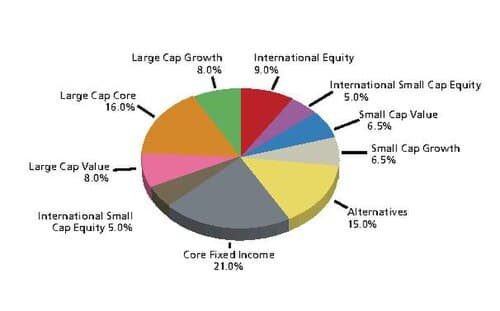
Goldman Sachs Asset Management
ORGANIZATION
Organization referenced in documents
Governmental Actions
ORGANIZATION
Organization referenced in documents
Green Arrow Capital Management LLC
ORGANIZATION
Organization referenced in documents
Independent Public Accountants
ORGANIZATION
Organization referenced in documents
Individual Limited Partners
ORGANIZATION
Organization referenced in documents
Initial Capital
ORGANIZATION
Organization referenced in documents
Interest-Rate
ORGANIZATION
Organization referenced in documents
Interim Year Incentive Allocation
ORGANIZATION
Organization referenced in documents
Internal Audit
ORGANIZATION
Organization referenced in documents
Investment
ORGANIZATION
Organization referenced in documents
Investment Management Entities
ORGANIZATION
Organization referenced in documents
Japanese Company Stock
ORGANIZATION
Organization referenced in documents
Japanese Permanent Establishment
ORGANIZATION
Organization referenced in documents

Johns Hopkins
ORGANIZATION
Private university in Baltimore, Maryland, USA

JPMorgan Chase
ORGANIZATION
American multinational banking and financial services holding company
JUDICIAL
ORGANIZATION
Organization referenced in documents
Keogh
ORGANIZATION
Retirement savings plan type
Lehman
ORGANIZATION
College in The Bronx, New York; part of the City University of New York (CUNY) system
Lehman Brothers Holdings Inc.
ORGANIZATION
Organization referenced in documents
Luxembourg Taxation
ORGANIZATION
Organization referenced in documents
Management of Millennium USA
ORGANIZATION
Organization referenced in documents
Management, Structure and Operations
ORGANIZATION
Organization referenced in documents
Markel
ORGANIZATION
Insurance holding company
Marketing and Investor Relations of the General Partner
ORGANIZATION
Organization referenced in documents
Master-Feeder Relationship
ORGANIZATION
Organization referenced in documents
MCM HK"
ORGANIZATION
Organization referenced in documents
MI Partners
ORGANIZATION
Organization referenced in documents

Millennium
ORGANIZATION • 3 mentions
Millennium Management hedge fund or entity
Millennium Capital Management
ORGANIZATION
Organization referenced in documents
Millennium Capital Management (Singapore) Pte. Ltd.
ORGANIZATION
Organization referenced in documents
Millennium International Management LP
ORGANIZATION
Organization referenced in documents
Millennium International, Ltd.
ORGANIZATION
Organization referenced in documents
Millennium Management or Affiliates
ORGANIZATION
Organization referenced in documents
Millennium Offshore Intermediate
ORGANIZATION
Organization referenced in documents
Millennium Partners
ORGANIZATION
Organization referenced in documents
Millennium Strategic Capital Offshore
ORGANIZATION
Organization referenced in documents
Millennium USA Investment Expenditures
ORGANIZATION
Organization referenced in documents
Millennium USA Investments
ORGANIZATION
Organization referenced in documents
Millennium USA LP
ORGANIZATION
Organization referenced in documents
Millennium's Valuation Committee
ORGANIZATION
Organization referenced in documents
Misconduct of Employees
ORGANIZATION
Organization referenced in documents
Munger, Tolles & Olson LLP
ORGANIZATION
Organization referenced in documents
New York Financial Services Office
ORGANIZATION
Organization referenced in documents
Non-U.S. Dollar Denominated Sub-Classes
ORGANIZATION
Organization referenced in documents

Occidental College
ORGANIZATION
Liberal arts college in Los Angeles, California, United States
Ongoing Evaluation
ORGANIZATION
Organization referenced in documents
Options and Special Allocations
ORGANIZATION
Organization referenced in documents
ORGANIZATION AND STRUCTURE OF SUCH FUND
ORGANIZATION
Organization referenced in documents
Outside Investments
ORGANIZATION
Organization referenced in documents
Partnership Percentages of the Partners
ORGANIZATION
Organization referenced in documents
Quarterly Interests
ORGANIZATION
Organization referenced in documents
Raffles Place
ORGANIZATION
Organization referenced in documents
Related-Partv
ORGANIZATION
Organization referenced in documents
Reliance
ORGANIZATION
Indian conglomerate or entity
Scient
ORGANIZATION
Organization referenced in documents
See "Related Party
ORGANIZATION
Organization referenced in documents
See "Related Party Transactions
ORGANIZATION
Organization referenced in documents
Self-Regulatory Organizations
ORGANIZATION
Organization referenced in documents
Singapore) Pte. Ltd.
ORGANIZATION
Organization referenced in documents
Spear Leeds & Kellogg
ORGANIZATION
Organization referenced in documents
Special Limited
ORGANIZATION
Organization referenced in documents
Statistical Arbitrage and Quantitative Strategies
ORGANIZATION
Organization referenced in documents
Such Feeder Fund
ORGANIZATION
Organization referenced in documents
Tax Treaties
ORGANIZATION
Organization referenced in documents
Tax Treatment of Millennium USA Investments
ORGANIZATION
Organization referenced in documents
the "Millennium Management Group
ORGANIZATION
Organization referenced in documents
the "Service
ORGANIZATION
Organization referenced in documents
the "Services Agreement
ORGANIZATION
Organization referenced in documents
the American Stock Exchange
ORGANIZATION
Organization referenced in documents
the Cayman Islands Monetary Authority
ORGANIZATION
Organization referenced in documents
the CLEO Committee
ORGANIZATION
Organization referenced in documents
the College of William & Mary
ORGANIZATION
Organization referenced in documents
the Commodity Futures Trading Commission
ORGANIZATION
U.S. Commodity Futures Trading Commission
the Comptroller of Income Tax in Singapore
ORGANIZATION
Organization referenced in documents
the Delaware
ORGANIZATION
Organization referenced in documents
the European Economic and Monetary Union
ORGANIZATION
Organization referenced in documents
the Fixed Income Business
ORGANIZATION
Organization referenced in documents
the General Counsel's
ORGANIZATION
Organization referenced in documents
the General Partner and
ORGANIZATION
Organization referenced in documents
the General Partner's Co-President
ORGANIZATION
Organization referenced in documents
the Governor in
ORGANIZATION
Organization referenced in documents
the Initial Capital Account
ORGANIZATION
Organization referenced in documents

the Internal Revenue Service
ORGANIZATION
Internal Revenue Service (IRS), US government agency responsible for tax collection and enforcement
the Investment Risk Committee
ORGANIZATION
Organization referenced in documents
the Japanese Financial Instruments
ORGANIZATION
Organization referenced in documents
the Kuala Lumpur Stock Exchange
ORGANIZATION
Organization referenced in documents
the Lehman Exposure
ORGANIZATION
Organization referenced in documents
the Limited Partner's
ORGANIZATION
Organization referenced in documents
the Marketing and Investor Relations Department
ORGANIZATION
Organization referenced in documents
the Master Fund
ORGANIZATION
Organization referenced in documents
the Master Partnership or (ii
ORGANIZATION
Organization referenced in documents
The Master Partnership's Organization
ORGANIZATION
Organization referenced in documents
the Monetary Authority of Singapore
ORGANIZATION
Organization referenced in documents
the Mutual Funds Law
ORGANIZATION
Organization referenced in documents
The Net Capital Appreciation
ORGANIZATION
Organization referenced in documents
The Net Capital Appreciation and Net Capital Depreciation
ORGANIZATION
Organization referenced in documents
the Non-Japanese Partner
ORGANIZATION
Organization referenced in documents
The Non-Qualifying Relevant Owner
ORGANIZATION
Organization referenced in documents
the Non-USD Shares
ORGANIZATION
Organization referenced in documents
the OECD Model Convention
ORGANIZATION
Organization referenced in documents
the Offered Interests
ORGANIZATION
Organization referenced in documents
the Partnership Agreement (v
ORGANIZATION
Organization referenced in documents
the Partnership Agreement of the Fund
ORGANIZATION
Organization referenced in documents
the Possible Trigger Event
ORGANIZATION
Organization referenced in documents
the Section I3R Tax Exemption Scheme
ORGANIZATION
Organization referenced in documents
the Singapore Exchange
ORGANIZATION
Organization referenced in documents
the Singapore Securities and Futures Act
ORGANIZATION
Organization referenced in documents
the Special Withdrawal Date
ORGANIZATION
Organization referenced in documents
the Tax Exemption Schemes
ORGANIZATION
Organization referenced in documents
the U.S. Commodities Exchange
ORGANIZATION
Organization referenced in documents
the U.S. Investment Advisers Act
ORGANIZATION
Organization referenced in documents
the U.S. Investment Company Act
ORGANIZATION
Organization referenced in documents
the United Kingdom Financial Services Authority
ORGANIZATION
Organization referenced in documents
the University of Georgia
ORGANIZATION
Organization referenced in documents

the University of Michigan
ORGANIZATION
University
the University of Pennsylvania
ORGANIZATION
Organization referenced in documents
Third-Party Investment Funds
ORGANIZATION
Organization referenced in documents
Third-Party Managers
ORGANIZATION
Organization referenced in documents
Third-Party Service Providers
ORGANIZATION
Organization referenced in documents
Transition Period
ORGANIZATION
Organization referenced in documents
Travelers Group Inc.
ORGANIZATION
Organization referenced in documents
Treatment of Millennium USA's
ORGANIZATION
Organization referenced in documents
Trigger Event
ORGANIZATION
Organization referenced in documents
Trigger Event Notice
ORGANIZATION
Organization referenced in documents
U.S. Department of Labor
ORGANIZATION
Organization referenced in documents
U.S. Limited
ORGANIZATION
Organization referenced in documents
U.S. Persons
ORGANIZATION
Organization referenced in documents

U.S. Treasury
ORGANIZATION
United States Department of the Treasury, executive department of the federal government
University Graduate School of Business Administration
ORGANIZATION
Organization referenced in documents
University of Cape Town
ORGANIZATION
Organization referenced in documents

University of Oxford
ORGANIZATION
Collegiate research university in Oxford, England
UOB Plaza 2
ORGANIZATION
Organization referenced in documents
Upstairs Trading Department
ORGANIZATION
Organization referenced in documents
Asia Structures
LOCATION
Location referenced in documents
Cayman
LOCATION
British Overseas Territory in the Caribbean

Dallas
LOCATION
City in the state of Texas, United States

England
LOCATION
Country in north-west Europe, part of the United Kingdom

Greenwich
LOCATION
Town in Fairfield County, Connecticut, United States, suburb of NYC
Kuala
LOCATION
Location referenced in documents

Luxembourg
LOCATION
Country in Western Europe
Luxembourg City
LOCATION
Location referenced in documents

Malaysia
LOCATION
Country in Southeast Asia
MCM Asia
LOCATION
Location referenced in documents
Millennium USA's
LOCATION
Location referenced in documents

New York
LOCATION • 2 mentions
Most populous city in the United States

New York State
LOCATION
State in the northeastern United States
the Asia Pacific
LOCATION
Location referenced in documents

the Cayman Islands
LOCATION
British Overseas Territory in the Caribbean
the State of New York
LOCATION
State in the northeastern United States

Tokyo
LOCATION
Capital and largest city of Japan

United Kingdom
LOCATION • 2 mentions
Country in north-west Europe

United States
LOCATION
Country located primarily in North America

White Plains
LOCATION
County seat of Westchester County, New York, United States
Statistics
Pages:100
Entities:208
Sponsored