HOUSE_OVERSIGHT_019477_sub_004 - HOUSE_OVERSIGHT_019844
Document Information
Bates Range
HOUSE_OVERSIGHT_019477_sub_004 - HOUSE_OVERSIGHT_019844
Pages
68
Source
House Oversight Committee
Original Filename
2nd pass.pdf
Document Content
Page 301 - HOUSE_OVERSIGHT_019777
The Espionage Source | 289 allow him to copy, transfer, and steal the electronic files. He there- fore must have obtained that assistance from someone who had the passwords and privileges. Other workers there might have shared his sensibilities and antipathy toward NSA surveillance. It there- fore seems entirely plausible that he found a co-worker willing to cooperate or, vice versa, a co-worker found him. Snowden might not have been aware of his new accomplice’s true motives or affili- ations, but without some co-worker’s providing him with entry to the sealed-off computers, he could not have carried out the penetra- tion. To our knowledge, whoever helped him evidently did not want to expose himself to prosecution or defect from the NSA. That was Snowden’s role. By accepting the sole blame in the video that Poitras made about him in Hong Kong, Snowden shielded anyone else from suspicion, which was, as he told Poitras, his purpose. Whoever helped him may still be working at the NSA. To be sure, there remains that other glaring gap in the chain of events that led Snowden to Moscow: his whereabouts and activi- ties during his first eleven days in Hong Kong. Mike Rogers, the @ chairman of the House Select Committee on Intelligence, even sug- @ gested, without any evidence, that Snowden might have been taken to mainland China during this period. What drove his speculation was the admission of U.S. intelligence that despite its vast global resources for searching credit card charges, banking transactions, hotel registrations, e-mails, police records, and even CCTV cameras, neither it nor its allies were able to find a trace of Snowden during that time. It was, in a phrase made famous by the former secretary of defense Donald Rumsfeld, “a known unknown.” Just as likely he could have been staying in a well-prepared safe house anywhere in Hong Kong or even at the home of an unknown associate. All that is really known is that soon after he emerged from this venue, moved to the Mira hotel, and gave his celebrated interview to journalists, he was safely settled in Russia. Snowden’s actions appear squarely at odds with his assertions of serving his country’s interests. Even accepting that he began with a sincere desire to be a world-class whistle-blower, his mission evolved, deliberately or not, into one that led him to disclose key communica- | | Epst_9780451494566_2p_all_r1.indd 289 @ 9/30/16 8:13AM | | HOUSE_OVERSIGHT_019777
Page 302 - HOUSE_OVERSIGHT_019778
290 | HOW AMERICA LOST ITS SECRETS tions intelligence secrets to a foreign power with an agenda that is hardly aligned with his country’s interests. A defector is defined in the Cambridge English Dictionary as “a person who leaves his or her own country or group to join an opposing one.” Snowden’s actions fit that description. In the end, it is Snowden’s actions, not his words, that matter. | | Epst_9780451494566_2p_all_r1.indd 290 @ 9/30/16 8:13AM | | HOUSE_OVERSIGHT_019778
Page 303 - HOUSE_OVERSIGHT_019779
CHAPTER 29 The “War on Terror” After Snowden Because of a number of unauthorized disclosures and a lot of hand-wringing over the government's role in the effort to try to uncover these terrorists, there have been some policy and legal and other actions that make our ability collectively, internation- ally, to find these terrorists much more challenging. —CIA DIRECTOR JOHN BRENNAN, in response to the Paris terrorist attack, November 2015 Ox THE EVENING of November 13, 2015, nine jihadist terror- ists acting on behalf of ISIS brought normal life in Paris to a screeching halt. Three suicide bombers blew themselves up at the stadium at Saint-Denis while President Hollande was inside attend- ing a match between France and Germany. Other terrorists that night killed 130 people at cafés, restaurants, and a theater. Three hundred and eighty-eight others were wounded in the carnage. Abdelhamid Abaaoud, a twenty-cight-year-old Belgian citizen of Moroccan origins who served ISIS as a logistics officer in Syria in 2014, planned the attack over many months with the help of others in Syria. To organize it, they smuggled three suicide bombers into Europe through Greece, raised financing, set up a base in the Molen- beek section of Brussels, imported deactivated assault weapons from Slovenia that were restored by a technician, bought ammunition, acquired suicide vests, obtained “burner” cell phones, rented cars, and, two months before the attack, rented three additional apart- ments under fake identities to conceal the operation. Finally, in | | Epst_9780451494566_2p_all_r1.indd 291 @ 9/30/16 8:13AM | | HOUSE_OVERSIGHT_019779
Sponsored
Page 304 - HOUSE_OVERSIGHT_019780
292 | HOW AMERICA LOST ITS SECRETS November, they made online bookings for quarters in Paris for the nine attackers, Even though Abaaoud was well-known to Western intelligence services, none of the communications surrounding the preparations for the attack came to the attention of the NSA or its allied services in Europe. A critical find for the investigators enabled them to unravel the chain that eventually led them to the perpe- trators, but it had nothing to do with electronic surveillance. A cell phone belonging to one of them was found by the security forces, following a broad search they conducted, which included trash cans situated in the vicinity of the concert halls. So this breakthrough in the investigation had nothing to do with systematic data analysis conducted prior to the attack. Indeed, in the sequence of the Paris events, as in other terror events, the challenge is not just bringing culprits to justice. It is pre- venting the terrorists from carrying out their attack to begin with. Police cannot constantly protect “soft targets” such as restaurants, cafés, theaters, and street gatherings. The only practical means by which a government can prevent such attacks is to learn in advance @ their planning and preparations. One means of acquiring this infor- @ mation is by listening in on the channels through which members of loosely knit terrorist organizations, such as ISIS, communicate. This form of intelligence gathering obviously works best so long as the terrorists remain unaware that the communication channels they are using are being monitored. Once they find out that their messages and conversations are being intercepted, they will likely find a safer means to communicate important information. For that reason, communications intelligence organizations keep the sources and methods they employ for monitoring these channels in a tightly sealed envelope of secrecy. Yet, in June 2013, the NSA found that envelope had been breached by Snowden, who knowingly compromised three programs that it used to keep track of terrorist organizations around the world. The first system he divulged, and the one that received the most public attention, was what the NSA called the “215” program because it had been authorized by Section 215 of the Patriot Act of 2001. This program compiled the billing records of every phone call made in America. The data included the number called and the duration of | | Epst_9780451494566_2p_all_r1.indd 292 @ 9/30/16 8:13AM | | HOUSE_OVERSIGHT_019780
Page 305 - HOUSE_OVERSIGHT_019781
The “War on Terror” After Snowden | 293 the call but not the name of the caller. This anonymous data was archived into a huge database. The idea was that when any foreigner on the FBI’s watch list of terrorists called any number in the United States, the FBI could trace that person’s entire chain of telephone contacts to try to determine if he or she was connected to a known terrorist cell. There was, however, a major flaw in this program: it did not cover e-mail and other Internet messaging, which by 2013 had largely replaced telephone calls. In addition, terrorist organi- zations, after the tracking down of Osama bin Laden in 2011, had become fully aware of the vulnerability of telephoning overseas. So although the NSA could cite a handful of early successes that “215” yielded, Snowden’s exposure of it did only limited damage. Snowden did vastly more damage by revealing the PRISM pro- gram, also called “702” because it was authorized in 2008 by Section 7o2 of the Foreign Intelligence Surveillance Act. Its effectiveness proceeded from the misplaced confidence that terrorist organizations in Iraq, Syria, Afghanistan, and Pakistan had in the encryption and other safeguards used by giant Internet companies, such as Apple, @ Google, Twitter, and WhatsApp. They evidently had not known @ that in 2007 the NSA found a way to intercept this data before it was encrypted. The Internet, despite metaphors such as “the cloud” and “cyberspace,” initially travels through fiber cables, almost all of which run through the United States and its Five Eyes allies. So by 2013 the NSA was able to access 91 percent of the Internet before it was encrypted. This so-called upstream data included Google searches, tweets on Twitter, social media postings, Skype conversa- tions, messages on Xbox Live, instant messages sent over WhatsApp, and e-mails sent via the Internet. The NSA could also read concealed messages in photographs and online game moves. According to a declassified 2015 inspector general’s analysis, the actual intercep- tions in this program in 2013 were mainly limited to the communi- cations of preselected foreign terrorists. Until the Snowden breach was revealed on June 6, 2013, this pro- gram gave U.S. intelligence a valuable tool for gathering unexpected intelligence. Snowden must have been aware of how highly the NSA valued this program because, according to the documents he released, PRISM was “the number one source of raw intelligence used for | | Epst_9780451494566_2p_all_r1.indd 293 @ 9/30/16 8:13AM | | HOUSE_OVERSIGHT_019781
Page 306 - HOUSE_OVERSIGHT_019782
294 | HOW AMERICA LOST ITS SECRETS NSA analytic reports.” From the continued use of these intercepted channels by suspected terrorists on the NSA’s watch lists, it could be reasonably assumed that these users were unaware of the NSA‘s capacity to intercept their messages on the unencrypted Internet. Unlike the telephone program that Snowden revealed, the PRISM program produced actionable intelligence until the time when Snowden blew it. General Hayden, who was NSA director during the three years following the 9/11 attack, wrote that these surveil- lance powers, among other things, “uncovered illicit financing net- works, detected suspect travel, discovered ties to aviation schools, linked transportation employees to associates of terrorists, drew connections to the illicit purchases of arms, tied U.S. persons to Kha- lid Sheikh Mohammed, and discovered a suspect terrorist on the no-fly list who was already in the United States.” More specifically, just between 2007 and 2013, according to the testimony of NSA and FBI officials, it resulted in the preempting of at least forty-five ter- rorist attacks. Almost all of the thwarted attacks occurred outside the jurisdiction of the United States, and therefore did not result in @ US. prosecutions. One of the plots that targeted Americans was a @ planned attack using high explosives on the subways in Grand Cen- tral station and the Times Square station at rush hour in New York City in 2009. It was averted after British intelligence supplied the NSA with the e-mail address of the terrorist suspect Najibullah Zazi in Aurora, Colorado. The PRISM surveillance program then traced it to an IP address on the watch list associated with Rashid Rauf, an al- Qaeda bomb maker in Pakistan. Zazi, evidently unaware that e-mails sent via Yahoo! could be intercepted before they were encrypted by Yahoo!, continued sending e-mails to Rauf as he prepared to assemble the bombs in early September 2009. As a result, the NSA search of its database yielded e-mails from Zazi discussing the pro- portions of explosives to be used. These e-mails recovered through the PRISM program, according to an analysis done for the Senate Judiciary Committee in 2014, provided the “critical lead” that led to the arrest of Zazi and his confederates before they could detonate bombs in the subways of New York City. The members of the House and Senate Select Committees on Intelligence had no doubt that the 702 program played a key role in aborting this plot they had been | | Epst_9780451494566_2p_all_r1.z.indd 294 @ 9/30/16 11:09 AM | | HOUSE_OVERSIGHT_019782
Sponsored
Page 307 - HOUSE_OVERSIGHT_019783
The “War on Terror” After Snowden | 295 secretly briefed on in 2009. Dianne Feinstein, the chair of the Sen- ate Select Committee, pointed out with privileged knowledge that it saved “subway cars stuffed to the gunwales with people”; Represen- tative Mike Rogers also spoke with privileged knowledge when he said on June 9, 2013, referring to the 702 program, “I can tell you in the Zazi case in New York, it’s exactly the program that was used.” The third NSA program of interest to terrorists that Snowden revealed was called XKeyscore. Using Internet data from PRISM, the NSA had created the equivalent of digital fingerprints for suspected foreign terrorists on watch lists. The “fingerprint” for each suspect was based on his or her search pattern on the Internet. These algo- rithms made it difficult for suspects to hide on the Internet by using aliases. Once a suspect was “fingerprinted,” any attempt to evade surveillance by using a different computer and another user name would be detected by the XKeyscore algorithms. The “fingerprints” only worked so long as XKeyscore remained secret from those on the watch list. After Snowden exposed it, suspects could evade sur- veillance by changing their search patterns when they changed their @ aliases, @ Further enabling furtive Internet users to evade the surveillance of the government, Snowden offered specific tips about the secret sources and methods used by both the NSA and the British GCHQ. He revealed in a public interview, for example, that the GCHQ had deployed the first “full-take” Internet interceptor that “snarfs everything, in a rolling buffer to allow retroactive investigation without missing a single bit.” When asked how to circumvent it, he replied, “You should never route through or peer with the UK under any circumstances. Their fibers are radioactive, and even the Queen’s selfies to the pool boy get logged.” Aside from this warning about using Internet providers whose wiring passes through Britain, he also warned Internet users about trusting the encryption of any U.S.-based Internet company because of their secret relationships with the NSA. He added that the NSA considered “telecom collabo- rators to be the jewels in their crown of omniscience.” He also gave a warning about the attention the NSA was paying to “jihadi forums.” He said that to avoid being automatically “targeted” by the NSA, one needed to avoid them. | | Epst_9780451494566_2p_all_r1.indd 295 @ 9/30/16 8:13AM | | HOUSE_OVERSIGHT_019783
Page 308 - HOUSE_OVERSIGHT_019784
296 | HOW AMERICA LOST ITS SECRETS These precise tips for evading U.S. and British surveillance were not accidentally leaked. Snowden supplied them in written answers to interrogatives sent to him by Poitras and Appelbaum in May 2013 while he was still on the NSA payroll. He also carefully orches- trated the exposure of the PRISM surveillance programs, precisely specifying, as Greenwald writes in his book No Place to Hide, who was to release the “scoops” in which newspapers. He gave Gellman a seventy-two-hour ultimatum for exposing PRISM, as we know. He further provided Poitras with well-organized files for publications revealing, among other things, that the NSA had paid RSA, a lead- ing computer security provider, to build flawed encryption protocols, which allowed the NSA to read encrypted messages on computers and online video games. In short, he used these journalists to accom- plish his purpose. In light of the way he micromanaged the leaks, it is difficult to conclude that he did not deliberately plan to compromise and render useless these U.S. and British operations. Whatever he intended, he clearly succeeded in blowing the cover off NSA‘s operations authorized under the Foreign Intelligence Sur- @ veillance Act for monitoring terrorists’ activities. After all, terrorist @ groups are no different from other criminal enterprises in their need to keep their communications secret from the authorities pursuing them. If they find out that the police are tapping their phone lines or intercepting other channels of communication, they can be expected to either stop using them or use them to divert attention away from their real plans. In addition, Snowden suggested an alternative means to those who wanted to evade government surveillance. He recommended that they use end-to-end encryption, which results in messages being encrypted before they are sent over the Internet. He told Greenwald, for example, that encryption was “critically necessary” for anyone to evade NSA surveillance. Just as Robert Hanssen had deliberately compromised the NSA’s interception of Soviet communications in Washington, D.C., in the 1990s, Snowden deliberately compromised the NSA’s interception of concealed messages by potential terrorists on the Internet. We cannot know whether or not any of the jihadists involved in subsequent terrorist attacks (such as those in Paris or San Bernardino, California, in 2015) would have used the Internet | | Epst_9780451494566_2p_all_r1.indd 296 @ 9/30/16 8:13AM | | HOUSE_OVERSIGHT_019784
Page 309 - HOUSE_OVERSIGHT_019785
The “War on Terror” After Snowden | 297 or phone lines more freely if Snowden had not divulged the NSA’s surveillance of them, but there can be little doubt that his breach of the secrecy envelope had serious consequences for U.S., French, and British intelligence. For example, Francois Molins, the former head prosecutor of Paris, pointed out that after the Paris attacks the French investigation had run into an obstacle: end-to-end encryp- tion. “We can’t penetrate into certain conversations,” he said about “Telegram,” the end-to-end encryption program that Snowden had repeatedly recommended, and as a result “we're dealing with this gigantic black hole, a dark zone where there are just so many dan- gerous things going on.” The effects of Snowden’s intervention were soon realized by the CIA, according to Michael Morell, who had closely followed intel- ligence about terrorist groups in the Middle East ever since he had acted as the CIA’s briefer for the president on the day of the 9/11 attack, “Terrorist organizations around the world were already start- ing to modify their actions in light of what Snowden disclosed,” Morell wrote in 2015. “Within weeks of the [Snowden] leaks, com- @ munications sources dried up, tactics were changed.” Even more @ disturbing, suspects on the CIA’s watch list began switching to an “encryption platform.” Instead of continuing to rely on the Inter- net to protect their messages, they increased their use of end-to-end encryption, which defeated the effectiveness of PRISM’s captur- ing Internet traffic before it was encrypted by Internet companies. Indeed, after the Snowden breach, ISIS even provided a tutorial on its websites about using end-to-end encryption. So Morell and oth- ers at the CIA helplessly watched as this previous source of unex- pected intelligence went dark. What further heightened Morell’s concern about this sudden loss of NSA intelligence from these sources was the discovery by the CIA in January 2014 of two documents, one 26 pages and the other 19 pages, on a captured ISIS computer in Syria. These documents discussed the advantages of using bubonic plague germs and other biological weapons against Western civilian populations. They even provided a religious justification for using biological warfare against civilian targets in the West. In addition, evidence uncovered from the safe house used by the ISIS terrorists involved in the Paris attack | | Epst_9780451494566_2p_all_r1.indd 297 @ 9/30/16 8:13AM | | HOUSE_OVERSIGHT_019785
Sponsored
Page 310 - HOUSE_OVERSIGHT_019786
298 | HOW AMERICA LOST ITS SECRETS suggested they had been interested in acquiring radioactive isotopes. Without the advance warning that the NSA’s surveillance of the pre- encrypted Internet had provided in the past, could the CIA now con- tend with such unconventional threats? The NSA also saw its sources disappearing from its surveillance. Before the Snowden breach, the FBI, the CIA, and the DIA, which were the NSA’s partners in the PRISM program, had compiled a watch list of highly active foreign terrorist targets for the NSA’s PRISM program. These “targets” included logistics officers, bomb builders, weapons specialists, and suicide bomber recruiters. Until June 6, 2013, many of these targets had frequently used Internet services, such as Twitter, Facebook, and Xbox Live, to send what they believed would be hidden messages. After the PRISM story broke in The Washington Post on June 6, the NSA “saw one after another target go dark,” according to a senior NSA executive involved in that surveillance. The NSA has watched about one thousand of these targets take “steps to remove themselves from our visibility.” According to the NSA’s deputy director, Richard Ledgett, in 2016, @ the vanishings included a group planning attacks in Europe and the @ United States. Admiral Rogers, the new NSA director, was asked about the dam- age done by Snowden. He was blunt and direct. Asked in February 2015 whether or not the disclosures by Snowden had reduced the NSA’s ability to pursue terrorists, he answered, “Have I lost capabil- ity that we had prior to the revelations? Yes.” | | Epst_9780451494566_2p_all_r1.indd 298 @ 9/30/16 8:13AM | | HOUSE_OVERSIGHT_019786
Page 311 - HOUSE_OVERSIGHT_019787
Epilogue The Snowden Effect Governments can reduce our dignity to something like that of tagged animals. —EDWARD SNOWDEN, Moscow, 2016 HE ENORMOUS EFFECT that Snowden has had on America can be divided into three categories: the good, the bad, and the ugly. The good proceeds from the national conversation on the issue of surveillance in 2013 that his disclosures ignited. There is no denying that Snowden’s dramatic disclosures, despite the damage they did to U.S. intelligence, accomplished a salutary service in alerting both the public and the government to the potential danger of a surveillance leviathan. The steady expansion of the NSA‘s collection of telephone billing records under the cloak of secrecy, for example, revealed a bureaucratic mission creep that badly needed to be brought under closer oversight by Congress. Snowden’s breach provided another benefit. It pointed to the security dangers proceeding from the NSA’s headlong rush to outsource its computer servicing to private con- tractors. Opening this back door, as Snowden amply demonstrated, greatly increased the risk that America’s secrets would fall into the hands of its enemies. An intelligence service has little if any value if it cannot keep secret its sources from its adversaries. | | Epst_9780451494566_2p_all_r1.indd 299 @ 9/30/16 8:13AM | | HOUSE_OVERSIGHT_019787
Page 312 - HOUSE_OVERSIGHT_019788
300 | HOW AMERICA LOST ITS SECRETS The conversation that Snowden began is necessary for another reason. The relentless growth of data-collection technology had come to endanger personal privacy. Smart phones in our pockets, GPS recorders in our cars, fitness bands on our wrists, CCTV moni- tors in stores, and network-connected devices in our homes leave a digital trail of every move we make. The government can subpoena as part of an investigation, as we know, our personal data, including our Internet searches, social media postings, electronic communica- tions, and credit card records. In addition, the government has its own tools of surveillance. Snowden, by disclosing that the govern- ment was vacuuming in phone billing records and Internet activi- ties, hit a sore spot in the public’s consciousness. How far did the surveillance state extend? Did an Orwellian government intercept private conversations of American citizens? Should Apple, Google, and other Internet giants use a doomsday system of encryption to prevent court-ordered searches for data? Were there adequate safe- guards against government snooping? In popular culture, surveillance is often associated with the sin- @ ister measures taken by a totalitarian government to suppress indi- @ vidual dissidence. On television we see government agents in black vans operating arrays of tape recorders, following people on the street, and breaking into homes to steal files and tap telephone lines. In the 2006 Academy Award-winning film The Lives of Others, for example, East Germany’s Stasi police use listening devices to gather information to blackmail intellectuals to assist in the eradication of dissent. East Germany was not the only place in the Cold War era using surveillance to suppress dissent. Even in the United States in the 1950s and 1960s, J. Edgar Hoover’s FBI bugged the phones of civil rights leaders, including Martin Luther King Jr, to root out suspected subversive elements. Most Americans viewed this as a reprehensible use of government surveillance, and the very men- tion of the word, even before Snowden’s disclosure, evoked disquiet among the public. But what Snowden exposed was not any sort of rogue operation but programs authorized by the president and Con- gress and approved by fifteen federal judges. If one accepts that the nation’s security remains a legitimate function of government, the | | Epst_9780451494566_2p_all_r1.indd 300 @ 9/30/16 8:13AM | | HOUSE_OVERSIGHT_019788
Sponsored
Page 313 - HOUSE_OVERSIGHT_019789
Epilogue | 301 issue is not surveillance itself; it is the proper way such surveillance is conducted. The NSA surveillance of telephone records that Snowden exposed was different in its intent from the surveillance of the Cold War. Its target was a selected list of 300 to 400 foreign jihadists living abroad. Many of these individuals residing in Syria, Iraq, and Pakistan had been identified by the FBI and the CIA as active bomb makers, assas- sins, and weapon specialists. This was not domestic surveillance, but when any of these suspects telephoned a phone number in the United States, the NSA checked the billing records of the domestic phone number that had been called to determine all the calls emanating from it. The purpose of this search was to assemble for the FBI a list of contacts that a foreign suspect might have in the United States. To expedite this task, it obtained from telephone companies the billing records, without any names attached, of all their users and stored them in a single archive under its control. While this surveillance targeted foreign terrorists, not domestic dissent, the bulk collection of phone records had the potential for more nefarious use, a danger @ that Snowden brought to the public’s attention. As a result, Con- @ gress modified the Patriot Act so that billing records would remain on the computers of the phone companies for a limited time rather than on those of the NSA. The NSA could still search them after obtaining an order from the FISA court, though it could not archive the data for future use, so little harm to individual privacy could be done. Snowden deserves a large share of the credit not only for this change but for making the public aware of domestic surveillance. The bad part of the equation is that Snowden deeply damaged an intelligence system that American presidents have relied on for over six decades. The heart of that system was the sources and methods used to intercept other nations’ communications. Until Snowden, the NSA’s wall of secrecy kept these nations from knowing about them or, in some cases, even realizing that they were vulnerable to inter- ception. For example, as previously discussed, the NSA had developed the remarkable ability to tap into an adversary nation’s computers, | | Epst_9780451494566_2p_all_r1.indd 301 @ 9/30/16 8:13AM | | HOUSE_OVERSIGHT_019789
Page 314 - HOUSE_OVERSIGHT_019790
302 | HOW AMERICA LOST ITS SECRETS even though they had been isolated from any network. This innova- tion had provided President Obama and his national security team an edge of which our adversaries were unaware from 2008 to 2013. However, Snowden deliberately nullified this advantage in 2013 by revealing this technology (which was published in The New York Times and other newspapers). The vast number of documents that he compromised contained many other secret sources and methods. The full extent of the damage Snowden did may never be fully known, even though the Department of Defense spent the better part of a year, and tens of thousands of investigative man-hours, trying to sort out just the compromised sources and methods per- taining to military and cyber-defense operations. In addition to the direct and significant cost to taxpayers represented by this investiga- tion, one measure of how serious the loss has been was revealed by Michael McConnell, the vice-chairman of the company for which Snowden had worked at the time of the breach. McConnell stated publicly, “Snowden has compromised more capability than any spy in U.S. history.” McConnell had no obvious reason to exaggerate the @ loss because his company, Booz Allen Hamilton, was partly respon- @ sible for the damage. It hired Snowden, as will be recalled, even after its vetters had detected an untruthful statement in his application. McConnell said, “This will have impact on our ability to do our mission for the next twenty to thirty years.” By any measure, two decades of lost intelligence is a steep price to pay. To be sure, the practical value of peacetime intelligence about the activities of adversary states is not always evident. What is far clearer to the public is the value of intelligence that can thwart ter- rorist attacks against subways, theaters, and other civilian targets. We have seen that Snowden also deprived the NSA of much of the effectiveness of its PRISM program by revealing it, through the arti- cles published at his specific behest in The Guardian and The Wash- ington Post that explained how it worked. This single revelation compromised a system, duly authorized by Congress and the presi- dent, that had been the government’s single most effective tool for learning in advance about attacks in America and Europe by jihadist terrorists. | | Epst_9780451494566_2p_all_r1.indd 302 @ 9/30/16 8:13AM | | HOUSE_OVERSIGHT_019790
Page 315 - HOUSE_OVERSIGHT_019791
Epilogue | 303 The ugly part of the equation is the rampant growth of the pub- lic’s distrust of the institutions of government in America. Accord- ing to recent polls, 4 out of 5 Americans distrust the government. Snowden did not create this new age of distrust, but his disclosures greatly contributed to it, as well as to the worldwide distrust of the U.S. government. This post-Snowden distrust is especially powerful in the section of the international media that assisted Snowden in his release of NSA documents. In defending Snowden, it questions the truthfulness of any government official or member of Congress who discloses information contradicting Snowden’s claims or show- ing that there was some benefit to the multibillion-dollar intelli- gence system that he compromised. Even Senator Dianne Feinstein, who herself fought the secrecy of the CIA for years, was not exempt from such distrust when she asserted in June 2013 that the program that Snowden had compromised had helped avert a bloody carnage on the New York subways in September 2009, as mentioned earlier. @ That she was the ranking Democrat on the Senate Select Committee @ on Intelligence, and briefed on the program at the time of the attack, did not prevent a distrustful press from attempting to impeach her credibility and that of the fourteen other members of the Senate Select Committee and the twenty members of the House Select Committee on Intelligence who had affirmed her assertion. In this culture of distrust, any claim that any of the secrets that Snowden disclosed could have caused any harm is preemptively dis- missed as government propaganda. Snowden’s word also is taken over that of government officials because, as The Nation explained, Snowden speaks “truth to power.” Such a formulation of distrust allows those who accept it to dismiss all assertions of government officials representing power who contradict Snowden’s version of reality. Such is Snowden’s glorified aura that even when his rev- elations expose purported U.S. government actions in foreign lands, including the alleged tapping of friendly government officials’ con- versations, such as Angela Merkel’s, these are implicitly conflated with the NSA’s domestic surveillance program, around which a | | Epst_9780451494566_2p_all_r1.indd 303 @ 9/30/16 8:13AM | | HOUSE_OVERSIGHT_019791
Sponsored
Page 316 - HOUSE_OVERSIGHT_019792
304 | HOW AMERICA LOST ITS SECRETS popular movement has emerged questioning its purpose and meth- ods. As a result, a legitimate debate on what should constitute our domestic liberties—and potential limits to those when facing sig- nificant security concerns—has largely obfuscated in this mind-set the reality of Snowden’s weakening, durably and structurally, the critical ability of the United States and its allies to address their mounting external security challenges. In this culture of distrust, whatever contradicts the innocent whistle-blower narrative can be preemptively dismissed because Snowden, even though he remains ensconced in Moscow at an unknown location, remains the ultimate truth teller. I do not accept either this formulation of Snowden or his version of the events in which he was the hero. Opening a Pandora’s box of government secrets is a dangerous undertaking. Whether Snowden’s theft of state secrets proceeded from an idealistic attempt to right a wrong, a narcissistic drive to obtain personal recognition, an intent to weaken the foundations of the surveillance infrastructure in which he worked, or a combination of such factors, by the time he arrived @ in Moscow, it had evolved, deliberately or not, but necessarily, into @ a mission of disclosing key national secrets to a foreign power. In the end, such conjectures about Snowden’s motives matter less than that he was helped, consciously or not, by others with interests that differed from those of the United States. The effects on America of such a massive breach of confidence might not easily be reversible. | | Epst_9780451494566_2p_all_r1.indd 304 @ 9/30/16 8:13AM | | HOUSE_OVERSIGHT_019792
Page 317 - HOUSE_OVERSIGHT_019793
Acknowledgments I am deeply grateful to the many individuals who put their knowl- edge and expertise at my disposal during the course of writing this book. Unfortunately, I cannot give due credit to some of those people to whom I owe the greatest debt in understanding the intelligence issues, because they spoke to me on condition that I keep secret their identities. I greatly benefited from the insights, erudition, and criticisms pro- @ vided by those who read draft chapters at various stages of my inves- @ tigation. I am particularly indebted in this regard to Tobias Brown, Rachelle Bergstein, Richard Bernstein, Sidney Blumenthal, David Braunschvig, Ash Carter, Susana Duncan, Joe Finder, Ben Gerson, Andrew Hacker, William Haseltine, Eli Jacobs, Bruce Kovner, Robert Loomis, Gary Lucas, John Micklethwait, Frederick Mocatta, Andrew Rosenberg, Curt Sawyer, Sean Wilentz, and Ezra Zilkha. I am especially grateful to Harold Edgar, the Julius Silver Profes- sor in Law, Science, and Technology at Columbia Law School; and to Jack Goldsmith, Henry L. Shattuck Professor at Harvard Law School, for sharing with me their legal perspective on the espionage statutes and other legal issues. I thank Edward Lucas of The Economist for recommending Catherine A. FitzPatrick, a writer and translator at The Interpreter magazine as someone who “posseses a unique knowledge of the lab- yrinthine world of Russian disinformation.” She proved a godsend for this book. With her deep understanding of the workings of the Internet, she helped me retrieve information from the dark side of the Internet that I would otherwise would not have found. | | Epst_9780451494566_2p_all_r1.z.indd 305 @ 9/30/16 11:09 AM | | HOUSE_OVERSIGHT_019793
Page 318 - HOUSE_OVERSIGHT_019794
306 | Acknowledgments Because I do not believe an investigative book should be written without the author visiting the crime scene and other pertinent ven- ues, I undertook research in Hawaii, Japan, Hong Kong, and Moscow. Where possible, I flew the same flights that Snowden did. I am grate- ful to Ena and Ines Talakic for their assistance on these research trips. As talented documentarians in their own right, they filmed a num- ber of my interviews on these trips, and generously provided pho- tographs for this book. I thank Alexander Bitter in Hawaii, Joyce Xu in Hong Kong, Ko Shoiya in Japan, and Zamir Gotta, Natalie Filkina, and Svetlana Chervonnaya in Russia for their help in arranging my interviews in those places. I also owe special thanks to Nick Grube, an editor at Civil Beat in Honolulu, for accompanying me to the NSA base where Snowden was working in 2013. I am indebted to Nancy Novick for her skill, patience and enter- prise in helping me find the selection of photographs for this book. lam grateful to Zachary Gresham for his meticulous fact-checking and proofreading, and to Ingrid Sterner for her immensely helpful copyediting skills. Because I perform all my own research, I alone am @ responsible for any errors that appear in this book. @ Mort Janklow, who has represented me for three decades, did a superb job in arranging for Alfred A. Knopf to publish this book. Tam thankful to Julia Ringo and the team at Knopf for their help in preparing this book. Finally, I am deeply indebted to Jonathan Segal for meticulously editing this book. The manuscript gained immeasurably from both his keen eye and his wise judgment. | | Epst_9780451494566_2p_all_r1.indd 306 @ 9/30/16 8:13AM | | HOUSE_OVERSIGHT_019794
Sponsored
Page 319 - HOUSE_OVERSIGHT_019795
Notes PRoLoGuE Snowden’s Trail: Hong Kong, 2014 3, “No Such Agency”: The best description of the birth of the NSA can be found in Bamford, Puzzle Palace, 1-4. 4 the NSA learned: General Keith Alexander, interview with author. 4 twelve-minute video: This video can be seen at http://www.theguardian.com /world/video/2013/jun/09/nsa-whistleblower-edward-snowden-interview -video. All of the dozens of videos Snowden made after this initial one can be viewed in chronological order at https://nsa.gov1.info/dni/snowden.html. @ 5 Ihad written several books: My book Inquest examined the failure of the FBI, @ the Secret Service, and the CIA to establish the context of the John F. Kennedy assassination. This interest continued in other books of mine, including Decep- tion, in which I investigated the vulnerability of intelligence services involved in espionage during the Cold War, and Agency of Fear (New York: G. P. Putnam’s Sons, 1977), in which I explored intelligence failures of domestic intelligence in the war on drugs. 5 extradite Trent Martin: The FBI press statement on this case was released on March 27, 2013, less than two months before Snowden bought his ticket for Hong Kong: https://www.fbi.gov/newyork/press-releases/2013/australian -research-analyst-extradited-on-insider-trading-charges. 6 “It’s very mysterious”: Hayden, interview with author. 6 My first surprise: I interviewed six members of the Mira staff, all of whom asked me not to identify them. Te-Ping Chen, a journalist for the Asian edition of The Wall Street Journal, received similar replies when she interviewed Mira hotel employees the day Snowden left the Mira. Chen and Brown, “Snowden’s Options for Refuge Narrow.” 6 to send Greenwald: Greenwald’s description of his encounters with Snowden is taken mainly from chapter 1, “Contact,” and chapter 2, “Ten Days in Hong Kong,” in Greenwald, No Place to Hide, 7-32. 7 Snowden also contacted: Gellman, “Code Name ‘Verax.’” 7 He proposed we meet: Bradsher, interview with author. Bradsher wrote a number of excellent articles about Snowden and Ho. See Bradsher, “Hasty Exit Started with Pizza Inside a Hong Kong Hideout.” | | Epst_9780451494566_2p_all_r1.indd 307 @ 9/30/16 8:13AM | | HOUSE_OVERSIGHT_019795
Page 320 - HOUSE_OVERSIGHT_019796
308 | Notes to pages 8-23 8 appointment with Robert Tibbo: Tibbo, interviews with author. 11-12 “angel descending”: Snowden, interview with Brian Williams, NBC, May 28, 2014. CHAPTER 1 Tinker 15 “It’s like the boiling frog”: Bamford, “Edward Snowden.” 15 Lon Snowden, like his father: The best reporting on Snowden’s childhood was done by Suzanne Andrews. See Burrough, Ellison, and Andrews, “Snowden Saga.” 16 Brad Gunson, who knew Snowden: Carol D. Leonnig, Jenna Johnson, and Mare Fisher, “Who Is Edward Snowden?,” Washington Post, June 15, 2013. 16 Snowden stayed home: Kinsey, interview with author. 16 Posting under the alias: Mullin, “NSA Leaker Ed Snowden’s Life on Ars Technica.” 16 He even went to anime conventions: Christopher Johnson, “Chatting About Japan with Snowden,” Japan Times, June 18, 2013. 17 “body fat percentage”: Leonnig, Johnson, and Fisher, “Who Is Edward Snowden?” 17 “I’ve always dreamed”: Mullin, “NSA Leaker Ed Snowden’s Life on Ars Technica.” 17 Admiral Barrett: Coast Guard Biography, http://www.uscg.mil/history/people /Flags/BarrettEBio.pdf. Also, for his FBI career, see http://wwwl.amn.edu /hamanrts/OathBetrayed/FBI% 2047 pdf. @ 18 Army records show: Author interviews. The U.S. Army spokesman George @ Wright stated Snowden was enrolled in the program between May 7, 2004, and September 28, 2004. The spokesman Colonel David Patterson said, “He attempted to qualify to become a Special Forces soldier but did not complete the requisite training and was administratively discharged from the army.” 18 taking a job as a security guard: Burrough, Ellison, and Andrews, “Snowden Saga.” 19 “So sexxxy it hurts”: The information about Snowden’s modeling career comes from his posts on Ars Technica. See Mullin, “NSA Leaker Ed Snowden’s Life on Ars Technica.” 19 Jonathan Mills, Lindsay’s father: Daniel Bates, “Snowden Totally Abandoned His Girlfriend When He Fled amid NSA Revelations, Her Dad Says,” Daily Mail, Jan. 17, 2014. The information about Lindsay Mills comes from her Twitter and Instagram postings. 19 The CIA’s minimum requirements in 2006: https://www.cia.gov/careers /application-process. CHAPTER 2 Secret Agent 22 “It seems to me spies”: Snowden, interview with Williams. 23 team of information technologists: Former CIA officer who requested anonym- ity, interview with author. | | Epst_9780451494566_2p_all_r1.indd 308 @ 9/30/16 8:13AM | | HOUSE_OVERSIGHT_019796
Page 321 - HOUSE_OVERSIGHT_019797
Notes to pages 23-25 | 309 23 The only person: “Edward Snowden’s Friend Mavanee Anderson Exclusive Interview,” Last Word, MSNBC, June 12, 2013, www.youtube.com/watch?v= beQUMdolBWE. 25 “was trying to break into”: Schmitt, “C.I.A. Warning on Snowden in ‘og Said to Slip Through the Cracks.” 26 explained the discrepancy: Former CIA officer who requested anonymity, inter- view with author. 26 “It was not a stellar”: Drumheller, interviews with author. 26 “e-mail spat”: Snowden was interviewed via the Internet by Risen, “Snowden Says He Took No Secret Files to Russia.” 26 “totally incapable”: Snowden, interview with Bamford, “Edward Snowden.” 27 “through the system”: Burrough, Ellison, and Andrews, “Snowden Saga.” CHAPTER 3 Contractor 28 “Much of what I saw”: Greenwald, Poitras, and MacAskill, “Edward Snowden.” 30 This “free pass”: Tyler Drumheller, interview with author. 30 “So the guy with whom the CIA”: Morell, Great War of Our Time, 284. 30 His initial job for Dell: Burrough, Ellison, and Andrews, “Snowden Saga.” 31 Lindsay Mills: The information about Lindsay comes from her postings on In- stagram and her blog L’s Journey, https://twitter.com/Isjourneys. The informa- tion about her and Snowden’s travel to Mount Fuji and other places in Japan comes from the Little Red Ninja blog written by Jennie Chamberlin: https://www @ .facebook.com/Little-Red-Ninja-214045021941347/timeline/. @ 32 working on a backup system: Burrough, Ellison, and Andrews, “Snowden Saga.” 32 most of the classified data: Source who requested anonymity, interview with author. 32 spotted a major flaw: Snowden, interview with Bamford, “Edward Snowden.” 32 “Tactually recommended”: Ibid. 33 Snowden made a ten-day trip: Harris, “What Was Edward Snowden Doing in India?” Also, Shilpa Phadnis, “Edward Snowden Sharpened His Hacking Skills in Delhi,” Times of India, Dec. 4, 2013. 33 “It is a dead-end job”: Former Booz Allen official who requested anonymity, interview with author. 33 shaded by a sakura: The description of Snowden’s life in Maryland comes entirely from Lindsay Mills’s Internet postings. See L's Journey. 34 The guest speaker was: Michael Hayden, interview with the author. 34 “They [the NSA] are intent”: Greenwald, Poitras, and MacAskill, “Edward Snowden.” 34 “none of whom took any action”: Andrea Peterson, “Snowden: I Raised NSA Concerns Internally over 10 Times Before Going Rogue,” Washington Post, March 7, 2014. The NSA’s response came from the NSA spokesperson Vanee Vines in an author interview. 35 U.S. Investigations Services: Dion Nissenbaum, “U.S. Gives New Contract to Firm That Vetted NSA Leaker Edward Snowden,” Wall Street Journal, July 2, 2014. | | Epst_9780451494566_2p_all_r1.indd 309 @ 9/30/16 8:13AM | | HOUSE_OVERSIGHT_019797
Sponsored
Page 322 - HOUSE_OVERSIGHT_019798
310 | Notes to pages 38-48 cnapter 4 Thief 38 In Hawaii in 2012: Former Dell executive who requested anonymity because of company policy restricting Dell employees from discussing the Snowden case, interview with author. 38 “You're in a vaulted space”: Transcript of interview with Snowden in Moscow. Rusbridger and MacAskill, “I, Spy.” 39 “Law is a lot like medicine”: David Weigel, “Edward Snowden and Ron Paul Kick Off Libertarian Student Conference,” Bloomberg News, Feb. 13, 2015. For Ron Paul’s position on “secret government,” see http://www.presstv.ir /Detail/2015/06/02/413952/US-Ron-Paul-CIA-NSA-secret-government. 39 “The [American] government”: Arundhati Roy, “Edward Snowden Meets Arundhati Roy and John Cusack,” Guardian, Nov. 28, 2015. 40 “fear and a false image”: Bamford, “Edward Snowden.” 40 Snowden was fully aware: Snowden in Moscow, e-mail interview with James Risen. Risen, “Snowden Says He Took No Secret Files to Russia.” 41 Physical Phatness: Lindsay Mills’s Facebook page, https://www.facebook.com /lindsay.mills.90/about. 42. the first known document: Ledgett revealed this in an interview with Vanity Fair. Burrough, Ellison, and Andrews, “Snowden Saga.” 42 “He stole the [NSA] test”: Snowden’s obtaining the NSA examination is described by Michael McConnell. See King, “Ex-NSA Chief Details Snowden’s Hiring at Agency, Booz Allen.” The extended video of the interview is at www .wWsj.com. 42 “It was totally unrealistic”: NSA executive who requested anonymity, interview with author. 43 subsequently joking to a reporter: Bamford, “Edward Snowden.” CHAPTER 5 Crossing the Rubicon “What I came to feel”: Snowden quoted in Rusbridger and MacAskill, “I, Spy.” “was moving copies of that data”: Burrough, Ellison, and Andrews, “Snowden Saga.” 45 he later pointed out: Bamford, “Edward Snowden.” 45 Ledgett subsequently reported: Burrough, Ellison, and Andrews, “Snowden Saga.” 45 This theft was made: Michael Hayden, interview with author. 46 “Icrossed that line”: Burrough, Ellison, and Andrews, “Snowden Saga.” 46 “We're subverting our security”: Transcript of Snowden interview on PBS. James Bamford and Tim De Chant, “Edward Snowden on Cyber Warfare,” Nova, Jan. 8, 2015, www.pbs.org/wegbh/nova/next/military/snowden-transcript. 46 bragged to James Risen: Risen, “Snowden Says He Took No Secret Files to Russia.” 47 this counterculture is “tormented”: Shils, Torment of Secrecy. 47 “|The elites] know everything”: Roy, “Edward Snowden Meets Arundhati Roy and John Cusack.” 47 “What do you think”: Gellman, “Edward Snowden, After Months of NSA Rev- elations, Says His Mission’s Accomplished.” 48 violate U.S. espionage laws: Michael Hayden, interview with author. | | Epst_9780451494566_2p_all_rt.indd 310 @ HOUSE_OVERSIGHT_019798 9/30/16 e13.am | |
Page 323 - HOUSE_OVERSIGHT_019799
Notes to pages 49-59 | 311 CHAPTER 6 Hacktivist 49 the group Anonymous: Coleman, Hacker, Hoaxer, Whistleblower, Spy, 1-8. 50 “My own forays”: Sue Halpern, “In the Depths of the Net,” New York Review of Books, Oct. 8, 2015. 51 Silk Road, which acted: Holman W. Jenkins Jr, “The Anti-hero of Silk Road,” Wall Street Journal, June 3, 2015. Also, Justice Department official who requested anonymity, interview with author. 51 “Tor’s importance”: Hastings, “Julian Assange.” Also see Julian Assange, intro- duction to Underground, by Suelette Dreyfus and Julian Assange (Edinburgh: Canongate, 2012). 51 Tor was a creation: Fitzpatrick, Privacy for Me and Not for Thee, pt. 6. 52 “the state is all-powerful”: Fitzpatrick, introduction to ibid. 53 “Meet the Most Dangerous Man”: Appelbaum, interview with Rolling Stone, “Meet the Most Dangerous Man in Cyberspace: The American Behind WikiLeaks,” Rolling Stone, Dec. 2, 2010. 53 In Berlin, Appelbaum: Packer, “Holder of Secrets.” 54 she identified herself: Runa A. Sandvik, Forbes, http://www.forbes.com/sites /runasandvik/. 54 According to an anonymous: Andy Greenberg, “An NSA Coworker Remembers the Real Edward Snowden,” Forbes, Dec. 16, 2013. 54 “Without Tor” he later wrote: Twitter, https://twitter.com/snowden/status /682257506018672640. 54 “Tor Stinks”: Sean Michael Kerner, “Snowden Leaks Show NSA Targets Tor,” @ E Week, Oct. 4, 2013. @ 55 He would later tell Sandvik: Runa A. Sandvik, “What Edward Snowden Said at the Nordic Media Festival,” Forbes, May 10, 2015. 55 According to Sandvik’s account: Sandvik did not reveal her encounter with Snowden in any of her blogs until eleven months after Snowden went public in June 2013. It was only after Greenwald disclosed in his book No Place to Hide that Snowden used the alias Cincinnatus that Internet investigators discovered he had hosted with Sandvik the CryptoParty. Sandvik then wrote her account of it. See Sandvik, “That One Time I Threw a CryptoParty with Edward Snowden.” Also, Kevin Poulsen, “Snowden’s First Move Against the NSA Was a Party in Hawaii,” Wired, May 21, 2014. 56 owner of BoxJelly: Fujihira, interview with author. 57 “The idea was to spread”: Morell, Great War of Our Time, 288. 58 “Snowden was not an NSA”: Former NSA executive who requested anonymity, interview with author. CHAPTER 7 String Puller 59 “It wasn’t that they put”: Gellman, “Edward Snowden, After Months of NSA Revelations, Says His Mission’s Accomplished.” 59 He used the same alias: All of Snowden’s post-party activities in 2012 and 2013 come from the Twitter account of “Oahu Crypto Party.” 59 The journalist to whom: The description of Snowden’s attempts to contact Greenwald in December 2012 and January 2013 can be found in Greenwald, No Place to Hide, 7-10. | | Epst_9780451494566_2p_all_r1.indd 311 @ 9/30/16 8:13AM | | HOUSE_OVERSIGHT_019799
Page 324 - HOUSE_OVERSIGHT_019800
312 | Notes to pages 59-70 59 Greenwald had not always: Mark Memmott, “He Broke the NSA Leaks Story, but Just Who Is Glenn Greenwald?,” NPR, June 11, 2013. For his part owner- ship of the HJ website, see Dareh Gregorian, “Glenn Greenwald, Journalist Who Broke Edward Snowden Story, Was Once Lawyer Sued over Porn Business,” Daily News, June 26, 2013. Also, Jessica Testa, “How Glenn Greenwald Became Glenn Greenwald,” BuzzFeed, June 26, 2013. 60. by “ordering illegal eavesdropping”: Greenwald, No Place to Hide, 2. On Ron Paul, see ibid., 24. 60 Freedom of the Press Foundation: Michael Calderone, “Freedom of the Press Foundation Launches to Support WikiLeaks,” Huffington Post, Dec. 16, 2012. 60 “The first serious info war”: David Sarno, “’Hacktivists’ Fight for Their Cause Online,” Los Angeles Times, Dec. 11, 2010. 61 “The US operates a sprawling”: Glenn Greenwald, “FBI’s Abuse of the Surveil- lance State Is the Real Scandal Needing Investigation,” Guardian, Nov. 13, 2012. 62 Poitras had been diligently filming: Adan Salazar, “Mini Documentary Reveals Full Extent of ‘Stellarwind’ Domestic Spy Program,” Infowars, Aug. 28, 2012. 62 Poitras had other impressive credentials: “Laura Poitras: Secret No Longer,” New School News, Aug. 14, 2013. 63 “I didn’t. You chose yourself”: Snowden’s e-mails to Poitras were extracted from her film Citizenfour and published in Wired. See Greenberg, “These Are the Emails Snowden Sent to First Introduce His Epic NSA Leaks.” 63 he wrote to Micah Lee: Lee’s involvement with Snowden, although known to the journalists Greenwald and Poitras since April 2013, was not revealed to the pub- lic for some eighteen months. Lee, “Ed Snowden Taught Me to Smuggle Secrets @ Past Incredible Danger.” @ 63 “I was at that point filming”: Poitras, interview with Amy Goodman, Democ- racy Now, Jan. 15, 2015, http://www.democracynow.org/blog/2015/1/15/oscars 2015_laura_poitras_film_on. 64 “At this stage”: Greenberg, “These Are the Emails Snowden Sent to First Intro- duce His Epic NSA Leaks.” 65 surveillance of her communications: Glenn Greenwald, “U.S. Filmmaker Repeat- edly Detained at Border,” Salon, April 8, 2012. 65 “Kafkaesque government harassment”: Ben Child, “Citizenfour Director Laura Poitras Sues US over ‘Kafkaesque Harassment,” Guardian, July 14, 2015. 65 “more paranoid”: Snowden, interview with vanden Heuvel and Cohen, “Snowden Speaks.” 66 “Is C4 a trap?”: Andy Greenberg, “Snowden’s Chronicler Reveals Her Own Life Under Surveillance,” Wired, Feb. 4, 2016. 66 Stellarwind: Greenberg, “These Are the Emails Snowden Sent to First Introduce His Epic NSA Leaks.” 67 “No one, not even”: Ibid. 68 under enormous stress: Greenberg, “Snowden’s Chronicler Reveals Her Own Life Under Surveillance.” 69 he had Poitras write: “The Frontline Interviews,” “Barton Gellman,” PBS, March 7, 2014, http://www.pbs.org/wgbh/pages/frontline/government-elections-politics /united-states-of-secrets/the-frontline-interview-barton-gellman/. 69 Poitras had requested help: Karen Greenberg, interview with the author. 7o Council on American-Islamic Relations: CAIR-NY Blog, “Glenn Greenwald Speaks at CAIR-NY Annual Banquet,” May 16, 2013. | | Epst_9780451494566_2p_all_r1.indd 312 @ 9/30/16 8:13AM | | HOUSE_OVERSIGHT_019800
Sponsored
Page 325 - HOUSE_OVERSIGHT_019801
Notes to pages 71-80 | 313 71 When they finally settled: The descriptions of the initial two meetings between Greenwald and Poitras in April 2013 are provided in Greenwald's 2014 book, No Place to Hide, pp. 10-15. cHAPTER 8 Raider of the Inner Sanctum 73 “They think there’s a smoking gun”: Bamford, “Edward Snowden.” 74 system for stratifying its data: Michael McConnell, interview with King, “Ex- NSA Chief Details Snowden’s Hiring at Agency, Booz Allen.” 74 Snowden applied to Booz Allen: Booz Allen officer who requested anonymity, interview with author. 5 “Snowden was an IT guy”: John R. Schindler, “Snowden Is a Fraud,” XX Com- mittee, June 12, 2015. 75 “get access to lists”: Lana Lam, “Post Reporter Lana Lam Tells of Her Journey into the Secret World of Edward Snowden,” South China Morning Post, June 23, 2013. 75 “He targeted my company”: King, “Ex-NSA Chief Details Snowden’s Hiring at Agency, Booz Allen.” 75 he would not have password access: Former NSA executive who requested ano- nymity, interview with author. 75 engaged in a minor subterfuge: Hosenball, “NSA Contractor Hired Snowden Despite Concerns About Resume Discrepancies.” 76 “playing with fire”: Spencer Ackerman and Ewen MacAskill, “Snowden Calls @ for Whistleblower After Claims by New Pentagon Source,” Guardian, May 22, @ 2016. 76 establish a paper trail: Director of National Intelligence, IC on the Record (blog on Tumblr), May 27, 2014, http://icontherecord.tumblr.com/post/87218708448 /edward-j-snowden-email-inquiry-to-the-nsa-office. Snowden response, in “Edward Snowden Responds to Release of E-mail by U.S. Officials,” Washington Post, May 29, 2014. 77 He returned on April 13: Lindsay Mills’s blog. 77 a brief medical leave: Former NSA executive who requested anonymity, inter- view with author. 77 needed to get passwords: Stephen Braun, “NSA to Congress: Snowden Copied Co-worker’s Password,” Military Times, Feb. 13, 2014. 78 software applications called spiders: David E. Sanger and Eric Schmitt, “Snowden Used Low-Cost Tool to Best N.S.A.,” New York Times, Feb. 8, 2014. 78 Finally, Snowden had to: Former intelligence officer who requested anonymity, interview with author. 78 These later acquisitions: The document can be seen in the National Security Archives, http://nsarchive.gwu.edu/NSAEBB/NSAEBB436/docs/EBB-059. pdf. CHAPTER 9 Escape Artist 80 “I'm not self-destructive”: Bamford, “Edward Snowden.” 80 “I took everything”: Edward Snowden and Peter Taylor, “Are You a Traitor?,” transcript, Panorama, BBC, Oct. 15, 2015 (aired on BBC Oct. 10, 2015). | | Epst_9780451494566_2p_all_r.indd 313 @ 9/30/16 8:13AM | | HOUSE_OVERSIGHT_019801
Page 326 - HOUSE_OVERSIGHT_019802
314 80 80 80 81 81 81 81 81 82 82 83 83 84 85 86 88 88 89 89 go go go | Notes to pages 80-96 At this point: Former DIA officer who requested anonymity, interview with author. He had visited Hong Kong: Lindsay Mills’s blog. According to Albert Ho: Bradsher, “Hasty Exit Started with Pizza Inside a Hong Kong Hideout.” Also, Keith Bradsher, interview with author. for the next ten days: Former DIA officer who requested anonymity, interview with author. “his first priority”: Greenwald, No Place to Hide, 43. “That whole period”: Rusbridger and MacAskill, “I, Spy.” He e-mailed Gellman: Gellman, “Code Name ‘Verax.’” Gellman could not make: Greenwald, No Place to Hide, 51-52. more pressure on Gellman: Gellman, “Code Name ‘Verax.’” “T’ve been working on”: Greenwald, No Place to Hide, 11. Continuing his string pulling : Greenberg, “These Are the Emails Snowden Sent to First Introduce His Epic NSA Leaks.” asked Appelbaum to help: Appelbaum, “Edward Snowden Interview.” Greenwald was awaiting: Greenwald, No Place to Hide, 16-18. Gibson authorized Greenwald's trip: The description of The Guardian’s reac- tion to Greenwald’s offer of a scoop was reported by Luke Harding, a Guard- ian reporter commissioned to write The Snowden Files, a book that Oliver Stone bought the film rights for from The Guardian for $700,000. See Harding, Snowden Files, 100-115. Snowden arranged for Micah Lee: Lee, “Ed Snowden Taught Me to Smuggle Secrets Past Incredible Danger.” cHaAPTER 10 Whistle-blower “They elected me”: Gellman, “Edward Snowden, After Months of NSA Revela- tions, Says His Mission’s Accomplished.” “T feel alone”: Lindsay Mills’s blog. “so we don’t have a clue”: Greenberg, “These Are the Emails Snowden Sent to First Introduce His Epic NSA Leaks.” “On timing, regarding meeting”: The description of the meetings with Snowden in Hong Kong, June 3-June 9, is taken from Poitras’s documentary Citizenfour. The film can be found at https://thoughtmaybe.com/citizenfour/. “The initial impression”: Greenwald, No Place to Hide, 30. “Minutes after meeting”: Packer, “Holder of Secrets.” One possible reason: Snowden, interview with Williams; Bamford, “Edward Snowden”; Jane Mayer, “Snowden Calls Russian-Spy Story ‘Absurd’ in Exclu- sive Interview,” New Yorker, Jan. 21, 2014. the Guardian policy required: Harding, Snowden Files, 114-16. | The next morning he: Packer, “Holder of Secrets.” | Tibbo and Man planned: Patrick Koehler, “The Hong Kong Layover in Snowden’s Getaway,” New York Times, Sept. 8, 2016. 1 “Iam ina safe house”: Greenwald, No Place to Hide, 8. The journalist chosen: Lam, “Post Reporter Lana Lam Tells of Her Journey into the Secret World of Edward Snowden.” | | Epst_9780451494566_2p_all_r1.indd 314 @ HOUSE_OVERSIGHT_019802 9/30/16 e13.am | |
Page 327 - HOUSE_OVERSIGHT_019803
Notes to pages 98-109 | 315 96 “I was being tailed”: Corbett, “How a Snowdenista Kept the NSA Leaker Hidden in a Moscow Airport.” CHAPTER 11 Enter Assange 98 “Thanks to Russia”: Julian Assange, “How ‘The Guardian’ Milked Edward Snowden’s Story,” Newsweek, April 20, 2015. 98 Julian Assange had made: David Leigh and Luke Harding, “Julian Assange: The Teen Hacker Who Became Insurgent in Information War” Guardian, Jan. 30, 2011. 99 Sarah Harrison: Sarah Ellison, “The Man Who Came to Dinner,” Vanity Fair, Oct. 2013. 99 Snowden telephoned Assange: Assange interview, in Giles Whittell, “Julian Assange Unmasked,” Sunday Times (London), Aug. 29, 2015. 99 “Snowden told me they had abused Manning”: Michael Sontheimer, “Spiegel Interview with Julian Assange,” Spiegel Online International, July 19, 2015. 100 Assange called Harrison: Corbett, “How a Snowdenista Kept the NSA Leaker Hidden in a Moscow Airport.” 1o1 “We were working very hard”: Ibid. 1o1 U.S. government informed: Jane Perlez and Keith Bradsher, “China Said to Have Made Call to Let Leaker Depart,” New York Times, June 23, 2013. 102 Tibbo wanted Snowden to remain: Tibbo, interview with author. 103 “The purpose of my mission”: Rusbridger and MacAskill, “I, Spy.” CHAPTER 12 Fugitive 104 “If lend up in chains”: Snowden video on the Guardian site, June 17, 2013, www theguardian.com/world/video/2014/jul/17/edward-snowden-video-interview. 104 insert an encrypted key: Gellman, “Code Name ‘Verax.’” 104 “I can’t help him evade”: Gellman quoted in Burrough, Ellison, and Andrews, “Snowden Saga.” 105 asked Fidel Narvdez: Juan Forero, “Ecuador’s Strange Journey from Embracing Snowden to Turning Him Away,” Washington Post, July 2, 2013. 106 “My only comment”: Lam, “Post Reporter Lana Lam Tells of Her Journey into the Secret World of Edward Snowden.” 106 his passage through: Perlez and Bradsher, “China Said to Have Made Call to Let Leaker Depart.” 107 Snowden first met Harrison: Corbett, “How a Snowdenista Kept the NSA Leaker Hidden in a Moscow Airport.” 107 Assange continued creating: Assange interview, in Whittell, “Julian Assange Unmasked.” 108 “Anyone in a three-mile radius”: Corbett, “How a Snowdenista Kept the NSA Leaker Hidden in a Moscow Airport.” 108 $20,000 fee: Station KGUNg, “Documents: Snowden Paid 20K for UA Skype Talk,” ABC 15 Arizona, April 1, 2016, //www.abc15.com/news/region-central -southern-az/tucson/documents-snowden-paid-20k-for-ua-skype-talk. | | Epst_9780451494566_2p_all_r1.indd 315 @ 9/30/16 8:13AM | | HOUSE_OVERSIGHT_019803
Sponsored
Page 328 - HOUSE_OVERSIGHT_019804
316 | Notes to pages 113-121 109 first live interview in Moscow: Snowden met with James Bamford, the author of the 1982 book The Puzzle Palace, in Moscow in June 2014. Bamford, “Edward Snowden.” CHAPTER 13 The Great Divide 113. “That moral decision”: Edward Snowden, statement, http://wikileaks/statement -from-Edward-Snowden. 114 “Sitting on his unmade bed”: Packer, “Holder of Secrets.” 114 This powerful narrative: See Greenwald, No Place to Hide, 248-54; Snowden, interview with Williams. 114 “There was no question”: Emily Bell, “Snowden Interview: Why the Media Isn’t Doing Its Job,” Columbia Journalism Review, May 10, 2016. 115 When two NSA analysts: “Claim US Spy Caught with Secrets,” Los Angeles Mirror, Aug. 2, 1960, 1. Also see Rick Anderson, “Before Edward Snowden,” Salon, July 1, 2013. 115 “man up”: Interview with John Kerry, CBS This Morning, May 28, 2014. 115 By the Lawfare Institute’s count: https://www.lawfareblog.com/snowden -revelations. 116 British cyber service GCHQ: RT television report, “NSA, GCHQ Targeted Kaspersky, Other Cyber Security Companies,” June 22, 2015, http://www.rt.com /asa/268891-nsa-gchq-software-kaspersky/. 116 six government employees: Matt Apuzzo, “C.LA. Officer Is Found Guilty in Leak @ Tied to Times Reporter,” New York Times, Jan. 26, 2015. The notable exception @ to the policy of seeking imprisonment of intelligence workers found guilty of passing classified information to journalists is the extraordinary case of the ex- CIA director General David Petraeus. Petraeus had given classified information from his personal notebooks to his mistress and biographer, Paula Broadwell. Although none of this information appeared in her 2012 biography, All In: The Education of Davis Petraeus, he had violated his oath to protect this informa- tion. Yet in a 2014 deal with the Justice Department, Petraeus was allowed to plead guilty to a misdemeanor charge and sentenced to two years’ probation and a $100,000 fine. See Eli Lake, “Petraeus, Justice, and Washington’s Culture of Leaks,” Bloomberg View, March 4, 2015. 117 he posted about it: Snowden wrote in chat rooms on the Ars Technica site between May 2001 and May 20712. His posts are quoted by Mullin, “NSA Leaker Ed Snowden’s Life on Ars Technica.” 117 “an act of civil disobedience”: Mayer, “Snowden Calls Russian-Spy Story ‘Absurd’ in Exclusive Interview.” 117 Ben Wizner, a lawyer: Wizner called his representation of Snowden the “work of a lifetime.” Hill, “How ACLU Lawyer Ben Wizner Became Snowden’s Lawyer.” 118 “We've crossed lines”: Snowden quoted by Bamford, “Edward Snowden.” 119 “Snowden a whistleblower”: Cheryl Arvidson, “Distrust of Government Appar- ent in Snowden Case,” Leader's Edge, Oct. 2013. 119 “they can trust”: “Beyond Distrust: How Americans View Their Government,” Pew Research Center, Nov. 23, 2015. 119 “Thanks to one man’s”: Rebecca Shabad, “Former Rep. Ron Paul Launches Peti- tion for Snowden Clemency,” Hill, Feb. 13, 2014. | | Epst_9780451494566_2p_all_r1.indd 316 @ 9/30/16 8:13AM | | HOUSE_OVERSIGHT_019804
Page 329 - HOUSE_OVERSIGHT_019805
Notes to pages 121-129 | 317 119 his son Senator Rand Paul: See Katie Glueck, “Rand Paul Backs Snowden, Bashes Clapper,” Politico, Jan. 5, 2014. 119 “We actually buy cell phones”: Snowden quoted in “New The Guardian Inter- view with Edward Snowden,” Guardian, July 17, 2014, https://www.theguardian .com/world/2014/jul/18/-sp-edward-snowden-nsa-whistleblower-interview -transcript. 121 Dominique Strauss-Kahn: Edward Jay Epstein, “What Really Happened to Strauss-Kahn,” New York Review of Books, Dec. 22, 2011. Vance made his state- ment on the Charlie Rose show, Feb. 19, 2016. 121 Apple made headlines: Mike Isaac, “Apple Still Holds the Keys to Its Cloud Ser- vice, but Reluctantly,” New York Times, Feb. 21, 2016. 121 Consumer Financial Protection Bureau: Newt Gingrich, “A Government Snoop That Puts the NSA to Shame,” Wall Street Journal, July 7, 2015. 122 the FISA court: http://www.tijc.gov/history/home.nsf/page/courts_special_fisc -html. 123 “His approach was”: Ellen Nakashima and Joby Warrick, “For NSA Chief, Ter- rorist Threat Drives Passion to ‘Collect It All,’” Washington Post, July 14, 2013. 123 Second U.S. Circuit Court of Appeals: Charlie Savage and Jonathan Weisman, “N.S.A. Collection of Bulk Data Is Ruled Hlegal,” New York Times, May 5, 2015. This court decision was stayed three months later on August 27, 2015, by a three-judge panel of the U.S. Court of Appeals on procedural grounds. By this time, however, the legal issue was rendered moot by Congress. See http://law justia.com/cases/federal/appellate-courts/ca2/2015/. 124 knowledge of the service providers: Timothy B. Lee, “Here’s Everything We @ Know About PRISM to Date,” Washington Post, June 12, 2013. @ 125 “Edward Snowden is not the ‘whistleblower’ ”: Nicole Mulvaney, “NSA Director Adm. Michael Rogers Discusses Freedom, Privacy, and Security Issues at Prince- ton University,” NJ.com, March 14, 2015. 126 “Snowden stole from the United States”: Mark Hosenball, “U.S. Spy Agency Targets Changed Behavior After Snowden,” Reuters, May 12, 2014. 126 “The vast majority”: “Snowden Leak Could Cost Military Billions: Pentagon,” NBC News, March 6, 2014. 126 “over 900,000” military files: The document was obtained via a Freedom of Information request by Vice. See Leopold, “Inside Washington’s Quest to Bring Down Edward Snowden.” 126 “has caused grave damage”: Hearings Before Senate Select Committee on Intel- ligence, Jan. 27, 2014. See http://www.dia.mil/News/SpeechesandTestimonies /ArticleView/tabid/11449/Article/567078/dia-director-flynn-unauthorized -disclosures-have-caused-grave-damage-to-ournat.aspx. 126 The CIA's assessment: Morell, Great War of Our Time, 298. 127 “the greatest damage”: Transcript of interview with General Keith Alexander, Australian Financial Review, May 8, 2014, http://www.afr.com/technology/web /security/interview-transcriptformer-head-of-the-nsa-and-commander-of-the -us-cyber-command-general-keith-alexander-20140507-itzhw#ixzz3m6TkuRal. 127 “I don’t look at this”: Jeremy Herb and Justin Sink, “Sen. Feinstein Calls Snow- den’s NSA Leaks an ‘Act of Treason,’” Hill, June 6, 2013. 128 duck-rabbit cartoon: Jastrow, Fact and Fable in Psychology, 202-4. 128 “I haven't shot anybody”: Mark McClish, “The Last Words of Lee Harvey Oswald,” Statement Analysis, Jan. 3, 2013, http://www.statementanalysis.com | | Epst_9780451494566_2p_all_r1.indd 317 @ 9/30/16 8:13AM | | HOUSE_OVERSIGHT_019805
Page 330 - HOUSE_OVERSIGHT_019806
318 | Notes to pages 130-141 /lee-harvey-oswald/. Like Snowden, Oswald was a high school dropout from a broken family who joined an elite unit of the U.S. military but failed to get an honorable discharge, became hostile to policies of the U.S. government, and defected to Russia. See Edward Jay Epstein, Legend: The Secret World of Lee Har- vey Oswald (New York: McGraw-Hill, 1978), 64-104. 129 Clapper answered that: The transcript was published by The Washington Post, Jan. 29, 2014. For Clapper’s earlier closed-door testimony, see Steven Aftergood, “The Clapper ‘Lie’ and the Senate Intelligence Committee,” FAS, Jan. 6, 2014. 130 On his application to Booz Allen: Hosenball, “NSA Contractor Hired Snowden Despite Concerns About Resume Discrepancies.” 130 in contacting Laura Poitras: Greenberg, “These Are the Emails Snowden Sent to First Introduce His Epic NSA Leaks.” 130 “read” in the news reports: Snowden Q&A, Moscow, July 12, 2013, https://www youtube.com/watch ?v=yNOS VurlAak. 131 “Consul General-Hong Kong”: James Gordon Meek et al., “NSA Leaker Edward Snowden Seeks Asylum in Ecuador,” ABC News, June 23, 2013. 131 “had an enormous interest”: Morell, Great War of Our Time, 284. 131 the Enigma machines: Sebag-Montefiore, Enigma, 286-94. CHAPTER 14 The Crime Scene Investigation 133 “Any private contractor”: Snowden, interview with Williams. 133 Fifteen miles northwest: U.S. Navy Information Operations Command, “History @ of NIOC Hawaii,” http://www.public.navy.mil/fec-cl0f/niochi/Pages/AboutUs @ “aspx. 134 General Alexander: Alexander, interview with author. 134 The NSA had also notified: Former NSA executive who requested anonymity, interview with author. 136 NSA did not immediately share: Morell, Great War of Our Time, 283-88. 136 briefed by the NSA: See “Unclassified Declaration of David G. Leatherwood,” US. District Court for the District of Columbia, Case 1:10-cv-02119-RMC Document 63-8 Filed 04/26/13, https://www.fas.org/sgp/jud/shaffer/042613 -leather. pdf. 137 By late July: Former intelligence executive familiar with the initial investigation who requested anonymity, interview with author. 137 According to Ledgett: Tabassum Zakaria and Warren Strobel, “After ‘Cataclys- mic’ Snowden Affair, NSA Faces Winds of Change,” Reuters, Dec. 13, 2013. 138 “Something is not right”: Transcript of interview with Alexander, Australian Financial Review, May 8, 2014. 138 This discovery came: “Glenn Greenwald’s Partner Detained at Heathrow Airport for Nine Hours,” Guardian, Aug. 18, 2013. 139 downloading documents: Ledgett was interviewed in this timeline by Bryan Bur- rough. See Burrough, Ellison, and Andrews, “Snowden Saga.” 139 the chronology: NSA executive who requested anonymity, interview with author. 140 “millions of records”: Snowden interview, German NDR TV, Jan. 26, 2014, http://www.tagesschau.de/snowden-interview-englisch100.pdf. 140 The FBI could assume: Former Justice Department official with knowledge of the Snowden case who requested anonymity, interview with author. | | Epst_9780451494566_2p_all_r1.indd 318 @ 9/30/16 8:13AM | | HOUSE_OVERSIGHT_019806
Sponsored
Page 331 - HOUSE_OVERSIGHT_019807
Notes to pages 141-159 | 319 141 “I'm in exile’: Former member of the national security staff who cited State Department records, interview with author Also, Jen Psaki, the State Department spokeswoman, told AP, “As is routine and consistent with US regulations, per- sons with felony arrest warrants are subject to having their passport revoked.” That arrest warrant was issued on June 14, 2013. The State Department Opera- tions Center alert said “Snowden’s U.S. passport was revoked on June 22, 2013,” after the Justice Department unsealed the charges that had been filed in the U.S. District Court for the Eastern District of Virginia on June 14, 2013. “The Consul General in Hong Kong confirmed Hong Kong authorities were notified that Mr. Snowden’s passport was revoked on June 22,” according to the State Depart- ment’s senior watch officer. 142 had met nearly every day: Miller, “U.S. Officials Scrambled to Nab Snowden.” 142 Putin admitted: Interview, Channel One, http://en-kremlin.ru/events/president /news/19143. 143 “Vladimir Putin had personally approved”: Jennifer Martinez, “Report: Snow- den’s US Passport Revoked,” Hill, June 23, 2013. CHAPTER 15 Did Snowden Act Alone? 146 “When you look at the totality”: Hayden, interview with author. Also, “Hayden Interview,” Meet the Press, NBC-TV, Dec. 15, 2013. 146 whistle-blower Bradley Birkenfeld: David Kocieniewski, “Whistle-Blower Awarded $104 Million by LR.S.,” New York Times, Sept. 11, 2012. @ 147. whistle-blower Daniel Ellsberg: Martin Arnold, “Pentagon Papers Charges Are @ Dismissed,” New York Times, May 11, 1973. 147 FBI office in Media: Mark Mazzetti, “Burglars Who Took On EB.I. Abandon Shadows,” New York Times, Jan. 7, 2014. 147 “treasure trove”: Andrew, The Sword and the Shield, 206. 150 “It is inconceivable to me”: Former Booz Allen executive who requested ano- nymity, interview with author. 152 we know that Snowden: Sandvik, “That One Time I Threw a CryptoParty with Edward Snowden.” 152 The FBI, which was: Senate Intelligence Committee staff member who requested anonymity, interview with author. 153 “Snowden may have carried out”: Drumheller, interview with author. 153 As Snowden acknowledges: Bamford, “Edward Snowden.” 154 “absence of evidence”: Carl Sagan, Cosmos (New York: Random House, 1980), 49. 154 “The greatest trick”: Cherkashin, interview with author. The quotation from The Usual Suspects was adopted by the movie from Charles Baudelaire’s observation “La plus belle des ruses du diable est de vous persuader qu’il n’existe pas.” CHAPTER 16 The Question of When 156 “The NSA was actually”: Bamford and De Chant, “Edward Snowden on Cyber Warfare.” 156 The career of the KGB mole: Bagley, Spy Wars, 46. | | Epst_9780451494566_2p_all_r1.indd 319 @ 9/30/16 8:13AM | | HOUSE_OVERSIGHT_019807
Page 332 - HOUSE_OVERSIGHT_019808
320 | Notes to pages 159-171 157 A counterespionage review: Member of the PFIAB who requested anonymity, interview with author. 157 “in that they both used”: Kevin Gosztola, “NSA Inspector General Speaks on Snowden for First Time,” Shadow Proof, Feb. 25, 2014. 157 KGB major Anatoliy Golitsyn: Bagley, Spy Wars, 6-11. 158 Wang Lijun: Steven Lee Myers and Mark Landler, “Frenzied Hours for U.S. on Fate of a China Insider,” New York Times, April 17, 2012. 159 “I think Snowden is”: Vincent Kessler, “Snowden Being Manipulated by Russian Intelligence: Ex-NSA Chief,” Reuters, May 7, 2014. 160 A former CIA officer: Tyler Drumheller, interview with author. 161 “It is not statistically improbable’: Former NSA officer who requested anonym- ity, interview with author. 162 “when and how he”: Morell, Great War of Our Time, 296. 163 “looking to capitalize on”: Transcript of interview with Alexander, Australian Financial Review, May 8, 2014. 164 “He can compromise thousands”: Carol J. Williams, “NSA Leaker Edward Snowden Seeks Return to U.S. on His Terms,” Los Angeles Times, July 22, 2015. 165 “lIamstill working”: Gellman, “Edward Snowden, After Months of NSA Revela- tions, Says His Mission’s Accomplished.” 165 “every facet of Snowden’s communications”: Reitman, “Snowden and Greenwald.” 165 “his hosts”: Richard Byrne Reilly, “Former KGB General: Snowden Is Cooperat- ing with Russian Intelligence,” VentureBeat, May 22, 2014. 165 “I would lose all respect”: Richard Byrne Reilly, “Former NSA Director: ‘I Would Lose All Respect for Russia if They Haven't Fully Exploited Snowden,” VentureBeat, May 23, 2014. 166 He was put in contact: Kucherena, interview with Der Spiegel, “Snowden’s Law- yer: ‘Russia Will Not Hand Him Over’” Spiegel Online International, Jane 24, 2013. 166 “Officially, he is my client”: “Snowden in the Kitchen,” Interpreter, Nov. 18, 2013. 167 an interview as “great”: Bamford and De Chant, “Edward Snowden on Cyber Warfare.” 167 Putin’s telethon: Elias Groll, “Snowden Called in to Putin’s Telethon. Does That Really Make Him a Kremlin Pawn?,” Foreign Policy, April 17, 2014. CHAPTER 17 The Keys to the Kingdom Are Missing 168 “There’s a zero percent chance”: Risen, “Snowden Says He Took No Secret Files to Russia.” 168 “the instruction manual”: Glenn Greenwald, “’Guardian’ Journalist: Snowden Docs Contain NSA ‘Blueprint,’ ” USA Today, June 15, 2013. 168 a heart attack: Citizenfour. 168 “keys to the kingdom”: Walter Pincus, “Snowden Still Holding ‘Keys to the Kingdom,’ ” Washington Post, Dec. 18, 2013. Also, Ledgett interview, 60 Minutes, CBS, Dec. 15, 2013. | | Epst_9780451494566_2p_all_rt.indd 320 @ HOUSE_OVERSIGHT_019808 9/30/16 e13.am | |
Page 333 - HOUSE_OVERSIGHT_019809
Notes to pages 171-184 | 321 169 “touched” documents: Former NSA official who requested anonymity, interview with author. 169 more than half the documents: Staff member of the Senate Intelligence Commit- tee who requested anonymity, interview with author. 170 Snowden also disputed: Bamford, “Edward Snowden.” 170 viaa Vice magazine: Leopold, “Inside Washington’s Quest to Bring Down Edward Snowden.” 171 previously cited road map: Burrough, Ellison, and Andrews, “Snowden Saga.” 171 The compartment logs showed: Former NSA official who requested anonymity, interview with author. 171 “No intelligence service”: Glenn Greenwald, “Email Exchange Between Edward Snowden and Former GOP Senator Gordon Humphrey,” Guardian, July 16, 2013. 171 An answer soon came: Sophie Shevardnadze, “’Snowden Believes He Did Everything Right’: Lawyer Anatoly Kucherena,” SophieCo, RT television, Sept. 23, 2013, //www.rt.com/shows/sophieco/snowden-russia-lawyer-kucherena-214/. 172 “all the reports”: Kucherena, interview with author. 173 Russian cyber service: Former member of the staff of the national security adviser who requested anonymity, interview with author. 174 State Department explicitly told: Ibid. 175 “I had spent ten years”: Hill, “How ACLU Attorney Ben Wizner Became Snowden’s Lawyer.” 176 Inthe case of Stone’s movie: Irina Alexsander, “Edward Snowden’s Long, Strange Journey to Hollywood,” New York Times Magazine, Sept. 4, 2016. 176 “I went the first six months”: Bell, “Edward Snowden Interview.” @ 176 “There’s nothing on it”: Gellman, “Edward Snowden, After Months of NSA @ Revelations, Says His Mission’s Accomplished.” 176-177 former CIA officer Ray McGovern: Mark Hosenball, “Laptops Snowden Took to Hong Kong, Russia Were a ‘Diversion,’ ” Reuters, Oct. 11, 2013. 177 “break my fingers”: Snowden, interview with Williams. See also Burrough, Elli- son, and Andrews, “Snowden Saga,” and Bamford, “Edward Snowden.” 178 “said they believed that”: Perlez and Bradsher, “China Said to Have Made Call to Let Leaker Depart.” 178 “Both the Chinese and the Russians”: Morell, Great War of Our Time, 284. 179 “What I can say”: Snowden interview, ARD-TV, Jan. 26, 2014, https://docs .google.com/file/d/0B951d3jOMO0lrdDA5WI1Zd11Ubjg/ preview. 179 She urgently texted Snowden: Citizenfour. 180 Poitras’s co-interrogator: Appelbaum, “Edward Snowden Interview.” 180 there was no document: Former NSA official who requested anonymity, inter- view with author. 180 He reported that no: Bamford, “Edward Snowden.” 181 another person in the NSA: Ibid. 181 Greenwald suggested to the New York Times: Jo Becker, Steven Erlanger and Eric Schmitt, “How Russia Often Benefits When Julian Assange Reveal’s the West’s Secrets, “ New York Times, Sept. 1, 2016. 181 Greenwald and Poitras: “Snowden Leak: Israeli Commandos Killed Syrian Gen- eral at Dinner Party,” Jerusalem Post, July 16, 2015. 182 Specifically, it disclosed: Cora Currier and Henrik Moltke, “Spies in the Sky,” Intercept, Jan. 28, 2016. | | Epst_9780451494566_2p_all_r1.z.indd 321 @ 9/30/16 11:09 AM | | HOUSE_OVERSIGHT_019809
Sponsored
Page 334 - HOUSE_OVERSIGHT_019810
322 | Notes to pages 185-199 182 Putin had publicly enjoined him: Interview, Channel One, http://en-kremlin .ru/events/president/news/19143. Also, former Russian intelligence officer who requested anonymity, interview with author. 183 “If Snowden didn’t give”: Former NSA official who requested anonymity, inter- view with author. 183 German federal prosecutor: Theodore Schleifer, “Germany Drops Probe into U.S. Spying on Merkel,” CNN Politics, June 13, 2015. 184 “Russian planners might have”: Adam Entous, Julian E. Barnes, and Siobhan Gorman, “U.S. Scurries to Shore Up Spying on Russia,” Wall Street Journal, March 24, 2014. 184 Britain also discovered: Tom Harper, Richard Kerbaj, and Tim Shipman, “British Spies Betrayed to Russians and Chinese,” Sunday Times (London), June 14, 2015. 184 “losing some of its capabilities”: Chris Strohm and Gopal Ratnam, “NSA Leader Seeks Openness on Secret Surveillance Orders,” Bloomberg News, June 13, 2013. Also, staff member of National Security Council who requested anonymity, interview with author. CHAPTER 18 The Unheeded Warning 185 “The NSA—the world’s”: Morell, Great War of Our Time, 287. 185 Alexander Poteyev: Sergei L. Loiko, “Former Russian Spymaster Convicted of Treason,” Los Angeles Times, June 28, 2011. 186 “live under cover in the West”: Pavel Sudoplatov, Special Tasks: The Memoirs of @ an Unwanted Witness (Boston: Little, Brown, 1994), xxii. @ 186 The CIA learned of this: Former NSA official who requested anonymity, inter- view with author. 187 “the business of intelligence”: Angleton, interview with author. 187 preparing these “Americans”: FBI, “Operation Ghost Stories: Inside the Rus- sian Spy Case,” Oct. 31, 2011, https://www.fbi.gov/news/stories/2011/october /russian_103111/russian_103111. 188 NSA at Fort Meade: Gertz, “Counterspies Hunt Russian Mole Inside National Security Agency.” Also, Bill Gertz, interview with author. 188 “They [were] looking for one”: John R. Schindler, “The Painful Truth About Snowden,” XX Committee, http://20committee.com/2015/07/19/the-painful -truth-about-snowden/. 188 “insider threats by trusted insiders”: Gellman and Miller, “Black Budget’ Sum- mary Details U.S. Spy Network’s Successes, Failures, and Objectives.” 189 The preemptive arrests: Gregory L. White, “Russia Convicts Former Spy Official for Exposing Agents in U.S. Ring,” Wall Street Journal, June 28, 2011. 189 turned up no evidence: Former NSA executive who requested anonymity, inter- view with author. 190 “broke the record”: Tennent H. Bagley, Spymaster (New York: Skyhorse, 2015), 3. 190 Russia had dispatched: Weiner, Legacy of Ashes, 450-51. Also, Walter Pincus, “CIA Passed Bogus News to Presidents,” Washington Post, Oct. 31, 1995. 190 “There are no rivers”: Baker, “Michael Hayden Says U.S. Is Easy Prey for Hackers.” 191 “The best defense”: Former NSA official who requested anonymity, interview with author. | | Epst_9780451494566_2p_all_r.indd 322 @ 9/30/16 8:13AM | | HOUSE_OVERSIGHT_019810
Page 335 - HOUSE_OVERSIGHT_019811
195 196 198 198 198 198 199 199 200 200 201 202 203 204 204 205 205 205 Notes to pages 199-214 | 323 CHAPTER 19 The Rise of the NSA “There are many things”: Gellman, “Edward Snowden, After Months of NSA Revelations, Says His Mission’s Accomplished.” By 1914, the U.S. Army: National Security Agency, Pearl Harbor Review: The Black Chamber, NSA, 2009, https://www.nsa.gov/about/cryptologic_heritage /center_cryptologic_history/pearl_harbor_review/black_chamber.shtml. “Its far-seeking eyes”: Kahn, Codebreakers, 358. The NSA also organized: Woodward, Veil, 471-75. In 1980, President Ronald Reagan: David R. Shedd, “How Obama Unilaterally Chilled Surveillance,” Wall Street Journal, Nov. 30, 2015. “We are approaching”: Turner, Secrecy and Democracy, 92. “vastness”: Woodward, Veil, 202. James Bond provision: lan Cobain, “How Secret Renditions Shed Light on MI6’s Licence to Kill and Torture,” Guardian, Feb. 13, 2012. The NSA had assiduously: Kevin Poulsen, “New Snowden Leak Reports ‘Groundbreaking’ NSA Crypto-cracking,” Wired, Aug. 29, 2013. “Yes, my continental European friends”: Woolsey, “Why We Spy on Our Allies.” “very foundation of U.S. intelligence”: John McLaughlin, “We Need NSA to Do What It Does—It Makes Us Safer,” Press of Atlantic City, Jan. 8, 2014. It made leading hacktivists: Charlie Savage et al., “Hunting for Hackers, N.S.A. Secretly Expands Internet Spying at U.S. Border,” New York Times, Jane 4, 2015. “one of the most regulated”: De, “Former NSA Lawyer on ‘Harm’ of Edward Snowden’s Revelations.” the attack on Sony: Rob Lever, “Some Experts Still Aren’t Convinced That North Korea Hacked Sony,” Business Insider, Dec. 30, 2014. “The Chinese are viewed”: Alexander quoted in Kelley Vlahos, “America’s Already-Failed Cyber War,” American Conservative, July 23, 2015. “We are bolstering our support”: “Black Budget: Congressional Budget Justifica- tion Excerpt,” Washington Post, Aug. 30, 2013. These compartments were: Former NSA officer who requested anonymity, inter- view with author. “The queen on our chessboard”: Former NSA officer who requested anonymity, interview with author. to confront flagging morale: Hayden, interview with author. 205-206 “the nation has lost”: Mulvaney, “NSA Director Adm. Michael Rogers Dis- cusses Freedom, Privacy, and Security Issues at Princeton University.” 206 Although repairing the damage: King, “Ex-NSA Chief Details Snowden’s Hiring at Agency, Booz Allen.” CHAPTER 20 The NSA’s Back Door 207 “You have private for-profit”: Bamford and De Chant, “Edward Snowden on Cyber Warfare.” 208 According to a report: “Out of Control,” NSA, http://nsarchive.gwu.edu /NSAEBB/NSAEBB424/docs/Cyber-009.pdf. 211 “All of us just fell”: Baker, “Michael Hayden Says U.S. Is Easy Prey for Hackers.” | | Epst_9780451494566_2p_all_rt.indd 323 @ HOUSE_OVERSIGHT_019811 9/30/16 e13.am | |
Page 336 - HOUSE_OVERSIGHT_019812
324 | Notes to pages 214-231 212 “it stays secret’: De, “Former NSA Lawyer on ‘Harm’ of Edward Snowden’s Revelations.” 212 North Korea in 1968: John Prados and Jack Cheevers, “USS Pueblo: LBJ Con- sidered Nuclear Weapons,” National Security Archive Electronic Briefing Book No. 453, Jan. 23, 2014. 212 Booz Allen Hamilton: Booz Allen Hamilton issued a history of its evolution in 2004. “Helping Clients Envision the Future,” PDF file, 2004, https://www.booz allen.com/content/dam/boozallen/documents/90th-History-Book-Complete pdf. 213 The private company named: Julie Creswell, “The Private Equity Firm That Grew Too Fast,” New York Times, April 24, 2015. 214 USIS had prematurely closed: Tom Hamburger and Debbi Wilgoren, “Justice Department Says USIS Submitted 665,000 Incomplete Background Checks,” Washington Post, Jan. 23, 2014. 214 USIS was also open to: Ellen Nakashima, “DHS Contractor Suffers Major Com- puter Breach, Officials Say,” Washington Post, Aug. 6, 2014. 214 successful 2011 attack: Andy Greenberg, “Anonymous Hackers Breach Booz Allen Hamilton,” Forbes, July 11, 2011. 215 acomputer system called e-QIP: Joe Davidson, “Federal Background Check Sys- tem Shut Down Because of ‘Vulnerability, ” Washington Post, June 29, 2015. 215 this memorandum noted: Former NSA executive who requested anonymity, interview with author. @ CHAPTER 21 The Russians Are Coming @ 217 “The collapse of the Soviet Union”: Nick Allen, “Soviet Break-Up Was Geopo- litical Disaster, Says Putin,” Telegraph, April 26, 2005. 217 Russian units had managed: Entous, Barnes, and Gorman, “U.S. Scurries to Shore Up Spying on Russia.” 218 Russian acronym SORM: Steven Aftergood, “The Red Web: Russia and the Internet,” FAS, Oct. 5, 2015. 219 William Martin and Bernon Mitchell: David P. Mowry, “Betrayers of the Trust,” Cryptologic Almanac 50th Anniversary Series (NSA), Feb. 28, 2003. 220 Victor Norris Hamilton: “American Defector Is Found in Russian Prison,” New York Times, June 4, 1992. 220 He was found dead: Edward Jay Epstein, “The Spy Wars,” New York Times, Sept. 28, 1980. 222 Harold Nicholson: Elizabeth Farnsworth, “Update on the Case of CIA Agent Harold Nicholson,” PBS (transcript), Nov. 19, 1996. See also “Affidavit in Sup- port of Complaint, Arrest Warrant, and Search Warrants: United States v. Har- old J. Nicholson,” http://www.washingtonpost.com/wp-srv/national/longterm /ciaspy/affidavt.htm. 223 When it comes to recruiting moles: Angleton, interviews with author. 224 well experienced with false flags: Epstein, Deception, 22-28. 224 the “Trust” deception: Ibid. Also, Raymond Rocca (the CIA’s former research chief for the counterintelligence staff), interview with author. 227 “a learning experience”: “Out of Control.” | | Epst_9780451494566_2p_all_r.indd 324 @ 9/30/16 8:13AM | | HOUSE_OVERSIGHT_019812
Sponsored
Page 337 - HOUSE_OVERSIGHT_019813
Notes to pages 232-252 | 325 228 127-page Standard Form 86: David Larter and Andrew Tilghman, “Mili- tary Clearance OPM Data Breach ‘Absolute Calamity,’” Navy Times, June 18, 2015. 229 Under Putin: Nicole Perlroth, “Online Security Experts Link More Breaches to Russian Government,” New York Times, Oct. 28, 2014. 229 “It is next to impossible”: Schneier quoted in Jenkins, “Anti-hero of Silk Road.” 230 The Silk Road founder: Jenkins, “Anti-hero of Silk Road.” Also, former Justice Department official who requested anonymity, interview with author. 230 “better cyber security”: Morell, Great War of Our Time, 291. cHAPTER 22 The Chinese Puzzle 231 “The first [false assumption]”: Snowden video in Hong Kong. 231 “China its first credible”: 2014 Annual Report to Congress by the U.S.-China Economic and Security Review Commission, quoted in David Tweed, “China Takes Nuclear Weapons Undersea Away from Prying Eyes,” Bloomberg Busi- ness, Dec. 8, 2014. 232 “results of decades”: Select Committee, U.S. Congress, Report, 1999, http:// www-.house.gov/coxreport/chapfs/overhtml. 233 avast enterprise in China: Nir Kshetri, The Rapidly Transforming Chinese High- Technology Industry and Market (London: Chandos, 2008), 92. 233 By 2007, Paul Strassmann: “China Has .75M ‘Zombie Computers’ in U.S.,” UPI, Sept. 17, 2007. 234 cyber attack had harvested: David E. Sanger and Julie Hirschfeld Davis, “Hackers May Have Obtained Names,” New York Times, June 11, 2015. 234 “Those records are”: Baker, “Michael Hayden Says U.S. Is Easy Prey for Hackers.” 235 any attempt to “monopolize”: Patrick Goodenough, “Chinese President in Veiled Warning to the US: Don’t Try to ‘Monopolize Regional Affairs,/” CNS News, May 22, 2014. 236 Chinese intelligence maintains: Former U.S. intelligence officer stationed in Hong Kong who requested anonymity, interview with author. 236 “hostile territory”: Drumheller, interview with author. CHAPTER 23 A Single Point of Failure 238 “the single point of failure”: Gellman, “Code Name ‘Verax.’” 239 “Snowden thinks he is smart”: Morell, Great War of Our Time, 285. 239 “The purpose of my [Hong Kong]”: Rusbridger and MacAskill, “I, Spy.” 240 “This guy”: Ibid. 240-241 “It was a nervous period”: Ibid. 242 “I’m not going to”: Dave Boyer, “Obama on Snowden: ‘I’m Not Going to Be Scrambling Jets to Get a 29-Year-Old Hacker’” Washington Times, June 27, 2013. 243 “huge strategic setback”: Harper, Kerbaj, and Shipman, “British Spies Betrayed to Russians and Chinese.” 243 Adding insult to injury: Vanden Heuvel and Cohen, “Snowden Speaks.” | | Epst_9780451494566_2p_all_rt.indd 325 @ HOUSE_OVERSIGHT_019813 9/30/16 e13.am | |
Page 338 - HOUSE_OVERSIGHT_019814
326 | Notes to pages 252-280 CHAPTER 24 Off to Moscow 247 “They talk about Russia”: Bamford and De Chant, “Edward Snowden on Cyber Warfare.” 247 Before flying to Moscow: Stone, interview with author. 248 $1 million: Mike Fleming Jr, “Oliver Stone Buys Edward Snowden Russian Lawyer's ‘Novel’ About Asylum-Seeking Whistleblower,” Deadline, June 10, 2014. 249 “I have been trying”: Bamford, “Edward Snowden.” 249 “There is only one door”: Gotta, e-mail exchange with author. 250 “A special operation”: Gridasov, Yavlyansky, and Gorkovskaya, “Secret Services in Moscow with WikiLeaks Conducted Operation Snowden.” 251 “If they [the U.S. government]”: Vanden Heuvel and Cohen, “Snowden Speaks.” 251 Overa hundred reporters: Irina Galushka, interview with author. 251 A statement posted: “Statement from Edward Snowden in Moscow,” https:// WikiLeaks.org/Statement-from-Edward-Snowden-in.html. 252 Sarah Harrison, Snowden’s companion: Corbett, “How a Snowdenista Kept the NSA Leaker Hidden in a Moscow Airport.” 252 So either the rule: The maximum stay is listed on the hotel’s website, http:// www.v-exp.ru/en/price/. 253 “It was a total vanishing act”: Piskunovy, interview with author. Cuarter 25 Through the Looking Glass 254 “There's definitely a deep state”: Vanden Heuvel and Cohen, “Snowden Speaks.” 255 according to Cherkashin: Cherkashin, interview with author. 258 Pelton had left the NSA: George E. Curry, “Ex-intelligence Expert Guilty of Espionage,” Chicago Tribune, June 6, 1986. CHAPTER 26 The Handler 261 “As for [Snowden’s] communication”: Kucherena interview, Shevardnadze, “Snowden Believes He Did Everything Right.” 261 learned from a Russian researcher: Vassili Sonkine, interview with author. 261 When I had been investigating: Edward Jay Epstein, The Annals of Unsolved Crime (Brooklyn: Melville House, 2013), 209-40. 262 “I don’t know him”: Lugovoy, interview with author. 264 It was rare: The vast majority of the fifteen American defectors to the Soviet Union in the Cold War, including Joel Barr, Morris and Lona Cohen, Victor Ham- ilton, Edward Lee Howard, George Koval, Bernon Mitchell, William Martin, Isa- iah Oggins, Alfred Sarant, Robert E. Webster, and Flora Wovschin, were involved in espionage. The remaining three, Harold M. Koch, a Catholic priest protest- ing the Vietnam War; Arnold Lockshin, a Communist Party organizer; and Lee Harvey Oswald, a U.S. marine, defected for idealistic principles. All were given asylum, and two, Webster and Oswald, redefected to the United States. 265 “It was totally bizarre”: Lokshina, interview with author. Also, “Meeting Edward | | Epst_9780451494566_2p_all_r1.indd 326 @ 9/30/16 8:13AM | | HOUSE_OVERSIGHT_019814
Page 339 - HOUSE_OVERSIGHT_019815
265 265 265 272) 272 273 274 277 279 280 281 282 282 283 285 285 287 287 289 289 290 Notes to pages 281-293 | 327 Snowden,” Dispatches, July 13, 2015, https://www.hrw.org/news/2013/07/12 /dispatches-meeting-edward-snowden. “T will be submitting”: “Statement by Edward Snowden,” July 12, 2013, https:// WikiLeaks.org/Statement-by-Edward-Snowden-to.html. “When I accepted the case”: Kucherena, interview with author. Kucherena had personally approved: Shevardnadze, interview with author. CHAPTER 27 Snowden’s Choices Presidential Policy Directive 20: Greenwald, No Place to Hide, 75. to trace the theft: Michael Hayden, interview with author. “For our enemies”: Morell, Great War of Our Time, 294. “Thad a special level”: Snowden and Taylor, “Are You a Traitor?” “You should remain anonymous”: Burrough, Ellison, and Andrews, “Snowden Saga.” He was also willing: Snowden and Taylor, “Are You a Traitor?” “The mission’s already accomplished”: Gellman, “Edward Snowden, After Months of NSA Revelations, Says His Mission’s Accomplished.” CHAPTER 28 The Espionage Source “The government's investigation failed”: Bamford, “Edward Snowden.” “Tf I were providing information”: Transcript of interview with Snowden in Moscow, Rusbridger and MacAskill, “I, Spy.” Pelton, for example: Victor Cherkashin, interview with author. “This debriefing could not”: Intelligence source who requested anonymity, interview with author. Mike Rogers, the chairman: “Congressman Says Snowden Planned Escape to China,” UPI, June 16, 2013. “a known unknown”: Donald Rumsfeld, press conference at NATO headquar- ters, Brussels, Belgium, June 6, 2002. CHAPTER 29 The “War on Terror” After Snowden “Because of a number”: Amy Davidson, “Don’t Blame Edward Snowden for the Paris Attacks,” New Yorker, Nov. 19, 2015. On the evening of: David Gauthier-Villars, “Paris Attacks Show Cracks in France’s Counterterrorism Effort,” Wall Street Journal, Nov. 23, 2015. According to a declassified: Charlie Savage, “NSA Discloses Inspector General Report,” New York Times, Feb. 16, 2016. “the number one source”: “NSA Slides Explain the PRISM Data-Collection Pro- gram,” Washington Post, June 6, 2013. according to the testimony: Ellen Nakashima, “Officials: Surveillance Programs Foiled More Than 50 Terrorist Plots,” Washington Post, June 18, 2013. Details of four of the plots were then released by the House Select Committee on Intelligence, | | Epst_9780451494566_2p_all_r.indd 327 @ HOUSE_OVERSIGHT_019815 9/30/16 e13.am | |
Sponsored
Page 340 - HOUSE_OVERSIGHT_019816
328 | Notes to pages 293-299 http://intelligence.house.gov/1-four-declassified-examples-more-50-attacks -20-countries-thwarted-nsa-collection-under-fisa-section. 290 Grand Central station: Mark Hosenball, “U.S. NSA Internet Spying Foiled Plot to Attack New York Subways: Sources,” Reuters, June 7, 2013. 290 provided the “critical lead”: Marshall Erwin, “Connecting the Dots,” U.S. Senate Committee on the Judiciary, Jan. 13, 2014,. 290 “I can tell you”: Rogers quoted in Ed Pilkington and Nicholas Watt, “NSA Sur- veillance Played Little Role in Foiling Terror Plots, Experts Say,” Guardian, June 12, 2013. 290 The third NSA program: Glenn Greenwald, “XKeyscore: NSA Tool Collects ‘Nearly Everything a User Does on the Internet,” Guardian, July 31, 2013. 291 Further enabling furtive Internet: Appelbaum, “Edward Snowden Interview.” 291 These precise tips: Joseph Menn, “Exclusive: Secret Contract Tied NSA and Security Industry Pioneer,” Reuters, Dec. 20, 2013. 291 as Greenwald writes: Greenwald, No Place to Hide, 2. 292 “We can’t penetrate”: Rebecca Savransky, “Head Prosecutor of Paris Attacks Encryption Program,” Hill, March 13, 2016. 293 “Terrorist organizations”: Morell, Great War of Our Time, 294. 293 What further heightened Morell’s concern: Ibid., 315. 293 In addition, evidence: Milan Schreuer and Alissa J. Rubin, “Video Found in Bel- gium May Point to a Bigger Plot,” New York Times, Feb. 18, 2016. 294 “saw one after another”: Mary Louise Kelly, “NSA: Fallout from Snowden Leaks Isn’t Over, but Info Is Getting Old,” NPR, March 16, 2016. 294 “Have I lost capability”: Bill Gertz, “NSA Director: Snowden’s Leaks Helped @ Terrorists Avoid Tracking,” Washington Free Beacon, Feb. 24, 2015. @ EPILOGUE The Snowden Effect 295 “Governments can reduce our dignity”: Edward Snowden, “Governments Can Reduce Our Dignity to That of Tagged Animals,” Guardian, May 3, 2016. 298 published in The New York Times: David E. Sanger and Thom Shanker, “N.S.A. Devises Radio Pathway into Computers,” New York Times, Jan. 14, 2014. 298 “Snowden has compromised more”: McConnell interview, King, “Ex-NSA Chief Details Snowden’s Hiring at Agency, Booz Allen.” 299 a distrustful press: Pilkington and Watt, “NSA Surveillance Played Little Role in Foiling Terror Plots, Experts Say.” The first “expert” was Michael Dowling, a Denver-based attorney who acted as Zazi’s defense counsel. He said he had no access to the undisclosed basis of the government position because Zazi pleaded guilty in 2011. The second expert was David Davis, a British MP, who was in the shadow government of the Conservative Party. He resigned from the shadow government in June 2008, more than a year before the Zazi arrest. In any case, because the PRISM program was a closely held secret, he would not have had, and does not claim to have had, access to it. 299 Snowden speaks “truth to power”: Vanden Heuvel and Cohen, “Snowden Speaks.” | | Epst_9780451494566_2p_all_r1.indd 328 @ 9/30/16 8:13AM | | HOUSE_OVERSIGHT_019816
Page 341 - HOUSE_OVERSIGHT_019817
Selected Bibliography SELECTED BOOKS Andrew, Christopher. The Sword and the Shield. New York: Basic Books, 2000. Bagley, Tennent H. Spy Wars: Moles, Mysteries, and Deadly Games. New Haven, Conn.: Yale University Press, 2008. Bamford, James. The Puzzle Palace. Boston: Houghton Mifflin, 1982. Coleman, Gabriella. Hacker, Hoaxer, Whistleblower, Spy: The Many Faces of Anony- mous. New York: Verso, 2015. Epstein, Edward Jay. Deception: The Invisible War Between the KGB and the CIA. New York: Simon & Schuster, 1989. . Inquest: The Warren Commission and the Establishment of Truth. New York: Viking Press, 1966. Fitzpatrick, Catherine A. Privacy for Me and Not for Thee: The Movement for Invincible Personal Encryption, Radical State Transparency, and the Snowden Hack. New York: Catherine A. Fitzpatrick, 2014. Greenberg, Karen J. Rogue Justice: The Making of the Security State. New York: Crown, 2016. Greenwald, Glenn. How Would a Patriot Act? Defending American Values from a Presi- dent Run Amok. San Francisco: Working Assets, 2006. . No Place to Hide. New York: Metropolitan Books, 2014. Harding, Luke. The Snowden Files. New York: Vintage, 2014. Hayden, Michael V. Playing to the Edge. New York: Penguin, 2016. Jastrow, Joseph. Fact and Fable in Psychology. Boston: Houghton, Mifflin, 1900. Kahn, David. The Codebreakers. New York: Simon & Schuster, 1967. Lucas, Edward. The Snowden Operation. Seattle: Amazon Digital Services, 2015. Morell, Michael J. The Great War of Our Time. New York: Twelve, 2015. Sebag-Montefiore, Hugh. Enigma: The Battle for the Code. New York: John Wiley and Sons, 2001. Shils, Edward. The Torment of Secrecy: The Background and Consequences of American Security Policies. Chicago: Free Press, 1956. Turner, Stansfield. Secrecy and Democracy: The CIA in Transition. New York: Houghton Mifflin, 1985. Weiner, Tim. Legacy of Ashes. New York: Doubleday, 2007. | | Epst_9780451494566_2p_all_r1.indd 329 @ HOUSE_OVERSIGHT_019817 9/30/16 e13.am | |
Page 342 - HOUSE_OVERSIGHT_019818
330 | Selected Bibliography Woodward, Bob. Veil: The Secret Wars of the CIA, 1981-1987. New York: Simon & Schuster, 2005. SELECTED ARTICLES Appelbaum, Jacob. “Edward Snowden Interview: The NSA and Its Willing Helpers.” Spiegel Online, July 8, 2013. Baker, Gerard. “Michael Hayden Says U.S. Is Easy Prey for Hackers.” Wall Street Jour- nal, June 22, 2015. Bamford, James. “Edward Snowden: The Untold Story.” Wired, Aug. 2014. Bradsher, Keith. “Hasty Exit Started with Pizza Inside a Hong Kong Hideout.” New York Times, June 24, 2013. Burrough, Bryan, Sarah Ellison, and Suzanna Andrews. “The Snowden Saga.” Vanity Fair, May 2014. Chen, Te-Ping, and Ken Brown. “Snowden’s Options for Refuge Narrow.” Wall Street Journal, June 10, 2013. Corbett, Sara. “How a Snowdenista Kept the NSA Leaker Hidden in a Moscow Airport.” Vogue, Feb. 19, 2015. De, Rajesh. “Former NSA Lawyer on ‘Harm’ of Edward Snowden’s Revelations.” Bloomberg, Jaly 27, 2015. Gellman, Barton. “Code Name ‘Verax’: Snowden, in Exchanges with Post Reporter, Made Clear He Knew Risks.” Washington Post, June 9, 2013. . “Edward Snowden, After Months of NSA Revelations, Says His Mission’s @ Accomplished.” Washington Post, Dec. 23, 2013. @ Gellman, Barton, and Greg Miller. “Black Budget’ Summary Details U.S. Spy Network’s Successes, Failures, and Objectives.” Washington Post, Aug. 25, 2013. Gertz, Bill. “Counterspies Hunt Russian Mole Inside National Security Agency.” Wash- ington Times, Dec. 1, 2010. Greenberg, Andy. “These Are the Emails Snowden Sent to First Introduce His Epic NSA Leaks.” Wired, Oct. 13, 2014. Greenwald, Glenn, Laura Poitras, and Ewen MacAskill. “Edward Snowden: The Whistle- blower Behind the NSA Surveillance Revelations.” Guardian, June 9, 2013. Gridasov, Andrei, Igor Yavlyansky, and Mary Gorkovskaya. “Secret Services in Moscow with WikiLeaks Conducted Operation Snowden.” Izvestia, June 23, 2013. Harris, Shane. “What Was Edward Snowden Doing in India?” Foreign Policy, Jan. 13, 2014. Hastings, Michael. “Julian Assange: The Rolling Stone Interview.” Rolling Stone, Jan. 18, 2012. Hill, Kashmir. “How ACLU Attorney Ben Wizner Became Snowden’s Lawyer.” Forbes, March 10, 2014. Hosenball, Mark. “NSA Contractor Hired Snowden Despite Concerns About Resume Discrepancies.” Reuters, June 20, 2013. King, Rachael. “Ex-NSA Chief Details Snowden’s Hiring at Agency, Booz Allen.” Wall Street Journal, Feb. 4, 2014. Lam, Lana. “Whistle-Blower Edward Snowden Talks to the South China Morning Post,” South China Morning Post, June 23, 2013. Lee, Micah. “Ed Snowden Taught Me to Smuggle Secrets Past Incredible Danger.” Inter- cept, Oct. 28, 2014. | | Epst_9780451494566_2p_all_r1.indd 330 @ 9/30/16 8:13AM | | HOUSE_OVERSIGHT_019818
Sponsored
Page 343 - HOUSE_OVERSIGHT_019819
Selected Bibliography | 331 Leopold, Jason. “Inside Washington’s Quest to Bring Down Edward Snowden.” Vice, June 4, 2015. Miller, Greg. “U.S. Officials Scrambled to Nab Snowden.” Washington Post, June 14, 2014. Mullin, Joe. “NSA Leaker Ed Snowden’s Life on Ars Technica.” Ars Technica, June 13, 2013. Packer, George. “The Holder of Secrets.” New Yorker, Oct. 20, 2014. Reitman, Janet. “Snowden and Greenwald.” Rolling Stone, Dec. 4, 2013. Risen, James. “Snowden Says He Took No Secret Files to Russia.” New York Times, Oct. 17, 2013. Rusbridger, Alan, and Ewen MacAskill. “I, Spy: Edward Snowden in Exile.” Guardian, July 18, 2014. Sandvik, Runa A. “That One Time I Threw a CryptoParty with Edward Snowden.” Forbes, May 27, 2014. Schmitt, Eric. “C.I.A. Warning on Snowden in ‘og Said to Slip Through the Cracks.” New York Times, Oct. 10, 2013. vanden Heuvel, Katrina, and Stephen FE. Cohen. “Snowden Speaks: A Sneak Peek at an Exclusive Interview.” Nation, Oct. 10, 2014. Woolsey, R. James. “Why We Spy on Our Allies.” Wall Street Journal, March 17, 2000. | | Epst_9780451494566_2p_all_r1.indd 331 @ 9/30/16 8:13AM | | HOUSE_OVERSIGHT_019819
Page 344 - HOUSE_OVERSIGHT_019820
| | Epst_9780451494566_2p_all_r.indd 332 @ 9/30/16 8:13AM | | HOUSE_OVERSIGHT_019820
Page 345 - HOUSE_OVERSIGHT_019821
Index <TK> l6pages | | Epst_9780451494566_2p_all_r.indd 333 @ 9/30/16 8:13AM | | HOUSE_OVERSIGHT_019821
Sponsored
Page 346 - HOUSE_OVERSIGHT_019822
334 | Index | | Epst_9780451494566_2p_all_r1.indd 334 @ 9/30/16 8:13AM | | HOUSE_OVERSIGHT_019822
Page 347 - HOUSE_OVERSIGHT_019823
Index | 335 | | Epst_9780451494566_2p_all_r.indd 335 @ 9/30/16 8:13AM | | HOUSE_OVERSIGHT_019823
Page 348 - HOUSE_OVERSIGHT_019824
336 | Index | | Epst_9780451494566_2p_all_r1.indd 336 @ 9/30/16 8:13AM | | HOUSE_OVERSIGHT_019824
Sponsored
Page 349 - HOUSE_OVERSIGHT_019825
Index | 337 | | Epst_9780451494566_2p_all_r1.indd 337 @ 9/30/16 8:13AM | | HOUSE_OVERSIGHT_019825
Page 350 - HOUSE_OVERSIGHT_019826
338 | Index | | Epst_9780451494566_2p_all_r1.indd 338 @ 9/30/16 8:13AM | | HOUSE_OVERSIGHT_019826
Page 351 - HOUSE_OVERSIGHT_019827
Index | 339 | | Epst_9780451494566_2p_all_r1.indd 339 @ 9/30/16 8:13AM | | HOUSE_OVERSIGHT_019827
Sponsored
Page 352 - HOUSE_OVERSIGHT_019828
340 | Index | | Epst_9780451494566_2p_all_r1.indd 340 @ 9/30/16 8:13AM | | HOUSE_OVERSIGHT_019828
Page 353 - HOUSE_OVERSIGHT_019829
Index | 341 | | Epst_9780451494566_2p_all_r1.indd 341 @ 9/30/16 8:13AM | | HOUSE_OVERSIGHT_019829
Page 354 - HOUSE_OVERSIGHT_019830
342 | Index | | Epst_9780451494566_2p_all_r1.indd 342 @ 9/30/16 8:13AM | | HOUSE_OVERSIGHT_019830
Sponsored
Page 355 - HOUSE_OVERSIGHT_019831
Index | 343 | | Epst_9780451494566_2p_all_r1.indd 343 @ 9/30/16 8:13AM | | HOUSE_OVERSIGHT_019831
Page 356 - HOUSE_OVERSIGHT_019832
344 | Index | | Epst_9780451494566_2p_all_r1.indd 344 @ 9/30/16 8:13AM | | HOUSE_OVERSIGHT_019832
Page 357 - HOUSE_OVERSIGHT_019833
Index | 345 | | Epst_9780451494566_2p_all_r1.indd 345 @ 9/30/16 8:13AM | | HOUSE_OVERSIGHT_019833
Sponsored
Page 358 - HOUSE_OVERSIGHT_019834
346 | Index | | Epst_9780451494566_2p_all_r1.indd 346 @ 9/30/16 8:13AM | | HOUSE_OVERSIGHT_019834
Page 359 - HOUSE_OVERSIGHT_019835
Index | 347 | | Epst_9780451494566_2p_all_r1.indd 347 @ 9/30/16 8:13AM | | HOUSE_OVERSIGHT_019835
Page 360 - HOUSE_OVERSIGHT_019836
348 | Index | | Epst_9780451494566_2p_all_r1.indd 348 @ 9/30/16 8:13AM | | HOUSE_OVERSIGHT_019836
Sponsored
Page 361 - HOUSE_OVERSIGHT_019837
Index | 349 | | Epst_9780451494566_2p_all_r1.indd 349 @ 9/30/16 8:13AM | | HOUSE_OVERSIGHT_019837
Page 362 - HOUSE_OVERSIGHT_019838
| | Epst_9780451494566_2p_all_r1.indd 350 @ 9/30/16 8:13AM | | HOUSE_OVERSIGHT_019838
Page 363 - HOUSE_OVERSIGHT_019839
ILLUSTRATION CREDITS Edward Snowden on video shown in Hong Kong: AP Photo/Kin Cheung NSA base on Oahu: Courtesy Ena and Ines Talakic Barton Gellman: AP Photo/J. Scott Applewhite Glenn Greenwald and Laura Poitras in Hong Kong: AP Photo/John Minchillo Mira hotel: Courtesy Ena and Ines Talakic Room 1014 at the Mira: Courtesy Ena and Ines Talakic Keith Alexander: AP Photo/J. Scott Applewhite Vladimir Putin: AP Photo/Ivan Sekretarev Julian Assange: Anthony Devlin/PA Wire @ Russian airline Aeroflot: Courtesy Ena and Ines Talakic @ Michael Hayden: Rex Features via AP Images U.S. base at Yokota: Courtesy Ena and Ines Talakic Snowden’s home in Hawaii: Courtesy Ena and Ines Talakic Lindsay Mills: Luis Silos NSA headquarters: AP Photo/Patrick Semansky, File Jacob Appelbaum: Axel Heimken via AP Images Runa Sandvik: AP Photo/John Locher CryptoParty: Courtesy Ena and Ines Talakic Anatoly Kucherena: AP Photo/Alexander Zemlianichenko Snowden’s first appearance in Russia: Human Rights Watch, Tanya Lokshina Anna Chapman: AP Photo/Sergei Karpukhin, Pool, File Poitras, Greenwald, and Mills: Kevin Winter/Getty Images | | Epst_9780451494566_2p_all_r1.indd 351 @ 9/30/16 8:13AM | | HOUSE_OVERSIGHT_019839
Sponsored
Page 364 - HOUSE_OVERSIGHT_019840
| | Epst_9780451494566_2p_all_r1.indd 352 @ 9/30/16 8:13AM | | HOUSE_OVERSIGHT_019840
Page 365 - HOUSE_OVERSIGHT_019841
A NOTE ABOUT THE AUTHOR Edward Jay Epstein graduated from Cornell University and received a Ph.D. from Harvard. His undergraduate thesis on the search for political truth became a best-selling book, Inquest: The Warren Commission and the Establishment of Truth. His doctoral dissertation on television news was excerpted in The New Yorker and published as News from Nowhere. After teaching political sci- ence at MIT and UCLA, he became a full-time author. He won the @ prestigious Financial Times/Booz Allen & Hamilton Global Busi- @ ness Book Award for both best biography and best business book for Dossier: The Secret History of Armand Hammer. He has writ- ten investigative pieces for The New Yorker, Vanity Fair, The Atlan- tic, and The New York Review of Books. He lives in New York City. | | Epst_9780451494566_2p_all_r1.indd 353 @ 9/30/16 8:13AM | | HOUSE_OVERSIGHT_019841
Page 366 - HOUSE_OVERSIGHT_019842
| | Epst_9780451494566_2p_all_r1.indd 354 @ 9/30/16 8:13AM | | HOUSE_OVERSIGHT_019842
Sponsored
Page 367 - HOUSE_OVERSIGHT_019843
A NOTE ON THE TYPE The text of this book was set in a typeface called Aldus, designed by the celebrated typographer Hermann Zapf in 1952-53. Based on the classical proportion of the popular Palatino type family, Aldus was originally adapted for Linotype composition as a slightly lighter version that would read better in smaller sizes. Hermann Zapf was born in Nuremberg, Germany, in 1918. He has created many other well known typefaces including Comenius, @ Hunt Roman, Marconi, Melior, Michelangelo, Optima, Saphir, Sis- @ tina, Zapf Book and Zapf Chancery. Composed by North Market Street Graphics, Lancaster, Pennsylvania Printed and bound by Berryville Graphics, Berryville, Virginia Designed by Maggie Hinders | | Epst_9780451494566_2p_all_r1.indd 355 @ 9/30/16 8:13AM | | HOUSE_OVERSIGHT_019843
Page 368 - HOUSE_OVERSIGHT_019844
| | Epst_9780451494566_2p_all_r1.indd 356 @ 9/30/16 8:13AM | | HOUSE_OVERSIGHT_019844
Entities Mentioned
AB
Abaaoud
PERSON
Name reference in documents
AA
Abdelhamid Abaaoud
PERSON
Belgian-Moroccan Islamic terrorist
AG
Ace Greenberg
PERSON • 3 mentions
American executive, former CEO and Chairman of Bear Stearns, who hired Jeffrey Epstein in 1976 (1927-2014)
Adam Entous
PERSON
American journalist
AS
Adan Salazar
PERSON
Name reference in documents
Alan Dershowitz
PERSON
American lawyer, author, and art collector (born 1938)
Albert Ho
PERSON
Hong Kong politician
Alexander Bitter
PERSON
King of Macedonia and conqueror of Achaemenid Persia (356–323 BC)
Alexander Poteyev
PERSON
King of Macedonia and conqueror of Achaemenid Persia (356–323 BC)
AS
Alfred Sarant
PERSON
American scientist who spied for the soviet union
AR
Alissa J. Rubin
PERSON
American journalist
Amy Davidson
PERSON
American actress
Amy Goodman
PERSON
American journalist (1957-)
AW
an Unwanted Witness
PERSON
Name reference in documents
Anatoliy Golitsyn: Bagley
PERSON
Name reference in documents
Anatoly Kucherena
PERSON
Russian attorney, public figure, Doctor of Law, and professor
AP
Andrea Peterson
PERSON
Papermaker and paper marbler (born 1966)
AH
Andrew Hacker
PERSON
American political scientist
AT
Andrew Tilghman
PERSON
Name reference in documents
Angela Merkel
PERSON • 2 mentions
Chancellor of Germany from 2005 to 2021
Angleton
PERSON • 2 mentions
Surname reference in documents

Anna Chapman
PERSON
Russian intelligence agent, media personality, and model
Anonymous: Coleman
PERSON
Name reference in documents
Anthony Devlin
PERSON
Name reference in documents
AP
Appelbaum
PERSON
Surname reference in documents
AL
Arnold Lockshin
PERSON
American biologist
AW
Arrest Warrant
PERSON
Person referenced in documents
Arundhati Roy
PERSON
Indian novelist, essayist, and activist
Ash Carter
PERSON
25th United States Secretary of Defense
Axel Heimken
PERSON
Name reference in documents
Bagley
PERSON • 2 mentions
Surname reference in documents

Bamford
PERSON
Surname reference in documents
Barack Obama
PERSON • 2 mentions
President of the United States from 2009 to 2017
BA
Barrett
PERSON
Refers to the Barrett family in Epstein financial trust documents - Paul Barrett, Anthony Barrett and others
BA
Barton
PERSON
Surname reference in Epstein-related documents
Barton Gellman
PERSON
American journalist
BC
Ben Child
PERSON
Name reference in documents
BG
Ben Gerson
PERSON
Name reference in documents
BW
Ben Wizner
PERSON
American lawyer and civil liberties advocate
Bernon Mitchell
PERSON
Person referenced in documents
Bill Gertz
PERSON
American journalist (1952-)
Bin Laden
PERSON
Al-Qaeda founder, referenced in Epstein-related media and news coverage documents
Booz Allen
PERSON
Person referenced in documents
Booz Allen Hamilton
PERSON
Person referenced in documents
Brad Gunson
PERSON
Name reference in documents
BB
Bradley Birkenfeld
PERSON
American banker and whistleblower
Bradley Edwards
PERSON
American attorney who represented Epstein victims, author of Relentless Pursuit
BB
Breach Booz
PERSON
Name reference in documents
BK
Bruce Kovner
PERSON
American billionaire
BB
Bryan Bur-
PERSON
Name reference in documents
BU
Burrough
PERSON • 2 mentions
Name reference in documents
Carl Sagan
PERSON
American astrophysicist, cosmologist and author (1934–1996)
Carol D. Leonnig
PERSON
American journalist
Carol J. Williams
PERSON
Indian film director and cinematographer (1948-2005)

Catherine A. FitzPatrick
PERSON
Name reference in documents
Catherine A. Privacy
PERSON
Name reference in documents
Charles Baudelaire’s
PERSON
Name reference in documents
Charlie Rose
PERSON
American TV interviewer and journalist (born 1942)
Charlie Savage
PERSON
American journalist
CA
Charlie Savage et al
PERSON
Name reference in documents
CH
Cherkashin
PERSON • 2 mentions
Surname reference in documents
CA
Cheryl Arvidson
PERSON
American investigative reporter
CS
Chris Strohm
PERSON
Name reference in documents
CJ
Christopher Johnson
PERSON
American businessman and sports executive (born 1959)
CS
Christopher Steele
PERSON
Former British intelligence officer

Cincinnatus
PERSON
Surname or name fragment in documents
Cora Currier
PERSON
Reporter and editor in the United states
Corbett
PERSON
Surname reference in documents
CH
Counterspies Hunt
PERSON
Name reference in documents
Courtesy Ena
PERSON
Name reference in documents
Curt Sawyer
PERSON
Name reference in documents
DB
Daniel Bates
PERSON
Anthropologist
Daniel Ellsberg
PERSON
American whistleblower (1931–2023)
Dareh Gregorian
PERSON
German musical group
DB
Dave Boyer
PERSON
American football player
David Davis
PERSON
British Conservative Party politician (born 1948)
David E. Sanger
PERSON
American reporter
David G. Leatherwood
PERSON
Name reference in documents
DG
David Gauthier-Villars
PERSON
French journalist
DK
David Kocieniewski
PERSON
American journalist
DL
David Larter
PERSON
Scottish born, English Test and County cricketer (born 1940)
DL
David Leigh
PERSON
British journalist and writer
DM
David P. Mowry
PERSON
Name reference in documents
David Patterson
PERSON
American computer scientist
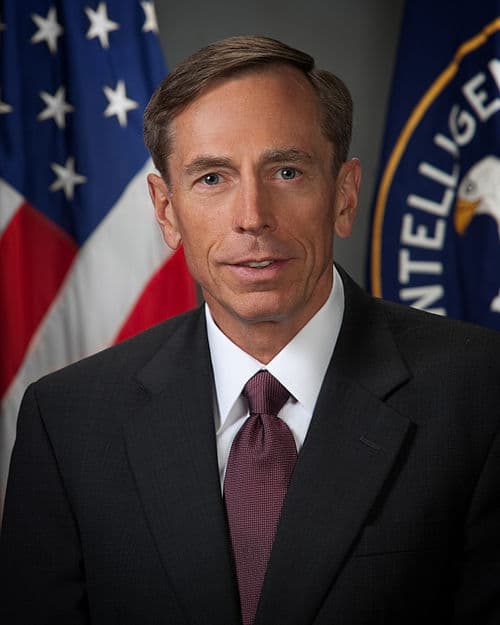
David Petraeus
PERSON
U.S. Army general and public official (born 1952)
David R. Shedd
PERSON
Name reference in documents
David Rodgers
PERSON • 2 mentions
Jeffrey Epstein's chief pilot (1991-2019), maintained flight logs documenting passengers on Epstein's private jets
David Sarno
PERSON
King of Israel and Judah
DT
David Tweed
PERSON
Australian businessman
David Weigel
PERSON
American journalist and blogger
De Chant
PERSON
Name reference in documents
DW
Debbi Wilgoren
PERSON
Name reference in documents
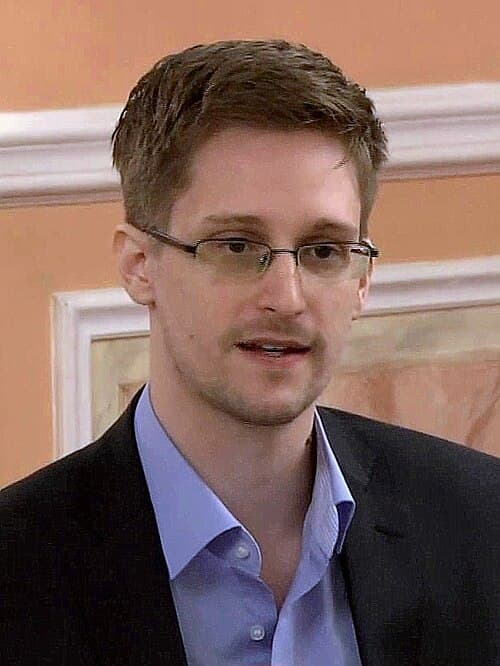
Details Snowden
PERSON
Name reference in documents
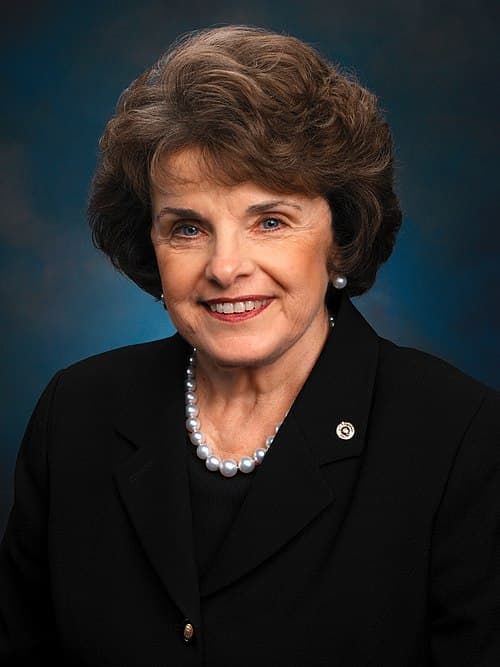
Dianne Feinstein
PERSON
American politician (1933–2023)
Dion Nissenbaum
PERSON
American journalist and author
Dominique Strauss-Kahn
PERSON
French economist
Donald Rumsfeld
PERSON • 2 mentions
American politician and diplomat (1932–2021)
Donald Trump
PERSON
President of the United States (2017–2021, 2025–present)
Drumheller
PERSON
Name reference in documents
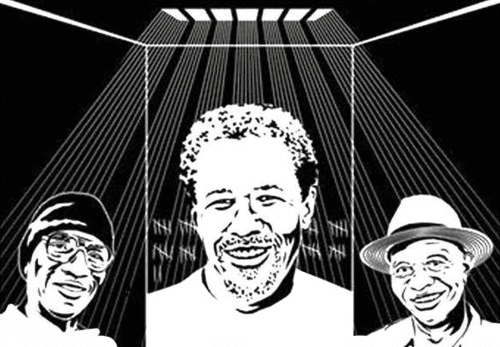
Ed Pilkington
PERSON
Author and journalist
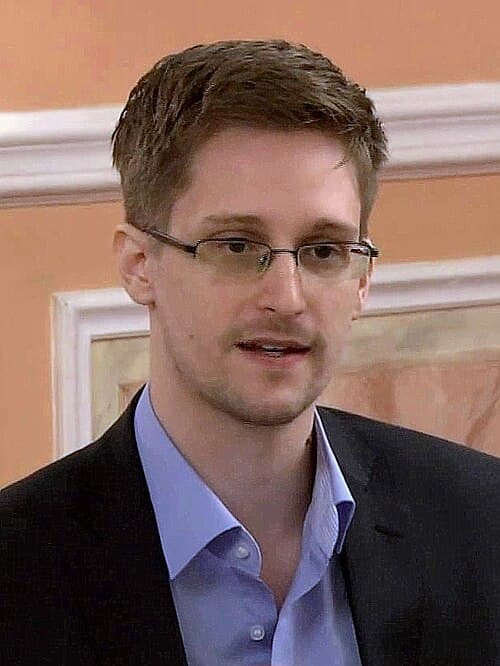
Ed Snowden
PERSON
American whistleblower and former NSA contractor (born 1983)
Edward Jay
PERSON
American historian (1975-)
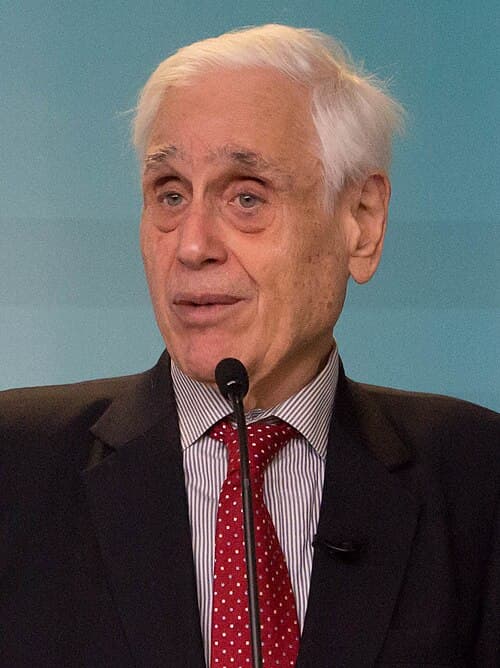
Edward Jay Epstein
PERSON
American journalist
Edward Lee Howard
PERSON
CIA officer
Edward Lucas
PERSON
British journalist (born 1962)
Edward Snowden
PERSON • 2 mentions
American whistleblower and former NSA contractor (born 1983)
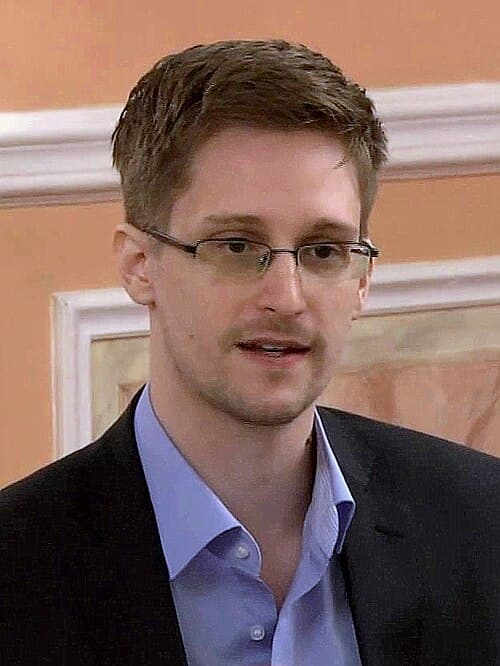
Edward Snowden Interview
PERSON
Name reference in documents
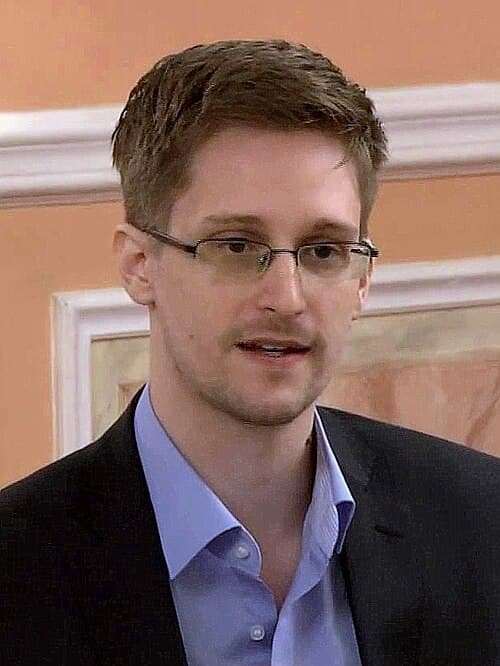
Edward Snowden Meets
PERSON
Name reference in documents
Edward Snowden Meets Arundhati Roy
PERSON
Name reference in documents
EJ
Eli Jacobs
PERSON
American baseball executive

Elias Groll
PERSON
American professional wrestler
Elizabeth Farnsworth
PERSON
American journalist
Ellen Nakashima
PERSON
American journalist
Ellison
PERSON
Surname reference in Epstein-related documents
Emily Bell
PERSON
Journalist (born 1965)
ET
Emmy Taylor
PERSON
Former assistant to Ghislaine Maxwell, appeared in Epstein flight logs and court documents
EN
Entous
PERSON
Name reference in documents
Eric Holder
PERSON
United States Attorney General from 2009 to 2015
Eric Schmidt
PERSON • 2 mentions
Software engineer, businessman, former Google CEO
Eric Trump
PERSON
American businessman and reality television personality (born 1984)
Ewen MacAskill
PERSON
Person referenced in documents
EZ
Ezra Zilkha
PERSON
American financier (1925 - 2019)
FI
Fisher
PERSON
Surname reference in Epstein documents
FI
Fitzpatrick
PERSON
Surname reference in Epstein-related documents
FW
Flora Wovschin
PERSON
Soviet spy
François Hollande
PERSON
French President (2012-2017), referenced in Epstein contact documents
Francois Molins
PERSON
Name reference in documents
Frederick Mocatta
PERSON
Name reference in documents

G. P. Putnam’s
PERSON
Name reference in documents
GA
Gabriella
PERSON
Surname reference in documents
Gary Lucas
PERSON
American rapper (born 1988)
GE
Gellman
PERSON
Surname reference in documents
GC
George E. Curry
PERSON
American journalist
George Koval
PERSON
American and Soviet intelligence officer (1913–2006)
George Mitchell
PERSON
Former U.S. Senator from Maine and special envoy, connected to Epstein through flight logs and social events
George W. Bush
PERSON
President of the United States from 2001 to 2009

Georgina Chapman
PERSON
English fashion designer and actress
GE
Gerard
PERSON
Surname reference in Epstein-related documents
Gertz
PERSON
Surname reference in Epstein-related documents
GI
Gibson
PERSON
American guitar manufacturer
GW
Giles Whittell
PERSON
English author and journalist
Glenn Greenwald
PERSON • 2 mentions
American journalist, lawyer and writer (born 1967)
GR
Gopal Ratnam
PERSON
Name reference in documents
Gordon Humphrey
PERSON
Peerage person ID=343818
Gorkovskaya
PERSON
Name reference in documents
Gorman
PERSON
Surname reference in Epstein-related documents
Greg Miller
PERSON
American media personality
Gregory L. White
PERSON
New Zealand photographer, photojournalist, aviator, publisher and writer (1906-1967)
GR
Gridasov
PERSON
Name reference in documents
HA
Harding
PERSON
Surname reference in documents
Harold Edgar
PERSON
American theatre director (1901–1980)
HK
Harold M. Koch
PERSON
American priest
Harold Nicholson
PERSON
Name reference in documents
Harper
PERSON
Surname reference in Epstein-related documents
Harvey Weinstein
PERSON • 2 mentions
American film producer and sex offender (born 1952)
Hastings
PERSON
Town in East Sussex, on the south coast of England
HA
Hayden
PERSON
Surname reference in documents

Henrik Moltke
PERSON
Danish journalist

Henry L. Shattuck
PERSON
Taiwnanese-Canadian singer and musician
Hermann Zapf
PERSON
German type-designer, calligrapher, author and artist (1918–2015)
HE
Heuvel
PERSON
Name reference in documents
HJ
Holman W. Jenkins Jr
PERSON
Name reference in documents
HO
Hosenball
PERSON
Surname reference in Epstein-related documents
Hunt Roman
PERSON
Name reference in documents
IO
iah Oggins
PERSON
Name reference in documents
IY
Igor Yavlyansky
PERSON
Name reference in documents
Ines Talakic
PERSON
Name reference in documents

Ingrid Sterner
PERSON
Name reference in documents
Irina Alexsander
PERSON
Name reference in documents

Irina Galushka
PERSON
Name reference in documents
Ivan Sekretarev
PERSON
Name reference in documents
J. Edgar Hoover
PERSON
American law enforcement administrator (1895–1972)
J. Nicholson
PERSON
Name reference in documents
Jack Cheevers
PERSON
Name reference in documents
Jack Goldsmith
PERSON
American legal scholar
JA
Jacob
PERSON
First name reference to multiple individuals in Epstein documents
Jacob Appelbaum
PERSON
Computer security researcher, journalist and hacker from United States
James Baker
PERSON
American lawyer and statesman (born 1930)
James Bamford
PERSON
Author and journalist
James Bond
PERSON
Series of books about a British spy
James Clapper
PERSON • 2 mentions
US government official (born 1941)
James Gordon Meek et al
PERSON
Name reference in documents
James Patterson
PERSON
American author
Jane Mayer
PERSON
American writer and investigative journalist
JP
Jane Perlez
PERSON
American journalist

Janet
PERSON
JP Morgan employee who processed banking transactions for Jeffrey Epstein accounts (2008-2012)
JA
Jason
PERSON
First name reference to multiple individuals in Epstein documents

Jeffrey Epstein
PERSON
American sex offender and financier (1953–2019)
Jen Psaki
PERSON
White House Press Secretary from 2021 to 2022
Jenkins
PERSON
Continuous integration tool
JJ
Jenna Johnson
PERSON
American professional dancer
JC
Jennie Chamberlin
PERSON
Name reference in documents
Jennifer Martinez
PERSON
American legal academic
Jeremy Herb
PERSON
(born 1935)
Jessica Testa
PERSON
American pornographic actress (1979–2019)
Jo Becker
PERSON
American journalist
JW
Joby Warrick
PERSON
American journalist (born 1960)
Joe Biden
PERSON
46th President of the United States (2021–2025)
JD
Joe Davidson
PERSON
Name reference in documents
Joe Finder
PERSON
Name reference in documents
JB
Joel Barr
PERSON
American spy for the Soviet Union (1916–1998)
John Brennan
PERSON • 2 mentions
Director of the Central Intelligence Agency from 2013 to 2017
John Cusack
PERSON
American actor, producer, and screenwriter
John F. Kennedy
PERSON • 2 mentions
President of the United States from 1961 to 1963 (1917–1963)
John Kerry
PERSON • 2 mentions
American politician and diplomat (born 1943)
John Locke
PERSON
English philosopher and physician (1632–1704)
John McLaughlin
PERSON
English guitarist, founder of the Mahavishnu Orchestra
JM
John Micklethwait
PERSON
British editor
John Minchillo
PERSON
Name reference in documents
John Prados
PERSON
US-American author, historian, security analyst, and game designer (1951-2022)
John R. Schindler
PERSON
Name reference in documents
Jonathan Mills
PERSON
Australian composer
Jonathan Weisman
PERSON
Name reference in documents
Joseph Menn
PERSON
Name reference in documents
JX
Joyce Xu
PERSON
Name reference in documents
JF
Juan Forero
PERSON
American journalist
Julia Ringo
PERSON
Name reference in documents
Julian Assange
PERSON
Australian editor, publisher, and activist (born 1971)
Julian E. Barnes
PERSON
American journalist
JC
Julie Creswell
PERSON
American journalist
Julie Hirschfeld Davis
PERSON
American journalist

Julie K. Brown
PERSON
American journalist
Julius
PERSON
Head of the Catholic Church from 337 to 352

Justin Sink
PERSON
American singer-songwriter
Justin Trudeau
PERSON
23rd prime minister of Canada from 2015 to 2025

Karen J. Rogue
PERSON
Name reference in documents
Katie Glueck
PERSON
Name reference in documents

Keith
PERSON
First name reference to multiple individuals in Epstein documents
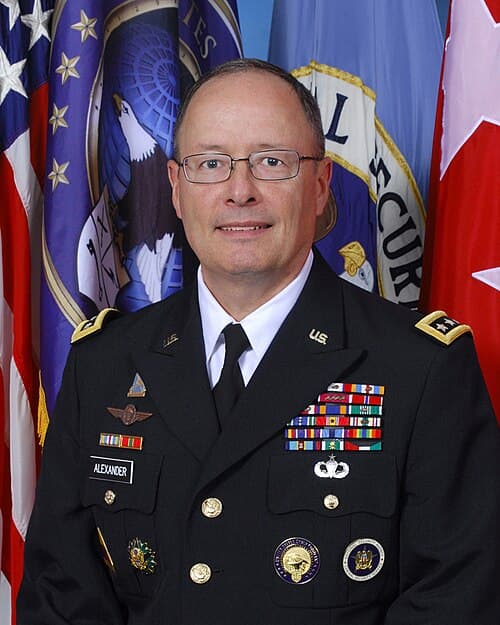
Keith Alexander
PERSON
United States Army general and former head of the National Security Agency
KB
Keith Bradsher
PERSON • 2 mentions
American journalist
Kelley Vlahos
PERSON
Name reference in documents
KB
Ken Brown
PERSON
American basketball player (1989-)
KE
Kerbaj
PERSON
Name reference in documents

Kevin Gosztola
PERSON
American journalist

Kevin Poulsen
PERSON
Hacking experience with Kevin Lee Poulsen
KI
Kinsey
PERSON
Name reference in documents
KS
Ko Shoiya
PERSON
Name reference in documents
KU
Kucherena
PERSON • 2 mentions
Surname reference in documents
lan Cobain
PERSON
Name reference in documents
Lana Lam
PERSON
American professional wrestling manager and actress
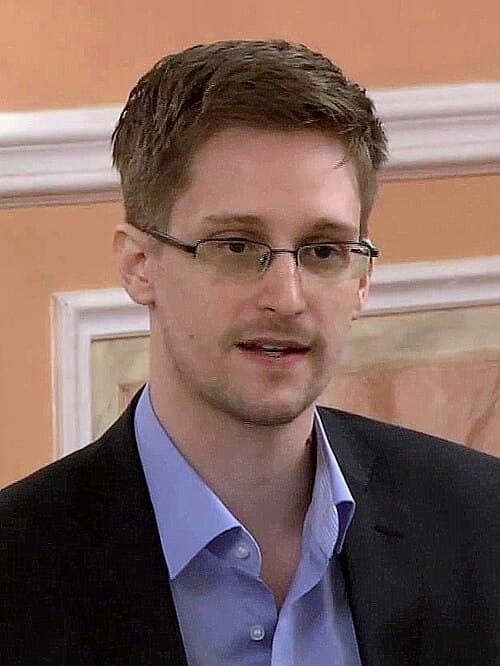
Laptops Snowden
PERSON
Name reference in documents
Laura Poitras
PERSON • 2 mentions
American documentary film director and producer (born 1964)
LG
Laura Poitras: Greenberg
PERSON
Name reference in documents
Ledgett
PERSON • 2 mentions
Surname reference in documents
LA
Legacy of Ashes
PERSON
Name reference in documents
LB
Leon Black
PERSON
American billionaire businessman (born 1951)
Leonnig
PERSON
Surname reference in documents
Leopold
PERSON • 2 mentions
Residential eastern suburb of Geelong, Victoria, Australia
LI
Lindsay
PERSON
First name reference to multiple individuals in Epstein documents
LM
Lindsay Mills’s
PERSON • 2 mentions
Name reference in documents
LO
Lokshina
PERSON
Name reference in documents
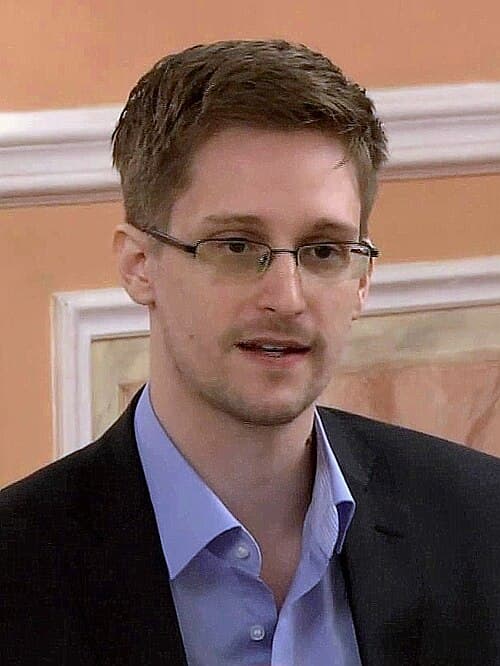
Lon Snowden
PERSON
Name reference in documents
Lona Cohen
PERSON
American spy for the Soviet Union (1913–1992)

Lucas
PERSON
Chinese rapper and singer
Lugovoy
PERSON
Name reference in documents
Luis Silos
PERSON
Name reference in documents

Luke Harding
PERSON
British journalist and writer (born 1968)
MacAskill
PERSON
Surname or name fragment in documents
MH
Maggie Hinders
PERSON
Name reference in documents
Manning
PERSON
Ambiguous surname - refers to multiple people in Epstein documents
MH
Mark Hosenball
PERSON
American journalist
Mark Landler
PERSON
American journalist
Mark Mazzetti
PERSON
American journalist

Mark McClish
PERSON
Name reference in documents

Mark Memmott
PERSON
South Korean-Canadian rapper
Marshall Erwin
PERSON
Name reference in documents
Martin Arnold
PERSON
Austrian film maker (born 1959)
Martin Luther
PERSON
Name reference in Epstein documents, likely referring to Martin Luther King Jr.
Martin Luther King Jr
PERSON
Name reference in documents
MW
Martin Weinberg
PERSON
American attorney (born 1946)
Mary Gorkovskaya
PERSON
Name reference in documents

Mary Louise Kelly
PERSON
American journalist
Matt Apuzzo
PERSON
American journalist
ME
Mavanee Anderson Exclusive
PERSON
Name reference in documents
Mayer
PERSON
Surname reference in Epstein-related documents
Meeting Edward
PERSON
Name reference in documents
Micah
PERSON
Surname reference in documents
Micah Lee
PERSON
Software developer
ML
Micah Lee: Lee
PERSON
Name reference in documents
Michael Calderone
PERSON
Name reference in documents
Michael Cohen
PERSON
American former attorney and former Republican official
MD
Michael Dowling
PERSON
British writer
Michael Hayden
PERSON
United States Air Force four-star general

Michael J. The Great War of Our Time
PERSON
Name reference in documents
Michael Moore
PERSON
American filmmaker and author (born 1954)
Michael Rogers
PERSON
Canadian actor

Michael Sontheimer
PERSON
Name reference in documents

Michael V. Playing to the Edge
PERSON
Name reference in documents
Michelangelo
PERSON
First name reference to multiple individuals in Epstein-related documents
Mick Mulvaney
PERSON
Former Director of the Office of Management and Budget and White House Chief of Staff
MJ
Mike Fleming Jr
PERSON
Reporter
Mike Isaac
PERSON
Name reference in documents
Mike Rogers
PERSON
American politician (born 1963)
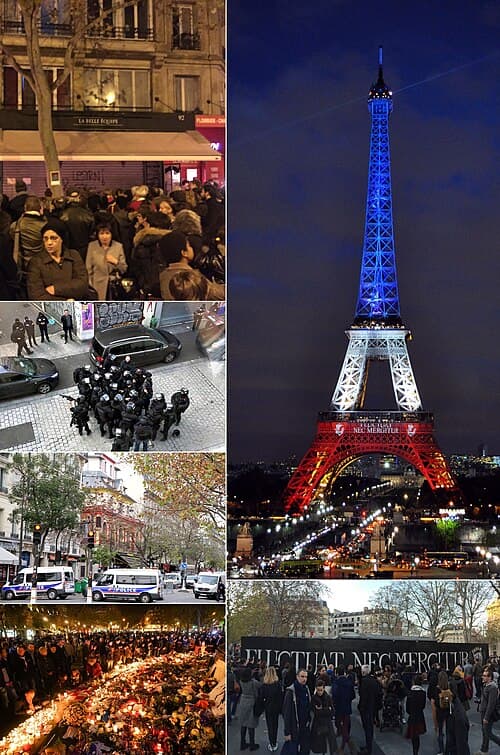
Milan Schreuer
PERSON
Name reference in documents
Mitch McConnell
PERSON • 2 mentions
American politician and lawyer (born 1942)
MO
Morell
PERSON • 2 mentions
Surname reference in documents
MJ
Mort Janklow
PERSON
Name reference in documents
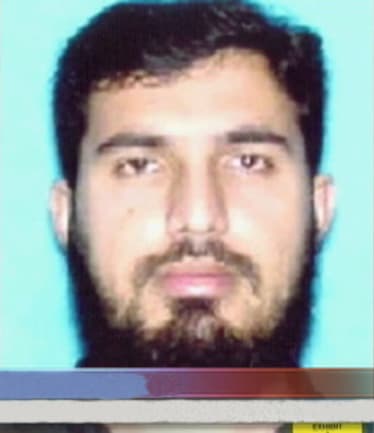
Najibullah Zazi
PERSON
Afghan member of Al-Qaeda
NN
Nancy Novick
PERSON
Name reference in documents
NF
Natalie Filkina
PERSON
Name reference in documents
Newt Gingrich
PERSON • 2 mentions
American politician, anti-sharia law activist and author (born 1943)
Nicholas Watt
PERSON
British journalist
Nick Allen
PERSON
American film critic
Nick Grube
PERSON
Name reference in documents
Nicole Mulvaney
PERSON
Name reference in documents
NP
Nicole Perlroth
PERSON
American journalist
NK
Nir Kshetri
PERSON
Name reference in documents
Oliver Stone
PERSON • 2 mentions
American film director, screenwriter, and producer (born 1946)
Osama bin Laden
PERSON
Saudi terrorist and co-founder of al-Qaeda (1957–2011)
OS
Oswald
PERSON
Surname reference in documents
OV
Overa
PERSON
Name reference in documents
PA
Packer
PERSON
Type of agricultural equipment
Patrick Goodenough
PERSON
American materials scientist (1922–2023)
Patrick Koehler
PERSON
Name reference in documents
PS
Patrick Semansky
PERSON
Person referenced in documents
Paul Ryan
PERSON
Speaker of the United States House of Representatives from 2015 to 2019
PS
Paul Strassmann
PERSON
Name reference in documents
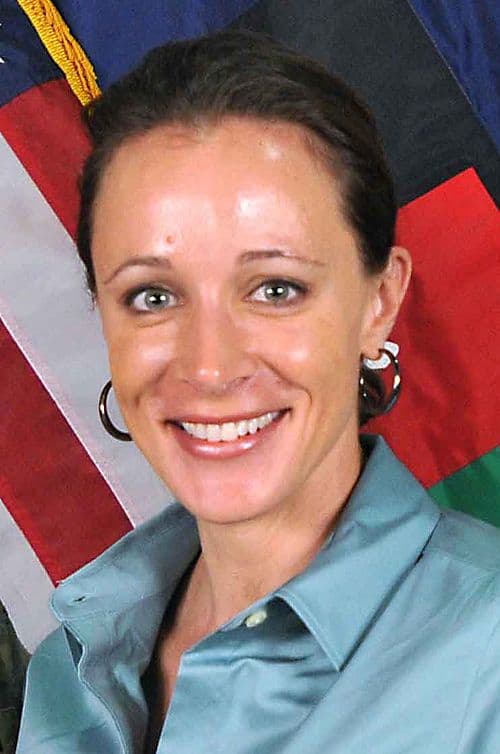
Paula Broadwell
PERSON
American writer, academic, and anti-terrorism professional
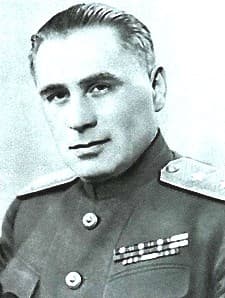
Pavel Sudoplatov
PERSON
Soviet spy (1907–1996)

Pelton
PERSON
Surname reference in documents
Perlez
PERSON
Name reference in documents
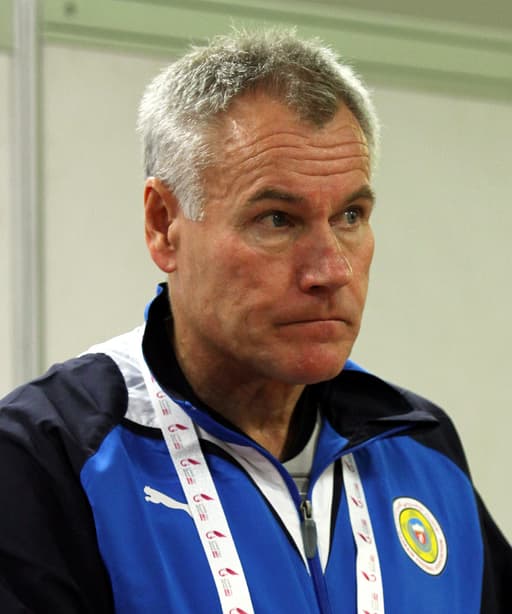
Peter Taylor
PERSON
English footballer and football manager (born 1953)

Petraeus
PERSON
New Zealand progamer
PI
Piskunovy
PERSON
Name reference in documents
Prince Andrew
PERSON • 2 mentions
Third child of Queen Elizabeth II and Prince Philip, Duke of Edinburgh (born 1960)
Prince Charles
PERSON
King of the United Kingdom and other Commonwealth realms since 2022 (born 1948)
R. James
PERSON
British artist, active 19th century

Rachael
PERSON
First name reference to multiple individuals in Epstein-related documents

Rachelle Bergstein
PERSON
Name reference in documents
Raised NSA
PERSON
Name reference in documents
Rajesh
PERSON
Indian actor
Rand Paul
PERSON
United States Senator from Kentucky since 2011
RR
Rashid Rauf
PERSON
British-Pakistani al-Qaeda member
Ray McGovern
PERSON
Name reference in documents
RR
Raymond Rocca
PERSON
Name reference in documents
Rebecca Savransky
PERSON
Name reference in documents
Rebecca Shabad
PERSON
Name reference in documents
Reitman
PERSON
Surname reference in documents
RE
Remembers
PERSON
Surname or name fragment in documents
RE
Repeat-
PERSON
Name reference in documents
Richard Bernstein
PERSON
American journalist

Richard Byrne Reilly
PERSON
Name reference in documents
Richard Kahn
PERSON
Jeffrey Epstein's accountant and estate co-executor (2005-present)
RK
Richard Kerbaj
PERSON
Name reference in documents
Richard Ledgett
PERSON
Deputy Director of the NSA
Rick Anderson
PERSON
Baseball coach from the United States
RI
Risen
PERSON
Surname or name fragment in documents
Rob Lever
PERSON
English rugby league footballer
RW
Robert E. Webster
PERSON
Name reference in documents
Robert Hanssen
PERSON
FBI agent who spied for Soviet and Russian intelligence services (1944–2023)
Robin Williams
PERSON
American actor and comedian (1951–2014)
Ron Paul’s
PERSON
Name reference in documents
Ronald Reagan
PERSON • 2 mentions
President of the United States from 1981 to 1989 and actor (1911–2004)

Runa A.
PERSON
Bangladeshi singer
Runa A. Sandvik
PERSON
Name reference in documents

Sandvik
PERSON
Surname reference in documents
SE
Sarah Ellison
PERSON
American journalist
Sarah Harrison
PERSON
Journalist

Scarlett Johansson
PERSON
American actress (born 1984)
Schneier
PERSON
Name reference in documents
SC
Schuster
PERSON
Surname reference in Epstein-related documents

Sean Michael Kerner
PERSON
Name reference in documents
Sean Wilentz
PERSON
American historian (born 1951)

Sergei Karpukhin
PERSON
Name reference in documents
Sergei L. Loiko
PERSON
Russian journalist, writer, photographer and translator
Shane
PERSON
First name reference to multiple individuals in Epstein-related documents
Shevardnadze
PERSON
Surname or name fragment in documents
SP
Shilpa Phadnis
PERSON
Name reference in documents
SH
Shils
PERSON • 2 mentions
Surname or name fragment in documents
SH
Shipman
PERSON
Surname or name fragment in documents
SD
Shut Down
PERSON
Name reference in documents
Sidney Blumenthal
PERSON
American political writer (born 1948)
Snoop
PERSON
Reference to Snoop Dogg or similar named individual
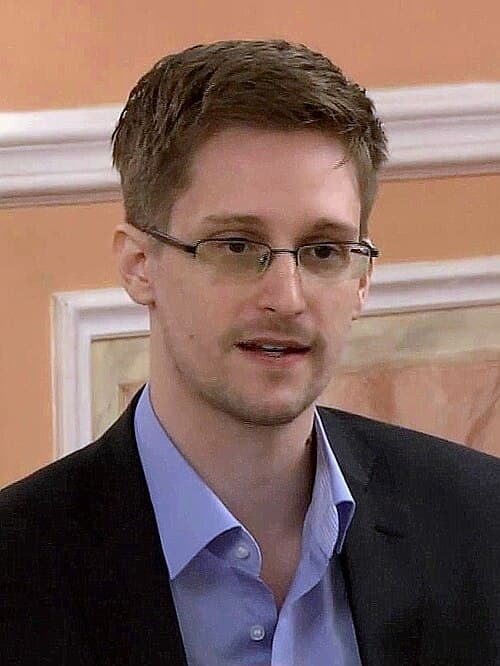
Snowden Act
PERSON
Person referenced in documents
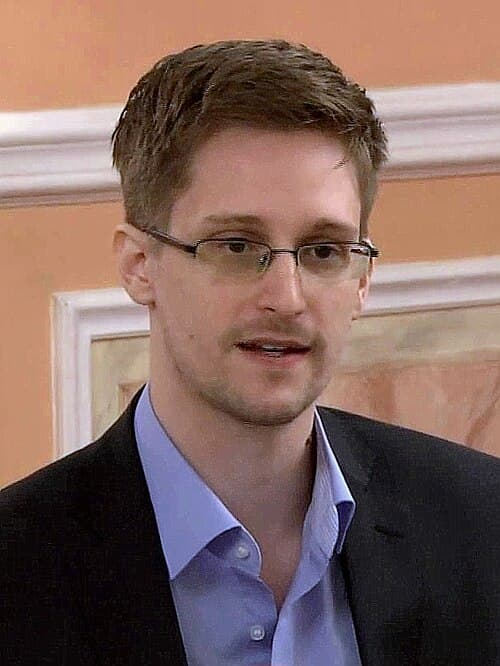
Snowden Affair
PERSON
Name reference in documents
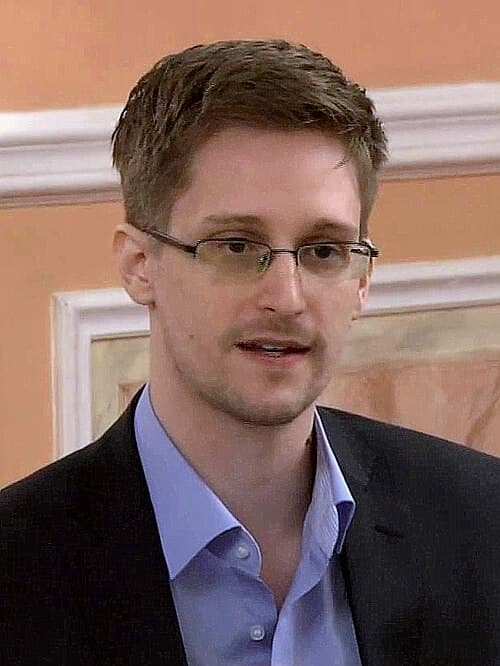
Snowden Case
PERSON
Name reference in documents
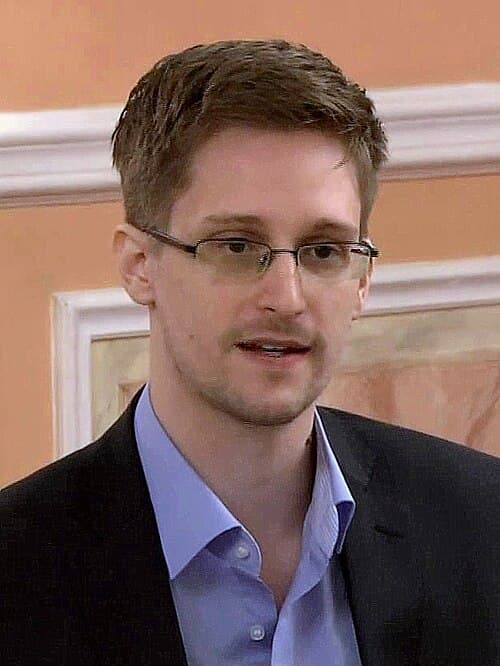
Snowden Clemency
PERSON
Name reference in documents
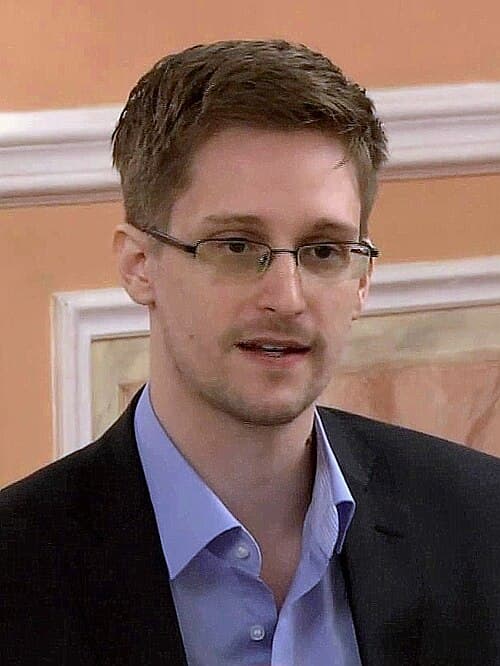
Snowden Despite
PERSON
Name reference in documents

Snowden Leak
PERSON
Name reference in documents
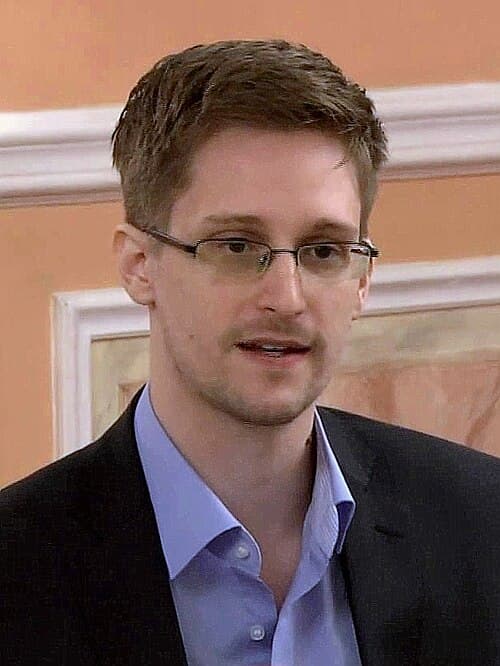
Snowden Planned
PERSON
Name reference in documents
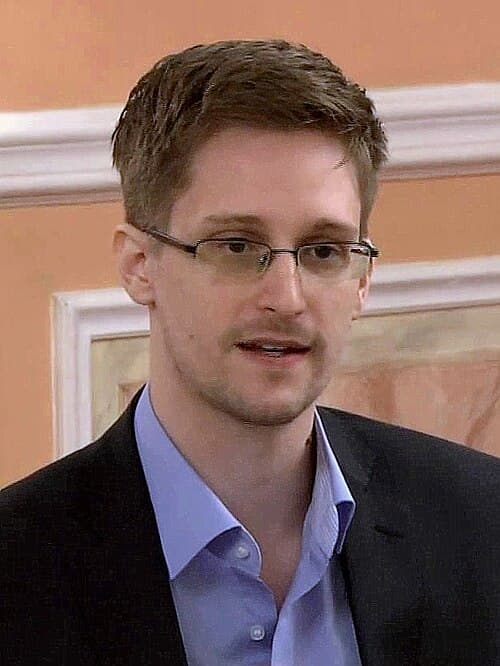
Snowden Q&A
PERSON
Name reference in documents
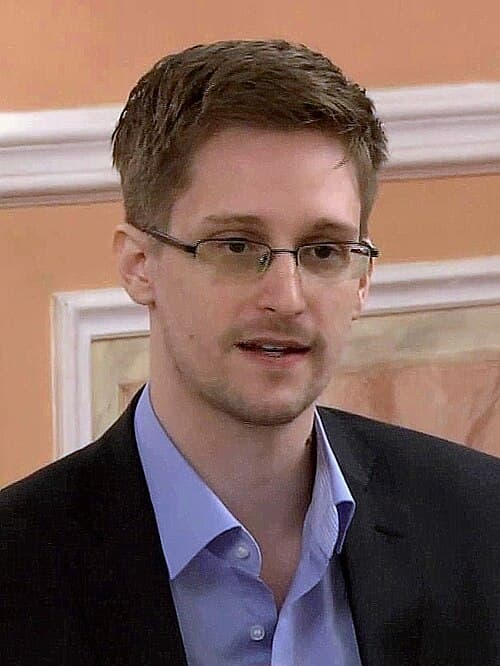
Snowden Saga
PERSON
Name reference in documents
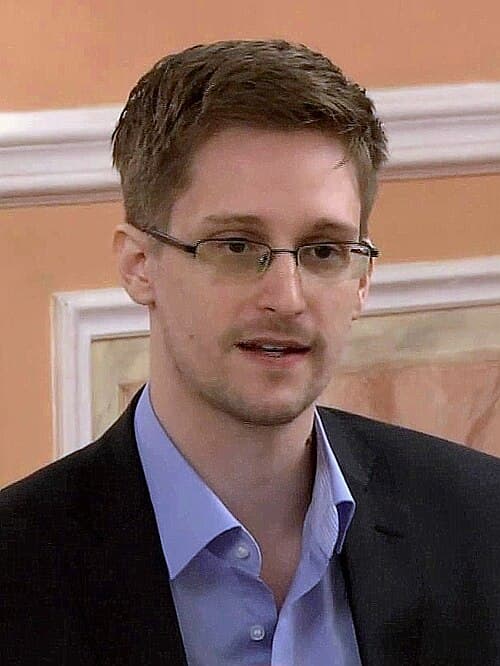
Snowden Sent
PERSON
Name reference in documents
Sophie Shevardnadze
PERSON
Georgian RT correspondent
Spencer Ackerman
PERSON
National security reporter, blogger
SC
Spy Case
PERSON
Name reference in documents
SB
Stephen Braun
PERSON
US reporter for the Associated Press
Stephen FE
PERSON
Name reference in documents
Stephen Hawking
PERSON
British theoretical physicist, cosmologist and author (1942–2018)
SA
Steven Aftergood
PERSON
American political activist
Steven Erlanger
PERSON
American journalist
SM
Steven Lee Myers
PERSON
Journalist in Washington, DC
Strauss-Kahn
PERSON
French economist

String Puller
PERSON
Name reference in documents
Sue Halpern
PERSON
Journalist and author
SD
Suelette Dreyfus
PERSON
Australian-American journalist

Susana Duncan
PERSON
Name reference in documents
Suzanne Andrews
PERSON
Name reference in documents
Svetlana Chervonnaya
PERSON
Russian historian

Tabassum Zakaria
PERSON
Indian film actress
Tanya Lokshina
PERSON
Human rights activist from Russia
TE
Te-Ping
PERSON
American journalist and author
TC
Te-Ping Chen
PERSON
American journalist and author
TB
Tennent H. Bagley
PERSON
CIA officer from 1950 to 1972
Theodore Schleifer
PERSON
Pope

Thom Shanker
PERSON
Name reference in documents
TC
Tim De Chant
PERSON
Name reference in documents
Tim Shipman
PERSON
British journalist
TL
Timothy B. Lee
PERSON
Name reference in documents
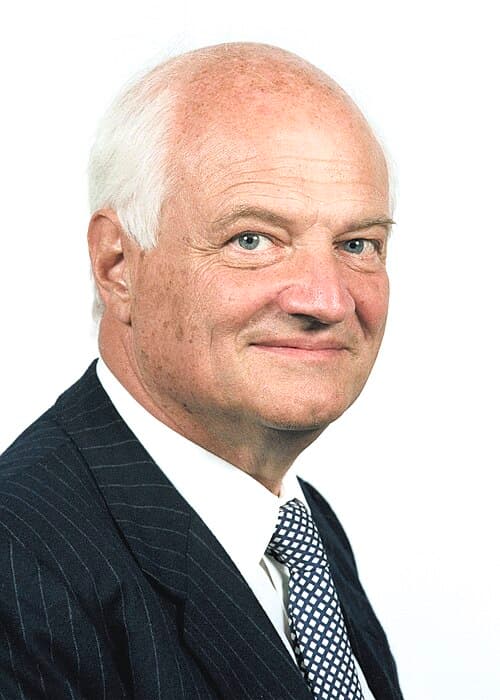
Tobias Brown
PERSON
Peerage person ID=309277
Tom Hamburger
PERSON
American journalist
Tom Harper
PERSON
English film director
Trent Martin
PERSON
Name reference in documents
TD
Tyler Drumheller
PERSON
American activist (1952-2015)
Vance
PERSON
Surname reference in Epstein-related documents
Vanden Heuvel
PERSON
Name reference in documents
VS
Vassili Sonkine
PERSON
Name reference in documents
VC
Victor Cherkashin
PERSON
Russian spy
VH
Victor Norris Hamilton
PERSON
American cryptologist and defector
Vincent Kessler
PERSON
Actor
Virginia Giuffre
PERSON
Advocate for sex trafficking victims (1983–2025)
Vladimir Putin
PERSON • 3 mentions
2nd and 4th President of Russia (2000-2008, 2012-present), 7th and 11th Prime Minister of Russia (1999-2000, 2008-2012), Director of the Federal Security Service (1998-1999) and Deputy Mayor of Saint Petersburg (1994-1996)
WP
Walter Pincus
PERSON
American journalist
WL
Wang Lijun
PERSON
Chinese government official

Warren Strobel
PERSON
Name reference in documents
WE
Webster
PERSON
Ambiguous surname reference in Epstein documents
WH
Whittell
PERSON
Name reference in documents
William Barr
PERSON
77th & 85th United States Attorney General (born 1950)
William Haseltine
PERSON
Member or fellow of the New York Academy of Medicine

William Martin
PERSON
Name reference in documents
WI
Wizner
PERSON
Surname reference in documents
WO
Woodward
PERSON
Surname reference in Epstein-related documents
Woody Allen
PERSON
American filmmaker, actor and comedian (born 1935)
WO
Woolsey
PERSON
Surname or name fragment in documents
WR
Wright
PERSON
Surname reference in Epstein documents
YA
Yavlyansky
PERSON
Name reference in documents
Zachary Gresham
PERSON
Name reference in documents
ZG
Zamir Gotta
PERSON
Name reference in documents
Aeroflot
ORGANIZATION
Flag carrier of Russia
Agency of Fear
ORGANIZATION
Organization referenced in documents
Aldus
ORGANIZATION
Organization referenced in documents
Alfred A. Knopf
ORGANIZATION
Organization referenced in documents
Allen Hamilton
ORGANIZATION
Organization referenced in documents
Amazon Digital Services
ORGANIZATION
Organization referenced in documents
American-Islamic Relations
ORGANIZATION
Organization referenced in documents
AP Images
ORGANIZATION
Organization referenced in documents
AP Photo/
ORGANIZATION
Organization referenced in documents
AP Photo/J. Scott Applewhite
ORGANIZATION
Organization referenced in documents
ARD-TV
ORGANIZATION
Organization referenced in documents

Ars Technica
ORGANIZATION
Technology news and information website
Assange
ORGANIZATION
Australian editor, publisher, and activist (born 1971)
Attack New York Subways: Sources
ORGANIZATION
Organization referenced in documents
Australian Financial Review
ORGANIZATION
Organization referenced in documents
Barneys New York
ORGANIZATION
American chain of luxury department stores
Berryville Graphics
ORGANIZATION
Organization referenced in documents

Bill & Melinda Gates Foundation
ORGANIZATION
Philanthropic foundation founded by Bill and Melinda Gates
Black Chamber
ORGANIZATION
Organization referenced in documents
Bloomberg L.P.
ORGANIZATION
American privately held financial, software, data, and media company
BoxJelly
ORGANIZATION
Organization referenced in documents
CAIR-NY Annual
ORGANIZATION
Organization referenced in documents
CAIR-NY Blog
ORGANIZATION
Organization referenced in documents
Canongate
ORGANIZATION
Street in Edinburgh, Scotland.
CBS
ORGANIZATION
American broadcast television and radio network
Chandos
ORGANIZATION
Organization referenced in documents

Channel One
ORGANIZATION
Japanese manga series
Chicago Tribune
ORGANIZATION
Major daily newspaper based in Chicago, Illinois, United States
Citizenfour
ORGANIZATION • 2 mentions
Organization referenced in documents
Civil Beat
ORGANIZATION
Organization referenced in documents
Codebreakers
ORGANIZATION
Organization referenced in documents
Columbia Journalism Review
ORGANIZATION
Organization referenced in documents

Columbia Law School
ORGANIZATION
Law school of Columbia University
Comenius
ORGANIZATION
Organization referenced in documents
Communist Party
ORGANIZATION
Communist Party
Consumer Financial Protection Bureau
ORGANIZATION
U.S. Consumer Financial Protection Bureau
CryptoParty
ORGANIZATION
Organization referenced in documents
Cyber Security Companies
ORGANIZATION
Organization referenced in documents
Deadly Games
ORGANIZATION
Organization referenced in documents
Department of Justice
ORGANIZATION • 2 mentions
United States Department of Justice, federal executive department responsible for law enforcement
Der Spiegel
ORGANIZATION
German weekly news magazine based in Hamburg
Devises Radio Pathway
ORGANIZATION
Organization referenced in documents
Doubleday
ORGANIZATION
American publishing company
Financial Times/Booz Allen & Hamilton Global
ORGANIZATION
Organization referenced in documents
First Move Against
ORGANIZATION
Organization referenced in documents
First Time
ORGANIZATION
Organization referenced in documents
Freedom, Privacy
ORGANIZATION
Organization referenced in documents
German NDR TV
ORGANIZATION
Organization referenced in documents
Harvard Law School
ORGANIZATION
Law school of Harvard University in Cambridge, Massachusetts
Houghton
ORGANIZATION
Organization referenced in documents

Houghton Mifflin
ORGANIZATION
County seat of Houghton County, Michigan, United States

Human Rights Watch
ORGANIZATION
International human rights advocacy and research non-governmental organization
Infowars
ORGANIZATION
American far-right conspiracy theory and fake news website owned by Alex Jones
Inter-
ORGANIZATION
Organization referenced in documents

Intercept
ORGANIZATION
Organization referenced in documents
Izvestia
ORGANIZATION
Soviet and Russian socially political and business daily newspaper
Japan Times
ORGANIZATION
English-language daily newspaper
Jerusalem Post
ORGANIZATION
English-language Israeli newspaper
John Wiley
ORGANIZATION
American baseball player (1857-1926)
Judiciary Committee
ORGANIZATION
Government legislative body

Kaspersky
ORGANIZATION
Russian multinational cybersecurity and anti-virus provider
Kevin Winter/Getty Images
ORGANIZATION
Organization referenced in documents
Kick Off Libertarian Student Conference
ORGANIZATION
Organization referenced in documents

Knopf
ORGANIZATION
Organization referenced in documents
Linotype
ORGANIZATION
Organization referenced in documents

Little, Brown
ORGANIZATION
American publishing company founded in 1837

Los Angeles Times
ORGANIZATION
American daily newspaper covering the Greater Los Angeles area
Marconi
ORGANIZATION
Organization referenced in documents

McGraw-Hill
ORGANIZATION
American publicly traded corporation, formerly McGraw Hill Financial, Inc
Melior
ORGANIZATION
Organization referenced in documents
Metropolitan Books
ORGANIZATION
American publisher
Mifflin
ORGANIZATION
Organization referenced in documents

Mirror
ORGANIZATION
Organization referenced in documents
N.S.A.
ORGANIZATION
Organization referenced in documents
N.S.A. Collection of Bulk Data
ORGANIZATION
Organization referenced in documents
National Intelligence
ORGANIZATION
Intelligence concerning the goals and capabilities of nations or alliances
National Security Agency
ORGANIZATION
Organization referenced in documents
National Security Archive Electronic
ORGANIZATION
Organization referenced in documents
National Security Council
ORGANIZATION
National Security Council
NBC-TV
ORGANIZATION
Organization referenced in documents
New Pentagon Source
ORGANIZATION
Organization referenced in documents

New York Magazine
ORGANIZATION
American magazine on life, culture, politics, and style, focusing on New York City
New York Review
ORGANIZATION
Organization referenced in documents
NIOC Hawaii
ORGANIZATION
Organization referenced in documents
North Market Street Graphics
ORGANIZATION
Organization referenced in documents
OathBetrayed
ORGANIZATION
Organization referenced in documents

Panorama
ORGANIZATION
Organization referenced in documents
Pearl Harbor Review
ORGANIZATION
Organization referenced in documents

Pew Research Center
ORGANIZATION
Think tank based in Washington, D.C., US
PFIAB
ORGANIZATION
Organization referenced in documents
Physical Phatness
ORGANIZATION
Song written and compsoed by Steve Kipner and Terry Shaddick, originally recorded by Olivia Newton-John in 1981
Pizza Inside
ORGANIZATION
Organization referenced in documents
Porn Business
ORGANIZATION
Organization referenced in documents

Press of Atlantic City
ORGANIZATION
Newspaper in Pleasantville, New Jersey
Random House
ORGANIZATION
American general-interest trade book publisher
Release of E-mail
ORGANIZATION
Organization referenced in documents
Rubicon
ORGANIZATION
Organization referenced in documents
Rusbridger and
ORGANIZATION
Organization referenced in documents
Rusbridger and MacAskill
ORGANIZATION
Organization referenced in documents
Russian Government
ORGANIZATION
Organization referenced in documents
Saphir
ORGANIZATION
Organization referenced in documents
Sebag-Montefiore
ORGANIZATION
Organization referenced in documents
Second U.S. Circuit Court of Appeals
ORGANIZATION
Organization referenced in documents
Secrecy and Democracy
ORGANIZATION
Organization referenced in documents
Security Industry Pioneer
ORGANIZATION
Organization referenced in documents
Security Review Commission
ORGANIZATION
Organization referenced in documents
Select Committee
ORGANIZATION
Organization referenced in documents

Simon & Schuster
ORGANIZATION
American publishing company
Skyhorse
ORGANIZATION
Organization referenced in documents
SophieCo
ORGANIZATION
Organization referenced in documents
Spiegel Online
ORGANIZATION
Organization referenced in documents
Spiegel Online International
ORGANIZATION
Organization referenced in documents
Standard Form 86
ORGANIZATION
Organization referenced in documents

Stansfield
ORGANIZATION
Organization referenced in documents
Stellarwind
ORGANIZATION
Organization referenced in documents
Sunday Times
ORGANIZATION
British newspaper, founded 1821
Tagged Animals
ORGANIZATION
Organization referenced in documents
the “Trust”
ORGANIZATION
Organization referenced in documents
the Cambridge English Dictionary
ORGANIZATION
Organization referenced in documents

the Conservative Party
ORGANIZATION
Organization referenced in documents
The Crime Scene Investigation
ORGANIZATION
Organization referenced in documents
the Department of Defense
ORGANIZATION
Organization referenced in documents
the Establishment of Truth
ORGANIZATION
Organization referenced in documents
the Foreign Intelligence
ORGANIZATION
Organization referenced in documents
the Foreign Intelligence Surveillance Act
ORGANIZATION
Organization referenced in documents
the House Select Committee on Intelligence
ORGANIZATION
Organization referenced in documents
the Lawfare Institute’s
ORGANIZATION
Organization referenced in documents
The Nation
ORGANIZATION
Organization referenced in documents
The New York Review of Books
ORGANIZATION
Organization referenced in documents
The New York Times
ORGANIZATION
American daily newspaper (founded 1851)
the Nordic Media Festival
ORGANIZATION
Organization referenced in documents
the NSA Leaks Story
ORGANIZATION
Organization referenced in documents
the NSA Surveillance Revelations
ORGANIZATION
Organization referenced in documents
the PRISM Data-Collection
ORGANIZATION
Organization referenced in documents
The Rolling Stone Interview
ORGANIZATION
Organization referenced in documents
the Senate Select Committee
ORGANIZATION
Organization referenced in documents

The U.S. Army
ORGANIZATION
Organization referenced in documents
the U.S. Court of Appeals
ORGANIZATION
Government agency
The Wall Street Journal
ORGANIZATION
American business-focused daily newspaper
The Warren Commission
ORGANIZATION
Organization referenced in documents
Times Before Going Rogue
ORGANIZATION
Organization referenced in documents
Times of India
ORGANIZATION
Organization referenced in documents
Transition
ORGANIZATION
Organization referenced in documents

Tumblr
ORGANIZATION
Microblogging platform and social networking website
U.S. Investigations Services
ORGANIZATION
Organization referenced in documents
U.S. Navy Information Operations Command
ORGANIZATION
Organization referenced in documents
Underground
ORGANIZATION
Organization referenced in documents

Verso
ORGANIZATION
Genre in Iberian organ music
Viking Press
ORGANIZATION
American book publisher

Vogue
ORGANIZATION
American fashion and lifestyle magazine
Washington Free Beacon
ORGANIZATION
Conservative American news organization

Washington Times
ORGANIZATION
American broadsheet newspaper published in Washington, D.C.

WhatsApp
ORGANIZATION
Meta Platforms-owned mobile instant messenger and social media service
Whistle-Blower
ORGANIZATION
Organization referenced in documents
Whistle-Blower Edward Snowden
ORGANIZATION
Organization referenced in documents

WikiLeaks
ORGANIZATION
Organization that publishes leaks provided by anonymous sources
WikiLeaks Conducted Operation Snowden
ORGANIZATION
Organization referenced in documents
Xbox Live
ORGANIZATION
Organization referenced in documents
XX Committee
ORGANIZATION
Organization referenced in documents
Yale University Press
ORGANIZATION
University press associated with Yale University
Zapf Book
ORGANIZATION
Organization referenced in documents
Zapf Chancery
ORGANIZATION
Organization referenced in documents
Atlan-
LOCATION
Location referenced in documents
Aurora
LOCATION
Norwegian singer and songwriter

Belgium
LOCATION
Country in western Europe
Berryville
LOCATION
Town in Virginia, United States
C.LA
LOCATION
Location referenced in documents

Colorado
LOCATION
State of the United States of America
Delhi
LOCATION
Megacity and union territory of India
Denver
LOCATION
Consolidated city-county and capital of Colorado, United States
East Germany’s
LOCATION
Location referenced in documents

Ecuador
LOCATION
Sovereign state in South America
Edinburgh
LOCATION
Capital city of Scotland, UK
Hawaii
LOCATION
State of the United States of America
Honolulu
LOCATION
City in and county seat of Honolulu County, Hawaii, United States, that is also the capital city of Hawaii
Kashmir
LOCATION
Disputed territory between China, India and Pakistan
Lancaster
LOCATION
City in Pennsylvania
Mount Fuji
LOCATION
Volcano in Yamanashi and Shizuoka Prefectures, Japan
New Haven
LOCATION
City in Connecticut, United States
North Korea
LOCATION
Sovereign state in East Asia
Nuremberg
LOCATION
City in the German state of Bavaria
Prince-
LOCATION
Location referenced in documents
San Bernardino
LOCATION
Seat of San Bernardino County, California, United States
Seattle
LOCATION
City in and county seat of King County, State of Washington, United States

Slovenia
LOCATION
Country in Central Europe
South China Morning Post
LOCATION
Hong Kong newspaper
Tactually
LOCATION
Location referenced in documents
the District of Columbia
LOCATION
Federal district, capital of the United States
the Eastern District
LOCATION
Federal judicial district
the Kingdom Are Missing
LOCATION
Location referenced in documents
the Soviet Union
LOCATION
Former country, now part of Russia and other nations
U.S. Ring
LOCATION
Location referenced in documents

United States
LOCATION
Country located primarily in North America

VentureBeat
LOCATION
Location referenced in documents
VurlAak
LOCATION
Location referenced in documents
Yokota
LOCATION
Dissolved municipality in Nita district, Shimane prefecture, Japan
Statistics
Pages:68
Entities:634
Avg. OCR:90.6%
Sponsored