EFTA00286476_sub_004 - EFTA00286476_400
Document Information
Bates Range
EFTA00286476_sub_004 - EFTA00286476_400
Pages
100
Original Filename
EFTA00286476.pdf
Document Content
Page 301 - EFTA00286476_301
hidden treasure, it is always better and never worse, to cultivate such an association. E.2 Metaphor: Frog at the bottom of a well A stubborn person who doesn't open themselves to criticism is like a frog living at the bottom of a well who has never had the chance to see the world from any other perspective. No matter how many people might come along and point out how much better the world is outside the well, such words are lost on the frog who through his lack of experience always assumes he knows better. E.3 Metaphor: Paralyzed by Stubbornness The people of old compared a stubborn person to someone who has been paralyzed. Even though all round him there may be delicious food, beautiful clothes and many other useful things, they are all useless to that person because the paralyzed person is unable to pick them up. In the same way, if a person is stubborn, even though they might have an arahant for a teacher, are unable to absorb any of the goodness of that person. E.4 Er. JEvaka heals King Candappajjota (Vin.268-81) In the time of the Buddha King Candappajjota of Ujjeni could not be healed by anyone in his own kingdom, so he sent a letter to King BimbisAra asking him to send the court physician JEvaka KomArabhacca to take care of him. Normally in the treatment, the patient must swallow ghee to be cured. In this case, the patient stubbornly refused treatment because in his religion, they prohibited the eating of dairy products. JEvaka considered the condition of the king would be helpless if he didn't take ghee, so he make what may have been the world's first `capsule' by concealing the ghee inside a digestible husk. JEvaka knew that after halfan-hour, the medicine would give its effect and the king would regurgitate the ghee. Besides being cured, the king would know that he had been fooled by the doctor. JEvaka administered the ghee capsule to the king and immediately asked for the king's fastest elephant to go looking for additional herbs. The king granted his request and JEvaka made a quick get-away, without any intention to return. When the king regurgitated the ghee and knew he had been fooled, he ordered his soldiers to pursue and kill JEvaka, but JEvaka was long gone on a swift elephant and they could not catch him. The king was angry all day and all night, but within a few days he was cured of his illness, and changed his attitude to JEvaka , even sending him a reward of sEveyyaka cloth to thank him for his attention. The king made an effort to change his stubborn personality from that day onwards. E.5 Ex. RAdha Thera DhA.ii.104ff There was one day in the town of RAjagaha, the Lord Buddha was staying at VeOuvana Temple and SAriputta was there also. An aged Brahmin called RAdha who had been shunned by his wife, family and in-laws because he was not very wealthy. They abandoned RAdha instead of looking after him in his old age. He didn't want to bother anyone unduly so he thought of becoming a Buddhist monk for the final days of his life. None of the monks in the temple were interested to take responsibility for his ordination because they saw that he was already old and would only be a burden on the temple. No-one would give him ordination. The Buddha asked if there was not a single monk in the temple who had received benefit from this Brahmin in the past. SAriputta spoke up and said that once a long time ago RAdha had given him a ladleful of rice when he was on almsround. The Buddha therefore asked SAriputta to help out RAdha on this occasion. SAriputta ordained RAdha and allowed him to stay in the same hal teaching him meditation and the teachings of the Buddha. RAdha practised hard and possessed the quality of being sensitive to self-improvement. He never thought of looking down on the teachings of a much younger monk. He practised everything he was taught. There was no hesitation or doubt in his mind. If he was asked to use the mantra `SammA-ArahaO1 and think of a Buddha image that was exactly what he did. He was not like some people who sit and think, "How can it be possible that we can imagine something and see it?" or "How could there ever be brightness inside?' or "The mind has the nature to think, what's the use of trying not to think?" or "Surely the teach EFTA00286776
Page 302 - EFTA00286476_302
ing monk is making it up as he goes along?" like most people. RAdha did exactly what was asked of him. SAriputta was a young monk who could sit for meditation for five to ten hours at a time. Even though RAdha was seventy, he would still sit together with SAriputta without worrying about stiffness. RAdha thought, "After all, I have made the effort to become a monk, so what is there to be feared about meditation when I have left behind everything else?" and after three days was able to become an arahant. E.6 Ex BrahmadaAia punishment of Channa DhA.ii.110ff In the time of the Buddha, when he left the palace to ordain, he went together witha horseman called Channa. Channa also ordained at that time, but from that day to the time when the Buddha entered Parinirvana, he could make no progress in the teachings of Buddhism. The reason for this is that he would selfishly do whatever he felt like doing and would ignore the advice of all the other monks in the community. lie would be so proud of the fact that he had accompanied the Buddha when he renounced the palace that he thought that the whole of Buddhism should thank him for it. lie was not ready to listen to anyone's criticism because he saw them all as ungrateful. He would listen to no-one but the Buddha himself. However, the Buddha didn't have enough time to give Channa personal attention, so he ended up as a stubborn monk. /panda asked the Buddha "What can we do with this monk because if you should ever enter upon parinibbAna, there will be no-one left who can do anything to help this monk." The Buddha said, "You must perform the BrahmadaAla punishment." inancla asked, "How can we do that?" The Buddha explained, "From now on, whatever Channa wants to do let him do it. Whatever he wants to say let him say it. Shun him by treating him as if he wasn't there and don't speak to him or do anything to co-operate with him." When the Buddha passed away, all the monks did what the Buddha had instructed and within a very short period of time Channa became like an outcast in the community. Channa came grovelling to /panda saying, "Please be a refuge to me — I will stop being stubborn.- All the monks had a meeting and decided to forgive him. As a result of everyone treating him in the same way, he could soon realize his mistake and change his ways. If you have a stubborn child in the family, the parents can use the same technique of punishment However, if your parents are stubborn, as children you should not try using this technique or maybe you will be punished yourself! Even in schools or places of work might adapt this for their own use. E.7 Er. Sariputta criticized for a squint under-robe (SA.H.29, MiL397) SAriputta's humility was as great as his patience. He was willing to receive correction from anyone, not only with submission, but with gratitude. It is told in the commentary to the SusEma Sutta that once through momentary negligence, a corner of the elder's under-robe was hanging down. A seven-year old novice, seeing this, pointed it out to him. SAriputta stepped aside a once and arranged the garment in the proper way and then stood before the novice with folded hands saying "Now it is correct, teacher!" and said the following verses: "If one who has gone forth this day, at the age of seven should teach me, I accept it with a lowered head. At the sight of him, I show my zeal and respect. May I always set him in the teacher's place." EFTA00286777
Page 303 - EFTA00286476_303
Blessing Twenty-Nine: The Sight of a True Monk A. INTRODUCTION A.1 The place of Blessing Twenty-nine in the order of things With this blessing we come to the twenty-ninth step of Buddhist practice — that of `the sight of a true monk'. We find that all that patience and openness to criticism developed in earlier blessings together with 'seeing a true monk' in this blessing will be a foundation to prepare us to discuss spiritual teachings with a monk (the topic of the next blessing). A.1 The Objectives of the Twenty-ninth blessing The objectives of this blessing are as follows: I. to make ourselves worthy of discussing the Dhamma with a monk: a monk is an ordained person who has no need of anything from anyone. He has no interest in fame or social standing. If anyone cannot be sufficiently patient to listen to what he has to say, then why should he bother to teach them? Even if you were to conduct yourself towards him in a pleasant way, his main priority is to attain liberation from the world, training himself in the forest. Thus, if you were to conduct yourself in an inappropriate way, it would be an unattractive prospect indeed for him to teach you; 2. to understand by example the meaning of Dhamma we have not yet experienced for ourselves: with higher virtues, if you just say 'such and such a virtue' is good in 'such and such a way', it brings the listener no closer to under standing it. You always need to give an example. Supposing you tell someone, "Keeping the Five, Eight, Ten or 227 Precepts will make your mind cheerful." If someone had never heard of the Precepts, they would disagree immediately because 227 Precepts looks like a way of removing all the cheerfulness from life. To the uninitiated, the more Precepts you have, the less life has to offer. To them, cheerfulness is equated with keeping no Precepts, because you can do exactly what you want — you can drink liquor and you don't need to be faithful to your wife any more. They would argue that keeping no Precepts would certainly be more cheerful. They have seen only cheerful drunks, night-club singers, dancers and boxing crowds. Thus if you say keeping the Precepts makes you cheerful, they might accuse you of lying. However, the day such a person meets a monk keeping 227 Precepts who is peaceful and has a radiant complexion and who speaks politely, they will realize, "Yes, the monk is cheerful too", but it may be a sort of cheerfulness they have never encountered before. However, if someone never met such a monk before, there is no way they would believe in the capacity of the Precepts to make people happy; 3. to recognize a monk able to benefit us with his teaching: Part of the objective of this blessing is to allow us to recognize a good monk when we see one — and at the same time to avoid being EFTA00286778
Sponsored
Page 304 - EFTA00286476_304
taken in by those masquerading as monks. We mustn't overlook qualities that make someone a 'true monk', otherwise, we run the risk of meeting a monk without recognizing him as did the main character tamanital of the novel of K.A. Gjellerup's (1906-Danish/1907-German) classic Der Pilger Kamanita, who searched high and low for the Buddha, hoping the Buddha would heal his broken heart. One night he met an old monk and sat talking to him all night because the monk seemed to be able to answer all of his questions. The next morning he bade farewell to the monk and continued in his search for the Buddha, without realizing that the monk he had been talking to all night was the Buddha himself. Even when at the end of his life he was gored to death by a bull, he still didn't realize who he had been speaking to! Thus, so you don't make the same mistake as Kamanita, we must instead study this twenty-ninth Blessing of the Malgala Sutta. B. SEEING A TRUE MONK B./ Definition: The True Monk The definition of the word a true monk means 'peaceful one.' However, because we tend to translate in a haphazard way, we had better compare the translations of a few similar words: ism, there are also ordinands with their own training regulations — and they would also be called 'pabbajita'. By comparison, the word 'samana' should be reserved for bhikkhus who really practice the 'Dhammas of a Peaceful One' to the point that they are peaceful in body, speech and mind. A 'samana' is a monk whose body, speech and mind are already well-trained — and is hereafter referred to as a 'true monk'. Just because a person shaves their head and dons robes doesn't automatically make him a 'true monk' — because there are some monks, unfortunately to say, who have a daily regime which consists of no more than eating, sleeping and watching the television. Such monks are hardly worthy of being called a true monk — they can be considered more like 'trainee monks'. They are no more than 'bhikkhus'. You have to be careful about your definition of a a true monk because if you pick the wrong sort of monk, (e.g. trainee monks who are still fighting over almsfood) you will find it hard ever to see why seeing such monks could ever be a blessing. In cases where you see monks doing un- suitable things, you should remind yourself that they are just trainees, but not yet true monks. For the purposes of this Blessing, seeing a monk, is to see a monk of the type we can call a 'true monk' — because there is no • `Pabbajital: This word means 'an ordained perso g n-uarantee that seeing monks of any other sort will really i.e. a person who has gone forth into the homeless life. The a blessing! will not marry and have decided to remain single and to spend their time training themselves in discipline meditation instead. A `pabbajita' can belong to any religion, not necessarily B.2 General Guidelines Buddhist. As we shall see later, there are different levels at which • `Bhikkhti: This term means a certain sort of we can catch sight of a true monk. However, we can 'pabbajita' in Buddhism who is an almsman and must practiart by making some generalizations which apply at all the `Dhammas of a Peaceful One' according to the regulatilmls of description of a monk's behaviour: laid down by the Lord Buddha. • `SAmaAera': This term means a novice — which is A true monk must be peaceful in action: He must be also a type of 'pabbajita', but they are usually of child's age completely free from actions of harm to others. He (9-20) or are still a postulant. cannot carry weapons, pick fights with others or even walk in a demonstration. He cannot beat the table with his fist as he gives his sermon. None of his physical actions must be provocative. Anyone who sees him must be left with nothing other than a positive impression. He will not be attractive in the same way as a handsome Even those who wear white to practice Eight Precepts in the temple are also a type of ordinand but of a precursory sort. Buddhist nuns are also a form of ordinand. In the Chinese religions such as Tao EFTA00286779
Page 305 - EFTA00286476_305
man or a beautiful woman, but he will be graceful and charismatic in his presence. If a Mikkhzt has no presence, then maybe he has no self confidence to be anything more than a beggar. The a true monk will have confidence in his own good deeds, so he will not feel inferior. Z A true monk must be peaceful in speech: He must be completely free from malicious gossip or harmful speech or boasting. How would you like to meet a monk who said, "My temple is the best. Any other temple is no competition. My way of meditation is the best. Don't bother paying attention to any other sort of meditation."? A monk must be well-spoken. What he says must be serious — not said just to make people laugh. It is not suitable for a monk to speak of matters such as politics. 3. A true monk must be peaceful in mind: He must train himself to rid his mind of thoughts of greed. If a monk doesn't try to free his mind of greed by training in meditation, before long he will want to have supplementary activities like being a witch doctor, or a fortune teller, or a lottery tipster. In the same way, he should not allow his mind to come under the influence of hatred or ignorance. However, it is easier said than done. He must try to train his mind the whole of the time and maintain a good temper always. Thus don't go thinking that a monk can become a true monk simply through his achievements in temple construction. Only these four practices mentioned above can allow the body, speech and mind of a monk to become sufficiently pure for him to be termed a 'true monk'. He needs to practice all four in order to really be worthy of the name a true monk. A further set of generalizations about monks' behav- iour which qualifies him as a true monk are as follows: I. Must be of no danger to anyone: Thus nothing about a true monk in body, speech or mind must be of any danger to anyone. 2. Must not be biased by the temptations of wealth: If you find monks overtaking one another on almsround to compete for food, could you entrust them with anything more valuable? 3. Must practise the 'Mammas of a Peaceful One': This means he must train himself to avoid the temptations of excessive eating and sleeping. He must have a steadfast daily routine, without exception: doing morning and evening chanting, studying the Dhammavinaya, Tipitaka and Buddhist ceremonies. His manners should be polite. 4. Must practise austerities (to reduce the level of bad habits in the mind): These include the practice of meditation, dhutalga (see Blessing Thirty-One). They help one to overcome the habit of doing exactly as one pleases the whole of time. In conclusion to this general introduction to the features of the true monk — we can say that a monk is someone whose happiness comes entirely from spiritual sources. We have already seen (from contentment in Blessing Twenty-Four §C.) that happiness can come from either material or spiritual sources, and for a true monk, the connection with happiness from inner peace is so well-developed that it manifests in all that he does and in his appearance too! B.3 Ways of seeing a true monk Simply to see a monk pass by the door is not fully 'the sight of a true monk' — it is not much of a blessing. You have to be on closer terms with the monk until you can start to distinguish the virtues of the monk. Thus simply to 'see' a true monk is not so simple as it sounds. In fact the word 'to see' can have three different depths of meaning: 1. Seeing with the eye: i.e a monk's outward ap- pearances Z Seeing with the mind: i.e a monk's outward be- haviour 3. Seeing through meditation: i.e a monk's inner attainments Why do we have to look at three levels to see a true monk? This is because every person is complex and has an inner and outer self. In the following sections we consider each level of description in turn. RI I Seeing with the eyes According to the SAmaiifiaphala Sutta (D.2) the characteristics of a true monk which can be observed by the outward manner and behaviour of monks are as follows: EFTA00286780
Page 306 - EFTA00286476_306
L Ordination with an aim in mind: A monk should ordain with the aim to train himself to be a good person in every respect: restraint of senses, education of the mind in theory [pariyatti] and practice [paEipati] by study of the scriptures and following a correct method of meditation until being able to tame the mind — bringing peace, radiance and eventually wisdom to understand life and the world in accordance with reality; 2. Restrained in accordance with the monastic code of conduct ThAtimokkhasaovaraf: (see B1.9 §C3.21); 3. Pure in livelihood fAjEvaparisuddhiJ: (see B19 §C3.2.3); 4. Possessed of self-discipline [sElaJ: (for details see Blessing Nine §C3.2) If monks are possessed of such characteristics they are worthy of the praise, faith, homage and support of householders. B.3.2 Seeing with the mind This means appreciating the good manner and conduct of the monk through the channel of our mind. We see that in the kuti of the monk, there are virtually no possessions — that he has hardly anything but humble bedclothes and a set of the Buddhist scriptures. Such a few possessions, would lead us to suppose that the monk studies the TipiEaka whenever he is free. We might observe a battered meditation mat in the corner and might suppose that he meditates as part of his daily routine. We reflect and surmise according to what we see. This is the virtue of the true monk. According to the SAmafifiaphala Sutta the five characteristics of a true monk which can be observed a the level of the mind are as follows: L Restraint of the senses [indriyasaOvara]: When in public it is especially important for monks to restrain the sense doors — to be worthy of the homage of laypeople or younger monks. Monks who are habitually restrained according to the pAEimokkha will find that it comes naturally to restrain the senses both in public and behind closed doors; 2. Endowment with mindfulness [sati] and self-awareness [sampajafifia]: This means not allow ing the mind to wander or to drift in a way that undermines the faith of others. 3. Endowed with contentment [santuEEhi]: This means contentment with what one has and what one receives — not going to great lengths to ask for special treatment and gifts from lay people in a way that undermines the faith of others 4. Freedom from the Hindrances [nivaraAa]: Al- though the hindrances are an internal affair of the mind, a monk must be careful not to let hindrances manifest themselves as e.g. losing one's temper, hatred of others, sleepiness, reluctance, boredom with life, doubt in the teaching — on the contrary, a monk should show enthusiasm for a life of training, restraint and give encouragement and guidance to laypeople. 5. Attainment of the absorptions [jhAna]: This is not something that is obvious to the observer. Also a monk will not inform you — because to inform you would be in breach of the Vinaya. However for a monk who is able to overcome the hindrances and make further progress, attainment of the inner brightness of absorptions will be visible by improved conduct, ability to teach clearly and from a bright physical complexion. B.3.3 Seeing through meditation According to the SAmafifiaphala Sutta the charac- teristics of a true monk which can be observed a the level of inner attainment which come as the result of self-training in meditation are eight in number and sometimes referred to as the Supra-normal Eightfold knowledge [vijjA] are as follows: I. insight-knowledge [vipassanAnAAa] 2. mental powers [manomayiddhi] 3. miraculous powers [iddhividdhi] 4. supra-normal hearing [dibbasota] 5. knowing the minds of others [cetopariyayafikka] 6. recollection of previous lives [pubbenivAsA- nussatilkkAa] 7. seeing the arising and passing away of other beings according to their karma [dibbacakkhu or cutupapatafiAAa] 8. knowledge of an end of defilements EFTA00286781
Sponsored
Page 307 - EFTA00286476_307
[asavakkhayaiiAAa] These supramundane forms of knowledge can only come about because the monk himself has attained the sight of the true monk inside himself i.e. has attained one of the levels of the body of enlightenment [dhammakAya] within himself. B.4 Characteristics of a monk not worthy of respect The SAmafulaphala Sutta teaches us not only the things which identify a good monk but also characteristic of monks to be avoided. work of earning a living. Some ordain to escape legal proceedings or as a tool in earning their living; Laxity in following the monastic code of conduceossible usefulness). This is obvious in the case of monks lying, taking drugs, taking an evening meal or listening to music; There may be more characteristics of unworthy monks 2 Going to places which are `out-of-bounds' than these thirteen — but any one of the thirteen [agocara] for a monk: This may include monks going to behaviours mentioned above is sufficient for supporters places of entertainment or commerce on personal business to suspect that a monk might not be a `true monk'. It is instead of by invitation; 3 Gambling or encouraging supporters to waste dal to say that numerous are those who profess piety — with gambling; but who in reality doesn't live up to all they profess. 4 Being interested to converse on worldly subjects:Thus don't go wasting time with monks who say they Such subjects include waging war or fashion — or other can turn silver into gold, or give you a fertility spell or subjects not directly concerned with monastic duties; guess the result of the lottery. If you do — it only goes 5 Volunteering to help with jobs that are the domaiR show that your misunderstanding of the purpose of a of a householder: These may include tasks such as monk. matchmaking, being a go-between or canvassing for votes; 6 Making a living out of black arts: Examples include fortune telling, initiations, charms, witch doctery, numeric-t. THE PRACTICALITY OF SEEING A MONK house charms and yantras, making predictions looking at [lel Receiving the full benefits of seeing a monk vital signs of adults, children or animals — predictions and. -in order to gain the full benefit of the sight of a monk, it lucky stars for marriage. is important, not only to see him, but to hear his 7 Playing games: Such games might include chess,teaching_, to memorize it, reflect on it and apply it for draughts, cards, computer games or even ball games; one's own and others' benefit in the same way (as 9. Boasting: This may include boasting about one's personal ability or looking down on the abilities of other monks; 10. Indulging the senses; 11. Distorting the teachings: This may include ex- plaining and teaching Buddhism in a way that deviates from the dhammavinaya or spreading or perpetuating false views such as that heaven and hell don't really exist, that death is the end of the story or that there is no afterlife. 12. Deviousness: Monks may use means to mislead the J. Ordained in spite of lacking faith in the Vinaya: public e.g. into understanding that they have attained without any intention to train oneself or improve the stages of Sainthood. oneself as a monk. Some ordain simply to run away 13. Displaying a lack of contentment: This may be from their worldly problems or to avoid the hard noticeable from the way a monk's accommodation is furnished (excessive luxury or with a television or radio — which are not for helping to practice Dhamma — and accumulating lot of things in their kuti beyond any already outlined for academic teachings in Blessing Seven §E. [The Learning Process]). In addition it is also necessary to help and support the monk in order to learn from his example the virtues which may be hard to EFTA00286782
Page 308 - EFTA00286476_308
transmit in words. C2 Why people like to have a true monk visit their home In order to gain full benefit from seeing a true monk, if we should have the opportunity to invite one to our home, the Buddha gave us clear guidance on how to offer appropriate hospitality. Done properly, such hospitality can bring five distinct sorts of merit to the owner of the house, because: L Looking on him with respect: will bring steadfast faith in mind because seeing the conduct of a true monk will give that household the chance to practice the path to heaven; 2. Preparing his seat: giving the a true monk a place to sit [Asana] will give that household the chance to practice the path to birth in an influentialfamily. 3. Offering him refreshment: putting aside the mental impurities of stinginess (by giving something for the a true monk to drink for example) gives the household the chance to practice for the path to the attainment of honour. 4. Offering him requisites: sharing their wealth with the a true monk (e.g. by offering a donation to a monk) gives that household the chance to practice the path for the attainment of wealth. 5. Conversing on the Dhamma: conversing on the Dhamma and listening to teachings gives the household the chance to practice the path to the attainment of wisdom. In fact to treat a monk of attainment badly can be very damaging, as in the case of Koka the Hunter (DhA.iii.31) who set his dogs on a monk and whose dogs subsequently turned on him, or the case of Upaka (DhA.iv.71-2) whose lack of ability to recognize the qualities of a True Monk in the Buddha delayed his spiritual search for many years. C.3 Manners in meeting with a monk These days even Buddhists are often not so careful as they used to be about the way in which they treat monks whether it be passing them in the street of inviting them to their homes. Both the monks and the laypeople must shoulder some of the blame, because often monks ordain without any special preparation. They are not really very sure what being a monk entails. After ordination they don't study monastic conduct and so make mistakes. When they make mistakes, then no-one treats them with any respect. The other half of the blame falls on the laypeople who have never taken any interest to look for the good points in monks. They spend the whole of their lives going from one bar to another and never think to visit the temple. Thus it is sometimes hard for monks if they go into town.Young ladies think that the monks are just another sort of man and squeeze past them in the street. Some gentlemen even walk into monks knocking them over in the street. If people carry on treating monks like this, then in the end they will remove all possibility of ever learning anything useful from the monks. Their eyes still see but their minds will become blind to virtue. Even if they were to meet the Buddha they would be unable to get any benefit from him. Thus if you want to conduct yourself properly when interacting with monks you need to study the correct protocol. If you should have the opportunity to come into contact with a monk, try to practise the following as far as it is practical: I. Offer something: If you have any requisites suitable for monks to use, then you should offer an appropriate amount to monks. Even a glass of water counts as requisites. 2. Bow: If there are no suitable requisites available then bow to the monk using the five-point bow to express your respect. It shows that you don't just look a monks indifferently and it will be a habit which you will build up for yourself to give its fruit for the course of many lifetimes to come. It will remove the habit of stubborness from your mind. 3. Join your hands in a gesture of respect: If it is not convenient for you to bow (e.g. the floor is not clean, there are a lot of people or you risk being run over by a car) then join your hands in a gesture of prayer and it is better than nothing. 4. Stand respectfully: If it is not convenient for you to join your hands in a gesture of respect (e.g. you are carrying something) at least stand re EFTA00286783
Page 309 - EFTA00286476_309
spectfully or bow your head or make way for him to pass or find some other way of expressing your respect. 5. Look respectfully: Even if you cannot do any of the above, at least look at the monk with faith and respect — not to look daggers at the monk or survey the monk from head to foot as if with the question in your mind 'Is that really a monk or not?'. D. ILLUSTRATIVE TALES D.1 Er. Vakkali Them (11.92, AA.L1410. Vakkali belonged to a brahmin family of SAvatthE and became proficient in the Vedas. Usually people are inspired to faith by one or more of four attributes of a monk (A.ii.71): I. the appearance [rupappamAAikA] 2. the voice [ghosappamAAikA] 3. the humble manner of dress [lElchappamAAikA] 4. the teachings he gives [dhammappamAAikA] Vakkali was inspired to faith by the appearance alone of the Lord Buddha. After seeing the Buddha only once, he could never again tire of looking at him and followed him about everywhere. Any day he could not see the Buddha he felt low. In order to become closer to him he become a monk, and spent all his time apart from meals and bathing in contemplating the thirty-two signs of a Great Man [purisalakkhaAa] so well exemplified by the Buddha's person. He was satisfied simply to see the Buddha and had no further thought of listening to the Buddha's teaching or of striving for liberation. The Buddha waited for the right opportunity to teach him — because what he had to say would surely upset Vakkali — but at the same time must be for his benefit. One day when the right time came, He banished Vakkali to a place where he could no longer see the Buddha. Vakkali was so upset by the Buddha's retort that he prepared to commit suicide by jumping over a cliff on GijjhalcuEa (the Vultures' Peak). Fully aware of Vakkali's intentions, before he was able to jump, the Buddha went to him and appeared to him teaching the words (S.iii.I20): Alat) Vakkali kiO to iminA pEtikAyena diEthena. Yo kho Vakkali dhammaO passati, so maO passati. Yo maO passati so dhammaO passati. The sight of my foul body is useless; He who sees the Dhamma, sees me He who sees me, sees the Dhamma. Filled with joy, Vakkali rose in the air pondering on the Buddha's words and realized arahantship in mid-air D.2 Et AigulimAk Them (DA.L240ff,liv.180) There was once a student at TakkasilA called AhiOsaka (the harmless one). He became a favourite with his teacher because of his devotion to the study of the philosophies and the virtues. His diligence, however, stirred up the envy of his fellow students who conspired against him, eventually poisoning his teacher's mind against him. Finally, looking for a way to rid himself of AhiOsaka the teacher gave this student a final task he must perform in order to earn his graduation — he must avail himself of a thousand human right-hand fingers — hoping that AhiOsaka would be killed himself in the attempt. Thus, out of unerring obedience to his teacher, AhiOsaka was transformed from a diligent student of virtue to a highway murderer attacking travellers in the JAlinE forest. With his usual diligence, he killed each victim taking a finger from each. With the finger-bones thus obtained he made a garland to hang round his neck, hence the nickname 'AIgulimAla'. Asa result of his deeds whole villages were deserted and the king ordered a detachment of men to seize him. AigulimAla's mother guessing who the notorious murderer must be, started off to warn him of the king's plan of action. By now he lacked but one finger to complete his thousand and seeing his mother coming, determined to kill her. The Buddha seeing AigulimAla's latent potential for enlightenment, and realizing that if he should kill his mother it would be the end of his spiritual career, went himself to the wood himself, and intercepting him before he could harm his mother. The Buddha appeared to AlgulimAla with his back to him EFTA00286784
Sponsored
Page 310 - EFTA00286476_310
as if he was moving slowly away from him. AIgulimAla seeing his chance chased after the Buddha with his sword, but miraculously no matter how fast he ran, he could not succeed in catching up with the Buddha — until eventually he called out, "Stop monk! Stop!". "But, I have stopped," said the Buddha, "On the contrary it is you who have not stopped." It was at the sight of the Buddha's miraculous behaviour that AlgulimAla was eventually converted by the Buddha's power and received ordination as a monk, later to become fully-enlightened as an arahant. D.3 a MaEEhakuAlalE (DhA.L20ff) MaEEhakuAlalE was the only son of the brahmin Adinnapubbaka. His father loved him dearly but was a great miser and would make savings in every way he could instead of spending money on his son — even down to the burnished earrings from which MatthakuAtalt took his name. When he was sixteen years old MatthalcuAtalt had an attack of jaundice. Ills father refused to call the physician fearing medical costs and prescribed for MaEEhakuAiali himself until the boy was beyond all cure. Seeing he could do nothing more to help the boy, he carried him outside and laid him on the terrace — not in the hope of curing him, but to save himself embarrassment in the face of those who came to prepare for the funeral who might see his unspent wealth. The Buddha saw MaEEhakuAlalE as he lay dying and, out of compassion, came to the door of his father's home. Too weak to do anything else at the sight of the Buddha, the boy conjoured up devout faith in the Buddha. He died soon afterwards and was born amongst the gods in a golden mansion thirty leagues in extent. D.4 Ex. Asajji Thera (DhA.L78ff) SAriputta had originally been ascetic in the school of Safijaya VelaEEhaputta. Together with his best friend MoggallAna, he had achieved eighteen diplomas from university and did not know what further to study, so they became ascetics. They wanted to meet an arahant. Later, SAriputta did meet the arahant called Assajji. He recognized from the man ner of Assajji that he must have a special attainment. Thus, SAriputta approached Assajji and bowed in respect before saying, "Sir, you have a radiant com- plexion, in whose school are you ordained?" "I am ordained in the school of Gotama Buddha who is the son of the SAkya kings," replied Assajji. "And what does he teach, Sir?" Even though he was an arahant, Assajji continued to treat SAriputta in a humble way saying, al am still newly ordained, and I am still new to the teaching of the Buddha, I am not able to elaborate much on the Dhamma teachings, but can tell you that 'Whatever thing arises because of a cause, the TathAgata will show the cause of that arising and the falling away of that thing." To the unpracticed listener, such a teaching might not sound very impressive (to those who have only captured sight of a true monk in the past without reflecting on their teachings.) However, SAriputta had over the course of many lifetimes been in the habit of 'seeing' a true monk on all three levels, so even such a short sermon could become a streamenterer [sotApana] on the spot. D.5 Er. MahAnAga Thera (DAL 190, 191 etc.) There were once two brahmins who lived at the gate of the city of PAtalEputta (a trading city built by the Emperor Asoka which served the whole of the Indian subcontinent). They often overheard traders who praised the virtues of an arahant called MahAnAga Them who lived in the remote province of Rohana. The two brahmins were inspired to faith and had the wish to see the arahant for themselves. Even though the arahant lived far away, the two decided they would do whatever was necessary to meet with him. The two brahmins left Pataliputta and set off on the long journey. Before they had got far, one of the brahmins died on the way. The remaining brahmin continued undeterred to the coast where he made the necessary sea voyage to Rohana. He found accommodation at the village closeby MahAnAga's dwelling and prepared various delicacies to offer the next morning. Early next morning, the brahmin went to MahAnAga and stood respectfully behind all the other people who had also gone to visit. Later, when he had the op EFTA00286785
Page 311 - EFTA00286476_311
portunity, he came closer to the arahant and gleefully bowed at his feet, clutching the arahant at the ankles. Bowing one more time, the brahmin said, "You are so high." In fact the arahant was no taller or shorter than the next man. "What I meant to say is that you are of such high virtue that your reputation has even spread like the mist, across the sea to India, so that even sitting at the gates of PAEalEputta, I was able to hear others' praises of you. That is the reason I have gone to the trouble to come here." Having spoken thus, the brahmin offered requisites to the arahant and having sought out the necessary robes and bowl for himself requested ordination under the amhant. Striving hard in meditation and obedient to the teaching of the monk, within two or three days, through his understanding of the value of the 'sight of a true monk' the brahmin was able to attain arahantship like his master. D.6 Er. Godha JAtaka (1.325) There are certain sorts of monks who pretend they are genuine but who are actually hypocritical. There was once a hermit who would teach every quarter moon day. He taught both the humans and the animals. One day, a supporter offered him some curry and he found it delicious. He asked,"What meat is this? — it's so delicious!" The supporter replied that it was water-monitor meat. The hermit said, "Water-monitor meat! It's the greatest." There was a water-monitor that lived in a hole at the back of the temple and it used to come and listen every time Dhamma was being taught. Next time round, it would be easy for the hermit to get a delicious meal. He would just sit teaching the sermon with a machete at his side. Next time there was a sermon, the water-monitor stuck its head out of its hole and noticed the machete by the side of the hermit. It thought to itself, "I wonder what subject is being taught today, that the hermit has brought a machete with him?" The water monitor was extra careful, but as soon as it was not attentive, the hermit hit it over the head with the machete. The water-monitor ran back down its burrow and didn't come out again, but all the time, it thought to itself, "Who is the more advanced anyway, me or the hermit? If a hermit who professes the Precepts is going to behave like that even in front of the congregation, who knows what he does behind our backs?" D.7 Ex. How hot is chili? People may be as unaware of the qualifies of virtues as they are unaware of the spiciness of a chili pepper. If you go to a western country and a European asks what Thai chili is like, you might try making a comparison or showing him an example. They might ask, "Is it hot?" Of course you must agree that it is 'hot'. If they ask how hot it is, of course you could answer that it is "as hot as chili peppers" — however you run the risk of being accused of not trying very hard to explain — but it's hard to know what to use for a comparison, for someone of limited experience. He might ask, "Is it hot like ginger?" or "Is it hot like onions?" or "Is it hot like peppercorns?" or "Is it hot like mustard?" There is only one way of explaining — ask him to open his mouth and shut his eyes and put a little Thai chili in his mouth. Within five minutes he will have a swollen mouth and tongue and his cheeks look as if they are on fire. Now it's your turn to ask, "What is it hot like?" He will say for himself, "Hot like red hot charcoal!" D.8 Ex. The turtle and thefts!: People need to understand things based on their previous experience. If one tries to understand something new in terms of experience in which one is lacking, the results might be the same as a found in the following story: Once upon a time, there were a turtle and a fish who were good friends. The fish was confined to the water, but the turtle was amphibious and could travel in the water or on the land at will. When the turtle returned from its travels on the land it would tell the fish about all it had seen. At first the fish was not very interested, but after hearing the stories about the land, day in day out, it became more and more fascinated. The fish asked, "When you say that birds fly, do you mean like a frog?" Well, everybody knows the difference between a hopping frog EFTA00286786
Page 312 - EFTA00286476_312
and the flight of a bird — but the turtle was unable to make the fish understand the difference. "And when you say that elephants are large and have tusks, are the tusks the same as the whiskers of a prawn?" Again, the turtle was unable to make the fish understand the difference. "And when you say that trees have trunks, branches and twigs with leaves are they the same as seaweed?" The turtle was unable to make the fish understand the difference. However many questions the fish asked, the turtle was unable to explain. Finally the turtle realized that there is a condition for being able to explain things to another person — both people must share common experience to be able to communicate. Without such common experience, the speaker may as well be speaking to himself! EFTA00286787
Sponsored
Page 313 - EFTA00286476_313
Blessing Twenty-Seven: Patience: Those in a dis- cussion need to be patient. The sort of patience you will need the most of is `patience in the face of conflict' when differences of opinion arise; • Blessing Twenty-Eight: Our to Criticism: r-r, essing thirty: Regular Discussion of the Dhamma A. INTRODUCTION A.I The place of Blessing Thirty in the order of things Many people can talk all day and all night about outings or holidays, but if they had to talk even for five minutes on a subject of the Dhamma, they would certainly die! Discussing the Dhamma is no easy skill — even the Buddha himself spent many lifetimes perfecting speaking and listening before he could move on to discussion of the Dhamma. Dhamma discussion is a challenge because it is the culmination of almost all of the Blessings already mentioned: I. It's hard to concentrate on something abstract • like the Dhamma: we are used to focussing on more Blessing Seven: Having heard much:. Dhamma discussion requires participants to be good listeners. We havematerial or sensually-stimulating subjects; to be able to build up the ability to listen to others first before 2. It's hard to open up one's mind to the Dhamma: Supposing the monk talks about Precepts, the listener knows that their Precepts are not very well kept, therefore to be reminded of their bad habits is always painful. It's hard to want to listen to someone talk about the faults about your personality. It is all very entertaining to listen to a sermon about 'fools' (as in the first Blessing) for as long as someone else is the subject of the sermon, but as soon as we realize that we also share some characteristics of a fool, the sermon becomes less pleasurable to listen to. It is like touching an open wound. This is why people like sitting right at the back of the lecture hall when listening to Dhamma teachings — to try to protect their 'comfort zone'. • Blessing Twenty-Three: Humility: Those in the discussion must be humble — not looking down on others or their opinions; • Blessing Twenty-Six: Having regularly listened to the Dhamma: They must have heard many Dhamma Talks — with an understanding built by reflecting on what they have learned, and by discussing and questioning the Dhamma. Of course, it is an acquired taste to want to listen to the Dhamma rather than listening to something else like music — which can be explained by two reasons: we can expect them to listen to us; • Blessing Ten: Artful Speech: Those in the discus- sion must be artful speakers on the subject of Dhamma. They must not just say what others want to hear by complimenting and praising them. Although someone might speak seven lan- guages, but they can hardly be considered an artful speaker if they are always causing fights by the things they say; • Blessing Twenty-Two: Respect: Those in the dis- cussion must be respectful. Everything in the world has good and bad points. You should choose the constructive aspect of things to talk about. EFTA00286788
Page 314 - EFTA00286476_314
2. to discuss the Dhamma in a way that does not detract from the value of the Dhamma; This needs to be mentioned because discussing Dhamma in an inappropriate or distorted way may curtail the life of the Dhamma in living memory Those in the discussion must be open to criticism. You will know why you need to have patience when in the course of a discussion, you receive your first item of personal criticism. Sometimes during the course of a discussion, the others will test our patience first to see just how much criticism we are able to accept. If someone deserves some heavy criticism, they will start by receiving minor criticisms first, such as "When you are listening to sermons, you shouldn't sit and wriggle because it shows lack of respect towards the Dhamma," and gradually get heavier for example: "When you are listening to sermons, you shouldn't let your mind wander to think about other matters like your own home, because it shows lack of respect towards the Dhamma." Thus you can see that discussing the Dhamma is no easy matter. If it were easy, it would have been one of the first units of the Manual of Peace. However, we find that it has been placed at the thirtieth step of the path of Buddhist practice. Thus don't go organizing a discussion if you don't know what you are doing or else you might end up with a discussion of things that are not artful. Dhamma discussion is even more demanding than just listening to a Dhamma-talk — because discussion means we must learn to listen and respond at the same time. Similarly, it is easier just to talk and have people listen to you than to have the patience to listen to other people talk. A.2 The objectives of Blessing Thirty The objectives of this blessing are: L to discuss the Dhamma in a way that benefits oneself and others; for those who are capable of discussing and sharing their knowledge, a large merit awaits because in the words of the Buddha `sabbadAnat) dhammadAnaO jinAti' (the gift of Dhamma excels all gifts) Dh.354 "0! Monks! Those monks who claim (various sorts of) monastic transgressions are not monastic transgressions, and those who claim as monastic transgressions those which are not monastic transgressions, are those who bring harm and unhappiness for the manyfolk — suffering to humans and angels alike — in so doing earning grave de- merit, consuming much merit and causing an end to the Saddhamma." AnApati Sutta (A.i.20) and "Distortion of the Dhamma means claiming the Buddha said or didn't say (A.i.59) or that the Suttas contain or don't contain (A.i.61) what is in fact not the case." This is in addition to what has already been men- tioned in Blessing Three (§D.2) about joking about the Dhamma; 3. to acquire wisdom: Dhamma discussions are in- tended as a way of cultivating wisdom. Above all other things the Buddha praised `wisdom'. Most people know that wisdom is beyond price. The Buddha even taught the proverb: PaitriA naranaO ratanaO wisdom is the (wish-fulfilling) gem of the people JarA Sutta (S.i.36) The Buddha's observation is in contrast to the opinion of many modern children who seem to think that a wish-fulfilling gem comes in the form of a television or a computer. Life is full of problems to solve. Whether it be trivial problems of physical hardship like drying washing when it is raining, or problems from the people around us. There are even problems inside our own body from illnesses and pain. We must rely on wis EFTA00286789
Page 315 - EFTA00286476_315
dom to solve all these problems — but wisdom is something we cannot buy — it can however be acquired from two main sources (as already discussed in the "Two Formative Influences on our discretion (§B.3) in the First Blessing): I. the advice and encouragement we get from good friends [kalyAAamitta] during discussion of the Dhamma with them; 2. the insights we come to through ow ability to be a teacher to ourselves [yonisomanasikAra] — for which the regular practice of meditation is a prerequisite; 4. to sharpen our wits: having to think and apply the Dhamma we know 'in real-time' as one does in a discussion is a 'performing art'. In order to do so well, we need to have sharp wits [paEibhAAa]. These are in addition to the five objectives of listening to the Dhamma already mentioned in Blessing Twenty-Six (§C.1). B. DISCUSSION OF THE DHAMMA B.1 Definitions: Dhamma & Discussion The word `dhamnuf is not easy to define and can have up to a hundred meanings depending on the context. In Blessing Sixteen we have already described Dhamma as being a description of the reality of things while at the same time referring to virtue. However, at this stage in the Manual of Peace it is perhaps also useful to reflect that the Dhamma in its context as the teaching of the Buddha and as the second component of the Triple Gem is recognizable by the following six characteristics (M.i.37, A.iii.285): I. properly expounded by the Exalted One [svAkIcAto bhagavatA Dhamma]; 2. clearly perceived within ourselves [sandiEEhiko]; 3. timeless [akAliko]; 4. which inspires those who see it to call others to come and see it [ehipassiko]; 5. which should be internalized [opanayiko]; 6. which can be realized subjectively by the wise [paccataO veditabbo viiitiEhi]; The word `discussion' means that there must be at least two people dialoguing on a subject of the Dhamma (not on other matters). Such discussions should occur regularly and they should be aimed to increase the wisdom of the participants (not to show off who is the smartest like some sort of contest) arranged at an appropriate time and taking no more time than is appropriate. B.2 Varieties of Discussion Discussion of the Dhamma can be divided into two types: L Giving a Dhamma talk: which is more or less a one-way discussion of the Dhamma. This subject has already been touched upon in Blessing Twenty-Six, however, in this Blessing we are no longer simply on the receiving end of teachings, now we must start to take some of the responsibility for applying them to others for ow own and others' increasing wisdom, without devaluing the Dhamma by doing so; Z Dhamma debate: which is a two (or more)-way discussion on the subject of the Dhamma. B.2.I Giving a Dhamma Talk The Buddha enumerates the following five qualities of a good Dhamma preacher as already mentioned in the Twenty-Sixth Blessing §B3. The Buddha went further to say (Candupama Sutta S.ii.I95) that anyone who teaches simply to attract followers does not teach in a pure way. However anyone who thinks that the Dhamma with its six characteristics will bring benefit to those who know it and practice it and who teaches it on the basis of loving-kindness, compassion and the thought to help others, that sort of teaching is pure. In addition to these basic skills, according to the KesE Sutta (A.ii.I 12ff.) different approaches are required for training different types of people in the Dhamma — some disciples need to be taught gently by elabo- rating the meaning of good behaviour and the wholesome fruits of such good behaviour — some need to be taught sternly by elaborating the meaning of evil and the unwholesome retribution of such evil behaviour — some need to be taught by a combination of these two means — and for those that cannot be helped in any of the previous three ways, EFTA00286790
Sponsored
Page 316 - EFTA00286476_316
one needs to accept that there is no use in giving them further teachings until such time as they can gain benefit therefrom. B.2.2 Dhamma Debate Preaching is challenging in that one needs to have a sensitivity to the disposition and needs of the listener without hearing anything from them. However, even though in debating others' position is more express, the debate is more challenging because one must have the ability to `think on one's feet'. It is not only a question of satifactorily answering questions, but also the ability to gauge the type of question and the real purpose behind the question too. The Buddha enumerates five sorts of questions (S.ii. I ): I. questions about things the person asking has not yet seen; 2. questions comparing things to those the person asking has already seen; 3. questions to overcome the person asking's doubts; 4. questions to encouraging the listener to follow what the questioner has seen; 5. rhetorical questions; Surprisingly, many questions do not require a straight answer and this becomes easier to compre hend if one looks at the five reasons the Buddha iden- tified for why questions are asked (A.iii.19I): I. asking under the influence of ignorance or for- getfulness 2. asking under the influence of evil desires 3. asking as a way to express looking down on others 4. asking out of curiousity to know 5. asking with the expectation that they will get a good answer Thus, one needs a multifaceted strategy in answering questions— and it turns out that even the Buddha himself had four different ways of answering a question (A.ii.46): L answering directly [ekaosabyAkaraika]; well-prepared questions deserve a direct answer 2. answering by dividing one's response [paEipucchabyAkaraAa]; Answer which requires you to make a division clear. If someone is mixing up their practice because they are confusing steps which should be made separate or practising things in the wrong order, then your answer must start by making a clear division between the factors in an issue. Sometimes you need to limit the scope of what you are answering. Sometimes, you need to make sure that both you and the listener understand the same thing by the terms you are using in a dialogue (e.g. when they are talking about `evil' are they in fact meaning 'sin' defined in their own terms?) 3. answering by a question in return [vibhajja- byAkaraAa], Sometimes people ask questions not because they are interested in the answer but they are interested in whether you can answer. In such cases maybe you should ask such people why they ask such a question. In some cases you need to ask them whether they would like to know or whether they would like to experience it for themselves — without answering, and; 4 keeping one's silence [thapantyapafiha]. This is othenvise known as 'Noble silence' — or in modem day parlance 'no comment'! It is applicable when giving any answer irrespective will only serve to reinforce the unwholesomeness of the questioner. An example of this is when people ask about the specific inner experiences gained as a result of meditation but they have never practiced for themselves, it is not much use to give an answer because: I. they may not believe you; 2. they may use what they have remembered instead of striving to attain such experience for themselves. C. PRACTICALITIES OF ORGANIZING A DHAMMA DISCUSSION Cl Self-preparation for a Dhamma Debate It is hard to get a good Dhamma discussion going if you don't know the rules and regulations of the game. You need to be well-prepared when you enter a Dhamma Discussion. It is not just like having a chat. As for conducting the discussion of the Dhamma, the following guidelines are recom EFTA00286791
Page 317 - EFTA00286476_317
mended: Keep the Precepts in advance: If you arc a house- holder, you should keep Five Precepts for at least seven days beforehand. (If possible, Eight Precepts is even better). It will make sure that we embody the Dhamma about which we want to talk. It is not the idea to discuss the Dhamma when you are drunk. In the old days Dhamma would never be discussed if alcohol was being drunk or if any of the participants had been drinking. If you want to know the reason, why not try it for yourself? If you try speaking on a sensible subject to someone under the influence of alcohol, you may start a fight. To discuss the Dhamma, your mind must first be true to its real nature. Alcohol interferes with this nature. Thus if you can't even manage to keep the Five Precepts, don't delude yourself into thinking you will be able to discuss the Dhamma. 2 Meditate in advance: You should prepare yourself for the Dhamma discussion by meditating regularly beforehand and meditating immediately before starting the discussion. In this way your mind will be sufficiently refined to understand the subtle nature of the subject under dis- cussion. than of being wrong. 3 Dress politely and modestly to participate: you must dress in a way suitable for the nature of things under 7. Avoid provocative words: Use only a manner discussion. Thus don't dress in clothes that are too brightlyand choice of words that facilitate harmony. coloured, provocative, tight-fitting, dirty, stained or torn. 8. Avoid expressing anger when confronted by 4 Maintain good manners: Nothing you do must bfdifferences of opinion: Sometimes there are even irritating to the others participating. classic proverbs can be contradictory (viz. "Make hay 5 Speak politely: You should speak calmly. For thosehile the sun shines" versus "More haste less speed") who speak loudly, it is obvious that the mind is already awiapth can be true in the appropriate context. If two from the centre of the body. One should not boast about onpeople have different situations in mind they will be own attainments or one's own school of meditation. One sure to have differences on even the same subject. should honestly admit the limits of what one knows and not pretend to be expert in everything. 9. Avoid having fame or oneupmanship as the 6 Give unknown teachings the benefit of the doubtinottvatton for your discussion: If such unskilful Even if you don't understand some of the Buddha's teachilintives are the reason you want to have a discussion at first encounter, don't refuse them outright. Sometimes w for it would be better for you to stay at home! don't instantly understand the meaning of teachings we learn. Sometimes our experience or refinement of mind is not enough to be able to see the benefit of a teaching. Supposing we have the teaching, "forge your own destiny with diligence" — if we are heavily involved in social welfare work we might think that the teaching cannot be right — how could it be better to help ourselves rather than to spend our time being altruistic to others? However reflecting more deeply we will find that it refers to the fact that the benefit of others will be of no use in the long term if we don't train ourselves too as our first priority. Thus, if you don't agree with a teaching, don't refuse it but express your doubt and what you think it might mean as an alternative instead. Supposing we have already categorically refused a teaching and later someone points out that it is right using appropriate reasons, it will be hard for us to reconsider our point of view — because we will be more afraid of losing face 10. Don't forget that Dhamma discussions are de- signed to bring forth wisdom: Dhamma conversations are always to further our knowledge and to use the strengths of others to fill in our own weaknesses. Such discussions are never to show off how much we know. 11.Avoid letting the conversation drift 'off topic': If you you start by talking about generosity and later find yourself boasting about all the times you have been generous then you have gone EFTA00286792
Page 318 - EFTA00286476_318
beyond the limits of a Dhamma discussion. Similarly, if you find that you are gossiping about how stingy such-and-such another person is, then again it is no longer a Dhamma discussion. 12. Avoid letting the discussion go on for too long: — otherwise everyone involved will be bored C.2 Selecting worthy participants Choosing the wrong people to engage in a Dhamma discussion can be disastrous and cause a quarrel. As mentioned above, it is only in conversation with the 'Good Friend' that wisdom will arise, therefore, in choosing participants, you should invite those possessing the seven characteristics of a good friend [kalyAAamitta] (A.iv.32): 1. endearing [piyo]: attractive and making others feel at ease, ready to ask questions and seek advice; 2. respectable [gam]: one who makes others feel that they can take safe refuge in them; 3. cultured and emulable [bhAvanEyo] others who see their educated qualifies and would like to be like that too; 4. a counsellor [vatta] having the ability to give good counsel through knowing the way to speak to get results, through knowing how to explain Dhamma so that others understand, through knowing the appropriate time to give praise and mention criticisms ; S. being a patient listener [vacartakkhamo] always being open to advice, questions and criticism without being irritated ; 6. the ability to treat profound matters [gambhirafica kathaO kattA] and able to difficult matters in a way which can be easily understood; 7. never speaking of things without reason or leading conversations to a useless end [no caEEhAne niyojaye]. These criteria apply to conversation between unrelated people. It should be noted that if the conversation is within the family, then it is not necessary to worry about selecting the participants. C3 Selecting a worthy subject of debate According to the Buddha there are ten criteria [katthavatthu] for selecting subjects constructive for a Dhamma discussion (A.v.129, also at M.i.145 and M.iii.113), namely subjects that are conducive to: I. wanting little [appiccha]; 2. contentment [santuEEhi]; 3. seclusion [paviveka]; 4. solitude [asaOsagga]; 5. energetic striving [viriya]; 6. self-discipline [sEla]; 7. concentration [samAdhi]; 8. wisdom [pannA]; 9. liberation [vimutti], and; t0. seeing and knowing of liberation [vimutti- nAAadassana]. One should talk on these sorts of subjects while avoiding unconducive talk of kings, robbers, ministers, armies, panic, battle, food, drink, clothes, beds, flowers, garlands, perfumes, relatives, vehicles, villages, townships, cities, districts, women, champions, streets, gossip, ghost-stories, desultatory talk, fables about land and sea, prosperity and decay. In addition, the subject of conversation must be suited to the participants — if you are going to discuss the Vinaya you must choose people who are expert in this subject. If you are going to discuss meditation then it should be a discussion between those who have really got down to practice for themselves. C4 Selecting an appropriate time for a debate For participants in a Dhamma Discussion who are unrelated, any mutually appropriate time is acceptable. For families, particular advice (given below see §D.4). Just like listening to Dhamma teachings, the practice of Dhamma discussions should be regular (weekly, monthly) or might be on the occasion of a particular calendar event with an appropriately related topic — e.g. for New Year, it might be a discussion about one's good resolutions for the New Year. CS Conclusion: By Dhamma, for Dhamma In conclusion, there are three governing principles to discussing the Dhamma: EFTA00286793
Sponsored
Page 319 - EFTA00286476_319
I. Discuss within the scope of Dhamma: The subject of discussion must remain within the scope of the Dhamma. If you want to talk about virtues, don't let the discussion overlap into boasting about virtues. If you want to speak on protecting yourself from vices, don't let the discussion run over into gossipping about others' ills; 2. Discuss by means of Dhamma: Those participating in the discussion must not behave out of keeping with the Dhamma. Respect should be given to others where it is due — rather than looking down on the other participants you assume know less than you. You should speak politely with artful speech. Praise those who speak correctly — and be polite if occasion arises to point out the faults in another's argument (rather than insulting them personally). If you make a mistake yourself, apologise rather than letting your defilements dominate the conversation; 3. Discuss for Dhamma: Those who discuss must share the goal of furthering their knowledge of Dhamma through conversation — rather than showing off what they already know. In expressing your knowledge, it should be with the aim of facilitating others to share their knowledge with you! D. DHAMMA DISCUSSION IN EVERYDAY LIFE D.I Dhamma Discussion in the time of the Buddha: In the time of the Buddha, even though arahants had already freed themselves of all defilements, they would hold discussions of the Dhamma to sharpen their knowledge — not to speak of the less 'enlightened'. Discussion of the Dhamma was like the national pastime of that age with debate on spiritual and philosophical matters to be found in groups on every street corner. D.2 Old tradition in Buddhist society In the olden days, in the countries of Southeast Asia, any village where the mayor was interested in the Dhamma, would hold a public Dhamma discussion every full-moon night. The discussion would have very simple rules so that everybody could have the chance to join in — for example, each villager took it in turn to talk about the best good habit they had — something even the village thief could manage! D.3 Role of the Older Generation in Mamma Discussion In Asian Buddhist society of old, when all the family lived together, the young and middle-aged adults would all go to work the fields. The old folks and would stay at home with the children. Usually the old folks would make baskets or do other sedentary tasks, but often they would tell tales to the children playing nearby — often cautionary tales from the lAtakas (birth stories of the previous lifetimes of the Buddha). The young children would have a lot of questions for the old-folks and by questions and answers, before long there would be a conversation set up on the subject of the Dhamma. As the result of such conversations, the children would learn the foundations of moral behaviour from a very early age. D.4 Dhamma Discussion around the dining table (see also B1.12 §B3.1, heading 3.2) These days the op- portunity to discuss Dhamma en jamille is becoming scarcer because the family tends to centre itself more on the TV than Dhamma wisdom. However anyone who values the future of their children should realize that the TV is robbing them of the opportunity to instil their children with virtue. It can be predicted that any family which cannot manage to come together for at least one communal meal per day will have a sorry future for its children.The extra money parents can earn for their children by working late (but missing the family mealtime) is no substitute for the time they will miss teaching virtue to their children — guidance without which the children can ruin their future. For Dhamma Discussions within the family, finding an appropriate time is more complex. Whether you are the leader of a family yet or not you need to consider being responsible for the real education of your child. Nowadays, we no longer have grandparents at home to look after the children's morality. The EFTA00286794
Page 320 - EFTA00286476_320
form of the discussion is usually a parent giving advice to his children and asking for their opinions on certain things concerning the childrens' own behaviour. The parent will speak for 80% of the time and the child speaks for 20% of the time — no more than that — otherwise it will end up with the child teaching the parent instead! D.5 Twin pulpits & Tibetan debate Between monks in the present time in the TheravAda tradition, there is still the tradition of giving a sermon torn two pulpits' — that is two monks with expertise in a subject will discuss that subject in front of an audience — maybe the ancient equivalent of today's televised panel discussion? In the Tibetan tradition, there is alse the tradition of debating for students and teachers to hone their wits and mastery of scriptural material. D.6 More than just talking about it — practise! It should never be forgotten that whether knowledge gained comes from a sermon or a discussion, it can be of no use to anyone if we don't practice it for ourselves as the result — as the Buddha mentions in addition to the criteria for subject of discussion (see 5C.3 above) that the most praiseworthy topics of discussion are those where the debators not only talk about it, but also practice it too (A.v.I 29). E. ILLUSTRATIVE EXAMPLES E. I Metaphor: Conferences for academics Just as the sharing exchange of ideas at conferences helps to foster academic progress, regular discussion of the Dhamma will bring wisdom, the pathway to the liberation of suffering. E.2 Metaphor: Shadow-boxing The people of old compared talking to 'shadow boxing'. They compared listening to others like punching a sandbag. However, discussions with others are the hardest of all (like boxing in the ring). E.3 Ex. EkuddAna Thera (DhAiii.384ff) There was once the son of a wealthy brahmin of SAvatthi who entered the Buddhist order. He dwelled in the forest fulfilling his noviciate and came to the Buddha to receive a subject of meditation from him. Seeing that SAriputta was otherwise occupied, the Buddha gave the novice a short teaching himself to the effect: "There is no sorrow for the monk of transcen dental thoughts" The novice learned this verse by heart and returned to the forest to reflect on it. Although he didn't know any other verses of Dhamma, he understood this one thoroughly and eventually became an arahant by contemplation of it. Later he came to be known as "one exclamation" [ekuddAna] he would exhort others to listen to the Dhamma, and he would re- cite this only verse he knew. Every time he had finished his recitation, the guardian spirits [dews] of the forest rejoiced in his merit resoundingly. On one occasion two learned monks who were well-versed in the Tipitaka, each accompanied by a group of 500 monks came to his dwelling place. EkuddAna invited the two monks to preach the Dhamma. They enquired if there were many who wished to listen to the Dhamma in such a remote area. EkuddAna told them that even the guardian spirits of the forests would rejoice at the end of each discourse. Thus reassured, the two learned monks took turns to preach the Dhamma, but when their discourses ended, there was no rejoicing from the guardian spirits of the forests. The learned monks were puzzled and they doubted the words of EkuddAna — but he insisted that the guardian spirits always rejoiced at the end of each discourse. The two learned monks then requested him to do the preaching. EkuddAna recited his usual verse. At the end of the recitation, the guardian spirits rejoiced as usual. Some monks in the retinue felt that the dews inhabiting the forests were showing favouritism to EkuddAna. They reported the matter to the Buddha on arrival at the Jetavana monastery. However, the Buddha admonished them: "O! Monks! I don't say that a bhikkhu who has learned much and talks much of the Dhamma is one who is versed in the Dhamma. One who has learned only little and knows only one verse of the Dhamma, but fully comprehends the Four Noble EFTA00286795
Page 321 - EFTA00286476_321
Truths, and is ever mindful is the one who is truly versed in the Dhamma." E.4 Ex. Verafija Sulfa (A.iv.172) The brahmin Veraftja once visited the Buddha at NaOerupicumanda and asked the Buddha a series of questions. First he asked, "It is said that the Buddha pays no respect to aged brahmins?" The Buddha replies that he has not seen a brahmin in the whole world to whom such respect is due from him. "It is said that the you are tasteless?" "In fact that they say I am tasteless is correct because the Buddha has relinquished attachment in the sense perceptions of eye, ear, nose, mouth and body — but that is not the reason for your asking?" "It is said that the you are without wealth?" "What they say is true, because the Buddha has relinquished the sense perceptions of eye, ear, nose, mouth and body which lead to attachments to wealth — but that is not the reason for your asking?" "It is said that the you are inactive?" "What they say is true, because the Buddha exhorts his disciples not to do anything which is evil with body, speech or mind — but that is not the reason for your asking?" "It is said that the you are a nihilist?" "What they say is true, because the Buddha advocates the anihilation of greed, hatred and delusion from the mind — but that is not the reason for your asking?" "It is said that the you arefid/ of hatred?" "What they say is true, because the Buddha advocates the hatred of evil action of body, speech and mind — but that is not the reason for your asking?" "It is said that the you are a terminator?" "What they say is true, because the Buddha advocates the termination of greed, hatred and delusion and he teaches the Dhamma for the termination of all forms of evil and unwholesomeness — but that is not the reason for your asking?' "It is said that you are an incinerator?" "What they say is true, because the Buddha advocates the burning up of the unwholesome states of body, speech and mind — but that is not the rea son for your asking?" "It is said that you will not be born any more?" "What they say is true, because the Buddha will never again enter the womb or take future birth. Just like amongst 8, 10 or 12 eggs are incubated by a mother hen, wouldn't it be true to call the first of those chickens to use its beak or its claw to break through the shell the eldest of the batch? "It is true he should be called the oldest, because he emerges before all the others." "In the same way, of all the beings of the world encapsulated in their shell of ignorance [avijjA) the Buddha has been the first to break through that shell because of cultivating the recollection of previous lifetimes [pubbenivAsAnussatillAAa], knowing the arising and falling of others according to their karma [cutEpapAtakAAa) and knowing an end to defilements [AsavakIchayafikka]. Only after this explanation did Veraftja realize the answer to his original question and appreciating the uniqueness of the Buddha in his world and took refuge in the Triple Gem as a Buddhist layman for the rest of his life. E.5 Er. BAvart & his disciples (SN 976-1148) There was once a Brahmin ascetic teacher who lived on the banks of a river in DaldchiAApatha and who had many students. He heard praise of the Buddha and decided to send his students to interrogate the Buddha with questions to see if his claim to Buddhahood was justified. They followed the Buddha to RAjagaha, and meeting him, satisfied themselves that he bore all the thirty-two marks of a Great Man. Then each in turn asked one or more questions (to a total of thirty-jive different question!) — Ajita: What is the reason why living beings are enshrouded in unknowing? Buddha: The enshrouding of ignorance is reason for their unknowing. Because of their craving and recklessness no wisdom is available to them. Thus I teach that craving smothers living beings in attachment and suffering is the consequent harm brought. Ajita: What is the thing to prevent the craving that EFTA00286796
Sponsored
Page 322 - EFTA00286476_322
runs like water through our perceptions? What can release us from craving? Buddha: Mindfulness is what can prevent and protect one from craving while wisdom is what allows one release. Ajita: And what can cause the extinguishing of body and mind components [nAma-rEpa]? Buddha: If the consciousness (mind) has already attained extinction, the bodily component will also be brought to extinction. Ajita: What characterises those who have already seen the Dhamma (attained enlightenment)? Buddha: They have no further attachment for sense pleasure, their mind remains unclouded and knowing all mental phenomena they are mindful in all postures. Tissamett9ya: Who can be said to be contented? Buddha: I call those who are not caught up in sense pleasure .. . those who follow the Brahma-faring, who are restrained as to the senses, who have no further craving, who are mindful in all postures who are of Right View and who have uprooted the defilements from the mind, those who are contented. PuAAaka: What is the reason why large numbers of people worship deities with sacrifices? Buddha: The reason is that their aging interferes with them achieving what they wish. PuAAaka: Is it possible through properly practising sacrifices to overcome birth and aging? Buddha: Those who perform sacrifices are motivated by material gain. I say that whoever is so motivated cannot be released from the cycle of rebirth. PuAAaka: If those performing sacrifices cannot obtain release from the cycle of rebirth, then who can? Buddha: Those who can attain release must be those who have no further craving in their mind, who have seen the Dhamma by which their mind is peaceful, pure, without unwholesome behaviour to cloud the mind, like a snuffed candle, without further defilements or craving. MettagE: What causes all the suffering in the world? Buddha: Suffering has karma and defilements as its cause [upadhi]. The more the cause is fulfilled, the more suffering there will be — thus fools by fulfilling the cause come across suffering often. However, knowing the cause, one should avoid fulfilling it. MettagE: How can one endowed with wisdom cross the ocean of birth, aging and sorrow? Buddha: All my teachings are those you must put into practice by yourself, within the very body of yours — it cannot be attained by asking other people — and that is to mindfully overcome the craving that traps you in this world MettagE: Which dhamma does the Buddha rejoice in as the highest? Buddha: The Buddha rejoices in any teaching which reduces absent-mindedness in the beginning, middle or ending — which leads to mindfulness and non-recklessness to know and relinquish attachment to all that is 'mine' in order to transcend the suffering of birth, aging and sorrow. MettagE: Just as the Buddha must have overcome suffering and doubtlessly have taught your disciples to do the same — may I be accepted as one of your disciples? Buddha: He who is the true Brahmin has (not only) thoroughly studied the Three Vedas (but), has no further defilements or anxieties, has no further attachment in the sensual plane — has crossed the ocean of suffering with no remaining suffering — that is who I say is liberated from birth and aging. Dhotaka: In the human or deva-world is their any brahmin perfectly free of concerns? Buddha: Those who know the supreme Dhamma, having overcome doubt, have crossed the ocean of defilement. Dhotaka: What is the device to extinguish the de- filements? Buddha: The device which you can see for yourself, and which you don't need to enquire from others, is the mindfulness to overcome the craving that attaches the mind to this world. Dhotaka: I delight in the Buddha's explanation of how to overcome defilements... Buddha: Once knowing that craving of the high, middle or low level traps beings in the world, entertain no further craving. UpasEva: I find that I have no perceptable mental EFTA00286797
Page 323 - EFTA00286476_323
state. What mental state can I rely upon to bring me to liberation from this ocean? Buddha: You should take the absorption of the Sphere of Nothingness [Akilicafilayatana-jhAna] as the object of your meditation to cross the ocean, relinquishing sense-pleasure, overcoming doubt and seeing the end of craving be day and by night. UpasEva: Do those who cultivate the Sphere of Nothingness as their object of meditation ever know fading out of that state? Buddha: Them is no fading out from the state of the Sphere of Nothingness. UpasEva: If a person were to pass away while in the state of meditation on the Sphere of Nothingness would they stay in that realm or would their consciousness enter upon Nirvana? Buddha: Just as a flame which blows out in the wind gives no indication of the direction in which it has gone, those who have gone beyond the body and mind constituents (nAma-rEpa] will extinguish with no further trace without further birth. UpasEva: Has that person really been extinguished or are they simply disembodied or do they become eternal beyond danger? Buddha: Those who enter upon ParinibbAna have no further defilements to cause them to be born, they will take no further birth. Nanda: If a sage [munE] exists in the world is he one endowed with the absorptions [jhAna] or is it the way he earns his living that makes him a sage? Buddha: One is not called a sage because of what one has seen, heard or known. I say that he who frees himself from defilements, who has no further defilements, who is no longer concerned by craving can be referred to as a 'sage'. Nanda: A large number of ascetics and brahmins claim to have become pure by what they have seen or heard, by their discipline, torment or methodology — do some of them really manage to overcome birth and aging? Buddha: I say that those ascetics and brahmins cannot overcome birth and aging by such practices. Nanda: If these brahmins and ascetics cannot overcome birth and aging, who in the human or devaworld can? Buddha: I do not say that is the case for all brahmins and ascetics are trapped in birth and aging, but I say that only those brahmins and ascetics who can relinquish attachment to mental state accompanying all what they have seen or heard, their discipline, torment or methodology, knowing the harmfulness of craving to the extent that they have no further defilement, can overcome birth and aging. Hemaka: In the past I have been distracted by teachers who have speculated about events of the future or the past. All that they have done is simply lip-service to true practice. I take no delight in their teachings — what I would really like to know is the thing that allows one to overcome craving? Buddha: Whosoever knows that Nirvana is what can reduce craving and contentment with pleasureable perceptions, that it is not impermanent, and knowing this has mindfulness, who sees the Dhamma and has extinguished the defilements, will overcome the craving which leads to attachment to this world. Todeyya: How is the liberation of a person who has transcended the sensual, who has no more craving and who has overcome all doubt? Buddha: The liberation of such a person will be unalterable. Todeyya: Has such a person really overcome craving, possessed of true wisdom — or have they just altered their wisdom to change the perception of craving or Right View in the mind? Buddha: That person really has no further craving and has achieved true wisdom — it is not just wisdom to change the perception of craving. Kappa: What virtue can be a refuge to those amidst the suffering of aging and death in the same way that an island can be refuge to someone cast adrift in a sea of terrifying waves? Buddha: Nirvana, which is free of defilements and concerns, free of craving and attachments, which is beyond aging and death is as an island refuge. Those who know Nirvana can be said to be endowed with mindfulness, have seen the Dhamma, extinguished the defilements and are longer under the power of the MAras, and no longer walk the path of the MAras. JatukaAAE: As one who has overcome defile- EFTA00286798
Page 324 - EFTA00286476_324
merits and sensuality, may I know what is the virtue that allows one to overcome birth and aging in this very life? Buddha: If you can put an end to obsession with sensual pleasure, seeing the end of sense indulgence and concern with attachments, craving and views no longer ingrained in your mind, putting an end to any concern you ever had in your mind — not entertaining such concerns at heart, your mind will be tranquil and the defilements which allow the MAra of death power over you will no longer exist. BhadrAvudha: What virtue can be of use to those who have come from afar to hear the Dhamma of the Buddha? Buddha: Those people should remove craving from themselves completely, because wherever craving causes people to attach to things or to the world the MAras will be able to interfere — knowing and seeing how beings become entrapped in the cycle (of existence), monks should cultivate mindfulness and not attach or have concern for anything in the world. Udaya: What is the liberating virtue to be known which can destroy ignorance and un-enlightenedness? Buddha: I say that the virtue to overcome the Five Hindrances, equanimity and mindfulness are the pure virtues which lead to liberation and destroying of ignorance. Udaya: What binds one to the world — what is the release from the world — and relinquishing what is Nirvana attained? Buddha: Distractedness binds one to the world. The world can be escaped by mindfulness. By relinquishing craving is Nirvana attained. Udaya: What sort of mindfulness leads to the ex- tinguishing of consciousness? Buddha: When one is not distracted by the inner and outer feelings [vedanA], together with mindfulness can the consciousness be extinguished. PosAla: How should a person who has already clearly attained the form (absorptions) seeing inside and outside that nothing remains (attaining the Sphere of Nothingness) practise further? Buddha: He should investigate further in the phe nomena arising together with that state of mind to attain the full absorption, in order to bring the Brahma-faring to completion. MokharAja: How does the Buddha see the world (including the Brahma-world and dews-world) that death cannot see it? Buddha: The world must be seen with mindfulness, seeing the world as empty for death to be escaped. Pilgiya: I am old and afflicted by loss of strength, wrinkled skin, poor eyesight and hardness of hearing — what is the device for overcoming birth and aging in this very life? Buddha: Having seen that others are reckless, suffering by their attachment to beauty — you must not be reckless nor attached to beauty in order to take no further birth. Pilgiya: I have never known any of the ten directions — may the Buddha inform me of the virtue for release from birth and aging in this very life. Buddha: Having seen how living beings are caught up in craving and their consequent suffering — assailed on all sides by aging — you should not be reckless, relinquishing craving in order to take no further birth. At the end of the discussion, all BAvarE's disciples and the 16,000 followers who they had gathered during their journey became arahants, except for Pilgiya who became a non-returner [anagAmi] because he was thinking of BAvarE as the Buddha preached. Pilgiya took leave of the Buddha and returned to BAvarE to whom he recounted these events. At the end of his recital, the Buddha appeared before them in a ray of glory and preached to them. Pilgiya thereupon became an arahant and BAvarE a non-returner. E6 a How not to conduct a Dhamma Discussion! There were once a father and a son who were having a drink while they discussed the Dhamma. It was approaching the Buddhist Lent, so they were having their last drink before giving up drinking for the duration of the Lent. The father said, "I'll be going to stay in the temple to keep the Eight Precepts so this alto EFTA00286799
Sponsored
Page 325 - EFTA00286476_325
hol will cause me to excrete the digestive bacteria in my stomach so that I don't get too hungry?' The son replied, "But isn't it evil to excrete those poor digestive bacteria?' "No, because those bacteria are just the cause of illnesses in our body — they don't count." "But I insist — that is really killing living creatures!" Before long, the discussion of the Dhamma has been reduced to an argument and the father chased the son down the road with a shotgun! EFTA00286800
Page 326 - EFTA00286476_326
The Ninth Group of Blessings "Practice for the Eradication of Defilements" Having acquired all the theory we need in the Blessings up to and including Group VIII, the present Ninth Grouping, entitled 'prac- tice for the eradication of defilements' is characterized by putting theory into practice — getting down to earnest spiritual striving. The Grouping consists of: • Blessing Thirty-One: The Practice of Austerities: Putting into practice the sensual restraint and striving needed to burn up the defilements in the mind through the practice of gradual and intense austerities; • Blessing Thirty-Two: The Practice of Chastity: Having prac- tised austerity until the worst of the defilements have been uprooted, one must quickly sow the seeds of higher virtue in the mind before the defilements can take root again — espe- cially by extricating the mind from the sense-desire that is the origin of decay and suffering; • Blessing Thirty-Three: Seeing the Four Noble Truths: Culti- vating our meditation further to the point we can know and understand the reality of life and the world — otherwise known as attaining the Dhammakaya; • Blessing Thirty-Four• The Attainment of Nirvana: Having seen the Four Noble Truths, if one cultivates meditation fur- ther, bringing the mind to a standstill so that it can further penetrate at the centre of the Dhammakaya, the mind will become sufficiently refined to enter upon Nirvana — the sub- tlest of defilements gradually falling away until there are no remaining defilements and arahantship can be attained. EFTA00286801
Page 327 - EFTA00286476_327
TABLE 31.1 Backsliders vs. Strivers' Outlook on the World Situation Backslider's Reasoning Striver's Reasoning Knowing there is "It's not worth meditating because I will soon be " I should be quick to meditate, because time for such work on its interrupted by work anyway" "After all that work, I striving will soon be precious" "I should be quick to way... Having deserve to rest instead of meditating" "it's not worth meditate to make up for time wasted while work was in just finished their meditating because I will soon be interrupted by the hand" "I should be quick to meditate, because time for work ... journey anyway" "After such a long journey, I deserve such striving will be hard to find en route " I should be Knowing a long to rest instead of meditating"' I can't be expected to quick to meditate to make up for time wasted en route" "I journey is at meditate on an empty stomach!" "Don't expect me to should be quick to meditate while I have an amenably hand ... Having meditate immediately after a meal!" "If I meditate, I 'light' stomach" "I should be quick to meditate while all just completed a might be risk my health — so better that I sleep the energy of the food in my stomach is readily available" long journey ... instead" "I should be quick to meditate before it gets worse" Having had only a little food to cat ... Having had a lot to eat .. . Being on the brink of illness .. Having just re- covered from illness ... "If I sit for meditation it might cause a relapse — so better that I sleep instead- "I should be quick to meditate before there is a relapse" EFTA00286802
Sponsored
Page 328 - EFTA00286476_328
Blessing Thirty-One: The Practice of Austerities A. INTRODUCTION A.1 The place of Blessing Thirty-One in the order of things With this Blessing we come to the thirty-first step on the staircase of Buddhist practice. An overview of the Manual of Peace reveals that the thirty previous Blessings have been nothing more than 'groundwork' for the spiritual journey ahead — which requires removing the impurities or 'defilements' from the mind. Thus this Blessing is the first to deal earnestly with the nature of the defilements in the mind and continues by advocating the austerities — particularly sensual restraint and striving in meditation — as methods of removing them. B. DEFILEMENTS B.I Defilements in the mind If we look at our human being we can conclude that we are made up of two distinct parts: body and mind. If you want to be technical your can use the word 'rEpa' for the part that is the body as opposed to 'nAma' for the mind. Although the body might look bigger and stronger than the mind, in fact, of the two, it is the quality of the mind which has the greatest influence on our lives. The human mind is like a dynamic energy, which is like a sphere which is normally about the size of the tip of your little finger. The mind in its natural state takes the form of a clear sphere of diamond brightness, however, when polluted, the sparkling mind is reduced to dullness and weakness, lowering its potential. This pollution is caused by the impurities that reside in the mind — known by the technical term 'defilements' [kilesa]. Defilements are already something we have met in many of the previous blessings — including 5, 7, 16, 19, 20, 21, 24 and 27 (not to be confused with the 'defilements of action' [kammakilesa] which are actually just the outward manifestations of the real 'defilements' in the mind). In this blessing, however, we start to tackle these defilements directly — as we shall see, by the practice of austerities. Defilements in the mind are equivalent to the bacteria and viruses which infect the body, causing illness. We may think that the possible number of illnesses of the body are a lot, but in fact they are not nearly so numerous as the illnesses of the mind. In the mind the major infections that destroy the capabilities of the mind are things like craving, hatred, vengefulness, wishing for fame, sleepiness, wanting people to admire us for our beauty — all these are signs that the mind is out of condition. Defilements have gross and subtle forms in just the same way that litter has both gross and refined forms. Gross litter can be picked up and put in a trash can or a waste basket. Defilements also have their subtle forms which are rather like dust. Such defilements are so subtle that they cannot be seen with normal eyesight. They are like the dust that clings to a mirror that make it dull — if you take a EFTA00286803
Page 329 - EFTA00286476_329
cloth, you can clean away such dust so that you can see clearly in the mirror again. We cannot afford to remain ignorant of the nature of the defilements to facilitate our efficiency in ridding ourself from these for good. Defilements in the mind am like the residue of engrained bad habits. They are the things which cause us to act upon our emotions rather than our common sense. Even though all these mental taints might be considered minor — no more than 'rust' in the mind, we have to try to get rid of them because otherwise they will be damaging to us in the future. For most people, the mental taints are so subtle that they feel that it doesn't really matter whether they are there or not. They are like tiny bacteria which can cause much more serious diseases. Unless we have tried meditation, it would be difficult to appreciate the dangers of these taints. However, when we dedicate ourselves to mental training, we sec that these taints cannot be ignored. Although defilements may be small, abstract and hidden away in the deepest recesses of our minds, they cannot fail to have dire effects on our everyday lives. In individual work defilements can create problems in the the way we make decisions especially when we succumb to bias. When we work with others, defilements in the mind become even more evident when they cause discord between those supposed to be working as a team. Defilements originate as a sort of residue from bad habits. Statistically speaking, the more we have done something in the past, the more we will be likely to do it in the future. If all we have done in the past are good and virtuous things, then that would be our good luck. However, for most of us there are bad habits. The more we do them, the more the chance that we will do them again. If we quit any of these habits, we feel a lot of resistance. Although we may not see the source of such resistance at its root, we can know that this is the action of defilements. B.2 Principles for removing defilements Such an understanding of the nature and the location of the defilements is vital to a correct understanding of how to eradicate them. Some ascetic re ligions believe that defilements are located in the body — therefore they try to wash away their sins by washing themselves in a sacred river like the Ganges (e.g. SaigArava Brahmin [S.i.182111])— as already mentioned in the purification practices of Blessing Sixteen (§A2). Even some ill-informed Buddhists try to find material solutions to immaterial problems. They think that if their prospective husband is habitually bad-tempered, they can cure the problem before their marriage by washing him with holy water. Misunderstanding of the nature of defilements has given rise to many strange religious rituals in the world. People even link their heads together with a sacred thread at their marriage ceremony with the belief that it will keep them together for the rest of their lives. They can only tie themselves together — but they will never be able to tie their hearts and minds together for life! The Buddha used principles for removing defilements of fighting the fire of defilements with the fire of aus- terity. The purpose of austerity is directly to burn up of the defilements of the mind. 8.3 Difficulty in removing the defilements If our body is ill, doctors have to find the bacteria or viruses that have infected us. In medical science they use all sorts of technologies to study the infections in the mind. They use microscopes to identify the infection, study the properties of the infection and put a name to it. For the mind, it is the same process. We have to identify the defilement we wish to remove, catch the defilement and put a name to it — however, there are three problems concerning removing defilements from the mind: I. Defilements are hard to see: The problem with destroying defilements in the mind is that defilements are even smaller that the mind itself. Most people cannot even see their own mind, let alone the defilements that exist in the mind. 2. We take our defilements for granted: Our mind is so used to being bathed in defilements that it is hard even to notice the effect they are having on us. We feel that they are like a legitimate part of our personality. It is like a person with athlete's foot who half enjoys having an itch to scratch. The Buddha taught that we are as used EFTA00286804
Page 330 - EFTA00286476_330
to our own defilements as a fish is used to water. A fish without water will surely die. If anyone attempts to take a fish out of water it will struggle with all its might to get back into the water again. In the same way, people are used to defilements, they will go to great lengths to preserve them. 3. The way to remove defilements is elusive: It wasn't for the Buddha arising in the world, we wouldn't know how to cope with defilements in the mind. Even though some religions know that defilements exist in the mind, they know that the mind takes defilements for granted, but they don't have any idea how to overcome those de- filements. They know they are lazy but they don't have any idea what to do about it. They know they shouldn't covet their neighbour's wife, but they cannot get her off their mind. All they think is, "Why does it have to happen to me?" What they lack are the techniques of practising austerity taught by the Lord Buddha which are the subject of this Blessing. C. AUSTERITY Cl Definition The word used for `practising austerity' in the Pali is 'taps' which literally means to make something hot. It can mean to roast, to boil, to grill or to smoke — anything that bums or heats something. It is not the same as 'tapas' — better known as a small savoury dish to befound in Spanish bars — although it readers may find this a good saidemetnoirel If you can burn out the defilements all that will be left is the unblemished mind. Such a pure mind is wise, not liable to anger etc. etc. It is like heating up crude ore to extract the pure metal that can be used for something useful. Such austerities should not be confused with the self-mortification practices of Brahminism tried and rejected by the Buddha before his enlightenment. Although these practices are also sometimes called 'taps', their objective is different — to weaken the body to the point of feeling no more sense-desire — in contrast to Buddhist `taps' which aim to uproot the defilements in the mind. C2 Categories of Austerities There are two sorts of austerity: 1. Gradual Removal of Defilements [sallekha]: The Buddha taught a total of forty-four defilements in the Sallekha Sutta (M.i.40ff.) together with the gradual virtuous behaviours needed to uproot each of them. The sallekho are gradual solutions and this is the content of almost every heading of Dhamma in the Buddhist scriptures. Thus, for example: • if you know you are a very greedy person, then you can change yourself gradually by practising generosity. If you practice every day in the end the tendency to crave others' possessions will gradually disappear. • if you are a particularly hot-tempered person, you should make sure you spread loving-kindness on a daily basis, before we go to bed. • if you know you covet a new woman every day or if the whole of the female world looks beautiful to us, you should try to keep the Eight Precepts. Going without a meal in the evening will start to undercut the power of your desires little by little. Giving up wearing make-up and jewelry will help to diminish your tendencies also. The power of your sensual desires will gradually be reduced. • if you are forgetful then gradually train yourself in mindfulness. 2. Intensive Removal of Defilements [dhutalgaj: There is another son of removal of defilements which is more intense... This set of teachings is a radical way of overcoming bad habits accumulated over the course of many years. The Buddha categorized the root bad habits of people into four major categories: habits concerning dress, habits concerning food, habits concerning accommodation and habits concerning laziness. There are thirteen different forms of dhutalga practice and they address these four major types of bad habit. C.3 Thirteen forms of Intense Austerity (Vism.59-83) Overcoming the wish to be choosy about clothes [cEvara-paEisaOyuttaj 1. Rag-robe wearer's Practice [paOsukElikalga] EFTA00286805
Sponsored
Page 331 - EFTA00286476_331
Wearing only robes made from rags retrieved from a dust heap or from a charnel ground (§I ). 2. Triple-robe wearer's Practice [tectvarikaigaj Usually just three robes arc allowed for monks to use, that is the upper robe (uttarasankaOj, the outer robe isalghatiffq and the waistcloth IantaravasakaN. These three robes arc supposed to be adequate to keep monks warm even in the coldest of weather. In later times there have been trends to allow monks to have additional accessory cloths such as girdles, belts and a vest to absorb sweat in hot climates. Usually monks will have a change of robes to a maximum of three, to allow one set to be washed when the other is being worn. However, if you practice dhutalga, only three robes am allowed. This practice puts an end to the desire to be choosy about your clothes. You have to be very careful about where and how you sit or else you will soil your robes and have to go to the inconvenience of washing them again. Thus such a practice makes you sec the value of the robes you have while at the same time training you in mindfulness (§2). Overcoming slavery to one's appetite [piAlapAta- paEisaOyutta]: If you are the sort of person who cannot control your eating it is hard to make progress in meditation. If you eat too much you will be sleepy. With too much protein perhaps you will be subject to sensual temptations. If you cannot restrain your appetite for food it is unlikely that you will ever be able to overcome your appetite for sexual temptations. The Buddha wanted monks to avoid becoming slave to their appetites and even without following dhutalga practice monks are not allowed to eat between midday and the dawn of the next morning, even if food is offered. There are thus several ways in which monks can train them- selves to become less controlled by their appetite: I. Almsfood-eater's Practice [piAtapAtikalga] Eating only food that has been received on almsround. If anyone offers food to you on a plate you cannot accept it. You accept only as much as is given. If anyone makes something especially for you, you cannot accept it. Even if some other food offered is better than that in your bowl, you cannot accept it (§3). 2. House-to-house seeker's Practice [sapadAna- cArikalga] For this practice you are only allowed to go for almsround along prescribed routes. You may not go on almsround to places where you think you might get better food. You cannot just go down a street where you know plenty of rich people live who might give you appetizing food (§41). 3. One meal eater's practice [ekAsanikalga] If hou- seholders aren't satisfied with their breakfast, they can make up for it at lunch time. If they are not satisfied with their lunch they can make up for it with an extra large evening meal. They eat so much that they have to sleep all afternoon and gradually regurgitate the food little by little like a cow chewing the cud. For monks however, with only two meals a day, they have to train themselves to be content with whatever they receive. Even so, on two meals a day, some monks can still not help but be interested in food, and may overeat, becoming sleepy as the result. Therefore some monks prefer to take only one meal per day (§5). 4. Bowl-eater's practice [pattapiAlikalga] This practice entails eating all your food mixed up together. This is particularly suitable for those addicted to tasty food. In a single bowl all the food will be mixed up, no matter whether it be rice, chocolate powder, fish soup or whatever. By the time the fourth or fifth contribution is added to the bowl, the contents will resemble pig-swill. Eating your food in this way will help to remind you what the purpose of eating is — to give you strength to carry on doing good deeds, not just for the sheer enjoyment of eating (§6). 5. Late-serving refuser's practice [IchalupacchA- bhattikalga] This practice entails not accepting further offerings of food once you have already started eating (§7)- Overcoming Attachment to Luxury Accommoda- tion [senAsana-paEisaOyutta] I. Forest-dweller's practice [Aratiikaiga] This practice entails living only in shelters in the for EFTA00286806
Page 332 - EFTA00286476_332
est and never using accommodation in the town 2. Tree-root dweller's practice [rukkhamElikaiga] This practice entails living only in the forest at the roots of trees without any building for shelter. Such a person will stay under a tent or a mosquito net — nothing more (§9). 3. Open-air dweller's practice [abbholcAsikaiga] This practice entails living out in the open, not even using the trees for shelter. It serves radically to reduce your attachment to comfort, luxury and fulfillment of sense desire (§10). 4 Charnel-ground-dweller's practice [sosAnikaiga] This practice entails living only in a graveyard where corpses have been laid to rest without coffins. The sound of mice running in and out of corpses and the sound of wind escaping from corpses as they dry•out will soon put an end to sexual obsessions and delusions of grandeur (§11). 5. Any-bed-user's practice [yathAsantatikalga] This practice entails taking your shelter wherever you are put by your host. Even those who stay under a camping umbrella or mosquito net are sometimes choosy about where they stay — staying near the kitchen if they like the smell of food or near the toilet if they think they are going to have to visit often. If someone is extremely choosy, maybe they should try staying in the open air instead (§I2) (see (510) above). Overcoming Laziness [viriya-paEisaOyutta] I. Sitter's practice [nesajjikalga] This practice entails avoiding lying down. Usually when one stays on a dhutaiga retreat, one is there to meditate anyway. If you keep this sort of dhutalga practice you must restrict the position of your body to standing, walking or sitting down. In the time of the Buddha, monks would keep this ascetic practice for the duration of the rainy season. It works well for a group only when everybody in the group is at the same high level of advancement in meditation. It should only be done when you can meditate well enough to overcome sleepiness (§I3). C.4 Necessary virtues for practising austerity In general, practice of any Dhamma practice is the practice of austerities at the level of `sallekhal (above), however, for the practice of intense austerities, it is normal to practice under'residential' circumstances (i.e. to join a 'dhutaiga camp'). When you practice austerities, you have to do so while applying the following virtues: 1. Patience: (see Blessing Twenty-Seven) Z Must keep the Precepts strictly according to your personal status: If you arc a householder, Five Precepts is no longer sufficient. You have to keep the Eight Precepts at the least. Some people might like to keep Ten Precepts like a novice. If you are a novice you must keep your Ten Precepts strictly. If you are a monk you must keep your 227 Precepts strictly. 3. Keep Sabbath Self-Discipline juposathakammap You must revise your Precepts regularly in the same way as monks revise their Precepts by taking part in the pAEimokkha recitation ceremony every two weeks; 4. You must study the Teachings of the Buddha: You need to alternate your activities with the learning and memorizing of the scriptures by Dhamma sermons or readings and daily chanting. 5. Practise austerities to the best of your ability: Some healthy people might keep all thirteen of the dhutalga rules at once, but it is more normal just to keep two or three of the rules at a time; 6. Restraint of the senses; 7. Striving in meditation Sometimes the 'sallekha' practices might seem to overlap with the practices already mentioned in the preceding Blessings. Sometimes for a person who still leads the household life and who must hold down a job, some of the dhutaiga practices will not be at all compatible with everyday life on a daily basis. However — if one knows what the practices entail, one can look for opportunities to pursue them on a sabbatical basis — perhaps during free weekends or during the long summer holidays. Of these seven virtues, the first five have already been EFTA00286807
Page 333 - EFTA00286476_333
discussed in the forgoing Blessings. As for practice in everyday life, we find that far from being strangers to everyday life, the twin practices of restraint of the senses and striving to meditate are perfectly amenable even to the householder. The following sections give further explanation of these sixth and seventh virtues of the practitioner of austerity — i.e. restraint of the senses [indriya saOvara](see §D. below) and striving [viriya] (see section E. below). D. RESTRAINT OF THE SENSES Al The Six Sense-doors All of us have six channels by which we can improve or damage the quality of our minds and lives. They are like six entrances or doorways to the mind. The six entrances are: I. Eyes 2. Ears 3. Nose 4. Tongue 5. Our skin 6. Our mind Supposing there is a walled city with six gates — if ever the gateman is caught unawares, robbers or enemies can gain access to the house or the city by any of the six entrances — subsequently wreaking havoc inside that city. The sense doors of the mind are comparable to those city gates. If our mindfulness is ever caught unawares, damaging sensory information can find its way into our mind. If such damaging things can gain entry to the mind they will stir up the mind causing the defilements already there to create trouble for us. The Buddha went further to compare the sense-doors to lowly animals: L The eyes are like a snake: the eyes are always tempted to look at secret things; 1. The ears are like a crocodile: in just the same way that the crocodile loves cool water, the ears are always tempted to hear the flattery or flowery speech of others; 3. The nose is like a caged bird: in just the same way that a caged bird will never stay still in its struggle to escape, the nose will always be obsessed to find the source of any pleasant smell it detects; 4 The tongue is like a mad dog: it is always frothing with saliva at the mouth — if ever it has a moment free it will fulfill itself by gossiping about the neighbours (even though the gossipper knows how angry they would get if anyone gossiped about them!) 5. The body is like a fox: like a fox it likes to find a warm and comfortable place to rest or to take the weight off its feet. 6. The mind is like a monkey: it is never still, but must find something to think about the whole of the time. Even if you try to train your mind to think of a crystal ball or a Buddha image the whole of time, it will think of castles in the air and every other possible thing under the sun. Thus each of the sense doors has its own damaging tendencies in the absence of sensual restraint. This is why the Buddha didn't have a word of praise for the sense-doors! D.2 Attachment neither in whole nor in part The key to overcoming the vulnerability of the senses is to cultivate sensual restraint. When we talk of restraining the senses, the Buddha taught us to practice as follows: I. Non-attachment to the perception in whole [nimitta]: "When we receive images via our eyes, sounds via our ears, smells via our noses, tastes via our tastebuds, sensations via our skin or inner experience via our mind, we must not become attached to the source of those sensations (in a positive or a negative way)" — if we see an attractive lady we must not react with the thought, "How beautiful she is!" If you see someone who is repulsive you must not react with the though, "How repulsive that person is!" If you are caught unawares thinking such a thought, the thought will stir up defilements latent in the mind. 2. Non-attachment to the perception in part [artubyalijana]: You might see an attractive woman and think to yourself, "Overall, this woman is not very attractive but ... how beautiful her lips are — like Cupid's!" or "Overall, this woman is not very attractive but ... look at her little twinkling eyes!" Even such an attachment EFTA00286808
Sponsored
Page 334 - EFTA00286476_334
can lead us to make serious mistakes. People rec- ognize, that such-and-such a man is completely irresponsible and all his habits are despicable but .. . his gaze is so mesmerizing that they marry him for the rest of their lives! In the opposite sense even the sight of a part of an object might cause us irritation and anger. D.3 Restraint of the Senses paves the way to liberation It is all very well knowing the advantages of sensual restraint, but what if every woman you look at is beautiful? You have to develop conscience (as already mentioned in Blessing Nineteen §D.3)— and the pos- sibility of what might happen to us if we make a mistake with our senses. It is a way of building up shame of evil [hail] and fear of the consequences of evil [ottappa]. The Buddha taught (Hiri Sutta A.iv.99) that training ourselves in conscience will lead eventually to liberation in the same way that if the heartwood of a tree is not rotten, it will protect the bark, and branches from rot too. More specifically, if we can manage to train ourselves inconscience [hiriottappa], restraint of the senses [indriya saOvara] will be the natural consequence. If we are going to look at people, we look at them to find out what good virtues they possess that we might learn from. We don't go looking for the physical beauty of others or any other superficial quality. If you keep on training yourself in this way it will make your self-discipline [sEla] steadfast. You will be able to upgrade your level of Precepts. From not being able to keep the Five Precepts properly you will be able to upgrade to keeping the Five Precepts properly, but not yet the Eight. If you continue to train yourself in restraint of the senses, before long you will be able to keep the Eight Precepts properly too. They will establish themselves almost automatically. Once our Precepts are properly kept, Right Concentration [sammA samAdhi] will arise of its own accord. If you find in the present day that your meditation doesn't seem to be making much progress, then examine the purity of your Precepts. If the purity of your Precepts leaves something to be desired, they pay more attention to the restraint of the sense doors. Sometimes when you sit for meditation, images of beautiful ce lebrities or whisky bottles will arise in the mind — these are signs that your restraint of the senses needs improvement. If you can develop your restraint of the senses sufficiently, your Precepts will be pure, meditation will arise and brightness will arise inside to the degree you can start to see the mind and the defilements in the mind, so that you can start to work directly on the purification of the mind by the qualities of seeing things as they really are [yathAbhEtafiAAadassana] — in the same way as a medical worker can identify the vectors of illness in the body with his microscope — starting at first with only lenses of low-power, but gradually acquiring medium-power, high-power, oil-emulsion and eventually an electron microscope until none of the vectors of illness have anywhere left to hide and they can be destroyed. In the same way, as the sublety of our concentration increases, it will give way to dispassion with sensuality [nibbitA], release [virAga] and eventually the seeing and knowing of liberation [vimuttifiAAadassana] (Kimatthiya Sutta A.v. I) E. STRIVING IN MEDITATION By this time in the study of the Manual of Peace, by Blessing Thirty-One we are sure to be able to tell what is right and what is wrong. We know that the practice of austerity is good, but we may be prone to giving up too easily instead of seeing our practice through to its conclusion. We think of keeping Eight Precepts for the whole of the three months of the rainy season. After the third day, when you feel hungry in the evening, you start to think to yourself, "I have kept the Eight Precepts for three days already — and that is already a lot of merit .. . maybe I will keep Eight Precepts again at the end of the rainy season . .. seven days altogether . and that is plenty of merit for me." For such a son, the ability to strive is only weakly developed. E.1 Four types of effort (A.iL 15, 16, 74) Properly developed striving has four components: I. not doing evils which you never did before [sat5varapadhAna]; 2. overcoming evil habits you already possess [pahAnapadhAna]; 3. doing good deeds you never did before [bhA- vanApadhAna], and; per- EFTA00286809
Page 335 - EFTA00286476_335
4. maintaining the good habits you already possess [anurakkhApadhAna]. E.2 Overcoming excuses for backsliding (8) A backslider's attitude to the world always gives him an excuse not to meditate, whereas the attitude of a striver will lead him to take every chance to further his meditation (see Table 31.1 p.346). If you use any or all of the backslider's reasoning for not meditating, you will be perfectly able to sleep all year round and never do any meditation again. The same goes for people who cannot meditate in the summer because it is too hot. They cannot meditate in the winter because it is too cold. In the seasons when the climate's just right, they regret not using the favourable temperatures to get some hard-earned rest. Such excuses are not hard to find. However, in the practice of austerity, even in eve- ryday life, we should not resort to the lazy excuses above, but instead try to transform that reasoning into the reasoning of a striver. F. ILLUSTRATIVE EXAMPLES F. / Er. Loma-kassapa JAiaka (J.433) Many aeons ago the Bodhisattva was born as a hermit called Loma-Kassapa. The hermit trained himself in austerities and asceticism together with meditation (pre-Buddhist). He focused his mind on things outside the body and was able to attain the absorptions [jhAna]. However his attainments in meditation were still not very steadfast. His mind was not perfectly at a standstill. Even so, the more he practiced meditation, the more he managed to attain supranormal powers. He could fly through the air at will. Indra the king of heaven observed how powerful Loma-Kassapa was becoming and realized that before long a mere 'human' would soon be becoming more powerful than any of the angels including himself. Indra felt jealous and didn't want Loma-Kassapa to increase his mental powers to the degree that he would outshine the angels of heaven. He looked for a way to destroy the magical powers of Loma-Kassapa and found I. The word Indra is a rank or title rather than a personal name which denotes the most powerful angel in TavatiOsa heaven. The angel occupying this rank will change from time to time as angels arc reborn again to the human realm. that in the town of Senates, there was a princess so beautiful that she would be bound to distract Loma-Kassapa from his practice. Thus India went to the king of Bemires and told him that if he wanted to rule the world he would have to make a special animal sacrifice and the only person who could do that was Loma-Kassapa. Indra told the king that Loma-Kassapa would be too afraid to kill an animal for sacrifice because it would be too obvious a way of giving in to temptation. However, if the king war to lure Loma-Kassapa using the princess, before long Loma-Kassapa would be fooled into doing the sacrifice. The king of Bemires agreed to do the sacrifice and immediately sent his daughter to tempt the hermit. Unfortunately the hermit lacked restraint of the senses. As soon as he started thinking about the beauty of the princess he became slave to his latent sensual desires. His meditational powers disappeared instantly. He could no longer fly in the air. Now he had to walk — and he started to follow the princess along the road back towards Benares. It came to the day of the sacrifice and he was still wearing the clothes of an ascetic — he felt nothing about the fact that he was going to have to kill an animal for sacrifice, because sensual desire had overcome him. However, the people of Benares complained and protested asking how a hermit could ever do such a thing. All the animals of the town howled and screamed at the same time. Someone said the words, "The sun has strength, the moon has strength, monks and ascetics have strength, the ocean coast has its strength, but none of these forms of strength can rival that of a temptress." On this occasion the complaints and the sound of the animals brought mindfulness back to Loma-Kassapa. He threw away his sword and shame and fear of evil and the consequences of evil [hiri-ortappa] returned to him. He restrained his senses again. His Precepts became intact again and his ability to meditate returned. He was able to float and fly in the air again. He flew up into the air and taught to all of the assembled people to learn from his mistake — to practice restraint of the senses for themselves too EFTA00286810
Page 336 - EFTA00286476_336
— so that the people of the world would not be slaves to their senses. Once Loma-Kassapa had give his warning, he flew away back to the forest again. F.2 Ex. MudulakkhaAa JAtaka (166) In previous lifetimes when the Buddha was still pursuing perfections as the bodhisattva, he renounced the world in order to liberate himself from the world of sense-desire. Practising meditation in the Great Forest, before long, through earnest practice, he was able to attain psychic powers through his meditation. Because the hermit could fly through the air by his mental powers, he would always do so instead of walking. On one occasion in search of supplementary minerals, he travelled through the air to Benares for alms and while there stayed in the royal park. The king of Benares was pleased with the hermit's demenour and persuaded him to live permanently in the royal park. Sixteen years passed and the king, leaving the city to quell a border rising, left Queen MudulakkhaAa in the care of the ascetic. The hermit was slightly inconsiderate of his sponsor — and would visit the palace for alms at his own convenience. Any day he was particularly hungry, he would go earlier to the palace. On days he was not so hungry, he would go later. Thus the queen would prepare food each day, but would never know when the ascetic would come to collect alms. On the fateful day, the ascetic had still not come for alms at the appointed hour, so the queen, tired of waiting went about her toilet and laid down to relax while waiting for his arrival. The ascetic finished his meditation and flew unannounced through the air at high speed, to the palace for his alms — not entering by the door, but through the open window! The queen had very little warning, hearing nothing but the sudden sound of the wind whistling through the ascetic's bark clothing as he flew. Getting quickly up from her couch, the queen's clothes slipped from her body, revealing her nakedness to the ascetic. It was never the intention of the queen to lead her respected ascetic into temptation — however, it was too late for the ascetic whose mind had already been imprinted with her image — all man ner of desires long hidden away in his mind overflowed — the hermit fell instantly in love with her, consequently losing all his iddhi powers. As he had flown to the palace in the morning, he returned to his dwelling on foot... Meanwhile the queen was upset to think she had unwittingly contributed to the undermining of her hermit's austerities. Seven days later the king returned, he found the ascetic disconsolate and unable to eat — on learning the reason, and out of respect for the hermit, without hesitation agreed to offer him the queen in marriage. The reason why the king could deal so amenably with the hermit was that he was sure that the hermit's condition was the result of his mistakes or carelessness and not because of any wicked intention in the hermit's mind. Hearing the king's equitable words, the hermit recovered instantly from all his apparent illness. Secretly, however, he asked the queen, to think of some device by which she might save the ascetic's holiness. Together the ascetic and the queen left the palace and went to a derelict house given to them by the king which had previously been used as a lavatory. The queen made the ascetic clean the house (knowing full well that dealing with loathesomeness lasubhasannA] is a ready antedote to sense desire). Funhermore, she made him fetch water and do a hundred other chores. Having pushed him to the very limits of his physical ability — the queen shook him by the shoulders and shouted: "And still you don't wake up to the fact you are a monastic? Is this how an ascetic who must be and example of relinquishing sense-pleasure for the rest of the world should behave? The ascetic then realized his folly and hastened back to the king, surrendering the queen with the words: "Before obtaining the beautiful Queen MudulakkhaAa she was the only thing in the world I desired. But once having obtained her for myself, the desire for other things has increased without end." With these words, the hermit was able to recover his mental powers.Taking his leave, the hermit flew back through the air to the Himavanta forest where EFTA00286811
Sponsored
Page 337 - EFTA00286476_337
he cultivated the `divine abidings' [brahma-vihAra] for the rest of his life and on passing away was reborn in the Brahma world. F.3 Et Buddha's vow under the Bodhi Tree The Buddha himself was an example to us the ideal attitude to striving. On the morning before he sat for meditation for his enlightenment, he received milk-rice from SujAtA and a seat of perfumed grass under the Malta Bodhi Tree. The Buddha sat for meditation under the Bodhi Tree and made the vow, "For however long it take for me to attain enlight- enment as a fully enlightened Buddha, even if my body should shrivel and die leaving only skin, sinew and bone, I will not leave this meditation seat." TABLE 32.1 Correlation ofinner experience to sphere of mental experience siihere of mind I subjective experience L 0 K I Y A B li U M I sensual Physical Body: Of course, everybody reading this book has a physical body (although after reading Blessing Twelve you now appreciate how difficult this has been to achieve!), but the inner experience that is central to the existence of the human body is a sphere of light at the centre of the mind that is bright and clear like a shining star — and which in the DhammakAya tradition is called the 'initial path' [paEhama magga]. This is equivalent to the first form-absorption in its precursory form. If you want to check the qualities of your experience with those in the TintI:aka you will find that indeed you have the qualities of initial application of mind fvitakkab continued application of mind IvicAral, joy [phi], hap- piness Isukhal and one-pointedness [ekaggatA]. The defilements associated with the physical human body comprise covetousness labhinhAl, vengefulness [byApAdal and False View [micchA di toil]. When the mind is sufficiently pure to be released from these three defilements, the mind will attain the Angelic Body. Angelic Body: This form is an inner body similar to the subtle human body but more refined and beautiful. This level is equivalent to the second form-absorption. The defilements associated with the Angelic Body are greed Ilobha], hatred [(fata] and delusion [mak]. When the mind is sufficiently pure to be released from these three defilements. the mind will attain the Form-Brahma Body. form Form-Brahma Body: This form is an inner body similar to the angelic body but more refined and beautiful. This is equivalent to the Third Absorption.The defilements associated with the Brah rnA Body arc grasping [rAgal, hatred [doss] and delusion [moha]. When the mind is sufficiently pure to be released from these three defilements, the mind will attain the Formless Brahma Body. formless Formless-Brahma Body: This form is an inner body similar to the Brahma form but more refined and beautiful. This is equivalent to the fourth absorption.The defilements associated with the Formless Brahma Body arc subtle desire IkAmarAga Anusaya], annoyance [pAtighA Anusaya] and subtle ignorance (avijjA Anusaya]. When the mind is sufficiently pure to be released from these three defilements. the mind will attain the first Dhamma Body PhammakAya riotrabhEl. I. Initial Body of Enlightenment: This is an inner body of the form of a crystal clear initial body of enlightenment inside oneself. The first Body of Enlightenment stands at the thresh- old between the mundane ['oho] and the transcendental Ilokuliara] worlds and is called 'DhammalcAya CiotrabliE'. There arc still some subtle defilements left in the mind called tellers' IsaDyojanal — but these will be dealt with by cultivating the four remaining bodies of enlightenment — stream-enterer ismApanaj, once-returner [sakidagAmi), non- returner (anagamij and arahant (detail is given in Blessing Thirty-Three). EFTA00286812
Page 338 - EFTA00286476_338
Blessing Thirty-Two: Practising the Brahma-Faring A. INTRODUCTION A.l The place of Blessing Thirty-Two in the order of things As far back as Blessing Six (§B.) we learned about levels of aim in life — indeed, earlier blessings were adequate for exclusively material aim in life but moving into the material/spiritual or exclusively spiritual ways of life, we need to depthen our understanding of spiritual practice to serve our higher aim in life. At the time of studying Blessing Six several complex facets of Buddhist cosmology and at- tainment were left unexplained — and now, as we near the end of the Manual of Peace with striving towards liberation, it is necessary to explain some of these concepts before going further — concepts which include the Buddhist world system, mental attainments and the transcendental. In Blessing Thirty-One we studied about austerities as a way of burning up defilements in the mind. However, once you have burned up your defilements that is not the end of the story. It is like farmers in the rainy season who have pulled out and burned-up the weeds in the field. As soon as the weeds are gone and all that is left is the fertile soil, you have to be quick to plough. As soon as the rain falls, you have to be quick to sow your crops. If you are slow to sow your crops you will find that the weeds will grow up again worse than before. You will have wasted your time completely. With the removal of defilements from the mind, it is the same principle. Once you have practiced the austerities, as soon as you find that your mind starts to become detached from sensual indulgence and laziness, you must be quick to upgrade your mind towards the transcendental attainments. If you are slow or too lazy, your old bad habits will come back worse than before. Moreover, if our level of attainment were accidentally to reach transcendental attainment, if our way of life were not sufficiently pure, it would not be able to support it. A.2 Definition: the Brahma-faring The Pali word used to refer to this blessing is `brahmacariya'. This word is sometimes translated as 'brahma-faring'or 'holy-life' — or sometimes, more mundanely as, 'celibacy' or 'chastity'. In fact this word has a broader a spectrum of meaning (as we shall see in §E. below). In the sense of practice, it means 'conducting yourself like a god (Brahma).' And how does a god conduct himself? A god conducts himself strictly in accordance with the practices of Buddhism to elevate the state of mind until there are no further defilements remaining there. Thus the rationale of this Blessing is for us to elevate our state of mind and behaviour to the level of the Brahma faring for our ultimate liberation. B. LEVELS OF MIND vs. REALMS OF EXISTENCE B.I Levels of mind Quality of mind is dependent on the degree to which the mind is unified, purified or made free of thought. If the meditator can overcome the Five EFTA00286813
Page 339 - EFTA00286476_339
Hindrances, (see Blessing Nineteen §D.2.2.) the mind can become unified at the level of the first form-absorption [rEpa-jhAna] a mental state which is qualitatively different from anything it has previously known. Cultivation of the mind further will lead to the second, third and fourth form-absorptions. The next stage of progress of the mind is to make a qualitative leap to the formless-absorptions [arEpajhAna]. According to Buddhism, all of the states of mind mentioned so far are considered no better than 'mundane'. However, anyone who cultivates their mind beyond the formless absorptions can elevate the mind to a condition so pure that it is 'transcendental'. As for the meaning of 'form', 'formless', 'mundane' and 'transcendental' — and their relationship to liberation, what follows is an examination of each in more detail. B.1.1 The Three Planes of Mind [bhEmi] The quality of our mind can be summarized down to four different levels: L the sensual plane of mind [kAmavacarabhEmi]: this is the plane to which most people's minds are still attached to the temptation of sensual pleasures. Such people are still affected by the Five Hindrances. 2. the form' plane of mind [rEpavacarabhEmi]: this is the plane of those whose minds are still attached to absorptions at the form plane [rEpajhAna]. With their eyes open or closed they will perceive a bright sphere at the centre of their body the whole of the time as clearly as seen with the eye. If you are really at this plane, the mind will be in this state of brightness the whole of the time and the mind will have no remaining interest in the sensual pleasures of a married life. You will see such things as no more entertaining than child's play; 3. The formless plane of the mind [arEpavacara- bhEmi]: this is the plane of the mind where the mind is still attached to the absorptions at the formless level [arEpa-jhAna]. You will be able to perceive the inner body of the formless Brahma level at the centre of your body the whole of the time. If you have such a level of attainment you will have intense brightness in side the whole of time and it is no problem if you want to sit for meditation uninterrupted for seven days and seven nights without a break. There is hardly any need to sleep any more — only 15 or 20 minutes per day is enough. The brightness inside keeps the mind refreshed the whole of the time. 4. The supramundane plane of the mind [lokuttara- bhEmi] This is a plane of mind is beyond the reach of worldly viscissitudes. At its most advanced it includes the level of mind of an arahant who has come to an end of defilements. From the time of the birth of Prince Siddhartha to the time when he left the palace to start his ascetic practices, even lie was still trapped in the sensual level of mind with his royal family and consorts and a palace for each of the three seasons. Once he practiced to the point where he could attain the first absorptions [r4ajhAna] — e.g. at the age of seven under the black plum tree — he elevated his mind to the level of form. When he studied with /tiara and Udaka he could further raise the level of his mind to the level of the formless. At the age of 35 he could attain enlightenment his mind entered upon the level of the transcendental. Ile attained all of these levels without leaving the human realm — his mind was elevated not his body. B.L2 Subdivisions within the Three Planes of Mind Within the three planes there are subcategories of experience — and we experience these in meditation in the form of inner bodies of experience (see Table 32.1 p.356). B.2 Parallels between level of mind and realms of existence Many students of Buddhism, especially those who have practised meditation find no difficulty in understanding how different levels can exist in states of mind — however, understanding the Ml variety of realms of existence is less easy. With the naked eye, the only two forms of existence we can see are the human and the animal realms — are we succumbing to gullability to accept that Buddhist cosmology consists of not two forms of existence but thirty-one? EFTA00286814
Sponsored
Page 340 - EFTA00286476_340
Indeed, some refuse to believe in the existence of anything they cannot immediately see. They consider as gullable anyone who believes in anything without material proof. They maintain that if invisible realms are real, they should be immediately demonstrable to the naked eye. On the contrary, such skeptics find no difficulty in believing in the existence of Japan or the existence of microscopic particles even though they have no direct experience of either. Such skeptics would say, if you want to prove the existence of Japan — you need to make the journey there. If you want to prove the existence of microscopic particles, you have to have a microscope at your disposal — so even skeptics have their conditions! — i.e.: You need to have the appropriate vehicle or equipment at your disposal; • You need to know the route to get there. • You need to have enough resources in pocket. Well! Meditators can also have their conditions! If you want to prove the existence of invisible realms, you need to fulfil the following three conditions for reaching them, i.e. • your mind needs to be sufficiently stable to observe them • you need to know the pathway by which you can arrive at there you need to have sufficient merit to get you to there At the very least, to see the invisible realms for yourself, you have to allow the defilements to precipi- tate out of your mind first. When defilements start to precipitate out, the mind will be left bright and clear. This is the brightness that we use to illuminate the path ahead and we will start to have the possibility to see those 'invisible' realms for ourselves. R2.1 The Destination of the Dead: The evidence Fortunately it is not only ancient and scriptural evi- dence we have for realms of existence beyond the normal limits of our senses. The testimony of those who have had a Near Death Experience (NDE) — recorded as numbering between 8-13 million peo pie in 1998 in the U.S. alone — shows differences in the nature of destination of those who have had NDE's. Some people report a destination that is pleasant, others report a destination that is deeply frightening. In summary of some of the differences: Heaven-Like Cases Hell-Like Cases Friendly beings Lifeless or threatening appa- ritions Beautiful, lovely environ- ments Barren or ugly expanse Conversations and dialogue Threats, screams, silence Total acceptance and an OM- whelming sensation of love Danger and the possibility of violence and/or torture A feeling of warmth and a sense of heaven A feeling of cold (or of tern- peraturc extremes), and a sense of hell B.2.2 Equivalence between Planes of Mind and spriggglidthicktegorization of Near Death Experiences There is a correspondence between states of mind (which are transitory within a given life) and state of existence (which we inhabit the whole of our lives). What we do habitually leads to our habitual state of mind and our habitual state of mind will lead to our next state of existence. Asked why people who die have different destinations after death, there is always a temptation to require some higher `force' to spur people 'where they deserve'— however, in reality, people's habitual state of mind is already ample reason to explain afterlife destinations. Consider a bee and a dungfly in a bottle. When you open the lid of the bottle, the two insects escape. At first they fly along in unison, but before long they part — the bee heads for a patch of flowers it can smell inthe distance, whereas the dung-fly heads for the dung heap. Asked by whose power the insects have chosen to go their separate ways — the answer is through the force of habit. Like attracts like — the bee has been used to flowers all its life, so is attracted to flowers. The dungfly has been used to dung all its life, so is attracted to dung heaps. Any creator god with the duty to 'put' them 'where they deserve' is decidedly redundant. Of course there are sometimes discrepencies between habitual state of mind and afterlife destina- EFTA00286815
Page 341 - EFTA00286476_341
plane of mind /blithni/ sphere of existence /bhava/ underpinning virtue sensual plane [kAmavacarabhEmil sensual sphere [kAmabhaval <human> Five Precepts intact <angelic> shame of evil thiri] and fear of evil lonappal form plane [rEpavacarabhEmil form sphere irEpa-bhaval The four divine abidings [brahmaviliArai: I. loving kindness: 2. compassion: 3. sympathetic joy:4 al in, n nn bv. formless plane [arEpavacarabhEmil formless sphere CarEpa-bhaval arupaihAnri absorptions transcendental Nirvana Noble Eightfold Path (more in Blessing 33) Lion — again, it is no more difficult to explain than more detail. The Spheres of Existence are threefold, someone who has scramEtigiErtNi &WAN tiffrEistencifige fkenifigedPrhift(IfftifitTatilgslaafttrories can be last minute (but who habitually knows nothing about expanded in detail to up to thirty-one realms of their subject) who is put in an advanced class as the existence. result of their good examination results. This might be equivalent to someone who is indifferent to virtue all their lives, but who makes an effort to elevate the quality of their mind in the final years of their life. Returning to the maxim of 'like attracts like' we find that states of mind and realms of existence have virtues and/or inner experience in common — and if these virtues or inner experiences are habitual for a person throughout their lives or are steadfast in a person at their moment of death, they will lead to rebirth in the corresponding realm. The correspondence is illustrated in the table above. Please note that if the Five Precepts are not intact then the mind will be attracted to the unfortunate realms such as the hell realms at the break-up of the body. 8.3 Realms of Existence Having understood the correspondence between inner experience and realms of existence, we now turn to look at each of the Spheres of Existence in B.3.1 The Three Spheres of Existence The realms of existence can be summarized down into three spheres: I. The sensuous sphere [kAmabhava] — equivalent in subtlety to the sense-pleasure state of mind — is the state of existence inhabited by humans, animals, hell-realms and angels. In the deepest heart of every being which inhabits this realm, there is still the feeling of enjoyment of sense pleasure. Sense pleasure can mean sexual pleasure or it can mean pleasures of the five senses (pleasurable images seen with the eyes, pleasurable sounds heard with the ears, pleasurable tastes reaching our tastebuds, pleasurable aromas that reach our nostrils or soft sensations that come into contact with our skin. Every living being in the sensual realm is searching for happiness via sense pleasure, whether by the channels of sight, sound, taste, smell or touch. 2. The Form Sphere [rEpabhava] is the dwelling place of form-Brahmas [rEpabrahma]. Such be EFTA00286816
Page 342 - EFTA00286476_342
ings also are derived from people who ma train themselves in meditation until they att 'form absorptions' [repajhAnal. When the away, their body was buried or created, but t (astral body) had no further attraction for th of Sensual Pleasure so they escape from thi into the Sphere of Form and take rebit form-Brahma. 3. The Formless Sphere [arEpabhava] is the place of formless-Brahmas [arEpabrahma]. Su also are derived from people who manages themselves in meditation until they atta 'formless absorptions' [arEpajhAna]. They who were attached neither to sensual pleasure pleasure of the form-absorptions — but the the pleasure of the formless realms. To imagine the relationship between the thre so far discussed, you should picture three spheres — one the size of a football, the sec centre of the football, but the size of a tenni the third inside the tennis ball, but the ping-pong ball. If you were to use the a explain the relationship between the three Sp can compare the ping-pong ball to the Sensual Pleasure. The tennis ball can be coi the Sphere of Form and the football can be co the Sphere of the Formless. B.3.2 Subdivisions within the Three Sp Existence The world system consists of thirty-one real are arranged within the three spheres of already described. The sensual sphere [kA, includes the hells, the human realm and all t of heaven. In this sphere, the inhabitants spe all of their time fulfilling themselves by the p the senses. If we can escape the sensual realn enter upon the sphere of form [rEpabhava] known as the Brahma-world because it is inh Brahmas or gods. However there is a third existence which is even more refined and this the formless sphere [artpabhava] which is in formless Brahmas. ineg the sfiasesre . realms of existence wil trainee eirclEilaid Nirvana 3 t& .. ere 0 *ants a dwelling :h being! trigs • Realm of neither perception nor non-perception [NevasafthAnAsafMAyatanal • Realm of nothingness kkificalthAvatanal • Realm of infinite consciousness [vinnAAancAyatanal • Realm of infinite space tAkAsAnalicAymanal (o top-rk %%Vs t" ( ere thosc or to rilf enjoyec ! Sphere oncentric nd in thc ball anc izo of z alogy tc eres, you. phere o' spared tc [pared tc Iteres of ns. The) • Realm of the supreme Brahmas [AkaniEEhAl • Realm of Brahma, who are clear-sighted [Sudassfil • Realm of Brahmas who are beautiful (SudassAl • Realm of Brahma, who are serene lAtappAl • Realm of Brahma, who do not fall from prosperity [AvinAj• Realm of non-percipient beings [AsafthEsattAl • Realm of Brahmas with abundant reward WchapphalAl • Realm of Brahmas with steady aura [SubhakiAhAJ • Realm of Brahmas with infinite aura [AppamkkasubhAl • Realm of Brahman with limited aura [ParitiasubhAJ • Realm of Brahtnas with radiant lustre I/Massa:Ai • Realm of Brahma.. with infinite lustre lAppamAAAbhAj • Realm of Brahmas with limited lustre IntrittAbhAi • Realm of Great Brahmas IMahAbrahmAJ • Realm of Great Brahma's ministers Il3rahmapurohnAJ • Realm of Great Brahma's attendants [BrahmapAriasajjAt ex/Relic( n-s a ie realm! Id neat ensure o then wt which i! 'halted b ;phere o is calk( abited b) Fortunate Realms Ikarnatagatil: • Heaven Realms: • Heaven of the Angels who lord over the creations of others [ParanimmicavasavattEl • Heaven of the Angels who rejoice in their own creations [NimmAnaratEJ • Heaven of the Satisfied Angels • [TusitAl • Heaven of the Angel of Death IYAmAJ • Heaven of the Thiny Three [TAvatiOsAt • Heaven of the Four Great Kings ICAtumahArAjikAl • Human Realm Wanussal The unhappy realms /ApAyat • Animal Realm riracchAnayonil • MonsterslAsutakAyal: • Hungry Ghosts [Pittivisayal • Hell Realms [Nirayal TABLE 32.4: The Thirty-One Realms of Existence Blessing Thirty-Two: Practising the Brahma-Faring 361 EFTA00286817
Sponsored
Page 343 - EFTA00286476_343
8.4 Rebirth 8.4.1 If Rebirth is so obvious why should we believe otherwise? Another new concept which comes with moving around between realms of existence is 'rebirth'. For doctrinal reasons the teaching of rebirth has been suppressed and intentionally removed from Biblical Christian literature. Only during the reign of Constantine the Great with the finalizing of the scriptures to be included in the Bible, was the doctrine of transmigration as preached by the Gnostics decreed to be heretical and received criticism from Greek philosophers such as Hyppolitus, Irenaeus etc. In fact the main problem for Christians with the concept of rebirth seems to be that they don't see animals as sentient beings. If man can be born as an animal sometimes, it devalues his spiritual 'worth' in the eyes of God. Before this time doctrine of rebirth is not so alien to western thinking as you may think. In the early days of Christianity as still recorded in some of the apocryphal (non-Biblical) scriptures and commentaries on the Bible, rebirth of the soul was accepted up until about 280 Aix In the Gnostic tradition who emphasized inner insight as the main source of revelation they found no difficulty in fitting reincarnation into their plan of salvation. Far from thinking that reincarnation is alien to gospel-teaching, they elaborately interpret certain of the most striking sayings in this sense, and give graphic details of how Jesus, as the First Mystery, brought to rebirth the souls of John the Baptizer and of the disci- ples, and supervised the economy of his own in- carnation. In this respect the Great Seth scriptures offer richer material for those interested in this ancient and widespread doctrine than can be found in any other old-world document in the West. Gnostic teachings like Buddhist ones have regarded reincarnation as a calamity to be overcome by liberation. 8.4.2 Rebirth v.s reincarnation At this point it is necessary to point out a small dis- tinction in the use of language between the words 'rebirth' and 'reincarnation'. In Buddhism we usually use the word 'rebirth' to describe the continu ity from life to life. It indicates that the 'soul' or 'entity' that is reborn between one life and the next might not be the same in nature but will have a quality which will differ according to the actions most recently performed by that being. Hindu tradition, by contrast, uses the word 'reincarnation' which indicates that a person reborn, has an unchanging character or soul, but the new form of being at birth might change to be a frog or a cat or an elephant, but the soul is still John Smith etc. C PRINCIPLES OF LIBERATION The Three Spheres together are like a three-layered prison which traps the beings in the world in a cycle of rebirth. Returning to our model with three concentric spheres, we realize that even now, we are still in that prison, rattling about inside the pingpong ball. Even if we were to be born as angels we would not escape the ping-pong ball. We get in a spaceship and go to the moon, thinking that we can escape from the prison of the world — but in fact, the moon is just a satellite of the earth. Even if we make it to the sun or the stars, we are still in the same old galaxy, the same old universe — and we am still in the most basic level of prison — the sensuous realm. No matter how far we travel, we cannot escape. What must we do to escape from our prison? The key to gaining liberation of our being is to gain liberation of mind. Body has mind as its governor. Liberation in Buddhism entails permanently extricating one's mind out of states within the mun- dane Vokiyal plane and elevating one's mind permanently into the transcendental Unkuttaral plane. If one's mind is liberated into the transcendental plane it will have access to happiness which is qualitavely different from the worldly state. The people of old had a metaphor for the degree of happiness attained in each of the levels of mind. In the four different levels, the level of happiness is not the same. In higher levels there is more happiness and this is why we have to make the effort to improve our level of mind. I. The happiness of the sensual sphere (the happiness of having a family and of sense pleasure) is like the happiness of a newborn child playing with mud or dung. EFTA00286818
Page 344 - EFTA00286476_344
2. The happiness of the form sphere (the happiness of attaining the form absorptions) is the satisfaction of someone who fulfills himself by performing his work well. 3. The happiness of the formless sphere (the happiness of the formless absorptions) is like the satisfaction of seeing the success of others who you have raised up, such as the happiness of raising one's children into responsible members of society, when you once again have the freedom to live your own life again. 4. The happiness of the transcendental (the happiness of removing all defilements) is happiness beyond comparison. Furthermore, the states of mind on the transcendental level will be beyond the touch of the worldly vicissitudes (see Blessing Thirty-Five) — the reason for this difference is the radically reduced number of defilements inthe mind. If we can permanently raise our mind to the highest level, then when dying from the human realm we will gain entry to a purer existence, or better still, will not be reborn any more. C.! Relinquishing as a relay We have to throw off the temptations of sensuality, and the temptations of satisfaction with the form or formless absorptions. You have to sever the at- tachments sequentially. This point is difficult to un- derstand — it has been very widely misunderstood even amongst monks. You don't give up everything all at once. According to the RathavinEta Sutta (M.i.I45ff.), the process is a relay. For the mind it is the same, in order for the mind to escape a lower level, we need to build up a higher state of mind ready and waiting to receive the outgoing mind. If you plan to remove sensual interest from the mind and you just try to sever the ties without anything in the way of replacement you will never succeed. The mind needs something as the object of its attention. If you have no new (better) object of interest as a replacement, the mind will never give up its old ways. This is why you have to train yourself in meditation to the degree that you attain the first absorptions of the mind (brightness within) before you can hope to sever the ties of sensual tempts tion. Your mind has to be completely absorbed in the happiness of meditation attainment before it will be able to give up the happiness derived from sensual fulfillment. If you have sweet dreams of graduating and finding a cute husband or wife to many, and having a cute little house and one or two cute little children of your own, and someone comes along and says — give up all interest in sensual pleasure — it'll be good for you — you would probably think that killing yourself might be a more viable possibility. If you really want to give up sweet dreams of sensual fulfillment, you have to meditate until brightness arises within, there is a possibility of finding alternative forms of fulfillment. Without an alternative you cannot force people to give up sensuality. Thus, anyone who decides to give up sensual attachment without doing meditation to build up a better alternative for themselves is doomed to failure. D. PRACTISING THE BRAHMA-FARING IN EVERYDAY LIFE D.l Attitude to Sensuality How can it be that a person already had a spouse or a partner or a boyfriend or a girlfriend or children and the Buddha still insisted that sensual fulfilment is a mistake? The Buddha gave many reasons, but in these pages, just ten of his metaphors will suffice, to make the point. If you cannot completely sever the ties, you can prevent yourself from increasing them. However, if you can release yourself fromall the ties of sensuality it is the best of all. Someone wishing to extricate themselves from sensuality should remind themselves regularly of the following metaphors: Sensuality is like a hungry dog chewing a dry bone (the dog exhausts itself with its chewing but will never satiate its appetite). Married life is just the same. It never fulfills us. Love is never what it promises; 2 Sensuality is like a piece of meat fought over by vultures. (It is said if you choose a wife, never choose a beautiful one, because she will be a source of attraction to other men in the future too, and that will become the bane of your life.); 3 Sensuality is like carrying a torch offire while EFTA00286819
Page 345 - EFTA00286476_345
walking into the wind. (As it bums down, the fire one to whom you are no longer physically at- comes closer and closer to burning your hand and in tracted) the end you have to throw it away. In the same way 7. Sensuality is like a fruit tree in the forest however much you may love your spouse, both of (The fruit of a tree in the forest is public domain. The you get older year by year and in the end one of you fruit it bears is there to be taken by anyone who has the has to be the first to the deathbed); time to pick it. If you are good at climbing the tree or knocking off the fruit or even at cutting down the tree, Sensuality is like a pool of burning fuel (Everyerthe fruit is yours. The climber half way up the tree will knows if they fall in the pool they will never get out alive, hfithurt when the tree cutters come along — but there is they cannot help being attracted to walk along the edge atifithing in the way of compensation because none of pool until they eventually fall in — even though they knov,hem own the tree for themselves. In the same way, you the saying 'wherever them is love there will be tears') cannot become the exclusive owner of the life of 2 Sensuality is like a dream (You dream of happinerhur person. If anyone else puts in the time and the but before long you have to wake up to the real world. Try effort to make they love them mom than they love you, asking a married couple what the happiest day of their then your spouse becomes your ex-spouse. If you get marriage was. They will always reply that it was the first akeutal up by other suitors, who can you complain to?) since that day the causes of suffering have been increasing day by day. When you were single you could please yourself, but since you got married that has had to change. In the oldg days we thought it was hard work to look after our parents ''w Sensuality is like a steak hammer. (Anyone now you have to look after your partners' parents too — anaho gets involved with sensuality will be putting their awn perhaps their extended family too and any children inheritea life at risk.) The more beautiful or handsome you D from previous marriages! You end up saying to yourself, "ISfOUSC, the more risky is your marriage. You know ur husband finishes work at four in the afternoon. only I had known I would never have got married!" but yo 'Why is he still not home at six o'clock? Has there been will be saying that to the end of your days.) 3 Sensuality is like borrowed jewelry (When you wear e, an accident or is he having a secret affair? The more it, it looks good and everyone admires you, but as soon as attractive they are, the more you have to worry about. y Hapnu As the result, instead of your marriage bringing you meet the lender, they will ask for that jewellry back. Before piness, the ensuing worry ages you before your marriage we take special care to choose the best of beauty wine handsomeness in our partner. People will admire you when you first many saying `What a lovely couple!' but that beauty and handsomeness will gradually be 'returned to its lender9. Sensuality is like a spear. (It has the tendency with the passing years leaving only wrinkles in its place. Etenvound you). It is like teeth and a tongue which share the most handsome filmstar ends up with a bald head. The the same mouth. Sooner or later you will end up biting best of beauty wears off after five or ten years. Supposing yaw tongue. The fights which grow up within a are twenty-five when you many. From the age of thirty-fivmarriage are some of the most painful to all concerned, to the end of your days, you have to live with some and eventually you end up dividing up the children be- tween you as if they were nothing more than puppies or kittens. 10. Sensuality is like a snake head (If you have anything to do with it, you have always to be on your guard. There is no time you can be off your guard. You have to be thinking all the time, "Do they really love me or are they just pretending to love me? Did they have an ulterior motive in loving me?" Suspicion grows like a can EFTA00286820
Sponsored
Page 346 - EFTA00286476_346
cer in a marriage. Especially when your spouse is not a particularly moral person, the level of suspicion will be all the greater and the suffering greater too, as the result.) In fact the Buddha had many more metaphors for sensuality than this. Thus if you arc yet to get yourself a boyfriend, girlfriend or spouse, train yourself in meditation more and more and when you attain inner brightness, you will soon find a happiness which is superior. The thought of marriage will disappear of its own accord. As for those who are already married, there is no need to go encouraging divorces. If someone doesn't yet have any children, maybe they would prefer to keep in that way. If someone has a certain number of children already, maybe they can be content with the number they already have. Chastity can offer a bright future to all who can practice it. D.2 Ways to Practise the Brahma-faring Many of the ways of practising chastity have already been covered in previous Blessings. However, we come back to these again because chastity can be practised at many levels. There are ten ways of practising chastity and as usual they range from the easy to the difficult: If you see someone's car has broken down, you should help to push it. In a word, it is using strength surplus to our needs to help others. Often if we have too much effort unused, it becomes sensually directed instead, so you have to be quick to use it for more constructive ends. • Keeping the Five Precepts: You should keep the Five Precepts purely. You will notice that keeping the Five Precepts seems to be included in almost every form of Dhamma study. The Precepts are unlike many other items of virtue which can be compared to steps on the stairway of Buddhist practice, the Five Precepts can be compared to the banister. The banister is always as long as the stainvay itself — unlike the steps which each only extend a little way. Thus whenever you speak of another virtue, you always take for granted that that virtue comes within the guidelines of the Five Precepts (whether they are specifically mentioned or not). Concerning chastity, in the Five Precepts, the third Precept about not committing adultery is most obviously the most crucial. Supposing we would like to practice chastity, but we still have responsibilities to our own family, then proper attention to the Five Precepts is our best inroad to practice. Even if we are still single and we are not yet brave enough to sever the ties of sensuality completely, we should establish ourselves The Brahma-faring at the Lowest Level firmly in the Five Precepts so that we don't go messing Generosity [dAna]: Once your mind is already about with other people's husbands and wives and purified by austerity, the first thing you must do is to practisteating trouble for ourselves in the long term. generosity. The reason why we must be generous, because possessions surplus to our needs will be chinks in the armour via which sensuality can form attachments. An excess of pos- sessions will attract people to love us for our wealth. The Brahma-faring at the Middle Level • Service: [veyyavajja] To give our time and effort to •Spreading Loving Kindness limitlessly [apamafifia]: help with good works or do favours to others in need. If there. is an ordination then you should do your best to help thentillis is the spreading of good wishes and forgiveness to the neighbours are making a new road you should help thee without exception Pick up litter that has fallen at the side of the road and help to— even if they are enemies or those who have hurt put it in the bin. Help them when they are organizing Kathindis in the past. Thinking to yourself, that we are all in offerings or the offering of 'forest robes'. If they are building the same predicament of old age, sickness and death, a new hospital or library, see what you can help with. so why create further suffering for ourselves by disharmony? Be careful to distinguish between spreading loving kindness and spreading affection [rAga]. If you spread loving kindness properly it will give the feeling as if the whole of the world is like our own children EFTA00286821
Page 347 - EFTA00286476_347
— because we wish that all of them could enjoy happiness. Don't go mistakenly spreading the feeling that you would like everyone in the world to fall in love with you. This is no longer loving kindness. Loving kindness has no admixing of sensual desires. the day before the quarter moon days too, then on the quarter moon days and the day before the quarter moon days and on the day (i.e. Monday, Tuesday, Wednesday...) of your birthday and your spouse's birthday. The people of old lent a lot of importance to keeping the Eight Precepts on one's birthday — Contentment with one's own spouse [sadara- reasoning that othenvise, you might never have a santusa]: Whether you still find your spouse attractive or not, clear mind to think seriously about your life. They or less attractive than the neighbours is something you have titaid that anyone who has sexual relations on their put behind you now because you have gone ahead and birthday will be someone who will never know suc- married them. You were the one who chose your spouse for cess in their lives. If a child is born as the result, it yourself. You don't have to blame anyone else. Cultivating will be the sort of child who doesn't appreciate its limitless loving kindness towards others without exception debt of gratitude to its parents — because the and contentment with your spouse will limit the scope of our parents haven't ever taken any trouble to appreciate sensual desires. with gratitude the preciousness of attaining human • Abstention from sexual relations [methunavirati]: birth. If you can build up your Eight Precepts, you This item applies specifically to those who do not yet have a will already be keeping Eight Precepts for four days family or a spouse of their own — or who are religiously of the week (or three days of the week if both ordained in some sense. If you are single or an ordained bjiusband and wife were born on the same day). person, you should think to yourself, "I'm strong enough to independent — I don't need to rely on anyone else to do my Another approach might be to keep the Eight ironing or to replace me as the bread-winner" and keep Precepts throughout the rainy season. yourself single. Reflecting on the ten comparisons for sensual desire we have already mentioned, you will soon see that sensual restraint is the key to your own freedom. Following the Eightfold Path [ariyamagga]: This will be discussed in more detail in Blessing Thirty-Three. • Following all available teachings [sAsanadhamma]: This means following all Buddhist teachings available. It is like an amalgamation of all the practices already mentioned. The Brahma-faring at the Highest Level At all levels of the brahma-faring, the Precepts are al- • Persistence [virtya]: This is the fortitude to practieeYs present. At the lower level, it is the Five Precepts, meditation continuously for the whole of your life. This referShe mid-level it is the Eight Precepts and at the High to the four components met in the previous blessing i.e. noievel, it will be Eight Precepts or 227 Precepts. doing evil that you have never done; giving up evil you haaas if you are going to practice at this high level, you already done; doing all the good things you have not yet dinbAuld start by performing dhutalga practice as and; continuing to do the good things you have done beforanentioned in the previous Blessing. Once you have • Keeping Eight Precepts [uposatha]: For those whoampleted your dhutaiga practice,you shouldn't just go are single, this means keeping the Eight Precepts the wholchofne and go back to bed! You need to further your the time. Those who are married or who have their own practice by practising generosity every day, keeping the family, they might start by keeping the Eight Precepts on tipa,cepts at a level appropriate to your marital status quarter-moon days, then on the quarter moon days and and train yourself in meditation for the rest of your life. You should seek to train yourself in every virtue that exists in the world and this is the true meaning of chastity. EFTA00286822
Page 348 - EFTA00286476_348
D.3 Possibilities for practising celibacy I. Temporary or Permanent Ordination: There has long been the tradition in Thailand that every man should ordain as a monk at some time in their life. Usually at the age of twenty, young men will ordain for one month, two months or three months. Some ordain for the rest of their lives. 2. Ordaining as Nuns: Although there are no female monks', it is possible to ordain as a nun who keeps the Eight Precepts for a temporary period or permanently. 3. Staying celibate in your everyday life: It is possible to keep the Eight Precepts while earning your living in the proper way. All that is needed is to ignore those who would persuade you to do otherwise. Never forget that they are persuading you to turn yourself into a dog chewing a dry bone! There is nothing dishonourable about being an old maid. The people of old said that to remain unmarried is like to retain your freedom like a bird that flies free in the open sky. Once married, you are no longer a bird but more like a pet dog that has been put on a chain at home. Thus, if anyone tries to chat you up or to pinch your bottom, you can tell them where to go. 4. Staying celibate once your eldest child gets married (or the first child in family gets married): there is an old tradition amongst the country people of Thailand that as soon as the oldest child in a family gets married, the parents must keep chastity (at low/mid/high level) from that time onwards. 5. Staying celibate once you are widowed: Instead of thinking to remarry once your old spouse had died, you should start to think of your long term benefits and keep the Eight Precepts for the rest of your life. D.4 Practical knowledge about ordination It is a Buddhist tradition for all young men to ordain temporarily as monks at the age of twenty as a way of self-training in chastity. In practicality, however, many hesitate to take the opportunity to ordain because of unfamiliarity with the requirements. Accordingly, please find some hints and in 1. in orthodox or Thcravaada Buddhism formation about ordination below: • Age at ordination: Those who ordain between the age of 15 to 20 will ordain as 'novices' (who keep the Ten Precepts). Those who ordain at the age of 20 upwards usually take full ordination as monks (who keep 227 Precepts). The latter is the superior form of ordination — but one should not provaricate about ordaining early in life because limitations of health may make ordination at a later age difficult. Also it is hard to teach an old dog new tricks and those ordaining late in life are notoriously hard to instil with new virtues; • Period of ordination: It is usual to ordain for the whole of one rainy season (three months) — or to ordain in the university summer vacation for one or two months. One might otherwise take ordination when it is convenient to take leave from work or taking lifelong ordination is also possible. Ordination should not be for less than one month, however because it does not allow sufficient time for the study of the Dhamma; • Choosing a place of ordination: The amount we learn while ordained is entirely dependent on the quality of the training given by a temple or institute. You should choose a place of ordination which emphasises strictness in Dhamma education and monastic discipline. At a good place of ordination, the preceptor will take direct and intimate responsibility for training the monks he ordains — giving an abundance of teachings and criticism to his students. This is in contrast to places which leave new monks to do whatever they like after their ordination. In some places, from the day of ordination to the day of disrobing, the ordinand doesn't get to converse a word of Dhamma with his preceptor. Really, what we are seeking from ow ordination is to maximise the opportunity to be trained at the hands of ow preceptor — don't go thinking that the magic of ordination comes from wearing saffron robes! — it is the training that counts; • Monastic Discipline: We should think to ourselves that it is monastic discipline that sets us apart from household life. Without monastic discipline, we are no more than a householder with EFTA00286823
Sponsored
Page 349 - EFTA00286476_349
a shaven head and saffron robes. To masquerade as a monk is no better than to steal from the faithful — therefore, once ordained we must be strict in keeping the monastic discipline otherwise we will regret it at a later date; suitor, they were quick to give her hand in marriage. Little did the parents of both sides know that both sides were already in communication with one another by letter. Both Pipli and the millionaires daughter had independently written letters to one another saying the Meditation Practice: Once ordained, one should same thing (i.e. please inform your parents to cancel the consecrate one's time entirely to studying the Dhamma andnarriage, because with all due respect, I am not meditating rather than chattering idly or looking for interested in marriage and would prefer to remain amusement; single for the rest of my life). The messengers bearing • Helping Society: When ordaining for three monthgl e letters met one another on the road between the two one should give first priority to training and benefitting towns. Both were scared that if they brought bad news oneself - if there are opportunities to help with humanitarlthlhe respective parents, they would get no reward for or social work while ordained — it is a good opportunity, Bacir efforts so the two of them read each other's letters one should not become so involved with this that one then rewrote the letters to say that both sides were diminishes the time available for meditation and Dhamma ready and waiting to many. So it came to pass that Pipli study. Welfare work doesn't require us to be ordained to d&w the millionaire's daughter were married, but — we can always do it later after our disrobing. The true vAlscause both had cultivated chastity for many lifetimes, to help society as a monk is to teach Dhamma for others' they had no interest in sensual pleasures. Both had the benefit — however as a newly ordained monk, our Icnowlelent ability to be amhants and even though they were will not yet be enough to teach others — all we can do for forced to sleep in the same bed, both of them felt society is to conduct ourselves well, go on almsround in anceipPletelY indifferent. They would put a garland of derly fashion, concentrating on making our behaviour wo *mine flowers between them on the bed and each of of faith — to be a good exemplar of the monastic disciplineh em would meditate in the sleeping position and knowing sense-restraint. throughout the night. Even after ten years when the parents on both sides of the family had passed away, they were still living their married life in the same way. Once the last of their parents had passed away, they gave away all the family legacy. They both obtained the robes of an ascetic and left the home life. When they came to a fork in the road, the wife said, "Now we are E. ILLUSTRATIVE EXAMPLES ascetics, to go around as a couple is no longer E.I Er. MahA Kassapa (AA.i.92ff, SA.H.I35ff, appropriate." Therefore the wife paid her last respects ThagA.H.I34ff, Apii.57.111., Ap.i.33ff) to her husband and both asked forgiveness for any There once was a young brahmin called Pipli. When he mutual trespasses in the past, before the wife took the was young, he was very handsome, but was not left hand fork and the husband took the right hand fork. interested in the married life. He was interested only in It is said that through the power of the decision by such the study ofthe Dhamma. His father was a wealthy man young people to go their own separate ways, at that and was worried that he would have no-one to look time their was an earthquake in the vicinity. It is said after the family fortune when he was gone. His father that they were doing something very difficult to do. The was so anxious to see his son married that he went Buddha detected the earthquake while he was looking for suitors himself. Eventually, the father found meditating and looked for the reason. When he saw the another daughter of a millionaire who lived in a distant reason was the ordination of Pipli, he went to meet him town. It happened that the daughter like Pipli was along the way and in a single sermon could elevate disinterested by the subject of marriage. The parents of Pipli to the level of an arahant in seven days. As for the this young girl were the same as Pipli's parents — they wife ... she met with a bhikkhuAi arahant who taught were afraid that she would be an `old maid'. As soon as her to the degree that they heard that Pipli was to be a EFTA00286824
Page 350 - EFTA00286476_350
she could attain arahantship within seven days in the same way. Ultimately, Pipli, under the ordained name of MahAkassapa Thera was the monk praised by the Buddha as unsurpassed in the practice of dhutaIga because he kept the dhutalga practices throughout the whole of his life. After the passing away of the Buddha, because he was one of the most senior of the monks in the community, he was the monastic president for the First Council. E2 Ex. MAtika MAta (Dhit.i.293) In the time of the Buddha there was a group of sixty monks who having made sufficient study of Buddhist theory, went to take leave of the Buddha before going into the deep forest to practise meditation. In the forest they came across an old woman who was the mother of the village mayor. The old woman was very pleased to see such a large number of monks coming to practice in the neighbourhood and so she provided for all the catering needs of the monks. One day she asked the monks, "Is it possible only to practice chastity as a monk or can women and householders also practice?" The monks answered that it was also possible for householders to practice chastity — it is possible for anyone who wants to come to an end of defilements. The monk taught the lady all about meditation and keeping the Eight Precepts and the remainder of the ten components of chastity. The lady trained herself strictly in accordance with what she had been taught and found she could make progress even more quickly than the monks themselves. The reason she could make more progress was because she had built up such habits over the course of many lifetimes and she could also see the value of such practice after coming across many disappointments during her life. She was able to attain the form-absorptions, the formless-absorptions and the DhammakAya to the level of anAgAmi. Through the power of her meditation, she was able to read the minds of others. She was able to know that her own progress in meditation was more than any of the sixty monks for whom she brought food. She meditated further and found that the reason that they weren't making progress in meditation was because the monks were unfamiliar with the sort of food they provided for them. Instead of meditating without any concerns, their minds were always distracted by the thought of the food they were used to. Thus from that day onwards, if the lady knew that there was a particular food that the monk was wishing for that day, she would provide the self-same food for the next meal. The monks were constantly surprised by the fact that whatever food they happened to be interested in, it would always be the next meal on their plates. Before long the monks were meditating better because they were no longer worrying about food and in seven days, fifty-nine of the sixty could become arahants. The fifty-nine returned to the temple where the Buddha was residing. The remaining monk who had not been practising so hard was not only hindered in his meditation, he also guessed that the lady was able to read his mind so he was scared of her. He knew if he should happen to think of anything wicked he would be ashamed to death of that lady. This last monk ran away back to the Buddha and asked permission to pursue his meditation somewhere else. The Buddha asked the reason, and the monk said, The supporter is a mind reader— supposing I think anything evil, what will she think of me?" The Buddha said, "To have shame even of your thoughts might just be your advantage!" The monk was sent back to where he had been before, but now he took such care even of his thoughts that he was able to become an arahant. As an arahant, he looked back into his past lives to see if this was the first lifetime in which that lady had helped him. He found that in a previous life the lady had been his wife — she had been unfaithful and had murdered him — however in other lifetimes, the lady had sacrificed her life for his benefit. The reason why the woman had become only an anAgAmi was because in the past she had not paid enough attention to the practice of dhutalga. E3 Er. BAhiya DAructriya DhA.ii.209ff Many kappas ago, the teaching of a previous Buddha was almost disappeared from the world. There were seven monks who still practised well. They saw that society had degraded to to a level where no-one was interested to learn the Dhamma any more. The seven monks decided to disappear into the forest to practice in earnest instead of wasting their time with society any more. They found a mountain which was surrounded by cliffs on all sides. The mountain in the forest which was suitable for meditation. They agreed EFTA00286825
Page 351 - EFTA00286476_351
amongst themselves to meditate on the top of the mountain until they could attain mental powers. They climbed a ladder up the cliff and when all had reached the top the kicked the ladder away — intending that if they couldn't attain enlightenment in their meditation, they would rather die than give in. They meditated without eating and without moving for five days before the first of the monks could attain transcendental states. He was able to become an arahant and floating in the air, flew down the mountain to go for almsround. Returning from almsround, he brought enough food for all the other monks too. However, the other monks were resolute in their meditation and refused his food. On the seventh day a second monk attained anAgAmin. The two enlightened monks went for almsround, but the remaining five still refused to eat the food they had brought. Eventually the remaining five died of physical exhaustion in their meditation. The arahant entered parinibbAna. The anAgAmt entered the Form-BrahmA realm and the rest of the monks were reborn in heaven. After spending the requisite time in heaven one of the five monks was reborn in the human realm as a merchant called BAhiya DArucEriya. While trading in a ship, it was wrecked and he was the only survivor. He got hold of a plank and eventually came to land at the port of Supparaka. As he was naked, he tied a piece of bark to his body, and sat in a place where people could see him. Passers-by gave him food. Some thought that he was a holy man and paid respects to him. Some brought clothes for him to wear but he refused, fearing that by wearing clothes, people would give him less respect. Besides, because some said that he was an arahant, he mistakenly came to think that he really was one. Thus, because he was a man of wrong views who was wearing a piece of bark as his clothing, he came to be known as BAhiya DArucEriya. At about this time, Maha BrahmA, who had been the friend who had attained anAgAmE in one of his previous existences, saw BAhiya's views going astray and felt that it was his duty to put him on the right path. Thus, the BrahmA came to him in the night and said to him, "BAhiya, you are not an arahant yet, and what is more, you do not have the qualities that make one an arahant." Faced with the truth, BAhiya looked up at the BrahmA and said, "Yes, I must admit that I am not an arahant, as you have said. I now realise that I have made a great mistake. But is there anyone in this world now who is an arahantr The BrahmA then advised him to go and seek help from the Buddha who was staying in SAvatthE. BAhiya, realized the enormity of his guilt, felt very much distressed and travelled all the way to SAvatthE to see the Buddha. BAhiya found the Buddha going on an almsround with other bhikkhus and respectfully followed him. lie pleaded with the Buddha to teach him the Dhamma, but the Buddha replied that since they were on an almsround it was not yet time for a religious discourse. And again, BAhiya pleaded, "Venerable Sir! One cannot know the danger to your life or to my life, so please teach me the Dhamma." The Buddha knew that BAhiya's mental faculties were not yet ready to completely realize the Dhantma. The Buddha also knew that BAhiya's mind was not receptive at that time because he had just made the long journey and also because he was overwhelmed with joy at seeing him. The Enlightened One did not want to expound the Dhamma immediately but wanted him to calm down to enable him to absorb the Dhantma properly. Still, BAhiya persistentlypleaded. So, while standing at the roadside, the Buddha said to him, "BAhiya, when you see an object, be conscious of just the visible object; when you hear a sound, be conscious of just the sound; when you smell or taste or touch something, be conscious of just the smell, the taste or the touch; and when you think of anything, be conscious of just that mind-object." BAhiya did as he was told and because of his deep concentration, the accumulated karmic force of his past good deeds became dominant and he attained Arahanthood. He asked permission from the Buddha to join the Order. The Buddha told him first to collect the robes, the bowl and other requisites of a hhikkhu. On his way to get them, he was gored by a mad cow and died. This is said to be one of the only examples of those to attain arahantship before ordination — but without ordination, he could not support such a high mental state and so passed away within seven days of his enlightenment. EFTA00286826
Sponsored
Page 352 - EFTA00286476_352
Blessing Thirty-Three: Seeing the Four Noble Truths A. INTRODUCTION A.I Blessing Thirty-three in the order of things This blessing and the remaining five blessings of the Malgala Sutta are the culmination of all the previous thirty-two blessings. It is not to say that there was nothing gained from the foregoing blessings, but those previous blessings have not yet managed to raise us to liberation or transcendental purity. In the Blessing Thirty-two we discussed cosmology saying that our current sphere of existence can be compared to 'life in a ping-pong ball' (!), i.e. the Sphere of Sense-Pleasure. Our sphere of existence is enclosed within a larger sphere like a tennis ball, which is called the 'sphere of form-BrahmAs'. This tennis ball is enclosed within a larger football which is called the 'sphere of formless-BrahmAs'. Sometimes we think that our cosmos is incomprehensibly large, but to a meditator, it is no more cosmically significant than a ping-pong ball. We refer to all three of these spheres together as the 'ti-bhEmi' or 'Triple World'. The knowledge of anything any further than this 'Triple World' is unique to Buddhism amongst world religions. Buddhism, has specialized in the fact that its implicit knowledge extends further than the Triple World into experiences that truly transcend the mundane world [lokuttara] and concern Nirvana. Of all the blessings we have studied, those which have emphasized earnest practice the most are blessings Thirty-One and Thirty-Two. Those who practice must use austere techniques to burn up the defilements in the mind — overcoming laziness and their habitual bad habits concerning use of clothing, food and shelter. In the blessing concerning the `Brahma-faring' we sowed the seeds of goodness in the pure mind. The process of sowing virtue is like smelting a metal to purity. We have already said that overcoming impurities in the mind can only take place if we have transcendental happiness to replace our mundane happiness. As we change the staple diet of the mind from mundane happiness to transcendental happiness, eventually when this becomes habitual, it will dictate our rebirth in the corresponding transcendental realm orlead to no further rebirth. As you practice more and more according to the prescribed stages, the clarity and brightness of the mind will increase. As the brightness of your mind increases, the mind will have the ability to appreciate the reality of life and the world. If you are able to appreciate such a reality, in that way you can come to an end of all suffering — and attain real happiness. Buddhism refers to 'seeing reality in the way that can bring you to an end of suffering' as 'Seeing the Noble Truths' — which is the subject of this blessing. A.2 Definition: The Noble Truths The word 'noble' is used to describe the truths ex- amined in this Blessing. The reason for them being noble is threefold — they are: EFTA00286827
Page 353 - EFTA00286476_353
• Noble in themselves: Seeing these truths, you dis- cover the key to the nature of reality. Simply knowing the truth about certain key issues, you will be able to appreciate the truth of everything — in contrast to the knowledge of mundane matters which does nothing to transform us for the better; a single epoch, but a period of the order of 10"..ons. This is how long it takes for someone to train themselves sufficiently well in the thirty-eight blessings to discover the Noble Truths anew. If such a person has not arisen in the world, the world will remain in ignorance concerning those truths. However, once such a person has seen the Noble Truths, even though they ght be able to teach those Noble Truths for the • Discovered by someone who was noble: The Nob%i Truths can be discovered only by those who are really noblienefit of others, it doesn't mean that others will necessarily be able to see the Noble Truths in the same — not by birth but by the utter purity of their minds; • Will make the attainer noble: Whosoever attains WV . noble truths will gain penetrating knowledge of all things anle Noble Truths are difficult to see or appreciate that in itself will make that person noble. because our relationship to them (especially suffering) We might ask ourselves, having studied the forgoing blessings, why we have not yet see the Noble Truths as a result. The reason is because we have not yet trained ourselves to the utmost. First, we have to ask ourselves honestly whether we have really practiced the forgoing blessings in earnest or not? Once satisfied with our efforts to study the preceding blessings, it is also pertinent to remind ourselves that even if we are not yet at the point where we can see the Noble Truths for ourselves, the study of this blessing is still essential, even if only to know what we are looking for. To see the Noble Truths is not the work of a single day. Even if we cannot reach this spiritual destination today, at least we can know the route to take us there — so that in the future we can orientate ourselves in the right direction. Thus, this blessing will deal with 'knowing about the Noble Truths' so that we know what they comprise. When we have practised further, then we will be able to recognize the Noble Truths when we see them for ourselves. A.3 Noble Truths: overlooked for epochs The Four Noble Truths are Truths which have existed as long as the Earth or longer. However, even though they existed, no-one ever noticed them. Their discovery had to wait for many aeons (an aeon being defined as the time it takes to wear a 16km x 16km x 16 km solid stone mountain down to the ground by rubbing it once every hundred years with a light cloth [Pabbata Sutta S.ii.I SI ]). Not just is like a fish's relationship to water. A fish is so used to the water it lives in, that it fails to notice the presence of that water. In the same way, our human condition is so intimately in contact with the Noble Truths that without penetrative insight we fail to see the patterns or the reasons behind them. B. THE NOBLE TRUTHS The Buddha's first teaching, the Dhammacakkapavattana Sutta (S.v.420ff.), which is the main source of our knowledge about the Noble Truths is one of the most important teachings for Buddhists to know. Its importance lies in the fact that it acts like a blueprint for all the subsequent teachings on Buddhism given during the Buddha's lifetime. Even if the Lord Buddha were to teach the Dhammacakkapavattana Sutta and never to teach another word of Dhamma for the rest of his life, His duty in proclaiming the Dhamma to the world would have been fulfilled. Just as each country of the world has a Constitution as the blueprint for the rest of the laws of the country to expand upon, similarly, the other teachings of the Buddha, the teachingsof the arahants and the teachings of distinguished Buddhist teachers down to the present time are simply enlargements upon the Noble Truths of the Dhammacakkapavattana Sutta. The Noble Truths are fourfold and consist of: I. The Noble Truth of Suffering [dukkhaariyasacca]; 2. The Noble Truth of the Origin of Suffering [samudaya-ariyasacca]; 3. The Noble Truth of the Cessation of Suffering EFTA00286828
Page 354 - EFTA00286476_354
inirodhahaniijnggoefrieeipde-death omens and visions still within the Three Spheres you cannot escape: 4. The Nobtbeffinveltticirlitigiono magoratingin vain I. Birth [jAta]: Most people wonder why the Buddha Suffering [MtcggilbnYtriedOftitlftliftftftwed ones in vain designated birth as a form of suffering — in contrast to nitodha-gMitftlial-AftIplilltkogrifittkauattie case of executimmost religions of the world which conclude that it is a pleasure to be born. The Buddha, by contrast, taught that birth is suffering because it is the starting point for all the other sorts of suffering. In addition birth is fraught with the following ten aspects all of which lead to suffering: If you were to compare these with our system of curing illness, you can compare: I. Suffering to the condition of being ill 2. The Origin of Suffering to the pathogen, bacteria or virus 3. The Cessation of Suffering to the condition of being healed from the illness 4. The Path to the medicine that can cure one of the said disease. To take the metaphor further, it can be said that everyone in the world is ill with the disease of suffering — but it is as if no-one really knows what the nature or the cause of the illness — let alone the cure. The purpose of this blessing is to allow us to know the real nature of Suffering and how we can extricate ourselves from it. B.I The Noble Truth of Suffering The Pali word used for this Truth is sdukkha' which means the (truth of the existence of) Suffering. Suffering in general means 'awkwardness' or 'discomfort' of body or mind. Over the course of many existences, when the Buddha had developed inner brightness sufficient to see the reality of the world, he saw that every living being in the world is plagued by suffering. Even multimillionaires are suffering. No matter if they are the president, members of parliament, the king, the emperor or even monks — all are plagued by suffering. All are suffering to a greater or lesser extent. As the result of extended self-training, the Buddha was able to see the nature of suffering and even to analyze it into its different components. There are eleven major categories of suffering under the two headings of inevitable and miscellaneous (to a greater degree avoidable) suffering: B.I.1 Inevitable Suffering [svabhAvadulckha]: It doesn't matter what sort of birth you take, you cannot escape this type of suffering — even if you are a man, an angel or a god, for as long as you are 1. the Suffering of Internment in the Womb the Suffering of Physical Shocks to the Womb the Suffering of Unnatural Childbirfthe Suffering of Undergoing Childbirth (for the baby) 5. the Suffering of Being Cleaned-Up after birth the Suffering of Curtailed Life the Suffering of Wounds in Combat the Suffering of Birth in the Hell Realms the Suffering of Birth in the Animal Kfingdobbffering of Birth in the Realm of Hungry Ghosts 2. Aging [jarA]: Aging is a form of suffering easily seen from the sighs and moans of old people each time they have to get up from their chairs. Indeed, most people think that aging starts when you are seventy or eighty years old. However, the worst aspects of aging are not the grey hair and wrinkles, but the hidden part which works in the background from the day we were born — compared to an unseen fire which reduces a forest to cinders or storm which leaves nothing but debris in its wake; 3. Death [maraAaJ: All living beings have to undergo death before they leave one existence for the next — no matter whether they are rich or poor, have led a good life or a bad one. When the mind must depart from one's body at the end of one's life, it is only those who have managed to attain transcendental [lokuttara] mental states who don't fear oncoming death. This is why the Lord Buddha referred to death as suffering. The suffering of dying brings excruciating misery because of: • the scorching sensation when dying which seems to penetrate the whole of our body EFTA00286829
Sponsored
Page 355 - EFTA00286476_355
sensitive about a particular thing or bear a grudge). Some people bear a grudge against their parents for not having showed them enough love. Some wives bear a grudge against their husbands for receiving less affection than they think they deserve. B.1.2 Miscellaneous Suffering [pakiAakkadukkha): This is suffering which is caused when the mind is lacking in quality. It is a category of suffering which you have the opportunity to escape — but for those who don't make the effort to escape, they will meet up with a lot of it. If you know the method to avoid this sort of suffering, you can reduce your misery — especially by changing your attitudes at a deeper level: 1. Sorrow [soka]: This is the 'dry-minded' suffering — for example, that of a mother with a new baby who cannot take her baby to work (or she will be fired), but must leave the baby in the creche or with a maid despite her misgivings. He anxiousness leads to sorrow for the situation. With the anxiety of whether the maid will take proper care of the baby or whether they will leave the baby to be bitten by ants. 2. Lamentation [parideva]: This is sorrow that drives you to tears. If the mother in the last example should worry herself to tears it would be counted as lamentation. 3. Pain [dukkha]: This is physical suffering. The Buddha characterized this sort of suffering as that which makes the mind depressed and dejected. The cause of the suffering might be illness, physical torture, punishment, imprisonment or having hands or feet cut off. As the suffering must be endured alone — friends and relatives can do nothing to help us, or else we are separated from them. Some people feel such pain as a result of their poverty — being unable to afford clothes and jewelry to wear like more fortunate people. The mental anguish which comes from the resentment of the unavoidability and seeming unfairness of one's circumstances can also be ascribed to this form of suffering. 4. Feeling slighted [domanassa]: This is when one has a 'chip on one's shoulder' (to be aggressively 5. Despair [upAyAssa]: This is when you give up any hope of success in something. You might see a task which is so great that you give up hope of ever completing it. 6. Exposure to hateful things [apiyehi sampayoga]: The Buddha characterized this form of suffering as the sort of cloudedness of mind, grief and melancholy which result from coming into contact with those things to which we are averse. The things which make us feel averse may come via our five senses — we feel aversion and would like to remove those hateful things or escape from their grasp — but when we can't it only adds to the suffering in our mind. 7. Separation from loved ones and treasured things [piyehi vipayoga]: If we are the sort of person who wishes for fulfilment by the sense-pleasures and habitually indulges the senses, when we are eventually separated from such sources of pleasure, the heartbreak of parting is the characteristic of this sort of suffering. Separation from loved ones (like close relations who pass away) or from treasured things (possessions, home or honours) will bring us misery for as long as we still harbour these attachments in our hearts. 8. Disappointment [alAbha]: The Buddha divided this category of suffering into two parts — physical disappointment and spiritual disappointment. Supposing in spite of working hard and having all the necessary patience in the face of hardship, a person still doesn't manage to earn their living successfully — physical disappointment is what they feel as the result. If a person hankers after more abstract things like honours, but is unable to procure all that they are looking for, spiritual disappointment is what they feel as the result. For as long as we still harbour such disappointment in our hearts, they will continue to bring us misery. For people in general who never studied the EFTA00286830
Page 356 - EFTA00286476_356
Dhamma or listened to sermons concerning suffering, when they are overtaken by old-age, sickness or death, it comes as a major shock. As for those who have achieved some level of enlightenment or have heard the teaching of the Lord Buddha, the inevitability of such suffering presents no surprise. Faced by suffering, the wise reflect that all beings are subject to suffering, irrespective of whether they are possessed of supra-normal powers — no matter how rich or influential a person might be, one doesn't feel one is being singled out for particular bad luck — all are equal in the face of suffering. Thus, to realize the reality of suffering for what it really is, to know the Noble Truth of Suffering, is indeed one strength of the Enlightened Ones. The realization of the Noble Truth of Suffering has been achieved independently by all the Buddhas and paccekahuddhas. As for the arahants and various enlightened disciples of the Buddha — it has only been as the result of the teaching of the Buddha that such an insight has been attained. B.1 The Noble Truth of the Origin of Suffering The Pali word used for this Truth is `sanutdaya' which means the `origin' of Suffering. When people are ignorant of the real reason behind their suffering, they tend to clutch at straws — blaming anything they can think of (but themselves). Some blame the gods and deities, some say `that it is God's way of testing one's patience' or 'that it is God's punishment'. Some say the victim has `fallen prey to the local spirits or to the Devil'. It is like people who don't know the reason for an economic crisis will blame anything they can think of — e.g. the government or foreign countries — but they never think of blaming themselves or the laziness of their fellow countrymen. Some people will always find someone to blame whether it is their husband or wife or the government. If they fail their examinations they blame their teachers. They will do anything to make sure that they pass the buck. It is only the Buddha who taught us to blame ourselves — to blame ourselves for not having completely dealt with the craving that remains in the mind. The Buddha taught that we suffer because we still have defilements in the mind. The defile ments in the mind create craving [taAhA] which ex- presses itself in different ways. The Lord Buddha taught the existence of three sorts of craving (A.iii.445): craving for sense-pleasure [kAmataAhA], craving for the form realms [bhavataAhA] and craving for the formless realms [vibhavataAhA]. 1. Craving for Sense-Pleasure: Craving for sense-pleasure is the grasping of the mind when it is under the influence of greed or desire for the objects of the senses i.e. images, sounds, perfumes, tastes and touching. It is the craving of those who think that true happiness can be obtained via sense pleasures. Thus such people wish to be reborn in the human realm or one of the heavens, all of which are in the Sphere of Sense Pleasure [kAmabhava]. Skilful-minded people with such an attitude to life, try to do as many meritorious actions as possible (e.g. keeping the Precepts or being generous) in order to be reborn in heaven. Such an attitude is one driven by craving for sense-pleasure and the Lord Buddha enumerated it as one of the Noble Truths of the Origin of Suffering. 2. Craving for the Form Realms: Craving for the Form Realms is the attitude of those who wish to be reborn in the BrahmA-world or the Realms of Form [rEpabhava]. Such people believe that being able to attain the BrahmA-world (to be reunited with God etc.) will allow them to escape from the suffering of birth, old age, sickness and death. Such people devote all their efforts to the attainment of the form-absorptions [jhAna] in order to pass away into the BrahmA-world at death. Spiritual practitioners who subscribe to this attitude, having developed a certain degree of meditation, will acquire the ability to recollect their previous lives and will know what form they had taken in previous lives. When passing away, the highest realm in which they can be reborn will be the Form-BrahmA world. Such an attitude is one driven by craving for the BrahmAworld and the Lord Buddha enumerated it as one of the Noble Truths of the Origin of Suffering. 3. Craving for the Formless Realms: Craving for the Formless Realms is the attitude of those who EFTA00286831
Page 357 - EFTA00286476_357
wish to be reborn in the formless BrahmA-world or the formless Realms [arEpabhava]. Such people believe that being able to attain the formless BrahmA-world will allow them to escape eternally from rebirth in lower realms and that it will allow them to attain Nirvana. Spiritual practi- tioners who subscribe to this attitude, who have developed a certain degree of meditation, will acquire the ability to know what awaits them after death. The limit of the knowledge of such practitioners are the Formless-BrahmA Realms — knowledge gained as the result of developing the formless absorptions [arEpa-jhAna]. Such ascetics misunderstand that being reborn in the Formless BrahmA-world will release them from suffering — thus all their time in the human world is spent trying to develop the formless absorptions in order to try to be born in the Formless-BrahmA Realms. Such an attitude is one driven by craving for the Formless-BrahmA world and the Lord Buddha enumerated it as one of the Noble Truths of the Origin of Suffering. The wise recognize these three forms of craving as the Noble Truth of the Origin of Suffering because they are the prime-mover for all subsequent forms of suffering. Craving for sense pleasure is the origin of all the suffering connected with rebirth in the Sphere of Sensual Pleasure. Craving for the Brahma world or the Formless Brahma World are the origins of all the suffering connected with rebirth in the Spheres of the Form-BrahntAs and the Formless-BrahmAs respectively. It is for this reason that craving is explained as being the sole cause of all forms of suffering — suffering cannot be blamed on any other thing. If craving can be avoided, the suffering of birth, old age and death will be escaped. Craving has been responsible for keeping beings in the endless cycle of birth and rebirth in the cycle of existence without offering any possible refuge. It is for this reason that craving has been called 'samudaya' the Noble Truth of the Origin of Suffering. B.3 Noble Truth of the Cessation of Suffering The Pali word used for this Truth is `nirodha' which means the 'extinction' or 'cessation' of Suffering. The Buddha found that craving can only be overcome if craving is extinguished. The way that craving can be extinguished is by eradicating the defilements in the mind. If defilements are reduced, craving is reduced. If craving is reduced, suffering will be reduced. If you can bring craving to an end, there is nothing to cause you to be reborn any more. If there is no birth any more, then that will eradicate suffering at its roots. Furthermore, cessation of suffering is something we can find for ourselves. We don't have to wait for an unknown 'factor' or external agent or deity to do the work for us. B.4 Noble Truth of the Path to the Cessation of Suffering The Pali word used for this Truth is 'magga' which means the 'Path' or 'dukkhanirodha gAminE paEipadA' which means the 'path leading to cessation. It refers equally to the 'Middle Way' and to the Noble Eightfold Path. The 'Middle Way' [majjhintA patipadAJ doesn't mean 'moderation in all things' but to cultivate the cessation of craving by steering between the extremes of sensual indulgence [IcAmasukallikAnuyogal and self-mortification [attakilarnathAnuyoga] in one's spiritual practice. Such cultivation is a way of training ourselves until the mind can wriggle itself free of craving — something achieved by freeing the mind of all the thoughts that cause it to move. If the mind is not still it has no way of extinguishing craving. Furthermore, if the mind is still, it will be sufficiently clear and bright to identify the defilements remaining in the mind, and it will be possible to banish these defilements from the mind. This way or path of practice to bring the mind to a standstill consists of eight components — which is why it is called the Eightfold Path. The Noble Eightfold Path can be found at all levels of advancement, whether it be the Sensual Sphere [kAmavacarabhEmi], the Form Sphere [rEpA- vacarabhEmi], the Formless Sphere [arEpavacara- bhumi] or the Transcendental Level [lokuttarabhEmi]. If it arises at the Transcendental Level then it is called the Transcendental Path [lokatttaramagga]. If it arises in the Triple World then it is called the Mundane Path [lokiyamagga] — although the way it is applied changes with the level of practice (see Table 33.1. right) EFTA00286832
Sponsored
Page 358 - EFTA00286476_358
TABLE 33.1: Practising the Eightfold Path on Mundane and Transcendental Levels Mundane jlokb'al Transcendental llokituaral Right View [sammA Confidence in the working of the Law of Kanna and Fiercely accurate understanding of life and the world diEEhij Right the power of the Triple Gem. Overcoming Eight Sorts based on thorough understanding of the Four Noble Intention [sammA of False View The wholesome intention to remove Truths and without further influence of ignorance or salkappal Right oneself from the influence of sensual desire, the defilements. Insight into the becoming of the Five Speech [sammA vengefulness and aggression by being generous, Aggregates Release from the three types of wrong ). AcAl Right Action keeping Five Precepts and meditating Avoiding preoccupation lakusda-vitakkal and bias [agail] [sammA kammantal telling lies, divisive speech. harsh speech and idle Every word as artful speech or else maintaining noble Right Livelihood chatter. Refraining from killing and cruelty towards silence. Practice for the removal of every last trace of lsammA Ajtival living beings, stealing and sexual relations outside ignorance and craving. Earning one's living in a Right Effort [sammA marriage. Doing things by the rules. Refraining from compassionate way. Dedicating oneself actively to ‘AyAmal Right earning one's living by selling weapons, slaves, the attainment of Nirvana. Cultivating the Four Mindfulness (sammA animals to the slaughterhouse, alcohol, drugs, poison Foundations of Mindfulness. Seeing and knowing the satil Right or prostitution, 'fixing' weights and measures used Four Noble Truths and the Three Universal Concentration for business or otherwise misleading customers. Characteristics in the Five Aggregates until releasing :sammA samAdhil Avoiding evils not yet done, breaking of bad habits, development of virtues not yet done and maintenance oneself from the action of the defilements. Attainment of Cessation of Suffering and entry upon of virtues already mastered. Keeping our mind on wholesome thoughts without any deviation, especially by practising meditation until attaining one-pointedness of mind Following the absorption of the mind onto equanimity. Nirvana. TABLE 33.2: Correlation between Eightfold Path Factors & the Threefold Training Eightfold Path Factors Threefold Training Right View Right Intention Wisdom Right Speech Right Action Right Livelihood Self-Discipline Right Effort Right Mindfulness Right Concentration Meditation EFTA00286833
Page 359 - EFTA00286476_359
For as long as a meditator cultivates the Noble Eightfold Path purely, completely and according to the principles of the Middle Way (i.e. with the mind entering continuously upon the pathway at the centre of the body), the mind will be liberated from mood influences in the outside world. Once the mind has adjusted itself, the meditator will see the diamond clear Pathama Magga Sphere (DhaminA- nupassanAsatipaaltAna Sphere) at the centre of his or her body. At its smallest it will be the size of a star. Medium-sized, it will be the size of the full moon. At its largest it will be the size of the midday sun. The PaEhanta Maw Sphere arises when all eight components of the Noble Eightfold Path are present and fuse into unity lmaggasainalgEj. This is the trailhead of the pathway to Nirvana. You need to train yourself simultaneously in all eight of the following the Noble Eightfold Path. The Eightfold Path can be expanded into the whole of the 84,000 teachings of the Buddha or contracted into the Threefold Training [sikkhA] of self-discipline [sEla], meditation [samAdhi] and wisdom [palutiA] — (as shown in Table 33.2. p.377) C. SEEING THE FOUR NOBLE TRUTHS Cl How the Noble Truths can be seen At this point we now know how many sorts of suffering exist — but so far this is only theoretical knowledge. In fact, for the ariyasacca to work, we must see them twelve times — three cycles in twelve characteristics. (See Table 33A) Seeing the Noble Truths is different from seeing other things because seeing them, one's self is transformed by the act of seeing. Seeing, for example 'craving', one immediately will relinquish craving and having relinquished it, you see that one has done so. It is equivalent to seeing 'this is the medicine', while automatically realizing `this medicine should be taken' and eventually recognizing this medicine has already been taken'. This is possible only because it is not the physical eye or imagination which we use to see the truths but the Eye of the DhammakAya or sdhamma-cakkhie. Of course the other inner bodies of experience already mentioned in Blessing Thirty-two also have their equivalent form of `inner eye' but, as we shall see, (See Table 33.3) these eyes are not suf ficiently refined to be able to see the Four Noble Truths in the way described: The comparative wisdom of available to the inner bodies at each level was described by the Great Abbot of Wat Paknam Bhasicharoen (Phramonkolthepmuni) as follows: "If you am able to attain the body of enlightenment (DhanunakAya) you will find that it is many tens of times wiser than our human physical body. If you attain the subtle human body it is already twice as wise. Attaining the angelic body, it is twice as wise again. Attaining the subtle angelic body, it is three times wiser. Attaining the form-brahma body, it is four times wiser. Attaining the subtle form-brahma body, it is five times wiser. Attaining the formless-brahma body, it is six times wiser. Attaining the subtle formless-brahma body, it is seven times wiser Attaining the body of enlightenment and subtle body of enlightenment, they am eight and nine times wiser respectively. This is the nature of their successive wisdom — you should familiarize yourself with their relative wisdoms." What is the true meaning of `insight' [vipassanA] meditation? In fact insight is insightful vision or seeing things according to their true nature, seeing them thoroughly from every perspective. The `Dhamma' eye is the eye of the `Body of Enlightenment' which has the ability to penetrate to the truth, especially to know the origins of defilements, how they come to enslave the mind and how we can overcome them. This is a major difference from the eyes of bodies belonging to the mundane levels of mind to which the defilements are invisible. C2 Characteristics of the Body of Enlightenment Luang Phaw Wat Paknam explained that the Dhamma Body is similar in shape and form to a EFTA00286834
Page 360 - EFTA00286476_360
TABLE 33.3: Correlation between stale of mind, inner experience & capacity for insight subjective experience equivalent inner eye sphere sensual Physical Body: Angelic Body physical eye form Form-Brahma Body Formless-Brahma [maOsa-cakkhul angelic cyc formless Body Lehhha-cakkhaj the eye of wisdom IpaiiiiA-cakkhul all-seeing eye [sanzatua-cakkhu] mundane states of mind VokAxi) transcendental states of mind [thkuttaral Dhammakaya GotrabhE Body of Enlightenment and higher Buddha cyc [haddha-cakkha] TABLE 33.4: .Seeing the Four Noble Truths - Three Cycles with Twel e Characteristics Nirodhaghmtir E Dukkha knowledge of the Samudaya Ariyasacca knowledge of the existence Nirodha Ariyasacca knowledge of the existence Ariyasacea PafipadA Ariyasacca knowledge of the existence of suffering knowledge of what should knowledge origin of suffering of the ffering of the cessation of suffering of what should existence of the path to the cessation of suffering Ariyasacca SaccatiAAa KiccatiAAa ICatafiAAa be done in relation to suffering knowledge that what needs to be done has been done in relation to knowledge of what should be done in relation to the origin of suffering knowledge that what needs to be done has be done in relation to the cessation of suffering knowledge that what needs to be done has been done in knowledge of what should be done in relation to the path to the cessation of suffering knowledge that what needs to suffering been done in relation to the origin of suffering relation to the cessation of suffering be done has been done in relation to the path to the cessation of suffering EFTA00286835
Sponsored
Page 361 - EFTA00286476_361
TABLE 33.5: Stages of Inner Attainment at which fetters are uprooted attainmenepractice remaining fetters IsaOyojanal destroyed fetters Isamyojanal DhammakAya (iotrabhE Dotty using the Dhamma eye of this body to examme the Noble 'froths as they pertain to the physical hotly. the DharnmakAya SotApana Body can be attained self.view isakkayadikEhij doubt IvicikicchA) attachment to rites and ritualsisilsbbataparamAsal sensual grasping IkAniarAgal annoyance (pAtigliAl attachment to the form realms (rilparAga) attachment for the formless realms (arEparAgal stubbornness ImAnal absentmindedness luddhactall ignorance lavinAll none DhammakAya SotApana Body using the Mamma eye of this body to examme the Noble 'froths as they pertain to the angelic body. the DhammakAya SakidAgAmE Body can be attained sensual grasping DrAniarAgal annoyance (pAtigliAl attachment to the form realms (rilparAfrp) attachment for the formless realms larEparAgai stubbornness ImAnal absentmindedness luddhaccal ignorance (asiliAl sell ‘view Isakkayaditail doubt tyre tlicch, \ I attachment to rites and rituals fsbabbataparamAsaf DhammakAya SakidAgAmr. Body wing the Dhamma eye or this body to examine the Noble Truths as they pertain to the Form Brahma body, the l)ItammakAya AnAgAndl Body can be attained sensual grasping DoliniarAgal annoyance (pAtigliAl attachment to the form realms (rilparAga) attachment tin the formless realms (asEparAgal stubbornness ImAnal absentmindedness luddhaccal ignorance lasijjAl desire IrAgaHiminished) hatred (dose) (diminished) delusion (mohal(diminithed) self view Isakkayadif:Ehi) doubt IvicikiccliA i attachment to rites and rituals IstbbbataparainA%al DhammakAya AnaagAmf Body using the Dhamma eye of this body to examine the Noble Truths as they pertain to the Formless Brahma body. the DhammakAya Arahant Body can be attained attachment to the form realms IrEparAgal attachment for the formless realms (asEparAga] stubbornness ImAnal absentmindedness Cuddlier:a] ignorance (avijjA) self view Isakkayaditthil doubt (vicikicdull attachment to rites and rituals fsklabbatapararrika) desire (kAmarAgai annoyance (pAtighAJ. DhammakAya Arahant Body none self view Isakkayadi . ill doubt (vicikicdiAl attachment to rites and rituals (stlabbataparanaw) sensual grasping IkAmarAgai annoyance (pAtighA I attachment to the form realms IrtiparAgai attachment for the formless realms larf.rxuAgal stubbornness (flans) absentmindedness biddluccal ignorance lavijjAl EFTA00286836
Page 362 - EFTA00286476_362
Buddha image (of the sort with a lotus bud on the topknot) — but crystal clear and sparkling like a mirror — but exquisitely beautiful and proportioned. The Dhamma Body is the most refined of all the inner bodies described so far — and itself exists at differing levels of refinement: Dhammakaya GotrabhE Body Dhammakaya SotApana Body Dhammakaya SakidAgAmE Body Dhammakaya AnAgAmE Body • Dhammakaya Arahant Body The DhammakAyas are all transcendental Vokut tarts] in nature — that is they are not made up of conventional aggregates [khanda] but are made up of transcendental aggregates [dhammakhandaj — the physical form, feeling, perception, memory and cognition still exist al the level of the Dhamma Body, but they are all purified to the point of perfection. By contrast the aggregates that make up the body at the level of the human, angel, form-brahmA and formless-brahmA am still on the mundane level [lokiyal and lead the owner of those bodies to be reborn further in the cycle of existence. Meditators who attain the Dhanutta Body to the degree that their mind becomes irreversibly unified with the Dhamma Body, thereby make themselves invulnerable to the action of defilements. The progression through the Dhamma bodies, eradicating the final ten subtle defilements, or fetters [saOyojana] from the mind is shown in Table 33.5. (opposite): C3 Three Cycles with Twelve Characteristics Seeing the Noble Truths in each one of the inner bodies has three stages or 'cycles of examination'. As them are four Noble Truths, multiplied together, seeing the Noble Truths the Buddha or the arahants are able to eradicate all the defilements from their minds is achieved by the same sequential method described below. These twelve stages of the Cycle of Examination are the product of multiplying the Four Noble Truths by the Three Cycles of Examination. The cyclical pathway of attainment is rather like the way a nut gradually makes progress along the screw-thread of a bolt by rotating (not like an electric fan which rotates without getting anywhere). For progress with enlightenment, progressing in the cycle eradicates the defilements as it rotates. It was because the Buddha and all the arahants had completed all three cycles with their twelve components in their entirety, that they can attain full enlightenment — with no further rebirth. Once you have seen the Noble Truths clearly, over and over again, it will gradually reduce the number of defilements in the mind. When the defilements become permanently less, you will be able to attain Buddhist sainthood at the level of stream-entry [sotApanal, once-returner [sakidAgAmi), non-returner (anAgAmE] or arahant. In conclusion, you need to practice sequentially if you are going to be successful in your practice and the sequence of progress ofihe mind towards `seeing' the Noble Truths. Importantly, it should be noticed that the noble truths can not be seen by those who have not yet attained the DhammakAya. However, those who have attained the DhammakAya from the level of DhammakAya Gotrabht upwards are able to do the final work of eradicating the Ten Fetters from the mind by seeing the Noble Truths and can eventually become fully-enlightened. D. ILLUSTRATIVE EXAMPLES D.1 Milakkha-Tissa Thera (AA.i.21, SA.it 199ff) In the time of the Buddha there was a hunter called Milakkha. Every day of his life since his youth, he had been involved with killing animals in one way or another. He had done evil every day of his life until there was virtually nothing left in his heart in the way of virtue. One day, the miniscule amount of good deeds he had done in his past caught up with him. He started to think of his state of affairs. He had been setting his traps in the forest and was thirsty. He saw some monks practising meditation in the forest and walked straight into their encampment looking for something to drink. The monks were sifting in meditation or practising walking meditation, trying to maintain the quality of their minds. Even though some of the monks were al- ready arahants, he didn't feel anything special when EFTA00286837
Page 363 - EFTA00286476_363
he saw them, because his mind was still caught up with the usual concerns of trapping and killing. Thus he ignored the monks and walked straight into one of the monk's kutis looking for something to drink. He opened up the water jar in the monk's kuti, but even though the jar was full of water, it looked completely empty to him. Asa result of seeing the water jar all dried up with his unquenched thirst, he turned round and insulted the monks saying, "What do you do all day long? Sitting around, walking up and down but leaving your water jars empty when your neighbours are thirsty. You go preaching to everyone else to be generous and hos- pitable, but when it comes to playing the host yourself, you don't show any interest". An arahant nearby knew that the hunter had been blinded by his own bad karma. He said, "Take a rest from your insulting in the shade and I will bring you some water." He brought more and more cups of water until the hunter had quenched his thirst and could start to talk some sense. The hunter started to notice the things around him. He saw how radiant the arahant was and what good manners he had. He thought,"Even after being insulted he has shown no anger but has even brought water for me to drink. If it had been me on the receiving end of some insults I would probably have killed the offending person by now. Even though I have still not gone to a new existence, I still cannot see the water that is filling a water jar. Supposing I were to die, I would surely go to hell. Even though good things are there before my eyes, I cannot see them. My life is indeed in a sony state." Therefore the hunter sat and discussed the Dhamma with the arahant. He received abundant food for thought from the arahant. He realized how much evil he had collected for himself. Only then did he realize that his whole life had been concerned with evil. If anyone had told him that killing was bad before he would say, "What do you think you're saying? Don't you eat meat then?" Today he listened to the teaching of the arahant, and as the result, for the first time in his life he started to fear evil. Thus he asked to ordain. The arahant looked at the potential of the man and allowed him only to ordain as a novice. He thought that as a monk he would never make it. The arahant taught the new novice meditation, but because of all the evil he had done in his past, his meditation was always disturbed and haunted by images. Everytime he closed his eyes for meditation he could never imagine the object of meditation. Ile always felt as if all the animals he had killed had come back to haunt him, twitching as if in their death throes on his lap. Ile couldn't close his eyes without being disturbed. In the end he went to the arahant and asked to disrobe because he felt his original inspiration for practice had burned out. lie asked permission to revert to his old livelihood of hunting. Ile thought to himself that if he was go- ing to be born in hell anyway that there was not much harm in falling into hell a little bit deeper than before ... The arahant didn't try to persuade the novice otherwise, but he asked the novice to do one final chore before disrobing — to bring some green wood to make a fire.The novice did as the arahant said, but as hard as he tried, he could not manage to light the fire. Once the novice had tired himself out, the arahant asked the novice to stand to one side and said that he would light it for him. The arahant meditated and split the earth deep down until both of them could see the deepest level of hell [avert]. The arahant took an piece of embers from Aveci hell, the size of a firefly and lit the green wood. It burned to a cinder in a fraction of a second as if it were noth- ing more than tissue paper. The novice was frightened. Before he hadn't realized how hot the fires of hell were. His teacher said, this is how hot a cinder from hell is. Supposing the whole of you has to fall into hell, can you imagine how hot that will be? Milakkha no longer dared to disrobe — no matter how badly he was haunted when he meditated, he was not discouraged. He kept up his practice for several years with an earnest. The hauntings became less frequent and eventually disappeared altogether. His mind became more peaceful and radiance arose from within. The arahant allowed him to take full ordination as amonk. Milakkha practiced with earnest. Eventually he came to the day when he managed to maintain the EFTA00286838
Sponsored
Page 364 - EFTA00286476_364
positivity of mind to the full. His old merits together with the new merits of his continuous practice came to fruition. His teacher saw his progress and saw that he was ready to hear his teaching. He said: "Honour will accrue to all who are earnest, who have mindfulness, right livelihood and acting only as the result of consideration in advance. When self-controlled and abiding in the Dhamma without recklessness." Milakkha examined himself: seeing that he had earnest (ever since seeing the fires of hell), mindfulness (no longer was he disturbed by haunting images), right livelihood (as a monk his maintenence of the monastic discipline was unblemished), thinking before speaking or acting and certainly not reckless. Milakkha saw that he had accomplished all that his teacher had set for him. He felt content and refreshed by his own conduct. The satisfaction of keeping the Precepts properly is considerably more powerful than any worldly achievement. For Milakkha, the contentment allowed his mind to become unified and stop. He attained DhammakAya, and used the DhammakAya to consider the Four Noble Truths until he became enlightened at the level of the non-returner [anAgAmE]. He couldn't attain arahatship because he had not trained himself sufficiently in previous lifetimes. When he passed away, he could not yet enter upon Nirvana but was born in the BrahmA world called the Pure Abodes [SuddhAvAsa]. There he continued to purify his mind until he could enter upon Nirvana. D.2 EX. KisAgotamE TherE (DhA.ii.270ff) KisA GotamE lived in SAvatthE. She was known as KisA GotamE because of her slim body. She married a rich young man and a son was born to them. The son died when he was just a toddler and KisA GotamE was stricken with grief. Carrying her dead son, she went everywhere asking for medicine that would restore her son to life. People thought she had gone mad. But a wise man seeing her pathetic condition, decided to send her to the Buddha. He advised her, `Sister, the Buddha is the person you should approach. He has the medicine you want. Go to him.' Thus she went to the Buddha and asked him to give her the medicine that would restore her dead son to life. The Buddha knowing her distracted mental condition told her to go looking for some mustard seeds from a home where there had been no death. Overjoyed at the prospect of having her son restored to life, KisA GotamE ran from house to house, begging for some mustard seeds. Everyone was willing to help her but she could not find a single home where no death had ever occurred. The people were only too willing to pan with their mustard seeds, but no-one could claim never to have lost a loved one in death. As the day dragged on. she realised that hen was not the only family that had faced death and that there war more people dead than living. As soon as she realised this, her attitude towards her dead son changed: she was no longer attached to the dead body of her son and she realised how simply the Buddha had taught her a most important lesson: that everything that is born must eventually die. She did a funeral for her dead son and told the Buddha that she could find no family where death had not occurred. Then the Buddha said,"Gotamt, you should not think that you are the only one who has lost a son. As you have now realised, death comes to all beings. Before their desires are satiated death takes them away." Perceiving the fleeting nature and impermanency of life, KisA GotamE decided to renounce the worldly life. She then requested the Enlightened One to admit her to the Order of Nuns. Accordingly, the Buddha sent her to the community of nuns and directed that she be admitted. She was a very hardworking nun and was always mindful and conscientious of her religious duties, and strove diligently for her spiritual development to purify her mind of all mental defilements. One night, she lit some oil lamps. Having lit them, she went and sat down a short distance away. As she observed the flames, her mind focussed and she noticed that while some flared up some others flickered out. With her mind concentrating on the flames as the object of meditation, she meditated as follows, 'Even as it is with these flames, so also is it EFTA00286839
Page 365 - EFTA00286476_365
with living beings in this world: Some flare up, while others flicker out; only those who have attained Nir- vana are no more seen.' Through his supernormal power, the Buddha saw that KisA GotamE was ripe for enlightenment. He sent forth his radiance and exhorted her to continue meditating on the impermanent nature of all condi honed things. The Buddha also commented, "Though one should live a hundred years without perceiving the Deathless State (Nirvana), yet better indeed, is a single day's life of one who perceives the Deathless State.' At the conclusion of the discourse, KisA GotamE attained Arahanthood. EFTA00286840
Page 366 - EFTA00286476_366
Blessing Thirty-Four: The Attainment of Nirvana A. INTRODUCTION A.1 Place of Blessing Thirty-four in the order of things Nirvana is the ultimate state of existence and the highest state of mind a person can attain. It is some- thing which makes Buddhism unique amongst the world religions. Not only to attain Nirvana, but even to understand the concept of Nirvana is a challenge because it requires a steadfast understanding of almost all of the preceding Blessings studied in groupings Eight and Nine: • Blessing Twenty-nine: The Sight of a true monk: Those with a mundane level of knowledge tend to form an understanding about the new things they encounter, in terms Modes of Merit-Making or avoiding the roads to of the experiences they already have. If a new thing has an ruin [apAyamukha]. We should give support and added dimension, it is hard for them to understand it in terms encouragement to anyone who is inspired to practise of their previous experience. It is like trying to describe the these skilful means rather than creating conflicts colours of a garden to someone who has been blind since over points of philosophy which might serve only to birth. This is why in Blessing Twenty-Nine we had to see a dissuade them from continuing with their practice. true monk to alert us to the existence of the transcendental — Even though different schools might differ in as with the tale of the turtle and the fish! (B1.29 5D.8) opinion concerning the higher philosophy by Understanding the qualitative differences between teachings referring to different parts of the scriptures, or have for practice and higher philosophy learned in Blessing differences of interpretation, surely we would be Twenty-nine is particularly important when studying Nirvanabetter to 'agree to disagree' on these subjects rather Blessing Thirty: Regular Discussion of the than to let these differences divide us? All spiritual Dhamma: Since the thirtieth blessing it has become harder cultivators are rather like long-distance travellers in and harder to explain the virtues the cycle of rebirth [vallasaOsAra]. Even though we might differ as to the expectations of what we expect our destination to be like, we can still share the same path of progress together under examination in material terms. Especially when enumerating guidelines for the discussion of Dhamma we discovered that we should not immediately reject items of Dhamma we don't immediately understand (see Bl. Thirty §C. I). The right attitude is to use the principle of 'live and let live' when confronted by differences in Buddhist doctrine. Being 'democratic' in Buddhism is to support any skilful means [kusala upAya] that encourages people to do wholesome deeds that conform to those propounded by Buddhism — whether it be practising the Noble Eightfold Path, the Three Trainings, the Six Directions, the Three EFTA00286841
Sponsored
Page 367 - EFTA00286476_367
and help each other along the way! As long as we stay with the Middle Way of practice, we can continue to make progress, and one day when we reach our destination, we will each be able to see the nature of our destination for ourselves without any need to differ in our opinions any more. If on the contrary we fight amongst ourselves over differences of opinion on the way, or we walk the way separately, it does nothing but waste valuable journey time. Moreover, if we refuse to walk the path at all, or backslide on the path by refusing to keep the Precepts or meditate, spending all our time arguing about the characteristics of higher teachings, for sure, we will never arrive at our destination! The previous blessing was not the last, however, because simply to see the Four Noble Truths is not enough. You have to remove the defilements from all the bodies that are still defiled so that they are as pure as the DhammakAya — something which is not easily realized. To attain the DhammakAya is only like someone who has succeeded in their education up to the level of passing their entrance examinations to get into university. Managing to pass your entrance exam doesn't mean that you will go on to get your university degree. There are plenty of people who drop out at in their first year, their second year or even in their third year. It is the same for your practice of meditation. If you are able to attain the DhammakAya but don't continue to pursue your practice, you will slip back into • Blessing Thirty-two: Practising the Brahma-fariygur old ignorant ways. You have to practice further, The equivalence of states of mind [bhEmi] and realms of until you cannot only see the Four Noble Truths, but existence [Maya] discovered in Blessing Thirty-two holds become unified with them. This is why we must prac- true also in the present blessing. We will find in the presentise further until Nirvana can be attained. blessing that just as angelic states of mind have their equiva- lent realm of existence — liberated states of mind represented by the Arahant body of enlightenment [dhammalcAya] havel.2 Two levels of Buddhist teachings their own equivalent state of being which is called Nirvanarlefore embarking on academic study of things like • Blessing Thirty-three: Seeing the Four Noble 'Nirvana', a few words of caution are necessary con- Truths: the Noble Truths have to be seen with the eye of thterning the best approach to the studies of higher DhammakAya because they cannot be seen with the humatteachings. Buddhist teachings can be categorized into eye. If the Noble Truths could be seen with the naked eye, two levels: surely undertakers would come to and end of defilements 1. Teachings for practice: such as the Noble Eightfold before anyone else — because they see dead people every path [ariyamagga], the Threefold Trainings [sikkhA], day! On the contrary, we are surrounded by birth, old age, the Four Bases of Sympathy [sa[gahavatthu], the Six sickness and death every day of our lives, but we fail to secicaraathma [din], the Three Modes of Merit-making the Noble Truths! Indeed, not even the angels, Brahmas or [pufifiakiriyAvatthu], the Four Foundations of Success formless-Brahmas can see the Noble Truths, unless they [iddhipAda]; practice meditation to the degree they can attain the 2. Teachings on Metaphysics [abhiprajfiA]: tran- DhammakAya. The reason why DhammakAya can see the scendental phenomena which are above the direct Noble Truths while the mundane inner bodies can't, is _experience of mundane states of mind, such as heaven because the DhammakAya no longer has any admixture of and hell, the law of Karma, Nirvana, cosmology or the defilements in the mind — this is why its aggregates are called Dhamma-aggregates [dhamma-khandha]. Only withsuPernatural. such a pure body can one clearly see the Four Noble Truthklo special caution is required when discussing the 'teachings for practice' (apart from applying the right practice to overcome the right problem). However, when treating subjects of higher philosophy (the so-called `unfathomable' [acinteyya] A.ii.80) (such as whether there will be an end of the world or not; or whether the TathAgatha still exists or EFTA00286842
Page 368 - EFTA00286476_368
not after death) often the Buddha would intentionally avoid giving a direct or comprehensive answer - not because he didn't know the answer but because he knew if the enquirer had not practised to a sufficiently high level, they would misunderstand or fail to believe his answer — thus in balance, a comprehensive answer might do more damage than good. As students of Buddhism, it is therefore necessary for us to accept that the Buddha never gave detailed descriptions of subjects of metaphysics. lie would simply leave us with implications. It is our duty to fill in the details through the results of our own practice. The lack of detail is a double-edged sword because although it ensures a lack of dogmatism amongst those who have not yet reached direct experience of metaphysics in their own practice — it also leaves room for interpretation. Even though we try to avoid being dogmatic — it is also a mistake to give no guidelines. In the majority of the Buddhist textbooks, the higher stages of practice are generally not very clearly described, because all of these things are taken to be merely the results' of meditation. It is all very well leaving the student to discover things by them- selves — but for some people doubts might lead to discouragement. They might worry, "Does Nirvana really exist or not?" or "Is Nirvana just a fairy story?" For such practitioners, some guidelines are useful, if only to inspire them with the confidence to practice until they can know Nirvana for themselves. Giving too many guidelines may be counterproductive for those who tend to think, "Now I know Nirvana is a reality, there is no point trying to prove it for myself any more — I'll go back to bed instead of meditating." When studying Nirvana, it is thus necessary to take as some form of guidance the little scriptural evidence the Buddha did give us. When speaking of Nirvana,the Buddha did assert that Nirvana exists, but his description of the characteristics of Nirvana consists of a series of negations (not confirmations) for the reasons already mentioned. As a result of this lack of detail we can make no firm conclusion about certain characteristics of Nirvana from the scriptures (see also §B.3 below). However, what we can say about Nirvana for sure is that it does exist. Thus whatever we believe about the detail of Nirvana, as Buddhists, should take confidence in, is that the Buddha asserted that Nirvana does exist and it is the end of all suffering. As such, it is the ultimate goal in the pursuit of goodness of all Buddhists. B. NIRVANA B.I Definition The word `Nirvana' (in the Pali language `nibbAna) has a variety of meanings. Nirvana can be translated as `extinguishing' or it can mean 'escape'. Where Nirvana means 'extinguishing' it means the extinguishing of defilements or of suffering. Where Nirvana means `escape' it means to escape from the three prisons of the Triple World. Looking at the translation of the word `Nirvana', it can have two shades of meaning • Nirvana as a state of mind of a person with no further defilements or; • Nirvana as a place where those who have freed their mind of all defilements can go to partake of eternal bliss. B.2 Terminologies concerning Nirvana Given that the word 'Nirvana' leaves room for in- terpretation, usually in the study of Buddhism we make what we are talking about clearer through the addition of pre-fixes. Thus, at this point it is worth pausing in order to clarify their definitions: 1. Nirvana as a state of mind [sa-upAdisesanibbAna]: Sa-upAdisesa Nirvana is our experience of Nirvana as a mental state — that is our living experience of Nirvana — that is, we don't have to die first and be reborn to attain it. We touch upon Nirvana in ow experience when we have purified our mind from all defilements but our five aggregates [khandha] have not yet broken up. DhammakAya will be manifest inside ourselves imparting the same happiness to us as if we were really inside Nirvana as a realm of existence — but we are still 'alive' in our human body. Z Nirvana as a realm of 'existence' [anupAdisesa- nibbAna]: AnupAdisesa Nirvana is the Nirvana EFTA00286843
Page 369 - EFTA00286476_369
that exists as a realm outside ow body and mind. Sometimes it is called 'posthumous' Nirvana because you can only go there after the breaking up of your five aggregates for the last time (you will not be reborn again). The DhammakAya which one has attained by becoming unified with Sa-upAdisesa Nirvana will be drawn through the centre of the body and enter upon AnupAdisesa Nirvana — the quest of all Noble Ones. Nirvana is an empty area outside the Triple World which is beyond the reach of suffering. This place is the abode of all the bodies of enlightenment of all the fully-enlightened Buddhas, paccekabuddhas and arahants who have attained enlightenment in the past. Nirvana is full of all of these 'DhammakAyas'. In that place there is only happiness, because no suffering can reach there. There is no rebirth, aging, sickness or death, because everything is made up of Dhamma-aggregates. This place cannot support people or angels or Brahmas because these things are not made up of Dhamma-aggregates. Only DhammakAyas can enter thereon. This is the type of Nirvana that you can only attain when you are an arahant, paccekabuddha or fully-enlightened Buddha who passes away from this world for the last time. When the five aggregates of his physical body break up at death, his Dhamma- kAya will be attracted directly into Nirvana. 3. Nirvana as the location of Nirvana [Ayatana- nibbAna]:/yatana Nirvana is the location of Nirvana. /yatana Nirvana actually exists but it is not made up of normal elements like earth, water, wind and fire in the same way as things we can see with the naked eye. It is neither in this world or another world. It is not the sun, the moon or the stars because all of those things are still within the Three Spheres [bhava] and are hence mundane ['okayed. Nirvana is outside the Three Spheres and is trancendental [lokuttara]. In Nirvana there is no movement, no coming or going. Those who have attained/yatana Nirvana are able to see past Buddhas sitting deep in meditation [nirodha samApati] there, more numerous than all the grains of sand in the four (cosmic) oceans. All that remains of them are their Dhamma Bodies — but Dhamma Bodies more exquisite than any Dhamma Body you can perceive within yourself — Dhamma Bodies that are self-sufficient with boundless happiness independent of any outside influence — because the mind of those Buddhas has tran- scended all suffering entirely, having attained the true fulfilment of life. In this respect, the scriptures explain (Pathama NibbAna Sutta [Ud.80]: 0! Monks! There is the existence a sphere in which earth, water, fire, air, sphere of infinity of space, sphere of infinity of consciousness, sphere of nothingness, sphere of neither perception nor non-perception, this world, the next world, the moon, the sun have no part. 0! Monks! I do not say that that sphere has coming, going, existence, arising, falling away, in a place that has no abode, without feeling ... this, is the end of suffering. 4 Nirvana as the final destination [parinibbAna]: A last term which it is necessary to know to make sense of Buddhist texts is the word 'parinibbAna' — which is usually used as a verb to indicate the action of entry into AnupAdisesa Nirvana for the final time by an arahant or by the Buddha. Some- times it is used as a noun to indicate the occasion of the final entry of an arahant of Buddha into AnupAdisesa Nirvana at death. Although in the scriptures, a clear distinction is made between the terms `Sa-upAdisesa Nirvana' and 'AnupAdisesa Nirvana' (It.38), most of our knowledge of the difference between these terms comes to only courtesy of the commentary by the Great Abbot of Wat Paknam Bhasicharoen (Phramonkolthepmuni). Without understanding this distinction, the more you read about Nirvana in the textbooks, the more confused you will become. The reason is that most of the textbooks have been based on interpretation of older texts rather than being based on experience. Some texts even go so far as to say that Nirvana doesn't exist. They EFTA00286844
Sponsored
Page 370 - EFTA00286476_370
say that it is just a metaphor for having come to an end of defilements. Some even say that animals can go to Nirvana. This is no surprise because even heaven and hell, let alone something as lofty as Nirvana, have become subject to interpretation. Some believe that the two realms are nothing more than states of mind — they say that when you do good deeds, you feel relieved and fulfilled just as if you were in heaven; when you do bad deeds you feel guilty and anxious just as if you were in hell; and they would have us believe that there is nothing more to heaven and hell than states of mind — that the corresponding realms do not exist. At the same time there are others who believe that heaven really exists as a realm with its angels and heavenly mansions and that hell exists as a realm with its fire and cauldrons of molten metal to incinerate its denizens. It is therefore our good fortune to have clear guidance on Nirvana still available to us within living memory, so that our inspiration to cultivate ourselves until being able to attain Nirvana for ourselves is not misplaced. B.3 The Characteristics of Nirvana From the passage quoted from the PaEhama NibbAna Sutta above, we can see that there are three major characteristics of Nirvana in contrast to the characteristics of matter still within the grasp of the three Universal Characteristics [sAmaillia-lakkhaAtt]: Conditioned Dhammas such as the Five Aggregates (with Three Characteristics) Nirvana as a non-conditioned phenomenon (without Three Characteristics) impermanent suffering not/no-self permanent happy self..? asaOhErato asalkuppaO ... it cannot be taken away or changed Nd.56 . . and the Buddha taught that anything that is permanent is no longer subject to suffering or `notself . YadaniccaO taO dukkhaO yaO dulckha(5 tadanattA whatever thing is (of the nature of) imper- manence is also (of the nature of) suffering; whatever thing is (of the nature of) suffering is also (of the nature of) no/not-self. S.iii.22 Furthermore, the Buddha specifically said that Nirvana is of the nature of happiness [sukhaO] NibbAnaO paramaO sukhaO Nirvana is the highest happiness. Dh.57 Thus Nirvana is specifically said to be of the nature of happiness and permanence. However, it is only by implication that Nirvana is said to be of the nature of `self or not of the nature of `not-self. The major debate concerning the characteristics of Nirvana concerns whether it is of the nature of 'self [atta] or 'non-self" [anattA] is an issue which they have been unable to agree upon since ancient times shortly after the time of the Lord Buddha's parinibbAna. This issue has been with us throughout the history of the development of Buddhism. Even in the present day, there are academic scholars of the West and the East who are still debating this issue. In fact, there are several separate issues concerning this issue which they are debating: I. The existence of the teaching of the existence of true self [nun] in Buddhist teachings: There are those who TABLE 34.1: Scriptural evidence for the Unit*ASe that there exists such a thing as `true self and Ni4alicticiePigiftted itt beCattatiO WEI inlikillfice 4iftintY dthhipaidwho believe that a 'true self doesn't exist. Pro- TiRkeKottMtMeristics [ti-lakkhaAa] — specifically it is ponents of 'true self in Buddhism appear to be greater permanent rather than impermanent: in numbers than opponents. Amongst their numbers are established western scholars such as Mrs. Rhys Davidsl. I. The three Universal Characteristics [sAmainia-lakkhaAaj arc the same as the Three Characteristics Iti-lakkbaikal EFTA00286845
Page 371 - EFTA00286476_371
miss i,B. He eulticrecsneresduarg of incomparable dedication and expertise in the study of Buddhist scriptures. Both had an important role to play in the compilation of the Pali Text Society (PTS) edition of the Pali TipiEaka, which is recorded in Romanized script — the edition of the Pali TipiEaka accepted by scholars throughout the world as the most au- thoritative. Among other scholars subscribing to the same view are Christmas Humphreys' and Edward Conze. Such scholars agree upon two major arguments: I. That the Buddha never clearly denied that the true self [atta] doesn't exist or that true self doesn't exist in any level of the truth. 2. That the original teachings of the Buddha im- plies that the true self exists in a state that is higher than the level of the Five Aggregates [khandha] or conditioned phenomena. They say that the Buddha never referred directly to the existence of a true self is because those who have not attempted to practice meditation for themselves might misunderstand that the `true self in Buddhism was the same as the one in Hinduism. References for these arguments are found in texts as diverse as the Pali . TipiEaka, the Sanskrit texts, the Chinese TipiEaka, the Tibetan TipiEaka and texts in other languages. Even so there are still scholars who assert that there is no such thing as 'true self in the teach- ing of the Buddha and equally they have their own scriptural sources and arguments. 2. The real meaning of the words `atta' and `anattA': A lot of confusion arises in academic circles as the result of scholars who encounter technical terms in the scriptures and assume that one word has the same meaning in every place it appears in the scriptures. Each time the Buddha preached he adapted his teaching to the character and needs of the listener. Thus the use of 1. late president of the Pali Text Society (1922-42) in Steven Collins (1997)Selflen Person: Imagery and thought in TheravAda Buddhism, Cambridge: Cambridge University Press, p.7 2. late president of the Pali Text Society (1959-81) in Peter Harvey (1995) The Selfless Mind, Curzon Press, p.17 3. Buddhism (1959) Penguin Books. p.88 4. Buddhist Thought in India, (1962) George. Allen and Unwin, p.39 words in the scriptures, even the same ones, may have hundreds of different implications. In the case of the words 'atta' and 'anattA' are no exception. Some say that the word `atta' means 'self in the same way that 'atman' means 'self in Hindu teachings. Hindus teach that there is a `self inside every one of us, which will ultimately be re-united with the Great Being [paramAtman]. They are afraid that if Buddhists accept 'self then they will be giving in to Brahminism. In fact, these fears are ill-founded because the word 'atta' has many possible meanings. It can mean `imagined self ('me', 'my) or the higher concept of 'me' and 'my' for an angel or a god, which must be qualitatively very different. The word `Ma' can also mean 'true self in an ultimate sense, of the sort that the Buddha advocated us to adopt as our 'island' or `refuge'. AttadEpA viharathi, attasaraAA analitiasaraAA, dhammadEpA dhammasaraAAa, analitiasaraiiA May you all take your self as your island. May you take yourself as a refuge. Take no other thing as your refuge. May Dhamma be your island. May Dhamma be your refuge. Take no other thing as your refuge. MahAparinibbAna Sutta D.ii.72 In this case `Mil obviously has a different meaning from the word 'atta' as used in the case of 'imagined self or the word `anal as used by the Hindus. Thus in the study of the TipiEaka, it is essential to distinguish the definition of the vocabulary we meet independently for each occurrence. For the word 'anattA' we need to be no less careful. There are those who believe that the word 'anattA' means 'no-self (i.e. self-lessness) and others who believe that it means `not-self (i.e. that which is not a self). It is the same as looking at the word 'manusso' which means 'person'. The word `amanusso' also exists. Should it mean 'no-person' (i.e. person-lessness) or 'not-person' (i.e that which is not a person)? This gives a different angle when we look at the usage of the word `self - for example, when EFTA00286846
Page 372 - EFTA00286476_372
the Buddha taught that the Five Aggregates [khandha] are not the 'self, the implication is that the real 'self is elsewhere, outside of the Five Aggregates. Thus the Buddha taught us that real 'self is our refuge, and that you can attain true `self by the practice of the Four Foundations of Mindfulness [satipaEEhAna]: seeing the body in the body, feeling in the feeling, mind in the mind and dhamma in the dhamma. This issue attracts a great deal of controversy. 3. In the words, `sabbe dhammA anattA' (all phe- nomena are 'anattA'), what is the scope of the word 'dhamma' (phenomena)? Some commentaries include Nirvana amongst the `phenomena' (NdA.8,219 [Mahachula Royal Institute edition]), others not (ibid. part 7, p.62). In the latter the scope of `phenomena' extends to nothing more than the Five Aggregates but does not include Nirvana. For each of the arguments put fonvard, there are many supporting references from primary sources in various languages. There is analysis of each in comparison with the principle teachings of Buddhism. Them are conclusions of possible implications and conclusions from each side of the argument — for example, if there happened to be no 'self how can we explain the operation of the laws of karma between one lifetime and the next? There is no concensus of opinion to the contrary, but does nothing to quench the ferocity of the debate. all the ingredients to get the end product you require. level of practice Precept s Meditatio n Wisdo m Dhammakaya Ciotrabht Seeing the Four Noble Truths Arahantship perfect perfect perfect reasonable perfect perfect reasons ble reasons hie perfect In order to attain the DhammakAya at the initial level [cfrlairfikilagoabteratidytttainittg W Porticennnhlevels of Precepts perfectly, even if your meditation and your wisdom are not so well developed (see Table 34.2 above). If you develop your meditation further you will soon be able to see the Noble Truths (Precepts perfect, meditation perfect, wisdom reasonable) and if all Precepts, meditation and wisdomare perfect then you have the chance to attain Nirvana. As your wisdom improves you will be able to attain the DhammakAya of an arahat.When an arahant passes away, his physical body will be buried or cremated. His DhammakAya will enter upon AnupAdisesa Nirvana. There will be no further rebirth for them. In conclusion, if you want to attain Nirvana, you have to attain Nirvana that is inside yourself. Only those who have practised the whole of The Manual of Peace from the first blessing onwards (emphasizing strict practice of the Noble Eightfold Path), have a chance of attaining). C. THE PRACTICALITY OF ATTAINING NIRVANA Cl Sequential practice for the attainment of Nirvana For sure, if you are to attain any of these forms of Nirvana, you have to practice the Noble Eightfold Path perfectly. You need possess all eight components at the same time: Right View, Right Intention, Right Speech, Right Action, Right Livelihood, Right Effort, Right Mindfulness, Right Concentration. Put another way, you need to practice the Precepts (Right Speech, Right Action, Right Livelihood), Meditation (Right Effort, Right Mindfulness, Right Concentration) and wisdom (Right View, Right Intention) perfectly. It is like when you are cooking, you need to add C.2 Nirvana: Accessible to all Buddhism is not an exclusive religion. Anyone who has cultivated as many good deeds as the Buddha or the arahants can, like them, enter upon Nirvana. Anyone who practises the Noble Eightfold Path properly will eventually attain it for themselves. Thus, once we know Nirvana exists, and know the method, we should make the requisite effort to attain it — in accordance with the guidelines laid out in this blessing — by practising good deeds incorporating the Noble Eightfold Path, keeping of the Precepts, practising meditation and accruing wisdom. EFTA00286847
Sponsored
Page 373 - EFTA00286476_373
D. ILLUSTRATIVE EXAMPLES al Ex. Valgisa Thera Vatthu (DhAdv.226ff) Once in RAjagaha there was a brahmin by the name of Valgisa who could tell the afterlife destination of a corpse simply by tapping its skull. The brahmins were very proud of Valgisa and took him to many villages where people flocked to him and paid handsomely to find out from him where their various dead relatives had been reborn. On one occasion, Vaigisa and his pasty came to a place not far from the Jetavana monastery. Seeing many people who were going to the Buddha, the brahmins invited them to come to Vaigisa who could tell where their relatives had been re- born. But the people said to them, "What does Vaigisa know! Our Teacher is one without a rival, he alone is the Enlightened One." As a result there was a heated argument between the people and the brahmins. Finally one person said, "Come now! let us go and find out which of the two knows more, Vaigisa or the Buddha." So they all went to the Jetavana Monastery. The Buddha, knowing their intention, instructed a monk to gather together five skulls, one of a person reborn in hell, one of a person reborn in the animal world, one of a person reborn in the human world, one of a person reborn inthe devaworld and one of an arahant. Having found the five skulls the monk placed them in a row. When Valgisa was shown the skulls, he could tell where the owners of the first four skulls had been reborn; but when he came to the skull of the arahant, he was at a loss. The Buddha asked, "Vaigisa don't you know? I know where the owner of that skull is." Valgisa then urged the Buddha to teach him the skill by which he would have the ability to tell where that particular person was reborn. The Buddha told him that the condition of learning such and ability was to enter the Holy Order. Valgisa reluctantly agreed to join the monastic order. He told his brahmin friends to come back for him later when he had learned the skill. As a monk, he was instructed by the Buddha to contemplate the thirty-two parts of the body. He diligently practised meditation as instructed and within a short time attained Arahanthood. Later, when the other brahmins came back, one asked him whether he had acquired the skill. Vaigisa said, "You all had better go now. There is no need for me to learn the skill any more. I will no longer be going along with you." On overhear- ing this, the other monks asked the Buddha, "Venerable Sir! Vaigisa claims to have attained Arahanthood. Is it true?" The Buddha replied, "Monks! Ile really knows the death and rebirth of beings. He is an arahant" Thus, as a result of this tale, we learn that Nirvana is not just a higher level of heaven — it is outside the Triple World system completely — if it were just another level of heaven Valgisa would have been able to find the afterlife destination of the arahant. D.2 EX. Kutumbiyaputta-Thsa Them (MA.L188,#) A young man called Tissa heired from a wealthy KuEumbiya family of SAvatthE. He renounced a legacy of forty crores and became a monk dwelling in the forest. His younger brother's wife who had inherited the wealth in his place was afraid that he might give up his vocation as a monk and come home asking for his fortune back. She could not sleep in peace and therefore decided to send five hundred ruffians to kill him.The ruffians went to where Tissa was meditating in the forest and surrounded him. Tissa asked them why they had come. The ruffians replied that they had come to kill him. He didn't resist, but begged them to spare his life for one further night (to give him enough time to strive for enlightenment). The ruffians asked who would guarantee that he would not run away in the night. Because there was no-one else who could be his witness, he picked up a stone and used it to break both his own thigh-bones as a token that he would not attempt to escape — asking them whether that would be sufficient guarantee. The ruffians, however, were not entirely satisfied and built a fire nearby on the place where the monk normally did his walking meditation and slept there. During the night he overcame his pain and, reflecting on the purity of his own self-discipline, meditated for the whole of the night to became an amhant at dawn. EFTA00286848
Page 374 - EFTA00286476_374
The Tenth Group of Blessings "The Fruits of Having Practised until reaching an end of defilements" Having rid ourselves even of the subtlest defilements as a result of our practice in in Group IX culminating in the Attainment of Nir- vana (Blessing Thirty-Five) — the only remaining work on the Bud- dhist path of progress, is to receive the fruits of our labours. Group X is entitled 'the fruits of having practised until reaching an end of defilements'. In fact, there is no practice left to do in this grouping, and the remaining blessings are more a description of the fruits of one's practice. It is like having washed oneself thoroughly, all there is left is the feeling of cleanliness and refreshedness. This grouping contains four blessings: • Blessing Thirty-Five: A Mind Invulnerable to Worldly vicis- situdes • Blessing Thirty-Six: The Sorrowless Mind • Blessing Thirty-Seven: Freedom from Subtle Defilement, • Blessing Thirty-Eight: The Blissful Mind The Group describes the qualities of a mind freed from the influ- ence of defilements. The first of these we are to examine in this chapter is the state of invulnerability to worldly vicissitudes. EFTA00286849
Page 375 - EFTA00286476_375
Blessing Thirty-Five: A Mind Invulnerable to Worldly Vicissitudes A. INTRODUCTION A.I The Place of Blessing Thirty-Five in the order of things Cultivation of invulnerability has already largely been dealt with in Blessing Twenty-Four (5E.3) although some tips are given here for how to minimize your vulnerability to worldly vicissitudes for those whose mind is not yet at the transcendental level. Having practised all the forgoing blessings, you will have attained a body of enlightenment within yourself which has an appearance like a living Buddha of crystal at the centre of one's body. Your doubts about reality and world will be almost completely overcome, having used the DhammakAya to examine the nature of the world, especially the Four Noble Truths. You will be able to understand for yourself the answers to so many of those questions that are useless to have explained to you by anyone else. If you can attain the ability to see the Four Noble Truths, and see Nirvana for yourself, the next outcome of your practice is that your mind starts to become invulnerable to the temptations of the world. If you are an arahant, you will be completely invulnerable to the temptations of the world — however, if you have attained the DhammakAya at any other level, although you will still be vulnerable to the temptations of the world, you will only be partially vulnerable. A.2 The point of studying vulnerability for those who have not yet attained The subject matter of this blessing concerns invul- nerability to the temptations of the world. Some might ask whether there is any point in studying this blessing for people who have not yet become arahants — but in fact, by studying the invulnerability to the temptations of the world as one of the possible results of persevering with meditation practice, it is hoped to be inspiration to readers to practice further until they can attain such invulnerability for themselves. The objective is not to 'be invulnerable' without having attained DhammakAya, the Four Noble Truths and Nirvana, because without these things, your invulnerability is not yet watertight. A.3 Definitions The title of this blessing in Pali `phuttassa- lokadhammehi cittaO yassa na kampati is 'In- vulnerability (lit. untouched) to the vicissitudes of the world'. To define each of the constituent terms in turn: • The Mind: When talking about the invulnerability of the mind, by 'mind' we mean our good quality of mind; • Invulnerable: Invulnerable means not being dulled by aversive consequences such as loss of fame, loss of possessions or loss of loved ones. It also means not being elated by desirable consequences. If your mind is affected in either of the two ways mentioned, then it is still vulnerable. EFTA00286850
Sponsored
Page 376 - EFTA00286476_376
• vicissitudes of the World [lokadhamma]: These arc features of life in the world which are fraught with uncertainty and which no-one can avoid for as long as they live in the world. The varieties of the vicissitudes are examined in more detail below. It is just like it is the nature of the ocean to have waves on it. If anyone goes to sea then they must meet with waves. If you go into the forest, then you cannot avoid trees because it is the nature of the forest to have trees. The nature of the world is to have vicissitudes which are always fluctuating for the better or the worse. If we allow these fluctuations to dictate our mood, our quality of mind will be like a roller-coaster! In fact, there is only one type of person who is not affected by the vicissitudes of the world and those are the arahants. Their mind has sufficient self-confidence and steadfastness to be equanimous or indifferent in the face of worldly vicissi- tudes. Even though they too are subject to worldly vicissitudes, their mind is not upset by unpleasant vicissitudes and it is not elated by desirable vicissitudes. The mind of such a person sees all vicissitudes as things that will not last forever, and lends them no more importance than they deserve. AA Why make our minds invulnerable to worldly vicissitudes? The Buddha warned of the dangers of acquiring the desirable vicissitudes when one doesn't know how to prevent oneself from becoming attached to them. He compared acquired wealth in such a case as being like fish bait (BaOisa Sutta S.ii.226), a hunter's dart (Kumma Sutta S.ii.226), a thombush entrapping long-haired sheep (DEghalomi Sutta S.ii.228) and turns those previously of good conscience into those who would rather tell a lie than lose what they have acquired (MAtarE etc. Suttas S.ii.242ff.),It is for this reason that if we are not yet invulnerable to such vicissitudes, we have to train ourselves in contentment (as explained in Blessing Twenty-Four, §E.3). B. WORLDLY VICISSITUDES B.1 Varieties of Worldly Vicissitudes There are a total of eight types of vicissitudes in the world (A.iv.157). These eight are divided into two groups — the first group of desirable [iEEhAramaAa] vicissitudes which can make the mind elated: I. Wealth [lAbha]: this is anything which we gain or which comes to us as profit, such as possessions, a spouse, land, houses or jewelry; 2. Honour [yasa]: This is receiving promotion to a better position or status or being accorded more powers; 3. Praise [pasaOsA]: This is receiving compliments or flattery or a tribute; 4 Happiness [sukha]: This is receiving comfort or convenience of body or mind. The second group of vicissitudes is the opposite to all of the above because they are all undesirable [aniEEhAramaAa]: I. Loss of Wealth [alAbha]: You lose what you used to own — whether it is your wealth, your house, your land, your spouse, your children or your jewelry; 2. Loss of Honour [ayasa]: This means demotion or being fired or having your powers withdrawn; 3. Malicious Gossip [nindA]: This means being criticized for your faults, or someone talking about your faults to your face or behind your back; 4. Suffering [dukkha]: This is hurt or torture of the body or mind. For all of these desirable things, before we have them, we spend years worrying about how to gain them. Once we have got them,we are possessive and scared that we will lose them. If we lose them, we spend years lamenting their loss. When ordi- nary people encounter the vicissitudes of the world, they cannot but help be elated or disappointed. For the enlightened ones however, encountering the same vicissitudes, they cause no disturbance to the mind. When the arahants are praised or insulted, their the suffering is different to that of a mundane person because the suffering of illness affects only their body. They have their 'bunker' inside the EFTA00286851
Page 377 - EFTA00286476_377
depths of mind which they can use to shelter from suffering the whole of the time. The happiness of the world is no temptation to the arahant who already knows the superior happiness of Nirvana. It is like a millionaire with assets of $100 million is offered a 'free gift' of $5. He will feel indifferent. It is like the ocean full of water feels indifferent if two or three drops more of rain should fall. An arahant is like a millionaire of happiness. If you offer him a little more insignificant piece of happiness, it is unlikely to interest him. If he hears the praise or condemnation of others he will feel indifferent because he knows what the truth is — there is no need for him to listen to the opinions of others about what the truth might be like. Praise and gossip is no more than the sound of a crow or a dog barking to someone who would prefer to discuss the Dhamma. If he were to obtain a new robe or some nice food or a new kuti to live in — all of these things are functional but the happiness they give is insignificant compared to the happiness of reaching an end of defilements.They are nothing compared to the requisites available in the heavenly world which they have already seen and had the chance to compare the things of the world with. R2 The Three Universal Characteristics Everything in the world has its own characteristics. Some characteristics are unique — some are shared with others. Gold, for example, has the characteristic that when it is pure, it will have a yellow colour and will sparkle. It is hard to alloy it with other elements. Iron has the characteristic that it is a hard metal but it rusts easily. Mercury is a fluid metal that is heavy. These are the specific qualities of certain materials. People have their own characteristics too. They are able to speak and move about and can be knowledgeable about things. However, for all their differences, there are three characteristics that are shared by all things in the world. It was these that the Lord Buddha called the Three Universal Characteristics [sAmaftfialaldchaAa] (S.iv. I, Dh.277-29): I. Impermanence [aniccatA]: The first Universal Characteristic is impermanence. Sometimes we think that material things are unchanging, but in fact this is not the case. If you don't believe it, try taking photos of yourself as a demonstration — you are born as a baby (take a first picture), take another picture after a month, after a year, at teenage, in middle-age, in old age. If on the last day of your life you were to compare all the pictures that have been taken throughout your life you will find that there are no two pictures alike. This is true, not just for people, but for all things in the world is this characteristic applicable. Everything is in flux. There is degradation and deterioration built into everything around us. Metal rusts. Paint blisters. Cloth frays. This is true, not only for material objects, but even abstract phenomenon in the world. Last year they said they loved you, but this year, that seems to have changed. Last year, they looked beautiful in your eyes, but this year, that seems to have changed. Even if you try weighing the most precious of materials like your gold ring, you will find that year by year, the weight will systematically decrease. The price of the gold sometimes goes up and sometimes goes down. Even if you were to sell the ring back to the shop tomorrow, there is nothing to guarantee the price that you will recover the amount of money for which you bought the ring. Even the state of our mind is impermanent. When you pass your entrance exams to go to university you make up your mind to work so hard for your degree that you will get a 'first-class honours. However after seven-days of diligence, you change your mind in favour of the night life. At the end of the year you get thrown out of university...! So much for steadfastness of mind! Z Suffering [dukkhatA]: The second Universal Characteristic is suffering. Normally we understand suffering as pain, but the word 'dukkhatA' in the Pali has the wider meaning that it is the quality of things that they 'have decay as their nature' with all the shades of meaning (already discussed in Blessing Thirty-Three, Wen without self [anattatA]: The third Uni- versal Characteristic is 'not-self. Nothing in the world has implicit identity. You look at a meditation mat and ask what about the meditation EFTA00286852
Page 378 - EFTA00286476_378
mat makes it a mat. If you were to take it apart into all its components, you will just be left with a pile of components — there is no particular part which makes it a `mat'. If you look at it with a microscope all you can see is a collection of cells. You cannot even see the components any more. In the same way people look at their own bodies and they say "This is me", "This is what makes me who I am". However, if they were to look closely at their body and see that it is just a collection of organs, bones, tissues and nerves, it will make them wonder what about their body makes them who they really are. The word sanattatk has a second important meaning and that is the quality of something that is 'outside your control'. From the point of view of practice this is a very important definition. You might notice when you sit for meditation that you cannot stop yourself from feeling aches and pains. You cannot even keep your mind on the thing you want to concentrate on for your meditation. Even if you don't want to look old, you cannot stop the signs of aging from appearing on your body. Your hair turns grey without you being able to stop it. All you can do to stop it from changing colour is to dye it. Your hair falls out without you being able to stop it. All you can do to save yourself from baldness is to buy a wig. Whether the Buddha arises in the world or not, these Three Characteristics are the nature of things in the world. However, if it wasn't for the teaching of the Buddha, we might never realize. Don't take the teachings that way however — some people hear the teachings that everything in the world is impermanent and they think to themselves, "Why bother to invest one's time and effort in doing any good deeds?" If you don't understand this point correctly you will be like many Buddhists who use this teaching as an excuse for doing whatever they like — killing, stealing, corruption and lying — why? — because they believe that there is no lasting effect from any of their actions. They forget that the Buddha taught that if you do good you will receive good fruits from your actions. If you do evil deeds, you will receive evil results from your action and that DhammakAya and Nirvana are the ultimate result attainable through good deeds. The reason why such people are confused is that they don't realize that certain things exist that are not subject to the Three Characteristics — that are permanent, happy and true self — the characteristics of Nirvana (described in Blessing Thirty-Four, §B.3) C. BECOMING LESS VULNERABLE TO VICISSITUDES C.1 Some principles In general, the more uncontrollably people laugh when they are elated, the louder they will cry when they are disappointed. If people only smile slightly when they are pleased about something, when they are disappointed the trauma will be only minor. We must continually remind ourselves not to allow ourselves to be too elated or disappointed when we encounter the vicissitudes of the world, and before long, the resulting stability of mind will soon lead us to attain the DhammakAya for ourselves, attain the Four Noble Truths and attain Nirvana. C2 Some things to remind yourself Even the best of people, the Buddha himself, still had to encounter vicissitudes. Thus don't be too upset if you too encounter such vicissitudes — just minimize the damage they do to your mind. The people of old gave the general advice that if you are put under pressure by the vicissitudes of the world, you should soften the blow by reflecting that: • The darker it gets the later it must be. The later it gets, the closer it gets to dawn. Darkness in this world can last for twelve hours at the most In the thirteenth hour it must reach the dawn. Even if you are at breaking point as the result of the pressure you have been put under, know that before much longer you will be close to an end of suffering. The word for 'hindrances' or 'obstacles' in the Pali, 'upasakka' actually means 'close to heaven'. Even the unpleasant things of the world are subject to the Universal Characteristics — just as they have come into being, before long they must decay; • the good things coming to you are not forever. Instead of becoming elated one should reflect that when the vicissitudes have worked in our favour, such good fortune cannot last for ever. EFTA00286853
Sponsored
Page 379 - EFTA00286476_379
Even wealth, honour, praise and worldly happiness shining forth its light for the benefit of the manyfolk. has suffering and change as its nature. Because of Sakka, the king of heaven, felt a warming of his throne as the lack of such elation and disappointment, they the result of Visayha's generosity and thought Visayha's manage to escape the clutches of birth, old age, generosity was surely intended to outshine his own death, pain, feeling slighted and despair. goodness. He feared to lose his own position — so Sakka • everything that evolves must also decay: When thiecided to use his powers to reduce Visayha to poverty Three Universal Characteristics are the reality of the worldovemight so that he would no longer be able to give Buddhists have long had the tradition to remind themselve%ifts to others. Sakka saw to it that all of Visayha's wealth that it is the nature of everything in the world to evolve, to disappeared leaving nothing to give away. sustain and then to decay. No-one can stand in the way of this process. It is no use flying to create eternity in this world. ring up to find all his wealth gone, Visayha reflected to even Buddhist teachings with all their powers can last forexg.wik "If our life is without giving, it is an empty life Even alter 2,500 years there are already those who have thmeed. We cannot quit from our giving."Ile told his wife to doubts about whether Buddhism is genuine because people' o and search the entire house for anything that could memories are subject to the Three Universal Characteristicssibly be used as a gift. The wife scoured the house and • don't take the vicissitudes personally: The eight found only a scythe, a yoke-bar and a rope forgotten by a vicissitudes will happen to people no matter whether they servant by the gate. These she brought to her husband. attain the stages of Buddhist sainthood or not. Don't think tnat yha said,"Never in my life have I been reduced to cutting just because someone is a Buddhist saint, nothing unpleasaVnisa will happen to you. For all of us who have not yet attained grass - but today I'm going to have to learn to become a DhammakAya, the Noble Truths and Nirvana, of course °if ass-cutter in order to have fodder to sell, so that we can mind is still not completely invulnerable to the vicissitudesildre something to give." the world — but if we know that we are not alone in being victim to such vicissitudes, and that even those who are mdkvin8 spent the day cutting grass he amassed enough fodder fortunate than us still suffer from them, somehow it will narked! and made the promise to himself that he would keep us feel better about them. half the earnings acquired to support himself and his wife, D. ILLUSTRATIVE TALES D. I Er. Visayha JAtaka (J.340) When the Buddha was still pursuing perfections as the bodhisattva, he was born in the family of bankers and had the name 'Visayha'. He was extremely wealthy but was of the habit always to give alms. He gave alms daily to 600,000 persons in six parts of the city. He would not only give alms in large amounts, but he would give only refined things and delicacies — of the same quality that he used himself. He would give away vast quantities of alms each day and was thus a refuge to paupers and those in suffering alike. He was like the moon while giving away the other half. That day, however, there was a particularly large number of paupers who came begging — so by force of habit he gave away everything he had — that day he and his wife going without any food themselves. The same thing happened for six consecutive days. On the seventh day, Visayha was carrying a sheaf of grass in the fierce heat of the midday sun when his fatigue and hunger got the better of him and he fell to the ground in exhaustion. Sakka had been following the banker around unseen and at this point made himself visible to Visayha, floating in the air before him and calculated to give Visayha's generosity its final blow with the taunt, "Before you were wealthy — but you have squandered your wealth on the poor — and now look at you! If only you are to cling on to your wealth, before long you can return to your usual wealth! Promise me that from now on you will put an end to this foolish generosity!" EFTA00286854
Page 380 - EFTA00286476_380
Hearing the voice, Visayha recovered consciousness and challenged Sakka, saying,"Who do you think you are?" "I am Sakka — king of heaven" "Normally Sakka is one for practising generosity, observing the precepts and the quarter moon days and practising the seven virtues that make one the king of heaven frattapada] (namely: I. cherishing one's parents; 2. respect for elders in one's family; 3. speaking politely; 4. speaking to engender harmony; 5. being generous to banish stinginess; 6. speaking the truth, and; 7. banishing anger) but Your Majesty is telling me to stop my generosity — which contradicts everythingthat brought your own greatness — if you are truly Sakka, Your Majesty is acting out of keeping with your own nature! May no wealth ever accrue to me which makes me possessive of it! Whatever practice is virtuous or supreme which I have done in the past, may I always continue — may I never stop. Even though I have to cut grass for a living, I will continue with my generosity until my dying day!" Sakka could not succeed in dissuading Visayha from his generosity — so he asked instead, the reason for Visayha's determination to cultivate giving. Visayha said that his generosity was in no way aimed to attaining the position of the king of heaven — but in order to accrue perfections with the view to attain enlightenment as Buddha — to lead all beings out of suffering. Hearing Visayha's answer, Sakka could not help but be happy — and he patted Visayha's back, so replenishing Visayha with superhuman power. Sakka restored all Visayha's wealth and more, so that there was always wealth in Visayha's house for endless giving to his dying day... D.2 a Buddha left hungry by Brahmin Veranja Having discussed the Dhamma witha certain Brahmin called Verafija (as related in Blessing Thirty §E.4) the brahmin was so impressed that he invited the Buddha and the whole monastic community to stay in his province for the duration of the Rainy Season. The Buddha accepted the invitation but a short time later in that province, the harvest failed and there was a famine in the area. There was hardly enough food to go round. Verafija, as one of the ad- ministrators of the province, was so busy solving the problems of the starving people in the province that he completely forgot to look after the Buddha and the community of five-hundred monks who had accompanied him. The Ven. MoggallAna offered his services to the Buddha saying, "The Brahmin is too busy to be able to look after us. May I fly away to another continent (world) to look for alms there, to bring such alms back and feed our hungry community?" The Buddha said, "There is no need to go to so much trouble". "Then shall I penetrate down deep into the earth to find the `ambrosia' that is buried there and bring it back to feed our community?" The Buddha said, "No, don't do that. Show a little patience." "Why do we need to be patient?" The Buddha replied, "Even, if you were to access the ambrosia from under the ground and the word spread around, before long people would stop offering almsfood to the monks in order to see which monk is an arahant able to access such ambrosia. It would be a disaster for the monks who are not yet arahants. Be patient just for three months so that the monks to come in the future will not suffer as the result." Eventually the monks survived to the end of the rainy season on the 'red rice' usually used for feeding horses. The happiness for the Buddha didn't come from the food he ate but from the purity of the mind arising from enlightenment. D.3 Er. LakuAlaka Bhaddhiya Thera (DhA.ii.148ff) Bhaddiya was one of the bhikkhus staying at the Jetavana monastery. Because of his short and childlike stature he was known as LakuAlaka (the dwarf). LakuAlaka Bhaddiya was very good natured — even young hhikkhus would often tease him by pulling his nose or his ears or by patting him on the head. Very often they would jokingly say, 'Uncle, how are you? Are you happy, or are you bored with your life here as a bhikkhu?' Bhaddiya never retaliated in anger, or abused them. In fact he was al EFTA00286855
Page 381 - EFTA00286476_381
ways serene and pleasing to the eye. When told about the patience of Bhaddiya, the Buddha said, 'An arahant never loses his temper, he has no desire to speak harshly or to think ill of others. He is like a mountain of solid rock. As a solid rock is not shakeable by wind so also, an arahant is unperturbed by scorn or by praise.' Only then did the other monks come to know that Bhaddiya had long before attained arahantship and was invulnerable to worldly vicissitudes. EFTA00286856
Sponsored
Page 382 - EFTA00286476_382
Blessing Thirty-Six: Sorrowlessness A. INTRODUCTION A.1 True love and possessive love Second only to wisdom, compassion [karuAA) — or true love — is considered one of Buddhism's key virtues. The further we can extend our mind, the more broadly and impartially we will be able to spread ow love. Compassion is not a virtue to make you a narrower or more egoistical person. On the contrary, it will lead to a breaking down of the barriers between yourself and the rest of the world. For °rattans such love comes naturally. However, for those who are still unenlightened, the love we experience, although called by the same name, is possessive in its nature. Possessive love is subject to the three Universal Characteristics and cannot last forever. It also re-inforces our egoism unlike its enlightened equivalent, `compassion'. However, worst of all, possessive love has a painful withdrawal symptom called `sorrow' — the nature of which we will discover later in this blessing. Because an arahant has no further possessive love he is thus free of sorrow. Thus sorrowlessness is another of the four characteristics of an arahant described in Group X. In fact 'sorrowlessness' is closely concerned with virtues discussed in the immediately preceding Bless- ings. In Blessing Thirty-three we talked about two types of suffering — the inevitable and the miscellaneous (largely avoidable). In Blessing Thirty-Five we have already been introduced to the vi cissitudes of the world: which are all features of life in the world which are unavoidable — but to which you can make your mind invulnerable by attaining arahantship — allowing one to see the desirable and undesirable things of the world as subject to the Three Universal Characteristics. This blessing deals with making oneself invulnerable to the second category of suffering which is avoidable — those that resemble sorrow. As we shall see, sorrowlessness is a fruit of attaining arahantship — but even though we may not have reached arahantship ourselves, it doesn't stop us from drawing some conclusions (see 5C. below) for how to reduce potential sorrow in our life — even if we cannot completely eradicate it. A.2 Definitions: Sorrow & Sorrowlessness The word 'sorrow' or ssoka' has already been in- troduced since the Four Noble Truths of Blessing Thirty-three. It is a term which refers to the suffering state of a mind that is torn by dryness. A mind of sorrow is a mind that feels dry and cracked like the earth in a land suffering from drought. It is like a leaf that has become so dry that it has lost its life and freshness. Sorrow arises when someone encounters an undesirable situation which makes us feel burned out and helpless. The antonym for sorrow, the word `sorrowless' (or in the Pali 'asoka') refers to the mind that is not vulnerable to sorrow — and is the title for this blessing. EFTA00286857
Page 383 - EFTA00286476_383
B. NATURE OF SORROW B./ Cause of Sorrow The problem of the untrained mind is that it tends to pick up indiscriminately on all the negative emotions of perceptions coming to us through the senses. The mind will not stay still but will constantly try to find some new perceptual food to feed the senses. However whatever sort of thing it senses, it will not stay with that thing for long, but will soon be on the move searching for something new. If you listen to some pleasant music, after only a few minutes you will become bored and start looking for something tasty to eat instead. Before you have eaten much, you think to yourself that you would rather lie down and take a sleep. Before you have been asleep for very long, you would rather go outside and take a walk. There is never any satisfaction with any particular sensation. There is only one sort of sensation with which the mind never gets bored — and that is when one falls in love with someone or something. Such possessive love causes the mind to be fixated firmly with no more wandering. Once the mind has attached itself to pos- sessive love it can no longer get itself free. In such a state of mind, any day you don't get a glimpse of your lover, you feel that you have no appetite. Even to hear their voice on the telephone, to see a glimpse of their face, or to catch sight of their house can help to satisfy you. If they love you in return, the suffering remains within the limits of toleration — but what if they don't love you in return? Or what if they start out by loving you and later change their mind — or love someone else — or die? It is at this point that the mind will become so dry that it will feel like it will tear in two. Now if you hear a love song, you would rather cry. Now if someone invites you to go and see a romantic movie, you would rather stay at home. From a mind that used to be interested in absorbing many different stimuli, now it has had such an overload from the stimulus of falling in love that it no longer wants to absorb any stimuli at all. Thus, sorrow is like a with- drawal symptom from possessive love — in the words of the Buddha: Piyatejhayate soko Sorrow is caused by things that are dear to us DhA.iii.277 Thus if anyone wants to live sorrowlessly in the world, they should avoid absent-mindedly falling in love and life will be that much easier. Possessive love doesn't just refer to people, but loving anything to the point you become attached — whether it be your house or your car. Anything that has anything to do with love is like a thorn that one day will produce sorrow. In spite of our common sense, and in full awareness of the perils of falling in love — however, circumstances sometimes get in the way of our better judgement. Many women decide they could better use their time devoting their time to their work or to their spiritual development, but they cannot stand be labeled an 'old maid' by their relatives so half-heartedly go looking for love. Some parents want to put an end to their responsibility for looking after their children so they rush them to get married. B.2 The Degree of Sorrow With relation to possessive love, Buddha taught: "If you love a hundred (of them) you will have a hundred measures of suffering; If you love 90 you will have 90 measures of suffering; If you love 80 you will have 80 measures of suffering; If you love 70 you will have 70 measures of suffering; If you love 60 you will have 60 measures of suffering; If you love 50 you will have 50 measures of suffering; If you love 40 you will have 40 measures of suffering; If you love 30 you will have 30 measures of suffering; If you love 20 you will have 20 measures of suffering; If you love 10 you will have 10 measures of suffering; If you love 5 you will have 5 measures of suffering; If you love 4 - 3 - 2 -I of them, you will have 4 3 - 2 -1 measure(s) of suffering. If you love noth ing and no-one when you will not have suffer ing about anything. Such a person will be with out suffering and without regrets as to their life. In fact the existence of suffering, despair and sorrow in the world is only brought about be cause of the love we have for physical things. When there is no further physical thing that we love (be it ow body, people, animals or posses sions) there will be no further suffering, despair and sorrow. Whosoever can put aside their love EFTA00286858
Page 384 - EFTA00286476_384
for such physical things will attain happiness in this world. Those who wish to evade sorrow in this world would be better to avoid falling in love with the physical things of the world." Ud.(verse 176) If you want to conclude in more colloquial Ian guage: The more your possessive love, the more the sorrow. The less your possessive love, the less the sorrow. If you have no possessive love, there will be no sorrow. The more your pos sessive love, the more the tears. The end of possessive love is the end of tears. C PRACTICES FOR MINIMIZING SORROW The minds of those who have already attained Nirvana (i.e. those who have already attained the DhammakAya Arahant) will be insulated from sorrow. For those who have attained the DhammakAya Gotrabht, for as long as they can maintain their mindfulness, they will not experience sorrow. However, even with such a high attainment, such people cannot keep their mind in Nirvana twenty-four hours-a-day. There will be times when their mindfulness is disturbed and they will be left vulnerable to sorrow. It is only the araharit who is sheltered from sorrow for the whole of the time. For the anAgAntE, sakidAgAmE and sotApana, the protection is not continuous. Sorrowlessness lasts for only as long as they can maintain full mindfulness. Strictly speaking, on the subject of `sorrowlessness' in this Blessing, there is not much left to say. It is a result that arises as the result of coming to an end of defilements. However, for those who are not yet amhants, there is still much to be learned from sorrowlessness because if we know enough we can reduce our vulnerability to sorrow for the things we already love and we can avoid exposing ourselves to sorrow for the things we do not yet love thereby . If you don't yet have transcendental attainment at your disposal — not to fear — there are still behavioural and attitudinal changes you which you can use to reduce your liability to sorrow. As mentioned in the introduction, we cannot es cape the eight vicissitudes of the world — but sorrow is something we can choose to avoid. In fact we could choose to walk away at any time but, most people fail to make that choice. The thought to cultivate oneself towards enlightenment has not even occurred to most people. Some are even afraid to practice meditation in case their defilements run out. They are afraid they will have no love left for anyone in the world any more — which is rather a misunderstanding of the true meaning of love. They pin all their hopes on the happiness of marriage, only later to be disappointed. Thus, if you want to take the choice to reduce your sorrow, if you still love things, you should try to reduce such attach- ments before you experience the resulting sorrow. What can you do though, if your mind still feels the need to love things? There are several ways: I. Distinguish between possessive love and true love: you should cultivate true love while avoiding possessive love as much as possible. It is not that Buddhists cannot express appreciation for things or people they like — but you should not allow your attraction for things to err into the possessive form of love. The surest way to know that love has started to become possessive is that it will tend to disembody your mind (especially by causing your mind to be drawn further and further away from the centre of your body); Z Love yourself truly: This is not an invitation to egoism — but instead of loving other people, why don't you try loving yourself instead? If you love yourself a lot, then you have to express your love for yourself. The best way to express love for yourself is to put effort into doing the maximum of wholesome deeds for yourself by: Avoid the evil things you have not yet done; Give up evil things you have already done; Start doing the good things you have not yet done, and; continue doing the good things you have already started to do; 3. Meditate regularly: You should also meditate a lot and in that way you will be less likely to be caught in the sticky glue of passion; 4. Cultivate self-discipline: By keeping the Five Precepts you will be able to protect yourself from EFTA00286859
Sponsored
Page 385 - EFTA00286476_385
antisocial behaviours coming from your possessive love. Moreover, if you can keep the Eight Precepts you will be able to start to throw off the ties that bind you to the stickiness of possessive love at its roots. The best sort of protection from such sorrows is the life of a monk. Thus if you think you want to avoid all sorrow, you should be quick to ordain! 5. Recollect death and cultivate mindfulness of body: By recollecting death and cultivating mindfulness of the deterioration of the body, it will gradually reduce the tendency of the mind to thirst for sensual stimulation. If you practice the recollection of death habitually it will help you in your practice of meditation because it will stop your mind becoming distant from your body. It will allow you to escape from the trap of the senses. If you am in love, then your mind is fixated on something external to the body for long periods of time. However, if you recollect death habitually, it will release your mind from the attachment to love and because you consider the state of yourself, it will teach your mind to stay habitually within your body, instead of continually being hungry for new sorts of sensual stimuli. Thus if you ask the real reason for organizing funerals, in fact it is not the occasion for people to get together to cry tears of sorrow — but as the occasion for everyone to recollect on the implications of death for themselves. Instead of being sorry for the deceased, in future we can train ourselves to be sorry for ourselves instead. With the help of these practices, even though you are not yet an arahant, your mind will be better centred within the body and less easily enamoured by attraction for things that must eventually lead to sorrow. D. ILLUSTRATIVE EXAMPLES D.1 Metaphor: Monkey-trap In the olden days hunters had an ingenious way to catch monkeys. They would leave a piece of wood covered in glue lying next to a fruit tree. Monkeys eating the fruit would accidentally touch the sticky wood and its hand would get stuck firmly to the wood. Next it would try to pull the wood off using its other hand — but the other hand would get stuck to the wood as well. Accordingly, it would try to kick its hands free with one foot — but its foot would get stuck to the wood. Of course, it would try to kick its hands free with the other foot — but its other foot would get stuck to the wood as well. There was only one more thing it could do — to try to bite itself free. It would try to bite the wood, but its mouth would get stuck to the wood. Finally, it would roll around in a ball on the ground and wait for the hunter to come and collect it. When talking of falling in love, people are no more sensible than birds or monkeys. The expression on the face of the trapped monkey and the expression on the face of a jilted lover are exactly the same ... D.2 Er. Mallika Sutta (S.i. 75) Queen Mallika was the favourite queen of King Pasenadi of Kosala — and a woman renowned for her wisdom. One day the king asked his queen, "Who do you love the most in the world?" In his mind he wanted the queen to answer, "You of course!" The queen answered after a great deal of deliberation, "I have been thinking about your question and I observe that all the animals in the world love themselves above all others — and I think that I am just the same!" D.3 Ex. Death of VisAkhA's grandchild (DK/1311.278ff) VisAkhA had been a stream-enterer [sotApana] since the age of seven. As a stream-enterer she had attained the DhammakAya and had seen the Four Noble Truths in the physical body, but not yet in the angelic body or any of the higher ones. Her attainment, as with all stream-enterers was to be able to uproot three of the ten fetters [saOyojana] in her mind, namely: I. False view of self-view [sakkayadiEthi] 2. Doubt [vicikicchA]: meaning specifically doubt concerning the action of the karma. 3. Belief in Superstition [sElabbata-paramAsa]: belief in ritual and superstition. The other seven forms of fetters including sensual desire [kAmarAga] in her mind had still not been EFTA00286860
Page 386 - EFTA00286476_386
destroyed or uprooted. When VisAkhA was a young woman, she married. She had ten sons and ten daughters — a total of twenty children in all. Because she had so many children, before long she had a lot of grandchildren. One day, her favourite granddaughter DattA died. Even as a stream-enterer, she forgot herself and went crying to the Buddha. The Buddha asked, "VisAkhA, you once wished your children and grandchildren to fill the whole of SAvatthE, didn't you?' "That is correct," said VisAkhA. "Do you know how many people day each die in the town of SAvatthE?" "Some days ten people, some days nine, some days eight, some days seven, some days six, some days five, some days four, some days three, some days two, some days one — at least one person dies each day in SAvattht," said VisAkhA who had a good general knowledge of her town. "When there is a death every day in SAvatthE, it is better that you save your tears because otherwise you will have someone to cry for every day." With the help of the Buddha's reminder, VisAkhA realized that the more love you have for all your children, the more tears you will have to shed when they die. D.4 Er. UrAga JArtaka (1354) When the Buddha was still pursuing Perfections as the Bodhisattva, he was born as a Brahmin farmer. At that time he enjoyed a harmonious family life. He had a young son and a young daughter. Later, his household expanded with the addition of a son-in-law and a servant. One day he was ploughing in a field some distance from his home together with his son, who was weeding and burning the weeds. The bonfire made a lot of smoke — some of which went into the burrow of a snake. The snake could not breath so it came out of its burrow and bit the son. By the time the father realized, his son was already dead from the poison. Normally a father would cry at the death of his son, but for the Bodhisattva, he saw that there was nothing more he could help with, so he continued to plough the field. A neighbour passed the Bodhisattva on the way to the homestead and the Bodhisattva told him to give the message to his wife that she should only send one portion of food for the packed lunch that day instead of two. When those at home received the message, they guessed what had happened. All of them came rushing to the field and saw the son lying dead. However, like the Bodhisattva, the mother, sister, wife and servant did not cry, but helped to cremate the son. As they were cremating the corpse, an old Brahmin with a radiant complexion appeared from nowhere and asked, "Whose body is this you are cremating?" "My son's," replied the Bodhisattva. "Normally a father must cry at the death of his son — or at least his mother or sister or wife or servant must cry." "We have our reasons for not crying," explained the Bodhisattva and he continued," because when the life of someone's body is expended it is like a snake which must slough off an old skin. I see my son as no more than a snake shedding its skin. Therefore I have no sorrow. My son will have another life ahead of him - if he has been good he will have a good birth. If he has done evil he will have an unfortunate birth. Even if I were to cry, it would make no difference to my son's afterlife destination." The father was not crying because he didn't love his son, but because he could love him but also let go. The mother did not cry either. She said, "When my son was born, no-one invited him to come. When he left us, he didn't say farewell. He has gone in the same manner that he came. When this is the reality, what is the point of crying over spilt milk. Even if I were to cry, my son would have no way of knowing — because he has already gone elsewhere." The little sister didn't cry. She said, "If I were to cry it would just spoil my looks. It would just make me ill so they would have to waste time looking for a doctor. It would just make me emaciated for no good reason. It would just increase the worries of the rest of the family — so why cry? No-one is going to be any happier as the result of my crying." EFTA00286861
Page 387 - EFTA00286476_387
The wife said, "There is no more use crying than there is use in a child crying for the moon that has set on the horizon. Even though we have come together for this cremation, it doesn't make any difference to the feelings of the deceased because he has already gone wherever he must go." The servant said, "You cannot pick up the pieces of a broken pot and make it what it used to be. In the same way, it is no more use crying over a dead body — do we think it would bring them back to life again? He has already gone wherever he must go." Even the servant had a metaphor and an explanation for her lack of sorrow — so how could they train themselves to think like this? It turned out that wherever the brahmin farmer went, he would teach his wife and children and even his servant, "You should make the recollection of death ha- bitual. You have to think of death habitually be- cause death is for sure. Life is not certain. Our aggregates are not permanent and they are of a nature to decay. Therefore you should never be reckless towards the accumulation of merit both by day and night. Make recollection of death your habit." It turned out that on that occasion, the old man who had come to ask them the questions was Sakka, the king of heaven in disguise. In the case of the Brahmin farmer, the whole of the family looked upon death without any sorrow because they recollected death habitually. The recollection of death will have the effect of minimizing the number of things in life that will cause us sorrow. If you do your morning and evening chanting on a daily basis you will remember the words at the end of the evening chanting: 'We are of a nature to age, we have not gone beyond aging; we are of a nature to sicken, we have not gone beyond sickening; we are of a nature of a nature to die, we have not gone beyond dying;' If you do your chanting with true recollection every day and sit for meditation too, you will soon find that you start noticing the changing state of your own body in the direction of deterioration. When you are a child and you get a cold, just by taking a nap you can soon recover. However, by the age of twenty it might take you all night before you are able to get over your cold. By the age of thirty, it takes two or three days to get over your cold. By the age of forty, it takes four or five days to recover. By the age of fifty, to get over a cold might take a week or even two weeks for some people. By the age of sixty, it might take a month to get over a cold. By the age of seventy, you feel as if you have had a cold continuously. By the age of eighty, if you get a cold, you feel as if you are going to die! If you remind yourself of death often, if you fall in love it won't be for long and it won't be with too much attachment because you will always have the feeling that the 'Grim Reaper' is stalking you wherever you are going and that will help to put your life in perspective. However, it is noticeable from this particular tale that the Bodhisattva, even though he had trained himself in the recollection of death to this degree, still was attracted to have a family of his own and not to remain single. However, if his wife were to die, he wouldn't waste any time grieving. Thus if you practice the recollection of death, if you are still not in love, you will not be drawn into the potential sorrow of such a relationship. If you are already in love then at least you will be able to maintain your own 'personal space'. D.5 EX. PatAcArA TherE (DhA.ii.260ff) PaEAcArA was the daughter of a rich man from SAvatthE. She was very beautiful and was closely guarded from suitors by her parents. One day, however, she fell in love with a man-servant and eloped with him to a village far away from SAvatthE. In due course she became pregnant. As the time for giving birth drew near, on several occasions she asked permission from her husband to return to her parents in SAvatthE for the birth (in accordance with the tradition of the time). Her husband, however, fearing that he would be beaten up by her parents, discouraged her from going. One day, however, while her husband was away, she set out alone for the home of her parents. Her husband managed to catch up with her on the way and pleaded with her EFTA00286862
Sponsored
Page 388 - EFTA00286476_388
to return home, but she refused. Unfortunately she went into labour there and then, she gave birth to a son in the forest. After the birth of her son, she returned home with her husband. Not long afterwards, she became pregnant again and she made the same request to her husband as before but again was turned down. As the time forgiving birth to her second child drew near again she set out for the home of her parents in SAvatthE, taking her son with her. Iler husband followed her and caught up with her on the way; but as it started to rain heavily, she went into labour again.The husband went to look for a suitable place to give birth but while he was clearing a little patch of land, he was bitten by a poisonous snake, and died on the spot. Meanwhile, while PaEAcArA waiting for his return, gave birth to her second son. In the morning, she searched for her husband, but found only his corpse. Full of grief, and blaming herself for the death of her husband, she continued on her way to her parents. Because it had rained incessantly the whole night, the river was so swollen it was not possible for her to cross the river carrying both sons at once. Thus, she left the elder boy on the near bank of the river, while crossing the river with her baby, leaving him on the far bank. She then went back for the elder boy. While she was midstream, a hawk hovered over the baby thinking it was a piece of meat. She shouted to frighten away the hawk, but all was in vain; the hawk carried the baby away. Meanwhile, the elder boy heard his mother shouting from the middle of the river and thought she was calling for him. He attempted to cross the river himself but was carried away by the strong current. Thus, PaEAcArA lost both her sons as well as her husband. She wept and lamented loudly, 'A son is carried away by a hawk, another son is carried away by the current, my husband is also dead, bitten by a poisonous snake!' Later, she met a man from SAvatthE and fearfully asked after her parents. The man replied that due to a violent storm in SAvatthE the previous night, the house of her parents had fallen down and that both her parents, together with her only brother had died, and had been cremated. On hearing this tragic news, PaEAcArA went com pletely mad. She did not even notice that her clothes had fallen from her and that she was half-naked. She went about the streets, shouting out, 'Woe is me!' At this time the Buddha was preaching at the Jetavana monastery, and he saw PaEAcArA at a distance; so he willed that she should come to the congregation. The crowd seeing her coming tried to stop her saying, 'Don't let the mad woman come in.' However, the Buddha told them to make way for her. When PaEAcArA was close enough to hear him, he told her to control her mind and to keep calm. As she became aware of herself, she realised that she did not have her skirt on and quietly crouched down. Someone gave her a piece of cloth to cover herself. She then told the Buddha how she had lost her sons, her husband, her parents, and her only brother. The Buddha consoled her, 'PaEAcArA, have no fear; you have now come to one who can protect you and can really guide you. Throughout this round of existences, the amount of tears you have shed on account of the death of sons, husbands, parents and brothers is voluminous.' Then, the Buddha expounded to her the Anamatagga Sutta (S.ii.178ff.),which dealt with countless existences, and she felt relieved and calmed. The Buddha added that one should not worry too much about those who were gone, but that one should purify oneself and strive to realise NibbAna. On hearing this discourse PaEAcArA realised the uncertainty and futility of existence and attained stream-entry. PaEAcArA became a bhikkhuAi. One day, she was cleaning her feet with water from a water-pot. As she poured the water for the first time, it flowed only a short distance and disappeared; then she poured for the second time and the water went a little farther, but the water she poured for the third time went the farthest. As she looked at the flow and the disappearance of water poured out successively for three times, she pondered, "even so do mortals die, either in childhood, in middle age or in old age". The Buddha, seeing her through his supernormal powers from the Jetavana monastery sent forth his radiance and exhorted her, `PaEAcArA, you are now on the right path, and you now have EFTA00286863
Page 389 - EFTA00286476_389
the true perception of the aggregates [khandha] of life. One who does not perceive the impermanence, unsatisfactoriness and insubstantiality of the component things is useless even if he were to live for a hundred years.' Soon after, PaEAcArA attained Arahanthood and was later to be praised by the Buddha as the foremost amongst the nuns for knowing the Vinaya. D.6 a Tigers in the Town (traditional) Once upon a time, there was an old Chinese monk who built a temple deep in the forest at the top of the mountains. The monk had stayed inside the temple he had built without going anywhere else for almost the whole of his life. One day the monk found an orphaned boy in the forest. The monk brought up the child until he was a teenager. Like the monk, the boy had spent nearly the whole of their life in the temple. The only contact they had with the outside world was when they had monks come to visit them from other temples. All his life, the boy could not remember having met anyone else but monks. One day the monk needed to go on some errands in the nearby town and he needed to take the boy along too, to help carry things. Thus on the day before they had to make the journey, the monk gave the boy a warning. He warned, "There is a type of animal that lives in the town that is very frightening. The animal looks just like you, but it has long hair, red cheeks and red lips. Such animals have strange effeminate habits. Whatever you do, don't get close to any of these animals. They are worse than tigers! If you don't follow my advice, you will never get back to our temple alive. Keep your distance." The two of them went into town and the town was full of the sort of tigers that the monk had warned him of. The boy looked at die 'tigers' but he didn't find them at all frightening. To him they looked quite attractive. Whenever the monk was not watching him, he would stare at every 'tiger' that passed. On the way back to the temple, the boy was not his usual cheerful self, but hung his head, dragged his feet and would hardly speak at all. The monk asked him, "Is anything wrong?". The boy replied, "I am thinking about tigers". The monk thought to himself, "Here we go again — after bringing up a boy the whole of his life in seclusion, he is still making the same mistake as the rest of them!" The boy's mind was so dry, that he could hardly enjoy his life any more. This is the dryness of mind that we mean by `sorrow'. EFTA00286864
Page 390 - EFTA00286476_390
Blessing Thirty-Seven: Freedom from Subtle Defilements A. INTRODUCTION A.1 Place of Blessing Thirty-Seven in the order of things The subject matter of this blessing is in fact a result of practising all the previous blessings from not associating with fools up until the practise of the Brahmafaring. As a result of training, the mind becomes progressively more refined until one can see the Four Noble Truths — in the same way that the Buddha did. Ultimately we must work on ourselves until there are no remaining defilements in the mind. Even for the Buddha, it was not possible to achieve such attainments instantly. Even in his final lifetime it took six full years. Having become enlightened, as a result of his teaching, others too were able to come to an end of defilements. Defilements, like litter, have gross and subtle forms. Gross litter can be picked up and put in a trash can — fine litter is more difficult to detect. In the same way, the defilements of the mind have subtle forms which can be compared to fine dust so small that that it cannot even be seen with normal eyesight. Such defilements are equivalent to the dust that clings to a mirror, making it dull — you only notice such dust when you can clean away such dust so that you can see clearly in the mirror again. It is the absence of these subtle defilements which is the subject matter of this blessing. Of course, such a state is the result of the practice of those who have already come to an end of defilements — but for the benefit of the general reader, we take the opportunity in this Blessing to examine the nature of the subtle defilements and give some possible advice for uprooting them. A.2 Definitions Defilements are like pollutants or impurities found in the mind which stop the mind from working in its normal efficient way. They are equivalent to bacteria or viruses in the body — external carriers of disease which cause the body the suffer from various illnesses. The Pali word used to refer to this blessing is 'virajaO' which literally means 'stainless', 'faultless' or 'freedom from defilements and passion'. In the commentaries it is used specifically to mean freedom from the subtlest of defilements. Attaining freedom even from such subtle defilements is beneficial because for as long as such subtle defilements are still present, the mind will lose its lustre — the subtle defilements will penetrate, encapsulate and infiltrate the mind making the mind lose its radiance. The mind which is free of subtle defilements is indeed free of all defilements, whether they be gross, medium or subtle. All have been completely uprooted and no longer hold sway over the functioning of the mind. So definitively have the defilements been eradicated from the mind that they can never grow back. Thus the mind is pure and chaste and radiant as is the case for the mind of an arahant. EFTA00286865
Sponsored
Page 391 - EFTA00286476_391
B. DEFILEMENTS B.1 Comparison of Different Groups In all there are three types of defilements — greed, hatred and delusion — each of which has its iden- tifying characteristics: Defilement Family Seriousness of Potential Damage Duration of Potential Damage Greed/Desire Hatred/Anger I noranceiDelusion Slight Grave Grave Long-lived Short-lived Long-lived pules by forgiveness even if the disputes are with those who should really be asking your forgiveness. • Ignorance has the character of being very damaging and also it takes a long time to remedy its action. The most frightening thing about ignorance is that we don't know that we don't know. It is like a blind man who has lost his way. The worldly and spiritual retributions for ignorance are both serious. If one does something without understanding, one will keep on making the same mistakes without end. Ignorance is also the root of desire and hatred. It is very hard even to know where to start dealing with ignorance if one has not yet attained in a HAW& ditztriDamage Characteristics of Differen4he DhammakAya. Even when you have attained the • Desire has therkagelellitftsflEit being very DhammakAya, to eradicate ignorance still takes a lot of damaging but requiring a long time to recover from its effort. Some stream-enterers [sotApana] need to negative effects. Once we have made a mistake regarding practice further for up to seven lifetimes before they desire, it will be a long time before we can remedy everything get completely free of their ignorance. to be as it was before. As a clear example, think how long it takes to recover from a broken heart — or the sorrow described in Blessing Thirty-sh. The effects of desire (in thg absence of aggression) are not particularly damaging eithe Classification of Defilements spiritual or in worldly ways — with incest and theft being For each of the three families of defilements — greed, about the most extreme consequences. hatred and delusion — there are gross, medium and • Hatred and anger are very damaging but it doesnsP btle levels of the defilements (as illustrated in the take long to recover from them. However, under the sway Bible on the right): hatred, there is no end to the violence and cruelty one can cThis blessing primarily One can even go as far as to kill one's own teacher and filements, however, by way of comparison, we will parents. The worldly retribution for violence is severe — yawl by describing the grosser defilements — moving can be put in prison all your life or executed. Spiritual through each family of defilements in decreasing order retribution is also severe — especially for the serious actioof seriousness. such as killing an arahant, or one's parents. The grasp of B.2.1 Greed Group [rAga]: The group of defilements hatred and anger are usually short-lived, however. If one angry, often all that is needed is for someone to say sorry,moreed and desire includes all defilements which have the tension is gone. Sometimes anger disappears as quick] y.aa ansitive attachments generating love, passion or desire. it comes — and one cannot even remember what one was In approximate order of decreasing seriousness, greed supposed to be angry about. Sometimes one cannot imaginerifi desire come in the following varieties: retrospect how one could have done something one did whilst one was angry. Thus if you have collected up spite from con- Desiring things in a Dishonest Way [lohha]: flicts in your past, be quick to settle those dis This is the desire which if given the opportunity, would concerns the subtle de- cause one to use dishonest means to get the object of the desire. It is when one lets one's greed get out of hand to the point it starts to erode one's better judgement to the point one would steal or use aggression to get someone else's possessions. Suppose you want to obtain something that belongs to someone else — by EFTA00286866
Page 392 - EFTA00286476_392
Greed Hatred Delitsion Desiring Kings in a Dishonest Way [loblial Vengefulness I hyApAdal Wrong View imicchA ditthil Open Covetousness [abhijhAvisrunalobha] Discrete Covetousness [abhijjhA] Wanting to obtain things by unscrupulous earnings [pApicchA] Wanting in excess of your fair share ImahicchAl Lust IkAmarAgal Deviousness [mAyA] Directed Anger [dose] Undirected Anger [kadha] Delusion Imohal Subtle Grasping for the Sensual Realms [kAmarAga] Grasping for the Form Realms [rEparAga] Grasping, for the Formless Realms larEparAga l Irritability IpAtighal Dislike [anti] False View of Individuality [salckayadiEEhi] Doubt [vicikicchA] Adherance to Superstitions [sElabbatapArAmasa] Conceit [mAna] Absent-Mindedness [uddhacca] Ignorance lavijjAl TABLE 37.2 Henry'. Medium & Subtle Defilements in the Three Defilement Groups Blessing Thirty-Seven: Freedom from Subtle Defilements 413 EFTA00286867
Page 393 - EFTA00286476_393
honest means you could save up to buy it (such a vantage of others; feeling is not desiring for things in a dishonest I Lust [kAmarAga]: This is being attracted obses- way) — however, even if you have a big salary, sively to someone or something — like someone who is but you think to cheat someone else in order to get attracted to someone of the opposite sex (even if he never the thing you want, instead of paying for it — such mentioned his love to anyone). Some people might ask a feeling is desiring things in a dishonest way; whether such love is wrong, because it doesn't take advantage of anyone else — in fact it may not be harmful to anyone, but I Open Covetousness [abhijjhAvisamalobha]: This fists a defilement, a subtle one. It is of no harm if the object of the desire for something so strong that you can no longer kir r love is not already married — but as we have learned in the desire to yourself. You cannot stop yourself from show sing Thirty-Six, wherever there is love, tears must follow. gEven if you have only ever loved your lawful wedded spouse an interest, from staring at the thing you want or even usin unscrupulous means to get what you want; and have never taken an interest in anyone else, it is still 2 Discrete Covetousness [abhijjhA]: This is the desHe wise to harbour this defilement of sensual pleasure in your for something which is strong, but not so strong that you mind, because it may cause you problems some time in the cannot conceal your interest; future; 3 Wanting to obtain things by unscrupulous earnags Deviousness [mAyA]: This is when you would like [pApicchA] this sort of greed doesn't go as far as stealing to get something but you are too embarrassed to ask for it things, but means when people use money of uncertain origlicectly — therefore you find an indirect way of obtaining to pay for what they desire. They pay using earnings accruedhat you want — like saying, "I guess you don't use this any in an unscrupulous way. It is like someone who wants to galore? If you leave it lying around it will probably go rusty!" rich and he will do any sort of work to achieve his end — in order that someone gives you something they own but even if it means selling drugs or stolen goods or gambling eithich you want. You wouldn't have the courage to ask for going into prostitution to earn their living. Besides indirectitch a thing directly. It also includes all the daft things young bringing harm to society, of course such desire will detractP0ople do in front of a mirror before they go courting a from one's credability; boy-/girlfriend; 4 Wanting in excess of your fair share [mahicchAP Grasping for the Sensual Realms [kAmarAga]: This This is when one's greed gets out of hand to the point one is when you still have an attraction for sensual pleasure which loses one's consideration for others. It is like someone who'll cause you to be reborn in the sensual sphere; takes more than their fair share of food on the table — or a4 Grasping for the Form Realms [rEparAga]: This is member of a group who shares a taxi with them but who when you still have some attraction for the pleasures of the refuses to contribute his fair share of the taxi fare at the encf9ffn absorptions. When one meditates to the degree one the journey. It is also illustrated by the sort of person who attains the first absorption or higher, one attains happiness goes into a business partnership, but who is reluctant to pa 4t t: for anything extra if he knows that the returns will be sha . re t money cannot buy. Of course, the happiness of complete oration from defilements is superior to this — but some However, his reluctance soon disappears if the profit ever people who attain such meditation think that it is the ultimate, because some people who attain this level can even perform comes to him personally! It is not stealing, or income from unscrupulous livelihood, but it is still taking ad miracles. Therefore they don't try to make EFTA00286868
Sponsored
Page 394 - EFTA00286476_394
any further progress. Their spiritual progress gets stuck at this point and they lose sight of their long-term goal. However, to have attained form absorptions to become deluded by is still far superior to attaining nothing at all!; 10. Grasping for the Formless Realms [arEparAga]: If you attain the formless absorptions but you become elated by your attainment instead of training yourself further then you will be subject to this subtle defilement and be unable to make any further progress; R2.2 Hatred Group [dosa]: Hatred includes all the defilements which react with aversion to unpleasant stimuli. It can mean the thoughts or expressions of aggression towards others, their possessions or their reputation — and includes anger and illwill. In approximate order of decreasing seriousness, hatred comes in the following varieties: L Vengefulness [byApAda]: This is anger, grudges, spite or the wish to destroy others that is so strong that if you don't succeed in destroying someone today, you will make sure you succeed on a future occasion. It is like water boiling so violently that it will spit out of the container and scald the people nearby; 2. Directed Anger [dosa]: This is anger itself with the thought to kill the object of your anger or burn down their house or kick them or insult them or discredit them. This is like water at a rolling boil, where you can hear the sound of the bubbles breaking; 3. Undirected Anger [kodha]: This again is anger, but not yet with the accompanying thought of how to express the anger. It is the sort of anger that comes from biting your tongue when you are eating or inadvertantly stubbing your toe. You have not yet put the blame on anyone — it is just a feeling. This is like the fizz of water that is starting to simmer; 4. Irritability [paEigha]: This is not so serious as anger, but it is the feeling of fiction in one's mind when there is aversion present. When a mother wants to sit for meditation and her daughter has the radio turned up loud, she will say, "Can't you turn down the volume, I would like to meditate now?" When her daughter says, "Why do you have to meditate now?" although the mother is not angry, she will be irritated by her daughter's lack of co-operation. Although irritability per se is of negligible harm, you have to overcome it because it has the potential to developing into filly-fledged anger; 5. Dislike [arati]: This is the sort of feeling of awk- wardness when you have a slight difference in taste from another person but you have to share in their activities or share the same workplace. Thus you would prefer not to share in the same activities as this person. If you still have such a feeling, your mind is still under the sway of the subtle defilements of the mind. B.2.3 Ignorance Group [moha]: Delusion is ignorance or drunkenness especially that which causes us not to know the difference between what is good or bad for our quality of mind. It is not an ignorance of arithmetic or computers. It is an ignorance of the spiritual values in life which are essential for everyone to know — and which include the knowledge of right and wrong, appropriate and inappropriate behaviours. It is a sort of blindness of the mind. It doesn't depend on your level of education or even if you can read and write — but it depends on your attitude to the world. Someone who is well educated might even be more subject to delusion than his uneducated counterpart because they think their graduation certificate is a substitute for wisdom. In approximate order of decreasing seriousness, delusion comes in the following varieties: I. Wrong View [micchA diEEhi]: This is the most coarse form of delusion. It includes the belief that good is evil or that evil is good or that heaven and hell don't exist or that we have no debt of gratitude to our parents. We have already covered the importance of discretion since the first blessing —and as we have seen it is the sort of delusion that opposes any sort of self-develop- ment in the cycle of existence. Even the serious misdeeds [anantariyakamma] such as killing our own parents, or arahants are not so serious EFTA00286869
Page 395 - EFTA00286476_395
as wrong view because some day you can escape the effects of the karma. However, there is no light at the end of the tunnel for those with wrong view; 2. Delusion [moha]: This is delusion which obstructs our understanding of the difference between right and wrong. 3. False View of Individuality [sakkayadiEEhi]: This is the view that you are superior to others. In fact our individuality is on many different levels and for as long as our view of ourselves extends no further than the physical body, we will be caught up in false view of individuality; 4. Doubt [vicikicchA]: This is doubt as to whether the law of karma really works or not. It is doubt as to whether it is really possible to make progress in meditation or whether it is really possible to become enlightened; 5. Adherence to superstitions [sElabbata- parAmAsa]: This means being caught up in su- perstitious rites and rituals (ones without reasons). Some people believe that eating certain foods will allow them to gain salvation — for others ritual bathing in some sacred river, fortune tellers, spirit worship or other forms of superstition are seen as a refuge from suffering. The only way to come to a real end of such beliefs is to attain the DhammakAya. Until you manage to attain the DhammakAya, you will find that you will always be believing the last thing you heard. 6. Conceit [mAna]: There are three ways in which people may be conceited about themselves: I. Assuming themselves to be of the same status as others 2. Assuming themselves to be of lower status (in- feriority complex) 3. Assuming themselves to be of higher status (superiority complex) In fact, all three are wrong. If we assume ourselves to be superior to others, and by virtue of our skills or experience or behaviour we are superior to them, we cut off our opportunity to improve ourselves further. It will make us reckless. If we assume ourselves to be superior but in fact we are just the same as them, then it is a form of bullying. If we think we are superior even though we are inferior, then our mistake of attitude will be even worse. Instead of comparing ourselves with others, we should compare ourselves today with how we were yesterday or last week and look for any improvements. 7. Absent-mindedness [uddhacca]: This is restlessness of mind of the sort you experience when you try to keep your mind on the object of meditation, but your mind wanders onto every other subject under the sun. 8. Ignorance [avijjA]: This is lack of true knowledge or possession of the wrong sort of knowledge in a person. This is the lack of knowledge about the important matters of 'where we have come from', 'why we are here', 'when we will die' and 'where we will go when we die'. For such knowledge, you need to attain the DhammakAya to get any real answers — not just the initial DhammakAya, but the DhammakAyas of the higher Buddhist saints. B.3 Conclusion as Fetters The subtle defilements can also be concluded in the form of the Ten Fetters [saOyojana] which are sequentially uprooted by each of the stages of Buddhist sainthood as already discussed in Blessing Thirty-three (see §C.1, Table 4). B.4 Why we can't afford to tolerate the subtle defilements Although the subtle defilements on the face of it seem harmless, we cannot afford to tolerate their presence of mind. It is just like a spark which can cause the whole of a city to burn down. The Buddha thus taught us to see danger even in the smallest things [aAumattesu vajjesu bhaya-dassavE]. Even though all these mental taints might be considered minor — no more than 'rust' in the mind, we have to try to get rid of them because othenvise they will be damaging to us in the future. For most people, the mental taints are so subtle that they feel that it doesn't really matter whether they are there or not. They are like tiny bacteria which can cause much more serious diseases. Often if we are still living the household life with a husband or wife and children, it is difficult to appreciate the clan EFTA00286870
Page 396 - EFTA00286476_396
gers of these taints. However, when we leave the household life and dedicate ourselves to mental training, we see that these taints cannot be ignored. Thus you have to be careful of defilements of all levels. You cannot afford to overlook even the smallest. The best security is to uproot all — until no further remain. B.5 Overcoming the Subtle defilements Most of the ways of overcoming the subtle defilements have been dealt with in detail in the preceding Blessings: CI Metaphor: Droplet of water on a lily pad • Greed can be overcome by practising contentmentlust as a droplet of water skates around on a lily pad (see Blessing Twenty-Four) and by getting life properly in without sticking — for those who have attained perspective through meditation; Nirvana, even the subtlest of defilements can no longer Stinginess can be overcome by practising genero-a6tifach to the mind. (see Blessing Fifteen): Sensuality needs to be transcended by: contentme2 Ex Monks with one's own spouse, giving up frivolous behaviour, usiiPhAjit funerals to your benefit, accociating with good friends (see In the time of the Buddha there was a group of monks Blessing Two), loving yourself unselfishly (see Blessing who had been practising in isolation in the forest, Thirty-Six), spreading loving kindness limitlessly, staying keeping their Precepts strictly and practising hard. They single, keeping the Eight Precepts and staying celibate (seehad been practising for so long that they became Blessing Thirty-Two) and persistence (see Blessing convinced that they had already overcome all the Twenty-Seven). defilements in the mind. They thought they had no • Anger has different ways of overcoming it de- remaining greed, hatred or delusion. All the monks felt pending on which situation you meet it in: if you are so angftlfilled and left their practice in the forest to return to that you have lost control of your temper, it is better to the temple. They planned to visit the Buddha. The Bud- withdraw amicably and come back later, while recomposinaha knew through his meditation that this group of your mindfulness — if you am still in control of your temPftionks had overestimated their attainment and in fact you should say or do nothing harmful while thinking clearl d still not reached an end of defilements! The Buddha through the full range of options and outcomes available t°told /panda to wait for the monks at the gate of the you for overcoming the problem causing your anger — in %%pie and tell them to go to stay in the cemetery meantime, if you are of a personality liable to anger, you instead of coming to see the Buddha immediately. In should try to cultivate loving kindness, train yourself in the cemetery there was the corpse of a beautiful woman patience (see Blessing Twenty-Seven) and try to avoid who had just recently died. When the monks saw the associating with angry people (see Blessing Clue); • corpse of the woman they would be attracted by her False View needs to be overcome by cultivating wisdom, meditating more, overcoming doubts while giving (former) beauty. The monks would then know that there Buddhist teachings the benefit of the doubt. were still subtle defilements remaining in their minds Conceit needs to be overcome by being humble and they would know that they needed to practice further. In this case, without the right circumstances to magnify the subtle defilements into a recognizable emotion, the small defilements in the minds of these monks had remained hidden without them realizing it. (see Blessing Twenty-Three), being wary of com- paring yourself with others, checking yourself for false views, associating with good friends (see Blessing Two) and avoiding flatterers (see Blessing One), being thorough in all that you do, not finding fault with others, cultivating respect (see Blessing Twenty-two)and training yourself in gratitude (see Blessing Twenty-Five) since childhood. C. ILLUSTRATIVE EXAMPLES overestimate their attainment EFTA00286871
Sponsored
Page 397 - EFTA00286476_397
C.3 Er. The Revenge of the KAOE Ogress (DhA.i.37ff) Once there was a householder whose wife was barren. Being unable to bear a child and afraid that she would be mistreated by her husband or her mother-in-law, with the best of intentions she arranged for her husband to marry a second woman. In spite of her original goodwill, on two occasions, as soon as she knew the second wife was pregnant, the barren wife gave the other food mixed with miscarriage-inducing drugs. When it came to the woman's third attempt, she wife kept the pregnancy secret. Ilowever, when the barren wife came to know about it, again she caused an abortion. Even- tually the second wife died in childbirth. Before her death, the unfortunate woman was filled with hatred and vowed vengeance on the barren wife and her future offspring. Thus the feud started. Next lifetime, the second wife was born as a villager near SAvatthE. She kept a hen (the barren wife of the previous existence) and every time it laid an egg, the woman would destroy it. The hen became very angry and as a result, it was reborn as a cat and the woman was reborn as a hen in the same house. The cat ate up the eggs of the hen. In their next existence, the hen became a leopard and the cat became a deer. The leopard ate up the deer as well as its offspring. Thus their feud continued for several existences. When it came to the time of the Buddha, one of them was born as a woman and the other as an ogress [yakkhiAE]. On one occasion, the woman was returning from the house of her parents to her own house near SAvatthE accompanied by her husband and young son. While they were resting by a roadside pond, her husband left her to bathe himself. During his absence, the woman was approached by the ogress in human guise. Despite, the ogress's transmutation, the woman still recognised her — and fled with her child straight to the monastery where the Buddha was expounding the Dhamma. She put her child at the Buddha's feet. The ogress, in hot pursuit of the woman, was unable to enter the monastery. Nonetheless, the Buddha summoned the ogress to his presence. He admonished both of them for their long and bitter feud, 'If you two had not come to me today, your enmity would have continued endlessly. Enmity cannot be appeased by enmity; it can only be appeased (other by loving-kindness.' Reflecting on the admonition, both realised the futility of their hatred, admitted their mistakes and resolved to help each other mutually from that day on instead of continuing with their senseless feud. C.4 a KAma JArtaka(J.467) There was once a king who had two sons. When the king passed away, the older prince did not want to take the throne. He renounced the throne to his younger brother and went to live as a regular citizen in the border country. The action of the older prince looked like renunciation, but in fact, the prince had not yet overcome his desires. A local millionaire knew that the ex-prince would not be very gifted at earning a living, so he helped by supporting him in every way. The millionnaire had his conditions. He told the ex-prince to tell his little brother not to collect taxes in their area, so that the millionnaire could use these funds to support the ex-prince instead. The ex-prince did as he was ad- vised and the king exempted them from taxation. Everyone was happy, but the defilements in the mind of the prince gradually became more powerful. The neighbouring provinces got jealous and asked to be exempted from paying taxes in the same way. As the special incomes of the ex-prince increased, his greed became insatiable. He wanted to go back to being the king again. His younger brother would not agree at first, but later allowed him to return as king. The king had done many good deeds in the past and Indra the king of the gods wanted to teach him a lesson, to put him back on the correct path of life. Indra appeared to the king in human guise and told the king, "There are another three domains greater than the ones you have which you have not conquered."Before the king could ask, Indra disappeared. The king became dissatisfied with what he had. He wanted to invade border ter- ritories and conquered three neighbouring provinces. The king was so impassioned to acquire the three domains he had never seen that he became ill just thinking about them day and night. No doctor EFTA00286872
Page 398 - EFTA00286476_398
could cure the king of his illness. At that time, the Bodhisattva had just finished his studies and volunteered to cure the king. He found out what the cause of the illness was and healed the king without medicine, but by using questions to make the king regain his mindfulness. The Bodhisattva knew the king had one kingdom but wanted govern another throe — a total of four. He asked, "When your majesty sleeps does your maj esty sleep in four beds?" "No, only one!" replied the king. "When your majesty eats does your majesty fill your stomach four times?" "No, to be hill just one meal at atime is enough!" "Then why does your majesty want to rule four kingdoms when you already have a kingdom of your own?' The king was miraculously cured of his illness. EFTA00286873
Page 399 - EFTA00286476_399
Blessing Thirty-Eight: The Blissful Mind A. THE DIFFICULTY OFFINDING BLISS IN LIFE A. I The Darkness of Unknowing Besides being the last blessing of the series, the subject matter of this Blessing is the SUMMUM bonum of the whole of The Manual of Peace — like the sense of relief of a traveller who has reached his destination safely or like a mariner who has reached the far shore. It is a relief because all along our journey, we have been amidst dangers which have constantly threatened the chances of reaching our destination. Especially, for as long as the night is dark, in the absence of light, we have no idea how many dangers surround us. Because we don't know, we fear. Even a familiar place like our own bedroom can become a frightening place as soon as the lights go out. However, if we have a little light to throw on the situation — whether it be literal light like that of a torch or a spotlight, or more profoundly the inner brightness that arises as the result of meditation — the darkness of unknowing will be chased away. The dangers that lurk in the darkness will be vanquished at the same time. In a word, wherever there is darkness, there is also danger — wherever there is illumination there is safety. Our mind also has a darkness inside. It is darkness that has been with us for innumerable lifetimes — it is a darkness that blocks our ability to answer the eternal questions, such as: "Why were we were born", "where have we come from?" or "What is the meaning of life?" or "When we die where do we go?" Because we have no solutions to the fundemental questions that give meaning to life, the assumptions on which we base our life are no more than guesswork. Sometimes we guess correctly, sometimes not. Tragically, the errors we make only serve to worsen the darkness — and we continue to be haunted by the dangers that lurk there. It makes no difference how influentual you are in worldly ways. Even if you are the most powerful king, emperor or millionaire in the world, it doesn't help you to escape from the inner ignorance of the eternal questions of life, and so you cannot evade the fears that lurk in the darkness of life. A.2 Dangers lurking inthe darkness We can divide all the sorts of dangers we encounter in life into two main categories (note the similarity here with the categories of suffering mentioned in Blessing Thirty-three [Os. I]): L Built-in Dangers: Everyone without exception co-exists with dangers since the day they are born — dangers which no-one can avoid sooner or later meeting — and even the fear of meeting them can cripple our efforts to cultivate good deeds in our lives — these dangers corresponding to: the danger of birth [jAti-bhaya]; the danger of old-age [jarA-bhaya] the danger of illness [byAdhi-bhaya]; the danger of death [maraAa-bhaya]. EFTA00286874
Sponsored
Page 400 - EFTA00286476_400
2. External Dthegellifiltrapreerdiactfietivirmpaginv reality - which is why we refer to them as the third we sttNislittqtsefti124/410 itheatifitiOiAri.salid us in the shackle ...; %%lira that wtheffitifiaittthceemlitegtillintyvipme.ftencaik the shackle of ignorance [avijjAyoga]: This is the dangatqffigfif[.twkritiyhtaiiAAa]; imprisonment in one's own delusion — delusion that • 3 pegilligtilkiiiiViteiaigefiqffittirgititiltilitiSrelittfprevents one from realizing the Sadhamma (truth baftthltaphottAitithaSeibakefrEllad neighbours; necessary for attaining enlightenment). One's ignorance • natural disasters e.g. flooding, earthquakes, is the result of a deficit on internal illumination — not volcanos or forest fire; being able to see the path to self-liberation. Thus • evil retribution i.e. when the retribution of evilignorance is counted as the fourth of the shackles. deeds we have done in our past eventually catches up with us. A.3 The Four Shackles The reason why we find ourselves surrounded on every side by suffering and why we cannot break free of these, being born only to die, life after life, is because we are shackled by bonds or shackles [yoga] (D.iii.230, A.ii.10) which imprison us in the three realms of existence. These bonds are not physical but act by limiting the access to the wisdom in our minds. These bonds are four in number: I. the shackle of sensual-indulgence [kAmayoga]: For as long as we are still partial to hearing beautiful music, tasting delicious food, wearing well-cut clothes, seeing beautiful images, touching soft things, having an attractive spouse or filling our house with possessions, this shackle will tightly bind us, ensuring that we never stray from the sensual sphere (check) in our future lives; 1. the shackle of attachment to the absorptions [bhavayoga]: This shackle may occur when we become attached to our mental attainments at the level of the form- and formless-absorptions. As soon as a person breaks free of the shackle of sensual indulgence, they will usually be ensnared by this one instead. If one dies while still caught in this shackle, instead of being able to go to Nirvana at death, one will be reborn in the Brahma-world; 3. the shackle of views [diEEhiyoga]: This is being entrenched in one's own erroneous views — such as believing that one has no debt of gratitude to one's parents, believing in the non-reality of this world and the next or believing one can escape suffering by doing rites and rituals — such views only add to the darkness in the mind, obscuring B. BLISS 'Bliss', the subject of this final blessing is the sense of relief and liberation in the mind which arises when one has, through the acquisition of wisdom (internal light) surrounded the influence of all dangers and fetters previously mentioned. B.1 Definitions The quality of mind described by the Pali word 'IchemaO' from which this Blessing takes its name, is translated as 'blissful'. The meaning of this word goes deeper than simply happiness, however— with two characteristics which explain the arising of such bliss: I. invulnerability to danger: for those who have attained complete enlightenment, all four forms of shackles mentioned above have been cracked open. The mind is thus free — with no further limitation, encroachment or awkwardness. No further danger can interfere with the mind — through the virtue of having one's mind permanently immersed in the eternal bliss of Nirvana; 2. endowment with knowledge: a second way of understanding the bliss of the mind found in this blessing is that the mind has gained knowledge so far-reaching that no further form of delusion can obscure one's wisdom. This special wisdom coming to one as a result of enlightenment can be summarized in several different ways. B.1 Knowledge accessible to the blissful mind B.1.] The Threefold Supraknowledge [tevijjAil (D.iii.220, A.v.211) The Threefold Supraknowledge is insightful wisdom acquired during the final stages of enlightenment and includes the following three sorts of knowledge: EFTA00286875
Entities Mentioned
A.
A.ii.71
PERSON
Name reference in documents
A.
A.iv.157
PERSON
Name reference in documents
AD
Adinnapubbaka
PERSON
Name reference in documents
AK
Akilicafilayatana
PERSON
Name reference in documents
AS
AnApati Sutta
PERSON
Name reference in documents
AN
AnupAdisesa Nirvana
PERSON
Name reference in documents
AR
Arahanthood
PERSON • 2 mentions
Surname or name fragment in documents
AT
Asajji Thera
PERSON
Name reference in documents
AS
Asoka
PERSON
Name reference in documents
AS
Assajji
PERSON • 2 mentions
Name reference in documents

Austerity
PERSON
Surname reference in documents
BA
Bacir
PERSON
Name reference in documents
BS
BaOisa Sutta S.ii.226
PERSON
Name reference in documents
BE
Bemires
PERSON
Surname reference in documents
BH
Bhaddiya
PERSON
Name reference in documents
BH
bhEmi
PERSON
Name reference in documents
BL
Blessing
PERSON
Name reference in documents
BC
Blessing Clue
PERSON
Name reference in documents
BF
Blessing Fifteen
PERSON
Name reference in documents
BO
Bodhisattva
PERSON • 2 mentions
Surname or name fragment in documents
BR
Brahmas
PERSON
Name reference in documents
BV
Brahmin Veranja
PERSON
Name reference in documents
Buddha
PERSON
Surname reference in Epstein-related documents
BU
Buddhahood
PERSON
Name reference in documents
CA
Candappajjota
PERSON
Name reference in documents
CS
Candupama Sutta S.ii
PERSON
Name reference in documents
CH
Channa
PERSON
Name reference in documents

Condoleezza Rice
PERSON
American diplomat and political scientist (born 1954)
CO
Constantine
PERSON
Surname or name fragment in documents
CU
Cuddlier
PERSON
Name reference in documents

Cupid
PERSON
Surname reference in documents
DV
dane Vokiyal
PERSON
Name reference in documents
DS
DEghalomi Sutta S.ii.228
PERSON
Name reference in documents
DB
Dhamma Body
PERSON • 2 mentions
Name reference in documents
DD
Dhamma Debate
PERSON
Name reference in documents
DD
Dhamma Discussion
PERSON
Name reference in documents
DC
Dhammakaya Ciotrabht
PERSON
Name reference in documents
DH
Dhantma
PERSON
Name reference in documents
DH
Dhotaka
PERSON
Name reference in documents
EB
Et Buddha's
PERSON
Name reference in documents
FB
Form Brahma
PERSON
Name reference in documents
GJ
Godha JAtaka
PERSON
Name reference in documents

Harvey Weinstein
PERSON
American film producer and sex offender (born 1952)
HA
Hiri Sutta A.iv.99
PERSON
Name reference in documents
ID
I. Defilements
PERSON
Name reference in documents
Indra
PERSON
Surname reference in documents
IR
Irenaeus
PERSON
Name reference in documents
IS
Isakkayaditthil
PERSON
Name reference in documents
II
itt beCattatiO WEI inlikillfice
PERSON
Name reference in documents
JA
JAiaka
PERSON
Name reference in documents

Jesus Christ
PERSON
Central figure of Christianity (6 or 4 BC – AD 30 or 33)
JE
JEvaka
PERSON
Name reference in documents
JK
JEvaka KomArabhacca
PERSON
Name reference in documents
JS
John Smith
PERSON
Person referenced in documents
JB
John the Baptizer
PERSON
Name reference in documents
KG
K.A. Gjellerup's
PERSON
Name reference in documents
KA
Kamanita
PERSON
Name reference in documents
KA
Kassapa
PERSON
Name reference in documents
KA
Kathindis
PERSON
Name reference in documents
KA
Kimatthiya Sutta A.v
PERSON
Name reference in documents
KU
KuEumbiya
PERSON
Name reference in documents
KS
Kumma Sutta S.ii.226
PERSON
Name reference in documents
LA
LakuAlaka
PERSON
Name reference in documents
LT
LakuAlaka Bhaddhiya Thera
PERSON
Name reference in documents
LB
LakuAlaka Bhaddiya
PERSON
Name reference in documents
LE
lender9
PERSON
Name reference in documents
MA
MahAnAga
PERSON
Name reference in documents
MS
Malgala Sutta
PERSON
Name reference in documents
MS
Mallika Sutta
PERSON
Name reference in documents

Marc Rich
PERSON
American commodities trader (1934–2013)
MA
MatthalcuAtalt
PERSON
Name reference in documents
ME
Meditatio
PERSON
Name reference in documents
MI
Milakkha
PERSON
Name reference in documents
MJ
MudulakkhaAa JAtaka
PERSON
Name reference in documents
NA
Nanda
PERSON
Surname reference in documents
NI
NibbAna
PERSON
Name reference in documents

Nirvana
PERSON • 2 mentions
Surname reference in documents
NI
Nirvanarlefore
PERSON
Name reference in documents
NP
Noble Eightfold Path
PERSON
Name reference in documents
NT
Noble Truths
PERSON
Name reference in documents
PS
Pathama NibbAna Sutta
PERSON
Name reference in documents
PH
Peter Harvey
PERSON
Name reference in documents
PI
Pipli
PERSON • 3 mentions
Name reference in documents
PS
Prince Siddhartha
PERSON
Name reference in documents
PU
PuAAaka
PERSON
Name reference in documents
QM
Queen Mallika
PERSON
Name reference in documents
RD
Rhys Davidsl
PERSON
Name reference in documents
RO
Rohana
PERSON
Name reference in documents
SA
SA.H.I35ff
PERSON
Name reference in documents
SA
Sakka
PERSON • 2 mentions
Name reference in documents
SS
Sallekha Sutta
PERSON
Name reference in documents
SA
samAdhil
PERSON
Name reference in documents
SA
SAriputta
PERSON
Name reference in documents
SE
Senses
PERSON
Surname reference in documents
SC
Steven Collins
PERSON
Name reference in documents
SU
Sutta
PERSON
Surname or name fragment in documents
TE
temPftionks
PERSON
Name reference in documents
TH
ThAtimokkhasaovaraf
PERSON
Name reference in documents
TT
the Bodhi Tree
PERSON
Name reference in documents
TB
the Dhamma Body
PERSON
Name reference in documents
TA
the Great Abbot
PERSON
Name reference in documents
TH
Thera
PERSON
Reference to location or therapy term
TS
Threefold Supraknowledge
PERSON
Name reference in documents
UA
Undirected Anger
PERSON
Name reference in documents
UN
Unwin
PERSON
Name reference in documents
UP
Upaka
PERSON
Name reference in documents
UJ
UrAga JArtaka
PERSON
Name reference in documents
VA
Vakkali
PERSON
Name reference in documents
VT
Vakkali Them
PERSON
Name reference in documents
VA
Valgisa
PERSON • 2 mentions
Name reference in documents
VT
Valgisa Thera
PERSON
Name reference in documents
VE
Verafija
PERSON
Name reference in documents
VJ
Visayha JAtaka
PERSON
Name reference in documents

Woody Allen
PERSON
American filmmaker, actor and comedian (born 1935)
YV
Yo kho Vakkali
PERSON
Name reference in documents
a Near Death Experience
ORGANIZATION
Organization referenced in documents
AhiOsaka
ORGANIZATION
Organization referenced in documents
AigulimAla
ORGANIZATION
Organization referenced in documents
AnaagAmf
ORGANIZATION
Organization referenced in documents
AnupAdisesa
ORGANIZATION
Organization referenced in documents
Anusaya
ORGANIZATION
Organization referenced in documents
B.2.1 Greed Group
ORGANIZATION
Organization referenced in documents
B.3 Conclusion
ORGANIZATION
Organization referenced in documents
B.3 The Characteristics of Nirvana
ORGANIZATION
Organization referenced in documents
B.3.2 Subdivisions
ORGANIZATION
Organization referenced in documents
BAhiya
ORGANIZATION
Organization referenced in documents
BAvart &
ORGANIZATION
Organization referenced in documents
Blessings
ORGANIZATION
Organization referenced in documents
Brahma
ORGANIZATION
Organization referenced in documents
Brahma-Faring
ORGANIZATION
Organization referenced in documents
Buddha entered Parinirvana
ORGANIZATION
Organization referenced in documents

Cambridge University Press
ORGANIZATION
Publishing business of the University of Cambridge
CarEpa
ORGANIZATION
Organization referenced in documents
Charnel
ORGANIZATION
Organization referenced in documents
D.6 Er
ORGANIZATION
Organization referenced in documents
D.8 Ex
ORGANIZATION
Organization referenced in documents
Defilements
ORGANIZATION
Organization referenced in documents
Dhamma
ORGANIZATION • 2 mentions
Organization referenced in documents
Dhamma en jamille
ORGANIZATION
Organization referenced in documents
Dhamma-aggregates
ORGANIZATION
Organization referenced in documents
DhammakAya
ORGANIZATION
Organization referenced in documents
Dhammavinaya
ORGANIZATION
Organization referenced in documents
DhanunakAya
ORGANIZATION
Organization referenced in documents
DharnmakAya
ORGANIZATION
Organization referenced in documents
Enlightened
ORGANIZATION
Organization referenced in documents
External Dthegellifiltrapreerdiactfietivirmpaginv
ORGANIZATION
Organization referenced in documents
Formless
ORGANIZATION
Organization referenced in documents
Formless Brahma
ORGANIZATION
Organization referenced in documents
Formless Realms larEparAga l
ORGANIZATION
Organization referenced in documents
Foundations of Mindfulness
ORGANIZATION
Organization referenced in documents
Gotrabht
ORGANIZATION
Organization referenced in documents
Great Brahma's
ORGANIZATION
Organization referenced in documents
Group VIII
ORGANIZATION
Organization referenced in documents
Grouping
ORGANIZATION
Organization referenced in documents
Hyppolitus
ORGANIZATION
Organization referenced in documents
I. Almsfood
ORGANIZATION
Organization referenced in documents
I. Forest-dweller's
ORGANIZATION
Organization referenced in documents
I. Non
ORGANIZATION
Organization referenced in documents
I. Sitter's
ORGANIZATION
Organization referenced in documents
I. Temporary or Permanent Ordination
ORGANIZATION
Organization referenced in documents
I. The Noble Truth of
ORGANIZATION
Organization referenced in documents
Icnowlelent
ORGANIZATION
Organization referenced in documents
Ilowever
ORGANIZATION
Organization referenced in documents
ImahicchAl
ORGANIZATION
Organization referenced in documents
ImAnal
ORGANIZATION
Organization referenced in documents
Initial Body of Enlightenment
ORGANIZATION
Organization referenced in documents
IsaDyojanal
ORGANIZATION
Organization referenced in documents
Isakkayaditail
ORGANIZATION
Organization referenced in documents
Isukhal
ORGANIZATION
Organization referenced in documents
Jetavana Monastery
ORGANIZATION
Organization referenced in documents

Knowledge
ORGANIZATION
Organization referenced in documents
Koka the Hunter
ORGANIZATION
Organization referenced in documents
Kutumbiyaputta-Thsa
ORGANIZATION
Organization referenced in documents
L Ordination
ORGANIZATION
Organization referenced in documents
lAtakas
ORGANIZATION
Organization referenced in documents
Loma-Kassapa
ORGANIZATION
Organization referenced in documents
Maha BrahmA
ORGANIZATION
Organization referenced in documents
Mahachula Royal Institute
ORGANIZATION
Organization referenced in documents
MahAkassapa Thera
ORGANIZATION
Organization referenced in documents
MAras
ORGANIZATION
Organization referenced in documents
MatthakuAtalt
ORGANIZATION
Organization referenced in documents
mdkvin8
ORGANIZATION
Organization referenced in documents

Mercury
ORGANIZATION
Organization referenced in documents
Mikkhzt
ORGANIZATION
Organization referenced in documents
MiL397
ORGANIZATION
Organization referenced in documents
MoggallAna
ORGANIZATION
Organization referenced in documents
NaOerupicumanda
ORGANIZATION
Organization referenced in documents
Ninth Grouping
ORGANIZATION
Organization referenced in documents
Nirayal
ORGANIZATION
Organization referenced in documents
Nirvanabetter
ORGANIZATION
Organization referenced in documents
Nobtbeffinveltticirlitigiono
ORGANIZATION
Organization referenced in documents
Paknam
ORGANIZATION
Organization referenced in documents
ParinibbAna
ORGANIZATION
Organization referenced in documents
patipadAJ
ORGANIZATION
Organization referenced in documents
Penguin Books
ORGANIZATION
Organization referenced in documents
Pilgiya
ORGANIZATION
Organization referenced in documents
RAdha
ORGANIZATION
Organization referenced in documents
RathavinEta
ORGANIZATION
Organization referenced in documents
Rebirth
ORGANIZATION
Organization referenced in documents
Right View
ORGANIZATION
Organization referenced in documents
Sadhamma
ORGANIZATION
Organization referenced in documents
Safijaya
ORGANIZATION
Organization referenced in documents
sakkayadiEEhi
ORGANIZATION
Organization referenced in documents
sAmaillia
ORGANIZATION
Organization referenced in documents
SAvatthi
ORGANIZATION
Organization referenced in documents
senAsana-paEisaOyutta
ORGANIZATION
Organization referenced in documents
sEveyyaka
ORGANIZATION
Organization referenced in documents
SotApana Body
ORGANIZATION
Organization referenced in documents
SUMMUM
ORGANIZATION
Organization referenced in documents
Suttas
ORGANIZATION
Organization referenced in documents
TathAgatha
ORGANIZATION
Organization referenced in documents
The Buddha saw MaEEhakuAlalE
ORGANIZATION
Organization referenced in documents
the Deathless State
ORGANIZATION
Organization referenced in documents
the Formless Brahma World
ORGANIZATION
Organization referenced in documents
the Formless Sphere
ORGANIZATION
Organization referenced in documents
the Four Bases of Sympathy
ORGANIZATION
Organization referenced in documents
the Four Foundations of Success
ORGANIZATION
Organization referenced in documents
the Malta Bodhi Tree
ORGANIZATION
Organization referenced in documents
the Manual of Peace
ORGANIZATION
Organization referenced in documents
The Noble Truth of Suffering
ORGANIZATION
Organization referenced in documents
The Noble Truth of the Origin of Suffering
ORGANIZATION
Organization referenced in documents
the Order of Nuns
ORGANIZATION
Organization referenced in documents
the Pali Text Society
ORGANIZATION
Organization referenced in documents
The Practice of Austerities
ORGANIZATION
Organization referenced in documents
The Practice of Chastity: Having
ORGANIZATION
Organization referenced in documents
the Six Directions
ORGANIZATION
Organization referenced in documents
the Sphere of Form
ORGANIZATION
Organization referenced in documents
the Sphere of the Formless
ORGANIZATION
Organization referenced in documents
the Ten Fetters
ORGANIZATION
Organization referenced in documents
the Three Characteristics
ORGANIZATION
Organization referenced in documents
the Three Cycles of Examination
ORGANIZATION
Organization referenced in documents
the Three Modes of Merit
ORGANIZATION
Organization referenced in documents
The Three Planes of Mind
ORGANIZATION
Organization referenced in documents
The Three Spheres
ORGANIZATION
Organization referenced in documents
The Three Spheres of Existence
ORGANIZATION
Organization referenced in documents
the Three Universal Characteristicssibly
ORGANIZATION
Organization referenced in documents
the Triple World
ORGANIZATION
Organization referenced in documents
their Dhamma Bodies
ORGANIZATION
Organization referenced in documents
TheravAda
ORGANIZATION • 2 mentions
Organization referenced in documents
Tigers
ORGANIZATION
Organization referenced in documents
Tipitaka
ORGANIZATION • 2 mentions
Organization referenced in documents
Todeyya
ORGANIZATION
Organization referenced in documents
Transcendental
ORGANIZATION
Organization referenced in documents

U.S. Senate
ORGANIZATION
Upper house of the United States Congress
Udaka
ORGANIZATION
Organization referenced in documents
Ujjeni
ORGANIZATION
Organization referenced in documents
Unit*ASe
ORGANIZATION
Organization referenced in documents
Universal Characteristics
ORGANIZATION
Organization referenced in documents
UpasEva
ORGANIZATION
Organization referenced in documents
vAlscause
ORGANIZATION
Organization referenced in documents
Veraftja
ORGANIZATION
Organization referenced in documents
Visayha
ORGANIZATION
Organization referenced in documents
Vultures
ORGANIZATION
Organization referenced in documents
W Porticennnhlevels
ORGANIZATION
Organization referenced in documents
Wat Paknam Bhasicharoen
ORGANIZATION
Organization referenced in documents
Ariyasacca
LOCATION
Location referenced in documents
B.L2 Subdivisions
LOCATION
Location referenced in documents
Benares
LOCATION
Location referenced in documents
Brahtnas
LOCATION
Location referenced in documents
Buddhas
LOCATION
Location referenced in documents
Dhammakaya
LOCATION
Location referenced in documents

Earth
LOCATION
Third planet from the Sun in the Solar System
Ganges
LOCATION
Location referenced in documents
GijjhalcuEa
LOCATION
Location referenced in documents
Group IX
LOCATION
Location referenced in documents
Himavanta
LOCATION
Location referenced in documents
JArtaka(J.467
LOCATION
Location referenced in documents
Nirodha Ariyasacca
LOCATION
Location referenced in documents
RAjagaha
LOCATION
Location referenced in documents
SAmaAera
LOCATION
Location referenced in documents
Samudaya Ariyasacca
LOCATION
Location referenced in documents
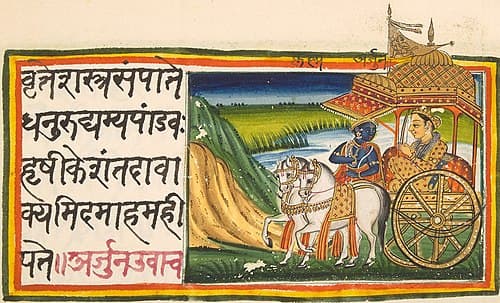
Sanskrit
LOCATION
Location referenced in documents

Southeast Asia
LOCATION
South-eastern region of Asia
Supparaka
LOCATION
Location referenced in documents
TavatiOsa
LOCATION
Location referenced in documents
the Buddhist Lent
LOCATION
Location referenced in documents
the Middle Level
LOCATION
Location referenced in documents
the Middle Way
LOCATION
Location referenced in documents
the Triple Gem
LOCATION
Location referenced in documents
Tissa
LOCATION • 2 mentions
Location referenced in documents
Udaya
LOCATION
Location referenced in documents
Volunteering
LOCATION
Location referenced in documents
Statistics
Pages:100
Entities:282
Sponsored