EFTA00055963_sub_001 - EFTA00055963_100
Document Information
Bates Range
EFTA00055963_sub_001 - EFTA00055963_100
Pages
100
Original Filename
EFTA00055963.pdf
Document Content
Page 1 - EFTA00055963_001
J I4MdT Eloskr* S CIA Iii.lingte EPS-MIA L+. jthuhile)FesrE-:-.-1/0154(4.1 cit( • EPSTED3 A i.e_EPs-rEW. rs c17k re_ EFSIVN. IS 5 Inn PST &'1k is /4,5i C171\ )44441--e-, ;c2;49'..1(1-4-e-e Of kA.,Atv 5°7 • /tri: 3eussur00-ci (-06- .! estictri- (7 IP -(5-1) u _;0 .711011. I koti: range birtitrb. epsfre\.1 J S /Ai 1 41 PA"arr q t S I 11-1 , 1 16 )1-i • 3 1 1 I4 s4j Cp i 5 Willie f 44/4,0 37.6.M la Fr- i OXA—I ww .F- 4„-A.-ft, WA ut, alito,Jo#E 4 t.s ; . - • t. 'fie EFTA00055963
Page 2 - EFTA00055963_002
f stiel"—r 7b 3 itS- 3q,) Idr-tkie _ 15 Aec,- k 'luta -01412- ,i; ; I 4-s4-te.-• ;6:71"- 13 ZN °ef t tt-CA)..V:" t ttuftc6 e-771"fi50-:-' 110-414Citi_. Avagevi Jr:* "tik‘! itioStigkfteR isifi LS ciewA(4 nikik*Ni& Ofirdadu ;2( , I !".7.1 10f7e- an:1*J 5 r taci,-tc, knairA-0_ CNA.- 40. Lersig-Tt. &pi itet-^ r. ile-e70``et --7.777 /1 CL)riattUrThW 4P1 1191—J 1!)39.(VeYWI by 11 I leer,—.-:±* t 11 1 CI? kv-too., ogiei b6m A",--tvIcar s i c. 1.---11‘"-MVcs viter-.) $ Ilop. itv-t- 115 0514/ 1) tite-.40•4 .6 ttn-ure 01; [i..--opt 3o?' - /Hs kill 114 al-s- ‘*41; ticp Yrid!:?-•-•). i4 imr-trt ks-.(1,-.--/ A2 (iv? rta Agux- ityN 4.344-44070- v---).qu.ac • Alici-cifti Co /A 1:irrie NW(*t. MCD0-64,1kUVO:611 aOtkmeS ttSfonaili tronfki-e, fr-A-einicoolko4 celiW{ millanov\-0 Elpsiehn VACincj orowng khe rborr17 iirywpock&tsestein lS silfms oo. cAng bed lyvenate iS -the es\tcht Tug Aci v;i4-6 404.4.4.A. EFTA00055964
Page 3 - EFTA00055963_003
c'.00 Tintn64e Vms on i-he bed. gq5 Tarn:Ake \s voct +11€ room a7n. %43 f. .5):1 5sytac_ eiCkek ut, (a) .,bne_34.3 stS.S cotes *1- , c:45. :1.nrnake is 1-4tri6 dyes Cr tower \Asi4 -..i:o0 Iljanch EPs hoc en-Fel-ea a. fewV9(t Waing tivoit-arn, ;11c1 of shift kbef1- MqvcTle 4 nleio6if • • On EFTA00055965
Sponsored
Page 4 - EFTA00055963_004
Name of Inmate On Suicide Watch or Psych Observation: r:-;' Lrij1_ Registration if: 173IS- (.)51 EATING/SHOWER CHART LUNCH DINNER LIQUIDS t/ f OFFERED SHOWER RECEIVED SHOWER Please check the appropriate box if the person on Suicide Watch/Psych Observation actually eats his meal. Do not check the box if he just received it, but did not eat it. Place a check in the "Liquids" box each time the person drinks. Thank you. EFTA00055966
Page 5 - EFTA00055963_005
• J e. jib I) ,y am , 1 4 .14 4, • i t t 3 (.11f4 4,t ko,, 1,. A • 4 ,bk,‘, • x ,tez- Y 7' ,1 • , , • ... et 49$4 - • • , If % -ivrh* 14 7 / . 4,_ All : "fr A : ‘•%,-IL4}i'r c' 1;jAr".',4- 2•;, ' . , • olo..........................-...!................2-4,--...a-A.,-.G...----...-..—...---- • EFTA00055967
Page 6 - EFTA00055963_006
EFS -Pe di 74,3 (270$1. . 7 atte: ?oft_ 17110 Th rt riost .el, •-i-jt aPAHAftr a,_. • - The C4-1:;.‘gl''. 43‘' v --Fx.,;,-,Atc -site geito-te-Anitt-t4.2_ Ely:A ,,,ccomes (erperairkbly P9T P.v_ch_Ce41 2273?-03'0 t_tid sm xlm Epsi-c, is Jizmi.ko L.._-_L o_if-2.. cg.cers-t& e friCT n. I 4AR -f% 1:4,2 alLocv 0,„ c3,04.--, :c.; 1 1Se Dad -7 -art L.A.Vs.:.;:;;_q:actioyt.CS-dA 6-4 ne w.U_rti n cts-R m e 4.605C-1; c ; n 11m Ia~tnc~q_ Loa. ck-e. . tivs bed 'Ea's:Ye .owpeovs- Valk)ej t-SUar41%_' satpoatis...to e ii&G) .__._. . . . 7.71411 .Fpkstal .0pp.fieva.S. 1/2-0 be ,Skes2p 41<ccics... (Lie 814 ic lair° On --! 5 ELs2x AflaSIT -- a.0 n (? rpeii, lC\ EFTA00055968
Sponsored
Page 7 - EFTA00055963_007
:Oremi sArit-1-52, "Pm idova-i-z-, e?pcirtu.\ 51 kl‘k -6;17q*ed afST-n -i-05.. . ;5 sie_ep a AM tPathbrezaciPrOA KSJ rA-maizzlesmais--,4%. Im4,c, i6 si tirTA't^ goo f Jo:cm-$.670 IA 517tIN '16 s 15 DU_ it Lti5 3DAti) 1/1 ILAN_ Mai - stebpin EFTA00055969
Page 8 - EFTA00055963_008
90—€‘0 IL 76 3(8-05-11 licmA:E-PSTaalScaii ;s <kJ, 7;;;.Se., Pareti • rna‘ F g 110 . 5 r P4, pc-Trig Is_ tn rim. jicif .P'st. .a-66.3.e_ ;53°Aiii liApp&-)-e4Cffritix) 1 _.c(45k.(L5 bliAtimu;LEPSIEW .is e216)ak.. 5 n A 7 Toy 1 ivtiffir,C 6.3.. 5-miN 15 arsL on TA - jthag: F--,PSIESS; .% 7:32K Imotra 1_495 &la e4. i nivt -giskaelsb 7±,-,,,,;,.fki,v„,,4.-,4-761“,s-±9_::.„....,„ yer s, v0A•ir-fs-.0,,,-.,:7,-,-,, ,-.:,_.=Ep:=7-_:: -43,- . P‘ a 1ff teS • Ith. I- vol --11:s -to (4-- 0- 72:-25:1:02:-ALi-istki efri tstfifi.d.g4A, tt O(g .Oh n. QL14 A EFTA00055970
Page 9 - EFTA00055963_009
r ,ti 7654(8 05Lt 11.1,74: :•OL.Li-,7t9.-) 1 1.4464, Po—PG, eitAc;etjt a kactav-,,Ltcet - efr.,331twx:,-o a 4 ,2/ 4.4-te-ro fr ilfridzy I 0-1/0-ctifrtint Otstp_asti-LcA q:ao 6fl 51r c_ (Lb Ctt foaa-4 O--friu# rq-5- - ,4ai-scz "tro to:ury 7re ,Waco edn zg 6ivbrialcia4N(62o---wEica EFTA00055971
Sponsored
Page 10 - EFTA00055963_010
Ope l Ad -763i I? S ICA-AtFoi)-KSAine r CLC2125€74i01\ (le Icy th r a m. A migfaar,i-p-zajs AfillikEPS:ra66 1Y* )11106 TE1 NS i 5( 12\TAL)6:1k4 AA EFTA00055972
Page 11 - EFTA00055963_011
ps'Teir, ;_a.,:c::Lcjy_king a,5--.).Yetnes RapormobANA - 59cs\-‘ ecT41-k eo, 1ne-±4,51est\_\5 51expna actdtc, usvn9 \A-g- slezpver S \awl :rtcj P& 3), ?,,-, wNca. \-t\r‘ N's 5NktcAnS /1•12:\_ - "\- S. 311( ter 6 O \nrncke&-A^ wit-4' Lr%-tANN 6`4 \398A° teeii."-Ta N'SrCek\E-ak:i3\elv;-\ kefci\l'i 0,9Aexe\ S eelF)VeNS m3CC3 V'eVir.e.1\ - - -5\cZciVm:61 " "" *3, krver•Ac- C4)5 reAr" L eveP‘•" -m- ' -'" - ThHiCEr . 1,..‘„:„A‘c,e li p5 e\- exe„ Skey\ t-N r co: _ (It ;I n__ odr, igh (5 vAmek\e.09"\essA s\4 1) S‘e_c_\alre-8 InyncAcO5AP-vr\ 5\0(tne • T 344-, vc-s,y-.4:e., Q en \ Vr\ S\-teRvrt._ T.2.14.t EFTA00055973
Page 12 - EFTA00055963_012
Vet e)c, 31 s o 23. krs- --6zzaccas\ fa exx .5 C-6 'q.-14;..rVrea\Ce• \ Vfs_ Oen\ \51\ _inc_31-nc\ -n-it P11131; m-6h4-c=4;3 ()_" 114,__E-cs-te7al 7a4 Lt_05-4 4-'41 O14 -PsVcA Ott'aints.IWS ex4 74,Sai AIM 4?"sit") 7-S StttJ gyeg.try-ti -4417. 12%4 cst7,j_ S c y.v ctFP fuve-4. Vist.sSats...vi %1Als_t _ . 771m Bra/314,5 14,J _ Tsast., rc5s- or./ )3zo_. 74„...terci ,...f. _74 “Pt trES.N. thic t E_ k7 C; A) _... .__ gtos“ Tsbfrct Fs ..5, 4,4Let fasia-cak 1.3ccion acre's-J..* —1473-t-ScuSLt C,ta -71-16 tcl (itet 1A-4_11cy EFTA00055974
Sponsored
Page 13 - EFTA00055963_013
p..5-76,1%.) 3 763/g- —osy 'Pr Wear gnecT•J r .1/4)ES- cre..41C -Le 0.4 c . 15 cii:te, gPi -e -ttJ Rec,e06s. lbw) .7-y0,4, c/ - • • ic e-Psre6,1,, firsovr - , - - - • . -7,0 sar is. , o • (WC( Hvive' e,SfGe MrneS kr. Ts- 0, 17r- flirfil -fS • • 6;r7.-.1". - • • - td • Pa-% t5v • • -as 1. ts - - - - - - ws eFS-Ttocj" "TA:Ca:tiG ertir - 0.0 sc aS ton. 69 561C: sc.) IS Ls. *1, 1/4/ 00.), N3 ' ' -ec -Vett- 7.-(7 -Posv - -a-us-wet—Fr TNw-tnisy S>sc,..A., ..ca ems. ss t L%Cc, 1.essoN s c?;;;i:t4aclS en.) Cat. 1-5-1 I- !P.N. s.?spc\-s\t•A. sbf. )• (,-ctsrt-0-16 .-.. 6.6.. . ..... city t o cs• • • T.t c :CDSr ic-- tb.Sat SLCISRAG 7ncwa?7 €-Ths c c- —c\-5t! arc Sto-LW 4 1.7(0‘ ERS7C- CNicE '7%64 ,•-S-e. S Tb Itch 1/4:11 vt iev\ e7) c- (-..-tv 0(.4 kx, (--1/4-1. IN c, P . - - - 5 ker- ts•-; -PattseoS- -Yt IS 6 Stakit.) P -in" (2c9 EF(\-5 (‘) SctPu-c 2 __ _ _ _ "1" .-tiA" teriti • 0911001•5 its -6e, • .54PA:). '73:"c5 Mite: OPEea5...-Ccb (..et a • 0 0 .,-rte 6•05.4e,e-, Stataikt... • EFTA00055975
Page 14 - EFTA00055963_014
PST- 0-4ent?- Osy 0 -1c;1.5 t tin es--wfARA- (-)•I i_cd s t Icrs Mkt-‘s -irty - SO M ecc,c),,,s h a €. s(ss.94,4 -mfr et - -frkcsP 6r*as--PLN- :•510.‘ . °SC 75:-/y.A, Gnaw. or., tscPcsere5 (kal St-Fo 69st-est:, Win c..4) tu - •1"a car • 0t;,-- 7 cyc t.,-,(41.4.pr-fturt Cry- -•efb -• Stay • vicy- • ...,L rt.) P LINT . N G1v.dlC Math..,7 - - , cx4,9 • -3-79'- - -V- Pi-Pvc ow& - -C7-4\0 ct . b 30 / £.C>. tz.1,.-e:a N ch..TT k fre tn . Lus Pk-I-eve P,te ~nwL —Qs "Nr l • G. <c^ -c.ri t.11. • --na• • ist\c c..; • • • r-77--- , (1`. S" . • I , -E-C%.71:Fik 7 TS-CAL-if -7 t ",17)/4.-; SPPen.2 :::)S1 I 66/11:4 lc ArmekaN, \\iisitt; frik51) as sreulo,s;&11.410 r esieran 763f'$-aSH • eli‘jg‘ : - t f.`"• h ic: . A15;3 i rts s - _;40-oc). • 31 i 54 ' 11:16 4.1 S ACC...W/O1 --""rrer• 44 40C _ , "614 etes:6At :44 )0' EFTA00055976
Page 15 - EFTA00055963_015
E.?%k\i\ 4 76e- k(2) -05cl 3- • • r .t Sr IL.C5S-n9— theo col t_ irAtzeping _11-105:60i. e..9a6 • re vbiet-v)% M 40de c..aeva SO& s ikee.czAfg _Z;Dtzsisi_p tc>sLn s .._ea\geoRic 40IQC .-...51Sctv 'I e...Q15;_esn 44 Vele it^e- Cr '11-7t. I t 00 1 S . ._As_... .,e"--1.._ I/ • nOre CZ‘na--C — 41,44C: et 'Szo (5 . 404- si issiry • - 4ac • deA., tkeer t 40 lehable-Ams IL7LUMAsaviics Wer•Nnktett. of tystraii at-16311-65.4.144 ca-c--#4. ay i25yckt. .. t _Ct.obi a7u-ti_ .:___Trt.,...ni ...T.\--54.%7A44 .. „ft:Qs a -.Te!tt:11,ca.c..4..r.0,3 .--.-NoraiL..:. ,..___._ . 7)es---ct_ (*.stick wros-356,4) I-4 --fit 342i1 .L'/s44:•:— Yip .. irk . ....(yet tics-is...L../ se-rs . ot./. 9.3re.a7 c-v:01-.-r::?•eri • .... -. or\-4 -arce,Sgerr ... ..... ! .• : : . . .. • )4:3 ...7... 4:::. . EFTA00055977
Sponsored
Page 16 - EFTA00055963_016
Festet0 Ict 76,3 t 4-4 t6“sie:7•-. lif_5:9Les_i_- _.2cD. .t:'::, 1,--10-1 Cei-reds 'i s -2.5 Ory /3CO 7:3- 0.-- it: elostcy-__ed_.,:nt. 1SPD ±i lc , _r1. ---AT Cpircr-ev t"cas 3;5+ 5.-atAnataleityr le0— .---..--_-: ::.:T .•€M).1:01" --3111:EI iiiiii. .. MOO° 9 fiSt /J-e4-0 SCut i-Vrckoten i a etc z r#, Nez z-r2g-soso (1431 ers-tem .51t. 54-1?" tank. mfri9,-;i .'er.e:44eLef_ 3a1/45 11..frSit.fri..a.Vn,..;* . .. 4cat 2.—.--C jam---- --9:git Of ectif-gsliree, -A<-IL -----c;;-- >yta-t- s'30f3i Z_1-eft) -4 . 3 5.,,ar/ -Tad . A:,ti RAT- -be P er*_"6.4.40-A- La:0 . i;e1.;.:4;„-il ga's'p it-/ itis. -- .-ta epte..6z3 .7....c.,/2,:f 3--,-, .T s „1:<--vii --)--Gazic JR7-.1---- , . Al .fpicAL- !As-4- to si2.A:w . Zei 0 °of's.- pr -:effsti a:/.24-?)-a?tics .41.- tav .. 4&12-5r3-4-10 —71,1 " PM PA{ DA__ _ . pr S##/ 'i7 a r ises- -es= 1?-f 4-62/2pLa t.:oc(3:4- ka-- a b4PC9^-cl 4 ' k ss-9-2 -- F-kLa - -__i_Alci Wivoirhvi 2-77SiteS° :-/-1-6-iz --:),‘,6A014441650,0zisg-iitumas:Layi4) EFTA00055978
Page 17 - EFTA00055963_017
resf.thEir4t.A,-714:2 5 ,Liart e4v.44-7,6L. itate,-6,SP.51E.tm. 47.76,51 ,651g 1.#4 7417 99P • (Ilds PC-F.0 151 -LEM6i:ErS-TMI 16:1.,51 „.: 111'6 51 • SI srEktm 1-A,A _eicra-i,A-J5- 1.: • Ayl lei ti-716-44 LArsi.S. 5 .,2175ANI_411 . rAP1 A/4-4e-) 3 EFTA00055979
Page 18 - EFTA00055963_018
Le?, le\c-\ 4 76',3(v—c7Y-1 7 129) /9 3 :15 tjet—A ;;; ;? CILi t (11<lik . ; iSS r ft 9 .‘ 14341141 fr3L 1 0-ak=n- (8-Sai 4_5.1r_%,sa_ ae& fors3r A leat 33 3_tibM tikR__taleCp s1c3e. Cs- doie Lfes5-1q-v ?di 6Am `ha .E•e!-‘43_& ; s tewils "get 4115 ati* E sierne(tr‘). 5604JA '1.1A- 5Lis AJA ifj%k irm _r a.S;Aa)e:Sn.- c.LeAt lys.3 4/9/9e £ JoE ck:tin" "•• -Z;26' c74349-ek: A 5;11:12b0— S- . . )o-ns)ny _Se? /5 AVszto-..avi6 Ski a Kw? J_Fc • ni.f4.Lrc c (ci r'`74 t_v_ 614r, cyclist saoie _ LL:csfeet-- e.:p; )r in ks licen C•etia:4, -.-- "-- 7- 771=-- • c.,) vALth. 190 9- EFTA00055980
Sponsored
Page 19 - EFTA00055963_019
bat E951"&",:i <friti •tt, cki-A WO-SA Aso€ sri giscxmtb, • - •• 1-69—e-tWitl-P-1-$L-7-‘Sw67051144_0s). aLc-7w z4. •-• - .610002.A..,%._ceout tcas_-+ 1J611- 772.05}1 Peout ciSmineS.• - - 55: 71%A L oi1/4) rao. _@hrb (A5P2=4% lac _761:035-kt_kTi V-Wc..\ cPci. .IS )5;?rf •t-.__6 2. n it"! _ _ h .; • 5 vsta_-__•19‘.40 -ii • r ft1/43=z1 4-A-NESP (A)04%n 13:k\S U..s1 _Le a ,_. -tV-.N5.df --11:11 stil oaf -Ate. Lezt_ viliit.A4Li . _ ej3S-:}t - Em-a-±af. -S-147-5-ET EFTA00055981
Page 20 - EFTA00055963_020
117-(2411-ije i in le O k/ 70 1-elei! - ae-a. //WM 4e-A7 __,C(-7740e-ea_..e_c ea_ _ .1.:(2-S-ZZY - --- .- ----- -- ---- . 1,71.,.)_1_,H2.,,, afro ,-- _. - . -- /13-0-04:-edvra- ti7; -60,aii O.46:iri SenS_ ;eyed-ern...A ci-,04-(er ott -seent fkiild;/< - EFTA00055982
Page 21 - EFTA00055963_021
•r. e&j2 .O7 /de— O-51 -1j /tent: - S i( e- t, lelera - - 1:420er , teel;" 7- - C'f;;S(r-- - _ - _ _ €D6 itel2eWY(allett .{›) ---ee e l - . . L1'' - - --- 197494:ef ::TC_ . "-- à get -- - - - - , - 7' .--C- , r DUD OF 5141:F7 qs--1)4 -tflovere onpifeciA-0444--frsstiMcs izesgarsigerry po g -EPSera I (414 3 7 ‘3+e-listt om PSYcH WARE( IN (ELLitti 0V2Ét, tki—LEGA-t Visrr- /Awn; ePSTET» TS ouf o» LEGAL Visn TIO4ATE-et5Tei» 47--s ter .0-A/- Le-GAL-us-Fr Ittltdon- 0PS-re"» oor ON LGGill. VISIT .11*m f ?Sul"» --as SOT - On' te Gift --viSTT- - Dimes GPS-ro» IS Co ON L66fti VU-r 1:11/4enrcWre- 7.,t5 alT ow- (Ect - MATE, eps-re,tiu ou-r OD ec,eu: vz çn • • mm 47 c -efesim-ts COT -oe- COCA C2CTIST..7 • •—• MM41€ et7C.IM IS an od LEGAL Vist7 :NMrrr€- GPtYEsx)-IS 007 teeieft EFTA00055983
Sponsored
Page 22 - EFTA00055963_022
.727± 4( .24 .,MMATe• 6n-76:LM- -00-T r3nf S AL U SI, - .;;;;;A• )-r ET ST Saiki 7(3 I ° ,5 q 4 "-rm.-1O447e ersreIn--Ts--cytrt--0 -Art. c•- aft- v7s77 • .6'9 Pm 7AMATe frPSIGIA1 IS OUT OA) Lsztic V7417 bS PM- -thUnitlit EPSTe-IM - IS- -001": 0O- teCht- VISIT 30PM ii/MAT6- 615-76114TS Ou7 ON LEGAL V.72.2 7 *Pm .1frontre-ea-Tertu OUT -t6COL- VST 0OPM labtre etSre:tu 7S CST a° CeCAL, u.rszT MC --OF Sit/Ft - mic oc, j :JD - 4 aff do _ • 5lienott ? 90. Tic #1 ol:419ff' trT9173-05); rA FAS,- 70(5-0-Fir M±.15". alttei,freows lwr 164 erazuoi-- -:-24:4 t -; ec:eat :76 -L -T - arefroz<A,a4---wi - - : ``C TleA4 e wa.:,;:c7-teril• • • • - • -0.011 - - - EFTA00055984
Page 23 - EFTA00055963_023
esoki.q. tot-NB-05y 7Aserre 9:40 -6 4 . 0.,ktey_ . . Go t • r /Peeiwi ._X,40,AA-c-e)A1 1.L:10;0O- tfc-4?-92:7fiL. r L..s2-,5._Frierte:44-th: 364eis, -kaP-- ...tio:tcy-- pal _ ecfilce • -.-.«-;o& FA,- .. ce .PraaOAberCAPirA *-16259c2-to at= 4(tientAili:DiciAma+2_). Celt Leit\ilia.t.91a±inif VA livic2“ - 1357E 1Al ! SELEP Selig -a6 SL A-mci ztps±-rrais rit.5.steLf -ffrazi Pm-Mx) ''' • EFTA00055985
Page 24 - EFTA00055963_024
EPS-reini-# 0.w• 7-n_20fi tigesremy-i / Iffictufa-±-e—Eess-r —FP5-triAl ;EIS CEP s m4 1,6,641k </P `SAM CLOC4 5.60- Ees-te ?e) • ( ..jrzch. trIr cw ac fips-ft:4 faT4 r Tv wt ii sdiehaateetv ce-vat(e? m % Filit %. Flaacs.:fitethi:a . Alar:Ste : CH AH ' it 5 Frolis" appal° - ti--s „L. sacilc.c." cett .1 n ,off Izato AD 6 fs-go, Pc*: Y,01joA-0 -& -44; 5-eri; -.;---ra:--: ett "slot? eff rao _sea. ki, seser :, cft, )t? y: , ,e '.fie s ___ ---___,--fia..? EFTA00055986
Sponsored
Page 25 - EFTA00055963_025
_ geS_teifilt 7‘3(?-0.59 _ Fp wt' Fa-v Skerof Tus4 06--/ o. lea _4;3 v hit 6 : c o 4 s l o p i a d o - e ‘ o a > 4 4 ) A a - - 4 6 - 0 - l c . . (p : %AN PS-1'e /O_1 Al 4e Sela-'1 :: 4; 759.Pr ta Ajb l3 0 .4 2- 0 A•C* CI C Fir yesa% _ _ . af m: ."' < 7;0644 C al* Ast Ein ,SQ‘44.v.,Cw Wfif 11-= A.Azz . • qz-z 7 T.? 'T 6214 nisg,44 U1C.405,4 Ass 1 3/4xilkber•A fog- 7eps-reo-Ni MI-Tra4_1cLuser-4-c _y 0/ 7-2F- off ren)H:. 31-totatic 1-It -i-co•vs ;:41, 14 . .rOlitcf.77%aS..-o).4'&751/..irtfie;L fr.. I Nin./.. 1 :-1 5.7fic, wn-PerLga EFTA00055987
Page 26 - EFTA00055963_026
_rr Mt -(35-4e 7/9Lcd(q 0:. A ,- ctS 16 r o - - Q t . 4 a _ r Vpi Th 4 5 .ter LT •sin.J.)._ tirt-t.f./%3 ii-rprrez.cf-H-7:-Smi--9A-21-14-0- ' 1:Kt / 4i • 154 q icA M bs. LaSs sz1N-3 rao cfsairsiast: S ~ _____ . ICI _fri o 1- 1-1. ca...1..ta . Ja -a.2:ATO-% ^I-O -2-.C. SW? -4 WO__._ n ol.ft L€0N - _5_tor-r9__ ..--ssa Sim S\s\l-R_? — vI D1.11. A y - 6 W. At-4 t M £ps-re%,l 5 _Imaj,^5 oNs ?i-0.9t- et----- keAro We-te-At-ill'AA . eatt144 Zs %tm etttfrrintSCI__S_L to'.14 Wm irolsta"a -- t_ t e.5\tt? - . I°°- yi Er317 ,1 1-6 tic% FQ-1,na (.;-)q SiLasth.:.11-10 l AM. .. & - Wfrt .2 -=.§,ca.%_±,5A-frin% cm -1/4settAbi of -kW CbtC" sat nrsi EptC3e,47ct,,x Wy5..c.dxs siti n as-__V.I+ ViD cg-7c T4(46024wAtm- tcp.titsi iitiiit '-et " c444cifitii 46:1 EFTA00055988
Page 27 - EFTA00055963_027
Fias,„-pe 7 orc6- 0 if 71a-q1/4 ?•-• ion-c • -I-T,74;„_Le.F.Aigay._,e • .P4±1,42 jAptiatitA,Le1±-eck, 10:00 .•L • _ ..1 Zif.,/i64444..q4.1.c". • ;.195.7k .+Pic4L44..-Lte:44.024-?4, :. We" ....._,(97.141.-kicA4 94444 ILPOS .11,1(73( 71..±1 • ._79);:. leAscie,PaAj A)4vAADersiW14<i0-,19_5 6._ _.0i2Sentaj L. iMiterk.Gefl w;,7018:41710fria ;s-6 .69)--rekjs EFTA00055989
Sponsored
Page 28 - EFTA00055963_028
Pir_aNi,i.de--efkira"- IL ±7fic sef,,p1 i"Aml+coa .;..‘7At4. Sleep a 39ryS.C k. 4 asmt 3 &34 ,oO I3 re5-Pc s‘c,AAL•N Ccs (A‘irsc\a±A 1 5-QP.kt‘ ...AVa:riC6 c.;th__wveneN0 _ 5 - knn,e. ei-vr\ L5siaaahe. sk‘dcw3.4.ose.c. usne- _ : r•rv\ wnc-Xe arL)93\ea-v- --)-5 vs tin tae ggsaein 5\expy.6 (1?Th ww, e s ty_8 ;sfra vvytNe Pte b±5ieeen sigiona_ EFTA00055990
Page 29 - EFTA00055963_029
1 ! 456n. X63. 5M- - ..i -.713_°-..rz7c -:-.C---:S.:1\dfrkAeieca\ricri. .),, :3 ns- _. -. -. -- - ,. • -- 4 , .., 5 t Cialyn_!1.0)..neM n_o_ ces.!‘bife_54khis_ofx et.c1-3C !:-.-.Lsria\ li‘c\t-tkirc...903_ty,. >.. 4 . ,,,_c: 1)..... 1 . . v_ A _A_ _. . . _ .._ _ , , 3 I 3f -3...sien-A .1\ncnc)%c.: ..a?sc_yv.4 15 _6.5 n5_ ..: --Sf-tl j‘rvri.so,\:e_ losXesc\_ . S_ .- - 6 :.-.. 1\ re: .04)51,eArN. . _. \ec9)_4:s2 _-:=7-L-7-2--t3 4-14"4":-HtiVole.like: eQ5\t\vs. `r•8 .---r-t--.:--_ :a i - . - e!......6±rn_.ple4e_.Q.10.5_\ eyil ._k_..Cft.txxil-e.c -5.c .....:frm.c,A_ L.Inrs,s15.1. itrAeiri O..-AA.V6iiia:No-r'ii- labia( -- .. k Iltr6\_ VCt. _. _ - - .- - - - - - - ..- -- .00 , ._...__-7,t.rt, . _ _ l ira _.0c.. .5\s,c)r. _ _. __ _ _. ,..12/Fir. — Sttf4166:4 ta4it? ._12(LitateLacifirthiulli.iffl [ ..I.-. A4 62Sthei kk? 41.114Vrafr AA&at a jo ild hr - 'NS' A Kf .. riAt?.. :..i ..:4 er7 1--L12:2 7" kaiddr.01- kv_45t_ekk zaettorp low pi_ _ 7-•_37,_,Le2c P-n-r&- kr. 4. 9./f4.---A* dijetp----•vg_ EFTA00055991
Page 30 - EFTA00055963_030
Name of Inmate On Suicide Watch or Psych Observation: Registration #: 1741/ar C)r —le EATING/SHOWER CHART BREAKFAST LUNCH DINNER LIQUIDS OFFERED SHOWER RECEIVED SHOWER (.7 Please check the appropriate box if the person on Suicide Watch/Psych Observation actually eats his meal. Do not check the box if he just received it, but did not eat it. Place a check in the "Liquids" box each time the person drinks. Thank you. EFTA00055992
Sponsored
Page 31 - EFTA00055963_031
ront4G+ 5 )t) d icti5 Preds14 -7/7,3-77,6 7.6.19- Epstein Arrives and is placed in GP (on a Saturday) 7.8.19- Dr. Schlessingerr Intake Screening — Monday (No endorsements on PSIQ and had just returned from court) — clear mental status, no hx of mental health treatment or symptoms, no suicide history, nothing significant noted, CC1-MH assignment. 7.8.19- Dr. Miller Consults with Central Office regarding Epstein and Risk Factors and R&D was instructed to place him on psychological observation when he returns from court pending a SRA. He is placed on psychological observation at 6:00 p.m. Log book reflects he was asking VC about how life is in GP and the crazy things he has seen as an I/C., about prison life, sleeping, pacing 7.9.19- Dr. Miller —Suicide Risk Assessment (placement on Psych 0bs after court proceeding as a precaution/precautionary SRA) — No mental health history, no substance abuse history, no suicide history, no suicidal thoughts. Clear mental status. Denies suicidality, future oriented, wants to make phone calls and speak with his lawyer, enjoys life, learning and teaching, has a business in the community, spoke about being a mathematician and about his post graduate studies, good sense of humor, no acute sxs, Was eating when I arrived (cereal) and his log book was not significant for any . symptoms. Recommended that he remain on psychological observation pending a suitable housing arrangement. (This writer spend 45 minutes interviewing him) — Log Book: he reeves for his legal visit at 8:20 am, returns at 2:00 pm and eats as well as goes to medical... leaves again around 3 pm and returns to cell around 8 pm from attorney visit. Talks to companion about the escort business, how to handle prison, about celebrities he knows, about prison food • 7.10.19 — Dr. Miller— Psychological Observation Contact (remained on psy obs pending suitable c housing placement with a cellmate) — indicated he did not like SHU because he is not comfortable there and said he wanted to be single celled. He expressed numerous needs: Colace instead of Ducolax, being able to walk around, no orange uniform, phone call, shower and towel, placement on the cadre unit, ipperpen, and property. Log book indicated he has been eating, sleeping and interacting with companions, went to his legal v' it. Looking forward to bail hearing, realizes he will be here for a couple of weeks even if he gets baiWmate Epstein is to return to SHU with a cellmate (this is documented). • 7.11.19- Dr. Miller —Psychological Observation Follow-up —Saw him in Attorney Conference area- he listed numerous concerns related to his confinement including receiving his property, feeling cold in his ye .. cell, not getting Colace, not having enough water in the attorney conference area and desire for more recreation, dislike of orange jumper and wanted brown one. This writer told him she would address in the SHU meeting. (I did not put in clinical note but It is worth noting he was kind of mocking me in the atty conference area about being placed on watch...he was smirking and said, "why would you ever think I would be suicidal, I am not suicidal arid I would never be." — he said it in front of his attorney (palm beach one)...) V 7.18.19- Dr. Miller- Attempted SHU Review but he was in legal visit. 7. 19 —Dr. Imeri —Suicide Risk Assessment— Epstein placed on SW after a string was found loosely cA ?.8. anging from around his neck. He said he does not remember what occurred that he had a drink of water, went back to bed, and then just remembers hearing himself snore. Epstein told the staff membetwattiing him early this morning that his cellmate tried to kill him, but did not tell this to Dr. elmerk He denied any mental health sym-ptorni or suicidality, denied feeir@cifecss, reported future EFTA00055993
Page 32 - EFTA00055963_032
plans including having fun, enjoying life and to learn. He wants to fight his case and go back to his normal life. At this time, it was not clear if he placed the string around his neck or whether someone else did. Remaining on SW for further observation and safekeeping. 7.24.19- Dr. DiMisa — Post Suicide Watch Report — Nature of incident unclear. Said he is fearful of returning to the cell with his previous cellmate. Recently, was denied bail. He said his cellmate was agitated and called him a pedophile and he had read a newspaper article about him. His cellmate threw away the newspaper photograph of him by crumbling it up and flushing it down the toilet. He thought it was strange he even had the article. He said he remembers his cellmate was "playing with a bed sheer and he does not remember the events thereafter. "maybe he put it there as a joke" He just remembers eating and drinking and that waking up to hear himself snore up on a stretcher. r Epstein adamantly denied suicidality, "lots to do for legal case, wonderful life, interesting people and projects in life, it would be crazy to take my life, I would not do that to myself." He did report feeling depressed and unhappy with his situation. He reported he slept well last night and was future oriented. Talked to companions about having taught math and physics and has been eating, sleeping, drinking. He wanted hygiene products and to shower. Log book: talking about jail to I/C, sleeping, brushes teeth, drinking. Goes to legal visit all morning. Discussing investment strategies, inmate safety, and prison adjustment with the I/C. He washes his face, rests, and sleeps. c te.1.25.19 — Dr. Miller — Psychological Observation Contact — Smiled "welcome back"; good spirits. He says he still does not remember how he got markings on his neck. "maybe you can give me cues." He remembers going for a drink of water and the next thing he knew he woke up to the sound of his own snoring. Reported being unhappy with SHU due to the restrictions and noise and he said his requests have not been granted for phone calls and recreation. He is unhappy that he is not taken to the bathroom enough during attorney/conference visits. Denied suicidality, stated he is too vested in case to fight it and I have a life and I want to go back living my life: No acute mental health symptoms were noted. Log Book: He had been eating, drinking, and sleeping. Also showers, brushes teeth, and goes to legal visit. Talks to I/C about business and investing, life•lessons, and tells I/C he does not want to go to SHU in lieu of GP and wants to know about the conditions of various housing units. 7.26.19 — Dr. Miller- Psychological Observation Contact- Smiling and cracking some jokes. Disappointed in writer that his various requests in the prison have not been adhered to. "I have to trust you if you want to trust me" He elucidated many complaints with legal visiting procedures, his constipation edication, and conditions of SHU confinement and prison restrictions. He stated he still does not know how he got the marks on his neck, that he did not remember if he did something or his cellmate did. He denied any symptoms of psychosis, depression, or anxiety. Denied suicidality; He stated he would never harm himself as he wants to be alive to fight his legal case and go back to live his life. He remarked he is "a coward... I am Jewish." He said he does not like pain and never attempt to harm himself. EFTA00055994
Page 33 - EFTA00055963_033
Log Book: sleeping, talks to I/C about BOP policy including phone visits and usage, Talks to I/C about business and investing, life lessons, and tells I/C he does not want to go to SHU in lieu of GP and wants to know about the conditions of various housing units. 7.27.19- Dr. Imeri — Psychological Observation Contact — reports no memory of events that caused marks on his neck; did report difficulty sleeping in SHU due to noise; anxious about returning to the SHU because he does not know how he got the marks or why it happened. He ate, drank, went to legal visit, and interacted with the inmate companions talking about business and investing topics. Reported good support from friends and lawyers, denied mental health sxs or suicidality, said he felt dehydrated and medical was notified. Provided with self-help handouts. Log boot eating, sleeping, sitting on bed, legal visit, asking for toilet tissue, talking about life in GP 7,28.19- Dr. Imeri —Psychological Observation Contact— noted he is in attorney visits 12 hours a day, logs indicate he speaks about life in general population; reported his right arm felt numb and he had been seen by medical. Flushing of the toilet in his cell was aversive; told writer maybe he has Autism because sounds/noise are aversive to him like "the Rain Man." Mildly anxious mood; provided with P' Turning point handouts and supportive interventions. Eating when in the cell, but otherwise, eating in Attorney conference. Log Book: Upset about non-stop flushing of toilet, goes to legal visit most of day, talks to I/C later about who is best cook on 11N, investments, driving a taxi in NY, sleeping. 7.29.19- Dr. Miller- Psychological Observation Contact — continues to report no memory of the event which lead up to him being placed on SW/Psych Obs. He requested to stay on psychological observation another day so that he could get a good night's sleep. NO mental health sxs or suicidality was reported or noted, he ate and has been attending legal visits. Wanted to remain on psychological observation V because it is more comfortable and not noisy like SHU. It was explained that psychological observation cannot be continued long-term for the purposes of being more comfortable and that the purpose of • psych obs is to stabilize mental health problems. His only concerns are getting his various needs met in ) the prison including more phone calls, recreation, and being placed in a comfortable and safe place. He was informed he would be housed in a safe situation in the SHU. Log Book: showers, eats, writes in note pad, drinks water, legal visit, talks to I/C about investment options, his jail appeal, sleeps. 7.30.19.- Dr. Imerl - Psychological Observation Contact and Discontinuation — waiting to go to SHU to get.cee.machine as he did not sleep well without it. Said SHU is noisy and he is concerned about sleeping well there and he said he did not get one of i i edications yet that day. He ate meals, drank liquids, showered, no mental health sxs, no suicida ty. SHU L formed inmate Epstein needs to be housed with an appropriate cellmate while in SHU. •wed up with an e-mail). Inmate remained on observation until brought to his attorney conference visit. Log book: Sleeping, eats breakfast, talks about jail life, taken off of psych obs status at 8:15 a.m., goes to his legal visit, and later to SHU. 7.31.19- Dr. Avena- Psychological Observation Follow-up Session —denied suicidality, no mental health sxs, slelpt well and was getting reading for court hearing. Reported getting along with cellmate in SKIS EFTA00055995
Sponsored
Page 34 - EFTA00055963_034
8.1.19- Dr. Imeri- SRA was conducted— court sent a form "suicidal tendencies" Denied any suicidality; friends and lawyers supportive; Jewish-against his religion; still denies knowing what happened to him on 7/23/19 when he was discovered with a string loosely tied around his neck. Said his incident report for self-mutilation was expunged. His cellmate is talkative but he will give it a chance. Noisy in SHU. He lives for fighting this case and going back to his normal life. 8.8.19- Dr. Miller - for a follow-up session to assess adjustment in SHU .a,cute symptoms, distress or mental health concerns; denied suicidality, some concerns with slee .Cthppy he received his PAC # to make phone calls and requested to speak with someone without it being o alPeakerphone. Wanting his books he left in the suicide watch area. Interacting and getting along with his cellmate. Getting ready of this attorney visit. 8.10.19 - Found Unresponsive and Hanging in SHU at 6:30 a.m. (10 days after his removal from a constant observation) EFTA00055996
Page 35 - EFTA00055963_035
7.6.19- Epstein Arrives and is placed in GP (on a Saturday) 7.8.19- Dr. Schlessinger — Intake Screening — Monday (No endorsements on p51O and had just returned from court) — clear mental status, no hx of mental health treatment or symptoms, no suicide history, nothing significant noted, CC1-MH assignment. 7.8.19- Dr. Miller Consults with Central Office regarding Epstein and Risk Factors and R&D was instructed to place him on psychological observation when he returns from court pending a SRA. He is placed on psychological observation at 6:00 p.m. Log book reflects he was asking I/C about how life is in GP and the crazy things he has seen as an I/C., about prison life, sleeping, pacing 7.9.19- Dr. Miller — Suicide Risk Assessment (placement on Psych Obs after court proceeding as a precaution/precautionary SRA) — No mental health history, no substance abuse history, no suicide history, no suicidal thoughts. Clear mental status. Denies suicidality, future oriented, wants to make phone calls and speak with his lawyer, enjoys life, learning and teaching, has a business in the community, spoke about being a mathematician and about his post graduate studies, good sense of humor, no acute sxs, Was eating when I arrived (cereal) and his log book was not significant for any symptoms. Recommended that he remain on psychological observation pending a suitable housing arrangement. (This writer spend 45 minutes interviewing him) — Log Book: he leaves for his legal visit at 8:20 am, returns at 2:00 pm and eats as well as goes to medical... leaves again around 3 pm and returns to cell around 8 pm from attorney visit. Talks to companion about the escort business, how to handle prison, about celebrities he knows, about prison food 7.10.19 — Dr. Miller — Psychological Observation Contact (remained on psy obs pending suitable housing placement with a cellmate) — indicated he did not like SHU because he is not comfortable there and said he wanted to be single celled. He expressed numerous needs: Colace instead of Ducolax, being able to walk around, no orange uniform, phone call, shower and towel, placement on the cadre unit, paper, pen, and property. Log book indicated he has been eating, sleeping and interacting with companions, went to his legal visit. Looking forward to bail hearing, realizes he will be here for a couple of weeks even if he gets bail. Inmate Epstein is to return to SHU with a cellmate (this is documented). 7.11.19- Dr. Miller — Psychological Observation Follow-up —Saw him in Attorney Conference area- he listed numerous concerns related to his confinement including receiving his property, feeling cold in his cell, not getting Colace, not having enough water in the attorney conference area and desire for more recreation, dislike of orange jumper and wanted brown one. This writer told him she would address in the SHU meeting. (I did not put in clinical note but It is worth noting he was kind of mocking me in the any conference area about being placed on watch...he was smirking and said, "why would you ever think I would be suicidal, I am not suicidal and I would never be." — he said it in front of his attorney (palm beach one)...) 7.18.19- Dr. Miller- Attempted SHU Review but he was in legal visit. 7.23.19 — Dr. Imeri — Suldde Risk Assessment — Epstein placed on SW after a string was found loosely hanging from around his neck. He said he does not remember what occurred that he had a drink of water, went back to bed, and then just remembers hearing himself snore. Epstein told the staff member watching him early this morning that his cellmate tried to kill him, but did not tell this to Dr. Imeri. He denied any mental health symptoms or suicidality, denied feeling hopeless, reported future EFTA00055997
Page 36 - EFTA00055963_036
plans including having fun, enjoying life and to learn. He wants to fight his case and go back to his normal life. At this time, it was not clear if he placed the string around his neck or whether someone else did. Remaining on SW for further observation and safekeeping. 7.24.19- Dr. DiMisa — Post Suicide Watch Report-Nature of incident unclear. Said he is fearful of returning to the cell with his previous cellmate. Recently, was denied bail. lie said his cellmate was agitated and called him a pedophile and he had read a newspaper article about him. His cellmate threw away the newspaper photograph of him by crumbling it up and flushing it down the toilet. He thought it was strange he even had the article. He said he remembers his cellmate was "playing with a bed sheet" and he does not remember the events thereafter. "maybe he put it there as a joke" He just remembers eating and drinking and that waking up to hear himself snore up on a stretcher. Epstein adamantly denied suicidality, "lots to do for legal case, wonderful life, interesting people and projects in life, it would be crazy to take my life, I would not do that to myself." He did report feeling depressed and unhappy with his situation. He reported he slept well last night and was future oriented. Talked to companions about having taught math and physics and has been eating, sleeping, drinking. He wanted hygiene products and to shower. Log book: talking about jail to I/C, sleeping, brushes teeth, drinking. Goes to legal visit all morning. Discussing investment strategies, inmate safety, and prison adjustment with the I/C. He washes his face, rests, and sleeps. 7.25.19 - Dr. Miller Psychological Observation Contact -Smiled "welcome back"; good spirits. He says he still does not remember how he got markings on his neck. "maybe you can give me cues." He remembers going for a drink of water and the next thing he knew he woke up to the sound of his own snoring. Reported being unhappy with SHU due to the restrictions and noise and he said his requests have not been granted for phone calls and recreation. He is unhappy that he is not taken to the bathroom enough during attorney/conference visits. Denied suicidality, stated he is too vested in case to fight it and 1 have a life and I want to go back living my life." No acute mental health symptoms were noted. Log Book: He had been eating, drinking, and sleeping. Also showers, brushes teeth, and goes to legal visit. Talks to I/C about business and investing, life lessons, and tells I/C he does not want to go to SHU in lieu of GP and wants to know about the conditions of various housing units. 7.26.19 - Dr. Miller- Psychological Observation Contact- Smiling and cracking some jokes. Disappointed in writer that his various requests in the prison have not been adhered to. "I have to trust you if you want to trust me" He elucidated many complaints with legal visiting procedures, his constipation medication, and conditions of SHU confinement and prison restrictions. He stated he still does not know how he got the marks on his neck, that he did not remember if he did something or his cellmate did. He denied any symptoms of psychosis, depression, or anxiety. Denied suicidality; He stated he would never harm himself as he wants to be alive to fight his legal case and go back to live his life. lie remarked he is "a coward... I am Jewish." lie said he does not like pain and never attempt to harm himself. EFTA00055998
Sponsored
Page 37 - EFTA00055963_037
Log Book: sleeping, talks to I/C about BOP policy including phone visits and usage, Talks to I/C about business and investing, life lessons, and tells I/C he does not want to go to SHU in lieu of GP and wants to know about the conditions of various housing units. 7.27.19- Dr. lined —Psychological Observation Contact— reports no memory of events that caused marks on his neck; did report difficulty sleeping in SHU due to noise; anxious about returning to the SHU because he does not know how he got the marks or why it happened. He ate, drank, went to legal visit, and interacted with the inmate companions talking about business and investing topics. Reported good support from friends and lawyers, denied mental health sxs or suicidality, said he felt dehydrated and medical was notified. Provided with self-help handouts. Log book: eating, sleeping, sitting on bed, legal visit, asking for toilet tissue, talking about life in GP 7,28.19- Dr. lined —Psychological Observation Contact— noted he is in attorney visits 12 hours a day, logs indicate he speaks about life in general population; reported his right arm felt numb and he had been seen by medical. Flushing of the toilet in his cell was aversive; told writer maybe he has Autism because sounds/noise are aversive to him like "the Rain Man." Mildly anxious mood; provided with Turning point handouts and supportive interventions. Eating when in the cell, but otherwise, eating in Attorney conference. Log Book: Upset about non-stop flushing of toilet, goes to legal visit most of day, talks to I/C later about who is best cook on UN, investments, driving a taxi in NY, sleeping. 7.29.19- Dr. Miller- Psychological Observation Contact —continues to report no memory of the event which lead up to him being placed on SW/Psych Obs. He requested to stay on psychological observation another day so that he could get a good night's sleep. NO mental health sxs or suicidality was reported or noted, he ate and has been attending legal visits. Wanted to remain on psychological observation because it is more comfortable and not noisy like SHU. It was explained that psychological observation cannot be continued long-term for the purposes of being more comfortable and that the purpose of psych obs is to stabilize mental health problems. His only concerns are getting his various needs met in the prison including more phone calls, recreation, and being placed in a comfortable and safe place. He was informed he would be housed in a safe situation in the SHU. Log Book: showers, eats, writes in note pad, drinks water, legal visit, talks to I/C about investment options, his jail appeal, sleeps. 7.30.19- Dr. lined - Psychological Observation Contact and Discontinuation — waiting to go to SHU to get CPAP machine as he did not sleep well without it. Said SHU is noisy and he is concerned about sleeping well there and he said he did not get one of his medications yet that day. He ate meals, drank liquids, showered, no mental health sxs, no suicidality. SHU Lt. informed inmate Epstein needs to be housed with an appropriate cellmate while in SHU. (Dr. Imeri followed up with an e-mail). Inmate remained on observation until brought to his attorney conference visit. Log book: Sleeping, eats breakfast, talks about jail life, taken off of psych obs status at 8:15 a.m., goes to his legal visit, and later to SHU. 7.31.19- Dr. Avena- Psychological Observation Follow-up Session— denied suicidality, no mental health sxs, slelpt well and was getting reading for court hearing. Reported getting along with cellmate in SHU. EFTA00055999
Page 38 - EFTA00055963_038
8.1.19- Dr. Imeri- SRA was conducted- Court sent a form "suicidal tendencies" Denied any suicidality; friends and lawyers supportive; Jewish-against his religion; still denies knowing what happened to him on 7/23/19 when he was discovered with a string loosely tied around his neck. Said his incident report for self-mutilation was expunged. His cellmate is talkative but he will give it a chance. Noisy in SHU. He lives for fighting this case and going back to his normal life. 8.8.19- Dr. Miller - for a follow-up session to assess adjustment in SHU. No acute symptoms, distress or mental health concerns; denied suicidality, some concerns with sleep. Happy he received his MC 4$ to make phone calls and requested to speak with someone without it being on a speakerphone. Wanting his books he left in the suicide watch area. Interacting and getting along with his cellmate. Getting ready of this attorney visit. 8.10.19 - Found Unresponsive and Hanging in SHU at 6:30 a.m. (10 days after his removal from a constant observation) EFTA00056000
Page 39 - EFTA00055963_039
Bureau of Prisons Psychology Services Intake Screening **SENSITIVE BU UNCLASSIFIED•• Inmate Name: EPSTEIN. JEFFREY EDWARD Date of Birth: 01/20/1953 Sex M Facility: NYM Date: 07/08/2019 09:24 Provider: Schlessinger, K. PsyD/PhD Reg #: 76318-054 Unit Team: MO Limits of Confidentiality Limits of confidentiality were reviewed with inmate EPSTEIN. He expressed an understanding of the limits of confidentiality and consented to be interviewed accordingly. Data Source(s) The following data sources were reviewed in conjunction with this Initial Intake Evaluation: Self-Report, SENTRY, Staff Observation. Inmate Epstein is a 66-year-old, Black male who was seen by Psychology Services due to newly arriving at MCC-NY. He denied a history of mental health treatment on his Psychology Services Intake Questionnaire. Mental Health History and Current Symptoms No history of mental health issues was noted. No history of prior menta: health treatment was noted. No current mental health symptoms were noted. No suicidal ideation, attempts. or self-harm were noted. Substance Abuse No history of substance abuse was noted. No history of substance abuse treatment was noted. Sex Offenses No sexual offense convictions were noted. No history of sexual predation in a correctional setting was noted. Relevant Psychosocial History Noteworthy psychosocial issues: Other. Inmate Epstein is currently incarcerated for a Sex Trafficking. He stated he was previously incarcerated three months for prostitution. Inmate Epstein stated he is single and does not have any children. He revealed he was liFing in New York. He stated he completed high school. He stated he was employed in banking work prior to his incarcer ion. Adjustment to Incarceration Adjustment to incarceration concerns were identified: Other. SEXUAL ABUSE HISTORY Inmate Epstein denied being the victim of physical or sexual abuse. He is currently charged with sex fficking and has previously been charged with prostitution. He was informed of the programs offered by MCC-NY as w as the Bureau of Prisons. Additionally, he was informed of this institutions self-help program. Inmate Epstein reported e was not currently interested in any treatment programs. MENTAL STATUS: Inmate Epstein appeared calm, controlled, without signs of psychomotor agitation or retardation. He was fully cooperative, maintained good eye-contact, and related in an interpersonally appropriate manner with interviewer. Speech and thought processes were organized, coherent, logical, and goal-directed. Based on informal assessment during this interview, this inmate's cognitive functioning appeared within normal limits, as reflected by adequate long and shod-term memory, good attention, and appropriate concentration during interview, as well as adequate receptive and expressive language skills. Inmate denied any current sleep disturbances and described his appetite as adequate. This inmate denied recent or present morbid thoughts, passive or active suicidal ideation, intent or plan and contracted for safety. This inmate's verbalizations were optimistic, future oriented, and without indications of helpless or hopeless thinking. Inmate Brown denied any familial history of suicide behaviors cr attempts. This inmate was provided with supportive psychotherapy, and psycho-education to strengthen coping skills and facilitate adjustment to incarceration. Findings Care Level: CARE1-MH Gencrairm 07/08/2019 09:30 by Sch!essrnger. K Psyn/Pal) Bureau of Prisons • NYM Pago 1 of 2 EFTA00056001
Sponsored
Page 40 - EFTA00055963_040
Inmate Name: EPSTEIN, JEFFREY EDWARD Reg #: 76318-054 Date of Birth: 01/20/1953 Sex: M Facility: NYM Unit Team: A&O Date: 07/08/2019 09:24 Provider: Schlessinger, K. PsyD/PhD Inmate EPSTEIN denied any history of mental health symptoms or treatment. He denied any current rnenta) health symptoms. He does not meet criteria for any current psychological diagnosis. He meets criteria for Mental Health Care Code 1. CARE1-MH is indicative of an inmate who shows no significant level of functional impairment associated with a mental illness and demonstrates no need for regular mental health intervention. Recommendations The following psychological services are recommended: Other. Inmate EPSTEIN was educated aboct both routine and emergency procedures for contacting Psychology staff. He does not appear to be in distress at this time. He agreed to contact psychology if he feels he needs psychology services in the future. He meets criteria for CC1 and does not require scheduled follow up at this time. Completed by Schlessinger, K. PsyD/PhD on 07/08/2019 09:30 Generated 07/08/2019 09:30 by Si:Messinger, K. PsyO/Pf10 Bureau of P0Soas - NYM Paso 2 of 2 EFTA00056002
Page 41 - EFTA00055963_041
Oa\ Bureau of Prisons Psychology Services Risk of Sexual Abusiveness "SENSITIVE BUT UNCLASSIFIED" Inmate Name: EPSTEIN, JEFFREY EDWARD Reg #: 76318-054 Date of Birth: 01/20/1953 Sex: M Facility: NYM Unit Team MO Date: 07/08/2019 09:35 Provider: Schlessinger, K PsyD/PhD CottMUM Risk of Sexual Abusiveness During the intake screening process, for Inmate Epstein, based on the documentation available at the time of the screening, and Inmate Epstein's self-report, he was identified as being at risk for sexual abusiveness due to previous perpetration of sexual abuse in the community or in an institutional setting, as evidenced by the following objective criteria: ( ) Having a history of prior institutional violence or sexual abuse perpetration (X ) Having a history of prior sexual abuse perpetration in the community (X ) Having prior convictions of violent offenses As required by P5324.11, Sexually Abusive Behavior Prevention and Intervention, Inmate Epstein was seen by Psychology on today's date to assess his risk factors for sexual abusiveness. At the onset of this clinical contact, the inmate was informed about the BOP requirements regarding PREA. Inmate Epstein indicated he understands the institution's policy against engaging in sexual behavior. His risk factors for sexual abusiveness were assessed and include: ( ) History of prior sexual victimizatbn in prison ( X ) History of prior prison sexual predation ( ) History of head injury with loss of consciousness ( ) History of childhood psychological, physical, sexual abuse ( ) Witnessed family violence ( ) Antisocial Personality Disorder traits of irritability/aggressiveness and recklessness ( ) Hypersexuality (defined by eight or more orgasms a week prior to prison) ( ) Hypermascutinity () Other: Based on this clinical assessment, the inmate is considered to be at: (X ) Low Risk of Abusiveness at this facility (Note: Even though this inmate is judged to be at low risk of xual abusiveness, an unforeseen change in risk (actors may significantly alter his risk level.). Programming recommendations included sex offender treatment. Inmate Epstein declined programming recomm inmate understands the procedure for contacting Psychology for routine or emergent services. ( ) Moderate Risk of Abusiveness. The Unit Team and Correctional Staff have been notified regarding Ps chology staff's recommendation that he not be housed in a cell with any inmates identified as at increased risk for xual victimization. Psychology also recommends a greater level of supervision regarding his work and education assignments. Programming recommendations Include )OOO(X. Inmate =inmateLastName is agreeable to! declined programming recommendations. ( ) High Risk of Abusiveness. It is recommended this inmate be housed in the Special Housing Unit in accordance with P5324.11 to 'keep separate those inmates at high risk of being sexually victimized from those at high risk of being sexually abusive" until Correctional Services and Correctional Programs staff can assess his appropriateness for general population at this facility. This inmate should not be housed with any inmates judged to be at an increased risk for sexual victimization. Programming recommendations Include XXXXX. Inmate =inmateLastName is agreeable to/ declined programming recommendations. Generated 07/08/2019 09:41 by Schlessinger. K. PsyD/PhD Bureau of Prison • NYM Page 1 of 2 EFTA00056003
Page 42 - EFTA00055963_042
Inmate Name: EPSTEIN, JEFFREY EDWARD Reg 11: Date of Birth: 01/20/1953 Sex: M Facility: NYM Unit Team Date: 07/08/2019 09:35 Provider Schlessinger, K. PsyD/PhD 76318-054 A&O Completed by Schlessinger, K. PsyD/PhO on 07/08/2019 09:41 Generated 07/08/2019 09:41 by Schlessinger. K PsyD/PhD Bureau of Prison - NYM Pogo 2 of 2 EFTA00056004
Sponsored
Page 43 - EFTA00055963_043
Bureau of Prisons Psychology Services General Administrative Note "SENSITIVE BUTILINCLASSIFIED" Inmate Name: EPSTEIN, JEFFREY EDWARD Reg ale: Date of Birth: 01/20/1953 Sex: M Facility: NYM Unit Team: Date: 07/08/2019 10:41 Provider: Miller, Elissa PhD/Chief 76318.054 MO Comments This writer consulted with Dr. Robert Nagle, Central Office, regarding inmate Epstein. Inmate Epstein has various risk factors for suicidality including a high profile case with media attention, sex offense charges, pre-trial status and a court proceeding today which could potentially be giving him bad news regarding his legal situation. As such, when inmate Epstein returns from court, R&D staff as well as Lieutenant's have been informed to immediately notify the psychology department. If he returns after duty hours, the aforementioned staff were instructed to notify the on-call psychologist and to place inmate Epstein on a watch status until psychology can conduct a thorough suicide risk assessment. Completed by Miller, Elissa PhD/Chief Psychologist on 07/08/2019 10:49 Gone:014d 07)001201910:49 by Miler. Etna PhOlChls1 Bureau of Prisons NYM Poplar I EFTA00056005
Page 44 - EFTA00055963_044
Bureau of Prisons Psychology Services Suicide Risk Assessment "SENSITIVE BUT UNCLASSIFIED" Inmate Name: EPSTEIN. JEFFREY EDWARD Reg #: 76318-054 Date of Birth 01/20/1953 Sex: M Facility: NYM Unit Team: A&O Date. 07/09/2019 08:41 Provider: Miller. Elissa PhD/Chief Psychologist Type of Housing: Other Psychological Observation Cell Accommodation: Single Cell FINDINGS This assessment and the resulting recommendations are based on the following sources of information: Clinical Interview, Medical Record Inmate Epstein was placed on s chological observation when he returned from court yesterday evening 7/8/19 for precautionary reasons. He i a suicide watch at this time. Reason for Referral Inmate Epstein is being seen e risk assessment today for precautionary reasons. Inmate Epstein has various risk factors for suicidality at thi ing a high profile case with media attention, sex offense/trafficking charges, l d pre-trial status, and he had a court e ittling yesterday which could have given him bad news regarding his legal situation. As such, this writer instructe-a-R&D staff, as well as the Lieutenant's Office, to immediately notify the psychology department when he returned from-cart). Inmate Epstein returned from court after duty hours and denied suicidality. The aforementioned staff notified-the.orcall psychologist and inmate Epstein was placed on a precautionary psychological observation status until psychology,coulaM A terview him this morning to conduct a suicide risk assessment. Ni ..y• Developmental History iv Inmate Epstein denied any history of being the victim<endJitfrperpetrator of physical or sexual abuse. 4„, ti-i-, EctucationatHistory/Cognitive Impairment C(1\ 1) Inmate Epstein reported he obtained his high school diplomwencite (led some graduate classes in the area of mathematics. Arrest History and Experience of Incarceration Inmate Epstein reported he has served time in Palm Beach County jail nse charges (soliciting prostitution) in the past. He is now being charged with sex trafficking, on a federal level. Mental Health History Inmate Epstein denied any history of mental health treatment, either on an inpatief o S L tient basis. Inmate Epstein denied any treatment in the past or present with psychotropic medication. He also d ' acute mental health symptoms at this time. Self-Harm History Inmate Epstein denied any past or present suicidal ideation, intention or plan. He denied ever e ging in any suicide attempts or self-injurious behavior in the past. Substance Abuse History Inmate Epstein denied any alcohol or substance abuse. He said it is well-known that he does not even drink alcohol. Medical Concerns Inmate Epstein denied any significant medical problems, other than a history of high triglycerides. He reported feeling constipated at this time. Current Problem Inmate Epstein is currently on psychological observation due to his having multiple risk factors associated with suicidality. He denies any suicidality at this time and has no mental health or suicide history. He is being seen for a suicide risk assessment in an abundance of caution. _current Mental Status Level of Consciousness: Alert and Oriented Generated 07/09/2019 10.30 by Miller. Elissa PhD/Chief Bureau of Prisons NYM Page 1 of 3 EFTA00056006
Page 45 - EFTA00055963_045
' Inmate Name: EPSTEIN, JEFFREY EDWARD Reg #: 76318-054 Date of Birth: 01120/1953 Sex: M Facility: NYM Unit Team: A&O Date: 07/09/2019 08:41 Provider: Miller. Elissa PhD/Chief Psychologist Psychomotor Activity: Normal General Appearance: Normal Behavior Cooperative Mood: Appropriate to Content Thought Process: Goal Directed Thought Content: Normal Inmate Epstein did not exhibit any acute psychopathology and exhibited a clear mental status. Current Mental Status: Mr. EPSTEIN was alert and oriented. He was polite, calm, and cooperative in demeanor. He exhibited a neutral affect with appropriate range. Eye contact and hygiene were appropriate. The inmate spoke with normal rate, tone. and volume. His thoughts Were organized and coherent, with no loosening of associations or tangential, circumstantial, or irrelevant content. There was no evidence of perceptual disturbance, delusional ideation, or a formal thought disorder. He did not engage in any bizarre or inappropriate behavior. He noted having normal sleeping and eating habits. Mr. EPSTEIN explicitly denied recent and currentabicid4 eation, planning, and intent. He was future-oriented and expressed a commitment to life and safety, agreein ' t tact staff immediately should he experience suicidal ideation. s t RISK AND PROTECTIVE FACTORS A SSED. This writer screened the inmate for a variety of e y validated factors commonly associated with risk for self-harm and suicide. The following STATIC risk factors were assessed tojbe,pfeCent and increase the inmate's risk for engaging in suicide related behaviors: High Profile Crime. Lack of family connections, Sex-offender status Of the DYNAMIC risk factors assessed, none were found to be present. V c / The following PROTECTIVE factors were assessed to be preser/- may decrease the inmate's risk of suiCide:Able to identify reasons to live, Adequate problem solving skills, Denial of suicidii tention/plans. Future orientation, View of death as negative, Willingness to engage in treatment As noted above. Inmate Epstein is a 66-year-old Caucasian male. He S • sk factors for suicidality at this time including a high profile case with extensive media attention, sex offense/tr arges, pre-trial status, and he had a court proceeding yesterday which may have given him bad news regarding his leg • Inmate Epstein also informed this writer that his only family at this time is his brother, with whom he does not hay r . ationship with. oe, Despite these risk factors, inmate Epstein possesses a number of protective factors at,t Inmate Epstein adamantly denied any suicidal ideation, intention or plan. He was very future oriented and requeste call, to meet with his attorney, to take a shower, and to brush his teeth. He was eating his cereal when this write d said "I have my paper spoon here." He reported he is going to have a bail hearing on Monday and believes he is go sed from jail. Inmate Epstein reported he is a Banker and has a "big business" in the community and that "be n." He also revealed he enjoys learning and teaching. He has confidence in his attorney and described him as mpetent." Inmate Epstein denied any mental health history or history of suicidality. He also reported none of his family members have mental health histories. Inmate Epstein stated he is a mathematician and took post graduate classes in this area of study. Inmate Epstein stated he has a support system in the community, including friends and other associates. Finally, inmate Epstein demonstrated a good sense of humor and did not appear dysphoric, agitated or anxious. No acute psychopathology was noted. Overall, inmate Epstein has numerous protective factors at this time that outweigh his risk factors for suicidality. He has a positive outlook regarding his legal case, demonstrates no psychiatric symptoms, has no psychiatric or suicide history, and verbalized a desire to be alive at this time and future orientation. DIAGNOSIS: No Diagnosis, No Dx - Current CONCLUSIONS The Overall Acute Suicide Risk for this Inmate is: Low Overall Chronic Suicide Risk for this Inmate is: Absent Generated 07/0912019 10.36 by Miller. Elissa PhD/Chief Bureau of Prisons - NYM Page 2 of 3 EFTA00056007
Sponsored
Page 46 - EFTA00055963_046
Inmate Name: EPSTEIN, JEFFREY EDWARD Reg #: 76318-054 Date of Birth: 01/20/1953 Sex: M Facility: NYM Unit Team: MO Date: 07/09/2019 08:41 Provider: Miller, Elissa PhD/Chief Psychologist REcOMMENIIATIONS Inmate Epstein is currently on psychological observation pending suitable housing placement. In light of his current sex offense charges and extensive media coverage on the television, he will need to be confined in a suitable housing unit. Inmate Epstein will be seen daily while on psychological observation and will be seen for a psychological observation follow-up session once he is released from observation. Inmate Epstein denied the need for psychological intervention, self-help materials, or follow-up. He has been classified as a CC1-MH inmate at this time. CARE1-MH is indicative of an inmate who shows no significant level of functional impairment associated with a mental illness and demonstrates no need for regular mental health intervention. Suicide Watch: A suicide watch is not warranted at this time Completed by Miller, Elissa PhD/Chief Psychologist on 07/09/2019 10:36 t e Generated 07/09/201910:36 by Miller. Eltsse PhD/Chief Bureau of Prisons - NYM Page 3 of 3 EFTA00056008
Page 47 - EFTA00055963_047
Bureau of Prisons Health Services See Amendment Inmate Name: EPSTEIN, JEFFREY EDWARD Reg #: 76318.054 Date of Birth: 01/20/1953 Sex: M Race: WHITE Encounter Date: 07/09/2019 08:41 Facility: NYM Amendment made to this note by Miller, Elissa PhD/Chief Psychologist on 07/10/2019 09:20. Bureau of Prisons - NYM EFTA00056009
Page 48 - EFTA00055963_048
Bureau of Prisons Psychology Services Suicide Risk Assessment **SENSITIVE BUT UNCLASSIFIED** Inmate Name: EPSTEIN, JEFFREY EDWARD Reg #: 76318-054 Date of Birth: 01/20/1953 Sex: M Facility: NYM Unit Team: A&O Date: 07/09/2019 08:41 Provider: Miller, Elissa PhD/Chief Psychologist Type of Housing: Other Psychological Observation Cell Accommodation: Single Cell FINDINGS This assessment and the resulting recommendations are based on the following sources of information: Medical Record, Clinical Interview Inmate Epstein was placed on psychological observation when he returned from court yesterday evening 7/8/19 for precautionary reasons. He is not on a suicide watch at this time. He was seen this morning for a psycholopical observation contact and suicide risk assessment this morning, 7/9/19, at 7:30 a.m. as it was determined he possessed some at-risk factors for suicidality. Reason for Referral Inmate Epstein is being seen for suicide risk assessment today for precautionary reasons. Inmate Epstei has various risk factors for suicidality at this time including a high profile case with media attention, sex offense/traffi ng charges, pre-trial status, and he had a court proceeding yesterday which could have given him bad news regardin his legal situation. As such, this writer instructed R&D staff, as well as the Lieutenant's Office, to immediately notify the psychology department when he returned from court. Inmate Epstein returned from court after duty hours and denied suicidality. The aforementioned staff notified the on-call psychologist and inmate Epstein was placed on a precautionary psychological observation status until psychology could interview him this morning to conduct a suicide risk assessment. Developmental History Inmate Epstein denied any history of being the victim and/or perpetrator of physical or sexual abuse. Educational History/Cognitive Imnakmen.t Inmate Epstein reported he obtained his high school diploma and attended some graduate classes in the rea of mathematics. Anreast±listoryantigeperience of Incarceration Inmate Epstein reported he has served time in Palm Beach County jail on sex offense charges (soliciting ostitution) in the past. He is now being charged with sex trafficking, on a federal level. Mental HealthillStall Inmate Epstein denied any history of mental health treatment either on an inpatient or outpatient basis. Inmate Epstein denied any treatment in the past or present with psychotropic medication. He also denied any acute mental health symptoms at this lime. Self-Harm History Inmate Epstein denied any past or present suicidal ideation, intention or plan. He denied ever engaging in any suicide attempts cr self-injurious behavior in the past. Substance Abuse History Inmate Epstein denied any alcohol or substance abuse. He said it is well-known that he does not even drink alcohol. Medical Concerns Inmate Epstein denied any significant medical problems, other than a history of high triglycerides. He •eported feeling constipated at this time. Current Problem Inmate Epstein is currently on psychological observation due to his having multiple risk factors associated with suicidality. He denies any suicidality at this time and has no mental health or suicide histcry. He is being seen for a suicide risk assessment in an abundance of caution. Current Mental Status Generated 071101201909:20 by Miner, Erssa PhD/Ch:ef Bureau or Prisons NYM Paget of 3 EFTA00056010
Sponsored
Page 49 - EFTA00055963_049
Inmate Name: EPSTEIN, JEFFREY EDWARD Reg ft 76318-054 Date of Birth: 01/20/1953 Sex: M Fadkty: NYM Unit Team: A&O Date: 07/09/2019 08:41 Provider Miller, Elissa PhD/Chief Psychologist Level of Consciousness: Alert and Oriented Psychomotor Activity: Normal General Appearance: Normal Behavior: Cooperative Mood: Appropriate to Content Thought Process: Goal Directed Thought Content: Normal Inmate Epstein did not exhibit any acute psychopathology and exhibited a clear mental status. Current Mental Status: Mr. EPSTEIN was alert and oriented. He was polite, calm, and cooperative in demeartor. He exhibited a neutral affect with appropriate range. Eye contact and hygiene were appropriate. The inmate spoke with normal rate, tone, and volume. His thoughts were organized and coherent, with no loosening of associations or tangential, circumstantial, or irrelevant content There was no evidence of perceptual disturbance, delusional ideation, or a formal thought disorder. He did not engage in any bizarre or inappropriate behavior. He noted having normal sleeping and eating habits. Mt EPSTEIN explicitly denied recent and current suicidal ideation, planning, and Intent. He was future-oriented and expressed a commitment to life and safety, agreeing to contact staff immediately should he experience suicidal ideation. RISK AND PROTECTIVE FACTORS ASSESSED: This writer screened the inmate for a variety of empirically validated factors commonly associated with risk for suicide. The following STATIC risk factors were assessed to be present and increase the inmate's risk for engaging in suicide related behaviors: Sex offender status, Lack of family connections, High Profile Crime Of the DYNAMIC risk factors assessed, none were found to be present. The following PROTECTIVE factors were assessed to be present and may decrease the inmate's risk of sui e:WIllingness to engage in treatment. View of death as negative, Future orientation, Denial of suicidal ideationfintention/plans, dequate problem solving skills, Able to identify reasons to live As noted above, Inmate Epstein is a 66-year-old Caucasian male. He has various risk factors for suicidality a including a high profile case with extensive media attention, sex offense/trafficking charges, pre-trial status, ar proceeding yesterday which may have given him bad news regarding his legal situation. Inmate Epstein also writer that his only family at this time is his brother, with whom he does not have a close relationship with. f-harm and this time d he had a court formed this Despite these risk factors, inmate Epstein possesses a number of protective factors at this time. Inmate Epst adamantly denied any suicidal ideation, intention or plan. He was very future oriented and requested a phone call, to m t with his attorney, to take a shower, and to brush his teeth. He was eating his cereal when this writer arrived and said 'I have my paper spoon here? He reported he is going to have a bail hearing on Monday and believes he is going to be released from jail. Inmate Epstein reported he is a Banker and has a "big business" in the community and that "being alive is furl." He also revealed he enjoys learning and teaching. He has confidence in his attorney and described him as "compete Epstein denied any mental health history or history of suicidality. He also reported none of his family membe health histories. Inmate Epstein stated he is a mathematician and took post graduate classes in this area of Epstein stated he has a support system in the community, including friends and other associates. Finally, in demonstrated a good sense of humor and did not appear dysphoric, agitated or anxious. No acute psychopa Overall, inmate Epstein has numerous protective factors at this time that outweigh his risk factors for suicidal positive outlook regarding his legal case, demonstrates no psychiatric symptoms, has no psychiatric or suie verbalized a desire to be alive at this time and future orientation. DIAGNOSIS: No Diagnosis, No Dx - Current t." Inmate s have mental tudy. Inmate ate Epstein hology was noted. . He has a history, and Generated 07/10/201.9 09 20 by M.::er. Elissa PhD/C h.ef Bureau of Prisons - NYM Paget of 3 EFTA00056011
Page 50 - EFTA00055963_050
Inmate Name: EPSTEIN, JEFFREY EDWARD Reg #: 76318-054 Date of Birth: 01/20/1953 Sex: M Facility: NYM Unit Team: A&O Date: 07/09/2019 08:41 Provider: Miller, Elissa PhD/Chief Psychologist CONCLUSIONS The Overall Acute Suicide Risk for this Inmate is: Low Overall Chronic Suicide Risk for this Inmate is: Absent RECOMMENDATIONS, Inmate Epstein is currently on psychological observation pending suitable housing placement. In fight of his c charges and extensive media coverage on the television, he will need to be confined in a suitable housing unit wiN be seen daily while on psychological observation and will be seen for a psychological observation follow-u is released from observation. Inmate Epstein denied the need for psychological intervention, self-help materi He has been classified as a CCI-MH inmate at this time. CARE1-Mli is indicative of an inmate who shows rx of functional impairment associated with a mental illness and demonstrates no need for regular mental health Suicide Watch: A suicide watch is not warranted at this time Completed by Miller, Elissa PhD/Chief Psychologist on 07/10/2019 09:20 rrent sex offense . Inmate Epstein session once he Is, or follow-up. significant level ntervention. Generated 07/10/2019 09:20 by Miller. Elissa PhD/Chief Bureau of Pdsons - NYM Page 3 Of 3 EFTA00056012
Page 51 - EFTA00055963_051
Bureau of Prisons Psychology Services Diagnostic and Care Level Formulation **SENSITIVE BUT UNCLASSIFIED** Inmate Name: EPSTEIN, JEFFREY EDWARD Date of Birth: 01/20/1953 Sex: M Facility: NYM Date: 07/09/2019 10:13 Provider: Miller, Elissa PhD/Chief Reg #: 76318-054 Unit Team: A&O Relevant Historical Information Inmate Epstein is a 66-year-old Caucasian male, currently incarcerated on sex trafficking charges. He denied any history of mental health treatment, either on an inpatient or outpatient basis. Inmate Epstein denied any treatment in the past or present with psychotropic medication. He also denied any acute mental health symptoms at this time. Inmate Epstein denied any past or present suicidal ideation, intention or plan. He denied ever engaging in any suicide attempts or self-injurious behavior in thpast. Inmate Epstein denied any alcohol or substance abuse. He said it is well-known that he does not even drink presenting Problem/Sym Inmate Epstein was seen sk assessment today for precautionary reasons. He did not mark any mental health items or symptoms on h' ology Questionnaire (PSIQ) when he entered the institution. Nonetheless, Inmate Epstein has various risk factors including a high profile case with media attention, sex offense/trafficking charges, pre-trial status, and he had proceeding yesterday which could have given him bad news regarding his legal situation. Inmate Epstein return om court er duty hours yesterday evening and staff notified the on-call psychologist. Inmate Epstein was placed on ionary psychological observation status until psychology could interview him this morning to conduct a fo e risk assessment to determine whether he is currently at-risk for suicidality. Diagnostic Formulation Inmate Epstein has no history of mental health proble s not exhibit suicidality at this time. He has never received inpatient or outpatient mental health treatment any history of suicidality. Currently, he does not exhibit any acute psychopathology, is currently psychologi I nd is in no psychological distress. As such, he is being classified as a CC1-MH inmate at this time. CARE1-M s e of an inmate who either has no identifiable mental illness (Axis I "No Diagnosis") or is mildly ill and requires nl jvention on an as-needed basis. Care Level Formulation CARE1-MH is indicative of an inmate who shows no significant level of illness and demonstrates no need for regular mental health intervention. Diagnosis: No Diagnosis, No Dx - Current Completed by Miller, Elissa PhD/Chief Psychologist on 07/09/2019 10:32 airment associated with a mental Generated 0710912019 10:32 by Miller. Elissa PhD/Chief Bureau of Prisons - NYM Page 1 of 1 EFTA00056013
Sponsored
Page 52 - EFTA00055963_052
Bureau of Prisons Health Services See Amendment Inmate Name: EPSTEIN, JEFFREY EDWARD Reg #: 76318-054 Date of Birth: 01/20/1953 Sex: M Race: WHITE Encounter Date: 07/09/201910:13 Facility: NYM Amendment made to this note by Miller, Eases PhD/Chief Psychologist on 07109/201910:40. Nureau of Prisons - NYM EFTA00056014
Page 53 - EFTA00055963_053
Bureau of Prisons Psychology Services Diagnostic and Care Level Formulation "SENSITIVE BUT UNCLASSIFIED** Inmate Name: EPSTEIN, JEFFREY EDWARD Reg #: 76318-054 Date of Birth: 01/20/1953 Sex: M Facility: NYM Unit Team. A&O Date: 07/09/2019 10:13 Provider. Miller, Elissa PhD/Chicf Relevant Historical Information Inmate Epstein is a 66-year-old Caucasian male, currently incarcerated on sex trafficking charges. He denied any history of mental health treatment, either on an inpatient or outpatient basis. Inmate Epstein denied any treatment in the past or present with psychotropic medication. He also denied any acute mental health symptoms at this time. Inmate Epstein denied any past or present suicidal ideation, intention or plan. He denied ever engaging in any suicide attempts or self-injurous behavior in the past. Inmate Epstein denied any alcohol or substance abuse. He said it is well-known that he does not ever drink a'cohol. Presenting Problem/Symptom Inmate Epstein was seen by this writer for suicide risk assessment today, 7/9/19 at 7:30 a.m. for precautionary reasons. He returned from court yesterday evening. He did not mark any mental health items or symptoms on his Psychology Questionnaire (PSIQ) when he entered the institution. Nonetheless, Inmate Epstein has various risk factors for suicidality including a high profile case with media attention, sex offense/trafficking charges, pre-trial status, Ind he had a court proceeding yesterday which could have given him bad news regarding his legal situation. Inmate Epstein returned from court after duty hours yesterday evening and staff notified the on-call psychologist. Inmate Epsitein was placed on a precautionary psychological observation status until psychology could interview him this morning to conduct a formal suicide risk assessment in order to determine whether he is currently at-risk for suicidality. Plagnostic Formulation Inmate Epstein has no history of !rental health problems and does not exhibit suicidally at this time. He has never received ir.patient or oJtpatiert7rental health treatment and dented any history of suicidality. Currently, he d es not exhibit any acute psychopathology, is currently psychologically stable and is in no psychological distress. such, he is being classified as a CC1-MH inmate at this time. CARE1-MH is indicative of an inmate who either has noidentifiable mental illness (Axis I "No Diagnosis") or is mildly ill and requires clinical intervention on an as-needed basis. Care Level Formulation CAREI-MH is indicative of an inmate who shows no significant level of functional impairment associated wit a mental illness and demonstrates no need for regular mental health intervention. Diagnosis: No Diagnosis, No Dx - Current Completed by Miller, Elissa PhD/Chief Psychologist on 07/09/2019 10:40 Generated 07(09/2019 10:40 by Miler. Elissa PhD/Chief threau of Prisons - NYM Pagel Of I EFTA00056015
Page 54 - EFTA00055963_054
Bureau of Prisons Psychology Services Clinical Intervention - Clinical Contact "SENSITIVE BUT UNCLASSIFIED** Inmate Name: EPSTEIN, JEFFREY EDWARD Reg #: 76318-054 Date of Birth: 01/20/1953 Sex: M Facility: NYM link Team MO Dale: 07/10/2019 08:38 Provider: Miller, Elissa PhD/Chief focus of Session Inmate Epstein was seen today for a psychological observation contact in the hospital area by this writer. SUbJeatin=ittikelresentatIon Inmate Epstein appeared well and it was noted in his log hook and eating/sleeping chart that he has been e ling his meals, sleeping, interacting with the inmate companions, and pacing in his cell. Today, he presented this 'ter with numerous concerns and requests. He stated he does not want to be housed in the SHU because he is not mfortable there; he wants to be single-ceNed if he goes to the SHU; he wants Colace, not the Ducolex he received fro medical yesterday; he wants to be able to walk around and go to recreation; he does not want to wear an orange un cx-m to his legal visits because he is treated "like a punished inmate;" he wants a phone call before he leaves the psy 'cat observation area; he wants a shower and towel; he would like to be housed in the cadre (5S) unit; and would like his property, paper, and a pen. Inmate Epstein's concerns were addressed by this writer and it was explained to him he will not be single lied or placed in a housing unit for safety and security concerns. His medical concerns (constipation) were discus ed with health services as well as his desire to be placed on Colace. Inmate Epstein was provided a shower this ming. interventIonlet. Inmate Epstein was provided with supportive Intervention and coping skills strategies today. He was rece ive to interventions and was able to elucidate his various needs. He did not present with any acute psychopat gy and continues to deny any suicidal ideation, intention, or plan. He is looking forward to his bail hearing on Mon ay but stated he is aware that even if he gets bail, it will take at least two weeks to sort things out so he can leave the jail. 21991211O811 Inmate Epstein is not in any psychological distress, does not present with any mental health symptoms or mplaints, and is denying any suicidality. He appears psychologically stable at this time and can be released from th psychological observation area. Inmate Epstein wiN be housed in the 9S area with a cellmate. He will be seen again tomorrow by psychology to evaluate his mental status and psychological stability. Completed by Miler, Elissa PhD/Chief Psychologist on 07/10/2019 09:09 Generated 07/102019 09:09 by Miller, Mao PhOfCAecf Bureau of Prisons • NYM Page i of 1 EFTA00056016
Sponsored
Page 55 - EFTA00055963_055
Bureau of Prisons Psychology Services General Administrative Note "SENSITIVE BUT NCLASSIFIED" Inmate Name: EPSTEIN, JEFFREY EDWARD Reg #: 76318-054 Date of Birth: 01/20/1953 Sex: M Facility: NYM Unk Team: A&O Date: 07/11/2019 14:28 Provider: Imeri, Darlene PsyD Qommenfs This writer attempted to see Mr. Epstein in the morning and then again in the afternoon for a Psych Obseni lion Follow Up, but he was in Attorney Conference. Completed by Imer, Darlene PsyD on 07/11/201915:51 Generated 07/11/2019 15.51 by Imor. Dadono osyD Bureau of Prisons - NYM Pig01 of 1 EFTA00056017
Page 56 - EFTA00055963_056
Bureau of Prisons Psychology Services Clinical Intervention - Clinical Contact "SENSITIVE BUT UNCLASSIFIED" Inmate Name: EPSTEIN, JEFFREY EDWARD Reg #: 76318-054 Date o! Birth: 01/2C/1953 Sex: M Facility: NYM Unit Team: MO Date: 07/11/2019 15:21 Provider: Miller, Elissa PhD/Chief focus of Session Inmate Epstein was seen for his psychological observation follow-up in attorney conference this aftemcon. Subjective/Objective Presentation Inmate Epstein reported he has been consulting with his attorney most of the day. He elucidated concerns bout his incarceration including not receiving his property yet in SHU, feeling cold in his cell, not receiving his Cola not having enough water in attorney conference, and a desire to recreate in SHU." Inmate Epstein was a:so upset a ut wearing an orange jumpsuit and being treated like "a bad guy' when he did not do anything wrong in the prison. C stody and security concerns were addressed with inmate Epstein including why he has to wear his orange jumpsuit ( ue to his being housed in SHU). He requested that he be placed in a brown uniform during his legal visits. He was Id his concerns would be addressed in the SHU meeting. Inmate Epstein stated he is not having any current problems with his cellmate and indicated he at bran cereal for breakfast and took a shower yesterday. He did not sleep well last night. Inmate Epstein continues to deny ny suicidal ideation, intention cr plan. He did not appear to be in any distress at this time. interventlonfs) Inmate EPSTEIN was provided with brief supportive interventions, CBT-based interventions, and psychoeducation regarding additional coping strategies. Inmate EPSTEIN was receptive to these interventions. ProgressfPIan Inmate EPSTEIN was educated about both routine and emergency procedures for contacting Psychology taff. He was reminded of the self-help books and audiotapes available through the Psychology department. He will be n next week after his bail hearing to assess his mental status and psychological stability. Completed by Miller, Elissa PhD/Chief Psychoogist on 07/12/2019 07:51 Generated 07/12/2019 07:51 by Miller, Eussa PhD/Ctdef Btl roa u of Prisons - NYM J Page 1 of 1 EFTA00056018
Page 57 - EFTA00055963_057
Bureau of Prisons Psychology Services Clinical Intervention - Clinical Contact "SENSITIVE BUT UNCLASSIFIED" Inmate Name: EPSTEIN, JEFFREY EDWARD Date of Birth: 01/20/1953 Sex: M Facility: NYM Date: 07/16/2019 12:46 Provider: Miller, Elissa PhDlChief Reg 76318-054 Unit Team: I A&O Focus of Session Inmate Epstein called for this writer in attorney conference today. The officer in attorney conference notified this writer that he was asking to be seen. 511b.le.011YegattakeiMantaillII Inmate Epstein reported he has not received a spoon or soap in SHU, nor did he receive the phone calls that were "promised to him." He told this writer we need to have mutual trust that his needs are met in the prison. This writer told inmate Epstein that she would address his concerns. On the way out, a staff member told this writer she witnessed inmate Epstein receive two phone calls from the Lt. Nonetheless, this writer informed the SHU lieutenant of his concerns and he said he would ensure that he had soap, a spoon, and his initial SHU phone call. Inmate Epstein did not have any psychological concerns today. He denied any mental health symptoms or suicidality. He has been eating as best as he can and has requested a Kosher diet. Interventionisi Inmate EPSTEIN was provided with brief supportive and psychoeducation regarding additional coping strategies. Inmate EPSTEIN was receptive to these interventions. He continued with his legal visit. progress/Plact Inmate EPSTEIN was educated about both routine and emergency procedures for contacting Psychology staff. He was reminded of the self-help books and audiotapes available through the Psychology department. There appears to be no need for follow up at this time. He will be seen in SHU for rounds and monthly SHU reviews. Completed by Miller, Elissa PhD/Chief Psychologist on 07/18/2019 13:05 Generated 07118/2013 13-.05 by Miter, Elissa PhOf(Thief Bureau of Miens - NYM Page 1 of 1 EFTA00056019
Sponsored
Page 58 - EFTA00055963_058
Bureau of Prisons Psychology Services SHU Review "SENSITIVE BUT UNCLASSIFIED•• Inmate Name: Date of Birth: Date: EPSTEIN, JEFFREY EDWARD 01/20/1953 Sex: M Facility NYM 07/18/2019 07:21 Provider: Miller, Elissa PhD/Chief Reg #: 763 Unit Team: 8-054 A&O Placed In SHU: Status: Basis of Review: Mental Status: 07/10/2019 ADMIN DETENTION Inmate was interviewed No significant mental health issues. Type: Threat to Self: Adjustment: Threat to Others: SHU Low Satisfactory, segregation not detrimental Low comments Monthly SHU Review Note Inmate Epstein was meeting with his legal team today and has a court hearing. He was not able to be seen f a SHU review. Another attempt to interview him for a SHU review will be done in the near future. Completed by Miller, Eissa PhD/Chief Psychologist on 07/18/2019 12:C6 Generated 07/18/2019 12.C5 by Md!cr. Elissa PhD/Chief Bureau of Prisons - NYM Page 1 of I EFTA00056020
Page 59 - EFTA00055963_059
Bureau of Prisons Psychology Services General Administrative Note "SENSITIVE BUT UNCLASSIFIED" Inmate Name: EPSTEIN, JEFFREY EDWARD Reg #: 76318.054 Date of Birth: 01/20/1953 Sex: M Facility: NYM Unit Team: 5 Date: 07/23/2019 07:56 Provider: Miller, Elissa PhD/Chief comments This On-Call Psychologist was contacted by the Operations Lt. at about 2 AM on 7/23/19 to inform Mr. Epsl= n was being placed on Suicide Watch because he was found with a string loosely hanging around his neck. Mr. Ep ein will be seen today by the duty psychologist for a Suicide Risk Assessment. Completed by Miller, Elissa PhD/Chief Psychologist on 07/24/2019 07:59 Generated 0724201907:59 by Miller, Elissa PhD/Chief Bureau of Prisons NYM Page 1 of 1 EFTA00056021
Page 60 - EFTA00055963_060
Bureau of Prisons Psychology Services Suicide Risk Assessment - SENSITIVE BUT UNCLASSIFIED** Inmate Name: EPSTEIN, JEFFREY EDWARD Date of Birth: 01/20/1953 Sex: M Facility: NYM Date: 07/23/2019 10:09 Provider: Imeri, Darlene PsyD Reg #: 76318-054 Unit Team: 5 Type of Housing: SHU- Administrative Segregation Cell Accommodation: Double-Cell FINDINGS This assessment and the resulting recommendations are based on the following sources of information: Clinical Interview, Medical Record, Psychology Data System, Sentry Fteason for Referral The On Call Psychologist, Dr. Miller, had been contacted by the Operations Lt. at about 2 AM on 7/23/19 to inform her that Mr. Epstein was being placed on Suicide Watch because he was found with a string around his neck. Mr. Epstein was seen by this writer for a Suicide Risk Assessment at about 9:10 AM cn 7/23/19. This note is being entered at about 3:35 PM on 7/23/19. Mental Health History According to a Suicide Risk Assessment dated 7/09/19 by Dr. Miller, "Inmate Epstein denied any history of erital health treatment, either on an inpatient or outpatient basis. Inmate Epstein denied any treatment in the past or present with psychotropic medication. He also denied any acute mental health symptoms at this time." Self-Harm H isturA According to a Suicide Risk Assessment dated 7/09/19 by Dr. Miller, "Inmate Epstein denied any past or p4sent suicidal ideation, intention or plan. He denied ever engaging in any suicide attempts or self-injurious behavior in the past." Substance Abuse History According to a Suicide Risk Assessment dated 7/09/19 by Dr. Miller, "Inmate Epstein denied any alcohol or Isubstance abuse. He said it is well-known that he does not even drink alcohol." Current Problem Earlier this morning Mr. Epstein was found by SHU staff in his cell with a string loosely tied around his neck, It is unclear at this time if Mr. Epstein had placed the string around his own neck. i When Mr. Epstein was asked by this writer how he ended up on Suicide Watch, he denied remembering. e stated he got a drink of water last night in his cell and went back to bed. He said the next thing he remembered is hearing himself snore. He said he wants to know why he is on Suicide Watch. He was informed that staff stated he was found in his cell with a string on his neck. According to Medical records, he had been seen by Medical for this and had I rule out of self inflicted injuries. Wnen this writer reviewed the Start Suicide Watch Log, it noted that Mr. Epstein told the staff watching him that his cellmate tried to kill him, which Mr. Epstein did not tell this writer when this writer had interviewed Mr. Epstein. This writer was net ab e to ask Mr. Epstein about this, since Mr. Epstein was now in Legal. The Captain was notified about this notation and the Captain stated they were already aware of this statement. Current Mental Status Level of Consciousness: Alert and Oriented Psychomotor Activity: Normal General Appearance: Normal Behavior: Cooperative Mood: Appropriate to Content Generated 07/23/2019 15:38 by Imen. Darlene PsyD Bureau of Prisons - Nvfil I Page 1 of 3 EFTA00056022
Sponsored
Page 61 - EFTA00055963_061
inmate Name: EPSTEIN, JEFFREY EDWARD Date of Birth: 01/20/1953 Sex: M Facility: NYM Date: 07/23/2019 10:09 Provider: linen, Darlene PsyD Thought Process: Goal Directed Thought Content: Normal Current Mental Status: He exhibited a neutral mood with a full range of affect. His speech was logical and co loosening of associations or tangential, circumstantial or irrelevant speech. Auditory and visual hallucinations and delusions were not elicited. He did not engage in any bizarre or inappropriate behavior. He denied curre harm ideation and he agreed to immediately tell staff if he starts to have suicidal or self harm thoughts. He oriented. He does not appear to be an immediate danger to self. He denied thoughts of hurting others and he staff if he has these thoughts. RISK AND PROTECTIVE FACTORS ASSESSED- This writer screened the inmate for a variety of empirically validated factors commonly associated with risk for suicide. The following STATIC risk factors were assessed to be present and increase the inmate's risk for engaging in behaviors: High Profile Crime, Lack of family connections, Sex offender status The following DYNAMIC risk factors were assessed to be present and increase the inmate's risk for engaging i behaviors: Current physical pain The following PROTECTIVE factors were assessed to be present and may decrease the inmate's risk of su reasons to live, Adequate problem solving skills, Denial of suicidal ideation/intention/plans, Future orientation. negative, ViAllingness to engage in treatment Risk Factors: He was found by staff in his cell in Shill with a string loosely tied around his neck, which Mr. Epa not remember anything about. It is unclear at this time if Mr. Epstein had placed the string around his own rte else did. According to Medical, he had a circular line around the base of his neck, which he denied knowing ho He stated his throat hurts which was reported to Medical. He has a high profile sex offense case and recently When asked if he has any friends or family that are emotionally supportive, he stated he does not know what th emotional supports were explained to him and then again asked If he as any family or friends that are emotion was vague and said he has a lot of people. Reg #: 76318-054 Unit Team: 5 Protective Factors: He denied current suicidal or self harm thoughts or ever having these thoughts. He denied harm and suicide attempts. He denied a family history of suicidal and self harm attempts. He denied having an medical conditions. He denied feeling hopeless. He denied a history of childhood abuse. He denied fearing for denied feeling like a burden to anyone. He reported he is sleeping adequately. He stated he lives to have fun. to learn. He said his future plans include fighting his case and going back to his normal life. rent, with no re denied, t suicidal or self s future reed to tell f-harm and icide related suicide related Able to identify iew of death as eln stated he did or if someone he obtained. s denied bail. t means. When Ey supportive, he a history of self y chronic his safety. He o enjoy life, and Whereas, he is denying suicidal and self harm thoughts and has a lot of protective factors, he is denying that he remembers how he ended up on Suicide Watch and has marks encircling his neck. It is unclear at this time if he had placed the string around his neck or if someone else did. He wiN remain on Suicide Watch for further observation and safekeeping. DIAGNOSIS• No Diagnosis, No Dx - Current CONCLUSIONS The Overall Acute Suicide Risk for this Inmate is: Moderate Overall Chronic Suicide Risk for this Inmate Is: Absent ftCOMMENOATIONS 1. Mr. Epstein will remain on Suicide Watch for further observation and safekeeping. 2. While on Suicide Watch, he will be continuously observed by Inmate Companions. 3. While on Suicide Watch, he wilt be seen daily by Psychology. 4. Supportive and educative interventions were provided. 5. Medical was informed that he reported his throat hurts. Suicide Watch: A suicide watch was initiated by non-clinical staff and continues to be warranted Suicide Watch was initiated on: 07/23/2019 01:40 Generated 07123/2019 15:38 by Imerl, Darlene PsyO Bureau of Poisons • NYM Page 2 of 3 EFTA00056023
Page 62 - EFTA00055963_062
Inmate Name: EPSTEIN, JEFFREY EDWARD Date of Birth: 01/20/1953 Sex: M Fadlity: NYM Date: 07/23/2019 10:09 Provider: Imeri, Darlene PsyD Reg #: 76318-054 Unit Team: 5 Completed by Imeri, Darlene PsyD on 07/23/2019 15:38 Generated 071!3201916:36 by lewd. Darlene PsyD Bureau SPrhons - NYM Pap 3 of 3 EFTA00056024
Page 63 - EFTA00055963_063
Bureau of Prisons Psychology Services Post Suicide Watch Report **SENSITIVE BUT UNCLASSIFIED— Inmate Name: EPSTEIN, JEFFREY EDWARD Reg #: 76318-054 Date of Birth: 01/20/1953 Sex. M Facility: NYM Unit Team: 5 Date. 0712412019 09:23 Provider: DiMisa, Samantha Ph.D. Watch Start Date: 07/23/2019 01:40 Watch Stop Date: 07/24/2019 08:45 Total Time on Watch: 31 hrs 5 minutes Watch Conducted By: Both inmates and staff Transfered to Medical Center. No Current Mental Status Level of Consciousness: Alert and Oriented Psychomotor Activity: Normal General Appearance: Normal Behavior. Cooperative Mcod: Appropriate to Content Thought Process: Goal Directed Thought Content. Normal Current Mental Status: Mr. EPSTEIN was alert and oriented. He was polite, calm, and cooperative in demeanor. He exhibited a neutral affect with appropriate range. Eye contact and hygiene were appropriate. The inmate spoke with normal rate. tone, and volume. His thoughts were organized and coherent, with no loosening of associations or tangential, circumstantial, or irrelevant content. There was no evidence of perceptual disturbance, delusional ideation, or a formal thought disorder. He did not engage in any bizarre cr inappropriate behavior. He noted having normal sleeping and eating habits. Mr. EPSTEIN explicitly denied recent and current suicidal ideation, planning, and intent. He was future-oriented and expressed a commitment to life and safety, agreeing to contact staff immediately should he experience suicidal ideation or psychological distress. He also denied thoughts of harming others. Risk Factors ASSOSSCd' This writer screened the inmate for a variety of empirical' y validated factors commonly associated with risk for selr harm. The following STATIC risk factors were assessed to be present and increase the inmate's risk for engaging in su tide related behaviors. High Profile Crime, Lack of family connections, Sex offender status The following DYNAMIC risk factors were assessed to be present and increase the inmate's risk for engaging In Suicide related behaviors. Current physical pain, Fear for own safety The following PROTECTIVE factors were assessed to be present and may decrease the inmate's risk of suicide: ble to identi5, reasons to live, Adequate problem solving skills, Denial of suicidal ideation/intention/plans, Future orientation, View of death as negative, Willingness to engage in treatment Risk Factors: Mr. EPSTEIN has a significant scar around his neck, which is now scabbing over. He reported swelling in this area but denied experiencing any related pain. Mr. EPSTEIN continues to claim a lack of memory for the incident resulting in this scar. The story he provided was vague, such that this writer challenged him a couple of times, but he insisted he was being honest about his lapse in memory. The nature of the incident remain unclear. Mr. EPSTEIN is incarcerated for a very high prole crime with media attention. He was recently denied bail. He also reported difficulty managing his time in the SHU. He repo ed being fearful for his safety if he is to return to the cell with his previous cell mate. Protective Factors: Mr. EPSTEIN adamantly denied current suicidal ideation or intent or a history of suicide attenipts. He stated, "I have no interest in killing myself." He explained, although his situation is "not perfect" due to his being incarcerated, he noted he has 'lots to do for [his] legal case." He described having a "wonderful life," to include interactions with "interesting people and projects." He said "it would be crazy" to take his life. He furthered, "I would not do that to myself? He denied feelings of hopelessness, although did report being "depressed" and "unhappy" about his current legal situation. He previously denied a history of childhood abuse. He reported he is sleeping adequately now that he is no longer in the SHU. He appear future-oriented as he endorsed an interest in being housed in general population. Weighing of Risk and Protective Factors: Mr. EPSTEIN adamantly denied sucidality. However, in light of his vague self-reoort regarcing the incident which precipitated his placement on Suicide Watch, combined with his fear for his own safety, reported Generated 07O4/2019 12 09 by °Nish, Samantha Pt.D. Bureau o Pnsons - NYM Pap 1 of 0 EFTA00056025
Sponsored
Page 64 - EFTA00055963_064
"sifaN .401 Inmate Name: EPSTEIN, JEFFREY EDWARD Reg #: 7631 Date of Birth: 01120/1953 Sex: M Facility: NYM Unit Team: Date: 07/24/2019 09:23 Provider: DiMisa, Samantha Ph.D. difficulty managing his time in the SHU, and the high profile nature of his alleged offense, Mr. EPSTEIN will be stepped down from Suicide Watch to Psychological Observation. -054 5 Changes in Risk Factors Asserted Upon a review of the log book, it was indicated Mr. EPSTEIN has been speaking to the inmate companions about having previously taught mathematics and physics. He has been observed pacing the cell as well as steeping, eating, and drinking within normal limits. Upon interview today, Mc EPSTEIN requested he be provided a toothbrush as well as a shower His requests were made known to the lieutenants and he was provided a shower prior to attending his legal visit. This writer also provided him a toothbrush, toothpaste, and hygiene products. Asked about the alleged incident which transpired yesterday resulting in his placement on Suicide Watch, M. EPSTEIN said he is frustrated he has been placed in a "punishment cell for no reason." Specifically, Mr. EPSTEIN wa referring to his placement in the SHU. Asked to recall the events surrounding the alleged incident, Mr. EPSTEIN ' his cell mate was "playing with a bed sheet" and he claimed he does not recall the events thereafter. He said her led eating meat and drinking water and claimed the next event for which he has memory is his hearing himself snore e d waking up on a stretcher. Mr. EPSTEIN claimed he does not recall himself or his cell mate tying a string or rope around his neck. He ald he has 'been trying to remember" and "wracking his mind." Asked if he experienced any interpersonal issues with is cell mate, Mr. EPSTEIN described his cell mate as "agitated" and claimed his cell mate called him a "pedophile" for the first time yesterday. His cell mate was also reportedly reading a newspaper article about Mr. EPSTEIN, which bothered him and it was something he believed to be "strange" for their to be an article about him in his cell. Mr. EPSTEIN recalled throwing away the newspaper photograph of himself by crumpling it and flushing it down the toilet. Asked if his cell mate ever threatened to harm him, he denied this to be the case. Asked why he told the inmate companions yesterday his cell mate tried to kill him, while also claiming no memory of the Incident, Mr. EPSTEIN again said he did not recall the Incident and further stated, "I don't know if he put it there as a joke." Mr. EPSTEIN explained he had been experiencing difficulty sleeping in his SHU cell due to his inmate peers banging on the cell door and window, but has not been experiencing any other acute issues other than this. Reason for Removal from Watch Mr. EPSTEIN stated, "I have no interest in killing myself." He explained although his situation is "not perfect' due to his being incarcerated, he noted he has "lots to do for [his] legal case." He described having a "wonderful life," include interactions with "interesting people and projects." He said "it would be crazy to take his life. He furthered, 'I would not do that to myself." Mr. EPSTEIN did express a feeling of safety being housed on Psychological Observation rather than in the SHU. He asked if he could remain on this status for a couple of days, he was advised his housing sit lion will be re-evaluated on a day-to-day basis. He expressed a desire to be housed in general population rather than i the SHU and asked if there were a "safer unit for him to be housed in comparison to the one where he was initially pl ced. Mr EPSTEIN claimed there were many MS-13 gang members on the initial unit. He was advised he will be mai twined on Psychological Observation in the near future, but his long-term housing situation will be revisited, as it is not deal for one to remain in isolation on Psychological Observation for extended periods of time. Mr. EPSTEIN acknow ed this information and thanked this writer for her explanation and time. Diagnosis. No Diagnosis, No Dx - Current Conclusions The Overall Acute Suicide Risk for this Inmate is: Overall Chronic Suicide Risk for this Inmate is: Recommendations 1. Mr. EPSTEIN will be removed from Suicide Watch and stepped down to Psychological Observation. 2. Mlle on Psychological Observation, he will be continuously observed by Inmate Companions. 3. While on Psychological Observation, he will be seen daily by Psychology. 4. Supportive and educative interventions were provided. 5. Mr. EPSTEIN was provided novels and a request was made for his legal paperwork to be provided to him on Psychological Generated 07/24/201912:09 by DiMisa, Samantha Ph.D. Bureau of Prisons - NYM Page 2 of 3 Low Absent EFTA00056026
Page 65 - EFTA00055963_065
Inmate Name: EPSTEIN, JEFFREY EDWARD Reg #: 76318-054 Date of Birth: 01/20/1953 Sex: M Facility: NYM Unit Team: 5 Date: 07/24/2019 09:23 Provider: DiMisa, Samantha Ph.D. Observation. 6. This writer contacted the Pharmacy to indicate Mr. EPSTEIN has not been receivag his medication used to alleviate his constipation. 7. Mr. EPSTEIN attended a legal visit today, after having been provided a shower. 8. Mr. EPSTEIN was educated about both routine and emergency procedures for contacting psychology. 9. The inmate was encouraged to reach out for PRN services should he experience any psychological distress. Completed by DiMisa, Samantha Ph.D. on 07/24/2019 12:09 Generated 07/2412019 12:09 by DiMisa. Samantha Ph.D. Bureau of Prisons - NYM I Page 3 of 3 EFTA00056027
Page 66 - EFTA00055963_066
Bureau of Prisons "SENSITIVE BUT NCLASSIFIED^ Psychology Services Clinical Intervention - Clinical Contact Inmate Name: EPSTEIN, JEFFREY EDWARD Reg #: Date of Birth: O1/20/1953 Sex: M Facility: NYM Unit Team Date: O7/25/2019 1O:14 Provider: Miller, Elissa PhD/Chief 76318-054 5 bits of Session Inmate Epstein was seen by this writer this morning while on psychological observation in the hospital area Of the prison. Subjective/OD -clime Presentation Inmate Epstein was in good spirits today and engaged in reciprocal ccnversatior with this writer this mornips He smiled and remarked, "welcome back" when this writer arrived. He continues to assert he does not remember how he received marks around his neck, remarking "I do not remember anything, maybe you can give me some cues." He stated he just remembers going for a drink of water and the next thing he knew he woke up to the sound of his own snoring. When this writer attempted to get a more detailed account from him, indicating that it would be race to have such impairments in memory as he does not suffer from an acute cognitive disorder, he smiled and said he understood my position. Inmate Epstein did reveal he is unhappy with his current confinement in Special Housing (SHU) as he considers it "a punishment cell." He said he finds the restrictions up there unfair as he has not done anything wrong. Inmate Epstein stated he feels it is dangerous in the SHU, he cannot sleep well up there due to noise from the other inmates, it smells, and it is difficult for him to work on his legal case up there. He stated he has not received the phone calls he was promised nor has he been able to receive recreation. It was explained to him that he spends the entire day in the attorney conference room and it is likely that he has missed the times when staff members have attempte4 to give him phone calls and recreation. Inmate Epstein also reported complaints about the attorney conference room, stating they do not take him to the bathroom frequently enough. Inmate Epstein adamantly denied any suicidality at this time, stating "I am too vested in my case to fight it I have a life and I want to go back to living my life." He denied any acute symptoms at this time. According to his log book, he has been eating, drinking, sleeping, and interacting with the inmate companions. He has also been attending his daily legal visits. IJ lnterventlon(si Inmate EPSTEIN was provided with brief supportive interventions and psychoeducation regarding additional coping strategies. Inmate EPSTEIN was mostly receptive to these interventions. He requested to be housed in general population rather than the SHU and stated he wanted to remain on psycho!ogical observation due to his concerns with being in the SHU. Progress/Plan In an abundance of caution, inmate Epstein will remain on psychological observation. He has yet to give On account of how he sustained the marks around his neck, is not revealing much about his mental status, and there arf concerns about his adjustment at this time to being housed in the SHU. Inmate Epstein wall be seen daily by psychology while on psychological observation. Completed by Miller, Elissa PhD/Chief Psychologist on 07/2512019 10:43 Generated 07/25/2019 10:43 by Miller. Dna PhD/ChIef Bureau of Prisons - NYM Page 1 of 1 EFTA00056028
Sponsored
Page 67 - EFTA00055963_067
Bureau of Prisons Psychology Services Clinical Intervention - Clinical Contact "SENSITIVE BUT UNCLASSIFIED" Inmate Name: EPSTEIN, JEFFREY EDWARD Reg #: 76318-054 Date of Birth: 01/20/1953 Sex: M Facility: NYM Unit Team: 5 Date: 07/26/2019 09:09 Provider: Miller, Elissa PhD/Chief Focus of Session Inmate Epstein was seen while on psychological observation in our hospital area. Subjective/Objective Presentation Prior to this writer's contact with him, Inmate Epstein showered and dressed himself for his legal visit today. He was smiling and did crack some jokes during the interview. He did elucidate some complaints and suggested being disappointed with this writer as he wants "to trust me and for me to trust him." He stated he remains unhappy with legal visiting procedures as he cannot go to the bathroom as frequently as he would like to since he has a "weak bladder." Inmate Epstein also reported since coming to the psychological observation area, he has felt constipated a d needs his Colace. He had self-carry Colace in SHU, but since coming to the observation area, he has not had his m ication. This writer immediately notified medical and his pills were being processed during the interview. Inmate Ep tein also continues to complain about the conditions of SHU confinement (i.e., feeling punished, smells, noise, and 'dons). With regard to the events which lead to his initial placement on suicide watch, inmate Epstein stated he ha no memory of the event. He asked to speak with his old cellmate "Nick" to see if he can teN him what happened or see f his memory could be triggered. He remarked, "I am still trying to figure out how I got this (pointing to the scab round his neck)." Inmate Epstein denies remembering harming himself and/or being harmed by his cellmate. He do not exhibit symptoms of any cognitive disorder, seizure disorder, psychotic disorder, or dissociative disorder at this tlm or in the past. Inmate Epstein denied any current suicidal ideation, intention, or plan. He reported wanting to be ahv to fight his legal case and go back and live life. He referred to himself as "a coward" and "I'm Jewish." He said he is t the type who likes pain or would ever attempt to harm himself. While on psychological observation, inmate Epstein has been eating his meals, sleeping and interacting the inmate companions. He in legal visiting the maiority of the day and in the evenings. His log book and eatin chart reflect the same. He has been speaking to inmate companions about investment strategies and about p adjustment. Correctional Staff report doing his legal visits, he is interacting with his attorney, animated, laughing. and joking. intervention(s) Inmate Epstein was provided with supportive and coping skills interventions today. He was receptive to th , but mostly wanted to express his complaints about his current prison confinement status and needs. He wante this writer to address them. ProgressfPlan Inmate Epstein will remain on psychological observation in an abundance of caution and pending housing arrangements to be made on Monday. He continues to he vague and reports memory deficits regarding the events which lead to a piece of sheet being placed loosely around his neck and marks with scabs around his neck. Completed by Miller, Elissa PhD/Chief Psychologist on 07/26/2019 10:05 Genetaled 07/26/2019 100E by Miler. Elissa PhD/Chref Bureau of Prisons - NYM Page 1 of 1 EFTA00056029
Page 68 - EFTA00055963_068
Bureau of Prisons "SENSITIVE BUT UNCLASSIFIED- Psychology Services Clinical Intervention - Clinical Contact Inmate Name EPSTEIN. JEFFREY EDWARD Date of Birth 01/20/1953 Sex M Facility. NYM Date: 07/27/2019 07:14 Provider. Irnen, Darlene PsyD Reg # 76318-054 Unit Team 5 Focus of $_ession He was seen by writer while he was on Psych Observation. oblectiveLObJective_Presentation The "Eating/Shower Chart" indicated yesterday he ate dinner, drank liquids, and took a shower when offered. The Psych Observation Log noted he brushed his teeth, went to a Legal visit, talked about business and investing to an Inmate Companion, ate, and slept. When interviewed. he stated ile.siill cannot remember what happened in SHU that caused the marks on his neck. He stated that for the 5 days before/di( he had only slept about 30 minutes each night because of noise in SHU. He stated he is anxious about going backlo SHU because he stated he is going back to a place where he had gotten marks on his neck and he does not know why IfhipPened. '‘ l' \ ',) He said said he has an appetite and is eating'. He said.h%is waking up every 1 1/2 hours. He stated he feels dehydrated because he is not drinking enough water becatiglykstated he feels he is not given enough bathroom breaks while with his Attorney. Medical was e-mailed with his tiiiiirOint of feeling dehydrated. He said his Lawyers and friends are all emotionally supportive. r i 7-' ' - Current Mental Status: He exhibited a neutral mood wira ()idly full range of affect. His speech was logical and coherent, with no loosening of associations or tangential4icurtential or irrelevant speech. Auditory and visual hallucinations were denied. and delusions were not elicited. Held#npt engage in any bizarre or inappropriate behavior. He denied current suicidal or self harm ideation. He stated "i'insacoward." He added he does not like pain and even does not like when he has to give blood. He agreed to immediatily tell/staff and Inmate Companions if he starts to have suicidal or self harm thoughts. He was future oriented. He does;notOppp_acto be an immediate danger to self. He denied thoughts of hurting others and he agreed to tell staff and Inmate(corr)P Pions if he has these thoughts. Inte.menlion(s) Supportive and educative interventions were provided. He was given Turnip Ppapis ndouts on stress management. sleep, and building a routine in SHU. He stated he wants it noted in his chart Va! Pei g given a pamphlet on sleep, but that is not going to help because of the noise in SHU that prevents him - e ng. Progress/Plan He will remain on Psych Observation in an abundance of caution and pending housing arrartge be made on i l it- Monday. While on Psych Observation, he will be seen daily by Psychology. Completed by Imeri, Darlene PsyD on 07/27/2019 08:16 Generated 07/27/2019 08.16 by 'men. Darlene PsyD Bureau of Pnsons NYM Page 1 of 1 EFTA00056030
Page 69 - EFTA00055963_069
Bureau of Prisons Health Services See Amendment Inmate Name. EPSTEIN, JEFFREY EDWARD Reg #: 76318-054 Date of Birth: 01/20/1953 Sex: NI Race: WHITE Encounter Date: 07/27/2019 07:14 Facility: NYM Amendment made to this note by Imeri, Darlene PsyD on 07/28/2019 09:19. Bureau of PriSOfIS NYM EFTA00056031
Sponsored
Page 70 - EFTA00055963_070
UNITED STATES GOVERNMENT MEMORANDUM Metropolitan Correctional Center, New York, New York DATE: August 10, 2019 TO: Charisma Edge, Associate Warden Programs FROM: Kari M. Schlcssingcr, Psy.D., Ph.D., Forensic Psychologist SUBJECT:Epstein #76301-054 This memo summarizes the psychology contacts with Mr. Epstein. Mr. Epstein arrived on July 8, 2019, and was seen by psychology services for an intake screening in SHU. Ile denied any psychology history or symptoms. The Chief Psychologist spoke with Central Office on July 8, 2019, and it was determined he should be placed on suicide watch and seen for a suicide risk assessment after he returns from court due to his increased suicide risk factors. Mr. Epstein was seen on July 9, 2019, for a suicide risk assessment where he denied any suicide ideation, intention, or plan. Despite his risk factors of his sex offence charge, high profile case with media attention, and pretrial status housed in SHU, his protective factors outweighed his risk factors. He was future oriented, wanted to fight his case, and denied any mental health history or suicidality. lie was removed from suicide watch and placed on psychology observation. lie was seen the following day at which time he requested to be celled alone if housed in SHU and was told he could not. Mr. Epstein was released from psychology observation and seen on July 11, 2019, in attorney conference. He expressed concerns such as wearing an orange jumpsuit, not receiving medication, and not having enough water during attorney visits. Mr. Epstein was seen one week later, July 16, 2019, for follow up and because he was asking to be seen. He did not express any psychological concerns, rather correctional issues such as not getting a phone call and needing a spoon. An attempt at a SHU review was made on, July 18, 2019; however, Mr. Epstein was with his legal team. On July 23, 2019, the on call psychologist was contacted at approximately 2am by the Operations Lieutenant, indicating Mr. Epstein was being placed on suicide watch as he was fimnd with a string hanging around his neck. He was seen for a suicide risk assessment at approximately 9am. Mr. Epstein denied remembering how he was placed on suicide watch. According to the log book, he told staff watching him his celltuate tried to kill him. Despite denying any thoughts to harm himself, he remained on suicide watch. On July 24, 2019, Mr. Epstein was removed from suicide watch and placed on psychology observation. It was observed he had a scar around his neck, which was scaring over. tic continued to insist he did not know what happened. He denied any suicidal ideation and stated he would not harm himself. He expressed he would prefer to be in general population. Mr. Epstein was seen daily while on psychology observation, each day denying he was suicidal. During one interview, he claimed he could not remember what happened because of his "sleep apnea." On July 30, 2019, Mr. Epstein was removed from psychology observation and returned to SHU. lie reported he did not think he could sleep in SHIT because of the noise. He denied any psychological concerns. It was noted he would he placed with a ccllmate. EFTA00056032
Page 71 - EFTA00055963_071
On July 31,2019, Mr. Epstein was soon for a psychology observation follow up. Ile stated he was doing as well as can he expected given his circumstances and reported he was going to court for a status hearing. He also reported he slept well. Mr. Epstein was seen for another suicide risk assessment on August 1, 2019, at approximately I pm, as he returned from court with a note from the court indicating "suicidal tendencies." Mr. Epstein denied he was suicidal. He reported he saw the OHO for an incident report regarding his neck injuries and it was expunged. lie complained about the noise in SIRJ. Mr. Epstein's protective factors outweighed his risk factors and he was not placed on suicide watch. He denied suicidal ideation, reported fighting his case, stated he has emotional support, and stated suicide is against his religion. On August 8, 2019, Mr. Epstein was seen for a follow up session. lie stated he was feeling ok and his sleep was fair. He again requested to go to general population. Ile denied any mental health symptoms. He denied any suicide ideation, intention or plan. He had a cellmatc. Ile spends his days with his attorney. Tt was noted he would continue to be seen for weekly rounds. EFTA00056033
Page 72 - EFTA00055963_072
U.S. Department of Justice Federal Bureau of Prisons Program Statement OPI: CPD/PSB NUMBER: P5324.08 DATE: 4/5/2007 SUBJECT: Suicide Prevention Program RULES EFFECTIVE: 3/15/2007 1. PURPOSE AND SCOPE. The Bureau of. Prisons (Bureau) operates a suicide prevention program to assist staff in identifying and managing potentially suicidal inmates. Each Warden will ensure that a suicide prevention program is implemented consistent with this policy. In addition, Wardens will facilitate a discussion regarding the issue of suicide at department head meetings, staff recalls, lieutenants' meetings, etc., to heighten staff awareness about the need to detect and report, any changes in inmate behavior that might suggest suicidal intent. 2. SUMMARY OF CHANGES. This re-issuance adds the following new procedures for preventing inmate suicides: a. Suicide prevention training will include three mock suicide emergencies per year, one on each shift. One of these exercises must be conducted in the Special Housing Unit (SHU) during the morning or evening watch. b. Specific minimum criteria that must be included in a Suicide Risk Assessment and a Post-Watch Report arc delineated. c. Designation of a room for suicide watch outside of the Health Services area requires written approval of the Regional. Director. d. Specific criteria that exclude an inmate from consideration for an inmate companion position are delineated. e. Correctional Services will notify Psychology Services when an inmate requests protective custody (PC). Psychology Services will no longer be required to monitor SENTRY for entry of a PC code. 3. PROGRAM OBJECTIVES. The expected results of this program arc: a. All institution staff will be trained to recognize signs and information that may indicate a potential suicide. EFTA00056034
Sponsored
Page 73 - EFTA00055963_073
P5324.08 4/5/2007 Page 2 b. Staff will act to prevent suicides with appropriate sensitivity, supervision, and referrals. c. Any inmate clinically found to be suicidal will receive appropriate preventive supervision, counseling, and. other treatment. 4. DIRECTIVES AFFECTED a. Directive Rescinded P5324.05 Suicide Prevention Program (3/1/04) b. Directives Referenced P5270.07 inmate Discipline and Special Housing Units (12/29/87) P5290.14 Admission and Orientation Program (4/3/03) P5370.12 Psychology Services Manual (8/13/93) P5566.06 Use of Force and Application of. Restraints (11/30/05) P6031.01 Patient Care (1/15/05) P6340.04 Psychiatric Services (1/15/05) c. Rules cited in this Program Statement are contained in 28 CFR 552.40 through 552.41. 5. STANDARDS REFERENCED a. American Correctional Association Standards for Adult Correctional Institutions, 4th Edition: 4-4084,4-4084-1,4- 4370M,4-4371M,and 4-4373M. b. American Correctional Association Performance Based Standards for Adult Local Detention Facilities, 4th Edition: 4- ALDF-78-08,4-ALDF-78-10,4-ALDF-18-30-1,4-ALDF-4C-29M,4-ALDF-4C- 30M,and 4-ALDF-4C-32M. 6. INSTITUTION SUPPLEMENT. See Section 7a. 7. POLICY. Each Bureau institution, other than Medical Referral Centers (MRCs), will implement a suicide prevention program that conforms to the procedures outlined in this policy. Each Bureau medical center is to develop specific written procedures consistent with the specialized nature of the institution and the intent of this policy. a. Medical Referral Centers. MRCs serve a unique evaluation/treatment function addressing the needs of a wide range of inmates, while meeting community standards of care. Psychology Services is responsible for developing an institution Supplement that describes local procedures for managing the EFTA00056035
Page 74 - EFTA00055963_074
P5324.08 4/5/2007 Page 3 Suicide Prevention Program's components. MRC psychologists are to document significant treatment information in the Psychological Data System (PUS) so that the information is readily available for post-discharge treatment. b. Residential Reentry Center Contract Facilities. When contracts for outside facilities (including Residential Reentry Centers (RRCs)) are used, the Statement of Work will include a suicide prevention plan or program that meets accepted Bureau standards. Community Corrections Managers (CCMs) will monitor contract facilities regularly to determine their capability to manage at- risk populations effectively. The CCM will consult the Regional Psychology Services Administrator if questions arise about the adequacy of a contract facility's Suicide Prevention Program or about the need to transfer a suicidal inmate to a different facility. The CCM will contact Central Office Psychology Services when there is system-wide or interagency issues. In the event of a suicide, all possible evidence and documentation will be preserved to provide data and support for subsequent investigators doing a psychological reconstruction. Ordinarily, the Regional Director will authorize an after-action review of a suicide at a RRC, to be conducted by the Regional Psychology Administrator. The findings will be documented as a Psychological Reconstruction Report as outlined in Attachment A. c. Privately-Managed Contract Prisons. Private security contract facilities maintain a suicide prevention and intervention program in compliance with American Correctional Association (ACA) standards. Ordinarily, the Assistant. Director, Correctional Programs Division, will authorize an after.-action review of a suicide at a contract private prison, to be conducted under the direction of the Central Office Psychology Services Administrator. The findings will be documented as a Psychological Reconstruction Report as outlined in Attachment: A. 8. PROGRAM ADMINISTRATION. a. Program Coordinator. Each institution must have a Program Coordinator for the institution's suicide prevention program. The Program Coordinator shall be responsible for managing the treatment of suicidal inmates and for ensuring that the institution's suicide prevention program conforms to the guidelines for training, identification, referral, assessment, and intervention outlined in this policy. Ordinarily, the Chief Psychologist will be the Program Coordinator. The Program Coordinator's responsibilities will not be delegated to staff other than a doctoral-level psychologist. EFTA00056036
Page 75 - EFTA00055963_075
P5324.00 4/5/2007 Page 4 The Program Coordinator, in conjunction with institution executive staff, must ensure that adequate coverage is available when he or she is absent from the institution for training, annual leave, etc. b. Training. While the initial period of incarceration is often a critical time for detecting potential suicides, serious suicidal crises may arise at any time. Line staff are often the first to identify signs of potential suicidal behavior based on their frequent interactions with inmates. The Program Coordinator is responsible for ensuring that appropriate training is available to staff. The Program Coordinator will ensure that all staff will be trained (ordinarily by psychology services personnel) to recognize signs indicative of a potential suicide, the appropriate referral process, and suicide prevention techniques. Wardens will include discussions of suicide prevention at department head meetings, staff recalls, etc., to remind staff of the need to observe inmates constantly for signs of suicidal behavior. 1) Training for All Staff. Suicide prevention training will be included in the Introduction to Correctional. Techniques curriculum. Training in local suicide prevention procedures will be provided during Institution Familiarization Training and Annual Training (AT) at all institutions. Training for staff will focus on: identifying suicide risk factors; typical inmate profiles of completed suicides; recognition of potentially suicidal behavior; appropriate information associated with identifying and referring suicidal inmates; responding to a suicide emergency (e.g., a suicide in progress), including location and proper use of suicide cut-down tool; and name of Program Coordinator, location of suicide watch room, et.c. 2) Supplemental Speciality Training. The Program Coordinator will otter supplemental training .to staff having frequent inmate contacts. Ordinarily, supplemental specialty training for health services staff (i.e., Physician's Assistants, Nurse Practitioners, Emergency Medical Technicians, Registered EFTA00056037
Sponsored
Page 76 - EFTA00055963_076
P5324.00 4/5/2007 Page 5 Nurses), lieutenants, and correctional counselors is offered approximately six months atter the conclusion of institution AT. It; is encouraged that this training be provided during regularly scheduled meetings when possible. 3) Supplemental Training for Special Housing Unit (SRV) Staff. Information about recognizing potentially suicidal inmates and procedures to follow will be included in the SHU post orders. Attachment B is an example of post orders for suicide prevention in a SHU. 4) Emergency Response Training. At a minimum, the Captain and Chief Psychologist will jointly conduct three mock suicide emergencies yearly, one on each shift, approximately tour months apart. Complexes will complete the exercises separately at each institution within the complex. Within the calendar year, at least one of these exercises will be conducted in the SHU during the evening or morning watch. (Institutions that: do not have a SHU [e.g., Camps) are exempted from this requirement, but are still required to conduct three mock suicide emergencies yearly). Confirmation of mock suicide emergency training will occur in writing to the Associate Warden over. Psychology Services with a copy to the Suicide Prevention Program Coordinator for placement in a training documentation file. See sample memorandum format in Attachment C. This training is in addition to the supplemental speciality training for lieutenants, health services staff, and correctional counselors. 9. IDENTIFICATION OF AT-RISK INMATES. a. Medical Staff Screening. Medical staff are to screen a newly admitted inmate for signs that the inmate is at risk for suicide. Ordinarily, this screening is to take place within twenty-four hours of the inmate's admission to the institution. The Physician's Assistant/Nurse Practitioner (PA/NP) will refer suicidal or emotionally disturbed inmates on an emergency basis to the Program Coordinator or designee. b. Psychological Intake. 1) Pre-Trial Detainees, Pre-Sentence Detainees, and Holdovers in MCCs, MDCs, FDCs, FTCs, or Jails. Because of the high rate of admissions and short: length of stay in MCCs, MDCs, EFTA00056038
Page 77 - EFTA00055963_077
P5324.08 4/5/2007 Page 6 FDCs, FTCs and Detention units, the comprehensive psychological intake conducted by Psychology Services ordinarily will be performed only on inmates who are suspected of being suicidal or appear psychologically unstable (e.g., mental illness or significant substance abuse withdrawal), or who request services via the Psychology Services Inmate Questionnaire. 2) Newly Assigned or Writ-Return Inmates. For newly assigned designated inmates or writ-return inmates, a psychologist will conduct a comprehensive psychological intake within 14 days of the inmate's admission to the institution. 3) Transferred Inmates. For transferred inmates, a psychologist will conduct a comprehensive psychological intake within 30 days of the inmate's admission to the institution if the psychologist determines it is clinically warranted based upon the PS1Q and other available inmate records. c. Inmates in SRUs. Inmates in Administrative Detention or Disciplinary Segregation status often may be at higher risk for suicidal behavior. Inmates being transferred into the SHU will be monitored for signs of potential suicide risk (e.g., crying, emotionally distraught, threats of self-harm, or engaging in misconduct to purposefully effect removal from the general population). Inmates exhibiting such behavior will be referred to the Shift Lieutenant. 1) Protective Custody (PC) Inmates. Inmates requesting protective custody or demanding to be housed alone may actually be contemplating suicide. When an inmate requests protective custody or demands to be celled alone, Correctional Services staff will immediately: + notify the Program Coordinator or designee in Psychology Services during normal business hours, or during non-routine working hours notify the on-call psychologist. The PC inmate should be screened for suicidal ideation within 72 hours of being placed into SHU. When clinically indicated by this screening, a forma] Suicide Risk Assessment will be conducted. The Program Coordinator will work closely with custody staff to monitor each PC inmate's mental status for behavior (e.g., hopelessness, anxiety, increasing agitation, depression, psychoses) that suggests a need for an increased level of services. 2) Inmates Requiring Special Precautions. The Program Coordinator will provide SHU staff with a list ("hot List") of EFTA00056039
Page 78 - EFTA00055963_078
P5324.08 4/5/2007 Page 7 inmates with mental health conditions who may become dangerous, self-destructive, or suicidal when placed into the SRO. This list wil) be updated as needed and distributed to Correctional. Services, Health Services, and Unit Team staff. This list: will be made available to all staff. When an inmate on this "hot list" is placed into the SHU, a Correctional Services Supervisor will notify Psychology Services immediately. 3) SHU Custodial Issues. A) Program Coordinator Involvement. At a minimum, the Program Coordinator or designee will make weekly rounds of Sails and consult with staff in those areas concerning any inmates needing special. attention. B) Review of Lieutenant's Log. The Program Coordinator will review the Lieutenant's log each working day to determine if an inmate with mental health problems has been placed in the SHU. A psychologist will sec the inmate as soon as possible to assess the inmate's mental status and alert SITU staff. C) Health Services. Health Services policy contains procedures to ensure inmates placed in SRI! continue to received needed medications. Psychology Services will he notified whenever an inmate refuses or misses his/her medication. If the inmate has the potential to become violent, self-destructive, or suicidal without the medication, psychologists will notify SITU staff of this. D) Suicide Rescue Tool. Every SHU will be equipped with a suicide rescue tool(s) that is sharp, stored in a secure location, and readily available. All SHU staff will be trained to use the tool and in the procedures for responding to a suicide emergency. F) Inmate Removal from the SRO. The Program Coordinator will arrange to have an inmate exhibiting significant potential for suicide removed from the SRO and placed on suicide watch. Ordinarily, once the crisis is over, the inmate will be returned to the SHU to satisfy any sanction that was imposed. d. Staff Referral. Any staff may identity an inmate as potentially suicidal at any time based upon the inmate's observed behavior. EFTA00056040
Sponsored
Page 79 - EFTA00055963_079
P5324.08 4/5/2007 Page 8 EFTA00056041
Page 80 - EFTA00055963_080
P5324.08 4/5/2007 Page 9 STAFF MUST NEVER TAKE LIGHTLY ANY INMATE SUICIDE THREATS OR ATTEMPTS OR ANY INFORMATION OR HINTS FROM OTHER INMATES ABOUT AN INMATE BEING POTENTIALLY SUICIDAL. Any staff member who has reason to believe an inmate may be suicidal should: • ordinarily maintain the inmate under direct, continuous observation, • contact the Shift Lieutenant for assistance, and • during regular working hours, contact the Program Coordinator or designee (i.e., any other available psychologist). • During non-routine working. hours, the Shift. Lieutenant will contact the on-call psychologist and continue direct, continuous observation, or immediately place the inmate on suicide watch. In emergency situations, the Shift Lieutenant will immediately place the inmate on suicide watch. It should be noted that in emergency situations any staff member may place an inmate on suicide watch. Special procedures may apply to MRCs where the initiation of suicide watch may be limited to specific clinical staff. e. Inmate Referral. In addition to staff, inmates can play a vital role in helping to prevent inmate suicides. To facilitate this process each institution will encourage inmate referrals by: • including a statement in the institution inmate handbook/orientation materials encouraging inmates to notify staff of any behavior or situation that may suggest an inmate is upset and potentially suicidal, • incorporating the topic of inmate referrals into the Admissions and Orientation lesson plan for Psychology Services, + placing posters in each housing unit addressing the topic, and + ensuring that the information is made available to inmates in multiple languages as appropriate, particularly Spanish. EFTA00056042
Page 81 - EFTA00055963_081
P5324.08 4/5/2007 Page 10 10. SUICIDE RISK ASSESSMENT OF IDENTIFIED INMATES. During regular working hours inmates referred for assessment of suicide potential will be seen on a priority basis. During non-regular hours, the Program Coordinator on designee should consult with institution staff and may choose to see the inmate immediately or have the inmate placed on suicide watch. In either case, the inmate will receive an individual assessment within 24 hours of referral. A Suicide Risk Assessment will be completed when: staff refer an inmate to Psychology Services because the inmate may be at risk for suicide (e.g., the inmate refuses his or her property, talks about ending his or her life), an inmate's written or verbal behavior is suggestive of suicide, an inmate exhibits behavior suggestive of self-harm, or any other condition is present that would lead the clinician to believe an 'assessment. is warranted. Ordinarily, the Suicide Risk Assessment will be completed in PDS within 24 hours of the incidents outlined above. At a minimum, the Suicide Risk Assessment wil: include: reason tor / source of referral, risk factors assessed, risk assessment findings, +. diagnosis, and follow-up recommendations. When a staff member has made a referral based on observed behavior, the psychologist who interviews the inmate will also make every effort to interview the staff member who observed the behavior. The staff member's comments will be included in the report/clinical notes. 11. INTERVENT/ON. Upon completion of the suicide risk assessment, the Program Coordinator or designee will determine the appropriate intervention that best meets the needs of the inmate. Because deliberate self-injurious behavior does not necessarily reflect suicidal intent, a variety of interventions other than placing an inmate on suicide watch may be deemed appropriate by the Program Coordinator, such as heightened staff or inmate interaction, a room/cell change, greater observation, EFTA00056043
Sponsored
Page 82 - EFTA00055963_082
P5324.08 4/5/2007 Page 11 placement in restraints, or referral for psychotropic medication. In any case, the Program Coordinator or designee will assume responsibility for the recommended intervention and clearly document the rationale. a. Non-suicidal Inmates. If the Program Coordinator determines that the inmate does not appear imminently suicidal, he/she shall document in writing the basis for this conclusion and any treatment recommendations made. This documentation will be placed in the inmate's medical, psychology, and central tile. b. Suicidal Inmates. If the Program Coordinator determines the individual to have an imminent potential tor suicide, the inmate will he placed on suicide watch in the institution's designated suicide prevention room. The actions and findings of the Program Coordinator will be documented, with copies going to the central file, medical record, psychology tile, and the Warden. 12. SUICIDE WATCH. a. Housing. Mach institution must have one or more rooms designated specifically for housing an inmate on suicide watch. The designated room must allow staff to maintain adequate control of the inmate without compromising the ability to observe and protect the inmate. + The primary concern in designating a room for suicide watch must be the ability to observe, protect, and maintain adequate control of the inmate. The room must permit easy access, privacy, and unobstructed vision of the inmate at all times. + The suicide prevention room may not have fixtures or architectural features that would easily allow self-injury. Inmates on watch will he placed in the institution's designated suicide prevention room, a non-administrative detention/segregation cell ordinarily located in the health services area. Despite the cell's location, the inmate will not be admitted as an in-patient unless there are medical indications that would necessitate immediate hospitalization. Placement of a suicide watch room in a different area may be warranted given the unique features of some institutions. + However, designating a room for suicide watch outside of the Health Services area requires written approval of the Regional Director. Such rooms must meet all of the requirements identified above. EFTA00056044
Page 83 - EFTA00055963_083
P5324.08 4/5/2007 Page 12 Administrative detention and disciplinary segregation cells will not be designated or approved as suicide watch cells. Under emergency conditions a suicidal inmate may be placed temporarily on suicide watch in a cell other than the institution's designated watch room. The inmate must be moved to a designated suicide watch room as soon as one becomes available. b. Conditions of Confinement. While on suicide watch, the inmate's conditions of confinement will be the least restrictive available to ensure control and safety. The inmate on watch will ordinarily be seen by the Program Coordinator on at least a daily basis. Unit staff will have frequent contact with the inmate while he/she is on watch. Ordinarily, the Program Coordinator or designee will interview or monitor each inmate on suicide watch at least daily and record clinical notes following each visit.' The Program Coordinator or designee will specify the type of personal property, bedding, clothing, magazines, that may be allowed. + If approved by the Warden, restraints may be applied if necessary to obtain greater control, but their use must be clearly documented and supported. + Any deviations from prescribed suicide watch conditions may be made only with the Program Coordinator's concurrence. The Program Coordinator will develop local procedures to ensure timely notification to the inmate's Unit Manager when a suicide watch is initiated and terminated. Correctional Services staff, in consultation with the Program Coordinator or designee, will be responsible for the inmate's daily custodial care, cell, and routine activities. + Unit Management staff in consultation with the Program Coordinator will continue to be responsive to routine needs while the inmate is on suicide watch. c. Observation. For all suicide watches: Any visual observation techniques used to monitor the suicide companion program will focus on the inmate companion and/or the inmate on suicide watch only. The observer and the suicidal inmate will not: be in the same room/cell and will have a locked door between them. S The person performing the suicide watch must have a means to summon help immediately (e.g., phone, radio) EFTA00056045
Page 84 - EFTA00055963_084
P5324.08 4/5/2007 Page 13 if the inmate displays any suicidal or unusual behavior. The Program Coordinator will establish procedures for documenting observations of the inmate's behavior in a Suicide Watch log book, which will be maintained as a secure document. Staff and inmate observers will document in separate log books. Post Orders will provide direction to staff on requirements for documentation. 1) Staff Observers. The suicide watch may be conducted using staff observers. Staff assigned to a suicide watch must have received training (Introduction to Correctional Techniques or in AT) and must review and sign the Post Orders before starting the watch. The Program Coordinator will review the Post Orders annually to ensure their accuracy. 2) Inmate Observers. Only the Warden may authorize the use of inmate observers (inmate companion program). The authorization for the use of inmate companions is to be made by the Warden on a case-by-case basis. If the Warden authorizes a companion program, the Program Coordinator will be responsible for the selection, training, assignment, and removal of individual companions. Inmates selected as companions are considered to be on an institution work assignment when they are on their scheduled shift and shall receive performance pay for time spent monitoring a potentially suicidal inmate. d. Watch Termination and Post-Watch Report. Based upon clinical findings, the Program Coordinator or designee will: 1) Remove the inmate from suicide watch when the inmate as no longer at imminent risk for suicide, or 2) Arrange for the inmate's transfer to a medical referral center or contract health care facility. Once an inmate has been placed on watch, the watch may not be terminated, under any circumstance, without the Program Coordinator or designee performing a face-to-face evaluation. Only the Program Coordinator will have the authority to remove an inmate from suicide watch. Generally, the post-watch report should be completed in PDS prior to terminating the watch, or as soon as possible following watch termination, to ensure appropriate continuity of care. Copies of the report will be forwarded to the central file, medical record, psychology file, and the Warden. There should be a clear description of the resolution of the crisis and guidelines for follow-up care. EFTA00056046
Sponsored
Page 85 - EFTA00055963_085
P5324.08 4/5/2001 Page 14 At a minimum, the post-watch report will include: + risk factors assessed, + changes in risk factors since the onset of watch, + reasons for removal from watch, and + follow-up recommendations. 13. INMATE OBSERVERS - INMATE COMPANION PROGRAM. a. Selection of Inmate Observers. Because of the very sensitive nature of such assignments, the selection of inmate observers requires considerable care. To provide round-the-clock observation of potentially suicidal inmates, a sufficient number of observers should be trained, and alternate candidates should be available. Observers will be selected based upon their ability to perform the specific task but also for their reputation within the institution. In the Program Coordinator's judgement, they must be mature, reliable individuals who have credibility with both staff and inmates. They must be able, in the Program Coordinator's judgement, to protect the suicidal inmate's privacy from other inmates, while being accepted in the role by staff. Finally, in the Program Coordinator's judgement, they must be able to perform their duties with minimal need for direct supervision. In addition, any inmate who is selected as a companion must not: • Me in pre-trial status or a contractual boarder; • Rave been found to have committed a 100-level prohibited act within the last three years; or ▪ Be in FRP, GED, or Drug Ed Refuse status. b. Inmate Observer Shifts. Observers ordinarily will work a tour-hour shift. Except under unusual circumstances, observers will not work longer than one five-hour shift in any 24-hour period. Inmate observers will receive performance pay for time on watch. c. Training Inmate Observers. Each observer wit] receive at least four hours of initial training before being assigned to a suicide watch observer shift. Each observer will also receive at least four hours of training semiannually. Each training session will review policy requirements and instruct the inmates on their duties and responsibilities during a suicide watch, including: • the location of suicide watch areas; • summoning staff during all shifts; EFTA00056047
Page 86 - EFTA00055963_086
P5324.08 4/5/2007 Page 15 • recognizing behavioral signs of stress or agitation; and recording observations in the suicide watch log. d. Meetings with Program Coordinator. Observers will meet at least clearteily with the Program Coordinator or designee to review procedures, discuss issues, and supplement training. After inmates have served as observers, the Program Coordinator or designee will debrief them, individually or in groups, to discuss their experiences and make program changes, it necessary. e. Records. The Program Coordinator will maintain a file containing: An agreement of understanding and expectations signed by each inmate observer; • Documentation of attendance and topics discussed at training meetings; Lists of inmates available to serve as observers, which will be available to Correctional Services personnel during non-regular working hours; and • Verification of pay for those who have performed watches. f. Supervision of Inmate Observer During a Suicide Watch. Although observers will be selected on the basis of their emotional.stability, maturity, and responsibility, they still require some level of staff supervision while performing a suicide watch. • This supervision will be provided by staff who are in the immediate area of. the suicide watch room or who have continuous video observation of the inmate observer. • In all cases, when an inmate observer alerts staff to an emergency situation, staff must immediately respond to the suicide watch room and take necessary action to prevent the inmate on watch from incurring debilitating injury or death. In no case will an inmate observer be assigned to a watch without adequate provisions for staff supervision or without the ability to obtain immediate staff assistance. THE DECISION TO USE INMATE OBSERVERS MUST BE PREDICATED ON THE FACT THAT IT TAXES ONLY THREE TO FOUR MINUTES FOR MANY SUICIDE DEATHS TO OCCUR. EFTA00056048
Page 87 - EFTA00055963_087
PS324.08 4/5/2007 Page 16 Supervision must consist of at least 60-minute checks conducted in-person. Staff will initial the chronological log upon conducting checks. g. Removal. The Program Coordinator or designee may remove any observer from the program at his/her discretion. Removal of an inmate observer should be documented in the records kept by the Program Coordinator. 14. TRANSFER OF INMATES TO OTHER INSTITUTIONS. The Program Coordinator will be responsible for making emergency referrals of suicidal inmates to the appropriate medical center. No inmate who is determined to be imminently suicidal will be transferred to another institution, except to a medical center on an emergency basis. a. Medical Center Referral. Inmates who do not respond to treatment interventions and remain imminently suicidal require emergency hospitalization. Although a psychiatric referral may be indicated at any time, ordinarily the inmate shall be referred to a MRC after he or she has been on continuous watch for 72 hours. If the watch exceeds 72 continuous hours, the Program Coordinator must: • Contact the Regional Psychology Administrator to discuss the case and determine if an emergency transfer is appropriate. • If the decision is not to transfer the inmate to a MRC, the rationale for not initiating a request for emergency transfer must be documented in the PDS. b. Psychology Services at MRCS. Psychology Services at each MRC will provide an appropriate intervention program for inmates who have been admitted for suicidal behavior. The program will include: assessment, • therapeutic interventions, and • discharge planning. The discharge planning may include a request to designate an institution for the inmate that can provide the custody and level of psychological service needed to prevent re-hospitalization. c. Consultations. As part o€ the referral consideration process, it may he beneficial to consult with other mental health resources, MRC staff, or the Regional. Psychology Services Administrator. + To ensure maximum communication and tracking of suicidal inmates, the Program Coordinator will notify EFTA00056049
Sponsored
Page 88 - EFTA00055963_088
P5324.08 4/5/2007 Page 17 his or her Regional Psychology Administrator when a suicide watch is begun or terminated and when a suicide watch exceeds 72 hours. The Program Coordinator or designee will document the referral considerations and all actions taken in the inmate's PDS record. d. SENTRY "Psych Alert" Assignments. It is critically important that other institutions are notified when they are t.o receive inmates with recent suicidal indications and are at risk for self-harm. The Program Coordinator must ensure that a suicidal inmate being transferred to a MRC, is given the SENTRY "Psych Alert" assignment to signal all staff that serious psychological management problems and "continuity of care" issues are present. lb. ANALYSIS OF SUICIDES. if an inmate suicide does occur, the Program Coordinator will immediately notify the Regional Administrator, Psychology Services. The suicide scene will be treated in a manner consistent with an inmate death investigation. All measures necessary t.o preserve and document the evidence needed to support subsequent investigations will be maintained or otherwise recorded adequately. In the event of a suicide, institution staff, particularly Correctional Services staff, and other law enforcement personnel, will handle the site with the same level of protection as any crime scene in which a death has occurred. + All possible evidence and documentation will be preserved to provide data and support for subsequent investigators doing a psychological reconstruction. Ordinarily, the Regional Director will authorize an after-action review of the suicide to be completed by a psychologist from another institution or administrative office. Psychologists who have previously been involved in treatment of the inmate or in peer consultation in the case shall not participate in the suicide reconstruction. The report will address all the areas listed in the "Guide for the Psychological Reconstruction of an inmate Suicide" (Attachment A). The Regional Psychology Administrator will also review the Mortality Review Report prepared by Health Services for additional information and to explain any discrepancies with the Psychological Reconstruction Report. EFTA00056050
Page 89 - EFTA00055963_089
P532.4.08 4/5/2007 Page 18 a. Central Office Review. The Regional. Director will forward copies of the Psychological. Reconstruction Report to: the Assistant Director, Correctional Programs Division; the Assistant Director, Health Services Division; and the Senior Deputy Assistant Director, Program Review Division. b. Special Review Committee. The PRD Senior. Deputy Assistant Director will submit the report to the Special Review Committee. The Special Review Committee will review the report and assess whether recommendations for corrective action will be addressed at the national or local institution level. The PRD Senior Deputy Assistant Director will be responsible for tracking corrective actions and verifying the corrective action is accomplished. 16. CODE OF FEDERAL REGULATIONS. Federal Regulations appear in bracketed bold text, as reproduced from volume 28 of the Code of Federal Regulations, Chapter 5. The federal regulations that bind Bureau staff to specific program practices arc primarily intended to describe Bureau programs and inmate rights, privileges, or responsibilities to inmates and members of the public. IS 552.40 Purpose and scope. The Bureau of Prisons (Bureau) operates a suicide prevention program to assist staff in identifying and managing potentially suicidal inmates. When staff identify an inmate as being at risk for suicide, staff will place the inmate on suicide watch. Based upon clinical findings, staff will either terminate the suicide watch when the inmate is no longer at imminent risk for suicide or arrange for the inmate's transfer to a medical referral center or contract health care facility. 5 S52.41 Program procedures. (a) Program Coordinator. Each institution must have a Program Coordinator for the institution's suicide prevention program. (b) Training. The Program Coordinator is responsible for ensuring that appropriate training is available to staff and to inmates selected as inmate observers. (c) Identification of at risk inmates. (1) Medical staff are to screen a newly admitted inmate for signs that the inmate is at risk for suicide. Ordinarily, this screening is to take place within twenty-four hours of the inmate's admission to the institution. EFTA00056051
Page 90 - EFTA00055963_090
P5324.08 4/5/2007 Page 19 (2) Staff (whether medical or non-medical) may make an identification at any time based upon the inmate's observed behavior. (d) Referral. Staff who identify an inmate to be at risk for suicide will have the inmate placed on suicide watch. (e) Assessment. A psychologist will clinically assess each inmate placed on suicide watch. (f) Intervention. Upon completion of the clinical assessment, the Program Coordinator or designee will determine the appropriate intervention that best meets the needs of the inmate 552.42 Suicide watch conditions. (a) Housing. Each institution must have one or more rooms designated specifically for housing an inmate on suicide watch. The designated room must allow staff to maintain adequate control of the inmate without compromising the ability to observe and protect the inmate. (b) Observation. (1) Staff or trained inmate observers operating in scheduled shifts are responsible for keeping the inmate under constant observation. (2) Only the Warden may authorize the use of inmate observers. (3) Inmate observers are considered to be on an institution work assignment when they are on their scheduled shift. (c) Suicide watch log. Observers are to document significant observed behavior in a log book. (d) Termination. Based upon clinical findings, the Program Coordinator or designee will: (1) Remove the inmate from suicide watch when the inmate is no longer at imminent risk for suicide, or (2) Arrange for the inmate's transfer to a medical referral center or contract health care facility.] /S/ Harley G. I,appin Director EFTA00056052
Sponsored
Page 91 - EFTA00055963_091
P5324.08 4/5/2007 Attachment A, Page 1 GUIDE FOR THE PSYCHOLOGICAL RECONSTRUCTION OF AN INMATE SUICIDE Name: Reg. No: Date of Birth: I. Background Information Education Marital/Family Status Religious Preference/Involvement Race/Ethnic Background Offense Sentence/Time Served Occupational/Military History Release Plans Il. Health Care and Personality Description Physical Status-Functioning Previous/Current Social Status-Functioning Previous/Current Psychological Status-Functioning Previous/Current Suicidal History Medication History Mental Health History Diagnosis/Treatment Abuse History Drug/Alcohol Assaultive History institutional Infractions III. Antecedent Circumstances Identifiable Stressors Staff Opinions Inmate Opinions Last Person to Have Contact: Last Staff Contact Prepared by: Date: Date of Death: EFTA00056053
Page 92 - EFTA00055963_092
P5324.08 4/5/2007 Attachment A, Page 2 TV, Full Description of Suicide Act and Scene (to include diagrams were appropriate) Date/Time of incident Location Method Predictors of Suicidal Actions Suicide Note Other Relevant Information V. Conclusions/Recommendations VI. List of Documents Examined VIT. List of Staff and Inmates Interviewed EFTA00056054
Page 93 - EFTA00055963_093
P5324.08 4/5/2007 Attachment B, Page 1 "SAMPLE" SUICIDE PREVENTION INFORMATION SPECIAL HOUSING UNIT ADDENDUM TO POST ORDERS BOP HIGH RISK GROUPS • New Inmates - The first few hours and days after admission can be critical. Newly incarcerated inmates may experience feelings such as shame, guilt, fear, sadness, anger, agitation, depression, relationship problems, legal concerns, hopelessness, and helplessness, which can contribute to increased suicide risk. • Protective Custody - Inmates who volunteer to enter protective custody are at high risk for suicide, especially during the first 72 hours in SHU. These inmates should be referred to psychology services immediately. • Long-term Protective Custody Inmates - These inmates are particularly vulnerable to depression that can lead to a suicide attempt, and should be monitored closely while they are in SHU. • Inmates Taking Medication for Mental Health Reasons - These inmates arc vulnerable to developing suicidal thoughts and attempting suicide by overdosing on their medication. Inmates on medication should be monitored to make sure they are not hoarding medication. Any signs of distress, deterioration in hygiene, or sudden changes in behavior should be reported to psychology. FACTORS THAT CAN INCREASE THE PROBABILITY THAT AN INMATE MAY BECOME SUICIDAL: • Mental Health Factors History of mental illness 1. Is the inmate depressed, actively psychotic? 2. Has the inmate been compliant with psychotropic medication? 3. Have there been changes in eating, sleeping, hygiene, weight, recreation, activity level? Prior suicide attempt 1. How lethal was the attempt? 2. How many attempts have been made? EFTA00056055
Sponsored
Page 94 - EFTA00055963_094
P5324.08 4/5/2001 Attachment B, Page 2 Inmate's current mood, aftect, and behavior 1. Is the inmate emotionally upset, angry, easily agitated? 2. Are the inmate's thoughts clear and goal directed (vs. delusional or psychotic in nature)? 3. Is the inmate depressed, has there been a recent loss? 4. Has hopelessness persisted even after the depression has lifted? 5. Has the inmate given away property, revised a will, requested a phone cal) to say his goodbyes? • Medical Condition(s)/Chronic Pain 1. Does the inmate have a chronic life threatening medical illness? 2. Has the inmate's overall health diminished recently? 3. Is the inmate experiencing pain or other negative symptoms? • Relationship Difficulties 1. Has the inmate received a Dear. John letter? 2. Have communications and or visits decreased? 3. Has there been a change in the relationship? • Situational Factors 1. Legal issues - pending indictment; loss of appeal to reduce sentence. 2. Difficulties with staff or other inmates. 3. Gambling debts, drugs. 4. Ending of a close relationship with another inmate. 5. Possible victim of a sexual assault. REPORTING AND DOCUMENTING INMATE BEHAVIOR • Report Your Concerns - Any inmate behavior(s) that is questionable and may reflect a change in mental health status should be reported to the Shift Lieutenant immediately. • During non-working hours - Inform the Shift Lieutenant of any questionable inmate behavior. He/she will determine if the on-call psychologist needs to be contacted. • Segregation Log Book - Any changes in inmate behaviors should be noted in the log book. A detailed note regarding the observed behavior is .advisable. Documenting in the log book serves two purposes. First, the entry serves as a means of communication for other staff members. Second, it provides an accurate account of activity during your shift. Documentation should be neat, legible, and professional. EFTA00056056
Page 95 - EFTA00055963_095
P5324.08 4/5/2007 Attachment B, Page 3 RESPONDING TO A SUICIDE EMERGENCY • A Segregation Officer observing an inmate in the act of committing suicide, causing other self-injurious behavior, or who appears to have committed suicide will call for back- up before entering the cell. The officer will notify the Control Center and the Lieutenant's Office by radio of the situation and request immediate back-up. BACK-UP MUST BE PRESENT IN ORDER TO ENTER A CELL. • The "cut-down" tool is located in the storage closet on a shadow board. It is the 13 officer's responsibility to locate this item at the start of the shift. This tool is only authorized to be used in emergency situations. Miscellaneous use of this tool is not permitted and will result in dulling the blade of the tool. • in the event an inmate commits suicide, the scene of the suicide will be treated in a manner consistent with the investigation of an inmate death. All measures necessary to preserve and document the evidence needed to support subsequent investigations will be maintained or otherwise adequately recorded. EFTA00056057
Page 96 - EFTA00055963_096
P5324.08 4/5/2007 Attachment C, Page 1 "SAMPLE" MEMORANDUM DOCUMENTING MOCK SUICIDE EMERGENCY TRAINING DATE: 4/5/2007 TO: Name, Associate Warden FROM: Name, Operations Lieutenant Subject: Mock Suicide Emergency Training This memorandum documents a mock suicide emergency training exercise. This training exercise occurred An the Special Housing Unit on Morning Watch on today's date at 5:30 a.m. Staff present were: Name, Psychologist Name, Operations Lieutenant Name, Correctional Officer Name, Correctional Officer Name, Correctional Officer The mock suicide emergency involved a hanging in a SHU cell. Staff responded quickly in notifying the Operations Lieutenant and Control. The Cut Down tool, AED, appropriate keys to allow access to the cell, and sufficient staff to open the cell door were assembled quickly (within XX minutes). Staff discussed the exercise and response for training purposes. (IN CASES WHERE RECOMMENDATIONS ARE MADE, TEXT CAN BE ADDED TO DESCRIBE THE RECOMMENDATION AND CORRECTIVE ACTION TAKEN, e.g.) Stair suggested the key to the security cage housing the Cut Down tool be placed on the Operations Lieutenant's and Compound Officer's key rings. A security work order has been initiated to do this. cc: Psychology Services, Suicide Prevention Training File EFTA00056058
Sponsored
Page 97 - EFTA00055963_097
Suicide Watch Chronological Log Inmate Companions Log Name of inmate on watch: • • 0 L e ) Cia'Di ten Lt./ a Register #: tri -143 it --O54- tn e__ Institution: MC C I- Date Watch Watch Began / Ended f ee9 n ZA0i - \ Oikt 24 2,n9 tan Suicide Blanket Suicide Mattress To be completed by Chief Psychologist at conclusion of watch: Booklet 1 of SWCL - I% MATE EFTA00056059
Page 98 - EFTA00055963_098
STAPLE LOCAL PROCEDURES HERE Check one of the following: U This is the initial log book for this suicide watch. Enter date and time watch began: This is a continuation log book for this watch. Enter date and time this watch book was initiated: 1-7A -v< i - o6cini Instructions to Observer: C'S\ Document your observations every I j minutes. Legibly print and sign your name at the beginning of your shift. EFTA00056060
Page 99 - EFTA00055963_099
P1237 Pagel orl NYMBJ 531.01 * INMATE HISTORY * • 07-24-2019 PAGE 001 OF 001 * MED DY ST 12:32:30 REG NO..: iWig:OST NAME ' EPSTEIN, JEFFREY EDWARD CATEGORY: DS Fig FUNCTION: Pit FORMAT: FCL NYM ASSIGNMENT DESCRIPTION NOT MED CL NOT MEDICALLY CLEARED START DATE/TIME STOP DATE/TIME 07-06-2019 2124 CURRENT NYM SUIC WATCH SUICIDE WATCH 07-23-2019 0140 07-24-2019 0845 00005 TRANSACTION SUCCESSFULLY COMPLETED - CONTINUE PROCESSING IF DESIRED hups://bop.tcp.doj.gov:9049/SENTRY/J1PP160.do 7/24/2019 EFTA00056061
Sponsored
Page 100 - EFTA00055963_100
PP37 Page 1 of 1 NYMBJ 531.01 * INMATE HISTORY * 07-24-2019 PAGE 001 OF 001 * MED DY ST 12:32:30 REG NO..: 17631r5371 NAME • EPSTEIN, JEFFREY EDWARD CATEGORY: FR- FUNCTION: IS FORMAT: FCL NYM ASSIGNMENT DESCRIPTION NOT MED CL NOT MEDICALLY CLEARED START DATE/TIME STOP DATE/TIME 07-06-2019 2124 CURRENT NYM SUIC WATCH SUICIDE WATCH 07-23-2019 0140 07-24-2019 0845 G0005 TRANSACTION SUCCESSFULLY COMPLETED - CONTINUE PROCESSING IF DESIRED Intps://hop.tcp.doj.gov:9049/SENTRY/J1PP160.do 7/24/2019 Suicide Watch Observation Log Name of Inmate ...-; . .,... on watch: r Reg 4: c- — ''.- . , • Date: Time Observations: Briefly note your observations. Initial all entries. Initials . . -- /31- • a • • 7: rson, tArager-i9 (c.a .-7'sta -ow ari-r-Sy mt./ ---t‘ IAA iereOli sea.), ;-te ag t°Ife 1130a 0, ---74..40 esor Ari.A0 .-40Pty, rttace . 1 Iiidays, a.../..finhafr sus y, ae/X7- 7 aloe c - ?c 1 - Coal an --e-•4 -edit,' # 77.es. Cl e 1. ClaYr i 72.15-,-,,7-ac-ea datnila262- 7SaitC t:004,,rj detb esel_ . Ce-olCeM 40140'o, ofie2poleele.--. -Be aleza-Z63 0, xi i Zan" 'dna 5..70nd/reed* C'c'letrAI er ! 11:340440V,P7 Sore.rArder reateanafs Gam" e 75.CW.. i tAtnet,a. F.pj14-421.42 -o a a' CSellS a! 'edri( ''..424<e. Sheaf pdS0;,- ama-/-240,/,-4- .rnifill ta/-it.t4ok-tce.a2.-44.-...*-r e: 300 r%/ -O 6p /..--74 4-e-4, -•1 2 -6:-.2.97/ — Note to all observers: Legibly print and sign your name at the beginning of your shift. 1 EFTA00056062
Entities Mentioned
-P
-PattseoS-
PERSON
Name reference in documents
„S
„L. sacilc.c
PERSON
Name reference in documents
\\
\\iisitt
PERSON
Name reference in documents
AN
a. Non-suicidal
PERSON
Name reference in documents
A.
a.Vn
PERSON
Name reference in documents
AV
Avagevi
PERSON
Name reference in documents
BS
backlo SHU
PERSON
Name reference in documents
CE
Charisma Edge
PERSON
Person referenced in documents
DP
Darlene PsyD
PERSON
Person referenced in documents
DI
DiMisa
PERSON • 2 mentions
Surname reference in documents
DP
Dna PhD
PERSON
Name reference in documents
DU
Ducolax
PERSON
Surname reference in documents
E_
eff rao _sea
PERSON
Name reference in documents
EP
Elissa PhD
PERSON
Person referenced in documents
EP
Elissa PhOf(Thief
PERSON
Name reference in documents
EP
Eltsse PhD
PERSON
Name reference in documents
EP
Erssa PhD/Ch
PERSON
Name reference in documents
EP
Eussa PhD
PERSON
Name reference in documents
ES
Every SHU
PERSON
Person referenced in documents

George W. Bush
PERSON
President of the United States from 2001 to 2009
HI
Harley G. I
PERSON
Name reference in documents
II
iirywpock&tsestein
PERSON
Name reference in documents
IM
Imeri
PERSON
Surname reference in Epstein-related documents
IE
Imeri — Suldde Risk Assessment — Epstein
PERSON
Name reference in documents
IN
Interventionisi
PERSON
Name reference in documents

Jeffrey Epstein
PERSON • 5 mentions
American sex offender and financier (1953–2019)
JL
Jizmi.ko L
PERSON
Name reference in documents

Julie K. Brown
PERSON
American journalist
KP
K. PsyD
PERSON
Person referenced in documents
KS
kal St-Fo
PERSON
Name reference in documents
KS
Kari M. Schlcssingcr
PERSON
Name reference in documents
KS
Kari Schlessinger
PERSON
Person referenced in documents
LI
L. iMiterk
PERSON
Name reference in documents
LB
Leon Black
PERSON
American billionaire businessman (born 1951)
LE
Lersig-Tt
PERSON
Name reference in documents
LG
LGGill
PERSON
Name reference in documents
Mao Zedong
PERSON
1st chairman of the Chinese Communist Party and founder of the People's Republic of China (1893–1976)

Mark Epstein
PERSON
American property developer, brother of Jeffrey Epstein
MI
Miler
PERSON • 2 mentions
Surname reference in documents
MI
Miner
PERSON
Surname reference in Epstein-related documents
MI
Miter
PERSON
Surname reference in documents
PS
Psychoogist
PERSON
Name reference in documents
RN
Robert Nagle
PERSON
Person referenced in documents
SS
Said SHU
PERSON
Person referenced in documents
Sails
PERSON
Surname reference in documents
SP
Samantha Ph.D.
PERSON
Person referenced in documents
SP
Samantha Pt
PERSON
Name reference in documents
SS
Schlessingerr Intake Screening
PERSON
Name reference in documents
SE
se-rs
PERSON
Name reference in documents
SL
SHU Lt
PERSON
Person referenced in documents
SI
sien-A
PERSON
Name reference in documents
SU
Suicide
PERSON
NER artifact: Word from news articles about Epstein death misidentified as person name
T.
Tsbfrct Fs ..
PERSON
Name reference in documents
TP
Turnip Ppapis
PERSON
Name reference in documents
WF
Willie f
PERSON
Name reference in documents
WI
Wivoirhvi
PERSON
Name reference in documents
XM
XX minutes
PERSON
Name reference in documents
Attachment C.
ORGANIZATION
Organization referenced in documents
b. Conditions of Confinement
ORGANIZATION
Organization referenced in documents
b. Psychological Intake
ORGANIZATION
Organization referenced in documents
b. Residential Reentry Center Contract Facilities
ORGANIZATION
Organization referenced in documents
Bureau of Miens - NYM
ORGANIZATION
Organization referenced in documents
Bureau of P0Soas - NYM
ORGANIZATION
Organization referenced in documents
Bureau of Prisons - Nvfil
ORGANIZATION
Organization referenced in documents
Bureau of Prisons - NYM
ORGANIZATION
Government agency
c. Consultations
ORGANIZATION
Organization referenced in documents
C) Health Services
ORGANIZATION
Organization referenced in documents
Camps
ORGANIZATION
Organization referenced in documents
CARE1-Mli
ORGANIZATION
Organization referenced in documents
CCI-MH
ORGANIZATION
Organization referenced in documents
Central Office
ORGANIZATION
Central administrative office
cii:te
ORGANIZATION
Organization referenced in documents
Community Corrections Managers
ORGANIZATION
Organization referenced in documents
COMPLETED - CONTINUE PROCESSING
ORGANIZATION
Organization referenced in documents
Complexes
ORGANIZATION
Organization referenced in documents
Control Center
ORGANIZATION
Organization referenced in documents
CPD/PSB
ORGANIZATION
Organization referenced in documents
Cpircr-ev
ORGANIZATION
Organization referenced in documents
Cr '
ORGANIZATION
Organization referenced in documents
currentabicid4 eation
ORGANIZATION
Organization referenced in documents
Department of Justice
ORGANIZATION
United States Department of Justice, federal executive department responsible for law enforcement
e. Correctional Services
ORGANIZATION
Organization referenced in documents
e. Inmate Referral
ORGANIZATION
Organization referenced in documents
e. Records
ORGANIZATION
Organization referenced in documents
Federal Bureau of Prisons
ORGANIZATION
U.S. federal agency responsible for incarceration of federal inmates
Focus of Session
ORGANIZATION
Organization referenced in documents
frik51
ORGANIZATION
Organization referenced in documents
Fteason for Referral
ORGANIZATION
Organization referenced in documents
Health Services Division
ORGANIZATION
Organization referenced in documents
hoc en-Fel-ea a. fewV9(t Waing tivoit-arn
ORGANIZATION
Organization referenced in documents
IfhipPened
ORGANIZATION
Organization referenced in documents
Imerl - Psychological Observation Contact and Discontinuation
ORGANIZATION
Organization referenced in documents
Izato
ORGANIZATION
Organization referenced in documents
K Imotra
ORGANIZATION
Organization referenced in documents
K Psyn/Pal
ORGANIZATION
Organization referenced in documents
Kosher
ORGANIZATION
Organization referenced in documents
LArsi
ORGANIZATION
Organization referenced in documents
Lfes5-1q-v
ORGANIZATION
Organization referenced in documents
MCC-NY
ORGANIZATION
Organization referenced in documents
Medical Center
ORGANIZATION
Organization referenced in documents
Mental Health History
ORGANIZATION
Organization referenced in documents
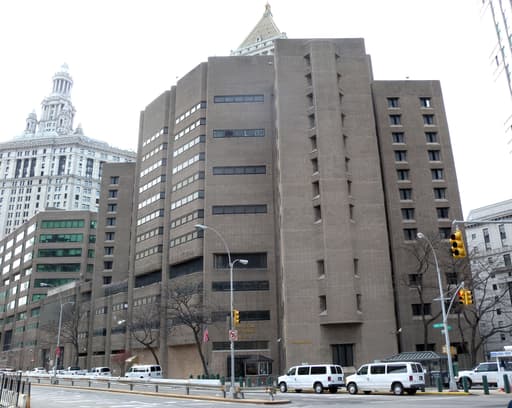
Metropolitan Correctional Center
ORGANIZATION
Metropolitan Correctional Center, New York, federal detention facility where Jeffrey Epstein died on August 10, 2019
Monthly SHU Review Note
ORGANIZATION
Organization referenced in documents
notify Psychology Services
ORGANIZATION
Organization referenced in documents
Nurse Practitioners, Emergency Medical Technicians
ORGANIZATION
Organization referenced in documents
Occupational/Military History
ORGANIZATION
Organization referenced in documents
OD ec
ORGANIZATION
Organization referenced in documents
ofie2poleele.--
ORGANIZATION
Organization referenced in documents
P.N.
ORGANIZATION
Organization referenced in documents
PA/NP
ORGANIZATION
Organization referenced in documents
Paso 2
ORGANIZATION
Organization referenced in documents
Post-Watch Report
ORGANIZATION
Organization referenced in documents
Pr Wear
ORGANIZATION
Organization referenced in documents
Prisons
ORGANIZATION
Organization referenced in documents
Ps chology
ORGANIZATION
Organization referenced in documents
Psych 0bs
ORGANIZATION
Organization referenced in documents
Psych Obseni
ORGANIZATION
Organization referenced in documents
Psychiatric Services
ORGANIZATION
Organization referenced in documents
Psychological Observation Contact
ORGANIZATION
Organization referenced in documents
Psychological Reconstruction Report
ORGANIZATION
Organization referenced in documents
Psychology Data System
ORGANIZATION
Organization referenced in documents
resf.thEir4t
ORGANIZATION
Organization referenced in documents
sArit-1-52
ORGANIZATION
Organization referenced in documents
SfGe MrneS kr
ORGANIZATION
Organization referenced in documents
Special Housing Unit
ORGANIZATION
Restricted housing unit within the federal prison system
Stataikt
ORGANIZATION
Organization referenced in documents
Team MO
ORGANIZATION
Organization referenced in documents
The Bureau of Prisons (Bureau
ORGANIZATION
Organization referenced in documents
The Bureau of.
ORGANIZATION
Organization referenced in documents
the Central Office Psychology Services
ORGANIZATION
Organization referenced in documents
the I/C.
ORGANIZATION
Organization referenced in documents
the Introduction to Correctional
ORGANIZATION
Organization referenced in documents
the Lieutenant's Office
ORGANIZATION
Organization referenced in documents
The Program Coordinator's
ORGANIZATION
Organization referenced in documents
the Psychological Data System
ORGANIZATION
Organization referenced in documents
the Psychology Services
ORGANIZATION
Organization referenced in documents
the Special Review Committee
ORGANIZATION
Organization referenced in documents
the Start Suicide Watch Log
ORGANIZATION
Organization referenced in documents
the Statement of Work
ORGANIZATION
Organization referenced in documents
The Unit Team and Correctional Staff
ORGANIZATION
Organization referenced in documents
tot-NB-05y
ORGANIZATION
Organization referenced in documents
Transfered
ORGANIZATION
Organization referenced in documents
un cx-m
ORGANIZATION
Organization referenced in documents
ViAllingness
ORGANIZATION
Organization referenced in documents
Watch Conducted
ORGANIZATION
Organization referenced in documents
WO-SA Aso€
ORGANIZATION
Organization referenced in documents
icti5
LOCATION
Location referenced in documents
kaiddr.01-
LOCATION
Location referenced in documents
krver•Ac-
LOCATION
Location referenced in documents
L%Cc
LOCATION
Location referenced in documents
Skerof
LOCATION
Location referenced in documents
tikR__taleCp
LOCATION
Location referenced in documents
Statistics
Pages:100
Entities:152
Sponsored