EFTA00010037 - EFTA00010039
Document EFTA00010037 is a letter from the U.S. Department of Justice to Judge Alison J. Nathan regarding the case of United States v. Ghislaine Maxwell.
This letter seeks clarification on the scope of cross-examination allowed during Ghislaine Maxwell's trial, specifically concerning witnesses testifying under pseudonyms. The Department of Justice is asking for guidance on how far the defense can probe into the witnesses' careers without revealing identifying information. The letter reflects a concern about protecting the identities of the witnesses while ensuring the defendant's right to a fair trial.
Key Highlights
- •Clarification is sought regarding cross-examination of witnesses testifying under pseudonyms.
- •Ghislaine Maxwell is the defendant in the case.
- •Judge Alison J. Nathan is presiding over the case.
Frequently Asked Questions
Books for Further Reading
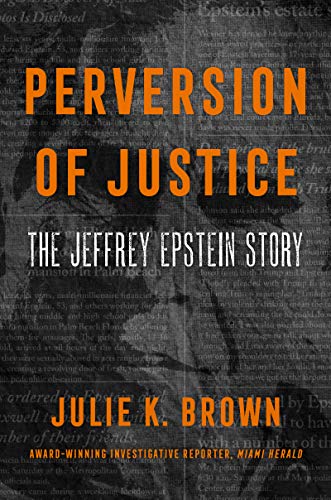
Perversion of Justice: The Jeffrey Epstein Story
Julie K. Brown
Investigative journalism that broke the Epstein case open
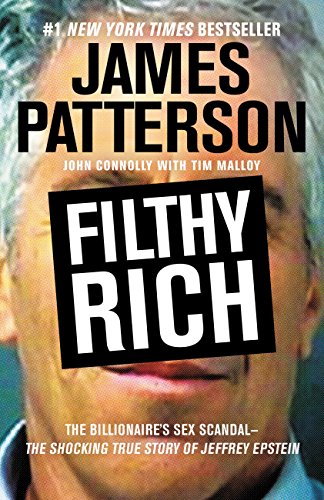
Filthy Rich: The Jeffrey Epstein Story
James Patterson
Bestselling account of Epstein's crimes and network
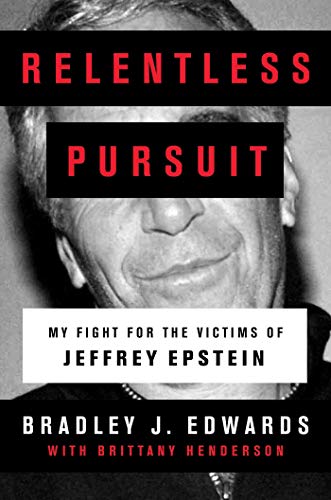
Relentless Pursuit: My Fight for the Victims of Jeffrey Epstein
Bradley J. Edwards
Victims' attorney's firsthand account
Document Information
Bates Range
EFTA00010037 - EFTA00010039
Pages
3
Document Content
Page 1 - EFTA00010037
U.S. Department of Justice United States Attorney Southern District of New York The Silvio!. Mollo Building One Saint Andrew's Plaza New York, New York 10007 November 12, 2021 BY ECF The Honorable Alison J. Nathan United States District Court Southern District of New York United States Courthouse 40 Foley Square New York, New York 10007 Re: United States v. Ghislaine Maxwell, 20 Cr. 330 (MN) Dear Judge Nathan: The Government respectfully submits this letter seeking clarification on two items from the November I, 2021 pretrial conference. First, when describing the defendant's ability to cross-examine witnesses who will be testifying under pseudonyms, the Court explained that: All lines of inquiry the defense outlined in its response are available without disclosing specific names of employers or other specifically identifying information. For example, the defense can probe the genre, nature, and trajectories of witnesses' careers without eliciting the specific employer name, but the defense's cross-examination should not include specifically identifying information, and counsel must act responsibly doing so. (11/01/21 Tr. at 11:20-12:2). The Government seeks clarification before trial about the line between permissible and impermissible cross-examination 'about the "genre" of witnesses' careers !Specifically, the Government agrees that the witnesses can be cross examined about their' professions (e.g. that they are actors), and the general arcs of those careers (e.g. that they had work hr they did not; on a TV show or in a movie See Gov't Reply ISO Mot. in Limine, Dkt. No. 393 EFTA00010037
Page 2 - EFTA00010038
Page 2 ut there is no "particularized need" to identify the type of movie or TV show (e. . Ian action movie as opposed to a soap opera (11/01/21 Tr. at 10:8-11). That information has no impeachment valu he notion that an actor works on one t e of show rather than another say 'nothing about her credibility But it creates significant risk of identifying the relevant Minor Victims and witnesses by narrowing the field of people whose careers match the description elicited by the defense at the times elicited by the defense, and in combination with the other information about them that will be available at trial. Second, the Government seeks clarification that the Court's November 1, 2021 order permitting witnesses to testify using pseudonyms or first names includes an order barring courtroom sketch artists from drawing the exact likeness of those individuals. (See Gov't Mot. in Limine, Dkt. No. 380, at 16 n.7 (making this request)); see May 6, 2019 Text Order, Raniere, 18 Cr. 204 (NGG)(E.D.N.Y.) ("Sketch artists .. . may not draw exact likenesses of jurors or witnesses other than co-defendants should they testify . ."). It would defeat the purpose of the Court's order if the exact likeness of those witnesses could be drawn and subsequently publicized in the media. Although courtroom sketch artists might voluntarily elect not to sketch these witness's faces, the Government seeks an order so it can provide certainty to these witnesses in advance of their testimony. ' The Government's proposed redactions are consistent with the three-part test articulated by the Second Circuit in Lugosch v. Pyramid Co. of Onondaga, 435 F.3d 110 (2d Cir. 2006). Although this letter is a judicial document subject to the common law presumption of access, the proposed redactions are narrowly tailored to protect the privacy interests of the witnesses whom the Court has authorized to testify using pseudonyms or their first names. EFTA00010038
Page 3 - EFTA00010039
Page 3 Respectfully submitted, DAMIAN WILLIAMS United States Attorney By: s/ Assistant United States Attorneys Southern District of New York Cc: Defense Counsel (By ECF) EFTA00010039
Entities Mentioned
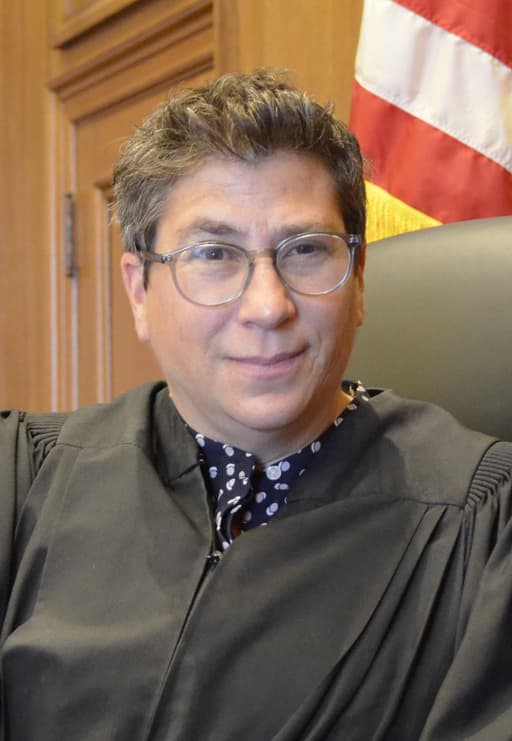
Alison J. Nathan
PERSON • 2 mentions
American federal judge who presided over the Ghislaine Maxwell criminal trial
Damian Williams
PERSON
U.S. Attorney for SDNY, prosecuted Epstein-related cases
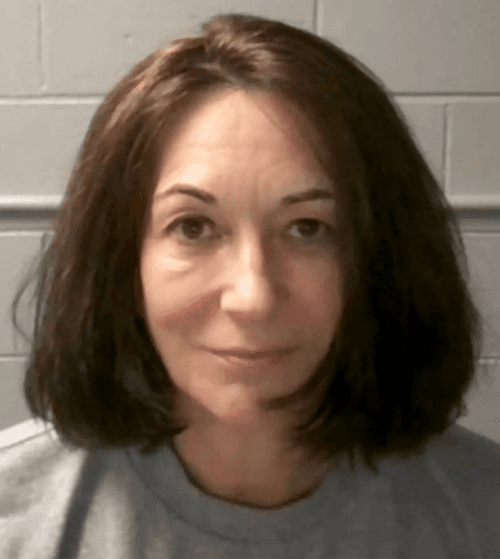
Ghislaine Maxwell
PERSON • 3 mentions
British socialite and sex trafficker, daughter of Robert Maxwell, accomplice of Jeffrey Epstein

Lugosch
PERSON
Surname reference in Epstein-related documents
Prince Andrew
PERSON
Third child of Queen Elizabeth II and Prince Philip, Duke of Edinburgh (born 1960)
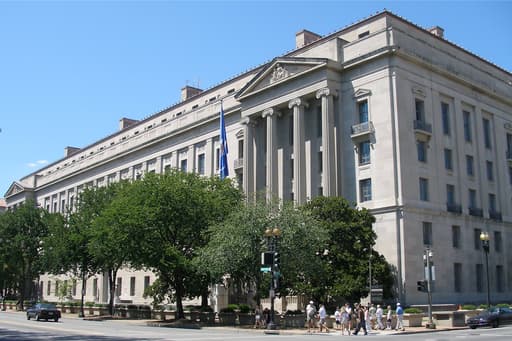
Department of Justice
ORGANIZATION
United States Department of Justice, federal executive department responsible for law enforcement
Pyramid Co. of Onondaga
ORGANIZATION
Organization referenced in documents
Second Circuit
ORGANIZATION • 2 mentions
U.S. Court of Appeals for the Second Circuit
Statistics
Pages:3
Entities:8
Avg. OCR:0.9%
Sponsored