DOJ-COURT-144
Document DOJ-COURT-144 is a court document from the United States District Court Southern District of Florida, listing multiple cases of Jane Does versus Jeffrey Epstein.
The document lists several cases (Case NO.: 08-CV-80119-MARRA/JOHNSON, CASE NO.: 08-CV-80232-MARRA/JOHNSON, CASE NO.: 08-CV-80380-MARRA/JOHNSON, CASE NO.: 08-CV-80381-MARRA/JOHNSON, CASE NO.: 08-CV-80994-MARRA/JOHNSON, CASE NO.: 08- CV-80993-MARRA/JOHNSON, CASE NO.: 08- CV-80811 -MARRA/JOHNSON, CASE NO.: 08- CV-80893-MARRA/JOHNSON, CASE NO.: 08-CV- 80469-MARRA/JOHNSON, CASE NO.: 08- CV-80591-MARRA/JOHNSON, CASE NO.: 08- CV-80656-MARRA/JOHNSON) filed by different Jane Does against Jeffrey Epstein. The document includes a "PLAINTIFFS JANE DOES 2-7’S RESPONSE T", suggesting it may contain legal arguments or responses related to these cases.
Key Highlights
- •Multiple Jane Doe cases against Jeffrey Epstein are listed.
- •The cases are filed in the Southern District of Florida.
- •The document includes a response from Jane Does 2-7.
Frequently Asked Questions


Document Information
Bates Range
DOJ-COURT-144
Pages
15
Source
DOJ First Production
Original Filename
144.pdf
Document Content
Page 1 - DOJ-COURT-144_p1
UNITED STATES DISTRICT COURT SOUTHERN DISTRICT OF FLORIDA JANE DOE NO. 2, CASE NO.: 08-CV-80119-MARRA/JOHNSON Plaintiff, vs. JEFFREY EPSTEIN, Defendant. ____________________________________/ JANE DOE NO. 3, CASE NO.: 08-CV-80232-MARRA/JOHNSON Plaintiff, vs. JEFFREY EPSTEIN, Defendant. ____________________________________/ JANE DOE NO. 4, CASE NO.: 08-CV-80380-MARRA/JOHNSON Plaintiff, vs. JEFFREY EPSTEIN, Defendant. ____________________________________/ JANE DOE NO. 5, CASE NO.: 08-CV-80381-MARRA/JOHNSON Plaintiff, vs. JEFFREY EPSTEIN, Defendant. ____________________________________/ Case 9:08-cv-80119-KAM Document 144 Entered on FLSD Docket 06/08/2009
Page 2 - DOJ-COURT-144_p2
Page 1 of 15 JANE DOE NO. 6, CASE NO.: 08-CV-80994-MARRA/JOHNSON Plaintiff, vs. JEFFREY EPSTEIN, Defendant. ____________________________________/ JANE DOE NO. 7, CASE NO.: 08- CV-80993-MARRA/JOHNSON Plaintiff, vs. JEFFREY EPSTEIN, Defendant. ____________________________________/ C.M.A., CASE NO.: 08- CV-80811 -MARRA/JOHNSON Plaintiff, vs. JEFFREY EPSTEIN, Defendant. ____________________________________/ JANE DOE, CASE NO.: 08- CV-80893-MARRA/JOHNSON Plaintiff, vs. JEFFREY EPSTEIN, et al., Defendant. ____________________________________/ DOE II, CASE NO.: 08-CV- 80469-MARRA/JOHNSON Plaintiff, vs. 2 Case 9:08-cv-80119-KAM Document 144 Entered on FLSD Docket 06/08/2009
Page 3 - DOJ-COURT-144_p3
Page 2 of 15 JEFFREY EPSTEIN et al., Defendant. ____________________________________/ JANE DOE NO. 101, CASE NO.: 08- CV-80591-MARRA/JOHNSON Plaintiff, vs. JEFFREY EPSTEIN, Defendant. ____________________________________/ JANE DOE NO. 102, CASE NO.: 08- CV-80656-MARRA/JOHNSON Plaintiff, vs. JEFFREY EPSTEIN, Defendant. ____________________________________/ PLAINTIFFS JANE DOES 2-7’S RESPONSE TO DEFENDANT’S MOTION TO COMPEL AND/OR IDENTIFY PLAINTIFFS IN THE STYLE OF THIS CASE AND MOTION TO IDENTIFY JANE DOE IN THIRD-PARTY SUBPOENAS FOR PURPOSES OF DISCOVERY, OR ALTERNATIVELY, MOTION TO DISMISS “SUA SPONTE”, WITH INCORPORATED MEMORANDUM OF LAW Plaintiffs, JANE DOES 2-7, hereby serve their Response to Defendant’s Motion to Compel and/or Identify Plaintiffs in the Style of this Case and Motion to Identify Jane Doe in Third-Party Subpoenas for Purposes of Discovery, or Alternatively, Motion to Dismiss “Sua Sponte”, With Incorporated Memorandum of Law, and state as follows: 1. The lawsuits filed by JANE DOES 2-7 involve private, intimate facts pertaining to their own childhood sexual abuse and exploitation by Defendant Jeffrey Epstein. 3 Case 9:08-cv-80119-KAM Document 144 Entered on FLSD Docket 06/08/2009
Sponsored
Page 4 - DOJ-COURT-144_p4
Page 3 of 15 2. Jane Does 2-7 filed their suits under a pseudonym1 to prevent public disclosure of the private, highly sensitive and intimate facts pertaining to their sexual assaults, and the public association of their identities with Defendant Epstein and these assaults. 3. Dr. Gilbert Kliman,2 a well-known forensic psychiatrist with an expertise in the field of child trauma, has met with and evaluated each of Jane Does 2-7 and opined that public disclosure of their real names would create a substantial risk to them of further psychological harm. See Exhibit “A”, Declaration of Gilbert Kliman, M.D. 4. Dr. Kliman opines as follows: Releasing names of the plaintiffs to the public will reenact experiences of powerlessness and helplessness in the face of a boundary violation. Repetition and reenactment represent central features of Criterion B in the DSM-IV-TR diagnosis of posttraumatic stress disorder trauma. In effect, release of their identity and public intrusion into their personal life represents a reenactment of the shame of sexual traumatization. Repetition and reenactment are central pathologies that afflict sexual trauma survivors. Victims of sexual abuse often rely upon some form of dissociation, splitting or denial, as a defensive means to manage overwhelming affects associated with the sexual trauma. Each of the plaintiff girls has employed some variation of this defense, both during the massages and then subsequently following disclosure of the abuse. Primitive, maladaptive responses of this nature will become additionally reinforced as a result of public disclosure. Another aspect of the plaintiffs’ experience, which is recognized by DSM-IV-TR, is that the trauma was associated with human design factors (such as cruel intention to do harm, rape, torture). Trauma of this origin has a tendency to produce more “severe or long lasting” posttraumatic stress disorder than natural events (DSM IV TR p. 464). A policy of deliberate revelation of the names of the victims would reinforce the sense of design, pattern and policy of human intentions. It is my opinion, with a reasonably high degree of medical certainty that the defense motion to allow public disclosure of the plaintiffs’ identity is clinically 1 Defendant and his counsel are aware of the real names of Jane Does 2-7. 2 A copy of the curriculum vitae of Dr. Gilbert Kliman is attached hereto as Exhibit “B”. 4 Case 9:08-cv-80119-KAM Document 144 Entered on FLSD Docket 06/08/2009
Page 5 - DOJ-COURT-144_p5
Page 4 of 15 and ethically a wrongful plan. The act of revealing their identity against their wishes places the plaintiffs at risk, in the best of circumstances, of suffering an aggravation of existing diagnostic concerns. It is more probable than not that releasing personal identities will foster an exacerbation and magnification of symptoms lending to increased risk of revictimization and retraumatization. See Exhibit “A”, ¶¶ 13-15, 21 5. Given the private nature of the allegations in this lawsuit and the serious risk of harm to the mental health of Jane Does 2-7 if a public disclosure of their identities were required, Jane Does 2-7 should be permitted to continue using a pseudonym in this lawsuit. 6. Notably, in one of the cases consolidated for purposes of discovery, Jane Doe v. Jeffrey Epstein, Case No. 08-80893, this Court recognized the harm likely to result from public disclosure of the victims’ identities in these cases, and allowed the Plaintiff in that case to “proceed in this action under the pseudonym ‘Jane Doe’ ”, by Order dated October 6, 2008. 7. Jeffrey Epstein sets forth no facts to support his bare contention that Jane Does 2- 7 use of a pseudonym in these proceedings interferes with his “constitutional due process right.” See Motion to Compel, p. 3. Defendant and his counsel know the identities of these Plaintiffs. 8. Defendant also requests the Court’s permission to use the real names of Jane Does 2-7 in various third-party subpoenas for discovery purposes. Defendant does not identify any of the entities or persons to whom he intends to send subpoenas. An order granting the relief requested without limitations would essentially nullify Jane Does 2-7’s right to proceed anonymously. Jane Does 2-7 therefore object to the issuance of third-party subpoenas, and submit that Defendant can obtain the discovery he seeks by alternative means that will preserve the confidentiality of the Jane Does 2-7’s identities. 9. If this Court were to permit third party subpoenas or records custodian depositions using the existing captions and identifying Jane Does 2-7 in the body of the 5 Case 9:08-cv-80119-KAM Document 144 Entered on FLSD Docket 06/08/2009
Page 6 - DOJ-COURT-144_p6
Page 5 of 15 subpoena by their names, due to publicity surrounding the Defendant’s crimes, then Jane Does 2- 7 would effectively be revealed as abuse victims in these cases against Defendant Epstein. Any subpoenas or notices to third parties therefore should not disclose the type of action or the Defendant’s identity. There are alternatives which would preserve Jane Does 2-7’s anonymity and be more efficient and cost-effective at the same time. For instance, Defendant can obtain records from various non-party sources through Plaintiffs’ counsel, who can certify that they have obtained the records through authorizations signed by Jane Does 2-7. Another means to obtain non-party records concerning Plaintiffs is the appointment of a special master, who would verify authenticity and completeness of the records. 10. Finally, Jeffrey Epstein’s request that this Court order a “sua sponte” dismissal is illogical. Sua sponte means “[w]ithout prompting or suggestion; on its own motion.” Black's Law Dictionary 1437 (7th ed.1999). Thus, the definition of sua sponte does not fit these circumstances, because the Court is being prompted by Epstein’s Motion. Velchez v. Carnival Corp., 331 F.3d 1207 (11th Cir. 2003). In any event, there is no basis or authority to support a dismissal of these cases. WHEREFORE, Plaintiffs Jane Does 2-7 respectfully request that (i) this Court deny Defendant’s Motion to Compel and/or Identify Plaintiffs in the Style of this Case and Motion to Identify Jane Doe in Third-Party Subpoenas for Purposes of Discovery, or Alternatively, Motion to Dismiss “Sua Sponte”, in its entirety; (ii) Plaintiffs Jane Does 2-7 be permitted to continue using their pseudonyms in this litigation; (iii) this Court order that records from non-parties relating to Jane Does 2-7, including medical and employment records, only be obtained through Plaintiffs’ counsel by means of signed authorizations that do not include the caption or identify Epstein as the party seeking records, or alternatively, appoint a special master to obtain the 6 Case 9:08-cv-80119-KAM Document 144 Entered on FLSD Docket 06/08/2009
Sponsored
Page 7 - DOJ-COURT-144_p7
Page 6 of 15 - records, who would verify authenticity and completeness of the records; and (iv) all other relief this Court deems just and appropriate. MEMORANDUM OF LAW I. PLAINTIFFS JANE DOES 2-7 SHOULD BE PERMITTED TO PROCEED ANONYMOUSLY IN THIS CASE DUE TO THE SENSITIVE, PRIVATE NATURE OF THE UNDERLYING FACTS AND THE RISK OF PSYCHOLOGICAL HARM TO THE PLAINTIFFS Federal courts permit a party to proceed under a pseudonym when special circumstances warrant anonymity. See, e.g., Roe v. Aware Woman Ctr. for Choice, Inc., 253 F.3d 678, 685-87 (11th Cir.2001); Does I thru XXIII v. Advanced Textile Corp., 214 F.3d 1058, 1068-69 (9th Cir.2000); James v. Jacobson, 6 F.3d 233, 238-39 (4th Cir.1993); EW v. New York Blood Center, 213 F.R.D. 108, 110-12 (E.D.N.Y.2003); Javier v. Garcia-Botello, 211 F.R.D. 194, 196 (W.D.N.Y.2002); Doe v. Smith, 105 F.Supp.2d 40, 43-44 (E.D.N.Y.1999); Doe v. United Servs. Life Ins. Co., 123 F.R.D. 437, 439 (S.D.N.Y.1988). Sexual assault victims are a paradigmatic example of those entitled to a grant of anonymity. See Doe No. 2 v. Kolko, 242 F.R.D. 193 (E.D. N.Y. 2006); Doe v. Blue Cross & Blue Shield United of Wisc., 112 F.3d 869, 872 (7th Cir.1997) (“fictitious names are allowed when necessary to protect the privacy of ... rape victims, and other particularly vulnerable parties or witnesses”); see also Doe v. City of Chicago, 360 F.3d 667, 669 (7th Cir. 2004). The decision whether to allow a plaintiff to proceed anonymously is within the court's discretion. See Aware Woman Ctr., 253 F.3d at 684; Javier, 211 F.R.D. at 195; EW, 213 F.R.D. at 110. As set forth above, this Court exercised its direction in one of the consolidated cases, Jane Doe v. Jeffrey Epstein, Case No. 08-80893, to allow a plaintiff to proceed under the pseudonym “Jane Doe” in an Order dated October 6, 2008. 7 Case 9:08-cv-80119-KAM Document 144 Entered on FLSD Docket 06/08/2009
Page 8 - DOJ-COURT-144_p8
Page 7 of 15 Courts will permit a party to proceed under a pseudonym where “the party's need for anonymity outweighs prejudice to the opposing party and the public's interest in knowing the party's identity.” Does I Thru XXIII, 214 F.3d at 1068; see Javier, 211 F.R.D. at 195; EW, 213 F.R.D. at 111; As set forth herein, the balancing test in this case weighs in favor of permitted plaintiff to continue to proceed anonymously: In undertaking this balance, courts have considered such facts as (1) whether the plaintiff is suing the government or a private person; (2) whether the plaintiff would be compelled to disclose intimate information; (3) whether plaintiff would be compelled to his or her intention in engage in illegal conduct, thereby risking criminal prosecution; (4) whether the plaintiff would risk injury if identified; (5) whether the party defending against a suit brought under a pseudonym would thereby be prejudiced; (6) the ages of the parties whose identity is to be suppressed; (7) the extent to which the identity of the litigant has been kept confidential; (8) whether, because of the purely legal nature of the issues presented or otherwise, there is an atypically weak public interest in knowing the litigants’ identities; and (9) the public interest in guaranteeing open access to proceedings without denying litigants access to the justice system. Doe v. Del Rio, 241 F.R.D. 154, 157 (S.D. N.Y. 2006) The public has a strong interest in protecting the identities of sexual assault victims so that other victims will not be deterred from reporting such crimes. See Doe v. Evans, 202 F.R.D. 173, 176 (E.D.Pa.2001) (granting anonymity to sexual assault victim); Doe No. 2 v. Kolko, 242 F.R.D. 193 (E.D. N.Y. 2006). That is particularly true in these consolidated cases where there are numerous victims with similar claims. Although these cases have gained considerable media attention, there appears to be little public interest in knowing the specific identity of each of the victims. With regard to the second factor, courts have granted anonymity to protect against disclosure of a wide range of issues involving matters of the utmost intimacy, including sexual 8 Case 9:08-cv-80119-KAM Document 144 Entered on FLSD Docket 06/08/2009
Page 9 - DOJ-COURT-144_p9
Page 8 of 15 assault. See, e.g., Aware Woman Ctr., 253 F.3d at 685 (abortion); EW, 213 F.R.D. at 111 (infection with hepatitis B); Doe v. Evans, 202 F.R.D. 173, 176 (E.D.Pa.2001) (sexual assault victim); Smith, 105 F.Supp.2d at 42 (sexual assault victim); WGA v. Priority Pharmacy, Inc., 184 F.R.D. 616, 617 (E.D.Mo.1999) (status as AIDS patient); Doe v. United Servs. Life Ins. Co., 123 F.R.D. 437, 439 (S.D.N.Y.1988) (sexual orientation); see also Blue Cross, 112 F.3d at 872 (recognizing rape victims as entitled to anonymity). It cannot be reasonably denied that a person’s sexual history – especially during their childhood – is an intimate fact. When the childhood sexual history includes criminal sexual contact by an adult, the facts are even more intimate and personal. In the electronic age in which we live, these concerns are heightened. As federal courts have recognized in this context, it is now possible to “determine whether a given individual is a party to a lawsuit in federal court anywhere in the country by the simplest of computer searches, to access the docket sheet of any such case electronically, and ... that entire case files will be accessible over the Internet.” Doe v. City of New York, 201 F.R.D. 100, 102 (S.D.N.Y.2001) (denying anonymity where any injury was purely reputational and case did not involve private or intimate matter); see EW, 213 F.R.D. at 112-13. As Dr. Kliman explains in his Declaration, disclosure of Jane Does 2-7’s identities will place these Plaintiffs “at-risk of having their personal lives scrutinized by friends, extended family, spouses, children, fellow students, employers and fellow employees, the media and general public. This type of exposure humiliates many victims and represents another betrayal of trust. Public exposure places the plaintiff’s at further risk of stigmatization, shame and retraumatization.” See Exhibit “A” at ¶ 3. Dr. Kliman also finds it of no consequence that some of the plaintiffs are now legally adults in that “[d]ue to traumatization the plaintiffs are arrested in their development, and even those who are now legally adult are arrested in part to adolescent 9 Case 9:08-cv-80119-KAM Document 144 Entered on FLSD Docket 06/08/2009
Sponsored
Page 10 - DOJ-COURT-144_p10
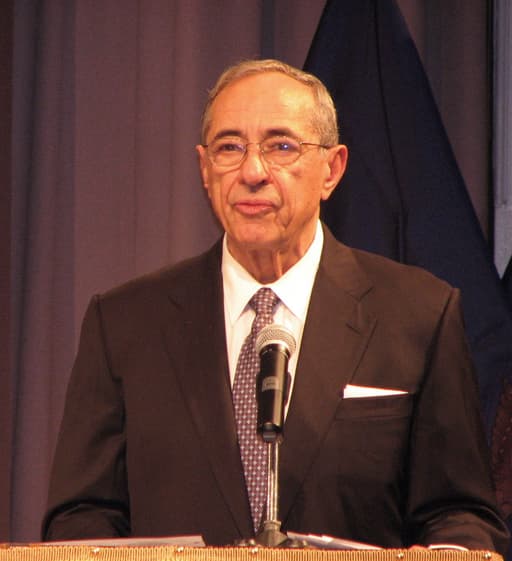
Page 9 of 15 -- aspects of psychology.” Id. at ¶ 4 The policy of protecting victims of sexual misconduct from undue embarrassment and disclosure of their private affairs is firmly established in Fed.R.Evid. 412. The protections of Rule 412 are designed to “encourage victims of sexual misconduct to institute and participate in legal proceedings against alleged offenders.” (Committee Notes to 1994 Amendment). Likewise, many states in this country, including Florida and New York, have similarly enacted laws to protect the anonymity of sexual assault victims. See Fla. Stat. §§794.024, 794.026 (2008); N.Y. Civil Rights Law § 50-b (McKinney 2009). In 1994, the Florida Legislature passed The Crime Victims Protections Act. The legislative stated purpose for the Act was “to protect the identity of victims of sexual crimes.” Fla. AGO, 2003-56, 2003 WL 22971082 (Dec. 15, 2003). Under §794.024, Florida Statutes, court records that identify the name and/or address of a victim of a sexual crime are presumed to be confidential and exempt from public access. Id. Similarly, upon approving New York's rape shield law, then Governor Mario Cuomo stated, “sexual assault victims have unfortunately had to endure a terrible invasion of their physical privacy. They have a right to expect that this violation will not be compounded by a further invasion of their privacy.” 1991 McKinney's Sessions Laws of N.Y., at 2211-2212 (quoted in Deborah S. v. Diorio, 153 Misc.2d 708, 583 N.Y.S.2d 872 (N.Y.City Civ.Ct.1992)); see also Coker v. Georgia, 433 U.S. 584, 597, 97 S.Ct. 2861, 53 L.Ed.2d 982 (1977) (“Short of homicide, [rape] is the ultimate violation of self”). As to the fourth factor of risk injury, Dr. Kliman has evaluated Jane Does 2-7, and has concluded that the childhood sexual abuse at issue has caused features of post-traumatic stress disorder (PTSD), including shame, guilt, helplessness, and powerlessness. See Exhibit “A” at ¶¶ 4-7. Dr. Kliman further states, “it is more probable than not that releasing personal identities 10 Case 9:08-cv-80119-KAM Document 144 Entered on FLSD Docket 06/08/2009
Page 11 - DOJ-COURT-144_p11
Page 10 of 15 will foster an exacerbation and magnification of symptoms lending to increased risk of revictimization and retraumatization.” Id. at ¶ 21. Thus, this is not a case analogous to those cited by defendant in which the plaintiffs were merely at risk of “personal embarrassment.” Instead, there is a genuine and immediate risk of psychological harm. None of the cases cited by Defendant where courts denied a plaintiff’s request for anonymity involved victims of childhood sexual assault or evidence of emotional or psychological harm that would result from disclosure of the plaintiff's identity. See Doe v. Hartz, 52 F.Supp.2d 1027 (N.D.Iowa 1999); Doe v. Shakur, 164 F.R.D. 359 (E.D.N.Y.1996); Doe v. Bell Atlantic Bus. Sys. Servs., 162 F.R.D. 418 (D.Mass.1995); Doe v. Univ. of Rhode Island, 28 Fed.R.Serv.3d 366, 1993 WL 667341 (D.R.I. Dec. 28, 1993). As to the factor of prejudice, the Defendant does not identify how his ability to conduct discovery or impeach Jane Does 2-7’s credibility has been or will be impaired if these Plaintiffs are permitted to proceed under a pseudonym. See EW, 213 F.R.D. at 112, Smith, 105 F.Supp.2d at 44-45. Other than the need to make redactions and take measures not to disclose these Plaintiffs' identities, Defendant will not be hampered or inconvenienced merely by Plaintiffs' anonymity in court papers. As set forth above, Defendant already knows their true identities. See Aware Woman Center, 253 F.3d at 687 (no prejudice where plaintiff offered to disclose her name to defendant); EW, 213 F.R.D. at 112; Smith, 105 F.Supp.2d at 44-45. II. DEFENDANT SHOULD NOT BE PERMITTED TO USE THE REAL NAMES OF JANE DOES 2-7 IN THIRD-PARTY SUBPEONAS EXCEPT FOR THOSE ISSUED TO PERSONS WHOM PLAINTIFFS HAVE ALREADY DISCLOSED THEIR SEXUAL ABUSE As for the use of Jane Does 2-7’s real names in subpoenas issued to non-parties, a party may obtain discovery of any non-privileged matter that is relevant to a claim or defense of any party. Fed.R.Civ.P. 26(b)(1). However, a district court may limit discovery “for good cause 11 Case 9:08-cv-80119-KAM Document 144 Entered on FLSD Docket 06/08/2009
Page 12 - DOJ-COURT-144_p12
Page 11 of 15 shown” by making “any order which justice requires to protect a party or person from annoyance, embarrassment, oppression, or undue burden or expense,” including that the discovery not be had or that it be had only by a method other than that selected by the party seeking discovery. Fed.R.Civ.P. 26(c). Jane Does 2-7 have articulated a specific and substantial harm from disclosure of their identities. If this Court were to permit Defendant to issue third-party subpoenas containing Jane Doe 2-7’s real names, the identity of the Defendant, and/or facts pertaining to the nature of the case to whomever Defendant wants, it would be akin to requiring these Plaintiffs to use their real name in the pleadings. Instead, Jane Does 2-7 propose to voluntarily execute authorizations (which would not contain the case names or the identity of the Defendant) to allow Defendant to obtain education, employment, and medical records to be used for purposes of this litigation only.3 Alternatively, Defendant can obtain the records through a special master, who would verify authenticity and completeness of the records. Either of these approaches would not only place Jane Does 2-7 at less risk of psychological harm, but would also be more cost-effective and efficient. CONCLUSION Based on the foregoing, Plaintiffs Jane Does 2-7 respectfully request that Defendant’s Motion to Compel and/or Identify Plaintiffs in the Style of this Case and Motion to Identify Jane Doe in Third-Party Subpoenas for Purposes of Discovery, or Alternatively, Motion to Dismiss “Sua Sponte” be denied in its entirety, and that Plaintiffs Jane Does 2-7 be permitted to continue using their pseudonyms in this litigation. Additionally, to avoid public disclosure of the Plaintiff’s identities in non-party records discovery, Plaintiffs Jane Does 2-7 request that such 3 Defendant and Plaintiff have previously agreed that education records can be obtained in this 12 Case 9:08-cv-80119-KAM Document 144 Entered on FLSD Docket 06/08/2009
Sponsored
Page 13 - DOJ-COURT-144_p13
Page 12 of 15 discovery be obtained either through Plaintiffs’ counsel by means of written authorizations, or by the appointment of a special master. Dated: June 8, 2009 Respectfully submitted, By: s/ Adam D. Horowitz Stuart S. Mermelstein (FL Bar No. 947245) [email protected] Adam D. Horowitz (FL Bar No. 376980) [email protected] MERMELSTEIN & HOROWITZ, P.A. Attorneys for Plaintiffs Jane Doe Nos. 2-7 18205 Biscayne Blvd., Suite 2218 Miami, Florida 33160 Tel: (305) 931-2200 Fax: (305) 931-0877 manner in lieu of subpoenas. 13 Case 9:08-cv-80119-KAM Document 144 Entered on FLSD Docket 06/08/2009
Page 14 - DOJ-COURT-144_p14
Page 13 of 15 CERTIFICATE OF SERVICE I hereby certify that on June 8, 2009, I electronically filed the foregoing document with the Clerk of the Court using CM/ECF. I also certify that the foregoing document is being served this day to all parties on the attached Service List in the manner specified, either via transmission of Notices of Electronic Filing generated by CM/ECF or in some other authorized manner for those parties who are not authorized to receive electronically Notices of Electronic Filing. /s/ Adam D. Horowitz . 14 Case 9:08-cv-80119-KAM Document 144 Entered on FLSD Docket 06/08/2009
Page 15 - DOJ-COURT-144_p15
Page 14 of 15 SERVICE LIST DOE vs. JEFFREY EPSTEIN United States District Court, Southern District of Florida Jack Alan Goldberger, Esq. [email protected] Robert D. Critton, Esq. [email protected] Bradley James Edwards [email protected] Isidro Manuel Garcia [email protected] Jack Patrick Hill [email protected] Katherine Warthen Ezell [email protected] Michael James Pike [email protected] Paul G. Cassell [email protected] Richard Horace Willits [email protected] Robert C. Josefsberg [email protected] /s/ Adam D. Horowitz 15 Case 9:08-cv-80119-KAM Document 144 Entered on FLSD Docket 06/08/2009
Entities Mentioned
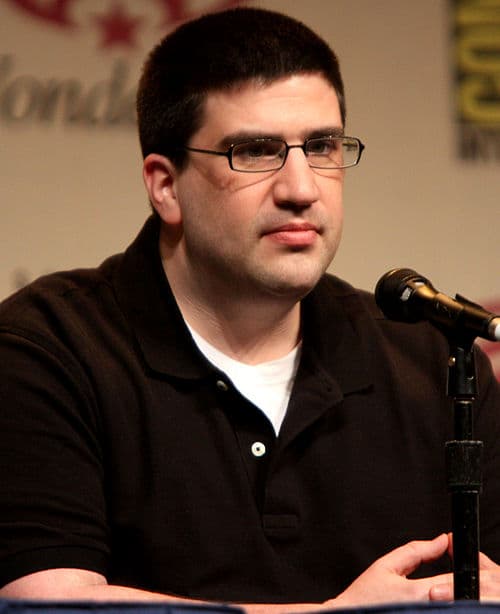
Adam D. Horowitz
PERSON
American attorney specializing in sexual abuse cases, represented multiple Epstein victims
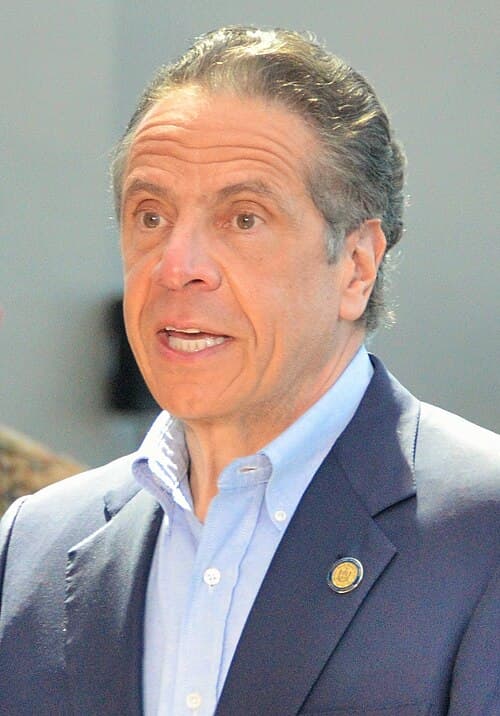
Andrew Cuomo
PERSON
Governor of New York from 2011 to 2021
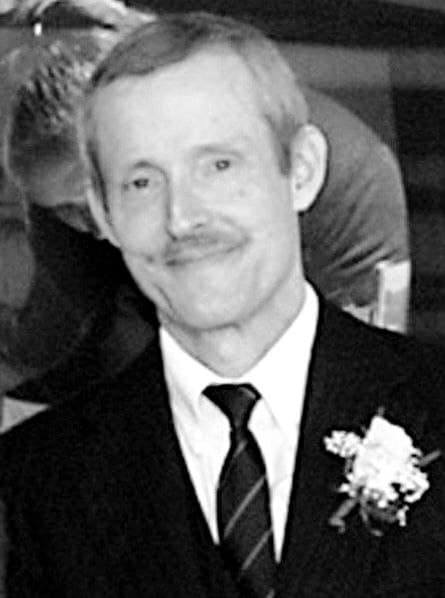
Bradley Edwards
PERSON
American attorney who represented Epstein victims, author of Relentless Pursuit
CO
Coker
PERSON
Surname reference in documents
DE
Deborah
PERSON
First name reference to multiple individuals in Epstein documents
EV
Evans
PERSON
Ambiguous surname - refers to multiple people in Epstein documents
IG
Isidro Manuel Garcia
PERSON
Person referenced in documents
JG
Jack Goldberger
PERSON • 2 mentions
American criminal defense attorney who represented Jeffrey Epstein, partner at Goldberger Weiss P.A. in West Palm Beach, Florida
JH
Jack Patrick Hill
PERSON
Attorney at Searcy Denney law firm, appeared in Epstein-related legal proceedings
JA
Jacobson
PERSON
Surname reference in Epstein-related documents
JD
Jane Doe
PERSON
Pseudonym for anonymous victims/witnesses in Epstein legal proceedings
JA
Javier
PERSON
First name reference to multiple individuals in Epstein-related documents

Jeff Sessions
PERSON
American politician and lawyer (born 1946)

Jeffrey Epstein
PERSON • 4 mentions
American sex offender and financier (1953–2019)
KE
Katherine W. Ezell
PERSON
Person referenced in documents
KL
Kliman
PERSON
Surname reference in Epstein-related documents
KO
Kolko
PERSON
Surname or name fragment in documents
Mario Cuomo
PERSON
Governor of New York from 1983 to 1994
MP
Michael J. Pike
PERSON
Person referenced in Epstein-related documents
Paul Cassell
PERSON • 2 mentions
United States federal judge
RW
Richard Horace Willits
PERSON
Lawyer and former federal prosecutor, represented Epstein in NPA negotiations
RJ
Robert C. Josefsberg
PERSON
Florida criminal defense attorney, appeared in Epstein legal proceedings
RC
Robert D. Critton
PERSON
Individual referenced in Epstein legal documents
SM
Stuart S. Mermelstein
PERSON
Attorney involved in Jeffrey Epstein legal matters.
VE
Velchez
PERSON
Name reference in documents
Advanced Textile Corp.
ORGANIZATION
Organization referenced in documents
Aware Woman Center
ORGANIZATION
Organization referenced in documents
Bell Atlantic Bus.
ORGANIZATION
Organization referenced in documents
Blue Cross
ORGANIZATION
Organization referenced in documents
Blue Cross & Blue Shield United of Wisc.
ORGANIZATION
Organization referenced in documents

Carnival
ORGANIZATION
Festive season which occurs immediately before Lent
Choice, Inc.
ORGANIZATION
Organization referenced in documents
City of Chicago
ORGANIZATION
Organization referenced in documents
District Court for the Southern District of New York
ORGANIZATION
U.S. District Court for the Southern District of New York
Mermelstein & Horowitz
ORGANIZATION
Law firm (Mermelstein & Horowitz)
New York Blood Center
ORGANIZATION
Organization referenced in documents
Priority Pharmacy, Inc.
ORGANIZATION
Organization referenced in documents
the Florida Legislature
ORGANIZATION
Organization referenced in documents
United Servs.
ORGANIZATION
Organization referenced in documents
N.D.Iowa
LOCATION
Location referenced in documents
N.Y.City
LOCATION
Location referenced in documents
Statistics
Pages:15
Entities:41
Sponsored