HOUSE_OVERSIGHT_022863 - HOUSE_OVERSIGHT_022893
Document HOUSE_OVERSIGHT_022863 is a government record from the House Oversight Committee consisting of 31 pages.
The document discusses Jeffrey Epstein's perspective on wealth management for the ultra-rich, highlighting his belief that they often lack a comprehensive understanding of money beyond their immediate businesses. It touches upon the concentration of wealth among the Forbes 400 and the impending transfer of trillions of dollars as they pass away. The document also mentions Epstein's views on wealth inequality, echoing some of Thomas Piketty's ideas, and his observations on the impact of wealth on the children of the wealthy.
Key Highlights
- •Epstein's thesis is that the rich know very little about money.
- •The Forbes 400 increased their wealth by $500 billion in one year.
- •Epstein believes the ultra-rich will soon pass on $4.2 trillion.
- •Epstein echoes aspects of Thomas Piketty on wealth inequality.
- •Epstein sent Eva Andersson Dubin to medical school.
Frequently Asked Questions
Books for Further Reading
Document Information
Bates Range
HOUSE_OVERSIGHT_022863 - HOUSE_OVERSIGHT_022893
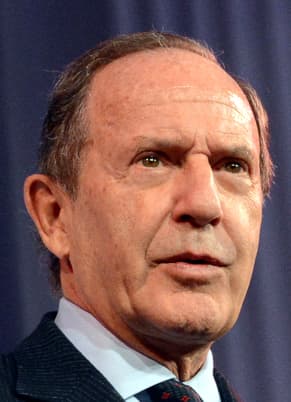
Pages
31
Source
House Oversight Committee
Original Filename
JEdraft--3-28-JE.rtf
File Size
74.00 KB
Document Content
Page 1 - HOUSE_OVERSIGHT_022863
No text available for this page
Page 2 - HOUSE_OVERSIGHT_022864
No text available for this page
Page 3 - HOUSE_OVERSIGHT_022865
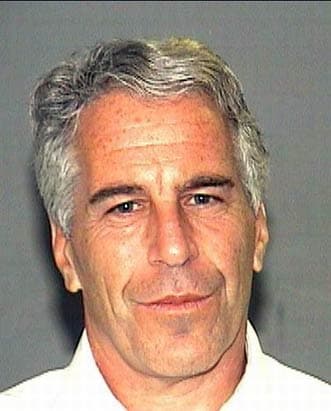
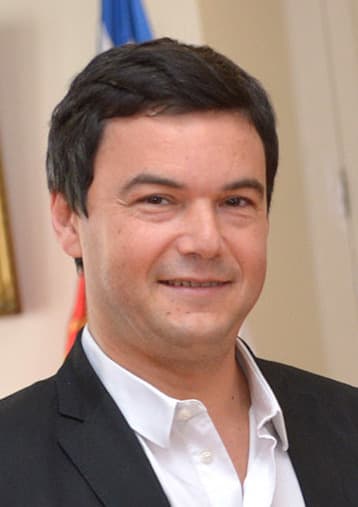
Epstein’s long-time business thesis is that the rich know very little about money. They may know about their own businesses, but the great sums that are the result are ultimately an afterthought and demand an entirely different sort of intellectual discipline. The Forbes 400, says Epstein, not immune to an amount of wonder, increased their wealth by $500 billion last year, meaning, in effect, that on average every Forbes-list billionaire makes more than another billion every year. And, points out the 62-year-old Epstein, they will almost all be dead in 40 years, most well before that, meaning $4.2 trillion, compounding everyday, will have to be given away. “So, to understand the future, what you have to begin to do is follow the money, not in Watergate-like terms backwards, as in who has gotten it, but forwards to where it will go and who will get it.” Epstein can find himself echoing aspects of Thomas Piketty on the inequities of the accumulation of wealth (“the divide is between people with assets, which appreciate, and people without assets, who fail to advance—that is, of course, the miracle of compounded interest”), except for the fact that Epstein, knowing the rich, understands a point that Piketty doesn’t: “Nobody, nobody, wants to give it all to their children. Everybody now has the modern appreciation that one of the curses of great wealth is that it can make your kids weird and fucked up.” Epstein’s position in this private allotment of a decent fraction of the U.S. Gross Domestic Product is HOUSE_OVERSIGHT_022865
Sponsored
Page 4 - HOUSE_OVERSIGHT_022866
No text available for this page
Page 5 - HOUSE_OVERSIGHT_022867
No text available for this page
Page 6 - HOUSE_OVERSIGHT_022868
No text available for this page
Sponsored
Page 7 - HOUSE_OVERSIGHT_022869
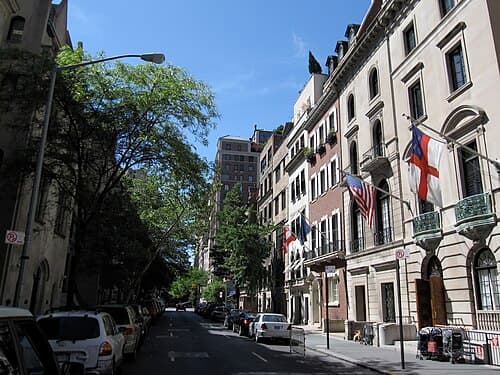
dinner party in New York, is in dental school. One former girlfriend, Eva Andersson Dubin, a Swedish model and Miss Universe finalist whom Epstein has known for more than thirty years, became a doctor— Epstein sent her to medical school—and married hedge funder Glen Dubin. Together they finance the Dubin Breast Center at Mount Sinai Hospital. Most of the women at one time will travel with Epstein to his other floating residences—the ranch in New Mexico, a vast apartment in Paris, the island in the Caribbean, the house in Palm Beach. Epstein will sometimes move a meeting that starts in his dining room outside for a walk in the park—his idea of going out to lunch is a Sabrett’s hot dog. The various girls in the house become the accompanying entourage, as though something out of an 18th-century French court. But the Hefnerian prurience can also be quite businesslike: poised young women in a mansion on the Upper East Side with various office responsibilities are really not that different from any of the art galleries in the surrounding neighborhood. They mingle freely with his powerful guests, not so much as hostesses—or, in tabloid language, harem-like “sex slaves”—but as attentive students (which, of course, might be regarded as having its own fetish-like attraction). Epstein explicitly denies that there is an sexual quid pro quo. (“There an expression that if you’re fucking someone you work with they can come in late. It’s not my HOUSE_OVERSIGHT_022869
Page 8 - HOUSE_OVERSIGHT_022870
No text available for this page
Page 9 - HOUSE_OVERSIGHT_022871
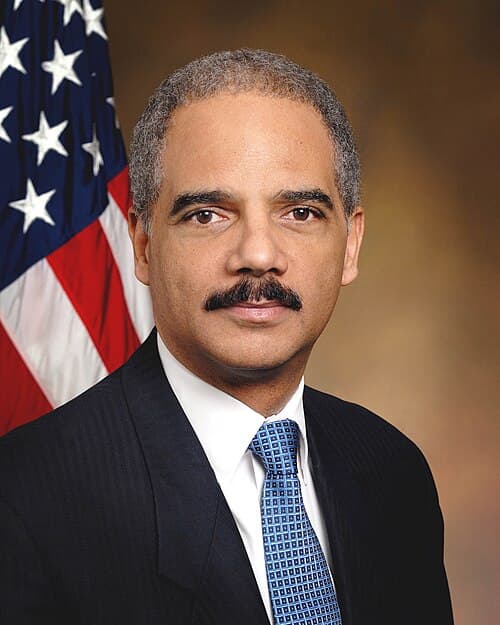
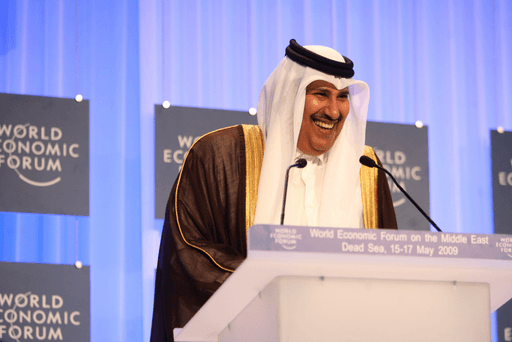
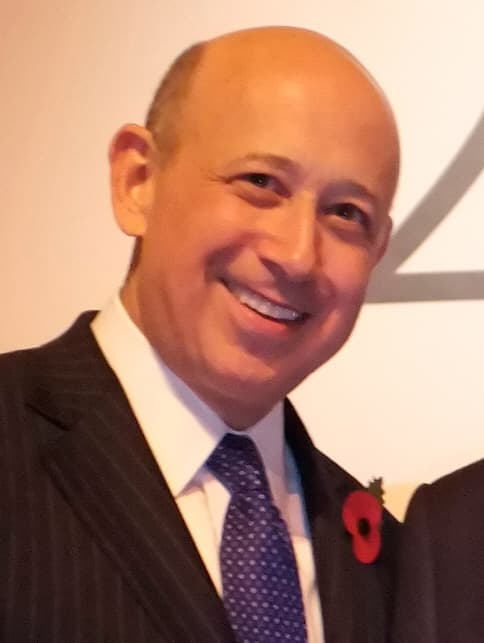
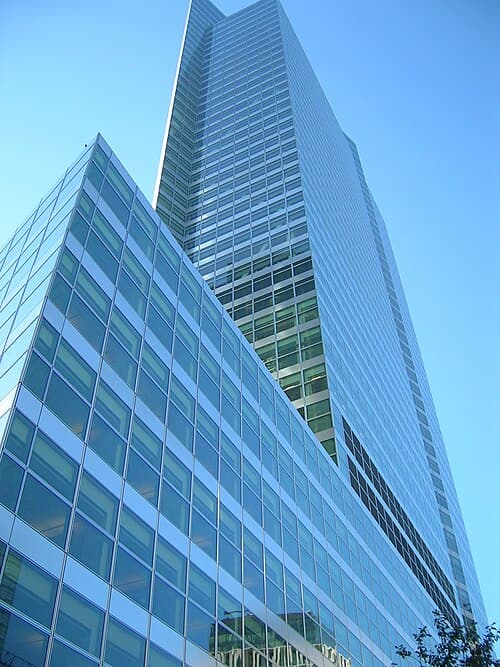
Epstein, preternaturally responsive to both the price of oil and to the politics of the Middle East, entertained that evening a delegation from Qatar, including Sheikh Hamad Bin Jassim, the foreign minister. Hamad , indeed, lives across the street in a similarly furnished house—he and Epstein have the same decorator. Epstein, in his relaxed and amused manner, kept prodding: “Why are you financing the bad guys? What do you get out of that?” The Qatarians, in some mild diplomatic discomfort, seemed most worried that their bid for the World Cup might be compromised by bribery allegations. At 9 the next morning, Epstein was joined for breakfast in the dining room by Reid Weingarten, who’s represented, among other fat cats in trouble, Worldcom’s Bernie Ebbers and Goldman Sach’s Lloyd Blankfein, and is one of attorney general Eric Holder’s closest friends. Weingarten, hoarse, with a cold, and dejected, is just back from a failed defense of former Connecticut Governor John Rowland. After a blow by blow of the trial, there’s a discussion of the Qartarian’s visit—Epstein is serving chocolate made from pistachios grown on the Sheikh’s farm—and speculation about who actually controls ISIS, with Weingarten arguing that the Turks are not getting enough scrutiny (he posits that ISIS is part of their proxy war against the Kurds). There is, in Epstein’s dining room, always an alternative version of world events—” “perception versus reality,” says HOUSE_OVERSIGHT_022871
Sponsored
Page 10 - HOUSE_OVERSIGHT_022872
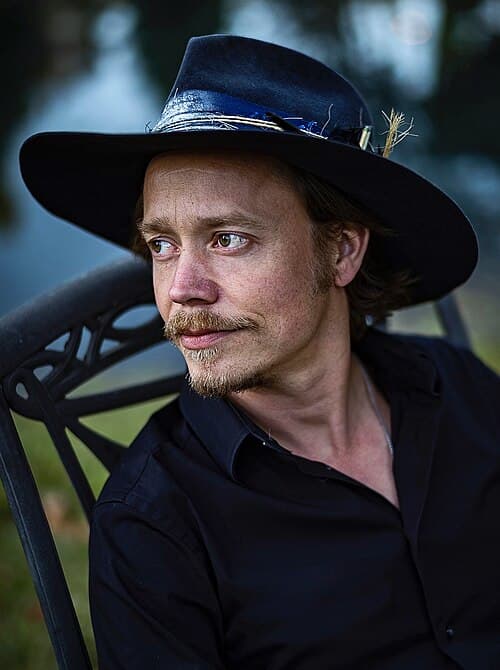
Epstein, “not to imply that one necessarily has greater weight than the other.” “Why?” I asked Weingarten, when Epstein briefly steps out of the room, “do so many people keep coming back here, everything considered.” This was before the most recent blowup but has been an obvious question ever since his stint in jail. “Why we camp out here? I guess because there’s no place like it.” Epstein summons in the next person cooling his heels in the ante-room. It’s a young man named Brock Pierce, a former child actor and dotcom high flyer—a principle in a gaming company called DEN, a notorious dotcom burnout, with its own sex scandal—who now describes himself as the “the most active investor” in the Bitco and programmable currency space.. Epstein shortly checks to see if his next appointment is here to join us. Seconds later, Larry Summers, the former treasury secretary and President of Harvard, enters the dining room. Summers, off Diet Coke, digs deep into the Sheikh’s chocolates, then focuses in on the Bitcoin investor. “Okay,” he says, after listening for a bit to Pierce and his update on the rapid Bitcoin price swings,, “I have opportunities here. But an additional feature of my decision problem roughly speaking is that the worst that could happen to you is that you could lose all the money you put into it. Whereas, I could go—I mean I don’t look that great now—but I could go from being seen as HOUSE_OVERSIGHT_022872
Page 11 - HOUSE_OVERSIGHT_022873
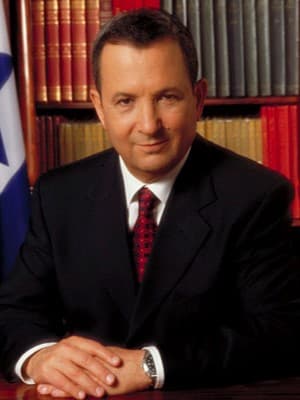
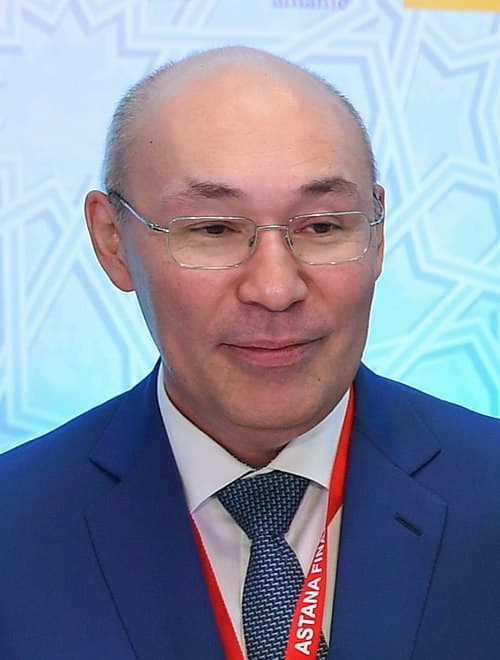
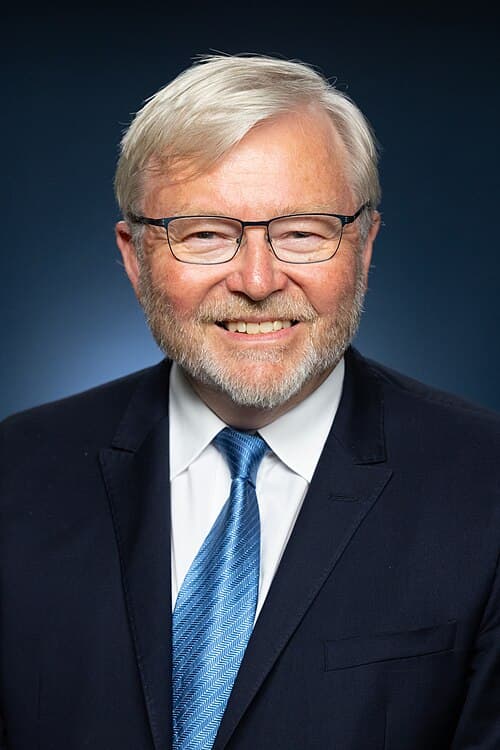
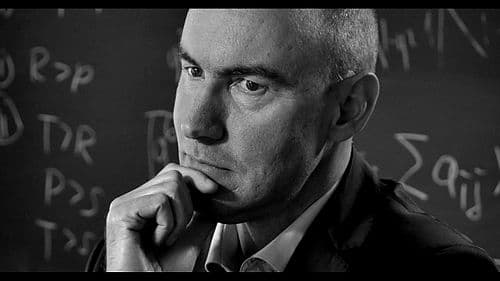
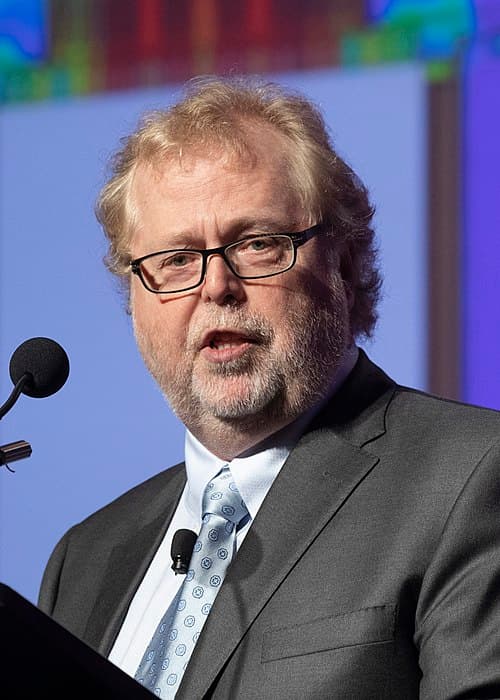
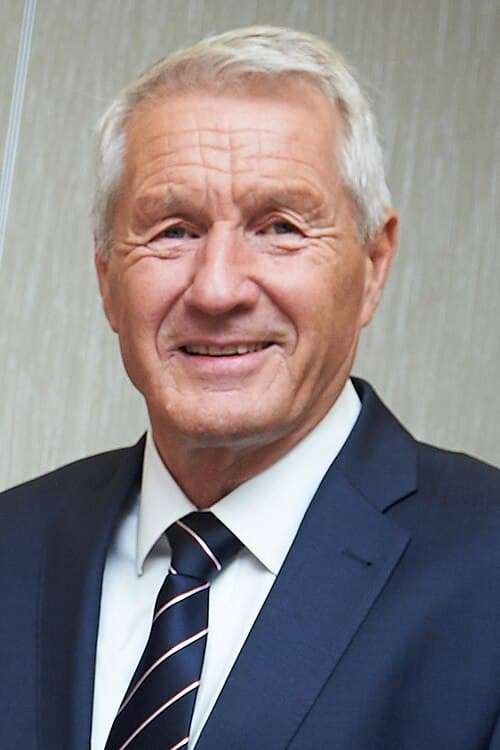
a figure of some probity and some intelligence to being a figure of much less intelligence and much less probity...” “Well,” says Pierce in some dramatic understatement, “you are going to have some low quality characters playing early in the space...” That evening, there’s a small cocktail party, which includes the former Prime Minister of Australian, Kevin Rudd, and Thorbjorn Jagland, the head of the Nobel Peace Prize Committee, who offers an affable, but generally scathing, critique of U.S. diplomacy (and a brief defense of Obama’s Peace Prize award) and to whom Epstein offers a ride back to Europe on his jet. The next morning, it’s Ehud Barack, the former Israeli Prime Minister, for breakfast. Barack is, over his omelet, able to defend both Obama and Putin. Then a high ranking official from the Obama White House (whose name I am asked not to use). There follows the former head of the UN Security Council, Hardeep Purie, and then head of the central bank of Kazakhstan, Kairat Kelimbetov. Then Nathan Myhrvold the former chief technology office at Microsoft. Then Martin Nowak, a Professor of Biology and Mathematics and Director of the Program for Evolutionary Dynamics at Harvard, the institute that Epstein has funded with $30 million. Part of Nowak’s research has to do with trying to “describe cancer mathematically.” (Epstein preempts Nowak’s explanation : “Think of cancer the same way as you HOUSE_OVERSIGHT_022873
Page 12 - HOUSE_OVERSIGHT_022874
No text available for this page
Sponsored
Page 13 - HOUSE_OVERSIGHT_022875
No text available for this page
Page 14 - HOUSE_OVERSIGHT_022876
an institutional interest. You are part of government, or you want to be in government, or you are connected to a bank or other portfolio, or you have key relationships with certain corporations or industries. Because of my situation, I have none of that. I have no institutional ties which makes me in some sense one of the few wholly independent sources of information and actual honest brokers. That’s the usefulness of disgrace.” It’s also true that Epstein’s circle might be more forgiving of disgrace than the rest of the world. Many of these men have themselves been on the wrong side of a negative story or a scandal or a damaging public lawsuit. Any hyper-prominent person might run afoul of prosecutors, the political moment, the media, or the Internet hoi polloi. And they know that the media’s (or prosecutor’s) version of events seldom square’s with their own. In that way, they are, even with jail time, quite willing to give Epstein the benefit of the doubt. For some of his visitors, there’s a clear order of identification: there but for the grace of God. For others tthere is even a wry sense of humor about it. People who know Jeffrey exchange “Jeffrey” stories. “That’s Jeffrey,” says Mort Zuckerman, (whose paper, the Daily News, is ever vitriolic in its coverage of Epstein), with a twinkle in his eye and obvious enjoyment, to tales of Epstein escapades. It is an outréness that Epstein seems to cultivate. In his Paris apartment, 10,000 square feet on the Avenue Foch, a neighborhood otherwise occupied by foreign potentates, there is a stuffed baby HOUSE_OVERSIGHT_022876
Page 15 - HOUSE_OVERSIGHT_022877
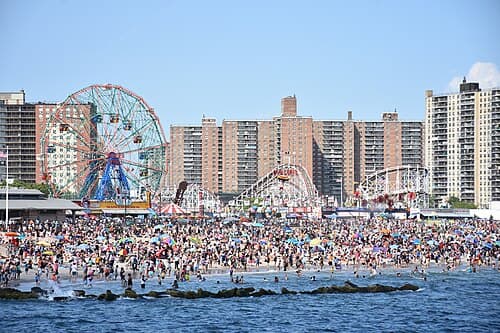
elephant in his living room—that is, the e/ephant in the room. (Epstein says too it’s a reminder that elephants have 23 copies of tumor suppressor genes and humans have only 1.) The single book on his bedside table is Lolita (he is, beyond the joke, a great Nobokov fan). And, too, he seems often to be right. Since I began working on this piece in September, Epstein predictions about the price of oil, yen, ruble, and euro have all born out. If I had invested $100,000 the way Epstein said I should in early September, by the end of January I would have made $2.4 million. (Alas, I did not invest.) At any one moment, he is making a series of bets for himself and others--very much not as a workaday hedge fund, and much more as a privileged association. Money is always about the club it gets you into. Most everyone who is now of a certain age and ambition and status grew up in, and found they were temperamentally suited to, the era of wealth that started in the late 1970s. A meritocracy on steroids, or, as Vanity Fair would baldly dub it, the new establishment, an increasingly parallel world, a self-invented one, at further and further remove from the ordinary one. Epstein’s is just one version. Epstein often tells, with some obvious marvel, his middle class to riches tale: born in 1953 in Coney Island, father worked for the city’s Parks Department, mother a housewife. HOUSE_OVERSIGHT_022877
Sponsored
Page 16 - HOUSE_OVERSIGHT_022878
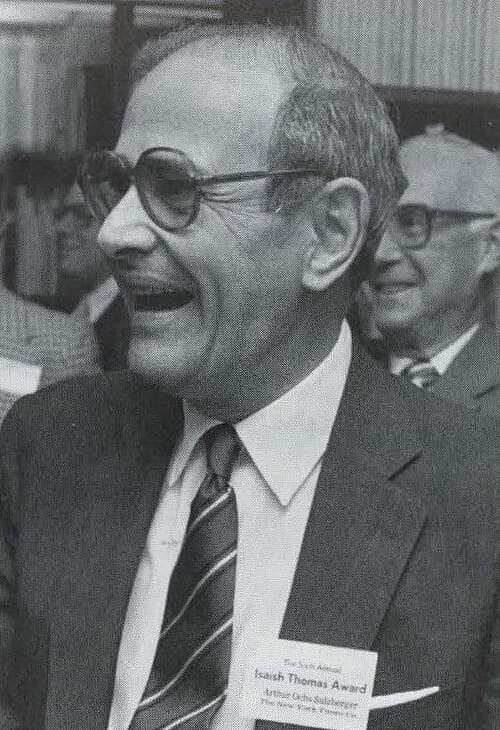
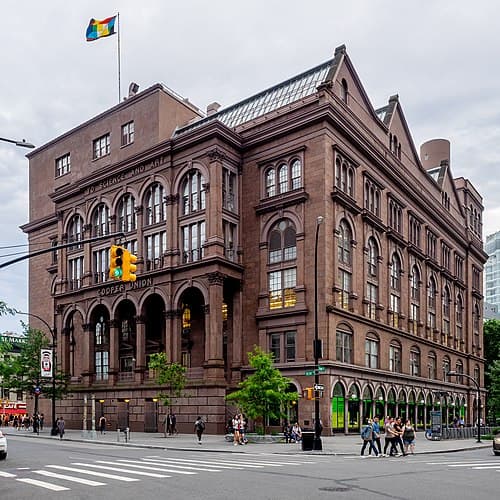
The captain of the math team at Lafayette High school in Bensonhurst, he went on to Cooper Union where the tuition is free. He dropped out after two years and began taking classes at the NYU’s Courant Institute of Mathematics. Then, without a college degree, hence by a slight of hand, he got a job teaching math and physics at Dalton in 1974. (A few years ago, during a chance encounter with a former Dalton math department chairman, Margo Gumport, I asked her about Epstein. She said he was the most brilliant math teacher at Dalton in her 50-year career and that she had often wondered what had become of him.) Dalton was his first exposure to the wealthy. They have, he concluded, just as many problems as the people in Coney Island, but different ones, almost invariably involving divorce and money. “I found it interesting as a science experiment,” he recalled recently as we chatted about his life. “It did not really involve me. I could just stand back and watch.” Dalton fathers were attracted to him as a young man clearly on the make. Punch Sulzberger, the publisher of the New York Times, and a Dalton father at the time, tried to recruit Epstein to come to the Times. (Epstein recounts a story of riding with Sulzberger in his wood paneled station wagon to the family’s country estate and Sulzberger talking to the chauffer on a phone from the backseat to the front.) But he wasn’t interested in being a journalist. HOUSE_OVERSIGHT_022878
Page 17 - HOUSE_OVERSIGHT_022879
No text available for this page
Page 18 - HOUSE_OVERSIGHT_022880
No text available for this page
Sponsored
Page 19 - HOUSE_OVERSIGHT_022881
No text available for this page
Page 20 - HOUSE_OVERSIGHT_022882
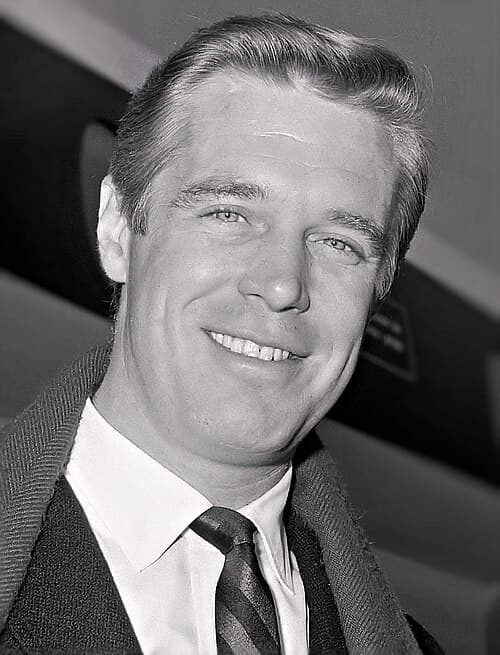
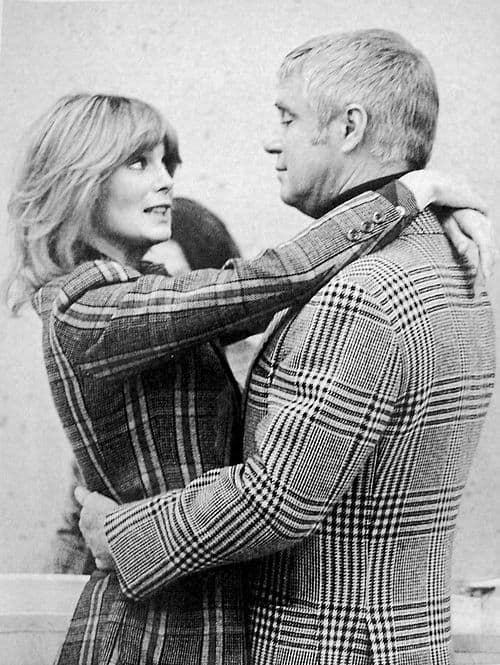
had different problems than the very wealthy. Dealing with a billion dollars was different from dealing with $100 million. “If you had a billion dollars I would think the last thing you should be worried about was money, in truth money was what you most worried about. How to make more of it, how to give away more of it, how to protect your children from it, how to hide it from your wife or husband, how to minimize your taxes on it. The traditional wealth service structure, an accountant, and investment advisor, a personal lawyer, and an idiot brother-in-law, became hopelessly outdated as amounts exponentially increased. “You can’t spend a billion dollars, you can just reallocate it to a different investment class. And you can’t give away a billion dollars without a vast staff, in effect going into the business of giving away money, yet another business you are likely to know little about.” For a period, one part of his activities, he says, was recovering monies for countries looted by exiled dictators or military strongmen. Then, in his telling, he was representing a series of vastly wealthy people and families—not just doing their bidding or their investing, but helping them to navigate the ambitions of their wealth. If they had big dreams before, it’s nothing to what they can have now. If early in his career he might have seemed like a sort of George Peppard (there’s a physical resemblance) in Breakfast at Tiffany’s, a charming hustler, later he’s George Peppard in Banacek, a smart and astute operator. HOUSE_OVERSIGHT_022882
Page 21 - HOUSE_OVERSIGHT_022883
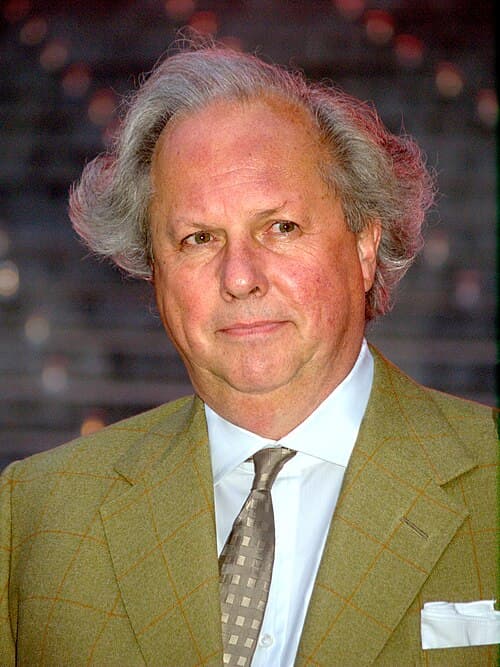
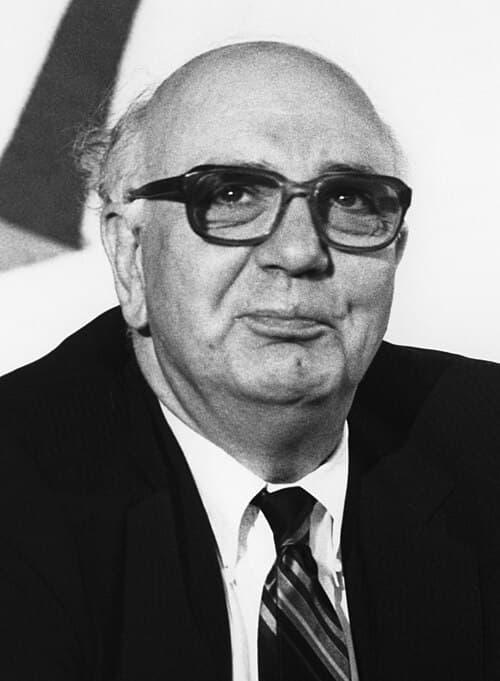
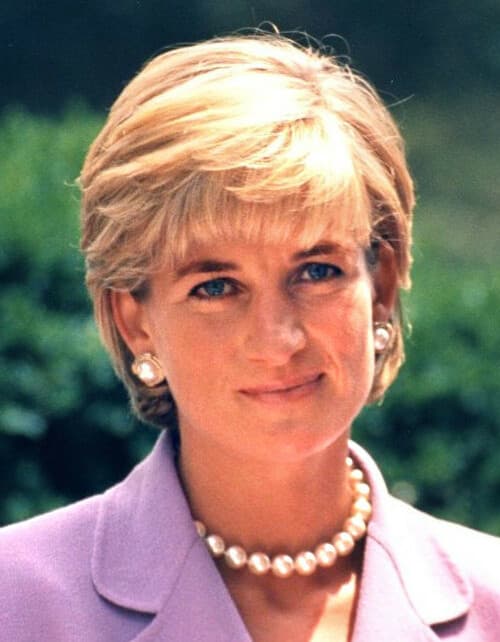
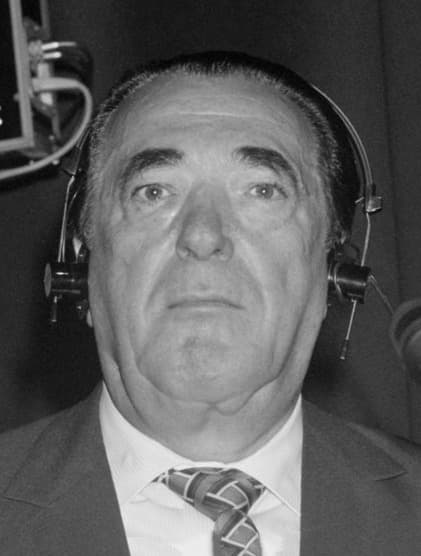
At just about this point in the narrative, the incredulity about Epstein began to circulate in social circles. Epstein had acquired the major symbols of wealth but without position, public holdings, or obvious paper trails. His is a questionable substrata of wealth, without institutional credentials or bona fides. He’s a freelancer. That’s the rub: he doesn’t work for anyone. There is no clear alternate narrative. No one is accusing him of anything, except sometimes guilt by association. (In addition to Robert Maxwell, who will be accused of fraud, there’s Steven Hoffenberg, briefly a New York high flyer, who went to jail for a Ponzi scheme, for whom Epstein acted as a consultant—along with, he points out, Paul Volcker.) But the characterization persists: if it’s not clear, it must be murky. Sure, Goldman Sachs partners and tech geniuses, they might have stratospheric wealth, but what to make of a Coney Island, Zelig-like no-namer? In 1994, just at the moment when Prince Charles was on television acknowledging his love for Camilla Parker Bowles, Jeffrey Epstein was sitting with his arm around Princess Diana at a dinner at the Serpentine Galley in London (Diana wearing her “revenge” dress that evening). Graydon Carter, in his second year as editor of Vanity Fair, was also at the dinner. Epstein’s rise and Carter’s rise are not, with a little critical interpretation, that different. Both are a function of the age of new money, both are helped by strategic HOUSE_OVERSIGHT_022883
Sponsored
Page 22 - HOUSE_OVERSIGHT_022884
No text available for this page
Page 23 - HOUSE_OVERSIGHT_022885
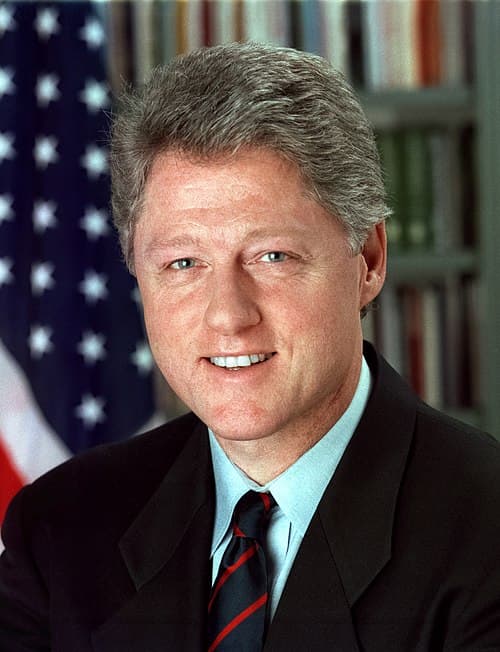
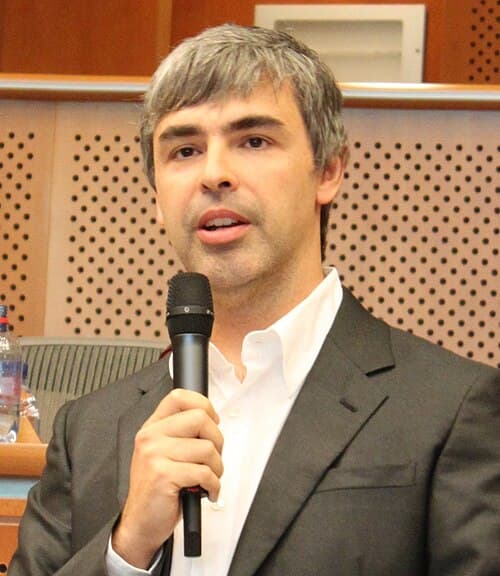
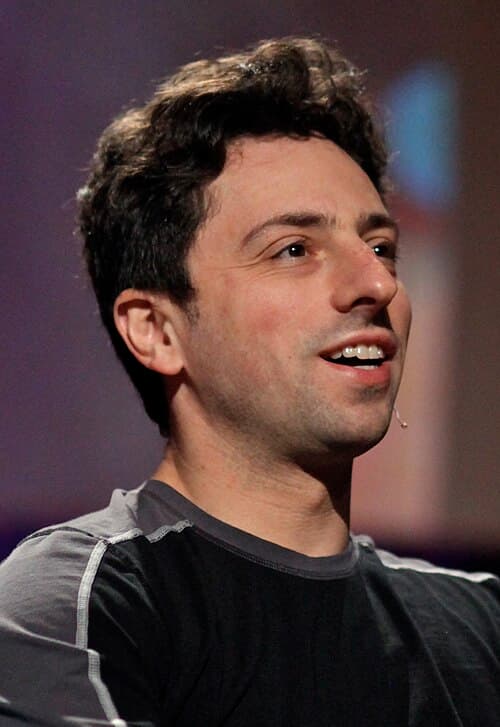
first to take formal media note of the Clinton-Epstein connection, hinting at a sex and money bromance. “I suppose travel with Clinton changed the arc of my life,” Epstein tells me. “There were, I knew, lots of obvious reasons not to do it, but having the ability to spend 100 hours with a former president just doesn’t happen to many people.” I met Epstein around this time, on the flight out to TED. (Epstein had become an active backer of advanced scientific research and a TED fixture.) A small group assembled at the private plane terminal at JFK, most of us unfamiliar with our benefactor, and as we headed in the direction of the discreet private plans we were gently pointed to our ride: Epstein’s 727. It was like something out of a men’s magazine fantasy of the luxe life. The quiet of the plane, engineered into acoustic perfection, seemed spooky. Epstein was accompanied by three young women who were witty, poised, helpful, as well as powerfully alluring. And Epstein, tanned, relaxed, with a wide open smile, was an attentive host, soliciting every guest’s story and views. (One more thing about this trip: Google founders, Larry Page and Sergey Brin, with their company still in its infancy, came out to see the plane on the Monterey tarmac and, with a few other Googlers, literally ran whooping from one end of the plane to the other. Then they described for Epstein, in what I cannot now remember was a put-on or entrepreneurial brainstorm, a brand extension in which they would HOUSE_OVERSIGHT_022885
Page 24 - HOUSE_OVERSIGHT_022886
No text available for this page
Sponsored
Page 25 - HOUSE_OVERSIGHT_022887
No text available for this page
Page 26 - HOUSE_OVERSIGHT_022888
found to have gathered a network of wrong-side-of-the- tracks Palm Beach girls to provide him with weird sexual services. (It somehow reads weirder that he doesn’t have sex with them.) To boot, his former girlfriend, Ghislaine Maxwell—the daughter of the disgraced Robert Maxwell—encouraged at least one of the girls to come to Epstein’s home (and is henceforth known as the procurer or madam for Epstein and, later, his friends). It certainly doesn’t look good. Epstein called in Dershowitz, who flew into Palm Beach to put the local authorities in their place— alienating Palm Beach officialdom—and, further amping up the profile of the case, also brought in Roy Black, the famous criminal attorney who defended William Kennedy Smith in his rape trial in Palm Beach. Epstein might have just been hit with solicitation charges and paid a fine even though some of the girls were underage; prostitution charges in Florida (as in most places) have no age limits and the Palm Beach grand jury proposed solely a solicitation charge. But Epstein’s flamboyance and his friendship with Clinton invited the scrutiny of the Bush FBI, and ultimately Epstein and his legal team decided to go for a plea deal. The result was a baroque set of agreements with both the Feds and Palm Beach county, which mandated jail time (Epstein was sentenced to 18 months, of which he served 13—nearly all Florida prisoners serve only 70% of their officially sentenced time) and sex offender status. The deal also provided for an unusual, if not HOUSE_OVERSIGHT_022888
Page 27 - HOUSE_OVERSIGHT_022889
unprecedented, arrangement by which he agreed to pay the legal fees for 40 girls specified by the FBI in civil Suits against him and not to oppose their claims, resulting in an overall settlement costs that may be as high as $20 million. It is in part this impossible-to-explain weird-justice outcome that has made some people think he was covering for someone else--one person in particular. “So?” I ask directly, one day late in our interviews. “Explain this. It does make it look like you were covering for you-know-who.” “Covering?” He chuckles. “First, by the way, you- know-who was never there. Never came to the island. Not once. Not ever. But you’re right, the settlement was preposterous. Nobody has ever heard anything like it. But while it was breathtaking and perverse and, well, Kafka-esque, it was also straightforward: you sign this or else we will federally indict you in ways that will threaten your property, the people who work for you, and put you in jail for ten years. I took the deal.” A bit more baroqueness: one of the lawyers representing some of the plaintiffs, Scott Rothstein, would also go to jail for recruiting investors to pay for these suits on the fraudulent basis that settlements had already been reached and that many of the listed women had agreed to take reduced immediate cash payments. Epstein got out of jail in 2009. The experience does not seem to have much dented his general bonhomie. One evening over dinner he and the former director of HOUSE_OVERSIGHT_022889
Sponsored
Page 28 - HOUSE_OVERSIGHT_022890
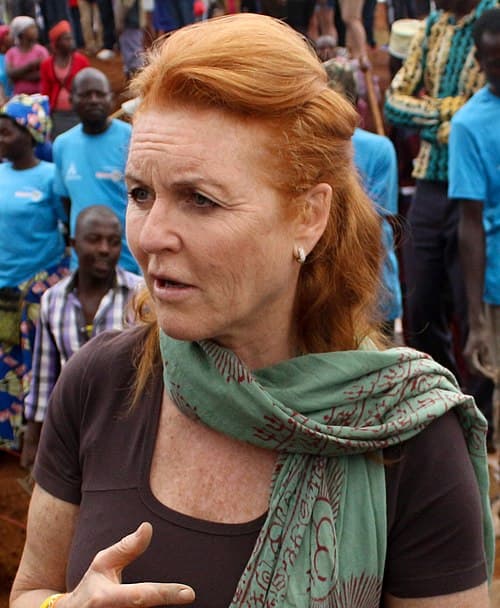
ports in the semi-rouge state of Djibouti, who had fallen afoul of the regime and found himself in prison, exchanged jail stories--they agreed, not as bad you’d think. Epstein, having done his time, moved almost seamlessly back into his life, to the shock-shock of tabloids whenever they seemed to be reminded of his existence (notably, when Epstein’s payment of Fergie’s debts slipped out, likely leaked by Fergie herself). Some things changed. While surprising few others dropped him, the Clinton’s did, an irony of the present tabloid interest in his old address book with its many Clinton contacts. And his sex offender status transformed him from libertine and playboy to paedophile, a distinction in the current climate it is almost impossible to argue. While he has reguarly entertained PR proposals aimed at his public rehabilitation, until Gates prodded him, and then until this recent renwed tabloid fever, he had concluded that he was perfectlysatisfied living behind high walls and in his own exclusive club. Even now, this new Dershowitz-Prince Andrew chapter seems like a parralel distubance rather than something that is actually effecting his world. “Bad press is not something actually bad,” he notes, trying to balance perception and reality. And, indeed, the tabloid narrative and his own narrative rather define wholly separate universes. The, the ongoing case, with the filings that introduced the Dershowitz and Prince Andrew HOUSE_OVERSIGHT_022890
Page 29 - HOUSE_OVERSIGHT_022891
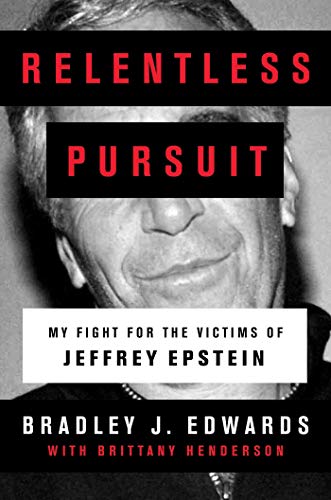
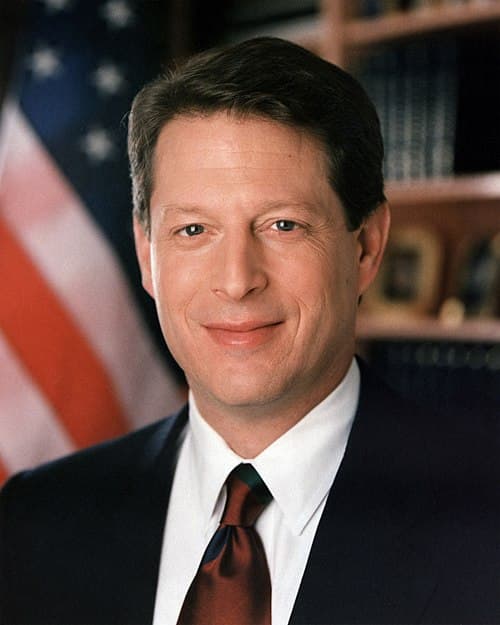
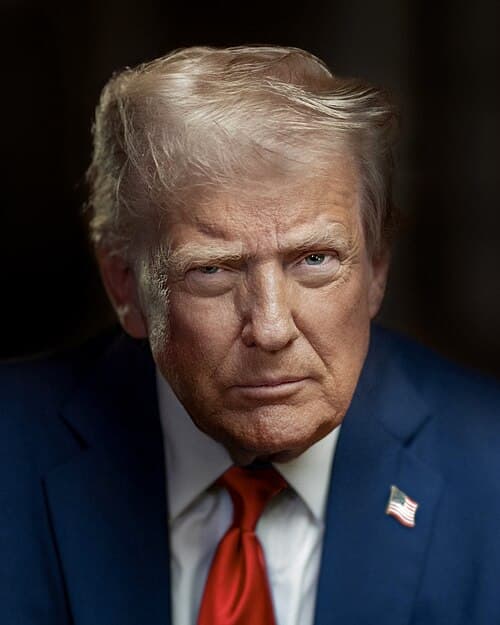
allegations, he notes, was brought by the imprisoned Rothstein’s former partner, Brad Edwards, part and parcel of the settIment industry that has grown up around him. This new chapter relies entirely on the testimony and the memoir—excerpts of which were published by the Daily Mail—of Virginia Roberts, who claims that Ghislaine Maxwell met her, when she was 17, at Donald Trump’s Palm Beach resort and got her a job in the Epstein house, which she held for several years, traveling in the Epstein entourage. It is Roberts—who refused to cooperate with the FBI’s 2007 investigation of Epstein—who has propounded the “sex slave” narrative. She claims that “massage” was a code word for sexual acts, and that she worked for Epstein for TK years for $TK, having sex with him and his friends, and reporting on the details to Epstein so he would have blackmailable details about them. In the laundry list of big names, she also claims to have met (though not had sex with) Bill Clinton and Al and Tipper Gore through Epstein. This is all, says Epstein, utterly false, including that she met Clinton and the Gores, who Epstein says he has never met. Indeed, there has been no corroboration of the Roberts charges nor any new evidence or further prosecution and Dershowitz is suing her for libel. Roberts who was part of the original settlement is now seeking an additional suing Epstein for an additional $50 million from Epstein, and planning a book on her HOUSE_OVERSIGHT_022891
Page 30 - HOUSE_OVERSIGHT_022892
life and the scandal. It is a curious attribute of his character that, other than perhaps being more circumspect about what legal advice to follow, Epstein would not have done anything differently. (When I suggested recently to Epstein that one obvious way to blunt the animus bearing down on him would be to get married, he said he’d rather go back to jail.) His life, living it as he wants, seems to him to be an extraordinary accomplishment. Being on the wrong side of morality, custom, politics, feminists, the media, that’s just a bit of bad luck. And it is perhaps this attitude of his that irks his critics the most. Although he has spent more than a year in jail and paid out what may be as much as $20 million, he yet seems somehow to have gotten away with it— that worst sin of all. He is the unrepentant catchall of up-to-the-minute badness: the financier whose wealth is a product of Wall Street math rather than work; a rich middle-age white man who not only parades his wealth and entitlement, but has a Peter Pan complex to boot; an insistent Playboy (excuse me, peadophile) in a correct and prudish world—someone who somehow didn’t get the memo about vast changes in mores and culture. But Epstein’s friends—and I think that is, in the end, the best word for the powerful people who orbit him—are willing to take him as he comes. Epstein is their confidant. Not the only nexus of them, but one of them. Dr. Epstein. Lay on my couch. As he is everybody’s confident, everybody becomes his HOUSE_OVERSIGHT_022892
Sponsored
Page 31 - HOUSE_OVERSIGHT_022893
confident. This is a back and forth, a power loop. His expertise is knowing what other people know. Which surely offers a unique sense of confidence that it is possible to understand how the world works. And in a time of such radical flux and existential instability, everybody wants to seek out someone who might have some answers or at least make you feel like he does— even, and maybe especially, the rich. The fact that he’s an outsider, even a pariah, nobody you have to fear, in his own way a secret (and all powerful people like secrets) is—if you’re not caught in his company— reassuring too. In the last days of my interviews with Epstein, he was called by a particular world-stage individual, indeed among the richest and most powerful—proudly louche himself—who, feeling out of his depth in a world of crashing oil prices and wild currency fluctuation, had come to believe he might benefit from some private tutoring. And so the math teacher got on his plane. HOUSE_OVERSIGHT_022893
Entities Mentioned
Al Gore
PERSON
Vice President of the United States from 1993 to 2001 (born 1948)
Alan Dershowitz
PERSON
American lawyer, author, and art collector (born 1938)
Arthur Sulzberger Jr.
PERSON
Indian actor
Barack Obama
PERSON
President of the United States from 2009 to 2017
Bernie Ebbers
PERSON
Canadian businessman and fraudster (1941-2020)
Bill Clinton
PERSON • 2 mentions
President of the United States from 1993 to 2001 (born 1946)
Bradley Edwards
PERSON
American attorney who represented Epstein victims, author of Relentless Pursuit
Brock Pierce
PERSON
Entrepreneur, former child actor
CW
Courtney Wild
PERSON
American victim/survivor of Jeffrey Epstein who led legal battle for victims' rights
Donald Trump
PERSON
President of the United States (2017–2021, 2025–present)
Ehud Barak
PERSON
10th Prime Minister of Israel
Eric Holder
PERSON • 2 mentions
United States Attorney General from 2009 to 2015
EA
Eva Andersson-Dubin
PERSON • 2 mentions
Swedish-American physician, former model (Miss Sweden 1980), Epstein's former girlfriend
George Peppard
PERSON
American actor (1928–1994)

George W. Bush
PERSON
President of the United States from 2001 to 2009

Ghislaine Maxwell
PERSON • 3 mentions
British socialite and sex trafficker, daughter of Robert Maxwell, accomplice of Jeffrey Epstein
Graydon Carter
PERSON
Canadian-born American journalist
Hamad Bin Jassim
PERSON
Qatari politician; prime minister and foreign minister
HA
Hamadi
PERSON
Surname reference in documents
HP
Hardeep Purie
PERSON
Person referenced in documents
Harry Reid
PERSON
American politician (1939–2021)
Jeffrey Epstein
PERSON • 2 mentions
American sex offender and financier (1953–2019)
John F. Kennedy
PERSON • 2 mentions
President of the United States from 1961 to 1963 (1917–1963)

John Rowland
PERSON
Person referenced in documents
Kafka
PERSON
Surname reference in Epstein-related documents
Kairat Kelimbetov
PERSON
Governor of the National Bank of Kazakhstan
Kevin Rudd
PERSON
26th Prime Minister of Australia
Larry Page
PERSON
American computer scientist and Internet entrepreneur (born 1973)
Lloyd
PERSON
Surname reference in Epstein-related documents
Lloyd Blankfein
PERSON
American business executive
Marc Rich
PERSON
American commodities trader (1934–2013)
MG
Margo Gumport
PERSON
Person referenced in documents
Martin Nowak
PERSON • 2 mentions
Austrian scientist
Mort Zuckerman
PERSON • 2 mentions
Canadian-American billionaire real estate developer, media proprietor, and founder of Boston Properties
Nathan Myhrvold
PERSON • 2 mentions
Former CTO at Microsoft
NO
Nobokov
PERSON
Surname reference in documents
Paul Volcker
PERSON • 2 mentions
American economist (1927-2019)
Peter Pan
PERSON
Person referenced in documents
Prince Andrew
PERSON
Third child of Queen Elizabeth II and Prince Philip, Duke of Edinburgh (born 1960)
Prince Charles
PERSON
King of the United Kingdom and other Commonwealth realms since 2022 (born 1948)
Princess Diana
PERSON • 2 mentions
Member of the British royal family and Princess of Wales (1961–1997)
Punch Sulzberger
PERSON
American businessman (1926–2012)
QA
Qartarian
PERSON
Surname reference in documents
Reid Weingarten
PERSON • 2 mentions
American white-collar criminal defense attorney at Steptoe & Johnson, represented Jeffrey Epstein and other high-profile clients
Robert Maxwell
PERSON
Czechoslovak-born British media proprietor and Member of Parliament (1923-1991)
RS
Robert s
PERSON
Person referenced in documents
Sarah Ferguson
PERSON
British writer, charity patron, public speaker, film producer and television personality, and former duchess of York
SR
Scott Rothstein
PERSON • 2 mentions
American criminal
Sergey Brin
PERSON • 2 mentions
American billionaire businessman (born 1973)
Steven Hoffenberg
PERSON • 2 mentions
American fraudster
Thomas Piketty
PERSON • 2 mentions
French economist
Thorbjørn Jagland
PERSON
Norwegian politician who served as Prime Minister of Norway (1996-1997) and Secretary General of the Council of Europe (2009-2019). Had direct email correspondence with Jeffrey Epstein and attended social gatherings at his residence.
Tiffany Trump
PERSON
American socialite, research assistant and reality television personality (born 1993)
Tipper Gore
PERSON
Second Lady of the United States from 1993 to 2001
Virginia Giuffre
PERSON • 2 mentions
Advocate for sex trafficking victims (1983–2025)
Vladimir Putin
PERSON
2nd and 4th President of Russia (2000-2008, 2012-present), 7th and 11th Prime Minister of Russia (1999-2000, 2008-2012), Director of the Federal Security Service (1998-1999) and Deputy Mayor of Saint Petersburg (1994-1996)
Watergate
PERSON
Surname or name fragment in documents
William Kennedy Smith
PERSON
American physician; younger son of Jean Kennedy Smith and Stephen Edward Smith
Banacek
ORGANIZATION
Organization referenced in documents
Bitco
ORGANIZATION
Organization referenced in documents

Bitcoin
ORGANIZATION
Digital cash system and associated currency
Cooper Union
ORGANIZATION
Private college in New York City
Councils
ORGANIZATION
Organization referenced in documents
Courant Institute of Mathematics
ORGANIZATION
Organization referenced in documents
Goldman Sachs
ORGANIZATION
American investment bank

Google
ORGANIZATION
American multinational technology company, a subsidiary of Alphabet Inc.

Hedge
ORGANIZATION
Phrase used to reduce the intensity of something said, like "kinda" or "well, I've heard"
Lafayette High
ORGANIZATION
School located in the Bath Beach section of Brooklyn, New York City, New York

Mount Sinai Hospital
ORGANIZATION
Hospital in Manhattan, New York City, United States
Parks Department
ORGANIZATION
Organization referenced in documents
Sabrett
ORGANIZATION
Organization referenced in documents
the Dubin Breast Center
ORGANIZATION
Organization referenced in documents
the Nobel Peace Prize Committee
ORGANIZATION
Organization referenced in documents
the Program for Evolutionary Dynamics
ORGANIZATION
Organization referenced in documents
the UN Security
ORGANIZATION
Organization referenced in documents

Bensonhurst
LOCATION
Neighborhood of Brooklyn in New York City, United States
Coney Island
LOCATION
Coastal neighborhood in Brooklyn, New York City, New York, USA

Djibouti
LOCATION
Sovereign state in Africa

Kazakhstan
LOCATION
Sovereign state in Eastern Europe and Central Asia

Monterey
LOCATION
City in California, United States
Upper East Side
LOCATION
Neighborhood in Manhattan
Statistics
Pages:31
Entities:81
Avg. OCR:95.4%
Sponsored