HOUSE_OVERSIGHT_022372 - HOUSE_OVERSIGHT_022395
Document HOUSE_OVERSIGHT_022372 is a government record from the House Oversight Committee pertaining to the 2016 election results and a profile of the Senate and House of Representatives.
This 24-page document outlines the election results, profiles of the Senate and House, the administration's agenda, and the lame-duck session of 2016. It also touches on topics such as tax, health, energy, and financial services. The document highlights the Republican control of the White House, Senate, and House of Representatives and the potential policy agendas and legislative activities that may arise.
Key Highlights
- •Republicans are set to control the White House, Senate, and House of Representatives.
- •The document discusses the lame-duck session of the current Congress and the need to keep the government funded.
- •Mentions several prominent political figures including Donald Trump, Bill Clinton, Barack Obama, Paul Ryan, and others.
Frequently Asked Questions



Document Information
Bates Range
HOUSE_OVERSIGHT_022372 - HOUSE_OVERSIGHT_022395
Pages
24
Source
House Oversight Committee
Date
November 9, 2016
Original Filename
Tax+Alert+2016-1910_Election.pdf
File Size
725.88 KB
Document Content
Page 1 - HOUSE_OVERSIGHT_022372
aie Dem ming into [- Aen | 1 COU iSO WO : AAA 4 ad environment confi By | point for c Building a bette working world» a - HOUSE_OVERSIGHT_022372
Page 2 - HOUSE_OVERSIGHT_022373
Contents Election results 2 Senate profile 4 House profile 6 Administration and agenda 8 Lame-duck session 2016 11 Tax 13 Health 17 Energy 19 Financial services 21 EY 1 | Election 2016 HOUSE_OVERSIGHT_022373
Page 3 - HOUSE_OVERSIGHT_022374
a POLLING | Election results STATION With Republicans set to control the White House, Senate, and House of Representatives for the session of Congress beginning in January 2017, the lame-duck session of the current Congress between now and the end of this year seems likely to be limited to keeping the government funded beyond the expiration of the current continuing resolution on December 9, 2016. President-elect Trump and the Republican Congress are certain to provide ambitious policy agendas with plenty of proposals to analyze and the need for significant legislative activity. However, it remainsto be seen where Democrats and Republicans, particularly in the Senate, will be able to forge compromise. With 24 of the 34 Senate seats up for election on November 8th held by Republicans, and many of those seats quite vulnerable, retaining control is a major victory for Senate Majority Leader Mitch McConnell (R-KY) and his Republican majority. Currently, Republicans are expected to hold at least 51 seatsin the new congress, with Senator Kelly Ayotte’s (R-NH) reelection bid in New Hampshire still undecided. In Louisiana, State Treasurer John Kennedy (R) received 25 percent of the vote and Foster Campbell (D), a member of the Louisiana Public Service Commission, received 17%in a crowded 24 candidate “jungle primary” to advancetoa runoff election to be held on December 10, 2016. Senior House Ways and Means Committee member Charles Boustany (R-LA) fell just short in his quest to make the two-candidate runoff receiving 15%of the vote. While the Louisiana seat is technically undecided, the state went strongly Republican in the Presidential election and Kennedy is heavily favored to hold the seat. Illinois Senator Mark Kirk (R-IL) lost his race to Rep. Tammy Duckworth (D-IL). In Indiana, Rep. Todd Young (R-IN) won his race against former Democratic Senator Evan Bayh (D-IN) to succeed retiring Senator Dan Coats (R-IN). In Nevada, Catherine Cortez Masto (D-NV) beat Rep. Joe Heck (R-NV) to hold the seat of retiring Senate Democratic Leader Harry Reid (D-NV). In other notable races: » Ohio: Once ground zero for Senate control, Senator Rob Portman (R-OH) easily beat former Governor Ted Strickland (D-OH). » North Carolina: In arace that was consistently withinthe margin of error in recent days, Senator Richard Burr (R-NC) held onto his seat against former state legislator Deborah Ross (D-NC). » Pennsylvania: Behind in most recent polling, Senator Pat Toomey (R-PA) prevailed against former federal and state environmental official Katie McGinty (D-PA). Select Senate race results Kirkpatrick McCain Bennet Glenn Murphy Rubio Duckworth Kirk Indiana Bayh Young Kander Blunt Cortez Masto Heck Hassan Ayotte Ross Burr Strickland Portman McGinty Toomey Feingold Johnson EY 2 | Election 2016 HOUSE_OVERSIGHT_022374
Sponsored
Page 4 - HOUSE_OVERSIGHT_022375
‘POLLING Election results ee STATION Along with the House GOP majority, Senate Republicans will unambiguously set the agenda in the new Congress. However, with a closely divided Senate, Republicans will be well short of the 60 votes necessary under the Senaterules to bring debate to aclose (cloture) and advance controversial legislation without votes from the other party. Narrow Republican and Democratic majoritiesin the recent past have both found their legislative agendas stalled unless they were willing to compromise to attract bipartisan support. One area where 60 votes are not required is confirming appointmentsto the Administration and the Federal courts, with the exception of the Supreme Court. There could be speculation about whether Senate Republicans would consider a rules change to create a 51 vote threshold for Supreme Court nominees, also known as the “nuclear option.” But any serious consideration on this front is far from certain. Republican House losses in the election were minimized for a number of reasons, including the Republican turnout for Donald Trump, the relatively static map created by the post-2010 redistricting process, and highly localized campaigns run by Republican House Members in marginal districts where support for Trump was weaker. With a loss in the single digits, the GOP majority goes from 246 members to somewhere in the 230s, giving Republicans a margin of 20 or so seats versus the current 30. EY 3 | Election 2016 HOUSE_OVERSIGHT_022375
Page 5 - HOUSE_OVERSIGHT_022376
senate profile Current Majority Leader McConnell will stay in the post after successfully working this past session to keep the Senate in Republican hands, while Senator Charles Schumer (D-NY) will take over for retiring Senator Reid after 12 years as Democratic Leader. Given that Republicans held control of the Senate, McConnell will spend the next two years working toward a filibuster-proof 60-vote majority in the 2018 elections, when 25 Democratic or Independent seats are up for re- election, compared with only eight Republicans. Schumer will likely try to reach some compromises with Republicans while distinguishing his party ahead of 2018, and will likely be pulled left, with the influence of Senators Elizabeth Warren (D- MA) and Bernie Sanders (D-VT). Leadership elections are expected to be held on Wednesday, November 16, and committee ratios, likely to be closeto what they are now, will be determined soon after the Senate reconvenes. Predicting the chair and ranking members of Senate committees immediately after an election is speculative because members with seniority will be able to choose between chairmanships and must adhere to Senate Republican committee leadership term limits. Republican senators may serve as chairman for six years and six years as ranking member for any one committee, on a cumulative basis. Following is a discussion of expected select committee chairmen and membership for 2017. An added complication could arise should sitting Republican senators be tapped for cabinet positionsin the Trump administration. Chairman Pat Roberts (R-KS} Ranking Member Debbie Stabenow (D-Ml} Chairman Thad Cochran (R-MS) Several Democratson the committee with significant seniority are in line to choose other ranking positions: Leahy - Judiciary; Murray - HELP; Feinstein - Intelligence; Durbin, who serves as the Assistant Democratic Leader, and doesn’t take a ranking member position on a major committee; and Jack Reed - Armed Services. However, given the importance of the Appropriations Committee and itsresponsibility for preparing bills to fund the government, it would be surprising that the ranking position would be very far down that list. Chairman John McCain (R-AZ) Ranking Member Jack Reed (D-RI} Chairman Mike Crapo (R-ID) Ranking Member Sherrod Brown (D-OH) Senator Richard Shelby (R-AL) has served his six-year limit as Chairman. Chairman Mike Enzi (R-WY) Ranking Member Bernie Sanders (I-VT) lf Senator Murray retainsthe ranking slot on HELP, former presidential candidate Sanders will continue to fill the ranking member role. Chairman John Thune (R-SD} Ranking Member Bill Nelson (D-FL) EY 4 | Election 2016 HOUSE_OVERSIGHT_022376
Page 6 - HOUSE_OVERSIGHT_022377
senate profile Chairman Lisa Murkowski (R-AK) Ranking Member Maria Cantwell (D-WA)} Chairman John Barrasso (R-WY) Ranking Member Tom Carper (D-DE) Jim Inhofe (R-OK) has exhausted his six-year limit. Senator Barbara Boxer (D-CA), the current ranking member of EPW, is retiring. Senator Carper could opt for the post over his current position on the Homeland Security and Governmental Affairs Committee. If Carper decides to stay at HSGA, Senator Ben Cardin (D-MD) would have the option of ranking member of EPW or Foreign Relations. If Cardin should choose Foreign Relations, Senator Sanders would be next in line for the ranking member position. Barrasso can be expected to continue the criticisms of current Chairman Inhofe of EPA regulations and their effect on US energy development and the energy industry. Chairman Orrin Hatch (R-UT)} Ranking Member Ron Wyden (D-OR) Senator Hatch will continue to serve as Chairman by way of an agreement reached with Senator Grassley, who is actually more senior to Senator Hatch on the Committee. (Grassley will serve as Judiciary Chairman.) Dan Coats (R-IN) is retiring from Congress. Senators Richard Burr (R-NC) and Pat Toomey (R-PA) both won re-election races. Eight Democratic committee members will be running for re-election in 2018: Debbie Stabenow (D-MI), Maria Cantwell (D-WA), Bill Nelson (D-FL), Robert Menendez (D-NJ), Tom Carper (D-DE), Ben Cardin (D-MD), Sherrod Brown (D-OH), and Bob Casey (D-PA). Chairman Bob Corker (R-TN) Ranking Member Ben Cardin (D-MD) Chairman Lamar Alexander (R-TN) Ranking Member Patty Murray (D-WA) lf Senator Murray opts for ranking member of Appropriations, Senator Sanders would be in line to be ranking member of HELP where he could be expected to use the position to highlight income inequality. Chairman Ron Johnson (R-WI} Ranking Member Claire McCaskill (D-MO) Senator McCaskill will get the ranking member position if Senator Tom Carper (D-DE) opts for ranking member of EPW. Chairman Charles Grassley (R-IA) Ranking Member Patrick Leahy (D-VT) Senator Leahy will have the option of choosing ranking member of either Appropriations or Judiciary. Most think that with the expectation of at least one Supreme Court nomination and immigration reform legislation in the next two years, he will opt to stay in the ranking position on Judiciary. EY 5 | Election 2016 HOUSE_OVERSIGHT_022377
Sponsored
Page 7 - HOUSE_OVERSIGHT_022378
House profile By retaining control of the House and Senate, with the loss of only a few seats, and winning the White House, Republicans believe they have a mandate to govern. The potential for a Freedom Caucus challenge to Paul Ryan’s leadership is unlikely given the party’s strong showing. The path is clear for the Speaker to pursue the policy actions described in the “Better Way” policy platform developed earlier this year and promoted through the ubiquitous presence of a pamphlet describing the plan that he used during the campaign and press appearances. That effort generated interest from Trump, who adapted his tax plan to reflect some of the proposals. The week following the electionsand prior to Thanksgiving will be focused on internal party organizational issues, including the election of party leadership, and discussion around Republican conference and Democratic caucusrules and the makeup of the Steering Committee, which will determine committee assignments. The leadership of the chamber will be decided in closed-door meetings during this time, with a formal floor vote for Speaker in January. Some Steering Committee decisions regarding committees are likely to take place after Thanksgiving and to include ratification of committee chairmanships and Speaker-appointed committee memberships, as well as appointments of membersto vacant slotson “A” committees (including Ways and Means, Energy and Commerce and Financial Services). Ryan and Democratic Leader Nancy Pelosi (D-CA) will conduct a negotiation to determine committee ratios, which would be expected to be close to what they are now. Chairman Kevin Brady (R-TX) Ranking Member Sander Levin (D-Ml) Republican members Boustany and Young ran for Senate ,and Rep. Robert Dold (R-IL) lost his re-election campaign, leaving three open seats. Republicans under consideration for Committee seats include Reps. Carlos Curbelo (R-FL), Mike Bishop (R-Ml), Bradley Byrne (R-AL), Jackie Walorski (R-IN) and Andy Barr (R-KY). Longtime Democratic members Charles Rangel (D-NY) and Jim McDermott (D-WA) are retiring. Chair John Shimkus(R-IL)/ Greg Walden (R-OR) Ranking Member Frank Pallone (D-NJ} Rep. Fred Upton (R-Ml) will reach his term limit as chairman of the Energy and Commerce Committee and will step down at the end of the current Congress. Rep. Upton noted that he’s “not planning to” seek a waiver of the term limits. The two current frontrunners to replace the outgoing chairman include Reps. John Shimkus (R-IL) and Greg Walden (R-OR). Rep. Shimkus has seniority on the committee, but Walden has also generated party support related to his role serving as chairman of the National Republican Congressional Committee for the past two election cycles. Rep. Joe Barton (R-TX) is also expected to run for the Chairmanship. The powerful Republican Steering Committee, consisting of Republican leadership as well as rank-and-file members, will decide in a private meeting who willlead the committeein the 115 Congress. Adding to the leadership shuffle at the Energy and Commerce Committee, the current chairman of the E&C Subcommittee on Health, Rep. Joe Pitts (R-PA), is retiring at the end of the Congress. Rep. Tim Murphy (R-PA) is under consideration to replace him. Chairman Virginia Foxx (R-NC) Ranking Member Bobby Scott (D-VA) Current Chairman John Kline (R-MN) did not seek reelection. He will likely be succeeded as chair of the House Education and Workforce Committee by Rep. Foxx. She has had a limited role on pension and retirement issues, but has beena reliable voice for limited government regulation and joined in opposing the Obama Administration’s investment advice regulations. Where Chairman Kline put pension reform high on the committee’s agenda, Foxx has not signaled a strong interest in making pension issues a priority. EY 6 | Election2016 HOUSE_OVERSIGHT_022378
Page 8 - HOUSE_OVERSIGHT_022379
House profile Chairman Rodney Frelinghuysen (R-NJ} Ranking Member Nita Lowey (D-NY) Chairman Tom Price (R-GA)} Ranking Member John Yarmuth (D-KY) Current ranking Member Chris Van Hollen (D-MD) was elected to the Senate; Yarmuth is expected to replace him. Chairman Jeb Hensarling (R-TX) Ranking Member Maxine Waters (D-CA) Chairman Bob Goodlatte (R-VA) Ranking Member John Conyers (D-Ml) Chairman Jason Chaffetz (R-UT) Ranking Member Elijah Cummings (D-MD) Chairman Bill Shuster (R-PA) Ranking Member Peter DeFazio (D-OR)} EY 7 | Election 2016 HOUSE_OVERSIGHT_022379
Page 9 - HOUSE_OVERSIGHT_022380
Administration and agenda Looking ahead to the Trump administration and a Republican-controlled Congress, the focus will be on Trump’s top priorities: infrastructure, tax reform, dismantling the Affordable Care Act (ACA), and immigration reform. President-elect Trump highlighted his commitment to infrastructure investment during his victory speech early November 9. “Weare going to fix our inner cities and rebuild our highways, bridges, tunnels, airports, schools, hospitals,” he said. “We’re going to rebuild our infrastructure, which will become, by the way, second to none. And we will put millions of our people to work as we rebuild it.” Trump would fund infrastructure investment through public-private partnerships and private investments through tax incentivesrather than tax reform, though he has called for early action on that issue as well. On October 22, Trump outlined a voter contract for hisfirst 100 days plan that calls for enactment of: » The Middle Class Tax Relief And Simplification Act (comprehensive tax reform); » The End the Offshoring Act, to establish tariffsto discourage companies from laying off their workers in order to relocatein other countries and ship their products back to the U.S. tax-free; » TheAmerican Energy & Infrastructure Act, to leverage public-private partnerships and private investments through tax incentivesto raise $1 trillionin infrastructure investment over 10 years; » The School Choice And Education Opportunity Act, to expand primary education options and make college more affordable; » The Repeal and Replace Obamacare Act, to repeal the ACA and replace it with Health Savings Accounts; » The Affordable Childcare and Eldercare Act, to allow Americansto deduct childcare and elder care; » The End Illegal Immigration Act, to fund the construction of a wall on the Mexican border; » The Restoring Community Safety Act, to reduce crime; » The Restoring National Security Act, to rebuild the military by eliminating the defense sequester and expanding military investment; and » The Clean up Corruption in Washington Act, to enact “new ethics reforms to Drain the Swamp and reduce the corrupting influence of special interests on our politics.” As part of the voter contract announced in October, Trump has also pledged to act on his first day in office to “cancel every unconstitutional executive action, memorandum and order issued by President Obama.” Trump advisor Anthony Scaramucci said in October that the new administration would repeal the rulemaking on conflicts of interest in the delivery of investment advice to IRA and 401(k) plan investors. Regulationsthat have been finalized cannot be unilaterally vacated by executive order without intervening regulatory or legislative action. In order to make changes to final regulations without legislative action, agencies are typically required to follow the administrative procedural process which requires a notice and comment process prior to modifying regulations. If an Administration wishes to repeal or revise a final regulation through the administrative process, the agency may be required to demonstrate that its actions are not “arbitrary and capricious,” and based on morethana change in political views. It is possible that a new Administration could dispense with the notice and comment process by moving to issue an interim final rule, replacing the previousregulation. In this situation, the agency could be called on demonstrate that it acted with “good cause” to circumvent the typical notice and comment requirements. A new Administration could also use its executive power to affect the level of legal defense of challengesto existing regulations provided by the Administration or temporarily refuse to exercise its enforcement responsibilities until compelled through legal action or public pressure. Trump also intends to immediately begin the process of filling the Supreme Court vacancy created by the death of Antonin Scalia in early 2016 —one that could spark fireworkson Capitol Hilland acrossthe country’s highly charged political environment. How Republicans, Democrats, and Trump navigate through the process of nominating and confirming a Justice to the Supreme Court is likely to set the tone in the Senate for the next two years. Trump also intends to act on trade issueson his first day in office, including: » announcing his intention to renegotiate or withdraw from NAFTA; » announcing withdrawal from the Trans-Pacific Partnership; and EY ° | Election 2016 HOUSE_OVERSIGHT_022380
Sponsored
Page 10 - HOUSE_OVERSIGHT_022381
Administration and agenda » directing Treasury to label China a currency manipulator. Consistent with Trump’s desire to change the way business is conducted in Washington, he also pledges to act on his first day in office to: » propose aconstitutional amendment to impose term limits on all members of Congress; » require that for every new federal regulation, two existing regulations must be eliminated; and » impose a five-year ban on White House and congressional officials becoming lobbyists after they leave government service. (The Trump Contract with the Voter is available at https://assets.donaldjtrump.com/ CONTRACT FOR_THE _ VOTER. pdf) Budget. While President-elect Trump has vowed to act quickly on repeal of the ACA, it is difficult to see how that can be accomplished outside of reconciliation instructions for FY 2018. “When we win on November 8th, and elect a Republican Congress, we will be able to immediately repeal and replace Obamacare. | will ask Congress to convene a special session,” he said November 1. An early focus of attention will be the first Trump budget proposal and the congressional FY 2018 budget resolution. As with the past several years under divided government, a main issue will be how to address the Budget Control Act sequester for FY 2018. According to the Congressional Budget Office, the cap on discretionary budget authority originally established by the Budget Control Act is set at $1.156 billion in 2018, though it will be reduced by automatic procedures unless Congress intervenes. CBO said the reduction will total $91 billion for 2018: $54 billion for defense and $37 billion in 2018 for nondefense. Therefore, total budget authority is slatedto be $1.065 trillion, split between $549 billion for defense and $516 billion for nondefense. Both Trump and Speaker Ryan want to eliminate the sequester as it applies to defense, but would likely want to maintain the sequester for non-defense spending. As reported in Politico last month, Speaker Ryan is bullish on using the “budget reconciliation” process to pass significant tax reform. “Thisis our plan for 2017,” Ryan said, waving a copy of his “Better Way” policy agenda. “Much of this you can do through budget reconciliation.” He said key pieces are “fiscal in nature,” meaning they can be moved quickly through a budget maneuver that requires a simple majority in the Senate and House. Use of “Budget Reconciliation” to enact legislation involves a two-step process. First, both Chambers of Congress need to pass a concurrent Budget Resolution (requires only simple majority in the Senate) that contains “reconciliation instructions.” These instructions are directions to committees of jurisdiction to change the spending or revenue numbers (or both), and to report back the changes by a date certain. A budget resolution generally is a legislative vehicle that servesas the blueprint for fiscal policy and establishes a framework for consideration of spending and revenue bills for the coming fiscal year. Technically, a budget resolution isa “concurrent resolution” which is binding in the House and the Senate. Because a concurrent resolution is not submitted to the President for signature, it does not have the force of law. The second part of the process is to pass “reconciliation” bills that adhere to the reconciliation instructions from the budget resolution. Reconciliation bills can involve changes to spending, revenue, or the debt limit (or any combination of the three). Importantly, these reconciliation bills also only require a simple majority in the House and Senate for passage. Reconciliation bills carry strict debate time and amendment restrictions, but unlike a budget resolution, reconciliation legislation contains specific spending and revenue policy changes that are signed into law by the President. In the Senate, debate is limited to 20 hours. While only a simple majority is required for passage in the Senate, 60 votes are required to waive violations of the so-called “Byrd rule,” which prohibits the inclusion of provisions that increase the budget deficit for the period outside the budget window, usually a 10-year period. An unlimited number of amendments may be offered and voted upon, even after the 20 hours of debate have expired —a process often referred to as a “vote-a-rama’. This process is attractive because of the simple majority vote in the Senate, but carries with it restrictionssuch as the ten-year expiration for titles of the bill that increase the deficit outside the budget window. It was used by President George W. Bush to pass significant tax cut legislation in 2001 (the “Bush tax cuts”) and is expected to be considered next year for tax reform. Note that the Bush tax cuts were originally sunsetted at the end of ten years due to the Byrd rule. Subsequent legislation passed outside reconciliation process made many of these provisions permanent. EY ° | Election 2016 HOUSE_OVERSIGHT_022381
Page 11 - HOUSE_OVERSIGHT_022382
Administration and agenda Debt limit. The debt limit will be reinstated after March 15, 2017, though Congress willlikely have additional time to either suspend or increase the limit. Extraordinary measuresthat can be undertaken by the Treasury Department should allow Treasury to continue meeting its financial obligations until at least midsummer of 2017, according to a September 13 posting by the Bipartisan Policy Center. When the debt limit is reinstated, the federal government’s accumulated debt will immediately equal the new ceiling, which is projected to be about $20.1 trillion. The optics of the figure surpassing $20 trillion could spur lawmakersto be even more adamant about demands for spending cuts in return for supporting an additional increase or suspension of the debt limit. FAA reauthorization. The Airport and Airway Trust Fund taxes expire after September 30, 2017, along with Federal Aviation Administration (FAA) spending authority, both of which were last extended in July. Privatization of the air traffic control system was a sticking point in negotiationsthis year. The FAA bill can be a vehicle for other tax legislation. Barack Obama Took office January 20, 2009 George W. Bush Took office January 20, 2001 > estate tax Bill Clinton Took office January 20, 1993 George H. W. Bush Took office January 20, 1989 Ronald Reagan Took office January 20, 1981 Personnel. The fact that Trump has not held political office and is not a traditional Republican puts a new spin on filling out his administration. Press reports have speculated about potential cabinet appointments. Trump has reportedly said that Goldman Sachs alumnus and campaign finance chairman Steven Mnuchin could bea possible nominee for Treasury secretary. Economic advisers that have represented Trump on the campaign include investor Wilbur Ross and economists Peter Navarro, Larry Kudlow, and Stephen Moore. New Jersey Gov. Chris Christie is in charge of Trump’s transition. Politicians who have supported and served as surrogates for Trump and could possibly be tapped for Cabinet posts include: former New York mayor Rudy Giuliani, former House Speaker Newt Gingrich, Senator Jeff Sessions (R-AL), Dr. Ben Carson, and former Alaska Governor Sarah Palin. Senate Foreign Relations Committee Chairman Bob Corker (R-TN) was reportedly under consideration for the vice presidential pick and could be tapped for a Cabinet post. American Recovery and Reinvestment Act of 2009 Enacted February 17, 2009 >» Stimuluslegislation, included bonus depreciation Economic Growth and Tax Relief Reconciliation Act of 2001 Enacted June 7, 2001 The “Bush tax cuts” reduced individual rates, repealed the Omnibus Budget Reconciliation Act of 1993 Enacted August 10, 1993 » Increased individual, corporate taxes Omnibus Budget Reconciliation Act of 1990 Enacted November 5, 1990 » Increased individual taxes despite “no new tax” pledge Economic Recovery Tax Act of 1981 Enacted August 13, 1981 >» Sharply reduced individual, corporate taxes 10 | Election 2016 HOUSE_OVERSIGHT_022382
Page 12 - HOUSE_OVERSIGHT_022383
Lame-duck session With the Republican sweep in the election, the sense is the lame-duck legislative agenda will be minimalist, with Republicans having little motivation to engage in other business aside from funding the government beyond December 9. Congress returns the week of November 14 for organizational meetings and then departs again for Thanksgiving week, leaving lawmakers only a couple of weeks to finish their legislative business. Other possibilities include: a defense authorization bill; the conference report for an omnibus energy bill; the “21% Century Cures” bill increasing funds for medical research and accelerating drug approvals; the Water Resources Development Act (WRDA), which would also carry money to address the drinking-water crisisin Flint, Michigan; tax extenders provisions; and retirement savings measures. Government Funding. Under the stopgap continuing resolution (CR) cleared on September 28, funding for the government will expire on December 9. Only one of the 12 fiscal2017 appropriations bills has been sent to the President so far. The government funding bill may take the form of alarge omnibus bill or continuing resolution, if the House and Senate Republican leadership’s preference for moving spending bills on a standalone basis or in packages does not pan out. Given the election results, leaders are likely to limit the length of the spending bill to a handful of monthsto allow the Trump administration an opportunity to help shape fiscal 2017 spending next year. Speaker Ryan has said he favors a strategy of combining spending bills into “minibus” vehicles, but Senate Democrats have said such an approach could be a tactic to get around the spending caps Congress agreed to on a bipartisan basis last year. The bill(s) may include additional spending to address flooding in Louisiana and elsewhere, and damage from Hurricane Matthew. If the vehicle for government funding is alarge omnibus bill, Republicans may push for some conservative policy “riders” as their price for accepting the budget numbers that were negotiated last year. Tax. There are no must-pass tax issues for the lame-duck session, and it is unclear whether there will be consideration of expiring tax provisions, House and Senate miscellaneous tax bills, and tax technical corrections. House Ways and Means Chairman Brady is opposed to addressing tax extender provisions this year, preferring to look forward to tax reform; that could also be the position taken on other tax issues given that Republicans will control Washington and have a shared interest in tax reform. However, Senate Leader McConnell previously committed to addressing energy tax extenders this year, so they could still come up for consideration. Pensions. The Senate could consider the Retirement Enhancement and Savings Act, a package of measures affecting multiple-employer pension plans, 401(k) plans and annuities, which was approved on a unanimous vote by the Senate Finance Committee on September 21. The committee also approved the Miners Protection Act, which would fund retiree health and pension benefitsfor coal miners, which a majority of the committee’s Republican members opposed. Health. One of the top Republican legislative priorities for the lame-duck session is the 21*t Century Cures bill, a package of measures intended to spur new medical treatments and boost funding for the National Institutes of Health, the FDA, and White House initiatives such as “precision medicine” and the Cancer Moonshot. Questions remain in both the House and Senate over how to pay for the bill and the size of the funding increases, but Senator McConnell has said the bill “could end up being the most significant piece of legislation we pass in the whole Congress.” On the House side, this continuesto be the top priority of the Chairman of the Energy and Commerce Committee Fred Upton. Leaders of the Energy and Commerce Committee said on September 29 that they had been “working hard for months, and we will continue to work toward an agreement that can pass both chambers and be signed by the President.” The House passed its version of the 21% Century Cures bill (H.R. 6) in July 2015 by a vote of 344-77, including nearly $9 billion in new research funding for the NIH and reforms to the FDA’s process for approving certain new medicines and medical devices. In the Senate, the Health, Education, Labor, and Pensions (HELP) Committee has passed a package of 19 bills aimed at accelerating approval of new drugs and medical devices and attracting talented researchers to the FDA, but the full Senate has yet to consider the bills. HELP Committee Chairman Lamar Alexander (R-TN) told Bloomberg BNA in June that the impediments to passage are the proposals’ complexity and disagreements over how to pay for them. Negotiationscontinue. Speaker Ryan has also listed passage of mental health legislation as one of his priorities for the lame-duck session. H.R. 2646, a bill sponsored by Rep. Tim Murphy (R-PA) that passed the House almost unanimously in July, would expand Medicaid coverage of mental health services, fund more psychiatric hospital beds and change privacy rules to allow caregivers to receive more information about patients. EY 11 | Election 2016 HOUSE_OVERSIGHT_022383
Sponsored
Page 13 - HOUSE_OVERSIGHT_022384
Lame-duck session A Senate version (S. 2680) prompted Democratic concerns over funding levels, privacy issues, and other matters. Thisissueis one that could slip into the next Congress if negotiators are unable to reach an agreement given the limited time available. Another outstanding year-end issue for Congressional leaders is whether to address the pending Medicare Part- B premium increases facing new and some existing Medicare enrollees caused by a smaller annual Social Security cost-of-living adjustment (COLA). Congress has acted in the past to avert premium increases due to modest COLA adjustments before the premium increases take effect. Additional Medicare changes that are bipartisan in nature could be added to this Part B adjustment if leaders agree to move forward. Up for potential consideration are a handful of Medicare-related bills that have already passed the House or Senatein the 114‘ Congress, as well as a package of provisions recently unveiled by the Finance Committee that would address how chronic conditions are managed in the Medicare population. Additionally, Congress continuesto contemplate action in the lame duck session to address the Obama Administration’s proposal to modify the payment mechanisms for Part B Medicare drugs. While the proposal has not yet been finalized, concerns about the size and scope of the proposal have been raised by Congress. Energy. House and Senate conferees also hope to finish negotiating the final version of the bipartisan, omnibus Energy Policy Modernization Act (S. 2012, H.R. 8). Among many other provisions, that bill would give the Energy Department emergency authority to protect the electric power grid from physical and cyber threats; require the Federal Energy Regulatory Commission (FERC) to expedite consideration of pipeline siting applications; ease procedures for mining certain minerals on federal lands; increase water allocationsto address drought in California; and change forestry management. There will also be a push to complete the Water Resources Development Act (WRDA). In September, both the Senate (S. 2848) and House (H.R. 5303) overwhelmingly passed bills that need to be reconciled, but the two chambers have not yet formally gone to conference. One factor that is likely to expedite a conference and floor votes is the fact that in September, in order to resolve a deadlock over government funding, Speaker Ryan made a commitment to move assistance to Flint, Michigan (which has faced a drinking-water crisis) as part of the WRDA bill. Energy measures could also come up as Republican “riders” on a year-end spending bill, such as provisions blocking the EPA’s Clean Power Plan or the “Waters of the U.S.” wetlands rule. House Majority Leader McCarthy has also said the House will consider a bill offering a tax credit for new nuclear reactors. Financial Services. House Financial Services Chairman Jeb Hensarling (R-TX) has said he hopes for a lame-duck floor vote on his CHOICE Act, which would repeal much of the Dodd-Frank Act and replace it with a system in which banks would become exempt from many prudential rules if they agree to a much higher leverage ratio. The committee passed the CHOICE Act ona party-line vote in September. The Wells Fargo scandal could pose a hurdle for that plan, because Hensarling’s bill would repeal the Consumer Financial Protection Bureau’s (CFPB) new rules limiting the use of mandatory arbitration clauses in bank contracts. Wells Fargo has been criticized for requiring its account holders to agree to such clauses, restricting their ability to sue the bank after as many as 2 million unauthorized accounts were discovered. The Financial Services Committee will hold a second hearing on November 30 on the Wells Fargo issue, with CFPB Director Richard Cordray testifying. SEC Chairman Mary Jo White will also testifyon November 15. EY 12 | Election 2016 HOUSE_OVERSIGHT_022384
Page 14 - HOUSE_OVERSIGHT_022385
Tax The surprising results of yesterday’s election have teed up comprehensive tax reform asa clear priority for the new Republican President and the Republican Congress. A unified Republican government makes the process of achieving significant tax reform much more manageable next year, in particular because Speaker Ryan during the campaign pledged to move such a plan in the form of so- called budget reconciliation legislation, which would mean that only a simple majority of senators would be necessary to pass the plan, rather than the usual 60-vote majority. Alot of the groundwork has been laid through proposals and negotiationsover the last three or four years on various key aspects of businesstax reform, but Congressional Republican leaders and the new President will have to decide whether to push forward with legislation that embodies the House Republican Tax Reform Blueprint, or the outlines of atax reform plan that President-elect Trump championed during the campaign. One significant difference is that the Blueprint, according to its authors, is largely revenue neutral using dynamic scoring, while the Trump plan was scored by various non- governmental groups as losing trillions of dollars. House Speaker Ryan has said on multiple occasions that tax reform is his top priority. The Blueprint, the sixth and final plank of Ryan’s “Better Way” campaign to provide policy alternatives, proposed a 20%statutory corporate tax rate, a 25%businesstax rate for pass-through entities, a move toward a cash-flow consumption tax through immediate expensing for all businesses and elimination of deductibility of net interest expense, a territorial international tax system, a border tax adjustment mechanism, and elimination of most business preferences except the R&D tax credit and LIFO. Interestingly, all of these pieces of businesstax reform may be fair game in discussions with Democrats, but the two parties differ greatly over whether to reduce individual tax rates —a key component of both the Blueprint and the Trump campaign agenda —and over important revenue issues, including whether reform should be revenue neutral on a static basis, and whether timing and one-timerevenue raisers should be used to pay for permanent tax rate reduction. The use of budget reconciliation, however, could make many of these differencesirrelevant as Senate Democrats could have little power to change or block the legislation on the Senate floor. Along with the 20%statutory corporate tax rate, the Blueprint includes a 25 %business tax rate for pass- through entities; and individual rates set at 12% 25% and 33% Ways and Means Republican tax staff is in the process of receiving feedback and building out the tax reform Blueprint by drafting detailed statutory language. The publicly expressed goal isto have that effort completed by the end of 2016. In October 14 remarks at University of Wisconsin-Madison, House Speaker Ryan said, “| really want to get tax reform running as quickly as possible..: Asked September 29 whether there is opportunity for progress on big-ticket itemsin 2017, Senate Majority Leader McConnell said, “We need to do tax-reform — comprehensive tax-reform —not piecemeal.” Trump's tax plan differs from the Blueprint in that the corporate tax rate would be lower —15%-—with the same rate imposed on pass through entities. The latest statement from the Trump campaign suggests that small business owners do not retain earnings may face double taxation. Individual income tax rates would be 12% 25% and 33% the same as the House Republican tax reform Blueprint. Trump and his staff have supported a 10%tax rate on the deemed repatriation of previously untaxed foreign earnings of US companies, but the campaign never made clear whether they still support repeal of deferral ina new international tax system going forward. Trump has pledged to work with House Republicans on tax issues and, in addition to adopting their proposed individual rates, brought his plan closer to theirs by announcing support for immediate expensing of new business investments for manufacturers. The House plan proposed expensing in conjunction with eliminating the deductibility of net interest expense. In the follow-up toa September 15 speech to the Economic Club of New York, Trump clarified that he believes expensing should be limited to manufacturers and those who elect expensing will lose the deductibility of corporate interest expense. The Trump campaign also clarified in September that they favored repeal of most corporate tax expenditures, except for the R&D Credit. While continuing to call for repeal of the estate tax, Trump proposed disallowing a step-up in basis for estates over $10 million: “The Trump plan will repeal the death tax, but capital gains held until death will be subject to tax, with the first $10 million tax- free as under current law to exempt small businesses and family farms. To prevent abuse, contributions of appreciated assets into a private charity established by the decedent or the decedent’s relatives will be disallowed.” EY 13 | Election 2016 HOUSE_OVERSIGHT_022385
Page 15 - HOUSE_OVERSIGHT_022386
Tax Trump additionally proposed capping itemized deductions at $100,000 for single filers and $200,000 for married filers and highlighted the benefits of his proposals for working Americans and the middle class. “By lowering rates, streamlining deductions, and simplifying the process, we will add millions and millions of new jobs. In addition, because we have strongly capped deductions for the wealthy, and closed special interest loopholes, the tax relief will be concentrated on the working and middle class taxpayer..,” he said. “This is a working and middle- class tax relief proposal.” A campaign fact sheet proclaimsthat Trump’s economic proposals would add 25 million jobs over a decade, which equates to 200,000 new jobs per month. The motivating factors for tax reform will remainthe same as they were in the current Congress, but unified government should make enacting tax reform much easier. The statutory corporate incometax rate is seen as too high and the international tax system compels profit shifting to low-tax jurisdictions and erodes the US tax base. That phenomenon escalated this year with the European Commission’s latest state aid decision, which was seen as demonstrating a tension between the US and Europe over who should tax the foreign income of US multinationals. The passage of the EU’s harmful tax competition directive willlead to enactment in all EU countries of a variety of measures that could increase taxes on US companies operating in Europe, while implementation of innovation box regimes in many countries, following the OECD BEPS project outline, will make it more attractivefor US companies to move intellectual property and exploit that IP into those jurisdictions. The Administration took significant steps this year to try to prevent further erosion of the US tax base through regulatory action to deter inversions and earnings stripping, but all involved said these were Band-Aid approaches that were no substitute for US tax reform. Design issues —international tax reform. As has been the case for the last few years, there is broad agreement on the design elements of businesstax reform, and more specifically, international tax reform, but the devil is in the details. For example, the House Republican Blueprint ontax reform calls for a 8.75%tax rate on previously untaxed accumulated foreign earnings held in cash or cash equivalents, and a 3.5%tax rate on all other accumulated earnings, with tax liability payable over an eight-year period. This is the same tax treatment of accumulated foreign earnings called for under former Ways and Means Committee Chairman Dave Camp’s (R-MI) Tax Reform Act of 2014. But in a departure from the Camp bill, the Blueprint also callsfor a move to a destination-basis tax system, under which border adjustments exempt exports from tax while taxing imports, making the tax jurisdiction the location of consumption rather than production. Exempting exports from US tax and taxing imports regardless of where they are produced will eliminate incentives for US businesses to move or locate operations outside of the United States under a territorial tax system, according to the Blueprint. By relieving exports from US tax while imposing US tax on imports, the Blueprint would eliminate the need for any new exemption or territorialtax system to be accompanied by a minimum tax or any other more conventional anti-base erosion measure, thereby sidestepping one of the more intractable and divisive debates among the business community over the past several years of tax reform discussions. Developing a workable border adjustability mechanism that is not actually a component of a value-added tax presents some significant policy and technical hurdles. US companiesthat are net exporters could end upina perpetual tax loss position, and handing out refunds to some of the largest US companies may not work froma political standpoint, particularly as the domestic income of US companies (including the suppliers for exporting companies) is subject to tax. How to apply the border adjustability concept to cross-border flows of capital, or whether to exempt financial transactions must also be considered. While moving to a form of exemption system has some level of bipartisan support, more liberal Democrats will insist on a more pure worldwide system that includes repeal of deferral. Senate Finance Committee Ranking Member Wyden (intermittently) and Senator Warren (consistently) have both backed the latter approach, and Speaker Ryan noted the differing viewpoints in September given that Democrats increasingly call for a worldwide system and repeal of deferral. EY 14 | Election 2016 HOUSE_OVERSIGHT_022386
Sponsored
Page 16 - HOUSE_OVERSIGHT_022387
Tax “There is a big gulf between our two views... We believe that we should have a pure territorial system...And so | do believe that this issue is coming,” Ryan said. “| don’t think you can stand against aterritorialsystem much longer.” Ryan also remarked that “the experience | had when | was Ways and Meanschair with [Democrats] was not a pleasant one, and | don’t know if that’s going to change.” In a September 8 New York Times op-ed, Senator Warren said foreign developments are increasing pressure on Congress to cut corporations “a new sweetheart deal” in tax reform, but lawmakers should instead take the opportunity to collect more revenue from corporations. “Preferential tax treatment, either through special rates or deferred due dates, creates a huge financial incentive for American companies to build businesses and create jobs abroad rather than in the United States. Our tax code should favor jobs and businesses at home — period,” Warren said. Along with these political and mechanical questions, there is the question of whether such a system, embedded in an income tax rather than a value added tax or other true consumption tax, is legal from an international trade perspective. Design issues — paying for rate reduction. There may also be tension among House Republicans given that the Blueprint has not had a full airing among members -it was released soon before Congress left for its summer recess—and the drafting of legislative language may make apparent what is necessary to achieve the stated goals, particularly the reduced rates: a 20%statutory corporate tax rate; a 25%businesstax rate for pass- through entities; and individual rates set at 12% 25% and 33% Once the details are hashed out, the Blueprint could present just as many trade-offs as previous serious tax reform proposals. While the mix of winners and losers may be different than under other proposals, the ultimate fate of the Blueprint will still be determined by the same fundamental political dynamics that would face any tax reform proposal. For example, the Blueprint would permit companiesto fully and immediately deduct the cost of all tangible and intangible property, with the exception of land. However, the Blueprint also would correspondingly deny deductions for net interest expense. Companies must therefore weigh whether losing interest deductions is a cost they are willing to incur in exchange for full expensing (and a 20%corporate rate). The purpose for denying deductions for net interest expense is to prevent a presumed double benefit from fully expensing leveraged purchases of property. However, the exclusion of land from full expensing under the Blueprint would be particularly severe for debt- financed purchases of land because the land would not be eligible for full expensing (or apparently even depreciation as under current law), while deductions for interest expense on the debt would not be permitted. Moreover, the persistent issues under current law involving the allocation of purchase price between non- deductible land and immediately deductible improvements on the land would be intensified under the Blueprint. Other aspects of paying for a reduced corporate rate will not come easier in the new Congress. The allure of reducing businesstax ratesdid not draw members to support the bill presented to them by former Ways and Means Chairman Dave Camp. Corporate integration. In the Senate, Finance Committee Chairman Hatch continuesto go his own direction on tax reform, touting a corporate integration plan that could be a substitute for or be complementary to a rate reduction effort that includes internationaltax reform. Hatch says he is still aiming to release a corporate integration discussion draft. Chairman Hatch has said the proposal could accomplish the international tax reform that is widely seen as necessary, and the reception to the draft could dictate how strongly he tries to advance the proposal next year. The draft is expected to pair a dividends-paid deduction with a mandatory 35% withholding tax for dividends and interest. Other senators and third parties have raised concerns about a corporate integration plan, including: » that the proposed 35 %withholding tax expected would penalize tax-exempt entitieslike retirement plans and deter foreign investment in the United States; and » that a dividends paid deduction would, by reducing corporate tax liability, diminish the effectiveness of current tax incentives like the R&D credit and accelerated depreciation, and disadvantage startup companies more likely to retain their earnings rather than pay dividends. Extenders. The fate of tax extenders (and certain other tax issues) will likely depend on both what can be accomplished during the 2016 lame-duck session and the success of the likely focus on tax reform in early 2017. EY 15 | Election 2016 HOUSE_OVERSIGHT_022387
Page 17 - HOUSE_OVERSIGHT_022388
Tax There is a push to include the provisionsthat expire at the end of 2016 in year-end legislation, though if that is unsuccessful the issue will certainly return in 2017, either through inclusion in a tax reform measureor separately if those efforts have played out. The 2015 tax legislation made some extender provisions permanent and extended others for five years, meaning the two-year extensions that expire at the end of 2016 will be the focus of the next effort. There will certainly be attention paid to these provisions during any discussion of tax extenders in 2017. Tax treaties. Action on the eight Foreign Relations Committee-approved tax treaties that Senator Rand Paul (R-KY) wants renegotiated over information sharing concerns is seen as overdue. The treaties include: new protocols amending US tax treaties with Switzerland, Luxembourg, Spain and Japan; new tax treaties with Hungary, Chile and Poland; and a multilateral convention on tax administration. There have been no plans announced for trying to move the treaties during the lame-duck session, though such an effort is possible. State tax issues. In August, House Judiciary Committee Chairman Goodlatte released a second discussion draft related to remote sales tax that would apply tax at the destination state of the goods, rather than on the location of the seller, which was his previous approach. The tax would be imposed at a single rate determined by the state of the purchaser, but using the tax base of the state of origin. Chairman Goodlatte wanted a vote this year on the proposal, which had the support of Speaker Ryan, but this vote is not likely to occur during the lame duck session. When Congress approved a customsreauthorization measure that made permanent the Internet Tax Freedom Act in February, Senate Majority Leader McConnell said he had provided assurances to supporters of the Marketplace FairnessAct “that we'll have an opportunity to consider that sometime this year.” Since that is not likely to occur during the lame-duck session, the issue is sure to resurface in 2017. In September, the House approved by voice vote the Mobile Workforce State Income Tax Simplification Act (H.R. 2315), to prohibit wages earned by an employee who performs employment duties in more than one state from being subject to income tax in any state other than: (1) the state of the employee’s residence, and (2) the state within which the employee is present and performing employment duties for more than 30 days during the calendar year. Senate Finance Committee member John Thune (R-SD) sponsors a Senate version of the bill (S. 386), though the outlook for the issue is unclear. EY 16 | Election 2016 HOUSE_OVERSIGHT_022388
Page 18 - HOUSE_OVERSIGHT_022389
Health With a Trump win and Republicans maintaining control of the House and Senate, the health agenda promises to be one of the greatest policy areas of change in the next Congress. ACA Repeal/ Replace. In January, following a 240-181 vote, the House sent to the President H.R. 3762, Restoring Americans’ Healthcare Freedom Reconciliation Act —a piece of legislation which dismantled key provisions of the Affordable Care Act (ACA). The same legislation was approved in the Senate on a vote of 52 to 47. Although the President ultimately vetoed the legislation, it represents a blueprint for Congressional action in 2017 to repeal core componentsof the ACA. The reconciliation process allowsleadersto call up legislation and pass it with a simple majority vote in the Senate—avoiding a potential filibuster. Reconciliation rules in the Senate are complex, enforced by the Senate Parliamentarian, and constrained by CBO scoring rules and conventions—which combine to determine what can and cannot be included in a reconciliation bill. Reconciliation is a powerful tool but its use is limited to policy changes that have a direct impact on taxing or spending levels. Because they have used this process before, Republicans have a road map of the changes that will be possible through the use of reconciliation in a closely divided Senate. Find a link to asummary of the Reconciliation bill that passed in 2015 here. Donald Trump has been less prescriptive in terms of the specifics of the ACA replace plan that he supports. But generally, he has called for a special session of Congress to completely repeal the ACA and replace it with a plan that allows consumers to buy insurance across state lines, allow individuals to deduct the cost of healthcare on their federal tax returns, expand Health Savings Accounts (HSAs) and block grant Medicaid. Speaker Paul Ryan and the House GOP introduced a proposal to replace the ACA that can be found here. Because the Senate GOP did not introduce their own ACA replace plan, negotiations between the chamberswill be required before a strategy is developed. User Fee Legislation. The Senate HELP Committee and the House Energy and Commerce Committee are tasked with the reauthorization of the Prescription Drug User Fee Act (PDUFA), the Generic Drug User Fee Act (GDUFA), the Biosimiliar User Fee Act (BSUFA), the Medical Device User Fee and Modernization Act (MDUFMA). These programs must be reauthorized in 2017 to ensure that sufficient industry fees are available for the FDA to continue to consider the applications of drugs and devices. The Food and Drug Administration (FDA) and relevant industries have reached draft agreements on the user fee proposals. The proposals are historically bipartisan priorities and are expected to be approved by Congress next year. Some of the drug pricing issues raised by Democratsin 2016 could potentially become embroiled in the FDA user fee legislation negotiations. Eventhough Donald Trump has voiced some populist concerns about the increasing cost of prescription drugs, the risk of drug pricing policy changes being enacted next year are less likely given that Hillary Clinton did not win the White House and the GOP continues to control the House and Senate. But Democrats are likely to continue to highlight the issue and seek policy changes to address it. Mental Health/ Opioids. Currently, discussions are ongoing to find a compromise that can be enacted on mental health legislation in the lame duck Congress and possible further action to address the opioid addiction crisis that was such a big issuein so many election campaigns. But disagreements over funding levels, gun issues and the privacy of medical records persist. It remains to be seen if negotiators can reach agreement on these issuesin the lame duck session of Congress or if the issue will be revisited in the next Congress. MACRA Oversight. Congressional oversight of the Centers for Medicare & Medicaid Services’ (CMS) implementation of the Medicare Access and CHIP Reauthorization Act of 2015 (MACRA) is expected to continue following several House and Senate hearings held over the past several months and recent publication of afinal ruleon the matter. In 2015 Congress passed MACRA which overhauls how Medicare pays for physician services. The legislation repealed the Medicare physician sustainable growth rate (SGR) formula and instead moves to a new two-track payment system called the Quality Payment Program (QPP). The two tracks of the QPP seek to tie an increased percentage of physicians’ Medicare fee-for-service payments to outcomesthrough the Merit Based Incentive Payment System (MIPS) and also to encourage the adoption of alternative payment models (APMs). At recent House and Senate hearings, membersfrom both parties expressed concern about MACRA’s potential adverse impact on smaller independent and rural physician practices. While the final rule attempts to address these concerns, it is expected that Congress will continue to utilize its oversight power to monitor implementation. EY 17 | Election 2016 HOUSE_OVERSIGHT_022389
Sponsored
Page 19 - HOUSE_OVERSIGHT_022390
Health Healthcare Reauthorization Priorities. The Children’s Health Insurance Plan (CHIP) will expire and needs to be reauthorized in 2017. CHIP is a federal and state partnership program which provides health coverage to an estimated 8.9 millionlow-income children. In 2015, President Obama signed the Medicare Access and CHIP Reauthorization Act which extended CHIP for an additional two years; without an extension of the program in 2017 the program will exhaust its funding and states will be required to continue the children’s coverage through Medicaid until 2019, due to the ACA’s maintenance of effort (MOE) provision unless the ACA is repealed. The reauthorization process will create an opportunity to consider additional policy changes including changes to the CHIP and Medicaid programs. The ACA also created a funding stream for community health centers. In 2015, a bipartisan vote in Congress extended the Community Health Center Fund by an additional two years (FY 2016 and FY 2017). It is likely that lawmakers will push to extend funding of community health centers into future years beyond 2017. Chronic Care. In late October, Senate Finance Committee Chairman Hatch and Ranking Member Wyden along with Senators Johnny lsakson (R-GA) and Mark Warner (D-VA), co-chairs of the Finance Committee Chronic Care Working Group, released a discussion draft with proposals to improve health outcomes for Medicare beneficiaries living with chronic conditions. Potential Senate legislative action on the discussion draft is possible in the lame duck session, but it is also possible the bill will be taken up in the next Congress. EY 18 | Election 2016 HOUSE_OVERSIGHT_022390
Page 20 - HOUSE_OVERSIGHT_022391
Energy Donald Trump is widely expected to significantly depart from the priorities of the Obama Administration by favoring development of additional conventional energy resources and attempting to put the brakes on new environmental initiatives. The GOP majorities in the House and Senate have a similar agenda and Democrats in Congress are expected to mobilize in opposition -- in particular by leveraging their power in the Senateto filibuster legislation —and publicly highlight the potential impacts of a Trump administration’s policies. Trump has pledged to cancel US participation in the 2015 Paris Climate agreement, and opposes implementation of the Obama Administration’s Clean Power Plan (CPP). His campaign literatureis heavily salted with proposalsto provide regulatory relief to fossil fuel industries and slanted in favor of new administrative initiatives to foster conventional energy development. Specifically, his website calls for the following energy-related initiatives: » Make America energy independent, create millions of new jobs, and protect clean air and clean water; conserve our natural habitats, reserves and resources; unleash an energy revolution that will bring vast new wealthto our country. » Declare American energy dominancea strategic economic and foreign policy goal of the United States. » Unleash America’s $50 trillion in untapped shale, oil, and natural gas reserves, plus hundreds of years in clean coal reserves. » Become, and stay, totally independent of any need to import energy from the OPEC cartel or any nations hostile to our interests. » Open onshore and offshore leasing on federal lands, eliminate moratorium on coal leasing, and open shale energy deposits. » Encourage the use of natural gas and other American energy resources that will both reduce emissions but also reduce the price of energy and increase our economic output. » Rescind all job-destroying Obama executive actions. Mr. Trump willreduce and eliminateall barriers to responsible energy production, creating at least a half millionjobs a year, $30 billion in higher wages, and cheaper energy. Given the predominance of oil and gas executives amongst his kitchen cabinet, it is also widely expected that President-elect Trump will try to halt additional environmental regulatory measures proposed by the Obama Administration, such as methane emission curbs. It should be noted that it is difficult legally to change or repeal regulations which have been promulgated in final form —such as the CPP —without going through the Administrative Procedures Act process. Environmentallawyers can be expected to litigate at every step of the way if Trump attemptsto bypass Congress and eliminate the CPP by Executive Order, and the courts may well serve as a brake on such actions. However, environmental advocates who would have likely tried to push a President Clinton to administratively expand the scope of the CPP’scarbon emission regulations beyond the electric power sector, potentially economy-wide under Section 115 of the Clean Air Act, may now be left to using a litigation routeto try to force the Environmental Protection Agency to expand the CPP to achieve this goal. During the campaign, Trump also specifically rejected the idea of using a carbon tax/carbon pricing as a means of encouraging market-driven emission reductions. With GOP chairmen of the tax-writing committees in the House and Senate, it is very unlikely that they will schedule hearings or markups to move carbon taxes —other than to schedule votes in the House or Senate aimed at undermining vulnerable Democratsup for reelection in 2018. Additionally, the President-elect has vowed to allow energy infrastructure projects, like the Keystone Pipeline and other industrial facilities which have faced denials or delays under the current Administration, to move forward. Trump has proposed a $71 trillion infrastructure plan that would rely heavily on private-public partnerships by providing a tax credit to encourage private investors to fund projects overseen by states and municipalities. As conceived by Trump’s advisors, the tax credit would apply to infrastructure projects with a dedicated source of revenue, such as toll roads, airports or utilities financed at least in part by fees paid by users. Decisions on which projects to fund would generally be left to the states. EY 19 | Election 2016 HOUSE_OVERSIGHT_022391
Page 21 - HOUSE_OVERSIGHT_022392
Energy Trump’s tax reform plans generally adhere to the precepts of the House Republican tax reform Blueprint, but he differs with that outline in some important respects. The House Blueprint proposes, among other things, to allow 100 %expensing of qualified business investments and to deny the deductibility of net business interest expenses. It would also eliminate most fossil fuel- specific tax incentives such as deductions for intangible drilling costs (IDCs) and percentage depletion, but its proposal to allow expensing of all business investment would mitigate the loss of many of the specific deductions. The Blueprint appears to allow both independent and integrated producers to deduct 100%of IDCs in the year they are paid or incurred. Whilethis would preserve the status quo for independent producers, allowing integrated oil and gas companiesto also expense 100%of IDCs could increase the rate of return on oil and gas wells drilled by integrated companies. This change, in combination with the possible loss of the percentage depletion deduction (which allows cost recovery in excess of cost basis) could ultimately make independent producers less competitive with integrated companies. Trump offered qualified support for the Blueprint’s proposal to allow 100 %expensing — but would limit the provision to manufacturers—and those who elect expensing will lose the deductibility of businessinterest expenses. Further, he may be more inclined to keep traditional fossil fuel-specific tax incentives, such as the deduction for intangible drilling costs and the percentage depletion deduction. While President-elect Trump has spent much of his time discussing federal policy issues surrounding conventional energy resources, he has expressed opposition to continued federal support for the development of wind and solar energy and has said that he will eliminate all federal spending for clean energy research. How he proceeds in the new Congress may be heavily influenced by both electoral politics (e.g., ethanol-rich lowa largely supported his candidacy) and the pre-existing dynamics in Congress. Many congressional Republicans have opposed even temporary extensions of renewable energy incentives and the fate of these provisions may well be linked to the effectiveness of the Democratic minority. EY 20 | Election 2016 HOUSE_OVERSIGHT_022392
Sponsored
Page 22 - HOUSE_OVERSIGHT_022393
Financial Services Republicans’ retention of the House and Senate majorities means that President-elect Trump will have partners in both banking committees to help implement an agenda heavy on deregulation. The new Senate Banking Committee chairman will be Mike Crapo (R-ID), who hasa solid working relationship with returning Ranking Member Sherrod Brown (D-OH) and could work productively with him in a handful of areas. On the House side, Rep. Jeb Hensarling (R-TX) returns as chairman of the Financial Services Committee. A fierce opponent of the 2010 Dodd-Frank Act, Hensarling will have Trump’s support in renewing his effort to repeal and replace the Dodd-Frank Act and continuing the panel’s aggressive oversight of financial regulators. Given Republicans’ narrow majority in the Senate, Democrats’ ability to filibuster controversial bills in that chamber will make it difficult for House and Senate GOP leaders to push through a broad dismantling of major elements of Dodd-Frank, something the President-elect called for during the campaign. But given that Republicans will have full control of the executive and legislative branches for the first time since 2006, the GOP base will be dismayed if they don’t try anyway. Short of that broader effort, bipartisan compromises in the areas of bank capital and regulatory relief for smaller banks seem achievable. Senate Banking Committee. Crapo is widely seen as working constructively with Sen. Brown —a stark contrast to Brown’s relationship with current Chairman Richard Shelby (R-AL), who has been unable to agree with Democratson much legislatively. In a July interview, Crapo called Brown “straightforward and honorable” and said that while they were far apart in terms of their political views, “the fact is we have been able to find significant areas of consensus where we can agree to move forward on good policy, so | expect that we would be able to do that.” The leading optionsfor an early bipartisan effort include a bill providing regulatory relief from some Dodd-Frank provisionsto community banks, a high priority for both Crapo and Brown. Such a bill might include language raising Dodd-Frank’s $50 billion asset threshold, above which banks must submit to more rigorous prudential supervision by the Fed. Crapo and Brown also could agree on modest structural changes to the Federal Reserve, unless pressure from the Trump White House for a more ambitious Fed reform bill —like the package of changes passed by the House in November 2015 —derailsthat effort. Crapo and Brown could also conceivably agree on more stringent capital standards for the largest banks, athemethat Brown hammersat every opportunity. As Shelby did, Crapo is expected to maintainthe committee’s focus on rules and bodies created by the Dodd-Frank Act, such as the Financial Stability Oversight Council (FSOC) and the Consumer Financial Protection Bureau (CFPB), which suffered a judicial setback when a federal appeals court on October 11 ruled that its structure was unconstitutional. Crapo has also been skeptical of the new supervisory authorities the 2010 law gave the Fed to overseelarger banks and insurers that are designated as systemically important by the FSOC. Crapo could work collaboratively with Ranking Member Brown on a legislative follow-up to the Fed’s recent report criticizing banks’ trading of physical commodities; one obvious possibility is to repeal the merchant banking exemption given to the holding companies for Goldman Sachs and Morgan Stanley, as the Fed recommended. Finally, a post-crisis system for housing finance—i.e., the future of Fannie Mae and Freddie Mac —still loomsas the biggest area left unaddressed by the 2010 financial reforms, but a bipartisan effort to establish a new system drafted by Crapo and then-Chairman Tim Johnson (R-SD) in 2013-14 foundered when the Banking Committee's liberal Democrats (and some Republicans) declined to support the centrist proposal. Since then, few signs have emerged about how to structure a new housing finance system in a way that could survive a Senate filibuster, and President-elect Trump did not address the issue during his campaign. House Financial Services Committee. After years of confrontation with a Democratic White House and Democratic appointees to financial regulators, Chairman Hensarling will shift strategies now that the executive branch isin more friendly hands. Hensarling is not likely to improve his contentious relationship with Rep. Maxine Waters (D-CA), however, who will return as ranking member and is certain to push back on Hensarling’s efforts to replace the 2010 reformswith more conservative approaches. While Hensarling has regularly done battle with officials at the FSOC, Treasury, SEC and the Fed, new leadership is expected at those agencies — though even Republican appointees will be constrained by the existing statutory mandatesin Dodd-Frank, unless the new Congress is able to alter the law with legislation. At the Fed, Chairman Janet Yellen’sterm does not expire until January 2018. President-elect Trump frequently criticized Yellen as being overly “political” during the campaign. EY 21 | Election 2016 HOUSE_OVERSIGHT_022393
Page 23 - HOUSE_OVERSIGHT_022394
Financial Services During the four previous years of Hensarling’s chairmanship, most of the committee’s major bills died quietly in the Senate, such as efforts to repeal much of Dodd-Frank (the CHOICE Act), impose substantial reforms upon the Fed, restructure the CFPB and strip the FSOC of various powers. That may change now that the House, Senate and White House will operate with greater coordination, though the threat of the Senate filibuster limits what Republicans can achieve. Hensarling notably has enjoyed a longtime friendship with Vice President- elect Mike Pence, which will give him a powerful ally in the White House as the new administration plots its strategy for financial regulation and nominates key appointees for the regulatory agencies. Hensarling agrees with Senators Crapo and Brown on the importance of capital for big banks, but he wantsto reward banks with relief from much of Dodd-Frank’s supervisory regime if they agree to a higher leverage ratio. Hensarling can be expected to reintroduce his CHOICE Act and Rep. Bill Huizenga’s (R- Ml) package of Fed reforms (the FORM Act), and to renew the panel’s aggressive oversight of the CFPB, the FSOC and other bodies established by Dodd-Frank. Republicans have also been critical of moves by global regulatory bodies to set capital and liquidity rules for “systemically important” banks and insurance companies. Wells Fargo Scandal. Lawmakersin both the House and Senate are certain to resume their investigations of Wells Fargo in the wake of revelationsthat the bank’s employees created as many as 2 million accounts without customers’ consent. Hensarling and other Republicans want to use the scandal to raise questions about the performance of the CFPB and the Office of the Comptroller of the Currency (OCC), while Ranking Member Waters has vowed to offer a bill breaking up Wells Fargo into smaller companies. On the Senate side, Ranking Member Brown has used the scandal to focus on mandatory arbitration provisions in financial contracts, and will likely propose legislation prohibiting such clauses, though Sen. Crapo is unlikely to support him. In an editorial piece in October, Camden Fine, president of the Independent Community Bankers of America (ICBA), wrote that he “fully expected” that Wells Fargo’s new policy of notifying customers whenever a new account is created in their name, along with “far more stringent policies, will ultimately become mandatory as policymakersrespond to the scandal with additional regulatory burdens on banks of all sizes.” Oversight of Regulators. As they have in previous years, the banking committees in 2017 will devote considerable time to overseeing rules issued by financial regulators. These will include the still-unfinished interagency rules for clawing back incentive compensation drafted by the SEC, the Fed, the FDIC and other agencies; the CFPB’s controversial new rules for prepaid cards, payday lenders and mandatory arbitration clauses; the global Financial Stability Board’s forthcoming regulations for capital held by large insurers; and the international Basel Committee’s rules for bank capital, which are expected to be issued by the end of this year. The Banking Committee must also schedule hearings for high-level Treasury nominees, as well as nomineesfor key vacancies at the SEC, CFTC, the Federal Reserve and the Ex-Ilm Bank, which were never filled in the current Congress because of lingering disputes with the Obama administration. Two Deadlines to Watch: 1)thelargest banks resubmit their “living will’ resolution plans in May 2017, alwaysa source of contention for critics of “too big to fail’; 2) the Terrorism Risk Insurance Act (TRIA) expires at the end of 2017, forcing yet another ideological dispute over whether the federal backstop program should be renewed. EY 22 | Election 2016 HOUSE_OVERSIGHT_022394
Page 24 - HOUSE_OVERSIGHT_022395
Trade Trade legislative issues could figure prominently in 2017. During the campaign, President-elect Trump argued vigorously against the proposed Trans-Pacific Partnership (TPP), vowed to renegotiate the North American Free Trade Agreement (NAFTA) and pledged to label China as a currency manipulator, which could trigger the imposition of significant tariffs on Chinese imports. Senate Finance Committee. President-elect Trump may find himself somewhat at odds on his trade agenda with Senate Finance Committee Chairman Hatch who has supported numeroustrade agreements during his congressional tenure. House Ways and Means Committee. House Republican trade leaders —including Speaker Ryan and Ways and Means Chairman Brady —played a pivotal role in advancing President Obama’s trade initiativesthrough Congress, including passage of Trade Promotion Authority (TPA) in 2015. A key question is how closely they will work to support President-elect Trump’s trade restrictionist agenda. Trans-Pacific Partnership Agreement. Unless TPP can be approved in the 2016 lame-duck session (an extremely unlikely prospect, as discussed above), TPP will not be ratified. Transatlantic Trade and Investment Partnership Agreement. US and EU trade negotiators failed to make much meaningful progress on TTIPin 2016. Prospects for TTIP are dim, given the President-elect’s trade priorities and a potential chillin US-EU relations. Other trade agreements? The Trade Promotion Authority, enacted in 2015, provides enhanced fast-track procedures for trade agreementsreached before July 1, 2018, with a possible extension to July 1, 2021. Will President-elect Trump decide to launch additional trade agreements that could be considered under the fast-track authority in Congress? Following the U.K. vote on Brexit this summer, some Members of Congress expressed an interest in a possible US-U.K. free trade agreement. EY 23 | Election 2016 HOUSE_OVERSIGHT_022395
Entities Mentioned
Andy Barr
PERSON
U.S. Representative from Kentucky
Anthony Scaramucci
PERSON • 2 mentions
American financier and political figure (born 1964)
Antonin Scalia
PERSON
Associate Justice of the Supreme Court of the United States from 1986 to 2016
Barack Obama
PERSON • 3 mentions
President of the United States from 2009 to 2017
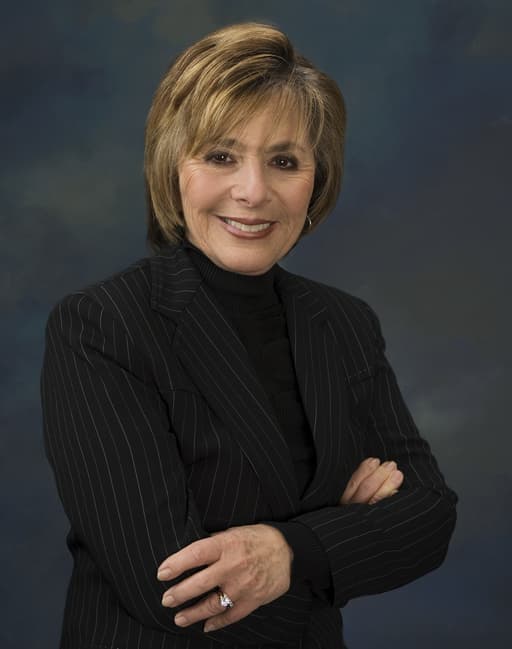
Barbara Boxer
PERSON
Former United States Senator from California
BA
Barrasso
PERSON
Name reference in documents
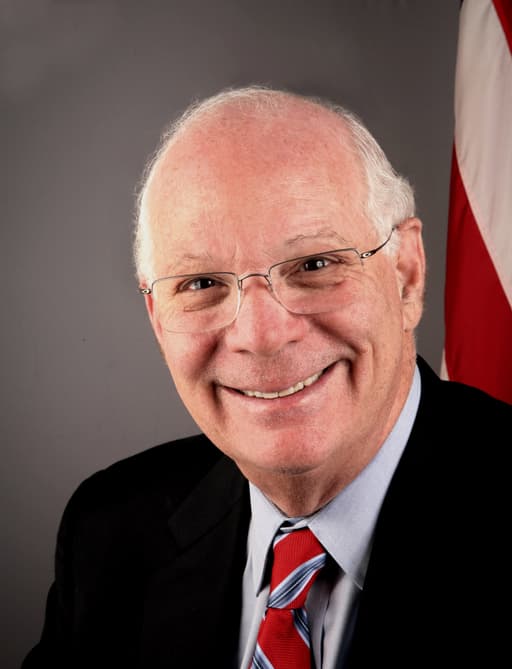
Ben Cardin
PERSON
American lawyer and former politician (born 1943)
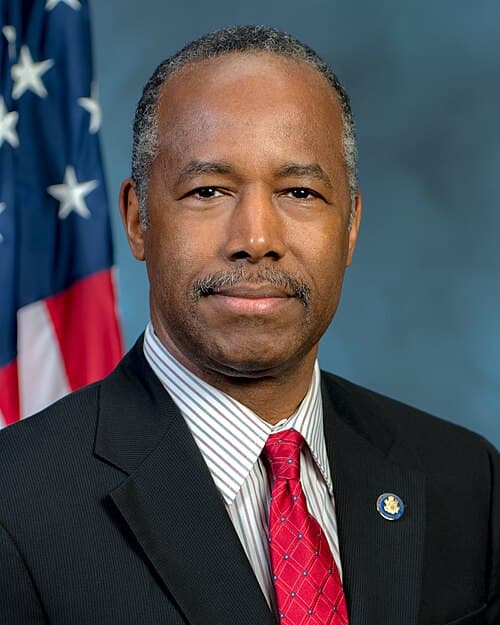
Ben Carson
PERSON
American neurosurgeon and politician (born 1951)
BE
Bennet
PERSON
First name reference to multiple individuals in Epstein-related documents
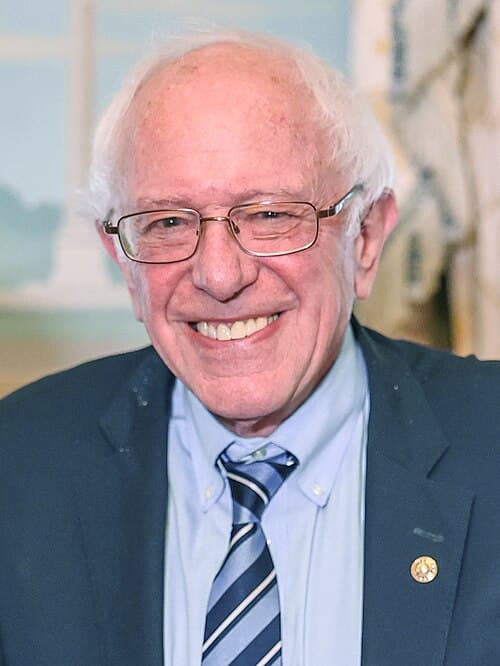
Bernie Sanders
PERSON • 2 mentions
United States Senator from Vermont since 2007
Bill Clinton
PERSON • 3 mentions
President of the United States from 1993 to 2001 (born 1946)
Bill Huizenga
PERSON
American politician
Bill Nelson
PERSON
American politician and attorney (born 1942)
Bill Shuster
PERSON
American politician

Bishop
PERSON
Surname reference in Epstein-related documents
BL
Blunt
PERSON
Name reference in documents
Bob Casey
PERSON
American lawyer and politician (born 1960)
Bob Corker
PERSON
American politician
Bob Goodlatte
PERSON
American politician
Bobby Scott
PERSON
U.S. Representative from Virginia
BO
Boustany
PERSON
Name reference in documents
Bradley Byrne
PERSON
U.S. Representative

Brady
PERSON
Surname reference in Epstein documents

Camden Fine
PERSON
Name reference in documents

Cardin
PERSON
Surname or name fragment in documents
Carlos Curbelo
PERSON
American politician (born 1980)
CA
Carper
PERSON
Surname reference in documents

Catherine Cortez Masto
PERSON
American lawyer and politician (born 1964)
CR
Charles B. Rangel
PERSON
Person referenced in documents
Charles Boustany
PERSON
Former United States Representative from Louisiana
Charles Grassley
PERSON
Person referenced in documents
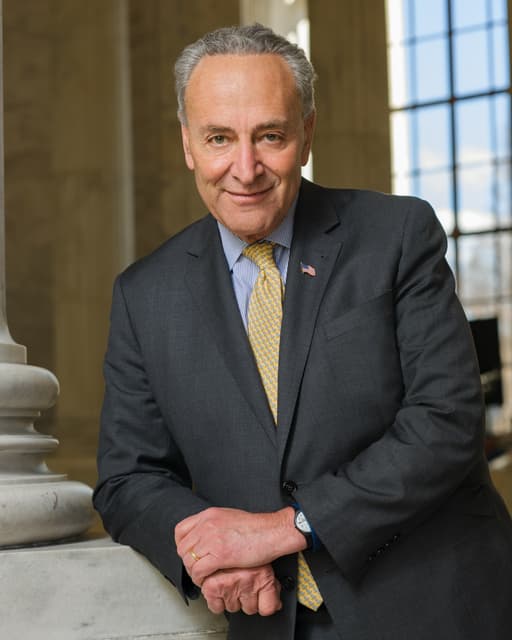
Charles Schumer
PERSON
American politician (born 1950), Minority Leader of the United States Senate (2017–2021) and again since 2025
Chris Christie
PERSON • 2 mentions
55th Governor of New Jersey and former U.S. Attorney for the District of New Jersey
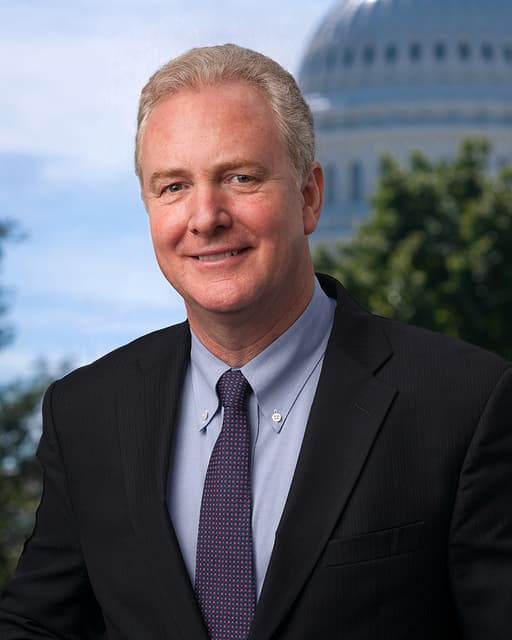
Chris Van Hollen
PERSON
United States Senator from Maryland
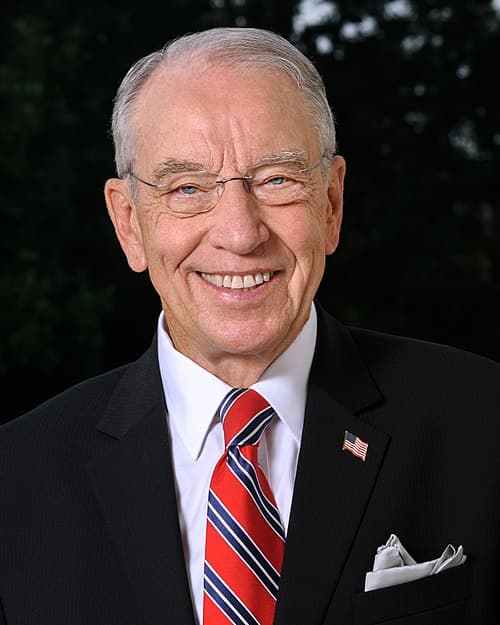
Chuck Grassley
PERSON
United States Senator from Iowa since 1981
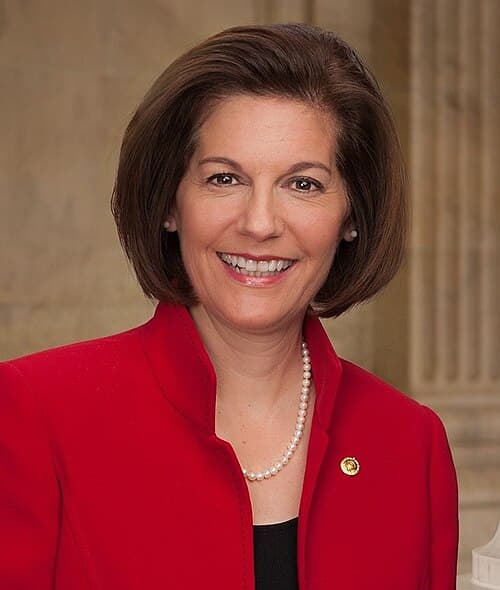
Cortez Masto
PERSON
Name reference in documents
CR
Crapo
PERSON
Surname or name fragment in documents
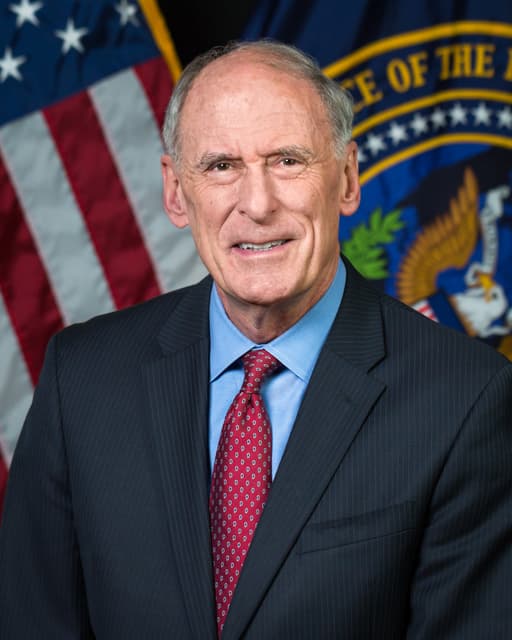
Dan Coats
PERSON
5th Director of National Intelligence, former United States Senator from Indiana
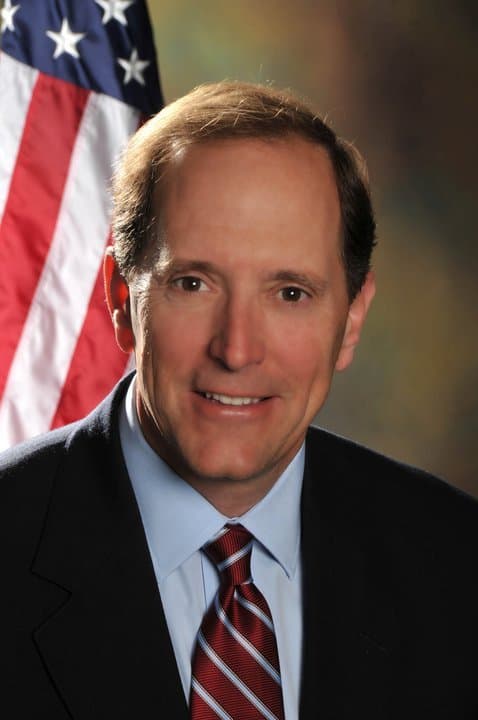
Dave Camp
PERSON
American politician
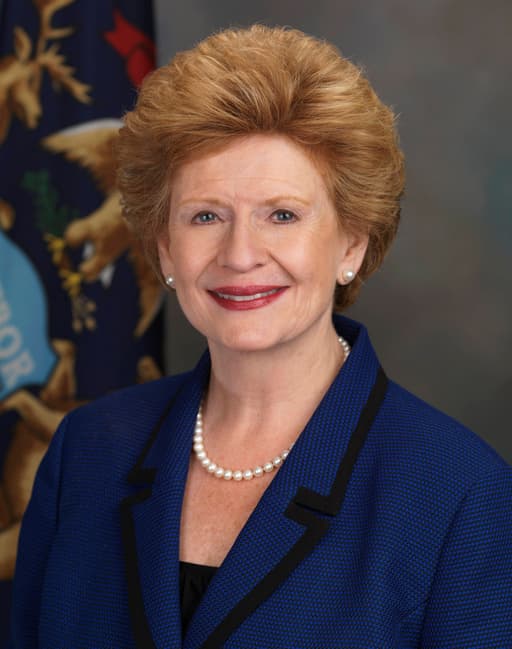
Debbie Stabenow
PERSON
American politician (born 1950)
Deborah Ross
PERSON
British journalist and author
DE
Democratson
PERSON
Name reference in documents
Donald Trump
PERSON • 3 mentions
President of the United States (2017–2021, 2025–present)
DB
Doug Band
PERSON
American presidential advisor
Duckworth
PERSON
American psychologist awarded MacArthur Fellowship
Elijah Cummings
PERSON
American politician (1951-2019)
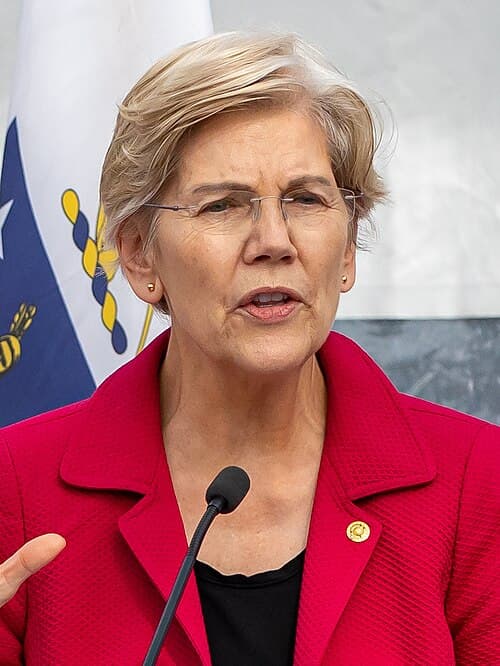
Elizabeth Warren
PERSON
American politician (born 1949)
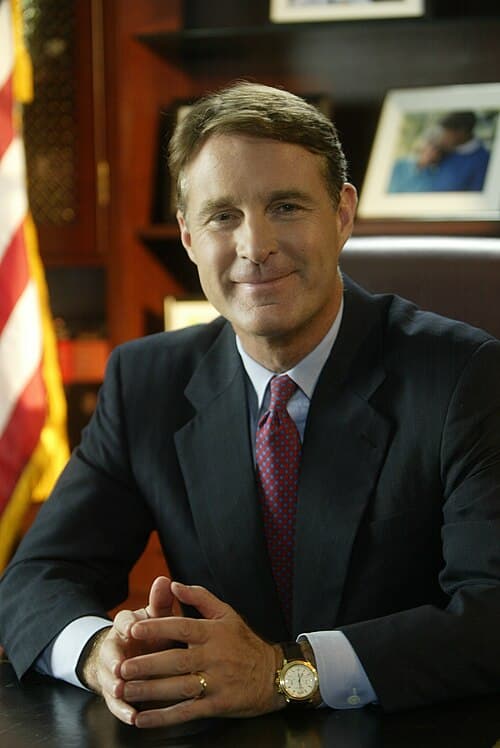
Evan Bayh
PERSON
U.S. Senator from Indiana
FE
Feingold
PERSON
Name reference in documents
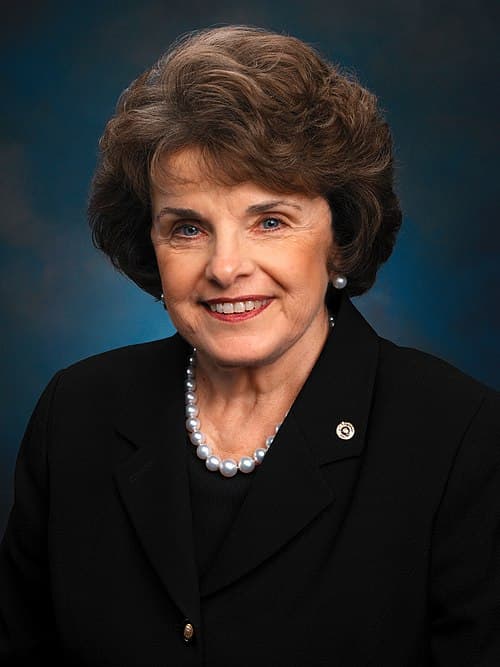
Feinstein
PERSON
Surname or name fragment in documents
FC
Foster Campbell
PERSON
American politician
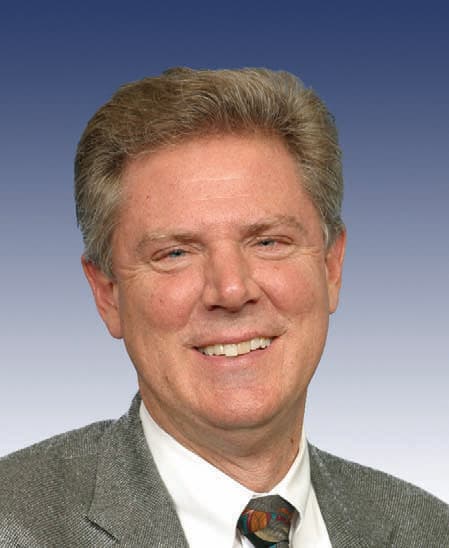
Frank Pallone
PERSON
American lawyer and politician (born 1951)
Fred Upton
PERSON
United States Representative from Michigan
George H.W. Bush
PERSON
President of the United States from 1989 to 1993 (1924–2018)
George Mitchell
PERSON
Former U.S. Senator from Maine and special envoy, connected to Epstein through flight logs and social events

George W. Bush
PERSON
President of the United States from 2001 to 2009
Glenn Dubin
PERSON
American businessman
Goodlatte
PERSON
Name reference in documents
Greg Walden
PERSON
American politician (born 1957)
Harry Reid
PERSON • 3 mentions
American politician (1939–2021)
Harvey Weinstein
PERSON
American film producer and sex offender (born 1952)
Hassan
PERSON
First name reference to multiple individuals in Epstein-related documents

Hatch
PERSON
Surname reference in documents
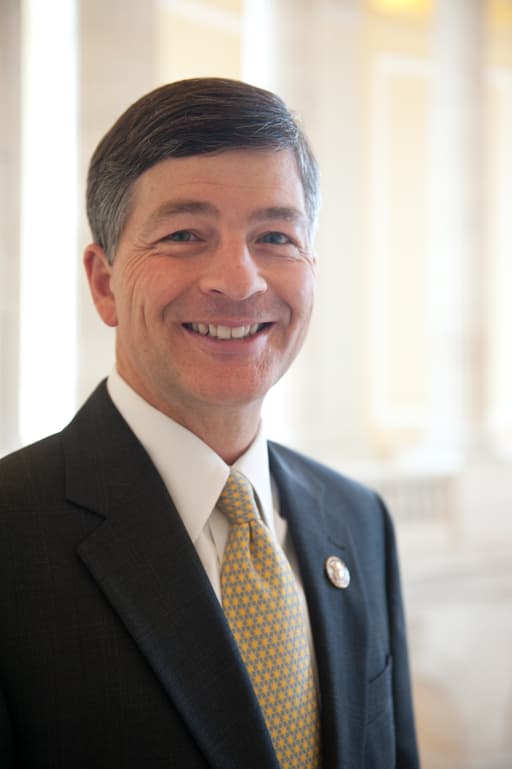
Hensarling
PERSON
Former U.S. Representative from Texas
Hillary Clinton
PERSON
American politician and diplomat (born 1947)
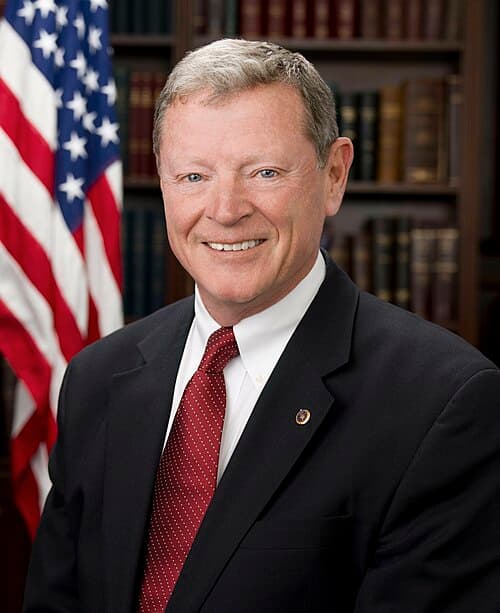
Inhofe
PERSON
Surname reference in documents
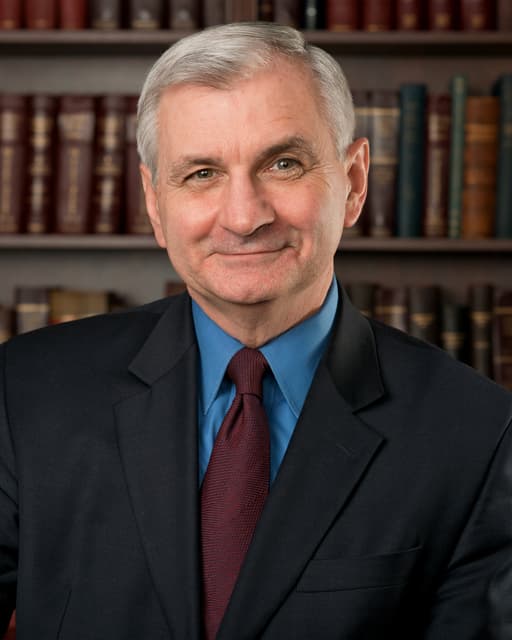
Jack Reed
PERSON
American politician (born 1949)
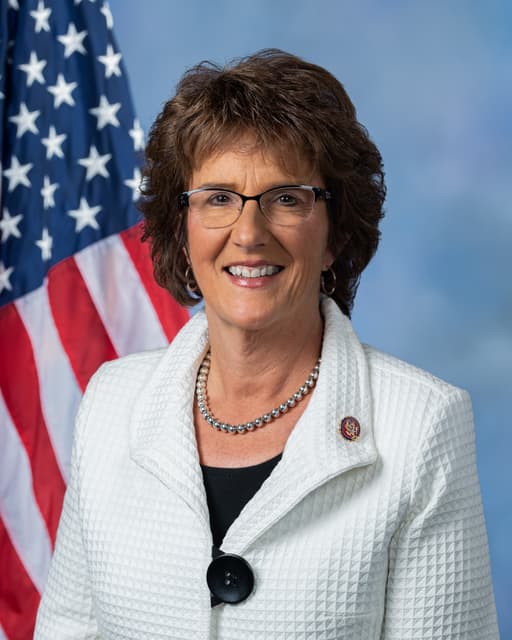
Jackie Walorski
PERSON
American politician (1963-2022)
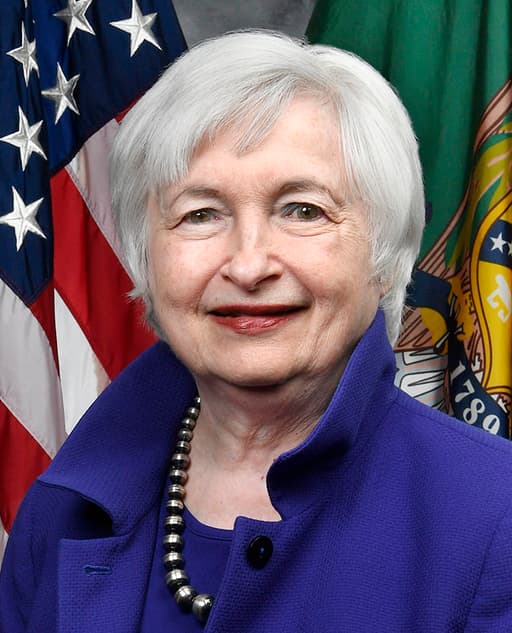
Janet Yellen
PERSON
78th United States Secretary of the Treasury
JY
Janet Yellen’sterm
PERSON
Name reference in documents
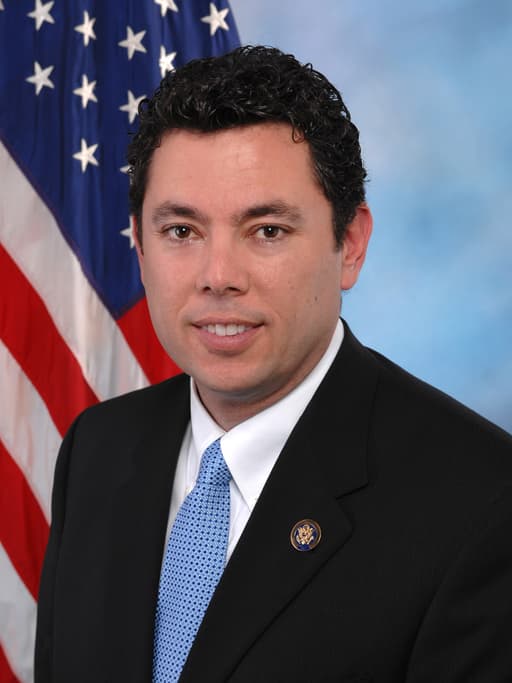
Jason Chaffetz
PERSON
American politician (born 1967)
Jeb Hensarling
PERSON
Former U.S. Representative from Texas
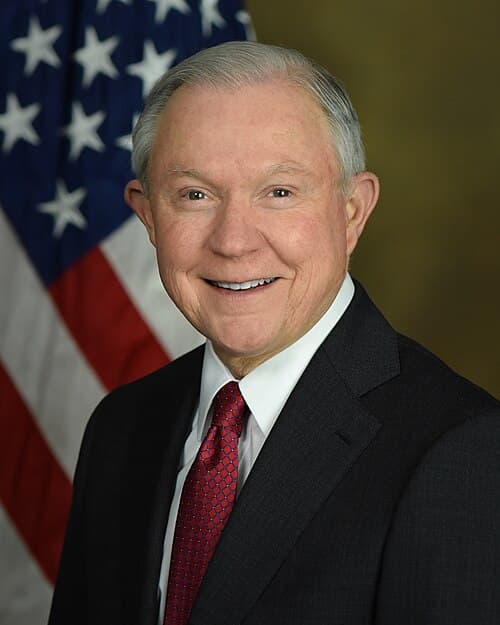
Jeff Sessions
PERSON • 2 mentions
American politician and lawyer (born 1946)
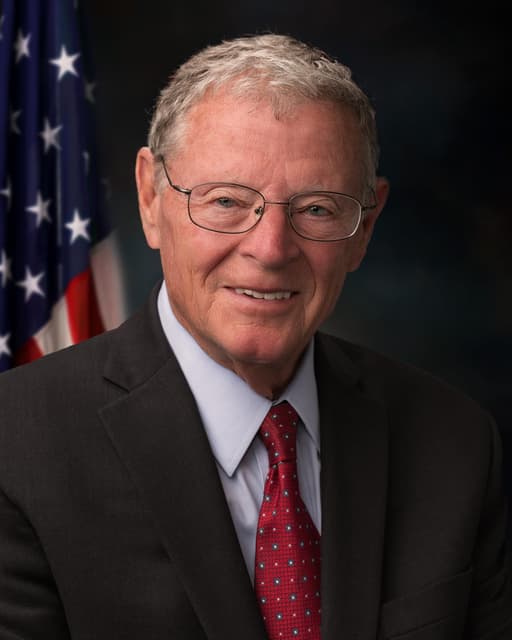
Jim Inhofe
PERSON
United States Senator from Oklahoma (1934–2024)
Joe Barton
PERSON
American politician; U.S. Representative for Texas
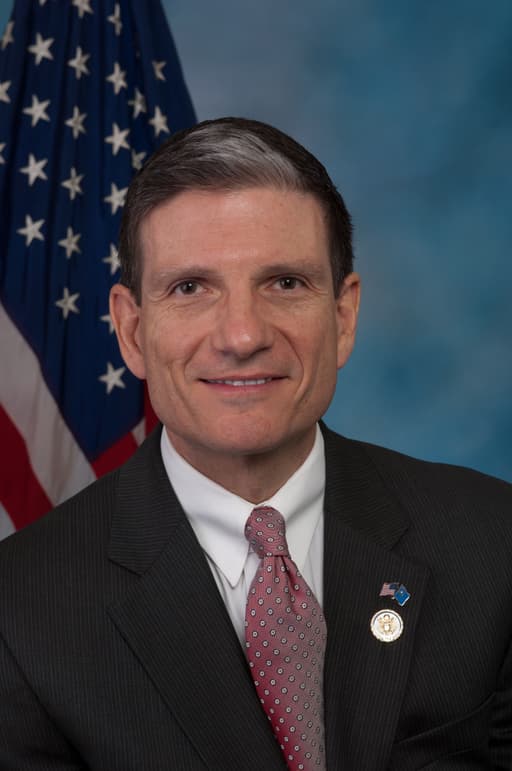
Joe Heck
PERSON
U.S. Representative
Joe Pitts
PERSON
American politician (born 1939)
John Barrasso
PERSON
American physician and politician (born 1952)
John Conyers
PERSON
American politician (1929–2019)
John F. Kennedy
PERSON • 2 mentions
President of the United States from 1961 to 1963 (1917–1963)
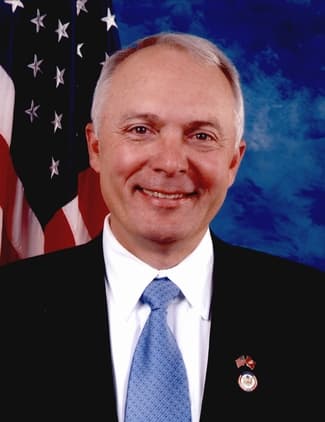
John Kline
PERSON
American politician
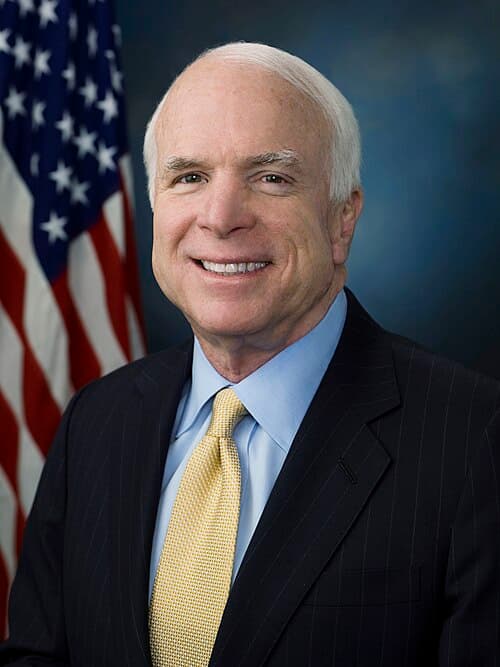
John McCain
PERSON • 2 mentions
American politician, military officer, and presidential candidate (1936–2018)
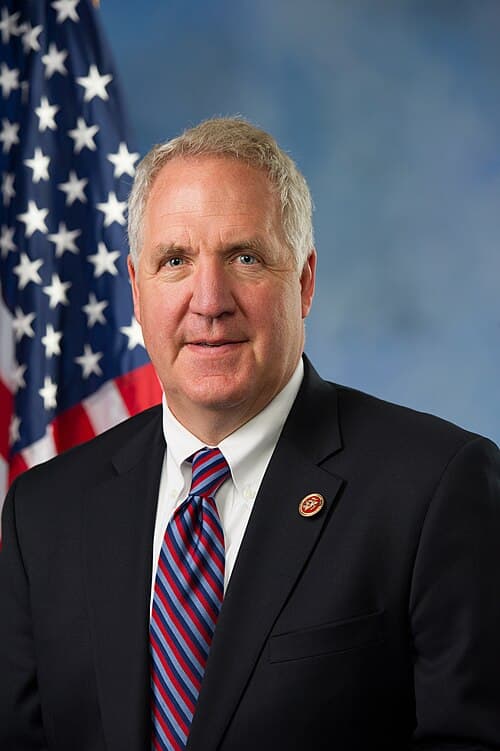
John Shimkus(R
PERSON
Name reference in documents
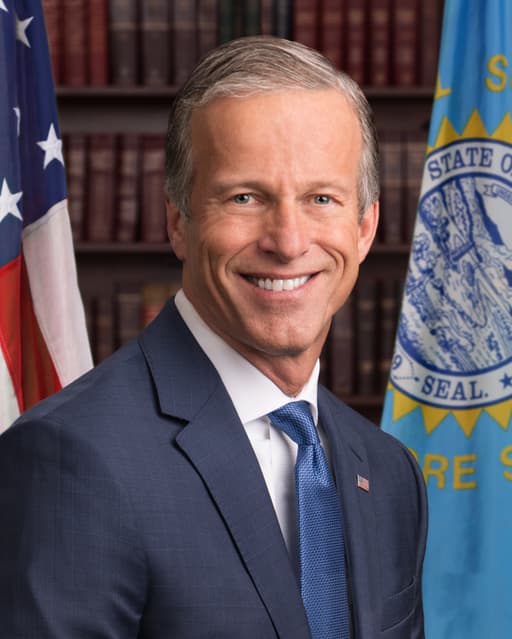
John Thune
PERSON
American politician (born 1961)
John Yarmuth
PERSON
American politician
JL
Johnny lsakson
PERSON
Name reference in documents

Kander
PERSON
Surname reference in documents
Kelly Ayotte
PERSON
American politician (born 1968)
Kevin Brady
PERSON
American politician
KI
Kirkpatrick
PERSON
Surname reference in Epstein-related documents
KL
Kline
PERSON
Surname reference in Epstein documents
Lamar Alexander
PERSON
American politician
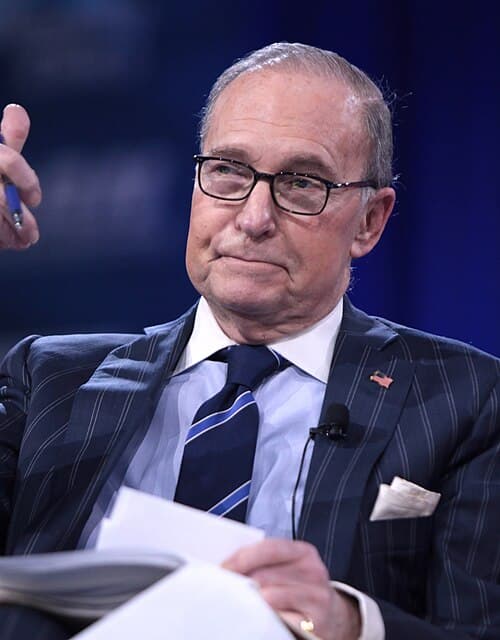
Larry Kudlow
PERSON
American television host and financial analyst (born 1947)

Leahy
PERSON
Surname reference in Epstein-related documents

Lisa Murkowski
PERSON
United States Senator from Alaska since 2002
Marc Rich
PERSON
American commodities trader (1934–2013)
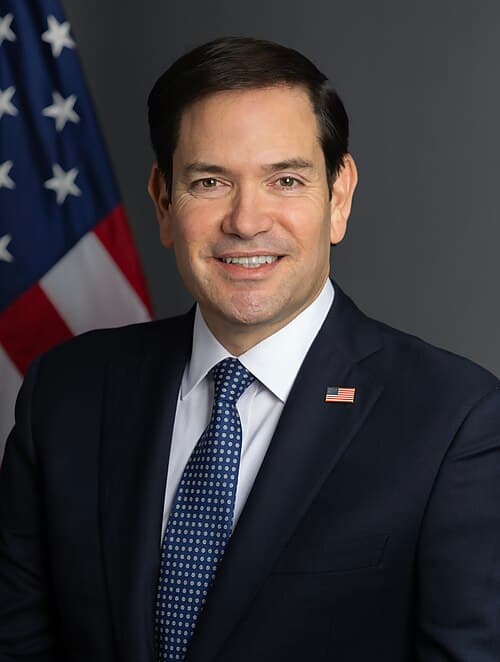
Marco Rubio
PERSON
72nd United States Secretary of State since 2025
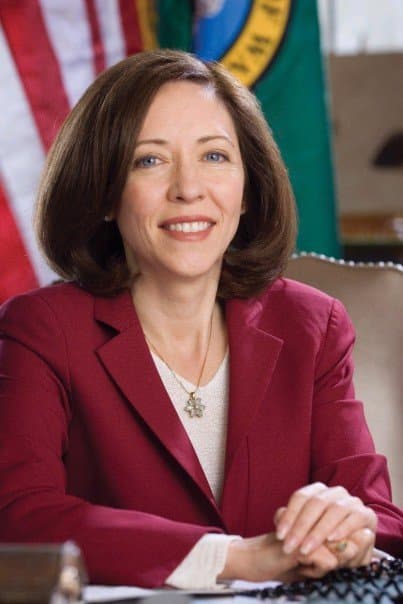
Maria Cantwell
PERSON
American politician and businesswoman (born 1958)
MF
Maria Farmer
PERSON
American visual artist
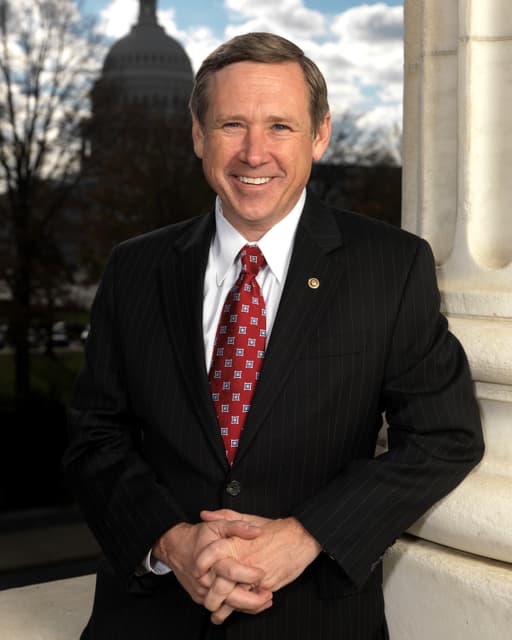
Mark Kirk
PERSON
American politician (born 1959)
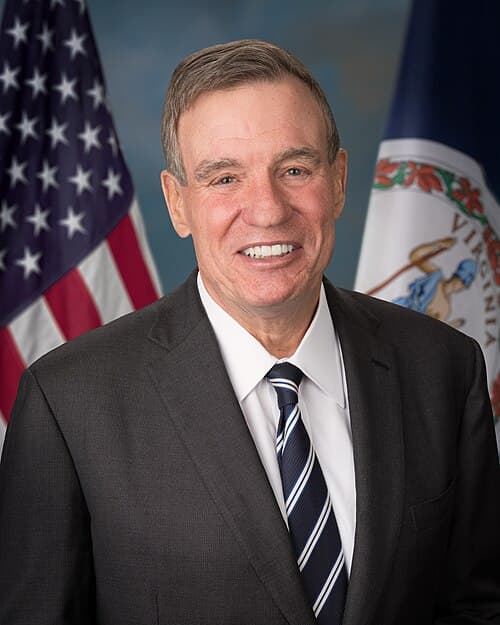
Mark Warner
PERSON
United States Senator from Virginia
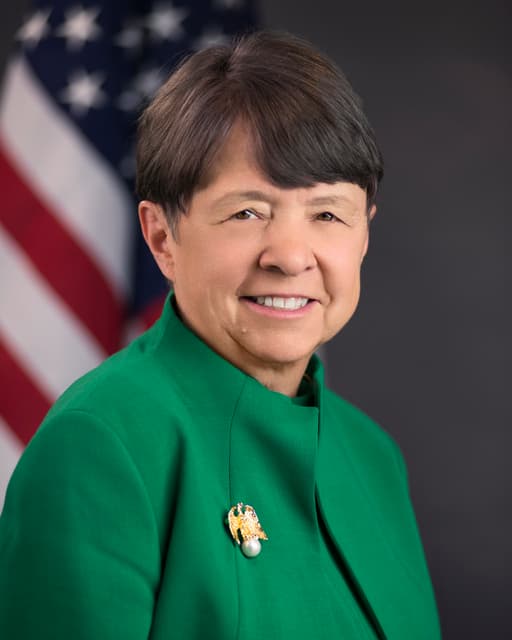
Mary Jo White
PERSON
31st Chairwoman of the Securities and Exchange Commission
MA
Maxine
PERSON
First name reference to multiple individuals in the documents
Maxine waters
PERSON
United States Representative from California since 1991
Michael Bloomberg
PERSON
American businessman and politician; 108th Mayor of New York City
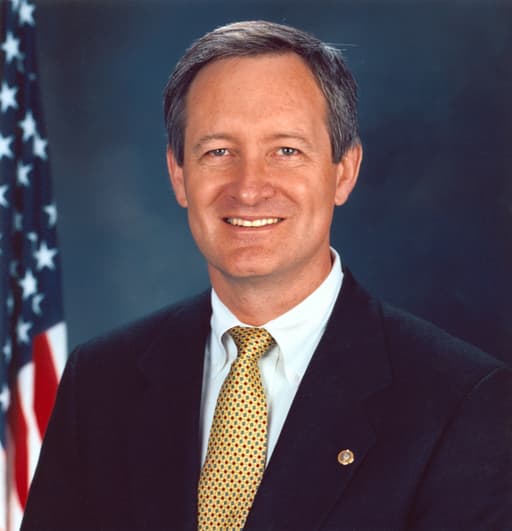
Mike Crapo
PERSON
American politician and Senator of Idaho since 1999
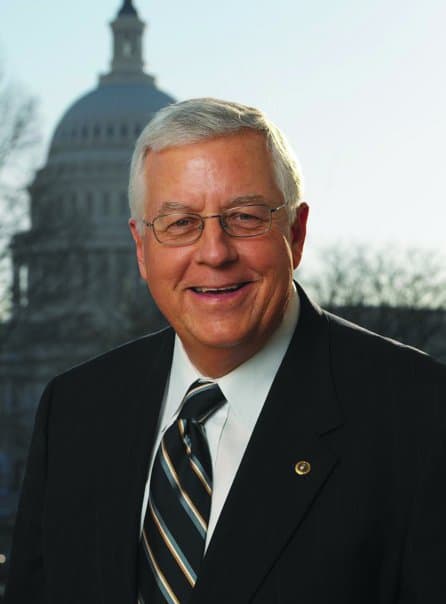
Mike Enzi
PERSON
American politician (1944–2021)
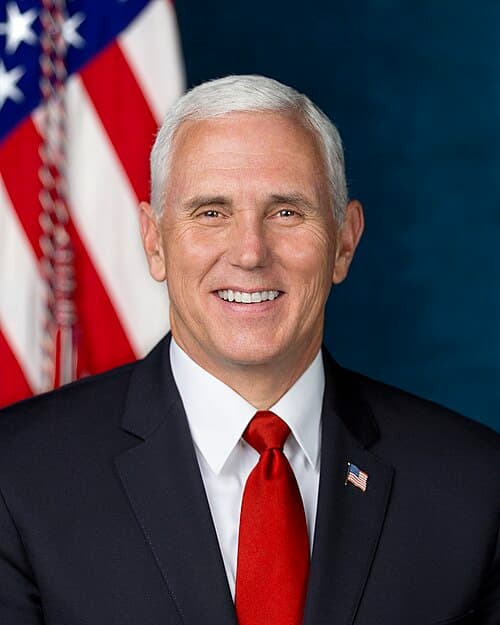
Mike Pence
PERSON • 2 mentions
Vice President of the United States from 2017 to 2021
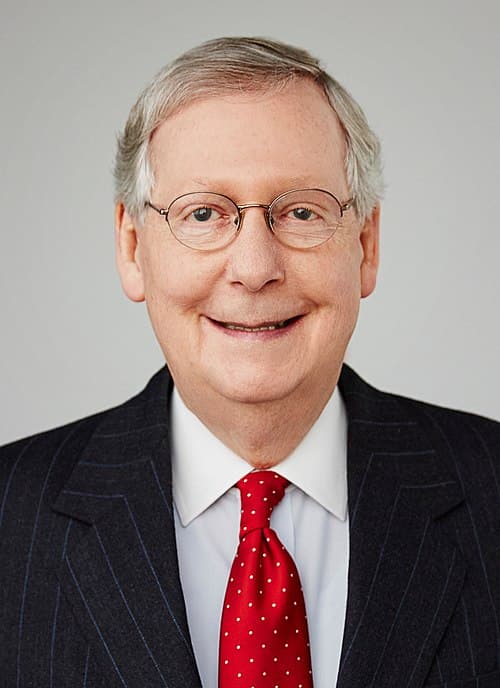
Mitch McConnell
PERSON
American politician and lawyer (born 1942)

Murphy
PERSON
Ambiguous surname - refers to multiple people in Epstein documents

Murray
PERSON
Ambiguous surname - refers to multiple Murrays including Murray J. McCabe and Murray Gell-Mann in Epstein documents
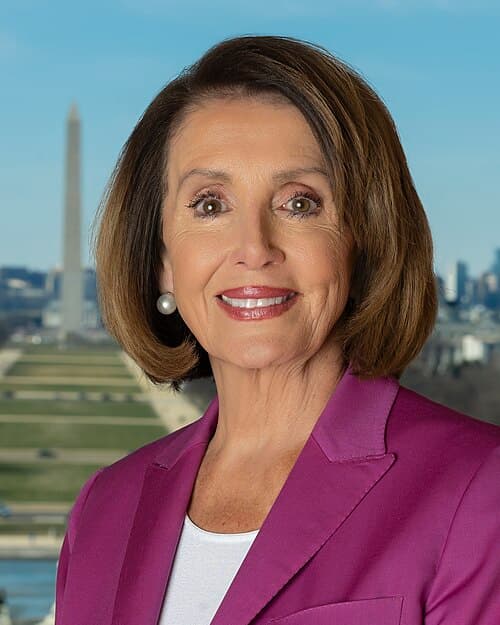
Nancy Pelosi
PERSON • 2 mentions
American politician (born 1940)

Natalie Portman
PERSON
Israeli-American actress (born 1981)
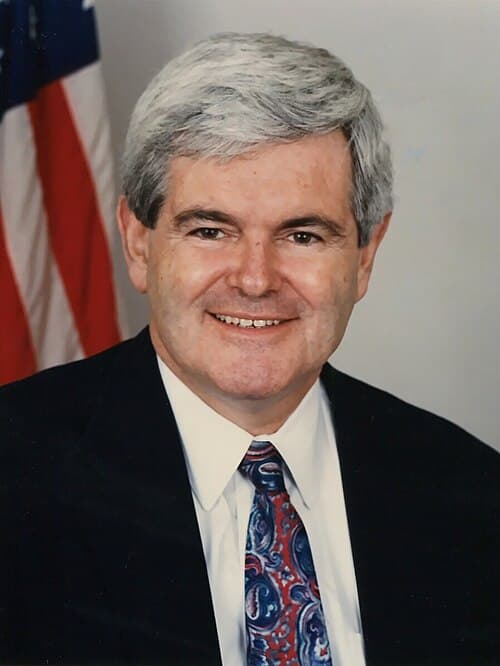
Newt Gingrich
PERSON • 2 mentions
American politician, anti-sharia law activist and author (born 1943)
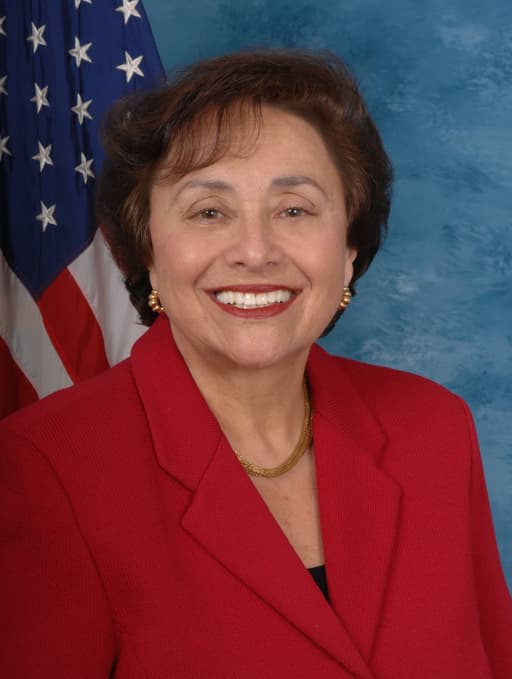
Nita Lowey
PERSON
American politician (1937–2025)
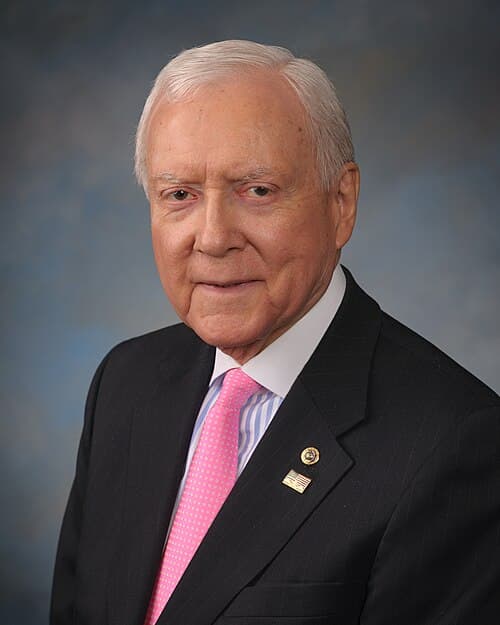
Orrin Hatch
PERSON
American politician (1934–2022) – Former United States Senator and Former President Pro Tempore of the United States Senate (2015-2019)
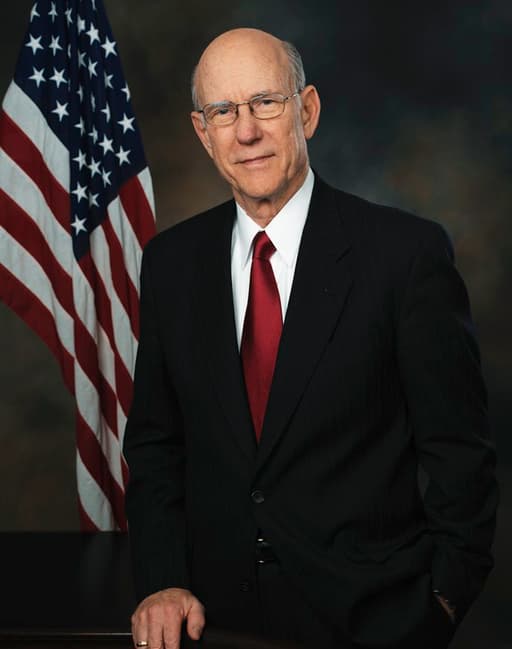
Pat Roberts
PERSON
United States Senator from Kansas
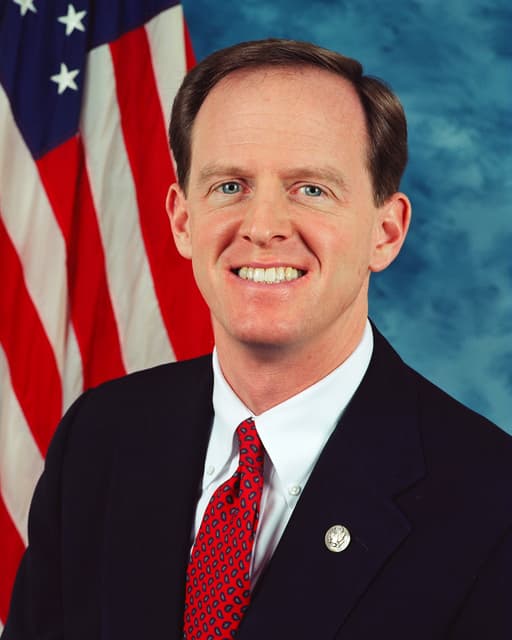
Pat Toomey
PERSON
American businessman and politician (born 1961)
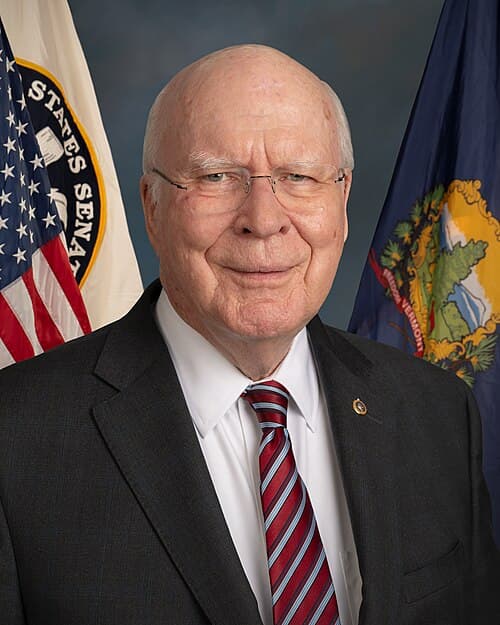
Patrick Leahy
PERSON
American politician and lawyer (born 1940)
Patty Murray
PERSON
United States Senator from Washington since 2013

Paul McCartney
PERSON
English musician and member of the Beatles (born 1942)
Paul Ryan
PERSON • 4 mentions
Speaker of the United States House of Representatives from 2015 to 2019
Peter Navarro
PERSON
American economist and author, Trump advisor (born 1949)
Rand Paul
PERSON
United States Senator from Kentucky since 2011
Richard Burr
PERSON
United States Senator from North Carolina from 2005 to 2023
Richard Cordray
PERSON
American lawyer and politician
Richard Shelby
PERSON
United States Senator from Alabama
Rob Portman
PERSON
American lawyer and politician (born 1955)
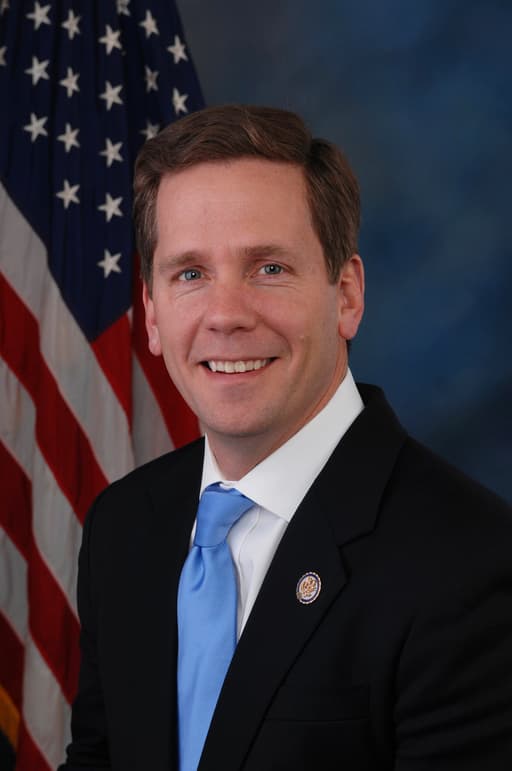
Robert Dold
PERSON
American politician
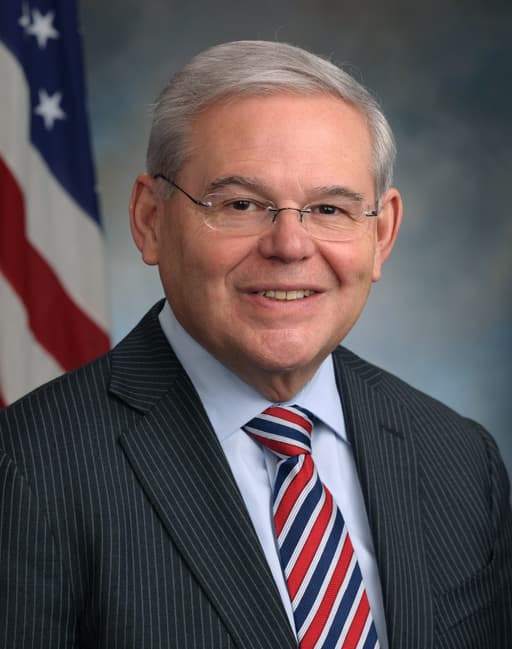
Robert Menendez
PERSON
American lawyer and politician (born 1954)
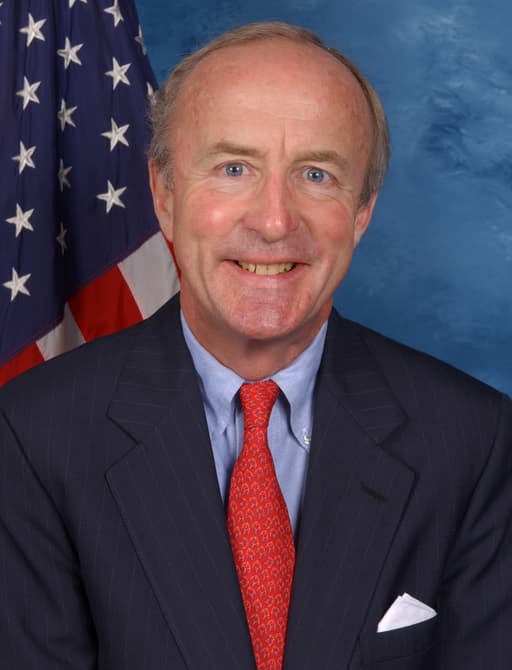
Rodney Frelinghuysen
PERSON
American politician
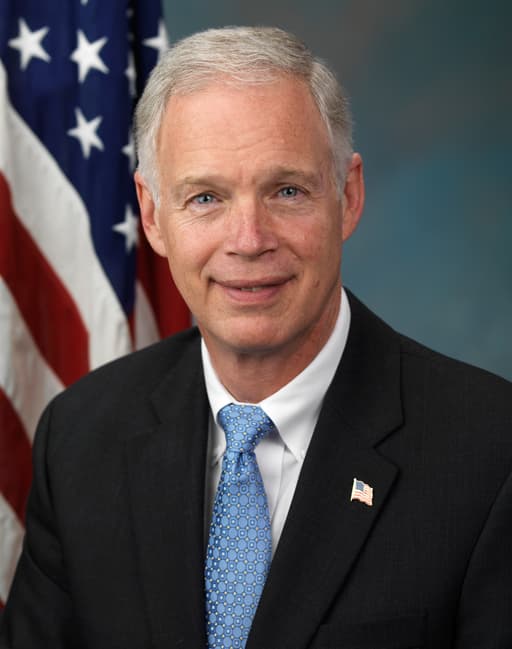
Ron Johnson
PERSON
American politician (born 1955)
Ron Wyden
PERSON
American politician and educator (born 1949)
Ronald Reagan
PERSON • 2 mentions
President of the United States from 1981 to 1989 and actor (1911–2004)
Rudy Giuliani
PERSON • 2 mentions
American attorney and politician (born 1944)
Sander Levin
PERSON
American politician (born 1931)

Sarah Palin
PERSON
Governor of Alaska from 2006 to 2009
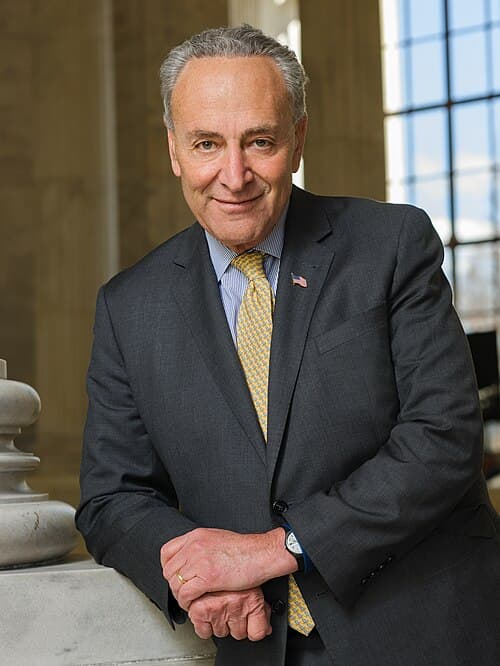
Schumer
PERSON
Refers to Chuck Schumer (US Senator) in news coverage within Epstein-related documents

Shelby
PERSON
First name reference to multiple individuals in the documents
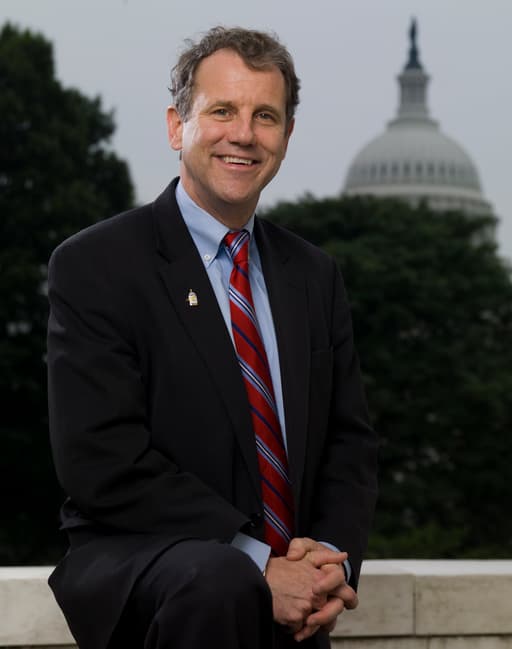
Sherrod Brown
PERSON
American politician and educator (born 1952)
SH
Shimkus
PERSON
Name reference in documents

Stephen Moore
PERSON
British actor (1937-2019)
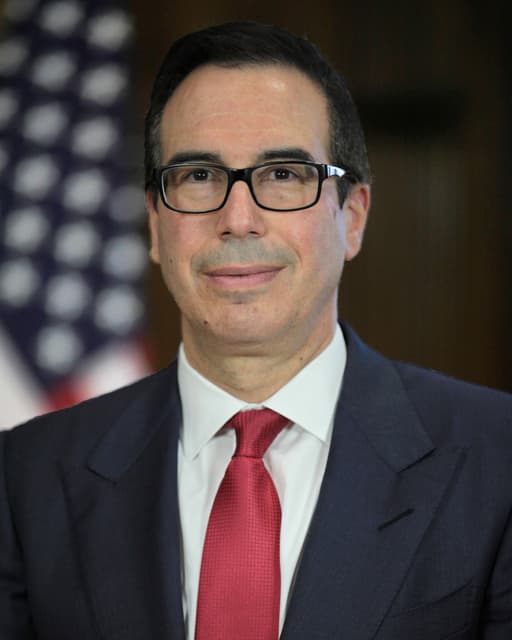
Steven Mnuchin
PERSON
United States Secretary of the Treasury from 2017 to 2021
ST
Strickland
PERSON
Surname or name fragment in documents
TA
Tammy
PERSON
First name reference to multiple individuals in Epstein-related documents
Ted Strickland
PERSON
American politician (born 1941)
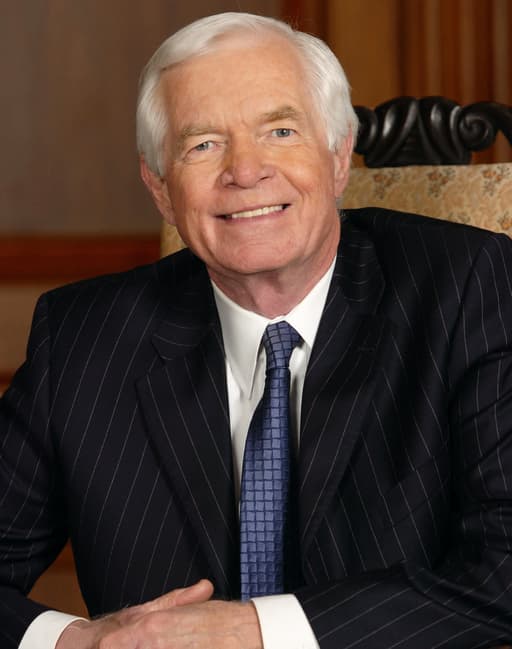
Thad Cochran
PERSON
United States Senator from Mississippi (1937-2019)
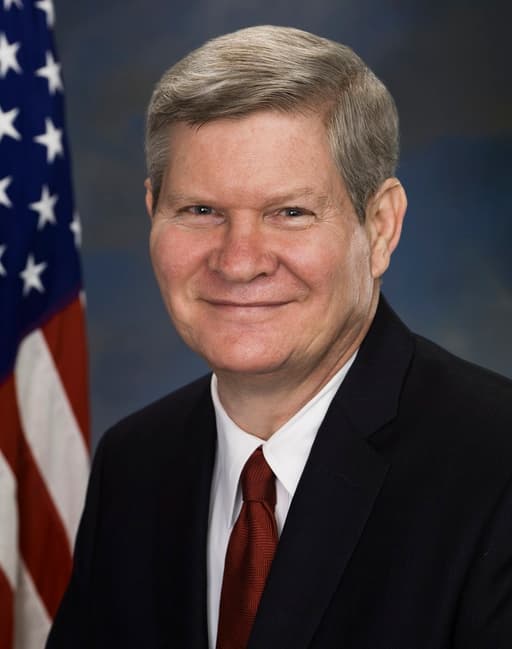
Tim Johnson
PERSON
American politician of South Dakota (1946–2024)
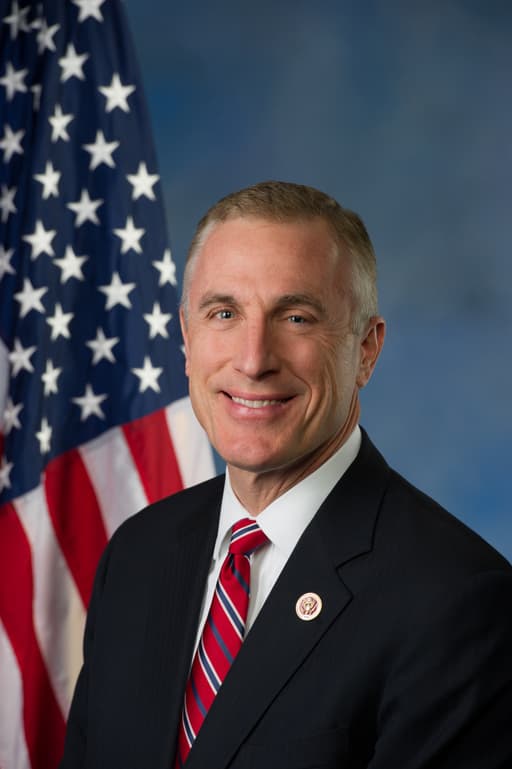
Tim Murphy
PERSON
American politician, Pennsylvania
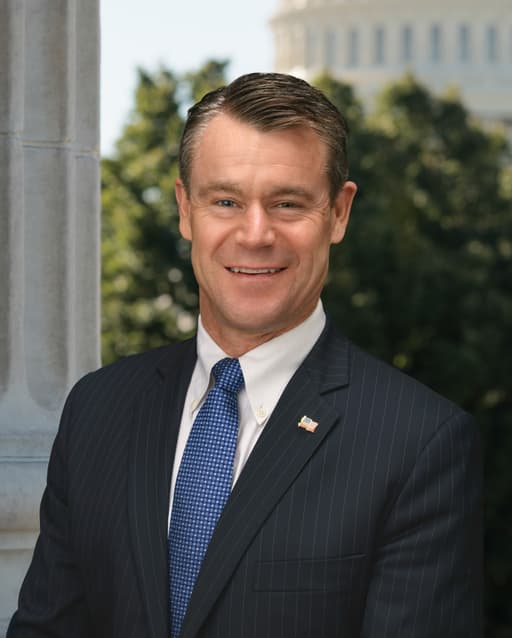
Todd Young
PERSON
United States Senator from Indiana
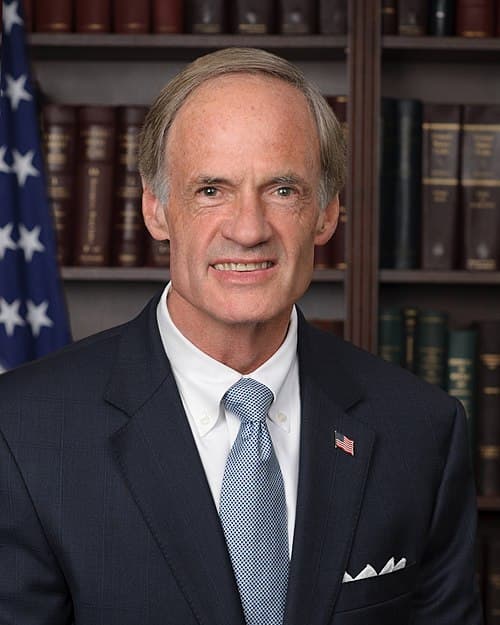
Tom Carper
PERSON
American politician (born 1947)
TO
Toomey
PERSON
Surname reference in documents
UP
Upton
PERSON
Surname reference in documents
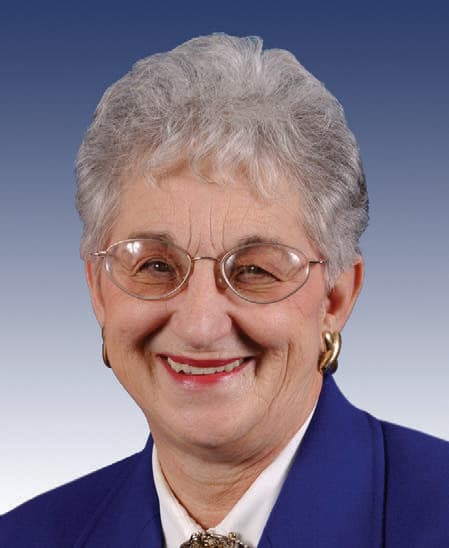
Virginia Foxx
PERSON
United States Representative from North Carolina since 2005

Walden
PERSON
Non-fiction work by Henry David Thoreau
WA
Waters
PERSON
Name reference in documents
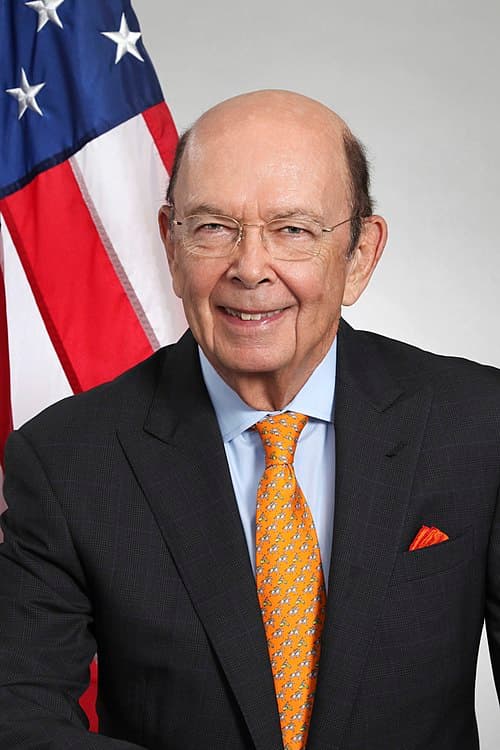
Wilbur Ross
PERSON
United States 39th Secretary of Commerce
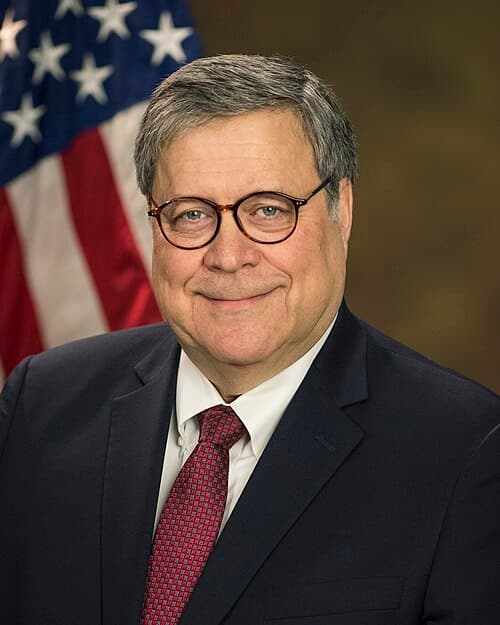
William Barr
PERSON
77th & 85th United States Attorney General (born 1950)
Wyden
PERSON
Surname reference in documents
YA
Yarmuth
PERSON
Name reference in documents
Administrations
ORGANIZATION
Organization referenced in documents
Appropriations
ORGANIZATION
Organization referenced in documents

Bloomberg BNA
ORGANIZATION
American multinational mass media corporation

Blueprint
ORGANIZATION
Document reproduction created by using a contact print process on light-sensitive sheets
Capitol Hilland
ORGANIZATION
Organization referenced in documents
Centers for Medicare & Medicaid Services’
ORGANIZATION
Organization referenced in documents

Congressional Budget Office
ORGANIZATION
Government agency
Energy and Commerce and Financial Services
ORGANIZATION
Organization referenced in documents
Entergy
ORGANIZATION
Organization referenced in documents

Fannie Mae
ORGANIZATION
Government-backed financial services company

Fargo
ORGANIZATION
Organization referenced in documents

Federal Aviation Administration
ORGANIZATION
U.S. government agency regulating civil aviation
Federal Reserve
ORGANIZATION
Federal Reserve System, central banking system of the United States
Finance Committee
ORGANIZATION
Select committee of the House of Lords

Financial Services
ORGANIZATION
Functional constituency of Hong Kong
Foreign Relations
ORGANIZATION
Organization referenced in documents
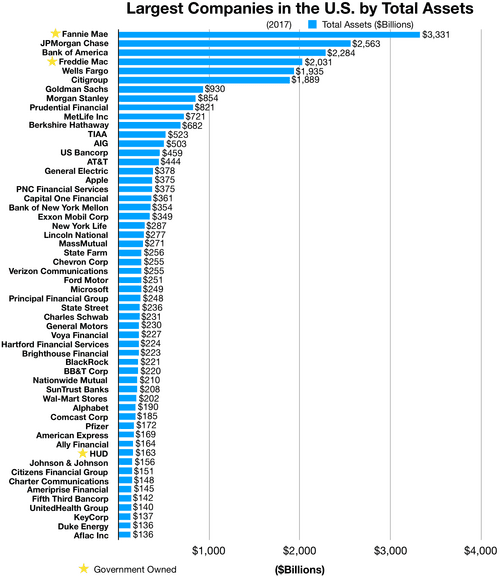
Freddie Mac
ORGANIZATION
American government-sponsored enterprise

Goldman Sachs
ORGANIZATION
American investment bank
HealthCap
ORGANIZATION
Organization referenced in documents
HELP Committee
ORGANIZATION
Organization referenced in documents
House Financial Services
ORGANIZATION
Organization referenced in documents
House Judiciary Committee
ORGANIZATION
Organization referenced in documents
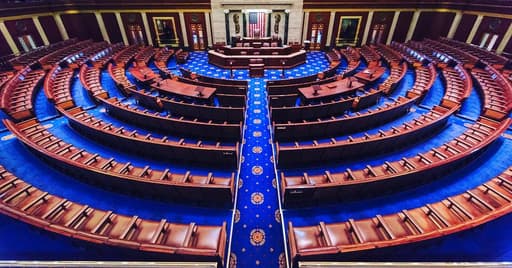
House of Representatives
ORGANIZATION
Lower house of the United States Congress
Industries
ORGANIZATION
Organization referenced in documents

Judiciary
ORGANIZATION
System of courts that interprets and applies the law

Medicaid
ORGANIZATION
United States social health care program for families and individuals with limited resources
Republican Steering Committee
ORGANIZATION
Organization referenced in documents
Senate Banking
ORGANIZATION
Organization referenced in documents
Senate Foreign Relations
ORGANIZATION
Organization referenced in documents
Senate Republican committee
ORGANIZATION
Organization referenced in documents
Steering
ORGANIZATION
Organization referenced in documents
the “Consumer Financial Protection
ORGANIZATION
Organization referenced in documents
the Consumer Financial Protection Bureau
ORGANIZATION
U.S. consumer protection agency
The Energy Department
ORGANIZATION
Organization referenced in documents
the European Commission
ORGANIZATION
Organization referenced in documents
the Federal Energy Regulatory Commission
ORGANIZATION
Organization referenced in documents

the Food and Drug Administration
ORGANIZATION
Organization referenced in documents
the Freedom Caucus
ORGANIZATION
Organization referenced in documents
the House Energy and Commerce Committee
ORGANIZATION
Organization referenced in documents
the House Financial Services Committee
ORGANIZATION
Organization referenced in documents
the House GOP
ORGANIZATION
Organization referenced in documents
the House Ways and Means
ORGANIZATION
Organization referenced in documents
the House Ways and Means Committee
ORGANIZATION
Organization referenced in documents

the National Institutes of Health
ORGANIZATION
U.S. biomedical research agency
the Obama Administration
ORGANIZATION
Organization referenced in documents
The Ranking Committee
ORGANIZATION
Organization referenced in documents
the Senate Banking Committee
ORGANIZATION
Organization referenced in documents
the Senate Finance Committee
ORGANIZATION
Organization referenced in documents
The Senate HELP Committee
ORGANIZATION
Organization referenced in documents
the Senate Homeland Security and Government Affairs Committee
ORGANIZATION
Organization referenced in documents
the University of Wisconsin—Madison
ORGANIZATION
Organization referenced in documents
U.S. Senate
ORGANIZATION
Upper house of the United States Congress
Wayland
ORGANIZATION
Organization referenced in documents
Ways and Means
ORGANIZATION
Organization referenced in documents

Wells
ORGANIZATION
Organization referenced in documents

Wells Fargo
ORGANIZATION • 2 mentions
American multinational banking and financial services company
White House
ORGANIZATION
Official residence and office of the President of the United States

Alaska
LOCATION
State of the United States of America

Chile
LOCATION
Country in South America

Flint
LOCATION
Seat of Genesee County, Michigan, United States of America

Hampshire
LOCATION
Ceremonial county of England

Hungary
LOCATION
Country in Central Europe

Illinois
LOCATION
State of the United States of America
India
LOCATION • 2 mentions
State of the United States of America
Indiana
LOCATION
State of the United States of America

Louisiana
LOCATION
State of the United States of America

Luxembourg
LOCATION
Country in Western Europe

Michigan
LOCATION
State of the United States of America

Nevada
LOCATION
State of the United States of America

North Carolina
LOCATION
State of the United States of America

United States
LOCATION • 2 mentions
Country located primarily in North America
Statistics
Pages:24
Entities:231
Avg. OCR:92.1%
Sponsored