Back to Network

10
Shared Docs
10
Same-Page
14 / 10
Mentions
Document Mentions (10 shared documents)
3 mentions1 same-page
Page ?Same page
says -- at least until it proves we should. David Pollock is the Kaufman fellow at The Washington Institute, focusing on the political dynamics of Middle Eastern countries. The Cairo Review of Global Affairs The Fruit of Revolution Nabil Fahmy January 24, 2012-- Little over a year ago, no political analyst
ism retooled for the 21st century look like? More regulation? Or less? State Capitalism, like that practiced by China, Russia and many countries in the Middle East? Well, no one has quite figured that one out yet. But a surprising number of attendees (and these are the world's most direct beneficiaries of the
Iran not only exerts considerable influence over Iraq's prime minister, Noun al-Maliki, and his government, but it also has good relations with the Kurdistan's ruling clans, especially the Talibani family, and many Shia factions based in central and southern Iraq. Secondly, illicit trade with Iran brings
3 mentions1 same-page
Page ?Same page
Kremlin wouldn't block future Security Council resolutions on Syria. The Kremlin refused, but the details of the offer were leaked to the press by Middle Eastern and Western sources, and then subsequently denied by the Russian Foreign Ministry. It must have been the happiest denial the ministry has issued in
speaking at an international conference on this very topic held in Beirut, Lebanon, from Nov. 27-30. The conference was attended by 45 scholars of Middle Eastern and Kurdish studies from the United States, Europe and the Middle East. The consensus of the conferees was that the possibility of the emergence of
East policy studies at Princeton University's Woodrow Wilson School of Public and International Affairs. Anicic 4. Today's Zaman EFTA00706378 Kurdistan: another state in the making in the Middle East? Robert Olson 2013-12-11 -- That yet another state is in the making in the Middle East is enough
3 mentions1 same-page
Page ?Same page
will our Sunni friends — the Saudis, for instance — think of that? Or maybe we should just wash our hands of the whole thing and turn over a hunk of the Middle East with its oil to a terrorist organization — one that boasts of committing massacres. Oh, what dreams it must have in the desert night. William Goldm
hing approaching warmth. Nobody should bet against an independent Kurdish state within the next decade. Syria and Iraq are in a state of implosion; Middle Eastern borders are up for grabs. Qaeda affiliates have already done their grabbing. They control wide swathes of Syria and Iraq 13 years (and trillions of
that they would be treated with dignity and fairness as partners in governing the country. Second, relations between the central government and the Kurdistan region also deteriorated to the extent that Kurdish leaders became convinced that Iraq's federal structure had failed because the Maliki government
Sponsored
3 mentions1 same-page
Page ?Same page
well. Fully fifty senators signed on before President Obama sent word that he would veto the measure, given the country's growing aversion to more Middle Eastern wars; AIPAC quickly backed down. It seems reasonable that the lobby's executives considered a timely retreat far preferable to a full blown defeat
icant counterweight to China? Why should we care who runs the government of Ukraine? Why would we want to be involved in the hornet's nest that is the Middle East these days? What would be the most deft, sophisticated and effective way for us to respond to China's growing assertiveness in East Asia? What kin
action. Erdogan managed to portray his recent trip to Brussels as a great success story. The ongoing but stagnant peace process with the insurgent Kurdistan Workers' Party (PKK) also provides him an important lifeline. The PKK remains quiet, keeps the ceasefire reached a year ago, and its jailed leader
2 mentions1 same-page
Page ?Same page
t more important, the Russian and Chinese hope has been that the United States would continue to treat them as secondary issues while it focused on the Middle East. The decline of al Assad and the resulting dynamic in the region increases the possibility that the United States can disengage from the region. Th
ng control of their own towns and cities. They won't necessarily push for independence, but their alignment with the political leadership in Iraqi Kurdistan — and reports that their fighters have already taken control of many key Syrian Kurdish cities — suggests that they may be staking out an autonomou
2 mentions1 same-page
Page ?Same page
nt Jimmy Carter and in every administration since (except George W. Bush's), Dennis Ross has played a bigger role in setting American policy toward the Middle East than perhaps any other official who didn't occupy the Oval Office. Most recently, Ross was special assistant to President Obama and the National Se
absence — which is why Ankara might have the biggest share when reaping the fruits of the Arab spring, from Iraq where Turkish presence is wide in Kurdistan, to Syria via the opposition forces, Lebanon in the future and Tunisia, not to mention Turkish presence in Central Asia and the Balkans. Moreover,
Sponsored
2 mentions1 same-page
Page ?Same page
tterflies and pollen off Bt-corn is killing monarch butterfly larvae. So it is not a surprise that 75% of the monarch butterflies are gone from the Midwest as they have migrated to Mexico. Animals is the same. And trees don't exist in industrial agriculture. Because with chemicals and largest scaled mon
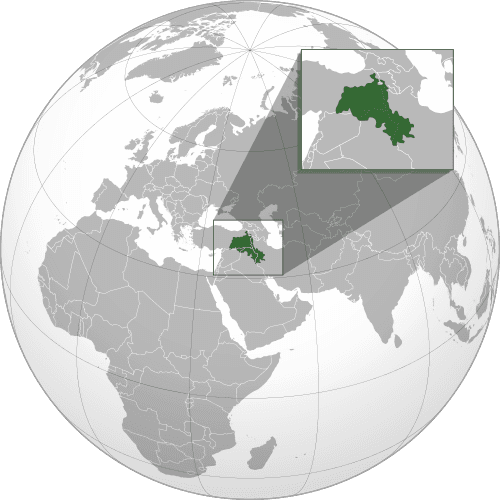
if you want to go to Grinnell College in Iowa. The Kurdish people, or Kurds are an ethnic group in Middle East, mostly inhabiting a region known as Kurdistan, which includes adjacent parts of Iran, Iraq, Syria, and Turkey. The number of Kurds living in Southwest Asia is estimated around 3o million, with a
2 mentions1 same-page
Page ?Same page
olding chaos in their midst, why should the United States, some 7000 miles from Iraq spill its blood and treasure in another futile quest to remake the Middle East for them? A futile quest that has over the last decade chewed up the minds and bodies of 56,000 brave American soldiers, including some 4,700 kille
e East nations have built decent, democratizing governance, based on society and with some political, cultural and religious pluralism: Tunisia and Kurdistan. Again both are works in progress, but what is important is that they did emerge from the societies themselves. You also have the relatively soft m
2 mentions1 same-page
Page ?Same page
asbah in Tunis and Martyrs' Square in Tripoli will, like the Havels of the Middle East, come to power as politicians. We haven't heard the last of the Middle East's millennial generation. Juan Cole is director of the Center for Middle Eastern and North African Studies at the University of Michigan and the aut
ate. For all the present acrimony over the Iraq War, we forget that one dividend was the emergence of a semi-autonomous and largely constitutional Kurdistan of some 7 million people, whose recent tragic history had been one of ethnic cleansing, gassing, and slaughter. Only prior liberation by and curren
Sponsored
2 mentions1 same-page
Page ?Same page
, a few more players to be named later. The administration's starting point is a request earlier this year that Congress establish the $770 million Middle East and North Africa Incentive Fund. The initiative is a vaguely defined plan to "support citizens who have demanded change and governments that are wo
ightmare scenario for the Turkish establishment and for nationalist Turks in particular. The fear is this will pave, in time, the way to a "Greater Kurdistan" that will also incorporate much of Southeast Anatolia. Given that separatist terrorism by the Kurdistan Workers' Party (PKK) has peaked since spri
Sponsored
Mutual Connections (299)
Entities connected to both Middle East and Kurdistan
Jeffrey Epstein
PERSON240 w/ Middle·10 w/ Kurdistan
Barack Obama
PERSON211 w/ Middle·19 w/ Kurdistan
United States
LOCATION201 w/ Middle·17 w/ Kurdistan
George W. Bush
PERSON171 w/ Middle·15 w/ Kurdistan
Bill Clinton
PERSON146 w/ Middle·6 w/ Kurdistan
Marc Rich
PERSON136 w/ Middle·13 w/ Kurdistan
Lebanon
LOCATION124 w/ Middle·17 w/ Kurdistan
Bashar al-Assad
PERSON114 w/ Middle·18 w/ Kurdistan
Benjamin Netanyahu
PERSON115 w/ Middle·14 w/ Kurdistan
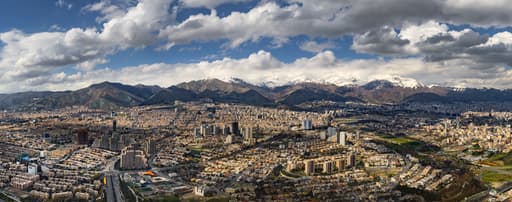
Tehran
LOCATION111 w/ Middle·16 w/ Kurdistan
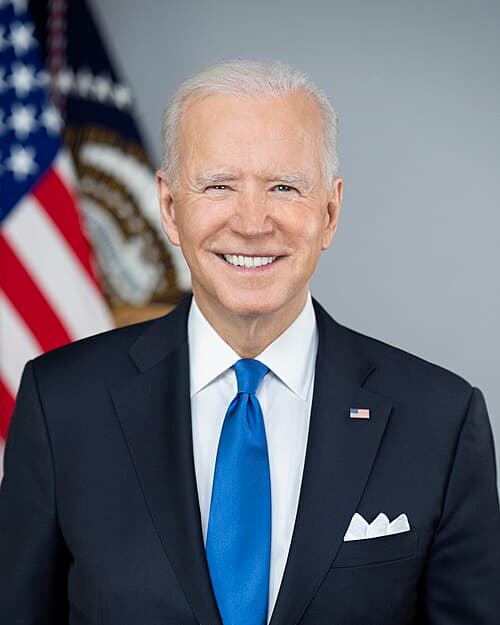
Joe Biden
PERSON118 w/ Middle·8 w/ Kurdistan
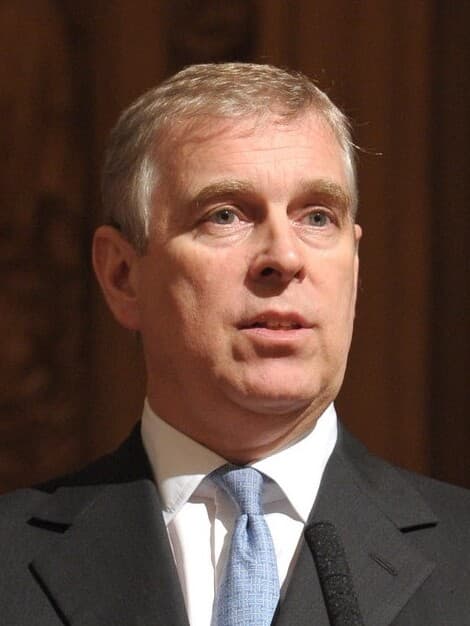
Prince Andrew
PERSON114 w/ Middle·4 w/ Kurdistan
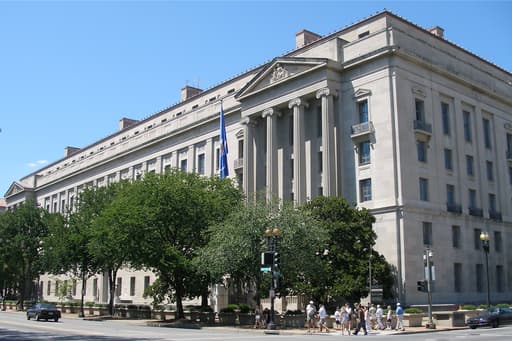
Department of Justice
ORGANIZATION115 w/ Middle·3 w/ Kurdistan
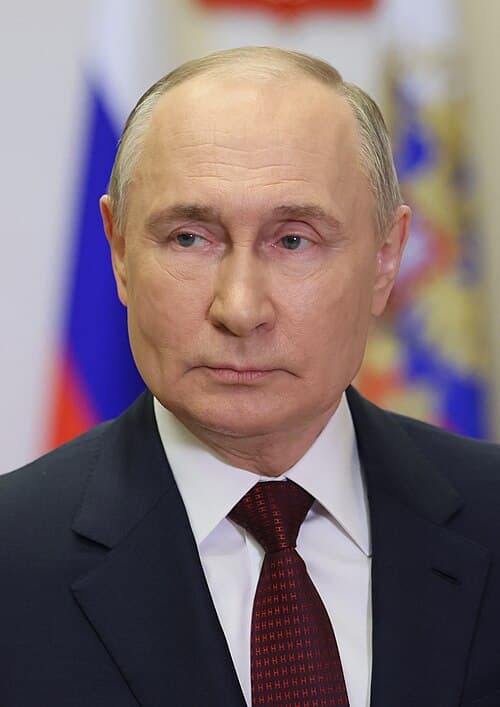
Vladimir Putin
PERSON100 w/ Middle·7 w/ Kurdistan
Virginia Giuffre
PERSON101 w/ Middle·5 w/ Kurdistan
Yemen
LOCATION88 w/ Middle·13 w/ Kurdistan
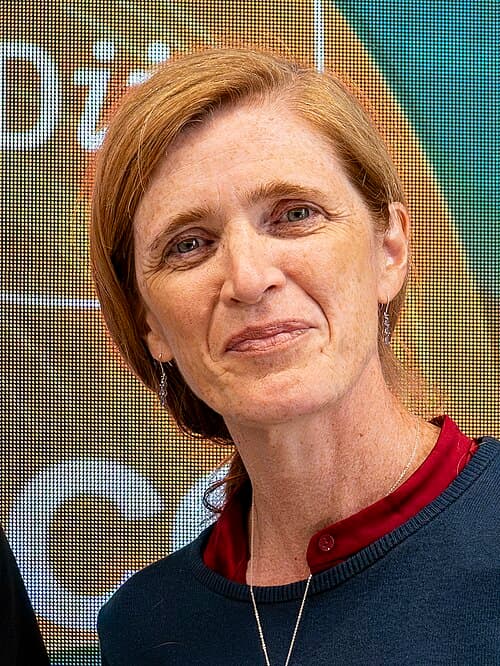
Samantha Power
PERSON95 w/ Middle·6 w/ Kurdistan
Saddam Hussein
PERSON80 w/ Middle·16 w/ Kurdistan
Prince Charles
PERSON94 w/ Middle·2 w/ Kurdistan
Hillary Clinton
PERSON90 w/ Middle·5 w/ Kurdistan