Back to Network





6
Shared Docs
5
Same-Page
6 / 6
Mentions
Document Mentions (6 shared documents)
2 mentions1 same-page
Page ?Same page
's rise is stirring concerns in some neighboring countries and in the wider international community that the fall of the minority Alawite regime in Damascus would be followed by the ascent of a Sunni Islamist government, extending into a volatile region a trend set in Egypt and Tunisia. In those countri
crisis, Ismail Haniyeh's official trip was important and timely for the Islamic Republic. The visit conveyed a clear message that, in the words of Haniyeh, Iran's support for Palestinian issue has "remained unchanged and unconditional" and that their ties are "as strong as before". But some remarks th
2 mentions1 same-page
Page ?Same page
e moderate because they bore the brunt of economic boycotts and military clashes with Israel. Exiled Hamas bosses living in the relative comfort of Damascus, however, could afford to take a tougher stance. But the "Arab Spring" has turned the equation on its head, with longtime hard-liners who had resid
enjoys continuing support from Hamas members in the West Bank and diaspora, who outnumber those in Gaza. But he is facing a vigorous challenge from Haniyeh, who was once viewed as a figurehead but is now asserting himself as a potent rival. Haniyeh has boosted his international profile this year with t
2 mentions1 same-page
Page ?Same page
ghting alongside Assad forces inside Syria. Meanwhile, wiping Israel off the map can wait. Conflict with Sunnis gives Hizbollah and its patrons in Damascus and Tehran a regional role; war with Israel is costly and unrewarding, a lesson that Hafez Al Assad learnt some 40 years ago. As such, as Syria's
ly. Qatari diplomats have asked Egypt to allow raw materials for Qatar's Gaza projects to be sent through the Rafah crossing, Gaza officials said. Haniyeh's office said the Egyptian president approved the arrangement, which could set a precedent for future trade. Egyptian officials were not immediatel
Sponsored
2 mentions1 same-page
Page ?Same page
dscape takes shape in the Middle East; the Khomeinist regime is still clinging to three forlorn hopes. The first is to save the Ba'athist regime in Damascus even if that means accepting a financial burden that Iran's crippled economy could ill afford. The second is to prevent the re-emergence of Iraq a
otograph of him with Ismail Haniyeh, the prime minster of Hamas in Gaza. (Hamas is an arm of the Palestinian Muslim Brotherhood.) In the image, Mr Haniyeh, during a recent visit to Qatar, is bowing and kissing Mr Al Qaradawi's hand in a show of respect. EFTA_R1_02208908 EFTA02723127 To better under
2 mentions1 same-page
Page ?Same page
's rise is stirring concerns in some neighboring countries and in the wider international community that the fall of the minority Alawite regime in Damascus would be followed by the ascent of a Sunni Islamist government, extending into a volatile region a trend set in Egypt and Tunisia. In those countr
crisis, Ismail Haniyeh's official trip was important and timely for the Islamic Republic. The visit conveyed a clear message that, in the words of Haniyeh, Iran's support for Palestinian issue has "remained unchanged and unconditional" and that their ties are "as strong as before". But some remarks t
Page ?
l UN team, among them Fabrice Aidan, on my way to Damascus for a new round of talks with the President. Midw
Page HOUSE_OVERSIGHT_023159
Pi Chronology xxvii 13 June 2007 Shimon Peres is elected President of Israel by the Knesset. 14 June 2007 President Abbas dismisses Prime Minister Haniyeh and declares a state of emergency. 15 June 2007 Hamas takes control over the Gaza Strip in a coup, after several days of violent battles with Fatah
Page: HOUSE_OVERSIGHT_023159 →Sponsored
Mutual Connections (200)
Entities connected to both Damascus and Haniyeh
Barack Obama
PERSON141 w/ Damascus·9 w/ Haniyeh
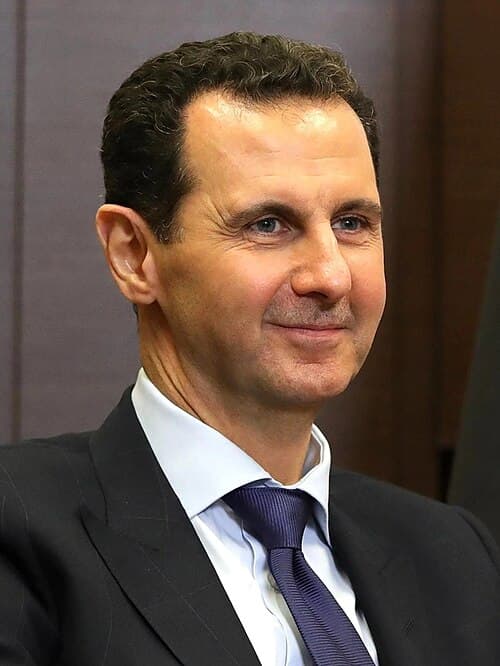
Bashar al-Assad
PERSON137 w/ Damascus·9 w/ Haniyeh
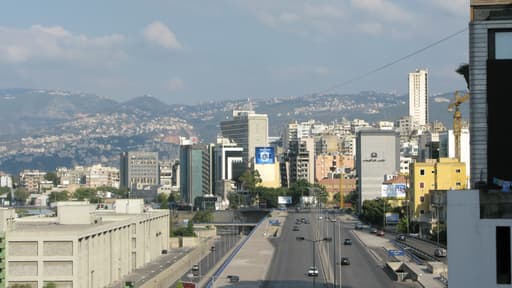
Lebanon
LOCATION127 w/ Damascus·6 w/ Haniyeh
United States
LOCATION114 w/ Damascus·6 w/ Haniyeh
Bill Clinton
PERSON103 w/ Damascus·4 w/ Haniyeh
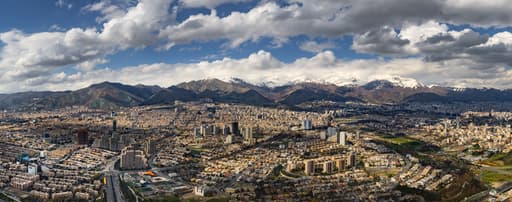
Tehran
LOCATION98 w/ Damascus·8 w/ Haniyeh
George W. Bush
PERSON99 w/ Damascus·6 w/ Haniyeh
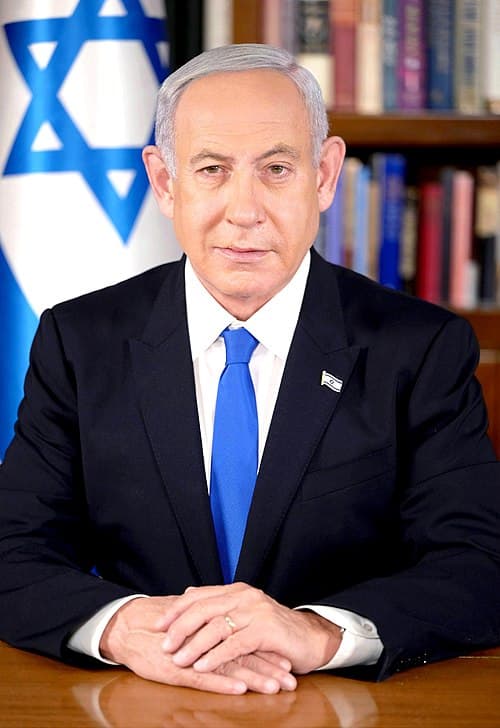
Benjamin Netanyahu
PERSON98 w/ Damascus·4 w/ Haniyeh
Tunisia
LOCATION82 w/ Damascus·6 w/ Haniyeh
Hosni Mubarak
PERSON80 w/ Damascus·7 w/ Haniyeh
Terje Rod-Larsen
PERSON75 w/ Damascus·8 w/ Haniyeh
Cairo
LOCATION75 w/ Damascus·6 w/ Haniyeh
Saddam Hussein
PERSON70 w/ Damascus·7 w/ Haniyeh
Hillary Clinton
PERSON74 w/ Damascus·2 w/ Haniyeh
Vladimir Putin
PERSON70 w/ Damascus·2 w/ Haniyeh
Yemen
LOCATION69 w/ Damascus·2 w/ Haniyeh
Fatah
ORGANIZATION63 w/ Damascus·8 w/ Haniyeh
Middle East
LOCATION68 w/ Damascus·2 w/ Haniyeh
Jerusalem
LOCATION60 w/ Damascus·9 w/ Haniyeh
Marc Rich
PERSON61 w/ Damascus·5 w/ Haniyeh