Back to Network




10
Shared Docs
10
Same-Page
10 / 10
Mentions
Document Mentions (10 shared documents)
2 mentions1 same-page
Page ?Same page
ing to set up preaching tents in a residential area in southern Tunis. The incidents have sparked fears in the press that Tunisia may be entering an Algeria-esque "black decade." What has occurred, however, more accurately reflects the diversity and polarization within Tunisia's "Islamist" political comm
r, Tunisian police fired tear gas to disperse 200-300 Salafi Muslims who were attempting to set up preaching tents in a residential area in southern Tunis. The incidents have sparked fears in the press that Tunisia may be entering an Algeria-esque "black decade." What has occurred, however, more accur
2 mentions1 same-page
Page HOUSE_OVERSIGHT_029689Same page
ing manifestation of the urgent need to address security in Libya-especially border security- given the Mali crisis, the recent terrorist incident in Algeria, and concerns about security and stability across North Africa. Jordan: The results of the Jordanian parliamentary election came as no surprise: pro-
Page: HOUSE_OVERSIGHT_029689 →low on February 6* when leftist opposition alliance founder and head of the Democratic Patriots party Chokri Belaid was shot dead outside his home in Tunis. The event drew thousands of protestors to the streets, clamoring against the leading Islamist Ennahda party. The events heighten the Islamist-secula
Page: HOUSE_OVERSIGHT_029689 →2 mentions1 same-page
Page ?Same page
unich Vienne Zagreb Croatia- - Brian Vickers Sant Josep de Sa Talaia, Balearic Islands Lisbon Spain 0 Casablanca Morocco Goo4 le Alg,i)ers Algeria Tunis 0 Medit€ Tunisia Tripoli Lib Brian All Friends EFTA00553407
enne Zagreb Croatia- - Brian Vickers Sant Josep de Sa Talaia, Balearic Islands Lisbon Spain 0 Casablanca Morocco Goo4 le Alg,i)ers Algeria Tunis 0 Medit€ Tunisia Tripoli Lib Brian All Friends EFTA00553407
Sponsored
2 mentions1 same-page
Page ?Same page
ll extremely unstable as militias continue to carry out attacks and arms are still being trafficked from Libya to neighboring countries. Trends: In Algeria, more than a month after legislative elections were held, President Abdulazziz Bouteflika has yet to name a new Prime Minister. It is unclear whethe
nclude the recent turmoil over prayer space and the wearing of the niqab (veil) by women which occurred on the campus of Manouba University outside Tunis and riots in the capital that forced the government to impose a curfew on a few major cities for several days in mid-June. In addition, reflecting c
2 mentions1 same-page
Page ?Same page
ica's principal target. Terrorism was never more than a symptom of this dysfunction and despair, as were the internal conflicts that have convulsed Algeria, EFTA_R1_02013866 EFTA02687049 6 Libya, Yemen, Morocco, Saudi Arabia, Bahrain and Egypt itself in the past two decades. Even Iran's so-called g
in Tunisia, a street vendor who out of frustration set himself on fire, pushed the old order over the brink. And so, in those big, public spaces in Tunis, Cairo and Manama, Bahrain, in the Libyan cities of Benghazi and Tobruk, millions of Arabs came together to bid farewell to an age of quiescence.
2 mentions1 same-page
Page ?Same page
when it alienated local Sunni sheiks through sheer brutality and drove them into an alliance with the U.S. military. From Afghanistan to Egypt to Algeria, the Islamists' political Achilles' heel has always been their penchant to go too far. But it would be reckless for the Iraqi government or Obama A
had a lasting effect on the politics of the Arab world. And two or three decades from now, the twentysomethings of Tahrir Square and the Casbah in Tunis and Martyrs' Square in Tripoli will, like the Havels of the Middle East, come to power as politicians. We haven't heard the last of the Middle Eas
Sponsored
2 mentions1 same-page
Page ?Same page
ortly after he was released from prison, I pressed al-Shater on the Brotherhood's electoral ambitions. He was clearly haunted by the experiences of Algeria's Islamists (FIS) and Palestine's Hamas. (In his mind, both groups were denied the fruits of their electoral victory by domestic and international
continue with an interim arrangement for almost 20 years. This was not the intention when we spearheaded the Oslo process in late 1992 -- you from Tunis and I from Jerusalem -- or when we assiduously worked on what subsequently became known as the "Beilin- Abu Mazen Agreement" between 1993 and 1995.
2 mentions1 same-page
Page ?Same page
gypt, Tunisia, Libya, and Yemen: their names, instead of being symbols of stability, instantly cast as sources of injustice. Other countries - Syria, Algeria, Sudan, and Bahrain tumble for periods into the black hole of civil violence. Some people mistake all this for a democratic revolution. Over time, ho
no reason other than that he was poor and could do nothing about it. It is November 2010. Within hours protests begin in Sidi Bouzid. They spread to Tunis. 81Then Tripoli. Then Damascus. You watch as the anger, moving on once-invisible technological lines of video and text, demolishes the stability of a
2 mentions1 same-page
Page ?Same page
s and by future expectations. Oil markets don't like surprises. The sudden ousting of Mr Mubarak and the unrest in Libya, Bahrain, Yemen, Iran and Algeria (which between them supply a tenth of the world's oil) had added 20% to oil prices by the middle of this week. The big worry is that spreading unre
seeking. In the era of instant communication, the temptation is always to respond instantly: to speak too much and to listen too little. I went to Tunis where I met groups that had never been allowed to be in the same room before; and to Cairo where I met the young people who had been in Tahrir Squa
Sponsored
2 mentions1 same-page
Page ?Same page
ica's principal target. Terrorism was never more than a symptom of this dysfunction and despair, as were the internal conflicts that have convulsed Algeria, EFTA00586529 6 Libya, Yemen, Morocco, Saudi Arabia, Bahrain and Egypt itself in the past two decades. Even Iran's so-called green movement toda
in Tunisia, a street vendor who out of frustration set himself on fire, pushed the old order over the brink. And so, in those big, public spaces in Tunis, Cairo and Manama, Bahrain, in the Libyan cities of Benghazi and Tobruk, millions of Arabs came together to bid farewell to an age of quiescence.
Sponsored
Mutual Connections (476)
Entities connected to both Algeria and Tunis
Barack Obama
PERSON36 w/ Algeria·34 w/ Tunis
Tunisia
LOCATION37 w/ Algeria·29 w/ Tunis
Yemen
LOCATION37 w/ Algeria·24 w/ Tunis
United States
LOCATION33 w/ Algeria·28 w/ Tunis
Marc Rich
PERSON29 w/ Algeria·29 w/ Tunis
George W. Bush
PERSON29 w/ Algeria·27 w/ Tunis
Bashar al-Assad
PERSON29 w/ Algeria·27 w/ Tunis
Cairo
LOCATION25 w/ Algeria·30 w/ Tunis
Lebanon
LOCATION29 w/ Algeria·21 w/ Tunis
Hosni Mubarak
PERSON23 w/ Algeria·24 w/ Tunis
Jeffrey Epstein
PERSON25 w/ Algeria·21 w/ Tunis
Middle East
LOCATION25 w/ Algeria·19 w/ Tunis
Terje Rod-Larsen
PERSON17 w/ Algeria·27 w/ Tunis
Morocco
LOCATION30 w/ Algeria·11 w/ Tunis
Tehran
LOCATION19 w/ Algeria·22 w/ Tunis
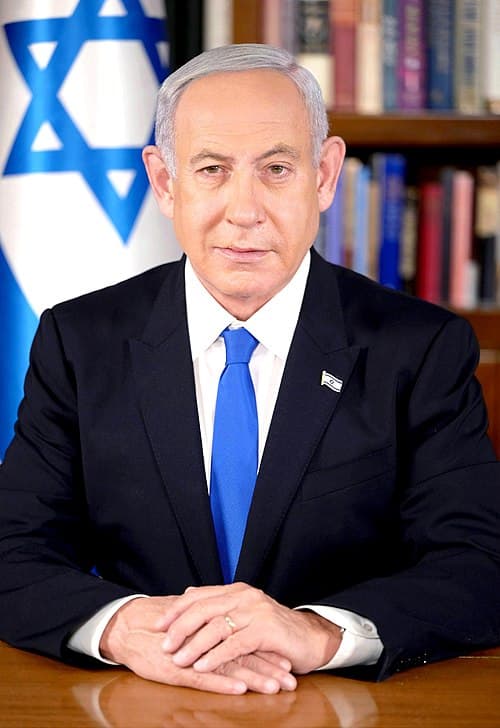
Benjamin Netanyahu
PERSON20 w/ Algeria·20 w/ Tunis
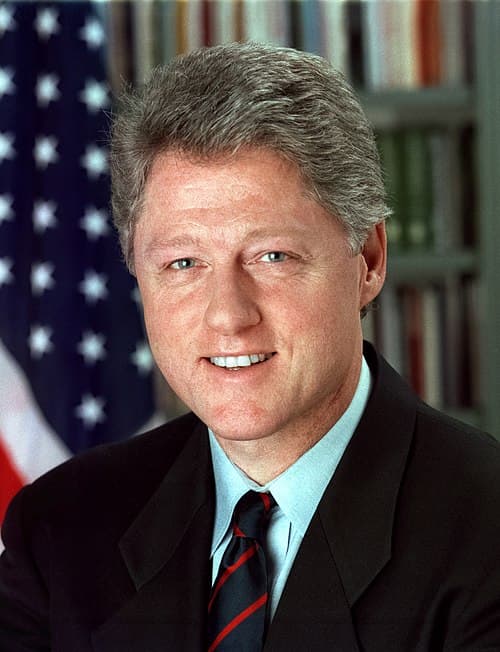
Bill Clinton
PERSON20 w/ Algeria·20 w/ Tunis
Bahrain
LOCATION18 w/ Algeria·18 w/ Tunis
Damascus
LOCATION21 w/ Algeria·15 w/ Tunis
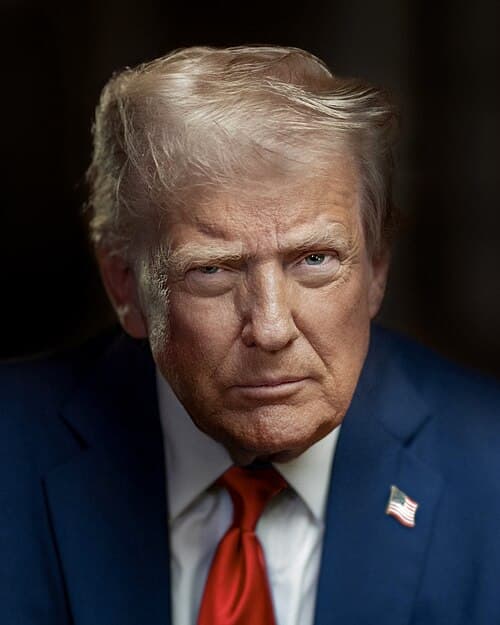
Donald Trump
PERSON15 w/ Algeria·17 w/ Tunis