Back to Network









4
Shared Docs
4
Same-Page
4 / 6
Mentions
Document Mentions (4 shared documents)
3 mentions1 same-page
Page ?Same page
eace deal with Syria’s then-dying dictator, Hafez al-Assad, a few months earlier. Yet these three dedicated men — Gili, who was by training a lawyer; Shlomo, an academic; and Danny, a former Mossad chief — had just been through dozens of hours of intricately detailed talks with each of Arafat’s top negoti
out that a park in the center of the city had been set aside to allow for the burial of as many as 5,000. With Israel’s military commanders pressing Eshkol to take the initiative and launch a preemptive strike, he delivered a radio address at the end of May, intended to reassure the country the situation
sure and brought back Moshe Dayan, now a member of the Knesset, as Defense Minister. I still vividly remember a visitor to the sayeret the day after Eshkol’s address. Colonel Eli Zeira was head of the “collection department” of the intelligence corps, the rough equivalent of America’s National Security A
3 mentions1 same-page
Page ?Same page
eace deal with Syria’s then-dying dictator, Hafez al-Assad, a few months earlier. Yet these three dedicated men — Gili, who was by training a lawyer; Shlomo, an academic; and Danny, a former Mossad chief — had just been through dozens of hours of intricately detailed talks with each of Arafat’s top negoti
out that a park in the center of the city had been set aside to allow for the burial of as many as 5,000. With Israel's military commanders pressing Eshkol to take the initiative and launch a preemptive strike, he delivered a radio address at the end of May, intended to reassure the country the situation
that we could begin the process of building genuine, lasting, human relationships and, eventually, peace. There was a brief period after the war when Eshkol cautioned his ministers about the implications of holding on to the vast new area we had conquered The government formally agreed to treat most of it
2 mentions1 same-page
Page ?Same page
assumed a kind of historical inevitability of Israeli trtumph. Though we’d ending up prevailing in 1973, it was impossible not to wonder whether, as Shlomo suggested, we had missed the signs of a possible peace beforehand. Now, however, we were facing an escalating challenge from an enemy with no intere
he Jordan River, in a town called Karameh. From early 1968, they had been launching hit- and-run raids, not just on the West Bank but into the Negev. Eshkol’s cabinet was initially divided on whether to attack his base in Jordan, in both an act of retaliation and a signal to King Hussein that if his army
Sponsored
2 mentions1 same-page
Page ?Same page
assumed a kind of historical inevitability of Israeli triumph. Though we'd ending up prevailing in 1973, it was impossible not to wonder whether, as Shlomo suggested, we had missed the signs of a possible peace beforehand. Now, however, we were facing an escalating challenge from an enemy with no interes
he Jordan River, in a town called Karameh. From early 1968, they had been launching hit- and-run raids, not just on the West Bank but into the Negev. Eshkol's cabinet was initially divided on whether to attack his base in Jordan, in both an act of retaliation and a signal to King Hussein that if his army
Sponsored
Mutual Connections (571)
Entities connected to both Shlomo and Eshkol
Rabin
PERSON7 w/ Shlomo·4 w/ Eshkol
Shimon Peres
PERSON7 w/ Shlomo·4 w/ Eshkol
Jerusalem
LOCATION6 w/ Shlomo·5 w/ Eshkol
Ehud Barak
PERSON7 w/ Shlomo·4 w/ Eshkol
Benjamin Netanyahu
PERSON7 w/ Shlomo·4 w/ Eshkol
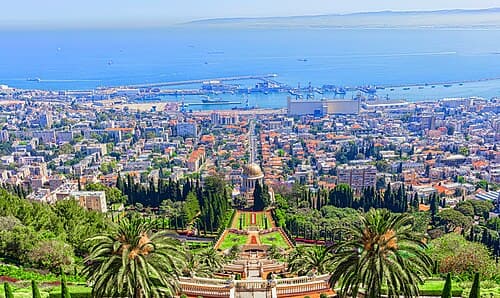
Haifa
LOCATION7 w/ Shlomo·4 w/ Eshkol
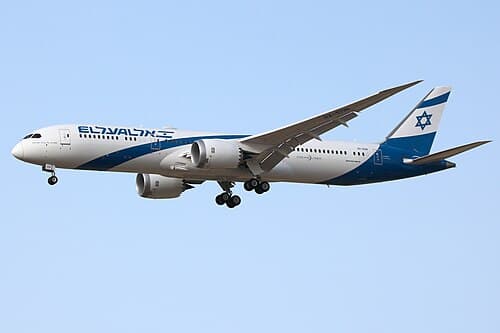
El Al
ORGANIZATION6 w/ Shlomo·4 w/ Eshkol
Michael Cohen
PERSON6 w/ Shlomo·4 w/ Eshkol
Danny Yatom
PERSON6 w/ Shlomo·4 w/ Eshkol
Mediterranean
LOCATION6 w/ Shlomo·4 w/ Eshkol
SH
Sharon
PERSON6 w/ Shlomo·4 w/ Eshkol
Bibi Netanyahu
PERSON6 w/ Shlomo·4 w/ Eshkol
the State of Israel
LOCATION6 w/ Shlomo·4 w/ Eshkol
Lebanon
LOCATION6 w/ Shlomo·4 w/ Eshkol
Yitzhak Rabin
PERSON6 w/ Shlomo·4 w/ Eshkol
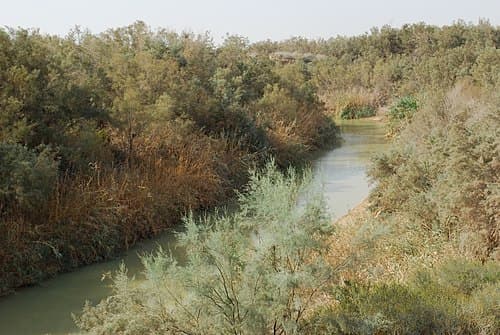
the Jordan River
LOCATION6 w/ Shlomo·4 w/ Eshkol
Damascus
LOCATION6 w/ Shlomo·4 w/ Eshkol
Golan
LOCATION6 w/ Shlomo·4 w/ Eshkol
the Golan Heights
LOCATION6 w/ Shlomo·4 w/ Eshkol
Beersheva
LOCATION6 w/ Shlomo·4 w/ Eshkol