Back to Network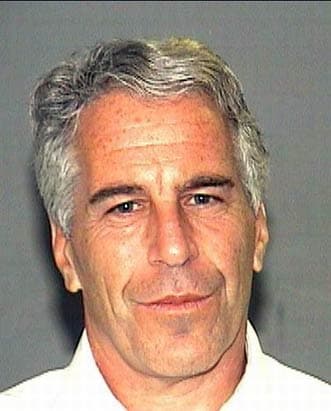






5
Shared Docs
5
Same-Page
6 / 5
Mentions
Document Mentions (5 shared documents)
3 mentions1 same-page
Page ?Same page
plenty of cause for frustration. The case against Barak usually starts with his abandonment of Labor -- even though other Israeli leaders (such as Sharon and Olmert) have ditched their parties and not suffered for it. It then moves on to his strategic blunders -- although here, too, he is hardly alon
en it works, it's brilliant. When it fails, it collapses horribly" -- as did Barak's grand peace overtures, his decision as prime minister to spurn Sharon's offer and seek early elections, and his move to split Labor. Barak's history also reveals a profound lack of concern for ideological consistency
uine bond. Barak and Netanyahu "have a high regard for themselves and each other," explained David Makovsky, a former diplomatic correspondent for Haaretz. "They both see themselves as big-picture guys. They come out of the special forces culture and are far more similar than they are different." Of c
2 mentions1 same-page
Page ?Same page
l aboard a cattle boat, and they eventually settled in Bat Yam, south of Tel Aviv. As a soldier, Dagan won the admiration of Ariel Sharon. In 1970, Sharon ordered him to create a special "elimination" unit, dedicated to hunting down suspected terrorists in Gaza. Dagan worked in various military and s
a dissident (an abstract) David Rcmnick September 3, 2012 -- Earlier this month, the liberal Israeli novelist David Grossman published an op-ed in Haaretz decrying Prime Minister Benjamin Netanyahu's fevered declarations that he might soon order a unilateral strike on Iran and its nuclear facilities.
2 mentions1 same-page
Page ?Same page
med to agree. Notably, Yitzhak Rabin. He was no longer in government, nor even in charge of Labor. But he had always had a soft spot for Arik, as did Sharon for him. With uneasiness, questions and outright criticism of the siege building both internationally and inside Israel, Arik got Rabin to helicopter
cluded two Israeli academics with personal ties to prominent Palestinians: 254 HOUSE_OVERSIGHT_011725 Yair Hirschfeld, and the historian and former Haaretz journalist Ron Pundak. Three PLO officials were there, led by Arafat’s closest economic aide, Abu Ala’a. Though both of the Israelis were friends of
Sponsored
2 mentions1 same-page
Page ?Same page
ons be imposed, and Shlomo agreed. The first was that the visit not occur on a Friday, when the mosques would be full of worshipers; the second, that Sharon not set foot in either of the mosques on the Haram. Our chief of police informed Sharon that if he didn’t accept the conditions, we’d deny him permis
ciently sensitive to Arafat’s needs in the negotiating process. Typical of the argument was a broadside by the journalist and historian Tom Segev, in Haaretz, which accused me of an “incredible arrogance” which had “led to an historic mistake. Rather than continue on the Oslo road, Barak put it into his he
2 mentions1 same-page
Page ?Same page
med to agree. Notably, Yitzhak Rabin. He was no longer in government, nor even in charge of Labor. But he had always had a soft spot for Arik, as did Sharon for him. With uneasiness, questions and outright criticism of the siege building both internationally and inside Israel, Arik got Rabin to helicopter
cluded two Israeli academics with personal ties to prominent Palestinians: 254 HOUSE _OVERSIGHT_028102 Yair Hirschfeld, and the historian and former Haaretz journalist Ron Pundak. Three PLO officials were there, led by Arafat's closest economic aide, Abu Ala'a. Though both of the Israelis were friends of
Sponsored
Mutual Connections (585)
Entities connected to both Sharon and Haaretz
Jeffrey Epstein
PERSON91 w/ Sharon·29 w/ Haaretz
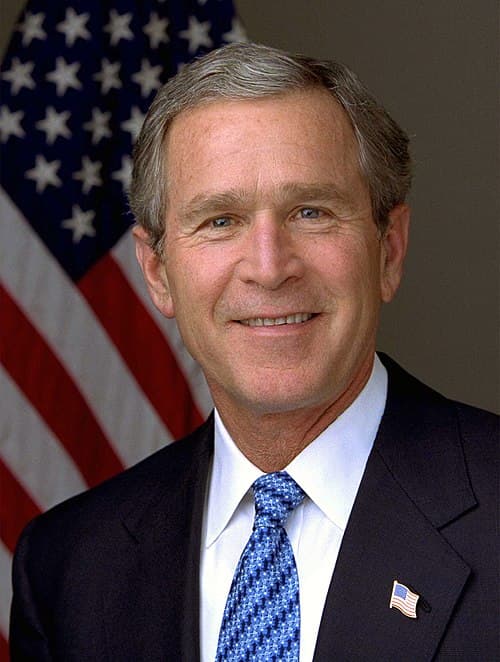
George W. Bush
PERSON32 w/ Sharon·23 w/ Haaretz
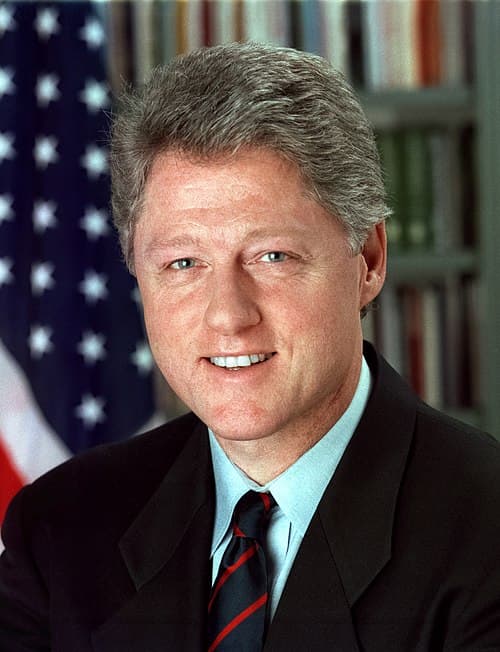
Bill Clinton
PERSON26 w/ Sharon·27 w/ Haaretz
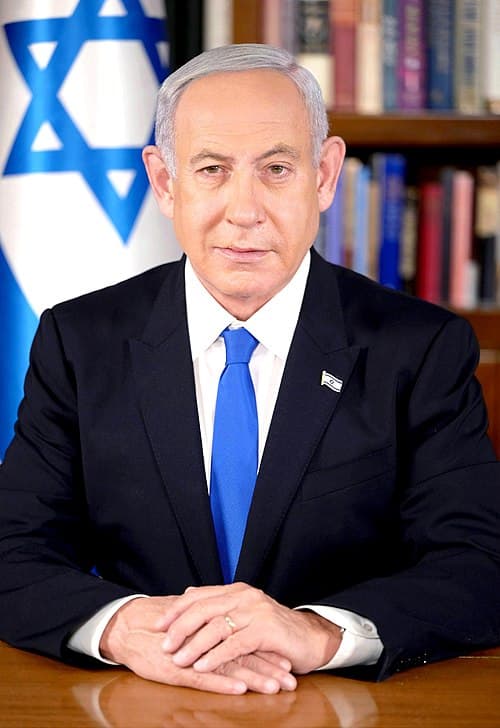
Benjamin Netanyahu
PERSON20 w/ Sharon·33 w/ Haaretz
Marc Rich
PERSON29 w/ Sharon·20 w/ Haaretz
Jerusalem
LOCATION18 w/ Sharon·25 w/ Haaretz
Barack Obama
PERSON17 w/ Sharon·24 w/ Haaretz
Ehud Barak
PERSON20 w/ Sharon·20 w/ Haaretz
Chris Christie
PERSON35 w/ Sharon·4 w/ Haaretz
Prince Andrew
PERSON22 w/ Sharon·14 w/ Haaretz
LB
Leon Black
PERSON22 w/ Sharon·14 w/ Haaretz
Lebanon
LOCATION16 w/ Sharon·20 w/ Haaretz
United States
LOCATION21 w/ Sharon·14 w/ Haaretz
Ghislaine Maxwell
PERSON23 w/ Sharon·9 w/ Haaretz
Donald Trump
PERSON18 w/ Sharon·14 w/ Haaretz
Richard Kahn
PERSON26 w/ Sharon·5 w/ Haaretz
the West Bank
LOCATION12 w/ Sharon·17 w/ Haaretz
Virginia Giuffre
PERSON17 w/ Sharon·11 w/ Haaretz
Hillary Clinton
PERSON13 w/ Sharon·15 w/ Haaretz
Bashar al-Assad
PERSON12 w/ Sharon·16 w/ Haaretz