Back to Network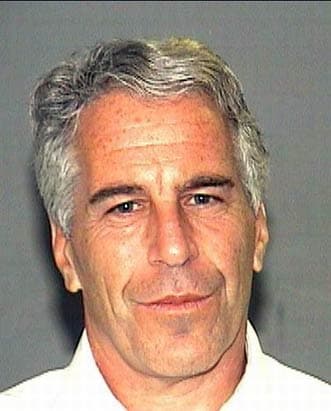


9
Shared Docs
9
Same-Page
29 / 9
Mentions
Document Mentions (9 shared documents)
5 mentions1 same-page
Page ?Same page
o magnify divisions between the two Presidents. "President Obama tucked away the Clinton doctrine in his large dr
the Alawites' affairs. But is it too late for settlements? The New Yorker Two Presidents find a mutual advantage Ryan Lizza September 10, 2012 -- Barack Obama and Bill Clinton have never been close. Some of their advisers concede that the two men don't really like each other. They have openly disagreed on
isagreed on policy issues and political strategy, and the acrimony generated during the 2008 Democratic primaries, when Hillary Clinton ran against Obama for the nomination, has yet to fully dissipate. Nevertheless, a carefully orchestrated reconciliation of sorts has been under way for some time now
health-care reform, which the Clintons failed to achieve, also resonates. "Health care means a lot to all three of those people—Hillary, Bill, and Barack," the official said. "I think historic achievements matter to historic figures like Bill Clinton." As a Democratic President facing a resurgent con
im for a speech in May that accused Moscow of bribing Kyrgyzstan, McFaul tweeted, "Still learning the craft of speaking more diplomatically." 47. Martin Indyk Having spent years in top diplomatic posts during the Clinton administration -- U.S. ambassador to Israel (twice), assistant secretary of state fo
5 mentions1 same-page
Page ?Same page
November 5 update Date: Tue, 05 Nov 2013 11:22:50 +0000 5 November, 2013 Article 1. The National Interest Diplomacy Redux: Kerry's Opportunity, Obama's Test Lincoln P. Bloomfield Jr. Article 2. Bloomberg Israel Pushed Iran to the Table, Says Hagel Jeffrey Goldberg Article 3. NYT Mr. Kerry
an allies, are walking into a trap of Iran's devising. In this latest phase of the Iran drama, the differences between Netanyahu and U.S. President Barack Obama (which I wrote about here) are mainly concealed from view, but we're now seeing some small fissures. I've been curious to know what others in the O
e to proliferating nuclear threats in its midst. President Obama has much riding on the outcome of these negotiati
differences between Netanyahu and U.S. President Barack Obama (which I wrote about here) are mainly conc
nian Talks on Course, but what about the spoiler? Start with the track that is best-positioned: the Israeli-Palestinian negotiations. US negotiator Martin Indyk brings the expertise and the diplomatic and bureaucratic credentials necessary to hold his own in a negotiation where required compromises can be b
5 mentions1 same-page
Page ?Same page
tment Requested by JPMorgan Chase EFTA01301049 8 precipitous removal of central authority, it could very well implode like Iraq. That is why the Obama administration wants him to stay in power even as it admonishes him to choose the path of reform. Today, President Assad is expected to announce th
in. So let me start with Bashar Al Assad—whose father, Hafez, Jimmy Carter wrote he had higher regard for than any other leader in the Middle East. Barack Obama never said anything quite that hagiographic about the son. But Hillary Clinton, his pliant chief diplomat, told "Face the Nation" on Sunday
, United Arab Emirates -- Three things happened simultaneously this week that point the way to a looming new era in the Middle East: U.S. President Barack Obama's speech Monday laying down the reasons for American military involvement in Libya, the involvement in that campaign by Qatar and the United Arab Em
nce to the policy priorities of foreign powers. President Obama's speech about the events in Libya was an import
ver, there was almost no hope for such an agreement even before the challenge in the streets. Anyway, which seasoned analysts? The one he quotes is Martin Indyk, who almost always believes that tout va bien, but especially when things are going horridly. Well, we don't really know how badly or, for that mat
Sponsored
5 mentions1 same-page
Page ?Same page
a's arsenal of long-range bombers, refueling aircraft and precision missiles could do far more damage to the Iranian nuclear program — if President Obama were to decide on a full-scale retaliation. EFTA00660548 The exercise was designed specifically to test internal military communications and coo
military intervention. Michael 0 'Hanlon is a senior fellow at Brookings and coauthor with Martin Indyk and Kenneth Lieberthal of Bending History: Barack Obama's Foreign Policy. EFTA00660567
more damage to the Iranian nuclear program — if President Obama were to decide on a full-scale retaliation. EFT
It was cited to me by an Israeli official.) Both Barack Obama and Gen. Martin Dempsey, the chairman of th
can hope for—even if it requires uncomfortable talk of military intervention. Michael 0 'Hanlon is a senior fellow at Brookings and coauthor with Martin Indyk and Kenneth Lieberthal of Bending History: Barack Obama's Foreign Policy. EFTA00660567
4 mentions1 same-page
Page ?Same page
ng the world towards ever-tougher sanctions on Iran. Mr Netanyahu has even defied the president of the US — apparently, without any real cost. When Barack Obama took office in 2009, his administration demanded a halt to Israeli settlements in the occupied Palestinian territories. However, Mr Netanyahu
into the hands of terrorists. Barak's pessimism also extends to the United States. It explains why he and Netanyahu were willing to push President Barack Obama to go much EFTA00693049 further in making a commitment to prevention than the White House wanted -- a move Barak called "a major achievement." Th
d Syria were physically blocked. The very fact that six tried and two succeeded tells you that anything can happen. I really trust and believe that Obama means what he says [when he talks about preventing Iran from getting a bomb], but there is a limit to what he can commit himself to doing in the fu
s life." Netanyahu's strategic timidity and general risk aversion -- his boldness is more apparent in words than deeds -- only sweetens the bargain. Martin Indyk, a former U.S. ambassador to Israel, told me that "Bibi's caution makes it possible for Barak to do his own thing" -- an irresistible prospect for
4 mentions1 same-page
Page ?Same page
tack on Iran's Nuclear Sites? Azadeh Moaveni Article 3. New York Post Palestinian Spring? Amir Taheri Article 4_ Los Angeles Times Snubbed by Obama? Aaron David Miller Article 5. Guardian Is Jordan heading for chaos? Samer Libdeh Article 6. Project Syndicate EFTA_R1_00482795 EFTA01990227
on issues that include the peace process and when and how to deal with Iran's nuclear program and, to paraphrase the Bard, something is rotten in Barack and Bibi land. With Egypt, the challenge for the U.S. is how to maintain a close relationship with a traditional friend that now sees the world mu
he military option remains very much alive. When President Obama phoned Netanyahu in early September to paper ove
allot box. Netanyahu "reads polls for breakfast and EFTA_R1_00482799 EFTA01990231 he knows the Israeli public is not behind him [on Iran]," says Martin Indyk, a former ambassador to Israel and now director of the Foreign Policy Program at the Brookings Institution in Washington. "If Tel Aviv is under ro
Sponsored
4 mentions1 same-page
Page ?Same page
ack on Iran's Nuclear Sites? Azadeh Moaveni Article 3. New York Post Palestinian Spring? Amir Taheri Article 4. Los Angeles Times Snubbed by Obama? Aaron David Miller Article 5. Guardian Is Jordan heading for chaos? Samer Libdeh Articles- Project Syndicate Europe's Trial by Crisis Josch
on issues that include the peace process and when and how to deal with Iran's nuclear program and, to paraphrase the Bard, something is rotten in Barack and Bibi land. With Egypt, the challenge for the U.S. is how to maintain a close relationship with a traditional friend that now sees the world muc
he military option remains very much alive. When President Obama phoned Netanyahu in early September to paper ove
ould well hurt Netanyahu in the ballot box. Netanyahu "reads polls for breakfast and he knows the Israeli public is not behind him [on Iran]," says Martin Indyk, a former ambassador to Israel and now director of the Foreign Policy Program at the Brookings Institution in Washington. "If Tel Aviv is under roc
3 mentions1 same-page
Page ?Same page
ater years, when she was Secretary of State under President Obama, this was the first time I'd had the opportunity
we joined Bill and Hillary for dinner. Though I would work more closely with Hillary in later years, when she was Secretary of State under President Obama, this was the first time I'd had the opportunity to engage in anything more than small talk with her. She was less naturally outgoing than her husban
ext morning. Clinton began by meeting Arafat, as I went through the Americans' strategy for the negotiations with Madeleine Albright, Dennis Ross and Martin Indyk. Then I met the President in his cabin, which was called Aspen. He told me that while Arafat still thought I was trying to "trick him" into an agreem
3 mentions1 same-page
Page ?Same page
we joined Bill and Hillary for dinner. Though I would work more closely with Hillary in later years, when she was Secretary of State under President Obama, this was the first time I’d had the opportunity to engage in anything more than small talk with her. She was less naturally outgoing than her husban
ater years, when she was Secretary of State under President Obama, this was the first time I’d had the opportunity
ext morning. Clinton began by meeting Arafat, as I went through the Americans’ strategy for the negotiations with Madeleine Albright, Dennis Ross and Martin Indyk. Then I met the President in his cabin, which was called Aspen. He told me that while Arafat still thought I was trying to “trick him” into an agreem
Sponsored
Mutual Connections (375)
Entities connected to both Barack Obama and Martin Indyk
Jeffrey Epstein
PERSON1,091 w/ Barack·6 w/ Martin
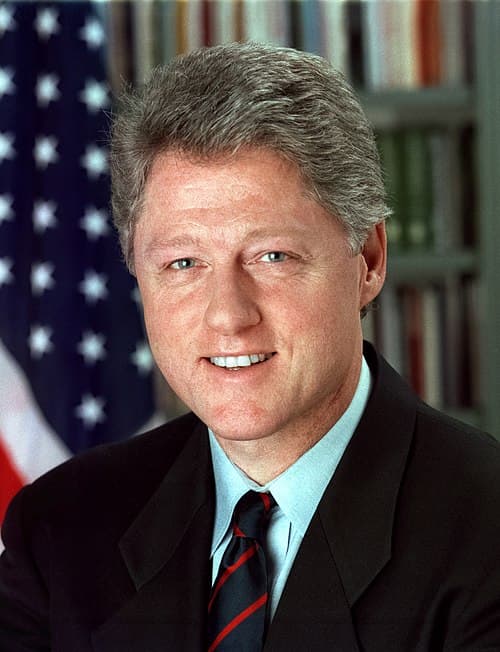
Bill Clinton
PERSON648 w/ Barack·9 w/ Martin
George W. Bush
PERSON635 w/ Barack·7 w/ Martin
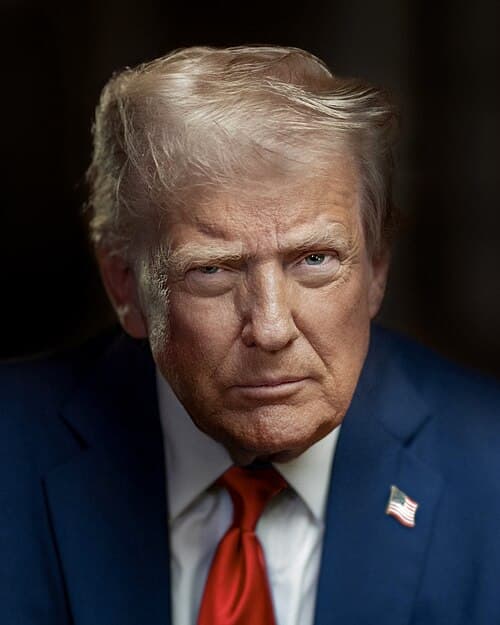
Donald Trump
PERSON522 w/ Barack·2 w/ Martin
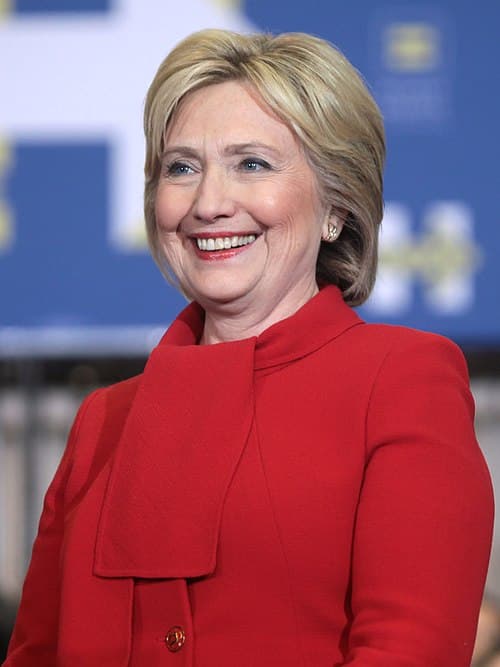
Hillary Clinton
PERSON450 w/ Barack·7 w/ Martin
United States
LOCATION419 w/ Barack·8 w/ Martin
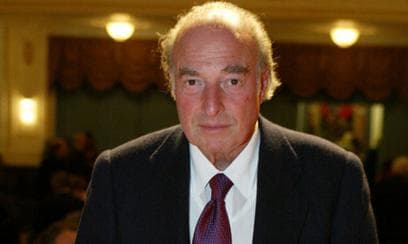
Marc Rich
PERSON373 w/ Barack·4 w/ Martin
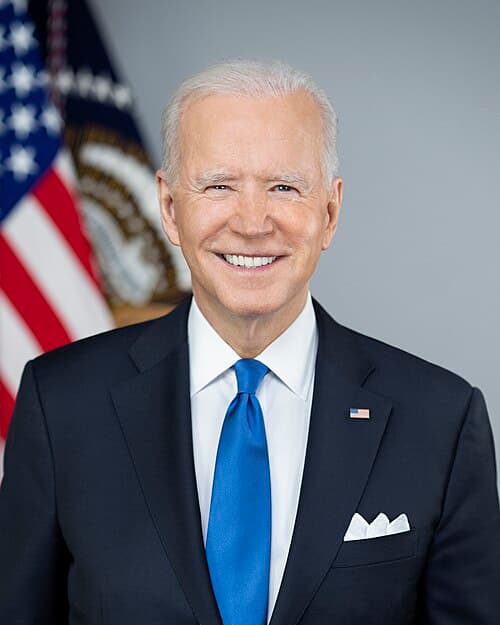
Joe Biden
PERSON372 w/ Barack·2 w/ Martin
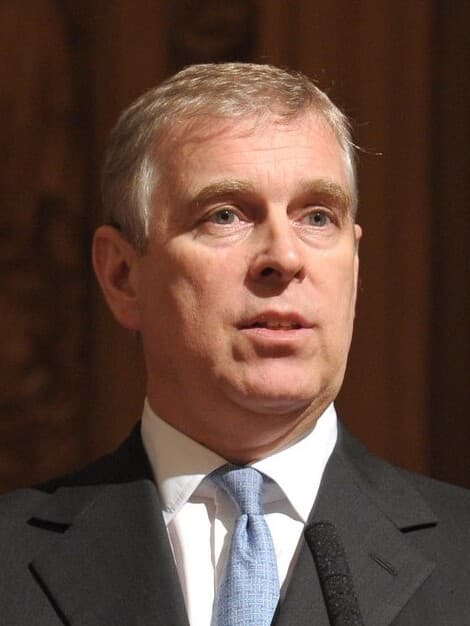
Prince Andrew
PERSON353 w/ Barack·2 w/ Martin
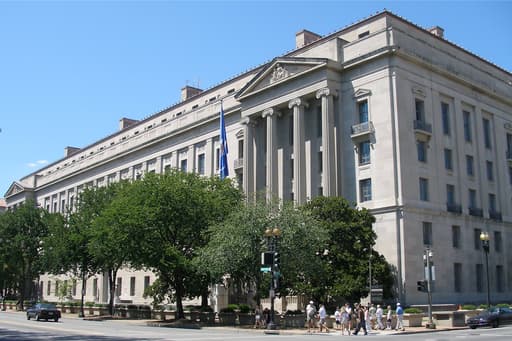
Department of Justice
ORGANIZATION337 w/ Barack·3 w/ Martin
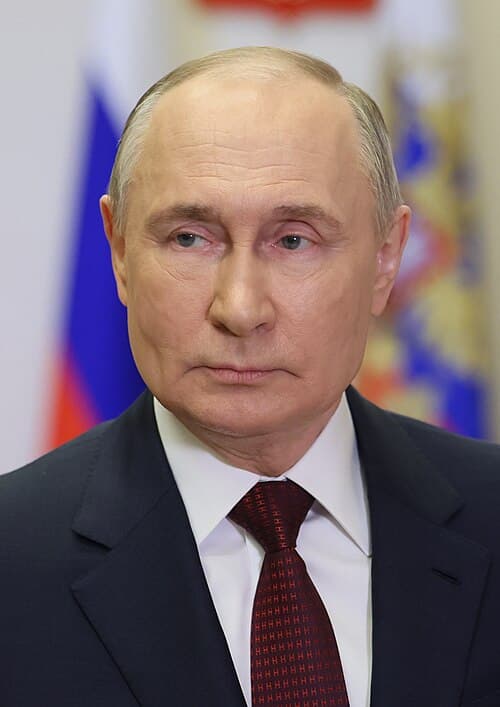
Vladimir Putin
PERSON306 w/ Barack·2 w/ Martin
Virginia Giuffre
PERSON298 w/ Barack·5 w/ Martin
Bloomberg L.P.
ORGANIZATION289 w/ Barack·3 w/ Martin
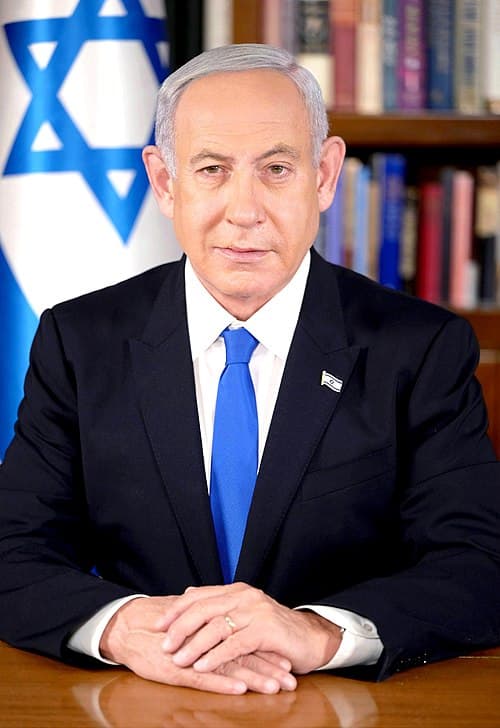
Benjamin Netanyahu
PERSON272 w/ Barack·9 w/ Martin
John F. Kennedy
PERSON251 w/ Barack·4 w/ Martin
Bashar al-Assad
PERSON235 w/ Barack·7 w/ Martin
Tehran
LOCATION227 w/ Barack·7 w/ Martin
Michael Cohen
PERSON218 w/ Barack·4 w/ Martin
George Mitchell
PERSON217 w/ Barack·2 w/ Martin
Middle East
LOCATION211 w/ Barack·5 w/ Martin