Back to Network





5
Shared Docs
5
Same-Page
15 / 5
Mentions
Document Mentions (5 shared documents)
5 mentions1 same-page
Page ?Same page
ome cooler heads at the U.N. who had been to Iraq looking for weapons of mass destruction and saw that there were none. A young state senator named Barack Obama, speaking before an anti-war rally in Chicago, said he didn't oppose all wars, just the "dumb" ones. They are joined by the small cadre of allies i
ly hidden ongoing expenses which, over time, add up to a large expense. Today's Congressional Republicans' strategy is to Nickel-and- Dime President Obama's policies to death with the ultimate goal of dismantling almost all of his accomplishments, as well as to eviscerate Medicare, Medicaid and Social
onal Republicans' strategy is to Nickel-and- Dime President Obama's policies to death with the ultimate goal of dis
hat there were none. A young state senator named Barack Obama, speaking before an anti-war rally in Chic
e deficit because unemployment, especially long-term unemployment, is still unacceptably high. 'The boom, not the slump, is the time for austerity," John Maynard Keynes declared many years ago. Kurgman: He was right — all you have to do is look at Europe to see the disastrous effects of austerity on weak eco
5 mentions1 same-page
Page ?Same page
at not to do. The first approach proposes something known appealingly enough as “Smart Power.”5” The concept was summarized most sharply by President Obama in 2014, when he said American policy ought best be guided by this tight precept: “Don’t do stupid stuff.5@” And while it is hard to disagree with th
els Led to the Rise of ISIS” Atlantic Monthly, Aug 2014 59 “IT don’t really even need”: David Remnick, “Going the Distance: On and off the Road with Barack Obama”, The New Yorker, January 27, 2014 60 “Freedom is the sure possession:” 61 Or Chuchill: 48 HOUSE_OVERSIGHT_018280 be willing to act.”@ This is a
er.”5” The concept was summarized most sharply by President Obama in 2014, when he said American policy ought best
ck, “Going the Distance: On and off the Road with Barack Obama”, The New Yorker, January 27, 2014 60 “Fre
tually the entire world was pulled into the fire. “In the autumn of 1919, in which I write, we are at the dead season of our fortunes,” the economist John Maynard Keynes wrote after the Paris Peace Conference settled The Great War, dimly aware that an even deader season lay somewhere in the future in the form o
4 mentions1 same-page
Page ?Same page
hina Connection Could Rattle Stocks EFTA_R1_015004438 EFTA02430501 By Martin Hutchinson, Contributing Editor, Money Morning When U.S. President Barack Obama unveiled the $787 billion "stimulus" bill of extra spending and modest tax cuts last year, it became clear that the U.S. budget deficit was going t
Editor, Money Morning When U.S. President Barack Obama unveiled the $787 billion "stimulus" bill of ext
buting Editor, Money Morning When U.S. President Barack Obama unveiled the $787 billion "stimulus" bill
elow, it now looks as if I was right - and the implications for the U.S. economy are highly worrisome. You see, the theory postulated by economist John Maynard Keynes holds that the extra spending stimulates additional output fails to address the question of where the money comes from. Government cannot c
Sponsored
3 mentions1 same-page
Page ?Same page
nomic, environmental, and trait data (GET) and sparked the growing DNA ancestry industry. He was instrumental in laying the groundwork for President Obama’s 2013 BRAIN (Brain Research through Advancing Innovative Neurotechnologies) Initiative—in aid of improving the brains of human beings to the point w
He was instrumental in laying the groundwork for President Obama’s 2013 BRAIN (Brain Research through Advancing In
ovement of goods is largely automated, as are many services. What’s left for humans to do? In 1930—long before the advent of computers, let alone AI—John Maynard Keynes wrote, in an essay called “Economic Possibilities for our Grandchildren,” that as a result of improvements in productivity, society could prod
3 mentions1 same-page
Page ?Same page
nomic, environmental, and trait data (GET) and sparked the growing DNA ancestry industry. He was instrumental in laying the groundwork for President Obama’s 2013 BRAIN (Brain Research through Advancing Innovative Neurotechnologies) Initiative—in aid of improving the brains of human beings to the point w
He was instrumental in laying the groundwork for President Obama’s 2013 BRAIN (Brain Research through Advancing In
ovement of goods is largely automated, as are many services. What’s left for humans to do? In 1930—long before the advent of computers, let alone AI—John Maynard Keynes wrote, in an essay called “Economic Possibilities for our Grandchildren,” that as a result of improvements in productivity, society could prod
Sponsored
Mutual Connections (465)
Entities connected to both Barack Obama and John Maynard
Jeffrey Epstein
PERSON1,091 w/ Barack·4 w/ John
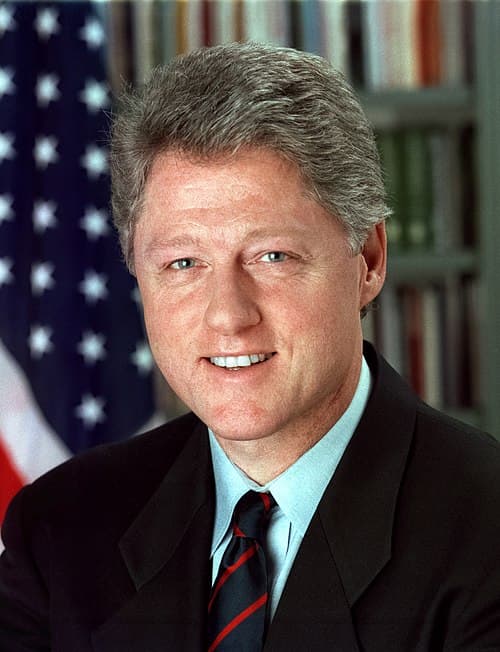
Bill Clinton
PERSON648 w/ Barack·2 w/ John
George W. Bush
PERSON635 w/ Barack·8 w/ John
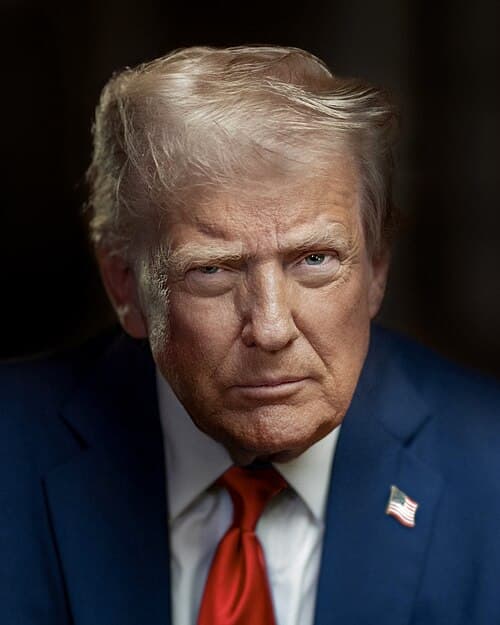
Donald Trump
PERSON522 w/ Barack·4 w/ John
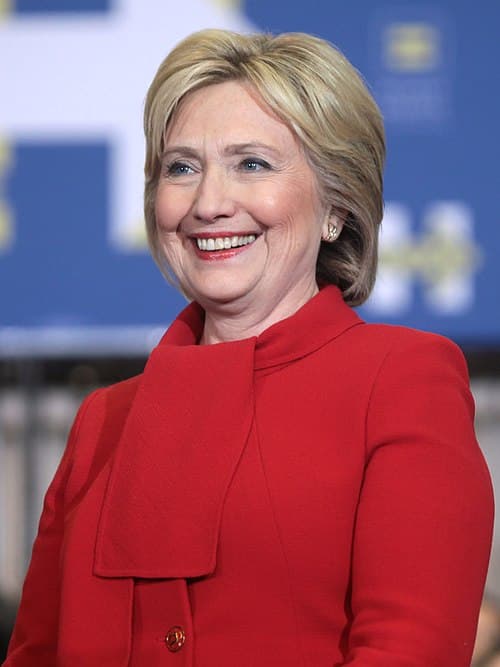
Hillary Clinton
PERSON450 w/ Barack·2 w/ John
United States
LOCATION419 w/ Barack·4 w/ John
Julie K. Brown
PERSON376 w/ Barack·6 w/ John
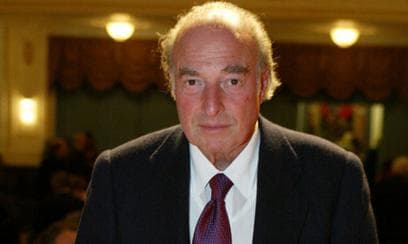
Marc Rich
PERSON373 w/ Barack·7 w/ John
Joe Biden
PERSON372 w/ Barack·2 w/ John
Prince Andrew
PERSON353 w/ Barack·5 w/ John
LB
Leon Black
PERSON309 w/ Barack·4 w/ John
Virginia Giuffre
PERSON298 w/ Barack·2 w/ John
Eric Trump
PERSON261 w/ Barack·6 w/ John
Prince Charles
PERSON255 w/ Barack·4 w/ John
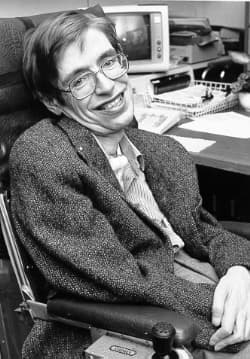
Stephen Hawking
PERSON252 w/ Barack·5 w/ John
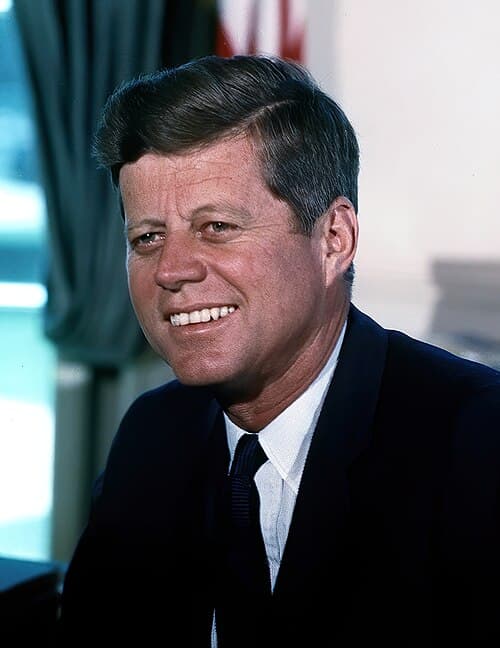
John F. Kennedy
PERSON251 w/ Barack·3 w/ John
Ghislaine Maxwell
PERSON245 w/ Barack·3 w/ John
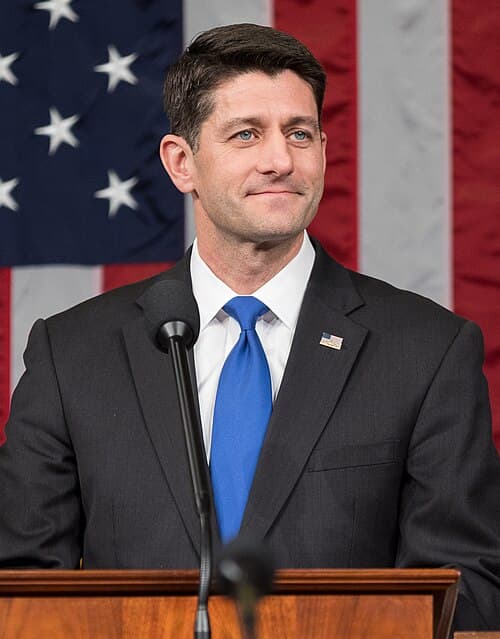
Paul Ryan
PERSON224 w/ Barack·2 w/ John
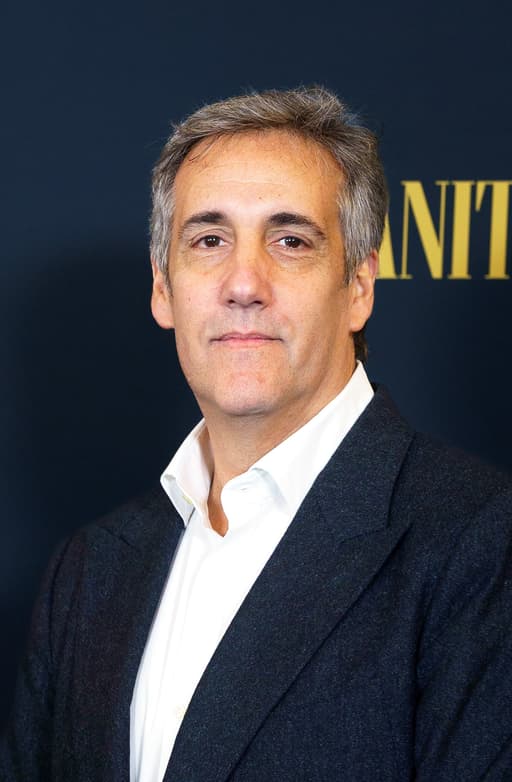
Michael Cohen
PERSON218 w/ Barack·2 w/ John
Michael Jackson
PERSON212 w/ Barack·3 w/ John