Back to Network












3
Shared Docs
3
Same-Page
9 / 3
Mentions
Document Mentions (3 shared documents)
4 mentions1 same-page
Page ?Same page
rdless of the human cost. The atrocities at Houla merely raised the temperature of that dispute. In the days after the massacre, Russia's President Vladimir Putin made it clear to European counterparts that his opposition to foreign military intervention in Syria was as strong as ever. This has put Russia on
tary for an alliance with Russia to stand up to the U.S. pressure. China's political leadership, for the time being, remains skeptical, and so does Putin. But in Moscow, too, there's a pro-China EFTA00702013 lobby, and Western intervention in Syria could provide the catalyst for a strategic rebalan
mes against humanity, indeed near-genocide, that Vladimir Putin ordered in Chechnya at the turn of the cen
conflict and save lives. If lives are more important than regimes -- and they are -- then this is the path to follow. Dmitri Trenin is director of the Carnegie Moscow Center. The Diplomat Could China, Russia Rescue Iran? Meir Javedanfar June 8, 2012 -- Vladimir Putin has returned to the Russian presidential office.
4 mentions1 same-page
Page ?Same page
icle 1. <file:///ClUsers/Efrat=20Elron/AppData/Local/Microsoft/Windows/Temporary%20Internet%20Files/Conte=t.IES/NXRD KT39/11%20May.doc#a> NYT Why=Putin Can't Solve Syria David Rohde <http://rendezvous.blo=s.nytimes.com/author/david-rohde/> Article 2. <file:///ClUsers/Efrat=20EI ron/AppData/Local/M
eing are low but Mr. Kerry d=serves credit for securing a small diplomatic step forward here. The problem is that Mr. Lavrov =nd his boss, President Vladimir Putin, may be unable to deliver on Mr. Ass=d. For nearly two years, Mr. lavro= and Mr. Putin have served as the Syrian leaders' chief diplomatic allie= bu
roblem is that Mr. Lavrov =nd his boss, President Vladimir Putin, may be unable to deliver on Mr. Ass=d. Fo
-syrian-connection/> Instead of being the West's p=tential victim, Mr. Putin is now its vital interlocutor. Maria Lipman, a s=holar-in-residence at the Carnegie Moscow Center and a leading political analyst, said Mr. Putin's logic is simple= "You may denounce us," she explained, "but when it comes to the mos= important in
4 mentions1 same-page
Page ?Same page
cal foe," or Obama's oversold "reset" with Moscow. The significant difference is that if Obama is reelected, he will seek to strike a new deal with Vladimir Putin to significantly cut the U.S. and Russian nuclear stockpiles. To do that, he acknowledged last March, he will have to compromise with Putin on U.S.
ladimir Putin to significantly cut the U.S. and Russian nuclear stockpiles. To do that, he acknowledged last March, he will have to compromise with Putin on U.S. and NATO plans for missile defense; in what he thought was a private aside, he told then-President Dmitry Medvedev that "after my election,
eelected, he will seek to strike a new deal with Vladimir Putin to significantly cut the U.S. and Russian
make sure of this remains an open question. "Sooner or later the state will have to engage in dialogue with the Salafis," says Alexei Malashenko of the Carnegie Moscow Center. But dialogue is not the Russian state's habitual tool for dealing with social forces that it neither understands nor controls. The dual terror att
Sponsored
Mutual Connections (19)
Entities connected to both Vladimir Putin and the Carnegie Moscow Center
Barack Obama
PERSON306 w/ Vladimir·3 w/ the
Bill Clinton
PERSON231 w/ Vladimir·3 w/ the
Marc Rich
PERSON170 w/ Vladimir·2 w/ the
Kremlin
ORGANIZATION148 w/ Vladimir·2 w/ the
Benjamin Netanyahu
PERSON126 w/ Vladimir·2 w/ the
Tehran
LOCATION109 w/ Vladimir·2 w/ the
Middle East
LOCATION100 w/ Vladimir·2 w/ the
Bashar al-Assad
PERSON96 w/ Vladimir·3 w/ the
Damascus
LOCATION70 w/ Vladimir·2 w/ the
Terje Rod-Larsen
PERSON68 w/ Vladimir·2 w/ the
Saddam Hussein
PERSON66 w/ Vladimir·2 w/ the
Hosni Mubarak
PERSON49 w/ Vladimir·2 w/ the
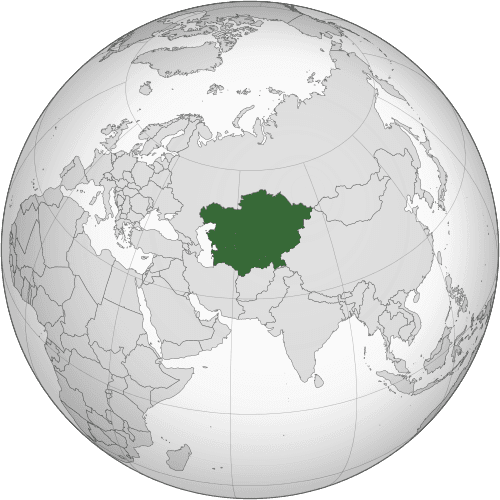
Central Asia
LOCATION27 w/ Vladimir·2 w/ the
Mohamed Morsi
PERSON26 w/ Vladimir·2 w/ the
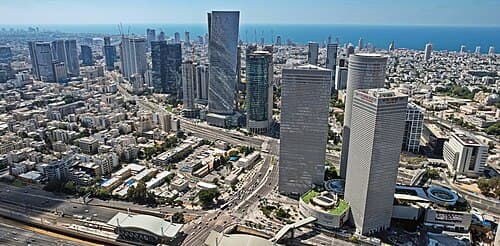
Tel Aviv
LOCATION21 w/ Vladimir·2 w/ the
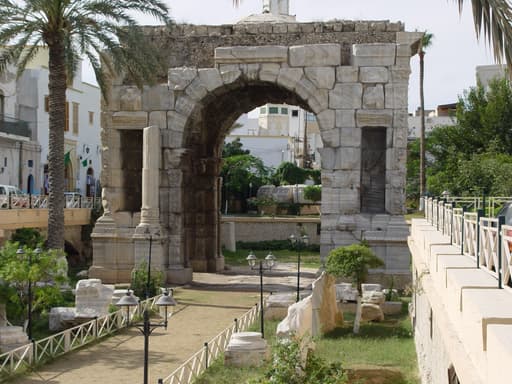
Tripoli
LOCATION16 w/ Vladimir·2 w/ the
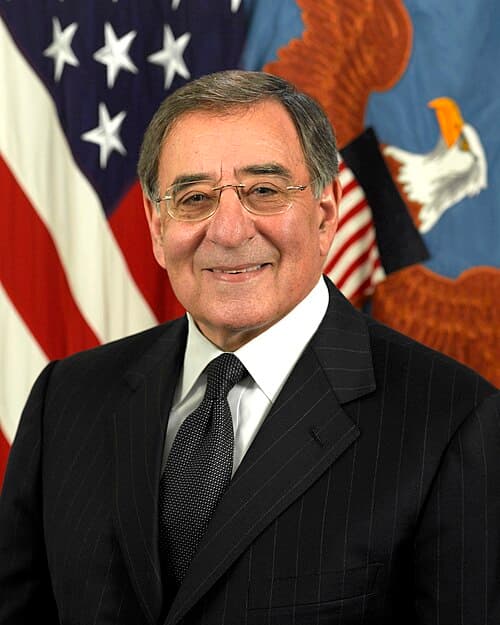
Leon Panetta
PERSON13 w/ Vladimir·2 w/ the
Bosnia
LOCATION13 w/ Vladimir·2 w/ the
Arab Gulf
LOCATION3 w/ Vladimir·2 w/ the