Back to Network









7
Shared Docs
7
Same-Page
7 / 7
Mentions
Document Mentions (7 shared documents)
2 mentions1 same-page
Page ?Same page
e 1979. When Gulf circles expressed their fears at this level, the Egyptian Foreign Ministry clarified that "Cairo is seeking normal relations with Tehran, essential and normal relations, that is all." This statement was followed by more than one confirmation issued by Egyptian officials, stressing th
im for a speech in May that accused Moscow of bribing Kyrgyzstan, McFaul tweeted, "Still learning the craft of speaking more diplomatically." 47. Martin Indyk Having spent years in top diplomatic posts during the Clinton administration -- U.S. ambassador to Israel (twice), assistant secretary of state fo
2 mentions1 same-page
Page ?Same page
he change was simple: the Iranians had suddenly diverted a third of their enriched uranium fuel rods to medical research. When I pressed him on why Tehran would have done this, he conceded that it was probably because Israeli threats and U.S.-led sanctions had worked -- in other words, that Iran had a
s life." Netanyahu's strategic timidity and general risk aversion -- his boldness is more apparent in words than deeds -- only sweetens the bargain. Martin Indyk, a former U.S. ambassador to Israel, told me that "Bibi's caution makes it possible for Barak to do his own thing" -- an irresistible prospect for
2 mentions1 same-page
Page ?Same page
aeli-Palestinian two-state solution; another to rid Syria of its chemical-weapons arsenal; and the third to achieve an accord with Iran under which Tehran would forego developing nuclear weapons. If Diplomacy Succeeds The opportunity is hard to overstate. Officially ending sixty-five years of Palest
nian Talks on Course, but what about the spoiler? Start with the track that is best-positioned: the Israeli-Palestinian negotiations. US negotiator Martin Indyk brings the expertise and the diplomatic and bureaucratic credentials necessary to hold his own in a negotiation where required compromises can be b
Sponsored
2 mentions1 same-page
Page ?Same page
the events in Bahrain, and the pressure on Saudi Arabia worked to strengthen the axis of opposition and also drew international attention away from Tehran's nuclear program. Syria is the keystone of the pro-Iran axis. Weakening the Assad regime, to say nothing of its collapse, would be a blow to Iran,
ver, there was almost no hope for such an agreement even before the challenge in the streets. Anyway, which seasoned analysts? The one he quotes is Martin Indyk, who almost always believes that tout va bien, but especially when things are going horridly. Well, we don't really know how badly or, for that mat
2 mentions1 same-page
Page ?Same page
he progress Iran has made to enrich uranium. But they disagree on how much time there would be to prevent Iran from building a weapon if leaders in Tehran decided to go ahead with one. With the Israelis saying publicly that the window to prevent Iran from building a nuclear bomb is closing, American
can hope for—even if it requires uncomfortable talk of military intervention. Michael 0 'Hanlon is a senior fellow at Brookings and coauthor with Martin Indyk and Kenneth Lieberthal of Bending History: Barack Obama's Foreign Policy. EFTA00660567
2 mentions1 same-page
Page ?Same page
lose to reliving the days of the Iran-Iraq war, soon we will have to wait in line for everyday goods," says a 60-year-old, middle-class matron from Tehran. "Things are getting worse by the day," says a 57-year- old Iranian academic preparing to emigrate to North America. "It is better to get out now w
allot box. Netanyahu "reads polls for breakfast and EFTA_R1_00482799 EFTA01990231 he knows the Israeli public is not behind him [on Iran]," says Martin Indyk, a former ambassador to Israel and now director of the Foreign Policy Program at the Brookings Institution in Washington. "If Tel Aviv is under ro
Sponsored
2 mentions1 same-page
Page ?Same page
lose to reliving the days of the Iran-Iraq war, soon we will have to wait in line for everyday goods," says a 60- year-old, middle-class matron from Tehran. "Things are getting worse by the day," says a 57-year-old Iranian academic preparing to emigrate to North America. "It is better to get out now wh
ould well hurt Netanyahu in the ballot box. Netanyahu "reads polls for breakfast and he knows the Israeli public is not behind him [on Iran]," says Martin Indyk, a former ambassador to Israel and now director of the Foreign Policy Program at the Brookings Institution in Washington. "If Tel Aviv is under roc
Sponsored
Mutual Connections (240)
Entities connected to both Tehran and Martin Indyk
Barack Obama
PERSON227 w/ Tehran·9 w/ Martin
United States
LOCATION176 w/ Tehran·8 w/ Martin
George W. Bush
PERSON166 w/ Tehran·7 w/ Martin
Bashar al-Assad
PERSON149 w/ Tehran·7 w/ Martin
Lebanon
LOCATION144 w/ Tehran·10 w/ Martin
Benjamin Netanyahu
PERSON145 w/ Tehran·9 w/ Martin
Bill Clinton
PERSON134 w/ Tehran·9 w/ Martin
Jeffrey Epstein
PERSON132 w/ Tehran·6 w/ Martin
Joe Biden
PERSON125 w/ Tehran·2 w/ Martin
Donald Trump
PERSON120 w/ Tehran·2 w/ Martin
Marc Rich
PERSON113 w/ Tehran·4 w/ Martin
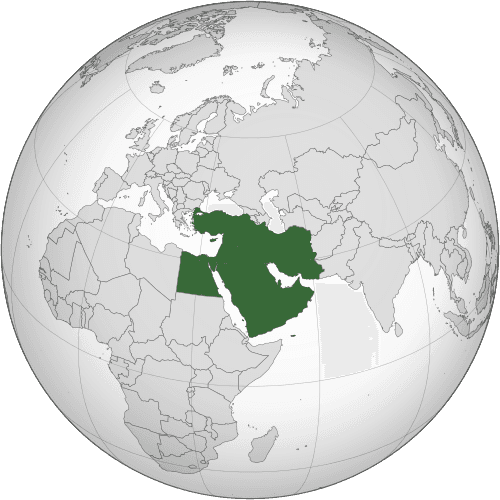
Middle East
LOCATION111 w/ Tehran·5 w/ Martin
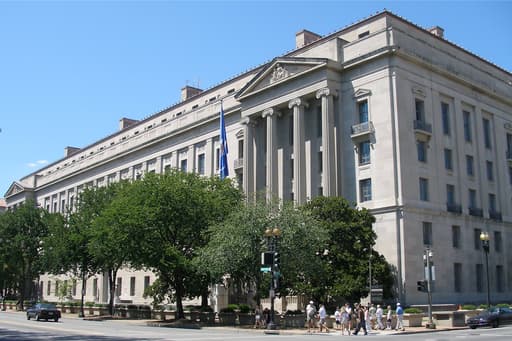
Department of Justice
ORGANIZATION109 w/ Tehran·3 w/ Martin
Vladimir Putin
PERSON109 w/ Tehran·2 w/ Martin
Terje Rod-Larsen
PERSON98 w/ Tehran·7 w/ Martin
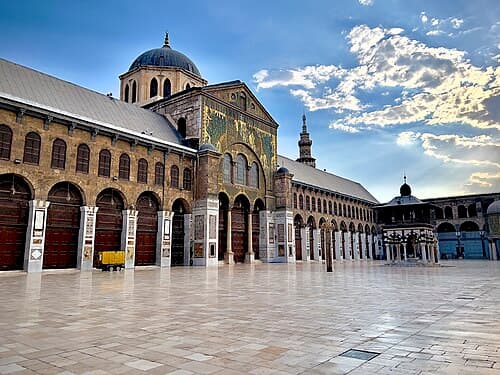
Damascus
LOCATION98 w/ Tehran·6 w/ Martin
Bloomberg L.P.
ORGANIZATION101 w/ Tehran·3 w/ Martin
Cairo
LOCATION98 w/ Tehran·5 w/ Martin
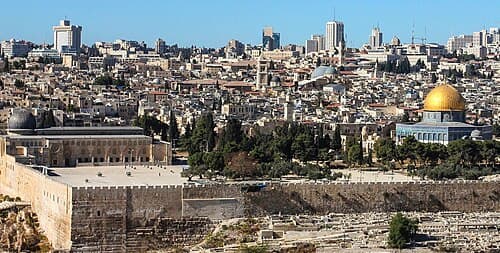
Jerusalem
LOCATION94 w/ Tehran·9 w/ Martin
Hillary Clinton
PERSON93 w/ Tehran·7 w/ Martin