Back to Network






5
Shared Docs
5
Same-Page
5 / 5
Mentions
Document Mentions (5 shared documents)
2 mentions1 same-page
Page ?Same page
portantly, we have to ask, why are people not facing this truth, in light of all of the facts.... FINALLY we have come to terms that like the war in Vietnam which most people accept as a huge mistake, it is now more than ever evident, that the wars in Afghanistan and Iraq may be larger mistakes. Because
e deficit because unemployment, especially long-term unemployment, is still unacceptably high. 'The boom, not the slump, is the time for austerity," John Maynard Keynes declared many years ago. Kurgman: He was right — all you have to do is look at Europe to see the disastrous effects of austerity on weak eco
2 mentions1 same-page
Page ?Same page
wildly optimistic. These disparate EFTA00660762 estimates need to be resolved, yet recent efforts to survey fossil fuels reserves by states like Vietnam have been stalled by the China Maritime Safety Administration, which has taken to cutting survey cables of vessels chartered to provide better info
sed along with Communism in the age of Ronald Reagan and Margaret Thatcher. He spends a great deal of time attacking Friedrich Hayek and defending John Maynard Keynes. "Thinking the Twentieth Century" concludes with a recapitulation of the defense of the welfare state made in his 2010 book "Ill Fares the L
2 mentions1 same-page
Page ?Same page
plomat, following a rough trace of his father’s man-on-a-mission trajectory, also with a bit of that secretive Knights of Templar feeling: Princeton, Vietnam, the Philippines, the halls of the State Department in Foggy Bottom. Wisner had become the first phone call for some of America’s leading corporate f
tually the entire world was pulled into the fire. “In the autumn of 1919, in which I write, we are at the dead season of our fortunes,” the economist John Maynard Keynes wrote after the Paris Peace Conference settled The Great War, dimly aware that an even deader season lay somewhere in the future in the form o
Sponsored
2 mentions1 same-page
Page ?Same page
Sentinelese and Andamanese of India, the Korowai of Indonesia, the Mashco- Piro of Peru, the Pintupi of Australia, the Surma of Ethiopia, the Ruc of Vietnam, the Ayoreo-Totobiegosode of Paraguay, the Himba of Namibia, and dozens of tribes in Papua New Guinea. How would they or our ancestors respond? We co
ovement of goods is largely automated, as are many services. What’s left for humans to do? In 1930—long before the advent of computers, let alone AI—John Maynard Keynes wrote, in an essay called “Economic Possibilities for our Grandchildren,” that as a result of improvements in productivity, society could prod
2 mentions1 same-page
Page ?Same page
Sentinelese and Andamanese of India, the Korowai of Indonesia, the Mashco- Piro of Peru, the Pintupi of Australia, the Surma of Ethiopia, the Ruc of Vietnam, the Ayoreo-Totobiegosode of Paraguay, the Himba of Namibia, and dozens of tribes in Papua New Guinea. How would they or our ancestors respond? We co
ovement of goods is largely automated, as are many services. What’s left for humans to do? In 1930—long before the advent of computers, let alone AI—John Maynard Keynes wrote, in an essay called “Economic Possibilities for our Grandchildren,” that as a result of improvements in productivity, society could prod
Sponsored
Mutual Connections (464)
Entities connected to both Vietnam and John Maynard
Jeffrey Epstein
PERSON151 w/ Vietnam·4 w/ John
George W. Bush
PERSON145 w/ Vietnam·8 w/ John
Barack Obama
PERSON133 w/ Vietnam·5 w/ John
United States
LOCATION120 w/ Vietnam·4 w/ John
Bill Clinton
PERSON118 w/ Vietnam·2 w/ John
Prince Andrew
PERSON99 w/ Vietnam·5 w/ John
Donald Trump
PERSON98 w/ Vietnam·4 w/ John
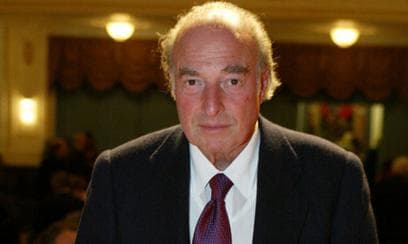
Marc Rich
PERSON94 w/ Vietnam·7 w/ John
LB
Leon Black
PERSON94 w/ Vietnam·4 w/ John
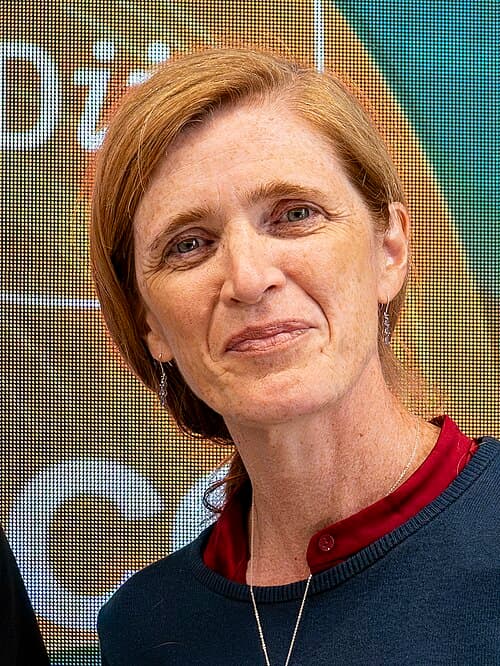
Samantha Power
PERSON90 w/ Vietnam·5 w/ John
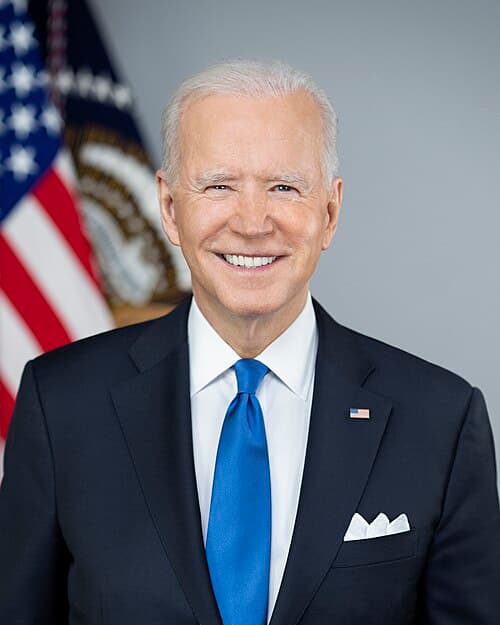
Joe Biden
PERSON91 w/ Vietnam·2 w/ John
Julie K. Brown
PERSON80 w/ Vietnam·6 w/ John
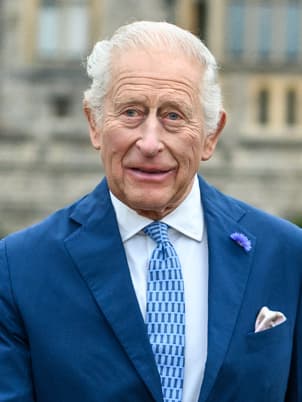
Prince Charles
PERSON82 w/ Vietnam·4 w/ John
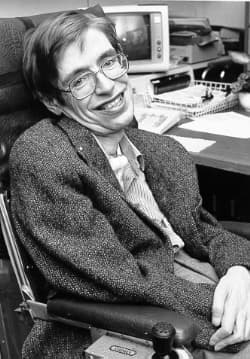
Stephen Hawking
PERSON75 w/ Vietnam·5 w/ John
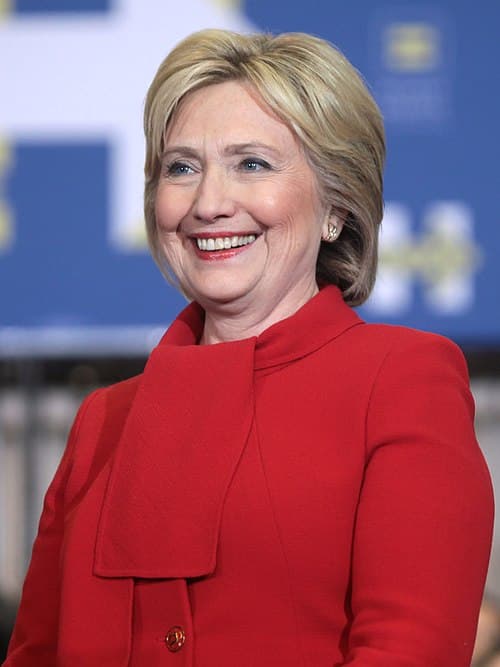
Hillary Clinton
PERSON77 w/ Vietnam·2 w/ John
Virginia Giuffre
PERSON75 w/ Vietnam·2 w/ John
Eric Trump
PERSON66 w/ Vietnam·6 w/ John
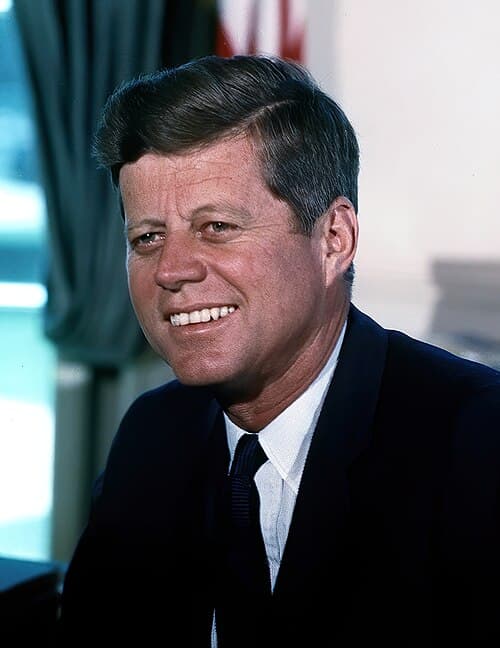
John F. Kennedy
PERSON69 w/ Vietnam·3 w/ John
Philippines
LOCATION66 w/ Vietnam·3 w/ John
Michael Jackson
PERSON66 w/ Vietnam·3 w/ John