Back to Network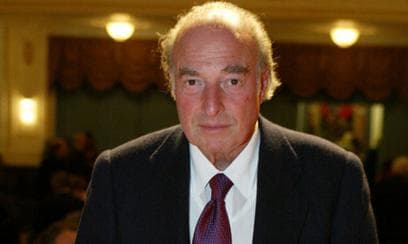






5
Shared Docs
5
Same-Page
5 / 5
Mentions
Document Mentions (5 shared documents)
2 mentions1 same-page
Page ?Same page
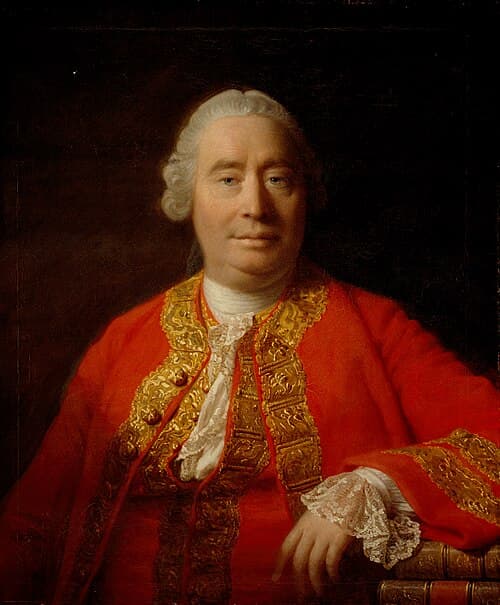
ic and reversible. They could not see a way for free will to emerge from such physical laws. There was even a group called the Compatibilists lead by David Hume that thought free will could coexist with determinism. Provided you felt free it did not matter that your actions were inevitable. We all want free
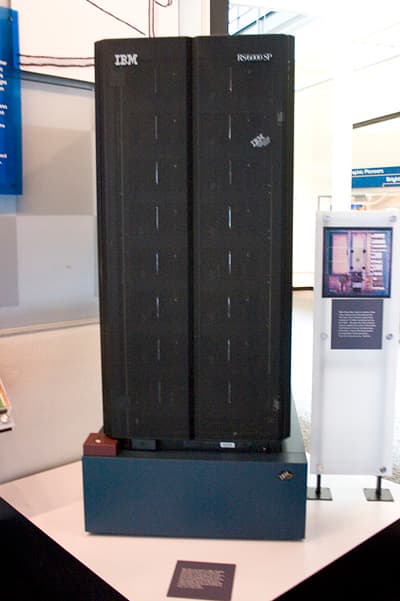
day, holds the record for the highest chess ranking ever achieved. Some consider him one of the most intelligent people on the planet. His opponent, Deep Blue, is a massively parallel chess-playing computer built by IBM’s Watson Research Laboratory. The machine itself sits a few blocks north of the tourname
2 mentions1 same-page
Page ?Same page
intelligence is not the product of an alien invasion. It is an artifact of a particular human culture and reflects the values of that culture.” 3. “David Hume's striking statement ‘Reason Is, and Ought only to Be, the Slave of the Passions’ was written in 1738 [and] was, of course, meant to apply to human rea
e and evaluate a vast selection of possible future moves. But the majority of predictions of AI, e.g., robotic maids, turned out to be illusory. When Deep Blue beat Garry Kasparov at chess in 1997, the most 20 HOUSE_OVERSIGHT_016823 powerful room-cleaning robot was a Roomba, which moved around vacuuming a
2 mentions1 same-page
Page ?Same page
image or recording)—and see if you can extract patterns from them. This approach was carried further by such classic associationists as philosophers David Hume 152 HOUSE_OVERSIGHT_016955 and J. S. Mill and later by behavioral psychologists, like Pavlov and B. F. Skinner. On this view, the abstractness and
Machines were simply faster at doing brute-force calculations, had prodigious amounts of memory, and were not prone to errors. One article described Deep Blue’s victory not as that of a computer, which was just a dumb machine, but as the victory of hundreds of programmers over Kasparov, a single individual.
Sponsored
2 mentions1 same-page
Page ?Same page
intelligence is not the product of an alien invasion. It is an artifact of a particular human culture and reflects the values of that culture.” 3. “David Hume's striking statement ‘Reason Is, and Ought only to Be, the Slave of the Passions’ was written in 1738 [and] was, of course, meant to apply to human rea
e and evaluate a vast selection of possible future moves. But the majority of predictions of AI, e.g., robotic maids, turned out to be illusory. When Deep Blue beat Garry Kasparov at chess in 1997, the most 20 HOUSE_OVERSIGHT_016240 powerful room-cleaning robot was a Roomba, which moved around vacuuming a
2 mentions1 same-page
Page ?Same page
image or recording)—and see if you can extract patterns from them. This approach was carried further by such classic associationists as philosophers David Hume 152 HOUSE_OVERSIGHT_016372 and J. S. Mill and later by behavioral psychologists, like Pavlov and B. F. Skinner. On this view, the abstractness and
Machines were simply faster at doing brute-force calculations, had prodigious amounts of memory, and were not prone to errors. One article described Deep Blue’s victory not as that of a computer, which was just a dumb machine, but as the victory of hundreds of programmers over Kasparov, a single individual.
Sponsored
Mutual Connections (697)
Entities connected to both David Hume and Deep Blue
Marc Rich
PERSON10 w/ David·10 w/ Deep
Jeffrey Epstein
PERSON12 w/ David·8 w/ Deep
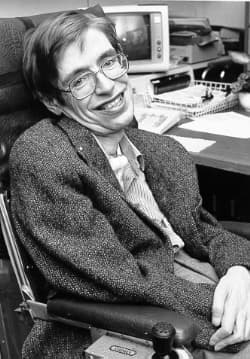
Stephen Hawking
PERSON8 w/ David·9 w/ Deep
DB
Doug Band
PERSON9 w/ David·7 w/ Deep
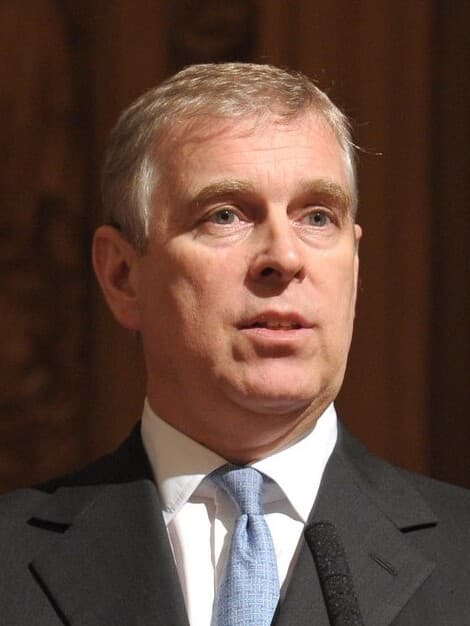
Prince Andrew
PERSON8 w/ David·7 w/ Deep
LB
Leon Black
PERSON9 w/ David·6 w/ Deep
Garry Kasparov
PERSON5 w/ David·10 w/ Deep
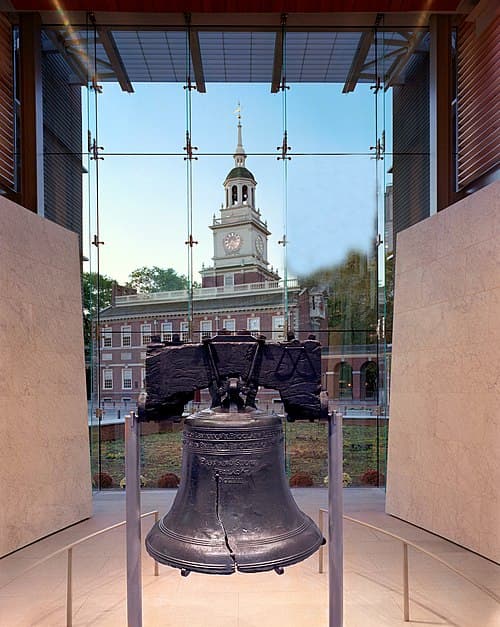
Philadelphia
LOCATION12 w/ David·3 w/ Deep
Jeopardy
ORGANIZATION5 w/ David·10 w/ Deep
George W. Bush
PERSON9 w/ David·5 w/ Deep
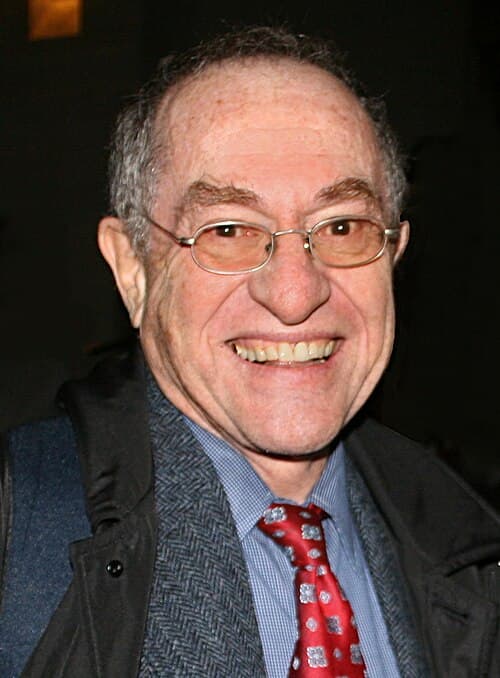
Alan Dershowitz
PERSON7 w/ David·7 w/ Deep
Julie K. Brown
PERSON9 w/ David·5 w/ Deep
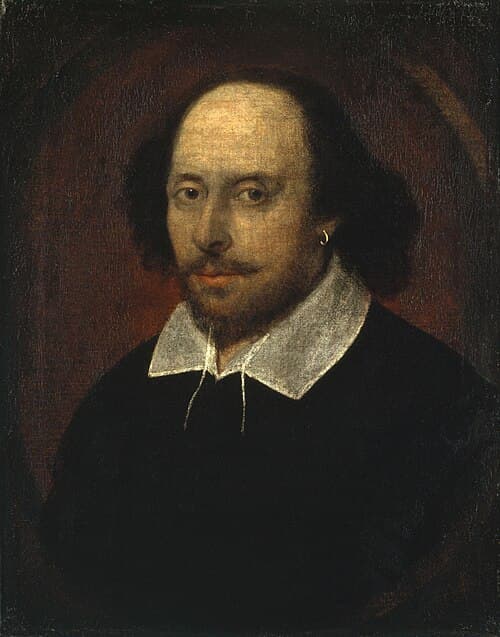
William Shakespeare
PERSON9 w/ David·5 w/ Deep
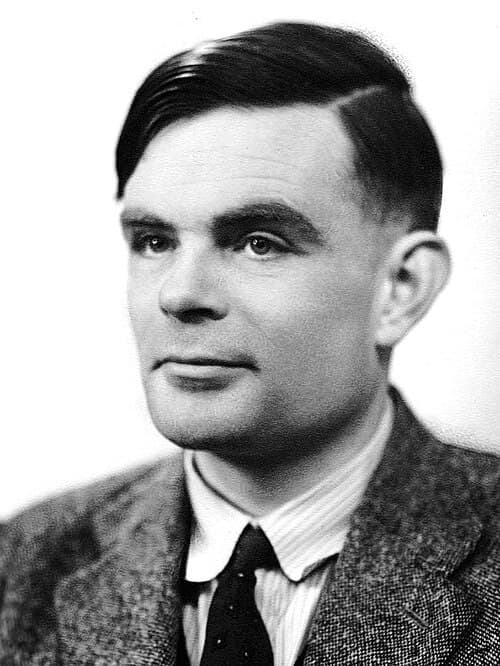
Turing
PERSON7 w/ David·7 w/ Deep
Cambridge University
ORGANIZATION9 w/ David·5 w/ Deep
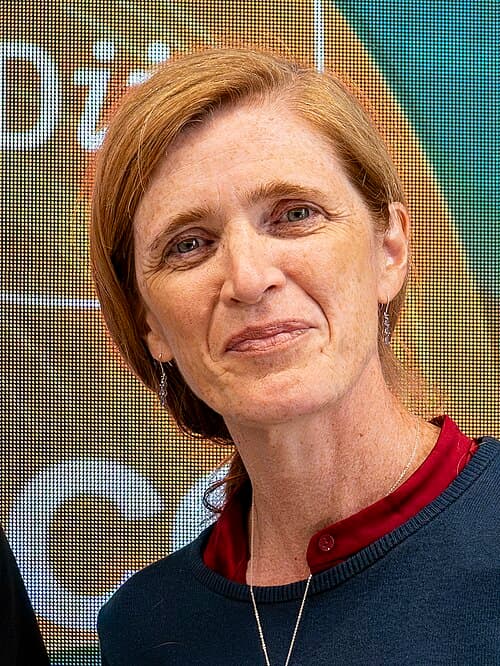
Samantha Power
PERSON7 w/ David·7 w/ Deep
Harvey Weinstein
PERSON7 w/ David·6 w/ Deep
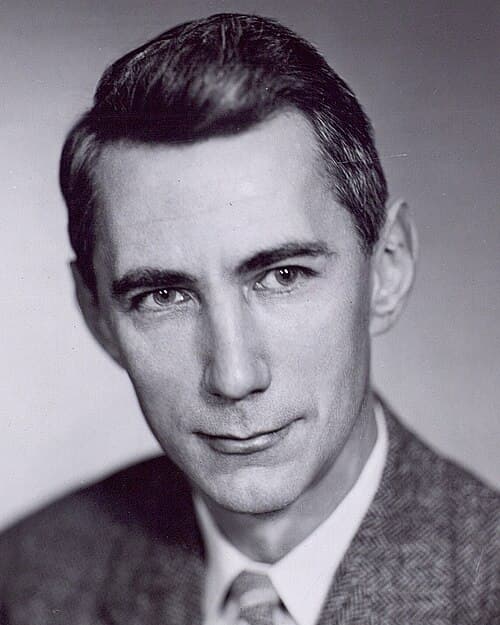
Claude Shannon
PERSON8 w/ David·5 w/ Deep
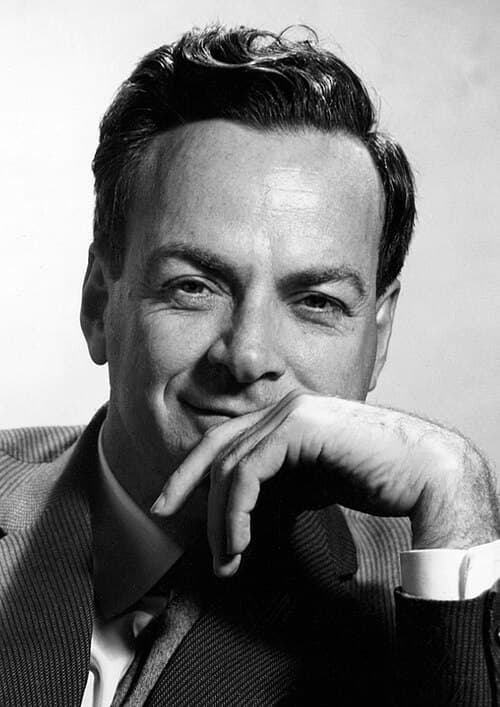
Richard Feynman
PERSON7 w/ David·6 w/ Deep
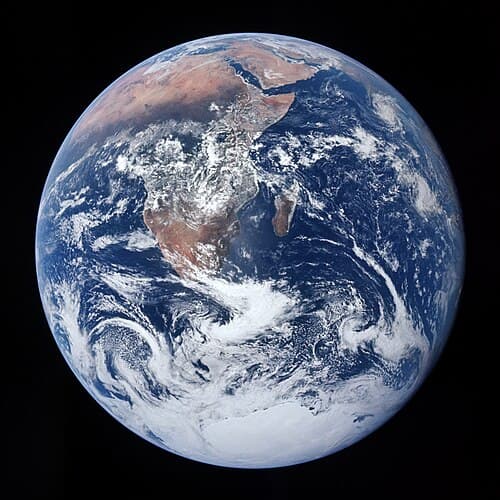
Earth
LOCATION7 w/ David·6 w/ Deep