Back to Network


5
Shared Docs
5
Same-Page
5 / 5
Mentions
Document Mentions (5 shared documents)
2 mentions1 same-page
Page ?Same page
ic and reversible. They could not see a way for free will to emerge from such physical laws. There was even a group called the Compatibilists lead by David Hume that thought free will could coexist with determinism. Provided you felt free it did not matter that your actions were inevitable. We all want free
ns had perfected their calculations to predict the motion of Venus and it proved reliable over a whole century? Would this constitute understanding? Feynman would say no: the Mayan understanding was not complete. It was only black box equivalent to our modern understanding over a limited period. We known
2 mentions1 same-page
Page ?Same page
intelligence is not the product of an alien invasion. It is an artifact of a particular human culture and reflects the values of that culture.” 3. “David Hume's striking statement ‘Reason Is, and Ought only to Be, the Slave of the Passions’ was written in 1738 [and] was, of course, meant to apply to human rea
to spend time with physicists, the reason being that they think about the universe, 1.e. everything. And no physicist was reputed to be articulate as Feynman. I couldn’t wait to meet him. I accepted. That said, I am not a scientist, and I had never entertained the idea of getting on a stage and delivering
2 mentions1 same-page
Page ?Same page
image or recording)—and see if you can extract patterns from them. This approach was carried further by such classic associationists as philosophers David Hume 152 HOUSE_OVERSIGHT_016955 and J. S. Mill and later by behavioral psychologists, like Pavlov and B. F. Skinner. On this view, the abstractness and
ard Feynman, at which the celebrated physicist remarked, “That is positively the dopiest idea I ever heard.” Maybe “despite” is the wrong word, since Feynman had a well-known predilection for playing with dopey ideas. In the event, he showed up on the day the company was incorporated and stayed on, for sum
Sponsored
2 mentions1 same-page
Page ?Same page
intelligence is not the product of an alien invasion. It is an artifact of a particular human culture and reflects the values of that culture.” 3. “David Hume's striking statement ‘Reason Is, and Ought only to Be, the Slave of the Passions’ was written in 1738 [and] was, of course, meant to apply to human rea
to spend time with physicists, the reason being that they think about the universe, 1.e. everything. And no physicist was reputed to be articulate as Feynman. I couldn’t wait to meet him. I accepted. That said, I am not a scientist, and I had never entertained the idea of getting on a stage and delivering
2 mentions1 same-page
Page ?Same page
image or recording)—and see if you can extract patterns from them. This approach was carried further by such classic associationists as philosophers David Hume 152 HOUSE_OVERSIGHT_016372 and J. S. Mill and later by behavioral psychologists, like Pavlov and B. F. Skinner. On this view, the abstractness and
ard Feynman, at which the celebrated physicist remarked, “That is positively the dopiest idea I ever heard.” Maybe “despite” is the wrong word, since Feynman had a well-known predilection for playing with dopey ideas. In the event, he showed up on the day the company was incorporated and stayed on, for sum
Sponsored
Mutual Connections (721)
Entities connected to both David Hume and Feynman
Jeffrey Epstein
PERSON12 w/ David·32 w/ Feynman
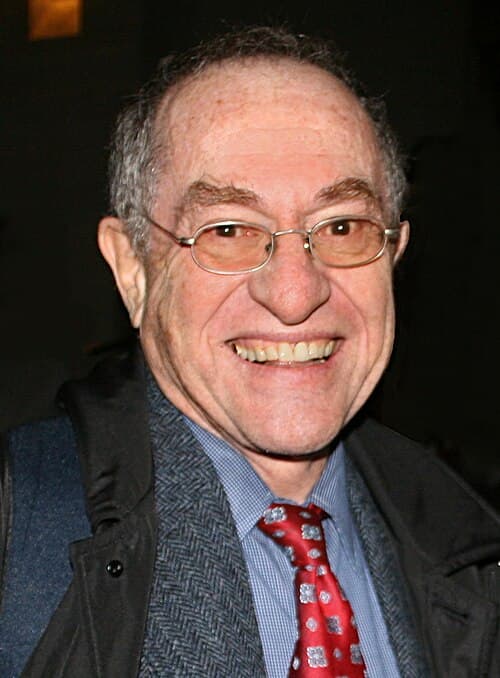
Alan Dershowitz
PERSON7 w/ David·15 w/ Feynman
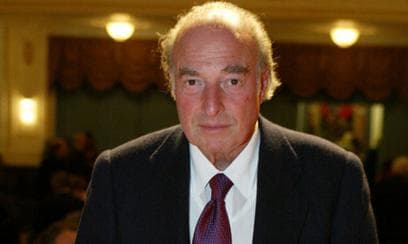
Marc Rich
PERSON10 w/ David·11 w/ Feynman
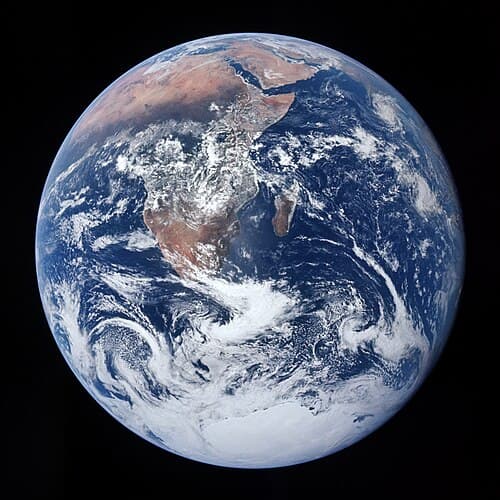
Earth
LOCATION7 w/ David·14 w/ Feynman
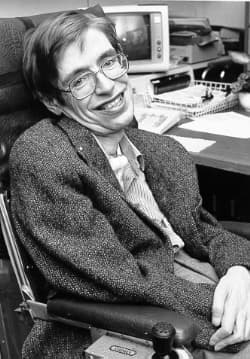
Stephen Hawking
PERSON8 w/ David·13 w/ Feynman
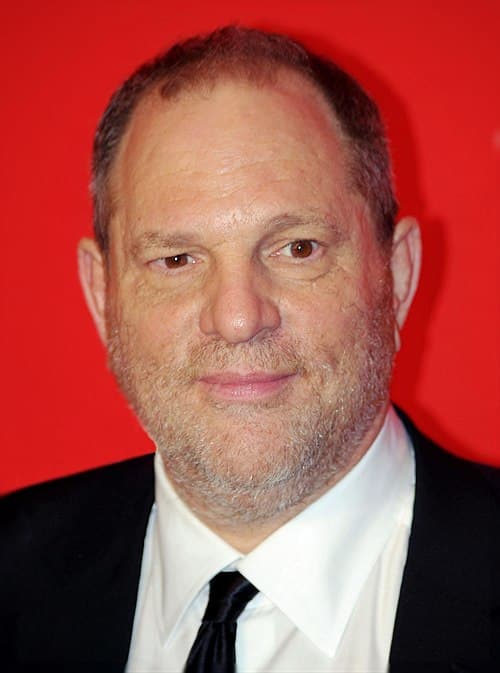
Harvey Weinstein
PERSON7 w/ David·14 w/ Feynman
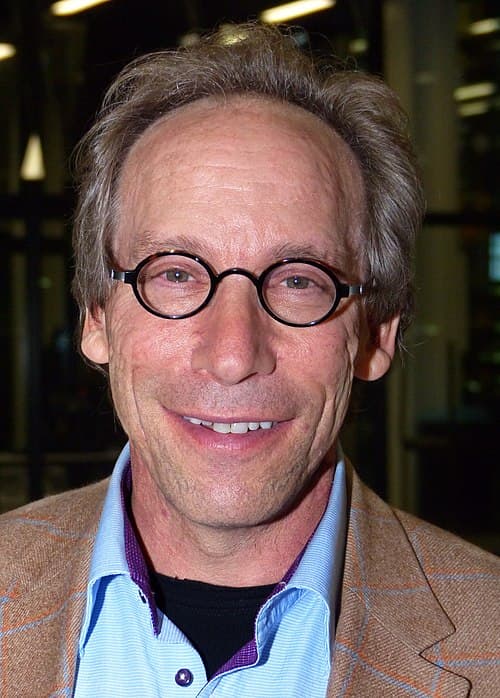
Lawrence Krauss
PERSON6 w/ David·14 w/ Feynman
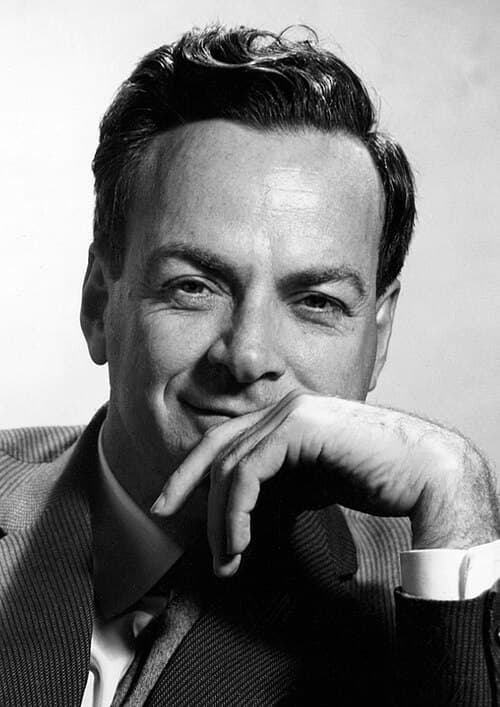
Richard Feynman
PERSON7 w/ David·12 w/ Feynman
Julie K. Brown
PERSON9 w/ David·10 w/ Feynman
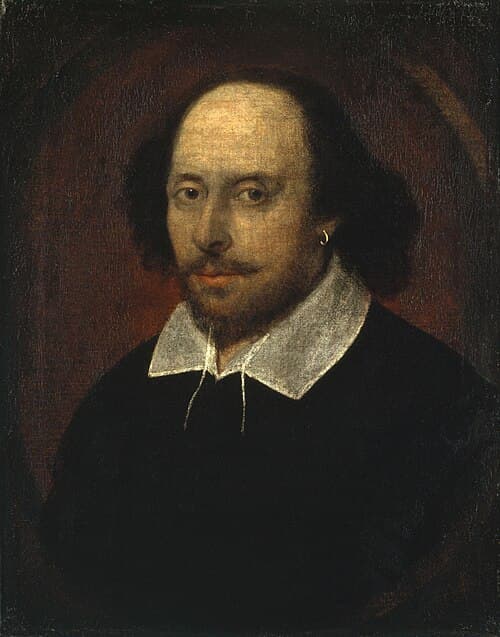
William Shakespeare
PERSON9 w/ David·9 w/ Feynman
LB
Leon Black
PERSON9 w/ David·9 w/ Feynman
Eric Trump
PERSON7 w/ David·11 w/ Feynman
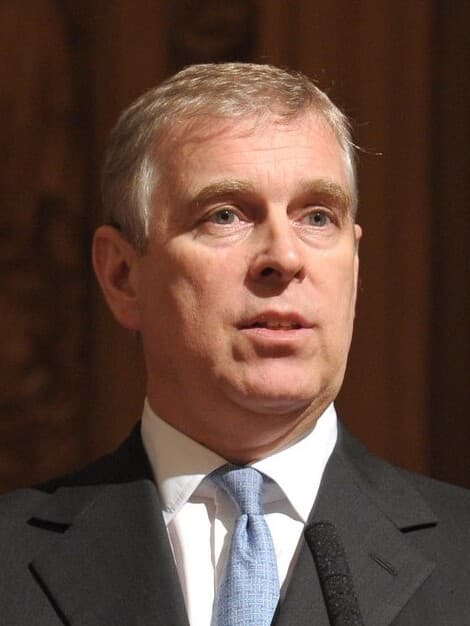
Prince Andrew
PERSON8 w/ David·10 w/ Feynman
DB
Doug Band
PERSON9 w/ David·9 w/ Feynman
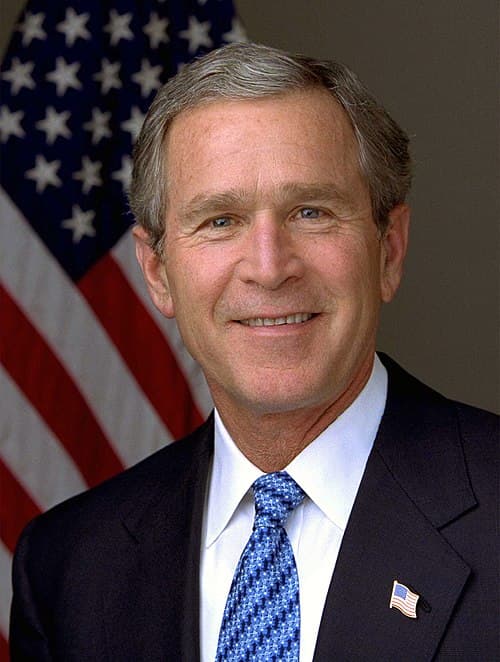
George W. Bush
PERSON9 w/ David·9 w/ Feynman
Quantum
ORGANIZATION5 w/ David·13 w/ Feynman
Cambridge University
ORGANIZATION9 w/ David·8 w/ Feynman
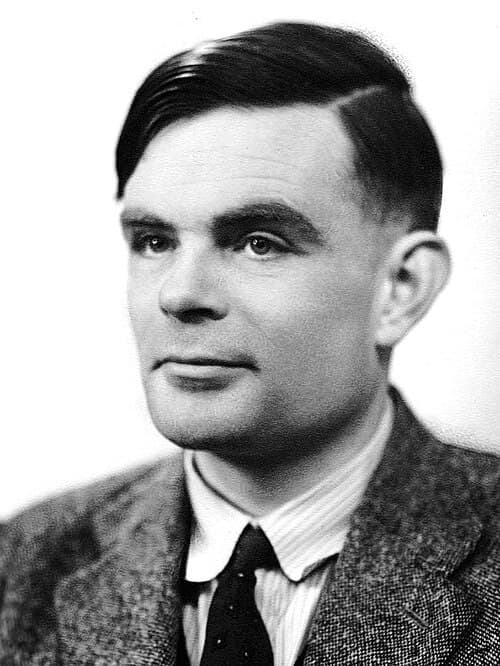
Turing
PERSON7 w/ David·10 w/ Feynman
Samantha Power
PERSON7 w/ David·10 w/ Feynman
Claude Shannon
PERSON8 w/ David·8 w/ Feynman