Back to Network










4
Shared Docs
4
Same-Page
4 / 4
Mentions
Document Mentions (4 shared documents)
2 mentions1 same-page
Page ?Same page
&archive/edge322.html THE THIRD CULTURE THE HILLIS KNOWLEDGE WEB An Idea Whose Time Has Come W. Daniel Hillis In retrospect the key idea in the "Aristotle" essay was this: if humans could contribute their knowledge to a database that could be read by computers, then the computers could present that kno
m O'Donnell, Jaron Lanier, Bruce Sterling, Roger Schank, George Dyson, Howard Gardner, Seymour Papert, Freeman Dyson, Esther Dyson, Kai Krause, ans Pamela McCorduck. In 2005, George Dyson noted in his prescient EDGE essay "Turing's Cathedral": My visit to Google? Despite the whimsical furniture and other toys,
2 mentions1 same-page
Page ?Same page
2.html THE THIRD CULTURE THE HILLIS KNOWLEDGE WEB An Idea Whose Time Has Come W. Daniel Hillis EFTA00740603 In retrospect the key idea in the "Aristotle" essay was this: if humans could contribute their knowledge to a database that could be read by computers, then the computers could present that kno
m O'Donnell, Jaron Lanier, Bruce Sterling, Roger Schank, George Dyson, Howard Gardner, Seymour Papert, Freeman Dyson, Esther Dyson, Kai Krause, ans Pamela McCorduck. In 2005, George Dyson noted in his prescient EDGE essay "Turing's Cathedral": My visit to Google? Despite the whimsical furniture and other toys,
2 mentions1 same-page
Page ?Same page
and decision making, they are the best learners in the universe. Much of the process of turning data into theories happens before we are five. Since Aristotle and Plato, there have been two basic ways of addressing the problem of how we know what we know, and they are still the main approaches in machine le
Human Reason, Joseph Weizenbaum argued that machines should not replace Homo in situations requiring respect, dignity, or care, while others (author Pamela McCorduck and computer scientists like John McCarthy and Bill Hibbard) replied that machines can be more impartial, calm, and consistent and less abusive or mi
Sponsored
2 mentions1 same-page
Page ?Same page
and decision making, they are the best learners in the universe. Much of the process of turning data into theories happens before we are five. Since Aristotle and Plato, there have been two basic ways of addressing the problem of how we know what we know, and they are still the main approaches in machine le
Human Reason, Joseph Weizenbaum argued that machines should not replace Homo in situations requiring respect, dignity, or care, while others (author Pamela McCorduck and computer scientists like John McCarthy and Bill Hibbard) replied that machines can be more impartial, calm, and consistent and less abusive or mi
Sponsored
Mutual Connections (454)
Entities connected to both Aristotle and Pamela McCorduck
George W. Bush
PERSON13 w/ Aristotle·8 w/ Pamela
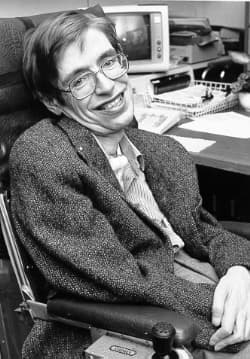
Stephen Hawking
PERSON13 w/ Aristotle·7 w/ Pamela
Alan Dershowitz
PERSON12 w/ Aristotle·7 w/ Pamela
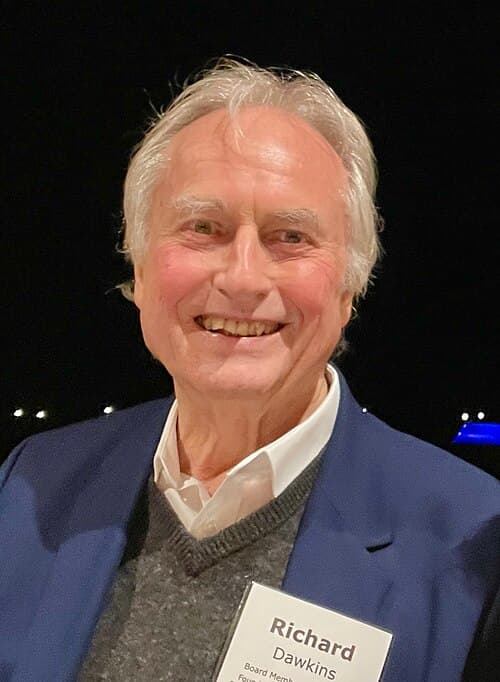
Richard Dawkins
PERSON10 w/ Aristotle·7 w/ Pamela
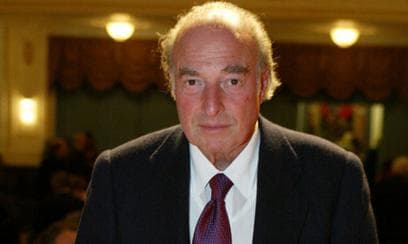
Marc Rich
PERSON13 w/ Aristotle·3 w/ Pamela
Prince Andrew
PERSON11 w/ Aristotle·5 w/ Pamela
Earth
LOCATION11 w/ Aristotle·5 w/ Pamela
Jeffrey Epstein
PERSON10 w/ Aristotle·6 w/ Pamela
Prince Charles
PERSON14 w/ Aristotle·2 w/ Pamela
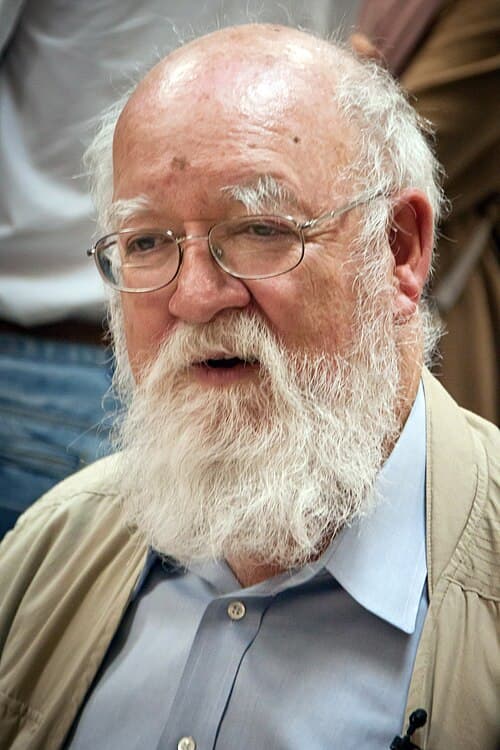
Daniel Dennett
PERSON8 w/ Aristotle·8 w/ Pamela
John Brockman
PERSON7 w/ Aristotle·8 w/ Pamela
Robert Gates
PERSON8 w/ Aristotle·7 w/ Pamela
Martha Stewart
PERSON6 w/ Aristotle·8 w/ Pamela
Plato
PERSON11 w/ Aristotle·2 w/ Pamela
Bill Gates
PERSON6 w/ Aristotle·7 w/ Pamela
Harvey Weinstein
PERSON11 w/ Aristotle·2 w/ Pamela
Julie K. Brown
PERSON10 w/ Aristotle·2 w/ Pamela
Elon Musk
PERSON5 w/ Aristotle·7 w/ Pamela
LB
Leon Black
PERSON10 w/ Aristotle·2 w/ Pamela
Lawrence Krauss
PERSON6 w/ Aristotle·6 w/ Pamela