Back to Network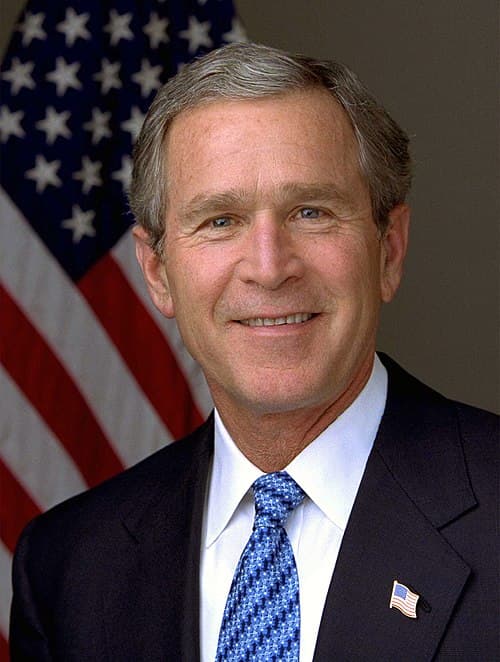
3
Shared Docs
3
Same-Page
6 / 3
Mentions
Document Mentions (3 shared documents)
3 mentions1 same-page
Page ?Same page
sense of free will and creativity is an illusion. In Dennett’s worldview, Andrew Wiles is a special purpose machine that was always destined to solve Fermat’s Last Theorem. I believe this model is flawed. It is my aim in this book to show you why. Indeed I am going to go further and argue all human creati
s. Some things are simply not computable. Computers can do many useful things, but they cannot discover new mathematical theorems, such as a proof of Fermat’s Last Theorem. In 1996, Andrew Wiles succeeded in finding a solution to this problem. This presents a paradox, solved only if we conclude Andrew Wil
e, the world’s first global mobile network. He holds numerous patents, filed in over a hundred countries. He studied Physics and Computer Science at Manchester University, Design at Lancaster University and Engineering at Cambridge University. He lives with his family on a farm in Kent, England. www.jamestagg.com HOUS
3 mentions1 same-page
Page ?Same page
could be used as an oracle, capable of answering almost any question imaginable. I could, for example, write a program that says: for every index in Fermat’s puzzle try every number and halt if you find a solution greater than 2. Now if I run my halt program on this program and it states ‘will crash; I w
ery number and halt if you find a solution greater than 2. Now if I run my halt program on this program and it states ‘will crash; I will have solved Fermat’s Last Theorem! Do you see why? If we give ‘Halt’ an input: a program we are interested in, along with some data, it will tell us if the program fin
ys of programming you might have a great idea, but the process of turning this idea into software was immensely long- winded. I learned to program at Manchester University in the 1980s. The enormous machines in the basement of the computer building provided heat for both our building and the mathematics tower next door.
3 mentions1 same-page
Page ?Same page
ms of Logic Based on Ordinals.” Proceedings of the London Mathematical Society 2, no. 1 (1939): 161-228. Wiles, Andrew. “Modular Elliptic Curves and Fermat’s Last Theorem.” Annals of Mathematics-Second Series 141, no. 3 (1995): 443-552. Chapter 12 Burgin, Mark. Super-Recursive Algorithms. Springer, 200
analysis 84 eyes 108 color perception 110 fovea centralis 112 resolution of 112 F Facebook 71, 271 face-to-face interaction 83 false paradox 155 Fermat’s Last Theorem xi, 225, 241, 242, 251, 253, 254, 259, 261, 275, 278, 351, 368 Fermat's puzzle 225 Fermilab 293 Feynman, Richard 58, 70, 157, 239,
i, 205 Lucas-Penrose argument 205 M Madam Tussaud 75 magnetic fields 105 Magnetic Resonance Imaging 105 Makanin, Gennadii 258 Malament, David 280 Manchester University 236 Mandarin 87 Mandelbrot diagram 174 Mandelbrot Set 161 Manhattan Project 239 HOUSE_OVERSIGHT_016102 Index 413 Marx, Groucho 153, 382 Massachu
Sponsored
Mutual Connections (107)
Entities connected to both Fermat and Manchester University
George W. Bush
PERSON10 w/ Fermat·2 w/ Manchester
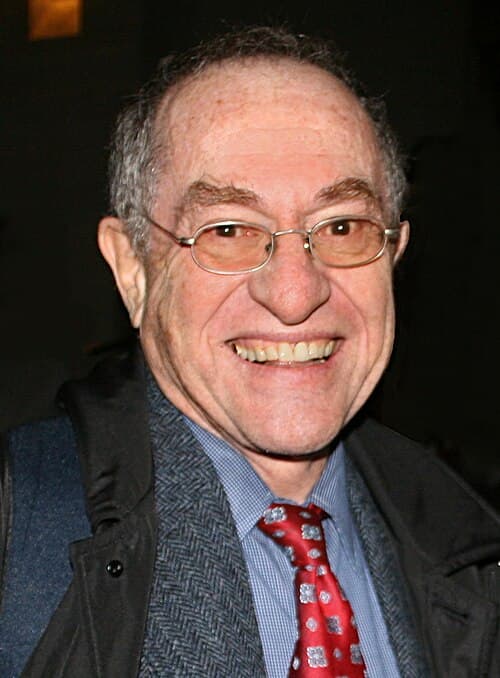
Alan Dershowitz
PERSON9 w/ Fermat·3 w/ Manchester
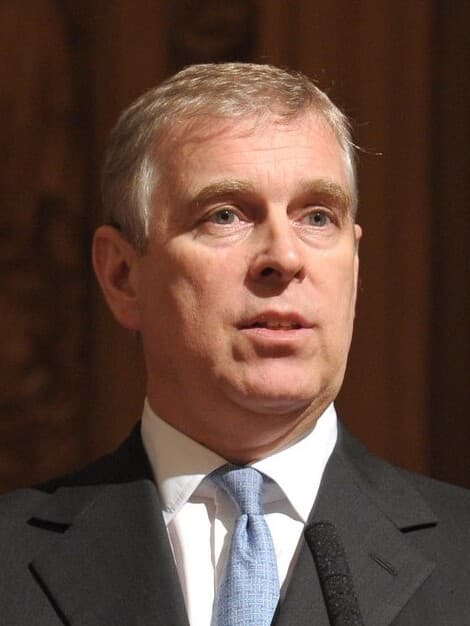
Prince Andrew
PERSON7 w/ Fermat·3 w/ Manchester
Quantum
ORGANIZATION6 w/ Fermat·3 w/ Manchester
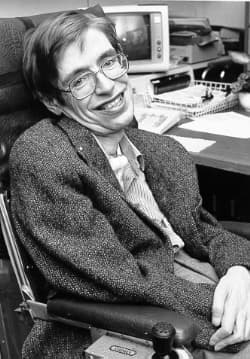
Stephen Hawking
PERSON6 w/ Fermat·3 w/ Manchester
SE
Searle
PERSON5 w/ Fermat·3 w/ Manchester
LB
Leon Black
PERSON5 w/ Fermat·3 w/ Manchester
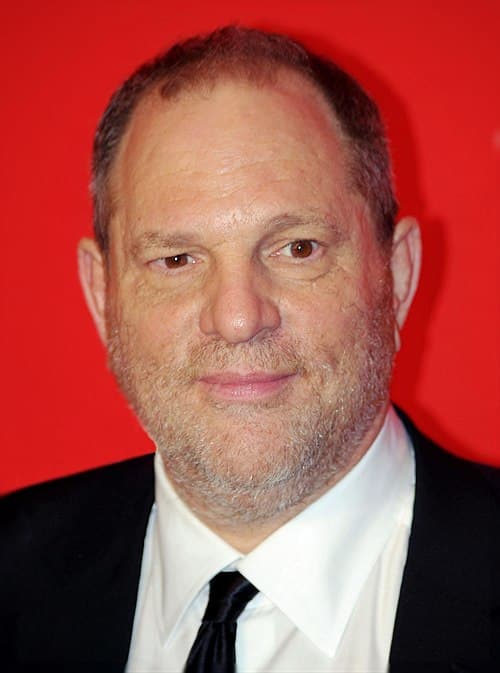
Harvey Weinstein
PERSON6 w/ Fermat·2 w/ Manchester
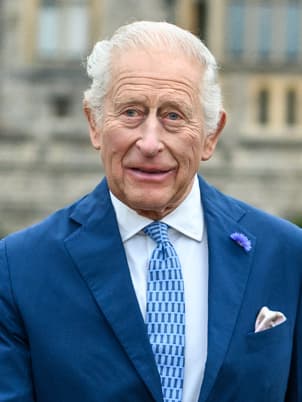
Prince Charles
PERSON5 w/ Fermat·3 w/ Manchester
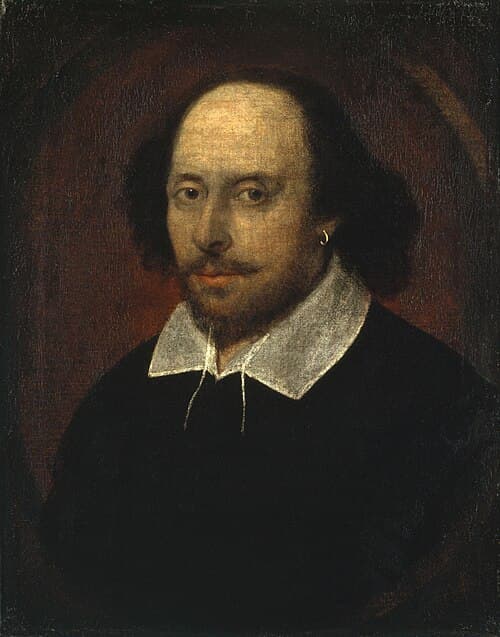
William Shakespeare
PERSON5 w/ Fermat·3 w/ Manchester
Penrose
PERSON4 w/ Fermat·3 w/ Manchester
Michael Douglas
PERSON4 w/ Fermat·3 w/ Manchester
Eureka
PERSON4 w/ Fermat·3 w/ Manchester
Feynman
PERSON5 w/ Fermat·2 w/ Manchester
Condoleezza Rice
PERSON5 w/ Fermat·2 w/ Manchester
Last Theorem
ORGANIZATION4 w/ Fermat·3 w/ Manchester
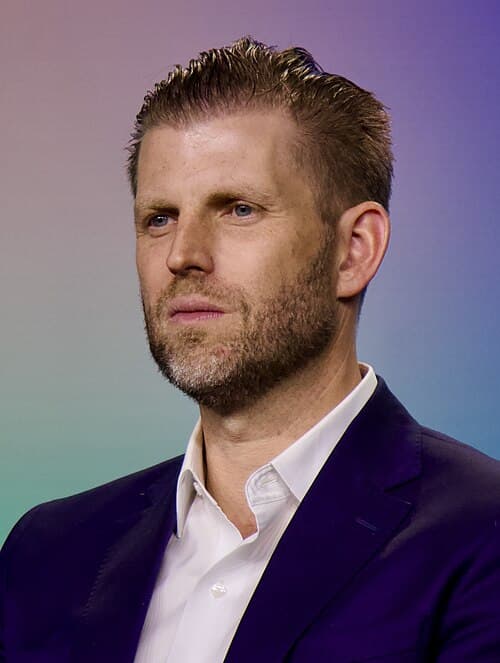
Eric Trump
PERSON5 w/ Fermat·2 w/ Manchester
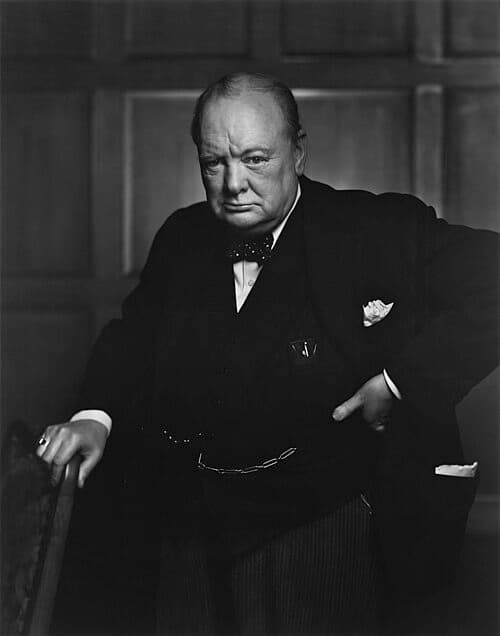
Winston Churchill
PERSON3 w/ Fermat·3 w/ Manchester
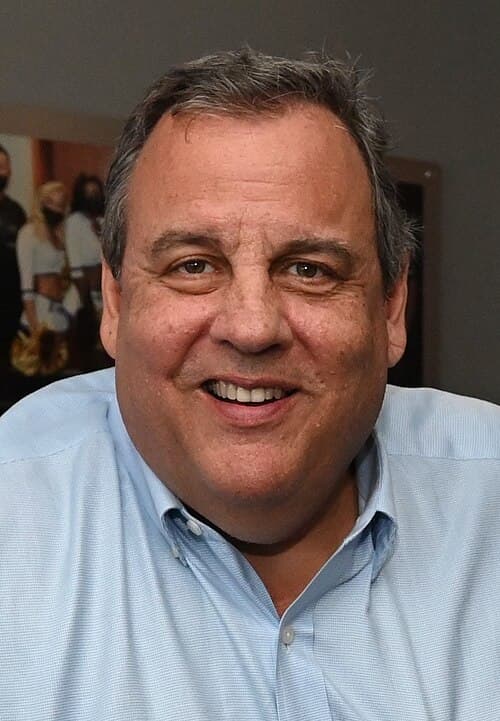
Chris Christie
PERSON4 w/ Fermat·2 w/ Manchester
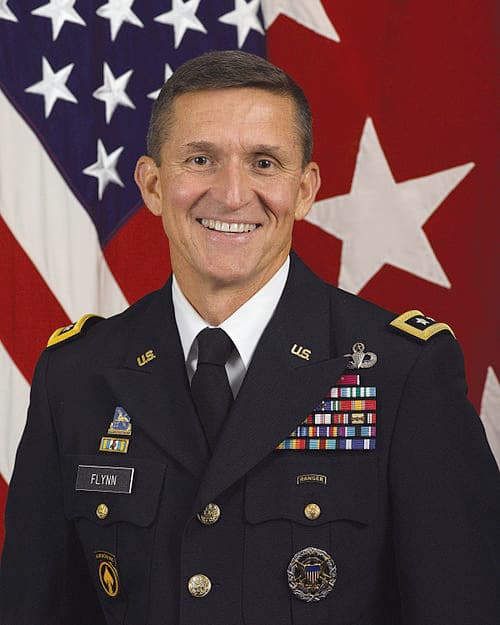
Michael Flynn
PERSON4 w/ Fermat·2 w/ Manchester