Back to Network




4
Shared Docs
4
Same-Page
4 / 7
Mentions
Document Mentions (4 shared documents)
3 mentions1 same-page
Page ?Same page
work product enjoys a nearly absolute immunity and can be discovered only in very rare and extraordinary circumstances." Cox I. Adm'r U.S. Steel & Carnegie, 17 F.3d 1386, 1422 (11th Cir. 1994). In the context of government attorneys, the "work-product privilege applies to ... discussions between prosecu
Courts tread lightly where prosecutorial discretion is concerned because "the decision to prosecute is particularly ill-suited to judicial review." Wayte, 470 U.S. at 607; see also 35 Geo. L.J. Ann. Rev. Crim. Proc. 203, 203 n.648 (2006). "Such factors as the strength of the case, the prosecution's ge
ts are [not] competent to undertake" the kind of analysis necessary to assess the "strength of the case" for or against any particular prosecution. Wayte, 470 U.S. at 607; see also United States I. Armstrong, 517 U.S. 456, 465 (1996) (Judicial deference to prosecutors' decisions "rests in part on an a
3 mentions1 same-page
Page ?Same page
work product enjoys a nearly absolute immunity and can be discovered only in very rare and extraordinary circumstances." Cox v. Adm'r U.S. Steel & Carnegie, 17 F.3d 1386, 1422 (11th Cir. 1994). In the context of government attorneys, the "work-product privilege applies to ... discussions between prosecu
made an inexplicably poor decision when it decided not to prosecute Epstein. "[T]he Government retains 'broad discretion' as to whom to prosecute." Wayte v. United States, 470 U.S. 598, 607 (1985). The CVRA incorporates this principle, providing that In]othing in this chapter shall be construed to im
ts are [not] competent to undertake" the kind of analysis necessary to assess the "strength of the case" for or against any particular prosecution. Wayte, 470 U.S. at 607; see also United States v. Armstrong, 517 U.S. 456, 465 (1996) (Judicial deference to prosecutors' decisions "rests in part on an a
3 mentions1 same-page
Page ?Same page
work product enjoys a nearly absolute immunity and can be discovered only in very rare and extraordinary circumstances." Cox v. Adm'r U.S. Steel & Carnegie, 17 F.3d 1386, 1422 (11th Cir. 1994). In the context of government attorneys, the "work-product privilege applies to . . . discussions between prose
ts are [not] competent to undertake" the kind of analysis necessary to assess the "strength of the case" for or against any particular prosecution. Wayte, 470 U.S. at 607; see also United States v. Armstrong, 517 U.S. 456, 465 (1996) (Judicial deference to prosecutors' decisions "rests in part on an a
made an inexplicably poor decision when it decided not to prosecute Epstein. "(T]he Government retains `broad discretion' as to whom to prosecute." Wayte v. United States, 470 U.S. 598, 607 (1985). The CVRA incorporates this principle, providing that Irdothing in this chapter shall be construed to im
Sponsored
2 mentions1 same-page
Page ?Same page
work product enjoys a nearly absolute immunity and can be discovered only in very rare and extraordinary circumstances." Cox v. Adm'r U.S. Steel & Carnegie, 17 F.3d 1386, 1422 (11th Cir. 1994). In the context of government attorneys, the "work-product privilege applies to ... discussions between prosecu
made an inexplicably poor decision when it decided not to prosecute Epstein. "[T]he Government retains `broad discretion' as to whom to prosecute." Wayte v. United States 470 U.S. 598, 607 (1985). The CVRA incorporates this principle, providing that InJothing in this chapter shall be construed to imp
Sponsored
Mutual Connections (132)
Entities connected to both Carnegie and Wayte
Jeffrey Epstein
PERSON189 w/ Carnegie·17 w/ Wayte
Prince Andrew
PERSON31 w/ Carnegie·8 w/ Wayte
United States
LOCATION20 w/ Carnegie·17 w/ Wayte
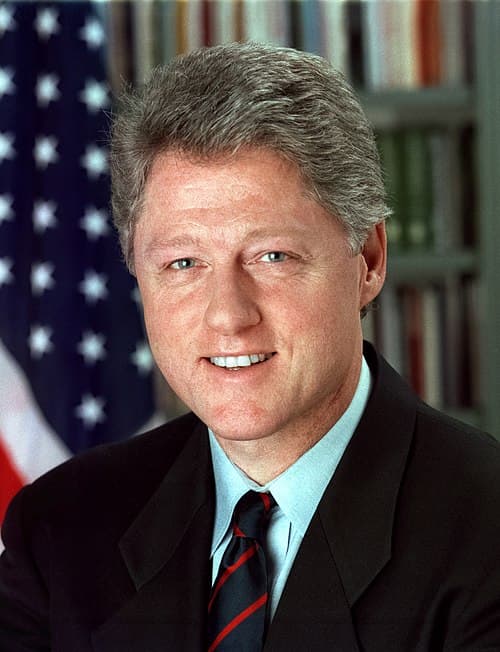
Bill Clinton
PERSON32 w/ Carnegie·3 w/ Wayte
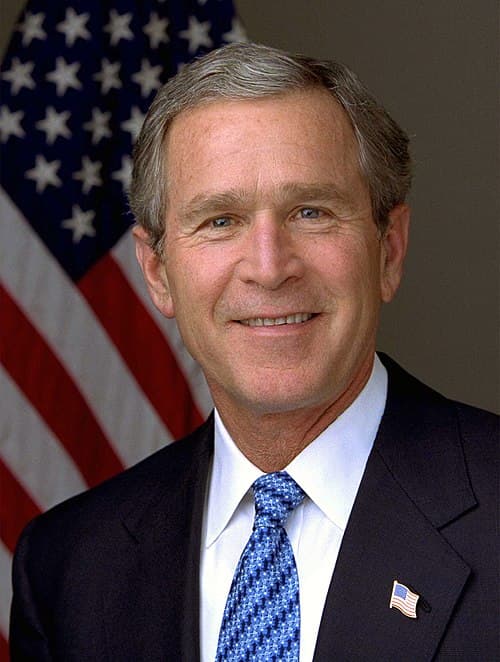
George W. Bush
PERSON26 w/ Carnegie·9 w/ Wayte
LB
Leon Black
PERSON19 w/ Carnegie·13 w/ Wayte
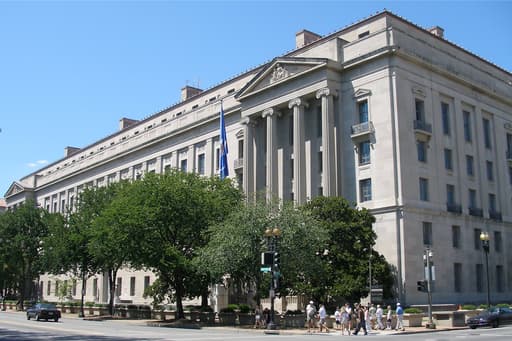
Department of Justice
ORGANIZATION19 w/ Carnegie·12 w/ Wayte
Donald Trump
PERSON25 w/ Carnegie·4 w/ Wayte
Alan Dershowitz
PERSON23 w/ Carnegie·4 w/ Wayte
Michael Jackson
PERSON15 w/ Carnegie·10 w/ Wayte
Marc Rich
PERSON21 w/ Carnegie·3 w/ Wayte
Virginia Giuffre
PERSON21 w/ Carnegie·2 w/ Wayte
Bradley Edwards
PERSON12 w/ Carnegie·11 w/ Wayte
Supreme Court
ORGANIZATION10 w/ Carnegie·11 w/ Wayte
Harry Reid
PERSON18 w/ Carnegie·2 w/ Wayte
ET
Emmy Taylor
PERSON12 w/ Carnegie·8 w/ Wayte
Kenneth Marra
PERSON6 w/ Carnegie·14 w/ Wayte
the Southern District
LOCATION7 w/ Carnegie·12 w/ Wayte
JD
Jane Doe
PERSON5 w/ Carnegie·13 w/ Wayte
Paul Ryan
PERSON13 w/ Carnegie·4 w/ Wayte