Back to Network














6
Shared Docs
6
Same-Page
18 / 6
Mentions
Document Mentions (6 shared documents)
4 mentions1 same-page
Page ?Same page
led dictatorship that was held together by an iron fist under Baathist ideology. And, for me, the lesson of Iraq is quite simple: You can't go from Saddam to Switzerland without getting stuck in Hobbes — a war of all against all — unless you have a well- armed external midwife, whom everyone on the gro
edded in President George W. Bush's administration were determined to reshape the region in Israel's and America's interest. Their first target was Saddam Hussein's Iraq, seen as a potential threat to Israel. Had the United States been successful in Iraq, Syria would have been next. Neither Iraq nor the United
America's interest. Their first target was Saddam Hussein's Iraq, seen as a potential threat to Israel. Ha
Hizballah, which dared challenge the regional dominance of Israel and the United States. Syria had a narrow escape in 2003-4. Led by the Pentagon's Paul Wolfowitz, the pro-Israeli neo-cons embedded in President George W. Bush's administration were determined to reshape the region in Israel's and America's in
4 mentions1 same-page
Page ?Same page
t money spent on security or lost to waste and fraud, it said. Former President George W. Bush's administration cited its belief that Iraqi dictator Saddam Hussein's government held weapons of mass destruction to justify the decision to go to war. U.S. and allied forces later found that such stockpiles did not
ere were no weapons of mass destruction in Iraq. Saddam Hussein had no links to al Qaeda. The U.S. was gr
e no weapons of mass destruction in Iraq. Saddam Hussein had no links to al Qaeda. The U.S. was greeted no
Office of Management and Budget of $5o to $6o billion when a number of officials, including former Defense Secretary Donald Rumsfeld and his deputy Paul Wolfowitz suggested the war could be done on the cheap and that it would largely pay for itself. In October 2003, Rumsfeld told a press conference about Pres
4 mentions1 same-page
Page ?Same page
ld," said President Bush. So much for accountability. Then, of course, there was Vice President Cheney: "We do know, with absolute certainty, that (Saddam Hussein] is using his procurement system to acquire the equipment he needs in order to enrich uranium to build a nuclear weapon." -- "No. I think we may wel
s liberators, and that will help us to keep requirements down ... It's hard to conceive that it would take more forces to provide stability in post- Saddam Iraq than it would take to conduct the war itself and to secure the surrender of Saddam's security forces and his army. Hard to imagine. And the bi
e do know, with absolute certainty, that (Saddam Hussein] is using his procurement system to acquire the e
pation of a country as large as Iraq would require a force of "several hundred thousand soldiers." Two days later, then-Deputy Secretary of Defense Paul Wolfowitz indirectly called Shinseki's analysis "outlandish" to a House committee. He continued: I would expect that even countries like France will have a st
Sponsored
4 mentions1 same-page
Page ?Same page
Central Command, which oversees U.S. military operations in the Middle East and Central Asia, did not even exist. All of this changed in 1990, when Saddam Hussein invaded Kuwait, and President George H. W. Bush dispatched 700,000 troops to expel him and defend Saudi Arabia. After the war was won, thousands sta
t, and President George H. W. Bush dispatched 700,000 troops to expel him and defend Saudi Arabia. After the war was won, thousands stayed to deter Saddam, and to enforce no-fly zones over Iraq. Before the Gulf War, the Saudi native Osama bin Laden and his associates had focused on supporting the Muja
exist. All of this changed in 1990, when Saddam Hussein invaded Kuwait, and President George H. W. Bush
roops entered Saudi Arabia. Key advisers to George W. Bush recognized this. After U.S. forces overthrew Saddam in 2003, Deputy Secretary of Defense Paul Wolfowitz said one of the benefits "that has gone by almost unnoticed — but it's huge — is that by complete mutual agreement between the U.S. and the Saudi go
4 mentions1 same-page
Page ?Same page
n exist. All of this changed in 1990, when Saddam Hussein invaded Kuwait, and President George H. W. Bush
Central Command, which oversees U.S. military operations in the Middle East and Central Asia, did not even exist. All of this changed in 1990, when Saddam Hussein invaded Kuwait, and President George H. W. Bush dispatched 700,000 troops to expel him and defend Saudi Arabia. After the war was won, thousands st
t, and President George H. W. Bush dispatched 700,000 troops to expel him and defend Saudi Arabia. After the war was won, thousands stayed to deter Saddam, and to enforce no-fly zones over Iraq. Before the Gulf War, the Saudi native Osama bin Laden and his associates had focused on supporting the Muja
roops entered Saudi Arabia. Key advisers to George W. Bush recognized this. After U.S. forces overthrew Saddam in 2003, Deputy Secretary of Defense Paul Wolfowitz said one of the benefits "that has gone by almost unnoticed—but EFTA00834935 it's huge—is that by complete mutual agreement between the U.S. and t
4 mentions1 same-page
Page ?Same page
We do know, with absolute certainty, that [Saddam Hussein] is using his procurement system to acquire the
ld," said President Bush. So much for accountability. Then, of course, there was Vice President Cheney: "We do know, with absolute certainty, that [Saddam Hussein] is using his procurement system to acquire the equipment he needs in order to enrich uranium to build a nuclear weapon." Or this one, from 2005 --
that it would take more forces to provide stability in post-Saddam Iraq than it would take to conduct the war itself and to secure the surrender of Saddam's security forces and his army. Hard to imagine. Actually, not so hard, given that Shinseki had just imagined it. And that's one of the most madden
pation of a country as large as Iraq would require a force of "several hundred thousand soldiers." Two days later, then-Deputy Secretary of Defense Paul Wolfowitz indirectly called Shinseki's analysis "outlandish" to a House committee. He continued: I would expect that even countries like France will have a s
Sponsored
Mutual Connections (131)
Entities connected to both Saddam Hussein and Paul Wolfowitz
Barack Obama
PERSON152 w/ Saddam·6 w/ Paul
George W. Bush
PERSON137 w/ Saddam·7 w/ Paul
United States
LOCATION118 w/ Saddam·6 w/ Paul
Bill Clinton
PERSON113 w/ Saddam·4 w/ Paul
Bashar al-Assad
PERSON108 w/ Saddam·3 w/ Paul
Tehran
LOCATION91 w/ Saddam·3 w/ Paul
Marc Rich
PERSON84 w/ Saddam·4 w/ Paul
Donald Trump
PERSON72 w/ Saddam·5 w/ Paul
Joe Biden
PERSON70 w/ Saddam·4 w/ Paul
Damascus
LOCATION70 w/ Saddam·2 w/ Paul
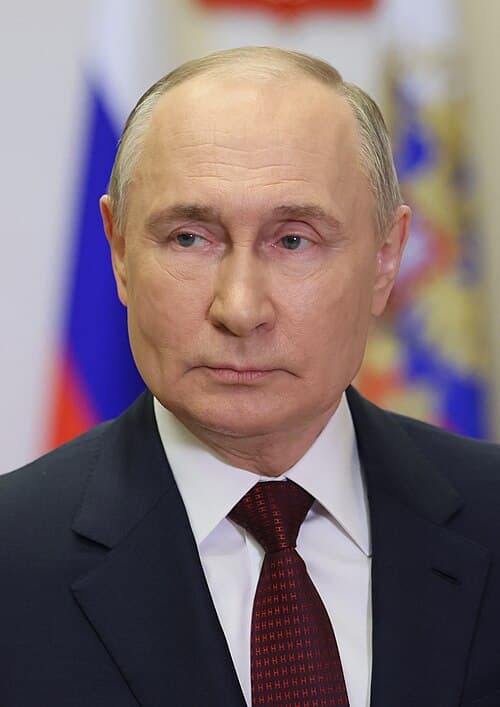
Vladimir Putin
PERSON66 w/ Saddam·2 w/ Paul
Department of Justice
ORGANIZATION64 w/ Saddam·2 w/ Paul
Samantha Power
PERSON63 w/ Saddam·2 w/ Paul
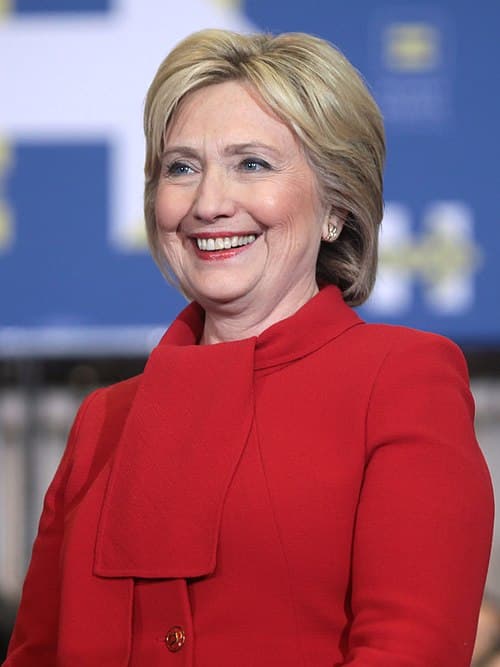
Hillary Clinton
PERSON62 w/ Saddam·3 w/ Paul
John F. Kennedy
PERSON59 w/ Saddam·2 w/ Paul
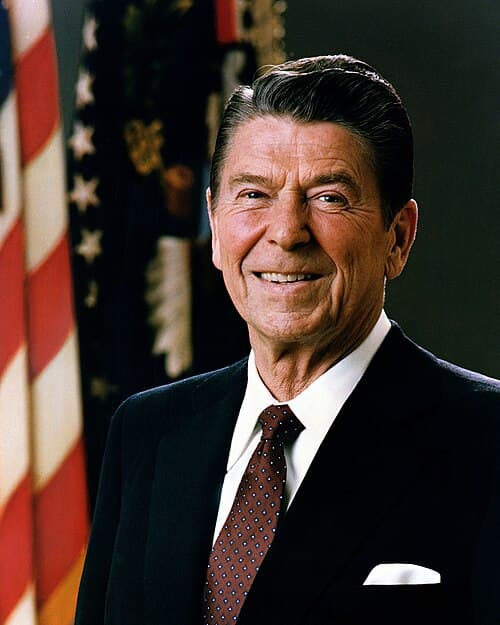
Ronald Reagan
PERSON57 w/ Saddam·3 w/ Paul
Julie K. Brown
PERSON53 w/ Saddam·5 w/ Paul
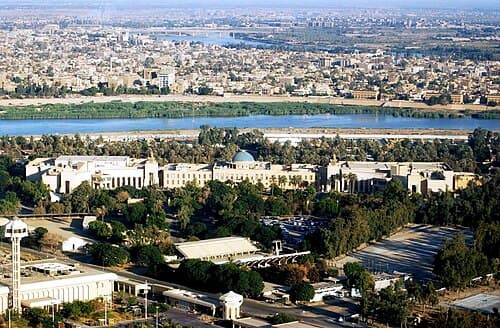
Baghdad
LOCATION53 w/ Saddam·4 w/ Paul
LB
Leon Black
PERSON52 w/ Saddam·4 w/ Paul
Condoleezza Rice
PERSON48 w/ Saddam·5 w/ Paul