Back to Network




















5
Shared Docs
4
Same-Page
13 / 5
Mentions
Document Mentions (5 shared documents)
4 mentions1 same-page
Page ?Same page
n exist. All of this changed in 1990, when Saddam Hussein invaded Kuwait, and President George H. W. Bush
Central Command, which oversees U.S. military operations in the Middle East and Central Asia, did not even exist. All of this changed in 1990, when Saddam Hussein invaded Kuwait, and President George H. W. Bush dispatched 700,000 troops to expel him and defend Saudi Arabia. After the war was won, thousands st
t, and President George H. W. Bush dispatched 700,000 troops to expel him and defend Saudi Arabia. After the war was won, thousands stayed to deter Saddam, and to enforce no-fly zones over Iraq. Before the Gulf War, the Saudi native Osama bin Laden and his associates had focused on supporting the Muja
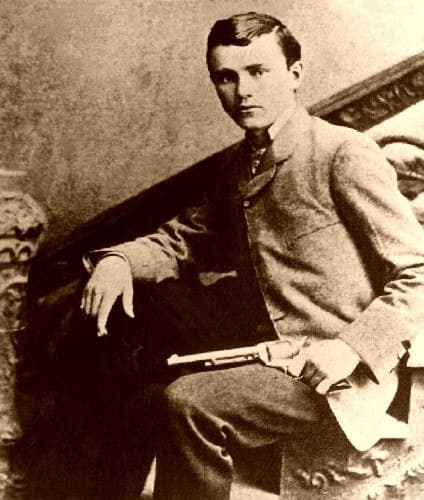
pponents. He was a good man, the story went, but the government was forcing him into criminality. And then, the governor of Missouri cut a deal with Robert Ford to kill James. That a government official had colluded to murder a citizen added fuel to the idea that Westerners were in danger from an overweenin
4 mentions1 same-page
Page ?Same page
-Arab disputes, largely because of Syrian incitement. The Syrian regime, under the weight of an unprecedented popular uprising, is doing today what Saddam Hussein did when he occupied Kuwait, where Saddam gave Iran all he had fought with it for, over eight years, with the stroke of a pen. Today, it seems lik
nt. The Syrian regime, under the weight of an unprecedented popular uprising, is doing today what Saddam Hussein did when he occupied Kuwait, where Saddam gave Iran all he had fought with it for, over eight years, with the stroke of a pen. Today, it seems like the regime in Damascus is ready to do the
nted popular uprising, is doing today what Saddam Hussein did when he occupied Kuwait, where Saddam gave I
ts to encourage the Syrian opposition inside the country to unite, develop a clear agenda and build an inclusive leadership. Leading that effort is Robert Ford, the U.S. ambassador in Damascus; an administration official describes him as a "vehicle for transition." In meetings with dissidents, Ford is said
4 mentions1 same-page
Page ?Same page
nted popular uprising, is doing today what Saddam Hussein did when he occupied Kuwait, where Saddam gave I
-Arab disputes, largely because of Syrian incitement. The Syrian regime, under the weight of an unprecedented popular uprising, is doing today what Saddam Hussein did when he occupied Kuwait, where Saddam gave Iran all he had fought with it for, over eight years, with the stroke of a pen. Today, it seems lik
nt. The Syrian regime, under the weight of an unprecedented popular uprising, is doing today what Saddam Hussein did when he occupied Kuwait, where Saddam gave Iran all he had fought with it for, over eight years, with the stroke of a pen. Today, it seems like the regime in Damascus is ready to do the
ts to encourage the Syrian opposition inside the country to unite, develop a clear agenda and build an inclusive leadership. Leading that effort is Robert Ford, the U.S. ambassador in Damascus; an administration official describes him as a "vehicle for transition." In meetings with dissidents, Ford is said
Sponsored
2 mentions1 same-page
Page ?Same page
icana. Despite Putin's well-known opposition to the Iraq War, he is also cultivating a strong military and energy-based relationship with the post- Saddam government in Baghdad. Gazprom and Rosneft have moved in to capitalize on Iraq's increased oil and gas outputs. Last summer, contracts were signed
he peace conference that's scheduled to begin in the Swiss city of EFTA00706372 Montreux next month. The top U.S. negotiator on Syria, Ambassador Robert Ford, met in Turkey recently with representatives of the most important faction in the Islamic Front, sources told me. But the outcome of the talks isn'
Page HOUSE_OVERSIGHT_031927
f reform, with the US largely working behind the scenes. For the west, the most powerful and poignant moment in recent months came when US ambassador Robert Ford travelled to Hama, scene of protests, to show solidarity and monitor the regime's actions. His quiet move warmed usually hostile Sunni communities el
Page: HOUSE_OVERSIGHT_031927 →Page HOUSE_OVERSIGHT_031940
06. But a simple, strictly Middle East research will give you one million deaths in the all-Muslim Iran-Iraq war; 300,000 Muslim minorities killed by Saddam Hussein; 80,000 Iranians killed during the Islamic revolution; 25,000 deaths in 1970-71, the days of Black September, by the Jordanian government in its figh
Page: HOUSE_OVERSIGHT_031940 →-Israeli conflict. In another calculation ignoring "small" massacres like the one that goes on in Syria and other deaths during the Arab Spring, only Saddam's Iraq, Jordan, the elder al-Assad's Syria, Iran-Iraq war, the bin Laden campaign in Iraq, the Iranian Islamic revolution and the Turkish-Kurdish con
Page: HOUSE_OVERSIGHT_031940 →q war; 300,000 Muslim minorities killed by Saddam Hussein; 80,000 Iranians killed during the Islamic revolu
Page: HOUSE_OVERSIGHT_031940 →Sponsored
Mutual Connections (192)
Entities connected to both Saddam Hussein and Robert Ford
Barack Obama
PERSON152 w/ Saddam·6 w/ Robert
George W. Bush
PERSON137 w/ Saddam·5 w/ Robert
United States
LOCATION118 w/ Saddam·4 w/ Robert
Bill Clinton
PERSON113 w/ Saddam·7 w/ Robert
Bashar al-Assad
PERSON108 w/ Saddam·7 w/ Robert
Lebanon
LOCATION98 w/ Saddam·5 w/ Robert
Tehran
LOCATION91 w/ Saddam·4 w/ Robert
Benjamin Netanyahu
PERSON83 w/ Saddam·5 w/ Robert
Marc Rich
PERSON84 w/ Saddam·4 w/ Robert
Middle East
LOCATION80 w/ Saddam·3 w/ Robert
Damascus
LOCATION70 w/ Saddam·7 w/ Robert
Jerusalem
LOCATION73 w/ Saddam·3 w/ Robert
Hosni Mubarak
PERSON73 w/ Saddam·2 w/ Robert
Donald Trump
PERSON72 w/ Saddam·2 w/ Robert
Joe Biden
PERSON70 w/ Saddam·2 w/ Robert
Tunisia
LOCATION65 w/ Saddam·5 w/ Robert
Yemen
LOCATION67 w/ Saddam·3 w/ Robert
Vladimir Putin
PERSON66 w/ Saddam·2 w/ Robert
Samantha Power
PERSON63 w/ Saddam·4 w/ Robert
Hillary Clinton
PERSON62 w/ Saddam·5 w/ Robert