Back to Network









9
Shared Docs
5
Same-Page
9 / 9
Mentions
Document Mentions (9 shared documents)
2 mentions1 same-page
Page ?Same page
e attorneys representing criminals, the Office would promptly turn over all information in its possession that was helpful to these criminals under Brady v. Maryland, 373 U.S. 83 (1963), and related decisions. Victims' counsel asked the Office to extend to the victims the same assistance that it would
ilege, even in the context of the well-established and absolute attorney- client privilege. In Garner v. Wolfinbarger, 430 F.2d 1093 (5th Cir. 1970), the Court of Appeals with jurisdiction over this Court7 held that an attorney-client privilege can give way when "the client asserting the privilege is an entity which
2 mentions1 same-page
Page ?Same page
e attorneys representing criminals, the Office would promptly turn over all information in its possession that was helpful to these criminals under Brady' Maryland, 373 U.S. 83 (1963), and related decisions. Victims' counsel asked the Office to extend to the victims the same assistance that it would p
e, one of the reasons behind 6(e) is to protect the reputations of persons who arc under investigation but not indicted. This is a corollary to what the Court of Appeals found to be a due process protection afforded by the Fifth Amendment of the United States Constitution — namely, "that the liberty and property con
2 mentions1 same-page
Page ?Same page
e attorneys representing criminals, the Office would promptly turn over all information in its possession that was helpful to these criminals under Brady v. Maryland, 373 U.S. 83 (1963), and related decisions. Victims' counsel asked the Office to extend to the victims the same assistance that it would
ilege, even in the context of the well-established and absolute attorney- client privilege. In Garner v. Wolfinbarger, 430 F.2d 1093 (5th Cir. 1970), the Court of Appeals with jurisdiction over this Court held that an attorney-client privilege can give way when "the client asserting the privilege is an entity which i
Sponsored
2 mentions1 same-page
Page ?Same page
e attorneys representing criminals, the Office would promptly turn over all information in its possession that was helpful to these criminals under Brady v. Maryland, 373 U.S. 83 (1963), and related decisions. Victims' counsel asked the Office to extend to the victims the same assistance that it would
e, one of the reasons behind 6(e) is to protect the reputations of persons who are under investigation but not indicted. This is a corollary to what the Court of Appeals found to be a due process protection afforded by the Fifth Amendment of the United States Constitution — namely, "that the liberty and property con
2 mentions1 same-page
Page ?Same page
e attorneys representing criminals, the Office would promptly turn over all information in its possession that was helpful to these criminals under Brady. Maryland, 373 U.S. 83 (1963), and related decisions. Victims' counsel asked the Office to extend to the victims the same assistance that it would p
e, one of the reasons behind 6(e) is to protect the reputations of persons who are under investigation but not indicted. This is a corollary to what the Court of Appeals found to be a due process protection afforded by the Fifth Amendment of the United States Constitution — namely, "that the liberty and property con
Page HOUSE_OVERSIGHT_012139
s it has identified. Because the information provided by these women goes directly to the question of Mr. Epstein’s guilt or innocence, it is classic Brady information. We understand that the U.S. Attorney might not want to disclose impeachment information about their witnesses prior to a charge or durin
Page: HOUSE_OVERSIGHT_012139 →Page HOUSE_OVERSIGHT_012147
alleged conduct with any individual woman. As the statute makes clear, the essence of this crime is the communication itself—not the resulting act. The Court of Appeals for the Eleventh Circuit, in Murrell, underscores the point: The defendant in Bailey contended that attempt under § 2422(b) ‘requires the specific i
Page: HOUSE_OVERSIGHT_012147 →Sponsored
HOUSE_OVERSIGHT_017635 - HOUSE_OVERSIGHT_017713
ARTICLE: Treating Crime Victims Fairly: Integrating Victims into the Federal Rules of Criminal Procedure
2 mentions
Page ?
uest was denied; [*959] (B) the victim petitions the court of appeals for a writ of mandamus within 10 days of the deni
Page HOUSE_OVERSIGHT_017673
lso United States v. Ruiz, 536 U.S. 622, 629 (2002) (quoting Weatherford, 429 U.S. at 559). 298 Wardius v. Oregon, 412 U.S. 470,474 (1973). 299 See Brady v. Maryland, 373 U.S. 83, 87 (1963). 300 See United States v. Bagley, 473 U.S. 667, 675 (1985). 301 United States v. Garrett, 238 F.3d 293, 302 (St
Page: HOUSE_OVERSIGHT_017673 →2 mentions
Page EFTA00028944
l filed her Motion, she did not have access to the government's emails and AUSA contemporaneous notes, despite their obvious exculpatory value. See Brady v. Maryland, 373 U.S. 83, 87-88 (1963). The government did not disclose these materials until Maxwell challenged the government's candor and conduc
Page: EFTA00028944 →Page EFTA00028954
ith misrepresentations and outright lies about the conversations he had with, and information provided by, a confidential informant. Id. at 1212-13. The Court of Appeals affirmed the district court's order suppressing the evidence obtained from the search conducted under the warrant. Id. at 1213. "This search," said
Page: EFTA00028954 →2 mentions
Page EFTA00029102
ses Abdell v. City of New York, No. 05 CIV. 8453 KMK JCF, 2006 WL 2664313 (.=. Sept 14, 2006) 8 Berger v. United States, 295 U.S. 78 (1935) 24 Brady v. Maryland, 373 U.S. 83 (1963) 11 Brown v. Marcel, 929 F.3d 4 (2d Cir. 2019) 19, 20 Chemical Bank v. Affiliated FM Ins. Co., 154 F.R.D. 91 19
Page: EFTA00029102 →Page EFTA00029125
ith misrepresentations and outright lies about the conversations he had with, and information provided by, a confidential informant. Id. at 1212-13. The Court of Appeals affirmed the district court's order suppressing the evidence obtained from the search conducted under the warrant. Id. at 1213. "This search," said
Page: EFTA00029125 →Sponsored
Mutual Connections (460)
Entities connected to both Brady and the Court of Appeals
Jeffrey Epstein
PERSON181 w/ Brady·61 w/ the
United States
LOCATION113 w/ Brady·37 w/ the
Ghislaine Maxwell
PERSON91 w/ Brady·15 w/ the
Department of Justice
ORGANIZATION66 w/ Brady·31 w/ the
George W. Bush
PERSON60 w/ Brady·30 w/ the
the Southern District
LOCATION77 w/ Brady·13 w/ the
JD
Jane Doe
PERSON44 w/ Brady·42 w/ the
Bradley Edwards
PERSON54 w/ Brady·30 w/ the
Prince Andrew
PERSON68 w/ Brady·15 w/ the
Giglio
PERSON76 w/ Brady·2 w/ the
FBI
ORGANIZATION61 w/ Brady·17 w/ the
Julie K. Brown
PERSON45 w/ Brady·31 w/ the
Scarlett Johansson
PERSON50 w/ Brady·22 w/ the
Kenneth Marra
PERSON34 w/ Brady·35 w/ the
Paul Cassell
PERSON45 w/ Brady·21 w/ the
Southern District of New York
ORGANIZATION47 w/ Brady·17 w/ the
LB
Leon Black
PERSON47 w/ Brady·14 w/ the
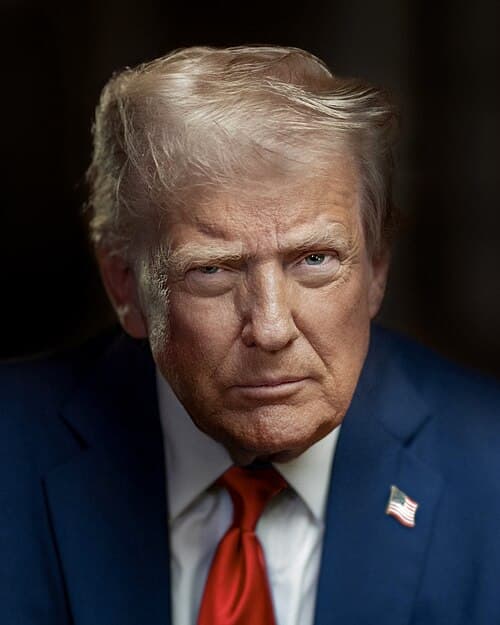
Donald Trump
PERSON48 w/ Brady·10 w/ the
Supreme Court
ORGANIZATION42 w/ Brady·16 w/ the
MW
Martin Weinberg
PERSON45 w/ Brady·12 w/ the