Back to Network







5
Shared Docs
5
Same-Page
5 / 5
Mentions
Document Mentions (5 shared documents)
2 mentions1 same-page
Page ?Same page
party to the litigation, which this case does not. Second, Mohawk was concerned with an interlocutory appeal under the collateral order doctrine of Cohen v. Beneficial Indus. Loan Corp., 337 U.S. 541 (1949), not with the Perlman exception to the final judgment rule; indeed, it did not so much as ment
ntiality in their settlement/plea communications with the government and their concomitant protection from disclosure to the plaintiffs. See, e.g., Ross v. City of Memphis, 423 F.3d 596, 599 (6th Cir. 2007)(Perlman jurisdiction "does not depend on the validity of the appellant's underlying claims for relief'); Gill v.
2 mentions1 same-page
Page ?Same page
final orders that are immediately appealable. Id. Five notable exceptions to this rule exist: the Perlman doctrine; the collateral-order doctrine, Cohen v. Beneficial Indus. Loan Corp., 337 U.S. 541, 69 S. Ct. 1221 (1949); a certification provided by statute, 28 U.S.C. § 1292(b); a petition for a wr
the privilege asserted by appellants is without a basis in Florida law" and that appellants "have no privilege of nondisclosure under state law"); Ross v. City of Memphis, 423 F.3d 596,599 (6th Cir. 2005) ("[Perlman] jurisdiction does not depend on the validity of the appellant's underlying claims for relief."); see
2 mentions1 same-page
Page ?Same page
party to the litigation, which this case does not. Second, Mohawk was concerned with an interlocutory appeal under the collateral order doctrine of Cohen v. Beneficial Indus. Loan Corp., 337 U.S. 541 (1949), not with the Perlman exception to the final judgment rule; indeed, it did not so much as ment
ntiality in their settlement/plea communications with the government and their concomitant protection from disclosure to the plaintiffs. See, e.g., Ross v. City of Memphis, 423 F.3d 596, 599 (6th Cir. 2007)(Perlman jurisdiction "does not depend on the validity of the appellant's underlying claims for relief'); Gill v.
Sponsored
2 mentions1 same-page
Page ?Same page
party to the litigation, which this case does not. Second, Mohawk was concerned with an interlocutory appeal under the collateral order doctrine of Cohen v. Beneficial Indus. Loan Corp., 337 U.S. 541 (1949), not with the Perlman exception to the final judgment rule; indeed, it did not so much as ment
ntiality in their settlement/plea communications with the government and their concomitant protection from disclosure to the plaintiffs. See, e.g., Ross v. City of Memphis, 423 F.3d 596, 599 (6th Cir. 2007)(Perlman jurisdiction "does not depend on the validity of the appellant's underlying claims for relief'); Gill v.
Sponsored
Mutual Connections (52)
Entities connected to both Michael Cohen and Ross v. City of Memphis
Jeffrey Epstein
PERSON3,053 w/ Michael·5 w/ Ross
LB
Leon Black
PERSON790 w/ Michael·4 w/ Ross
United States
LOCATION383 w/ Michael·5 w/ Ross
MW
Martin Weinberg
PERSON253 w/ Michael·3 w/ Ross
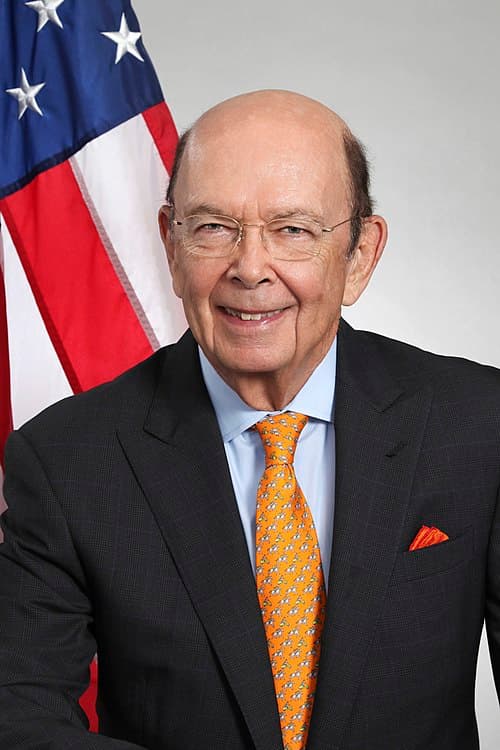
Wilbur Ross
PERSON171 w/ Michael·5 w/ Ross
Scarlett Johansson
PERSON167 w/ Michael·2 w/ Ross
RU
Rubin
PERSON137 w/ Michael·2 w/ Ross
Bradley Cooper
PERSON112 w/ Michael·2 w/ Ross
JD
Jane Doe
PERSON101 w/ Michael·5 w/ Ross
O'
O'Brien
PERSON81 w/ Michael·5 w/ Ross
Kenneth Marra
PERSON64 w/ Michael·4 w/ Ross
JG
Jack Goldberger
PERSON62 w/ Michael·2 w/ Ross
Alberto Gonzales
PERSON58 w/ Michael·4 w/ Ross
NM
Nadia Marcinkova
PERSON40 w/ Michael·4 w/ Ross
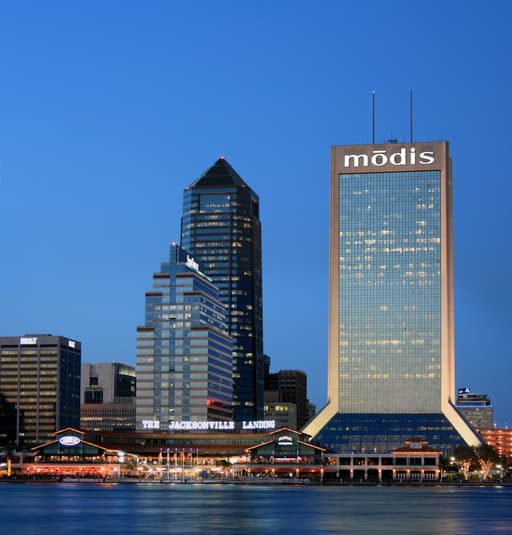
Jacksonville
LOCATION38 w/ Michael·2 w/ Ross
RB
Roy Black
PERSON32 w/ Michael·3 w/ Ross
Carpenter
PERSON28 w/ Michael·5 w/ Ross
DI
Dickson
PERSON19 w/ Michael·5 w/ Ross
PE
Perlman
PERSON16 w/ Michael·5 w/ Ross
SW
Sweeney
PERSON15 w/ Michael·4 w/ Ross