Back to Network









10
Shared Docs
10
Same-Page
10 / 15
Mentions
Document Mentions (10 shared documents)
3 mentions1 same-page
Page ?Same page
mit a revised, more detailed log. See N.L.R.B. I. Jackson Hosp. Corp., 257 F.R.D. 302, 307 (D.D.C. 2009) (
Courts tread lightly where prosecutorial discretion is concerned because "the decision to prosecute is particularly ill-suited to judicial review." Wayte, 470 U.S. at 607; see also 35 Geo. L.J. Ann. Rev. Crim. Proc. 203, 203 n.648 (2006). "Such factors as the strength of the case, the prosecution's ge
ts are [not] competent to undertake" the kind of analysis necessary to assess the "strength of the case" for or against any particular prosecution. Wayte, 470 U.S. at 607; see also United States I. Armstrong, 517 U.S. 456, 465 (1996) (Judicial deference to prosecutors' decisions "rests in part on an a
3 mentions1 same-page
Page ?Same page
it a revised, more detailed log. See N.L.R.B. v. Jackson Hosp. Corp., 257 F.R.D. 302, 307 (D.D.C. 2009) (c
made an inexplicably poor decision when it decided not to prosecute Epstein. "[T]he Government retains 'broad discretion' as to whom to prosecute." Wayte v. United States, 470 U.S. 598, 607, 105 S. Ct. 1524, 84 L. Ed. 2d 547 (1985). The CVRA incorporates this principle, providing that "[n]othing in t
Courts tread lightly where prosecutorial discretion is concerned because "the decision to prosecute is particularly ill-suited to judicial review." Wayte, 470 U.S. at 607; see also 35 Geo. L.J. Ann. Rev. Crim. Proc. 203, 203 n.648 (2006). "Such factors as the strength of the case, the prosecution's g
3 mentions1 same-page
Page ?Same page
mit a revised, more detailed log. See N.L.R.B. v. Jackson Hosp. Corp., 257 F.R.D. 302, 307 (D.D.C. 2009) (
made an inexplicably poor decision when it decided not to prosecute Epstein. "[T]he Government retains 'broad discretion' as to whom to prosecute." Wayte v. United States, 470 U.S. 598, 607 (1985). The CVRA incorporates this principle, providing that In]othing in this chapter shall be construed to im
ts are [not] competent to undertake" the kind of analysis necessary to assess the "strength of the case" for or against any particular prosecution. Wayte, 470 U.S. at 607; see also United States v. Armstrong, 517 U.S. 456, 465 (1996) (Judicial deference to prosecutors' decisions "rests in part on an a
Sponsored
3 mentions1 same-page
Page ?Same page
mit a revised, more detailed log. See N.L.R.B. v. Jackson Hosp. Corp. 257 F.R.D. 302, 307 (D.D.C. 2009) (c
ts are [not] competent to undertake" the kind of analysis necessary to assess the "strength of the case" for or against any particular prosecution. Wayte, 470 U.S. at 607; see also United States v. Armstrong, 517 U.S. 456, 465 (1996) (Judicial deference to prosecutors' decisions "rests in part on an a
made an inexplicably poor decision when it decided not to prosecute Epstein. "(T]he Government retains `broad discretion' as to whom to prosecute." Wayte v. United States, 470 U.S. 598, 607 (1985). The CVRA incorporates this principle, providing that Irdothing in this chapter shall be construed to im
3 mentions1 same-page
Page ?Same page
complete bar to all claims arising from the marriage and barred the wife's claims to assets based on tort and contract theories. Id. at 1164 & n.4; Jackson v. Bellsouth Telecommunications, 372 F.3d at 1278-79 (interpreting Florida law and barring Plaintiff's claims based on "the unequivocal terms of th
nce value, the Government's 42 EFTA00299062 enforcement priorities, and the case's relationship to the Government's overall enforcement plan..." Wayte v. United States, 470 U.S. 598, 607 (1985). As such, the decision to prosecute is "particularly ill-suited to judicial review." Id. "Few subjects ar
ervices B. Y., 818 F.3d 733, 741 (D.C.Cir. 2016), quoting Newman v United States, 382 F.2d 479, 480 (D.C.Cir. 1967). As the Supreme Court noted in Wayte, "[j]udicial supervision in this area, moreover, entails systemic costs of particular concern. Examining the basis of a prosecution delays the crim
2 mentions1 same-page
Page ?Same page
2003 WL 1903349 (S.D. Ind. 2003), the United States filed its answer in a Federal Tort Claims Act case, in which it admitted that a physician, Dr. Jackson, was an employee of the Veterans Administration at the time he treated the plaintiff Sulkoff. Subsequently, the United States Attorney's Office beca
his constitutional responsibility to 'take Care that the Laws be faithfully executed.' United States v. Armstrong, 517 U.S. 456, 464 (1996) (quoting Wayte v. United States, 470 U.S. 598, 607 (1985); quoting U.S. Const., Art. II § 3; citing 28 U.S.C. §§ 516, 547). This broad discretion rests largely on
Sponsored
2 mentions1 same-page
Page ?Same page
, 2003 WL 1903349 (S.D. Ind. 2003), the United States filed its answer in a Federal Tort Claims Act case, in which it admitted that a physician, Dr. Jackson, was an employee of the Veterans Administration at the time he treated the plaintiff Sulkoff. Subsequently, the United States Attorney's Office bec
al responsibility to `take Care that the EFTA00208520 Laws be faithfully executed.'" United States v. Armstrong, 517 U.S. 456, 464 (1996) (quoting Wayte v. United States , 470 U.S. 598, 607 (1985); quoting U.S. Const., Art. II § 3; citing 28 U.S.C. §§ 516, 547). This broad discretion rests largely o
2 mentions1 same-page
Page ?Same page
2003 WL 1903349 (S.D. Ind. 2003), the United States filed its answer in a Federal Tort Claims Act case, in which it admitted that a physician, Dr. Jackson, was an employee of the Veterans Administration at the time he treated the plaintiff Sulkoff. Subsequently, the United States Attorney's Office beca
his constitutional responsibility to 'take Care that the Laws be faithfully executed.' United States v. Armstrong, 517 U.S. 456, 464 (1996) (quoting Wayte v. United States, 470 U.S. 598, 607 (1985); quoting U.S. Const., Art. II § 3; citing 28 U.S.C. §§ 516, 547). This broad discretion rests largely on
2 mentions1 same-page
Page ?Same page
mit a revised, more detailed log. See N.L.R.B. v. Jackson Hosp. Corp., 257 F.R.D. 302, 307 (D.D.C. 2009) (
made an inexplicably poor decision when it decided not to prosecute Epstein. "[T]he Government retains `broad discretion' as to whom to prosecute." Wayte v. United States 470 U.S. 598, 607 (1985). The CVRA incorporates this principle, providing that InJothing in this chapter shall be construed to imp
Sponsored
2 mentions1 same-page
Page ?Same page
2003 WL 1903349 (S.D. lad. 2003), the United States filed its answer in a Federal Tort Claims Act case, in which it admitted that a physician, Dr. Jackson, was an employee of the Veterans Administration at the time he treated the plaintiff Sulkoff. Subsequently, the United States Attorney's Office beca
is constitutional responsibility to `take Care that the Laws be faithfully executed.'" United States v. Armstrong, 517 U.S. 456, 464 (1996) (quoting Wayte v. Untied States, 470 U.S. 598, 607 (1985); quoting U.S. Const., Art. II § 3; citing 28 U.S.C. §§ 516, 547). This broad discretion rests largely on
Sponsored
Mutual Connections (282)
Entities connected to both Michael Jackson and Wayte
Jeffrey Epstein
PERSON1,344 w/ Michael·17 w/ Wayte
Prince Andrew
PERSON457 w/ Michael·8 w/ Wayte
George W. Bush
PERSON445 w/ Michael·9 w/ Wayte
United States
LOCATION377 w/ Michael·17 w/ Wayte
LB
Leon Black
PERSON326 w/ Michael·13 w/ Wayte
Donald Trump
PERSON331 w/ Michael·4 w/ Wayte
Julie K. Brown
PERSON331 w/ Michael·2 w/ Wayte
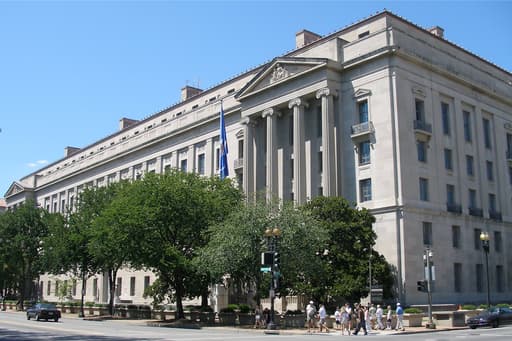
Department of Justice
ORGANIZATION306 w/ Michael·12 w/ Wayte
Virginia Giuffre
PERSON264 w/ Michael·2 w/ Wayte
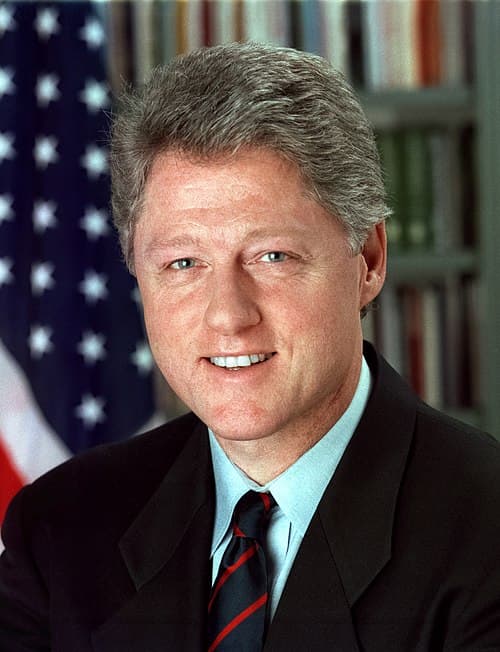
Bill Clinton
PERSON244 w/ Michael·3 w/ Wayte
Eric Trump
PERSON240 w/ Michael·5 w/ Wayte
ET
Emmy Taylor
PERSON234 w/ Michael·8 w/ Wayte
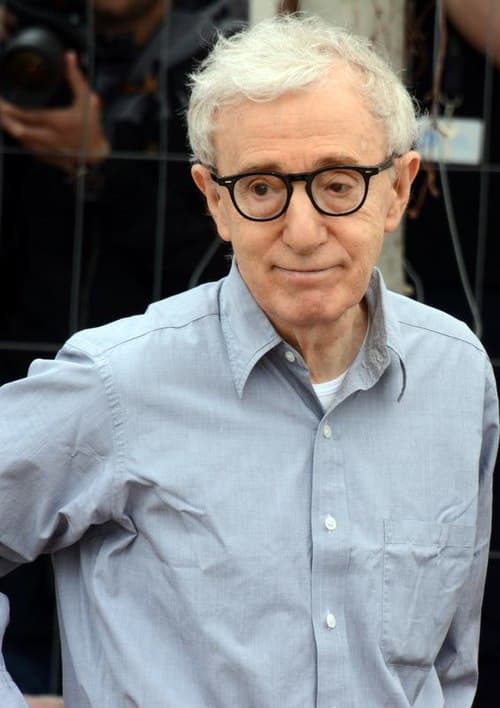
Woody Allen
PERSON239 w/ Michael·3 w/ Wayte
Scarlett Johansson
PERSON231 w/ Michael·7 w/ Wayte
New York
LOCATION226 w/ Michael·3 w/ Wayte
Marc Rich
PERSON222 w/ Michael·3 w/ Wayte
Michael Douglas
PERSON199 w/ Michael·6 w/ Wayte
MF
Maria Farmer
PERSON192 w/ Michael·7 w/ Wayte
Samantha Power
PERSON194 w/ Michael·2 w/ Wayte
Paul Ryan
PERSON191 w/ Michael·4 w/ Wayte