Back to Network













5
Shared Docs
5
Same-Page
5 / 5
Mentions
Document Mentions (5 shared documents)
2 mentions1 same-page
Page ?Same page
hearing a favorite uncle or grandfather. The narrative wasn't a speech so much as a musing. But his essential point was both clear and contrarian: The United States' strength in the world is its values, not its military power. It remains strong because it is a nation characterized by "giving, not taking." The U
peace. Peres's gentle demeanor contrasted with the implacable, bulldozer style of other members of the founding generation, from Yitzhak Rabin and Golda Meir to Ariel Sharon and Menachem Begin. Peres sometimes seemed the bridesmaid at the Israeli political wedding, never quite achieving the status
2 mentions1 same-page
Page ?Same page
has started back home.” Her boss was Motta Gur, who was by now Israel’s military attaché in Washington and was my nominal commander for my period in the United States. “I need to talk to Motta,” I said. She passed him the phone. “I want you to know I’m going back,” I told him. Motta’s reply took my mind back 15 mon
re were nearly 100 missile sites in the “prohibited” zone, giving the Egyptians control of 20 miles or more of the airspace on our side of the canal. Golda was incensed. So was Bar-Lev. But there was no way, and no will, to reopen the fighting and force Nasser to move the missiles back. The cease-fire t
2 mentions1 same-page
Page ?Same page
des that it was likely to go wrong. Not only were the aides right. Assad had ended up delivering an extraordinary personal rebuff to the President of the United States. Now, I was again asking President Clinton for a summit, and I knew Madeleine Albright, Dennis Ross and others would be highly sceptical. “I understa
ve the political experience in war that none of Olmert’s other ministers could offer. He’d been by Ben-Gurion’s side during the 1956 war, had been in Golda’s government in 1967, and was Defense Minister after the 1973 war, through Entebbe, until Begin’s defeated Labor in the 1977 election. Despite our ow
Sponsored
2 mentions1 same-page
Page ?Same page
has started back home." Her boss was Motta Gur, who was by now Israel's military attaché in Washington and was my nominal commander for my period in the United States. "I need to talk to Motta," I said. She passed him the phone. "I want you to know I'm going back," I told him. Motta's reply took my mind back 15 mon
re were nearly 100 missile sites in the "prohibited" zone, giving the Egyptians control of 20 miles or more of the airspace on our side of the canal. Golda was incensed. So was Bar-Lev. But there was no way, and no will, to reopen the fighting and force Nasser to move the missiles back. The cease-fire to
2 mentions1 same-page
Page ?Same page
des that it was likely to go wrong. Not only were the aides right. Assad had ended up delivering an extraordinary personal rebuff to the President of the United States. Now, I was again asking President Clinton for a summit, and I knew Madeleine Albright, Dennis Ross and others would be highly sceptical. "I understa
ve the political experience in war that none of Olmert's other ministers could offer. He'd been by Ben-Gurion's side during the 1956 war, had been in Golda's government in 1967, and was Defense Minister after the 1973 war, through Entebbe, until Begin's defeated Labor in the 1977 election. Despite our ow
Sponsored
Mutual Connections (505)
Entities connected to both United States and Golda
George W. Bush
PERSON2,223 w/ United·5 w/ Golda
LB
Leon Black
PERSON927 w/ United·2 w/ Golda
John F. Kennedy
PERSON829 w/ United·4 w/ Golda
Bill Clinton
PERSON528 w/ United·3 w/ Golda
Virginia Giuffre
PERSON474 w/ United·5 w/ Golda
Barack Obama
PERSON419 w/ United·3 w/ Golda
Michael Cohen
PERSON383 w/ United·4 w/ Golda
Stephen Hawking
PERSON342 w/ United·2 w/ Golda
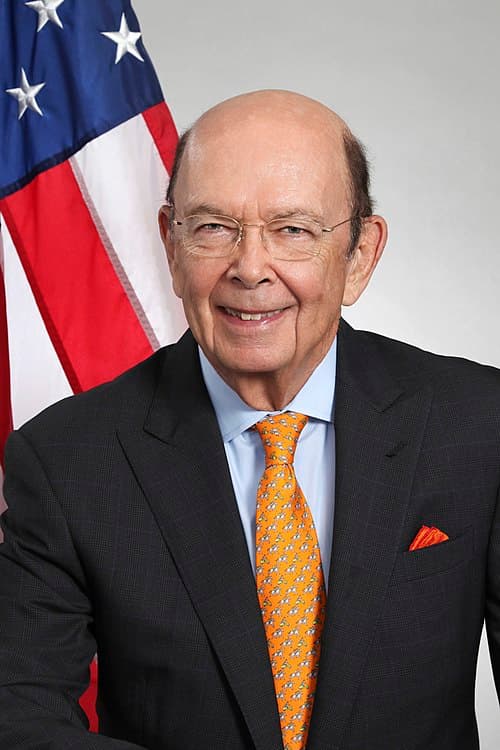
Wilbur Ross
PERSON269 w/ United·2 w/ Golda
CW
Courtney Wild
PERSON261 w/ United·2 w/ Golda
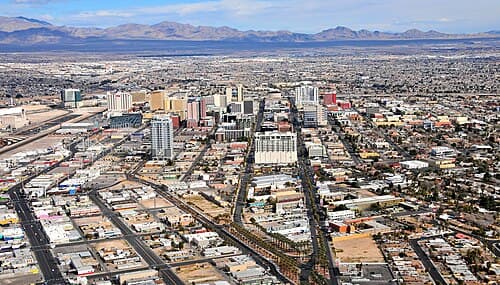
Las Vegas
LOCATION238 w/ United·2 w/ Golda
Hillary Clinton
PERSON218 w/ United·3 w/ Golda
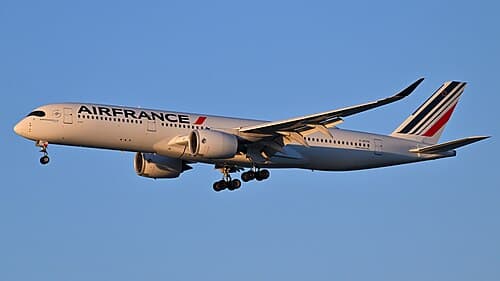
Air France
ORGANIZATION211 w/ United·2 w/ Golda
Benjamin Netanyahu
PERSON203 w/ United·5 w/ Golda
Lebanon
LOCATION185 w/ United·5 w/ Golda
South
LOCATION180 w/ United·2 w/ Golda
Bashar al-Assad
PERSON171 w/ United·3 w/ Golda
Ronald Reagan
PERSON145 w/ United·2 w/ Golda
Jerusalem
LOCATION127 w/ United·4 w/ Golda
Cairo
LOCATION128 w/ United·2 w/ Golda