Back to Network

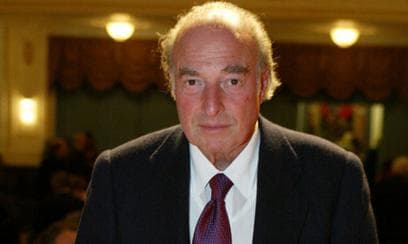
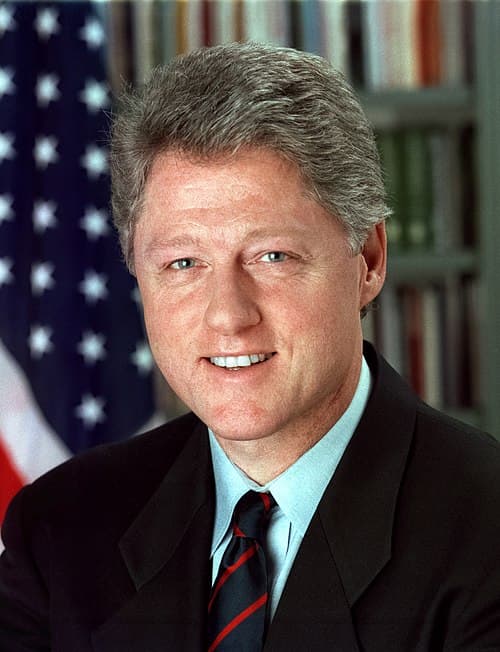
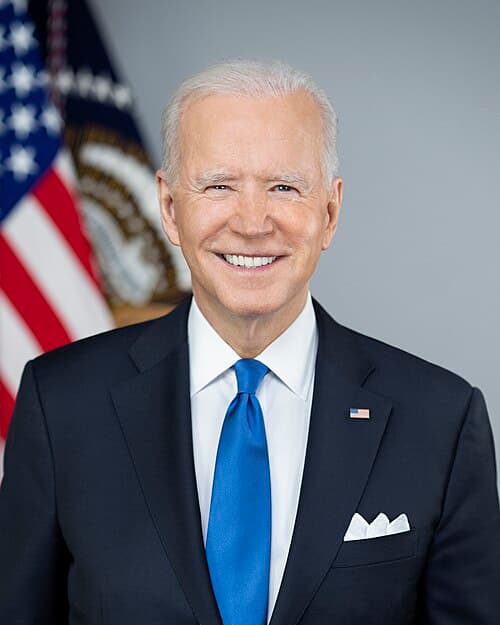



8
Shared Docs
8
Same-Page
9 / 8
Mentions
Document Mentions (8 shared documents)
3 mentions1 same-page
Page ?Same page
etween Donald Trump and Hollywood reporter Billy Bush. However, coverage was virtually nil of Bill and
ddress: 090-44-XXXX (917) 573-7604 Medium L.A.W. PLANTATION MANAGEMENT CORP. EPSTEIN, JEFFREY E
"it is essential that a lawyer work with a certain r 161 degree of privacy, free from unnecessary intrusion by opposing parties and their counsel." Hickman v. Taylor, 329 U.S. 495, 510, 67 S. Ct. 385, 91 L. Ed. 451 (1947). The privilege is codified at Federal Rule of Civil Procedure 26(b)(3): Ordinarily, a part
2 mentions1 same-page
Page ?Same page
n planning a fraud, no privilege exists. Charles W. Ehrhardt, Florida Evidence § 502.7 (2000). The co
Court is governed by the basic mantra that the work-product doctrine is not absolute. Even the seminal case establishing the work-product doctrine, Hickman v. Taylor, recognized the doctrine's limits: We do not mean to say that all written materials obtained or prepared by an adversary's counsel with an eye tow
2 mentions1 same-page
Page ?Same page
08/05/2013 Page: 14 of 75 Wa. R. Evid. 410 42 W. Va. R. Evid. 410 42 Wisc. Stat. Ann. §904.10 4
rials prepared by an attorney `acting for his client in anticipation of litigation,"' United States v. Nobles, 422 U.S. 225, 237-38 (1975), quoting Hickman v. Taylor, 329 U.S. 495, 508 (1947), which applies in both civil and criminal litigation: Although the work-product doctrine most frequently is asserted as a
Sponsored
2 mentions1 same-page
Page ?Same page
hold 40,000 books); see also In re Search of 3817 W. West.End, 321 F. Supp.2d 953, 959 (ND. Ill. 2004
oenas violate the work-product doctrine, as well as Mr. Epstein's Fifth Amendment right to due process and his Sixth Amendment right to counsel. In Hickman v. Taylor,. 329 U.S. 495, 510-11 (1947), the Supreme Court recognized the modem work- product doctrine, holding that: (flu performing his various duties, how
2 mentions1 same-page
Page ?Same page
1349 (quoting Douglas Oil Co. v. Petrol Stops N.W., 441 U.S. 211, 223 (1979)). Whether proceeding u
that "it is essential that a lawyer work with a certain degree of privacy, free from unnecessary intrusion by opposing parties and their counsel." Hickman v. Taylor, 329 U.S. 495, 510 (1947). The privilege is codified at Federal Rule of Civil Procedure 26(b)(3): Ordinarily, a party may not discover documents an
2 mentions1 same-page
Page ?Same page
1349 (quoting Douglas Oil Co. v. Petrol Stops N.W., 441 U.S. 211, 223 (1979)). Whether proceeding u
that "it is essential that a lawyer work with a certain degree of privacy, free from unnecessary intrusion by opposing parties and their counsel." Hickman v. Taylor, 329 U.S. 495, 510 (1947). The privilege is codified at Federal Rule of Civil Procedure 26(b)(3): Ordinarily, a party may not discover documents an
Sponsored
2 mentions1 same-page
Page ?Same page
1349 (quoting Douglas Oil Co. v. Petrol Stops N.W., 441 U.S. 211, 223 (1979)). Whether proceeding u
that "it is essential that a lawyer work with a certain degree of privacy, free from unnecessary intrusion by opposing parties and their counsel." Hickman v. Taylor, 329 U.S. 495, 510 (1947). The privilege is codified at Federal Rule of Civil Procedure 26(b)(3): Ordinarily, a party may not discover documents an
2 mentions1 same-page
Page ?Same page
hold 40,000 books); see also In re Search of 3817 W. West End, 321 F. Supp.2d 953.959 (N.D. Ill. 2004
oenas violate the work-product doctrine, as well as Mr. Epstein's Fifth Amendment right to due process and his Sixth Amendment right to counsel. In Hickman v. Taylor, 329 U.S. 495, 510-11 (1947), the Supreme Court recognized the modern work- product doctrine, holding that: [lin performing his various duties, how
Sponsored
Mutual Connections (182)
Entities connected to both George W. Bush and Hickman v. Taylor
Jeffrey Epstein
PERSON5,075 w/ George·12 w/ Hickman
United States
LOCATION2,223 w/ George·10 w/ Hickman
Prince Charles
PERSON1,166 w/ George·2 w/ Hickman
Donald Trump
PERSON954 w/ George·3 w/ Hickman
Bradley Edwards
PERSON907 w/ George·4 w/ Hickman
LB
Leon Black
PERSON901 w/ George·7 w/ Hickman
Alan Dershowitz
PERSON865 w/ George·4 w/ Hickman
Marc Rich
PERSON853 w/ George·3 w/ Hickman
Bill Clinton
PERSON800 w/ George·2 w/ Hickman
Joe Biden
PERSON770 w/ George·2 w/ Hickman
Julie K. Brown
PERSON750 w/ George·2 w/ Hickman
JG
Jack Goldberger
PERSON704 w/ George·5 w/ Hickman
Department of Justice
ORGANIZATION689 w/ George·4 w/ Hickman
MF
Maria Farmer
PERSON680 w/ George·3 w/ Hickman
JD
Jane Doe
PERSON593 w/ George·7 w/ Hickman
Kenneth Marra
PERSON562 w/ George·9 w/ Hickman
Virginia Giuffre
PERSON499 w/ George·2 w/ Hickman
Scarlett Johansson
PERSON487 w/ George·3 w/ Hickman
the Southern District
LOCATION475 w/ George·6 w/ Hickman
Wilbur Ross
PERSON478 w/ George·2 w/ Hickman