Back to Network

















5
Shared Docs
1
Same-Page
8 / 5
Mentions
Document Mentions (5 shared documents)
3 mentions1 same-page
Page ?Same page
burger were also in Beijing for talks with Chinese leaders and that the two had made an earlier secret trip in July, soon after the crackdown. As the Bush administration had publicly promised Congress that all such contacts would end, the staff delegates’ anger at and criticism of China’s repression was
s of Andrew Carnegie, John D. Rockefeller, Andrew W. Mellon, and Henry Ford) began to endow private no
(R-TX) and others, the university declined the grant.¥ CUSEF grants have generally gone to leading US think tanks, such as the Brookings Institution, the Carnegie Endowment for International Peace, and the Asia Society. There have not yet been many offers by Chinese donors—private, corporate, or government—to fund faculty positions or centers
Page HOUSE_OVERSIGHT_026560
were surely better than when he visited President George W. Bush at the White House in 2008. It was not without re
Page: HOUSE_OVERSIGHT_026560 →y better than when he visited President George W. Bush at the White House in 2008. It was not without re
Page: HOUSE_OVERSIGHT_026560 →Page HOUSE_OVERSIGHT_026562
shelf-life, a regime that sees women's hair as an existential threat is already well past its sell-by date. Karim Sadjadpour is senior associate at the Carnegie Endowment for International Peace. HOUSE_OVERSIGHT_026562
Page: HOUSE_OVERSIGHT_026562 →Page HOUSE_OVERSIGHT_030041
a and presidential envoy to Iraq in the George W. Bush administration. HOUSE_OVERSIGHT_030040 --- PAGE
Page: HOUSE_OVERSIGHT_030041 →on Foreign Relations. He served as deputy national security adviser for strategic planning, ambassador to India and presidential envoy to Iraq in the George W. Bush administration. HOUSE_OVERSIGHT_030040 --- PAGE BREAK --- 12 Article 3. The Financial Times Libya, a last hurrah for the west Gideon Rachman March
Page: HOUSE_OVERSIGHT_030041 →Page HOUSE_OVERSIGHT_030050
ument. Nathan Brown is a professor of political science and international affairs at George Washington University and a nonresident senior scholar at the Carnegie Endowment for International Peace. HOUSE_OVERSIGHT_030049 --- PAGE BREAK --- 21 Article 6. NYT Arabs Will Be Free Roger Cohen March 28, 2011 -- Three Middle Eastern countries have b
Page: HOUSE_OVERSIGHT_030050 →Sponsored
Page ?
ose allies. Henri Barkey is a visiting fellow at the Carnegie Endowment for International Peace and a professor of international relations at Leh
Page HOUSE_OVERSIGHT_025023
e, the State Department poured hundreds of millions into a new public- diplomacy initiative, overseen by former ad executive Charlotte Beers and then Bush communications czar Karen Hughes. In short order came Radio Sawa (“together’’), television’s Alhurra (“the free one’’) and Hi Magazine (named for the
Page: HOUSE_OVERSIGHT_025023 →Page HOUSE_OVERSIGHT_030060
13 May, 2011 Article 1. NYT The Tony Awards Roger Cohen Article 2. Project Syndicate Democracy's Dawn in Tunisia and Egypt? Alfred Stepan Article 3. Carnegie Endowment for International Peace A Decade of Struggling Reform Efforts in Jordan (Summary + Conclusion) Marwan Muasher Article 4. Foreign Policy Syria: Too Big to Fail? Aaron David M
Page: HOUSE_OVERSIGHT_030060 →Page HOUSE_OVERSIGHT_030074
bia, are also not at all sure that Syria without Assad would be better than with him. Second, for most U.S. presidents -- Ronald Reagan and George W. Bush being the exceptions -- Syria has served as a kind of unholy diplomatic grail. Since Richard Nixon and Henry Kissinger, U.S. policymakers had viewed
Page: HOUSE_OVERSIGHT_030074 →Sponsored
Mutual Connections (122)
Entities connected to both George W. Bush and the Carnegie Endowment for International Peace
Jeffrey Epstein
PERSON5,075 w/ George·3 w/ the
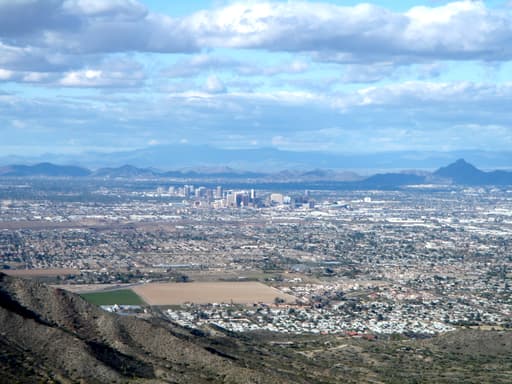
Phoenix
LOCATION3,814 w/ George·2 w/ the
United States
LOCATION2,223 w/ George·7 w/ the
Prince Charles
PERSON1,166 w/ George·2 w/ the
Donald Trump
PERSON954 w/ George·4 w/ the
Alan Dershowitz
PERSON865 w/ George·2 w/ the
Marc Rich
PERSON853 w/ George·3 w/ the
Prince Andrew
PERSON817 w/ George·3 w/ the
Bill Clinton
PERSON800 w/ George·6 w/ the
Department of Justice
ORGANIZATION689 w/ George·3 w/ the
Barack Obama
PERSON635 w/ George·6 w/ the
Samantha Power
PERSON510 w/ George·2 w/ the
Eric Trump
PERSON460 w/ George·2 w/ the
Hillary Clinton
PERSON405 w/ George·4 w/ the
Mao Zedong
PERSON393 w/ George·2 w/ the
Michael Cohen
PERSON366 w/ George·3 w/ the
Jared Kushner
PERSON357 w/ George·2 w/ the
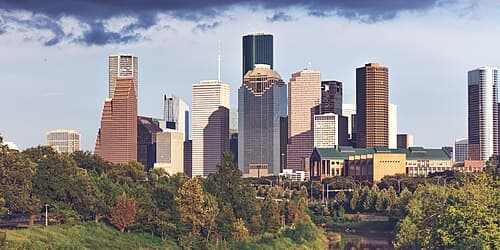
Houston
LOCATION314 w/ George·2 w/ the
Vladimir Putin
PERSON290 w/ George·2 w/ the
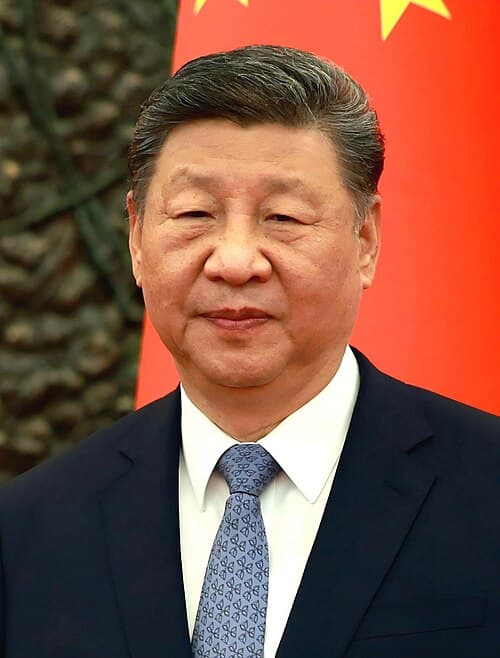
Xi Jinping
PERSON289 w/ George·3 w/ the