Back to Network









5
Shared Docs
5
Same-Page
5 / 5
Mentions
Document Mentions (5 shared documents)
2 mentions1 same-page
Page ?Same page
statute applies only if the defendant's dominant motive for interstate travel was to engage in unlawful sexual activity. See, e.g., United States v. Tvkarsky, 446 F.3d 458, 471 (3d Cir. 2006) ("[T]he government must show that the criminal sexual act was a dominant purpose of the trip, not a merely incide
the legal effect of conduct should ordinarily be assessed under the law that existed when the conduct took place has timeless and universal appeal." Kaiser Alum. & Chem. Corp. v. Bonjorno, 494 U.S. 827, 855 (1990) (Scalia, J., concurring). Id. at 265 (footnote omitted). Courts therefore apply the statute in
Sponsored
2 mentions1 same-page
Page ?Same page
statute applies only if the defendant's dominant motive for interstate travel was to engage in unlawful sexual activity. See, e.g., United States v. Tvkarsky, 446 F.3d 458, 471 (3d Cir. 2006) ("[T]he government must show that the criminal sexual act was a dominant purpose of the trip, not a merely incide
the legal effect of conduct should ordinarily be assessed under the law that existed when the conduct took place has timeless and universal appeal." Kaiser Alum. & Chem. Corp. v. Bonjorno, 494 U.S. 827, 855 (1990) (Scalia, J., concurring). Id. at 265 (footnote omitted). Courts therefore apply the statute in
Sponsored
Mutual Connections (101)
Entities connected to both Tvkarsky and Kaiser Alum
Jeffrey Epstein
PERSON5 w/ Tvkarsky·6 w/ Kaiser
Prince Andrew
PERSON5 w/ Tvkarsky·6 w/ Kaiser
Alan Dershowitz
PERSON5 w/ Tvkarsky·6 w/ Kaiser
George W. Bush
PERSON5 w/ Tvkarsky·6 w/ Kaiser
Alfredo Rodriguez
PERSON5 w/ Tvkarsky·6 w/ Kaiser
JG
Jack Goldberger
PERSON5 w/ Tvkarsky·6 w/ Kaiser
LB
Leon Black
PERSON5 w/ Tvkarsky·6 w/ Kaiser
United States
LOCATION5 w/ Tvkarsky·6 w/ Kaiser
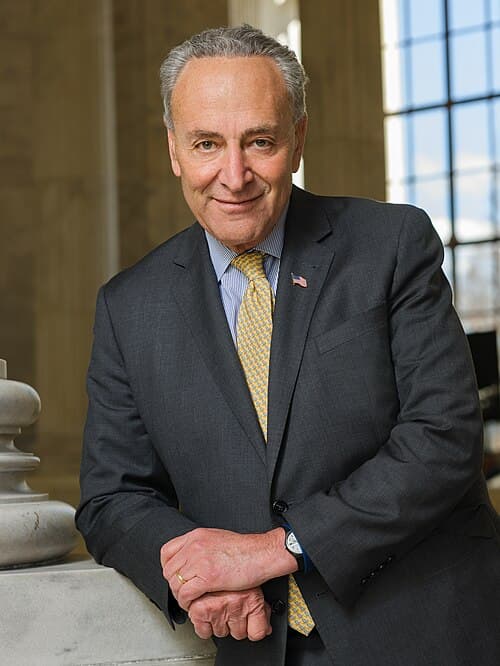
Schumer
PERSON5 w/ Tvkarsky·6 w/ Kaiser
Corley
PERSON5 w/ Tvkarsky·6 w/ Kaiser
Green
PERSON5 w/ Tvkarsky·6 w/ Kaiser
Calder
ORGANIZATION5 w/ Tvkarsky·6 w/ Kaiser
EL
Ellis
PERSON5 w/ Tvkarsky·6 w/ Kaiser
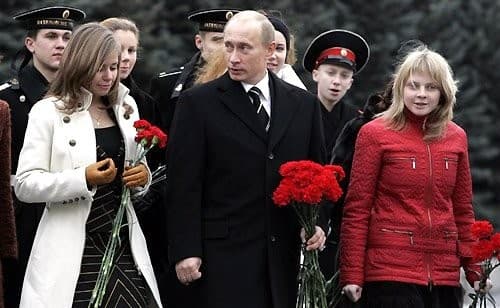
Masha Drokova
PERSON5 w/ Tvkarsky·6 w/ Kaiser
GU
Gustafson
PERSON5 w/ Tvkarsky·6 w/ Kaiser
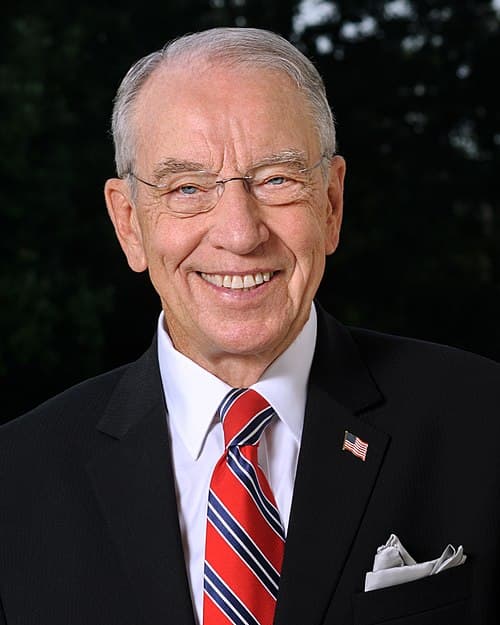
Chuck Grassley
PERSON5 w/ Tvkarsky·6 w/ Kaiser
Ashcroft
PERSON5 w/ Tvkarsky·6 w/ Kaiser
Scarlett Johansson
PERSON5 w/ Tvkarsky·6 w/ Kaiser
MU
Murrell
PERSON5 w/ Tvkarsky·6 w/ Kaiser
Atterbury Goldberger & Weiss
ORGANIZATION5 w/ Tvkarsky·6 w/ Kaiser