Back to Network






5
Shared Docs
5
Same-Page
5 / 5
Mentions
Document Mentions (5 shared documents)
2 mentions1 same-page
Page ?Same page
tion are held by a disinterested party who is likely "to forgo suffering a contempt citation and appealing in favor of disclosure," United States I Krane, 625 F.3d 568, 573 (9th Cir. 2010). As the Seventh Circuit explained about the scope of the Perlman doctrine after Mohawk, "[o]nly when the person
would achieve a `public good transcending the normally predominant principle of utilizing all rational means for ascertaining truth.' Id. (quoting Trammel, 445 U.S. at 50, 100 S. Ct. at 912). The Supreme Court has identified several considerations relevant to whether a court should recognize an eviden
2 mentions1 same-page
Page ?Same page
ion are held by a disinterested party who is likely "to forgo suffering a contempt citation and appealing in favor of disclosure," United States v. Krane, 625 F.3d 568, 573 (9th Cir. 2010). As the Seventh Circuit explained about the scope of the Perlman doctrine after Mohawk, "[o]nly when the person
would achieve a `public good transcending the normally predominant principle of utilizing all rational means for ascertaining truth." Id. (quoting Trammel, 445 U.S. at 50, 100 S. Ct. at 912). The Supreme Court has identified several considerations relevant to whether a court should recognize an eviden
Sponsored
2 mentions1 same-page
Page ?Same page
n, 544 F.2d 791 (5th Cir. 1977) 15, 31 United States v. Knight, 867 F.2d 1285 (11th Cir.), cert. denied, 493 U.S. 846 (1989) 24 United States v. Krane, 625 F.3d 568 (9th Cir. 2010) 50 United States v. Merrill, 685 F.3d 1002 (11th Cir. 2012) 24, 25 *United States v. Mezzanatto, 513 U.S. 196 (1995
r was to provide the courts with the flexibility to develop rules of privilege on a case-by-case basis . . . and to leave the door open to change." Trammel, 445 U.S. at 47 (internal quotation marks omitted). In Jaffee v. Redmond, 518 U.S. 1 (1996), the Supreme Court explored the considerations which g
2 mentions1 same-page
Page ?Same page
tion are held by a disinterested party who is likely "to forgo suffering a contempt citation and appealing in favor of disclosure," United States I Krane, 625 F.3d 568, 573 (9th Cir. 2010). As the Seventh Circuit explained about the scope of the Perlman doctrine after Mohawk, "[o]nly when the person
would achieve a `public good transcending the normally predominant principle of utilizing all rational means for ascertaining truth.' Id. (quoting Trammel, 445 U.S. at 50, 100 S. Ct. at 912). The Supreme Court has identified several considerations relevant to whether a court should recognize an eviden
Sponsored
Mutual Connections (80)
Entities connected to both Krane and Trammel
Jeffrey Epstein
PERSON12 w/ Krane·14 w/ Trammel
United States
LOCATION12 w/ Krane·13 w/ Trammel
LB
Leon Black
PERSON11 w/ Krane·13 w/ Trammel
JD
Jane Doe
PERSON12 w/ Krane·8 w/ Trammel
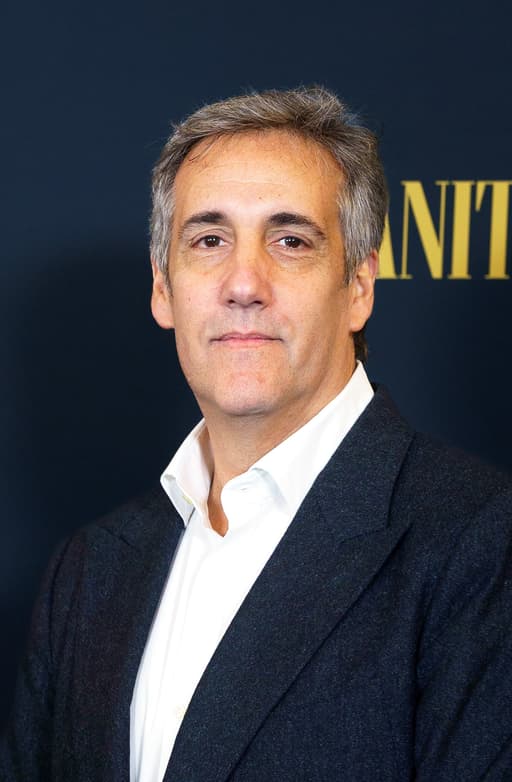
Michael Cohen
PERSON12 w/ Krane·7 w/ Trammel
RB
Roy Black
PERSON10 w/ Krane·9 w/ Trammel
MW
Martin Weinberg
PERSON10 w/ Krane·8 w/ Trammel
DI
Dickson
PERSON12 w/ Krane·5 w/ Trammel
PE
Perlman
PERSON9 w/ Krane·8 w/ Trammel
Loan Corp.
ORGANIZATION12 w/ Krane·5 w/ Trammel
O'
O'Brien
PERSON11 w/ Krane·5 w/ Trammel
OV
Overby
PERSON10 w/ Krane·4 w/ Trammel
Julie K. Brown
PERSON5 w/ Krane·9 w/ Trammel
Carpenter
PERSON9 w/ Krane·5 w/ Trammel
George W. Bush
PERSON4 w/ Krane·9 w/ Trammel
Southern District of New York
ORGANIZATION5 w/ Krane·8 w/ Trammel
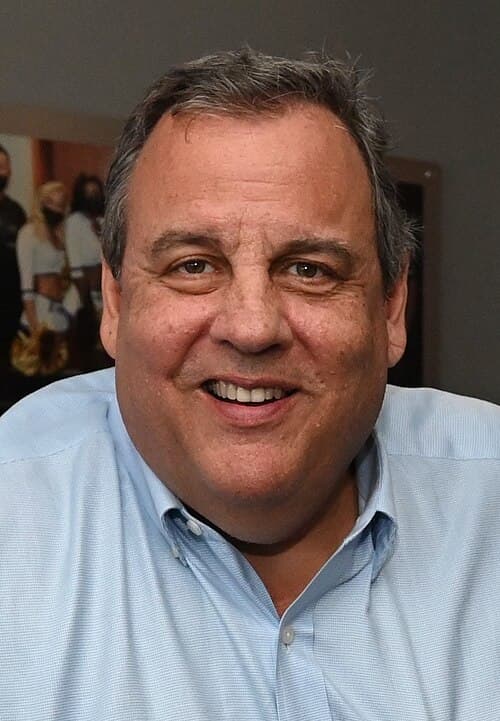
Chris Christie
PERSON6 w/ Krane·7 w/ Trammel
FBI
ORGANIZATION5 w/ Krane·7 w/ Trammel
AD
Adkins
PERSON5 w/ Krane·7 w/ Trammel
Kenneth Marra
PERSON7 w/ Krane·5 w/ Trammel